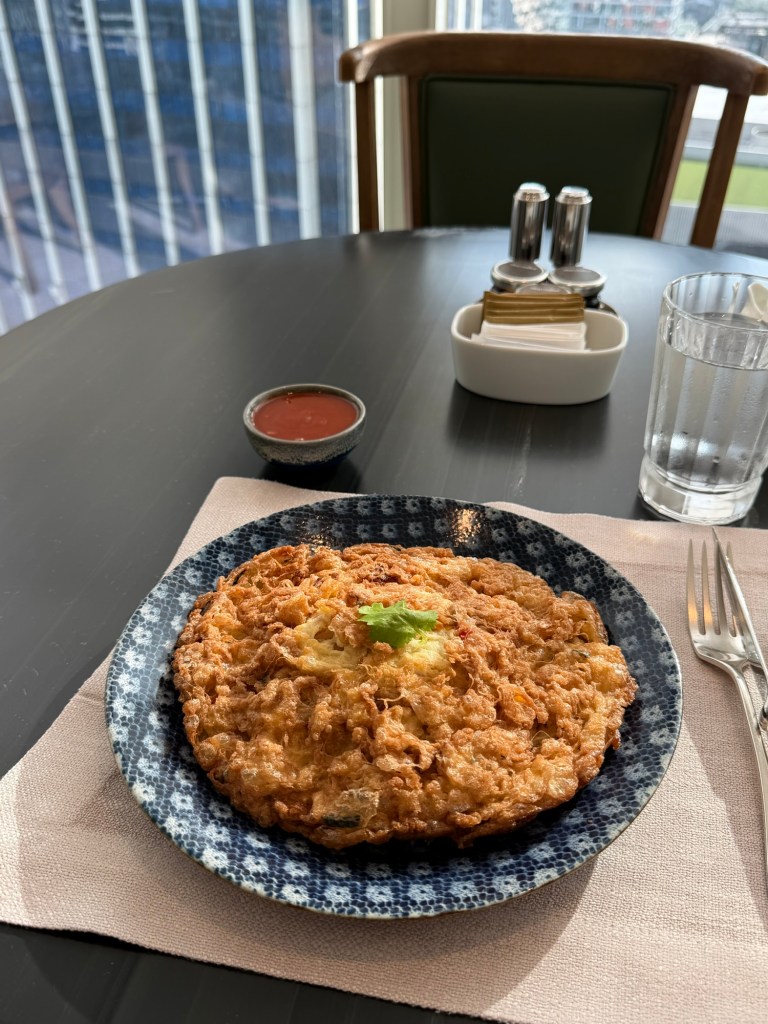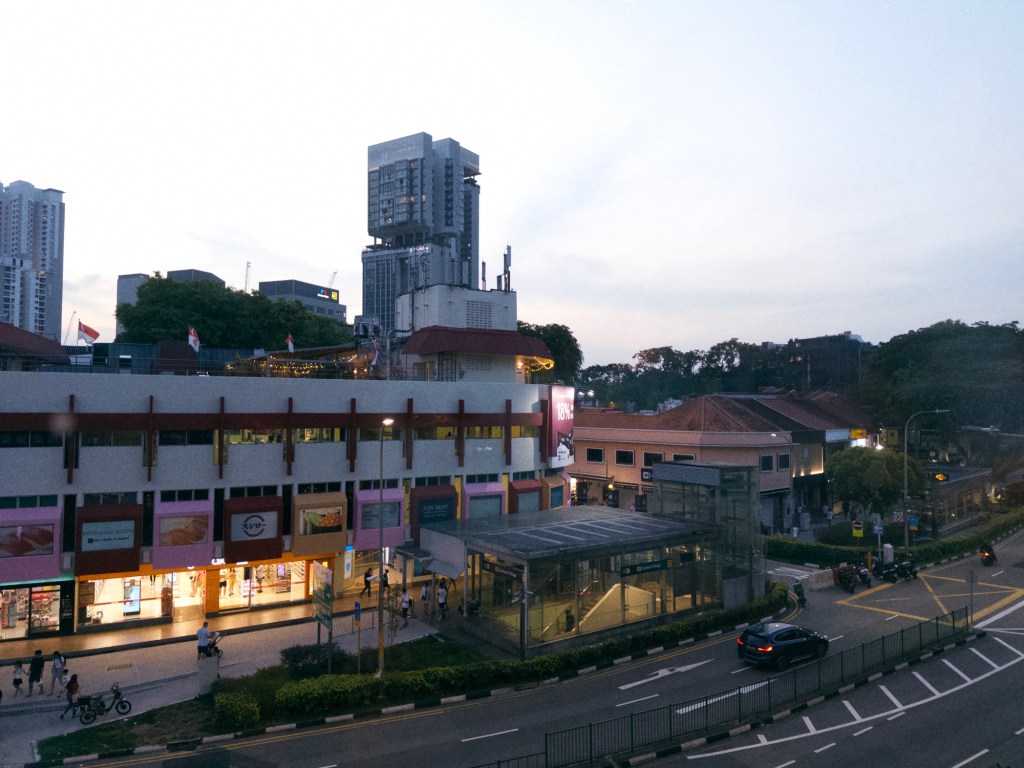
The results from last week’s health screening came back clear of all major issues, so I’ll sleep soundly on that front for a little while at least! The only note was that I could cut back a little on the carbs and saturated fats, which makes me wonder what I’ve done differently since the last test. Could it be… that I was eating more healthily when I went to the office more often? Those downtown mall lunches were more expensive than the kopitiam/hawker fare I get more frequently now, but I didn’t expect them to be healthier. I’ll have to look into this a little more.
It’s no secret that one of the more reliable indicators we’re in a frothy bull market is a rising number of people mistakenly believing they can quit their jobs and live off day trading, and while that wasn’t my plan, I’ve certainly done a touch of it this year. What can I say? Gambling is fun! But then Trump declared another tariff war on China this Friday, troubling markets and triggering major liquidations on some altcoins. I know it was bad out there because my feeds were full of people urging others not to kill themselves. The coming week is probably going to be a very interesting one on Bloomberg, which I expect to have on the TV in the background all day.
That is, if the internet is even working. Our ISP has been struggling with at least two outages this week during waking/working hours. The connection is down right now as I write this bit on Saturday evening, which is surely an unpopular time for the net to go down. I’ll bet someone’s been called in to reboot a server rack somewhere right now. In times like these, I’m thankful for my irrationally large mobile data plan and our local NAS media server. There’s some kind of strategic error being made by governments here. Centralizing all the angry-mob-placating media on the cloud where it can go down in the middle of a crisis? The kind where you tell people to stay indoors and wait? I’ll bet DVDs actually played a role in maintaining law and order in the old days.
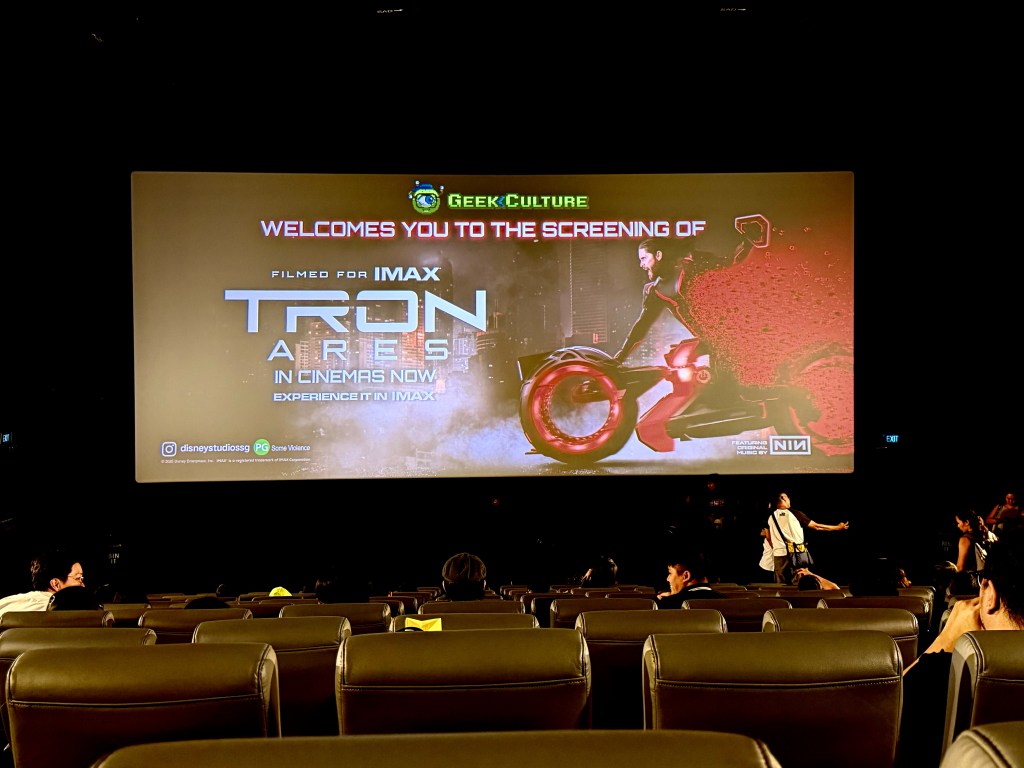
Speaking of shutting down a digital grid, I had the opportunity to see the new Tron: Ares film with Brian the night it premiered and had a great time despite Jared Leto taking the titular role. It’s not a franchise that aims to make sense, or be scrutinized for narrative integrity — it’s about the neon lights, banging electronic music, and videogame-ish eye candy, and this new one delivered on all counts. I can’t even get mad; it really is just a good time as long as the volume’s way up.
Quick aside: I’ve been using Claude more than ChatGPT recently to give it a fair shake, mostly spurred by curiosity after their recent marketing campaign, and honestly? The outputs seem more insightful, more strategic, and it’s a better writer. It feels more my speed, and I’m a new fan.
Still on the topic of digital networks, I got roped into helping start and moderate an online alumni group for the design agency I used to be part of, and we quietly launched it this week. What set this one workplace apart was the feeling of being a truly connected team where, for a brief period in time, absent any territorial agendas or business borders, people could share knowledge across (and even move freely around) the different global offices. And it’s been really nice to see many people say as they join the #introductions channel on our Slack that it remains the best job they ever had. Where does it go from here? I think that depends on how many atypically extroverted designers we can get to foster some sort of social infrastructure.
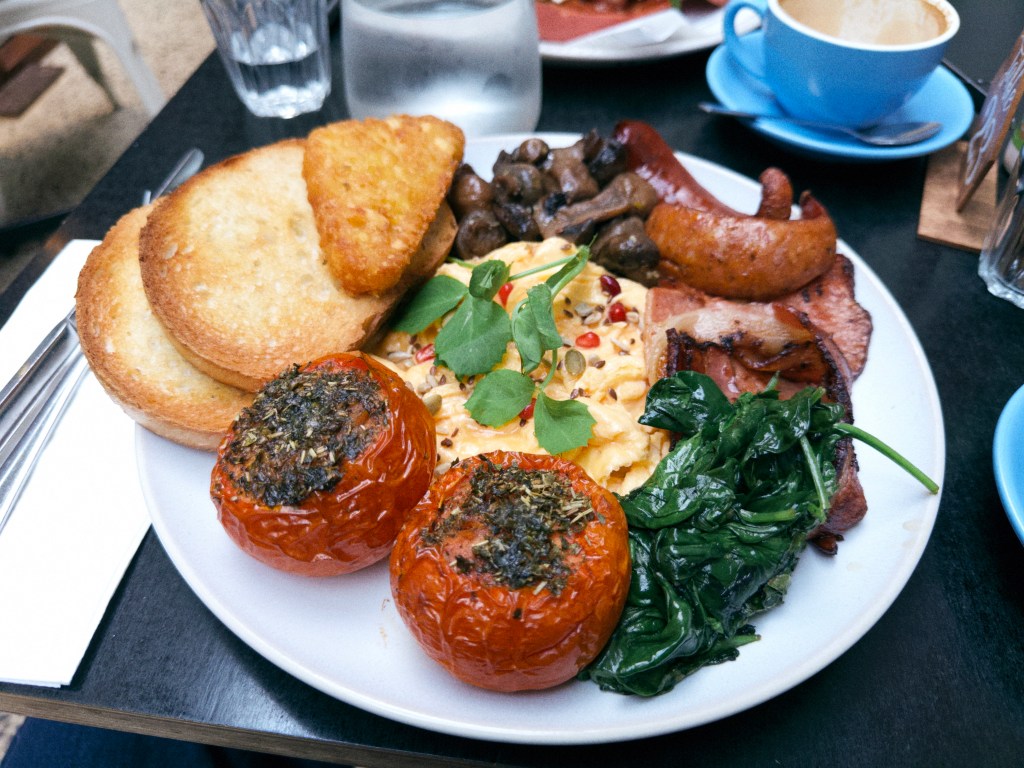
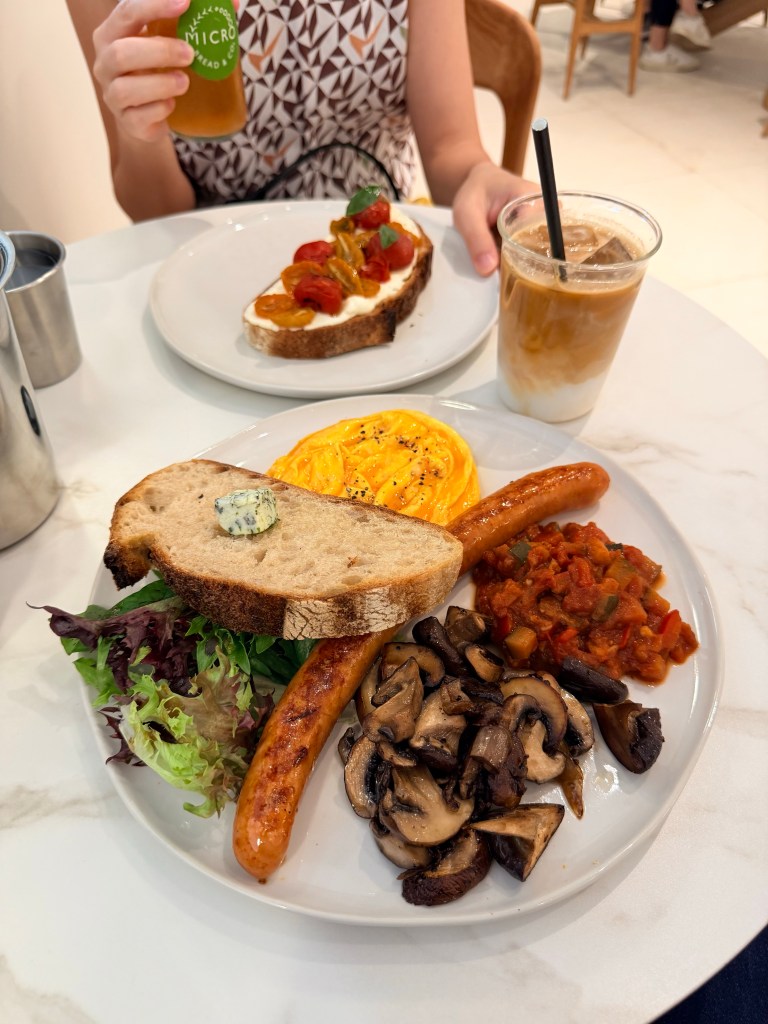
Coincidentally, I met one of those ex-colleagues for an overdue breakfast: our first intern and proper employee in Singapore, who’s also a regular reader of this blog. Hi Xin! I hadn’t seen her in a year, so even after 90 minutes of catching up it still felt like there was lots we didn’t get into. Anyway, you wouldn’t have known it was a random weekday morning from the line waiting to get into the suburban cafe/bakery we chose. Every table was occupied by both foreign and local-looking unemployed bums alike, all enjoying $28 breakfast plates and $18 slices of toasted sourdough topped with avocado. We’re constantly being told local restaurants are barely hanging on, but then you see the brunch scam still going strong and it’s like wha…?
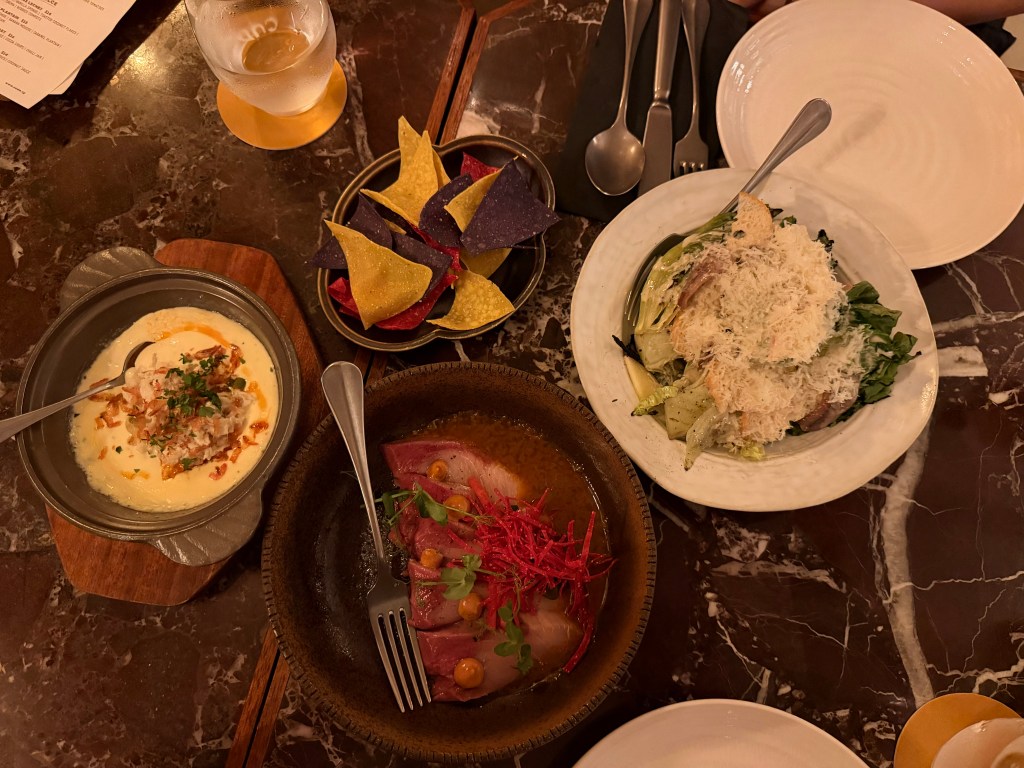
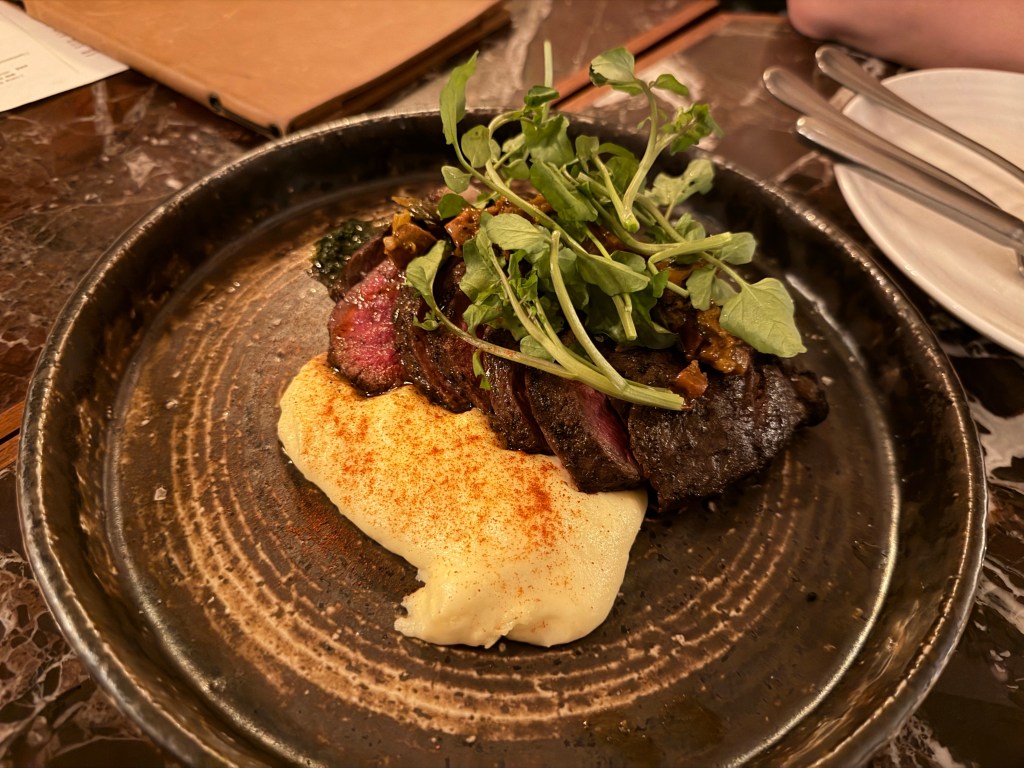
More counterdata was encountered while celebrating a very belated birthday dinner for Kim at Cudo, a South-American-ish sort of restaurant in the Amoy Street area. It was fully packed out (albeit on a Friday night), and I highly recommend them on account of solid tropical cocktails (Bourbon! Coconut! Pineapple!), a really nice selection of starters (Romaine lettuce with blue cheese and anchovies; warm crab queso with tortilla chips; truffley torched yellowtail), and even better mains (wagyu rump; chorizo and ricotta pasta) at pretty palatable prices.
I can afford this baller dining-out lifestyle because I saved a ton of money on the Amazon Prime sales this week (yup it’s #girlmath). I bought replacement razor blades, a physical copy of The Legend of Zelda: Echoes of Wisdom, dental floss, a 1TB microSD Express card (finally!) for my Switch 2, protein bars, LED bulbs, LEUCHTTURM1917 notebooks, and a lifetime supply of Uni-ball Jetstream RT pens — only the best pens ever according to The Wirecutter.
I wasn’t planning to get any of this stuff soon — they’re all things I might have bought eventually. Like the 1TB card to replace the 256GB one in my Switch 2, for example, which I thought I’d upgrade to in maybe a year’s time. This made me realize that on top of driving impulse purchases, these sale events are actually about pulling forward purchases and recording future sales today to juice numbers (at slightly lower margins). Businesses are valued based on expected profits, individuals buy based on expected needs, and I guess I’ve been binging carbs and fat based on expected hunger!
I type this while listening to Sam Fender’s last album, People Watching. I’ve been meaning to hear this through for awhile, but it got buried in my ever-growing library of new music. Thankfully, with the latest update to Apple Music in the OS26 series, you can now pin up to six albums or playlists to the top of your screen. I’ve wanted this sort of ‘Now Playing’ or ‘Heavy Rotation’ virtual shelf for the longest time — it’s the first feature I’d add if designing a music player app. So this album and five other neglected ones are now sitting up there, and I can give them the attention I want.
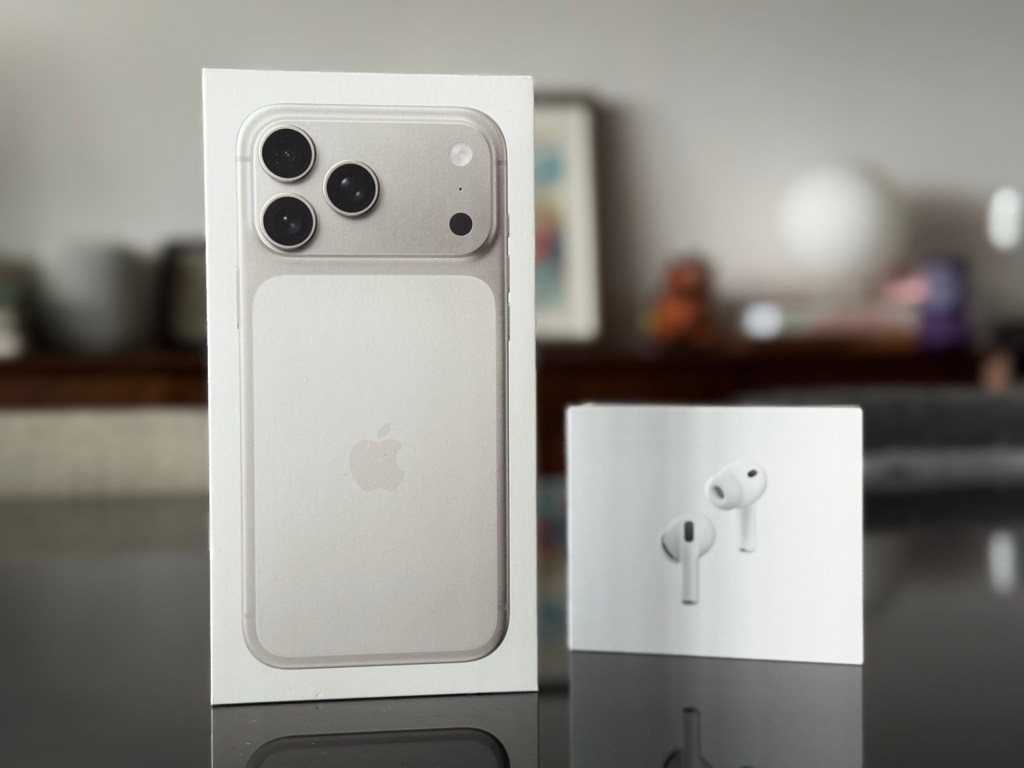
I’ve been listening on both my new AirPods Pro 3 and an original pair of AirPods Pro, and dare I say the difference is quite obvious. Louanne asked me what I do with old pairs of headphones when I get new ones, and the answer was “put them in different rooms!”, of course. I’m fast running out of rooms. The new model sounds much more Beats-like than ever (modern Beats, not OG Monster Beats). That is to say, a bass-forward sound with a very clear, almost sparkling high end. It’s a fun sound, and I think they’ll be very popular for all kinds of music, if not audiophile-grade neutral. They appear to fit better than before too, and the difference in body shape will strike longtime AirPods users as soon as they pick them up.
Then my new iPhone arrived, and before you judge, the old one is being returned to Apple’s Trade In partner in a few days, where it will hopefully be responsibly refurbished or at worst recycled. They’ve suggested that I’m likely to get nearly half the original cost back, which is an astounding deal for a two-year-old model! I’ll believe it when the deposit lands in my bank account.
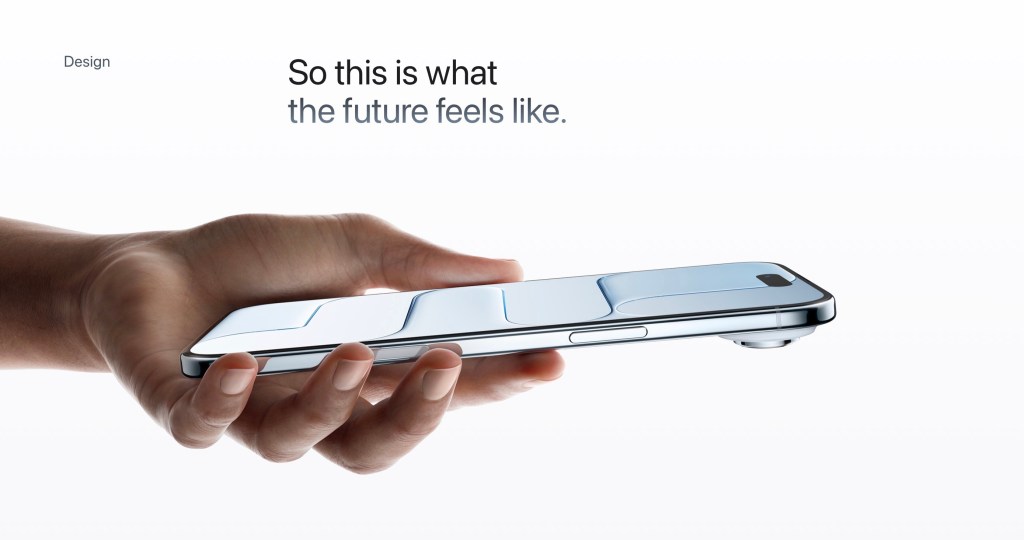
I’m very happy I decided to stick with the Pro Max size instead of switching to a Pro. The slight increases in height and width are visible if you put them together, but isn’t really noticeable in the hand. The increase in thickness IS, but combined with the new gentler corners on the seamless aluminum body, I think thicker is actually better? This might be the best feeling iPhone ever.
I’ve yet to put the new camera system through its paces, but I’m excited and very pleased after a couple of days with it. Images look cleaner, and the redesigned front-facing camera is a revelation. I took a test selfie and could scarcely believe how presentable I looked. Coming from the iPhone 15 series, I’m also new to the new Photographic Styles that were introduced last year, and am getting a lot out of them. I compared photos shot in RAW with Halide and in HEIC with the default camera using a tweaked “Natural” style, and they’re extremely close in both SDR and HDR. This is a big deal! Along with the revised Photonic Engine this year, the dark days of overprocessed iPhone photos may be behind us.
When reviews get creative
One thing I’ve noticed this year is how bland and predictable the video reviews from the usual tech YouTubers and influencers have been. They go through the spec sheets while speaking to the camera, do a few test shots, and end without any thoughts you couldn’t have pulled out of ChatGPT. But then I saw a couple of videos from the Chinese-speaking side of the internet, and that’s when I realized Western civilization is well and truly finished.
Take a look at these and tell me you’re not duly impressed by the storytelling creativity, production skill, points of view, and passion on display — even if you can’t understand a word (but most of them have English subtitles you can enable). They could just shoot the phones on a stand while swinging a light overhead, but they instead they go hard with CGI, costumes, sets, comedic sketches, and cinematic editing. And they do these in the WEEK they’ve given between the phones being revealed and launching.
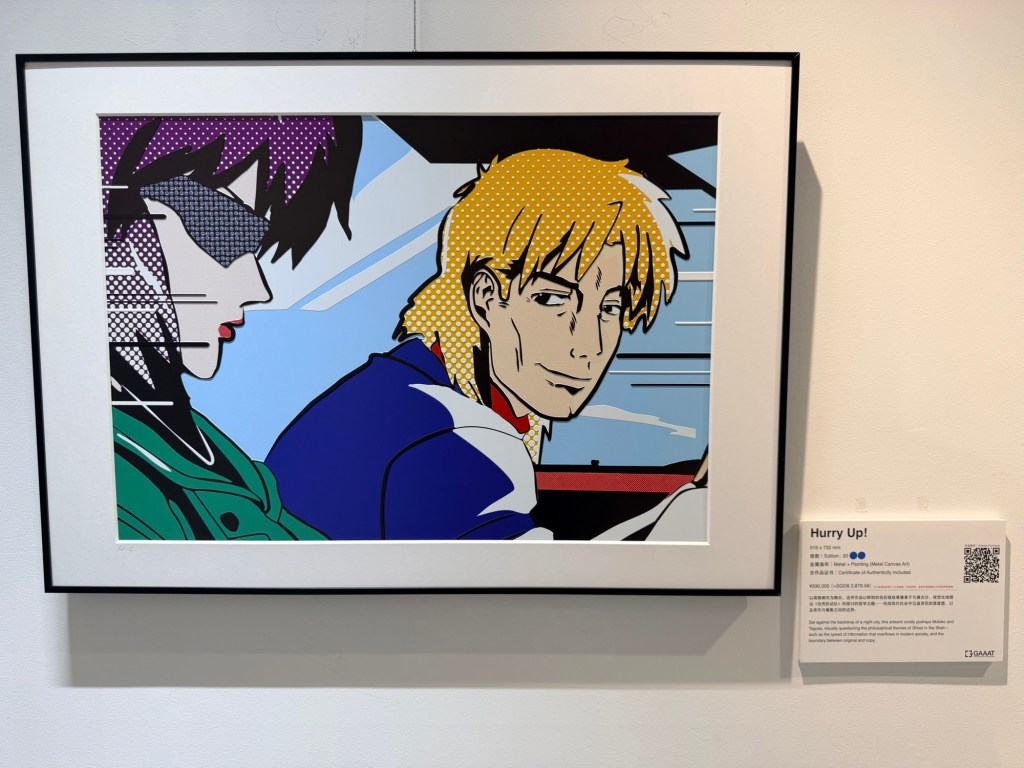
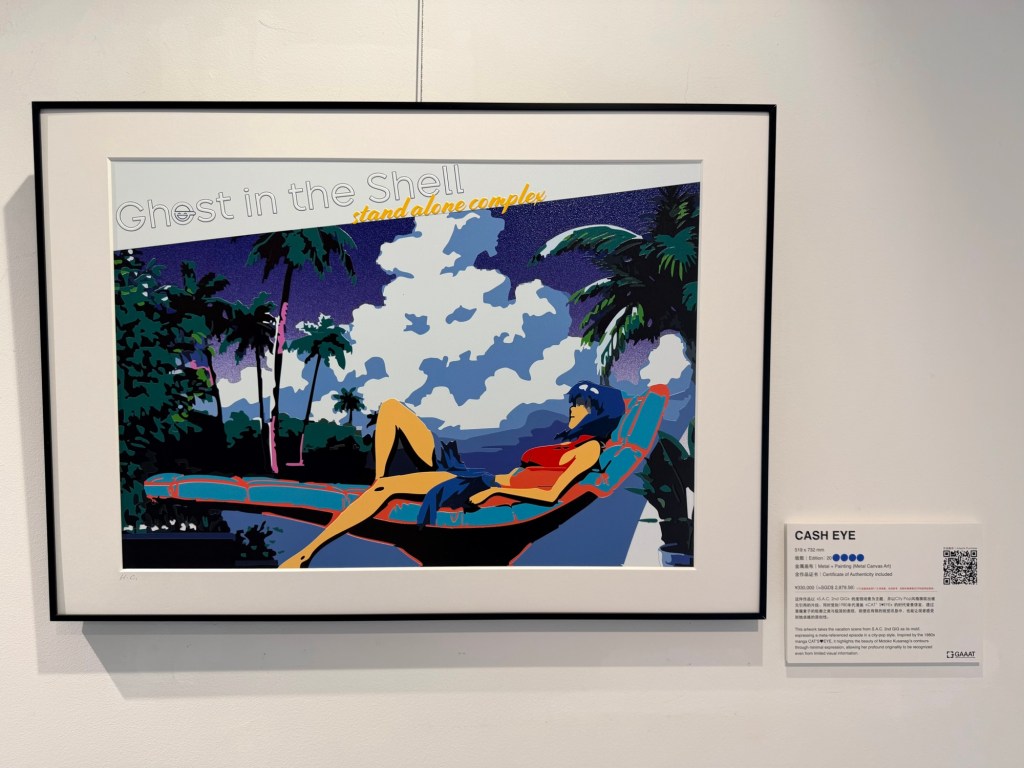
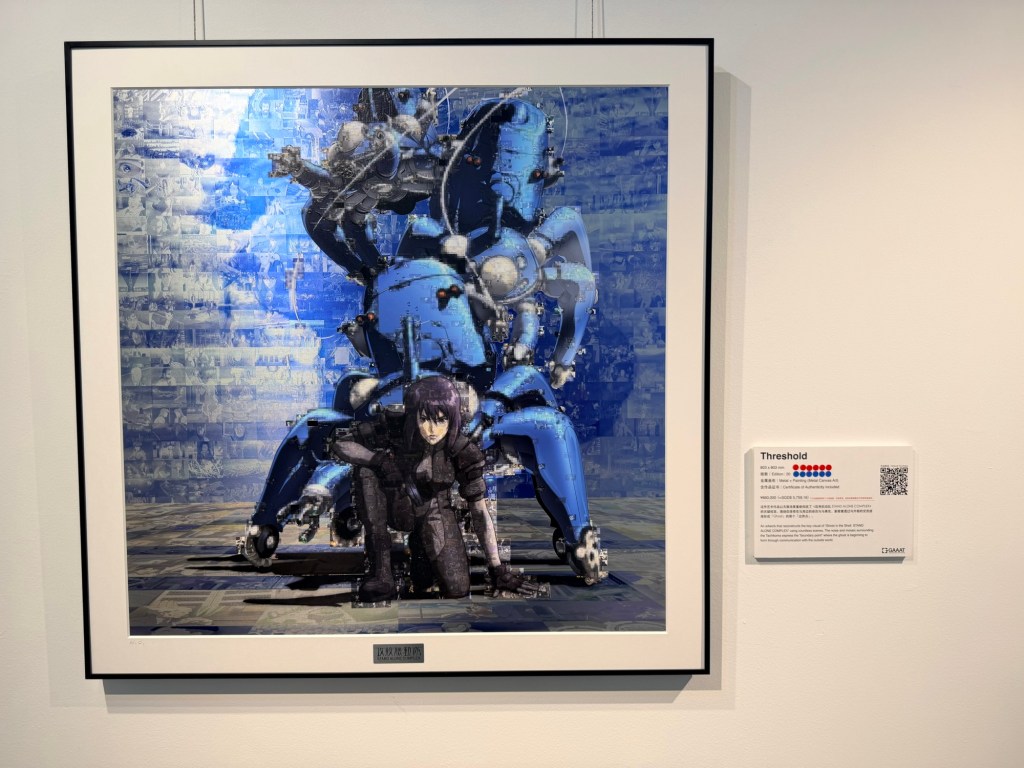
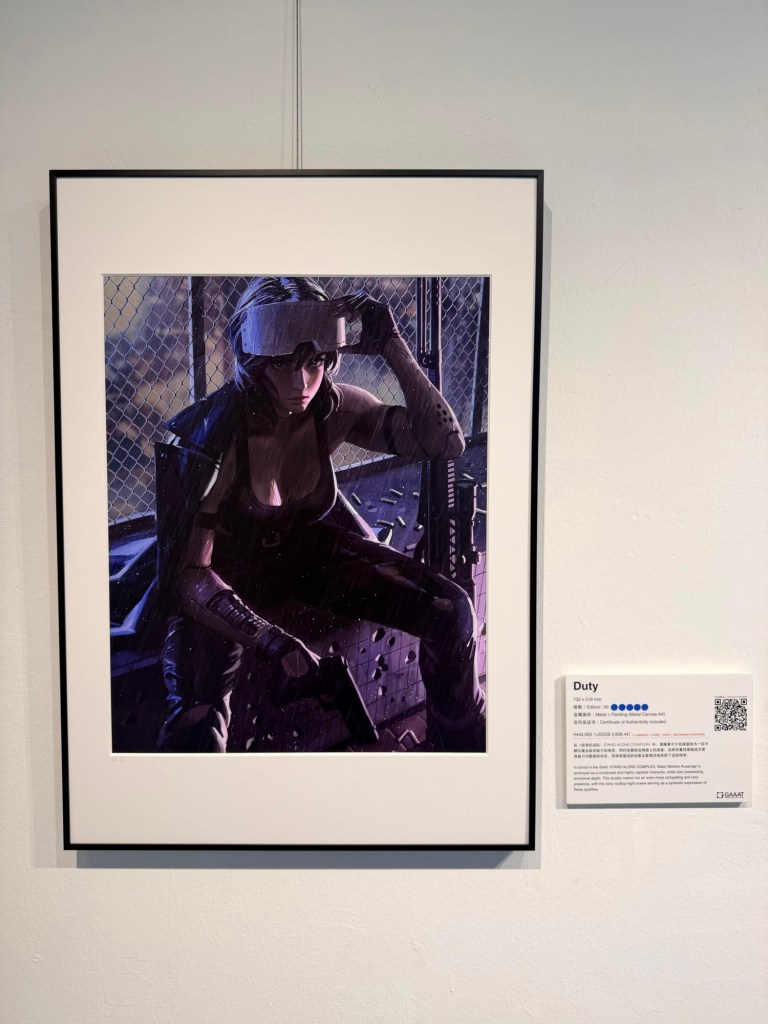
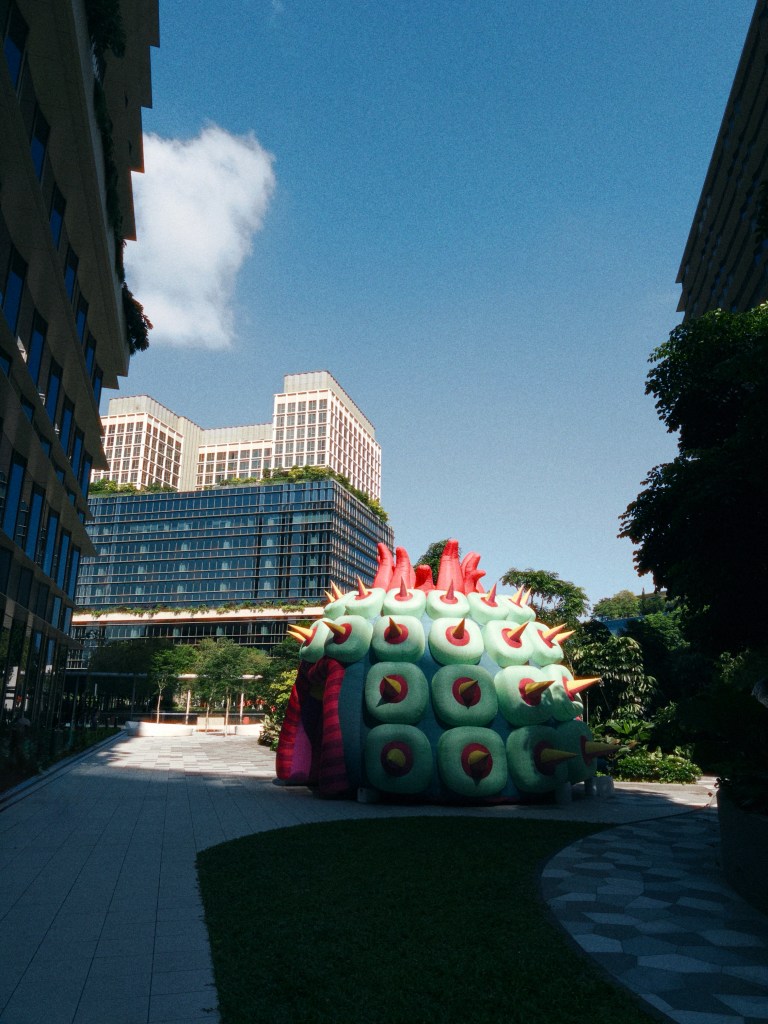
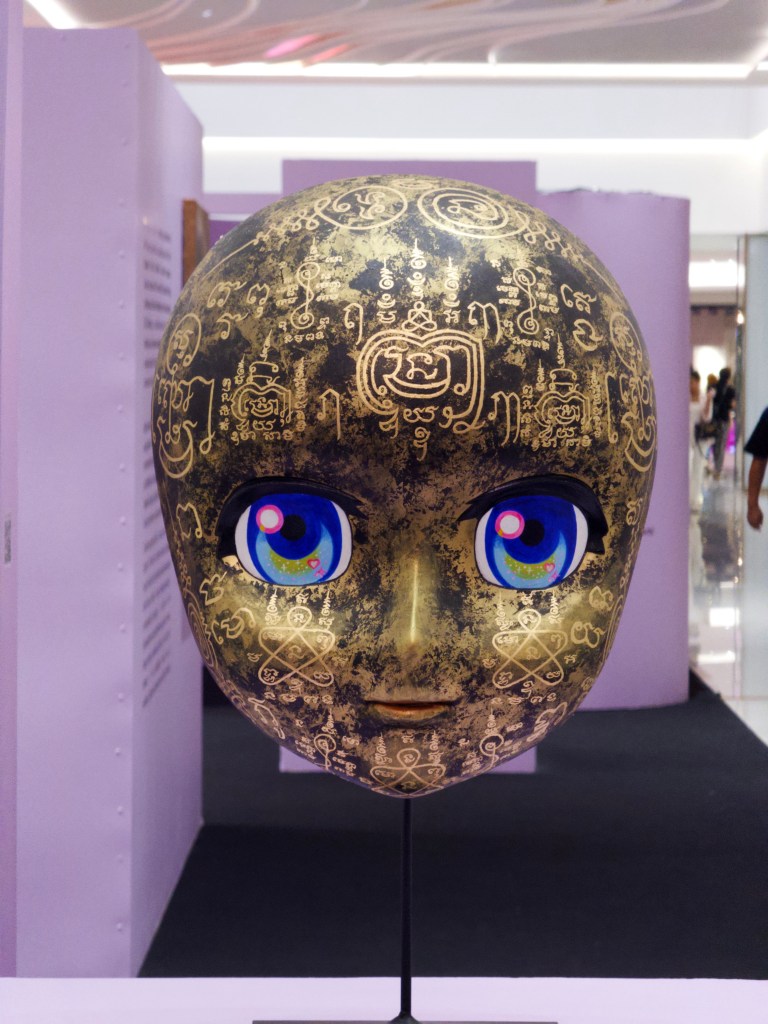
We visited a local art sales event for works based on the Ghost in the Shell: Stand Alone Complex franchise, just to have a look. The metal-printed pieces were going for upwards of S$4,000, so there was never any chance we’d buy one — but I got a little acrylic plate standee for my desk (S$25). Above are some snaps straight from the iPhone 17 Pro Max, using only Photographic Styles.
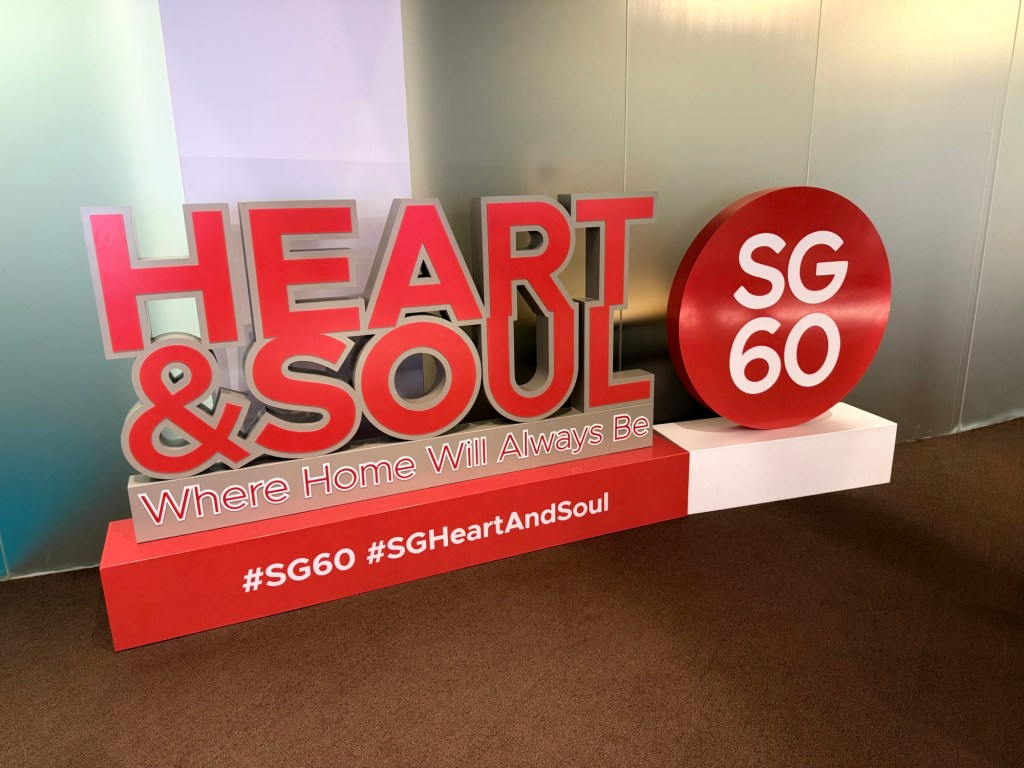
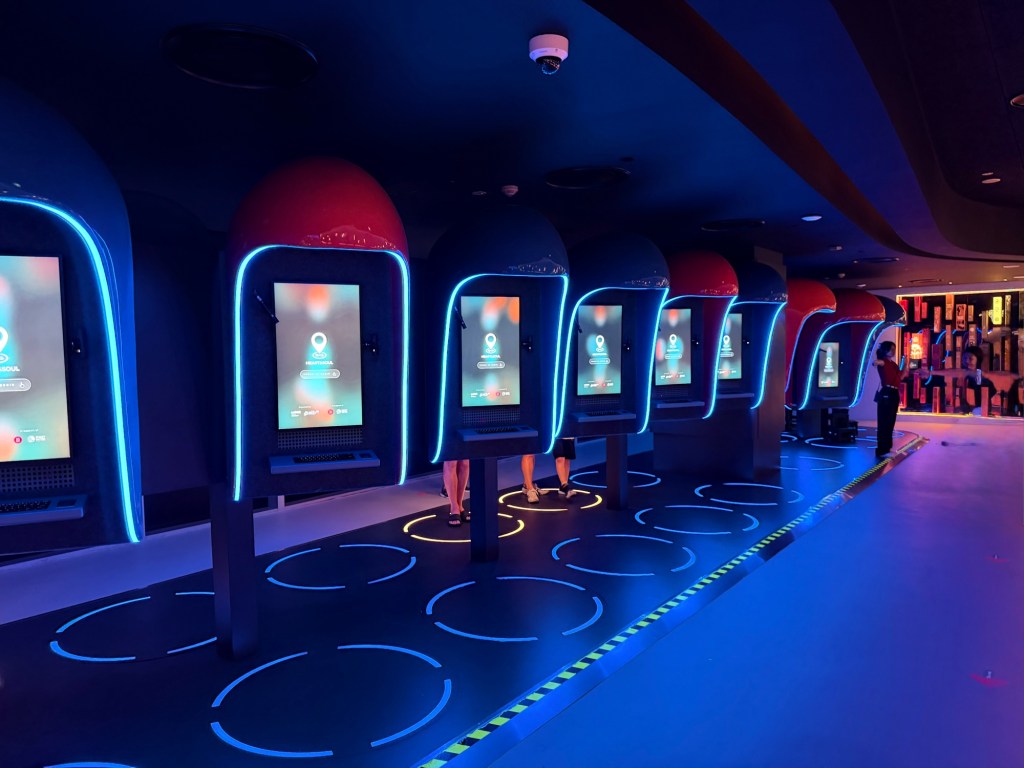
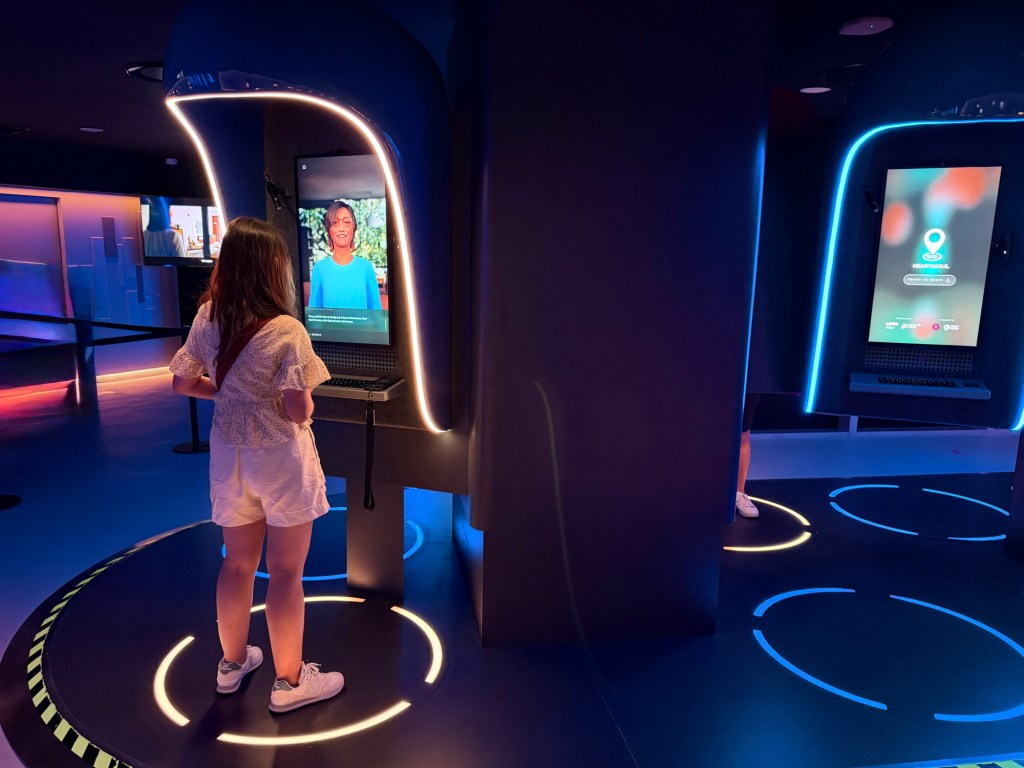
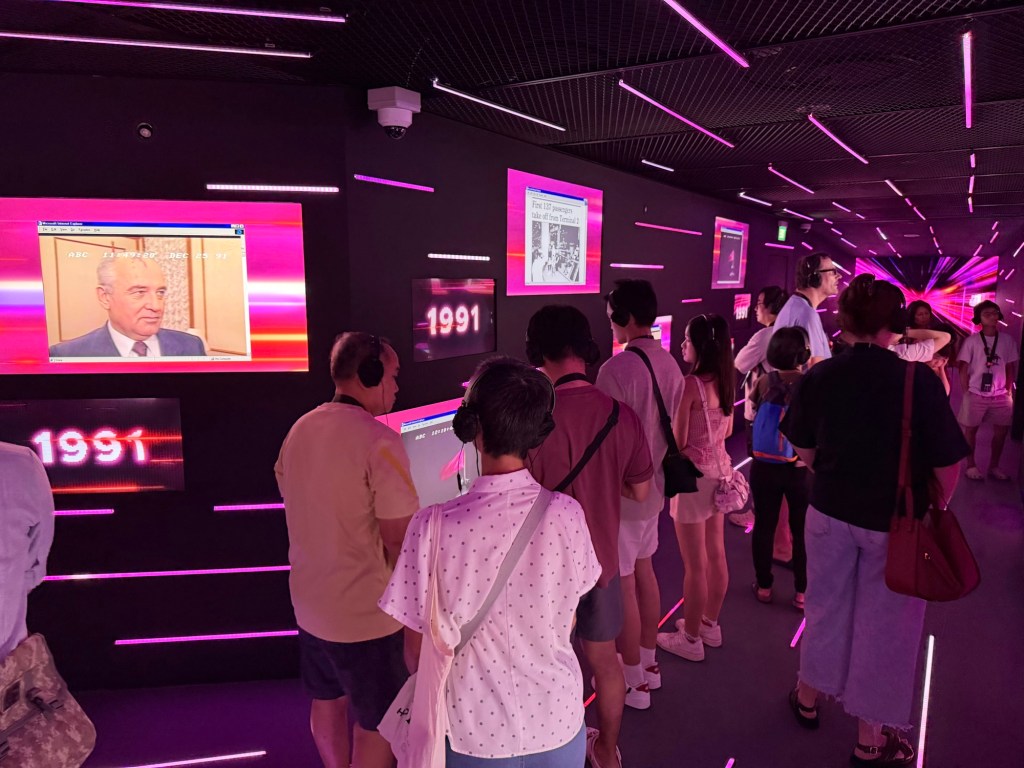
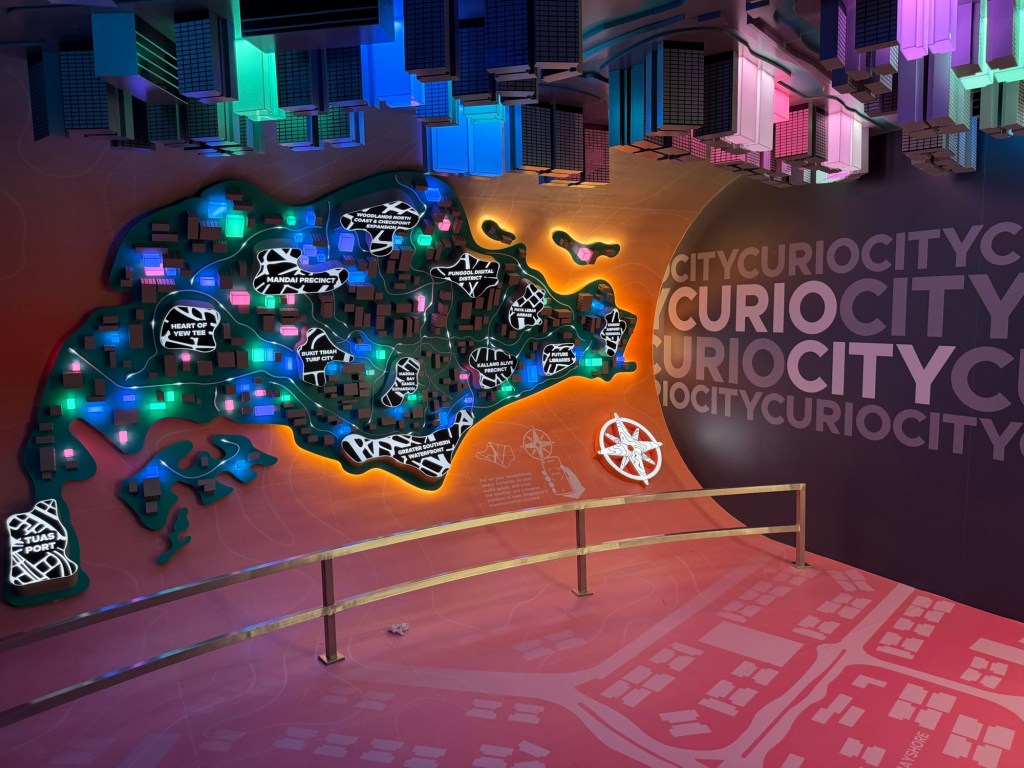
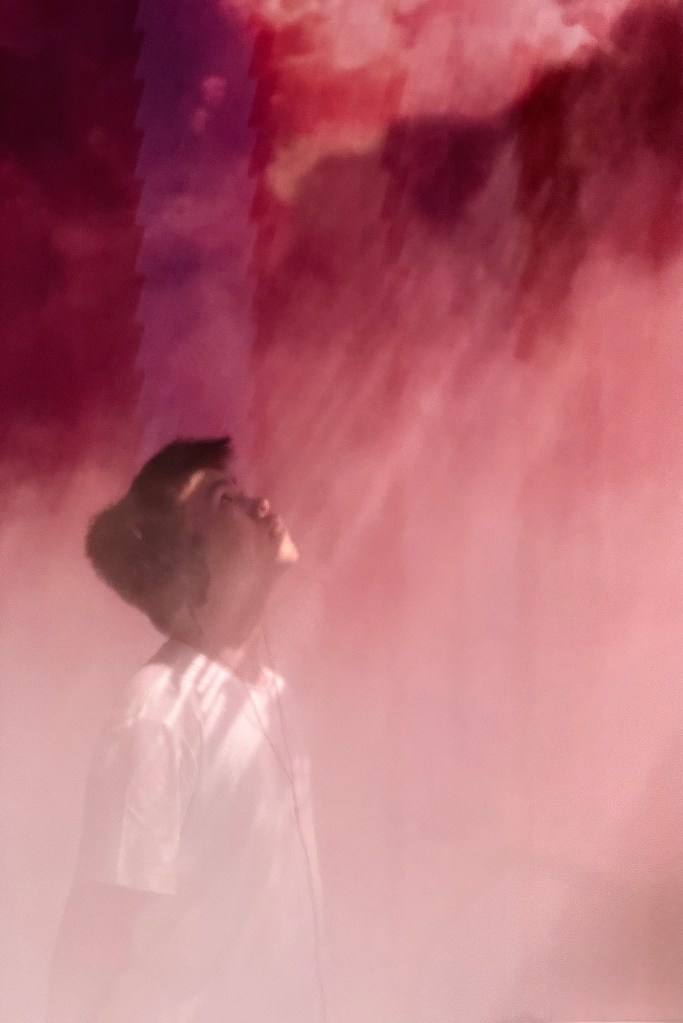
Afterwards, we visited the SG60 Heart&Soul Experience which is being housed at the site of the old library@orchard. Supposedly it will be renovated and return as a downtown library next year, which is great news. From what I can gather, it’s meant to inspire people about what Singapore’s future might look like, and what place they’d have in it (employing lots of tech to personalize the journey). Criticisms I’ve heard are that it doesn’t go far enough, and the future shown looks kinda like the present: delivery drones, working in VR headsets, greenery everywhere. Visit and see for yourself. Bookings are required, but the tickets are free. It’s quite an involved production with each visitor being given a guide device (an encased Xiaomi smartphone) to wear around their necks, and human facilitators bringing them through the stations.
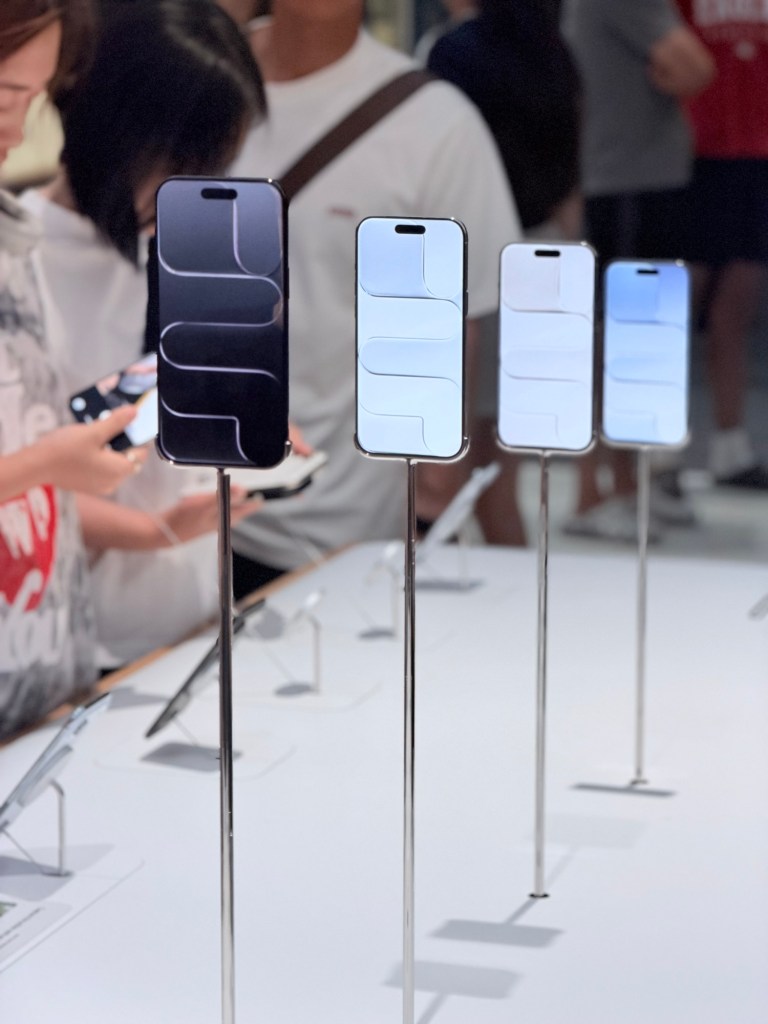
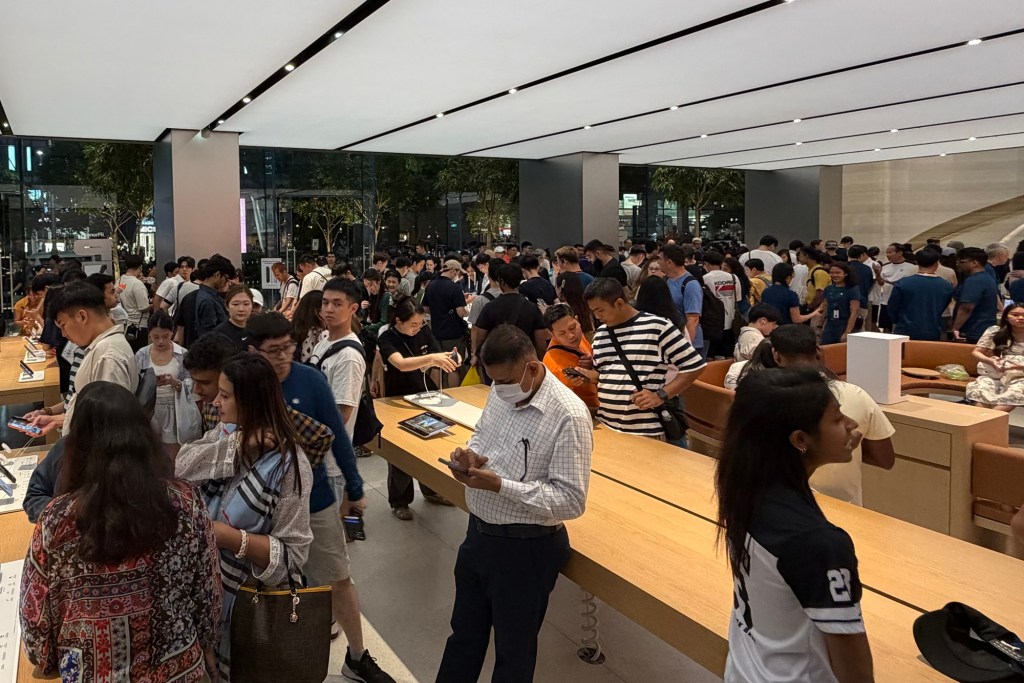
Oh, speaking of cases, we went by Apple Orchard Road after the show to have a look at the iPhone Air, and I haven’t seen that store so packed in years. I picked up a rather loud Beats case in “Pebble Pink”, mostly because I really wanted a Beats case last year but they only made them for the iPhone 16 series. It’s hard plastic with a matte finish that’s slippery when your hands are dry but tacky enough if there’s a bit of moisture.
Check out my reel with the Pink Panther theme:
And while we’re on the subject of great directors, I finally sat down with Bernardo Bertolucci’s The Dreamers (2003) on MUBI. More explicit than I expected, it’s easy to see why people call it pretentious with its heavy callbacks to classic cinema, but it’s never boring and it sure knows how to use mirrors. I gave it 3.5 stars on Letterboxd, mostly because there’s “altogether too much time spent lying on floors for my liking”. There’s also one truly revolting moment where, out of money, they raid the apartment building’s trash for scraps of food and assemble the world’s grossest bento.
Spike Lee’s Highest 2 Lowest (2025), now on Apple TV+, is a remake of Kurosawa’s High and Low (1963), which I’ll embarrassingly only get around to watching after this homage. But this is a fine film that stands on its own: a sharp, sometimes experimental exploration of class and morality, constantly playing on the gulf between generations — Motown vs. modern rap, film vs. digital, Kurosawa vs. Lee.
Happy iPhone week aka Tech Christmas to all who celebrate! I wrote up my thoughts (below) after the event on Wednesday, and since then I’ve seen the same sentiments echoed throughout YouTube videos, podcasts, and articles, so I at least know I’m not reading these things entirely wrong. All in all, one of the best iPhone lineups ever. They went all out, with very few compromises or artificial impairments to make the expensive models more attractive — they are all seriously good value, extremely capable-sounding devices.
On Tuesday, we went over to my parents’ place for dinner, and spurred by a question someone had last week after seeing a photo of their living room, I asked after some family history and got some new information. The accuracy and completeness of Singaporean family stories must vary widely; after all most families here only arrived in the last century. My dad only knows where his grandfather came from in China, and a suspicion of his occupation (ask me and I’ll tell you), but not why or how they made their way down to Southeast Asia. Apparently no one ever said. I’d say that was weird, but then I’ve waited this many decades to even ask.
You know what else I’ve waited forever to do? Start The Legend of Zelda: Tears of the Kingdom. I finished Breath of the Wildin the summer of 2023 — I could have sworn it was last year, oh my — after letting it languish uncompleted for about six years. Since both games are set in the same world of Hyrule, albeit expanded in TotK, many recommend taking a break in between. Now that the Switch 2 edition is out, with modern luxuries like running at 4K 60fps, it was time. And because this is a game where skills also accrue in the player rather than purely in the character, jumping back in feels great. I’m better at combat and finding my way around than I was at the beginning of BotW, which makes sense for a sequel: Link has been here and done this before. It’s marvelous game design all around.
Speaking of capital-D Design, Singapore Design Week is back again, but I’m less inclined to explore every venue and event after seeing that last year’s slipshod execution probably hasn’t been rectified. The website and program directory are still confusing and missing key visitor info.
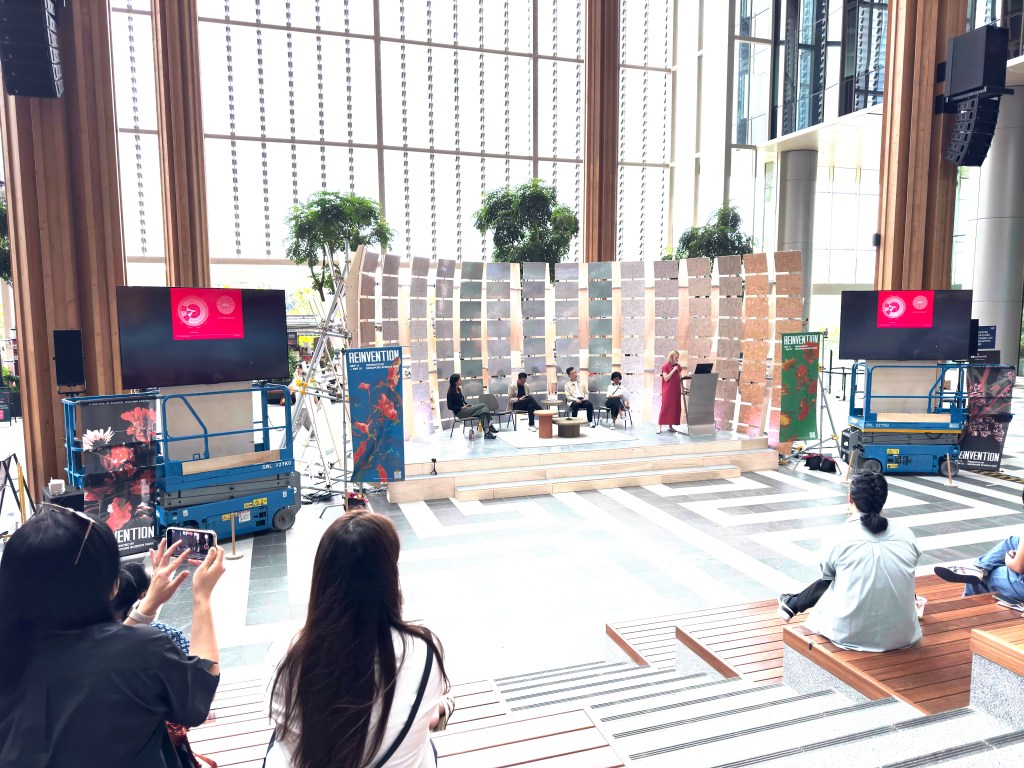
Case in point: On Sunday we went down to the Science Park district for a talk I’d signed up for, only to find that no one in the stated venue (a building lobby) knew where it was happening. It turned out to be in an open space outside instead. I’m not sure the speakers knew either, given that several used packed slides unreadable on the small screens provided. To make matters worse, some presenters’ slides weren’t even fit to the full screen size. When informed by the audience, they said “sorry, we can’t fix it. We can send you the deck!”
Nearby, one of the robotics exhibitions had info cards printed in such tiny type you’d literally have to crouch on the floor to read them. I don’t know why we can’t get these things right for a design week.
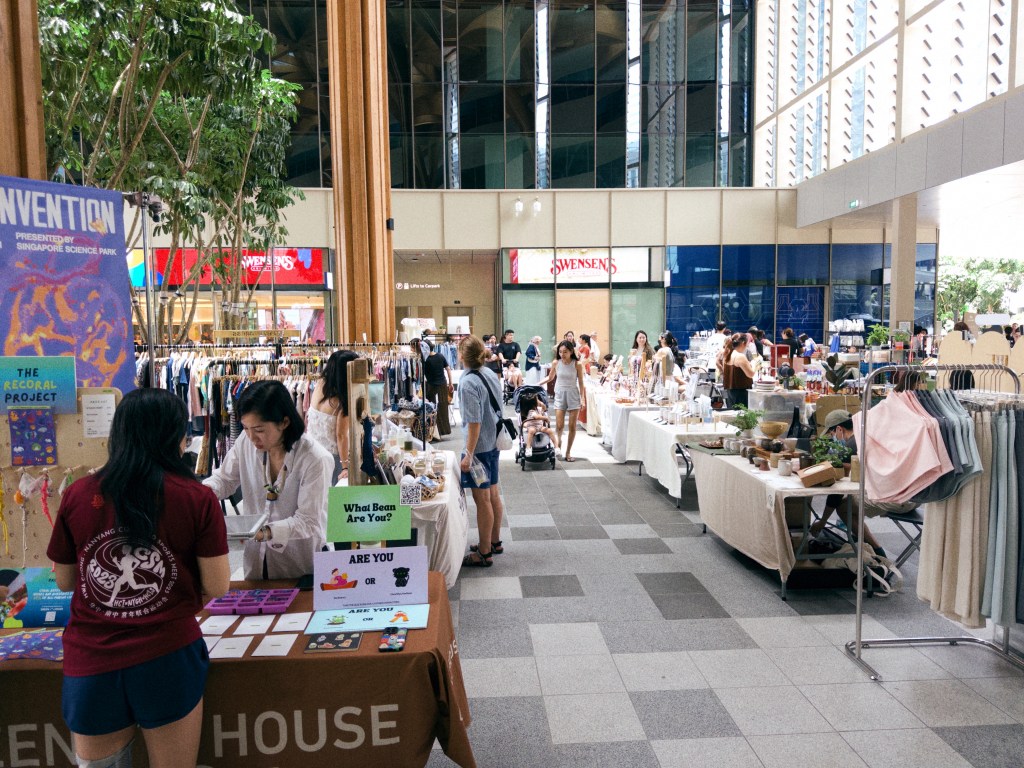
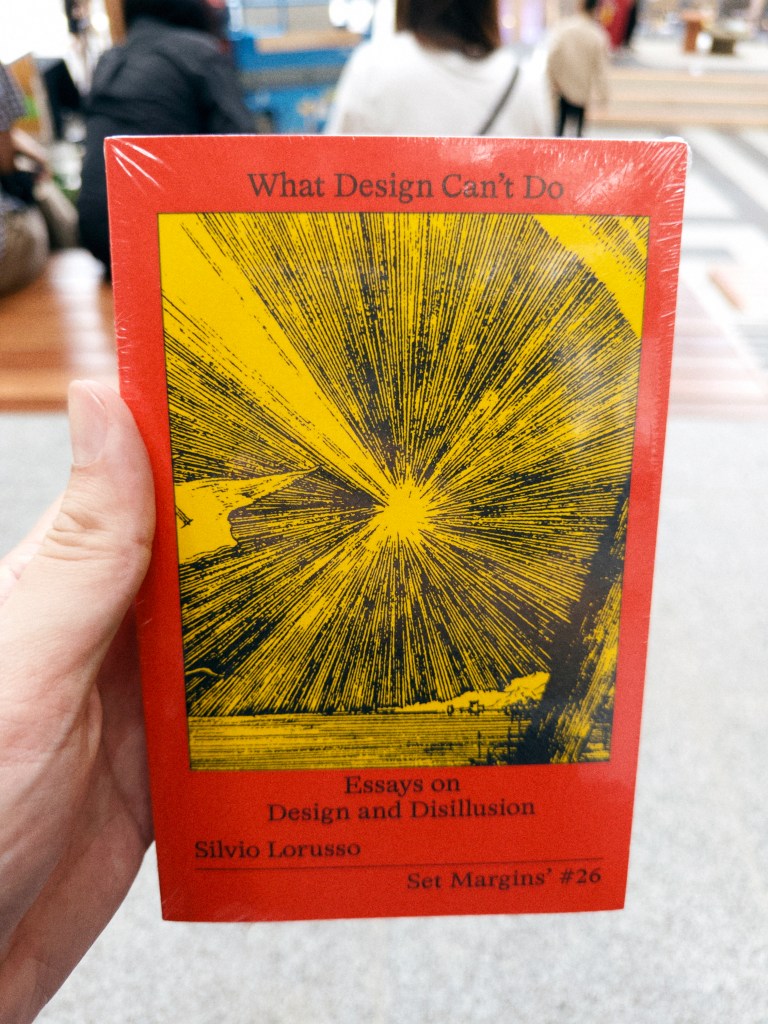
But there was a high point! Local graphic and art book seller Basheer had a small stand at the fair, and I found a copy of Silvio Lorusso’s What Design Can’t Do: Essays on Design and Disillusion, which Jose recommended ages ago. It was S$37 for future reference.
If you follow me on Goodreads and were shocked at the amount of reading I suddenly got done, calm down. Those were not five separate books, but short sci-fi stories in something called The Forward Collection, published by Amazon, and curated by Blake Crouch of Dark Matter fame. For some reason, each story has its own entry on Goodreads instead of just one for the compilation. I recommend them!
===
Apple Fall Event
The annual Apple fall event took place as it always does in early September (I love that it’s been over 15 years but some people still ask “When do the new iPhones come out?”). This year was of particular interest to me because 1) I didn’t upgrade my iPhone for once last year, mostly content with my iPhone 15 Pro Max and even wondering if I could stretch it out to three years. 2) If I can save any money somewhere in my annual budget, I’d be open to it! Alas, my Apple Watch is three years old, and my AirPods Pro 2 are the Lightning version that don’t do lossless audio with Vision Pro. So as the livestream began, I started praying that none of the announcements would make me feel like I needed to buy stuff.
Right out of the gate, the new AirPods Pro 3 were shown and I was like “goddamnit!” These mostly look the same, but have been subtly refined to fit better in your ears and yup, I need that as they’ve always been a little loose on one side. They supposedly sound better, thanks to a new acoustic port design. The active noise cancellation is now 2x better, and battery life has gone up about a third, to 8 hours. There’s also heart rate monitoring but I don’t give a crap about that. Nevertheless, a very hard purchase to resist.
Then, the Apple Watch Series 11 and Ultra 3 were shown, but thankfully I’m not sporty enough so the bulk of their workout/outdoors adventure-centric improvements bounced off my consumer armor. I mainly use my Series 8 as a timepiece, with occasional notifications and stock prices that I read when waking up in the middle of the night, and all it needs is a new battery. Lighter, smaller, more health sensors, faster charging — these are all nice to have but not when a new titanium model comes to over S$1,200 with AppleCare+. What’s that? Buy aluminum? Oh no, darling.
I was excited to see the iPhone 17 get a ProMotion display (variable refresh rates up to 120hz), because it suggests that the iPad Air might get one next year too. Overall, this is a truly great phone to offer as the base model. With better battery life, 256GB starting storage, and very capable cameras (including a smart new multi-aspect selfie camera), there are no compromises to be seen here and most people will be fully satisfied with one. It stands up well beside the Pro phone for everyday use in nearly all aspects.
When rumors of the the iPhone Air leaked, I didn’t believe a thinner phone with less battery life made any sense. And including only a single camera with no ultrawide lens? That excludes most Gen Z buyers! But I think I was wrong. The new wider front-facing camera might handle the Gen Z selfie use case. In truth, this is a phone that matches or exceeds the specs of last year’s iPhone 16, but is way more desirable. With its unique and recognizable design, glossy titanium frame, and premium semi-pro price positioning, this is the peacocking model. It’s literally the shiny new object. And that place in the lineup is made possible by a welcome pivot in the Pro line.
The iPhone 17 Pro and Pro Max are now freed from their jobs of pushing up iPhone ARPU by appealing to customers with a little more money to spend, and who want something better than the base model. That’s the Air now. The Pro models have now transitioned to powerful professional tools with features that most people won’t even have heard of (e.g. GenLock for video), let alone know how to use. Which means they can ditch premium/luxury materials like stainless steel and titanium, for a more pragmatic forged aluminum that’s lighter and better for thermal management. They can also withstand weirder/uglier industrial designs (emphasis on industrial) like the new camera plateau that houses bigger sensors and makes room elsewhere for massive batteries. These models can now be thicker and heavier than most consumers would like because the Air exists.
The Air, by the way, looks like they got halfway through the development of next year’s rumored foldable iPhone and decided to ship one half as a product. Which is probably not entirely untrue; many niche Apple products are test beds for scaling ideas that will later appear elsewhere. The Air’s remarkable miniaturization and the Pro’s new vapor chamber cooling system will probably be echoed in a future Apple Vision Pro.
It’s also worth noting the ever-changing definition of “Air” in Apple parlance. It usually means either cheaper or lighter, and never premium/luxury. The MacBook Air is both the cheapest and lightest laptop, at least for now. The iPad Air is a Goldilocks model, sitting between the basic iPad and the Pro (which is the thinnest and lightest). But while the iPhone Air is cheaper than the Pro, it’s the thinnest, lightest, and also nicest. It’s elegant where the Pro is beastly, and I think this is their main design direction for the future.
Even if it doesn’t sell well this year, I don’t see this being canceled like the Plus phones. If anything, the Pro Max might be the one to go next. Its role is now to simply be the biggest screen, which a certain folding device might take the place of. So 12 months from now, we may be talking about iPhone 18, iPhone 18 Pro, iPhone Air 2, and an iPhone DS or whatever.
So it’s decision time. By the time this gets posted, I would have chosen a phone, size, and color. The Air is very tempting, except I couldn’t live without macro and telephoto photos. I do think its 6.5” screen size is in the sweet spot. The Pro’s 6.3” is too small and according to myself in 2023, going back to a bigger Pro Max after three years of Pro was worth the pocket bulge and hand strain. The new Cosmic Orange is striking as hell, but will it look tired after two years? Or two weeks? Brian called it reminiscent of “80s anime” and I think he’s onto something with that bit of free association. It also reminds me of some Sony MP3 players and phones.
Update: Pro Max in Silver. Big, heavy, and expensive. I’ll have to tighten my belt now in more ways than one.
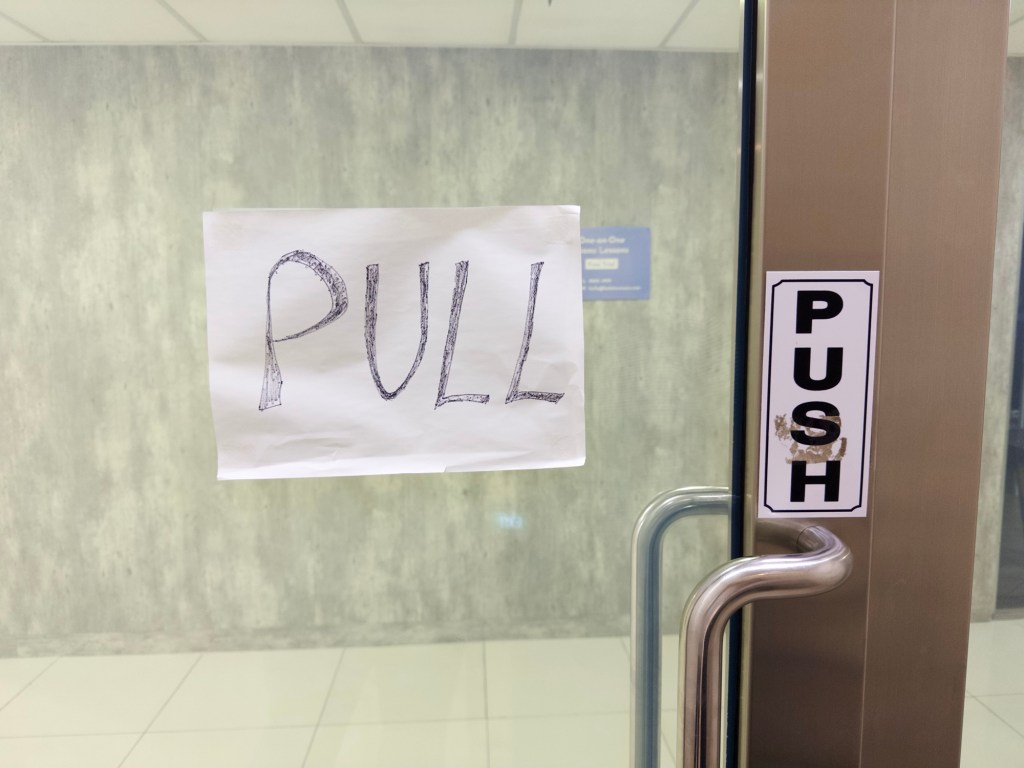
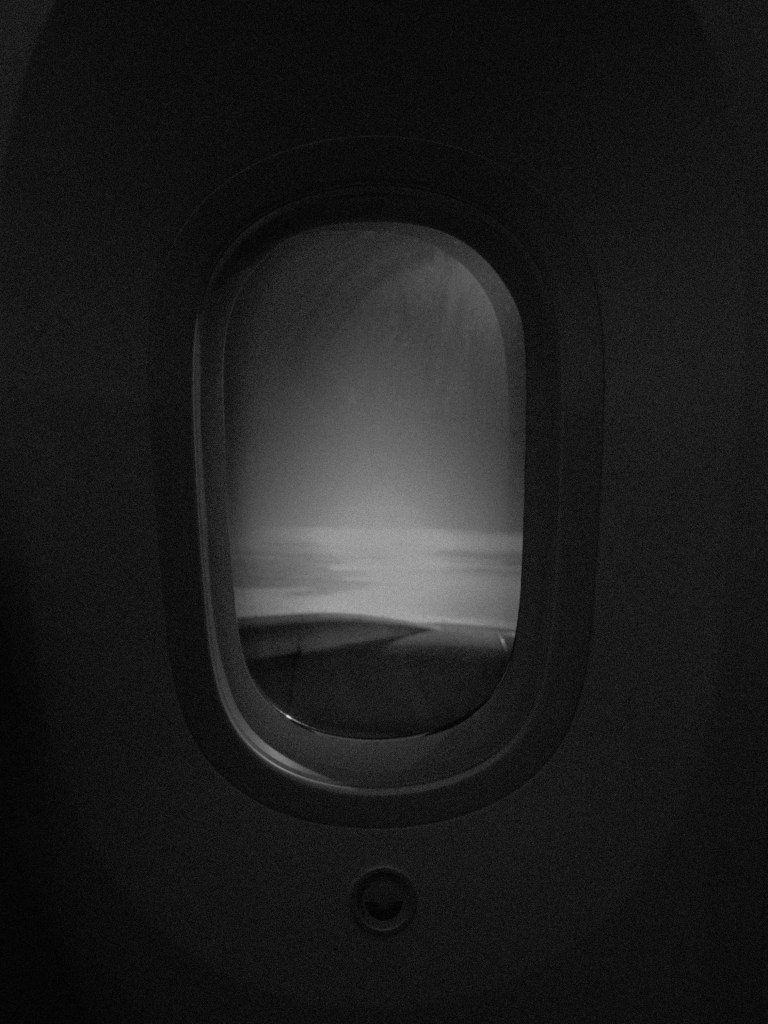
Checking in now from the first row of a Boeing Dreamliner — a plane that has probably been in the news recently for the wrong reasons. But if you’re reading this post, it means we made it back safely.
There was a moment early in the week where we were telling our Melbourne-based friends about last year’s trip to New Zealand and for some reason we both blanked on some key details and took awhile to align on what exactly happened. Maybe we were just tired, but then I had another theory: what if planning that trip with the help of AI meant the details didn’t form strong memories? Normally, planning a trip forces you to do research and make choices, with the resulting success or failure of your trip all on you. Those actions burn the memories in. But when ChatGPT spoon-feeds you an itinerary, maybe the details just float in and out of your mind. I wonder if this will really rot our lazy brains like no technology has before.
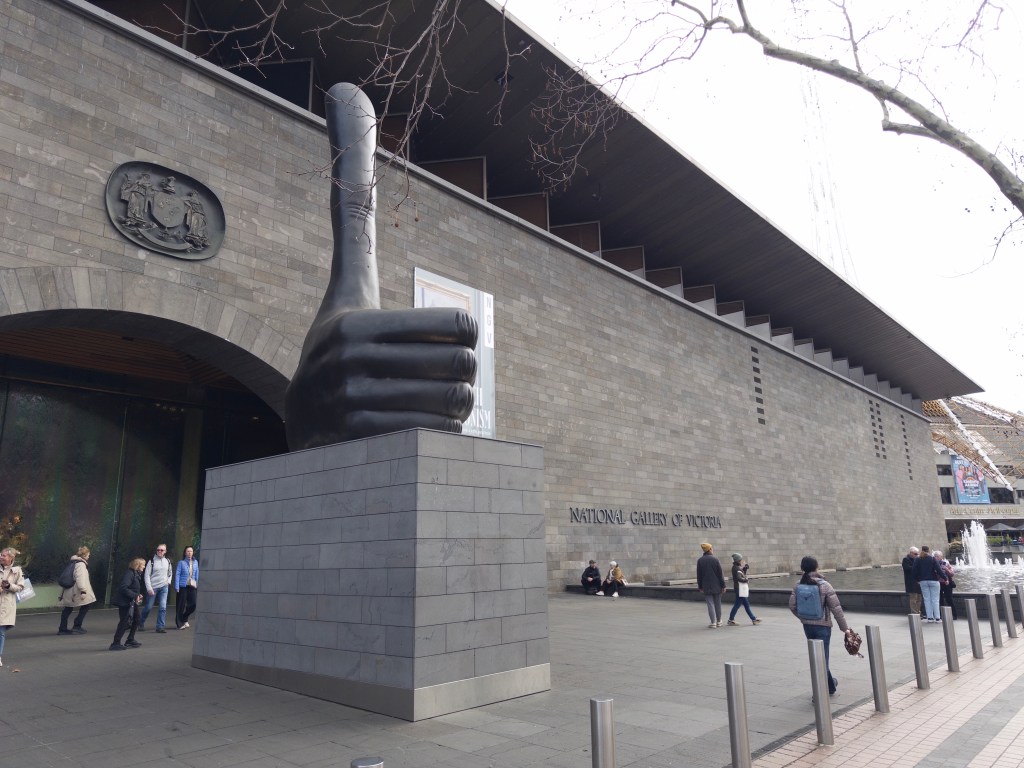
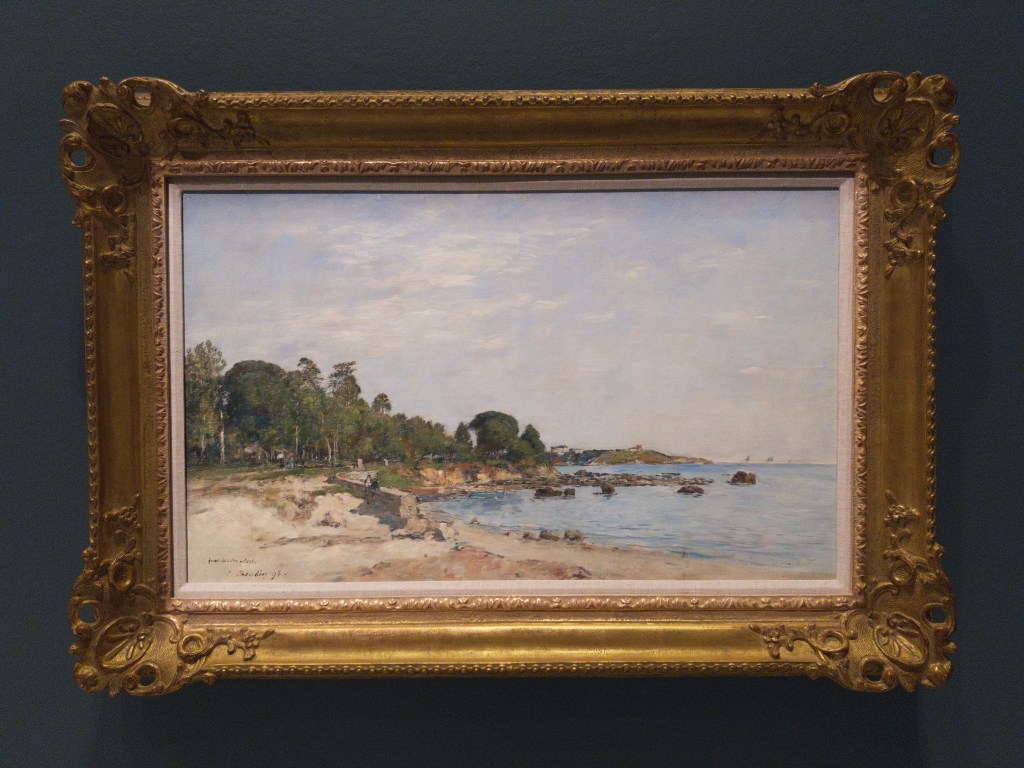
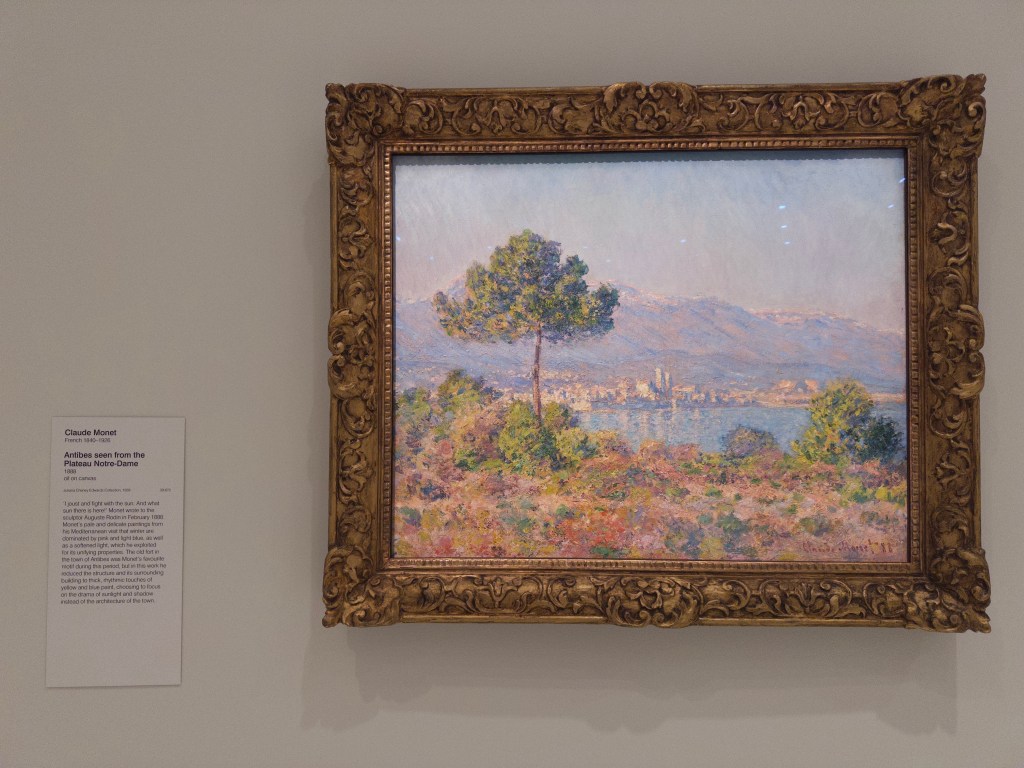
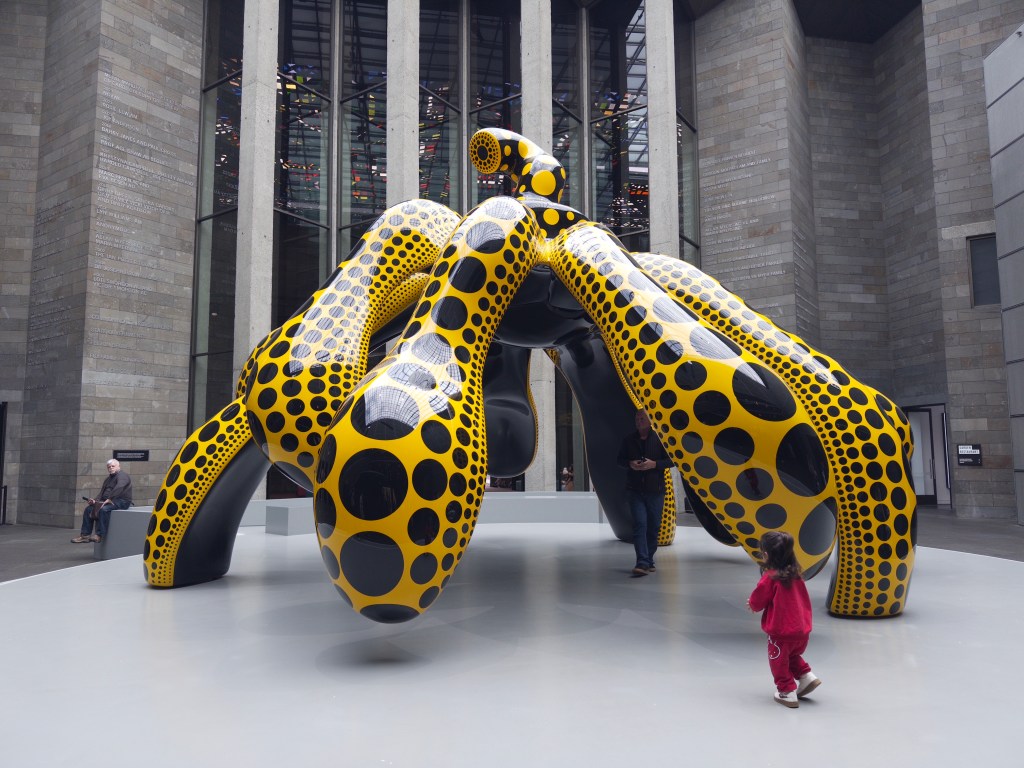
We dropped in on a French Impressionism exhibit at the National Gallery Victoria, and I should say “yet another”, because every time we come by there seems to be something either French or impressionistic on. It was fine, but the $50+ ticket prices are surprising in contrast to exhibition prices in Singapore. I was also really hoping to see something new at ACMI, but sadly their new ‘Game Worlds’ videogame exhibition won’t open till September. Maybe I’ll have to come back.
And then I fell ill and had to take it easy for a couple of days! If I had to guess, I probably picked up a flu bug from the airport or on the flight out. Still, I spent a large chunk of the week in bed or otherwise resting while Kim ran shopping errands for her mom and so on.
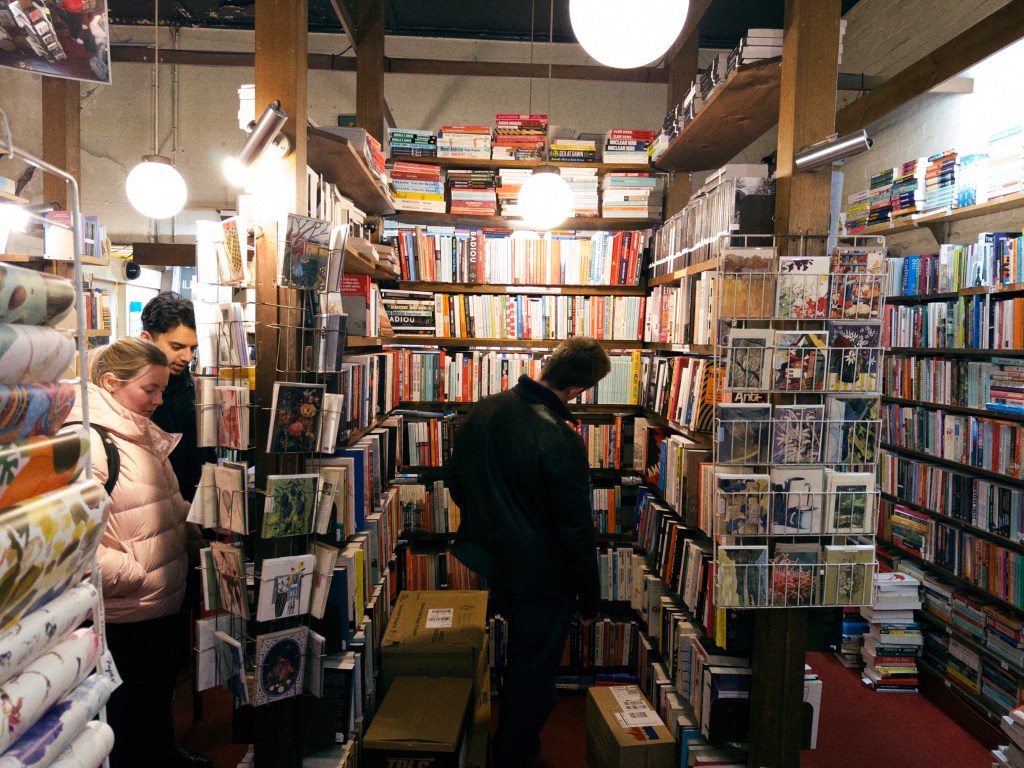
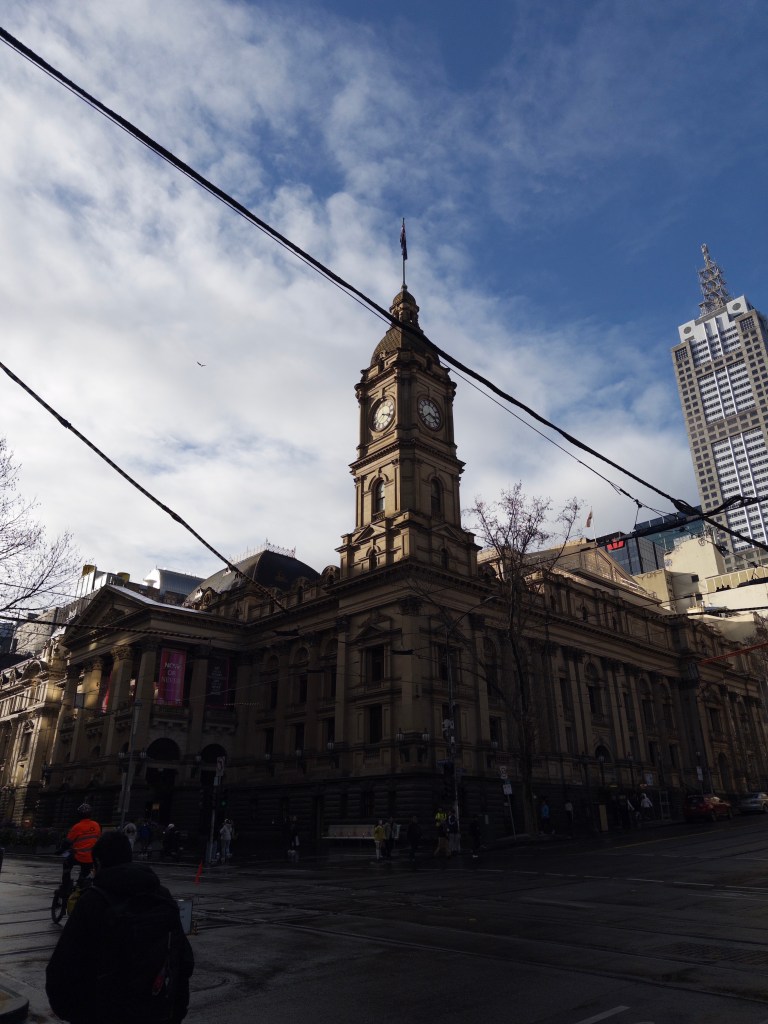
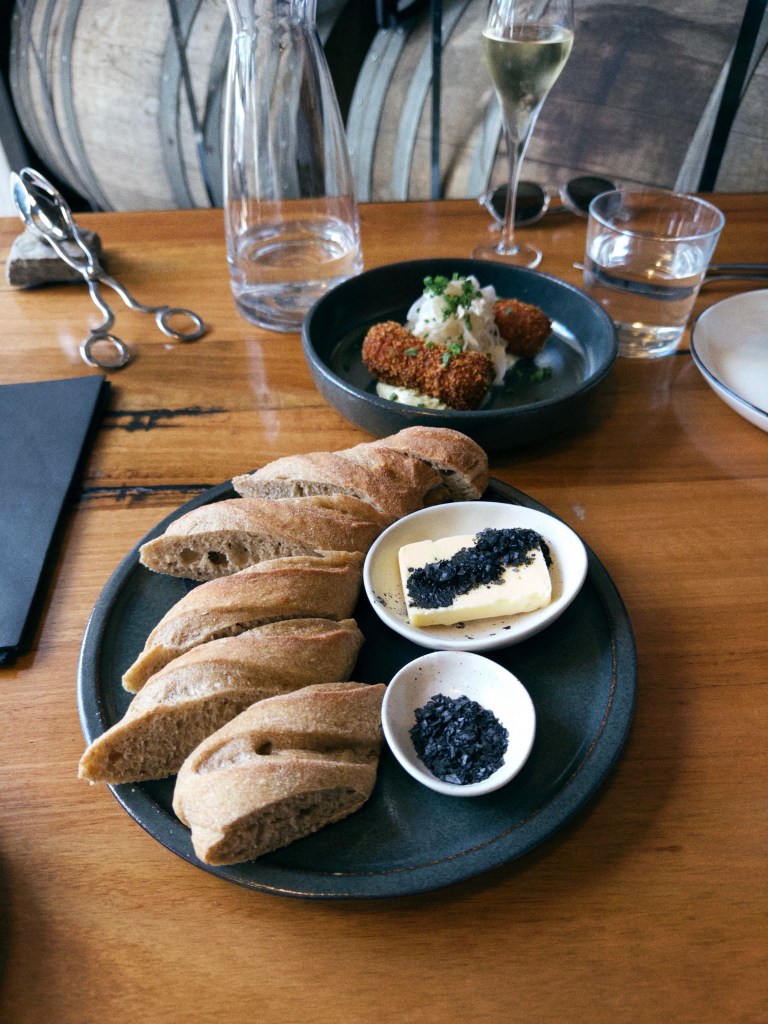
As I got steadily better, we went out a bit for a nice dinner, lunch at a winery, and a visit to this bookstore, The Paperback, in the CBD that I always buy something from. This time I got a collection of Louise Glück’s poems that I’ve been wanting for awhile. Just taking it slow and enjoying a change of scenery. Normally getting sick on holiday would be a disaster, but having no expectations or plans means no disappointments either.
I also went to my first Costco and had their famous hotdog, which was just $1.99 AUD with a soda. The financial engineering is strong at this company because it was a good and sizable pork sausage that I would have bought at thrice the price. We bought some other things there not worth mentioning except for a physical copy of Donkey Kong Bananza for the Switch 2 that’s S$20 cheaper in Australia than in Singapore. We really are getting ripped off out here; even buying it off the US eShop is S$5 cheaper than the local physical price.
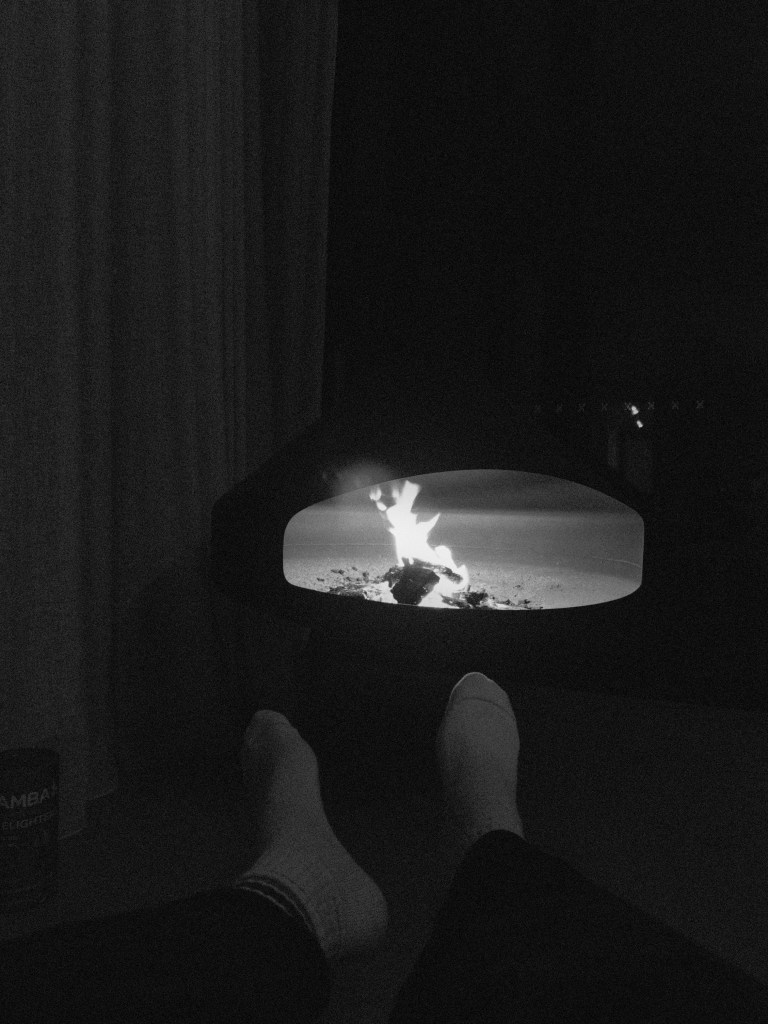
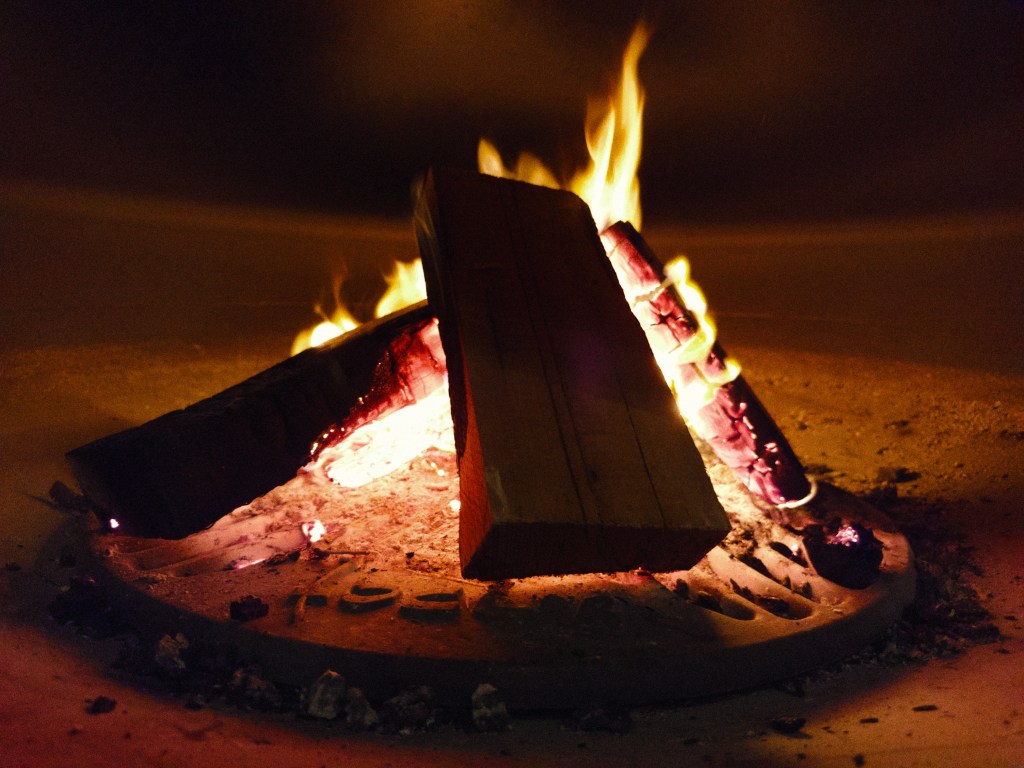
Another thing I discovered was how nice it can be to watch a fire and sit in front of a fireplace for a few hours. This is something that I maybe understood before but forgot. Continually tending to a fire — rearranging logs, blowing on embers, adding more fuel — it’s like a mindfulness retreat no one has yet packaged up for Singaporeans without winter experience. I cleared my inbox one evening while doing that and warming my feet by the flames.
It was a low-key week after those few days in Bangkok. There’s more travel lined up soon, so I figure it’s no bad thing to enjoy the quiet while I can. We had someone come by to look at a house issue that’s been worrying me, but the prognosis was that it’s not a big problem for now, and they’ll do some proactive repairs in the meantime. So I have to admit life’s pretty good.
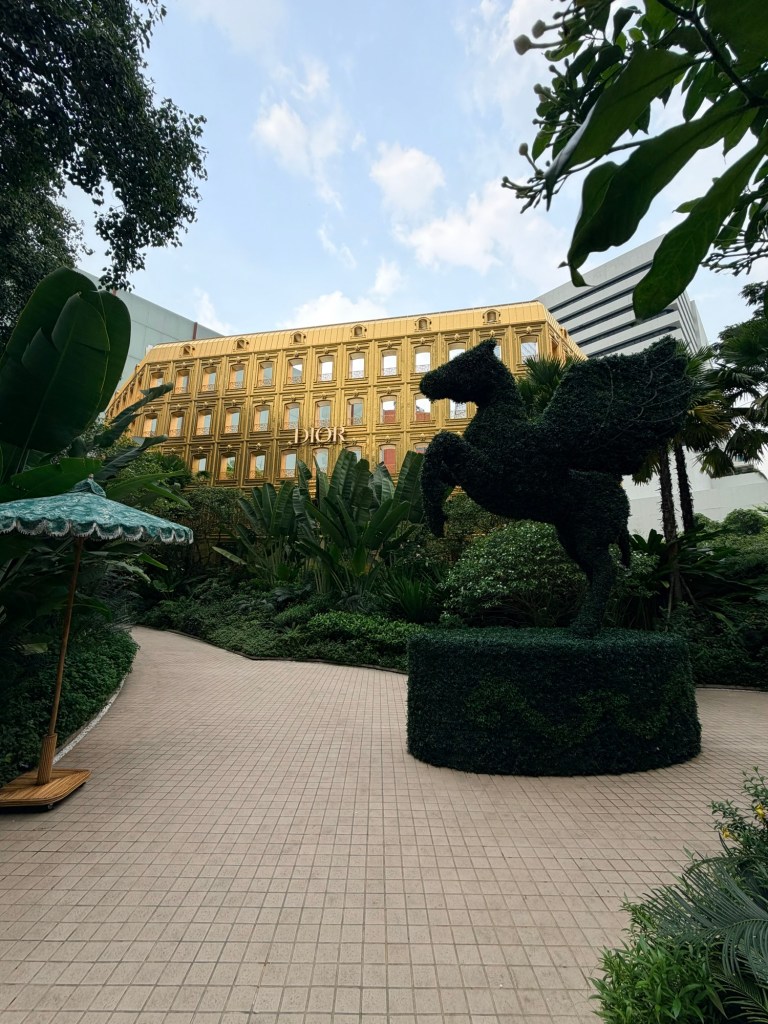
When I first went to Bangkok back in March, I found the retail scene vibrant and thriving in a way that you don’t see in Singapore anymore, and this week there was a long and well-researched piece on CNA about how shopping in other SEA countries has made Singapore seem dull in comparison. It’s a rough situation because we’re short on both land and entrepreneurial spirit, which means a vicious circle of high rents and safe concepts. People like to blame greedy landlords, but I suspect they’re the same ones counting on retiring with their REIT and bank dividends. You can’t have one without the other.
Doing my part for the restaurant scene, I ate out thrice this week and two were unhealthy affairs. A Singaporean sort of pub (al fresco) with Guinness and Thai food, and a Chinese hot pot restaurant picked for its amusing name, HIPPOT, that turned out to be one of those meals that goes down easy but feels awful after. Too much grease and heat. Note to self: make better choices!
The only thing I bought on the Amazon Prime Day sale was a book I’ve been wanting for a while, but the shipping cost is usually almost as much as the book itself. Thanks to the questionable economics of Amazon, shipping was free this time. The book is A Handheld History by Lost in Cult, and it covers the corner of gaming hardware that I have the most affection for: portable systems like the Game Boy and PSP. I suppose the smartphone is inadvertently part of that lineage; a stepchild or distant cousin. I don’t know when I’ll sit down to read it — paper books are just… inconvenient — but I look forward to that rainy afternoon.
I just finished reading The Butcher’s Boy by Thomas Perry, a 1982 thriller about a hitman. The anniversary edition’s foreword was written by Michael Connelly, author of the Bosch series, which got me in the right mood. If you liked the recent Day of the Jackal TV series, this will likely do it for you. The killer is the sort that doesn’t look especially athletic or dangerous, in fact he has the kind of face people don’t remember, but he’s great at what he does and when he gets into a jam, you root for him to get out. There are three more in the series [Goodreads], so those are going on my list.
Evan mentioned to me the existence of an Amiibo emulator a few weeks back, and when I saw one show up on Reddit it nudged me into ordering a unit off AliXpress. It’s a small electronic device that you can program to mimic the NFC chips on various Nintendo Amiibo figures, which unlock benefits in certain games when held next to your Switch/Switch 2 console. As I am very much against the idea of making people waste money buying large amounts of unnecessary plastic crap to unlock software features built into the games they already own, I have no moral qualms about using one of these.
This doesn’t have Amiibo support, but I played and finished Caravan SandWitch this week on the Switch. Weird name that doesn’t tell you much, I know, but hey it’s French. It’s a chill little indie game about exploring a planet (inspired by the landscapes of Provence) in search of your missing sister, with strong anticapitalist vibes, and was mentioned in a recent NYT article about videogames with a Studio Ghibli-like aesthetic. I enjoyed it enough as a short adventure, but the English translation lets it down in some areas. It runs well enough on the Switch 2, but I think the frame rate will be choppy on a regular Switch. 3.5/5.0
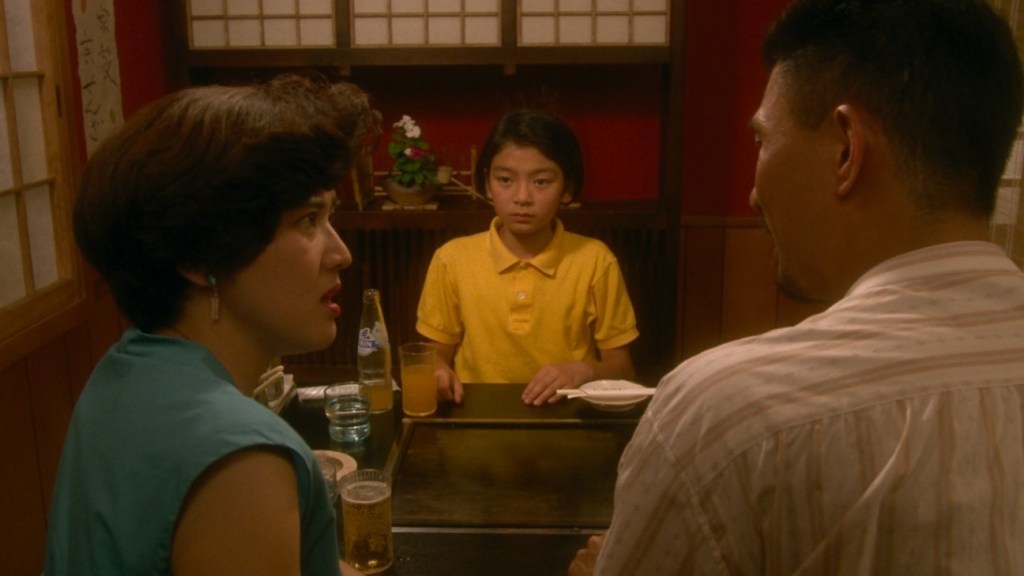
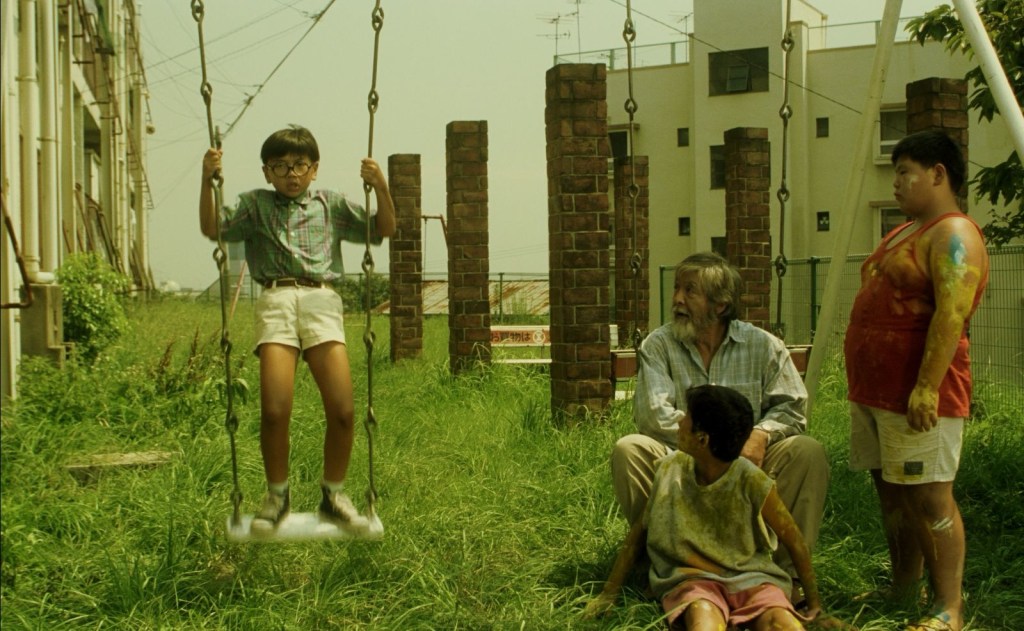
Pulpy paperbacks and cozy games are good and all, but a great media diet needs something of substance, and thankfully MUBI delivered. They’re featuring a two-film collection by the director Shinji Somai on their front page, and I was floored by both of them. They’re linked by a shared theme of childhood summers marked by transformative upheavals — broken families, deaths, newfound freedoms — but also the building of friendships, independence, and memories that become strengths in adulthood.
Moving (1993) features an incredible performance by Tomoko Tabata who was probably 12 at the time; the kind of work that’s almost too good, too early — fortunately she’s still working in film and TV today. There are lines in this that hit so hard, and incredibly audacious and magical sequences that are as good as anything I’ve seen put on film.
Notably, the three titular child actors in The Friends (1994) never acted in anything again. Scrambled by emotion after the ending, I hastily wrote on Letterboxd: “A film doesn’t have any business being this good! I cried till my Face ID struggled. There are frames in this so beautiful they should be hung in the Louvre.” Both films are a 5/5 for me. Perhaps for the way they perfectly capture the haziness of childhood memories, the nostalgic look and air of that era, and the open-ended way that school holidays felt as you experienced them. Stuff we didn’t think would matter becomes what we remember most.
Despite a brief setback, we ended up going to Bangkok for a few days as planned.
After spending hours in traffic the last time, I stayed within a smaller radius this time and walked a bit more. There wasn’t any agenda, really; Kim had some things to do and I wanted a change of scenery.
There was a jam coming in from the airport, of course, but we were thankfully in a very comfortable ride provided by the hotel. Ours was one of many cars squeezing down the narrow side lanes on the freeway — those buffer zones you don’t normally think cars should (or could) be using. Other cars in the ‘proper lanes’ skooch over to make way for this to happen, and it struck me as a neat metaphor for designing permissive, flexible systems with a normal mode but hiding ample bandwidth to accommodate emergencies.
Amidst more news of layoffs and economic rockiness, I think using AI in design (or most things, maybe) should be the side lane to ‘proper lanes’ of humans doing work, but we’re trying to do the opposite. Someone showed me a new customer research platform called GetWhy, where AI personalities conduct interviews over video calls with people, and synthesize some manner of insights automatically. They call it “human depth at survey speed”, which I knew AI would eventually enable: a merging of qualitative methods with quantitative scale. I saw it coming a couple of years ago but didn’t have the strength to look at it directly and figure out the pros and cons. At a gut level, I think it’s a shame that companies will now be able to insert another artificial layer between the people working on services and the people they’re supposed to be serving (or, more cynically, extracting profit from).
Anyway back to Bangkok. I saw three films to pass free time in the afternoons. Mission Impossible: The Final Reckoning for a second time; Jurassic World Rebirth, which was so terrible and completely lacking in the magic of the original film, the lasting fumes of which this franchise is still somehow able to sustain itself on; and James Gunn’s Superman, which I accidentally saw in Thai, without subtitles. I decided to sit through the whole thing and get by on just the visual language of it, and I think the experiment went okay! I probably couldn’t watch Tenet (2020) this way, though. 3/5 stars with the above qualification.
On Brian’s suggestion, I visited the Thailand Creative & Design Center (TCDC) which is a government office in a historic postal service building, mostly notable for its extensive resource library. You have to be a member to enter, although day passes are available for about S$4. It was a good way to pass a couple of hours, and I flipped through some interestingbooks that are now on my Amazon wishlist.
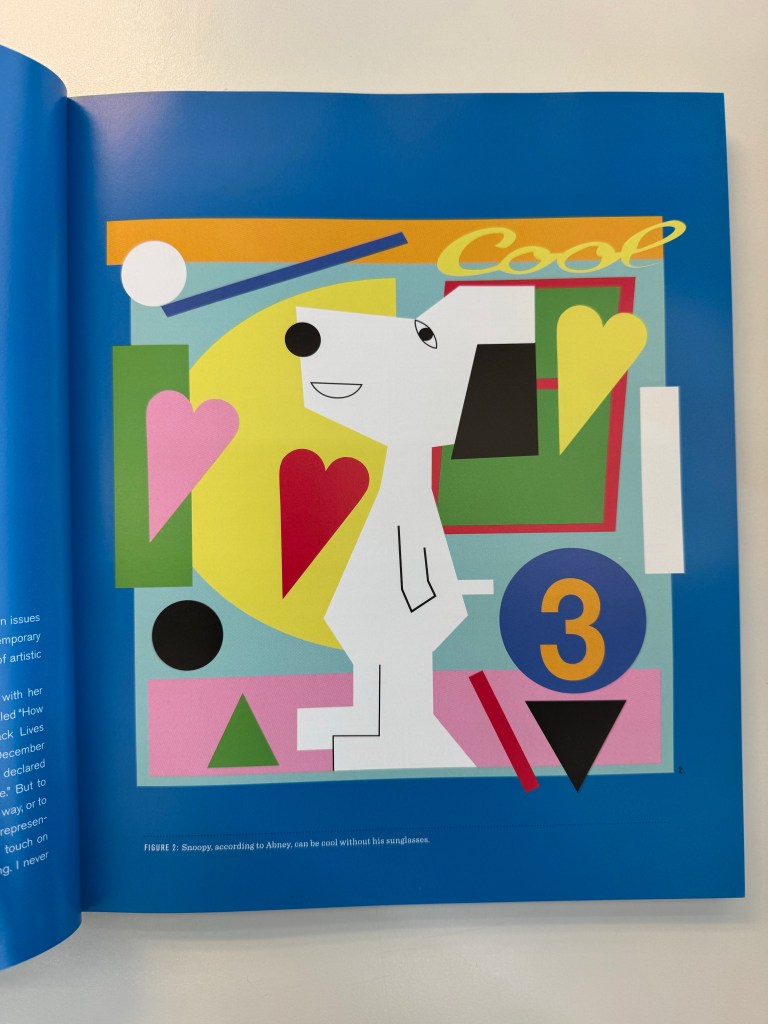
One of them was For the Love of Peanuts, by Elizabeth Anne Hartman, which covers the Peanuts Global Artist Collective — a project where seven artists reimagined Schulz’s characters through public art and exhibitions. There’s more information and photos through the link above. I was coincidentally thinking about learning to draw Snoopy recently, the “correct” way, and seeing this book was such a jolt to my narrow way of thinking — it had simply never occurred to me that I was free to recreate Snoopy however I wanted. Lots of new synapses to build here.
At the last minute, I decided not to bring my Switch 2 and it was fine. I always imagine hours of downtime on vacation where I might actually want to play a game, but it never happens. I did use my iPad Pro and am going through a sort of second wave of love for it. I recently got a third-party Smart Folio-type case, for just $12 off Amazon, which makes it much thinner and lighter than Apple’s Magic Keyboard case. The original Smart Cover (launched with iPad 2) is/was such a brilliant and minimal design, giving the device a perfect midpoint between versatility and portability, and having it again with this case is great for traveling.
It’s worth mentioning that each night back at the hotel I’d get into a trashy reality tv cable channel dedicated to “courtroom cases”. The quote marks are because I don’t know if you’d call these actual legal courts (but with the US, who knows?), but the two series I saw were awful and entertaining. Paternity Court sees couples come in and argue about their children, usually born on the side with another man or woman, culminating in the results of a DNA test revealing whether the man really is their father. Divorce Court is better, because you get other sorts of relationship issues being worked out, and the judges are sassier and give out strong advice. The name is a misnomer; some of these couples aren’t even married or looking for a divorce, they’re just airing their shit on TV. You can watch full episodes on their YouTube channel.
On the flight home, I caught Doctor-X: The Movie Final (2024), the supposed concluding chapter to the long-running Japanese medical drama that’s so bad I fell in love with it. Back in February, I spent an absurdly cost-inefficient chunk of my Tokyo trip watching Seasons 4 and 5 on local Netflix. Seasons 6 and 7 don’t have English subs, so I don’t know when I’ll get to see them — unlike Superman, this is too important to risk rawdogging in a foreign language. The movie… well, they went for higher stakes: explosions, AI, helicopters, the works. But that also meant less of the dumb fun and weird humor that makes the regular show a cult favorite. Or maybe not so cult at all — maybe it’s unironically loved in Japan. I kinda hope so.
I mentioned last week that I had an idea for a new project. Jinxed it! It turned out to be neither fun nor easy, so it’s dead now. Instead, I’m sort of revisiting older territory and picking up where I left off with some drawing a few years back. I know there are quite a few of us who like starting projects but struggle to follow through — I see you, fellow millennial domain hoarders. Then I suddenly remembered my CliftonStrengths profile and realized it might contain an explanation.
Quick explainer: The Gallup “StrengthsFinder” or “CliftonStrengths Assessment” is a corporate version of a personality test that supposedly helps you identify your best and worst strengths (just don’t call them weaknesses!), to support personal development and team formation. My old employer paid for people to take it, and I found the results to be sensible, truthful, and probably quite helpful. There are 34 in total, presented to you in ranked order after you complete a timed quiz. My results skew towards the “Strategic Thinking” and “Relationship Building” groups, rather than “Influencing” and “Executing”. In fact, one of my weakest attributes is the one about “taking immense satisfaction in being busy and productive”.
The insight offered is that I get more done when paired with people I like who can bring that drive; supporting them motivates me more than feelings of competition or achievement. Left on my own though? Nah. I get excited about plenty of ideas, but the ones that actually ship usually fall into one of two camps: A) there’s someone else pushing alongside me, or B) the payoff is too good to ignore. So now I can stop feeling bad about not being productive, aka my natural state, and take the time to either find more creative partners or wait for the right thing to show up.
But then I wondered, could ChatGPT analyze my sequence of strengths and figure out how they interact within a person, and advise them on how to move through life? As it turns out, the answer is yes. It wrote me a spot-on profile, highlighted areas to watch out for, guessed my reasoning for certain decisions, suggested jobs that I’d excel in (matching what took me years to organically fall into), and when given Kim’s strengths, even advised how we might better communicate and work with each other. The kicker: I asked it to make me a playlist and it started with three Radiohead songs, saying “this is a Radiohead brain”. Not wrong!
Media activity
The VN I started last week, Tsukihime, kinda sucked. It was cringey edgelordy vampire fiction, but I forced myself to get through the main route then wiped it off my Switch 2. UGH.
The palate cleanser I chose to follow it up with was A Short Hike, and boy just one hour with that game outweighed the 15 hours or whatever I wasted on Tsukihime. It’s a very affordable indie game that I highly recommend, about a teenaged bird named Claire who’s been sent by her mom to go visit her aunt who’s a ranger in a beautiful national park. You just wake up in the morning and decide to hike to the peak to get cellphone reception. Along the way, you find treasure, play with other kids, and improve your ability to climb and glide. The whole thing is over in a couple of hours but it’s SO GOOD. And totally adorable. Here’s a link to the Nintendo eShop but you can also get it for a couple of bucks on PC, Mac, Xbox, whatever. Please buy it.
After all that sunshine and cuteness, I’m now playing the gloomy Lovecraftian horror fishing game Dredge for some psychotic reason, which James recommended to me some two or three years ago.
28 years later: While talking to someone about this NYT article on games that channel Studio Ghibli’s vibe, I remembered that I’ve never seen Princess Mononoke (1997) from start to finish. I think I’ve tried twice over the years, usually late at night, and fell asleep each time. This time I watched it by daylight, and was bowled over by how freewheeling and epic the world-building is. And for a film often cited as an anti-industrialization parable, it read more calmly fatalistic to me (is this Buddhist?) — yes, the destruction of nature is bad, but what did you expect would happen? Even the humans doing the polluting and killing aren’t evil villains, they’re agents of a system beyond themselves; as if the ultimate destiny of life is to extinguish itself, and that’s okay.
Lorde’s new album, Virgin, came out this week, and if her recent activities made me worry that she might have lost the plot partying too much with infamous drug fiend Charli XCX, then it’s a relief that the music here is brilliant, as ever. I saw Ryan Adams calling the album a “1000 foot wave” on IG, and humbling to him as a songwriter. After the soft tones of Solar Power, the production on this is a welcome return to bass and synths, satisfyingly resonant and forceful in Dolby Atmos. While she always worked well with Jack Antonof, this new partnership with co-producer Jim-E Stack has made music fit for 2026. The feeling it induces is what EDM was made to accompany: like the single best minute of a whole night out, when your conscious mind shuffles off into the background and leaves you to the beat.
Lots of reading this week, but not the traditional sort. I decided it was time to cross Emio: The Smiling Man off my Nintendo Switch backlog — that would be the murder mystery sorta-visual novel published by Nintendo (developed by Mages) last year. It’s the third installment in the ‘Famicom Detective Club’ series that laid dormant for decades (the clue’s in the name; they were made for the original Famicom aka the Japanese NES) until remakes of the first two games were released in 2021.
I played the first remake back in Week 31 of 2021, and apparently felt it was “a crock of shit”. When Emio came out, I wrote more about the series in Week 36.24, and watched a YouTube playthrough of the second game rather than pay good money to torture myself some more.
Thankfully, Emio is much better than those two. Perhaps because it’s a new game with a more sophisticated and complex story than was possible in the 80s. But I suspect it’s also because I’m now familiar enough with, and more forgiving of, the series’ game design ideas that I’d called “archaic and frustrating”. In any case, it has the most lavish animation production values I’ve ever seen in a visual novel, and the detective vibes are a lot of fun. I was let down by the mystery’s resolution, but the journey was definitely worth the time.
Japanese workplace sexism in Emio The Smiling Man
Rather than dive into Zelda Tears of the Kingdom (can you tell I’m afraid of the commitment?), I decided to continue down the VN path by starting on TSUKIHIME A piece of blue glass moon, a decision I will probably soon regret. This is a remake of a supposed masterpiece by the developer Type-Moon, and involves some 30–50 hours of reading, which is about 3x longer than Emio. It is, however, much less interactive and more like reading a novel with visuals and sound to set the mood. I’m only a little while in, but finding it a pleasant ‘multimedia’ midpoint between watching a show and reading a book. Luckily, I played Type-Moon’s Witch on the Holy Nightback in March, and because TSUKIHIME takes place later on in the same universe, it feels like a continuation.
There was a real book, though! What You Are Looking For Is in the Library by Michiko Aoyama is a charming collection of five little stories centered around a community library, where people stuck in different ruts meet a librarian who has a knack for recommending books that set them off and thriving in new directions. I wrote in my Goodreads review that on top of being above average as translated Japanese books go — most of them come across sounding dumber and more boring than I’d hope they are in the original texts — but the extremely healing nature of these stories warranted a five-star rating from me.
It looks like I’ll be going to Bangkok again next month, but this time the heat will be even more unbearable (a RealFeel of 40–45ºC?), so please pray for me. In preparation, I’ve purchased a white t-shirt for the first time in several years.
Over the weekend, we dragged ourselves out to see the City of Others exhibition at the National Gallery despite not being fully in the mood. I thought it would be healthy/helpful to just wander through it anyway, even if not fully attentive, and I did find some things unexpectedly inspiring. I may start a new project soon on the back of one idea!
While looking at some artifacts behind glass, I remembered that I’d installed Adobe’s new iOS camera app, Project Indigo, which was apparently developed by some of computational photography’s living legends, and promises “SLR quality” images by combining up to 32 frames at a time. It includes an AI-powered feature that removes reflections by inferring what the subject is, and generating detail to fill the less-visible areas. I tried it out on a couple of artworks and got a warning that my phone was overheating — I guess I’m upgrading to an iPhone 17 Pro this year! Anyway, see how it did for yourself.
For a free app, Project Indigo is a great deal. I’m sure it’ll eventually be shut down and folded into a paid Adobe offering, but for now, everyone should try it out for a bit. It takes very clean and likely superior photos to the default camera, and does super-resolution oversampling to give you more zoom reach than the iPhone’s lenses will. But the outputs still have that hyperreal HDR look that comes with computational photography, and for the moment that’s something I’m a little tired of. A little grain goes a long way in making a phone photo feel more like a real moment.
After the gallery visit, we had lunch at a Cafe&Meal Muji where I was shocked to see the latest inflation-adjusted menu; a massive downgrade from when I used to visit frequently during office lunch hours. The “4-Deli” meal of two hot and two cold dishes alongside rice and soup used to cost maybe $17.80 pre-Covid, then crept up to $20.80 in the years after. Today, it’s been entirely removed from the menu, and $20.80 only gets you a “3-Deli”: one hot and two cold dishes. To try and obfuscate the loss in value, they’re now throwing in a half-boiled egg (which can’t cost more than 30 cents).
I probably should have expected it, because for breakfast that same day we stopped by a Toast Box for some kaya toast, which I honestly haven’t done in years, and the breakfast set (coffee, two eggs, a sandwich) is now S$7.60, or about 50% more than in the pre-Covid era. You can of course get this sort of thing cheaper elsewhere, but these prices are still wild.
In Craig Mod’s nearly three-hour book tour interview on Rich Roll’s podcast, which I’m listening to in small doses, he mentions the ¥300 breakfast set, a Japanese coffee house staple, and how apologetic businesses have been about having to raise prices by even ¥20 or ¥50. That’s what the kaya toast set is to Singapore, and I wonder if Japan is going to see a ¥500 or ¥700 breakfast set before too long.
Speaking of Japan, the Blue Bottle chain arrived in Singapore back in April. While I know they’re American, I’d only ever had their coffee while in Japan. Now that two months have passed, I thought the hype would have died down enough to try and visit the branch here in Raffles City’s tiny LUMINE department store. It was still packed, but I got an iced NOLA-style coffee to go for S$8 — lightly sweetened and flavored with chicory, it was pretty good tbh! But you can see Nestlé’s dirty fingerprints all over the brand now. It feels like the stores only exist to justify selling merch through other channels. Do a search for “Blue Bottle NOLA” and instead of a store menu or info page about their drink offerings, you’ll get tons of spinoff products like NOLA Nespresso capsules, brew-at-home kits, tumblers, instant coffee mix, foamers, and so on. Even Starbucks, synonymous with the mercenary scaling of coffee, looks kinda restrained in comparison.