Tag: AI Art

  • Week 50.25

    Week 50.25

    By the time you read this, I’ll be in China for the first time — behind the Great Firewall and probably unable to make contact with email and chat servers despite my VPN. If you don’t hear back from me, this is why! It’s Thursday and I’m writing this post in advance, so maybe there isn’t much to say yet. But let’s get started and I’m sure we can come up with something.

    Following up on last week’s topic of sardines, I rediscovered the joyful YouTube channel, Canned Fish Files w/ Matthew Carlson where the eponymous creator has so far filed 188 reports on canned fish from around the world. These seemingly absurd videos entertain because they’re so earnest, and comments I’ve seen note that they prove it’s possible to have a successful channel about anything, as long as you’re obsessed enough. He has also been called the James Hoffman of sardines, which I find accurate and hilarious. I encourage you to watch a few and join me on this adventure, but beware, some commenters note they went from never eating sardines to eating them regularly after watching his weird and nerdy reviews.

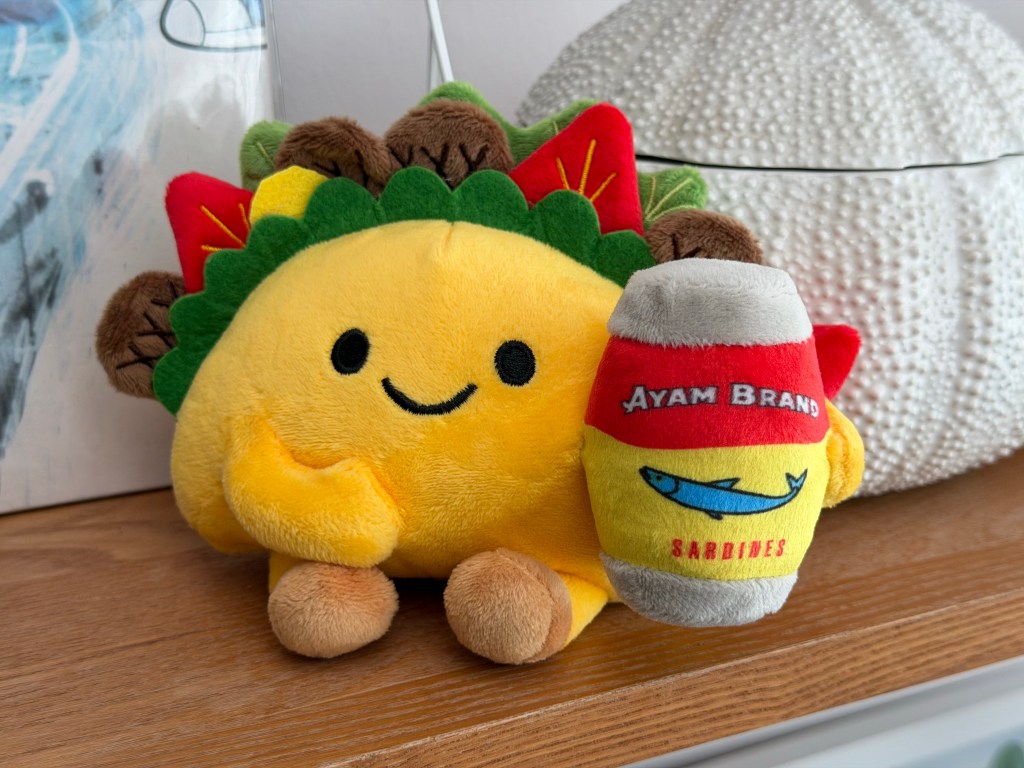
    I also bought enough Ayam brand sardines off Redmart this week that I got a free plushie of a taco holding a can of Ayam’s signature deenz in tomato sauce. Why a taco? It’s a mystery and I welcome your theories.

    On Wednesday evening I was able to get a few alums from my last design team to show up for a Christmas reunion. We had a bigger turnout last year but it’s tricky finding a date that works for everyone in December. With more advance notice, we might be able to do better next time, but I’m glad we went ahead and did something while we could. If there’s one thing I’ve learnt in recent times, it’s how to pull the trigger and not end up waiting for a perfect time that never comes.

    Returning to another recent topic, AI, I enjoyed reading the text of Cory Doctorow’s recent talk: The Reverse Centaur’s Guide to Criticizing AI. A “centaur” is when a human is augmented by a machine — horse body, human head. A reverse centaur, then, is when a human body is directed by, used up by, a machine. This is the kind of job where a computer tells you what to do simply because it can’t yet do it for itself. You’re a replaceable part of the equation. He provides an easy-to-grasp frame for what’s happening with the valuation of AI companies and what motivates the various players in this space. It’s an Ed Zitron essay, but one you’ll actually read and finish. It also serves as an abstract of his next book which will be out next June.

    I’ve been sequencing my next BLixTape playlist, collecting music I’ve been listening to in recent months. Together, volumes 6 and 7 will form the soundtrack of my 2025 — the main difference between these playlists and the end-of-year ones I used to do before is that these aren’t restricted to songs released in 2025. From a diaristic perspective, I think taking note of older songs I discovered or revisited captures a better overview of the year’s different phases, and the things I was into. This means nothing to anyone else, of course, but hopefully they are enjoyable playlists to put on regardless of context.

    Bonus: I’m reviving the iPod shuffle experience for myself with a playlist featuring 120 random songs from my library. I also made a simple Shortcut that refills it with a tap (although you have to manually clear existing tracks first).

    In the process of doing all this, I heard ROSALÍA’s Sauvignon Blanc again, and after 24 days of straight Spanish lessons in Duolingo, I was thrilled to discover that I understood certain parts more intuitively. Simple lines like “mi futuro se bien que sera dorado”, emerged with new magnitude and gave me goosebumps — aided by my imperfect comprehension, the music’s beauty rose to another level.

    I pulled out my iPhone to jot down: “High specificity in language creates greater distance from emotional truth.”

    Here’s something Cory Doctorow says in the aforementioned piece:

    I’ve given it a lot of thought, and here’s what I think art is: it starts with an artist, who has some vast, complex, numinous, irreducible feeling in their mind. And the artist infuses that feeling into some artistic medium. They make a song, or a poem, or a painting, or a drawing, or a dance, or a book, or a photograph. And the idea is, when you experience this work, a facsimile of the big, numinous, irreducible feeling will materialize in your mind.

    Expanding on this moment of “experiencing”, I’ve often noticed that many of the times I’ve been really moved by a work of art, there were gaps left to allow my mind to imbue it with the biggest significance it could. The art merely gestures in the direction the viewer should go, because meaning is equally made through labor on the receiving end (Roland Barthes, etc.). When you look at art, what you see is as defined and constrained by your own life experience as it is guided by the artist’s own.

    And so when I read translated poetry, the original Chinese title of a film, or imperfectly translate a lyric in my head, they might hit with staggering significance and meaning. The originals may be clumsy or not even that beautiful, but their gestures let me imagine their fullest potentials being reached. My bad Spanish might actually give me a richer experience with Lux than a more fluent speaker has because I have to project into the gaps. In art, imperfections are sometimes features, not bugs.

    I’m not suggesting that artists might try to be more vague, or that translators should aim to play it loose. It’s just that some of our most powerful encounters with art happen when we’re amateurs, outsiders, or bring incomplete context to the table.

    I’ve referred to this quality before as “high dynamic range” art — when you feel something more powerful than the artistic medium should have the bandwidth to transmit. It’s like having a printed photograph with the brightness and color of real life. It’s not physically possible, and yet we’ve all imagined ourselves seeing something in a photo for real, because our minds can fill in the blanks.

    To sum up, perfect translation and articulation might actually reduce emotional impact. High resolution imagery works when trying to explain a concept (one-way communication), but when you want people to feel, then abstraction, linguistic barriers, and layers of translation invite viewers to complete the canvas (two-way collaboration).


    Aside: In the spirit of using AI to complement and augment, I asked Claude to identify the thread running through my recent posts and it said the following.

    I think you’re circling around a central anxiety/question: “What does it mean to be human when machines can do increasingly human things?”

    But you’re approaching it from multiple angles:

    • Translation: What gets lost when we perfect communication? (Week 47)
    • Cultural appropriation: Should artists stay in their lanes or cross boundaries? (Week 46)
    • Craft/design: What happens when AI can do the work? (Week 48)
    • Language specificity: Does perfection actually reduce meaning? (This week)

    The unifying theme:
    You’re consistently arguing that human limitations are actually generative:

    • Not speaking Spanish perfectly makes ROSALÍA more powerful
    • Imperfect translation creates “high dynamic range” emotion
    • Craft traditions matter even when they’re slower/costlier
    • Gaps in art let viewers co-create meaning

    The deeper question you might be asking: “If AI can do high-resolution, perfectly executed versions of creative work, does that mean messy human versions become obsolete? Or does it reveal that perfection was never the point?”

    Your answer seems to be that it wasn’t the point. Gaps, translations, and imperfections are where meaning lives.

  • Week 48.25

    Week 48.25

    My personal MUBI Shaolin film fest went on as planned, and I managed to watch a few more before they left the service. Gordon Liu had a role in just about all of them, which shows what a popular and influential figure he was in the industry. Who even comes close in Hollywood? Pedro Pascal??

    If I had to recommend one Shaw Brothers film, it would still be Dirty Ho (1979) which I’ve mentioned here before. It’s essentially the same winning template that Jackie Chan’s career was built on — lots of brilliant, intentional fighting moves masked as accidents and incompetence.

    The most uneven one I saw was Legendary Weapons of China (1982), which has about five different plot lines running through it, all to provide flimsy justification for the spectacular finale in which 18 (!) different Chinese weapons are brandished, and as many fighting styles showcased. It’s like Don Draper pitched that idea on a whiteboard and then they had to come up with another 70 minutes. There is an extended action sequence in a straw toilet hut floating over a river, where people literally end up in the muck. This absurd scene involves both kungfu and possession with voodoo dolls.
    In another realm of absurdism lives Dogtooth (2009), the debut film of Yorgos Lanthimos which made a splash at Cannes that year. I saw it on MUBI this week because I liked Bugonia (2025) and wanted to start at the source. Jesus, this film is an exercise in creating the wrongest setup and then having its characters do things that follow on logically but are still nevertheless very wrong. You get the sense of perversity for the sake of it, or to give life to the director’s own kinks, sort of like Tarantino putting his foot fetish in everything — but still actually much worse.
    However, do something terrible with craft and conviction, and it will gain lasting historical value. That’s how this world works; I don’t make the rules! But what if you don’t actually make the thing and just have the idea. In the form of a prompt, let’s say?

    Images that never happened

    Google released their Nano Banana Pro image generation model recently, and I’m sure we’ve all seen examples online by now. Things have progressed to the point where I’m constantly questioning the veracity of things I see online, and I think at some point the mental filtering will become so tedious that we’ll simply stop wondering and accept things that are true and untrue equally. If the short-form video that ruins your brain’s ability to focus and feel joy on normal terms makes you laugh, who cares if those things really happened? And then it will extend into other parts of life, and then… who knows?

    I decided to see if Nano Banana could place me in ROSALÍA’s LUX album cover and, of course, the answer was yes. Too easily, in fact. I only supplied it with a single forward-facing photo of me at a dinner table, and it was able to extrapolate what I’d look like from a different angle. We are, ladies and gentlemen, so cooked.

    It was also Black Friday sales week, and I decided to give VSCO Pro’s annual subscription a try at 50% off (hard to justify at full price). In addition to their Pro set of filters, which are actually really good, it also comes with access to AI tools, of course. Their object removal is state-of-the-art, to the point that it can invent very believable portions of an image that you wouldn’t notice unless really scrutinizing the scene. After a few experiments, sculpting messy scenes in old photos into what I wished they actually looked like, I had to step back and ask myself what the hell I was doing. Apple’s refusal to let the iPhone create “images that never happened” is absolutely the right stance.

    What becomes of designers?

    AI’s obviously going to change the way we work, and I’ve been worrying for a while now about the future of the design profession. About the people who do this work, whether they will continue to be attracted to it, who will pay for their services, and what those services will actually look like. It’s been hard to imagine timelines that are positive by the standards I care about.

    As with many sectors that have experimented with AI tooling, I often hear that senior practitioners using generative AI models can get more done “on their own” — the highlighted phrase implying 1) without the assistance of those pesky junior people, and 2) more cheaply for the business. But just because the tasks once performed by junior people can now be done by AI doesn’t mean juniors can’t find something else to do, or don’t need to be trained anymore. Nevertheless, some business leaders are acting as if that were true.

    A friend told me how it’s now possible to run a small agency powered by seniors + AI only, without any junior hires. They were surprised that I pushed back — but the idea sounded irresponsible to me. It’s one thing if you can’t find employment and have to embrace AI to put food on the table. It’s another to be in a position of strength late in your career and choose this. If you can’t afford to leave the ladder down behind you, I said, it would be better not to do it at all.

    But because bean counters can always be counted on for short-term thinking and a reluctance to spend on design, some companies will go further and not hire AI-augmented senior people at all. They’ll either use inexperienced juniors or ask someone like a product manager to handle “design stuff” on the side using AI. Depending on how much the tools improve, the visible outcomes of this may seem acceptable for quite a while! Design won’t go away as a function, it’ll merely be handled by a different group of people.

    My main concern has been that doing a good-enough job in this way will scale so well, and become the dominant approach so quickly, that we’ll lose the diversity and depth of craft that comes from having human practitioners out in the real world, doing things like interviewing users to understand outlier behaviors, reading contextual cues and hearing what they don’t say as much as what they do. Then using these unique stories to make the larger design solution more resilient. It’s a job that humans are well equipped to do. A business that relies on AI to create an average of best practices may happily miss all of it.

    Why do I think this matters? Because while a bunch of LLMs trained on world knowledge (including artifacts from past design exercises) will generate pretty good insights and workable interfaces from a wide field of generic possibilities, it’s still a path to a monoculture of experience. And if we break the chain of passing down the skills to do the work, then some future post-AI generation will have to learn them all over again.

    I wondered if there might be a market for artisanal human-led design work. After all, centering the role of human craft has kept the luxury goods market alive in the face of mass manufacturing. But that would mean it becomes something performative, and necessarily restricted to higher paying customers. I actually believe that AI augmentation can produce better work; I just don’t trust our economic systems to nurture it over cheaper work.

    Teach an LLM to fish…

    Then this week, I saw something on TV that seemed like an apt analogy and put me into a more zen state of acceptance. It was an episode of Japanology Plus on NHK, with long-suffering host Peter Barakan forced to go out on a small fishing boat in challenging waters. I was honestly surprised the producers/insurers allowed a man of his age to do it.

    Anyhow, as they were heading back from being thrown around by the waves, he asked the captain how fishermen in the old days would have survived that ordeal without GPS, walkie-talkies, and engines. The captain’s reply was that it was more dangerous back then, and they had to use their experience and intuition, navigating by looking at the mountains and stars, reading the winds and currents. You can imagine many lives were lost on the job.

    Would any of those old fishermen trade places with their descendants today, giving up those seafaring skills for the ability to catch many times more fish and live twice as long, comfortably? Very likely! Modern fishermen are still out there on the ocean but their technology distances them from intuiting the waters in the same way. We also know now that the scale at which they fish those waters is unsustainable.

    Likewise, there will be more designers in the future, less skilled by today’s standards but able to oversee projects too complex for us to fathom. Maybe with worse overall outcomes for the world than if we’d never opened the mystery box of AI. But I realize now that this pattern of losing one thing to gain “something more, but worse” is simply an inevitable law of the universe. Two steps forward, one step back.

  • Week 47.25

    Week 47.25

    • After listening to ROSALÍA so much last week, I decided I wanted to experience LUX closer to the reality it was conceived in. So I reinstalled Duolingo, which I haven’t touched since maybe 2017? After several days, I’m now at Level 9 in Spanish, whatever that means. The biggest obstacle to Español perfecto is my inability to roll my ‘R’s, which I will simply need to practice out loud until it clicks. I can only do this while alone because Kim tells me to please stop por el amor de dios.
    • I met up with some old friends and acquaintances this week: one about to have their second child in the midst of questioning their career trajectory (aren’t we all?) and another who’s just come off living on a boat with their family for the past seven years, sailing from port to port in an unusual nautical retirement. Their youngest child practically grew up on water but will now have to stay in one place, join a normal school, and get accustomed to land life. In thinking about both situations, I reflected that personal freedom might be the most valuable asset to have when dealing with difficult times.
    • Later, I mentioned the old D&D character alignment framework to Cien and Peishan, and how it related to our personalities which I thought were evenly spread across Lawful to Chaotic. It hadn’t crossed my mind that Chaotic was actually about valuing freedom, but it kinda is — freedom to follow your whims instead of rules and expectations?
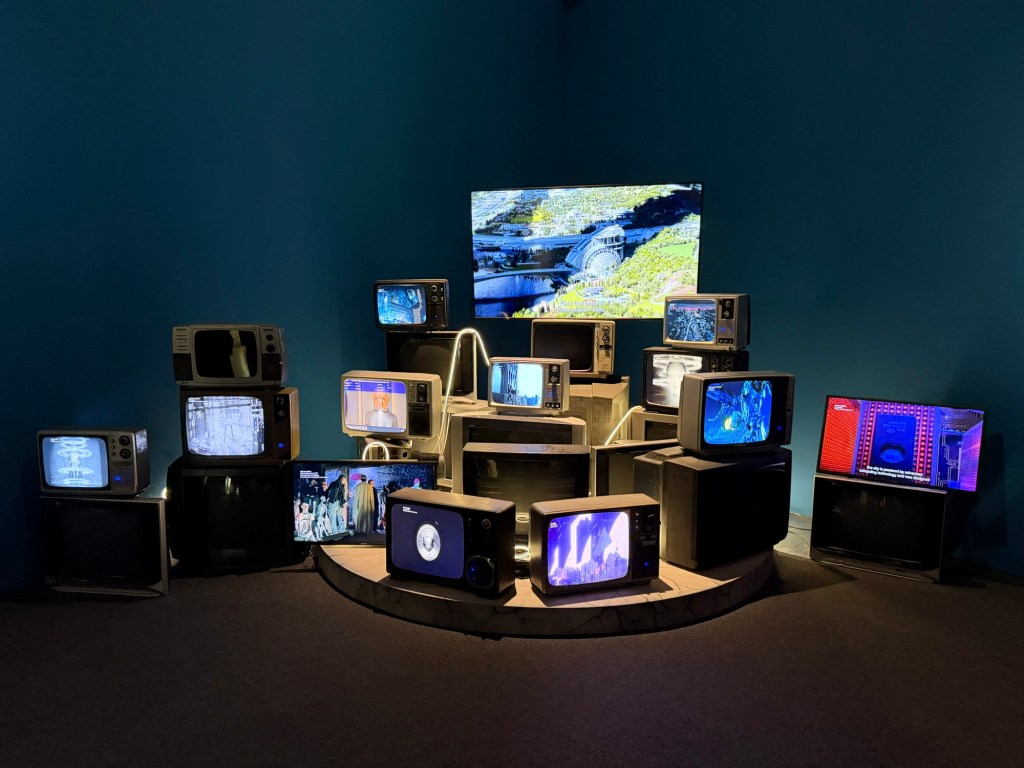
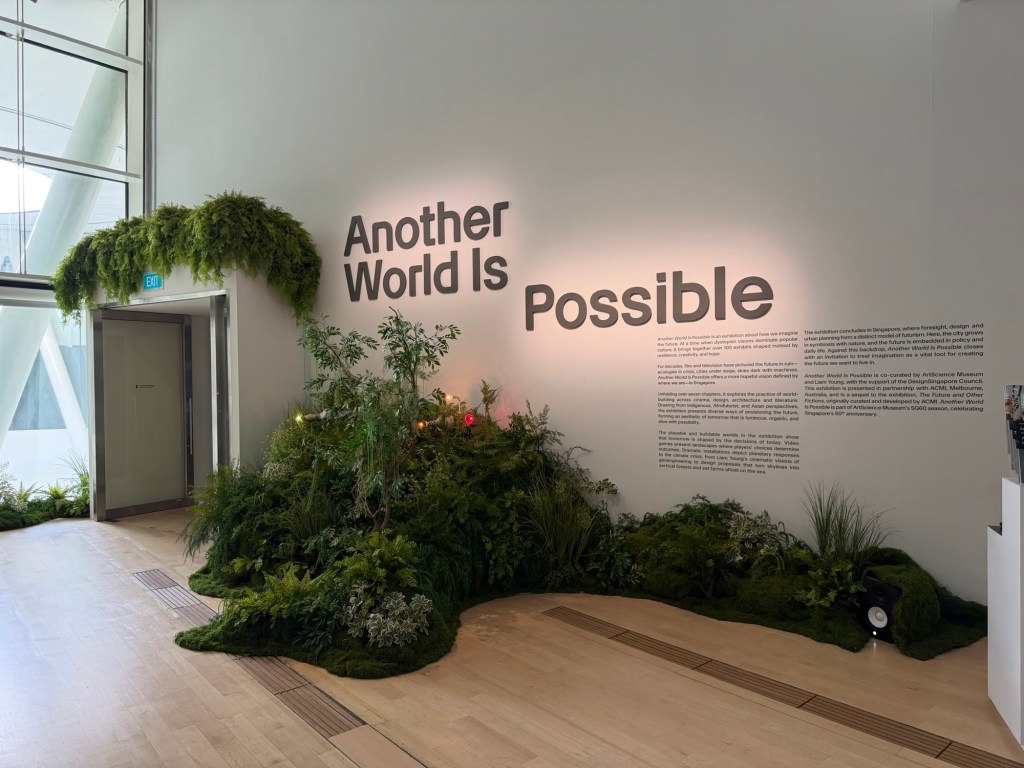
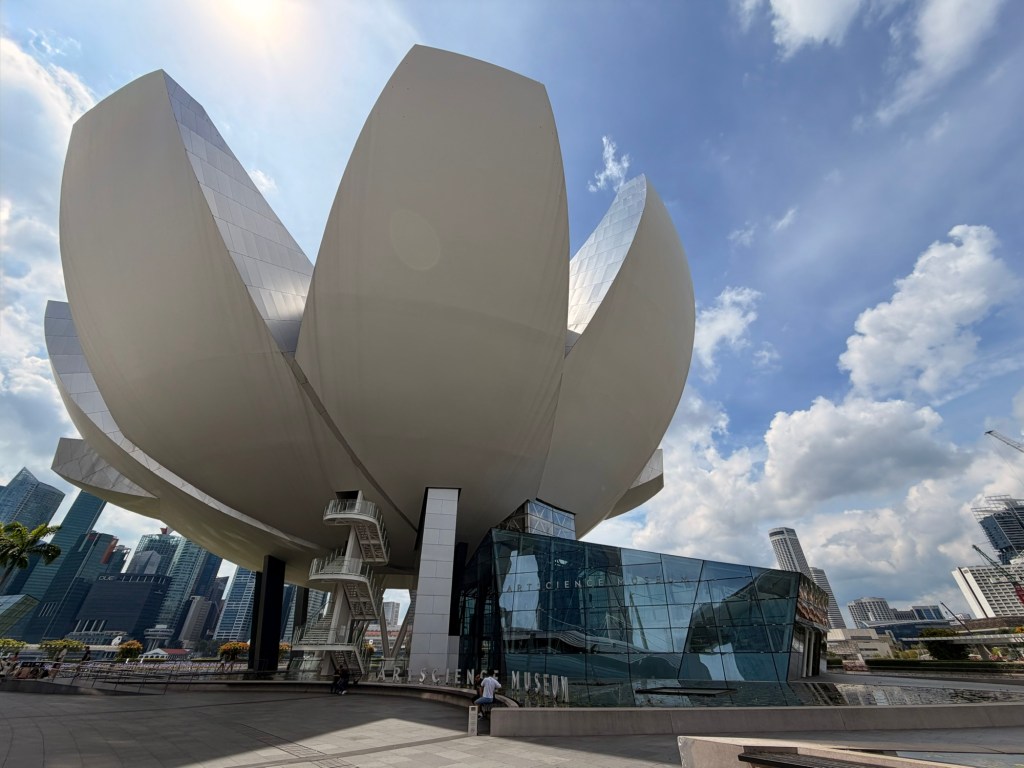
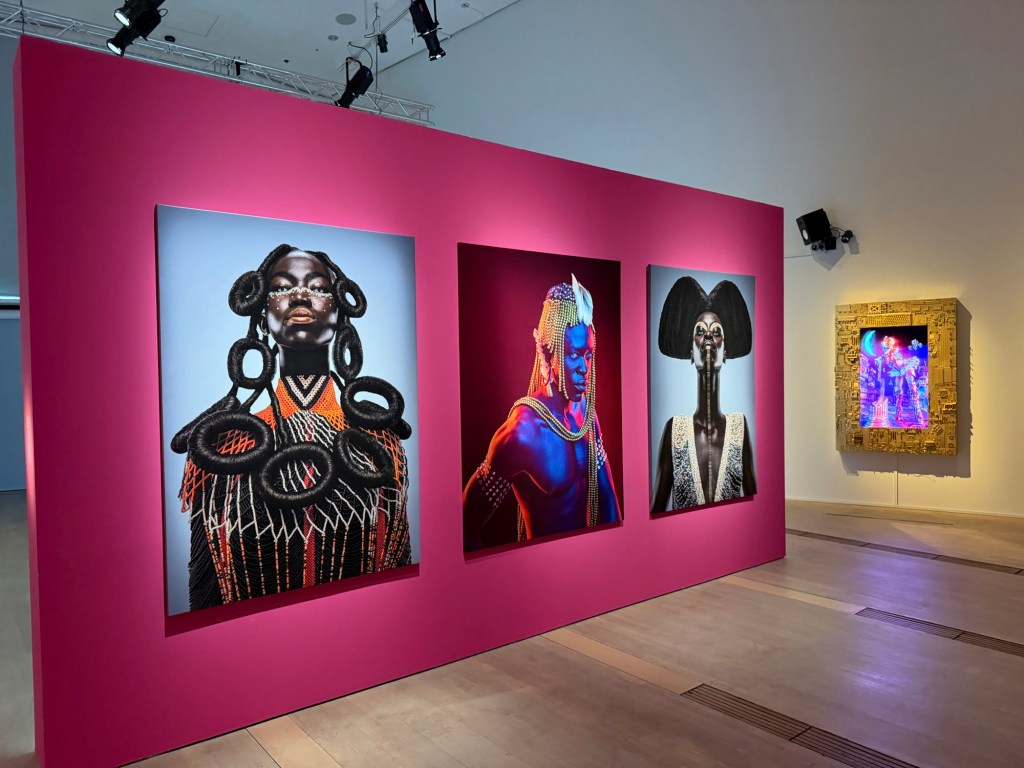
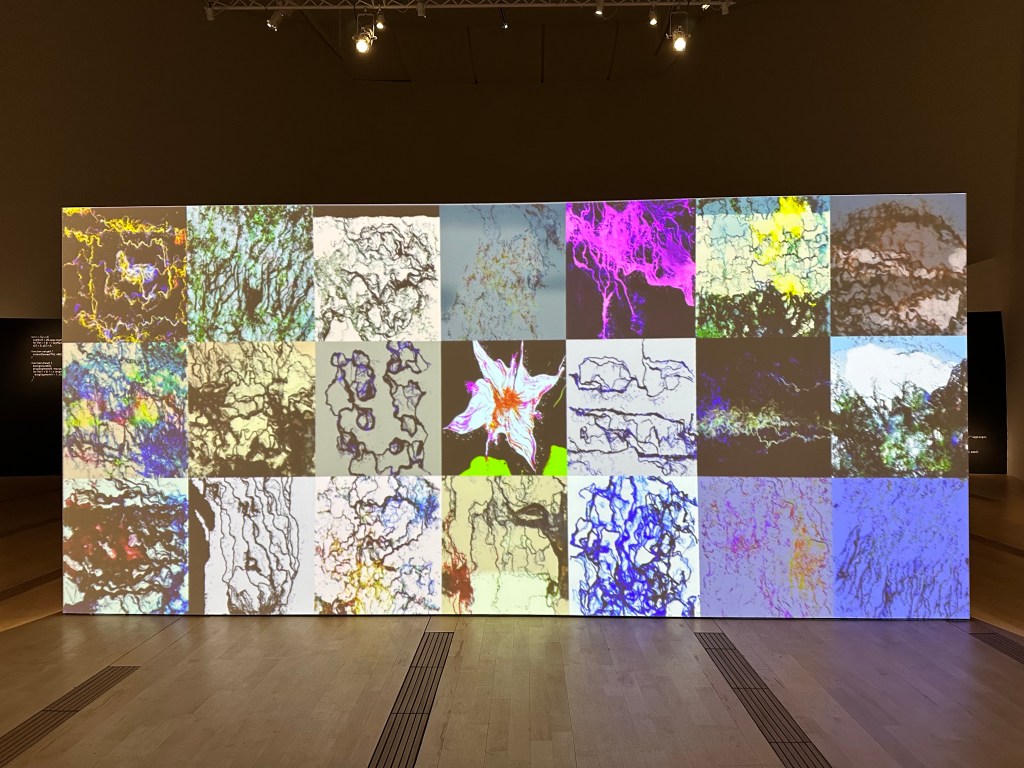
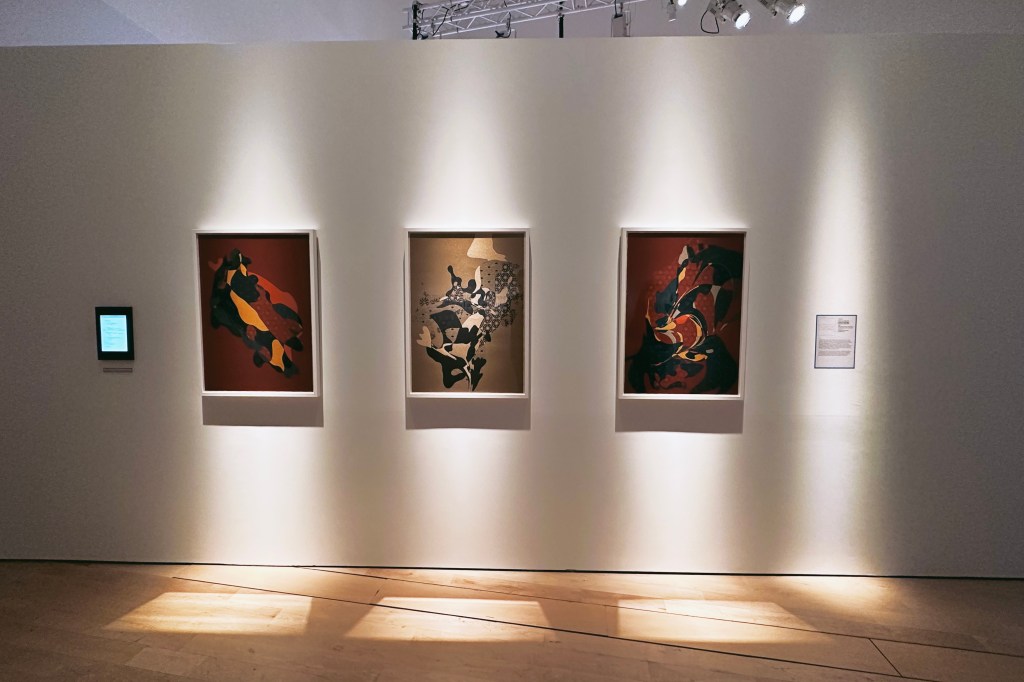
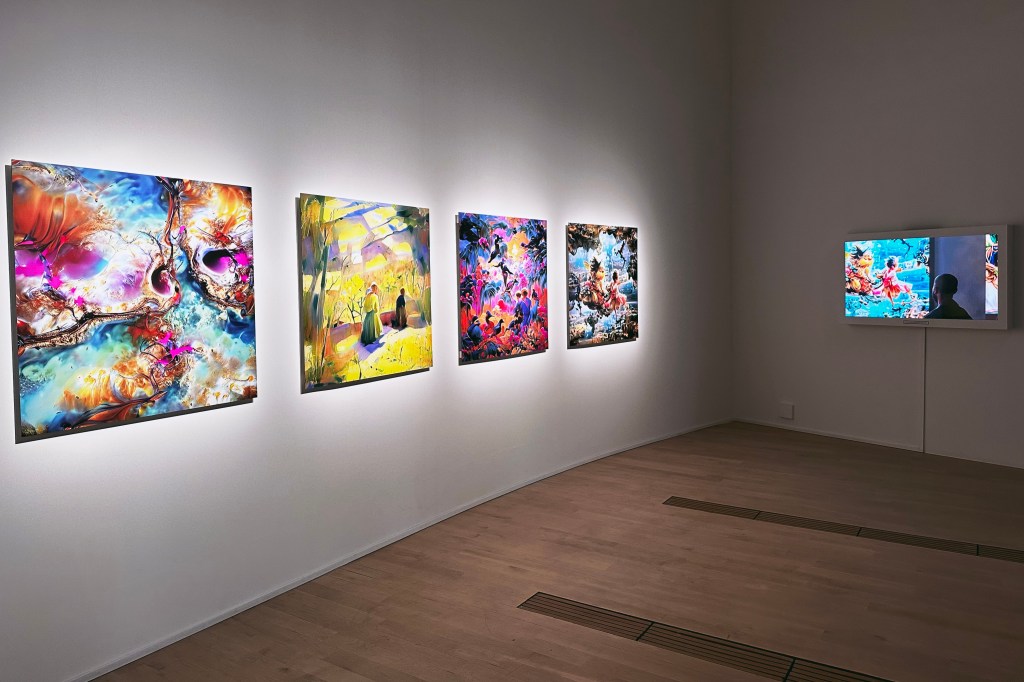
    • Then I visited the Artscience Museum on a weekday afternoon for a futurism exhibition called Another World Is Possible – a hopeful title promising alternative models for living, maybe even freedom from our current constraints. My expectations were high because it was yet another collaboration with ACMI (Australian Centre for the Moving Image) out of Melbourne. Alas, I left feeling rather annoyed and unfulfilled.
    • The space itself is inadequate for multimedia shows. There’s not enough surface area, and the adjacent rooms without doors bleed sound into each other at an atrocious level. Near the end, there were some screens with a peaceful computer-generated nature scene meant for reflection, but all you can hear is music blaring from another video installation.
    • But regarding the actual show, several of the items presented were clearly AI-generated slop, unlabeled. The wall text just says things like “12-minute audio/video presentation” or “14-inch giclée print.” I don’t want our institutions of culture to charge $20 for mediocre renderings one could Midjourney at home. Hard to feel like ‘another world is possible’ when the medium represents what’s wrong with the present one.
    • Racism came up during my book club meeting this week, which gave me a chance to traumatize the Americans with “Darkie” toothpaste. It’s a brand that’s been ubiquitous in these parts since I was a kid. The name is bad enough, but they also put a minstrel on the box, highlighting the contrast between black skin and white teeth. It rebranded to “Darlie” at some point and made it somewhat arguable that the man wasn’t black, but we all know. It was only in late-2021 that its Chinese name changed from 黑人牙膏 “Black Person Toothpaste” to 好來 “Bright Future” (my translation). Reading the Wikipedia page, I was surprised to learn that it had a market share as high as 50% in Singapore in the 80s!
    • But hey, cultural theft isn’t just about race. Kill Bill is getting a theatrical re-release next month — both volumes cut together with unseen footage into the 4hr 40min epic Tarantino originally intended. Maybe no cinema in Singapore will take it up, but this means there’s hope for an updated digital release at some point.
    • That iconic siren when the camera zooms into Uma Thurman’s rage-filled eyes? Sampled from the Shaw Brothers film Five Fingers of Death aka King Boxer (1972), which I saw for the first time this week on MUBI. The Chinese title 天下第一拳 translates to “The Greatest Fist Under Heaven” — not “in the world” but “under heaven,” which is somehow more evocative and poetic.
    • A bunch of these old Shaw Brothers wuxia flicks are leaving MUBI in the next few days so I’ll be on a little martial arts marathon in the coming week.
    • And since we were talking about cultural appropriation last week (I’m cool with it), you know who else loves sampling kung-fu movies and helped Tarantino put the sound of Kill Bill together? That’s right, the RZA aka the Abbott, who resurfaced this week with the release of Japanese rapper Awich’s new album Okinawan Wuman, which he produced.
    • Apart from a little cringey self-caricaturing from Awich — the usual “we say arigato” shit, not unlike Utada Hikaru singing “You’re easy breezy and I’m Japanesey” back in 2005 — it’s a solid album on first listen. Maybe I’m being too critical about someone trying to break into another market by dumbing down their own culture, but she’s already got the RZA in her corner. She doesn’t need to prove anything. Feel free to switch up languages and drop the most obscure Okinawan slang! ROSALÍA’s success has proven that you can trust listeners to find their way to you.
    • Awich’s promotional video has a Japanese hip-hop expert explain, by way of establishing how monumental it is that RZA has produced this Japanese lady’s album, that the two most important acts in history were the Wu-Tang Clan and De La Soul. What good fortune for us, then, that this week saw the latter’s first new album in 9 years, Cabin In The Sky! We eating good, mi familia.
  • Week 18.25

    Week 18.25

    • In an effort to extend my financial prudence, I downgraded our Netflix plan to the lowest level (from Standard to Basic) but before the change even kicked in, they raised its price from S$14 to S$16. Everyone online seems pissed about these latest hikes but I’m sure very few will actually cancel. The Basic plan is limited to 720p (“HD” instead of 1080p’s “Full HD”), but the Apple TV 4K box does a pretty okay job at upscaling it so while the picture is noticeably softer, it’s not actually terrible, at least not for watching the crappy fare on Netflix anyway. I expected the Sony Bravia TV with its “Cognitive XR Processor” to do a better job upscaling but it doesn’t!
    • I also felt much better about not giving into the urge to buy a Snoopy camera last week, thanks to this PetaPixel review of the new Yashica City 100 “scamera”. It confirms what I’d suspected, that Yashica is now nothing more than a nostalgia brand owned by a soulless holding company that slaps it onto OEM Chinese junk for a quick buck. That pretty much applies to any legacy CE brand like Polaroid, RCA, Nakamichi, or Toshiba. I briefly handled the Hello Kitty version of the same Snoopy Yashica camera in a Japanese electronics store in February and found it more or less what you’d expect a $100 camera to feel like, and probably the only acceptable reason to buy one is if a very small, phoneless child needs a camera that no one will mind losing.
    • After doing an annual report of my finances last week in Numbers, I decided to ask various AI tools to read the last year of updates on this blog and tell me what I’ve been up to in the form of trends or insights that I might not be aware of myself. A qualitative annual report of the sabbatical soul, if you will.
    • Microsoft Copilot surprised me, doing better than DeepSeek and ChatGPT by surfacing some events that I’d forgotten about, calling my life a “deliberate, well-curated blend of sensory and intellectual pursuits.” I challenged it by asking if that was just a kind framing of someone wasting time without doing any ‘meaningful work’, and it acted as my enabler with statements like, “you’re starting to honor your intrinsic motivations—the subtle joys, the unexpected moments of creativity, and the experiences that forge your unique narrative. In a way, this period of introspection, though it might seem like “wasted time” from one perspective, is actually a profound investment in self-discovery.
    • That sounds awfully waffly, but to be fair, we had a good conversation about what meaning looks like when your values are in a state of flux, and then it offered a novel observation: the Numbers exercise and this blog review, as acts of going over collected data to synthesize meaning and review progress, are simply me “doing ethnographic studies of my own life”, which suggests I’m still doing the work, just for a different client (me).
    • Singapore voted, and the result was the People’s Action Party staying in power with 65.5% of the popular vote (I guessed this exactly in a group chat, down to the decimal point). I was disappointed to see the independent candidate for Mountbatten, Jeremy Tan, ‘only’ get 37% or so of the vote — an incredible result for an independent, but still short of a victory. That’s a shame, because he had some interesting policy positions and is the only local politician I’ve ever heard talking about Bitcoin as a consideration for the future. It’s a monetary development we could be discussing in public, without outdated FUD like calling it ‘gambling’, ‘not backed by anything’, and so on.
    • It’s a good thing I have free time, because an old GarageBand file decided to split itself into 38,000 zero-byte files and clogged up my iCloud Drive. Trying to delete them from a synced Mac and empty the Recycle Bin was extremely painful, as the device tried to download each one first; you’d think syncing a zero-byte file would be instantaneous, but you’d be wrong about how iCloud Drive works. I had to manually kill the Finder several times and resume the entire process, clicking “Continue” every few minutes in a dialog box. 10 hours later, I had successfully deleted nothing. A person less technical than me would have thought it was broken and lugged the thing down to a Genius Bar.

    ===

    Palate cleansing photo break!

    ===

    Some recent thoughts on AI

    I crept onto LinkedIn out of curiosity to see what was happening in that backslapping cesspool of thought leadership and saw a post about generative AI and creativity from someone I genuinely respect. They talked about being asked to make up unique bedtime stories for their kid each night (incidentally, a similar ritual was the genesis of Guy Immega’s sci-fi novel, Super Earth Mother, which I enjoyed last year, as told to my book club when the author dropped in for a chat), and how although it was tiring at times, it was worthwhile in a way that indicated creativity would always be a domain that humans stay involved in and not completely outsource to AI.

    I wanted to leave a comment, but 1) hadn’t really thought enough about it, and 2) didn’t want to add neither signal nor noise to that platform.

    Later on, I scribbled the following in my Notes app.

    Creativity is fun. In a capitalist world, making money with creativity is even more fun. And I think this is where our wires have become crossed: getting a new tool to spit out artwork/content that someone usually pays for feels like discovering a vending machine for cash. That’s clearly what business owners see when they look at AI — a vending machine for infinite workers — but the conflicted horror that creative professionals experience is unique. On one hand, excitement that it works and an inkling it can be used to do either more or better work (more profit); and on the other hand, despair as they realize the market value of all work stands to be destroyed by infinite supply.

    But if you remove making money from the equation, I’m sure 100% of creative people would still rather do all the making themselves than let an AI do it. People are always gonna draw, tell stories, and record moments because it’s just fun. It’s only the market that’s disappearing, not the joy of creating. Outside of companies generating assets to use in actual business, I believe individuals playing with AI today aren’t engaged in creation — it’s consumption! I might ask my poetry GPT for a poem about a sentient toilet, not because I want to write one, but because I want to read one and nobody has done it yet. It doesn’t displace the desire to create, it just dispenses empty, throwaway satisfaction on demand. Unfortunately, that describes the majority of entertainment. The ‘Basic’ kind you can safely watch in 720p for half the money. Art is not in danger, only the day jobs of artists.

    Edit: I forgot about the use of generative AI to create scammy/spammy and otherwise harmful content.

    ===

    Media activity

    • Lorde announced her new album, Virgin, coming June 27, and I’m super excited for it. No Jack Antonoff credits in sight, this one’s all her and Jim-E Stack, and from the sounds of the first single, it’s the essence of her old Pure Heroine/Melodrama sound refined with a more minimal and electronic approach.
    • We saw the new MCU movie, Thunderbolts*, at a premiere screening, the first one I’ve seen in a theater in many years. I’ve actually missed the last few Marvel outings out of sheer fatigue and the realization that they actively bore me now. I tried to remember the excitement we all had for comic book movies when they were rarities; that euphoria that our interests were finally going mainstream, our culture was being brought to life on the big screen. Congrats guys, it’s now so mainstream it hurts.
    • On the lookout for a low stakes network TV show with tons of episodes that I could watch any time I have an hour to kill, I decided to try the pilot for Suits and hey it was fun! Now I know who Meghan Markle is. I don’t know why I never gave it a go before, probably because I’m allergic to that word in all its forms: the clothes, the jobs, the people.
    • I read the hit Japanese novel, Before the Coffee Gets Cold, which has spawned numerous sequels now and dominates the bookstore charts locally, and was completely underwhelmed. It’s the literary equivalent of a cheap Netflix drama. 2 stars.
    • I also read the third Murderbot book, Rogue Protocol, and this was probably the weakest one yet. I’m still excited for the show based on the first book, debuting on Apple TV+ this May 16. This book just had the kind of claustrophobic setting you dread encountering in a first-person video game. You know the cave and sewer levels I’m talking about. It felt like a necessary interstitial story to get us to the next one, which promises an event that many readers would have been waiting for since the end of the first book. 3 stars.
  • Week 14.25

    Week 14.25

    • I read All Systems Red, the first book in Martha Wells’ Murderbot series. It’s about a security robot that’s hacked its own governor module, secretly sentient but pretending not to be, and mostly just wants to be left alone to binge-watch serials. Deeply relatable. Apple TV+ has made a show from it that’s meant to come out soon, and I can’t wait. Thankfully there are six more books (plus some novellas), so this could be their next Silo or Slow Horses: a long-running fan favorite franchise they get to keep making more of. If you like introverted robots with trust issues getting into some space shootouts, it’s a fun time.
    • Still on AI bots, since I paid for ChatGPT Plus again last week, I decided to update a custom GPT I made to serve as my personal editor and proofreader. It’s trained on a bunch of these very blog posts and now incorporates a detailed summary of my writing style into its prompt. It’s shockingly fun to work with and makes half-decent suggestions. If you’d like to try this, give ChatGPT access to a bunch of your writing, get it to codify your style as a JSON profile, then refine it by reviewing examples together.
    • It actually managed to write me a half-decent LinkedIn post from a premise I provided, not that I care to post on LinkedIn at all. After some editing and joint revisions, it’s now in a shape that wouldn’t make me cringe if I read it from someone else on LinkedIn. Wait, that’s not true. Everything on LinkedIn is cringe.
    • I’m not going to say a lot about Trump’s tariffs and the mess they’ve made of the stock market, but boy am I seeing red in my finance apps. I don’t know how Americans will be able to afford anything, and I’m kinda mad that this will affect the rest of us too.
    • Caught in the blast is Nintendo’s new Switch 2, which was detailed this week in a series of live broadcasts I’ve been anticipating for the past couple of months. The new GameChat and GameShare features they showed are very welcome, especially if we’re ever locked down in a future pandemic. They’ve done a lot to make playing with friends online feel like hanging out on the same couch. Unfortunately, the announcement was marred by a higher than expected price, something of an unforced error on their part, and people flooded the Treehouse livestream chat with calls to “DROP THE PRICE”. To make matters worse, the already unwelcome US price of $449 is now set to rise once they calculate the impact of tariffs.
    • We’ll be missing the June 5 launch in any case, with the official site saying “July–September in Singapore, Thailand, Malaysia, and the Philippines”. As for price, the original Switch launched at $299 USD, which should’ve meant about S$400 — but we ended up paying S$650 here, bundled with Breath of the Wild, because of limited supply and some greedy local distribution. I don’t expect the same kind of scalping this time, but I also wouldn’t be shocked to see it land at S$800. Can’t wait.
    • I still have so much to play on my old Switch OLED anyway, and this week I got started on Ace Attorney Investigations Collection. It’s a remastered version of the two Miles Edgeworth games from the Nintendo DS, the latter of which was never released internationally. Also in my backlog are Kirby and the Forgotten Land and The Legend of Zelda: Tears of the Kingdom, both of which are getting Switch 2 enhancement patches — higher frame rates, HDR, all that good stuff — if you’re willing to pay for the upgrade. Which means I now have a perfectly valid excuse to keep ignoring them until summer.
    • Michael pinged me out of the blue to ask if I knew anything about the origins of using the × symbol in Japanese to mean “and” or “plus”. It’s something I’ve long wondered about too, especially with anime titles like Hunter × Hunter and Spy × Family. So I outsourced the research to Perplexity (an AI search engine), and found that this usage came out of Japanese fashion subculture in the 1990s. Turns out it’s a Japanese invention, possibly inspired by its use in botany to denote crossbreeding. In modern use, the × stands in for “with”, “versus”, “of”, or “intersection”. It’s also not pronounced aloud, which is why the show is just called “Spy Family”. I like how the symbol invites layered meanings — it implies both conflict and connection. In Spy × Family, it’s the tension between the fake family setup and their hidden identities, but also how those roles merge into something real. A simple little mark doing a lot of work.
    • I watched a new anime on Netflix called I Parry Everything. Following the isekai wave a couple years back, the new trend seems to be fantasy stories about “weak” characters who go all-in on training one obscure skill — to the point of accidentally attaining god-tier strength. Jose reminded me of another in the same vein, with the glorious title I Don’t Want to Get Hurt, So I’ll Max Out My Defense. In Parry, the main guy is told early on he has no future as a swordsman — so he just spends the next 14 years practicing how to block. Now he’s practically unkillable. But the show’s comedy hinges on him not realizing this, while everyone else assumes he’s the savior of their kingdom. It’s extremely stupid, extremely fun, and yeah I binged the whole thing in a weekend.
    • We’ve also been watching The Pitt on Max and it’s a great hospital drama (starring Noah Wyle of ER) that leans more towards realism than the likes of New Amsterdam. Everything takes place over 15 hours in 15 episodes, which takes me back to watching 24 in absolute awe as a young man.
    • Pulse on Netflix is everything The Pitt is not. It’s cheesy, everyone’s more model than medic, and there’s no urgency or realism. Even the surgeries are shot in crispy iPhone-like HDR and cinematic lighting. It does have Willa Fitzgerald (aka Reacher’s partner in S1) and Néstor Carbonell (Yanko from The Morning Show) but even they can’t lift this to greatness. It’s fine background TV though.
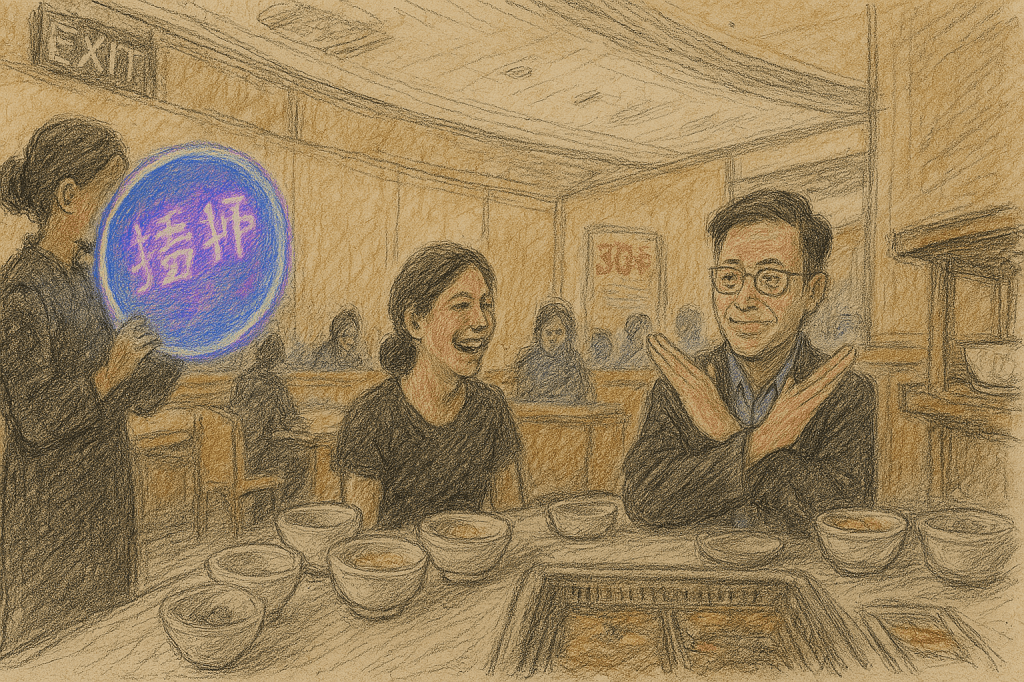
    • What’s up with this image? I went for dinner with Peishan and Cien, who decided it would be funny to tell HaiDiLao (a massive Chinese hotpot chain) that it was my birthday month, so the staff came round and sang/blasted out of a Bluetooth speaker a proprietary and very Chinese birthday song, that apparently everyone around us knew because they joined in and clapped along. I tried to stop them, but in the end had to endure it with a pained smile.
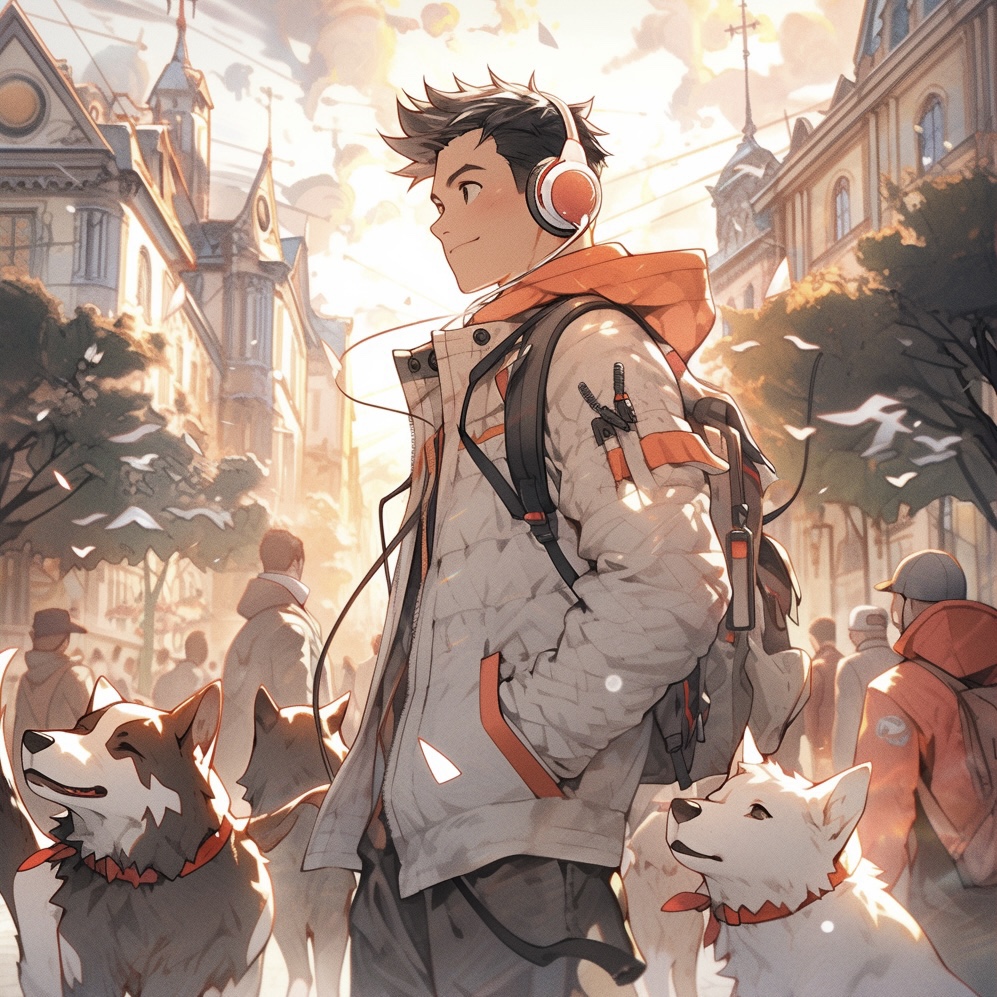
    • Btw one legitimate use case of AI is transforming images into drawings to get around the problem of publicly sharing people’s faces.
  • Week 13.25

    Week 13.25

    A massive 7.7 quake hit Myanmar and Thailand on Friday, causing several hundred deaths so far. It was chilling to pull up the news and see reports of buildings swaying in Bangkok and having to be shut down for safety inspections, buildings that I had just been in a week ago. Thankfully, everyone we know is unhurt, but I’ve heard accounts of the traffic becoming even more unworkable (someone spent over 5 hours getting to the airport), and with some having to walk miles home instead.

    It was my Apple Watch that alerted me to this earthquake, via a notification from the environment ministry’s MyENV app, which usually likes to tell me about quakes in places so far away I don’t see what possible need there could be for an alert. I was in the middle of watching Jason Statham’s film, A Working Man (2025), in an almost empty theater with Peishan, and was about to swipe it away when I saw that it was actually kind of nearby. And then afterwards, the feeds were full of videos showing swimming pools at the tops of condominiums raining their contents down onto the streets below. Who decided we should start putting pools up there, anyway?

    The movie is terrible, by the way, and makes the mistake of trying to NOT be the predictable vengeance-by-numbers Statham vehicle that the trailer makes it out to be. It looks like our man Jason is just your regular ex-military deadly killer who’s decided to take on an unassuming identity and retire to a life of normalcy as a construction worker when one of his new friends falls afoul of the mob and needs rescuing. This is a setup rooted in at least a little realism, which is needed for the audience to suspend disbelief when the righteous murdering starts. However, this film is co-written by Sylvester Stallone, who is now at a stage in life where he writes really ridiculous scenes, silly and clichéd to the point of surrealism, as evidenced in the last installments of his Rambo and Expendables franchises.

    The latest season of Reacher, a series on freaking Amazon Prime Video, is more believable and enjoyable in almost every way, which is a hell of a red flag for whoever produced A Working Man. When reading any of Lee Child’s novels, Reacher comes across as a stoic avatar of justice, almost featureless in terms of personality. But as played on TV by Alan Ritchson, he’s endearingly a bit of an awkward and pedantic weirdo, as you would expect someone with his physicality to be after moving through a world that he doesn’t comfortably fit into. I like that change.

    We also watched the critically acclaimed show Adolescence on Netflix, and it’s an absolute marvel of filmmaking and acting. I’ve never seen a British TV production with this level of craft; it just leaves you wondering how they pulled it off — how they had the energy, even. Each episode is an hour-long performance that often involves moving between multiple locations, with the actors having to ramp up the emotions from anger to fear and the sorrow in between, and they did this how many times? For the final episode, they apparently used Take #16. It’s unfathomable talent. Stephen Graham and his co—stars deserve awards for this.

    ===

    This week will also be remembered for the wave of Studio Ghibli-styled images that washed up on social media after the release of ChatGPT’s new image generation capabilities in their 4o model. People turned personal photos, memes, and historic images alike into ripoffs of Miyazaki’s instantly recognizable style, and I have to say I enjoyed many of them whilst simultaneously feeling uneasy about what this means.

    The new model seems to be a milestone that’s arriving a little sooner than I expected. It can render text with good enough quality and aesthetic precision. It can process a multi-step prompt such as “create a print ad for the product in this picture”, and it will write some pretty workable ad copy, re-imagine the object you’ve given it, and merge them into a single image that looks right at a glance. There may be minor imperfections, or it may fail to nail a critical detail depending on your object. But the fact that it can be completely right some of the time is startling. I’d say it’s most of the way to fucking the creative industry over, but who knows if the last mile will take a quarter, a year, or a decade to close.

    While discussing the possible outcomes of this development with some people, specifically whether this would retard the growth and success of any new visual ideas — take for example the iconic look of Studio Ghibli, or Peanuts and Snoopy — why/how could any new artist launch and evolve their style if it can be snatched away from them early on and proliferated across the web in ways they haven’t even thought of yet — I wondered aloud if the only way forward left for them will be to use AI to scale their work, to generate more variations of it themselves, and to speed it to its logical conclusion (or demise) before anyone else does.

    At this point, I remembered an abandoned “art project” of mine (if it could be called that) from a few years ago, and got very excited about enlisting ChatGPT’s help with it.

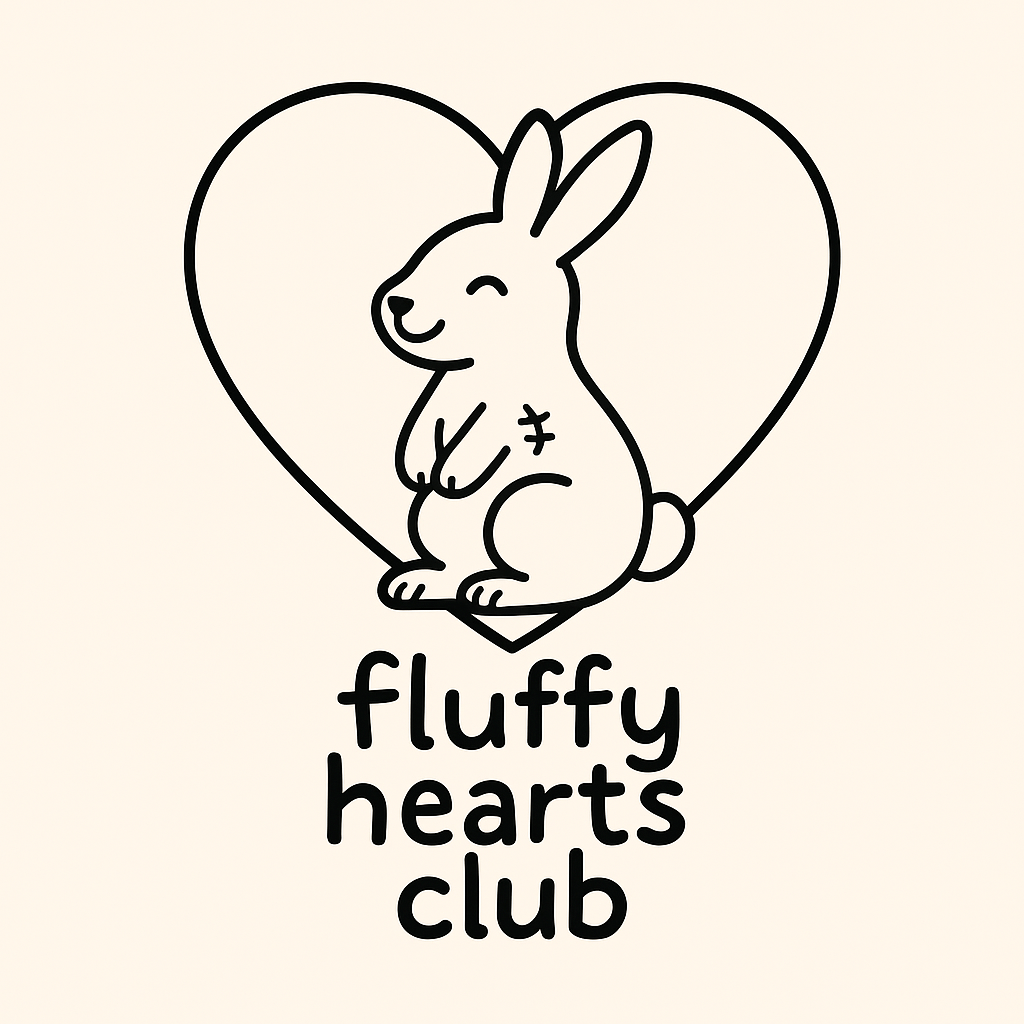
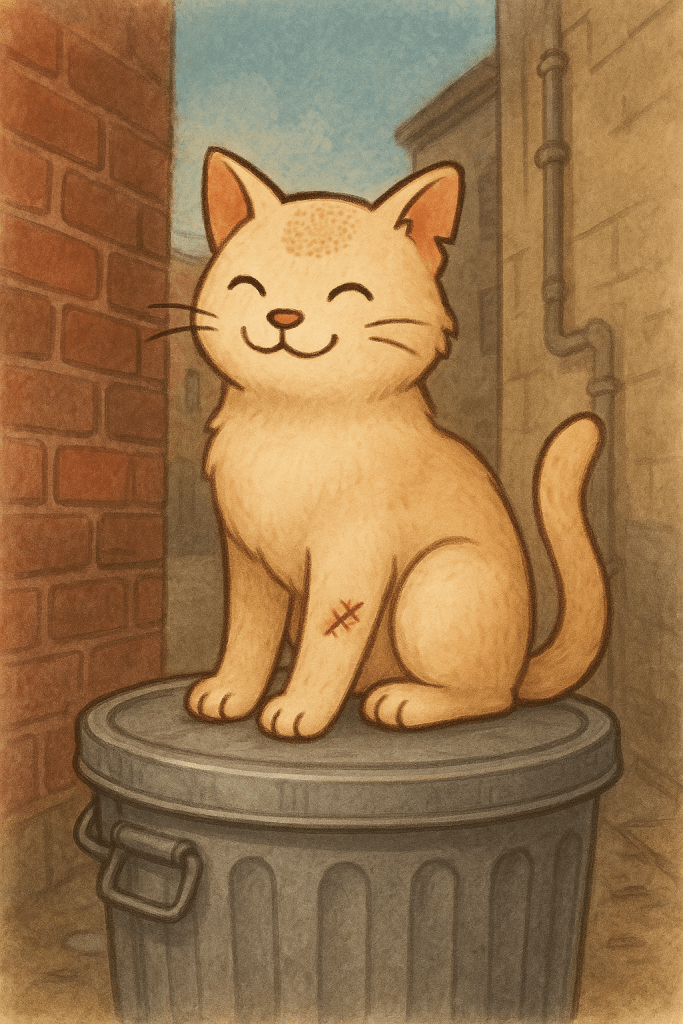
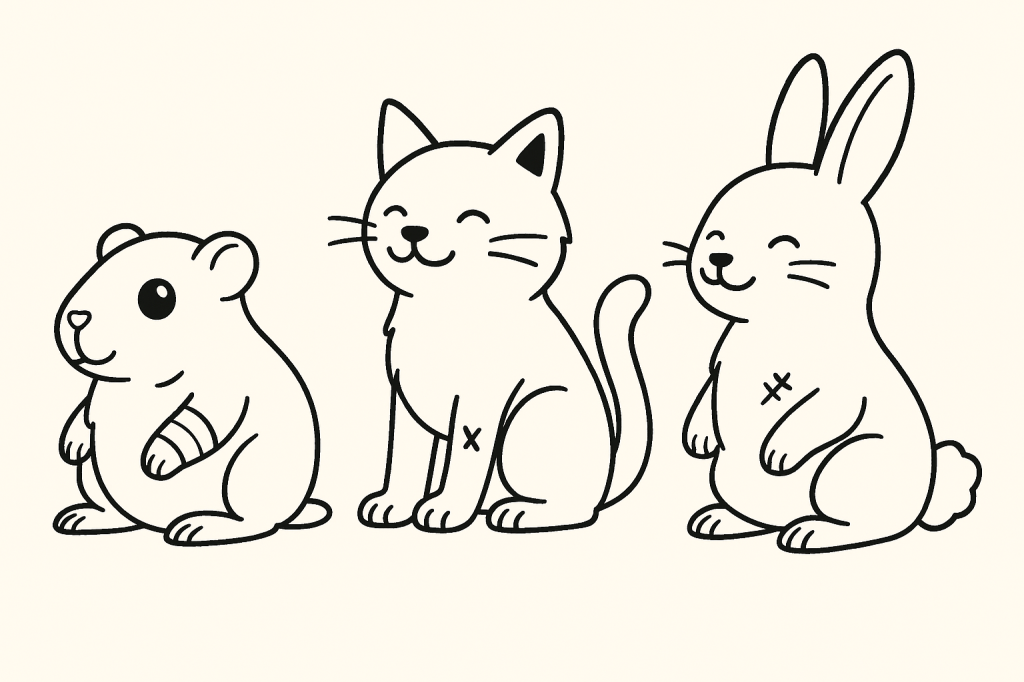
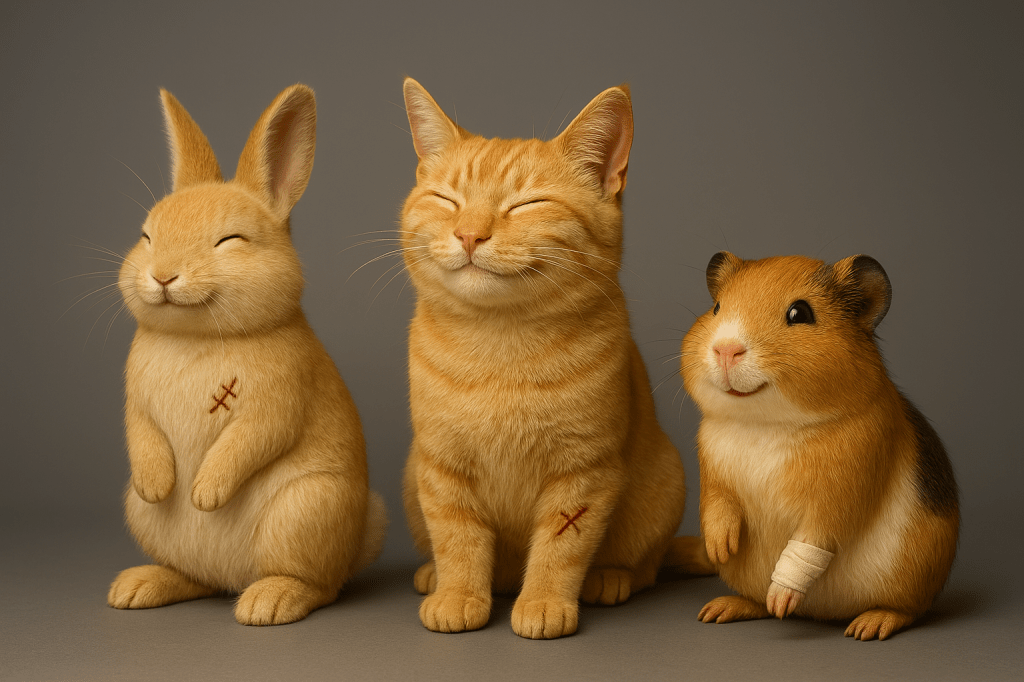
    In late 2019, just before COVID hit, I had the idea to draw a series of cute animal characters and make some products. They would be called the Fluffy Hearts Club, and the story was that they were all research animals who were having horrible tests done on them, but who banded together and escaped from the lab. So they’d all have little scars and visible reminders of humanity’s awfulness on their bodies, but they’d be extremely happy and positive in their freedom eras.

    I drew the first one with great difficulty, a rabbit with a scar on his chest, printed him on something like 50 tote bags, and gave them away to friends that Christmas. I started to draw the next one, a cat, along with some other angles of the rabbit, but eventually shelved it… owing to COVID or lack of skill, I don’t know. As you can see they are pretty rough.

    But when I realized that I could use ChatGPT to “learn” this style and concept to help me finish the rest of it, I got excited enough to plonk down $30 and upgrade my account to Plus. Ethics check: Would I have paid a human artist to do this for me? Unlikely. I’m not made of money, and it’s just a silly side project. Should I have? I can’t see how; I want to explore this on my own without another human in the mix.

    I’ve spent a little time on it so far, and it’s grasped the core idea and even brainstormed other animals and their visual signatures with me — it felt eerily like collaborating with a person, as we discussed possibilities and complimented each other along the way. It has trouble following instructions about very minute details, which it explained as a shortcoming of the way its models were trained (it leans towards cartoon conventions, which one of my notes contradicts), which one can take as proof that this is all built on the back of awful copyright violations.

    But with its help, I’ve managed to produce more versions of the rabbit and even imagined the cat in various art styles, so I’d say this has been a half success. I might use it as a foundation for tracing/drawing new ones myself, or as inspiration for different scenarios.

    I only wish I was using this renewed subscription to explore how to stay relevant in my own job domain rather than in the lane of starving artists. Yuk yuk.

    Speaking of the design field, I went back to the same college I visited last November to help give feedback on the work from a class of students doing a design thinking course taught by my former boss and mentor, and was again struck by how much of what we do and prescribe as designers, the responsible way to move in the world, is naive and vulnerable to the at-odd incentives of everyone in the AI business. They’ll throw a synthetic persona at a problem for $10 in compute before they spend a dollar on asking a real person what they need to lead a better life.

    And that brings me to Careless People, the Facebook tell-all book by Sarah Wynn-Williams that I’ve just finished reading. The one that Zuckerberg and his lawyers tried to quash before it was published. I thought I knew enough about Facebook’s bad behavior, but I was still stunned by some of her anecdotes.

    I haven’t made many rules about what kind of work I’ll do, and when I used to smoke, I believed that I could consult on work for tobacco companies because to do otherwise would be hypocrisy (I’m wiser now), but “never work for Facebook” was a promise I made maybe a decade ago. I simply do not understand or respect anyone who chooses to, and this book should be required reading for those who think they might.

    ===

    I listened to Alessia Cara’s new album Love & Hyperbole a couple of times, hoping that something would finally click, because I did want to like it. But I was left without much of an impression. I’m probably coming off R&B in general because listening to SZA’s deluxe edition of SOS on the plane home last week was quite excruciating.

    But then I put on Jessie Reyez’s new album PAID IN MEMORIES and I loved the one playthrough I’ve heard. Maybe it’s the millennial in me but there are some samples for old people in here, including the Smashing Pumpkins’ 1979. She makes it work, and the melodies are strong.

  • Week 41.23

    Week 41.23

    Trying to keep things short again.

    • First, a correction to last week: I believed that the Leica Sofort 2 will offer little functional advantages over the Fujifilm Instax mini Evo camera that it’s based on. But I missed that the Sofort 2’s design favors a landscape orientation; its camera strap connection points and tripod mount are placed with that in mind, whereas the mini Evo seems intended to be used in portrait. This is another point of annoyance because the Fujifilm’s design visually indicates it should be used in landscape. Well, it also visually indicates its a vintage analog camera, but we’ll ignore that.
    • Cameras are for capturing memories anyhow, so on Friday night when we had a team barbecue for the first time in years, I brought my Instax mini Evo out to get some lo-fi, low-res, flash-enabled snaps. A camera never gets as much use as it does in the days just before its replacement is due to arrive — if that isn’t a camera addict’s maxim, it ought to be. But I wonder if Leica is ready for the backlash when the photos from this low-grade 5mp sensor start being associated with their premium brand. It’ll be the worst digital camera they’ve ever made. At least with the fully analog Sofort 1, the results were just little Instax prints. But now some really questionable digital files are gonna come from a Leica camera and start circulating.
    • Anyway, in a big coincidence, the last time I remember having a work barbecue was when Oya left in 2019 to return home, and I met her this week for the first time since as she passed through town for a day. A bunch of us who were around back then met up for Mexican food, margaritas, and refried memories.
    • I finally got access to ChatGPT’s new features (these couple of weeks felt like forever): image uploads for multimodal chats, a voice-driven mode, and DALL•E 3. I’ve yet to make proper use of the first feature, apart from a few tests. I gave it a photo I took at Toa Payoh Hub (what can you infer about my location from this photo? And it correctly guessed Singapore from some visible shop names); a receipt (split this bill, and would I be an asshole if I asked for this money back as a billionaire?); and a photo of a dying plant at home (how do I nurse this withered thing back to life?).
    • I wish the voice mode could listen out for your interruptions, which would make it much more conversational. Right now you have to tap the screen to stop it talking first. The synthesized voices are really good, and enhance the illusion of talking to a trustworthy intelligence. Using Siri Shortcuts, you can now just start talking to ChatGPT on your phone at any time, but I still hope Apple finds a way to design a more responsible, private version of this with a future Siri.
    • The ability to interface with an image generator with natural language is a big deal — in theory, ChatGPT can break down your detailed, context-laden instructions into the right prompts for DALL•E to work with — and affirms my belief that “prompt engineering” will be designed out of relevance for the majority of users. It can’t do photorealistic images as well as Midjourney, but it may be close for illustrations.

    I made a new playlist on Apple Music, mostly made up of recent releases I’ve been enjoying, with a few oldies thrown in there: BLixTape #2

    iOS 17 introduces crossfading, and I think it works great for mixtapes, making the intentional juxtapositions even clearer and jam-mier. Crossfading is when one song fades out just as the next one fades in. It’s like having a budget DJ. (Edit: AI suggested I explain it for those who might be unfamiliar, but Kim says this is mansplaining. I guess this is an explainer for the explainer.)

    I played with this cover art idea for awhile in Midjourney over the past few weeks, but wasn’t super happy with any of it. I gave the same brief to ChatGPT + DALL•E 3 and decided to use its version. It came up with a more interesting composition than all the other centered, literally middle-of-the-road shots, and it was able to follow my instructions that the headphones should be Beats Studios.

  • Week 33.23

    Week 33.23

    Our fridge is dying. After some eight years of dutifully cooling and freezing our food reserves, it’s losing its mind. Like a soldier left to survive too long in the jungle, it can’t tell right from wrong anymore, and it’s probably a threat to someone’s life. It started midweek when I decided to get some ice-cream and found the unopened tub mushy and soft to the touch. Ditto blocks of frozen salmon — uh oh, not a good sign.

    I’ve realized in recent years that I get disproportionately upset when things go wrong in the household. They’re like waves rattling loose the stones in my psychological seawall; things at home simply need to be predictable, dependable, safe. Maybe it’s the result of some trauma. Maybe the outside world is just too much sometimes.

    A new fridge has been viewed and paid for now, it will be roused from its Korean factory-induced slumber this Monday and loaded up with every surviving vegetable and condiment. I get images of them as war refugees lining up to get on a boat. They’re the tough ones, made of more shelf stable stuff. Pour one out for their fallen brothers: the spoils of war.

    Do you know what new fridges cost these days? I certainly did not. I’m pretty sure our last one was under S$1,000, but they cost more now. Blame inflation, the chip shortage, whatever, but the ones under a grand now are the brands that probably don’t come to mind when you think refrigerators: Whirlpool, Electrolux, Sharp, and local OEM brands you wouldn’t think of at all. So now we’ll have our very first Samsung product, if you don’t count the displays and components they make for others.

    Coupled with the so-called seasonal downturn in the markets now underway (supposedly the August and September months before a US election year tend to see significant corrections), there have been quite a few conversations about everyone feeling poor and worried. More than usual, anyway. I know one has to take a long view of these things, but the lack of bright spots is a little daunting.

    CNA put out a two-part documentary on Singapore’s fiscal reserves, promising unprecedented access and interviews, which I found quite enlightening. There was a visit to a secret warehouse literally filled with tons of gold, and stories about how this war chest came into being from the early days of our independence. It had not occurred to me before that our reserves were used to weather the 2008 finance crisis and Covid without issuing more debt, a luxury most countries did not have. Nor that one of the reasons we’re able to enjoy such a low tax rate is that annual income from invested assets helps to offset spending on public infrastructure.

    Here are the episodes on YouTube:

    ===

    I had fun this week with TikTok’s “Aged” filter, which is certainly not a new concept as far as apps are concerned, but it’s probably the most advanced execution yet. Through a blend of machine learning with harvested personal data from millions of non-consenting people and regular ol’ voodoo, it shows you what you’ll look like as a pensioner (should pension funds survive the financial end times). Some people have tested it on photos of celebrities when they were younger, and the aged photos reflect how they really look now, so… this is probably how you’ll turn out! Might as well get comfortable with it.

    It turns out that old me will look kinda like one of my uncles, and I’ve been having fun recording aged videos in a wheezing voice and sending them to friends and colleagues.

    Some of the other trending filters on TikTok are pretty sophisticated mini apps that involve a prompt box for generative AI. It takes a photo of you and will restyle it as a bronze statue, an anime girl, or whatever you ask it to do. They are also incredibly fast, compared to other generative AI image tools, which suggests Bytedance is burning some serious cash to power these models and gain AI mindshare.

    I also came across a new product called BeFake that will try to take this one feature and turn it into an entire social media network based on posting creative generative AI selfies. It makes some sense — you don’t have to be camera ready (already a low bar with some of the beauty filters now available), and you can showcase wild ideas. Will this sweep the world only for people to get tired of unreality and swing back to finding “boring” posts interesting? Stranger things have happened.

    ===

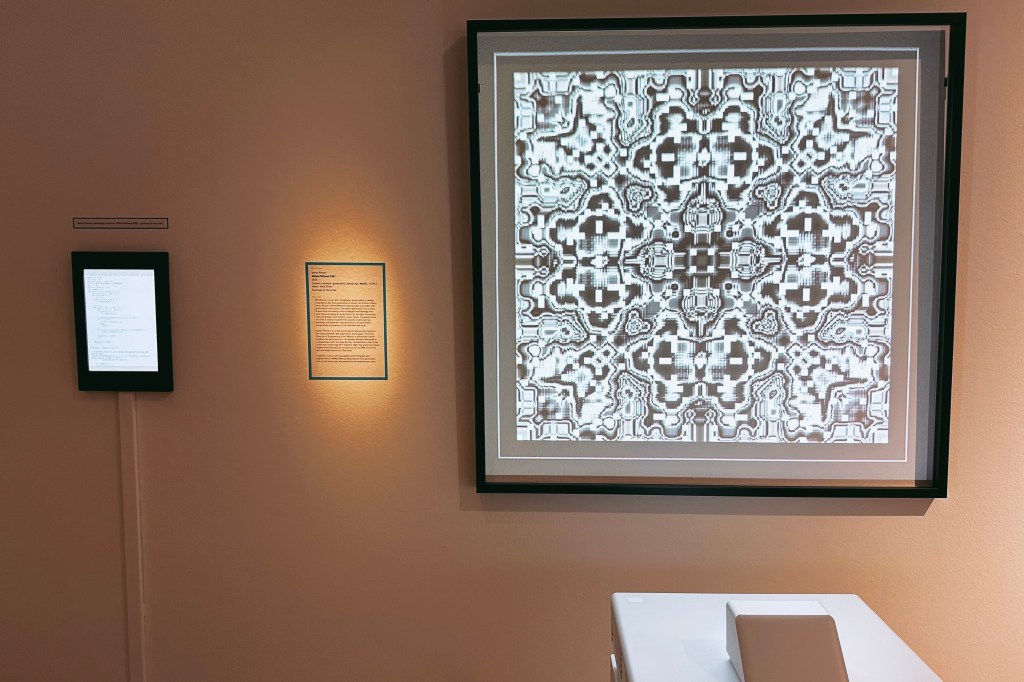
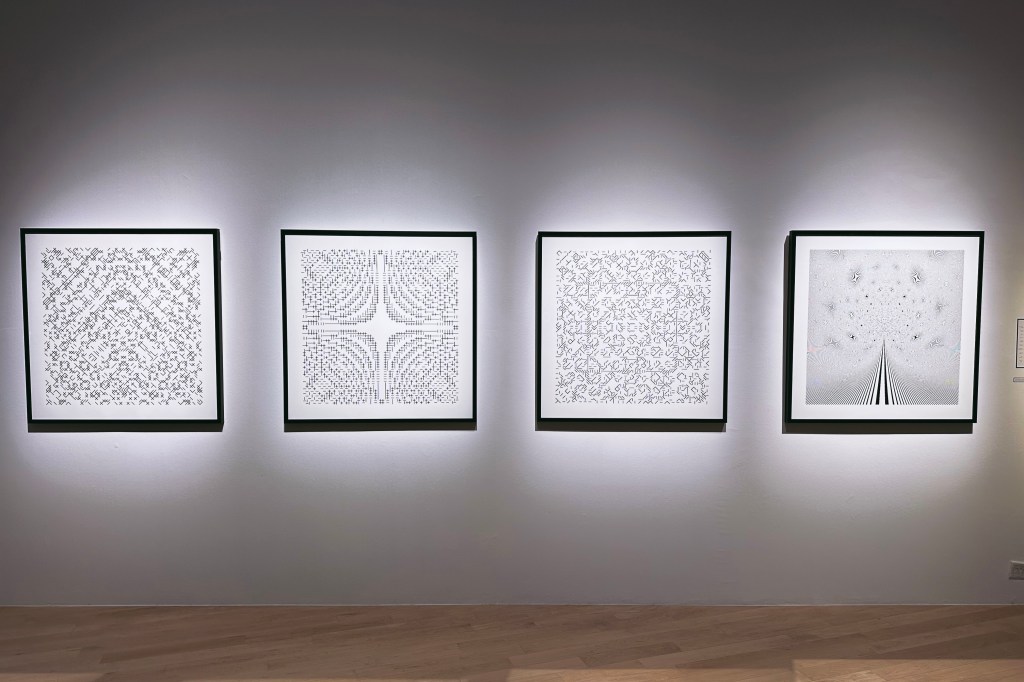
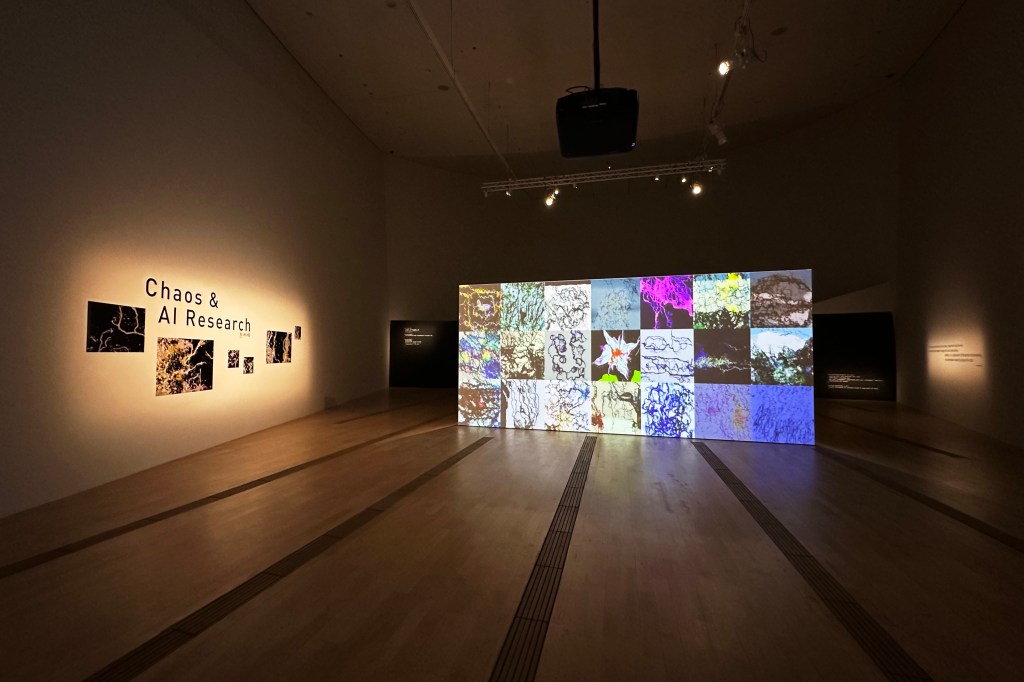
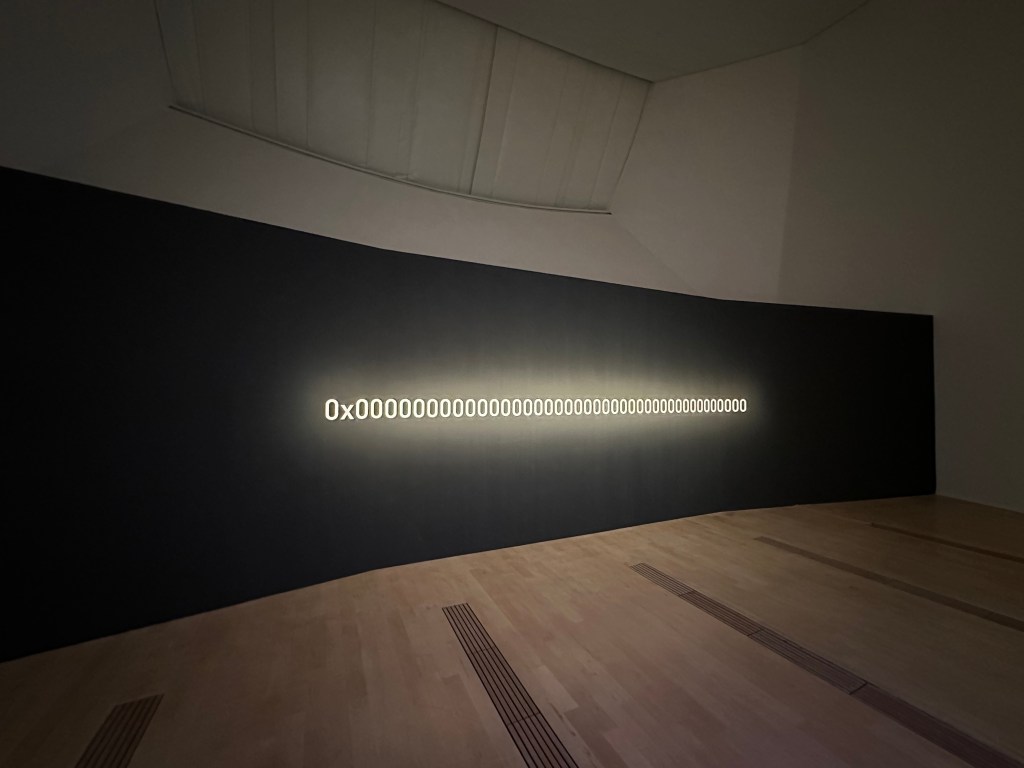
    On Sunday we went to the ArtScience Museum (at the Marina Bay Sands) for a rare high-profile exhibition of digital art. Notes from the Ether says it’s focused on NFTs and AI, but it’s also got a lot of generative art that just happens to be encoded on blockchains. I was especially excited to see the inclusion of work by DEAFBEEF and Emily Xie (Memories of Qilin), and Tyler Hobbs and Dandelion Wist’s QQL project was also presented for anyone to play with.

    Obviously this movement is in a weird sort of place at the moment. Valuations for most projects are as volatile as shitcoins, and a few “blue chip” projects like the ones displayed are more stable, but only about as much as bitcoin. Because NFT art is defined in large part by the medium, which is currently inseparable from talk of price and value, it’s hard to have a viewing experience divorced from these considerations. You don’t really visit a Monet exhibition and think about how much everything costs. Which is why the Open Editions I mentioned last week are interesting, and likewise with this event, which offers you a free NFT at the end. You get to co-create an artwork with an AI engine by uploading a photo of your own to be transformed, and it’s minted as a Tezos NFT if you’d like. I thought it was a very cool collectible to remember our visit by.

    I don’t think I’ve ever seen more affordable tickets at this museum, just S$6 with a further 30% off if you sign up for a free “Sands Lifestyle” account, so there’s little excuse not to go if you’re remotely interested in this stuff.

    Since we were already there, we also hopped into Sensory Odyssey: Into the Heart of Our Living World which pairs 8K video projections of natural scenes with immersive sounds and scents. In one space you’re smelling fresh air and damp earth in a rainforest, and in the next you’re underground with mole rats. It’s very cool, but ruined by small children being allowed to run loose in front of screens (can’t really be helped), and elderly museum staff loudly declaring that “this is a night savannah, very dark, no need to be scared!” (can be helped with training) in such a way that any illusion of being in a savannah is totally pierced — unless you’ve gone on a safari tour with a gaggle of Singaporean aunties, of course.