
The week seemed to slip by with not too much to show for it until Friday, as I waited for the delivery of my Apple Vision Pro. I watched a couple of films, subscribed to the New York Times again, and made some plans for a personal creative project.
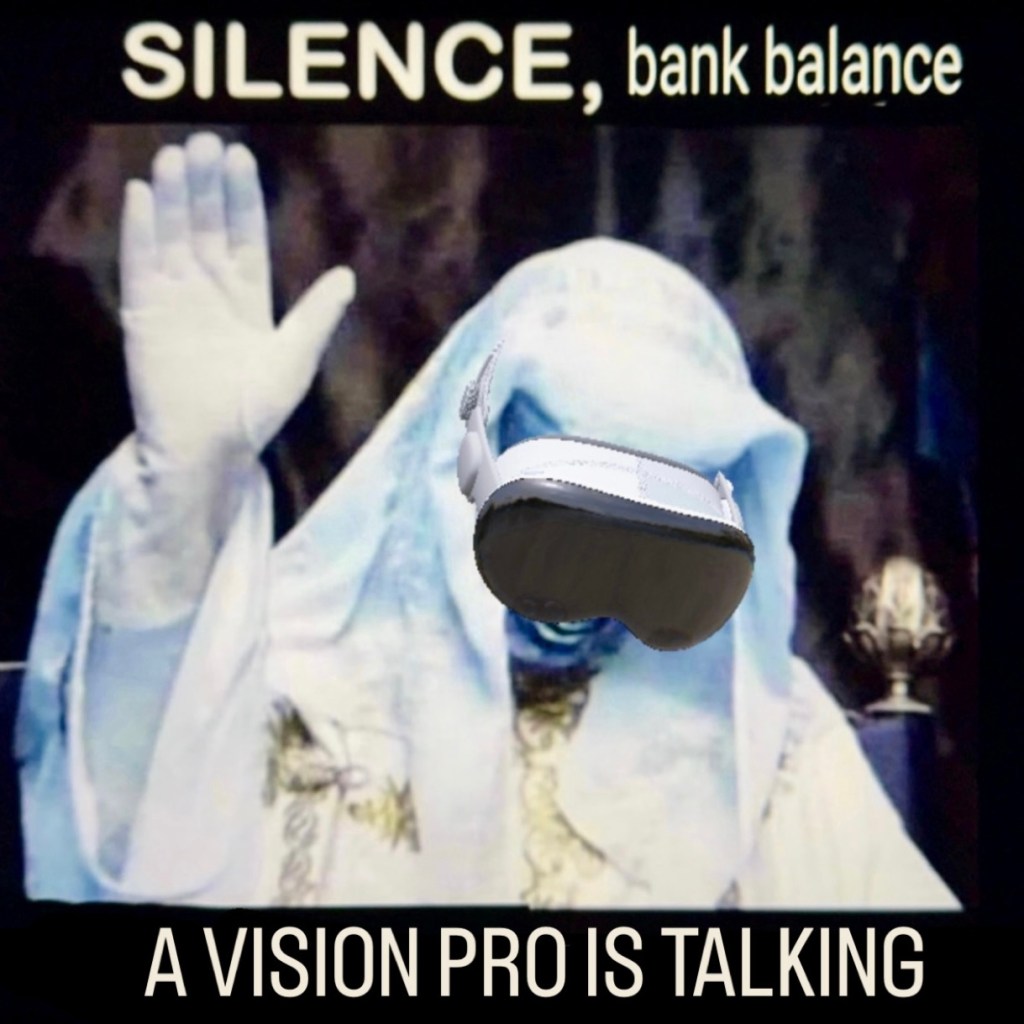
In the meantime, I also made some memes for Instagram.
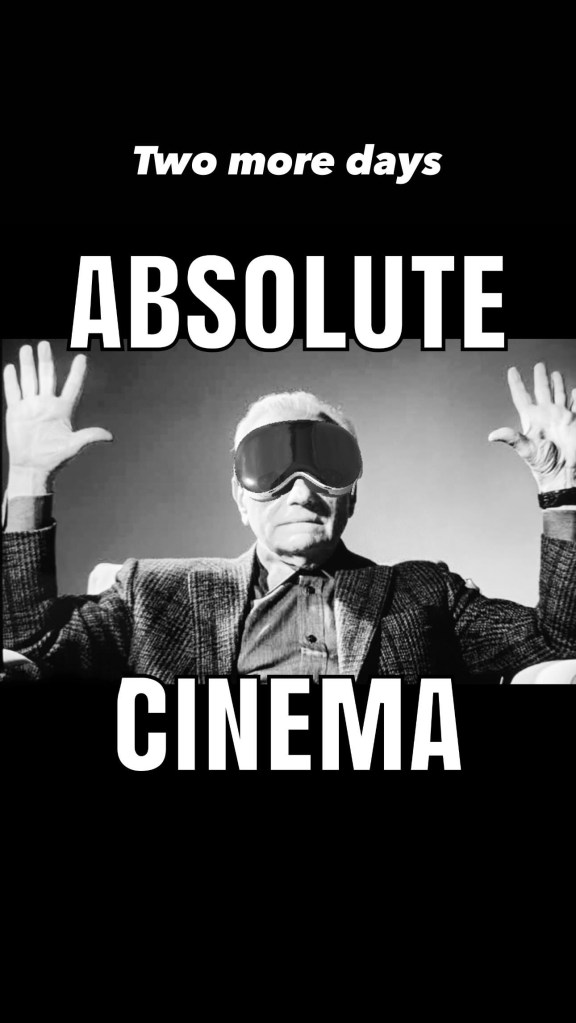
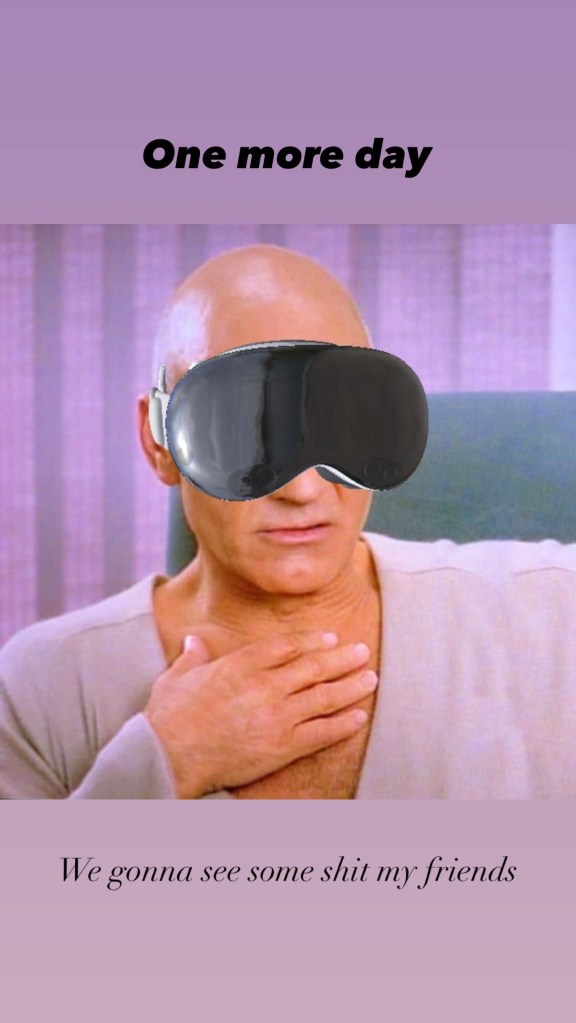
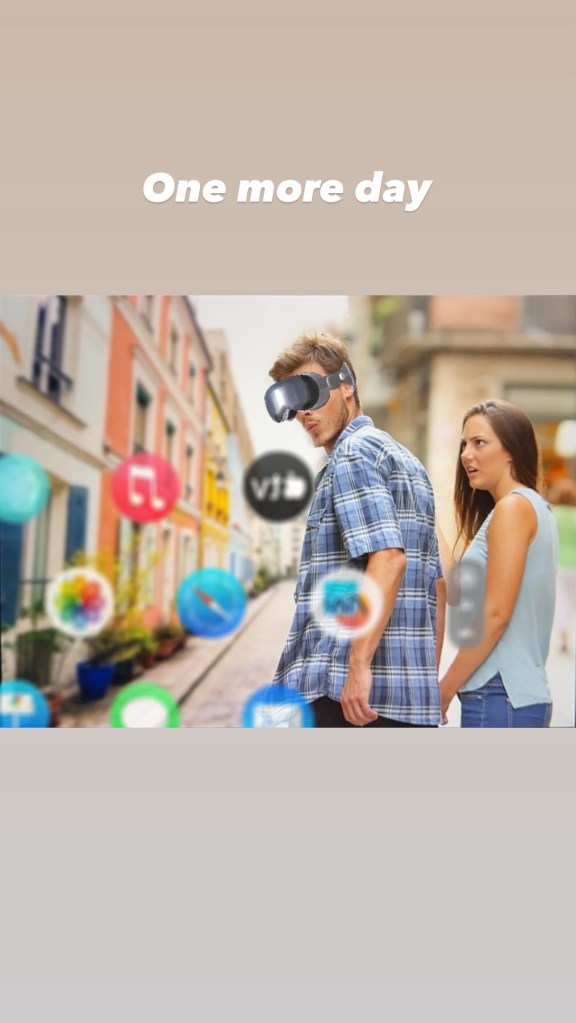
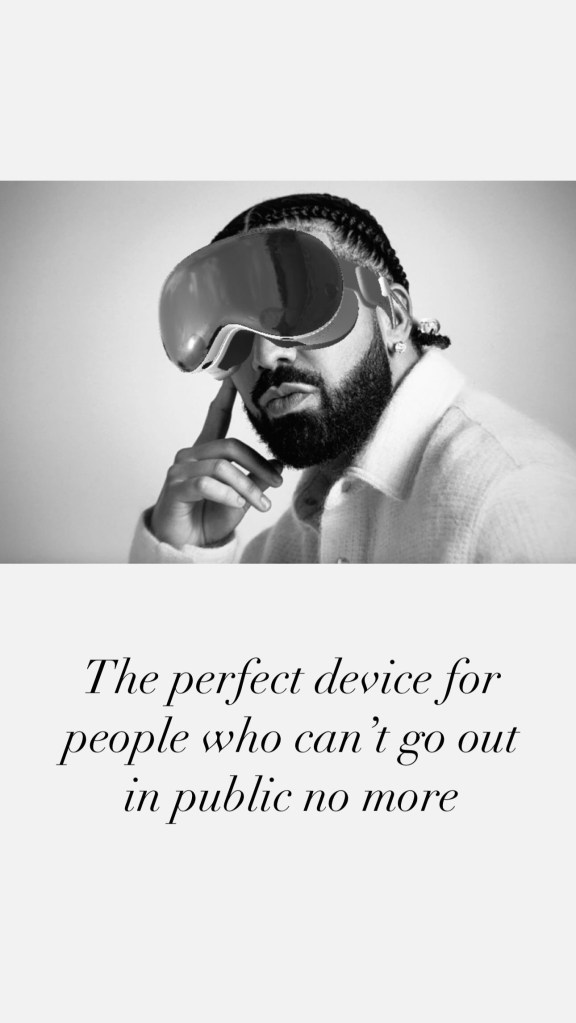
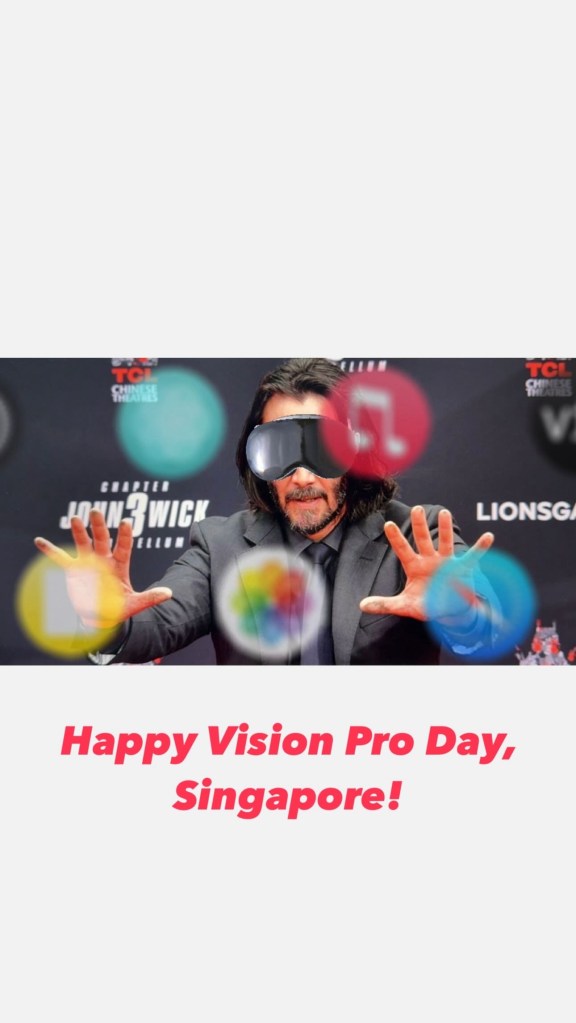
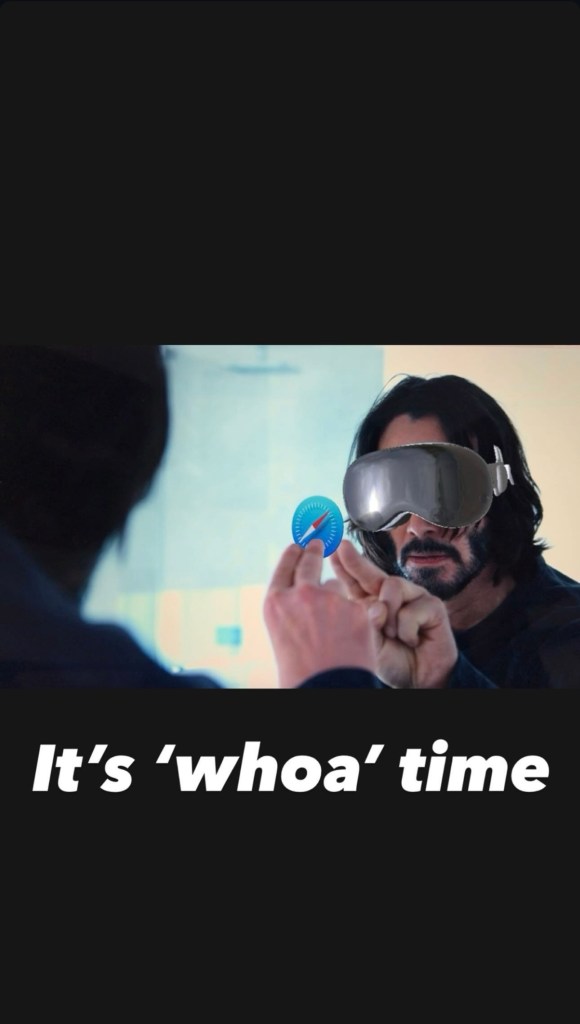
I also resumed wearing contact lenses daily after years of relying on glasses, because I didn’t want the Zeiss lens inserts for Vison Pro. It will take a little adjustment; I definitely don’t miss the end-of-day dryness and irritation.
Okay, so!
The unboxing experience for this high-end device is suitably premium, despite being made from predominantly recyclable paper materials. You lift the cover — it releases with the usual deliberate, satisfying motion — and there it is, positioned as if on display in a museum, supported by a molded rest. All the accessories are neatly organized in a compartment underneath. There is an indulgent amount of unused space in this box; no squashing of the Vision Pro into egg carton cutouts like with some Sony products!
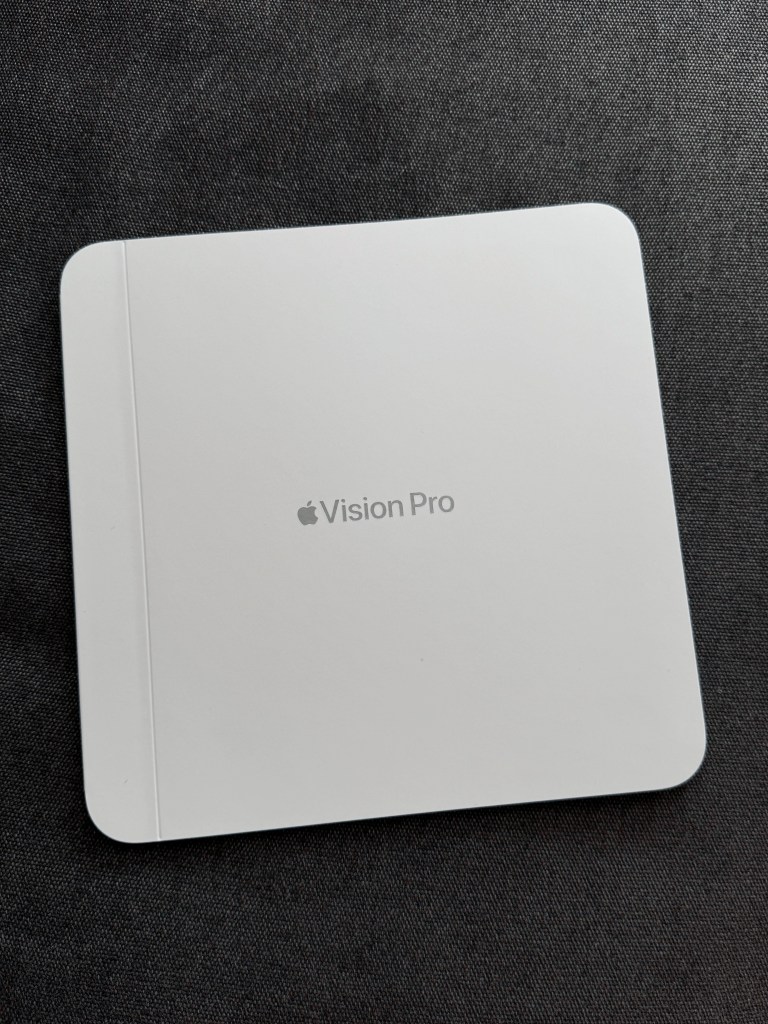

Side note: I think I may have gotten measured for the wrong size of light seal (21W) as the sides feel narrower and less comfortable than 33W for me. I have an appointment at the Apple Store next week to hopefully get it swapped.
First encounters
I’ve already mentioned the magical and immersive experience of using it. Knowing that, it was still a shock when I ran the pre-installed Encounter Dinosaurs app (directed by Jon Favreau) for the first time.
Some U.S. reviewers reported actually feeling the virtual butterfly land on their outstretched fingers at the start of the experience, to which I thought, “no way”. And yet when it happened to me, I swear I felt four distinct little pricks on my skin as its little legs shifted. That unfortunately primed me to feel what happened next even more acutely. The dinosaurs appeared on screen, with a fluidity and resolution that was greater than I expected, making the PS5 look like “video games”. I don’t think it’s an overstatement to say they were lifelike.
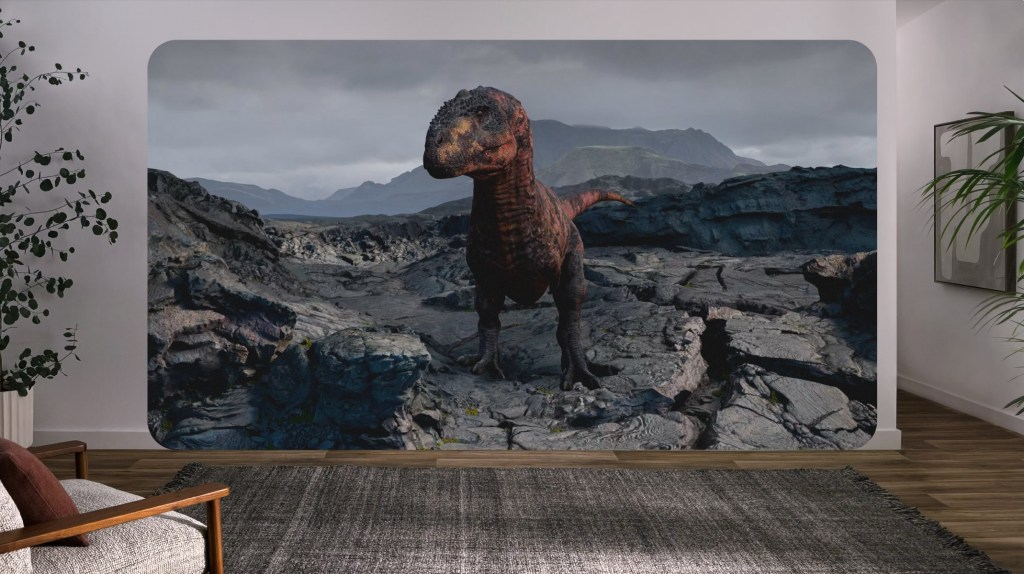
You are warned at the start that the animals can “see you” and will react to your actions. As the largest dinosaur stepped out of its frame and stalked towards me, towered over my seated body, then stared me in the face while exhaling through its nostrils, I felt my body go into a fight-or-flight mode. No joke. I started to sweat. I avoided making eye contact, and turned my head away hoping it would back off. The presence you feel is unbelievably tangible, and I know I will NOT be attempting any horror games in the future.
Art of the future
A much calmer experience I can recommend is Museas, which is a completely free journey through art history made by a single person (Miguel Garcia Gonzalez, who calls himself “a supply chain professional by day and spatial computing engineer by night”). You can see landmark artworks at phenomenal scale right in your home, or in “immersive environments”. These suddenly float your body in massive virtual spaces, surrounded by complementary imagery, with the original artwork in front of you. Think of them as frames, just 360º ones. For example, when viewing Hokusai’s The Great Wave Off Kanagawa, you see a florid Japanese garden scene all around, while a narrator explains the artwork.
I suspect they’ve used generative AI to create these descriptions of the artworks’ history and meaning, the voice that reads them (it sounds to me like the actor Jared Harris, who plays Hari Seldon in Foundation), as well as the 360º immersive scenes. If so, the technology has clearly allowed a single person to achieve something that feels professional beyond their means. The voice is natural and doesn’t feel off to me at all. The immersive environments aren’t perfect, but they’re for your peripheral vision — you’re meant to focus on the original art. The wall text is accurate as far as I can tell. Was this labor that could have paid the salaries of a few more people? In theory, but it’s more likely this project wouldn’t have gotten made at all without AI.
When I think about you I shush myself
Apart from these new experiences that weren’t possible before, I think the primary application of the Vision Pro for me will be a personal cinema hall. I sat down with the Theater app to watch Adam Lisagor’s 3D recording of John Gruber interviewing Apple executives Joz, Craig, and J.G. at WWDC (regular 2D recording here), and for nearly two hours I was immersed and focused in its virtual space, surrounded by faintly illuminated empty seats and aisles. I felt notifications come in on my wrist, my phone was across the room, and I ignored all of it the same way I would watching a film in a real theater.
I think the Vision Pro is the antidote to the iPhone that some thought the Apple Watch would be. Turns out the answer to destroyed attention spans, multi-screening, and screen addiction wasn’t to make it easier to leave your phone in your pocket by redirecting things to a watch, it was the skeuomorphic recreation of a giant screen in a dark room. I think this is the ideal way to watch Important Films. And as nice as our new TV is, I don’t think it compares in visceral terms. Tradeoff: focus and immersion vs. comfort and the ability to drink beverages.
Media activity
- Finished watching Constellations starring Noomi Rapace on Apple TV+. Mild spoiler: I complained on Threads about the way it handled a plot device thusly: “Sci-fi shows where science-literate people find themselves trapped in parallel universes, and literally don’t know the words “parallel universe” to explain to other people what’s happening, please gtfo”
- Season 3 of The Bear is out this weekend and like most people (I did a poll on Instagram), we’re getting through it. That first episode? Wow, really special television.
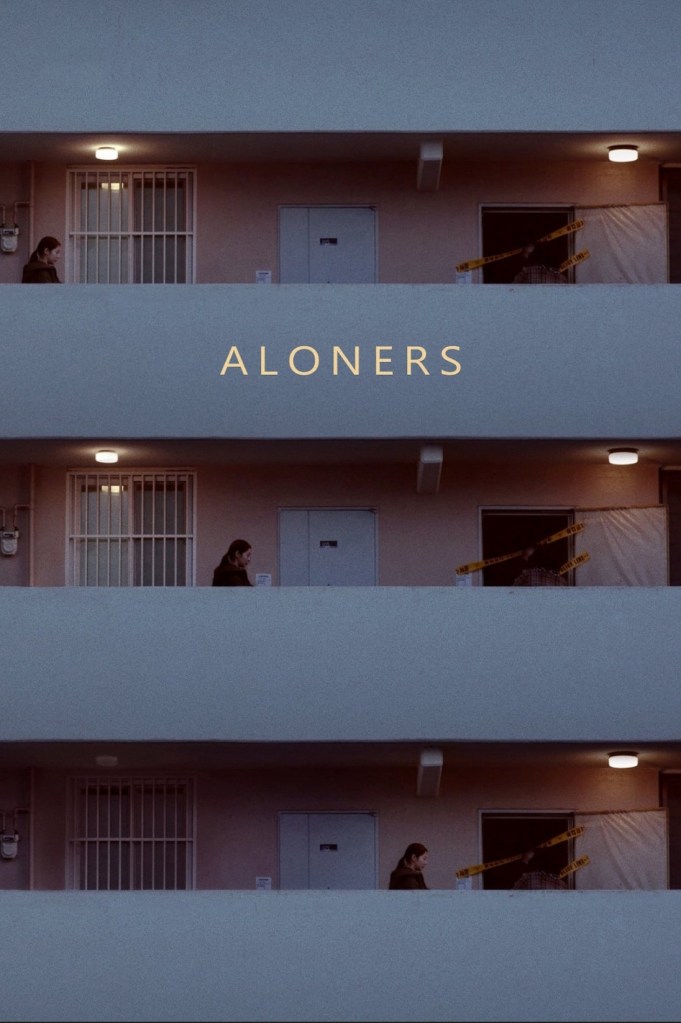
- Saw Aloners (2021), a film that tackles modern nowhere lives built around go-nowhere jobs, where even if you meet people worth connecting with, your social muscles may already have atrophied too far. Starts strong but doesn’t land the character development at the end for me. Also: is this a chaotic opposite world version of Perfect Days? I said on Letterboxd: “Say less” is the unofficial motto of Korean arthouse cinema. 3/5 stars.
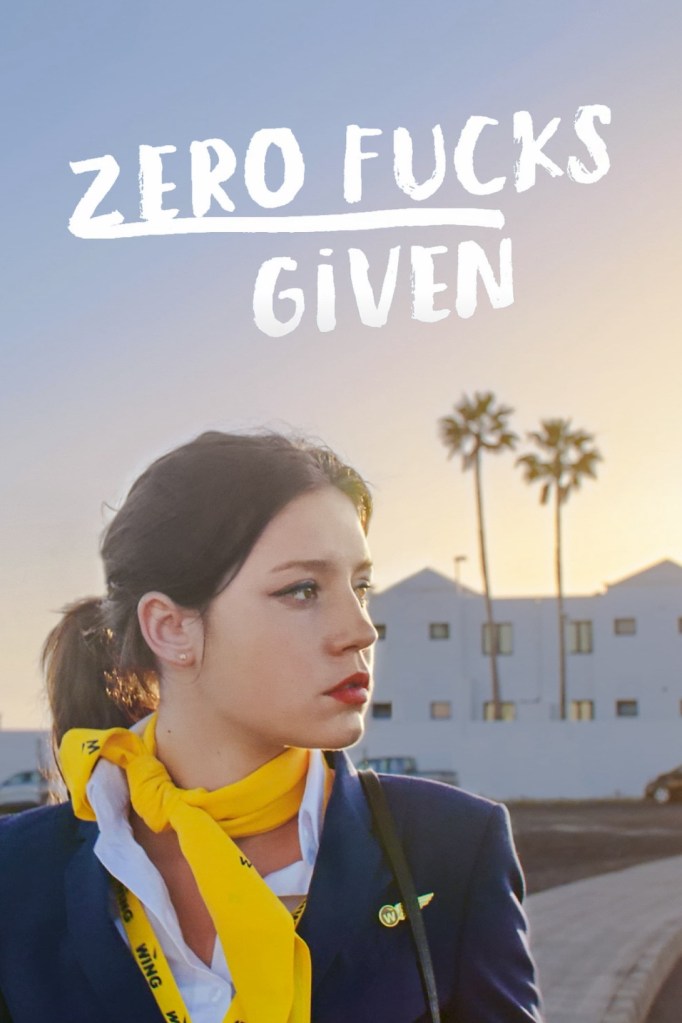
- Saw Zero Fucks Given (2021). It follows a young woman escaping grief and complexity by going headfirst into the soul-sucking worker bee life of a budget airline attendant, taking each day as it comes, never looking a day ahead as much as she can help it. Lovely work, and Adele Exarchopoulos is a talent. 3.5 stars.
- Saw Uncle Boonmee Who Can Recall His Oast Lives (2010) through MUBI’s visionOS app, and I chose to watch it on the dark side of the moon. It was incredible to look up and see stars, look around and see a desolate rocky surface, and then at a giant floating screen ahead of me. The movie was also strange, unreal, and disorienting like being on the moon — it won a Palme d’Or when it came out, cynically I think because a Thai film like this was exotique. I enjoyed its atmosphere and ideas a lot, just not the stilted acting. 3.5 stars.
- I don’t know where else to mention that I fulfilled a personal goal by minting a McDonalds Singapore NFT after Jose alerted me (with two hours to spare) that they were releasing a new Chicken McNuggets series. Their first release last year was of Grimace, and holders enjoy a stream of special perks. Interestingly, they are ‘soulbound’ NFTs, meaning they cannot be sold or transferred from the initial wallet that received them. Don’t ask me why McDonald’s Singapore is doing this (I doubt they do either), but I want it and I got it.
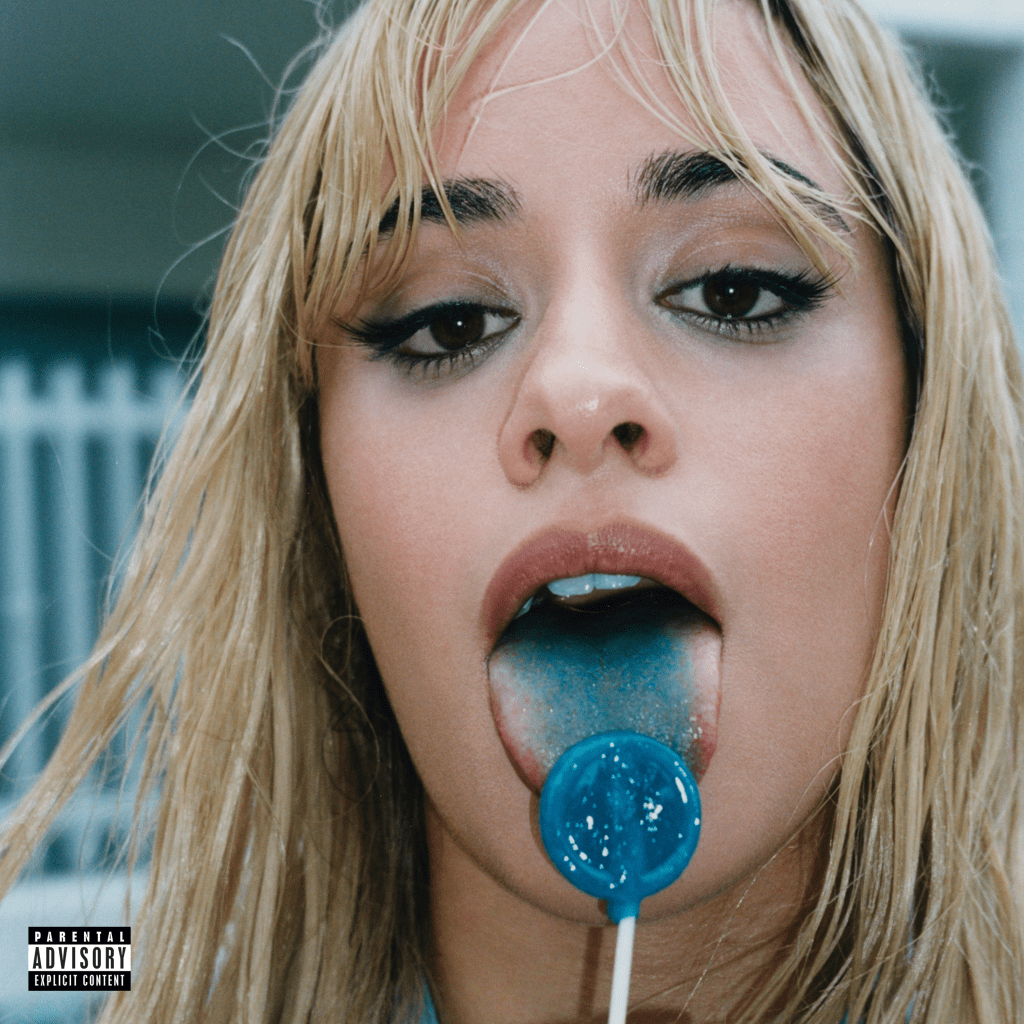
- I’ve been long Camila Cabello since 2019 when I called her “possibly the most competent pop star and the new Rihanna”, but I have to admit I was nervous about her new album C,XOXO after recent racism accusations and piggybacking on Charli XCX’s party girl image and Brat aesthetic on social media. Thankfully, I’m on my third listen and it’s an enjoyable record apart from Drake appearing on two tracks (putting on his Jamaican accent, for chrissakes). She’s a big Drake defender, but even if she wanted to cut him after recent events, the album is only 32 minutes long and wouldn’t have survived it.






 sangsara.net