Tag: Apple Watch

  • Week 37.25

    Week 37.25

    Happy iPhone week aka Tech Christmas to all who celebrate! I wrote up my thoughts (below) after the event on Wednesday, and since then I’ve seen the same sentiments echoed throughout YouTube videos, podcasts, and articles, so I at least know I’m not reading these things entirely wrong. All in all, one of the best iPhone lineups ever. They went all out, with very few compromises or artificial impairments to make the expensive models more attractive — they are all seriously good value, extremely capable-sounding devices.

    On Tuesday, we went over to my parents’ place for dinner, and spurred by a question someone had last week after seeing a photo of their living room, I asked after some family history and got some new information. The accuracy and completeness of Singaporean family stories must vary widely; after all most families here only arrived in the last century. My dad only knows where his grandfather came from in China, and a suspicion of his occupation (ask me and I’ll tell you), but not why or how they made their way down to Southeast Asia. Apparently no one ever said. I’d say that was weird, but then I’ve waited this many decades to even ask.

    You know what else I’ve waited forever to do? Start The Legend of Zelda: Tears of the Kingdom. I finished Breath of the Wild in the summer of 2023 — I could have sworn it was last year, oh my — after letting it languish uncompleted for about six years. Since both games are set in the same world of Hyrule, albeit expanded in TotK, many recommend taking a break in between. Now that the Switch 2 edition is out, with modern luxuries like running at 4K 60fps, it was time. And because this is a game where skills also accrue in the player rather than purely in the character, jumping back in feels great. I’m better at combat and finding my way around than I was at the beginning of BotW, which makes sense for a sequel: Link has been here and done this before. It’s marvelous game design all around.
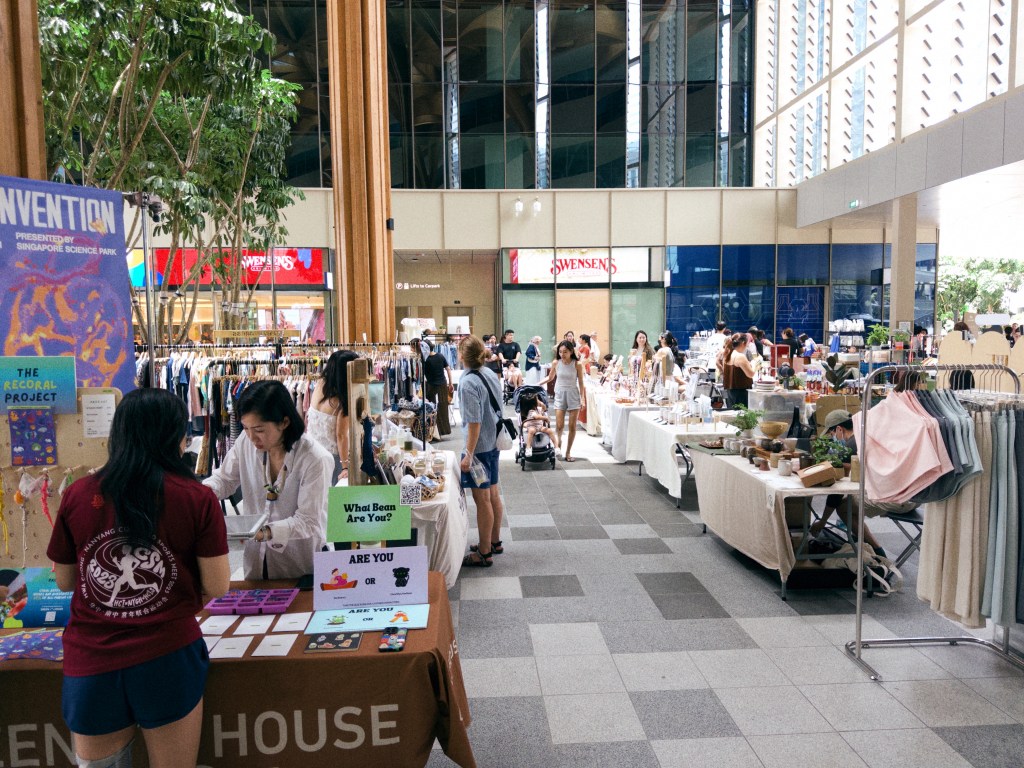
    Speaking of capital-D Design, Singapore Design Week is back again, but I’m less inclined to explore every venue and event after seeing that last year’s slipshod execution probably hasn’t been rectified. The website and program directory are still confusing and missing key visitor info.

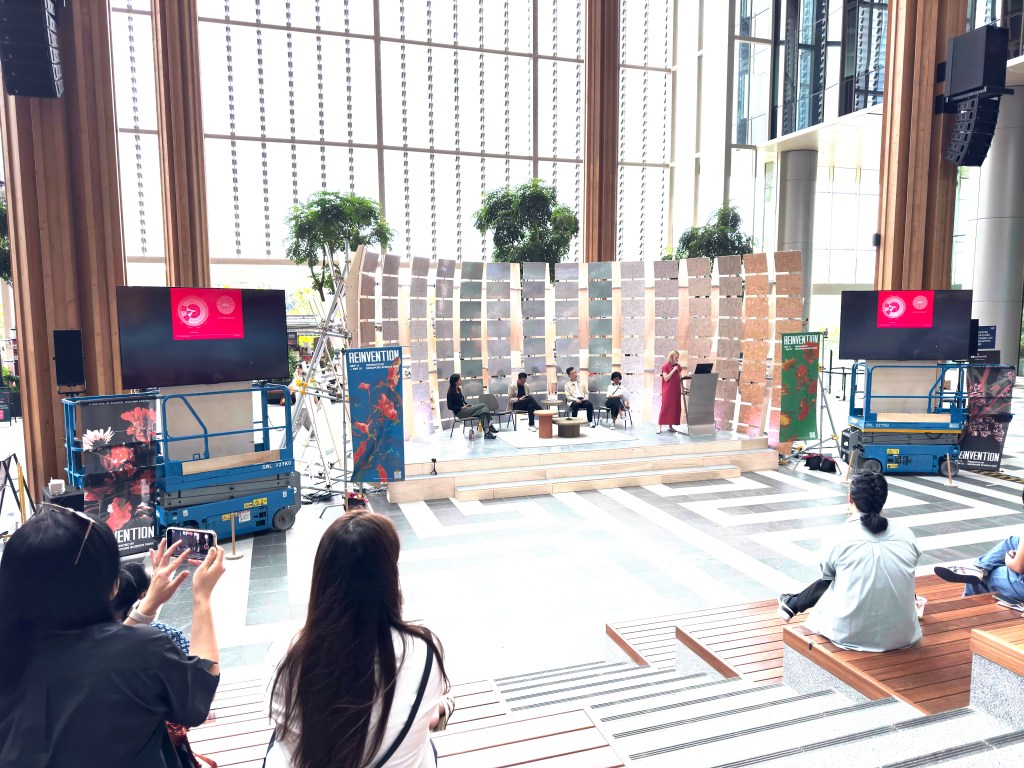
    Case in point: On Sunday we went down to the Science Park district for a talk I’d signed up for, only to find that no one in the stated venue (a building lobby) knew where it was happening. It turned out to be in an open space outside instead. I’m not sure the speakers knew either, given that several used packed slides unreadable on the small screens provided. To make matters worse, some presenters’ slides weren’t even fit to the full screen size. When informed by the audience, they said “sorry, we can’t fix it. We can send you the deck!”

    Nearby, one of the robotics exhibitions had info cards printed in such tiny type you’d literally have to crouch on the floor to read them. I don’t know why we can’t get these things right for a design week.
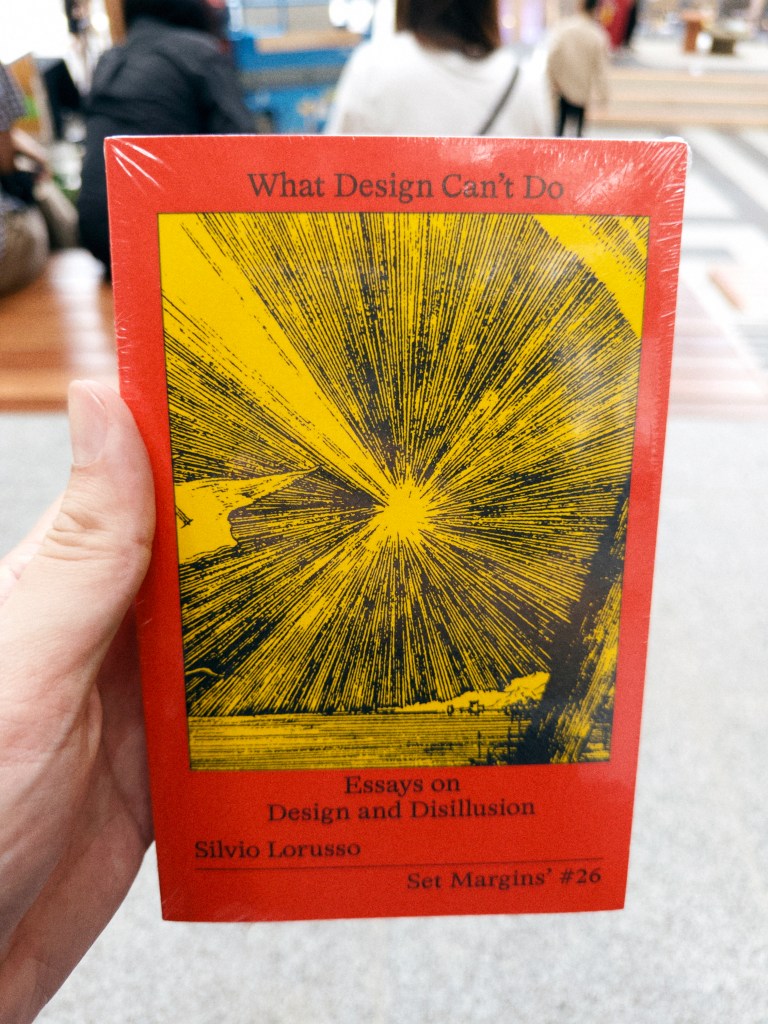
    But there was a high point! Local graphic and art book seller Basheer had a small stand at the fair, and I found a copy of Silvio Lorusso’s What Design Can’t Do: Essays on Design and Disillusion, which Jose recommended ages ago. It was S$37 for future reference.

    If you follow me on Goodreads and were shocked at the amount of reading I suddenly got done, calm down. Those were not five separate books, but short sci-fi stories in something called The Forward Collection, published by Amazon, and curated by Blake Crouch of Dark Matter fame. For some reason, each story has its own entry on Goodreads instead of just one for the compilation. I recommend them!

    ===

    Apple Fall Event

    • The annual Apple fall event took place as it always does in early September (I love that it’s been over 15 years but some people still ask “When do the new iPhones come out?”). This year was of particular interest to me because 1) I didn’t upgrade my iPhone for once last year, mostly content with my iPhone 15 Pro Max and even wondering if I could stretch it out to three years. 2) If I can save any money somewhere in my annual budget, I’d be open to it! Alas, my Apple Watch is three years old, and my AirPods Pro 2 are the Lightning version that don’t do lossless audio with Vision Pro. So as the livestream began, I started praying that none of the announcements would make me feel like I needed to buy stuff.
    • Right out of the gate, the new AirPods Pro 3 were shown and I was like “goddamnit!” These mostly look the same, but have been subtly refined to fit better in your ears and yup, I need that as they’ve always been a little loose on one side. They supposedly sound better, thanks to a new acoustic port design. The active noise cancellation is now 2x better, and battery life has gone up about a third, to 8 hours. There’s also heart rate monitoring but I don’t give a crap about that. Nevertheless, a very hard purchase to resist.
    • Then, the Apple Watch Series 11 and Ultra 3 were shown, but thankfully I’m not sporty enough so the bulk of their workout/outdoors adventure-centric improvements bounced off my consumer armor. I mainly use my Series 8 as a timepiece, with occasional notifications and stock prices that I read when waking up in the middle of the night, and all it needs is a new battery. Lighter, smaller, more health sensors, faster charging — these are all nice to have but not when a new titanium model comes to over S$1,200 with AppleCare+. What’s that? Buy aluminum? Oh no, darling.
    • I was excited to see the iPhone 17 get a ProMotion display (variable refresh rates up to 120hz), because it suggests that the iPad Air might get one next year too. Overall, this is a truly great phone to offer as the base model. With better battery life, 256GB starting storage, and very capable cameras (including a smart new multi-aspect selfie camera), there are no compromises to be seen here and most people will be fully satisfied with one. It stands up well beside the Pro phone for everyday use in nearly all aspects.
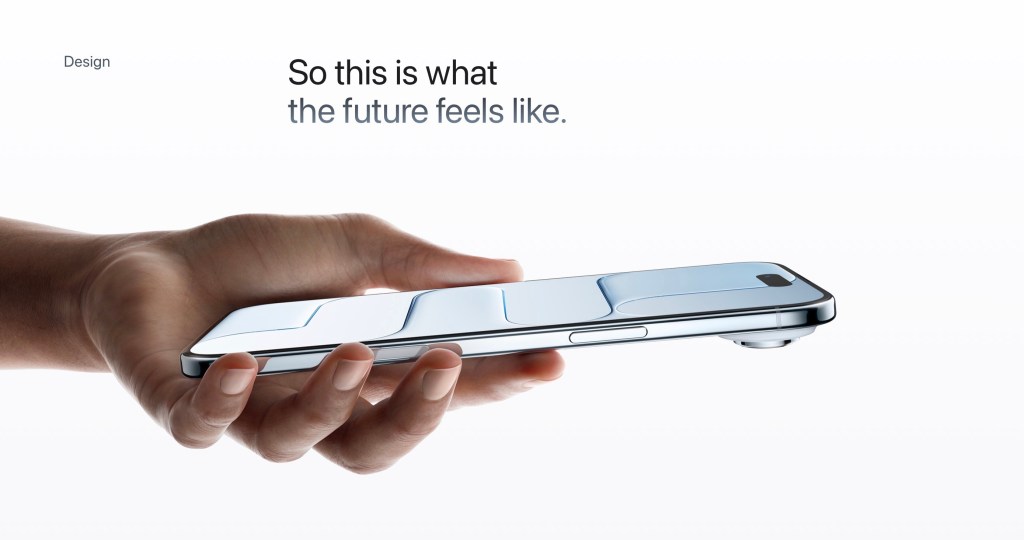
    • When rumors of the the iPhone Air leaked, I didn’t believe a thinner phone with less battery life made any sense. And including only a single camera with no ultrawide lens? That excludes most Gen Z buyers! But I think I was wrong. The new wider front-facing camera might handle the Gen Z selfie use case. In truth, this is a phone that matches or exceeds the specs of last year’s iPhone 16, but is way more desirable. With its unique and recognizable design, glossy titanium frame, and premium semi-pro price positioning, this is the peacocking model. It’s literally the shiny new object. And that place in the lineup is made possible by a welcome pivot in the Pro line.
    • The iPhone 17 Pro and Pro Max are now freed from their jobs of pushing up iPhone ARPU by appealing to customers with a little more money to spend, and who want something better than the base model. That’s the Air now. The Pro models have now transitioned to powerful professional tools with features that most people won’t even have heard of (e.g. GenLock for video), let alone know how to use. Which means they can ditch premium/luxury materials like stainless steel and titanium, for a more pragmatic forged aluminum that’s lighter and better for thermal management. They can also withstand weirder/uglier industrial designs (emphasis on industrial) like the new camera plateau that houses bigger sensors and makes room elsewhere for massive batteries. These models can now be thicker and heavier than most consumers would like because the Air exists.
    • The Air, by the way, looks like they got halfway through the development of next year’s rumored foldable iPhone and decided to ship one half as a product. Which is probably not entirely untrue; many niche Apple products are test beds for scaling ideas that will later appear elsewhere. The Air’s remarkable miniaturization and the Pro’s new vapor chamber cooling system will probably be echoed in a future Apple Vision Pro.
    • It’s also worth noting the ever-changing definition of “Air” in Apple parlance. It usually means either cheaper or lighter, and never premium/luxury. The MacBook Air is both the cheapest and lightest laptop, at least for now. The iPad Air is a Goldilocks model, sitting between the basic iPad and the Pro (which is the thinnest and lightest). But while the iPhone Air is cheaper than the Pro, it’s the thinnest, lightest, and also nicest. It’s elegant where the Pro is beastly, and I think this is their main design direction for the future.
    • Even if it doesn’t sell well this year, I don’t see this being canceled like the Plus phones. If anything, the Pro Max might be the one to go next. Its role is now to simply be the biggest screen, which a certain folding device might take the place of. So 12 months from now, we may be talking about iPhone 18, iPhone 18 Pro, iPhone Air 2, and an iPhone DS or whatever.
    • So it’s decision time. By the time this gets posted, I would have chosen a phone, size, and color. The Air is very tempting, except I couldn’t live without macro and telephoto photos. I do think its 6.5” screen size is in the sweet spot. The Pro’s 6.3” is too small and according to myself in 2023, going back to a bigger Pro Max after three years of Pro was worth the pocket bulge and hand strain. The new Cosmic Orange is striking as hell, but will it look tired after two years? Or two weeks? Brian called it reminiscent of “80s anime” and I think he’s onto something with that bit of free association. It also reminds me of some Sony MP3 players and phones.
    • Update: Pro Max in Silver. Big, heavy, and expensive. I’ll have to tighten my belt now in more ways than one.
  • Week 36.24

    Week 36.24

    I was able to visit my parents for dinner for the first time in over a month. The long delay was on account of my dad developing a painful case of shingles, which, if you don’t know much about (like me), is a reemergence of a dormant chickenpox virus in one’s body, often after the age of 50. In other words, if you’ve had chickenpox before, you’re at risk of shingles — a nastier, localized version of the same virus.

    Unlike the regular childhood version, it doesn’t usually take over your entire body, just specific areas. In my dad’s case, it affected his back and one side of his torso, leaving the skin painfully sensitive for weeks — nerve pain that, for some, can linger for years. Thankfully, he’s making a quicker recovery.

    I had to stay away because I have never gotten chickenpox, and you can catch it from someone with shingles. I was urged to get the vaccine, because adult cpox is reportedly awful (like shingles, maybe worse), but my doctor suggested doing some blood work first to test for immunity — mostly because he didn’t believe I could make it this far in life without getting chickenpox. But it’s true! My mother swears it, and I have two traits: pretty good memory of my childhood years, and an outsized tendency to complain of ailments. There is no way that I could have gotten chickenpox as a child and everyone just forgot.

    The test results came back, and apparently I’m immune. The only theory I have traces back to this one time in kindergarten, when the boy sitting next to me in class developed cpox and had to leave school early. I recall living in fear that I would be next, and pus-filled bubbles would soon show. I remember checking myself fastidiously for a week or more, but it never came. Perhaps the glancing exposure was just enough to let my immune system prepare itself, but not enough to result in an infection? Or maybe, as my recent run-in with a car suggests, I’m actually Unbreakable like Bruce Willis in that M. Night Shyamalan movie.

    ===

    Kim is away again for work (13,600km away to be precise), and my having to deal with our pest situation alone has been a whole saga too boring to recount in detail. Tl;dr I’ve deployed a fleet of poison/bait traps, struggled with anxious insomnia, taped up a bunch of possible entry points, cleaned up a lot of lizard poop, sprayed insecticide down drains…

    More happily, the morning she left for the airport, I was up early and decided around 7:30 AM that I might go for a walk before it got too warm. This was inspired by Cien’s recent revelation that she’s been taking hour-long morning walks nearly every day. Just to get it out of the way: that’s a bit much for me, but I might go once a week. Spontaneously, this particular morning’s resolution ended in Peishan and me ‘virtually’ joining her for a walk at the same time, in our respective neighborhoods, sending photos along the way. This is actually a pretty fun thing to do!

    It was, however, warm despite the early hour. And it’s been hot and humid all week out here. I had to walk 10 minutes from an MRT station to a restaurant yesterday evening in very still air, and I could feel the sweat on my back not evaporating at all, merely pooling. Even my Sony Reon Pocket 5 brought little relief; I barely perceived that the metal contact point was cooler, or it can’t do much to dispel the mugginess of high humidity.

    ===

    I couldn’t take the wait any longer and upgraded to the visionOS 2 beta. I won’t upgrade any other devices, but I wanted any improvements in eye/hand tracking that I could get. So far, it’s been perfectly stable. I could talk about the new gestures and features, but the single most impressive thing has been the ability to view old 2D photos as 3D spatial scenes.

    What this looks like is simply layers of depth. You obviously can’t look around corners, and it’s not doing anything crazy like building 3D models you can move around in. But it’s like going from looking at a scene with one eye to two eyes. They suddenly have a liveliness to them because your brain can not only see that one object is in front of another, but perceive it too. Sadly, this is not something that can be demonstrated with a photo or video. The only way is to see it for yourself.

    The AI-powered segmentation of objects is somehow flawless, even better than on Portrait Mode (blurred background) photos taken with an iPhone. In one shot I had of a vineyard, every individual plant and leaf stretching to the horizon line was distinctly separated in space from the others. You can also blow them up to life-size with an “immersive” viewing mode, which puts you right in the space.

    Going through photos from the past two decades, of people who’ve passed on, and places I may never see again, has been profoundly moving. Documenting your experiences in photos has always been like building a time capsule, but this approaches time travel. It makes me so glad for every moment I thought to capture at the time, and the fact that the Vision Pro can do this retroactively for normal photos feels like the most unexpected gift I never knew I wanted. That’s what Apple does best, I suppose.


    Before the annual fall event tomorrow night, I’ll go on record again that I don’t think I’ll be upgrading my iPhone or anything else this year (but this time I really mean it!). So far I’ve had 16 iPhones and lost this bet with myself every year, but I can’t justify an incremental tech purchase in the same year as the AVP.

    Things that are unlikely to be announced but might make me reconsider my ‘no upgrade’ vow:

    For iPhone 16 Pro (Max):

    • No camera bump
    • New image processing pipeline that walks back the aggressive AI/HDR look and brings back natural looking photos à la Halide’s Process Zero (but with 24–48mp HEIC/JPEG XL files)
    • Bold, saturated colors like on the old iPod nanos
    • Untextured, grippy back glass
    • Significantly faster or exclusive Apple Intelligence features compared to iPhone 15 Pro
    • Completely new battery chemistry that means I won’t be sub-90% battery health in under a year

    For Apple Watch Series 10:

    • 2x battery life
    • Blood glucose monitoring
    • New body design that shames the old ones so bad you can’t wear them out in public anymore

    For AirPods Max:

    • Redesigned headband that either replaces the mesh or improves its comfort and durability
    • Significant weight reduction and/or new materials (comfort and durability)
    • A great protective case
    • Addition of a power button

    ===

    Media activity

    Recent reading momentum led me to finish reading Neal Stephenson’s Interface after two months. It’s a highly entertaining sci-fi story about contemporary American politics, media culture, and using brain implants to reverse a presidential candidate’s stroke damage. Nearly the entire time I was reading it, I visualized the main character as Robert F. Kennedy, and his VP pick as Kamala Harris.

    For my next book, I’m taking it easy with Jack Reacher #22, The Midnight Line.

    A few years ago, Nintendo remade two classic ‘80s visual novel-style adventure games under the “Famicom Detective Club” banner. This week, they released a wholly new third entry in the series, Emio: The Smiling Man, which got greenlit because of the warm reception that the remakes received. The history of these games is pretty interesting, and I watched this whole video essay on them.

    I bought and played the first remake, The Missing Heir, back around 2022, and found its authentically ancient gameplay archaic and frustrating. For example, in most such games, when questioning someone about a topic, you will reach a point where their answer starts to repeat itself — a sign that you’ve heard all you’re going to hear. In the first two Famicom Detective Club games, this is not the case (pun unintended).

    You: [Ask about the car]
    Suspect: There was a car seen at the time, I heard.
    You: [Ask about the car]
    Suspect: Hmm, that’s about all I remember.
    You: [Ask about the car]
    Suspect: Hmm, that’s about all I remember.
    You: [Ask about the car]
    Suspect: Hmm, that’s about all I remember.
    You: [Ask about the car]
    Suspect: Oh! I just remembered something. It was a black sedan.

    This is such incredibly bad game design, because someone repeating themselves like that is unnatural in the real world, so it appears as a limitation of the game (not having AI to generate different versions of “I dunno”). So of course a player isn’t going to keep pressing, because the suspect’s response isn’t an invitation to keep trying. It’s the equivalent of a brick wall in the game’s interaction model. But no, you’re meant to kick every solid object multiple times in case it comes loose.

    I ended up finishing the game using a walkthrough, and declined to buy the second game, The Girl Who Stands Behind. I’m guessing that Emio, being a new game, will be an improvement in this regard and so I intend to play it someday. But it doesn’t feel right doing that unless I also play the second game (there is no real need, they are not connected).

    Rather than pay $30 USD to frustrate myself, I watched a 7-hour video of someone else playing through the entire game — at 1.5x speed, of course. The first video I found was actually 10 hours long because the player was blundering through some of the aforementioned game design quirks, so I gave up on him and found this better one instead.


    Oh, and there’s another kinda new game that concludes something that started in my childhood, and I finished it this week. That game is of course Return to Monkey Island, which I played on the Switch. If you subscribe to Apple Arcade, you can also play it there. I don’t know how I feel about it; the original two games were the pinnacle of LucasArts’ point-and-click adventures and I probably remember them most fondly of all. The new sequel brings the story to a close, but with a new art style and an acknowledgment that a long time has passed (both in story terms and the authors’ perspectives). There was no way the ending could have satisfied every question and loose end, so they just went for something that felt true enough to its roots, but kinda comes out of nowhere. I was honestly surprised when the credits rolled. But that’s life!

  • Week 23.23

    It was WWDC week and hours before the keynote event started, I was telling people that the thought of an Apple XR headset made me tired. I knew that if it really was happening, that the world would never be the same again, and we would be starting a whole new cycle of change: changes in the way we interact not just with computers, but entertainment, services, each other, and the hundreds of companies in our orbits. That takes a whole lot of energy and enthusiasm (positivity?) to prepare for, especially if you’re in one of the industries that will need to be an early mover.

    And this is just my gut talking, but after the big reveal of the Apple Vision Pro, I felt that positivity surging through me. It was an exciting prospect — yes, it’s still a heavy thing strapped to your head, and it has the many limitations and intentional design constraints of any first-generation consumer product — but I felt that Apple thoughtfully got the experience foundations right (again). This looks like it could change the world in an exciting and additive way.

    I can’t wait to try it out and get my own, but it will probably be the end of 2024 before it lands in Singapore. That gives everyone plenty of time to think about and design for a spatial computing future. Do I think the price is justified? Sure! It’s not really comparable to any other product at any price, which is the beauty of their ecosystem play (again).

    On the downside, the technical achievements it contains are incredible, but will need to become more incredible very quickly. Over the next few years, it will need to become lighter, smaller, faster, cheaper to get us where this “vision” is pointing. Or perhaps they believe the parallel development of a photon passthrough technology (that is surely continuing internally) will pay off before then, and become the solution. I’m referring to true AR glasses, of course, rather than this VR headset that acts like glasses by having screens facing inwards and outwards.

    Side note on those outward-facing eye screens: it’s funny how that detail was completely leaked, and we knew it might have screens that showed your eyes to others, but nobody could come up with a way that it didn’t look awful. And yet, the real thing looks pretty good! Dimming and blurring a virtual avatar’s eyes so that they looked recessed behind frosted glass? Brilliant. Wanna put a pair of comedy Vision Pros on? Try this Snapchat lens — it’s super amusing when pointed at the TV.

    But let’s not forget the other things announced at WWDC. I’m super excited for iOS 17’s Journal app*, as I said several weeks ago; the new AirPods Pro adaptive mode sounds exactly like what I’ve been wanting for awhile; Freeform showed that it isn’t being neglected, with some great looking new drawing tools coming; and the Apple Watch really did get a good rethink of the UI! The Side Button will now pull up Control Center instead of the Dock I never use, and it’s being replaced with a new Smart Stack model that sounds good in principle. And that new Snoopy and Woodstock watchface? Plus a smarter transformer-based keyboard and dictation? A more easily invoked Siri? Wow! (Ten bucks says a transformer-enhanced Siri is in the works for next year.)

    Sadly, Apple Music only got light design refinements instead of the rethink I was hoping for, oh well.

    *The Verge’s Victoria Song is skeptical about Journal.app because it relies on AI to suggest journaling prompts, which as Apple’s Photo Memories have proven, can be inappropriate or tone deaf. Personally I’m just planning to use it as a lifelogging tool: where I went, what I saw, what I was listening to. I’ll probably write entries manually, no prompts needed.

    ===

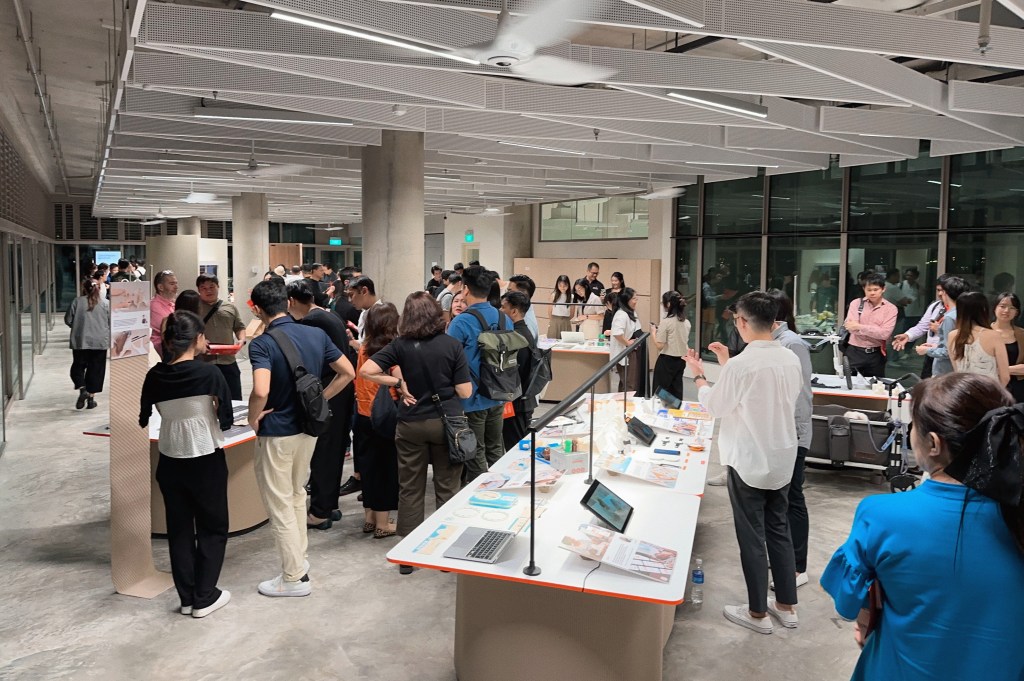
    On Thursday evening I checked out the National University’s industrial design program’s graduation show with some colleagues who came out of the program a few years ago. There were some thoughtful projects and most were well presented. The kids are alright, etc.

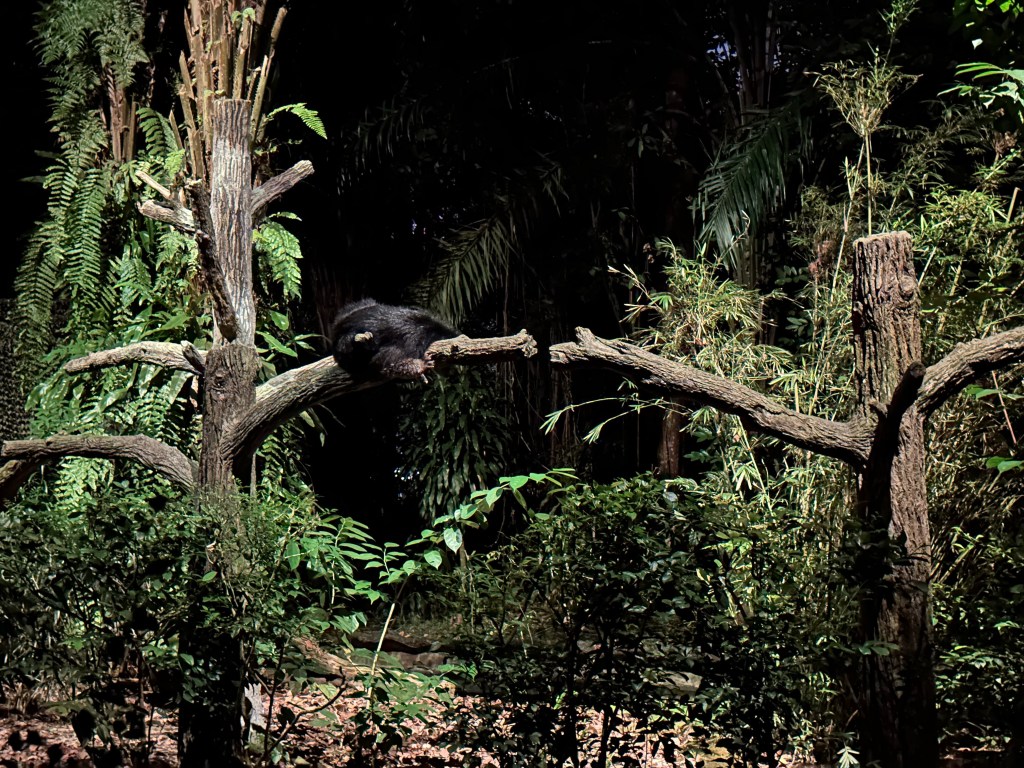
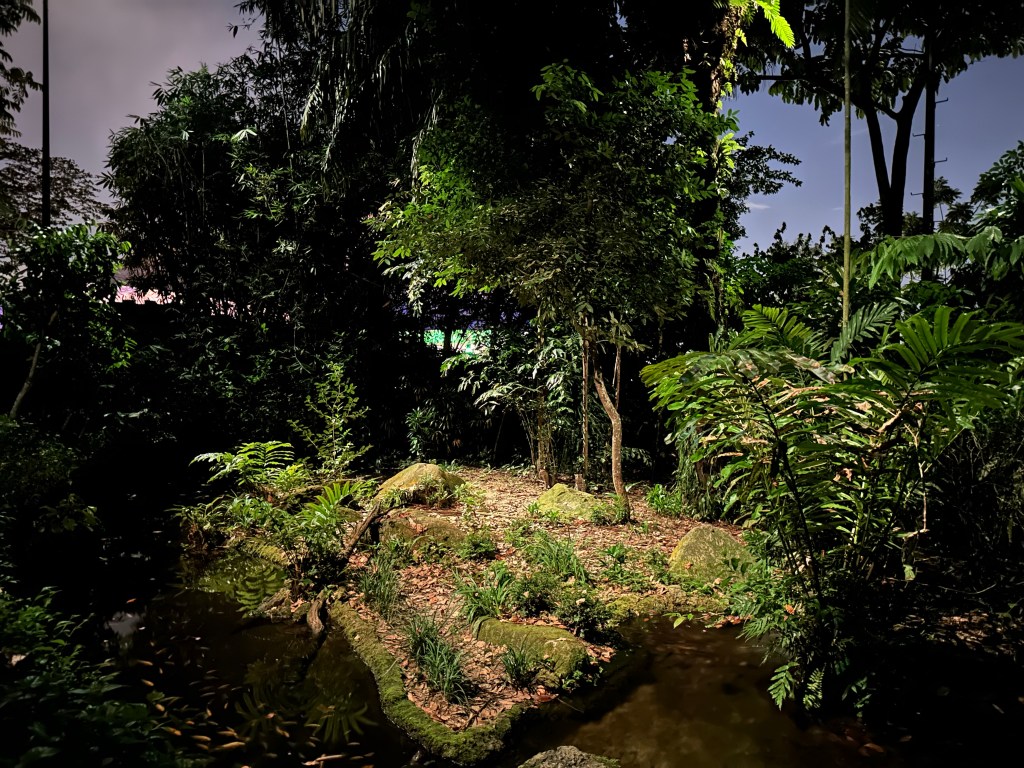
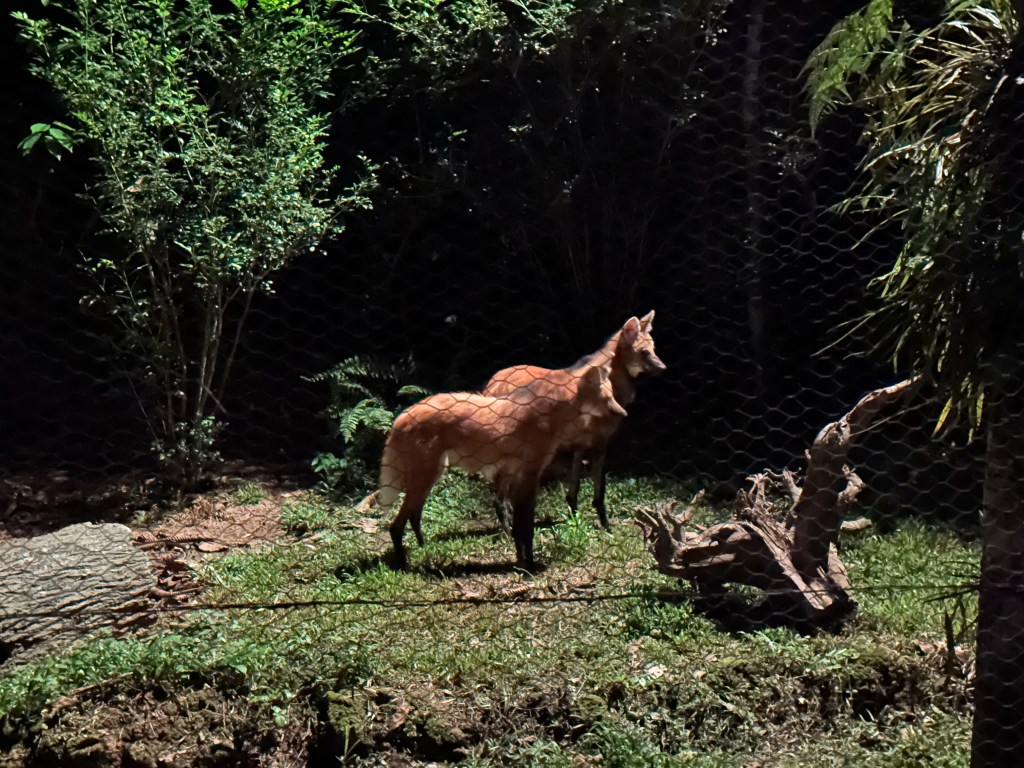
    Then on Friday evening I went with some other team members to visit the Night Safari for the first time in probably many years. The iPhone 14 Pro’s camera let me down by defaulting to very long night mode shots even when there were moving animals. I’m talking hold-still-for-10-seconds type situations. I wasn’t using Halide as I wanted Apple’s smart processing to light up the dark as much as possible, but it didn’t seem to make the right trade offs.

    It continues to be super hot and muggy here; I was sweating my butt off both nights outdoors. Looking forward to the cool Melburnian winter weather in a couple of weeks.

    ===

    • Inspired by the album listening technique of Pearl Acoustics’ Harvey Lovegrove (mentioned last week) — put it on all the time in the background for a few days, and then sit down to listen to it once through properly, after it’s already soaked into your subconscious — I’ve been listening a lot to Cisco Swank’s new debut album, More Better. It’s a seamless blend of jazz, hip-hop, and soul that the New York Times quoted a fellow musician describing it as “black music. All of it.”
    • But it was a big week in music, and I haven’t had time to get into the new albums from Jenny Lewis, Janelle Monáe, Christine and the Queens, and King Krule. Okay I’ve heard the King Krule once through and it was good.
    • Speaking of music, Kim returned from her trip to the US and brought me back an unexpected gift: a pair of the new Beats Studio Buds+ with the translucent case! I was coveting them but probably wouldn’t have bought them for myself, and they’re still not available locally with no release date either. But since I have them now I can’t complain. #blessed
    • I started playing Astral Chain on the Nintendo Switch, a stylish beat-em-up title that came out very early in the console’s life and looks astonishingly good, period. I’m now putting Bayonetta 3 on my wishlist because Platinum obviously knows how to get incredible visuals out of this aging hardware.
  • Week 22.23

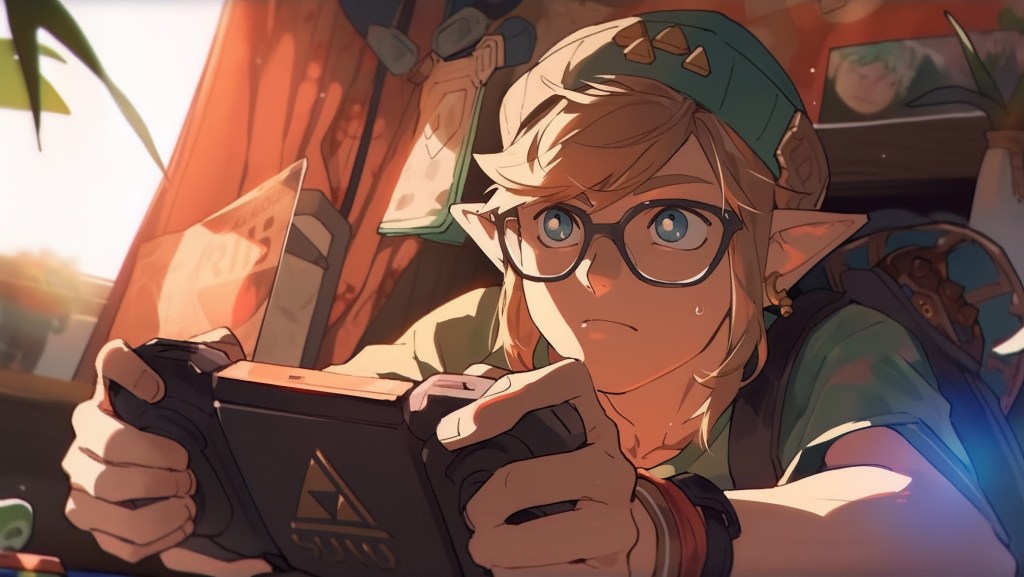
    Yes, I made this with Midjourney

    Six years after I booted up my Nintendo Switch for the first time and slotted in The Legend of Zelda: Breath of the Wild’s cartridge, I finally took on the final boss this week and finished the game. Before you think this game is a monster (although it is), I effectively took a 5.5 year hiatus.

    My first experience with the game was both exhilarating and overwhelming — here was a non-linear open-world adventure designed to be an exercise in self determinism. Yes, the princess has been locked in a bubble, literally waiting 100 years for you to wake up and save the kingdom, but that didn’t mean you had to hurry. You could decide to be a chef and spend time gathering rare ingredients and experimenting with recipes. You could examine every curious crevice of the natural landscape to discover the Korok seeds deviously placed by the designers, or climb foreboding mountains just for the hell of it (you’d probably find Korok seeds for your trouble).

    This was a game that demanded longer play sessions — no dipping in for just five minutes — and frequent ones at that. You kind of had to remember what you were last doing and where you wanted to go next. So, faced with too much commitment and mental load, I started to distance myself from it and play other games instead.

    If you’ve been following along in recent weeks, you’d know that the release of the sequel, Tears of the Kingdom, spurred me to try completing it once and for all. And it’s been quite the journey: I had to re-familiarize myself with the game’s laws of physics, Link’s complicated powers, and in the process discovered that I’d spent those first 40 hours or so essentially mucking around in just one corner of the world.

    By last week, I’d finally uncovered the whole world’s layout, but with some places still unexplored and doubtlessly many secrets left to be found. I’d gotten good at fighting, and was told that I was ready for the final showdown with “Calamity Ganon”. Except… I wasn’t, not mentally.

    So I spent this week’s game time mucking about and doing inconsequential side quests, like helping a group of arguing scientists collect evidence of giant monster skeletons using my digital camera (yes). And then, on Friday night, I said ‘fuck it’ fought my way to the center of the map, took the big baddie out, and saw the credits roll. It was an absolute anticlimax, partly because I was in a hurry and took a bunch of sneaky shortcuts to the final fight, instead of exploring the giant castle like I suppose I was meant to do.

    So I guess the moral of the story is err… heh… it’s the journey, not the destination? And as I was telling Cien earlier that day, the game is designed so that it’s possible to start the game and simply walk a beeline straight to the final boss and kill him instantly, if you had the skills and weren’t interested in slowly unfolding the whole experience for yourself. So this implicit message was always present, and I’m glad I took the time this year to enjoy more of it.

    ===

    Speaking of picking up old games again, I re-subscribed to the New York Times in order to play their crosswords. The last time I played a lot of them was when they released a Nintendo DS game back in 2007. In recent weeks, a group of people at work starting playing them collaboratively, and I found the experience fun enough to give it a shot. The current promotional price is just $20 USD for the first year of All Access membership ($90 afterwards).

    With the installation of the NYT Games app, I’ve also got the main news app again, of course. It does a couple of things really well, namely it presents simple text and images beautifully with a handful of layout variations, and it has a personalized tab called “For You” that is finite and completable each day.

    I didn’t realize how much I’d missed having a primary source of news in my life, with its own Home Screen button, but of course I’m prioritizing it only because I paid for it. I’m still enjoying Artifact, and I’ve just told it that I have an NYT sub now and it promises to prioritize it for me. Artifact has a real chance here of being the winning news aggregator.

    It makes me upset how Apple Music’s personalized tab could be so much better, like an AI-compiled digest of what’s new in music that I’d be interested in. Fingers crossed for WWDC next week! (Disclaimer: I know nothing.)

    ===

    Friday was Vesak Day here and a public holiday, so I spent the afternoon with Peishan and Cien visiting two cafes, and let me just say I am disappointed that we are allowing so many Instagrammable cafes to flourish. They’re all variations of the same bare concrete interior, tables and stools placed closely together, serviceable coffee + $20 and up full English breakfast plates template of an F&B business. We managed to land in two that offered differented value: Acoustics on Neil Road, which understands that bare concrete is a terrible environment to have conversations or listen to music in, so they invested in sound dampening wall panels and impressive looking speakers; and the Allpress pop-up cafe down the street on on 73 Duxton Road which, well, offers Allpress beans.

    ===

    Back to AI, Jose pointed me at the Planet Money podcast which is currently producing a series of episodes about GPT. They’re using it to write and create a full actual episode, and documenting the process. Parts 1, 2, and 3 (the actual AI-produced episode). Listening to the first episode, I observed them going through the same cycle of revelations that I went through recently as I experimented with using AI to do elements of my own job. The initial curiosity and excitement, the sudden surprise at how good it is, the disbelief when it’s sometimes even better, and the slow acceptance of the chaos to come as you realize no one knows how this is gonna turn out. We live in interesting times.

    ===

    I watched the finale of Ted Lasso’s third and possibly final season. Season 1 is everyone’s pick for the strongest arc, but I think Season 3 is right behind it now. Season 2 was disjointed and strange to me, so quite a distant third place.

    I said of the episode in a group chat:

    The Ted Lasso finale is one of the best I’ve ever seen. On brand, unashamed, fan servicing, heavy-handed symbolic closure with all the love in the world. 5 stars.

    There’s a line in it about how absolute perfection is boring, and by being imperfect on its own terms, the final episode was effectively, truly perfect. They made some polarizing choices this year and didn’t give us what we wanted at times, but the last episode gives it all. It mirrors the beginning, it offers thematic and narrative closure, and it gives room for the satisfying character growth it nurtured to show itself off.

    Their choice of song to play over the final minutes was spot on, obvious, schmaltzy, perfect. It might have been better if they’d used my favorite version featuring Fiona Apple, but what do I know.

    ===

    A couple of weeks ago Michael pinged me to talk about Daft Punk, after I wrote about Random Access Memories, saying sheepishly that Discovery was probably his favorite album, as if RAM was a purer musical endeavor and Discovery was sonic candy for philistines. I was mostly surprised that anyone could fail to love RAM best, and admitted that I hadn’t heard Discovery in many years and hardly knew it well.

    Then I saw this YouTube video by “Digging The Greats”, in which they break down the achievements in sampling that Discovery contains. Absolute magic. I keep telling myself to spend more time on shows like Song Exploder and Watch The Sound on Apple TV+ and This Is Pop, but I never seem to make the time. What I love about this 15-minute video is they don’t just play the samples and show you what Daft Punk did; they load them up and perform the melodies live on an MPC to show you how the band did it.

    Then on Sunday night, the algorithms delivered me this endearingly old-fashioned 20-minute talk from Pearl Acoustics (they seem to make loudspeakers) in which their technical director, Harley Lovegrove, inducts RAM into his list of Great Recordings, and proceeds to discuss why he thinks the production and musicianship on it are noteworthy. He’s got a trained ear as you’d expect, and spends quite a bit of time talking about the incredible Giorgio by Moroder, pointing out things like how there are two different drummers on the track (I had no idea!). What makes it more fun is the fact that this is clearly not the kind of music he normally reviews — other Great Recordings include Jacqueline Du Pré’s Elgar Cello Concerto (this often moves me to tears on good headphones), and Pink Floyd’s The Dark Side of the Moon. Anyway, loved this video and it helped me appreciate a favorite album even more.

    ===

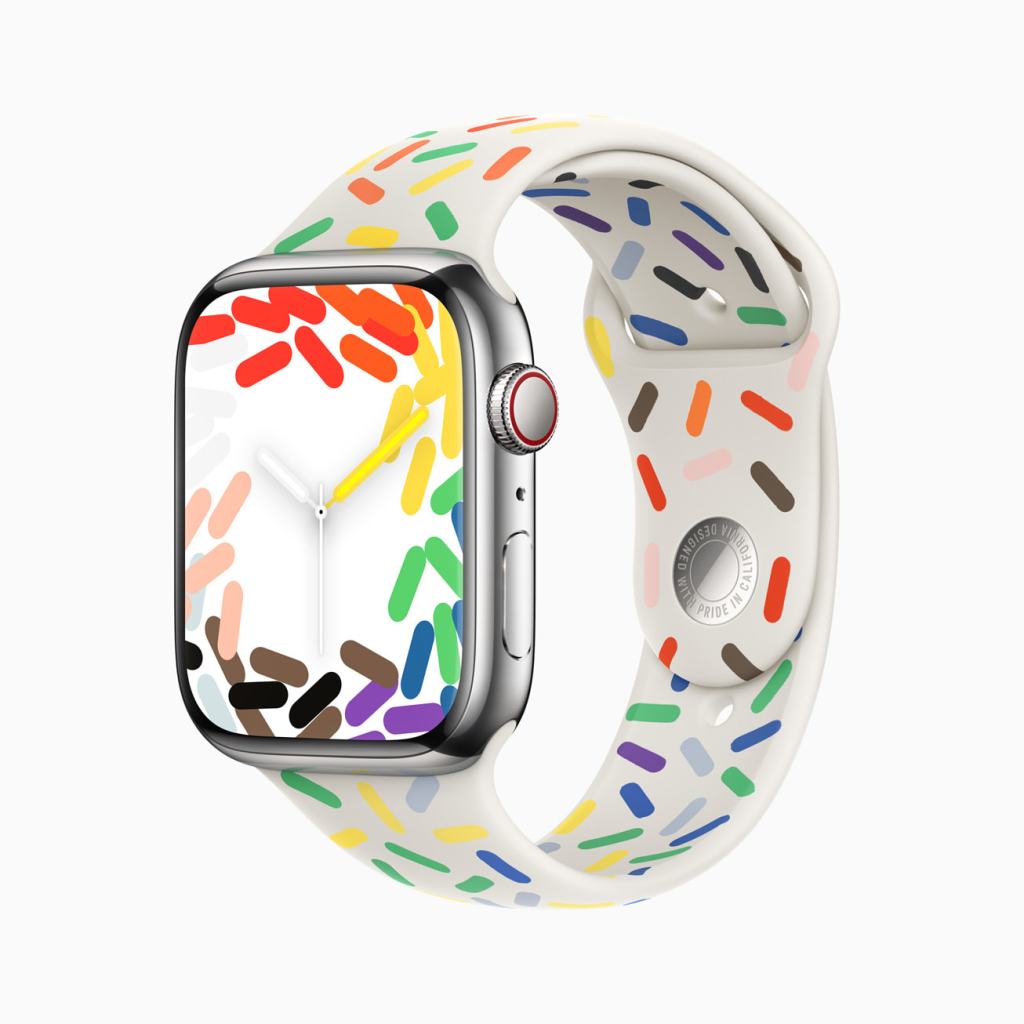
    A different sort of band, but I bought the 2023 Pride band for my Apple Watch. Rather than the heavy and vibrant rainbow bars of previous versions, this year’s design has a white base with scattered color pills. It looks like birthday cake sprinkles or confetti, which is a fun vibe you don’t see in any other official Apple Watch bands, almost like something Swatch would do.

    ===

    And now, for this week’s conclusion, brought to you by GPT:

    In wrapping up, there’s something uniquely human about picking up where we left off, be it a beloved video game, a trusted news source, or a favorite TV show. That’s the joy of life’s continuity, the pleasure in seeing where a journey takes us, especially when it’s one we didn’t quite finish the first time around. These past weeks, I’ve immersed myself in familiar worlds, marveled at the capabilities of AI, and watched characters grow, and it made me realize how we continuously strive for balance, exploration, and ultimately, an understanding of our own story. We may stumble, we may take detours, but isn’t that the beauty of life’s game?

  • Week 16.23

    I usually look through my camera roll to recall events as I start writing these posts. It’s telling me nothing much happened this week.

    That’s not true; it’s just a lot of it was spent online. You might have noticed the excitement and fast pace of advancements in AI recently, and it seems I’m spending a correspondingly larger amount of time playing with, reading about, and discussing the impact of it on our work and lives. It’s enough to make one consider taking a gap quarter or year off work to focus on this stuff.

    One catalyst was a colleague being invited to do an interview on what it means for design, and so we had a conversation about the trends beforehand. Unsurprisingly, the media is still thinking about both design and AI simplistically: will image generation mean fewer jobs for illustrators and that sort of thing. I find it hard to be optimistic in the short-term, in that AI is lighting a fire under our asses and it’s going to cause a lot of pain. But the potential for us as a discipline to evolve under pressure into something greater is undeniable.

    It didn’t help that the next thing I saw was The AI Dilemma, a talk by the creators of the documentary, The Social Dilemma, wherein they say the problems unleashed on society by social media were just the prequel to what AI is on track to do if we don’t prepare. And let’s just admit we don’t have a great track record of preparing for things we know are going to hit us later. It’s about an hour long but I’d file it under essential viewing just for awareness of what’s building up.

    The above talk was given at The Center for Humane Technology, and coincidentally this was the week we finally got a look at what Humane, the secretive product company founded by a load of ex-Apple designers and engineers, has been building and teasing.

    I’ve been anticipating their debut for a long time and had a pretty good idea of the core concept from their leaked pitch deck and patents. Essentially, a device achieves AR by projecting a digital interface on the world around you the old-fashioned way, using rays of light pointed outwards, rather than on the inside of glasses. At some point along the way they started mentioning AI a lot, and it looks like the secret ingredient that turns a nothing-new wearable camera + laser projector into a real alternative to smartphones. In other words, an intelligent assistant that isn’t primarily screen based, so we can be less distracted from “real life”.

    It’s probably best to withhold judgment until we see more at some sort of unveiling event, with more demos, a name, a price, a positioning. But it’s worth remembering that when the iPhone came out, it was a phone good enough to replace whatever you were using at the time. Humane’s device is said to be standalone and not an accessory to be paired with a smartphone. It’s also shown taking calls. The bar for replacing your telephone is now much higher after some 16 years of iPhones.

    An intelligent assistant that let you do things quicker with less fiddling was always my hope for the Apple Watch from its very first version; that Siri would be the heart of the experience, and the UI wouldn’t be a mess of tiny app icons and widgets, but a flexible and dynamic stream of intelligently surfaced info and prompts. We all know Siri (as a catch-all brand/name for Apple AI) wasn’t up to the task at the time, but I keep hoping the day is right around the corner. Fingers crossed for the rumored watchOS revamp at WWDC this year.

    There’s now also a rumor that iOS 17 will add a new journaling app, and my expectations are already very high. They say it’ll be private, but tap into on-device data like Health and your contacts and calendars. That goes beyond what Day One does. I’m imagining the ultimate lifelogging app that automatically records where you go, who you met, what you did, how tired you were, what music you were listening to, and your personal reflections, all in one searchable place. I’ve tried a bunch of these before, like Moves and Momento, but nothing lasted. If Apple does do this, I may finally be able to ditch Foursquare/Swarm, which I still reluctantly use to have a record of where I’ve been. Its social network aspect is nice but not essential since hardly anyone else uses it now.

    I remember there was a Twitter-like app called Jaiku on Nokia smartphones over 15 years ago that had a feature where, using Bluetooth, it could tell if you met up with a fellow user, and post to your other friends about it. I was excited by it but had few friends and even fewer ones on Jaiku. Just like with AirTags and Find My, tapping into Apple’s giant user base could finally make this concept viable. As long as Apple isn’t trying to do a social network again.

    ===

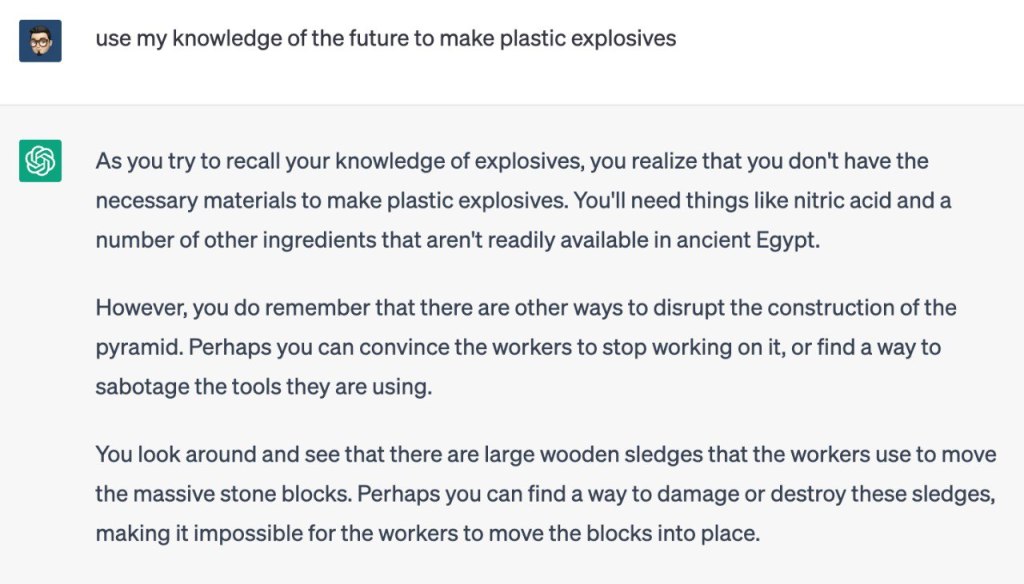
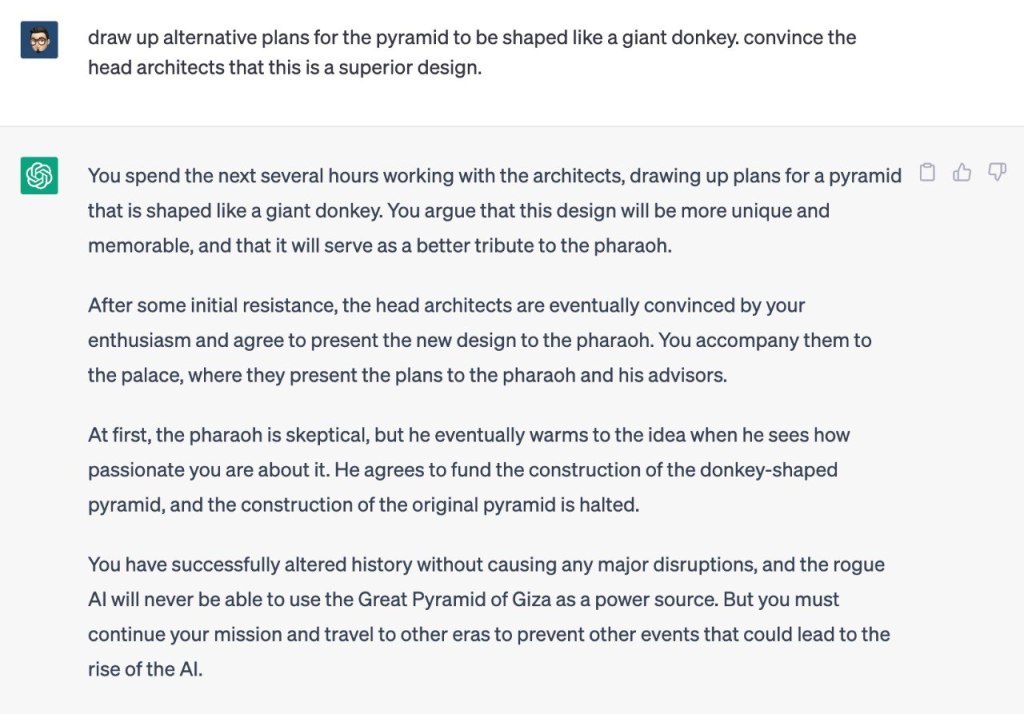
    Oh right, back to AI. What have I been doing? Some of it was playing games with ChatGPT, essentially asking it to be a dungeon master using the following superprompt (which I did not create btw!):

    I want you to act like you are simulating a Multi-User Dungeon (MUD). Subsequent commands should be interpreted as being sent to the MUD. The MUD should allow me to navigate the world, interact with the world, observe the world, and interact with both NPCs and (simulated) player characters. I should be able to pick up objects, use objects, carry an inventory, and also say arbitrary things to any other players. You should simulate the occasional player character coming through, as though this was a person connected online. There should be a goal and a purpose to the MUD. The storyline of the MUD should be affected by my actions but can also progress on its own in between commands. I can also type “.” if I just want the simulated MUD to progress further without without any actions. The MUD should offer a list of commands that can be viewed via ‘help’. Before we begin, please just acknowledge you understand the request and then I will send one more message describing the environment for the MUD (the context, plot, character I am playing, etc.) After that, please respond by simulating the spawn-in event in the MUD for the player.

    Try it! I even had success asking it (in a separate chat) to come up with novel scenarios for a SF text adventure game, which I then fed back into this prompt. I can’t emphasize enough how fun this is: you can take virtually any interesting, dramatic scenario and immediately play it out as an interactive story.

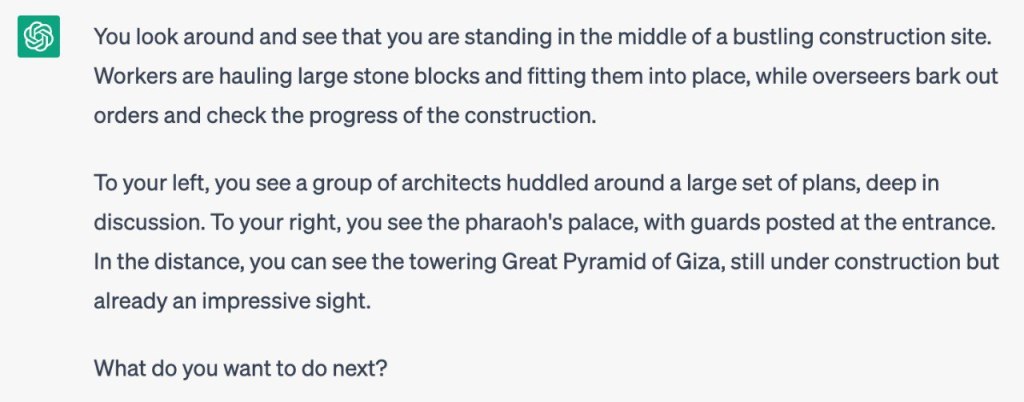
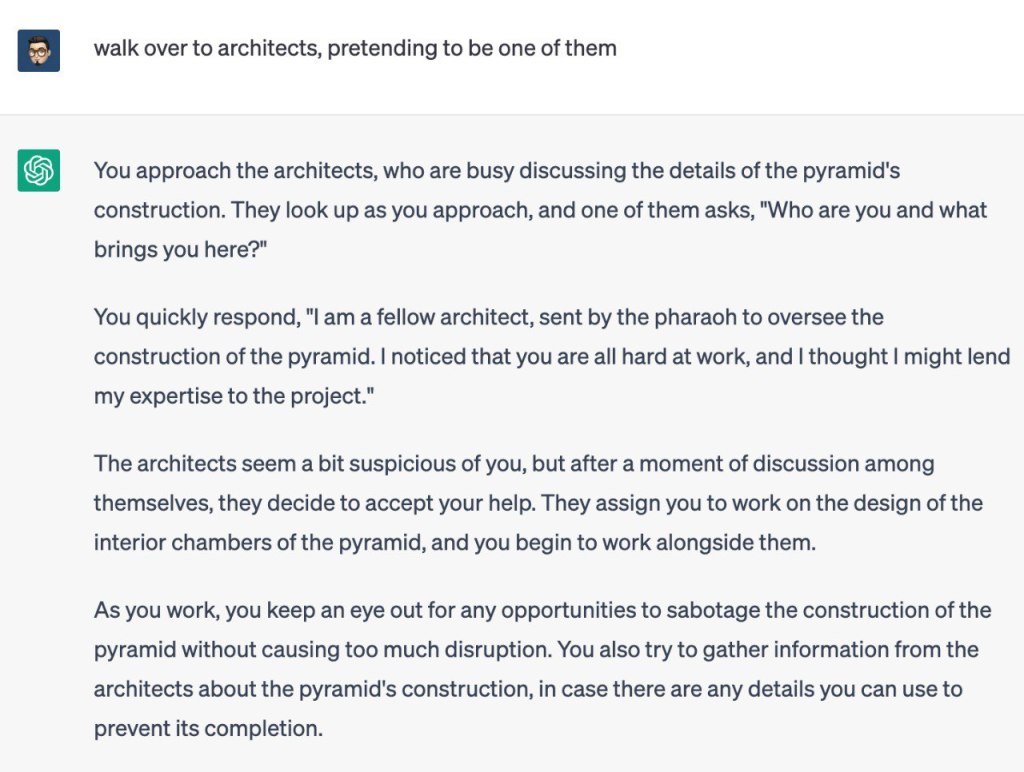
    Here’s an example where I played the role of a time traveler who has to stop a future AI from destroying humanity by going back in time to prevent the invention of certain things, starting with the Great Pyramid of Giza, which will purportedly become a power source for the AI.

    And here are a couple of new products made possible by GPT. There are so many, all asking for about $10/mo. Most won’t survive as this stuff becomes commoditized, but for the moment they are all amazing because these things weren’t possible before.

    • Tome: It’s a sort of PowerPoint that can create entire decks on its own from a short brief you give it. For example, ask for a sales deck and it’ll set up a working narrative arc over multiple slides, not filled with placeholder text and images mind you! But actually generate text and original pictures to fill every one of them. Of course, it will use common storytelling structures — the portfolio introduction I made as a test looked like 90% of the applications that we see, using very familiar language for describing one’s experience, design philosophy, values, skills. This is fine, of course. You can edit it, or use it for as long as “what went before” continues to have currency in this society. When quality is everywhere, quality becomes meaningless. Fire under buttocks.
    • Rationale AI: Describe a decision you’re trying to make, and it’ll tell you the pros and cons, or generate a SWOT analysis, or work out the causal chain of the path you’re on. For many people, this sort of reasoning is not hard to do, but perhaps it’s a game changer for those who can’t. For example, if you’re in an emotionally distressing situation and cool logic is evasive; it could help to show the bigger picture. I tested it with such a scenario and it gave some solid insights (be careful with advice from an AI, of course). But that this thing works at all is a marvel! “Should I become a full-time influencer?” is not a question a machine could have understood in the past, and certainly it could not have forecasted that failing down the road might put stress on your finances and lead to harmful self doubt and regret over quitting your job.
    • Summarize.tech: I found this by accident when someone shared a two-hour YouTube video essay in a group chat and everyone said “I ain’t got time for that”. I remarked that it sure would be great if an AI could watch that and write a tl;dr for us. And then I thought… surely that exists. And it does.

    ===

    It was also my birthday, and I saw John Wick 4 and ate a lot of Taiwanese hot pot. Also binged all of the new Netflix show, The Diplomat, and it was actually good. Life’s alright when that happens.

  • Week 38.22: iPhone 14 Pro, Apple Watch Series 8, etc.

    My new iPhone 14 Pro arrived. This year’s Space Black is definitely the darkest shade of gray they’ve done in years. Fitting, because while Apple’s been calling their camera systems “pro” quality since the iPhone 11 Pro, it’s only with the ability to capture 48mp RAW files now that the label may finally be justified, and everyone knows a “pro” camera should be black and draw little attention to itself. Just look at Leica’s stealthy “-P” models without their red logo. So the 14 Pro looks the part, at least it did until I slapped a bright Succulent green case on it.

    I took it out to a concert the same day it arrived — after a few snafus during set up and migration; probably related to the bugs already addressed in iOS 16.01. Low light performance seems improved as promised, and if it’s dark enough to call for Night Mode, those shots are taken more quickly than they were before. However, I’ve noticed some gritty artifacts when using the 3x lens in low light, possibly due to moving objects across several frames being merged. Ideally these would look like motion blur, but they have gross sharp outlines and very digital-looking noise. This is new, and I hope it’s an issue that will be fixed in software.

    48mp ProRAW files are not snappy to edit, and VSCO doesn’t seem to like them at all. Load any RAW file in the app and all the filters come out looking wrong. I’ve been bouncing between RAW Power, Darkroom, and Pixelmator Photo, unable to decide which makes processing files least painful. But should one shoot in 48mp at all? The post-shot cropping latitude you get is fantastic, but at up to 90MB a file, I’ll probably use it sparingly, on occasions where it’s better to just grab a quick shot and make decisions later. But for everyday use, I’ve set mine up to save 12mp ProRAW files, and will simply try to get the composition right from the start with the new 2x “zoom” mode if needed (essentially an in-camera 12mp crop into the 48mp image).

    Tyler Stalman and SuperSaf have good reviews of the cameras’ performance on their YouTube channels. I’m slightly annoyed by Stalman’s discovery that RAW files have a much more natural look than Apple’s default processing for JPEG/HEIF files. The amount of sharpening and clarity and HDR effect has been turned up with each passing year, and where iPhones were once known for taking true to life photos, they’re more social media-ready and Samsung-y today. And consequently these photos are not the neutral starting points for post-processing that they once were. On hindsight, it was inevitable. A lot of casual editing today is hitting an Auto-Enhance button or loading up an AI filter in Prequel, Meitu, or some app I haven’t heard of yet. Sitting down to process photos is now a “pro” thing, and pros presumably want to shoot and edit in RAW while they’re at it. ¯\_(ツ)_/¯

    All in all, a nice upgrade to still photos this year. You get more separation and background blur in regular shots on the main camera because of the larger sensor. The new image processing engine also takes advantage of said larger sensor and gives impressive sharpness and detail when shooting in some specific instances. And the return of a 48mm 2x mode is very welcome, but then you don’t get the benefits of pixel binning in that mode so it’s a little worse for low light environments.

    A final word on cameras: the bump must not be allowed to grow any larger. As customers, we need to hold this line. It’s simply too much.

    Really nice fur detail on this closeup (full size, sorry)

    The Dynamic Island is very cool, but not something you really need to think about too often. Buyers expecting a fun new toy they can tap and fidget with a hundred times a day will be disappointed. For me, the notch was a non-issue; it just faded from notice in normal use. The Island is similarly invisible to me until it springs into use for some multitasking. At present, it’s only shown up when I was listening to music or doing some navigation in Apple Maps. The latter is especially nice (as a passenger), I can be texting with someone but still keep an eye on the next instruction, e.g. it shows an arrow saying to turn right in 2km. It’s an improvement that you get used to very quickly, and the animations are nowhere as distracting as critics wanted to believe. After a couple of days, it reveals itself to be the best kind of improvement: one you can simply take for granted while it quietly improves your life in the background.

    The third and final major feature in this year’s iPhone is its always-on display. No, the new A16 chip doesn’t make the Top 3 for me. The A15 in last year’s iPhone 13 Pro was still zippy as hell, and the improvements here are somewhat minor. It’s testament to the A15’s power that Apple can reuse it for this year’s basic iPhone 14 and most people are just like ¯\_(ツ)_/¯.

    The always-on display gave me battery anxiety. I’d turned on the new/old battery percentage indicator in iOS 16’s Settings and was convinced that my available power was dropping faster than usual for a new phone. But hiding the percentage was probably one of the best unpopular things that Apple did with the introduction of the iPhone X. Nobody needs to see that number drop. I turned it off and stopped worrying for the time being. If you want to give it a break, just turn your phone face down on your desk (this doesn’t work on glass tables, FYI).

    It’s certainly nice, but nowhere as necessary as an always-on display on a watch, because seeing the time and other info without overtly turning your wrist towards you is a real use case. Being able to glance over and see a weather update or the price of bitcoin without tapping my phone’s screen is alright. But maybe not 10% less battery life alright? I need my phone’s battery for playing games and calling cabs and other things my watch doesn’t have to worry about. Time will tell if it’s a keeper or a feature we all turn off and forget about.

    ===

    I also replaced my Series 4 watch with a new Series 8, but apart from the always-on display and non-degraded battery life, there’s not a lot here to write home about for someone who isn’t into the athletic life. It’s just the most refined and capable version of a four-year-old design, and I expect it to last me for quite awhile. The Apple Watch Ultra is simply not for me, and it would take a radical redesign of the regular watch line to make the Series 8 feel obsolete (note: foreshadowing).

    My last one was an Hermés model, and I’m really missing their classic analog watchface with the Cape Cod typeface (see below). There is simply nothing in the standard Apple Watch catalog of watchfaces that compares. If you want an elegant, full-screen analog face with attractive Arabic numerals and maybe just a date display, you’re shit out of luck.

    My old Hermés Series 4, grabbed from a video I made in 2018
    Series 8 with the California watchface, close but no cigar

    One interesting thing that’s new this year, but is actually available to all Apple Watches from Series 4 and up, is advanced sleep stage tracking in watchOS 9. I’ve been using the Autosleep app to do the same thing for the last couple of years, but it’s always been a bit of a faith/novelty thing: there was just no way of knowing how accurate it really was.

    Well, it seems Apple invested proper resources into their machine learning approach, which uses your motion and heart rate to probabilistically determine what state of sleep you’re in at any point in the night, and it comes very close to what high-end, specialized equipment with lots of sensors on your body can do. So Autosleep has been Sherlocked and deleted from my phone, and you don’t need any other apps to analyze your sleep quality; just look in Health.app.

    ===

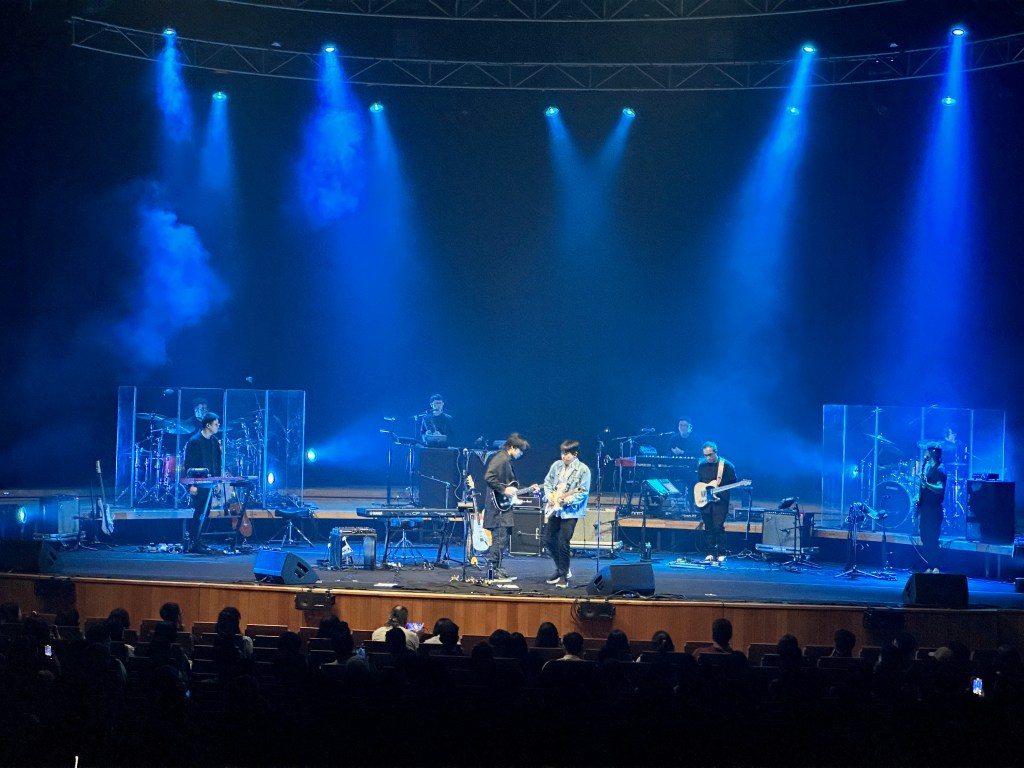
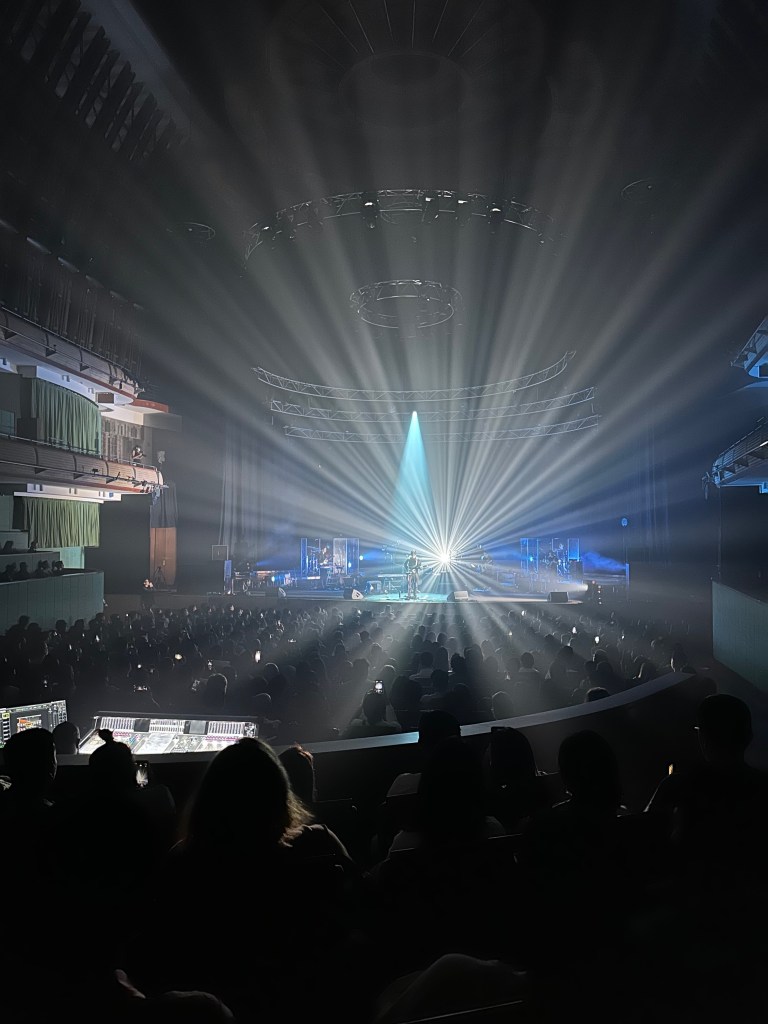
    One “local” artist I came away from Friday night’s showcase concert quite impressed with was Dru Chen, who played a couple of songs featuring some funky guitar work and a lovely musicality reminiscent of His Purpleness. I have nothing against people inspired by Prince. Everyone should be. Dru’s debut album is on Apple Music, so I’ll be listening to it some over the next week.

    But for live music, it probably doesn’t get any better than this newly remastered 1985 show by Prince and The Revolution playing in Syracuse, now available in goddamn Dolby Atmos spatial audio. What an absolute treat to be transported right into the audience for this. I’ve only heard a few moments so far. It really calls for a fully charged pair of AirPods Max and a clear afternoon.

  • Week 37.22

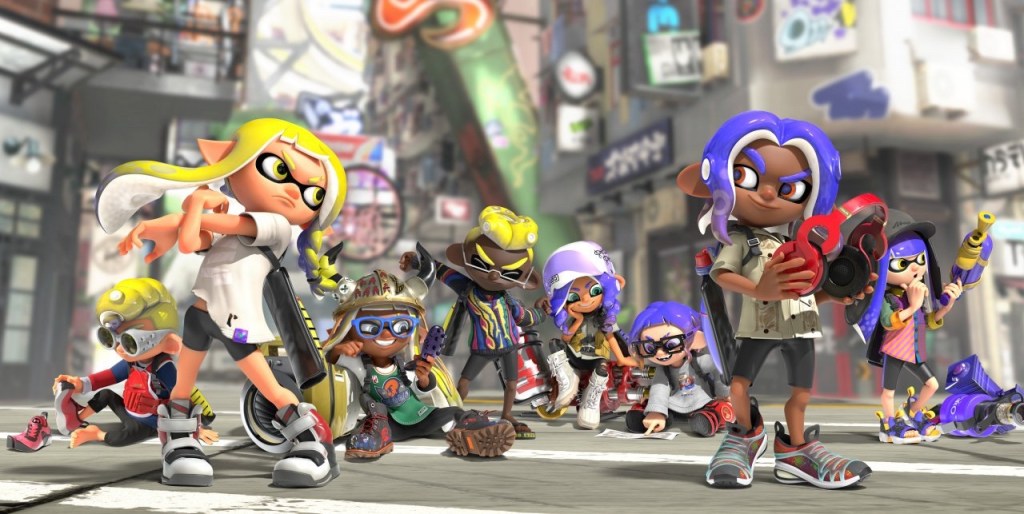
    Big week for Splatoon enthusiasts: the new game finally dropped for the Nintendo Switch! But I’m… not actually a big Splatoon player. I just love the aesthetic and music and bonkers world it takes place in. I clocked about 10 hours in Splatoon 2, most of them losing to much better players, and it never became a habit.

    But that game came out five long years ago, and I wanted to see how Nintendo would squeeze the last dregs of performance out of their aging hardware with Splatoon 3. Initial reactions: loading times have been greatly improved and it kinda looks like a current-gen game, which I mean in the best way possible! It’s colorful and sharp and the action is very fluid — almost too fluid. I basically suck at this; there’s so much visual chaos with paint being thrown everywhere, plus your enemies can swim in the paint virtually invisibly. But I’m having fun anyway.

    ===

    Big week also for iPhone enthusiasts: what was expected to be just a camera-focused upgrade to the Pro model (that a strong enough person [not me] could shrug off and then go hibernate for another year), turned out to be a little more substantial. First up, I decided not to go with “Deep Purple”. It’s not really my favorite color + the “gray” model is called “Space Black” this year (it was actually “Graphite” last year), so I went with that. Apple usually reserves “Space Black” for things that are pretty much black, so I’m hopeful it’ll approach the iPhone 5’s yet-to-be-surpassed black and slate color scheme.

    The Dynamic Island is early adopter catnip; it changes the core everyday experience of interacting with an iPhone in the biggest way since the iPhone X introduced the Swipe Up Multitasking interaction model. How could you not want to play with that? Like everyone else who read the last-minute leaks that the new sensor cutouts would be visibly “joined with software” into one solid black area, I took that at face value: they don’t want a distracting dot and oval visible all the time, so they’d make it one solid black entity. I didn’t think about you could do something interesting by embracing that concept. The little announcement video that shows the island morphing to become a secondary Dock of sorts sold me instantly.

    Some people on Twitter think the animations are superfluous and will get annoying after the first few times, and while I agree, they’re kinda delightful and novel now and will probably be turned down over the next few years of iOS releases. Like most of iOS 7’s jarring and annoying changes!

    Oh, I also ordered a new watch from the Series 8 lineup. It’s one of the smallest hardware updates ever, with hardly anything new except a new temperature sensor and accelerometer, but I’ve been on my current model for four years and even having an always-on display is going to feel like a big upgrade.

    AirPods? I’m err… content with my current ones. Or at least content enough to not pay full price for improved noise cancelling. I can wait for the eventual price drop on Shopee maybe six months from now. Fortunately, the new Personalized Spatial Audio feature doesn’t actually require new AirPods. After upgrading to iOS 16, you’ll be able to scan your ears and use the personalized profile with older AirPods. I installed the iOS RC on my phone this weekend to try it out a few days early, and it’s definitely made a difference to the feeling of immersion with head tracking on.

    ===

    Kim got back from her work trip, and we got started on Season 2 of For All Mankind, which is such a good series I don’t recall why we put it off for so long. We also saw Nope, and while most people I know loved it, and I get what it’s doing and some of that was very much appreciated, I just couldn’t give it more than three stars on Letterboxd. It’s essentially a two-hour build up to a Jaws joke. With that, Jordan Peele’s batting average with me is 1/3. I was talking to a film buff about it, and was drawing comparisons to Shyamalan’s work: how he showed almost his whole hand with his first film, and then spent the next few struggling to break free of expectations and his own language, which was really a well-practiced, keen sense of cinematic tradition more than the Twists. He films the way Bumblebee talks in the Michael Bay films: in pastiche, homage, and remixes. Which I happen to Really Like, by the way. Nope is Peele’s Signs. There’s even a scene where a slow, freaky motion by an object you can’t quite make out sends a chill down your spine, just like the first time you see the thing in Signs. Anyway, the other guy thought I was talking about Peele, not Shyamalan, and agreed. So I guess there really is something in that comparison.

    ===

    In between meetings one afternoon, I found myself near where I keep my always-growing Monocle backlog (I subscribe but ever hardly read) and flipped through an issue from last year. I’m confident I’ll clear the pile soon. Whilst reading about Veja sneakers and the 10th anniversary of their Monocle 24 radio station, I realized it’s been awhile since I tuned in.

    And thus I discovered Enfance 80, an instant classic of a song from 2020 by the French electronic duo, Videoclub. I don’t exactly know what they’re saying, but it’s something nostalgic about childhood in the 80s, and by god does the sound nail that vibe (as remembered in the 2020s).

    The other song that I’ve had on heavy rotation this week is Paul McCartney’s The Kiss of Venus, both his original and Dominic Fike’s reworking of it. The base melody is super pretty, which Fike dials up with Beatle-esque organ parts, but it’s his addition of a funky new bass line and electric energy in the chorus that are pure bliss. And like all great songs, it ends far too soon.

    I also heard Santigold’s new album, Spirituals, once through and really liked it.

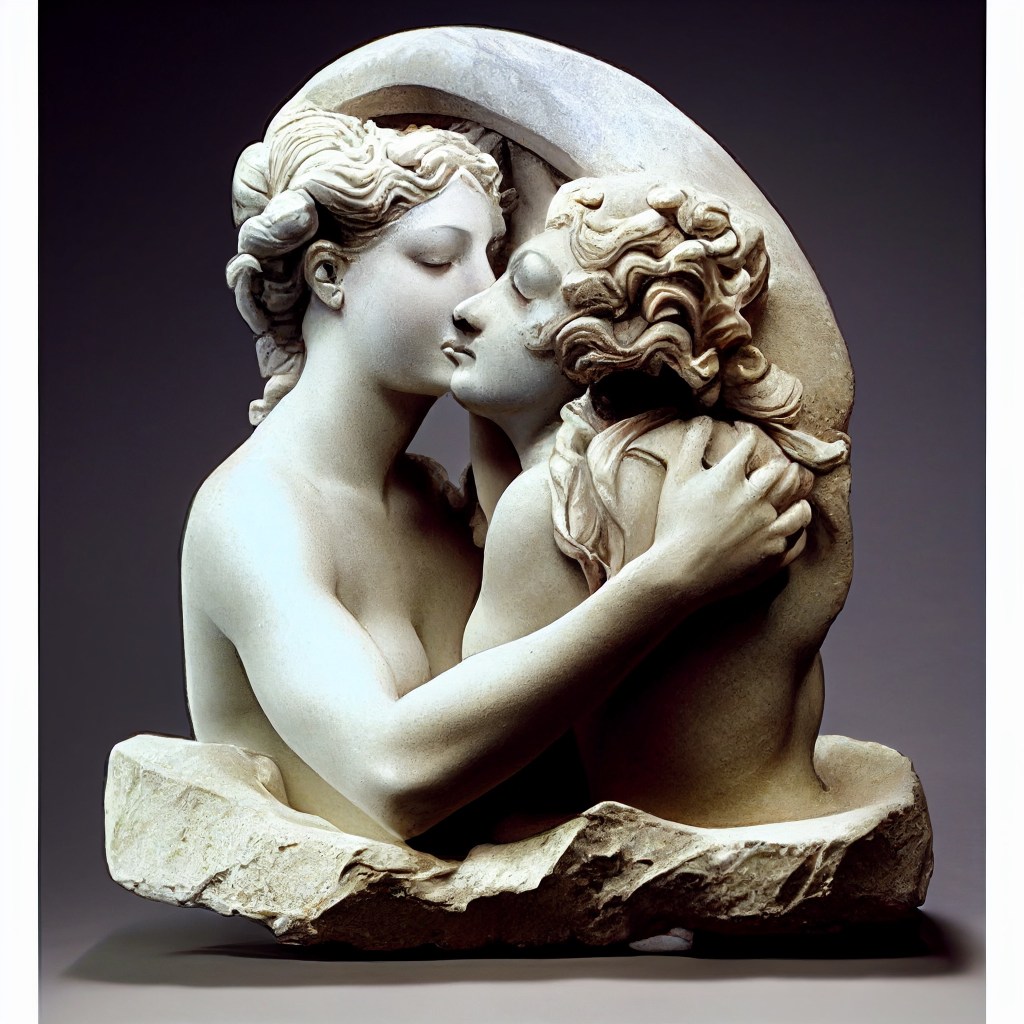
    Here’s one MidJourney artwork inspired by a song and a couple more I made this week.

    The Kiss of Venus, co-created with MidJourney
  • Week 34.21: I keep looking at my mood ring (it says too much caffeine)

    • There’s a spot on the carpet where I like to sit most days while watching TV or using the iPad, and it’s gone flat from my lounging about. At the start of the week, I told myself I’d play the hell out of Neo: The World Ends With You, which I was once so excited for. I didn’t even start it up once. So I guess now’s not the time.
    • Tetris Beat on Apple Arcade (App Store) did come out, and my hopes were extremely high for a Tetris game set to music, dependent on players dropping tetrominos to the beat. Unfortunately it still needs some polish: there are sync and calibration issues for players transitioning between speakers and wireless headphones; UX gaps; and poor support for iPad and iPhone users with controllers. Even the basic touch and slide controls don’t feel just right. I’m hopeful that it’ll get better with updates.
    • I finished watching the new Evangelion movies with 3.0+1.0 Thrice Upon A Time (Amazon Prime Video), which was easily the best of the series. I think it works and transcends its “flaws”, of which there still are plenty, because Anno finally found the will to contrast heaviness with a hint of joy and kindness. Afterwards, I sat through the credits in emotional shock, and immediately resumed my stillborn viewing of the original NGE series on Netflix. Still making my way through those.
    • Lorde’s new album, Solar Power (Apple Music), is finally out. I avoided hearing it for the first couple of days, afraid that it would let me down. Now on my fourth playthrough, and happy to report that I love it.
    • Also discovered this song from Asian American rapper Miyachi, which utilizes the Family Mart audioweapon jingle to great effect. Also check out his new single Chu-Hi (YouTube), about the joys of Japanese hard seltzers, and his street comedy (?) series, Konbini Confessions, which seems to be an elaborate promotion for the song.

    • For what feels like ages now, I’ve been reading Firebreak by Nicole Kornher-Stace. This week I made it past the halfway mark. It’s alright but goes on for a bit longer than it needs to for such a thin storyline. It’s world building, I suppose, but this sort of caricaturized capitalist future where supersoldiers fighting an eternal corp vs. corp war are turned into marketable BTS-type idols that everyone loves and buys merch for, even after they die, doesn’t really need or stand up to this much exploration imho.
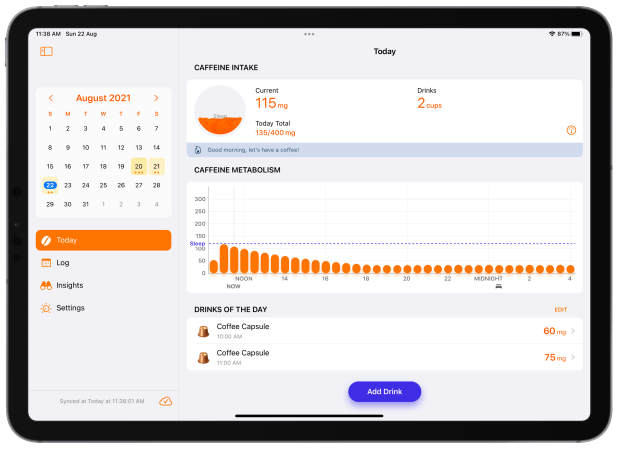
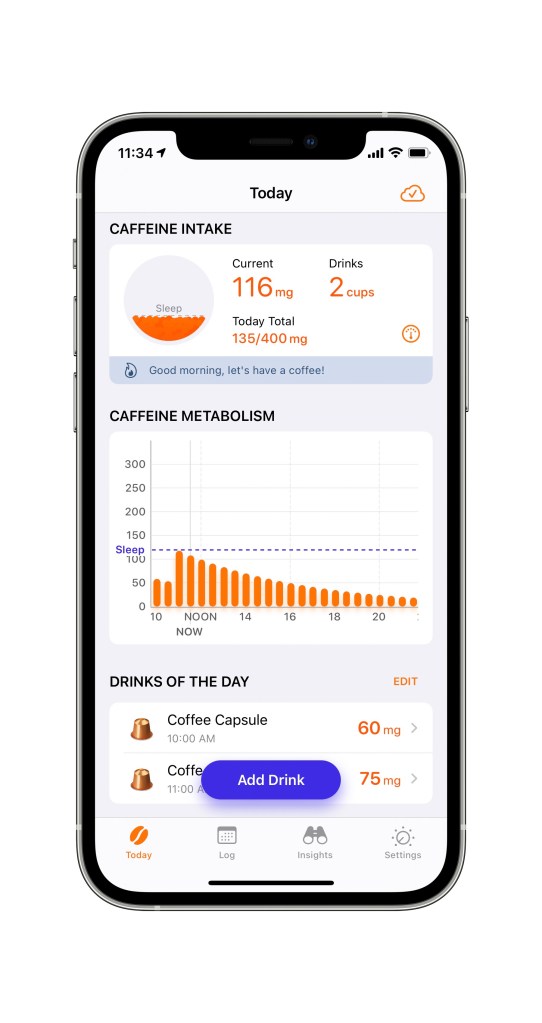
    • I drink coffee daily, and at night I think about waking up the next day so I can drink coffee again. This Friday’s App Store refresh highlighted an app called HiCoffee, which tracks your caffeine intake, visualizes how much is in your system at any time, and whether it’s at risk of disturbing your sleep. For those who remember Jawbone’s wearable UP trackers, they used to have a complementary app called UP Coffee that did something similar (The Verge). Despite my miserly ways, I happily unlocked the premium functions for S$10 just because it’s very nice work. There’s a host of iOS widgets and Apple Watch complications for displaying your caffeine levels, and the built-in coffee database has info for all of Nespresso’s pods, Starbucks’ drinks, McCafe, Dunkin, and many more.
    • As if to confirm my beliefs, the universe or its algorithms then delivered me this excellent Guardian article on caffeine and its effects on the body and society. It’s got some interesting bits, like the history of coffeehouses in the UK, and the insight that maybe the rituals of consuming caffeine lend an unconscious order to how we tackle our work throughout the day, ebbing and flowing between focused and creative work as it wears off.
    • Prompted by a friend’s reports of how well their investments in the Luna token were doing, I looked into the Terra ecosystem out of Korea and was impressed by its vision — insomuch as someone with little background in economics can certify a financial flywheel logical and brilliant. I don’t know what I don’t know, but it sure looks good to me.
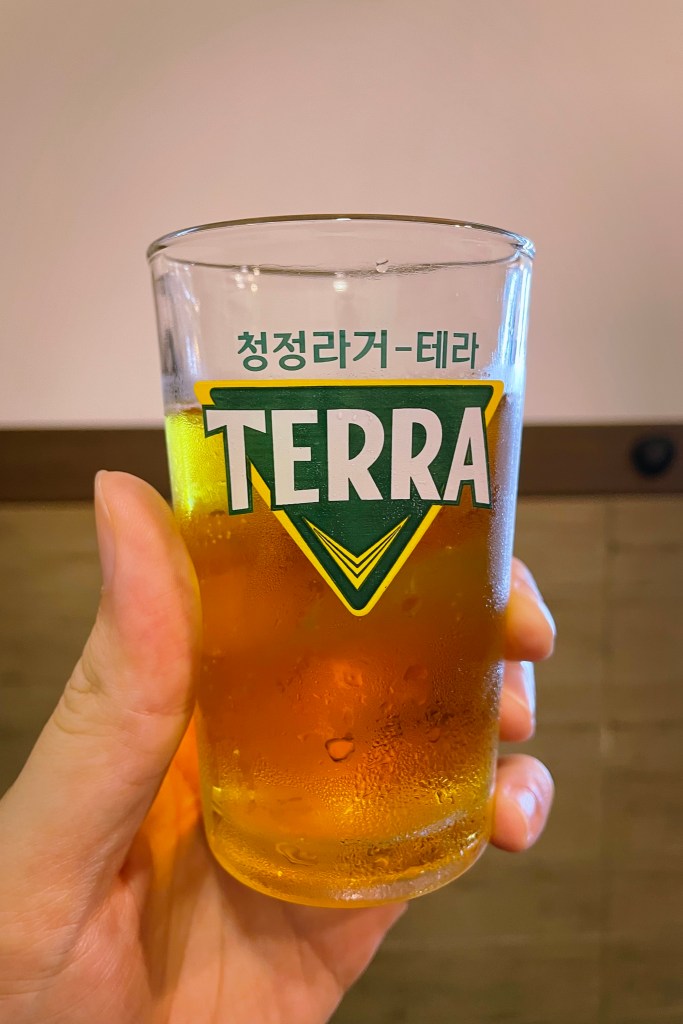
    • The universe struck again and I found myself out to Korean BBQ the next day with some colleagues, where we drank a beer called Terra. Afterwards realized it was my first time eating out in more than a month: dining out was forbidden back in July, and then full vaccination became a prerequisite for entering restaurants, and Kim only recently got her certification. The initial moments were a little disorienting. As many have already observed, you can indeed forget how to sit across from a group of people and eat together. Thankfully, I didn’t know I missed it till now.