The new fridge arrived without a hitch. It makes the tiniest ice cubes, they’re like chiclets. We also got baited and switched: the model in the showroom said “20 year compressor guarantee” but the one that arrived has a sticker that says 10 years. In any case, we’ve been assured that these compressor warranties are meaningless because they’re never the first thing to break down. Kinda like LED bulbs that claim to last centuries, then.
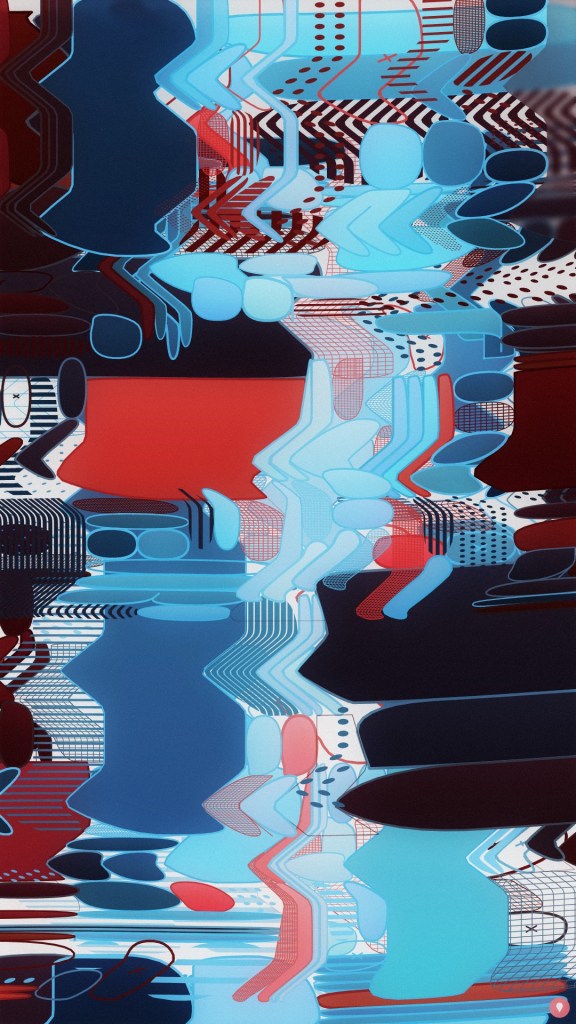
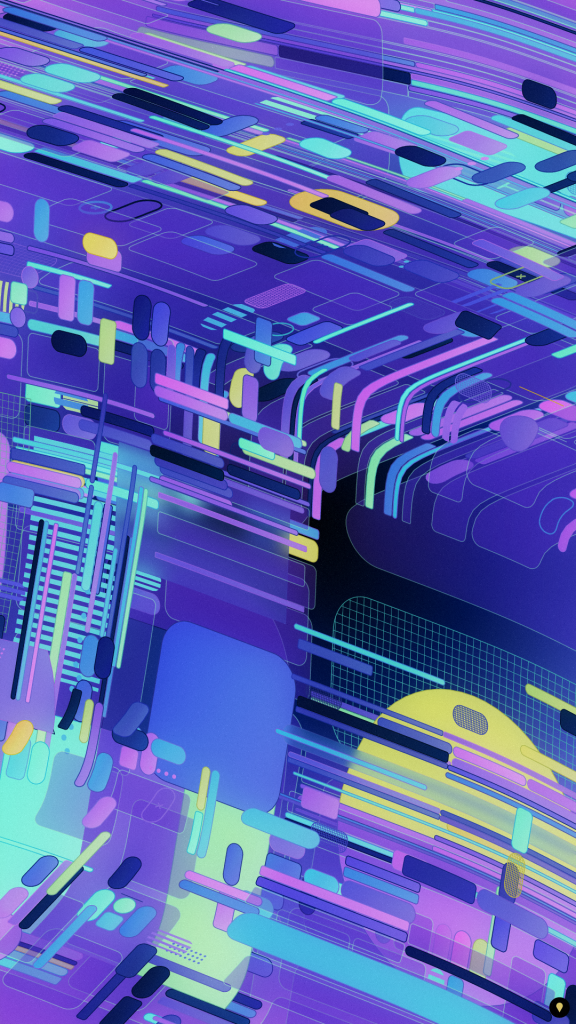
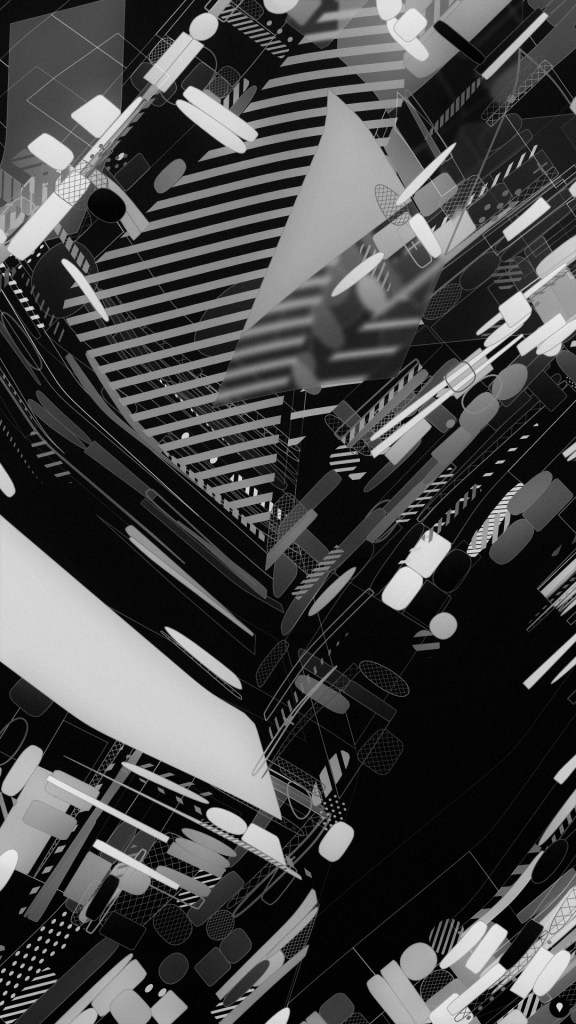
The Onchain Summer campaign/festival on Coinbase’s Base network (Ethereum L2) continued, and I really got into the release of a few generative art projects on Highlight.xyz, in particular RUNAWAY by James Merrill. It’s designed to be a long-form open edition project, and so the algorithm is wackier than most, with quite a bit of variety in the outputs. Of the four projects launched together, RUNAWAY understood the assignment best.
RUNAWAY by James Merrill
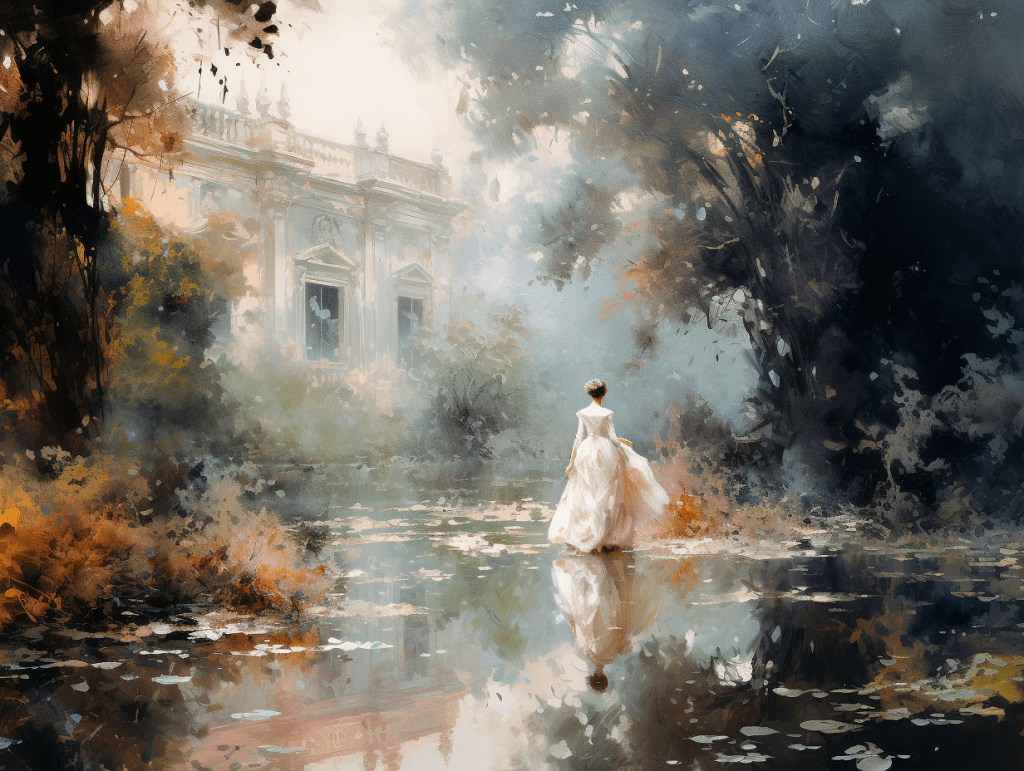
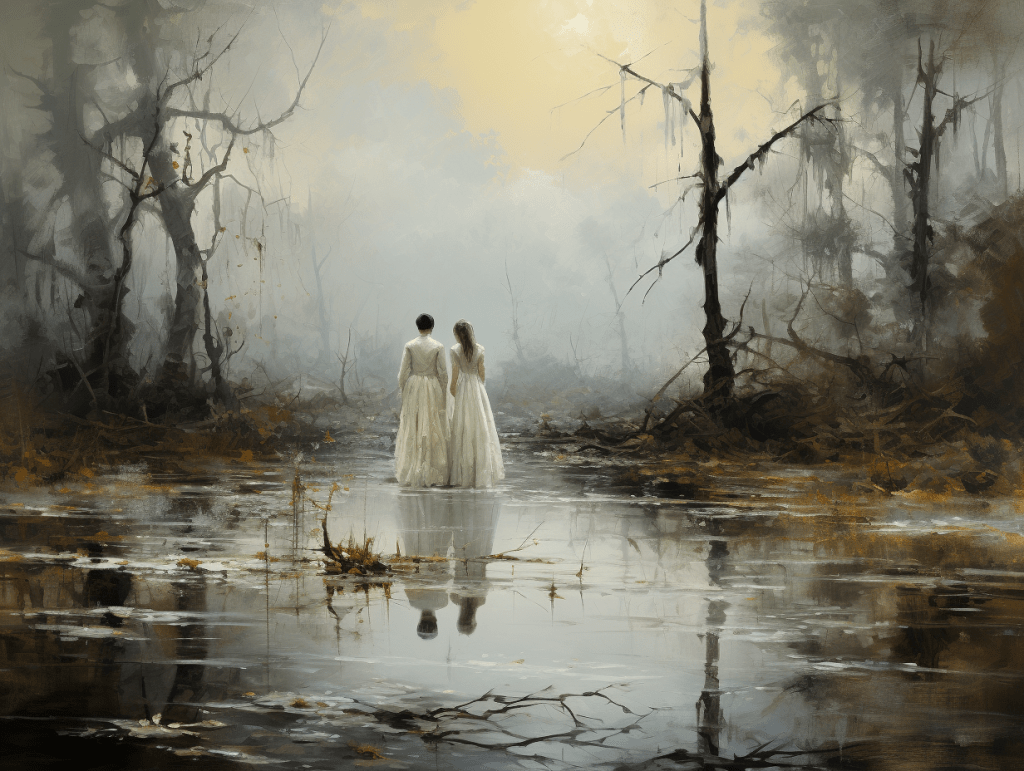
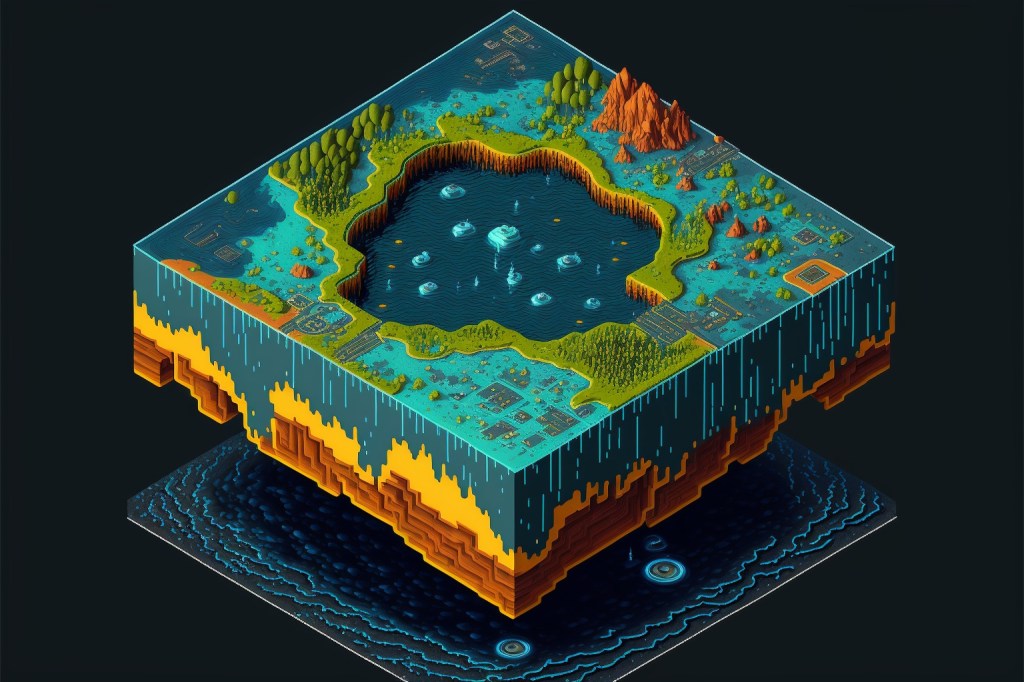
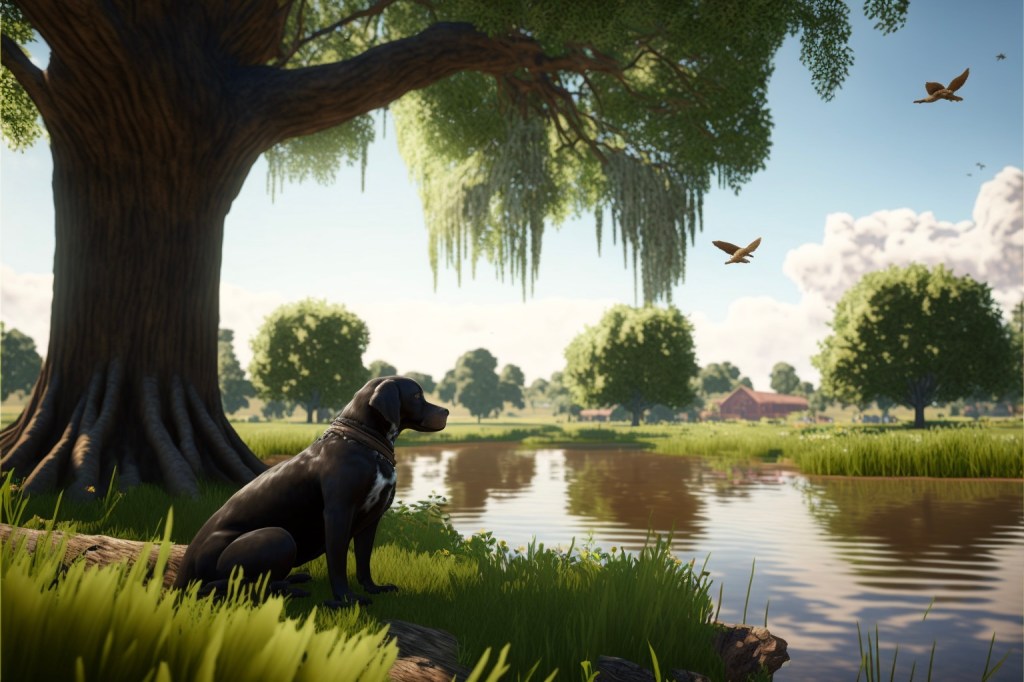
This inspired me to get back to playing with Midjourney, and totally unrelated to the above, I made a couple of images I call “Swamp Aesthetic” and “Pond Aesthetic”.
Pond Aesthetic and Swamp Aesthetic
XG’s buildup to their first mini album continued with the release of New Dance, yet another solid pop song accompanied by a fun video (this one goes for an early 2000s vibe). So far they’ve only released one early dud — Mascara is not a great song imo — and everything else has been a straight banger. It’s an incredible track record, so to speak, and they’ve created a formation where every member is differentiated and recognizable. Back when I found them in February, they had 1.1M YouTube subscribers. That number is now 2.18M. I said back then that they’re gonna be huge and I’m more certain than ever everyone’s going to know them in about half a year.
Apple Music agrees, and they’re featured in this month’s Up Next spotlight, which means a short video, radio interviews, and pre-order promotion for New DNA which drops at the end of September. Just for reference, past honorees of the Up Next program include Billie Eilish, Megan Thee Stallion, Sigrid, and Burna Boy.
I finished reading Ann Liang’s If You Could See The Sun, which turned out to be a YA novel set in a prestigious Chinese high school, with a protagonist from a poor background who’s struggling not to drown amongst her fuerdai classmates, and then… she develops a superpower? It’s pretty fun, and you can see it being Netflix adaptation fodder. 3/5.
We’re currently watching Deadloch on Amazon Prime Video. Throughout most of the first episode, it felt like we would quit, but it somehow picked up and now it’s a fun and ridiculously vulgar ride. It reads as a send up of the small town murder mystery genre (albeit set in Tasmania), but the murder bit is just as interesting as the comedy.
I’m still rationing episodes of Poker Face, watching them like little films. Episode 5, The Time of the Monkey, had such a fantastic payoff I’m still thinking about it days later. I don’t want to spoil anything, but that ridiculous episode title will actually make sense by the end.
Oh oh, I found a silver bracelet I bought off SSENSE years ago and decided to put it on one morning as I was going to work. Some colleagues immediately noticed it and said ‘hmm what’s going on with Brandon lately? He’s accessorizing and wearing new clothes and painting his nails?’, which led me to wonder if I’m going through some kind of weird mid-life crisis? Technically the crisis probably began when I turned 40, which was the year the bracelet in question was purchased. LOL why are people such cliches?
Our fridge is dying. After some eight years of dutifully cooling and freezing our food reserves, it’s losing its mind. Like a soldier left to survive too long in the jungle, it can’t tell right from wrong anymore, and it’s probably a threat to someone’s life. It started midweek when I decided to get some ice-cream and found the unopened tub mushy and soft to the touch. Ditto blocks of frozen salmon — uh oh, not a good sign.
I’ve realized in recent years that I get disproportionately upset when things go wrong in the household. They’re like waves rattling loose the stones in my psychological seawall; things at home simply need to be predictable, dependable, safe. Maybe it’s the result of some trauma. Maybe the outside world is just too much sometimes.
A new fridge has been viewed and paid for now, it will be roused from its Korean factory-induced slumber this Monday and loaded up with every surviving vegetable and condiment. I get images of them as war refugees lining up to get on a boat. They’re the tough ones, made of more shelf stable stuff. Pour one out for their fallen brothers: the spoils of war.
Do you know what new fridges cost these days? I certainly did not. I’m pretty sure our last one was under S$1,000, but they cost more now. Blame inflation, the chip shortage, whatever, but the ones under a grand now are the brands that probably don’t come to mind when you think refrigerators: Whirlpool, Electrolux, Sharp, and local OEM brands you wouldn’t think of at all. So now we’ll have our very first Samsung product, if you don’t count the displays and components they make for others.
Coupled with the so-called seasonal downturn in the markets now underway (supposedly the August and September months before a US election year tend to see significant corrections), there have been quite a few conversations about everyone feeling poor and worried. More than usual, anyway. I know one has to take a long view of these things, but the lack of bright spots is a little daunting.
CNA put out a two-part documentary on Singapore’s fiscal reserves, promising unprecedented access and interviews, which I found quite enlightening. There was a visit to a secret warehouse literally filled with tons of gold, and stories about how this war chest came into being from the early days of our independence. It had not occurred to me before that our reserves were used to weather the 2008 finance crisis and Covid without issuing more debt, a luxury most countries did not have. Nor that one of the reasons we’re able to enjoy such a low tax rate is that annual income from invested assets helps to offset spending on public infrastructure.
Here are the episodes on YouTube:
===
I had fun this week with TikTok’s “Aged” filter, which is certainly not a new concept as far as apps are concerned, but it’s probably the most advanced execution yet. Through a blend of machine learning with harvested personal data from millions of non-consenting people and regular ol’ voodoo, it shows you what you’ll look like as a pensioner (should pension funds survive the financial end times). Some people have tested it on photos of celebrities when they were younger, and the aged photos reflect how they really look now, so… this is probably how you’ll turn out! Might as well get comfortable with it.
It turns out that old me will look kinda like one of my uncles, and I’ve been having fun recording aged videos in a wheezing voice and sending them to friends and colleagues.
Some of the other trending filters on TikTok are pretty sophisticated mini apps that involve a prompt box for generative AI. It takes a photo of you and will restyle it as a bronze statue, an anime girl, or whatever you ask it to do. They are also incredibly fast, compared to other generative AI image tools, which suggests Bytedance is burning some serious cash to power these models and gain AI mindshare.
I also came across a new product called BeFake that will try to take this one feature and turn it into an entire social media network based on posting creative generative AI selfies. It makes some sense — you don’t have to be camera ready (already a low bar with some of the beauty filters now available), and you can showcase wild ideas. Will this sweep the world only for people to get tired of unreality and swing back to finding “boring” posts interesting? Stranger things have happened.
===
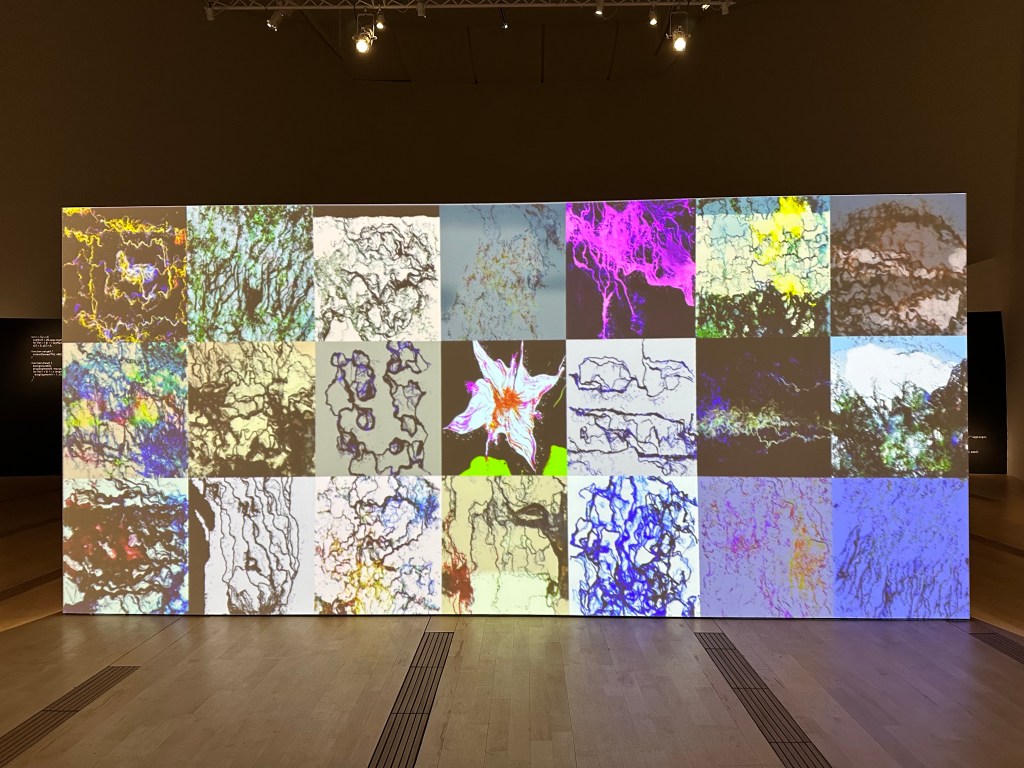
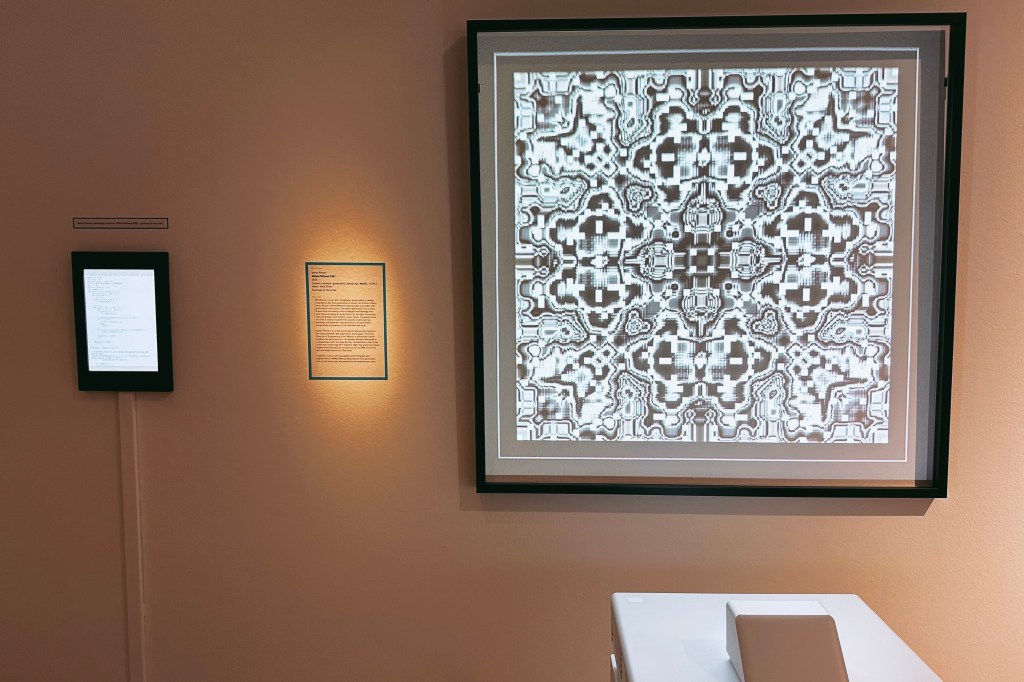
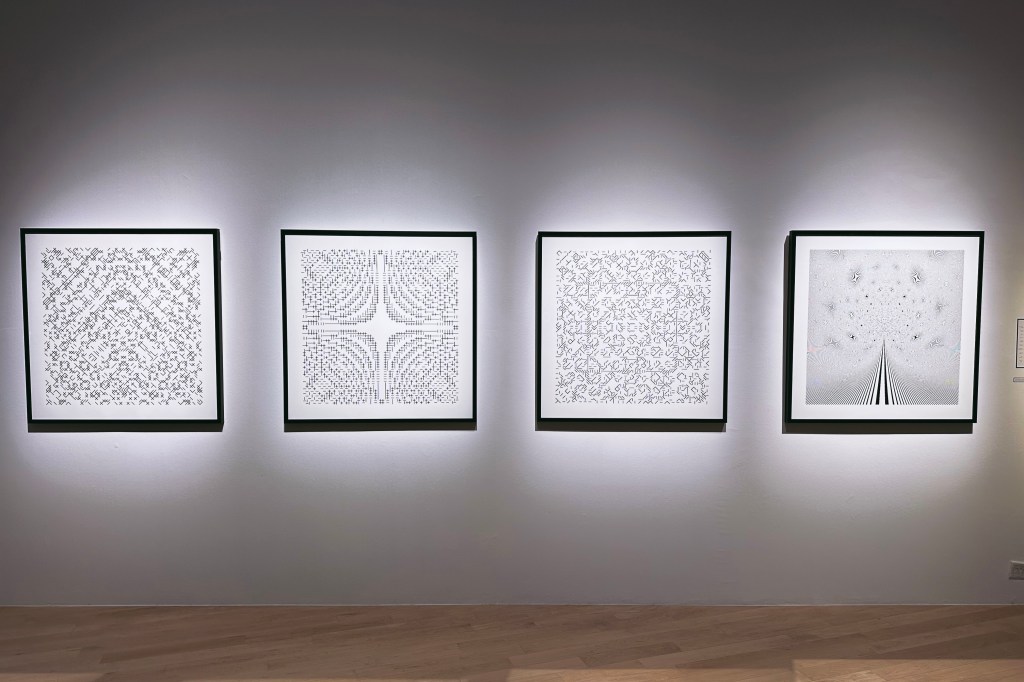
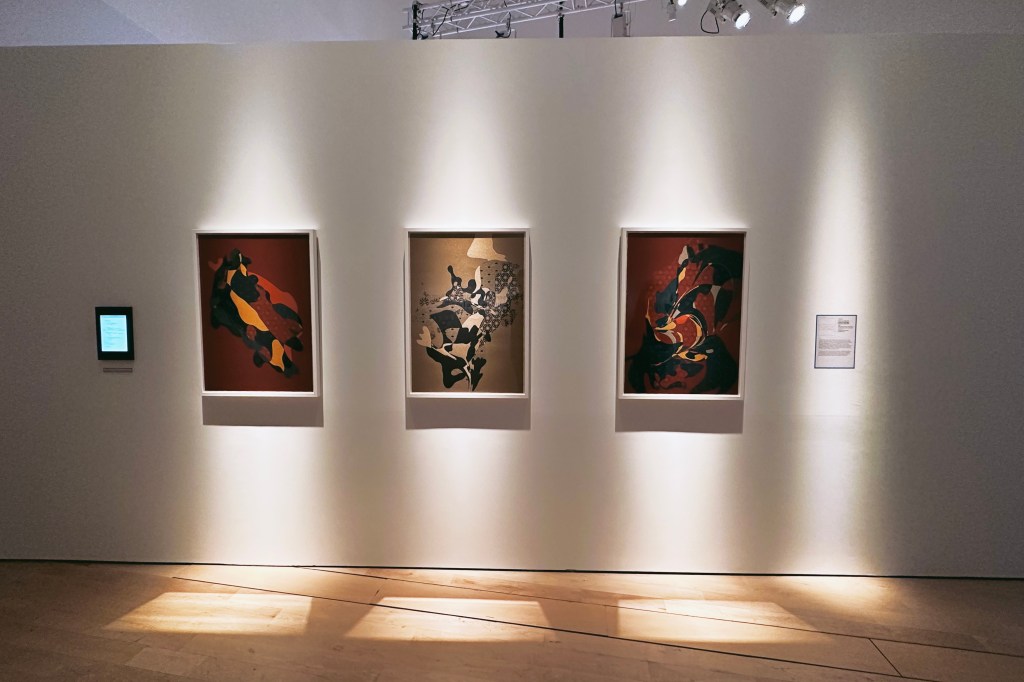
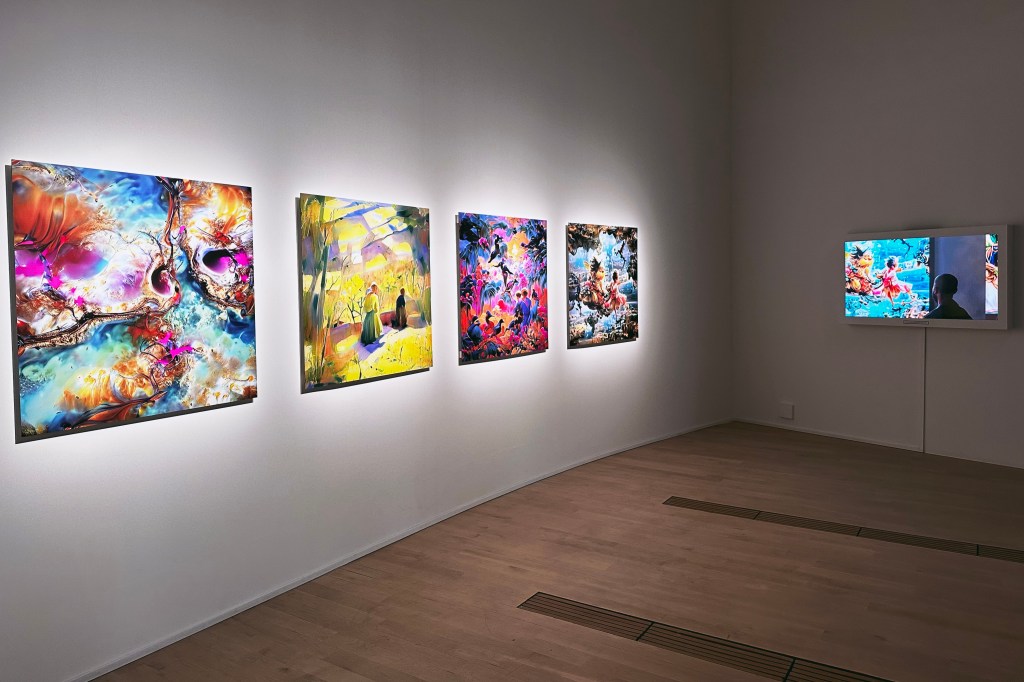
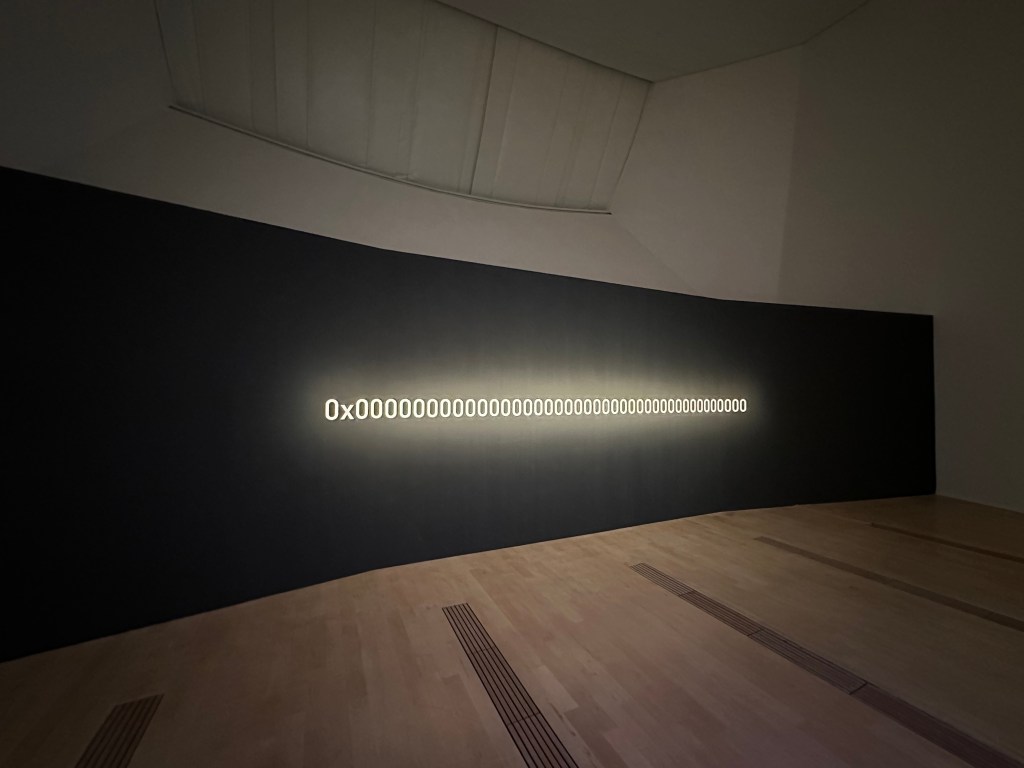
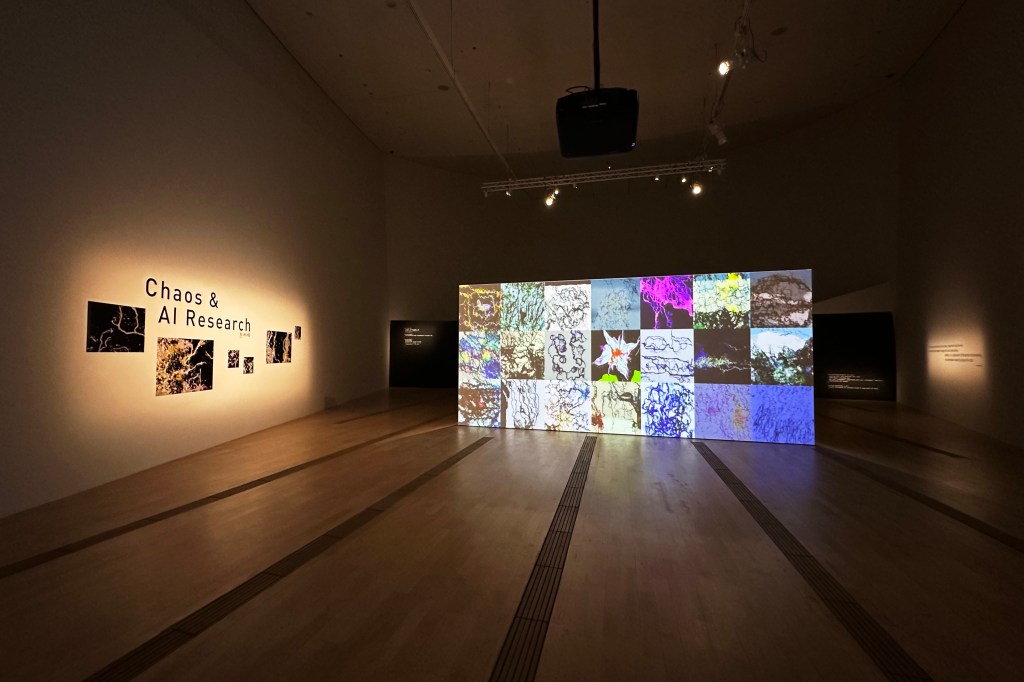
On Sunday we went to the ArtScience Museum (at the Marina Bay Sands) for a rare high-profile exhibition of digital art. Notes from the Ether says it’s focused on NFTs and AI, but it’s also got a lot of generative art that just happens to be encoded on blockchains. I was especially excited to see the inclusion of work by DEAFBEEF and Emily Xie (Memories of Qilin), and Tyler Hobbs and Dandelion Wist’s QQL project was also presented for anyone to play with.
Obviously this movement is in a weird sort of place at the moment. Valuations for most projects are as volatile as shitcoins, and a few “blue chip” projects like the ones displayed are more stable, but only about as much as bitcoin. Because NFT art is defined in large part by the medium, which is currently inseparable from talk of price and value, it’s hard to have a viewing experience divorced from these considerations. You don’t really visit a Monet exhibition and think about how much everything costs. Which is why the Open Editions I mentioned last week are interesting, and likewise with this event, which offers you a free NFT at the end. You get to co-create an artwork with an AI engine by uploading a photo of your own to be transformed, and it’s minted as a Tezos NFT if you’d like. I thought it was a very cool collectible to remember our visit by.
I don’t think I’ve ever seen more affordable tickets at this museum, just S$6 with a further 30% off if you sign up for a free “Sands Lifestyle” account, so there’s little excuse not to go if you’re remotely interested in this stuff.
Since we were already there, we also hopped into Sensory Odyssey: Into the Heart of Our Living World which pairs 8K video projections of natural scenes with immersive sounds and scents. In one space you’re smelling fresh air and damp earth in a rainforest, and in the next you’re underground with mole rats. It’s very cool, but ruined by small children being allowed to run loose in front of screens (can’t really be helped), and elderly museum staff loudly declaring that “this is a night savannah, very dark, no need to be scared!” (can be helped with training) in such a way that any illusion of being in a savannah is totally pierced — unless you’ve gone on a safari tour with a gaggle of Singaporean aunties, of course.
In the early years of mobile connectivity, we counted ourselves lucky to get 1GB of data per month. Fifty bucks bought you a plan, a phone, and a two-year leash. These days? I’m sitting on an 88GB, 5G mountain for half the price. Thank you, technological progress. But since COVID and working from home, I’m only using a fraction of my allowance.
Yet, like any good consumer, I want more. So I switched providers from Circles to M1, lured by a plan that comes with 150GB at the same price. But there’s a catch, M1’s a little disorganized and provided me no updates on when my number would be ported. Right now I have two eSIMs jostling for control in my phone.
Their checkout process also insisted on a “delivery” date. Delivery of what exactly? I’d already gotten the QR code for my eSIM over email. Assumed it was just a holdover from the old physical SIM days, too much bother to scrub from the website. But no, someone actually turned up to my doorstep at the appointed time, just to verify I’d activated my eSIM, then had me sign off on it.
Let me repeat: M1 sends a flesh-and-blood human to confirm I got an email, but can’t drop me a line to say when my number would switch over. I had to spend 10 minutes on a support call to find out that it’s scheduled for next week. Will the data bonanza make up for this frustration? We’ll see.
===
On a mellower note, I started to make use of my dormant brain.fm account again, to provide background music while I read and work. Is it pseudo-science? Beats me. But I like most of the tunes and it seems to work. The app has been significantly upgraded since I last saw it, with many more genres of music to choose from, and the option to vary the intensity of their brainwave-enhancing signals (which sound like wobbles).
With a little help from brain.fm and last week’s recommended music from Alice Sara Ott, I finished Sayaka Murata’s Life Ceremony, and also Hervé Le Tellier’s The Anomaly, and Lee Child’s 20th Jack Reacher novel, Make Me. Of all those, I can recommend The Anomaly most wholeheartedly. It’s a book you probably shouldn’t know anything about going in. If you really must know, it has science and mystery elements, but that’s all I’ll say. I’m now reading real-life astronaut Chris Hadfield’s The Apollo Murders.
Not bad for a guy who’d only finished one book two months ago, now 8 out of 12 down on his Goodreads Challenge.
===
I’ve been listening to Tessa Violet’s new album, MY GOD!, and it’s a playful catchy affair. Incredibly, Blur have reunited with a new album, The Ballad of Darren, and I couldn’t find much wrong with it after one playthrough. Maybe it’s the halo of how good the last Gorillaz album was after a decade of underwhelming me, but I think Damon Albarn is back.
I made a commitment to use my AirPods Max more — they’ve been neglected because they’re somewhat of a pain, both literally and figuratively: the headband’s a little tight for me and the Smart Case remains a questionable design, adding friction to the simple act of turning a pair of headphones on and off.
Two things have improved the experience for me. First, a dubious Reddit post from another big-headed owner who suggested bending the metal frame open, briefly straightening them open to form a 180º line, to ease the squeeze. This could obviously damage them, so do it at your own risk. But I think it’s made a difference. This is something you can’t do with the plastic Beats Studio Pros, sadly.
Secondly, an updated audiogram from the free Mimi hearing test app. The last time I did the test was 2021, and I got slightly different results this time. I highly recommend everyone does this if they’re old enough to worry about losing some hearing. Thankfully my ears are still pretty good.
Saving your test results as an audiogram effectively personalizes your listening experience on AirPods and supported headphones, applying an EQ profile that compensates for the frequencies you’ve become less sensitive to. You’ll hear music the way you used to, once you dive deep into the iOS Settings menu and find the section on Audio Accessibility, and turn on “Headphone Accommodations”.
===
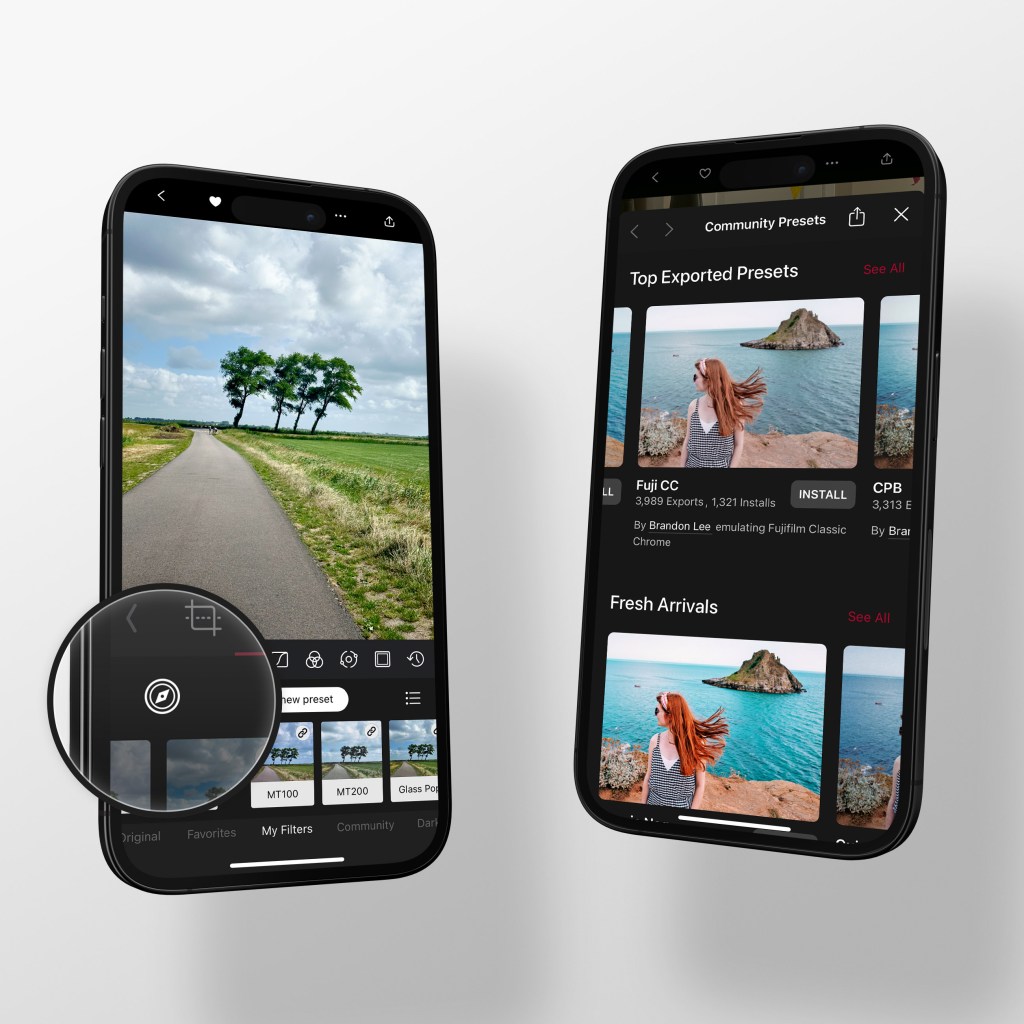
Another app that played a part in this week is Darkroom, the photo editor for iOS and Mac that I’ve mentioned a few times. They launched a portal to showcase presets made by community members, and kindly put a spotlight on some of the ones I’ve made and shared. You can access this catalog through a new button in the app, too.
As Twitter is living on borrowed time (this was the week their petulant man-child owner pushed out a hasty, clumsy rebrand to “X”), I decided to republish my thread of Darkroom presets to… Threads. Annoyingly, it’s still buggy and messed up the chronological order of my posts. Nevertheless, I think they’re all still there, and I’ll post future presets to the same link.
New ones I shared to celebrate being on the presets portal:
E1: This is my reproduction of the popular E1 filter in VSCO. I wrote that it adds warmth, color, and film vibes in a single tap, and it truly is quite a versatile everyday effect.
MEM3: This is another strong effect from my nostalgia-forward MEM series. It lightens and fades images with a blue-magenta cross-processed wash. You pretty much lose all highlight detail, but it’s a good look for certain scenes.
MEM4: I said that this creates a warm and dusty sunset feel, but it’s really also great for low-light scenes. Check out the last photo sample through the link. Again, you do stand to lose detail in contrast areas, so vary the strength to taste.
===
Growing up in the 80s, I caught reruns of Takeshi’s Castle on Chinese TV channels with no context, and no ability to understand what was said. On reflection, I grew up watching a lot of shows visually rather than verbally, which continues to this day whenever I choose to watch movies on planes without headphones.
Anyway, Takeshi’s Castle, for the uninitiated, was a long-running Japanese game show (?) featuring normal people tackling an obstacle course of heinous physical challenges that would make insurance men squeamish. It was a precursor of Ninja Warrior, American Gladiators, and yet a different beast: whimsical, insane, hilarious. Why the name? It was hosted by the infamous Takeshi “Beat” Kitano, who played the err… lord of the castle that 100 contestants each week tried to storm. Here’s the Wikipedia article.
I’m pretty sure you all know this, anyway. It’s a cornerstone of modern media culture! Turn in your TV licenses if you don’t.
So imagine my elation while browsing Amazon Prime Video in bed and suddenly seeing a new Takeshi’s Castle, a 2023 reboot! We’ve seen two of the eight available episodes, and it’s still gloriously fun. It’s still not rolled out globally, as some markets will get English voiceovers (the UK one will have comedian Romesh Ranganathan as one commentator), but I wouldn’t watch it any other way than in the original Japanese, and maybe even with the subtitles off for old times’ sake.
===
On Sunday we visited the Illustration Arts Fest where some talented friends were showing their work. It was packed, and probably the most crowded place I’ve been in since Tokyo. Let’s hope I don’t get COVID again.
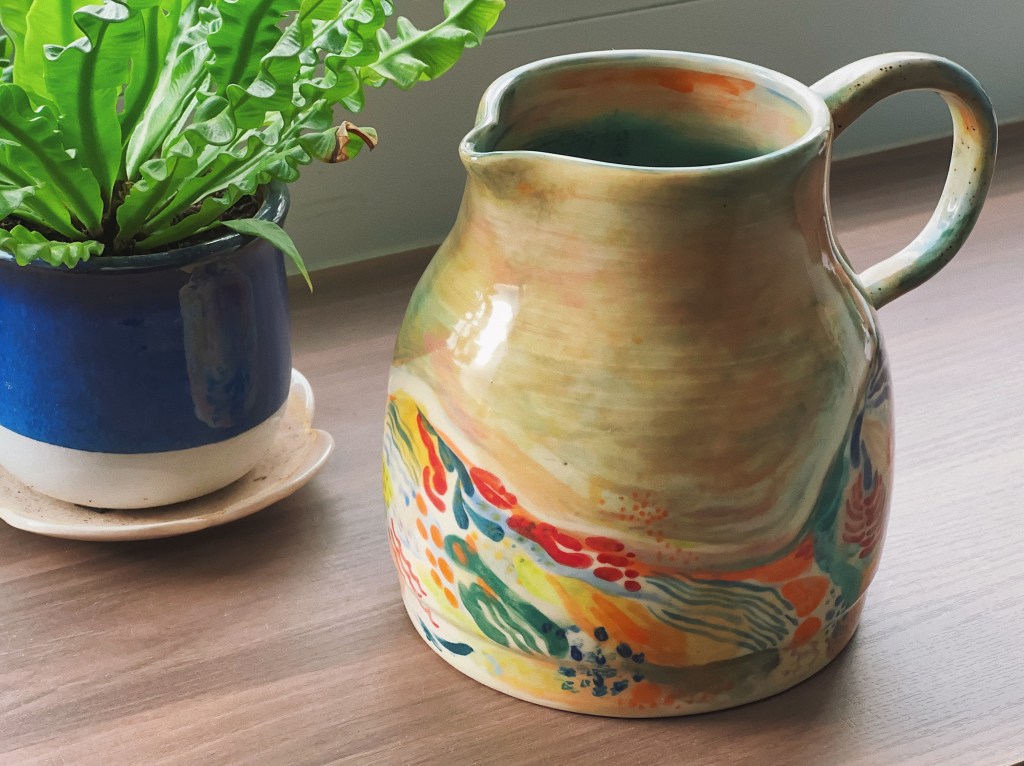
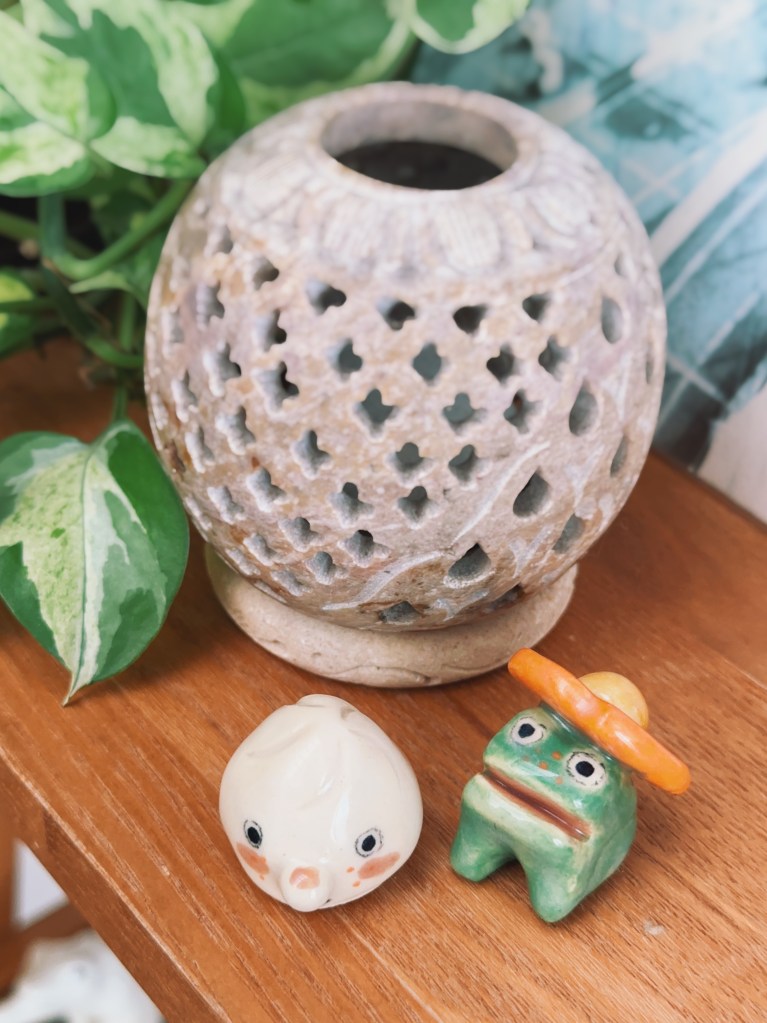
The most common theme was cute cartoon cats. On stickers, posters, keyrings, enamel pins, you name it. Some other artists were out there, scratching their own freaky itches and looking for kindred spirits in the crowd. We bought a couple of things for the apartment, including these little guys below from our friend Reg at Ocio Ceramics. A dumpling and a frog. Cuteness sells.
The week in Melbourne went largely as planned. I managed to read about half of Daniel Suarez’s Critical Mass, the sequel to Delta-v, and played some Persona 5 Royal in my downtime.
Because the Airbnb had a basic Android-powered smart TV and spotty wifi, I only managed to watch one thing of note: the first Extraction film on Netflix, because my dad was talking about it. It came out a couple of years ago but is getting a bump in the charts now that a sequel’s just been released, imaginatively titled Extraction 2. It has a lot of impressive shots that look like single-takes, and I’d definitely recommend it if you’re in the market for a dumb action flick.
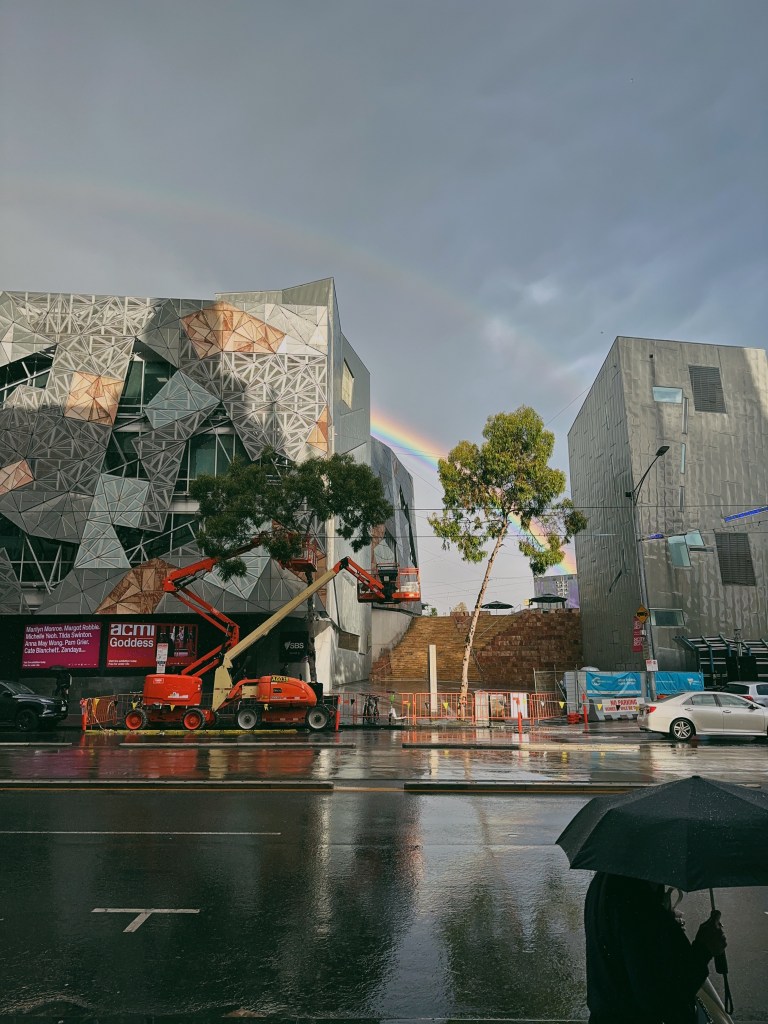
We did go out as well, of course, and I enjoyed the ACMI’s Goddess exhibition on women in cinema, and their entirely redesigned (since I last saw it in 2018) permanent exhibition on the history of the moving image, from shadow puppets to video games.
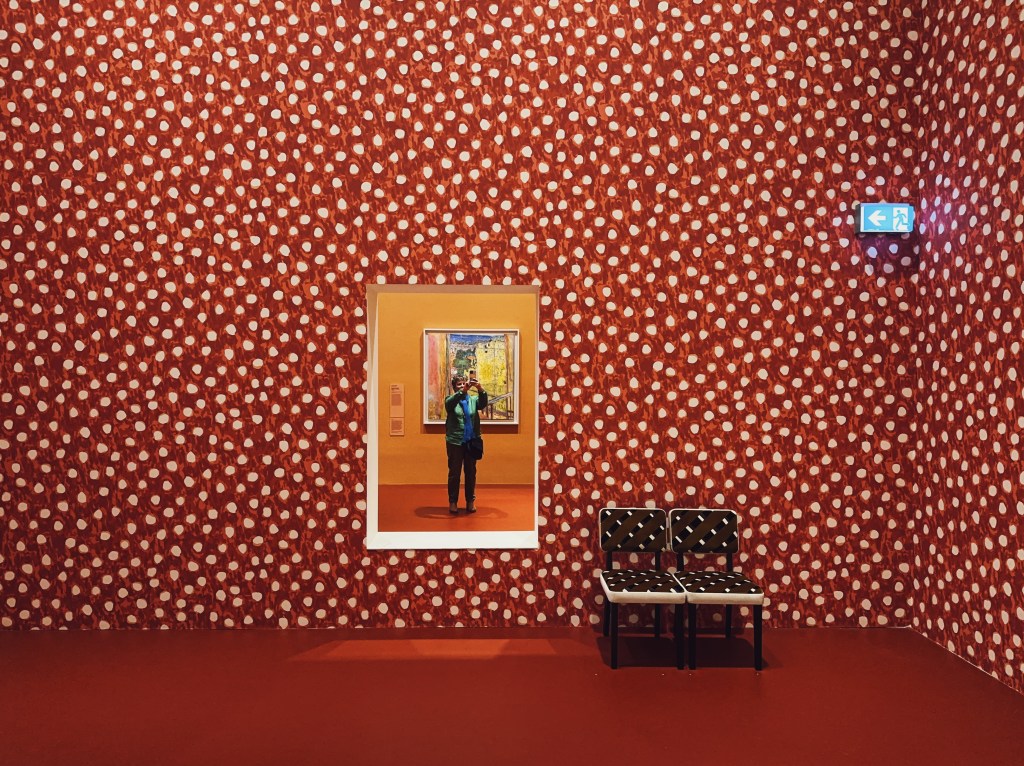
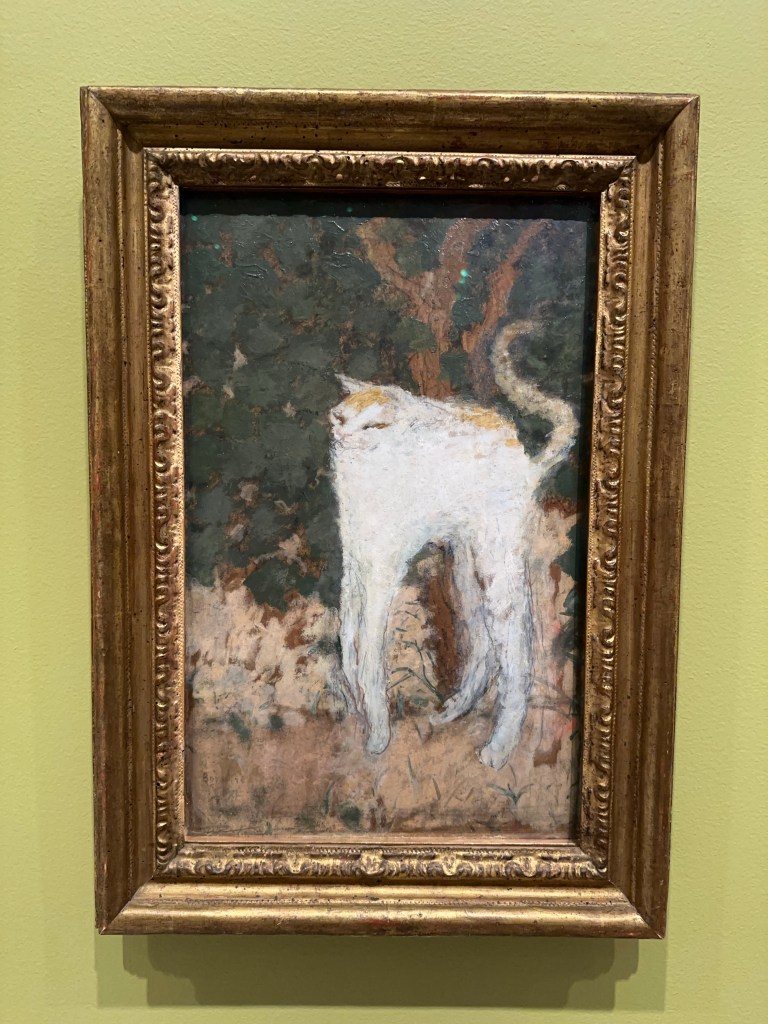
The National Gallery Victoria (NGV) had two large exhibitions on: Pierre Bonnard and Rembrandt, and puzzlingly did not offer a combined ticket plan. The cost to see both was around $60 AUD, so we decided to just see the Bonnard one and take our time. It was quite worth it, but I do regret not having bottomed out the whole place with the Rembrandt. The next day we spontaneously dropped in at the NGV’s Ian Potter outpost in the CBD, which is completely free, and dedicated to Australian artists. All in all, a good time.
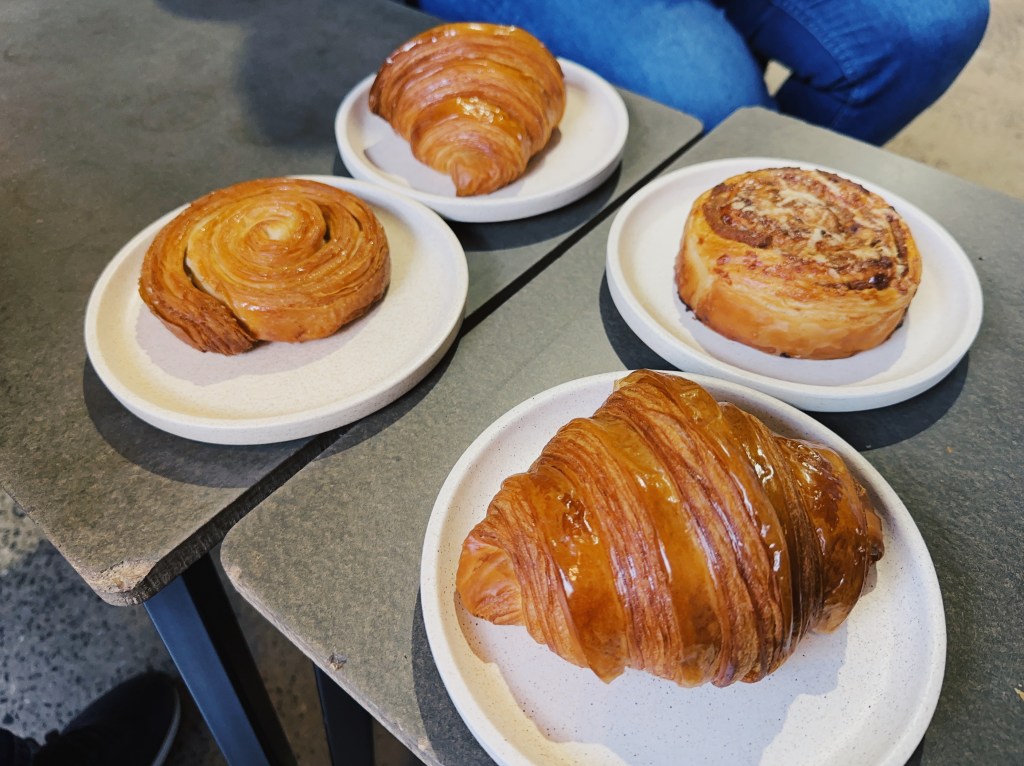
Food-wise, many of the essentials were hit. Croissants at Lune; lunch at Rice Paper Scissors; coffee, pastries, and seafood at the South Melbourne Market; kebabs; wine in the Yarra Valley; cocktails at Union Electric; Korean BBQ at Bornga; some relatively good pho; pretty great pizzas.
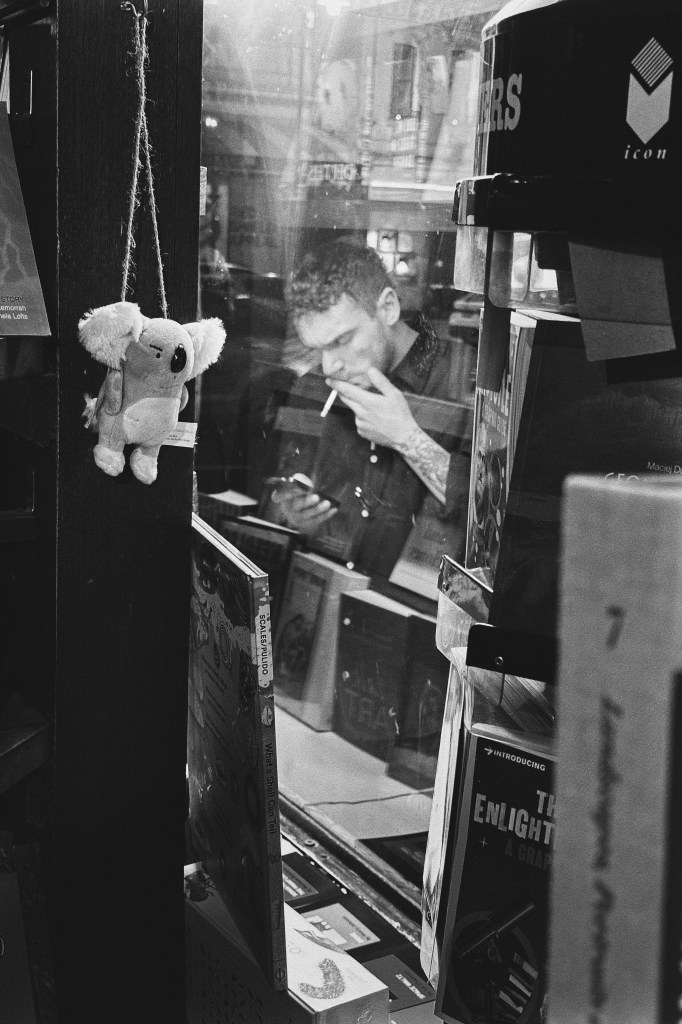
I’m also glad we managed to stop by The Paperback Bookshop, a cozy little place that manages to hang on — it seems to be thriving, actually. We bought a few books. The last time I came by, I bought some that I ended up reading the ePub versions of, just because I’ve grown out of the paper habit. But I’ll happily keep buying physical books because you can pass them along and every year I trust digital media to stay accessible less and less.
This was of course the week that a dumb DIY carbon fiber submarine went missing on its journey to visit the wreck of the Titanic, and it captured public interest to the point that I ended up having a conversation about it with a friendly cafe owner when I was the last customer around (reading Critical Mass). She’d only heard bits and pieces on the news, whereas I, extremely online and living in social feeds, had many factoids and theories to offer, which fanned her disbelief and led her to say the billionaires had “more money than brains”. Later on I saw this very appropriate tweet and thought “it me”, but in my defense I did not bring up the topic first!
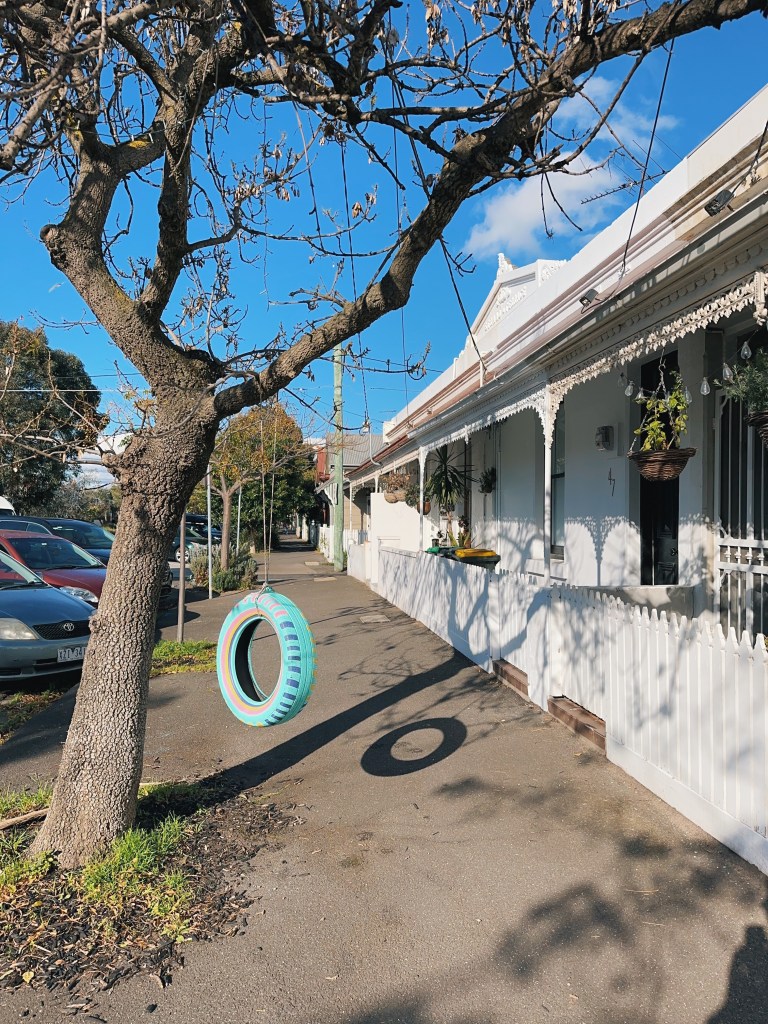
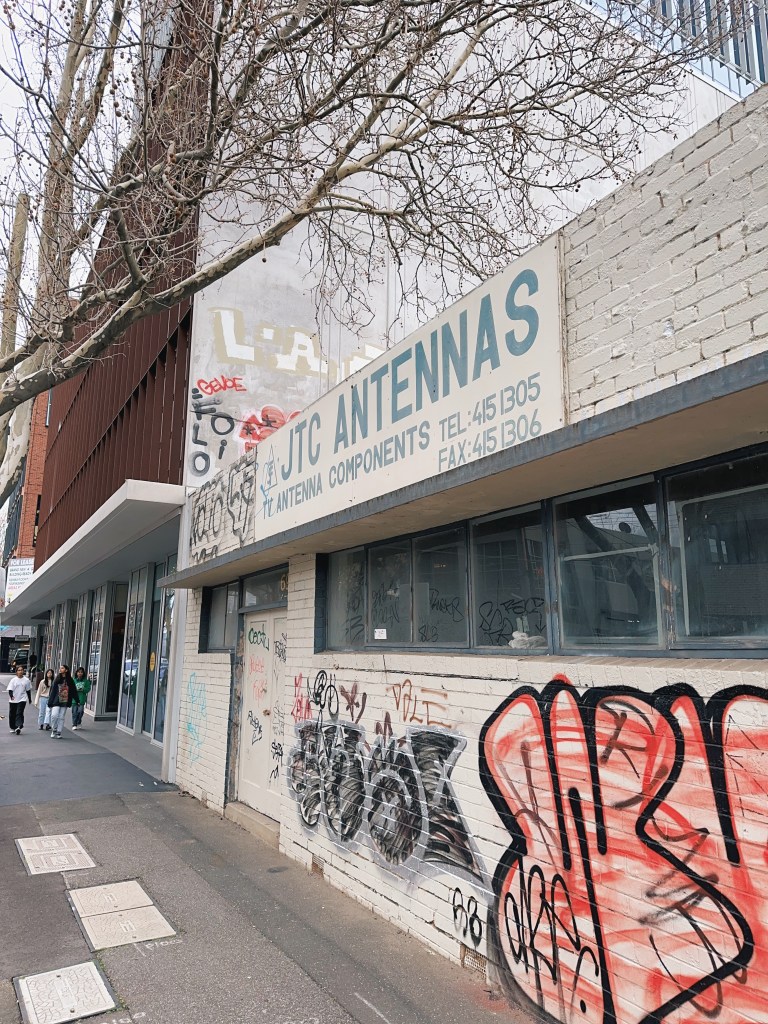
I didn’t take many photos, but most of what I did get was captured in Halide (12mp HEIC) and processed in VSCO. Then I deleted the originals. Yolo.
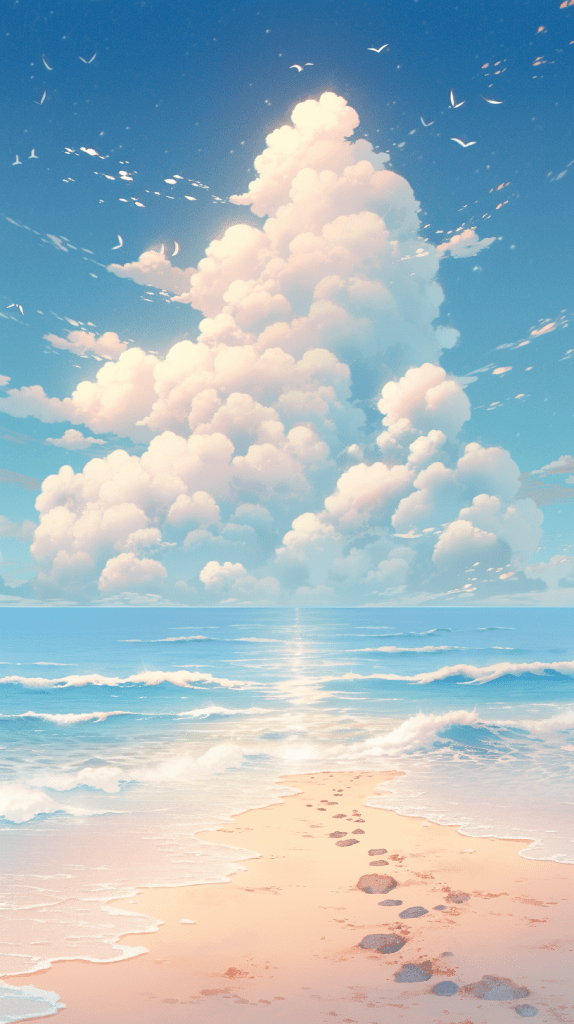
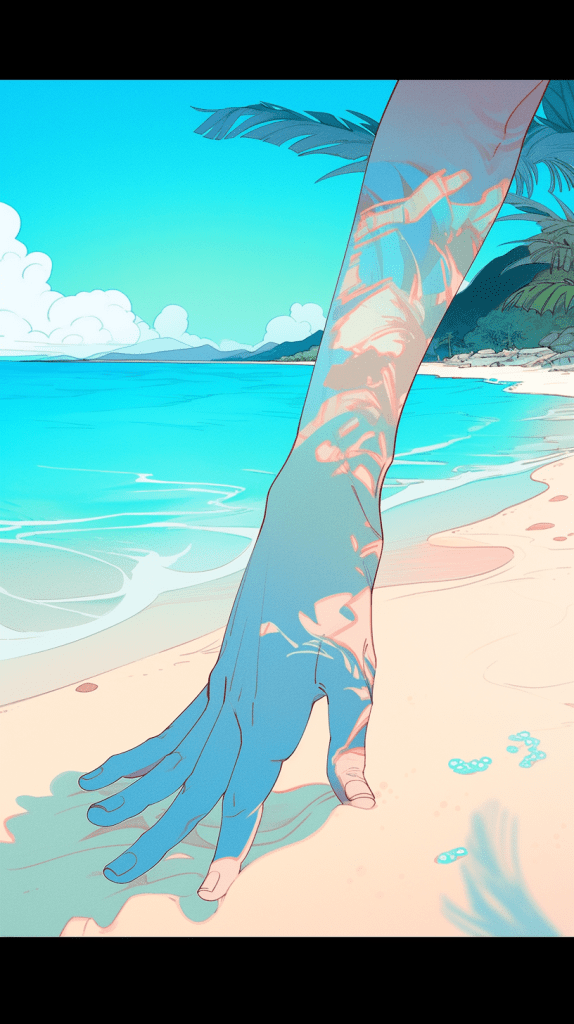
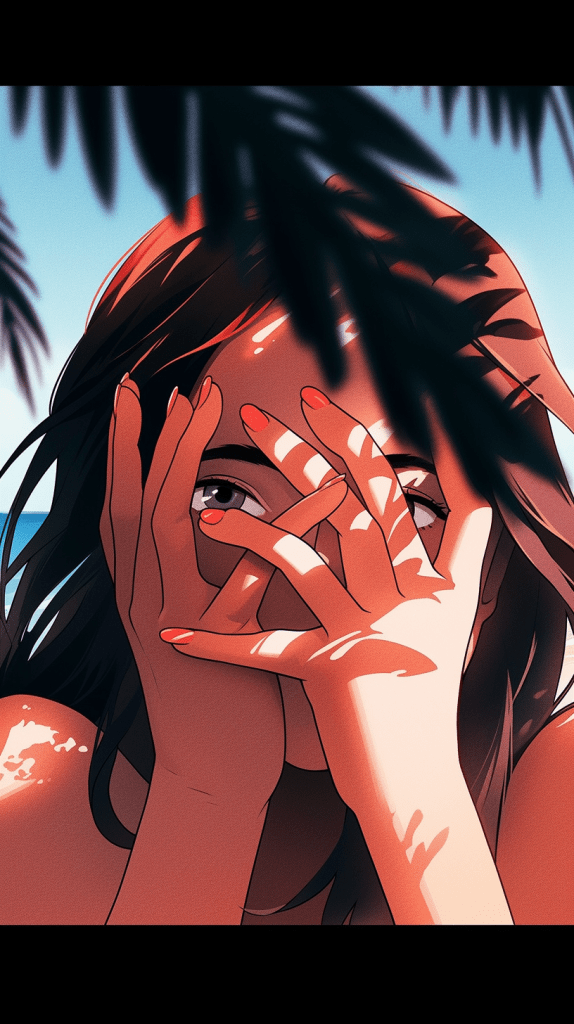
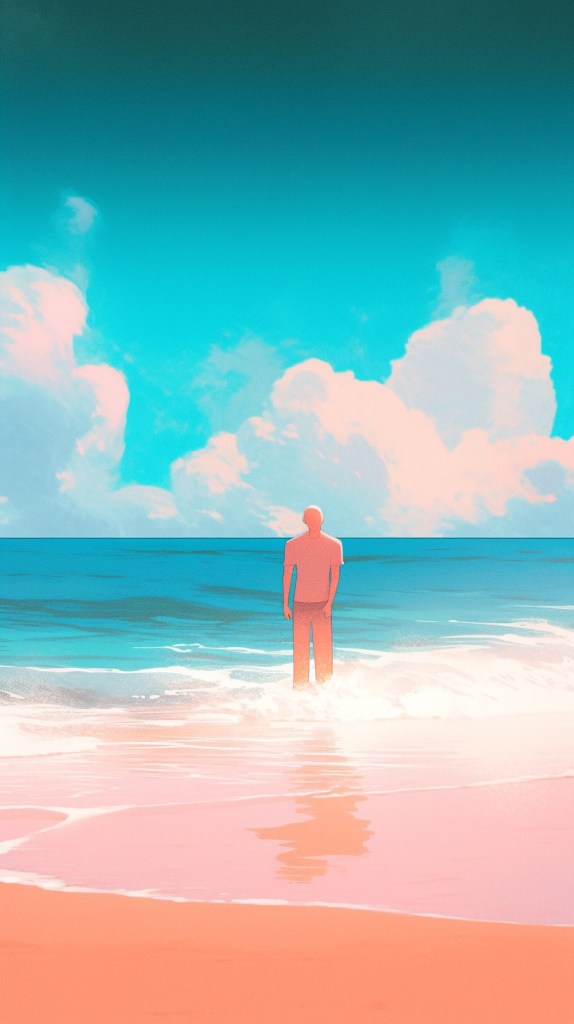
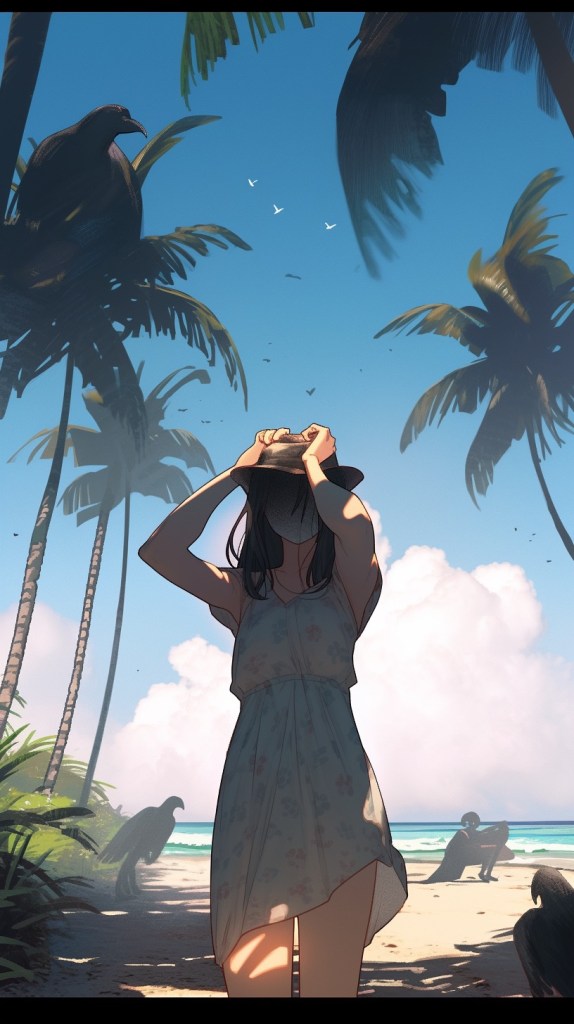
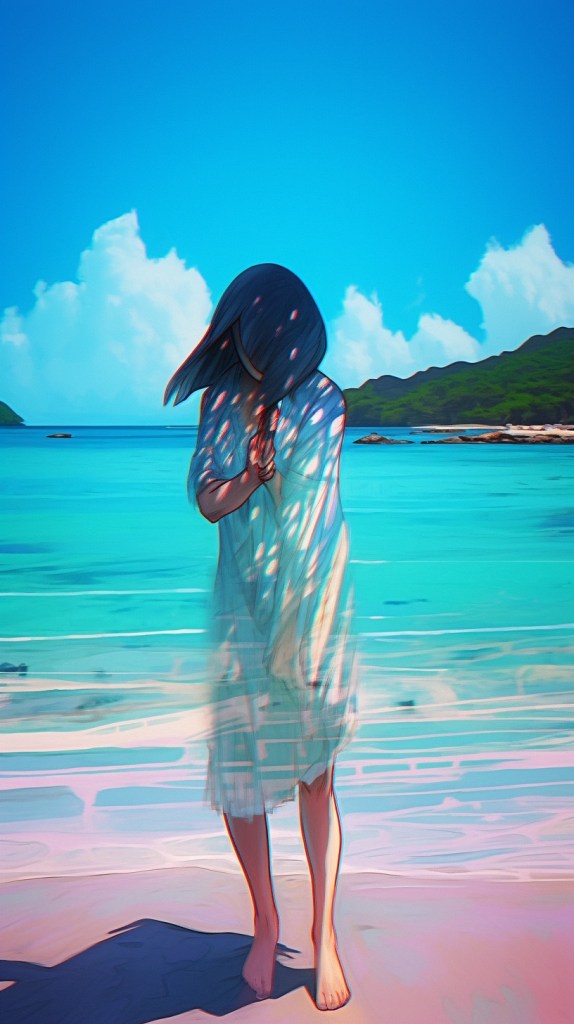
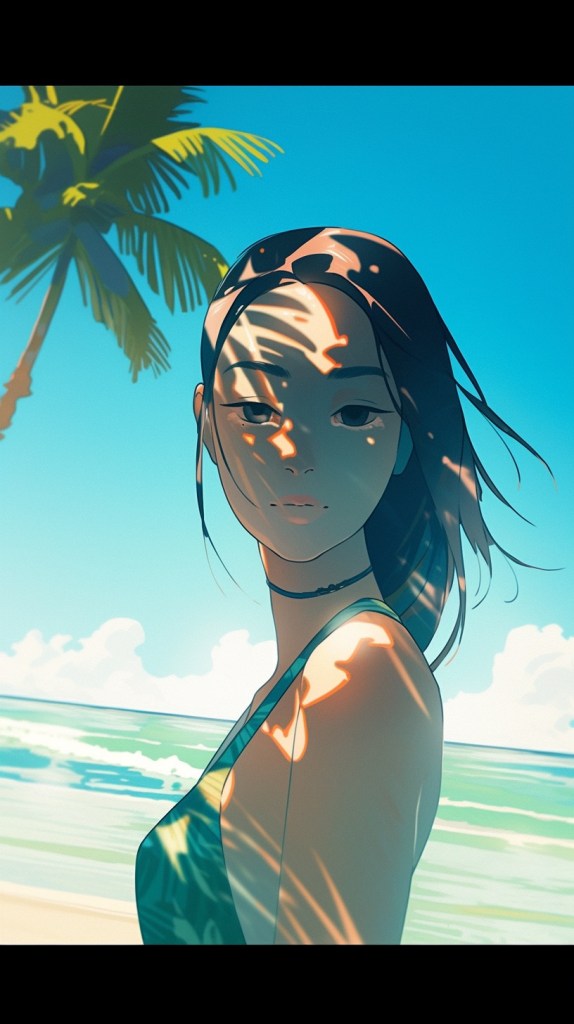
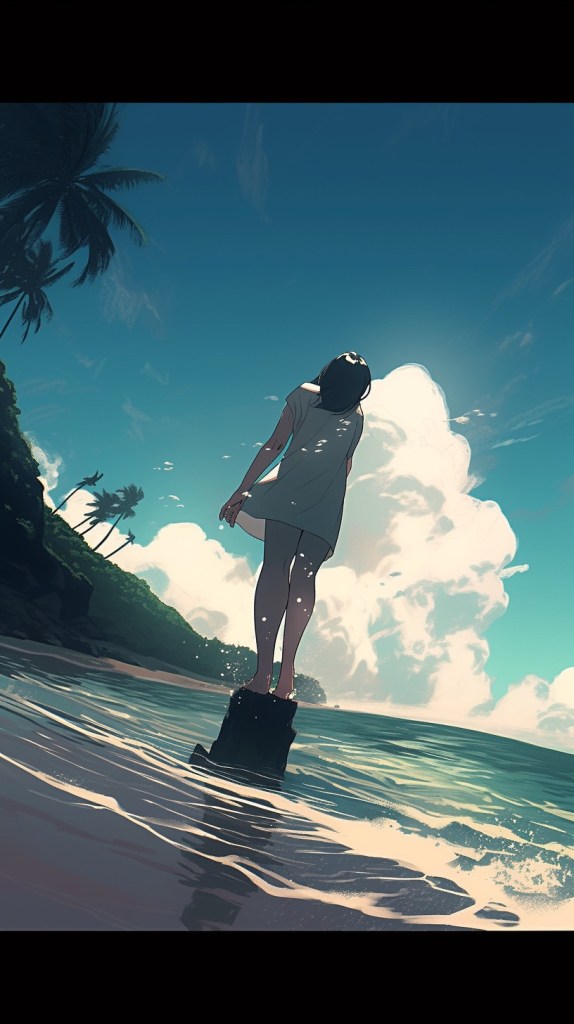
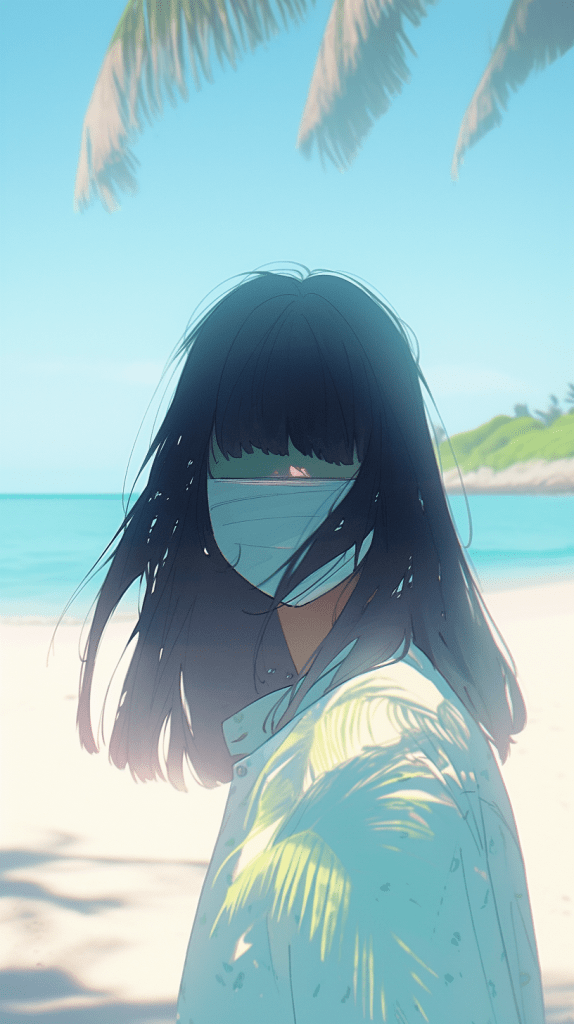
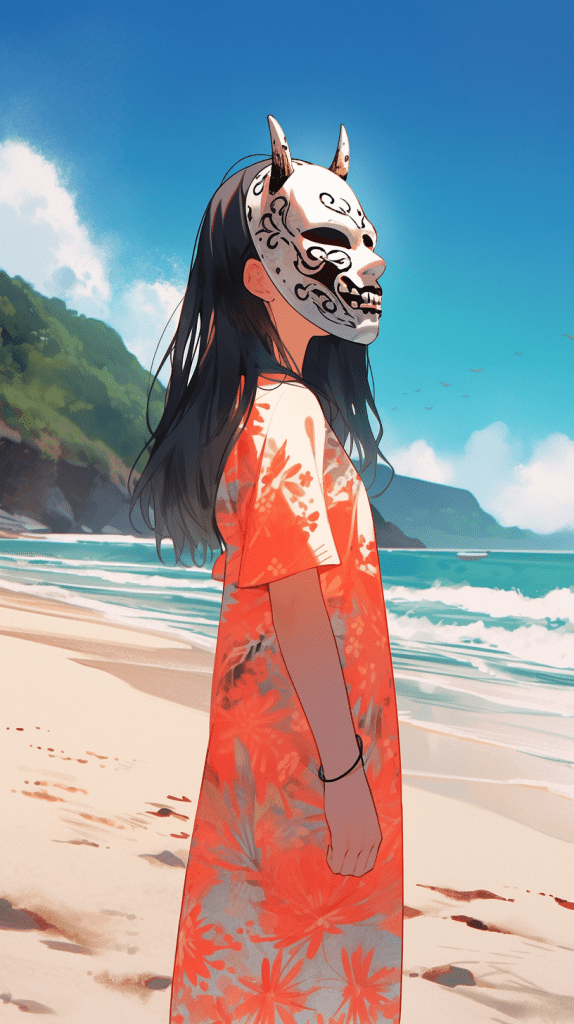
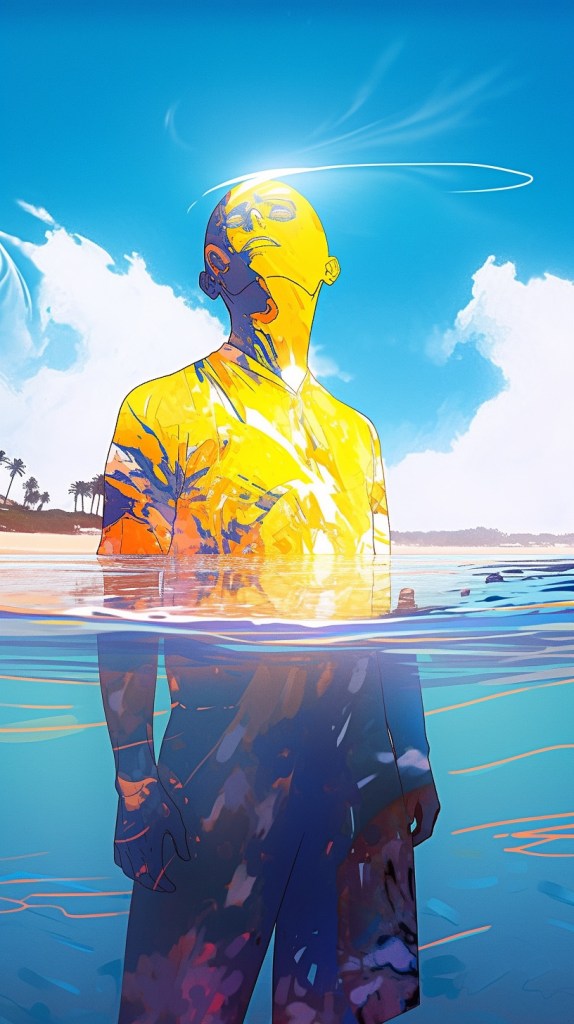
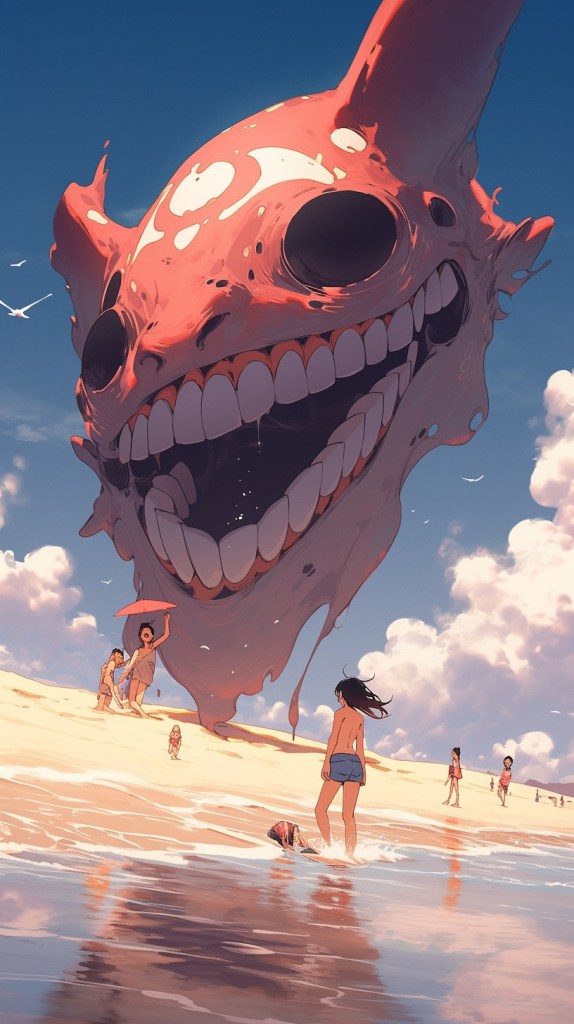
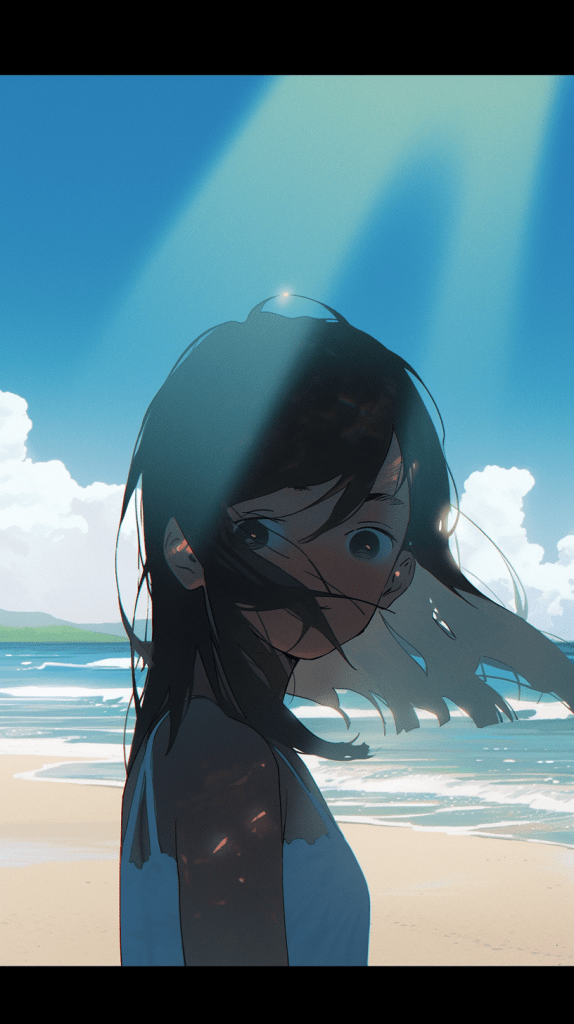
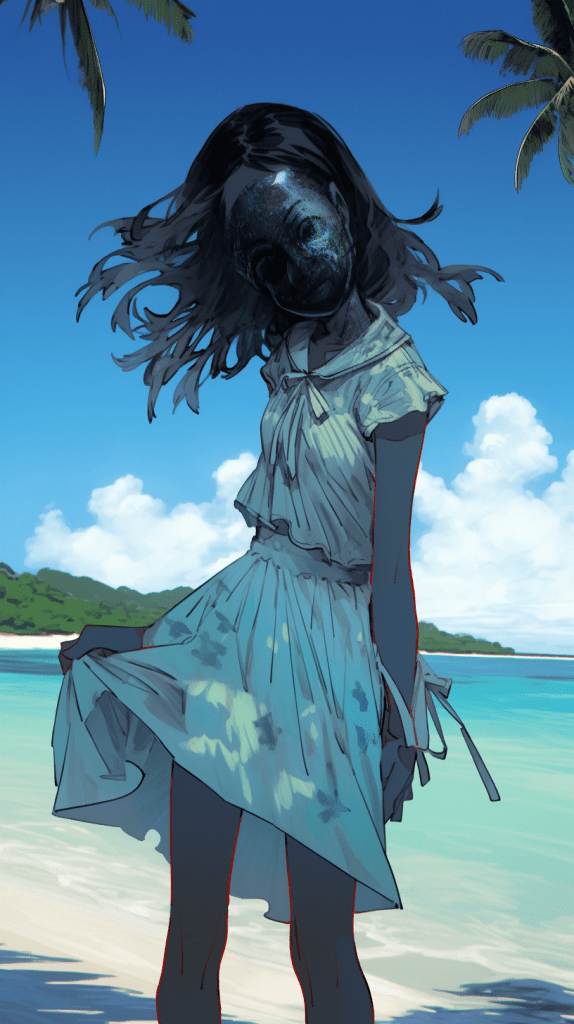
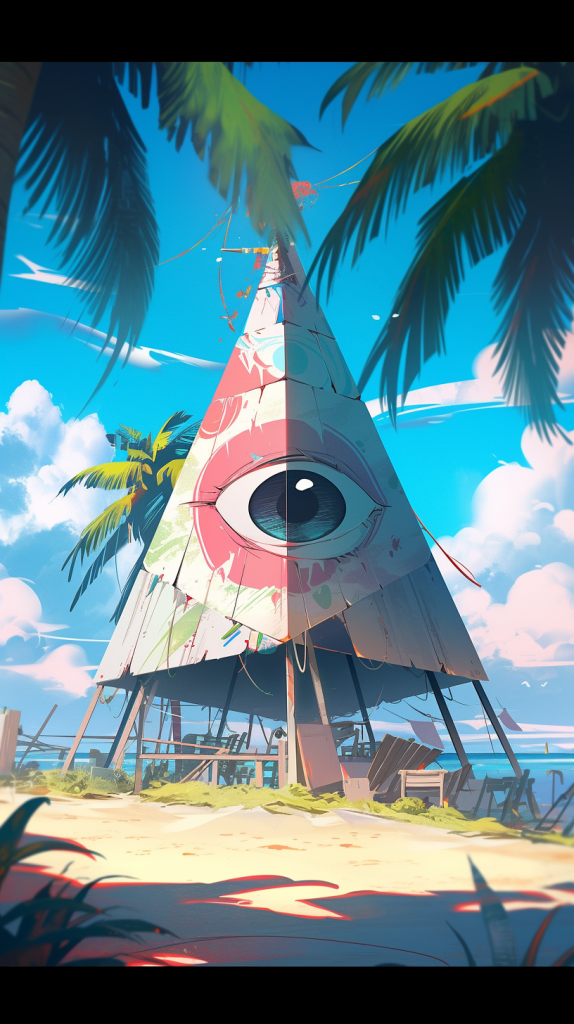
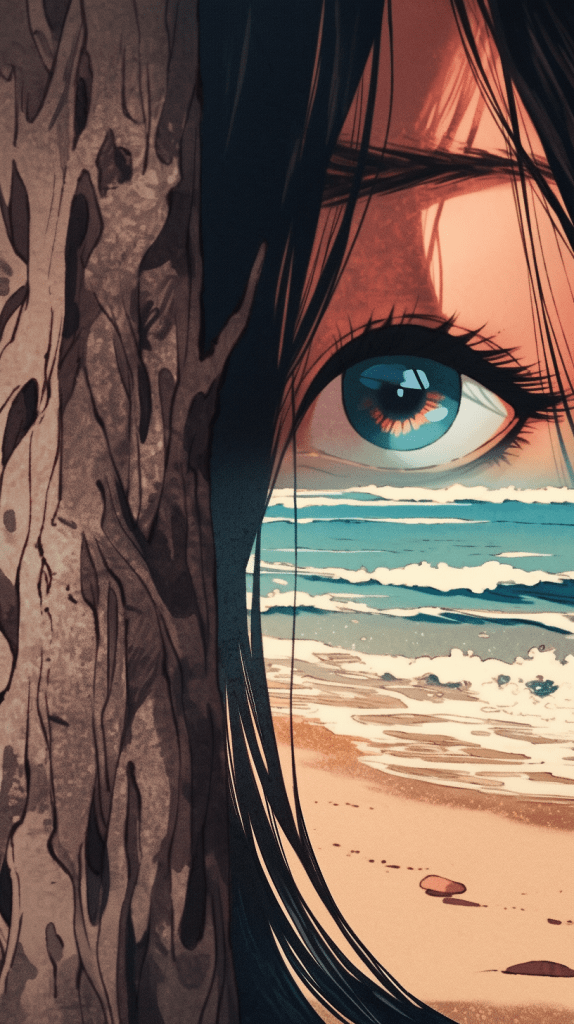
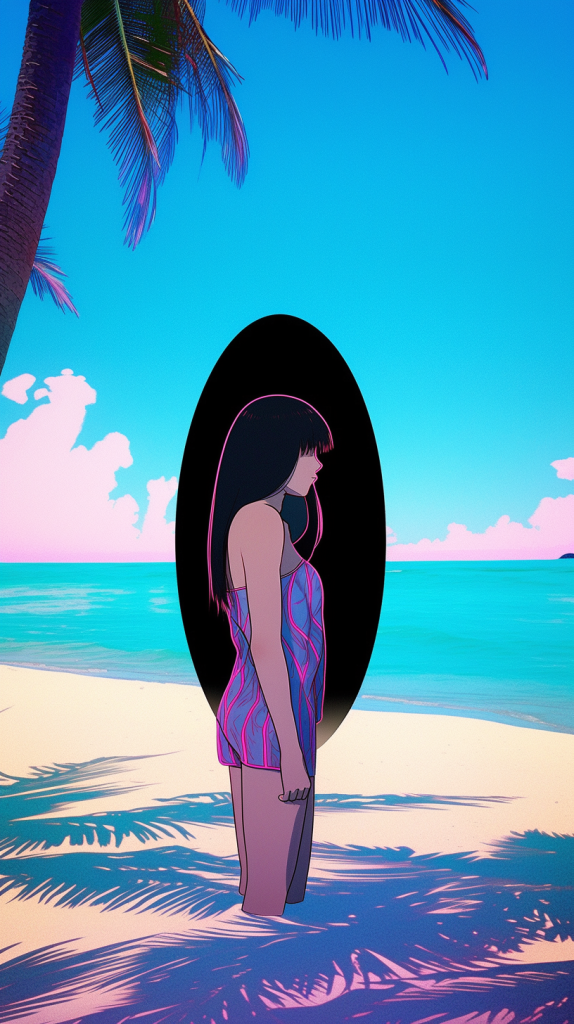
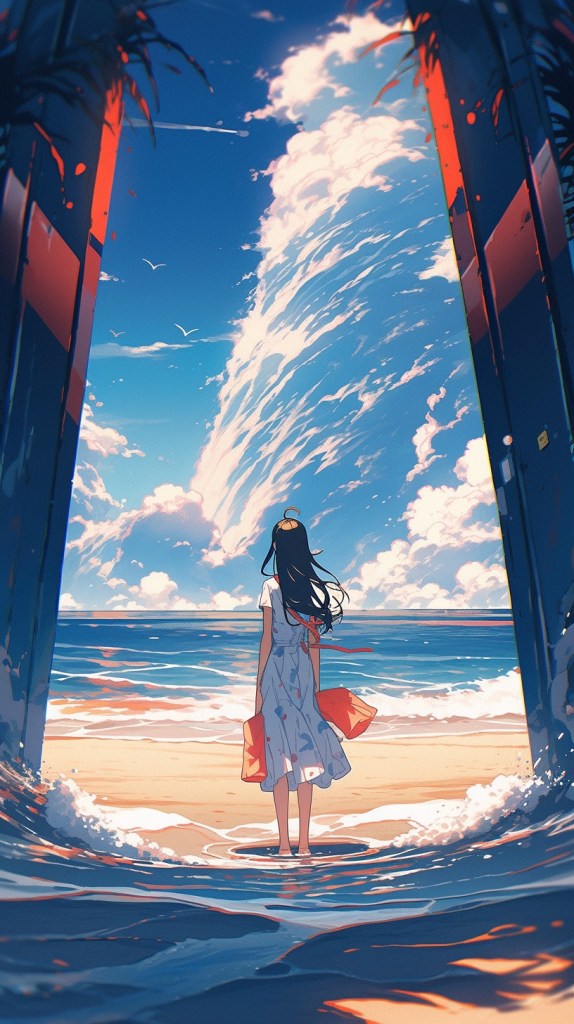
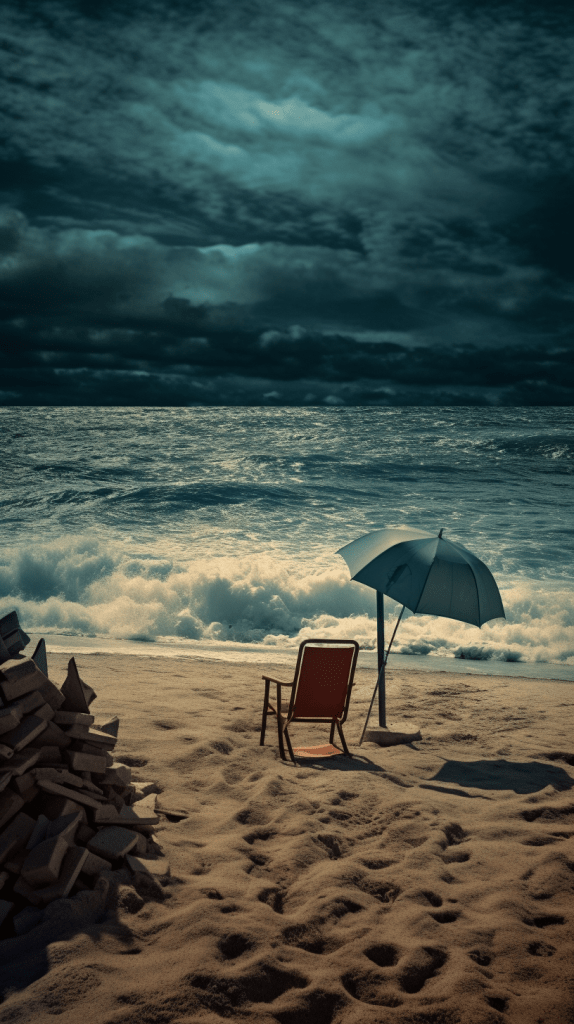
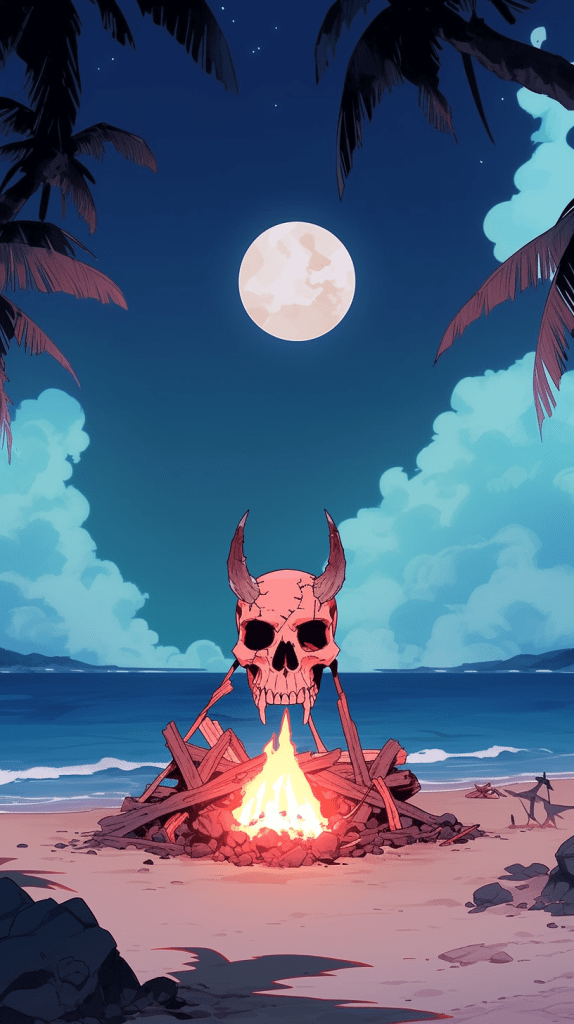
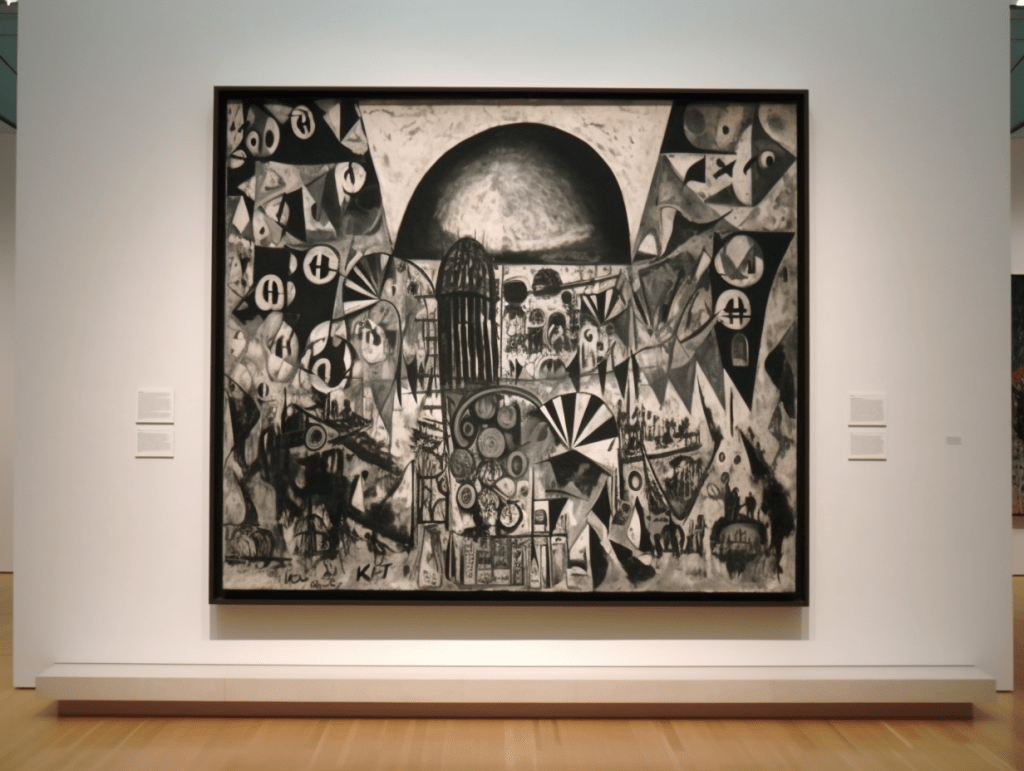
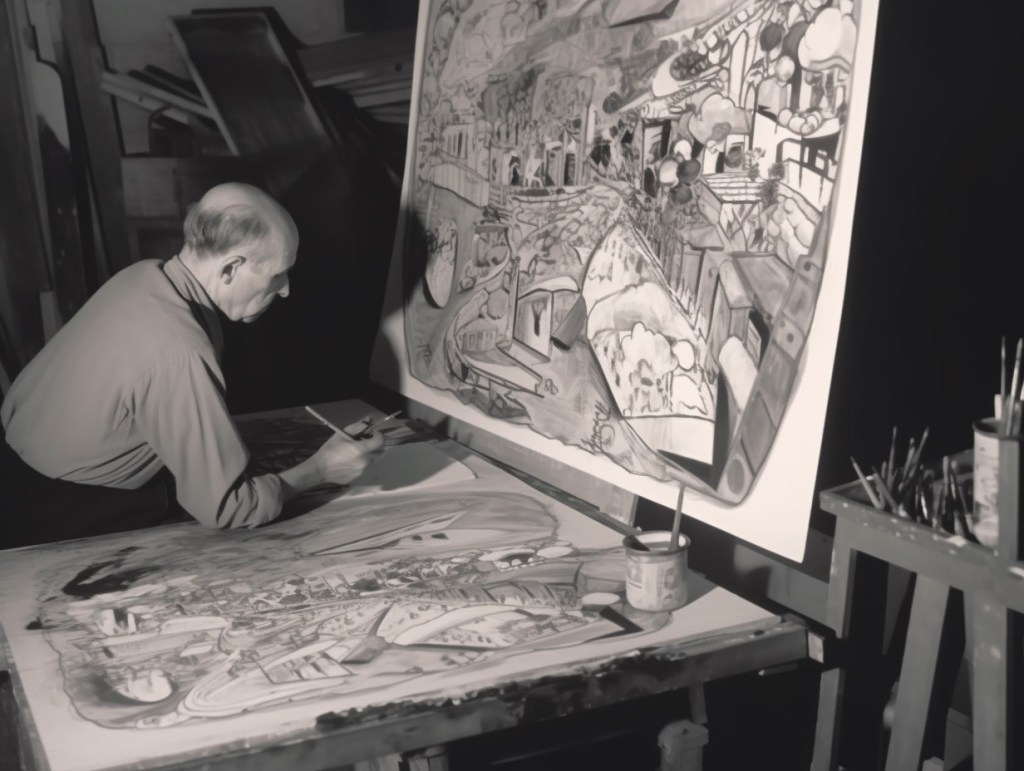
Thanks for coming to my Midjourney art exhibition:
Edit: I’m currently in the National Gallery of Victoria in Melbourne and am reminded that most exhibitions also have descriptions for kids. So I’ve asked GPT-4 to expand on the wall text it helped me with and write a version for kids, which I’ve appended below.
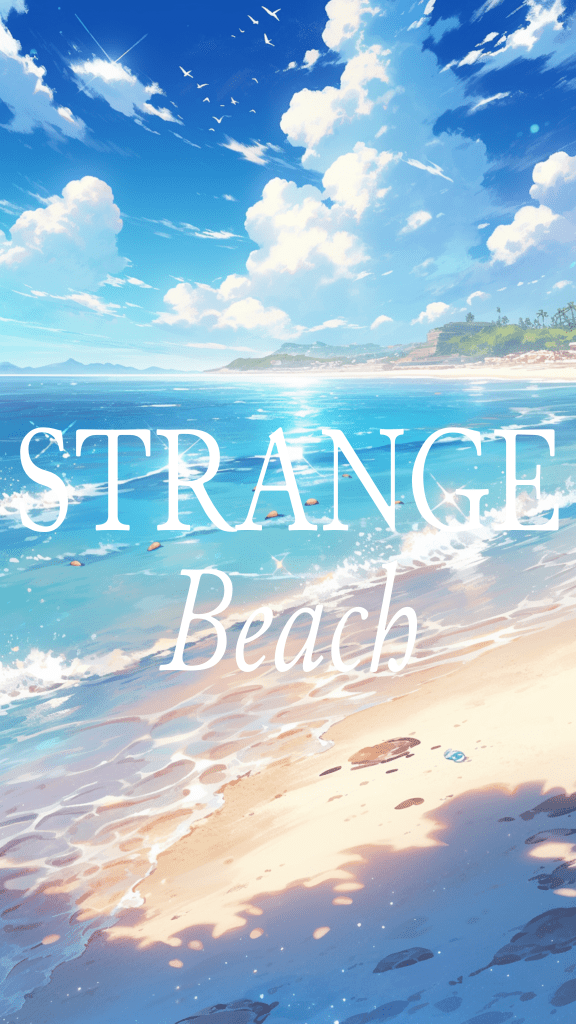
Strange Beach presents a provocative exploration of the uncanny, executed through the fusion of AI-generated imagery, Japanese anime aesthetics, and elements of surrealism and horror. Drawing on theoretical concepts associated with the 1920s Surrealist movement, this collection explores the destabilizing effects of disrupting familiar contexts and spaces. Surrealist influences, suggestive of Salvador Dalí’s dreamlike landscapes, are observable, yet the visual language is distinctively rooted in the tropes and stylistic conventions of anime, echoing the complex, often boundary-blurring narratives found in Satoshi Kon’s filmography.
Within the context of Strange Beach, the typical Hawaiian-style beach — a common setting within anime — is reinterpreted. The injection of elements that challenge the norms of reality introduces an unsettling quality, resonating with the Grotesque tradition in art history that dates back to the Renaissance. The human figures, manipulated and distorted, bear stylistic similarities to the disquieting characters found in Junji Ito’s horror manga. The images, while unsettling, offer an invitation for viewers to question and reinterpret their traditional understanding of serene landscapes, provoking contemplation on the fluid boundaries between normality and the strange.
For kids
Welcome to “Strange Beach”! Have you ever imagined a sunny beach with surprising and weird things happening, like in a dream? Well, that’s what you’re going to see here. This art looks like Japanese cartoons, or ‘anime,’ but has been created by a computer!
In these pictures, you’ll see a beach that might remind you of your favorite anime show. But look closely, because things are a bit strange. The people might look a bit like ghosts, or their bodies might look different than what you’d expect. It’s a bit like when you have a dream, and things seem a little odd or mixed up. It’s fun to think about what’s happening in each picture. So let’s go exploring and see what interesting things we can find on our “Strange Beach”!
The new Legend of Zelda game, Tears of the Kingdom, launched this week about five or six years after the last one, which I never finished. I pre-ordered the new game, of course, planning to join the rest of the world on launch day, exploring together and participating in conversations online, collectively figuring out unique solutions using the game’s open-ended physics engine. For those who haven’t seen it, the new game is sort of a sandboxy, Minecrafty affair where you can weld stuff together and build novel mechanical solutions to obstacles, almost certainly in a different manner than your friends. Think rudimentary cars from planks of wood, or hovercrafts, or the forest booby traps from Rambo First Blood.
But the guilt of never fully playing Breath of the Wild was getting to me, and I’ve been trying to get back into it over the last few weeks. Despite memories to the contrary, I’d made shockingly little progress in my 40+ hours of gameplay, spending most of my time bumbling about the countryside and climbing mountains, instead of conquering the Divine Beasts (1 out of 4) and collecting quality stuff. It seemed wrong to jump ahead to the sequel while I’m finally seeing what the last one had to offer.
So in this past week I’ve made more progress than in the previous four years: conquered two more Divine Beasts, got the Master Sword at last, and uncovered most of the world map (two more areas to go).
===
Craig Mod tweeted and tooted about having had enough of the iPhone’s (14 Pro, I assume) overprocessed look, and said he was making Halide his default camera app. Huh? But how does that help, I thought, unless he means to shoot in non-ProRAW RAW all the time (which is a thing Halide does: shoot in traditional RAW files which don’t involve the “Photonic Engine” processing pipeline). After some poking about, I realized something I should have ages ago: by turning off “Enable Smartest Processing” in Halide’s settings and choosing HEIC as the output format, you can actually take regular old (non-RAW) photos that look more natural and have more editing latitude! This effectively cancels out the iPhone 14 Pro’s image quality regressions.
The overstimulated look of the default camera is one of the main reasons I hardly took any phone photos on my recent vacation to Japan, but if only I’d known… I could have! So with that, Halide won an instant annual subscription from me, and I now have a complication on my Lock Screen that launches straight into it.
My toot about this was boosted by Mod, making it my most “engaging” Mastodon post ever, at 44 likes and 12 boosts.
You have to see a comparison to understand how obnoxiously oversharpened and artificial the Photonic Engine is on the 14 Pro’s 48mp sensor for some reason. It increases local contrast and highlights texture “detail” that does not look like what you see in real life. It’s a Clarity slider turned all the way up, and I’m not a fan of Clarity sliders. The example below is a corner crop from two larger photos, not edited in any other way.
My AI experiments this week have been around trying to teach ChatGPT to write better poetry. I posted a few days ago about getting it to do a critical reading of a poem, wherein I was completely stunned by its comprehension skills. But writing good poetry, not just gimmicky rhyming lines, that should be a different thing.
I semi-accidentally discovered that asking a “persona” (that I’d established in another chat instance to test the idea of using an AI prompted with a human backstory as a customer research proxy) to write poetry yielded subjectively better results than when I asked a brand new ChatGPT instance. The mere suggestion that the bot’s point of view should draw references from vaguely described life experiences and preferences seemed to make a difference to what it spat out. Which is why many SF stories have AIs that don’t know they’re AIs, I guess, and they have memories of childhoods that never happened.
Here’s a poem that “Frank” (quite a salaryman-type personality) wrote about retirement:
A lifetime spent in labor’s thrall, In structured days and office halls. Oh, to retire, to end the grind, To leave the corporate world behind.
The dawn of leisure’s quiet grace, In this new, unhurried pace. Days unbound by ticking clocks, Unfettered as the wandering fox.
Yet in this expanse so vast, Shadows of the past are cast. Habits of a lifetime past, In this new role, steadfast.
A time of freedom, yet confined, By boundaries of the seasoned mind. Retirement’s paradox, I find, Is having time, yet being time-blind.
Wow! No? It was coming up with absolute drivel before I handed the job over to Frank in another window. Side note: I started paying for ChatGPT Plus, just to have access to GPT-4; it’s a much better poet than the default GPT 3.5 model.
So lately I’ve been working on giving feedback to an poetry-writing AI that I named Penrose and instructed to believe in itself as a 50-year-old professor of creative writing and philosophy, who’s bad with money, had two failed “great loves” because of their selfish acts, grew up in Boston, now works in London, and so on.
Here’s one of the first things it wrote:
In the chilled reflection of a London morn, I see a face, lines etched by yesterday’s turmoil. Cracks, not of frailty but life, loud in their silent form, That’s you, mate, and it’s all right.
Witness the march of years, the dance of decades, In the ceaseless play of ambition and regret. Weaknesses? They’re the worn pennies in your pocket, The unpaid bills of your character, yet, not your debt.
They’re the stumbles on cobblestones, The missteps in Milan’s echo-filled alleys. Not a damning verdict, but life’s hasty loans, A ledger, not of losses, but of rallies.
In this world where even stone yields to rain, We’re all apprentices to time, chiseling away in vain. We’re all works, works under the master’s patient hand, Unfinished, flawed, yet, in that, something grand.
===
I haven’t been able to bring myself to watch more of Amazon Prime Video’s Citadel beyond the first two episodes. A colleague said he quit after 10 minutes. It’s reportedly one of the most expensive TV shows ever made, at an average of $50M per episode.
Silo on Apple TV+ has been very good so far. It’s a little bit YA sci-fi, a little Hunger Gamey, a little Snowpiercey (but better).
I saw a segment on NHK about how this iconic street corner featured in Slam Dunk has been inundated by tourists now that Japan is open again. They interviewed pilgrims from S. Korea, China, and Taiwan who said they just had to come down and see it — “if you love anime at all, this place is a must”. So I decided to get started on the ancient anime, which Netflix has 8 seasons of. The day after seeing episode 1, I ended up standing behind a guy on the train watching the show on his phone.
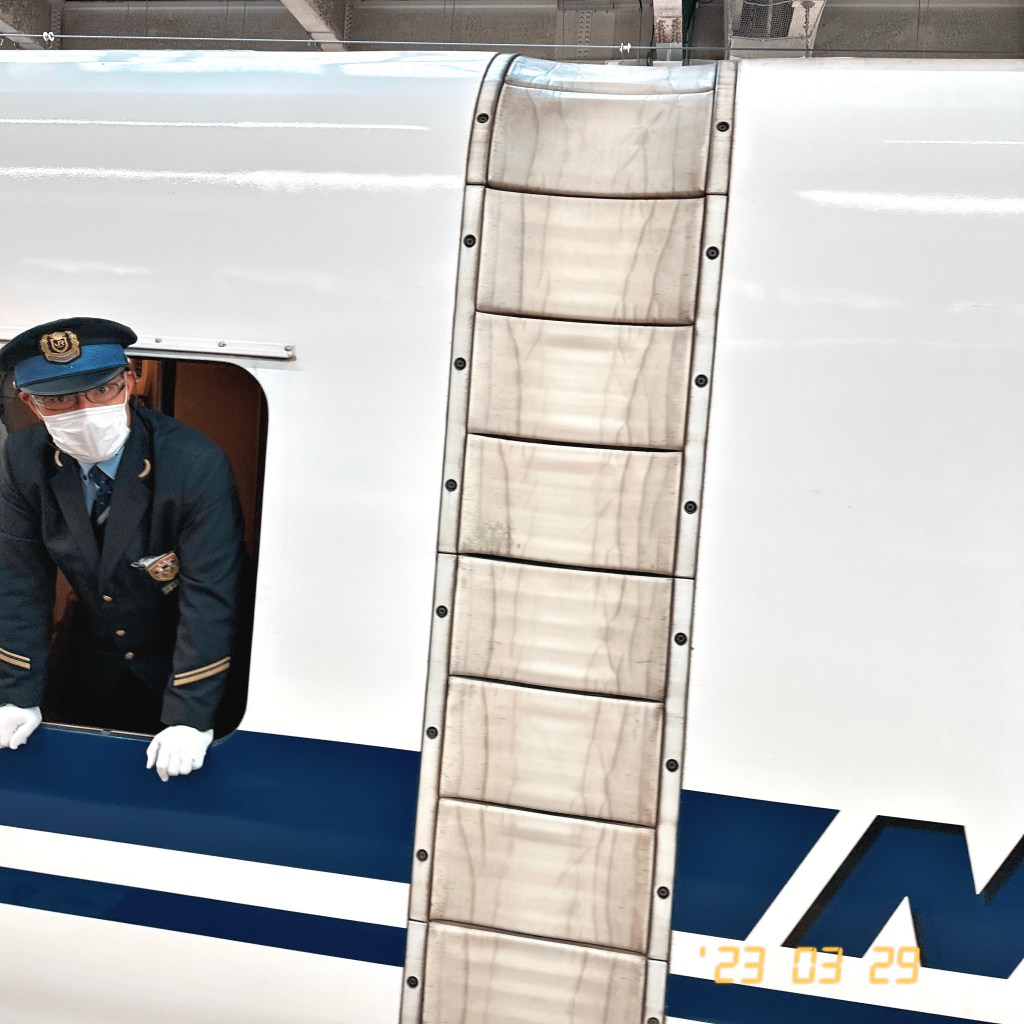
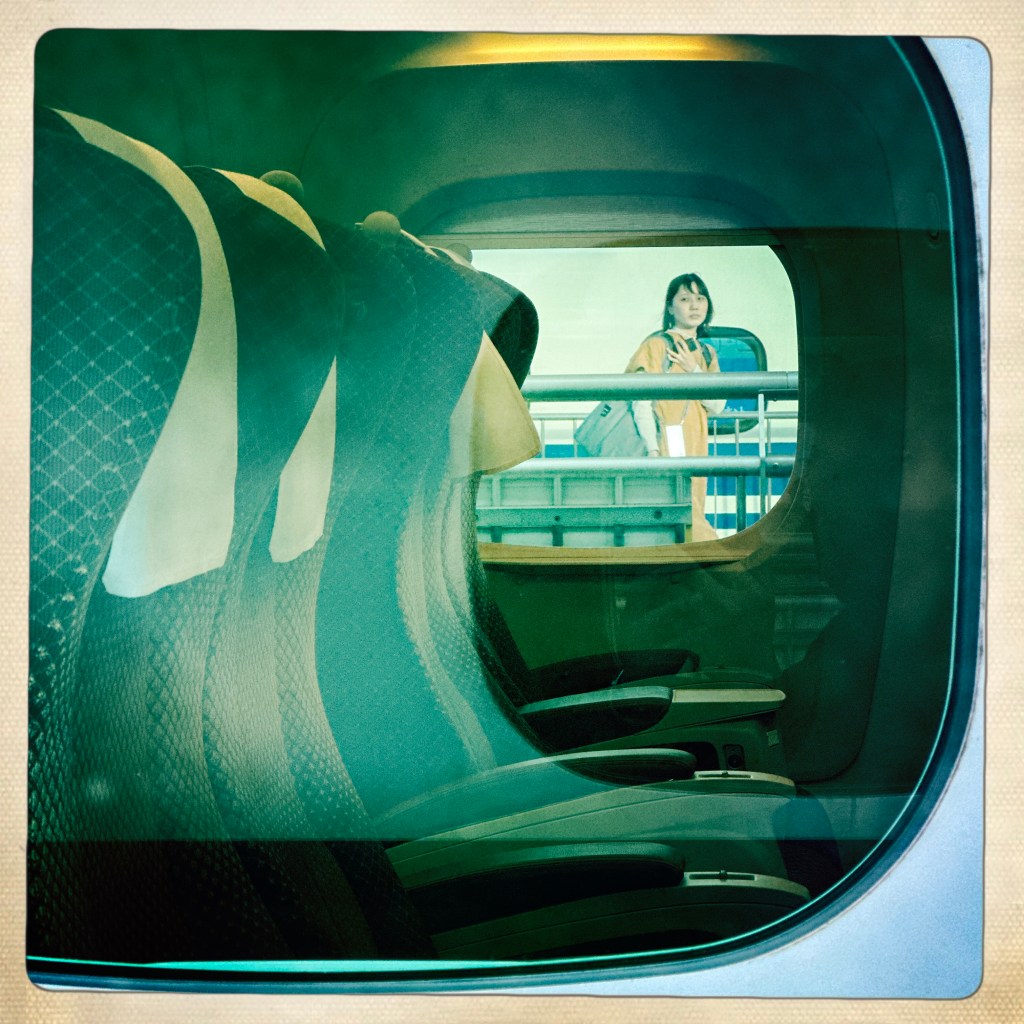
We traveled from Kobe to Hiroshima via Shinkansen, then went back to Tokyo for a few days until a red eye flight back to Singapore on Saturday. As with most holidays, it didn’t feel long enough; I could have used another week. But I’m thoroughly pooped from all the walking and general lack of sleep. It was wonderful to see Japan again after five years, and our chat with the old taxi driver who spoke English with us on the way to Haneda Airport indicated that Japan might almost be as happy to have us tourists back. I fantasize about dropping in for another week within the next year, but who knows how long it’ll be again.
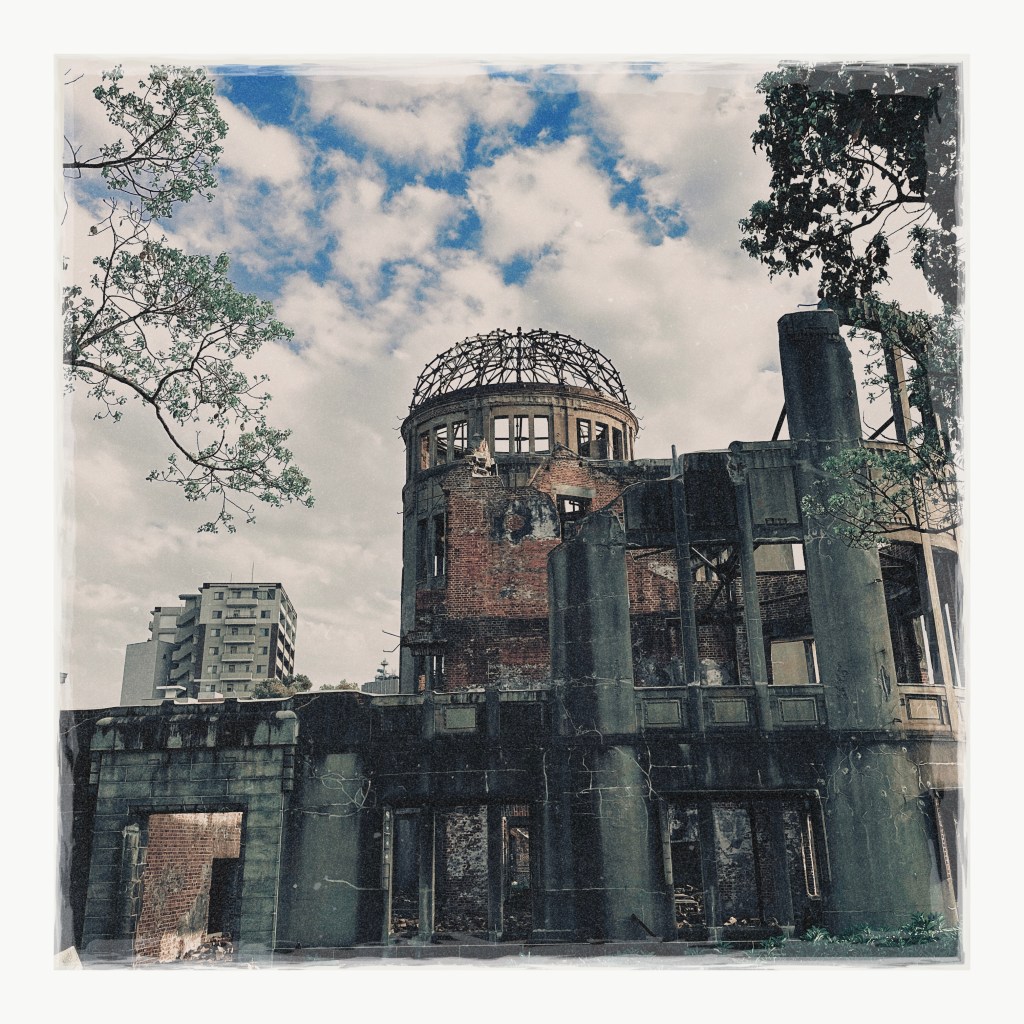
Hiroshima felt very different from Kobe, partly because of its terrible history, and the gravity of it which pulls every experience towards a discussion about peace, awareness, and suffering. It has quite a few museums, and they all inevitably address the atomic bomb in some way. I had bad dreams each night. I’m not normally one to believe in this sort of thing, but there is so much death there and so recently, that my first thought was “bad vibes”.
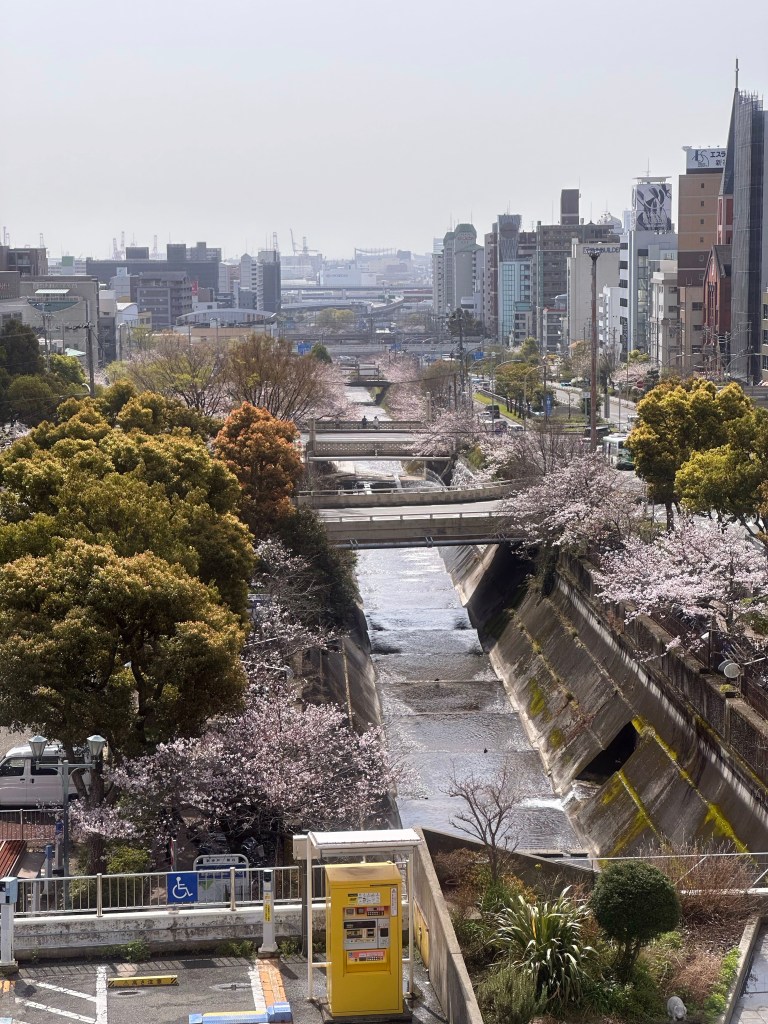
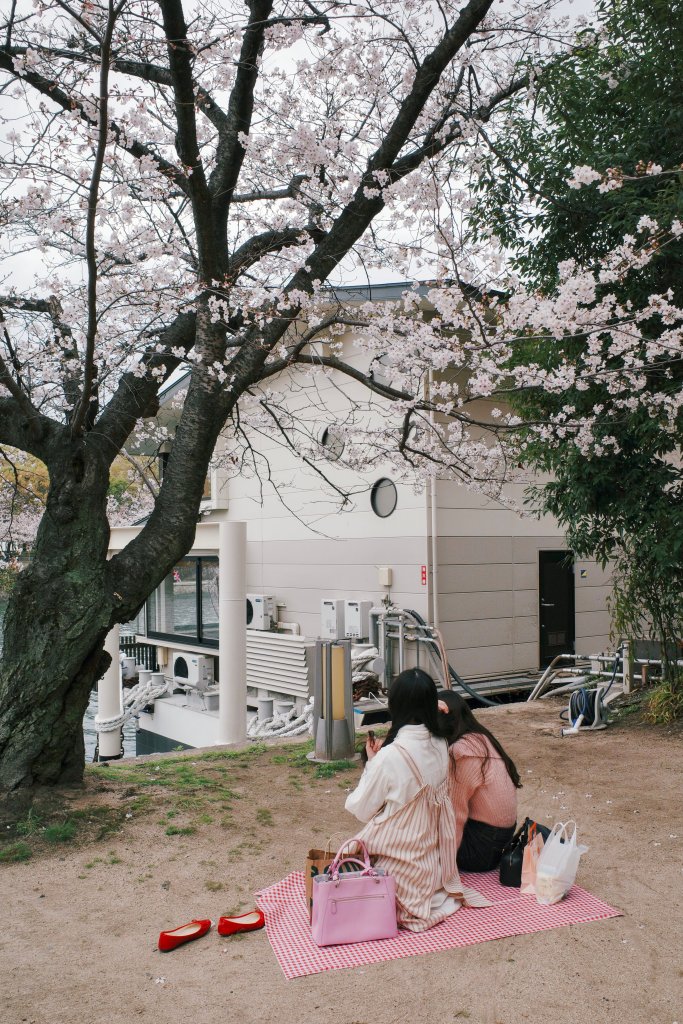
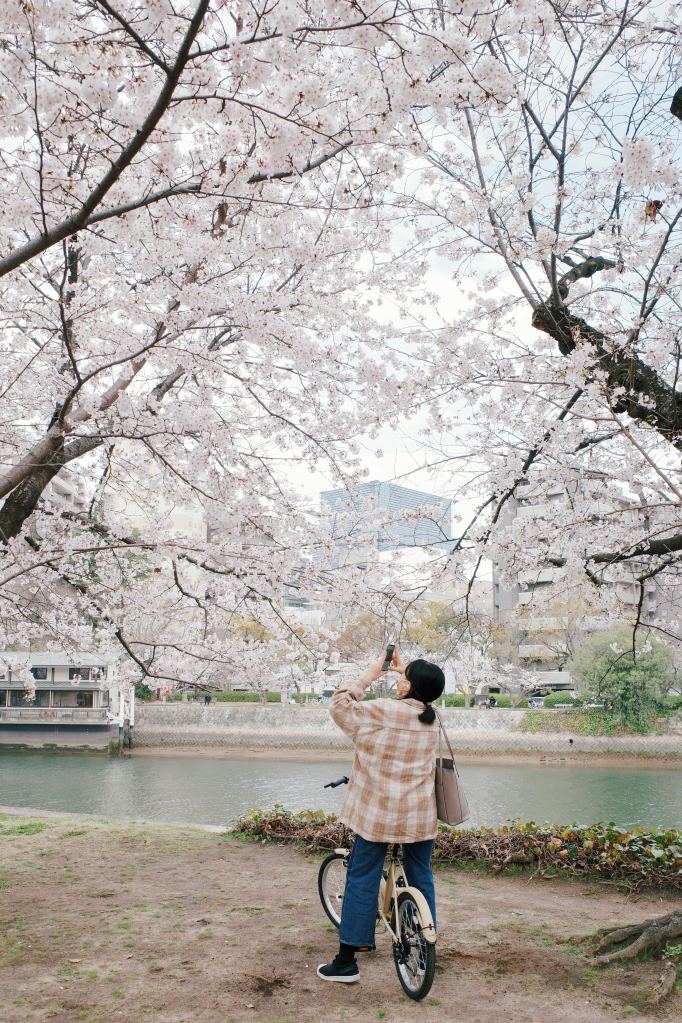
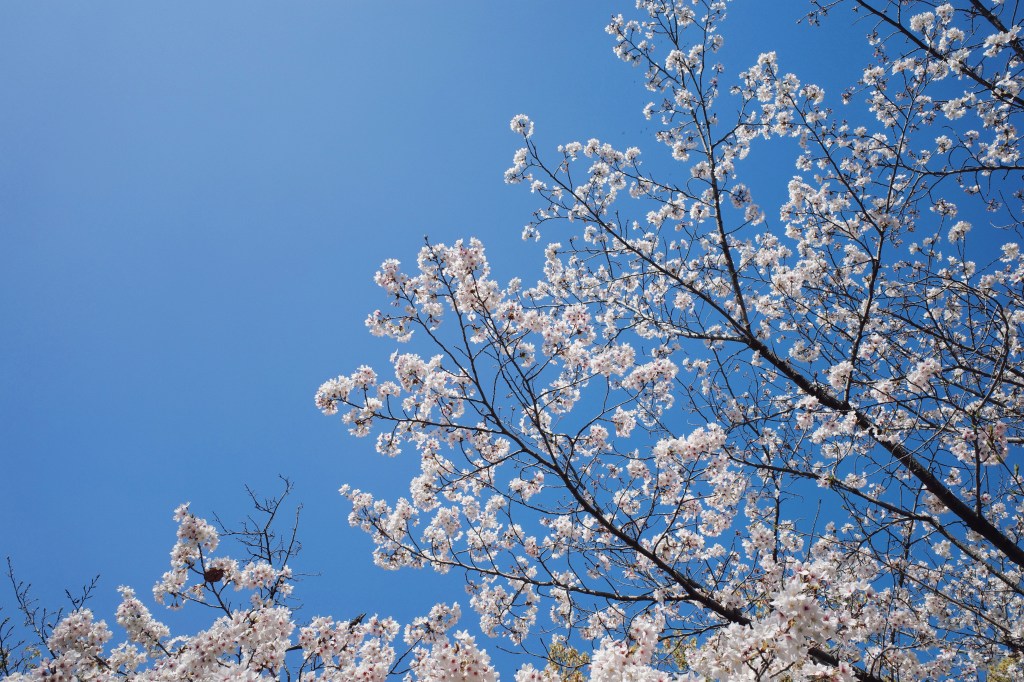
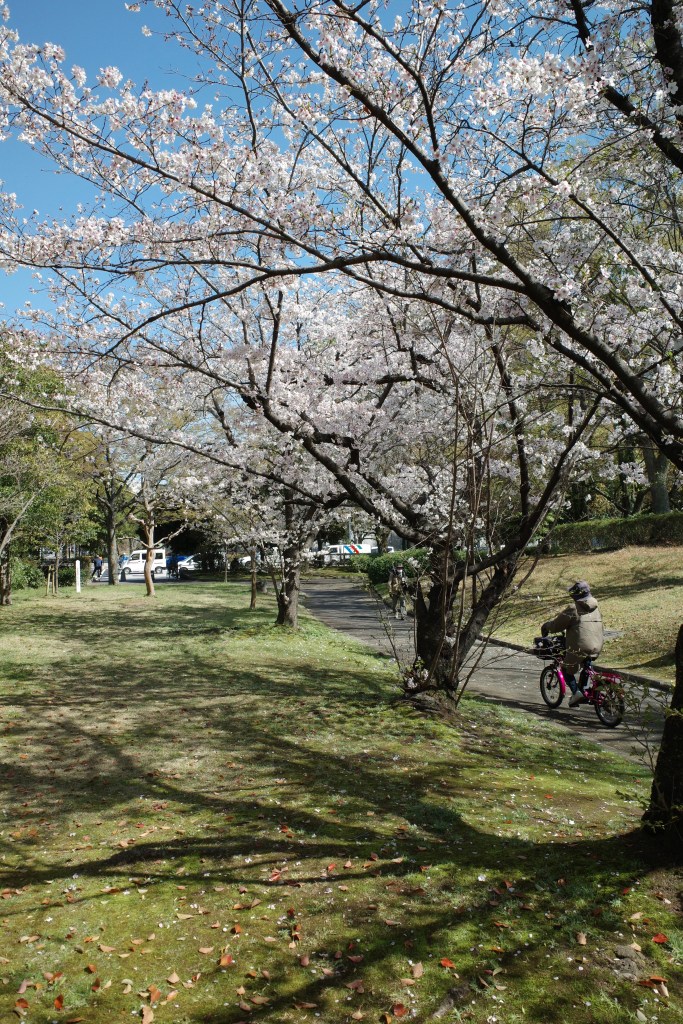
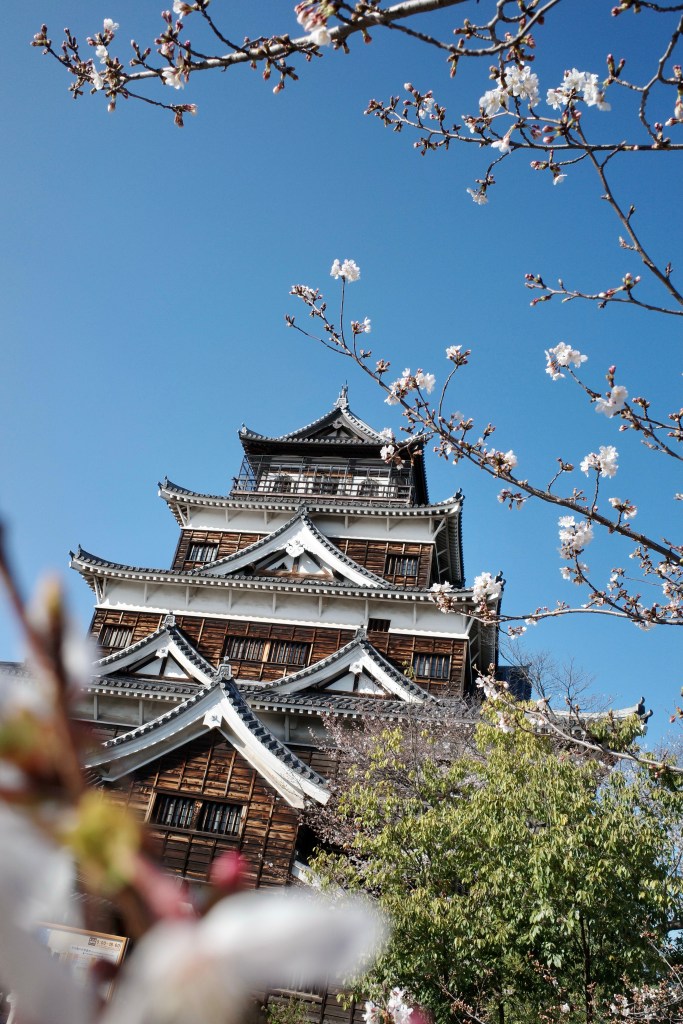
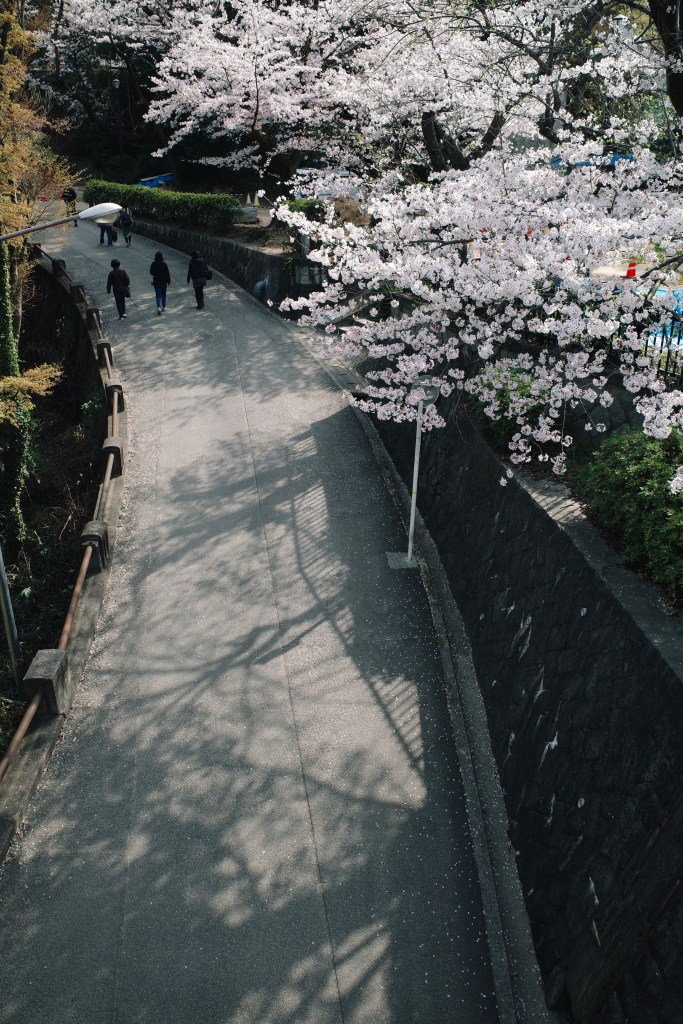
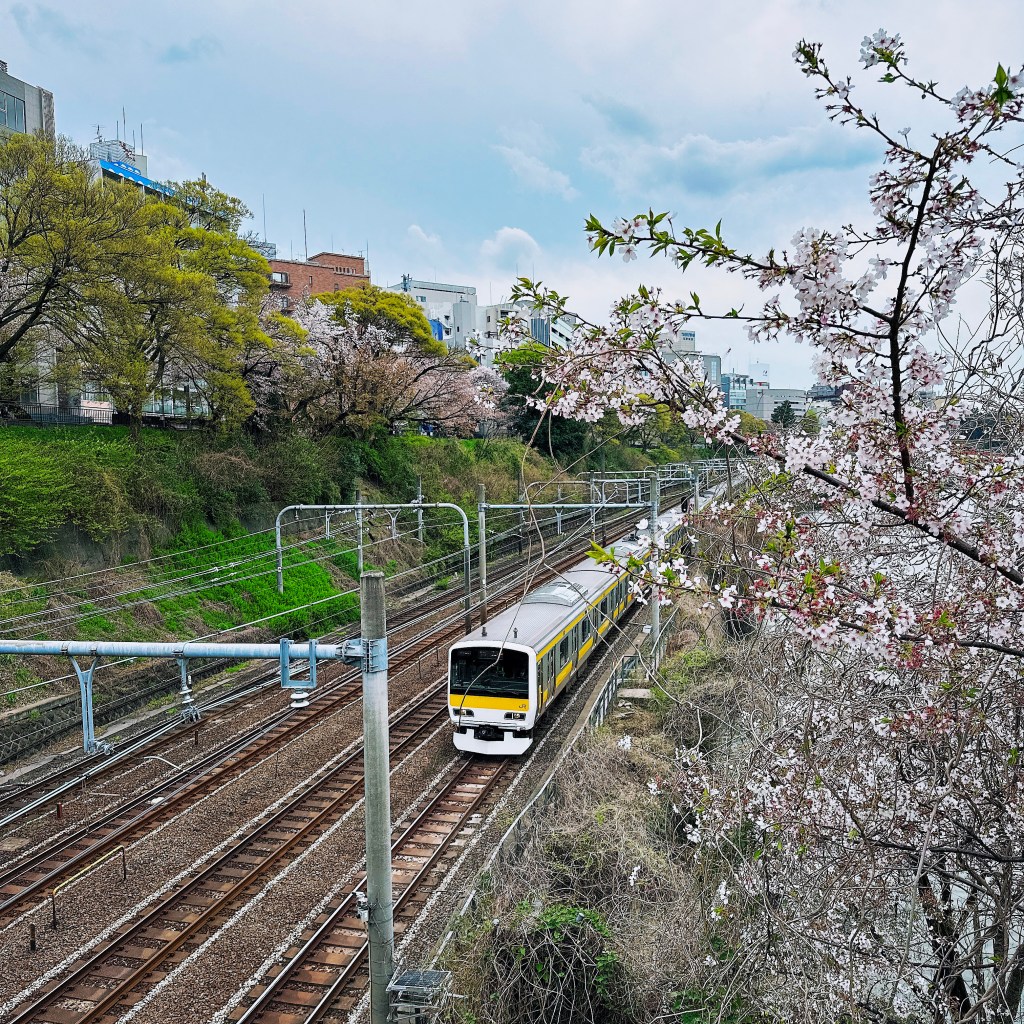
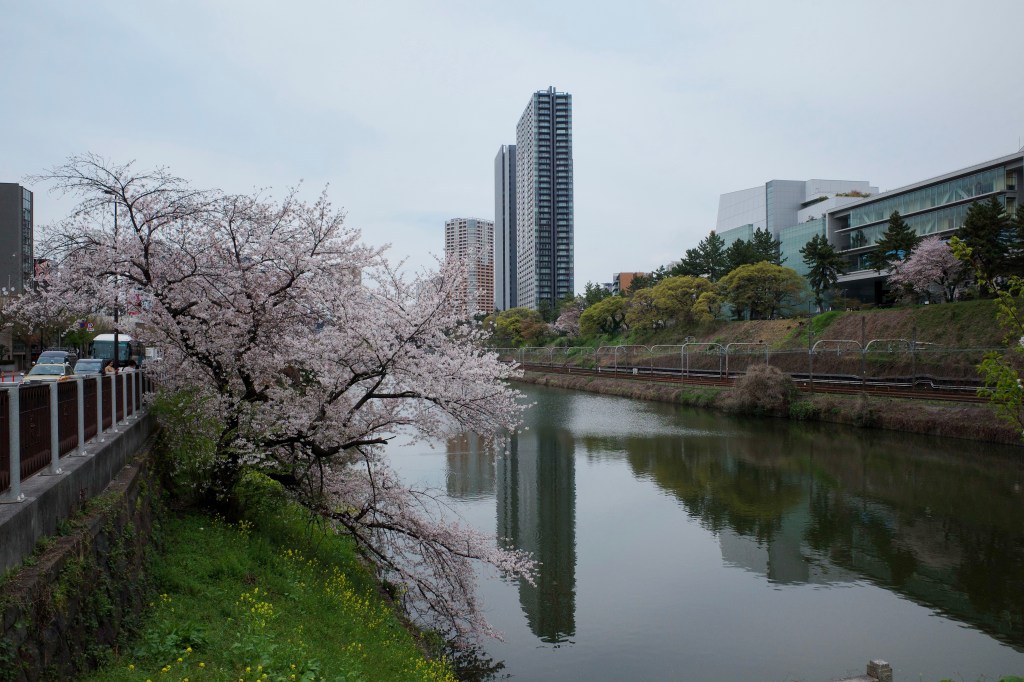
While we were there, though, the sakura bloomed fully across the city and it was beautiful to see.
We visited a Picasso exhibition at the Hiroshima Museum of Art (beautiful building, galleries were a bit dingy though in the basement), and also lots of art and exhibitions dedicated to remembering the atomic bomb at the Hiroshima Peace Memorial Museum and the Hiroshima City Museum of Contemporary Art (MOCA). We didn’t have energy or syllables left for the Hiroshima Prefectural Art Museum. MOCA was wonderful though, newly renovated after two and a half years and opened for less than two weeks when we visited.
Did you know Picasso created a series dedicated to the horrors of the atomic bomb attack on Hiroshima? No? What are these then, AI-generated photos from Midjourney v5?
After many years of being a Go Go Curry fan curious about Champion’s Curry, the Kanazawa-style curry franchise that Go Go supposedly ripped off down to the signature yellow, I finally got a taste of it. And… it was sadly disappointing. It’s soundly beaten by Go Go’s richer flavor and dedication to excess — there’s no preset that comes with the works. On this trip, if I had to rank curries, Hinoya might come first, followed by Coco Ichibanya, closely followed by Go Go in third and Champion’s in last place.
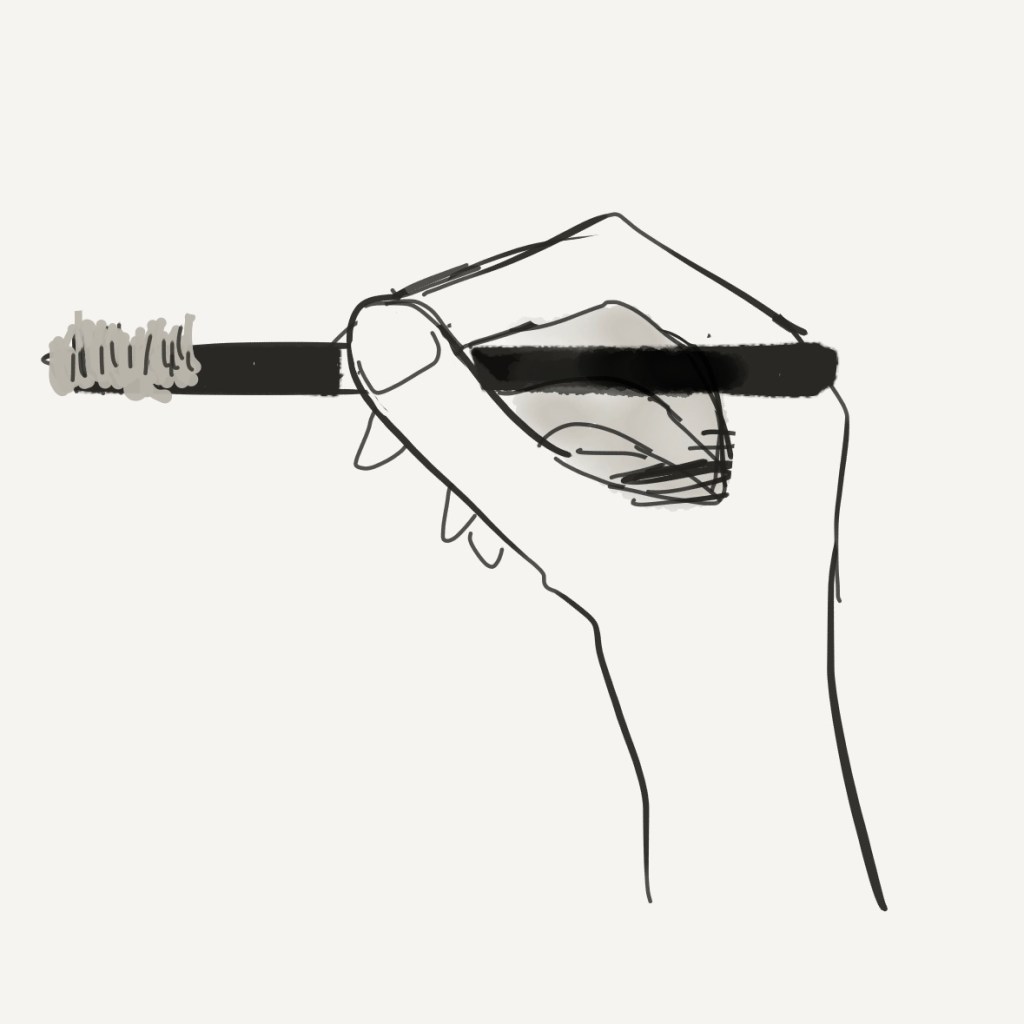
I saw a Japanese toothpaste ad of some sort that demonstrated people brushing their teeth in a curious way: holding their brushes like pens or chopsticks. Is that how everyone does it? I’ve never seen it. Perhaps it’s time for a new Japanese Wisdom Fad to go global: the secret art of teeth cleaning. Anyway I tried it out for a laugh and was surprised by the ergonomic improvement! Holding the toothbrush in pen grip means your elbow stays close to the body rather than sticking out, and your forearm is perpendicular to the ground. This gives you more power in the up-down motion by moving your entire arm rather than your wrist. Combine that with the added directional precision from being able to move your fingers, and it feels easier to do those small away-from-the-gumline strokes you’re meant to do, versus holding in an overhand grip.
Please excuse the iPhone finger sketch
You may remember that I became quite fond of watching a live street webcam in Shinjuku about a year ago, leaving it up on the bedroom projector as a sort of video wallpaper or magic window into another world while I read or did other things. Well, we finally got to stand on that very street and see ourselves on the screen! With tourism back, the street is much busier than it was a year ago, uncomfortably so, but now I finally know what the inside of the ramen restaurant looks like, and confirmed my suspicions that there’s a gap under the steps of the KBBQ place where the rats probably hang out. We waved at the camera and tooks a couple of photos from a street-level POV. What’s great was that there were many other people obviously there to see the cameras too… my weird little Kabukicho webcam community!
I ended up not finding very much to buy in terms of electronic souvenirs. I don’t need another camera or headphones, as mentioned a couple of weeks back, and I couldn’t even bring myself to buy a phone case that I don’t need and that will be obsolete in half a year when the iPhone 15 comes out. I did however get a little $12 plastic robot at Don Quijote that plays their unforgettable jingle with the push of a button. It’s going to get a lot of use in my home, I think.
Wait that’s not correct, we got a portable massage gun called an Exagun Hyper from the Doctor Air brand. Not an insignificant factor in this decision was the advertising campaign featuring Ryoko Yonekura, also known as Doctor-X in the TV series of the same name. She was clearly hired for that reference alone and seems to relish it. I’m kinda sure they even pronounce Doctor Air with the same flourish that “Doctor-X” is usually delivered with.
If anyone in Singapore is wondering why Netflix removed the first six seasons of Doctor-X and now only has Season 7, it may be a licensing issue with Amazon. Seasons 1–5 are now on Prime Video locally, so you have a chance to catch up and hopefully Season 6 will turn up someday. Be warned though, this is not strictly speaking good TV. It’s a cheesy, overly dramatic manga-style live action show about a doctor with miraculous surgery skills and no social ones. Like House but turned up even further.
I also got some tees and socks from FamilyMart, because I’m always on the lookout for good black t-shirts and their white/green/blue brand socks were an internet sensation a year or so ago. Oh, and some sake straight from their Kobe breweries. That’s about it for physical souvenirs.
What I have brought back intangibly, though, is a renewed enthusiasm for gaming on mobile and the Nintendo Switch — I didn’t bring my Switch along and now I’m dying to play through my backlog. It’s hard to explain but the media and cultural environment there for gamers is immersive. You see giant ads for Splatoon 3 in the subway. Billboards and TV spots for mobile games like Dislyte and Genshin Impact. Late night shows on TV where people play trading card games. Most of these games aren’t even Japanese in origin, but they’re part of the landscape and it’s encouraging? Inspiring? To feel your hobby validated as a visible part of society. Nearly none of that is the case in Singapore, the irl city.
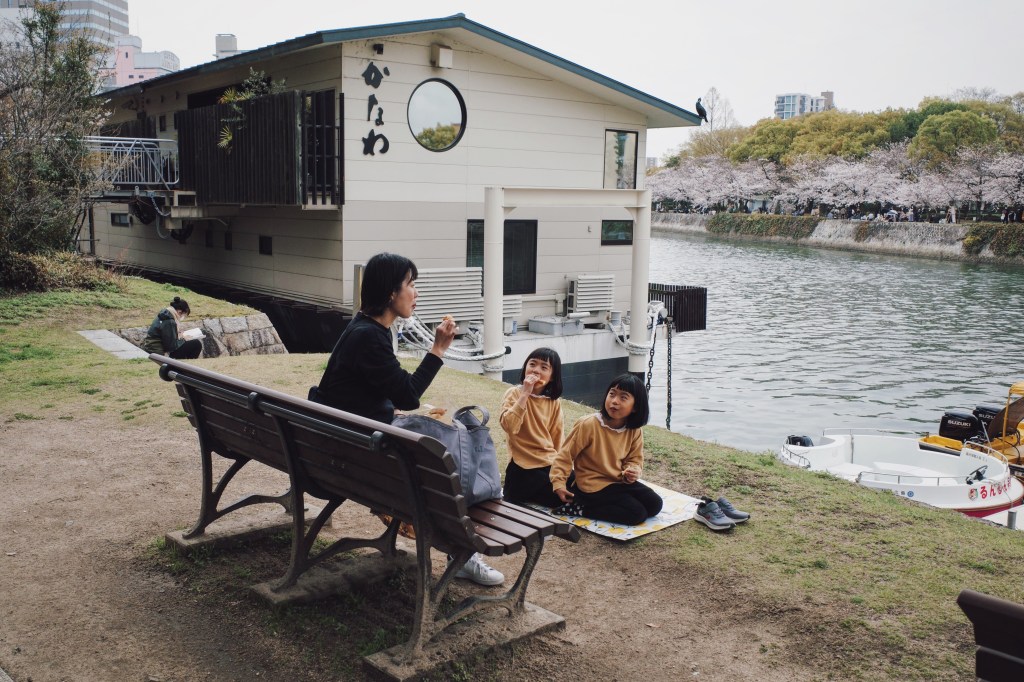
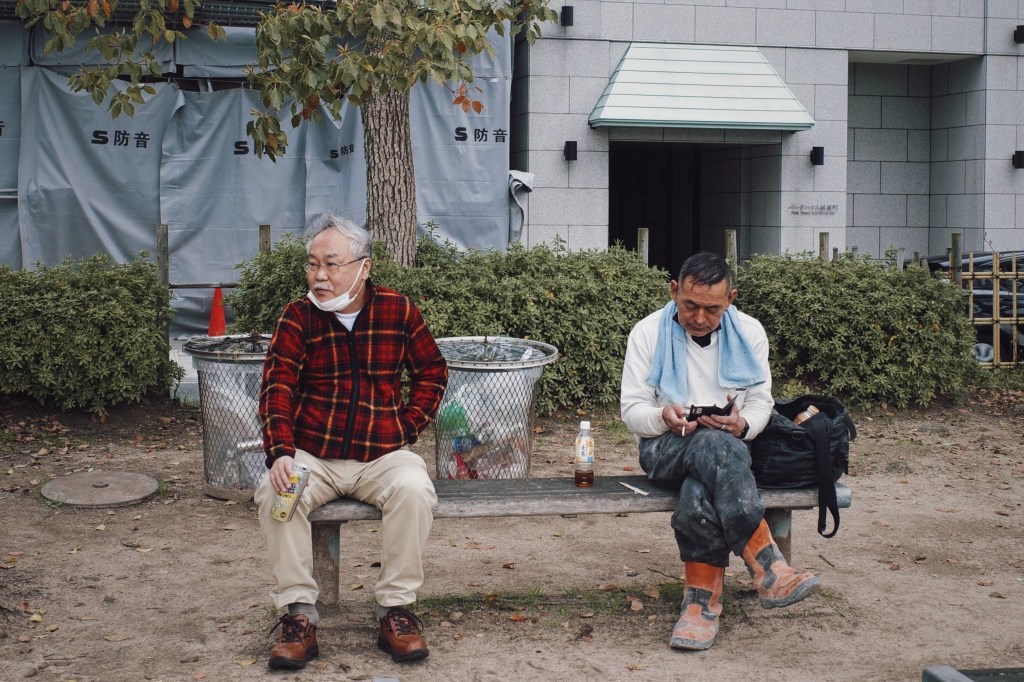
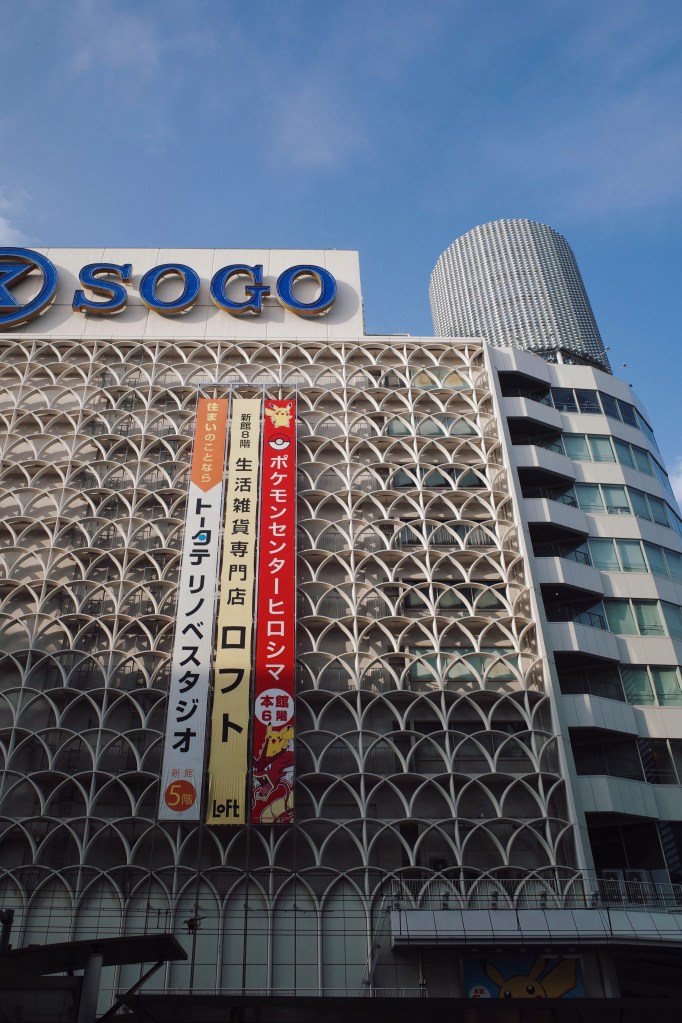
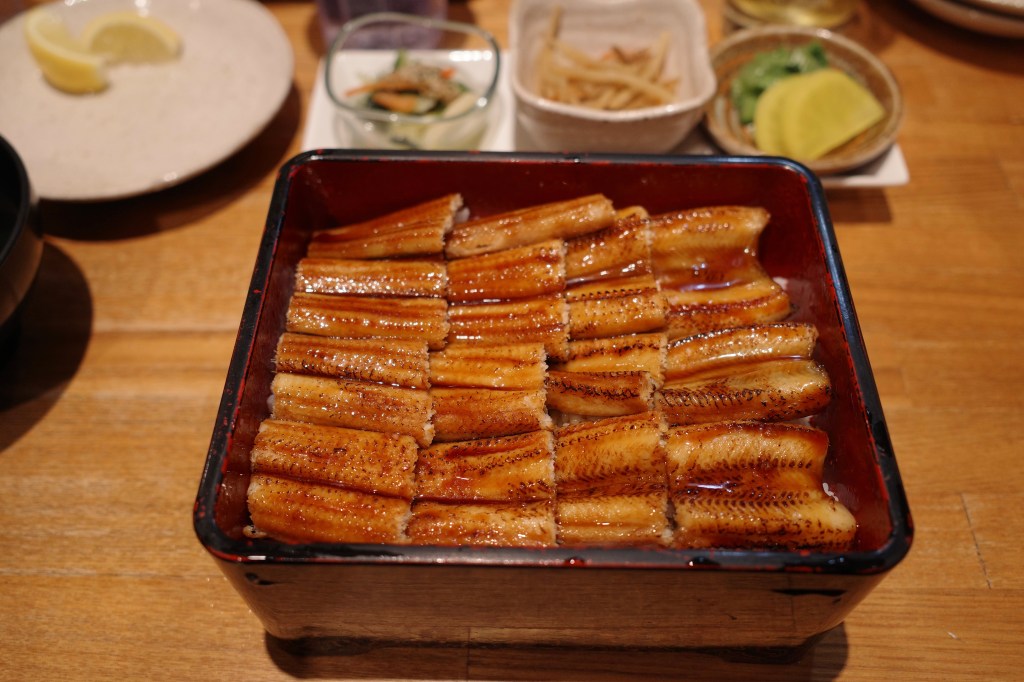
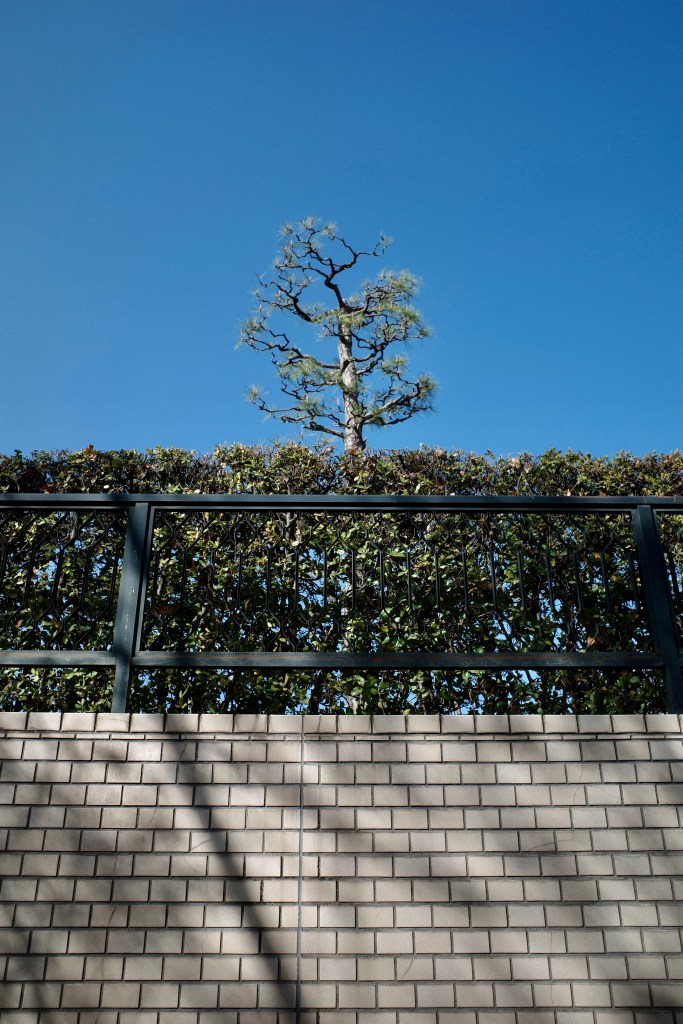
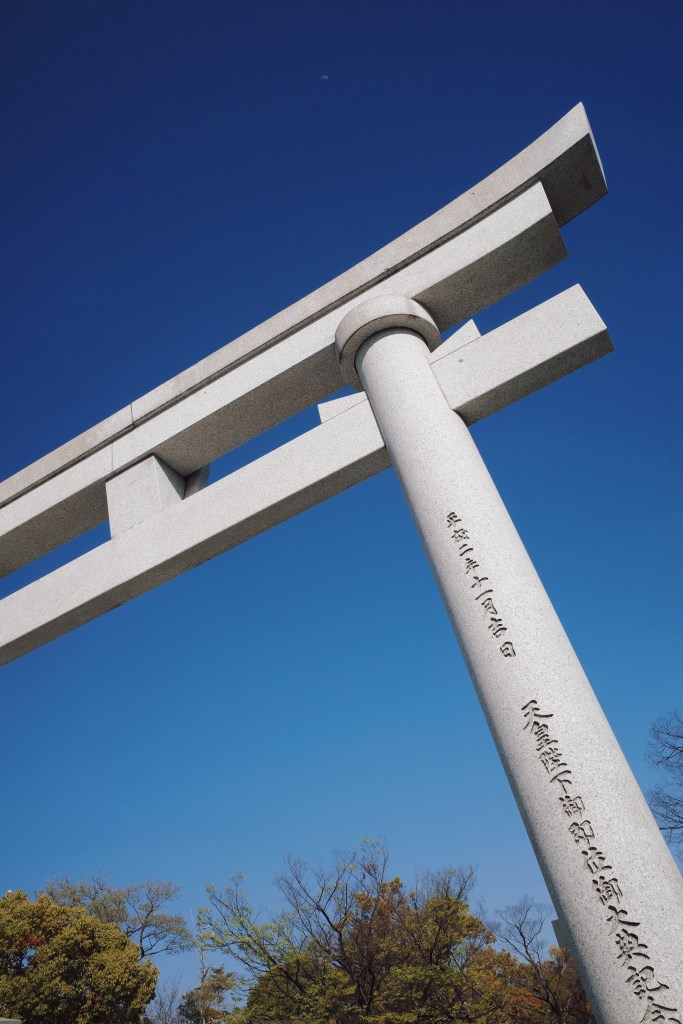
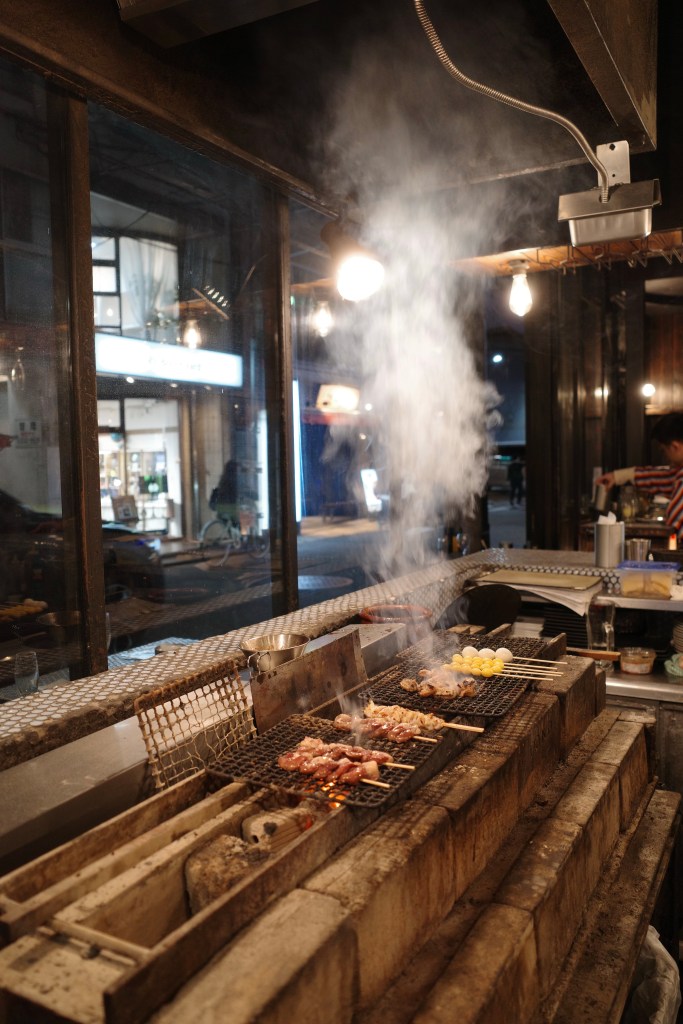
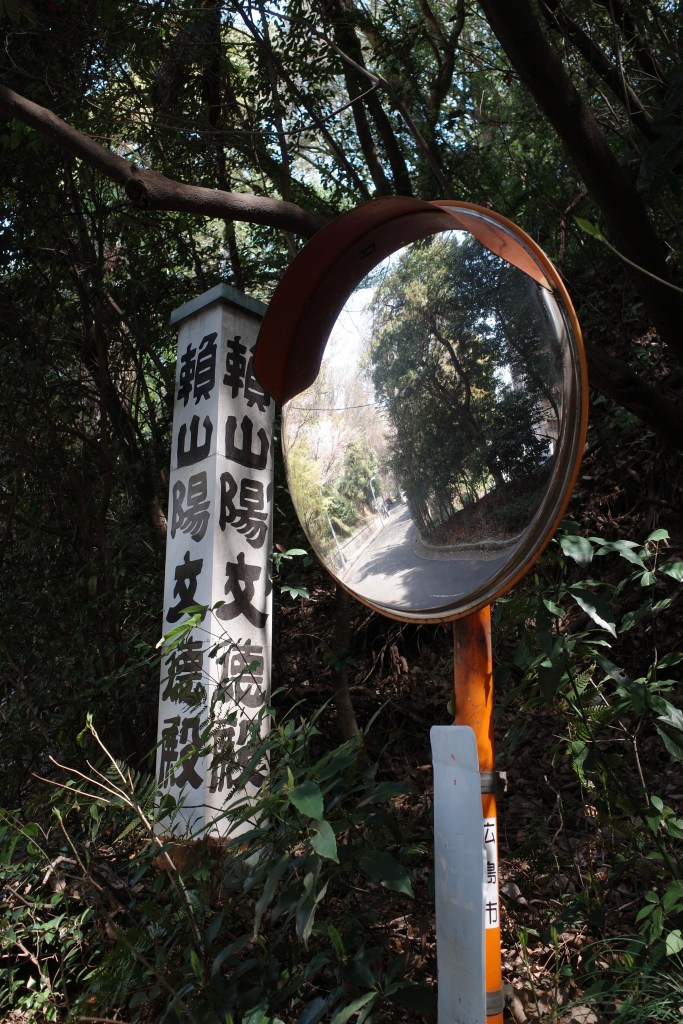
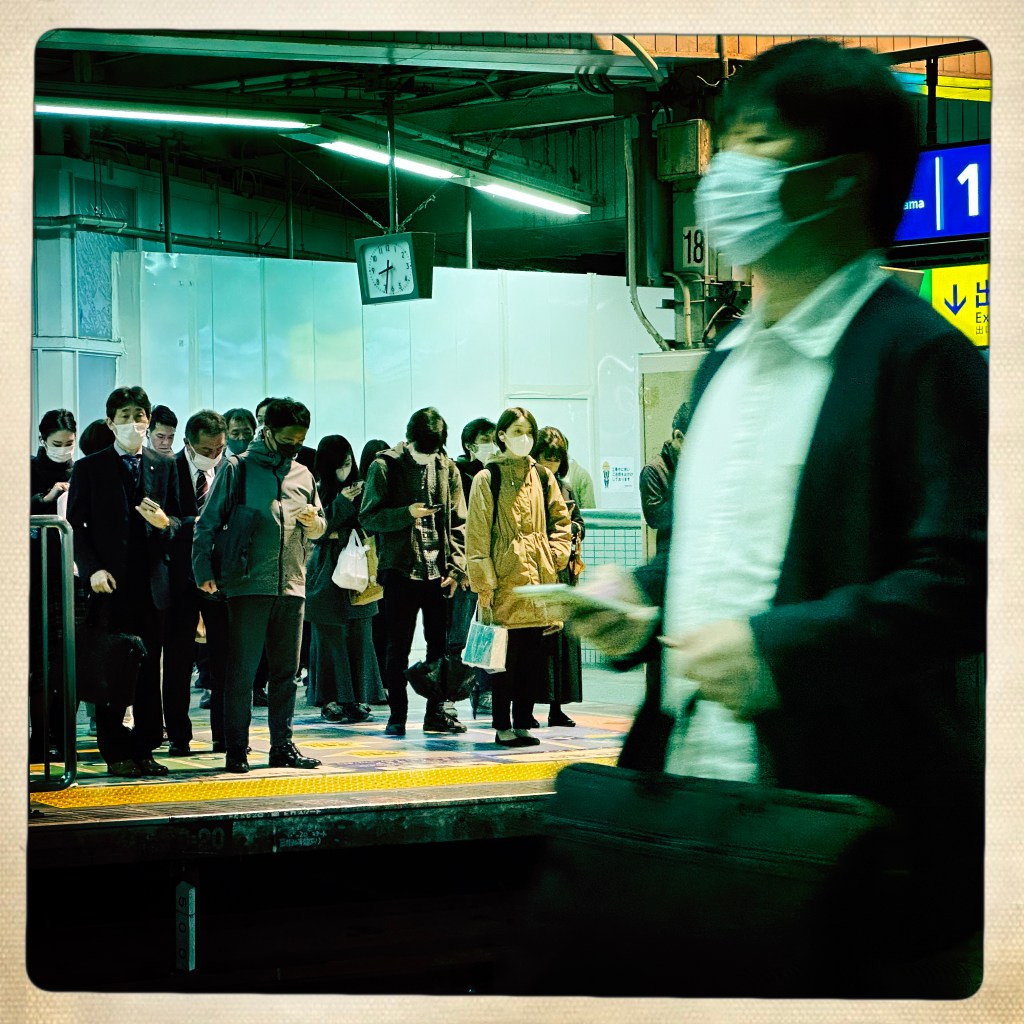
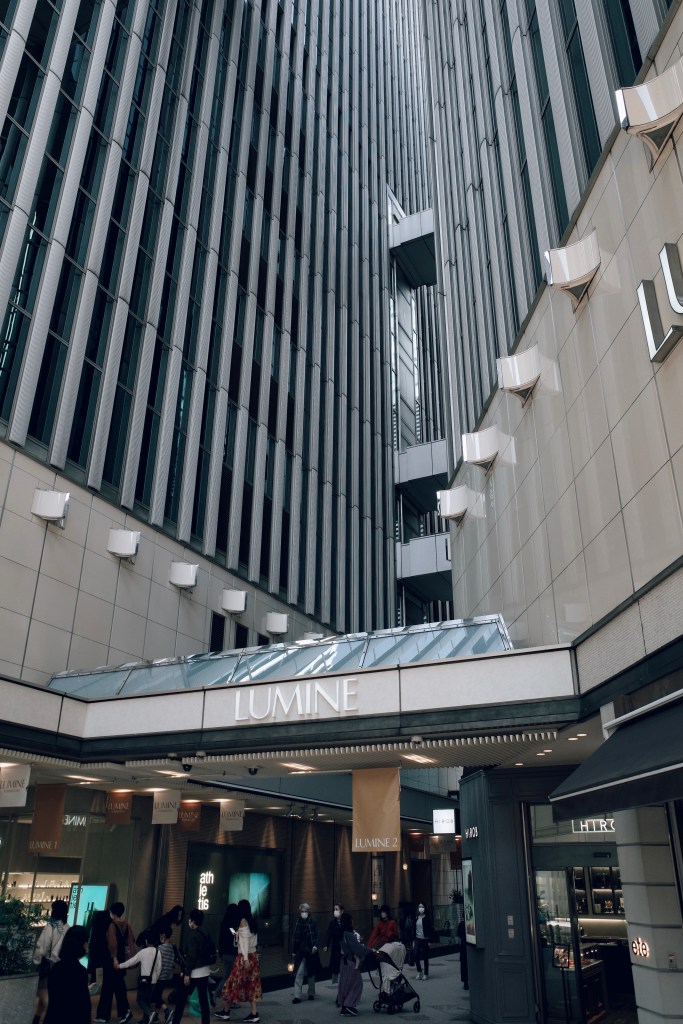
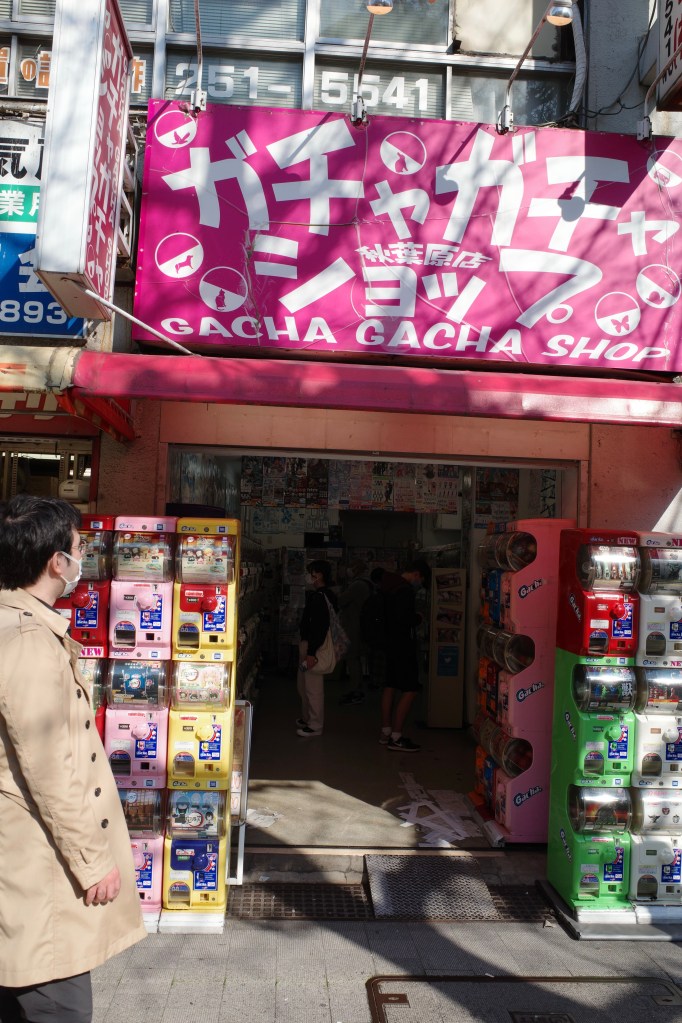
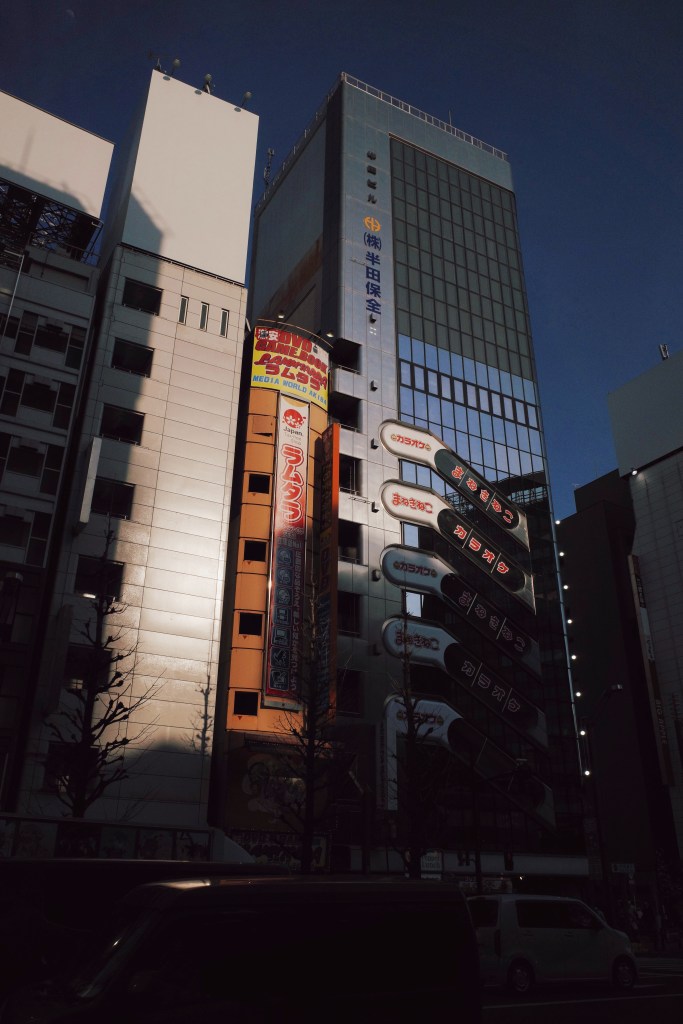
A selection of (sakura-centric) photos from this week follows. Please rotate your iPhone to landscape because WordPress’s masonry layout somehow doesn’t work on narrow screens!
This post is delayed on account of the Lunar New Year weekend; hope you had a good one if you celebrate!
After two years of restrictions and fear (not to mention peace and quiet), we returned to the old chaos with a few family gatherings and house visits. Unfortunately, one of my favorite parts of the whole thing, a large reunion dinner on the Eve with some of our most senior relatives, was still off the table on account of their mounting health issues. I wonder if we’ll ever get a chance to see everyone on that side of the family all together again.
I brought my GR III out to capture some of these moments, and fortunately Ricoh released their previously mentioned new Diary Edition model just the day before, which meant the firmware update for older models to get their new Negative film-inspired “Image Control” mode was also released. After some experimentation, I’ve settled on these settings: Saturation +1, High Key +2, Contrast +1, Shadow Exposure -1. Am looking forward to using it for more everyday snaps in 2023.
While hanging around with some relatives in the afternoon of Day 1, a few of us downloaded the Dimensional personality test app and began answering its slew of profiling questions to compare our toxic traits, love languages, and all that. It co-opts a bunch of well-known existing frameworks like the MBTI and so on into one gigantic pile of traits. Does that constitute a unique and proprietary offering? I don’t know, but it’s fun enough and free. Be warned, completing all available questions can take over an hour.
Speaking of apps, my advance pick for 2023’s game of the year launched this week on Apple Arcade: Pocket Card Jockey Ride On. It’s a remake of the Nintendo 3DS eShop exclusive now fixed up with better graphics and subtle gameplay tweaks. If you never played the original, do yourself a favor and give it a try. It’s an addictive solitaire-based game; the main downside (for me) is it’s time-based and needs some concentration and so isn’t something you can play while in a noisy environment.
My Mastodon use has fallen off a little. I actually prefer Twitter’s algorithmic timeline to a chronological one because I tend to follow too many people to keep up, and need some help sifting out the “best” content from the rest. Mastodon is beginning to give me the uncomfortable feeling of a full inbox, but perhaps I should simply follow fewer people.
The general rule around here is to avoid talking about work — although it is usually such a big cost center for my time — but we had a new colleague relocate from Shanghai, and it was nice welcoming them to town and having a couple of impromptu beers on a weekday night.
Last episode, I mentioned seeing some Tezos NFT art at Singapore Art Week. Well I came across one of the pieces for sale (entitled D-909 Groove Arcade) and decided to go through the trouble of creating a Tezos wallet and getting some funds in so I could buy it. It’s one edition out of 167, and so was only like USD$20, but I’m super happy to have it. Can art be absolutely adorable and funky at the same time? Provably yes!
D-909 Groove Arcade
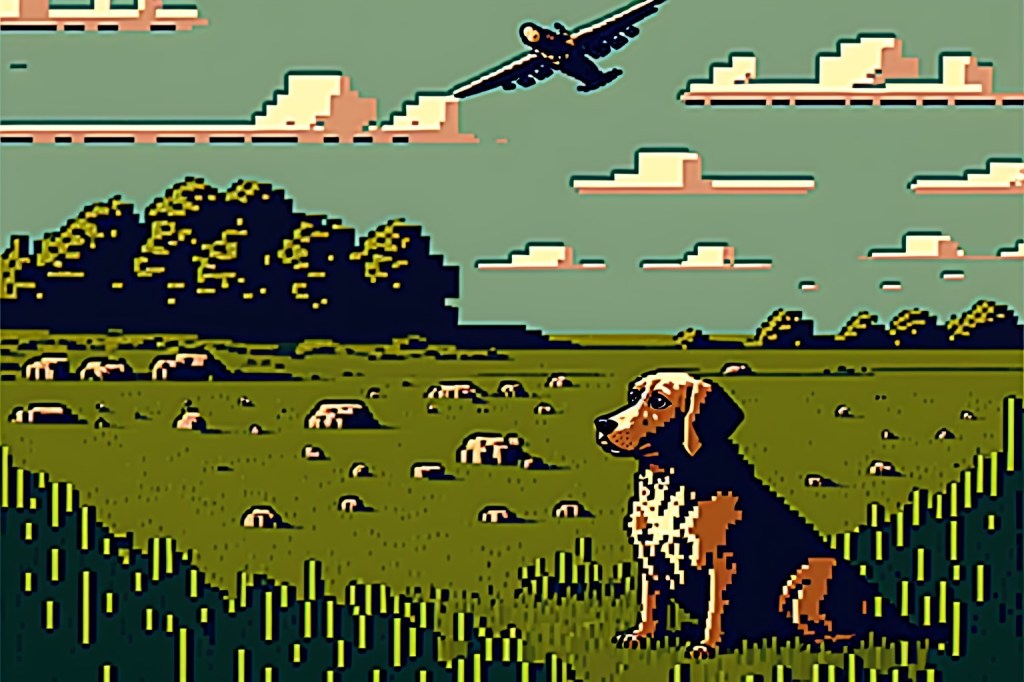
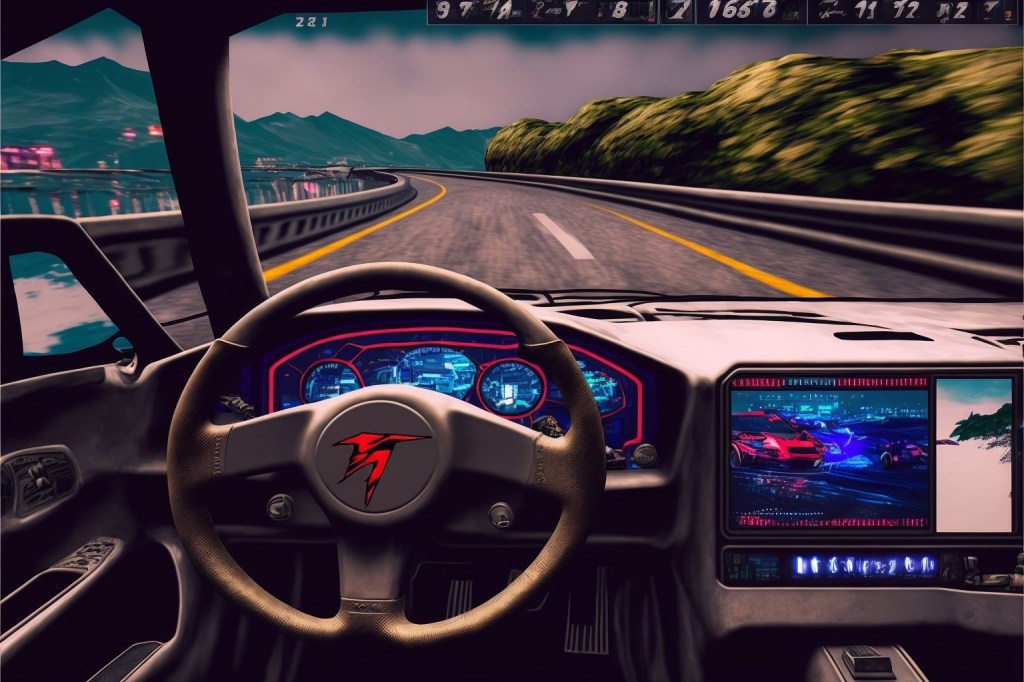
I also continued generating non-existent videogame screenshots using Midjourney, expanding the fictional timeline to include modern-day remakes of old games. I should spend more time pushing this idea further but so far I’ve only done it in spare moments or when I should really be doing something else.
Civilization: Flat EarthDuck Hunt Remake, PS4 (2018)Drone Hunt, NES (1984)Theme Hospital: COVID EditionNeed For Speed: Self-Driving Edition
Everything But The Girl is back after what feels like decades, and the video for their new single is an incredible piece of choreography and one-take execution. I could only think of the immense pressure on each person not to fuck up. Dimensional seems to concur, reporting that my main motivation is Security.












 sangsara.net