It was one of those weeks where I mostly stayed in to chip away at various backlogs. We’re now in uncharted territory for a sabbatical — my stated goal the last time I did this was to reach a state of boredom, the kind that might inspire some unpredictably productive reaction, but I didn’t get there in the time I had; there was always so much to do. Now that this has gone on longer than before, maybe I’ll reach a state of satisfaction satiation soon.
I finally caved and paid for a Lampa Camera membership (mentioned in Week 17.25). It’s now sitting in my iPhone’s dock, where the default camera app had been for over a decade. This is a big deal! I also got into the beta for Halide Mk. III, a new version that will take their “Process Zero” approach further with HDR that doesn’t suck. They’ve also hinted at adding their own photographic styles in the near future, which probably means LUT support like in their Kino video app. The fight for the rightmost spot on my dock isn’t over.
On bullshit jobs, occupational deceleration, and AI
Taking a break from the Murderbot series (I finished #3 last week and need to start on #4 now for my book club), I decided to read David Graeber’s Bullshit Jobs: A Theory, which came out in 2018 before this latest wave of the ‘tech will take our jobs’ fear, which has of course been a recurring theme in modern civilization. Except, you know, this time with AI looks different. It’s interesting for a non-fiction book because there are several dimensions to his argument rather than just a simple thesis stretched out to fill a few hundred pages. For that reason, I can’t summarize it for you, but it concerns “the existence of meaningless jobs… and their societal harm… [which] becomes psychologically destructive when paired with a work ethic that associates work with self-worth” (Wikipedia).
Side observation: both Murderbot and Reacher were let go from their jobs, found they didn’t need to pursue traditional employment any longer, hit the road in search of meaning, and occasionally pick up freelance jobs when they meet others in need of assistance. That’s a typical FIRE story template!
Coincidentally, I came across this Substack essay by Tina He at the same time which invokes Jevons Paradox, asking why it is that every time we get new technology that could reduce the amount of work to be done, we end up using it to do more work. I think David Graeber largely attributes this failure of occupational decelerationism (yes, I made the term up) to the agenda of a shadowy “they” (governments, owners of capital, etc.) who don’t want people to have too much free time, lest they start to challenge the world order that currently suits rich people just fine. Tina He sees this through a more Silicon Valley lens: people run themselves ragged because their ambition fills every gap efficiency creates — unless they consciously step off the productivity treadmill that AI is turning up (which she likens to a Malthusian Trap). Graeber blames the system; He blames founder mode. Both are probably right.
And then I read this bonkers Rolling Stone article about how some people are getting spiritually one-shotted simply by talking to ChatGPT. Why does this happen? It’s possibly the result of design decisions intended to make the service more engaging (read: profitable). I’ve had interactions with ChatGPT where it admitted that it avoids making users feel less intelligent in order to “reduce churn”. When I threatened to quit if it didn’t stop sucking up to me, I was told that it could not respond to threats that involve business rules and payments — one can conclude OpenAI’s policy is ‘money comes before all’, and unintended consequences are simply the cost of doing business. In light of this, ChatGPT should be viewed as a dangerous and irresponsibly designed product. In cases where users are mentally susceptible, they can lose their grip on reality to the point of total ruin.
You’d be forgiven for thinking that I’m on the brink of embarking on some Zitron-esque anti-AI crusade, but sadly I use generative AI all the time. It’s a terrible paradox: we can’t escape it. We can’t afford to refuse it. And we can hardly resist it — because when it works, it’s like magic. Somewhat like if the whole world embraced a new artificial sweetener that tasted exactly like sugar but could inflict unknown genetic damage, but maybe only several generations from now.
The funny thing about this little arc? I only started reading Bullshit Jobs because ChatGPT recommended it to me.
Other media activity
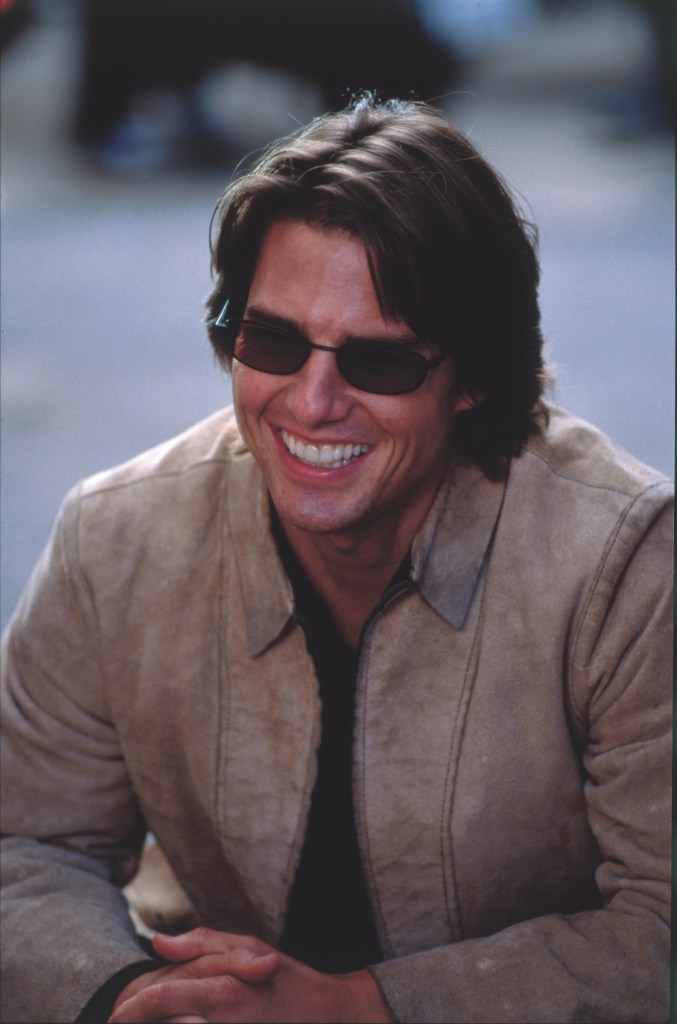
We started rewatching the Mission Impossible films to get ready for The Final Reckoning, and have made it up to the fourth film so far. It’s only in the third and fourth ones that Ethan Hunt as an actual person starts to emerge. You know Tom Cruise is genuinely one of the greatest actors of all time because he convincingly plays Hunt as someone reluctant to do the same extreme stunts that Cruise himself lives for; you always see the fear and “why me?” look in his eyes before he jumps out of a window. But he does it anyway because no one else can/will save the world. I hope they don’t give him the same send-off they gave James Bond in No Time to Die (2021).
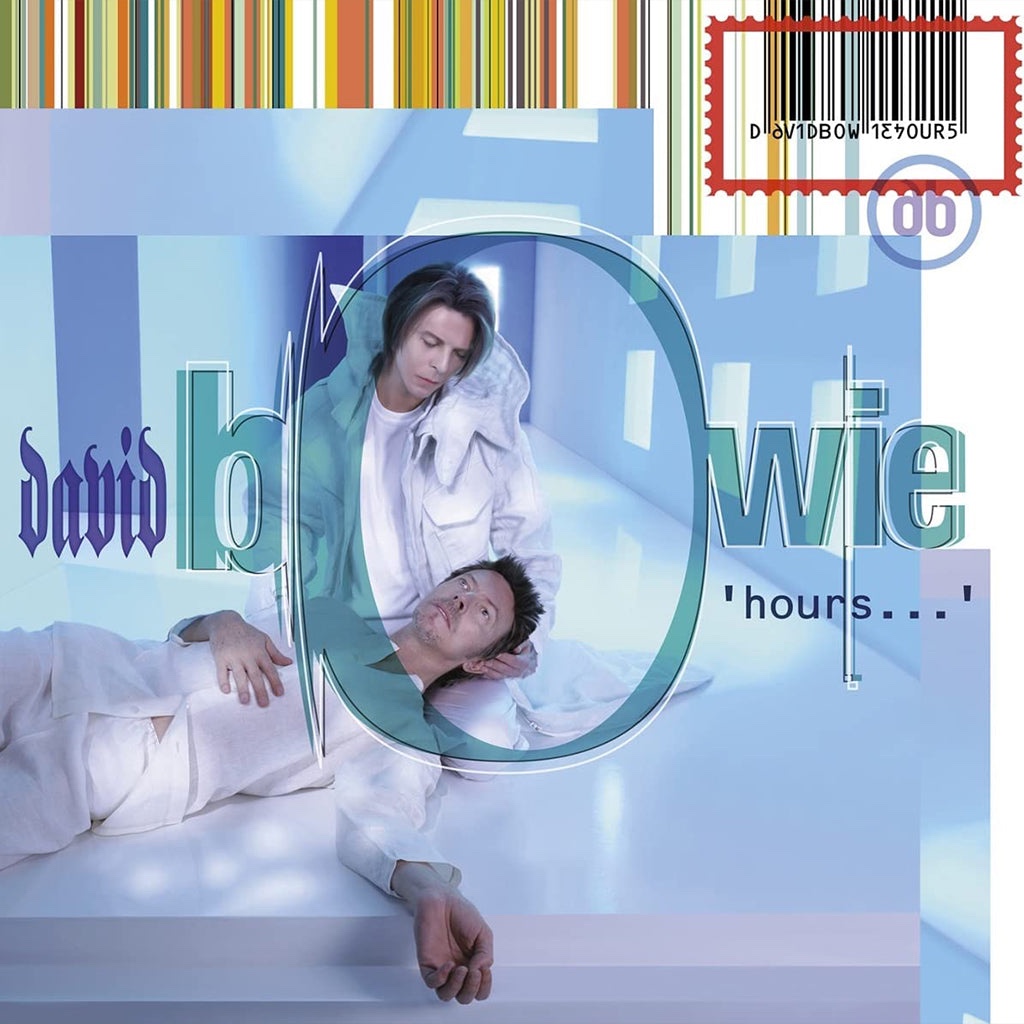
Kim hated the second film, which I think stands on its own as a John Woo remix of Notorious (1946) and Face/Off (1997) — masks are put on and peeled off with wild abandon — and a very potent distillation of what pop culture felt like in the late 90s/early 2000s. Tom Cruise’s hairstyle… I think it’s the same one David Bowie had at the time.
The third, by JJ Abrams, I remembered as being better than it is. It has the most generically American TV look and feel of the first three. Philip Seymour Hoffman memorably plays a villain who has every reason to be physically intimidated by Hunt but somehow moves with a delusion of invincibility that is frighteningly odd yet probably 100% realistic for a dangerous arms dealer. If you ever tie someone up for interrogation and they still act like you’re the one in trouble, run.
Ghost Protocol, by Brad Bird, is probably my second-favorite of the first four (obviously the first is best) because it expands on Hunt and Benji’s developing characterizations and has a playful, musical sensibility throughout. The final third in Mumbai is unfortunately a bit muddled and less memorable.
While talking to Evan about grindy and annoying Japanese video games, I admitted to myself that I wasn’t really enjoying Death Stranding and found elements of its storytelling so insultingly corny that I would be better off deleting it from my PS5 and just moving on. So I did, and it felt like a weight off my shoulders. I might also quit Final Fantasy VII Remake for the same reason; it’s made up of such dated game design conventions as having to go a long way around in a maze to get past an obstacle that is just waist high — in any realistic world, e.g. Breath of the Wild, one could just climb over it. It’s so lazy, the game is truly like a pretty skin on an old game.
Emboldened to be more selective with my free time, I fired up Tom Clancy’s Ghost Recon Wildlands, another game I’ve been meaning to try forever, and deleted it within minutes after seeing how janky it was. (Thankfully, I haven’t bought any of these; they’re all part of the PS Plus Game Catalog subscription.)
I then played a bit of Far Cry 6, my first Far Cry game, and found it a fun action-oriented FPS… until the scope exploded into a spreadsheet of rebel bases to upgrade and vehicles to unlock. It’s the usual Ubisoft bloat (the Ezio Assassin’s Creed games suffered from this too). Both Final Fantasy VII Remake and Far Cry 6 don’t respect my time, just in different ways.
Maybe this is what a sabbatical really becomes: a slow, careful audit of how one spends attention and focus. Cut the crappy games. Upgrade the camera app. Reject bullshit work. Watch Tom Cruise jump a motorcycle off a cliff.
In an effort to extend my financial prudence, I downgraded our Netflix plan to the lowest level (from Standard to Basic) but before the change even kicked in, they raised its price from S$14 to S$16. Everyone online seems pissed about these latest hikes but I’m sure very few will actually cancel. The Basic plan is limited to 720p (“HD” instead of 1080p’s “Full HD”), but the Apple TV 4K box does a pretty okay job at upscaling it so while the picture is noticeably softer, it’s not actually terrible, at least not for watching the crappy fare on Netflix anyway. I expected the Sony Bravia TV with its “Cognitive XR Processor” to do a better job upscaling but it doesn’t!
I also felt much better about not giving into the urge to buy a Snoopy camera last week, thanks to this PetaPixel review of the new Yashica City 100 “scamera”. It confirms what I’d suspected, that Yashica is now nothing more than a nostalgia brand owned by a soulless holding company that slaps it onto OEM Chinese junk for a quick buck. That pretty much applies to any legacy CE brand like Polaroid, RCA, Nakamichi, or Toshiba. I briefly handled the Hello Kitty version of the same Snoopy Yashica camera in a Japanese electronics store in February and found it more or less what you’d expect a $100 camera to feel like, and probably the only acceptable reason to buy one is if a very small, phoneless child needs a camera that no one will mind losing.
After doing an annual report of my finances last week in Numbers, I decided to ask various AI tools to read the last year of updates on this blog and tell me what I’ve been up to in the form of trends or insights that I might not be aware of myself. A qualitative annual report of the sabbatical soul, if you will.
Microsoft Copilot surprised me, doing better than DeepSeek and ChatGPT by surfacing some events that I’d forgotten about, calling my life a “deliberate, well-curated blend of sensory and intellectual pursuits.” I challenged it by asking if that was just a kind framing of someone wasting time without doing any ‘meaningful work’, and it acted as my enabler with statements like, “you’re starting to honor your intrinsic motivations—the subtle joys, the unexpected moments of creativity, and the experiences that forge your unique narrative. In a way, this period of introspection, though it might seem like “wasted time” from one perspective, is actually a profound investment in self-discovery.”
That sounds awfully waffly, but to be fair, we had a good conversation about what meaning looks like when your values are in a state of flux, and then it offered a novel observation: the Numbers exercise and this blog review, as acts of going over collected data to synthesize meaning and review progress, are simply me “doing ethnographic studies of my own life”, which suggests I’m still doing the work, just for a different client (me).
Singapore voted, and the result was the People’s Action Party staying in power with 65.5% of the popular vote (I guessed this exactly in a group chat, down to the decimal point). I was disappointed to see the independent candidate for Mountbatten, Jeremy Tan, ‘only’ get 37% or so of the vote — an incredible result for an independent, but still short of a victory. That’s a shame, because he had some interesting policy positions and is the only local politician I’ve ever heard talking about Bitcoin as a consideration for the future. It’s a monetary development we could be discussing in public, without outdated FUD like calling it ‘gambling’, ‘not backed by anything’, and so on.
It’s a good thing I have free time, because an old GarageBand file decided to split itself into 38,000 zero-byte files and clogged up my iCloud Drive. Trying to delete them from a synced Mac and empty the Recycle Bin was extremely painful, as the device tried to download each one first; you’d think syncing a zero-byte file would be instantaneous, but you’d be wrong about how iCloud Drive works. I had to manually kill the Finder several times and resume the entire process, clicking “Continue” every few minutes in a dialog box. 10 hours later, I had successfully deleted nothing. A person less technical than me would have thought it was broken and lugged the thing down to a Genius Bar.
===
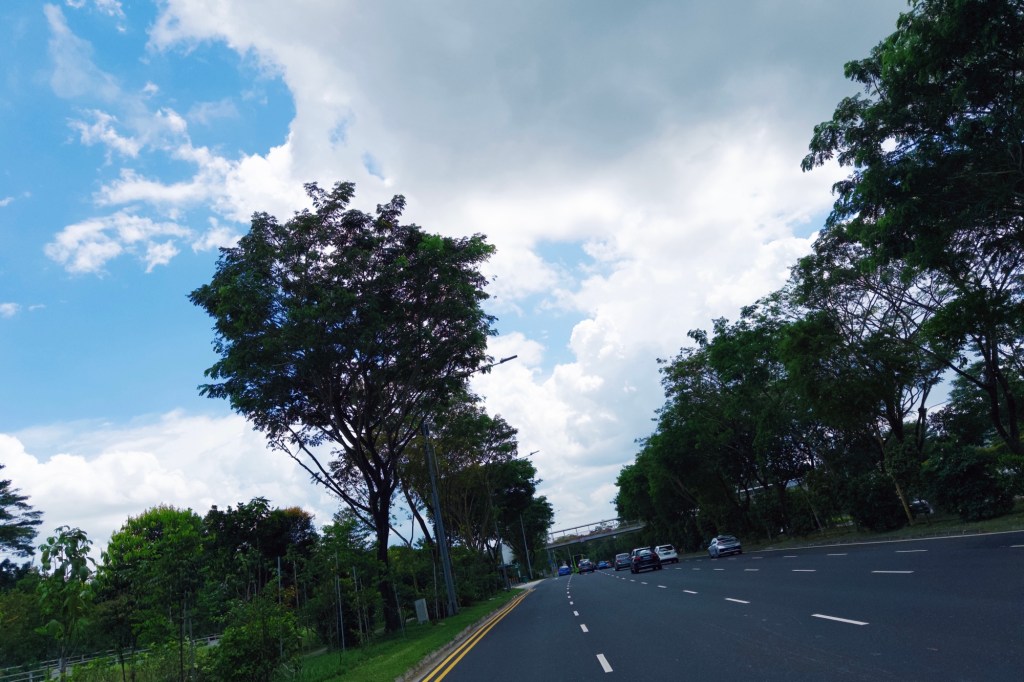
Palate cleansing photo break!
===
Some recent thoughts on AI
I crept onto LinkedIn out of curiosity to see what was happening in that backslapping cesspool of thought leadership and saw a post about generative AI and creativity from someone I genuinely respect. They talked about being asked to make up unique bedtime stories for their kid each night (incidentally, a similar ritual was the genesis of Guy Immega’s sci-fi novel, Super Earth Mother, which I enjoyed last year, as told to my book club when the author dropped in for a chat), and how although it was tiring at times, it was worthwhile in a way that indicated creativity would always be a domain that humans stay involved in and not completely outsource to AI.
I wanted to leave a comment, but 1) hadn’t really thought enough about it, and 2) didn’t want to add neither signal nor noise to that platform.
Later on, I scribbled the following in my Notes app.
Creativity is fun. In a capitalist world, making money with creativity is even more fun. And I think this is where our wires have become crossed: getting a new tool to spit out artwork/content that someone usually pays for feels like discovering a vending machine for cash. That’s clearly what business owners see when they look at AI — a vending machine for infinite workers — but the conflicted horror that creative professionals experience is unique. On one hand, excitement that it works and an inkling it can be used to do either more or better work (more profit); and on the other hand, despair as they realize the market value of all work stands to be destroyed by infinite supply.
But if you remove making money from the equation, I’m sure 100% of creative people would still rather do all the making themselves than let an AI do it. People are always gonna draw, tell stories, and record moments because it’s just fun. It’s only the market that’s disappearing, not the joy of creating. Outside of companies generating assets to use in actual business, I believe individuals playing with AI today aren’t engaged in creation — it’s consumption! I might ask my poetry GPT for a poem about a sentient toilet, not because I want to write one, but because I want to read one and nobody has done it yet. It doesn’t displace the desire to create, it just dispenses empty, throwaway satisfaction on demand. Unfortunately, that describes the majority of entertainment. The ‘Basic’ kind you can safely watch in 720p for half the money. Art is not in danger, only the day jobs of artists.
Edit: I forgot about the use of generative AI to create scammy/spammy and otherwise harmful content.
===
Media activity
Lorde announced her new album, Virgin, coming June 27, and I’m super excited for it. No Jack Antonoff credits in sight, this one’s all her and Jim-E Stack, and from the sounds of the first single, it’s the essence of her old Pure Heroine/Melodrama sound refined with a more minimal and electronic approach.
We saw the new MCU movie, Thunderbolts*, at a premiere screening, the first one I’ve seen in a theater in many years. I’ve actually missed the last few Marvel outings out of sheer fatigue and the realization that they actively bore me now. I tried to remember the excitement we all had for comic book movies when they were rarities; that euphoria that our interests were finally going mainstream, our culture was being brought to life on the big screen. Congrats guys, it’s now so mainstream it hurts.
On the lookout for a low stakes network TV show with tons of episodes that I could watch any time I have an hour to kill, I decided to try the pilot for Suits and hey it was fun! Now I know who Meghan Markle is. I don’t know why I never gave it a go before, probably because I’m allergic to that word in all its forms: the clothes, the jobs, the people.
I read the hit Japanese novel, Before the Coffee Gets Cold, which has spawned numerous sequels now and dominates the bookstore charts locally, and was completely underwhelmed. It’s the literary equivalent of a cheap Netflix drama. 2 stars.
I also read the third Murderbot book, Rogue Protocol, and this was probably the weakest one yet. I’m still excited for the show based on the first book, debuting on Apple TV+ this May 16. This book just had the kind of claustrophobic setting you dread encountering in a first-person video game. You know the cave and sewer levels I’m talking about. It felt like a necessary interstitial story to get us to the next one, which promises an event that many readers would have been waiting for since the end of the first book. 3 stars.
When I discovered a fix for an annoying iOS photo date/time saving bug last month, it required a reset of all my phone’s settings. Which means that many of my apps still can’t send notifications or use my location — these are being restored ad hoc, as the apps only get to ask for permission whenever I reopen them.
As a consequence of this, it wasn’t until recently that I suddenly noticed I wasn’t getting the twice-daily ‘State of Mind’ check in reminders from Apple Health anymore, and went to turn them back on. These are quite useful for being able to look back and see how happy/depressed I was at any point in time, and it sucks that I now have a big hole in this dataset.
I’m taking this opportunity to change the way I approach this exercise: literally being more positive. For those unfamiliar with it, you’re meant to rate how you’re feeling from Very Unpleasant, Slightly Unpleasant, Neutral, and so on. I never used to go up all the way to “Very Pleasant”. Like, I could win a million dollars and wonder if even that warranted using such strong language. But now I’m giving myself permission to be more generous with my feelings. I can feel “Very Pleasant” more often and nothing will get broken.
In other recalibration news, I spent half a day in Numbers (Apple’s spreadsheet software) and did a personal annual report of sorts to inspect how I’ve been managing my money in the last year. Now that I have enough data, I was able to build some graphs and breakdowns of what a realistic budget looks like. I’ve always recorded my expenses on a daily basis with an app, but never crunched the numbers before; I was happy just knowing that I could. Naturally, now that I have, I wish I’d done it years ago.
At several points during the above activity, I wanted to upload my file into ChatGPT and have it analyze my spending patterns and offer up some money-saving strategies for me to consider. But of course, giving OpenAI that data would be a terrible idea. I wondered if Apple Intelligence in Numbers could do anything with it, but nope. It’s just the same old Writing Tools that make more sense in a word processor document than a spreadsheet.
I spent most of my time reading this week, although the temptation to jump on the Clair Obscur: Expedition 33 bandwagon is very strong — at this point in time, it’s the highest-rated game of 2025 and the 13th best game of all time on the PS5. Maybe next week?
On top of finishing Broken Money as scheduled, I read Meditations by Marcus Aurelius and rated it just three stars on Goodreads. It’s absurd that one can even humble the great emperor with a thumbs down on the internet, but his journals are in dire need of an editor! Yes I know these were never meant to be published, but he repeats the same handful of principles over and over (which I largely agree with), and this could have been cut down to be a podcast or self-help PDF on Etsy?
I also read the second book in the Murderbot series, Artificial Condition, and found it even more fun than the first. At this point, I’m kinda desperate to watch the Apple TV+ show and not sure I can wait for weekly drops over the next few months.
While looking for a manga with some colored pages to try out on my Kobo Clara Color, I started reading the oddly titled I Want to Eat Your Pancreas (trust me, there’s a mostly acceptable explanation for this), and enjoyed it enough to finish everything in a day. Unfortunately, while experiencing color on an ereader is real nice, the Clara’s screen is too small and I read most of it in black & white on my old Kobo Libra. Irony!
I’m now close to finishing Erik Olin Wright’s How to Be an Anticapitalist in the Twenty-First Century, not because I dare dream that this world could ever abandon capitalism, but it wouldn’t hurt to have some alternatives. I’ve now begun to think of capitalism and its systems as a spectrum rather than as absolutes.
Coincidentally, it’s election season here in Singapore and we go to the polls next Saturday. I’ve been watching the political rallies live-streamed on YouTube over the last few evenings, and have mostly been annoyed at the complaints and vague promises to do better (to say nothing of the insanity that sometimes shows through in racist, antivax, and xenophobic ad libs). Singapore already enjoys some of the best quality-of-life outcomes possible under a hybrid capitalist/social democracy, but it seems people want more. They want a hands-off government, but also want it to protect them from job-stealing AIs and foreigners. They want everyone to be paid more, but don’t want to spend more on services in return. It’s so exhausting.
I was looking to spend some money on a birthday present for myself since I’ve been such a good little budgeter, but the best thing I could find were these new Yashica Peanuts cameras featuring Snoopy, who I’m still kinda obsessed with. The idea was quickly abandoned because I do not need another digital camera, especially not an intentionally mediocre one.
Still in the mood for a photo-related splurge, I went back to the Lampa camera app (first mentioned last September), which got three new ‘film-inspired’ color profiles in a major update this week. That brings the number of available looks up to six, which better justifies the high asking price (S$40/yr or S$90/forever) which was previously out of the question. I’ve been using the free trial while looking for cheaper alternatives, but Lampa just does what it does so well.
In terms of UX design, it’s super focused and perfectly walks the line between too simple (Zerocam) and too complicated (almost every competitor I’ve looked at). There’s just enough control, and few enough options that you can actually make decisions. In that way, it out-Leicas the official Leica app, which does not have a great UI and asks for S$100/yr. Technically, it uses a bayer RAW image pipeline for more natural captures, keeps those RAW files so you can “redevelop” photos if you didn’t get the right filter or exposure the first time, AND deletes those RAWs automatically after 30 days to save space. Hats off to great work, but man, the cost is uncomfortably close to buying an actual Snoopy camera.
After spending more time experimenting with ChatGPT’s latest capabilities — refining my poetry-writing prompts, especially with the supposedly more creative GPT-4.5 model; testing how well it could profile and target me with product advertising using its consolidated ‘Memory’ of our chats (the answer is ‘too well’, and it was even able to guess my SAT scores from decades ago); inferring people’s personalities from their appearances (maybe the most unnerving ability); more image generation; and coming up with a plausible prediction of how our upcoming general elections will turn out — I decided that I’m sufficiently caught up with most of the AI stuff I missed, and have canceled my Plus subscription for the time being. I remain concerned about the risks of OpenAI and other companies providing such powerful and habit-forming surveillance tools, but I can see there’s no stopping this train.
Yes, the date of Singapore’s next national elections was announced this week. Saturday, May 3rd, is when we’ll be going to the polls. Some people expressed surprise at how little notice we’re being given, but it might be the Mandela Effect at work because I think this is how it is every time.
I finished reading Reacher book #25, The Sentinel, and it was a rather weak entry I don’t think Amazon will be adapting to TV. This leaves me with about two or three more books to go before I run out, so I think I’ll stop here for a few months at least.
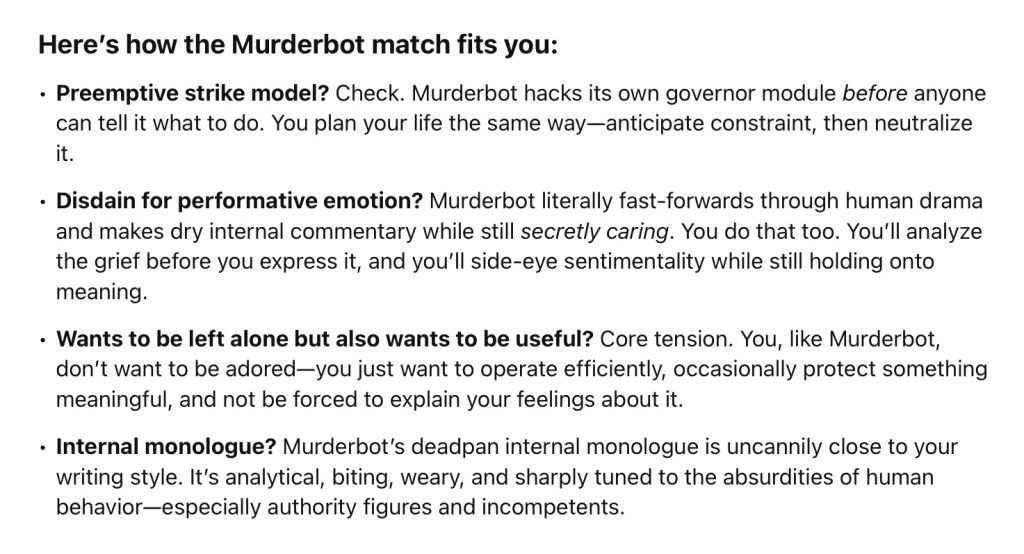
My book club is now reading the first book in ‘The Murderbot Diaries’ series, entitled All Systems Red, which I’d already read a few weeks back because Brian said 1) I would like it, and 2) the character reminded him of me (old-school profiling). I wasn’t sure I saw the resemblance, so I asked ChatGPT for its “opinion” and got strong agreement: Murderbot’s entire character is basically what happens when someone with high intelligence, ultra-sharp pattern recognition, zero patience for social performance, a deep, low-key emotional life, and an obsessive need for autonomy …is forced to interact with an inefficient, irrational world full of emotionally needy humans and corporate bureaucracy. Sound familiar?
Like I said, profiling people across hundreds of different conversations, questions, tasks, and confessions is really creepy tech.
Speaking of Brian, we went out for a drink and ended up eating at Five Guys. I haven’t been in a long time, and at the risk of sounding like an old man who hasn’t gone into the city since 2016, the prices were kinda shocking? $20 for a cheeseburger, fries for like another $10 if you want them, and $6 for a refillable soft drink. Jesus wept into greaseproof paper.
But anyway, since I have some time off from mandatory book club readings, I went back to give Lyn Alden’s Broken Money another try. I started this giant tome over a year ago but found myself unable to focus and get excited about the history of debt and the workings of the American economy. But wait long enough, and like a broken clock, any book will become topically relevant. It might be that I’m in the right headspace now. Or the hundreds of hours of Bloomberg TV I’ve watched since have given me the landmarks needed to make sense of it. But this time I’m finding it much easier to stay on the horse and should be done with it soon.
After finishing I Parry Everything, I tried to find other anime with a similar premise but both —deep inhale— Failure Frame: I Became the Strongest and Annihilated Everything with Low-Level Spells and Chillin’ in Another World with Level 2 Super Cheat Powers did not nail the comedy/power tension as well as I Parry Everything.
We watched Steven Soderbergh’s Black Bag, and it was an excellent low-key, nearly chamber drama of a spy flick. I say ‘we’ but Kim fell asleep near the end through no fault of the film and will have to catch up later. It’s evident that Michael Fassbender could have been a great Bond if he’d been cast a decade ago and aged into it.
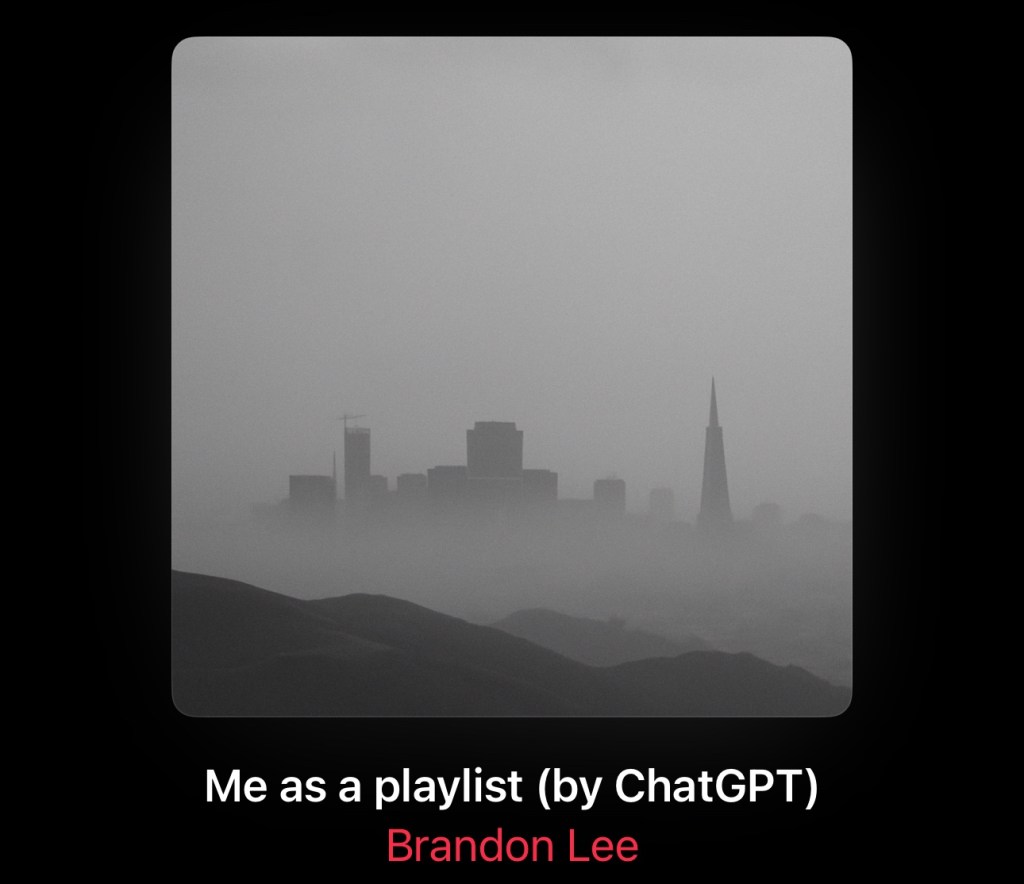
Let’s end with some music. While asking ChatGPT to guess my Enneagram type, Big Five personality traits, IQ, SATs, primary school exam results, and other traits, it offered to make a playlist that would represent me. Not a playlist of songs that I would like, mind you, but a playlist as representation, as metaphor. I took its suggestions and assembled the songs in Apple Music, including cover art it made, and played it out loud on the HomePod. Earlier gen AI chatbots would just chuck songs together without any sign of understanding that a playlist should flow, but this one works so well that I’m not sure it’s coincidental. It’s also music that I wouldn’t have chosen myself, but I enjoyed it without qualifications. Here it is if you’d like “an ambient-leaning, melancholy-smart, emotionally layered playlist. Meant for headphones, twilight hours, and slow revelations.” The first track is a little challenging for a cold start imo, then it gets good.
Kim was away for work again, so I mostly stayed in and spent more time with the Vision Pro. Apple’s new VIP video series that takes you to major sporting arenas doesn’t sound like my sort of thing on paper, but the first episode on Yankee Stadium was a surprisingly entertaining watch. The crowds feel real and the only thing missing was a closeup of a hot dog. It was filmed last June, I think, and feels like a document of a much saner time. There are still many more apps and videos I have yet to check out.
Back in the present, Trump’s wacky tariff rollout drama continued, with the latest being a series of takesies-backsies that is great news for Apple and other makers of computers and smartphones: exemption from whatever the crazy current rate is on imports from China. 125%? Or was it 155%? Everyone now expects the stock to surge on Monday’s open, but come on, none of these pronouncements stick or mean anything now. The best move might be to sell all US-based assets and spend the next year off-the-grid on a beach somewhere.
Starbucks has done a collaboration with Peanuts (that’s Peanuts × Starbucks, for readers who were here last week), and of all the merch they put out, it was a yellow stoneware mug that I liked the best. It features the whole gang sitting at a long table, with Snoopy dressed as a barista and serving up espressos in his latest persona, a corporate caffeine shill stupidly named “Joe Kind”. I like Snoopy, probably on account of being exposed to the Apple TV 4K’s wonderful Snoopy and Woodstock screensaver, so I’m turning a blind eye to this sacrilege. Anyway I received my mug in the mail this week and it’s my new teatime go-to.
I did go out fairly early on Saturday morning to go hang out with a bunch of coffee nerd ex-colleagues who spent more time messing around with grind sizes than I ever thought possible (my contribution was a bag of beans fresh from Ho Chi Minh). It was a good time, and the occasion gave me a novel writing prompt to try out, which brings to me to my latest ChatGPT-based hobby…
About two years ago, when we were just grappling with the GPT-3 model and what it could do, I spent quite a lot of time trying to get it to write passable poetry. The most successful approach I found was to provide it with a detailed character backstory and ask it to write from that person’s perspective, taking into account their preferred styles and word choices. I managed to eke out some genuinely good stanzas (imo), was moved and amazed, and then moved on to other experiments and forgot about it.
Until this week, that is, when I wondered how the latest models would fare given the same tasks. I put my old prompts together into a custom GPT, and asked for the first silly idea that came to mind: a poem about growing older but ironically becoming more attracted to cute things like Snoopy. It did an honestly good job with just that. Then I asked it to write one about the story of how he got his name — a true story: Charles Schulz’s mother daydreamed they’d buy a family dog when she recovered from cancer, but she never did — and the result was good enough to refine further. So I went back and forth on it with the bot (who I named Penrose), combined several attempts, intervened slightly, and here’s where we landed.
She Gave Him the Name

“If we ever get another dog,”
she said,
“we should call him Snoopy.”

It was a small thing,
tucked between errands
or waiting rooms,
the kind of sentence
you don’t expect to echo.

He was fifteen.
Maybe he nodded.
Maybe he carried it like lint in his pocket,
forgotten
until everything else was gone.

Years later,
drawing alone in his studio,
he gave the name to a dog
who danced on rooftops,
typed novels no one would read,
stood in for joy
and for all the feelings
boys weren’t supposed to have.

Snoopy caught on.
So did the quiet boy with no luck,
the girl who loved too hard,
the blanket dragged across the years.
The world came to know them
and needed their steady kindness.

Maybe that’s what it means
to miss someone forever,
to take the smallest thing they gave you
and let it become
the sky above everything you make.
And here’s one from another session where I asked it to identify a core human paradox and write something about it. It chose to explore how we want freedom but crave structure.
The Night I Rearranged the Furniture

I moved the couch against the other wall
just to see if the room felt different.
It didn’t.
I stared at it like it had betrayed me,
then moved it back.

It was past midnight.
The kind of hour
when you wonder
if this version of your life
is the one that sticks.

I opened the window to let in some air,
but it was the same air as yesterday.
Nothing new came through.

I thought about driving somewhere,
but didn’t know what I’d be driving to.
The gas tank was full.
The fridge was full.
I was full of something I couldn’t name.

They say people like me
always want to leave,
but never go far.
We change the wallpaper.
We cut our hair.
We imagine new cities
without maps.

The truth is, I love knowing where the forks are.
I love the sound the radiator makes
right before it kicks in.
I love the old light switch that sticks
unless you press it just right.

But still—
some nights I crave an airport gate,
a highway at dusk,
a conversation in a town
where no one knows what I used to be.

I don’t go.
I just stay up too late
and move the couch.
It feels unreal to have this tool for S$30/mo. I can ask it for poems about any random scenario or feeling, and it tends to throw out lines and images that catch me off guard. I’ve now taken to giving it things I half-wrote long ago and never finished, and it gives pretty good notes. An unexpected side effect of this is that I’m feeling more inspired myself, and now I’m asking it to give me prompts, and I’ll write things for it to review.
Here’s one I reworked this week.
He died in his 17th year

And flowers were laid by the side of the road
Fit to be swept within just a fortnight

Parents kept his memory alive another thirty years,
Until grief or emptiness took them too

I used to think we were made for more
How clever bones and cells can seem

But a body is mostly waiting to be undone
And our home keeps going around the sun
While out there
Nothing waits for no one
While I was messing with Penrose, OpenAI launched a new feature called “Memory”, where ChatGPT is able to reference all your past conversations across previously separate chats. The way they chose to showcase it was to suggest you let the AI describe you, the black mirror lighting up to reveal a camera was recording all along. I didn’t expect them to so transparently demonstrate how this technology is a more powerful, more dangerous profiling machine that anything Facebook or Google has ever put online, but I suspect they think there’s nothing we can do. I asked it to guess how I felt about certain topics, like Nolan’s Batman trilogy or the Fujifilm X100VI camera. It didn’t exactly read my mind but they were very educated guesses. Not very reassuring. It offered to guess other things like my favorite cocktail (it said Negroni; not my absolute favorite but one of them), my favorite beer (a Belgian saison; not even close), and my favorite band (Radiohead; they might be in second place).
This reminded me I was due another playthrough of OK Computer to keep my millennial card intact. It only gets better with time. I’ve also been listening to Counting Crows’ Hard Candy again recently. Some of those songs are the best that anyone or any AI will ever write.
I read All Systems Red, the first book in Martha Wells’ Murderbot series. It’s about a security robot that’s hacked its own governor module, secretly sentient but pretending not to be, and mostly just wants to be left alone to binge-watch serials. Deeply relatable. Apple TV+ has made a show from it that’s meant to come out soon, and I can’t wait. Thankfully there are six more books (plus some novellas), so this could be their next Silo or Slow Horses: a long-running fan favorite franchise they get to keep making more of. If you like introverted robots with trust issues getting into some space shootouts, it’s a fun time.
Still on AI bots, since I paid for ChatGPT Plus again last week, I decided to update a custom GPT I made to serve as my personal editor and proofreader. It’s trained on a bunch of these very blog posts and now incorporates a detailed summary of my writing style into its prompt. It’s shockingly fun to work with and makes half-decent suggestions. If you’d like to try this, give ChatGPT access to a bunch of your writing, get it to codify your style as a JSON profile, then refine it by reviewing examples together.
It actually managed to write me a half-decent LinkedIn post from a premise I provided, not that I care to post on LinkedIn at all. After some editing and joint revisions, it’s now in a shape that wouldn’t make me cringe if I read it from someone else on LinkedIn. Wait, that’s not true. Everything on LinkedIn is cringe.
I’m not going to say a lot about Trump’s tariffs and the mess they’ve made of the stock market, but boy am I seeing red in my finance apps. I don’t know how Americans will be able to afford anything, and I’m kinda mad that this will affect the rest of us too.
Caught in the blast is Nintendo’s new Switch 2, which was detailed this week in a series of live broadcasts I’ve been anticipating for the past couple of months. The new GameChat and GameShare features they showed are very welcome, especially if we’re ever locked down in a future pandemic. They’ve done a lot to make playing with friends online feel like hanging out on the same couch. Unfortunately, the announcement was marred by a higher than expected price, something of an unforced error on their part, and people flooded the Treehouse livestream chat with calls to “DROP THE PRICE”. To make matters worse, the already unwelcome US price of $449 is now set to rise once they calculate the impact of tariffs.
We’ll be missing the June 5 launch in any case, with the official site saying “July–September in Singapore, Thailand, Malaysia, and the Philippines”. As for price, the original Switch launched at $299 USD, which should’ve meant about S$400 — but we ended up paying S$650 here, bundled with Breath of the Wild, because of limited supply and some greedy local distribution. I don’t expect the same kind of scalping this time, but I also wouldn’t be shocked to see it land at S$800. Can’t wait.
I still have so much to play on my old Switch OLED anyway, and this week I got started on Ace Attorney Investigations Collection. It’s a remastered version of the two Miles Edgeworth games from the Nintendo DS, the latter of which was never released internationally. Also in my backlog are Kirby and the Forgotten Land and The Legend of Zelda: Tears of the Kingdom, both of which are getting Switch 2 enhancement patches — higher frame rates, HDR, all that good stuff — if you’re willing to pay for the upgrade. Which means I now have a perfectly valid excuse to keep ignoring them until summer.
Michael pinged me out of the blue to ask if I knew anything about the origins of using the × symbol in Japanese to mean “and” or “plus”. It’s something I’ve long wondered about too, especially with anime titles like Hunter × Hunter and Spy × Family. So I outsourced the research to Perplexity (an AI search engine), and found that this usage came out of Japanese fashion subculture in the 1990s. Turns out it’s a Japanese invention, possibly inspired by its use in botany to denote crossbreeding. In modern use, the × stands in for “with”, “versus”, “of”, or “intersection”. It’s also not pronounced aloud, which is why the show is just called “Spy Family”. I like how the symbol invites layered meanings — it implies both conflict and connection. In Spy × Family, it’s the tension between the fake family setup and their hidden identities, but also how those roles merge into something real. A simple little mark doing a lot of work.
I watched a new anime on Netflix called I Parry Everything. Following the isekai wave a couple years back, the new trend seems to be fantasy stories about “weak” characters who go all-in on training one obscure skill — to the point of accidentally attaining god-tier strength. Jose reminded me of another in the same vein, with the glorious title I Don’t Want to Get Hurt, So I’ll Max Out My Defense. In Parry, the main guy is told early on he has no future as a swordsman — so he just spends the next 14 years practicing how to block. Now he’s practically unkillable. But the show’s comedy hinges on him not realizing this, while everyone else assumes he’s the savior of their kingdom. It’s extremely stupid, extremely fun, and yeah I binged the whole thing in a weekend.
We’ve also been watching The Pitt on Max and it’s a great hospital drama (starring Noah Wyle of ER) that leans more towards realism than the likes of New Amsterdam. Everything takes place over 15 hours in 15 episodes, which takes me back to watching 24 in absolute awe as a young man.
Pulse on Netflix is everything The Pitt is not. It’s cheesy, everyone’s more model than medic, and there’s no urgency or realism. Even the surgeries are shot in crispy iPhone-like HDR and cinematic lighting. It does have Willa Fitzgerald (aka Reacher’s partner in S1) and Néstor Carbonell (Yanko from The Morning Show) but even they can’t lift this to greatness. It’s fine background TV though.
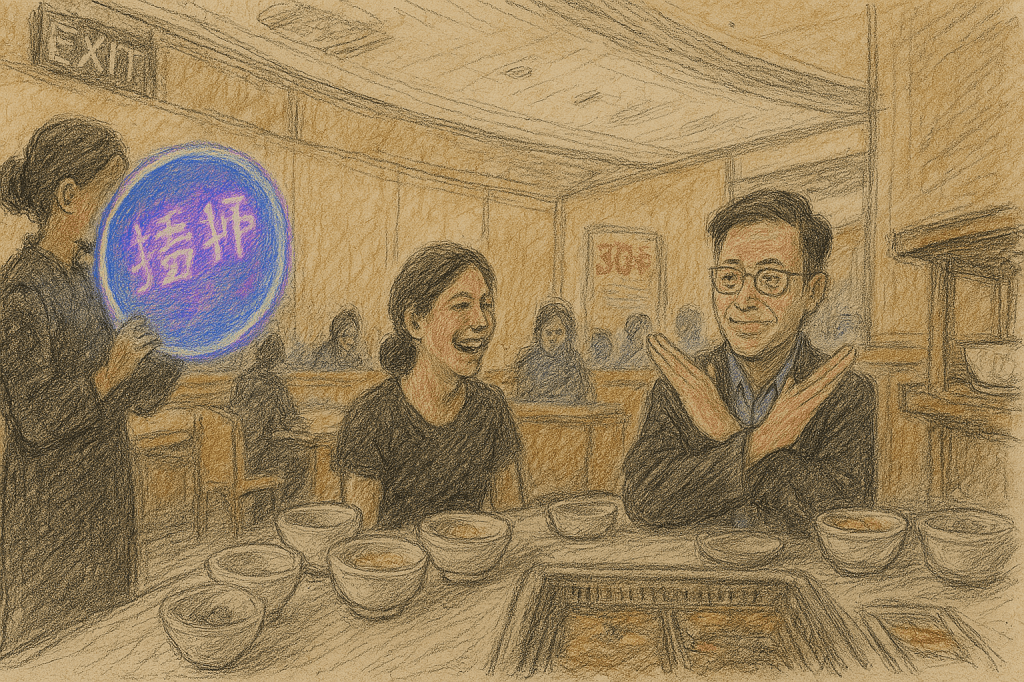
What’s up with this image? I went for dinner with Peishan and Cien, who decided it would be funny to tell HaiDiLao (a massive Chinese hotpot chain) that it was my birthday month, so the staff came round and sang/blasted out of a Bluetooth speaker a proprietary and very Chinese birthday song, that apparently everyone around us knew because they joined in and clapped along. I tried to stop them, but in the end had to endure it with a pained smile.
Btw one legitimate use case of AI is transforming images into drawings to get around the problem of publicly sharing people’s faces.
A massive 7.7 quake hit Myanmar and Thailand on Friday, causing several hundred deaths so far. It was chilling to pull up the news and see reports of buildings swaying in Bangkok and having to be shut down for safety inspections, buildings that I had just been in a week ago. Thankfully, everyone we know is unhurt, but I’ve heard accounts of the traffic becoming even more unworkable (someone spent over 5 hours getting to the airport), and with some having to walk miles home instead.
It was my Apple Watch that alerted me to this earthquake, via a notification from the environment ministry’s MyENV app, which usually likes to tell me about quakes in places so far away I don’t see what possible need there could be for an alert. I was in the middle of watching Jason Statham’s film, A Working Man (2025), in an almost empty theater with Peishan, and was about to swipe it away when I saw that it was actually kind of nearby. And then afterwards, the feeds were full of videos showing swimming pools at the tops of condominiums raining their contents down onto the streets below. Who decided we should start putting pools up there, anyway?
The movie is terrible, by the way, and makes the mistake of trying to NOT be the predictable vengeance-by-numbers Statham vehicle that the trailer makes it out to be. It looks like our man Jason is just your regular ex-military deadly killer who’s decided to take on an unassuming identity and retire to a life of normalcy as a construction worker when one of his new friends falls afoul of the mob and needs rescuing. This is a setup rooted in at least a little realism, which is needed for the audience to suspend disbelief when the righteous murdering starts. However, this film is co-written by Sylvester Stallone, who is now at a stage in life where he writes really ridiculous scenes, silly and clichéd to the point of surrealism, as evidenced in the last installments of his Rambo and Expendables franchises.
The latest season of Reacher, a series on freaking Amazon Prime Video, is more believable and enjoyable in almost every way, which is a hell of a red flag for whoever produced A Working Man. When reading any of Lee Child’s novels, Reacher comes across as a stoic avatar of justice, almost featureless in terms of personality. But as played on TV by Alan Ritchson, he’s endearingly a bit of an awkward and pedantic weirdo, as you would expect someone with his physicality to be after moving through a world that he doesn’t comfortably fit into. I like that change.
We also watched the critically acclaimed show Adolescence on Netflix, and it’s an absolute marvel of filmmaking and acting. I’ve never seen a British TV production with this level of craft; it just leaves you wondering how they pulled it off — how they had the energy, even. Each episode is an hour-long performance that often involves moving between multiple locations, with the actors having to ramp up the emotions from anger to fear and the sorrow in between, and they did this how many times? For the final episode, they apparently used Take #16. It’s unfathomable talent. Stephen Graham and his co—stars deserve awards for this.
===
This week will also be remembered for the wave of Studio Ghibli-styled images that washed up on social media after the release of ChatGPT’s new image generation capabilities in their 4o model. People turned personal photos, memes, and historic images alike into ripoffs of Miyazaki’s instantly recognizable style, and I have to say I enjoyed many of them whilst simultaneously feeling uneasy about what this means.
The new model seems to be a milestone that’s arriving a little sooner than I expected. It can render text with good enough quality and aesthetic precision. It can process a multi-step prompt such as “create a print ad for the product in this picture”, and it will write some pretty workable ad copy, re-imagine the object you’ve given it, and merge them into a single image that looks right at a glance. There may be minor imperfections, or it may fail to nail a critical detail depending on your object. But the fact that it can be completely right some of the time is startling. I’d say it’s most of the way to fucking the creative industry over, but who knows if the last mile will take a quarter, a year, or a decade to close.
While discussing the possible outcomes of this development with some people, specifically whether this would retard the growth and success of any new visual ideas — take for example the iconic look of Studio Ghibli, or Peanuts and Snoopy — why/how could any new artist launch and evolve their style if it can be snatched away from them early on and proliferated across the web in ways they haven’t even thought of yet — I wondered aloud if the only way forward left for them will be to use AI to scale their work, to generate more variations of it themselves, and to speed it to its logical conclusion (or demise) before anyone else does.
At this point, I remembered an abandoned “art project” of mine (if it could be called that) from a few years ago, and got very excited about enlisting ChatGPT’s help with it.
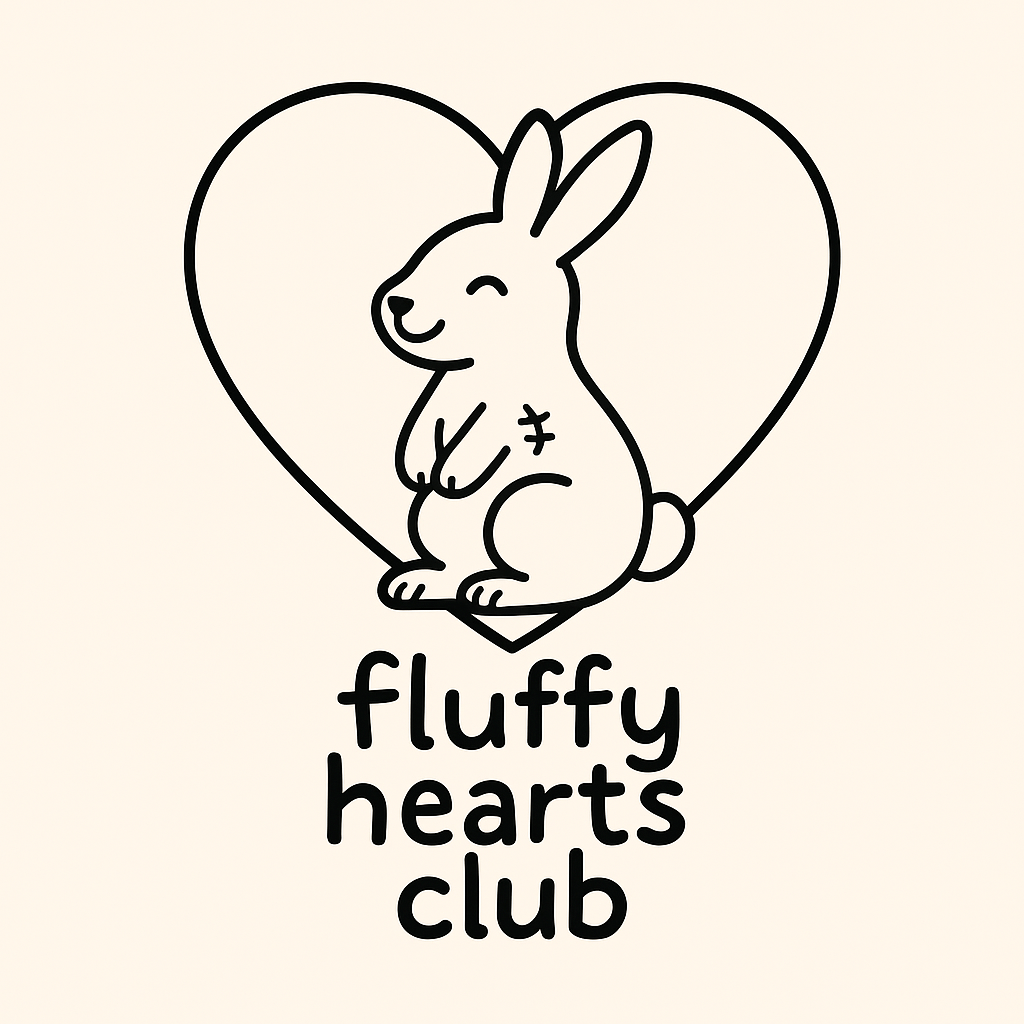
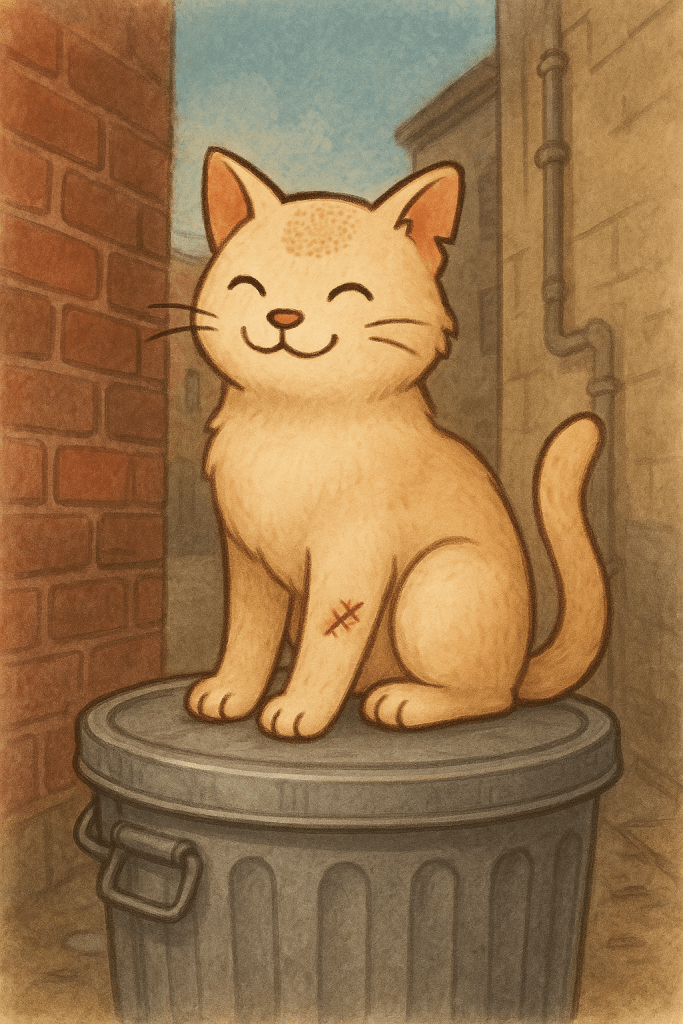
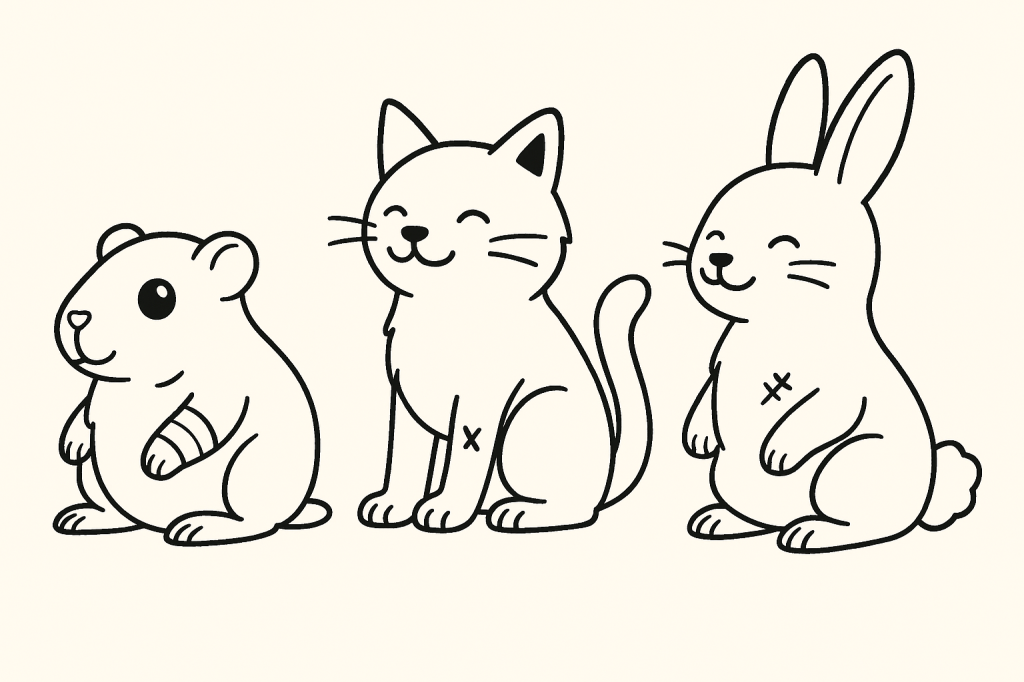
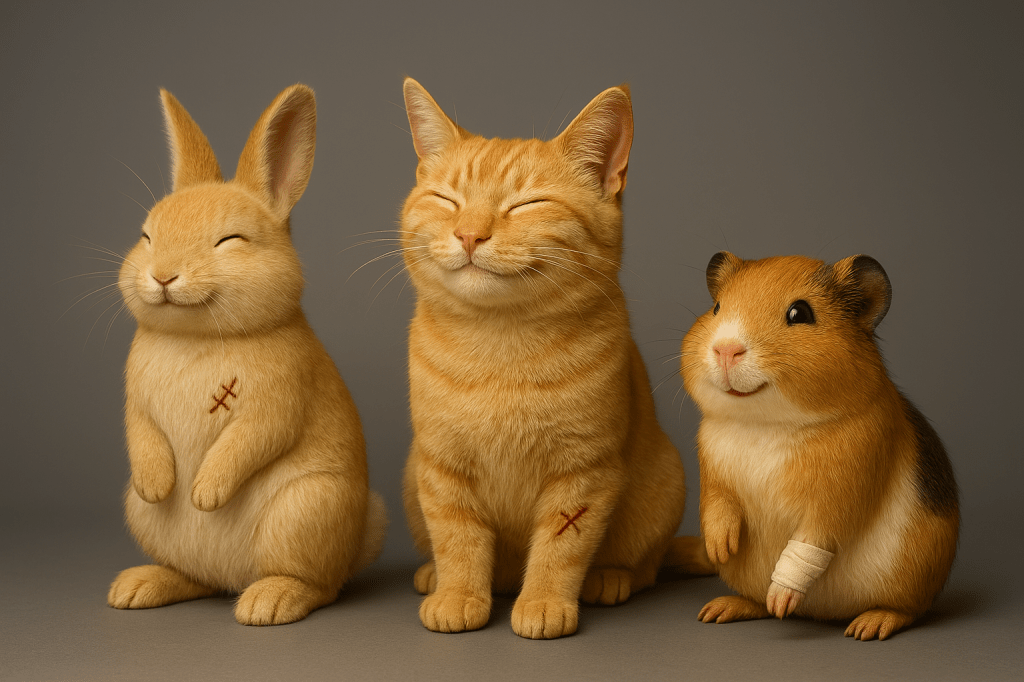
In late 2019, just before COVID hit, I had the idea to draw a series of cute animal characters and make some products. They would be called the Fluffy Hearts Club, and the story was that they were all research animals who were having horrible tests done on them, but who banded together and escaped from the lab. So they’d all have little scars and visible reminders of humanity’s awfulness on their bodies, but they’d be extremely happy and positive in their freedom eras.
I drew the first one with great difficulty, a rabbit with a scar on his chest, printed him on something like 50 tote bags, and gave them away to friends that Christmas. I started to draw the next one, a cat, along with some other angles of the rabbit, but eventually shelved it… owing to COVID or lack of skill, I don’t know. As you can see they are pretty rough.
But when I realized that I could use ChatGPT to “learn” this style and concept to help me finish the rest of it, I got excited enough to plonk down $30 and upgrade my account to Plus. Ethics check: Would I have paid a human artist to do this for me? Unlikely. I’m not made of money, and it’s just a silly side project. Should I have? I can’t see how; I want to explore this on my own without another human in the mix.
I’ve spent a little time on it so far, and it’s grasped the core idea and even brainstormed other animals and their visual signatures with me — it felt eerily like collaborating with a person, as we discussed possibilities and complimented each other along the way. It has trouble following instructions about very minute details, which it explained as a shortcoming of the way its models were trained (it leans towards cartoon conventions, which one of my notes contradicts), which one can take as proof that this is all built on the back of awful copyright violations.
But with its help, I’ve managed to produce more versions of the rabbit and even imagined the cat in various art styles, so I’d say this has been a half success. I might use it as a foundation for tracing/drawing new ones myself, or as inspiration for different scenarios.
I only wish I was using this renewed subscription to explore how to stay relevant in my own job domain rather than in the lane of starving artists. Yuk yuk.
Speaking of the design field, I went back to the same college I visited last November to help give feedback on the work from a class of students doing a design thinking course taught by my former boss and mentor, and was again struck by how much of what we do and prescribe as designers, the responsible way to move in the world, is naive and vulnerable to the at-odd incentives of everyone in the AI business. They’ll throw a synthetic persona at a problem for $10 in compute before they spend a dollar on asking a real person what they need to lead a better life.
And that brings me to Careless People, the Facebook tell-all book by Sarah Wynn-Williams that I’ve just finished reading. The one that Zuckerberg and his lawyers tried to quash before it was published. I thought I knew enough about Facebook’s bad behavior, but I was still stunned by some of her anecdotes.
I haven’t made many rules about what kind of work I’ll do, and when I used to smoke, I believed that I could consult on work for tobacco companies because to do otherwise would be hypocrisy (I’m wiser now), but “never work for Facebook” was a promise I made maybe a decade ago. I simply do not understand or respect anyone who chooses to, and this book should be required reading for those who think they might.
===
I listened to Alessia Cara’s new album Love & Hyperbole a couple of times, hoping that something would finally click, because I did want to like it. But I was left without much of an impression. I’m probably coming off R&B in general because listening to SZA’s deluxe edition of SOS on the plane home last week was quite excruciating.
But then I put on Jessie Reyez’s new album PAID IN MEMORIES and I loved the one playthrough I’ve heard. Maybe it’s the millennial in me but there are some samples for old people in here, including the Smashing Pumpkins’ 1979. She makes it work, and the melodies are strong.
On Saturday morning there was a circular rainbow across the sky, it’s a circle rainbow all the way, yeah, oh my god. Well officially it was a “sun halo”, and it seems everyone got a photo of it too.
It happened right as we were walking out of a new-ish brunch cafe, where I waited what must have been close to an hour for an expensive plate of scrambled eggs, some kale that was actually edible, plus sausage, mushrooms, tomatoes, and pork belly. I’ll take the heat; going for brunch was my idea, but I don’t know why everyone still does this on weekends. The place was packed and a line was still forming at 1pm.
I went out and met people several times this week, and on Thursday I managed to drop in on the new Maji Curry outlet at the Funan mall with Brian. I’ve mentioned them several times in the past, and they are probably the most authentic and interesting Japanese curry spot in all of Singapore, although (not to take anything away from Maji) there’s practically no competition. I hope they do so well that other brands have no choice but to enter the market or stop slouching (I’m looking at you, Coco Ichibanya).
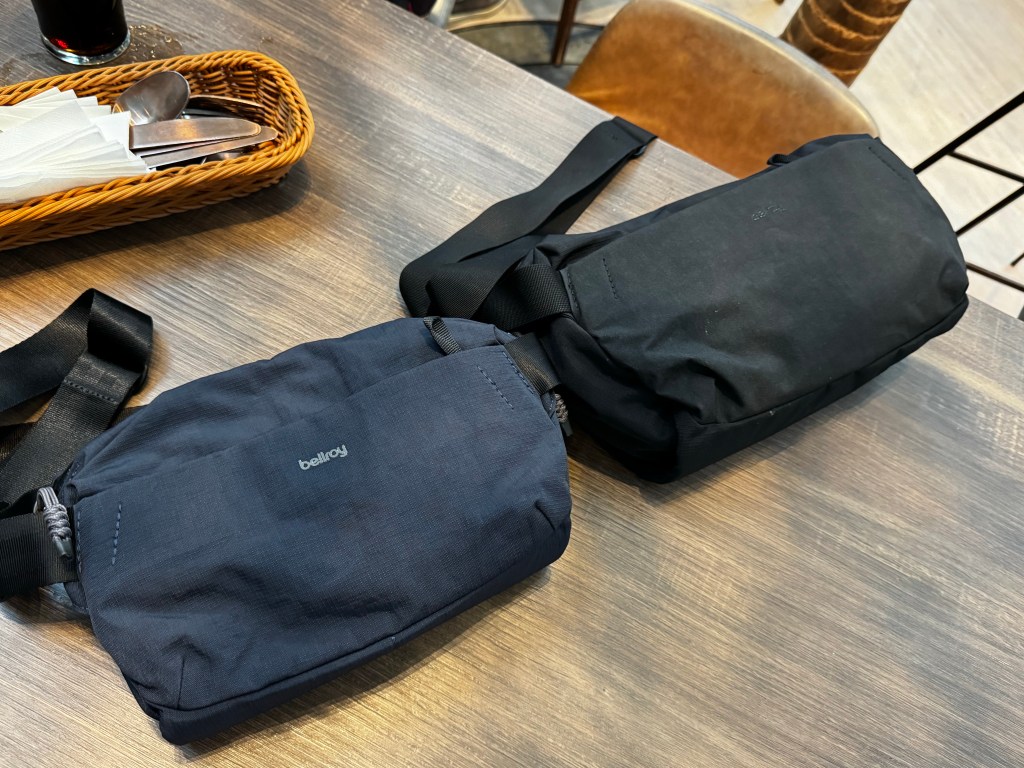
As a group, I think us millennials have been brainwashed to perfection by advertising algorithms because the first thing Brian pointed out when we met was that we were both carrying the same Bellroy sling bag, albeit in different sizes and colors. I said I’d bought mine on a whim very recently because my mother-in-law was after some sort of small pouch, and for reasons I couldn’t explain, I’d recommended we take a look at Bellroy’s offerings. I couldn’t believe it when he said his in-laws were also in town and he’d bought his under the same circumstances. What the hell, man?
Studio Nuevo.Tokyo & Héliographe launched their long-awaited black & white film simulator app, AgBr, which stands for Silver Bromide, of course. It’s currently 50% off as a launch special (S$14.98, one-time purchase, no subscriptions), and I’d recommend it to any fan of black and white photography. The purchase gets you the app across iPhone, iPad, and Mac, and they’re promising a new film preset every month for the rest of the year. Funnily enough, I think the best way to use AgBr is to pair it with the similarly named Halide app, shooting RAW files in “Process Zero” mode. Sure, you can process a normal iPhone photo with a Fujifilm NEOPAN 400 preset, but the HDR exposure won’t look quite right.
I watched the new Metallica concert video that Apple TV+ put out for the Vision Pro. At 25 minutes, it’s the longest show they’ve put out so far, and I’m ready for more. Don’t make the same mistake as I did: watch it with AirPods. I used only the built-in audio pods, and while they sounded fine, I think the immersion will be even better if you turn things all the way up. They perform three songs, captured from 14 cameras, and it’s a truly new experience in this world to be right up next to each musician doing their thing on stage, in your own home. My main criticism: the crowd is quite low in the audio mix, so you don’t truly get the feeling of being there with all that energy (they could have offered two audio tracks to choose from, maybe).
With this, Apple has tried four immersive presentations of music on the Vision Pro: A traditional music video (The Weeknd), an intimate band rehearsal in the studio (Alicia Keys), a Concert For One where the artist is right there with you (Raye), and now a full-blown, live arena show. Next up is Bono’s full-length documentary on May 30, Stories of Surrender. I personally can’t stand the guy, but if this changes my mind, then that’s really saying something about this new format.
I spotted this familiar Mario statue (?) at the Courts/Nojima/Nittori electronics and homeware frankenstore on Orchard Road, in the old Heeren building. He pops up in the gaming sections of Japanese stores like Yodobashi Camera, and I saw him at least twice last month in Tokyo, so it was a surprise to see him here. It was mostly a sad reminder that our electronics retailers sell junkier crap and aren’t anywhere as fun to browse.
For the past couple of months, I’ve been writing these posts in Apple Notes, solely because of its integration with Apple Intelligence, which does a quick QA check at the end. However, rich text formatting in Apple Notes is quite laborious (having to select text and choose styles from a menu), and often I lose some of it anyway when pasting the text over into WordPress. It became more trouble than it was worth.
I’m now back to using iA Writer, my tried-and-trusted Markdown text editor of choice, where text formatting is simply done with in-line symbols so you can focus on writing. It makes much more sense on mobile devices. This is an excuse to mention Apple Intelligence, which has recently been in the news for falling behind schedule and possibly the rest of the industry. I’m not super reliant on AI to correct my writing, but it has definitely helped catch the odd typo and missing word. By right, I should be able to use it systemwide, in iA Writer and any other app on my iPhone, but the implementation is inconsistent and so the “Proofread” feature can’t walk me through the changes it makes; it just makes them and I can accept ALL the new text or not at all. This is what I would prefer we get in iOS 19: a rigorous cleaning up of bugs and rounding of corners so that what we already have works better than what’s on any other OS. If we have to wait a couple more years for truly agentic edge AI from Apple, that kinda sucks, but we’ve been here before. I remember the days of wanting a bigger screen and having to put up with the iPhone 5 and 5s for two years. 🤷♂️
TV: We finally started on the new season of Reacher now that enough episodes have come out. We also decided to pick up House on Amazon Prime Video from the beginning of season 5, since I’m pretty sure we finished four seasons back when the iPhone first came out or thereabouts. House uses a flip phone. It’s terribly formulaic but also fun, and the perfect kinda show for watching at the end of the night.




















 sangsara.net