Tag: blackandwhite

  • Week 51.25

    Week 51.25

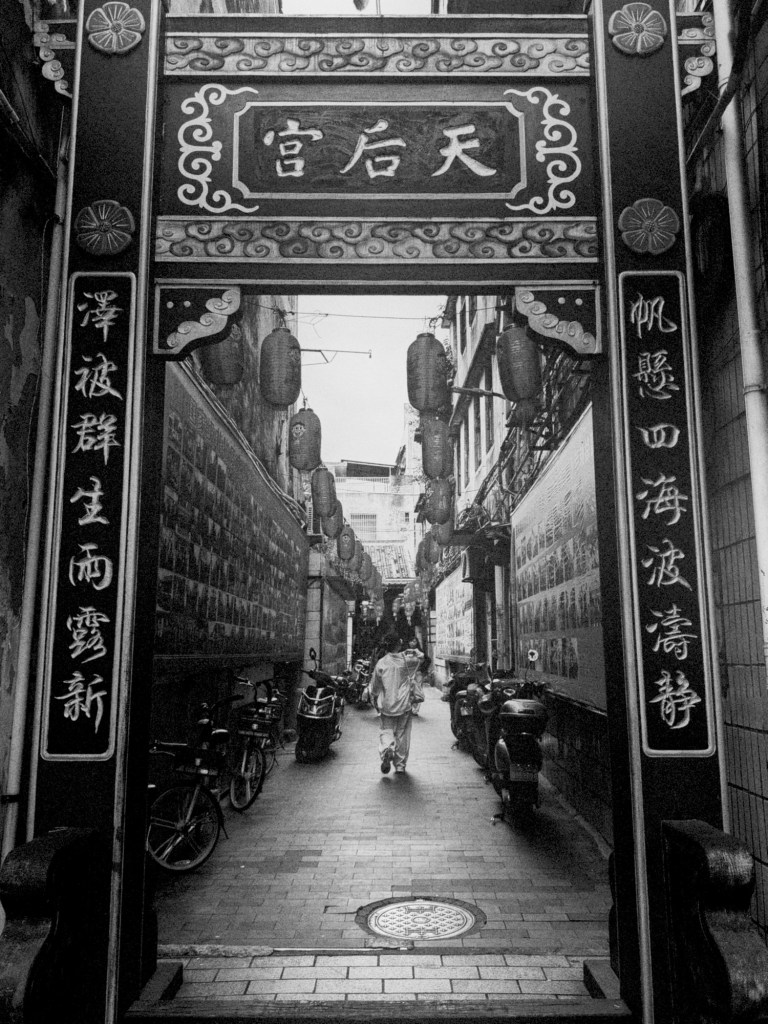
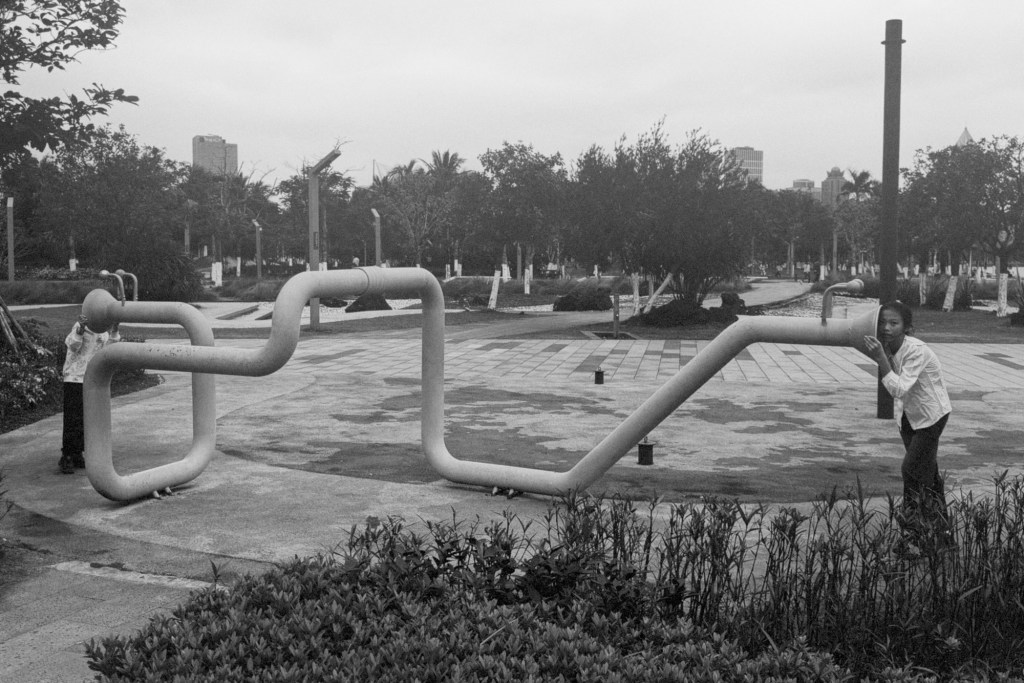
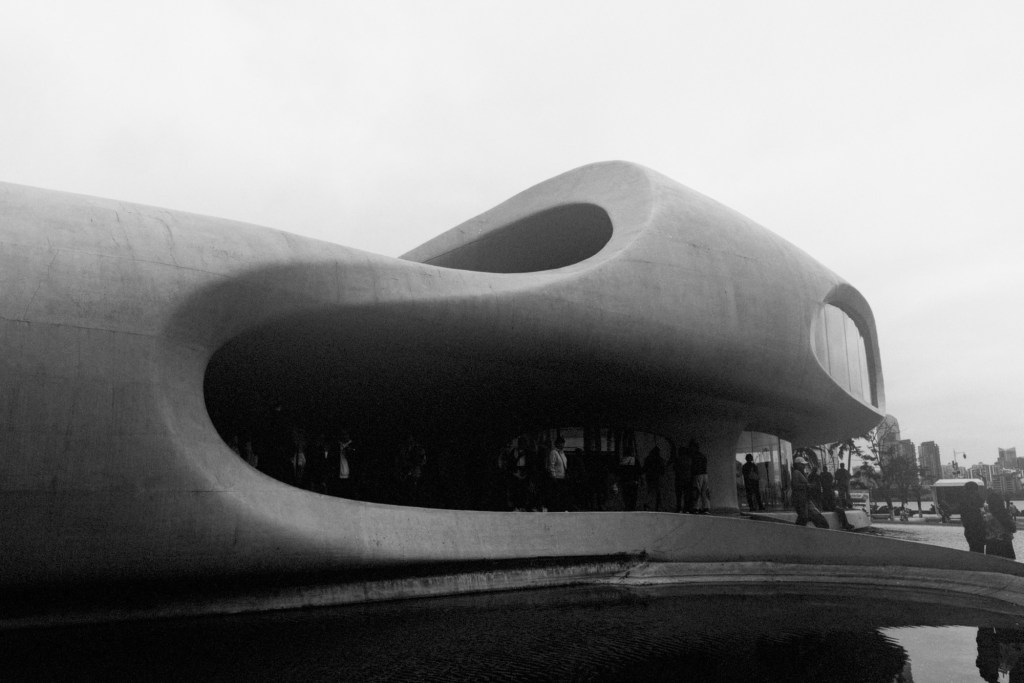
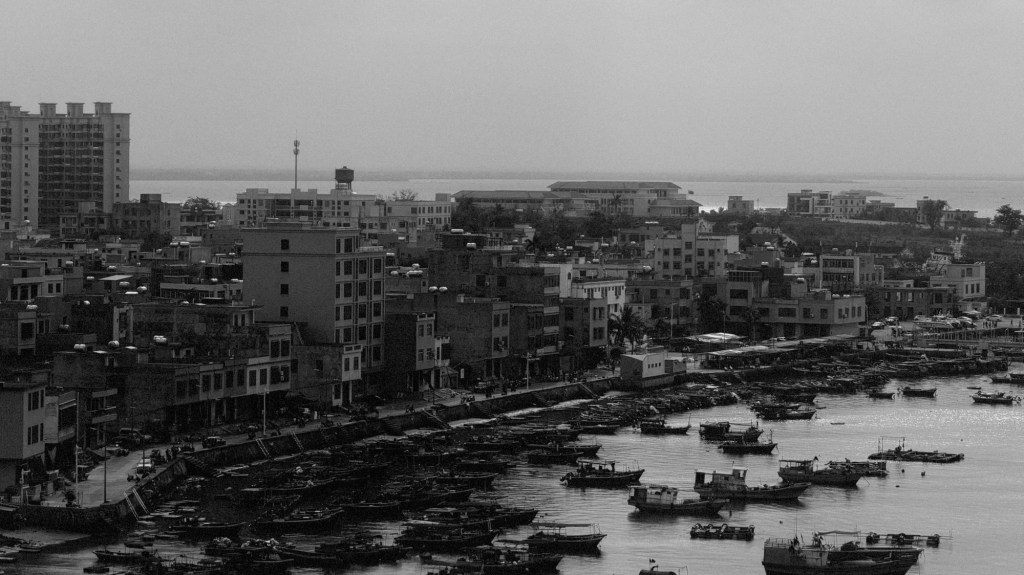
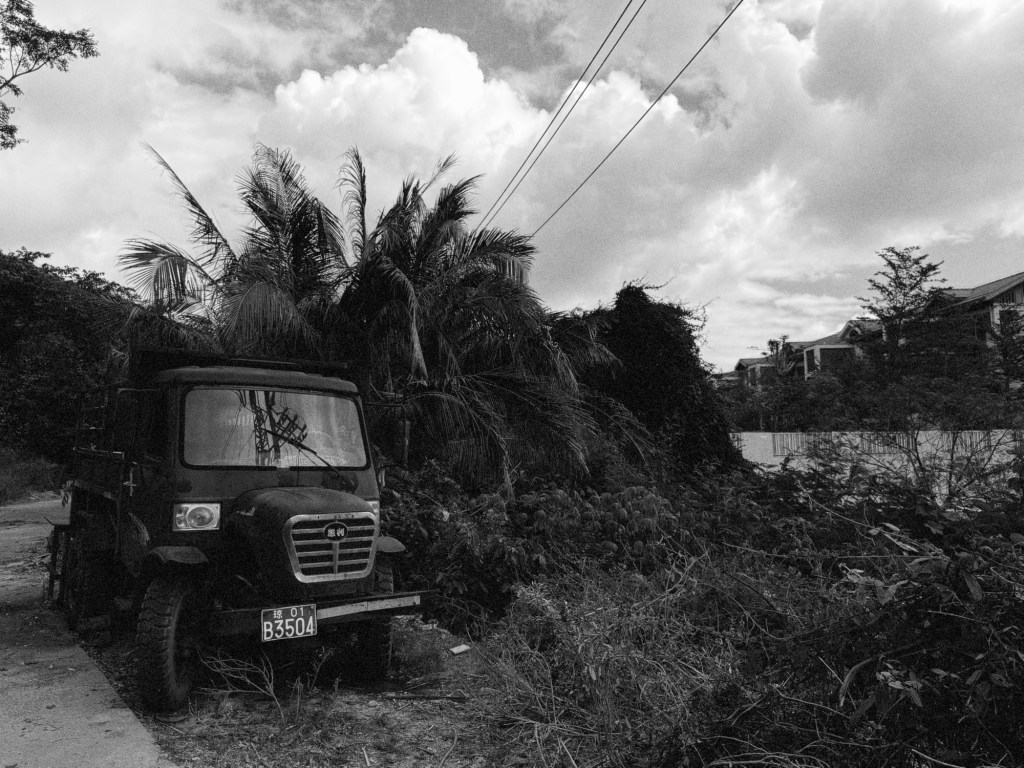
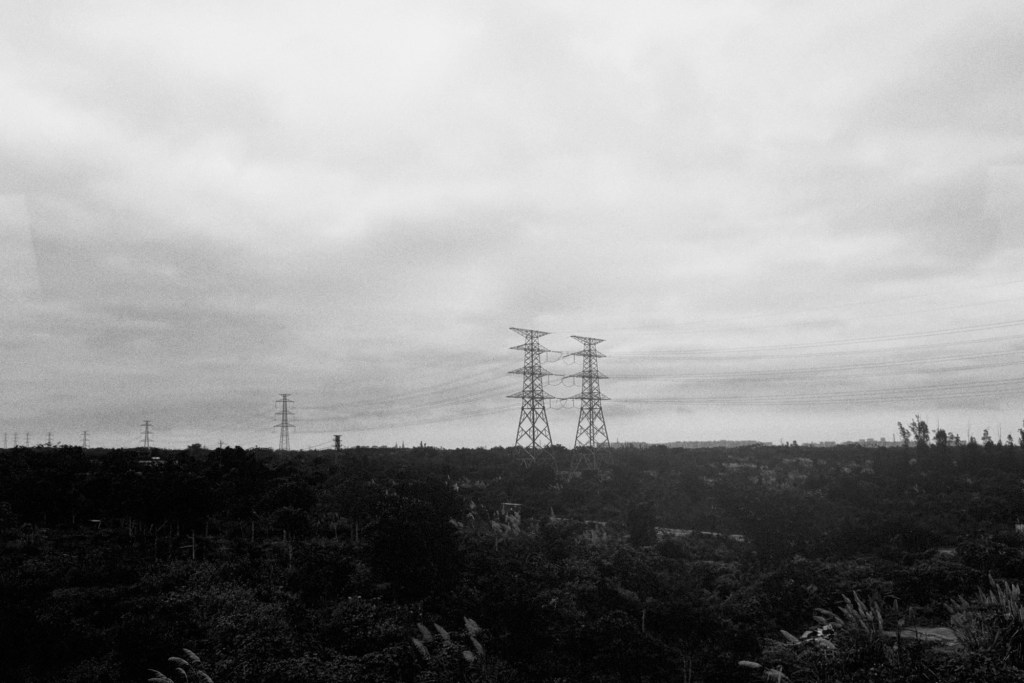
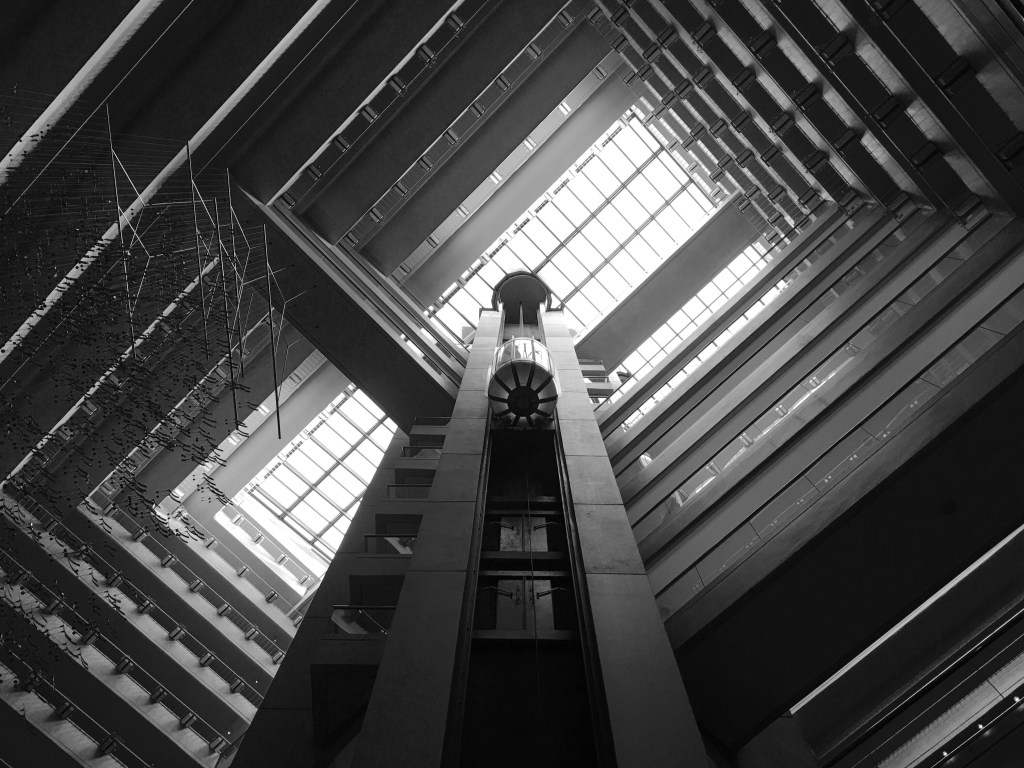
    I shot these photos on an iPhone 17 Pro Max and emulated three classic Chinese B&W film stocks with AgBr: Lucky SHD 100, Friendship 100 Pan Film, and Shanghai GP3 100. The idea was to get the look of road trip snapshots from the 1990s that a traveler then might have taken.

    11 greatly biased observations from a first trip to China

    • The Great Firewall does indeed block the majority of household internet names in the west. Imagine testing if you’re online, what would you type in the address bar of your browser? Google? Nope. Any Facebook property? All social networks and chat platforms don’t work, with the exception of iMessage. However, this only applies to hotel WiFi networks and those provided by local ISPs. If you’re roaming on a cell network while using a foreign provider’s SIM, things work as expected (albeit routed through Chinese servers). I decided not to bother with VPNs and just trusted in HTTPS 😬
    • Powerbank rental machines are ubiquitous, even in places where you should never leave a box full of lithium-ion batteries, like out on the street in direct sunlight. You pay a few cents per hour (via QR code), and because they’ve landed on a common battery design between the many operating brands, it seems you can return one anywhere else after you’re done charging your devices. It’s great not having to carry your own around, but even given a high degree of civic integrity, I think getting adoption in a country where everyone already has their own (like Singapore today) would be tough.
    (more…)
  • 31 Days of Black & White

    31 Days of Black & White

    I spent the month of January shooting photos only in black and white. Not just the ones I posted on Instagram, but everything in my camera roll got converted and saved in black and white. When I scroll through my timeline in the future, this block of 60 or so shots is going to stand out.

    I got the idea from @espresso on Twitter who shot monochrome photos for the entire year of 2015. That’s dedication. It only came to my attention in December when he started mentioning how much he looked forward to color again in the new year. You can see his Storehouse collection of photos here.

    It was absolutely worth it. You can always learn a lot in any creative endeavor by putting restrictions in place; I think because it’s too easy to try to grow in many ways at once, especially when taking photos, you can go from landscapes to close ups to street scenes in a single day, and play with a dozen photo processes and apps at a time. Taking away some options can make you focus long enough in one direction to notice something new. Taking color away immediately makes you think about lines and composition and texture. All the habits you’ve formed around what looks interesting and when to raise your camera are rendered unreliable, and you’re made to look at everything through new criteria that you’re forming through practice.

    It reminds you that the absence of color is actually a powerful tool that has gotten too closely associated with making statements or establishing mood. It’s a legitimate way of directing attention, and a different set of skills when doing post-processing. And it frees you up from taking photos of every meal, because it’s quickly apparent that most won’t turn out very appetizing.

    If anything, a month might be too little time, especially with the demands of work and other hobbies. Now that it’s over, I intend to keep doing it, maybe at a 1:3 ratio with color photos.

    Everyone should try it out some time (with the #bwchallenge hashtag). I highly recommend the Darkroom app, as always, because it gives you a ton of control over how tones are converted and shifted, going beyond the emulation of simple color lens filters.

    Also check out my friend Cong’s feed, who did the challenge with me and stuck with it even through a trip to Osaka, which took some guts.

    Edit: Forgot to add an observation. A lot of these photos were taken with my iPhone, and I found that turning a photo black and white negates the weaknesses of small smartphone sensors. Noise and muddy colors in dark scenes are no big deal, and the quality of available light (in gradations) seems to increase when you combine the color channels.