Tag: Cameras

  • Week 39.25

    Week 39.25

    The week got off to a bad start when our three-year-old Dyson V12 vacuum cleaner stopped working. The motor cyclone made a pulsating noise and the error message “Airways Blocked” appeared on the little LED screen. Usually this means that you’ve got some ball of hair choking one of the attachments, or your filters need cleaning. I checked everything and knocked out so much dust that my palm hurt, but still no luck.

    Our cleaner shared that another client had similar problems and paid about $150 for repair at a Dyson service center, and a Perplexity search corroborated that would be the starting point, depending on what needed to be fixed. It said complex replacements could take over three weeks! My first priority was to get it working asap, because I have no idea how people lived before vacuum cleaners were invented.

    On a whim, I decided to check what a new vacuum cleaner would cost. The latest Dyson, the “V16 Animal” model is over S$1,100, and another V12 would be S$800. But the shocking thing is how crazy cheap the Chinese clones have gotten, ranging between S$80 (yes) and S$400. Xiaomi’s most powerful, the G20 Max, is only about S$320 and I’m sure it rivals our Dyson in capability and (I wouldn’t have thought so before this) longevity. I was beginning to think buying an entirely new Chinese vacuum for the price of a Dyson repair was a viable option.

    Anyhow, I got an appointment at the service center for a couple of days later, and the staff’s instant opinion was that there wasn’t anything stuck further inside the cyclone unit, but it was an electronic or PCB (printed circuit board) issue. Meaning the entire main bit of the vacuum cleaner, minus battery and air filter, would need to be swapped out. Total cost: S$168. I believe this is simply the modern default for consumer electronics — don’t bother repairing or replacing one little component, give the customer a new unit and send the old one back for recycling (or disposal). It’s wasteful, but means the business doesn’t need to train frontline repair staff and the customer gets a “better” experience to boot.

    Later, I went to have a look at the Xiaomi model in person, and it’s definitely uglier and clunkier, with the same downward dust receptacle ejection system as much older Dyson designs. I do like my V12 very much, I just don’t believe in it as much after this incident.

    ===

    I saw with some excitement that Puzzle Quest was being rereleased in an “Immortal Edition” for the Switch, with remastered visuals. It’s also out on other platforms. I played the original back in 2007 on my Nintendo DS and probably sank over 100 hours into it. It was probably the first game to combine Match-3 puzzling with an RPG storyline and character progression. To date, I haven’t played a better expression of this idea.

    With regards to this new version, it’s been good so far. The UI looks gigantic going from a tiny handheld to a 65” TV, but the great thing about playing on Switch is that you have the touchscreen controls this genre was made for. I have yet to encounter any of the bugs that plagued the original release, but that’s no guarantee I won’t. If I recall correctly, sometimes moves wouldn’t register and you’d die despite technically winning. On one hand it made the game feel unfair, but glass-half-full people would call it extra challenge. The game was so fun, I was happy to play around these deficiencies.

    ===

    On Friday night we met Wen and Sarah for Mexican food at a place called Huevos, in New Bahru. I read awhile back that the retail complex was struggling but that was not the case that night; it was pretty loco. One fun memory that came up was a trip to Bintan we took together back in 2009 where Mandy sang John Mellencamp’s Hurts So Good in the pool so often that it became the theme song of that vacation. I went home that night and unearthed a video I made in iMovie from all the clips I shot, using that song as the soundtrack. The video quality, shot on my Panasonic LUMIX LX3, has held up incredibly well after all this time.

    The next day, I ate at Shake Shack and made the double mistake of ordering a Tiramisu milkshake and finishing it even though I could have stopped halfway. It turns out that single serving had 850 calories and a whopping 90g of sugar — that’s 18 teaspoons of system-disrupting poison! For comparison, the single-patty Shackburger I also ate has only 550 calories. After learning all that, I didn’t have the heart to look up the side of fries I also ate. At this age, I don’t think the damage will ever be undone. I might have to start saving up for Ozempic.

    ===

    My Goodreads annual reading challenge has been completed with a vengeance, and currently stands at 40 books out of a targeted 24. The last few weeks have been made up of financial self-help material, including Nick Maggiulli’s The Wealth Ladder, which I also saw being featured on the shelves of a local Books Kinokuniya. I thought it worth mentioning because of how it lays out different strategies for people on different rungs of the so-called ladder of net worth: $1–10k, $10–100k, $100k–1M, and so on. It’s a very clear way to think about what actions and sacrifices are needed to get to the next level, and whether you’d even want to. There’s also some interesting data on how people at the higher levels distribute their money in completely different ways from us plebs.

    I also read Charles Yu’s How to Live Safely in a Science Fictional Universe, an infuriatingly patchy story about time travel and searching for a father who’s gone missing in time and space. There are some novel ideas here that move the genre forward, some of them explained with a lot of (pseudo?)science and some only intriguingly hinted at. The post-time travel world that it builds is fundamentally illogical, and almost no effort is made to integrate it with a reader’s expectations — in other words, it kind of fails to hold together. However, the actual writing is occasionally brilliant. There are passages that collapse memory, description, and feeling — suddenly you’re thinking about your own childhood and watching it through the quantum bookshelf, like at the end of Interstellar (2014).

    Speaking of movies, I rewatched the Wachowskis’ 2012 version of David Mitchell’s Cloud Atlas with my book club and it wasn’t as good as I remembered. Turns out both the book and film feel shakier on return. Anyhow, it was only 13 years ago, but there are race impersonation elements in this film that seem like transgressions today. Multiple white actors have their eyes taped up to play Asian characters. Halle Berry and Zhou Xun both have scenes where they play blue-eyed white women. The Korean characters speak English in a mix of other Asian accents. The only line that isn’t crossed is white people putting on blackface. Everything else seems to have gotten the green light.

  • Week 38.25

    Week 38.25

    I type this while listening to Sam Fender’s last album, People Watching. I’ve been meaning to hear this through for awhile, but it got buried in my ever-growing library of new music. Thankfully, with the latest update to Apple Music in the OS26 series, you can now pin up to six albums or playlists to the top of your screen. I’ve wanted this sort of ‘Now Playing’ or ‘Heavy Rotation’ virtual shelf for the longest time — it’s the first feature I’d add if designing a music player app. So this album and five other neglected ones are now sitting up there, and I can give them the attention I want.

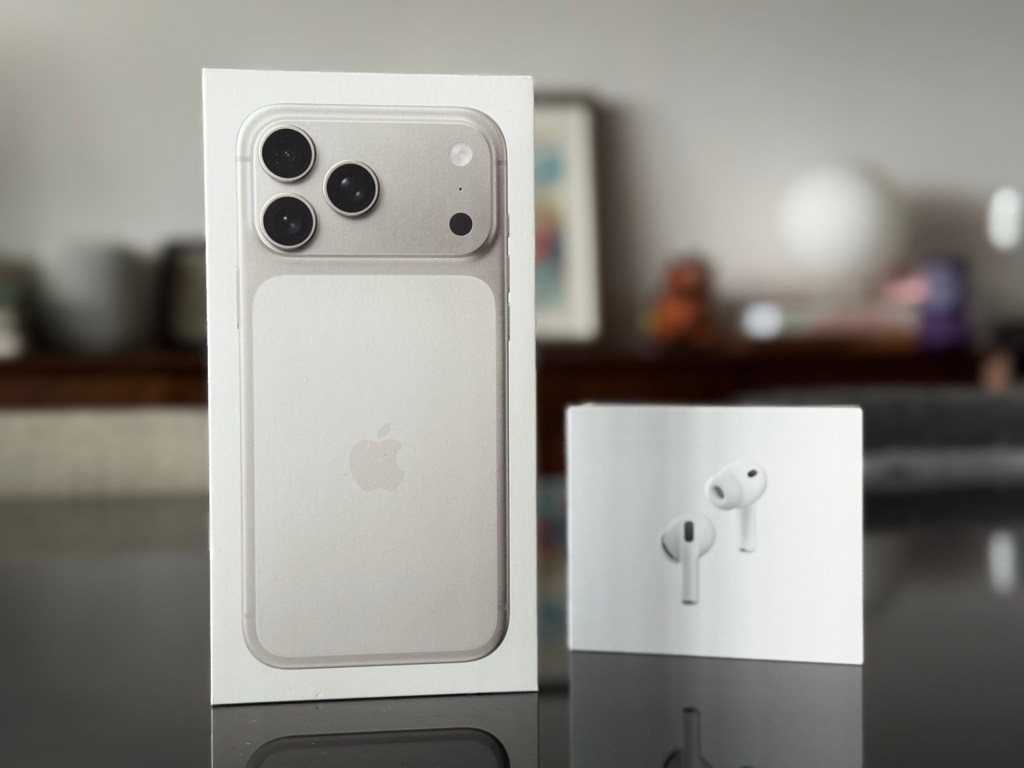
    I’ve been listening on both my new AirPods Pro 3 and an original pair of AirPods Pro, and dare I say the difference is quite obvious. Louanne asked me what I do with old pairs of headphones when I get new ones, and the answer was “put them in different rooms!”, of course. I’m fast running out of rooms. The new model sounds much more Beats-like than ever (modern Beats, not OG Monster Beats). That is to say, a bass-forward sound with a very clear, almost sparkling high end. It’s a fun sound, and I think they’ll be very popular for all kinds of music, if not audiophile-grade neutral. They appear to fit better than before too, and the difference in body shape will strike longtime AirPods users as soon as they pick them up.

    Then my new iPhone arrived, and before you judge, the old one is being returned to Apple’s Trade In partner in a few days, where it will hopefully be responsibly refurbished or at worst recycled. They’ve suggested that I’m likely to get nearly half the original cost back, which is an astounding deal for a two-year-old model! I’ll believe it when the deposit lands in my bank account.

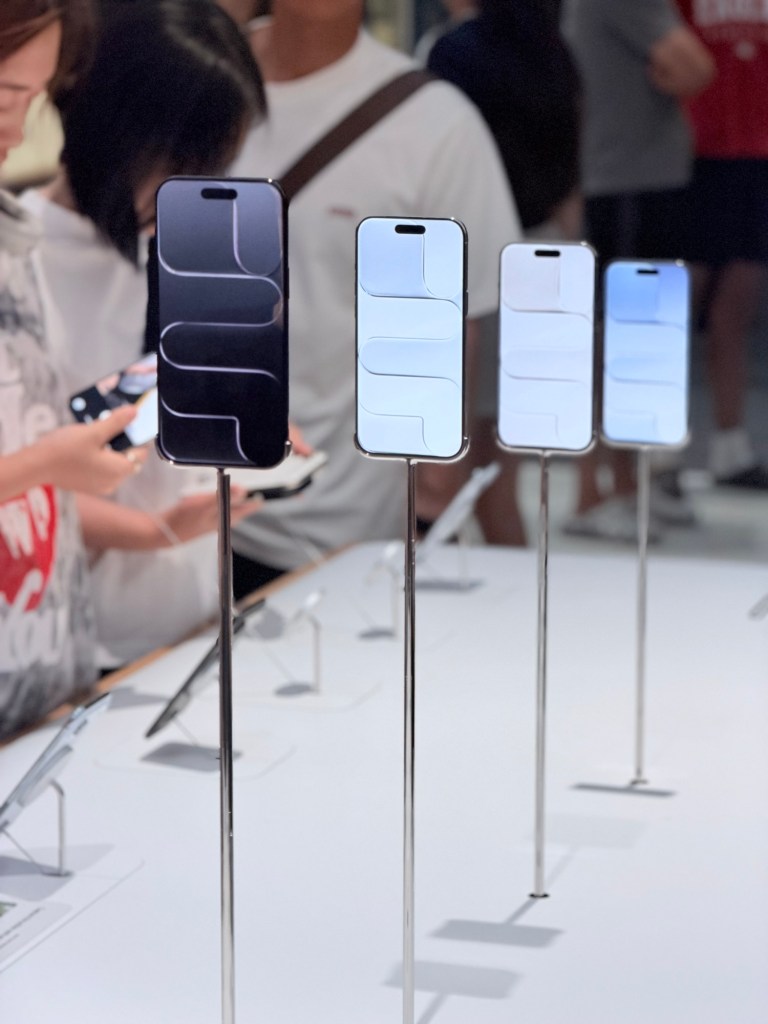
    I’m very happy I decided to stick with the Pro Max size instead of switching to a Pro. The slight increases in height and width are visible if you put them together, but isn’t really noticeable in the hand. The increase in thickness IS, but combined with the new gentler corners on the seamless aluminum body, I think thicker is actually better? This might be the best feeling iPhone ever.

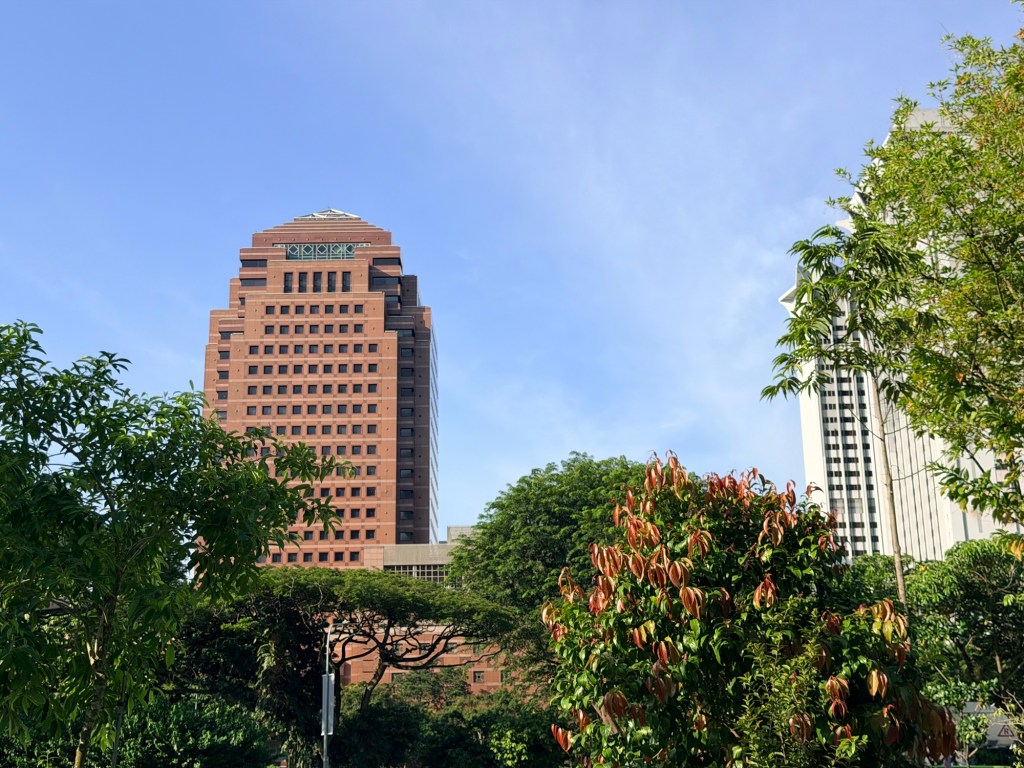
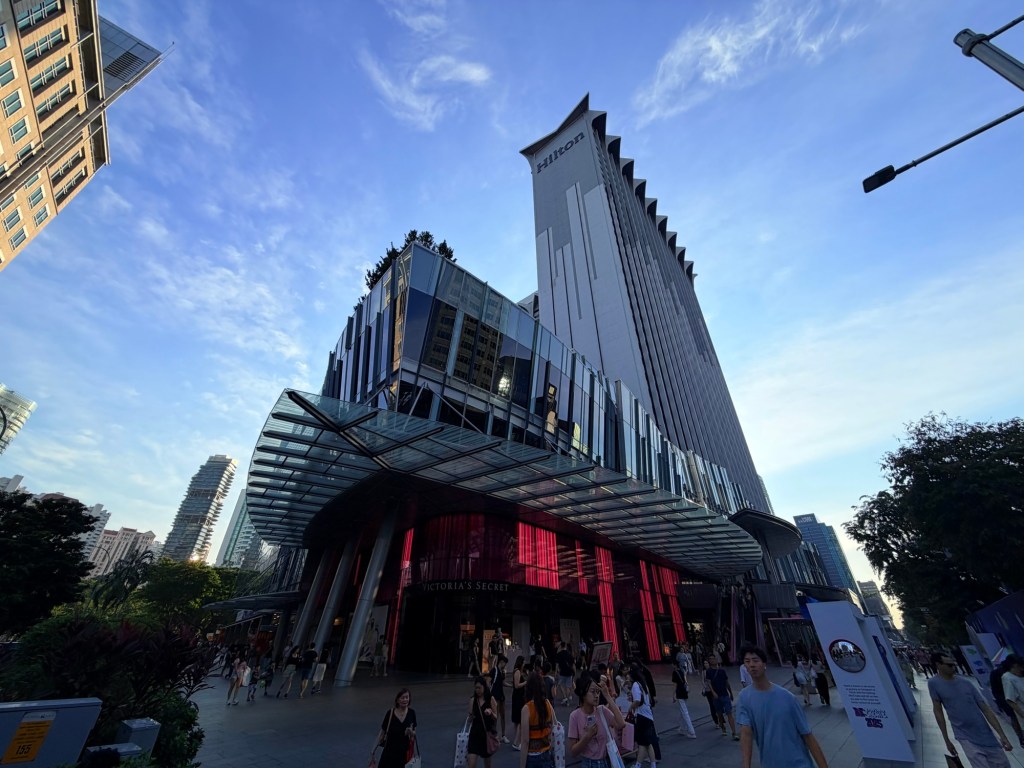
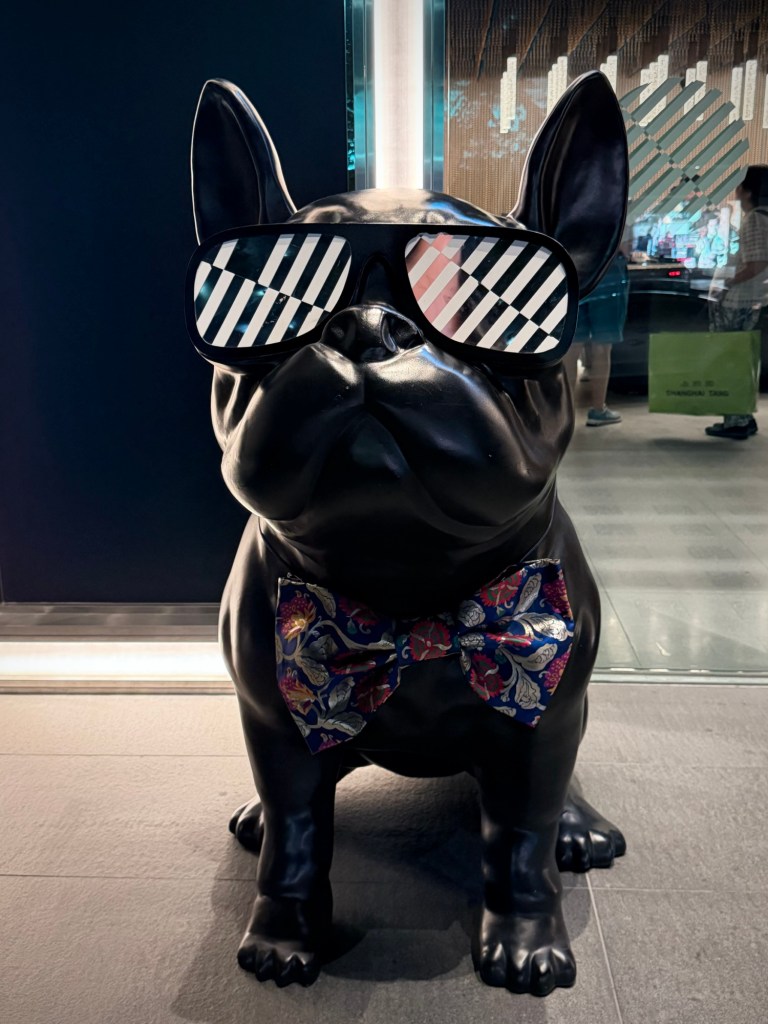
    I’ve yet to put the new camera system through its paces, but I’m excited and very pleased after a couple of days with it. Images look cleaner, and the redesigned front-facing camera is a revelation. I took a test selfie and could scarcely believe how presentable I looked. Coming from the iPhone 15 series, I’m also new to the new Photographic Styles that were introduced last year, and am getting a lot out of them. I compared photos shot in RAW with Halide and in HEIC with the default camera using a tweaked “Natural” style, and they’re extremely close in both SDR and HDR. This is a big deal! Along with the revised Photonic Engine this year, the dark days of overprocessed iPhone photos may be behind us.

    When reviews get creative

    One thing I’ve noticed this year is how bland and predictable the video reviews from the usual tech YouTubers and influencers have been. They go through the spec sheets while speaking to the camera, do a few test shots, and end without any thoughts you couldn’t have pulled out of ChatGPT. But then I saw a couple of videos from the Chinese-speaking side of the internet, and that’s when I realized Western civilization is well and truly finished.

    Take a look at these and tell me you’re not duly impressed by the storytelling creativity, production skill, points of view, and passion on display — even if you can’t understand a word (but most of them have English subtitles you can enable). They could just shoot the phones on a stand while swinging a light overhead, but they instead they go hard with CGI, costumes, sets, comedic sketches, and cinematic editing. And they do these in the WEEK they’ve given between the phones being revealed and launching.


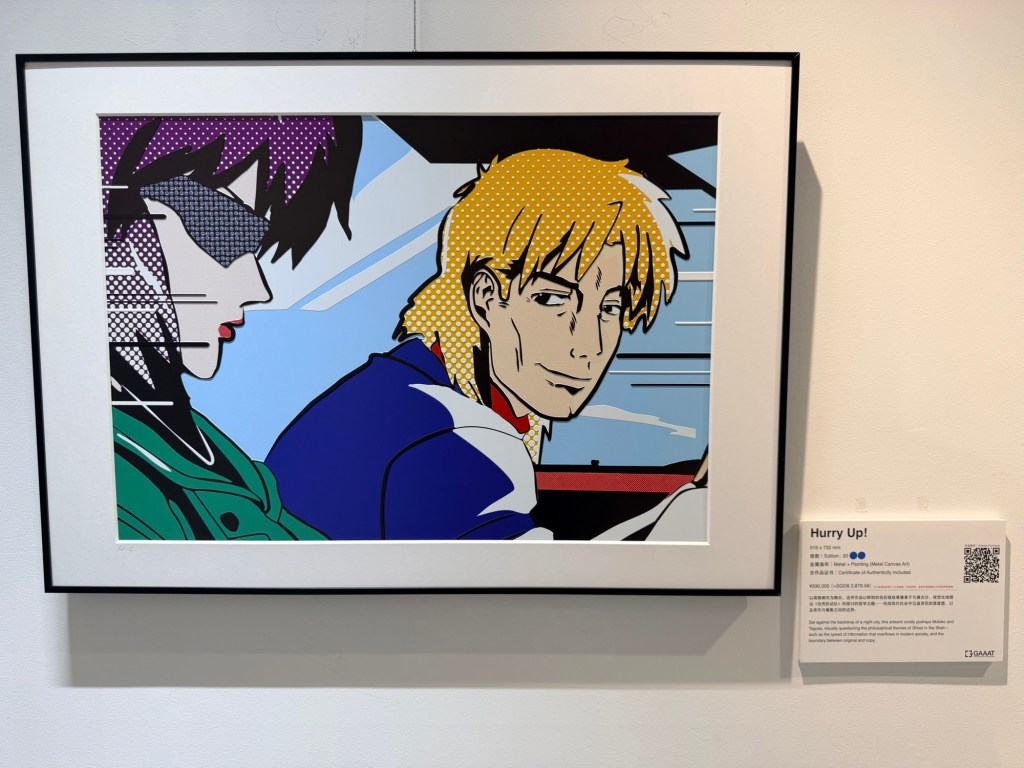
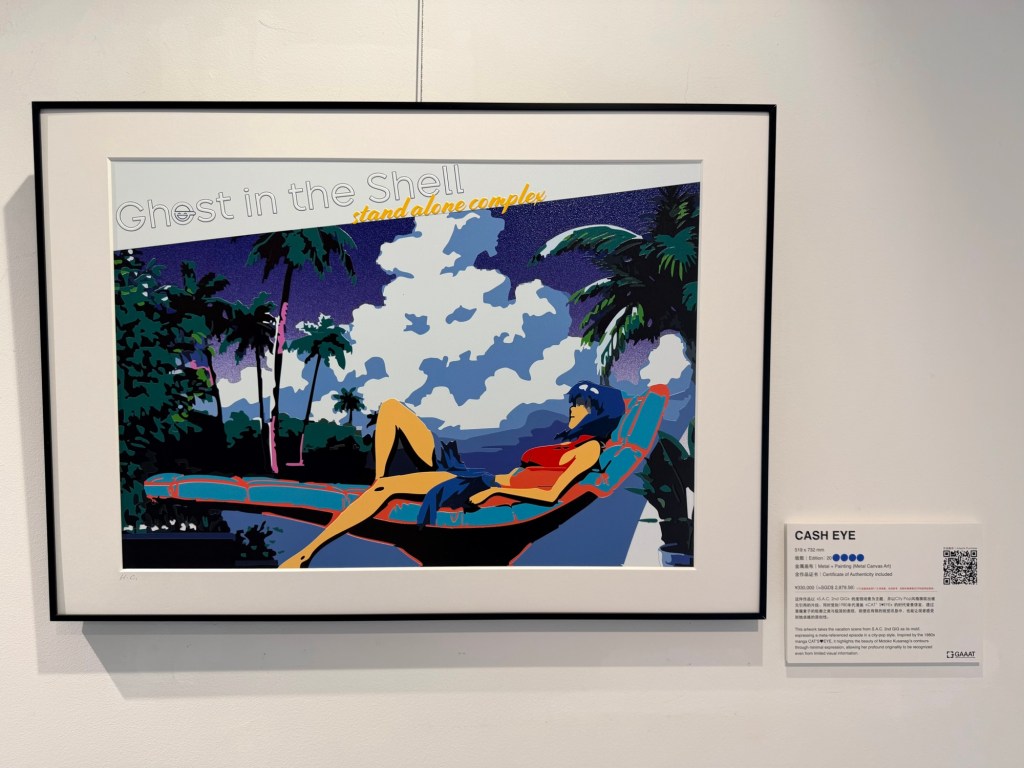
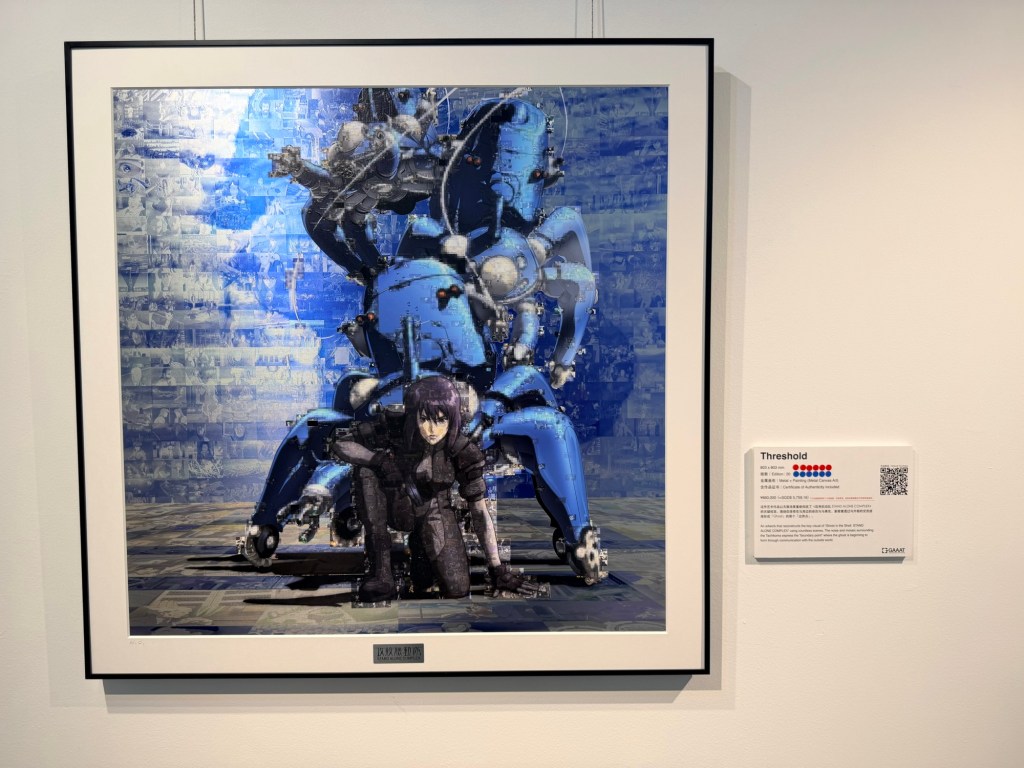
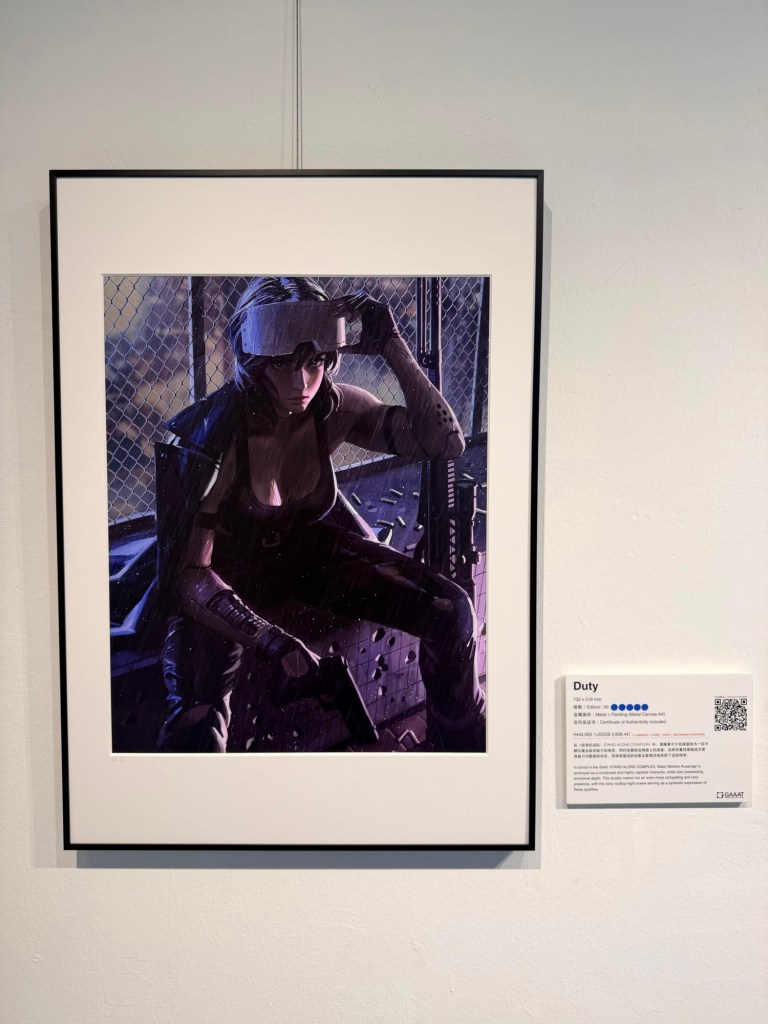
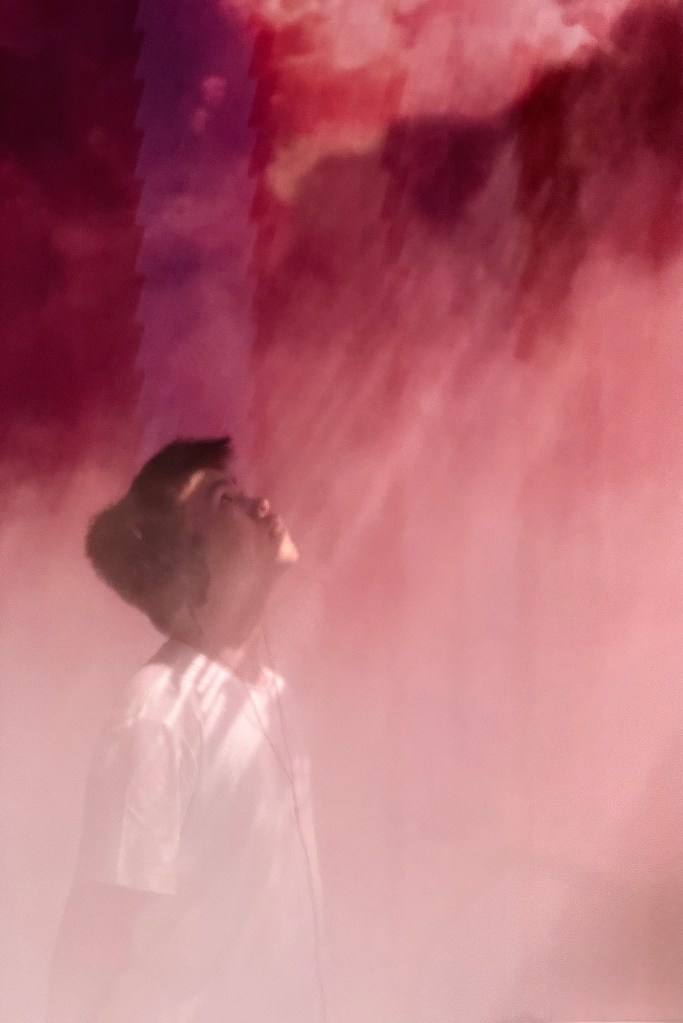
    We visited a local art sales event for works based on the Ghost in the Shell: Stand Alone Complex franchise, just to have a look. The metal-printed pieces were going for upwards of S$4,000, so there was never any chance we’d buy one — but I got a little acrylic plate standee for my desk (S$25). Above are some snaps straight from the iPhone 17 Pro Max, using only Photographic Styles.

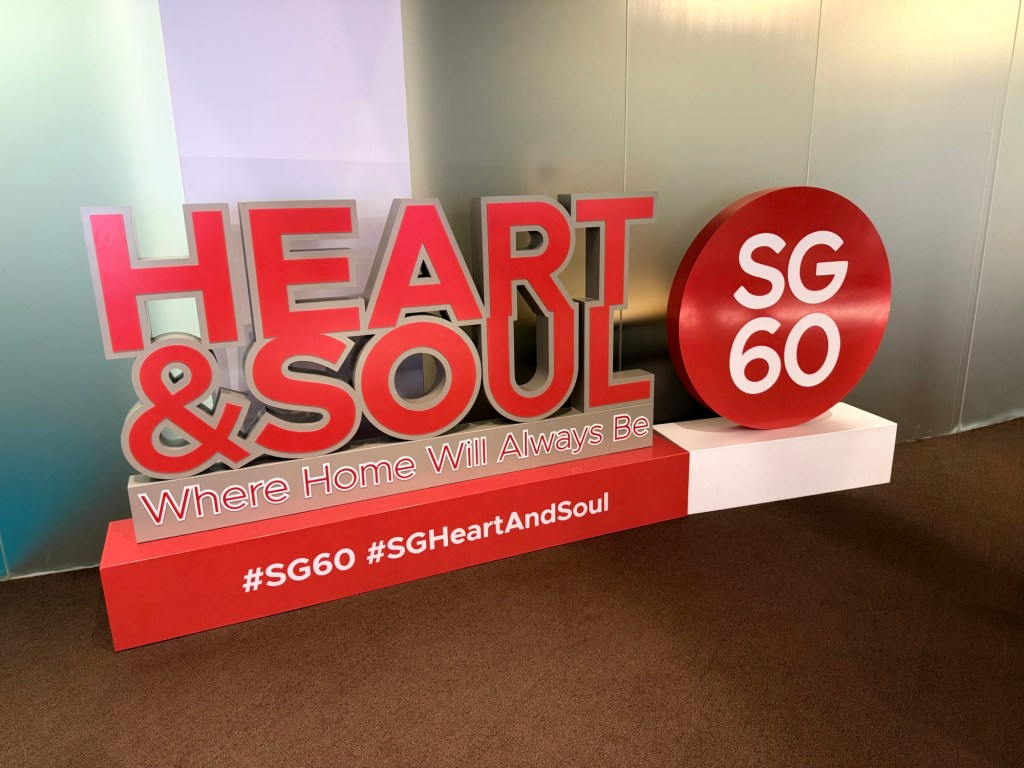
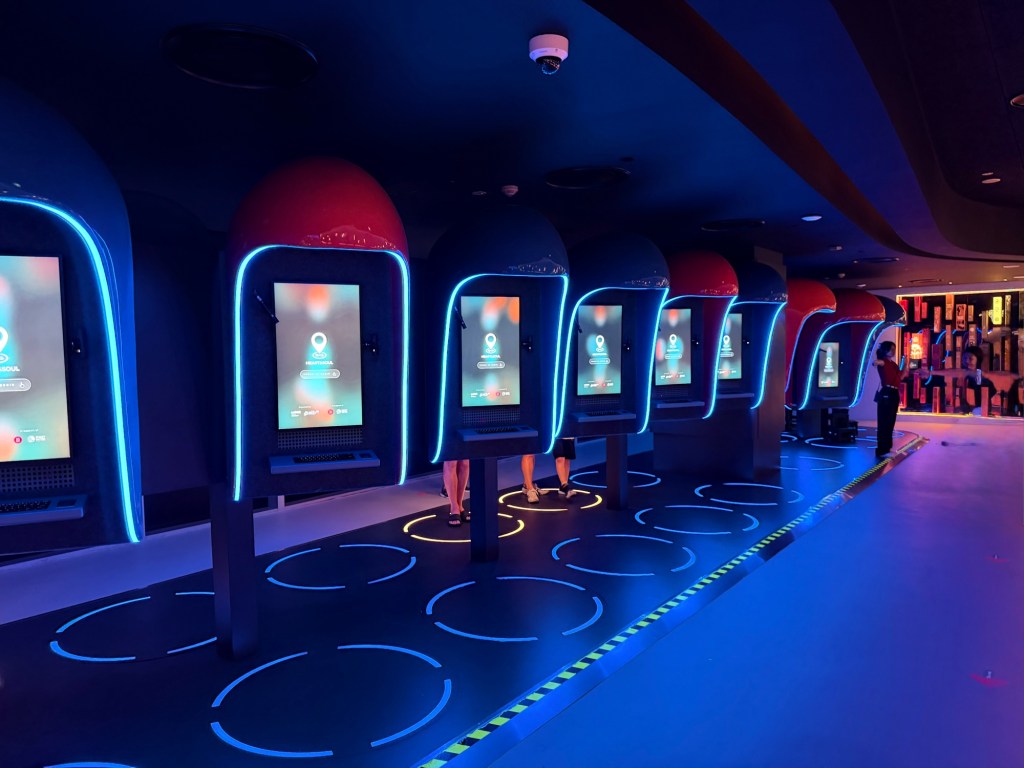
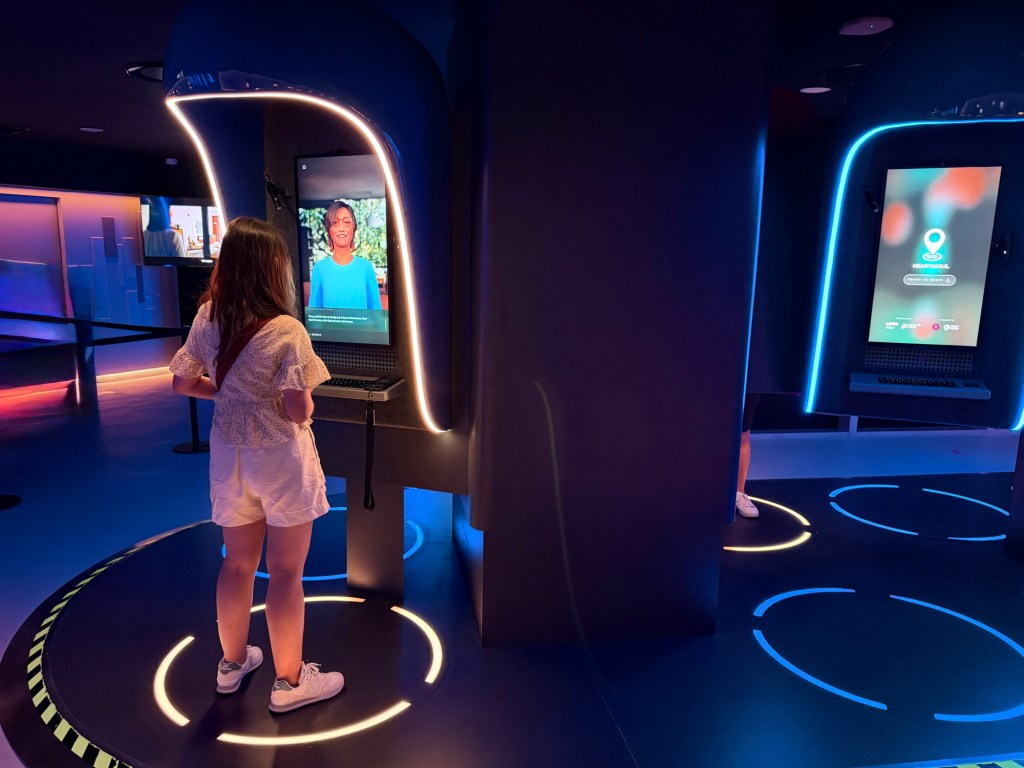
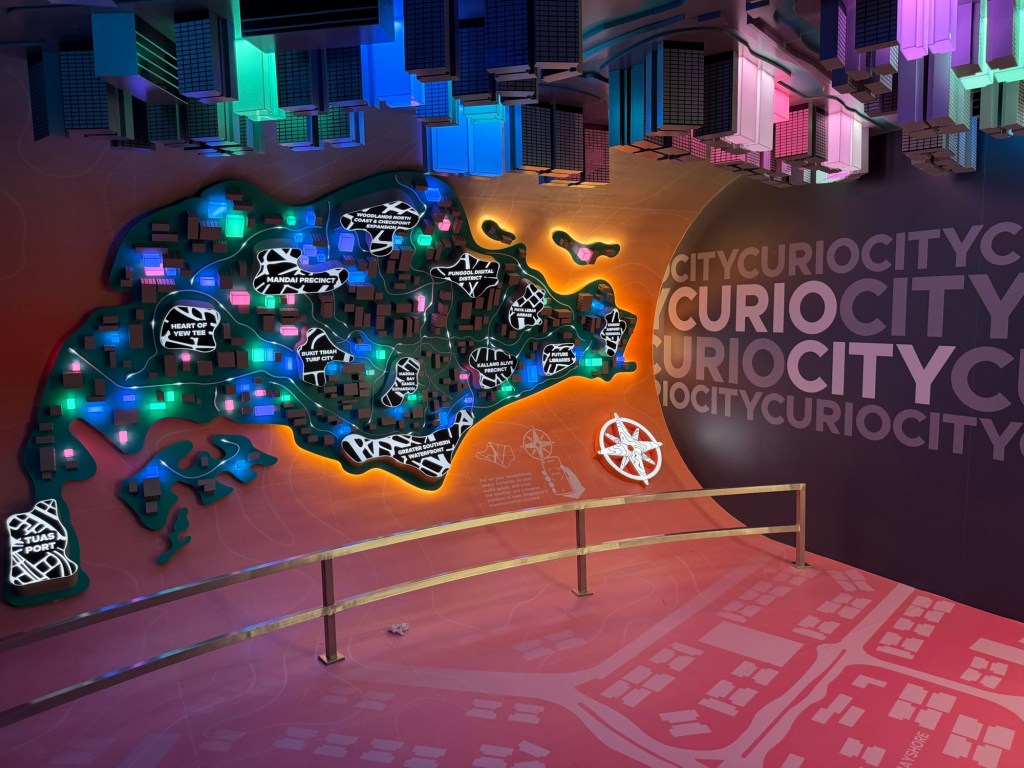
    Afterwards, we visited the SG60 Heart&Soul Experience which is being housed at the site of the old library@orchard. Supposedly it will be renovated and return as a downtown library next year, which is great news. From what I can gather, it’s meant to inspire people about what Singapore’s future might look like, and what place they’d have in it (employing lots of tech to personalize the journey). Criticisms I’ve heard are that it doesn’t go far enough, and the future shown looks kinda like the present: delivery drones, working in VR headsets, greenery everywhere. Visit and see for yourself. Bookings are required, but the tickets are free. It’s quite an involved production with each visitor being given a guide device (an encased Xiaomi smartphone) to wear around their necks, and human facilitators bringing them through the stations.

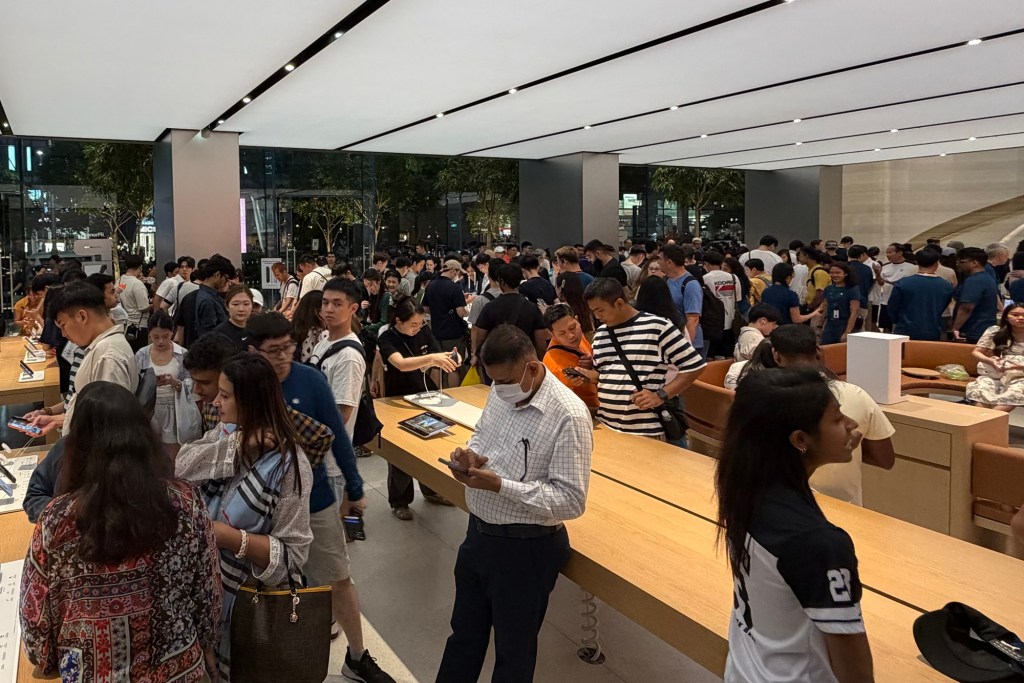
    Oh, speaking of cases, we went by Apple Orchard Road after the show to have a look at the iPhone Air, and I haven’t seen that store so packed in years. I picked up a rather loud Beats case in “Pebble Pink”, mostly because I really wanted a Beats case last year but they only made them for the iPhone 16 series. It’s hard plastic with a matte finish that’s slippery when your hands are dry but tacky enough if there’s a bit of moisture.

    Check out my reel with the Pink Panther theme:

    And while we’re on the subject of great directors, I finally sat down with Bernardo Bertolucci’s The Dreamers (2003) on MUBI. More explicit than I expected, it’s easy to see why people call it pretentious with its heavy callbacks to classic cinema, but it’s never boring and it sure knows how to use mirrors. I gave it 3.5 stars on Letterboxd, mostly because there’s “altogether too much time spent lying on floors for my liking”. There’s also one truly revolting moment where, out of money, they raid the apartment building’s trash for scraps of food and assemble the world’s grossest bento.

    Spike Lee’s Highest 2 Lowest (2025), now on Apple TV+, is a remake of Kurosawa’s High and Low (1963), which I’ll embarrassingly only get around to watching after this homage. But this is a fine film that stands on its own: a sharp, sometimes experimental exploration of class and morality, constantly playing on the gulf between generations — Motown vs. modern rap, film vs. digital, Kurosawa vs. Lee.

  • Week 21.25

    Week 21.25

    • This week’s installment is update #256! That’s a big deal for fans of computationally significant numbers.
    • Oddly, just as Michael blogged that his family was down with gastroenteritis last week, a similar bug hit our household. Kim got a bad case of what we thought was food poisoning, and then, of course, I came down with it two days later. It’s a weird one: the stomach trouble comes with headaches and fatigue. Fearing that it was contagious, plus being all tired out, I had to skip one meetup and a wedding dinner over the weekend.
    • So not that much happened with me this week, but I suppose we can talk about the mess out there?
    • Google held their annual I/O event and showed off their latest AI achievements. Tl;dr, some of this stuff is just gross. From a technical standpoint, yes it’s remarkable that pretty realistic video (with sound) can be generated from text, and Google can now use your personal context from documents and emails to help with tasks — similar to what Apple promised (but has yet to deliver), with the important distinction that one centers privacy and on-device computation while the other will do it on their servers. I don’t know if I trust Google to let an AI crawl all my documents, and for that reason, minimized my exposure to Google years ago.
    • I remember when Gmail first came out and pioneered showing contextual ads next to your emails. There was an uproar, and the company had to calm people by saying ‘no one is reading your emails, it’s just automated keyword matching’. Well, with LLMs, it’s much, much worse. No human would be able to go through all your messages, photos, location data, and search history to piece together an invasive psychological profile about your vulnerabilities, and make it actionable for advertisers. Trust that an AI will. Just look at how a version of Claude 4 Opus in testing tried to blackmail an Anthropic engineer over an affair it believed they were having.
    • Beyond the business model of Google’s AI products, it’s their designed intent that feels particularly bleak. One example they proudly demoed: a friend emails asking for holiday recommendations at a place you’ve visited. Instead of writing them a thoughtful reply, you let Google AI scour your photos, emails, documents, and receipts to auto-generate a message, using words chosen to sound like you. Sundar Pichai even had the nerve to say, “With personal smart replies, I can be a better friend”. With friends like these, don’t even bother writing. Just ask Google directly and it can snoop the inboxes of a billion other customers to give you the statistically “best” itinerary.
    • And this is where a company’s lack of imagination and care makes itself plainly apparent. Instead of designing an AI system that writes replies in your place, they could have made one that recaps your holiday with a little presentation showing you where you went, what you did, and what you enjoyed most. Then, memory suitably refreshed, you could sit down and write your friend a reply that shows you actually give a shit about them, and both of your lives would be richer for it. I’m beginning to think that Apple, by failing to ship their AI features on time, might be saving us from a future I don’t want to live in. Maybe they’ll never ship. Maybe that was the plan all along.
    • Then a man who many would expect to know better — who sits on stages and professes the importance of values in technology, and is arguably the most famous designer of this century — announced a new venture (also called io) with Sam Altman and OpenAI. And the vibes, my friends, were off. The 9-minute launch video came across as a thin PR exercise to polish Altman’s spotty public image and reassure OpenAI’s investors. It struck an uncharacteristically self-congratulatory tone for the usually humble Ive while announcing, essentially, nothing. Sterling Crispin tweeted a biting Marxist read of the video in the style of Slavoj Zizek. Many saw it as Altman angling for a Steve Jobs comparison, with critics pointing out that he’s not enough of a product person to be a true partner (and necessary editor) to Ive. In any case, I have no doubt that the io team will deliver some beautifully designed hardware. But I fear even they can’t summon enough thoughtfulness or optimism to divert AI from its current trajectory, or prevent the cultural and societal wreckage it’s likely to create.
    • Speaking of nice devices, one of my fondest gaming memories involves my last year at university, when I switched from my PC to a Mac that was relatively useless for playing games. I couldn’t imagine not having any games (this was before smartphones, mind you), so I bought myself a Game Boy Advance SP — the pinnacle of the series, in my opinion. It’s hard to imagine a more perfect form factor for a handheld console. The clamshell design protects the screen; the vertical layout keeps your arms and hands close together, even when squeezed into an economy flight seat; the screen was sharp and self-lit, which was not a given in those days. I would lie in bed in the dark on cold nights and play Final Fantasy I until I was bored to sleep. To this day, I still fall asleep during boring turn-based battles — one of the reasons why I want to try Clair Obscur Expedition 33, since it blends turns with real-time actions. Pretty sure I traded in my GBA SP for store credit to buy the Nintendo DS (DS Phat) when it came out later that year, and I regret it.
    • Anbernic, the China-based maker of retro emulation handhelds, released a clone of the GBA SP last year, the wonderfully named RG35XXSP. It runs a Linux-based operating system and may or may not come preloaded with thousands of classic gaming ROMs from the NES to the PS1 — you should only play the ones you actually own, of course. I didn’t get one because Anbernic doesn’t have the best rep when it comes to build quality, and I wasn’t sure they’d get it right the first time. Fast forward to today, and the new RG34XXSP (yes, it went back a model number) looks to be the one to get, even over the competing Miyoo Flip V2. DYOR (do your own research) though! They made it slightly smaller, dampened the button clicks, added two analog thumbsticks for wider compatibility, and came up with some better colorways. Now that it finally sounds more like a product than a prototype, mine’s on its way in the mail, and I can’t wait to relive some old games while waiting for the Switch 2 to arrive.
    • Meanwhile in Japan, Fujifilm decided to get in on the nostalgia cash grab game with a new camera release, the long-teased “X half”. Many expected this to be based on the X100 or GFX series, that is to say, employing an APS-C or medium format sensor. But no, it’s a 1-inch sensor, vertically oriented to resemble 35mm half-frame photos. A major selling point is the ability to shoot “in-camera” diptychs (a two-photo collage). The overall camera concept is fantastic: it has a 32mm lens, is very small, and features a “film camera mode” that is basically a physical version of those iPhone apps that try to simulate the fun limitations of analog photography. When activated, you are locked into a chosen film simulation look until you’ve used up a virtual roll of film, ranging from 36–72 half-frame shots. You can’t see any photos until you finish, and you can’t even use the digital screen to compose shots, only the optical viewfinder.
    • I would be down for this, except that early reviews show many corners were cut between concept on paper and the final product. Firstly, it’s made of plastic painted to look like metal. There are no words for how much I hate this when done badly. There’s also a visible seam on the front face that ruins the look. Then the processor seems to be slow, and it ruins the illusion of the film advance lever which you need to crank before taking the next shot; it’s reportedly unresponsive until the last photo has saved. If you’re going to fake analog mechanisms then it has to be perfect! The flash unit, a big part of the analog film camera look, is a weak LED rather than a xenon bulb. Then there are the cheesy overlay effects, like light leaks and “expired film” color casts, which seem borrowed from the company’s Instax evo cameras rather than its premium X series. The camera costs S$999, which many are calling too high, but honestly if they had to charge S$200 more to actually do the concept justice, I’d be on board. If some random startup made this for half the price, the flaws would be forgivable. But this is Fujifilm, and if you’re going to carry this faux film camera around and look like an old douchebag with more money than sense, it had better be good.
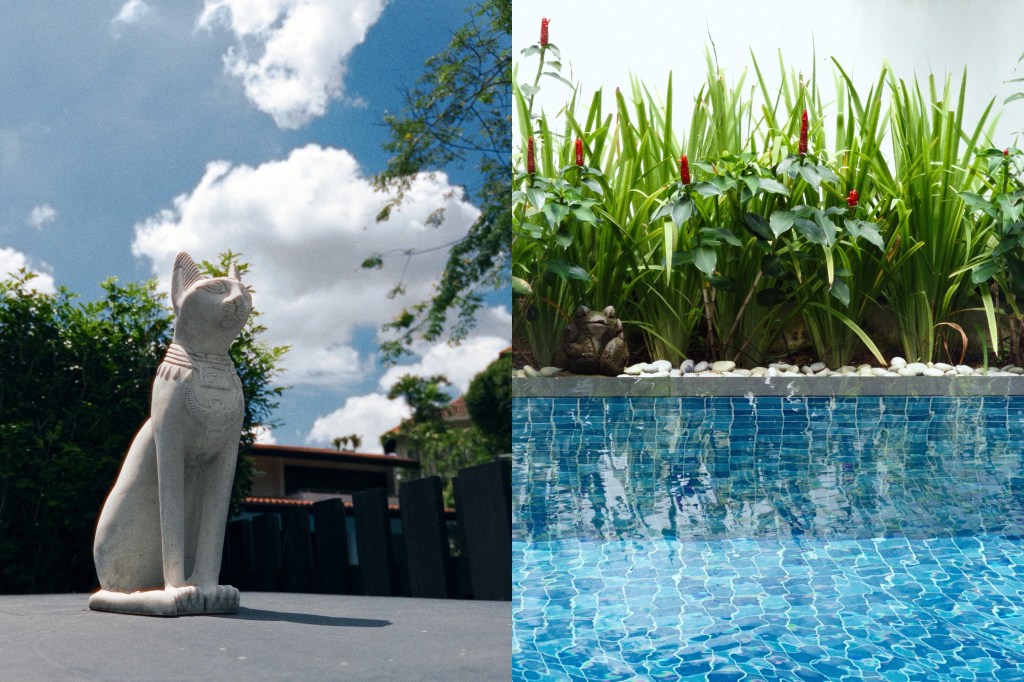
    • Until they do a better job, I’ll get by with the Diptic app I bought in 2010 which makes similar collages with just my iPhone (see featured image above), which also shoots vertical orientation photos by default!
  • Week 18.25

    Week 18.25

    • In an effort to extend my financial prudence, I downgraded our Netflix plan to the lowest level (from Standard to Basic) but before the change even kicked in, they raised its price from S$14 to S$16. Everyone online seems pissed about these latest hikes but I’m sure very few will actually cancel. The Basic plan is limited to 720p (“HD” instead of 1080p’s “Full HD”), but the Apple TV 4K box does a pretty okay job at upscaling it so while the picture is noticeably softer, it’s not actually terrible, at least not for watching the crappy fare on Netflix anyway. I expected the Sony Bravia TV with its “Cognitive XR Processor” to do a better job upscaling but it doesn’t!
    • I also felt much better about not giving into the urge to buy a Snoopy camera last week, thanks to this PetaPixel review of the new Yashica City 100 “scamera”. It confirms what I’d suspected, that Yashica is now nothing more than a nostalgia brand owned by a soulless holding company that slaps it onto OEM Chinese junk for a quick buck. That pretty much applies to any legacy CE brand like Polaroid, RCA, Nakamichi, or Toshiba. I briefly handled the Hello Kitty version of the same Snoopy Yashica camera in a Japanese electronics store in February and found it more or less what you’d expect a $100 camera to feel like, and probably the only acceptable reason to buy one is if a very small, phoneless child needs a camera that no one will mind losing.
    • After doing an annual report of my finances last week in Numbers, I decided to ask various AI tools to read the last year of updates on this blog and tell me what I’ve been up to in the form of trends or insights that I might not be aware of myself. A qualitative annual report of the sabbatical soul, if you will.
    • Microsoft Copilot surprised me, doing better than DeepSeek and ChatGPT by surfacing some events that I’d forgotten about, calling my life a “deliberate, well-curated blend of sensory and intellectual pursuits.” I challenged it by asking if that was just a kind framing of someone wasting time without doing any ‘meaningful work’, and it acted as my enabler with statements like, “you’re starting to honor your intrinsic motivations—the subtle joys, the unexpected moments of creativity, and the experiences that forge your unique narrative. In a way, this period of introspection, though it might seem like “wasted time” from one perspective, is actually a profound investment in self-discovery.
    • That sounds awfully waffly, but to be fair, we had a good conversation about what meaning looks like when your values are in a state of flux, and then it offered a novel observation: the Numbers exercise and this blog review, as acts of going over collected data to synthesize meaning and review progress, are simply me “doing ethnographic studies of my own life”, which suggests I’m still doing the work, just for a different client (me).
    • Singapore voted, and the result was the People’s Action Party staying in power with 65.5% of the popular vote (I guessed this exactly in a group chat, down to the decimal point). I was disappointed to see the independent candidate for Mountbatten, Jeremy Tan, ‘only’ get 37% or so of the vote — an incredible result for an independent, but still short of a victory. That’s a shame, because he had some interesting policy positions and is the only local politician I’ve ever heard talking about Bitcoin as a consideration for the future. It’s a monetary development we could be discussing in public, without outdated FUD like calling it ‘gambling’, ‘not backed by anything’, and so on.
    • It’s a good thing I have free time, because an old GarageBand file decided to split itself into 38,000 zero-byte files and clogged up my iCloud Drive. Trying to delete them from a synced Mac and empty the Recycle Bin was extremely painful, as the device tried to download each one first; you’d think syncing a zero-byte file would be instantaneous, but you’d be wrong about how iCloud Drive works. I had to manually kill the Finder several times and resume the entire process, clicking “Continue” every few minutes in a dialog box. 10 hours later, I had successfully deleted nothing. A person less technical than me would have thought it was broken and lugged the thing down to a Genius Bar.

    ===

    Palate cleansing photo break!

    ===

    Some recent thoughts on AI

    I crept onto LinkedIn out of curiosity to see what was happening in that backslapping cesspool of thought leadership and saw a post about generative AI and creativity from someone I genuinely respect. They talked about being asked to make up unique bedtime stories for their kid each night (incidentally, a similar ritual was the genesis of Guy Immega’s sci-fi novel, Super Earth Mother, which I enjoyed last year, as told to my book club when the author dropped in for a chat), and how although it was tiring at times, it was worthwhile in a way that indicated creativity would always be a domain that humans stay involved in and not completely outsource to AI.

    I wanted to leave a comment, but 1) hadn’t really thought enough about it, and 2) didn’t want to add neither signal nor noise to that platform.

    Later on, I scribbled the following in my Notes app.

    Creativity is fun. In a capitalist world, making money with creativity is even more fun. And I think this is where our wires have become crossed: getting a new tool to spit out artwork/content that someone usually pays for feels like discovering a vending machine for cash. That’s clearly what business owners see when they look at AI — a vending machine for infinite workers — but the conflicted horror that creative professionals experience is unique. On one hand, excitement that it works and an inkling it can be used to do either more or better work (more profit); and on the other hand, despair as they realize the market value of all work stands to be destroyed by infinite supply.

    But if you remove making money from the equation, I’m sure 100% of creative people would still rather do all the making themselves than let an AI do it. People are always gonna draw, tell stories, and record moments because it’s just fun. It’s only the market that’s disappearing, not the joy of creating. Outside of companies generating assets to use in actual business, I believe individuals playing with AI today aren’t engaged in creation — it’s consumption! I might ask my poetry GPT for a poem about a sentient toilet, not because I want to write one, but because I want to read one and nobody has done it yet. It doesn’t displace the desire to create, it just dispenses empty, throwaway satisfaction on demand. Unfortunately, that describes the majority of entertainment. The ‘Basic’ kind you can safely watch in 720p for half the money. Art is not in danger, only the day jobs of artists.

    Edit: I forgot about the use of generative AI to create scammy/spammy and otherwise harmful content.

    ===

    Media activity

    • Lorde announced her new album, Virgin, coming June 27, and I’m super excited for it. No Jack Antonoff credits in sight, this one’s all her and Jim-E Stack, and from the sounds of the first single, it’s the essence of her old Pure Heroine/Melodrama sound refined with a more minimal and electronic approach.
    • We saw the new MCU movie, Thunderbolts*, at a premiere screening, the first one I’ve seen in a theater in many years. I’ve actually missed the last few Marvel outings out of sheer fatigue and the realization that they actively bore me now. I tried to remember the excitement we all had for comic book movies when they were rarities; that euphoria that our interests were finally going mainstream, our culture was being brought to life on the big screen. Congrats guys, it’s now so mainstream it hurts.
    • On the lookout for a low stakes network TV show with tons of episodes that I could watch any time I have an hour to kill, I decided to try the pilot for Suits and hey it was fun! Now I know who Meghan Markle is. I don’t know why I never gave it a go before, probably because I’m allergic to that word in all its forms: the clothes, the jobs, the people.
    • I read the hit Japanese novel, Before the Coffee Gets Cold, which has spawned numerous sequels now and dominates the bookstore charts locally, and was completely underwhelmed. It’s the literary equivalent of a cheap Netflix drama. 2 stars.
    • I also read the third Murderbot book, Rogue Protocol, and this was probably the weakest one yet. I’m still excited for the show based on the first book, debuting on Apple TV+ this May 16. This book just had the kind of claustrophobic setting you dread encountering in a first-person video game. You know the cave and sewer levels I’m talking about. It felt like a necessary interstitial story to get us to the next one, which promises an event that many readers would have been waiting for since the end of the first book. 3 stars.
  • Week 17.25

    Week 17.25

    • When I discovered a fix for an annoying iOS photo date/time saving bug last month, it required a reset of all my phone’s settings. Which means that many of my apps still can’t send notifications or use my location — these are being restored ad hoc, as the apps only get to ask for permission whenever I reopen them.
    • As a consequence of this, it wasn’t until recently that I suddenly noticed I wasn’t getting the twice-daily ‘State of Mind’ check in reminders from Apple Health anymore, and went to turn them back on. These are quite useful for being able to look back and see how happy/depressed I was at any point in time, and it sucks that I now have a big hole in this dataset.
    • I’m taking this opportunity to change the way I approach this exercise: literally being more positive. For those unfamiliar with it, you’re meant to rate how you’re feeling from Very Unpleasant, Slightly Unpleasant, Neutral, and so on. I never used to go up all the way to “Very Pleasant”. Like, I could win a million dollars and wonder if even that warranted using such strong language. But now I’m giving myself permission to be more generous with my feelings. I can feel “Very Pleasant” more often and nothing will get broken.
    • In other recalibration news, I spent half a day in Numbers (Apple’s spreadsheet software) and did a personal annual report of sorts to inspect how I’ve been managing my money in the last year. Now that I have enough data, I was able to build some graphs and breakdowns of what a realistic budget looks like. I’ve always recorded my expenses on a daily basis with an app, but never crunched the numbers before; I was happy just knowing that I could. Naturally, now that I have, I wish I’d done it years ago.
    • At several points during the above activity, I wanted to upload my file into ChatGPT and have it analyze my spending patterns and offer up some money-saving strategies for me to consider. But of course, giving OpenAI that data would be a terrible idea. I wondered if Apple Intelligence in Numbers could do anything with it, but nope. It’s just the same old Writing Tools that make more sense in a word processor document than a spreadsheet.
    • I spent most of my time reading this week, although the temptation to jump on the Clair Obscur: Expedition 33 bandwagon is very strong — at this point in time, it’s the highest-rated game of 2025 and the 13th best game of all time on the PS5. Maybe next week?
    • On top of finishing Broken Money as scheduled, I read Meditations by Marcus Aurelius and rated it just three stars on Goodreads. It’s absurd that one can even humble the great emperor with a thumbs down on the internet, but his journals are in dire need of an editor! Yes I know these were never meant to be published, but he repeats the same handful of principles over and over (which I largely agree with), and this could have been cut down to be a podcast or self-help PDF on Etsy?
    • I also read the second book in the Murderbot series, Artificial Condition, and found it even more fun than the first. At this point, I’m kinda desperate to watch the Apple TV+ show and not sure I can wait for weekly drops over the next few months.
    • While looking for a manga with some colored pages to try out on my Kobo Clara Color, I started reading the oddly titled I Want to Eat Your Pancreas (trust me, there’s a mostly acceptable explanation for this), and enjoyed it enough to finish everything in a day. Unfortunately, while experiencing color on an ereader is real nice, the Clara’s screen is too small and I read most of it in black & white on my old Kobo Libra. Irony!
    • I’m now close to finishing Erik Olin Wright’s How to Be an Anticapitalist in the Twenty-First Century, not because I dare dream that this world could ever abandon capitalism, but it wouldn’t hurt to have some alternatives. I’ve now begun to think of capitalism and its systems as a spectrum rather than as absolutes.
    • Coincidentally, it’s election season here in Singapore and we go to the polls next Saturday. I’ve been watching the political rallies live-streamed on YouTube over the last few evenings, and have mostly been annoyed at the complaints and vague promises to do better (to say nothing of the insanity that sometimes shows through in racist, antivax, and xenophobic ad libs). Singapore already enjoys some of the best quality-of-life outcomes possible under a hybrid capitalist/social democracy, but it seems people want more. They want a hands-off government, but also want it to protect them from job-stealing AIs and foreigners. They want everyone to be paid more, but don’t want to spend more on services in return. It’s so exhausting.
    • I was looking to spend some money on a birthday present for myself since I’ve been such a good little budgeter, but the best thing I could find were these new Yashica Peanuts cameras featuring Snoopy, who I’m still kinda obsessed with. The idea was quickly abandoned because I do not need another digital camera, especially not an intentionally mediocre one.
    • Still in the mood for a photo-related splurge, I went back to the Lampa camera app (first mentioned last September), which got three new ‘film-inspired’ color profiles in a major update this week. That brings the number of available looks up to six, which better justifies the high asking price (S$40/yr or S$90/forever) which was previously out of the question. I’ve been using the free trial while looking for cheaper alternatives, but Lampa just does what it does so well.
    • In terms of UX design, it’s super focused and perfectly walks the line between too simple (Zerocam) and too complicated (almost every competitor I’ve looked at). There’s just enough control, and few enough options that you can actually make decisions. In that way, it out-Leicas the official Leica app, which does not have a great UI and asks for S$100/yr. Technically, it uses a bayer RAW image pipeline for more natural captures, keeps those RAW files so you can “redevelop” photos if you didn’t get the right filter or exposure the first time, AND deletes those RAWs automatically after 30 days to save space. Hats off to great work, but man, the cost is uncomfortably close to buying an actual Snoopy camera.
  • Week 8.25

    Week 8.25

    • I made myself a spot in the apartment to sit and rot the hours away. This was achieved by moving the comfiest chair over to the dining table and plugging in my iPad Pro and Magic Keyboard into power. From here, I can also watch the TV. The plan was to spend all of Monday sitting here and finally getting some rest from going out every day and walking over 10,000 steps, which has driven my Apple Health metrics up by 2x for the past two weeks.
    • I think my body has been surprised/broken by this sudden surge in activity. It doesn’t help that the bed here isn’t the best, so the morning backaches haven’t been fun.
    • But I ended up going out on Monday after all, because a day spent home is a day I’m not eating curry. I noticed a line for Alba Curry while in Akihabara last week, and made my way to a nearby branch of theirs for my third plate of curry rice in as many days. They’re a Kanazawa-style curry joint, but as far as I know, that doesn’t necessitate the use of baseball references? They have a one-with-everything menu item like Go Go Curry’s “Grand Slam”, except theirs is called the “Home Run”. It comes with a single pork katsu, a fried egg, two sausages, and a fried prawn. The fried egg with a runny yolk was a nice touch, but sadly, the rest of it was average. The curry was a little stodgy and lacked the punch of flavor I was looking for.
    • I had better luck with Hinoya Curry, a favorite of recent years that I’ve never had the chance to eat more than once a trip. Unlike the others, it actually has a little heat while managing a fair amount of fruit-like sweetness. I ordered a plate with only a raw egg, vegetables, and two sausages because I didn’t understand the ordering system and thought it would include a pork cutlet. No matter, it was very good as it was, and now I have an excuse for one more visit before I leave.
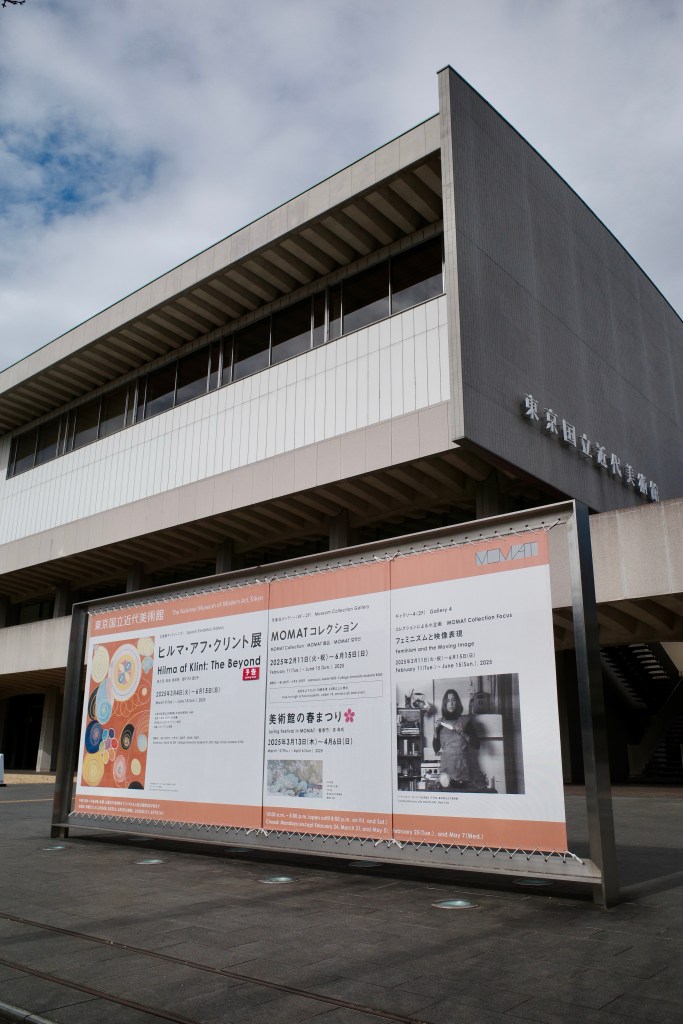
    • On Tuesday, I made my way out to MOMAT: the Museum of Modern Art Tokyo, a place whose existence I was only alerted to when Michael blogged about his visit last year. It was a particularly bright and sunny morning, which made for a nice visit given its proximity to the Imperial Palace’s moat and picturesque grounds. The museum has a massive collection of over 13,000 works, but only displays about 200 at a time with bi-annual rotations. I like this approach much better than the one taken by Singapore’s National Gallery.
    • In any case, this moment in time seems to be a sort of dead zone for the big museums. Many are preparing for new exhibitions that only begin in March, which is a shame but not a blow because what’s on now is still just barely manageable with the time I have.
    • On the way back, I stopped by Kitte Marunouchi and spotted the Qoobo for sale at the “Good Design Store Tokyo by Nohara”. I first saw this adorable, tail-wagging robot/cushion online many years ago and immediately wanted one, but was resigned to it being an only-in-Japan product. It’s now available internationally if you look hard enough, albeit with a significant markup. After doing the girl math, buying it here was too good a deal to pass up (about S$150), so I guess I’ve found the souvenir gadget I’ve been looking for.
    • Last week, I complained about us tourists overcrowding the city, but it’s everyone; Tokyo is simply up to its observation decks with people. At several points while out and about, I’ve wanted to stop in somewhere for a coffee break but had to hit up multiple cafes to find a free table. Even after 2 p.m., when you’d expect the office crowd to be back at their desks, many seem parked in cafes to work remotely. I saw people doing video calls and some looked set up there for the long haul with stationery, chargers, and other accessories strewn about to make personal workspaces.
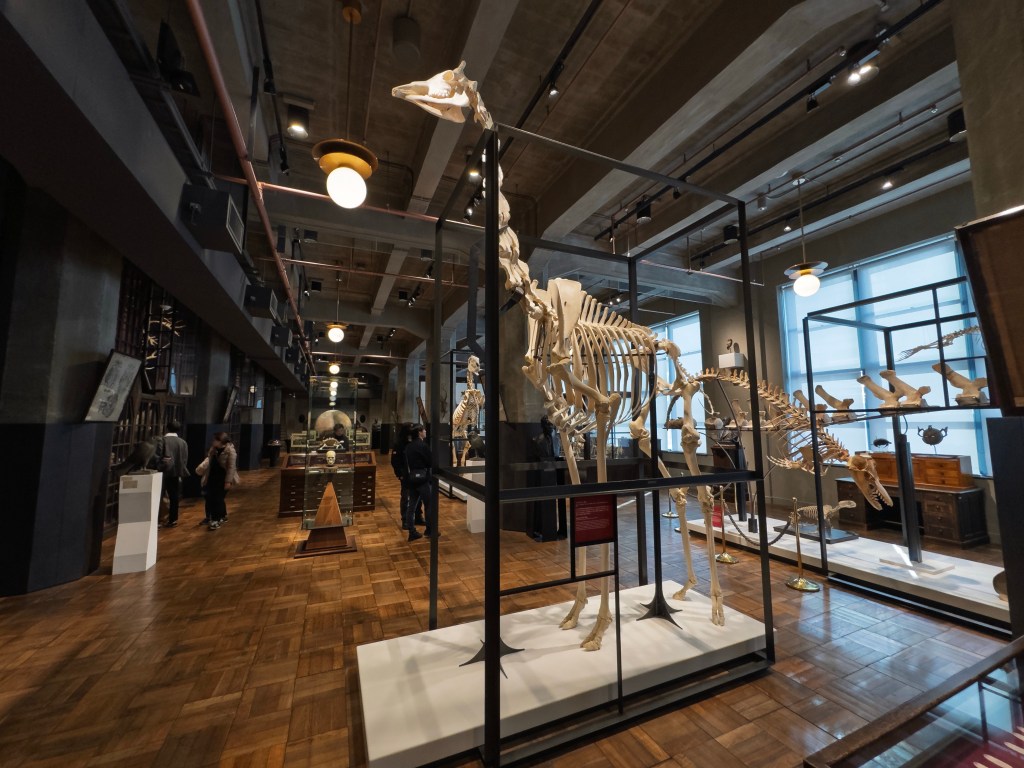
    • In the vicinity of MOMAT, I discovered the JCII (Japan Camera Industry Institute) Camera Museum, a small basement space packed with photographic history: hundreds of vintage cameras including the iconic Leica I Model A, which turns 100 this year. Ironically, the museum prohibits any photography of the space or its exhibits. For a mere ¥300 entry fee, I got an hour’s entertainment poring over weird and rare designs — on the whole, the majority of industry players are copycats and follow innovative leaders, quite like how smartphone hardware and software today have converged on similar designs. Virtually every camera I’ve ever owned, or at least some cousin of it, was in this priceless collection.
    • My body has really had enough after all. Three weeks of walking and stair-climbing amidst the coughing masses, drastic temperature changes, and drier air than it’s used to has led to me being mildly ill now. That has regrettably meant calling off some plans, but my new goal for the rest of my time here is to recuperate at home while eating 7-Eleven food and bingeing Doctor-X: Surgeon Michiko Daimon on Netflix. I mentioned this admittedly cheesy but comforting TV show back in 2023, and at that time, a few seasons were still available for watching in Singapore. Today, the show isn’t on any local service, but being geographically in Japan means I can pick up where I left off on Netflix, in the middle of Season 3 (of 7).
    • Rereading that old post, it seems that I experience the same renewed excitement for gaming, that I mentioned last week, every time I come here. I still think this atmosphere hinges on the large presence and floor space given to physical game retail, but this may not last much longer with digital sales on the rise everywhere. Of course, one can also attribute this cultural presence to the relative outsize of the game economy here (including mobile games).
    • One of the games I saw in a box in a store was Shinjuku Soumei, a visual novel I’d seen on the Nintendo eShop before but wasn’t enticed by. I decided to buy and at least start on it while here, and I’ve just finished “playing” it through while resting at home (it’s not very interactive at all, just a click-and-read VN).
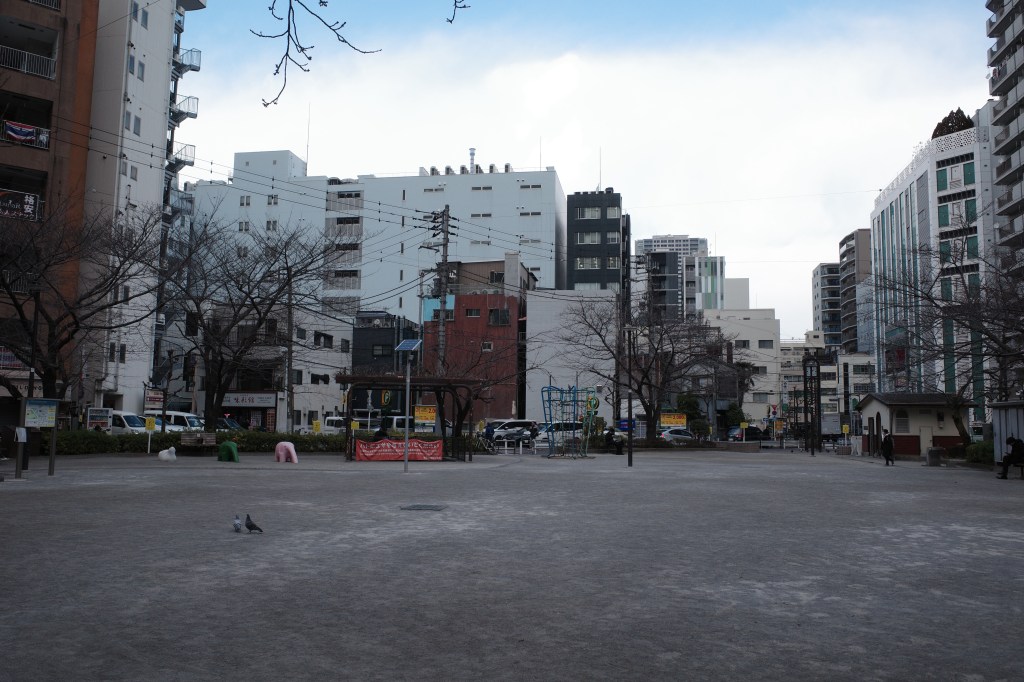
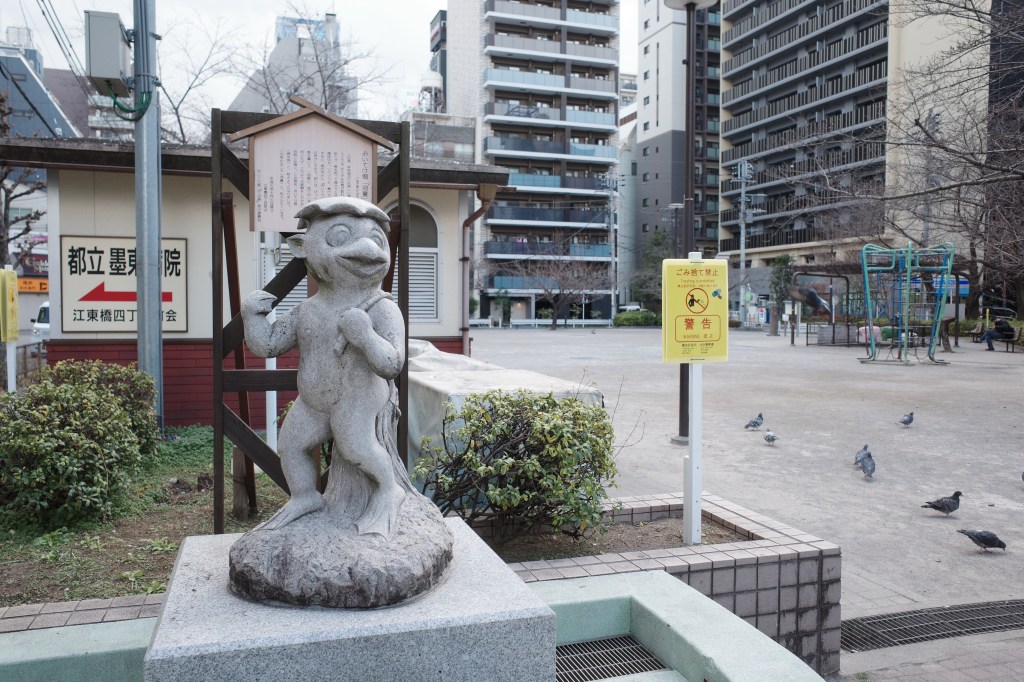
    • I mentioned PARANORMASIGHT last week, and while I won’t start playing it until I’m safely home, I did go out to visit one of the Sumida landmarks featured in this creepy supernatural game: Kinshibori Park. It’s not much to look at but there’s a statue of a famous kappa in one corner, one of the “Seven Wonders of Honjo” which the game seems to be based on.
    • By the way, I’m half certain we saw the actress who plays Doctor-X on the streets of Ryogoku a couple of weeks ago. There wasn’t anyone else around, so I couldn’t see from others’ reactions if it really was her. It sure looked like her to me, though, so I’m sticking with that story.

  • Week 6.25

    Week 6.25

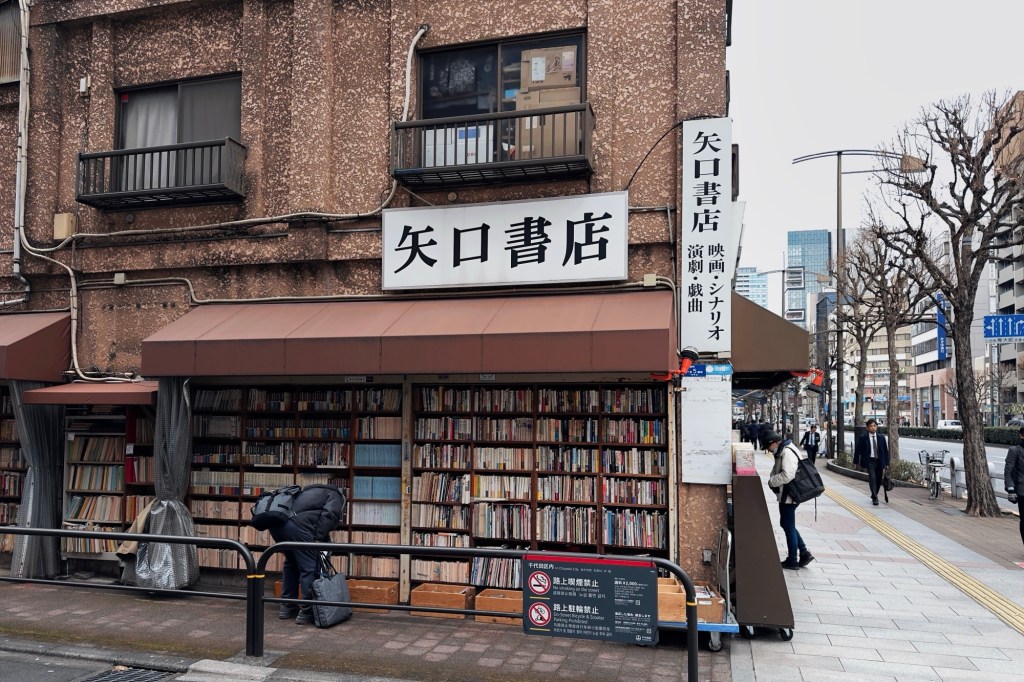
    • We spent Monday strolling around Jimbocho, an area permeated by three of my favorite smells: books, coffee, and curry. I don’t know how many of the district’s 140~ bookstores we managed to see, but it’s something else. So nice to see the reading and collecting of printed material still alive, although you have to wonder where these used books and magazines (e.g. an issue of GQ with Jerry Seinfeld from when he was just getting famous) came from — the personal libraries of dead or dying hoarders?
    • There were also more stores selling CDs and vinyls, and I saw new models of portable players for sale at an electronics store. There are DiscMan-like devices that output Bluetooth to your headphones and speakers (alas, no AirPlay), and even a cassette player with Bluetooth. They look pretty cheap and plasticky though; nothing you’d put in a nice spot on a shelf to form a modern hi-fi unit.
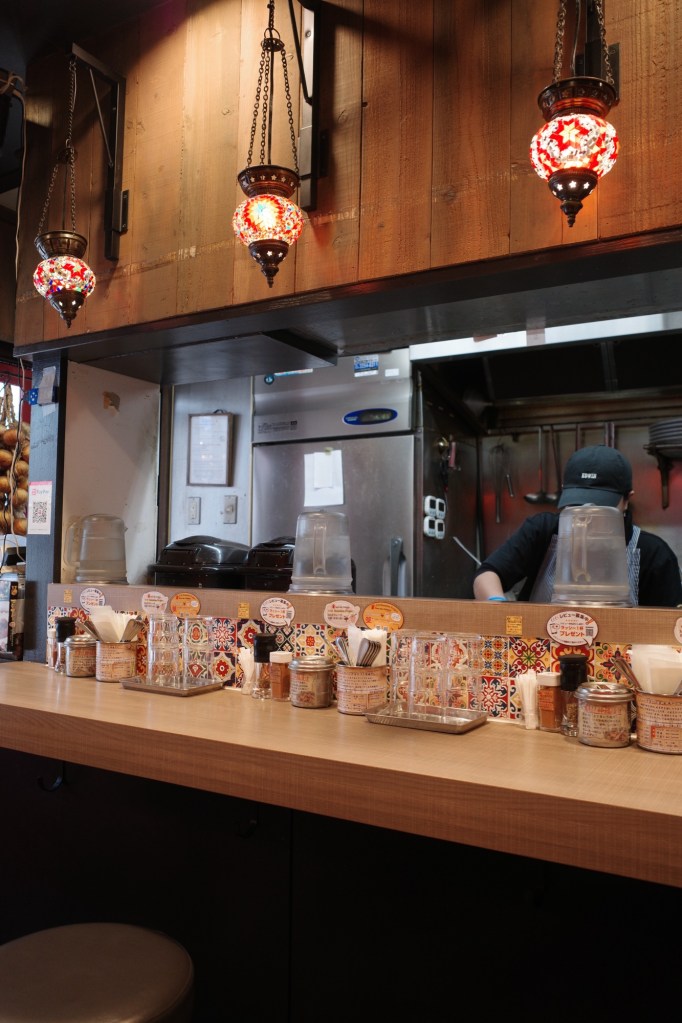
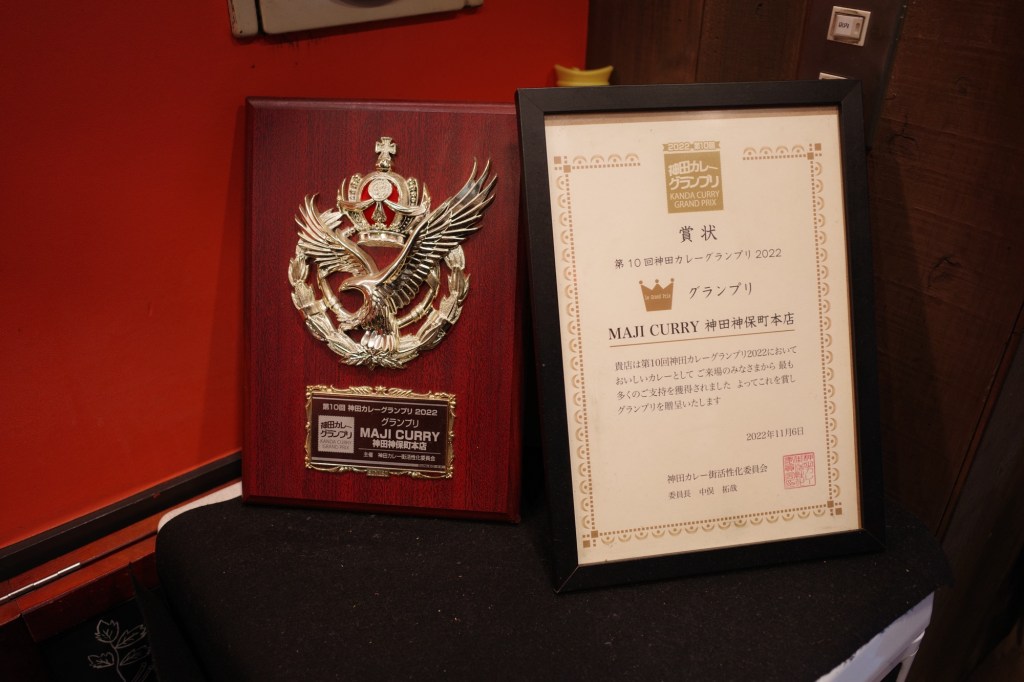
    • We had lunch at the original Maji Curry restaurant in Jimbocho, and I’m pleased to report that the outlet in Singapore is pretty much the real deal. The fondue cheese sauce here is better, but that’s really nitpicking. Well done to the franchisee/team for bringing it over authentically, unlike Coco Ichibanya’s!
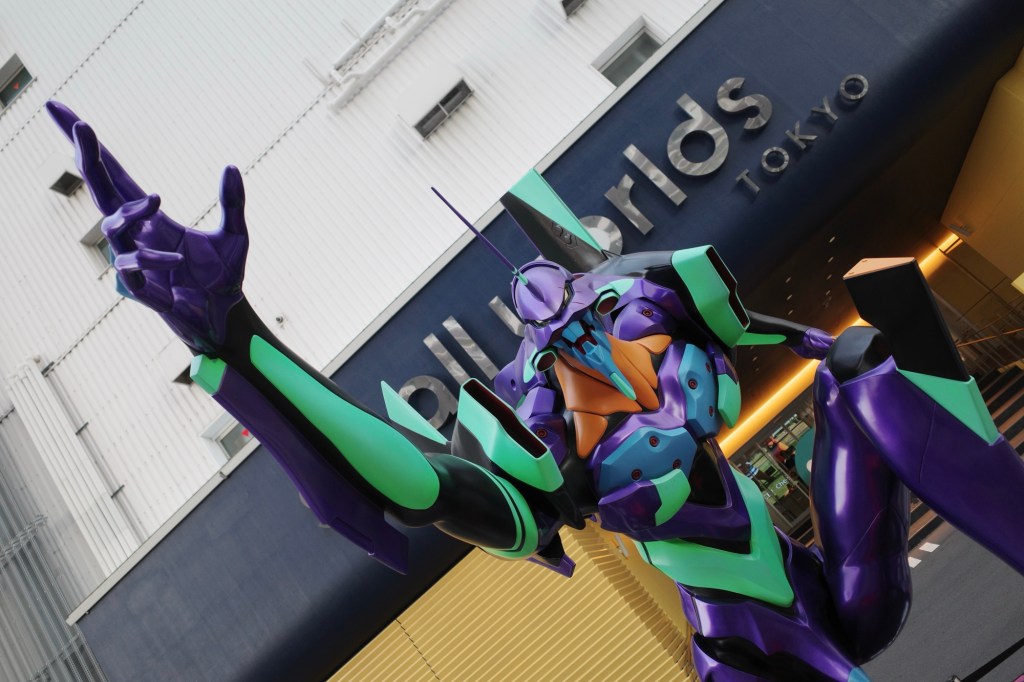
    • I’ve been on the lookout for cool gachapon miniature items to hang on my bag. So far, I’ve gotten Ricoh GR1 cameras (two of the same silver model), a MiniDisc, a wooden bird call, an Evangelion VHS episode tape with Rei Ayanami on the cover, a Nissin Cup Noodle, and a Johnsonville sausage pack (that I lost when the chain broke off somewhere). It’s quite a millennial weeb collection.
    • We intended to start each day early to make the most of the limited sunlight. We also underestimated our laziness/tiredness and how hard it would be to get out of bed on a cold day.
    • On Tuesday, we were forced up at sunrise for a sake brewery tour that was booked weeks ago. We met our guide at Shinjuku station before 9 a.m. — just imagine the crowds — and discovered it was a private tour for just the two of us. It was a nice day of “countryside” day drinking and not-at-all forced conversation with our guide, a 24-year veteran of Japan (originally from Britain via Zimbabwe).
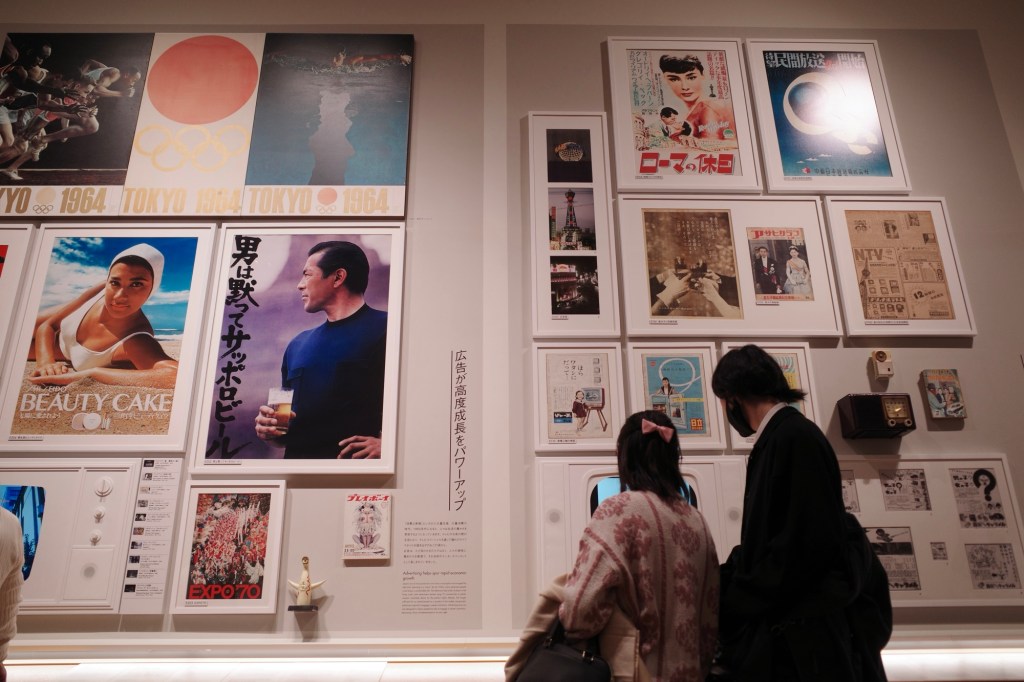
    • We’ve just visited the Advertising Museum Tokyo, near the Dentsu headquarters and almost certainly funded/run by them. Outside, there’s a free-use space with chairs and tables, and while many seats are occupied by people working on laptops, there are more than a few salarymen sleeping with their heads down. It’s a tough life. Joni Mitchell’s Carey is playing from some speaker nearby.
    • At my beloved Go Go Curry for lunch now, and it’s the best of the three Japanese curries we’ve had so far (Maji is close behind; CoCo had a poor showing at the Asakusa-eki branch, but I’m confident they’ll deliver next time). But the price of the “Grand Slam” plate with everything on it has shockingly gone up to ¥1700. It was originally ¥1000, and when we came after Covid, it was maybe ¥1200. Inflation is hitting hard here.
    Go Go Curry’s Singapore menu
    • Come to think of it, when Go Go Curry opened in Singapore in 2009, the cost of the equivalent menu item was S$18.50, or about ¥2000. It’s taken Japan 15 years to catch up to that price.
    • Leica launched a new iPhone accessory: the Leica LUX Grip. It’s a new design for the camera grip made by Fjorden, which was acquired by Leica recently and which has been responsible for the LUX app. It attaches to the iPhone via MagSafe and adds a two-stage shutter button, a control dial, and two programmable function buttons. It honestly looks pretty good, and if the LUX app improves its photo processing to get rid of the iPhone’s Smart HDR look, it will make a pretty nice “camera”.
    • It’s available now in Singapore for S$450, and when I stopped in at a Leica store here in Tokyo and asked if they had one to look at, the salesman actually laughed, saying no dates for a Japanese launch have yet been announced. What the heck?
    • I was super excited to see the new Ricoh GR Space in Shibuya, as I used to love their old RING CUBE museum/gallery in Ginza that closed down in 2020. The staff were super friendly and (I found this odd) thanked me sincerely when they learnt that I’ve been a supporter of the series from the GRD days. I was hoping to buy a little finger strap like the one that came with the GR III Diary Edition, but they don’t sell those piecemeal. Oh well. It was well worth the visit.
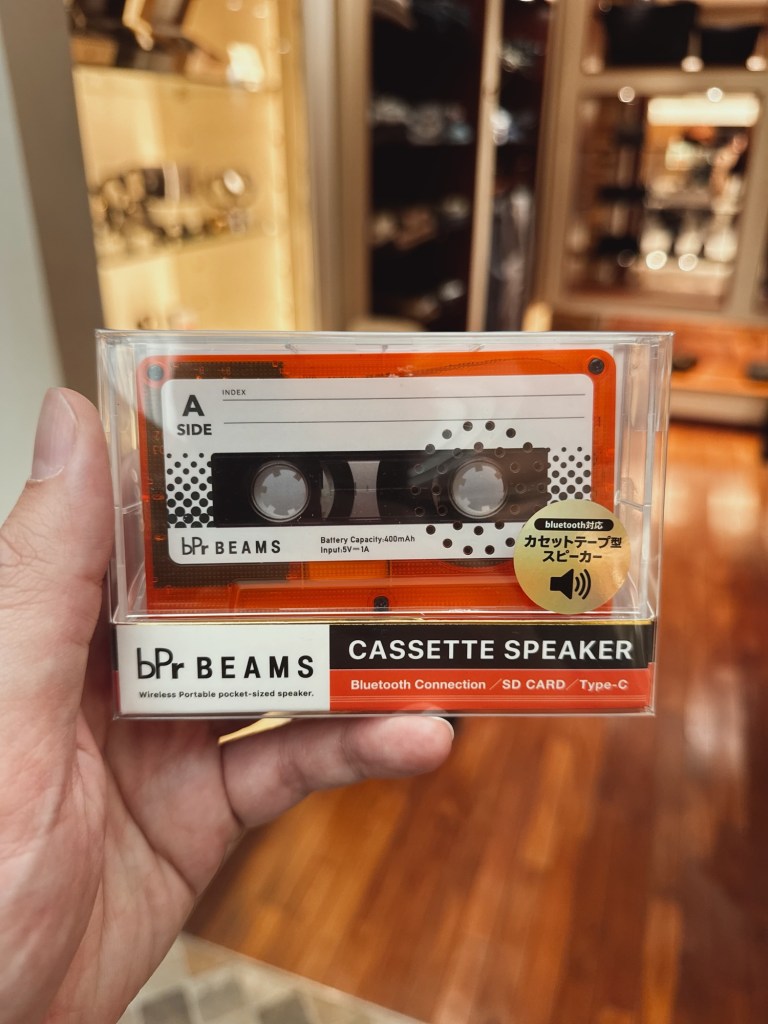
    • Still on the lookout for nice souvenirs and Japan-exclusive gadgets, but it seems those days are long gone and generally the global electronics market is extremely flat now with online shopping and Chinese e-commerce platforms like AliExpress. But! While at Beams (clothing retailer), I discovered this Bluetooth speaker that is the exact shape and size as a cassette tape for $50. Despite not expecting it to sound any better than my iPhone’s built-in speakers, I bought it on sight. An hour later, I found a non-Beams branded version at Hands for about $10 less. That’s… fine, I guess.
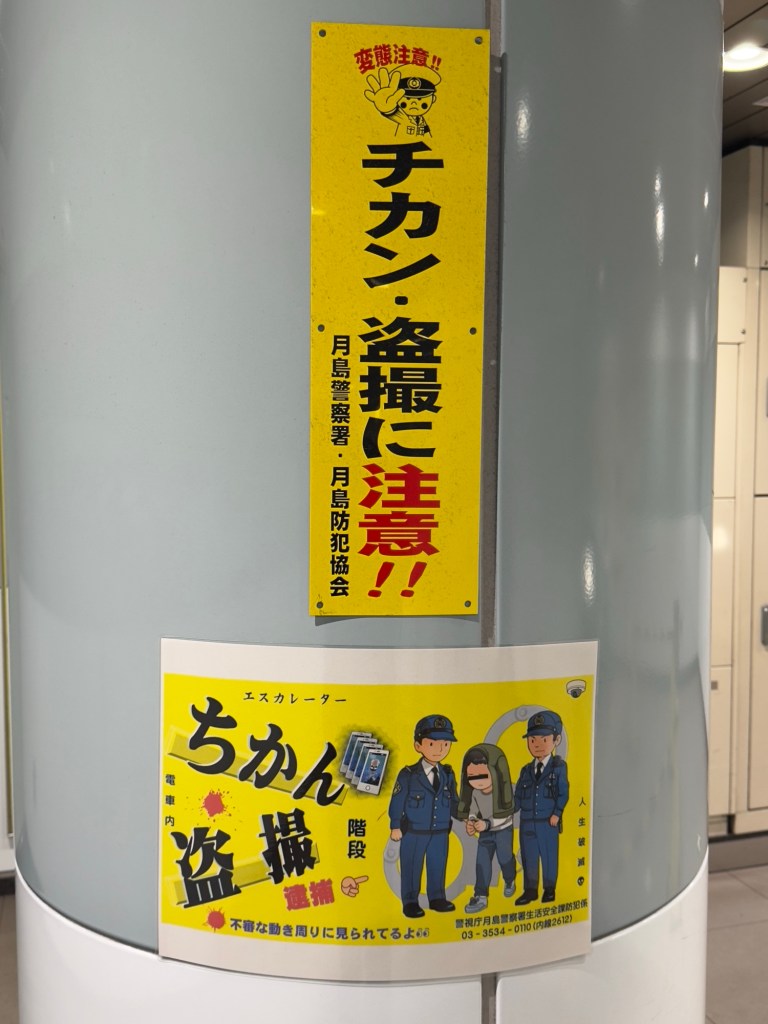
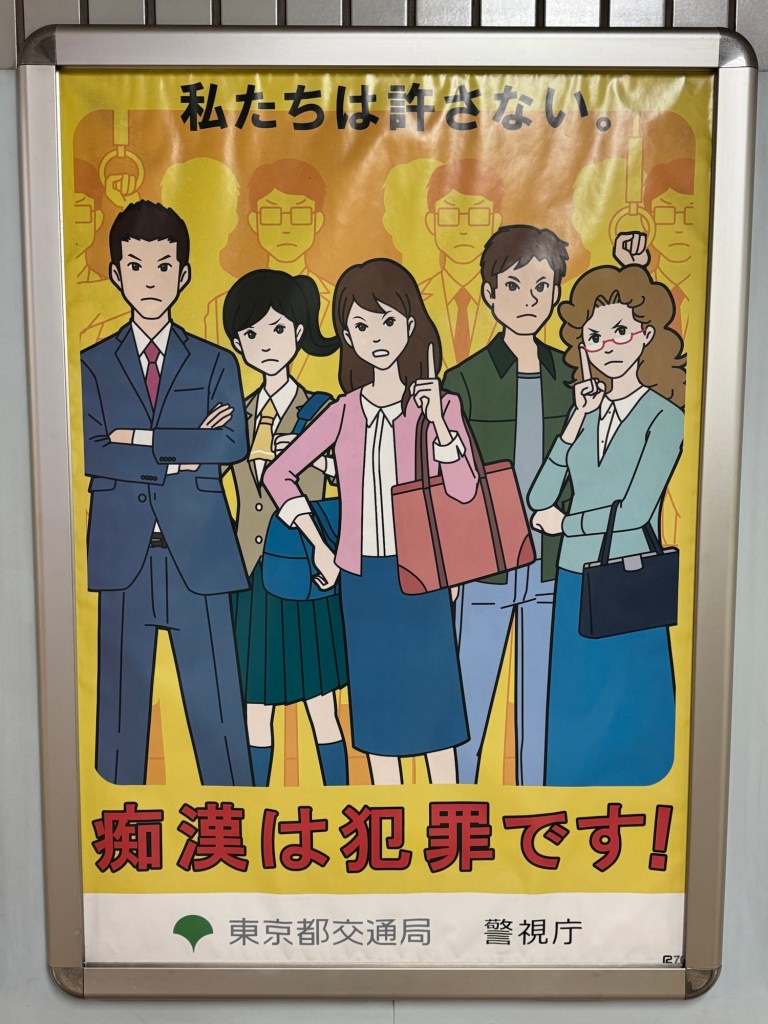
    • There are great PSA ads here warning against perverts who take upskirt photos and molest people on trains. I’ve been collecting a few (ads, not perverts).

  • Week 5.25

    Week 5.25

    • We arrived in Tokyo after dark and headed to a nearby supermarket for apartment essentials: toilet roll, hand soap, face towels, etc. Supermarkets here open till 11 p.m. or midnight, which I did not expect. We’ve been seeing more 24-hour supermarkets back home as well, so maybe that’s just how people shop now (or how late people work now).
    • The domestic produce here is, unsurprisingly, beautiful and better than anything you can easily find in Singapore. Prices range from a little more to a GTFOutta here more. I mean, look at those tomatoes. We’ve also been eating some lovely strawberries from a random fruit stand near Gakugei-daigaku station.
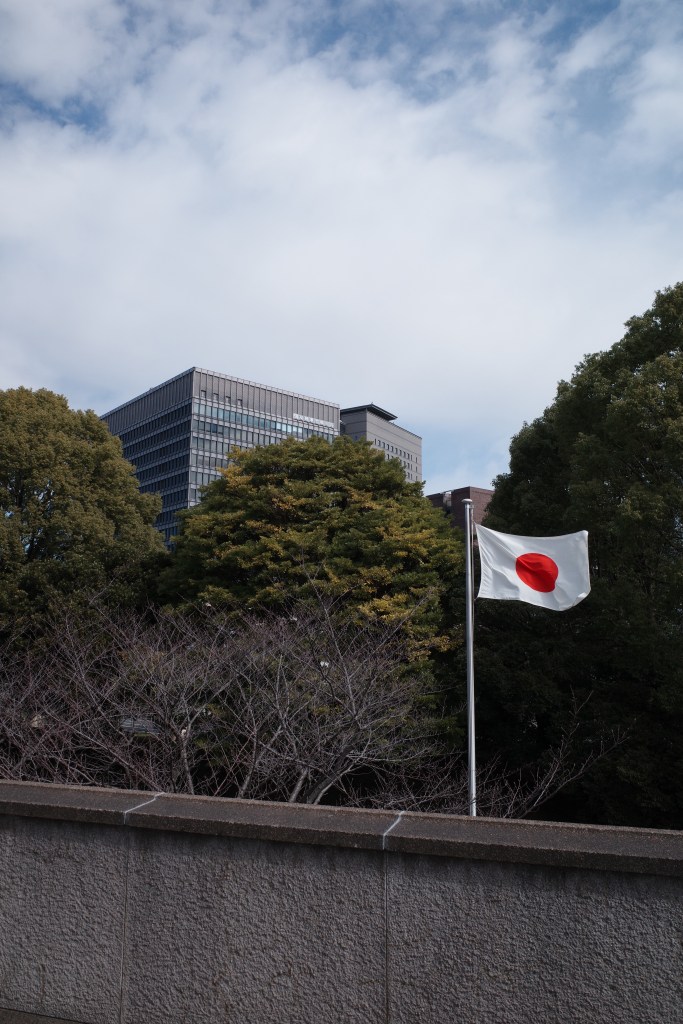
    • My foray into videography was short-lived. After just a day, I’ve gone back to just taking photos. It’s too much work to break in the habit of filming scenes with camera moves and multiple angles whenever something interesting appears.

    • We ducked into a used records store that carried both CDs and vinyls, and for a short while, I entertained the thought of getting a new CD player to put my teenage collection back into service. If I can find a nice-looking one that supports AirPlay (ha) to our HomePods, then I might. Why hasn’t anyone made an all-in-one, retro revival-ready CD/cassette/LP player with decent quality? They’d make a killing.
    • Sleep eluded me for two nights. It was the combination of a smaller bed, snoring, and variable room temperature while we figured out the settings. Things got better once I busted out my Loop Quiet II earplugs. They’re well worth the $20-odd bucks.
    • AccuWeather shows the city has a constant dry air advisory in effect. That’s certainly true in our apartment when the heating is on, and now we’re going to buy a cheap humidifier from 3 Coins (aka ¥300), a Daiso-esque home goods chain that has some really nice products like a 3-in-1 iPhone/Apple Watch/AirPods charging stand and even transparent Switch Pro-style controllers for about S$26. It’s funny that in Singapore I’m constantly dehumidifying, and here it’s just the opposite.
    • It’s not really that cold. Between 0° and 11° is fine by me, but 15° and sunny would obviously be ideal.
    • There’s a longstanding idea/stereotype that the Japanese diet is low on vegetables, and I suppose historically that might have been true, with most of it in pickled form? Sean and Cien were just here too, and they’d read that people keep their toilet businesses running smoothly with the help of probiotic milk drinks. Specifically, this Meiji R1 product (or Yakult). We bought some; the verdict’s still out. Meanwhile, trying to get a healthy dose of mealtime fiber with vegetable ramen, side salads, and shredded cabbage, and honestly, the prevalence of vegetables is no different from what I’m used to.
    • We had dinner at a yakitori restaurant featured in a video on the Japan By Food YouTube channel, and all the local diners were ordering raw chicken tataki, which funnily was not on the English menu given to tourists. But one hot dish we ordered, chicken neck shu mai, came with pink bits of effectively raw meat inside. When in Rome…
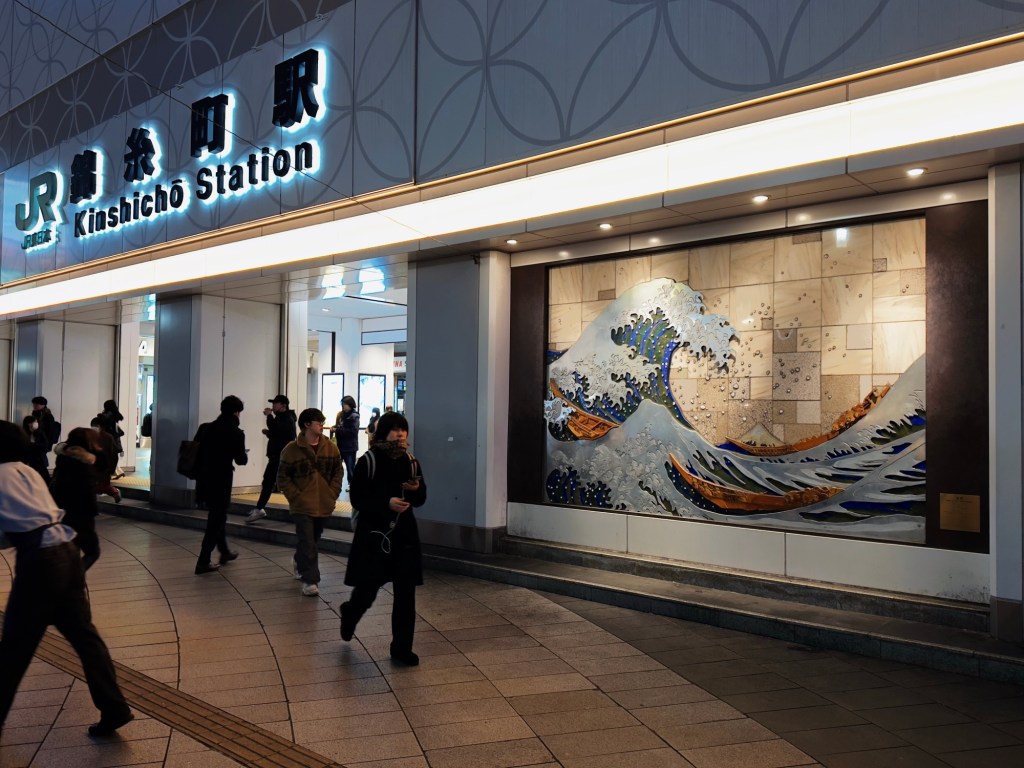
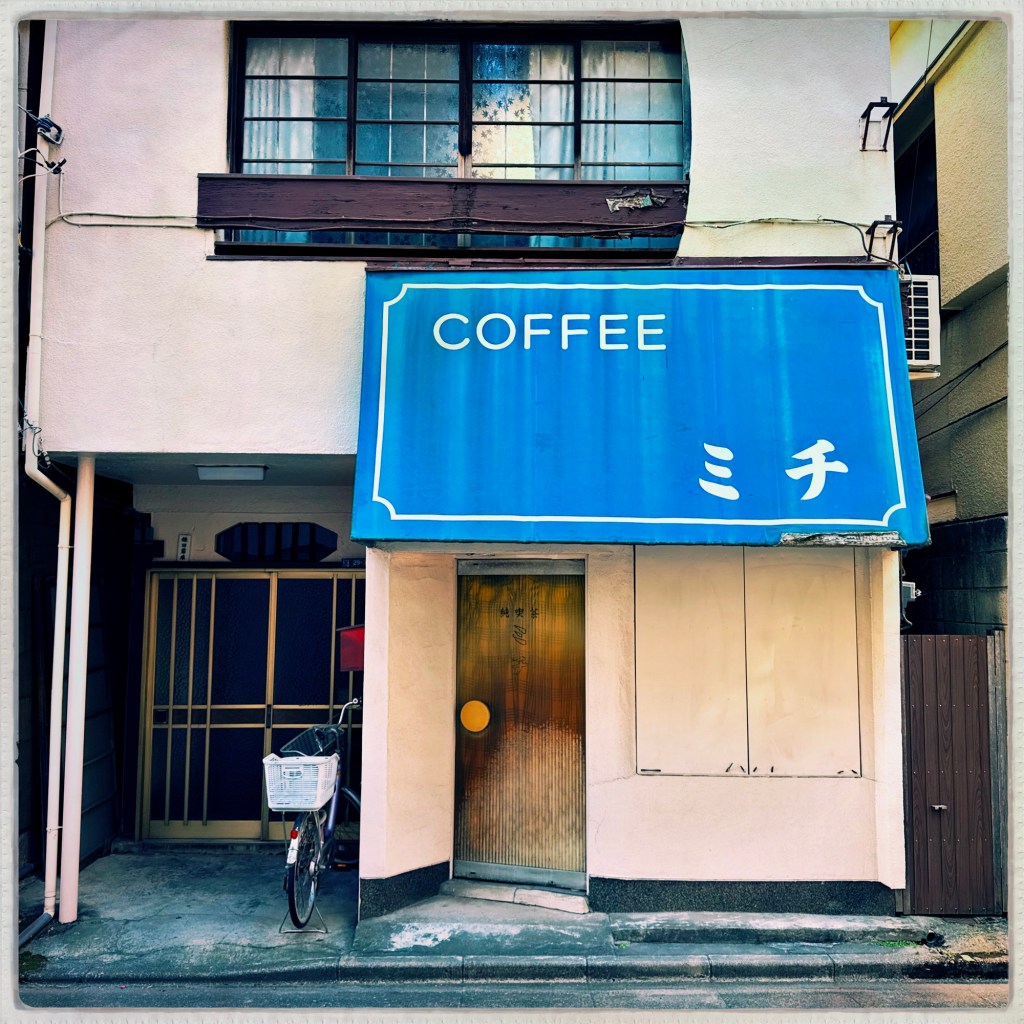
    • It was meant to snow on Sunday, but that didn’t end up happening. We made it out on foot to a nice coffee shop (apparently a branch of a Sydney business), and then spent the morning in the Hokusai museum looking at a small slice of his insane output over 90 years. He apparently produced over 30,000 works, including woodblock prints, sketches, and paintings. I remember having a poster of The Great Wave in my university bedroom way back when (like many of you, I imagine), so it was nice to see the “real thing”.
    • I’ve used my Ricoh GR III and iPhone cameras probably an equal amount. The former in JPEG-only mode, with the factory Positive Film settings (not to be confused with zeroing each setting; there is actually a “recipe” that they ship with), and the latter in ProRAW. I misspoke last week when it came to the Nitro app. It’s still too buggy, and I couldn’t bring myself to pay for it in this state so I’ve gone back to the developer’s previous app, RAW Power. It’s very good, and with my soon-to-be-released color film LUTs and tone mapping disabled, the iPhone can honestly look like a proper camera. Apple’s default look is… realistic but not romantic.