After making 🥱SleepyKills🔪 (and 😴SleepyTales) and enjoying their output — like, I was literally sitting there (awake) and listening to their generated stories and having fun trying to steer them — I began to want true crime stories that weren’t meant to be boring. I wondered… what would the fictional podcast from the TV show Only Murders in the Building be like?
I’ve enjoyed three seasons of it, not just as a show, but as a vibe: a cozy murder mystery set in New York, with almost all the suspense taking place in an apartment building. That same set up is why I enjoy Woody Allen’s Manhattan Murder Mystery so much, and so I wanted to roll all of these up, along with some Agatha Christie, and make a generative podcast that ChatGPT can write and read infinitely for your amusement. It’s like Clue (or Cluedo in some parts of the world). Every story is a little bit the same, but you never know whodunnit.
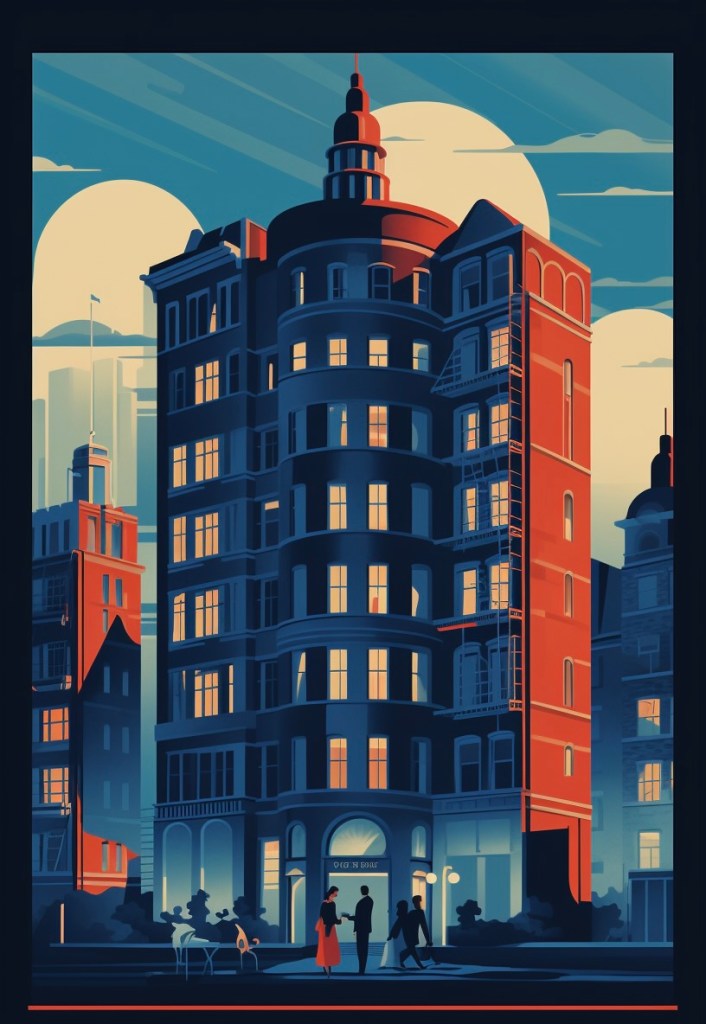
So that led to only Murders in the GPT, where The GPT is The Grand Park Towers, an old art deco building bordering Central Park. You can ask it to start a new season, a random episode, or make up an episode based on your direction. Each one should involve a murder in the apartment building, which the narrator is a resident of, and lead to a thrilling investigation.
If you initiate the conversation with text chat, it’ll be a little wordier and generate a picture to illustrate the episode’s events. If you use Voice Conversations mode, you’ll get the full radio drama experience. It won’t be long before it’s possible to generate real-time music or sound effects to give it a proper podcast feel.
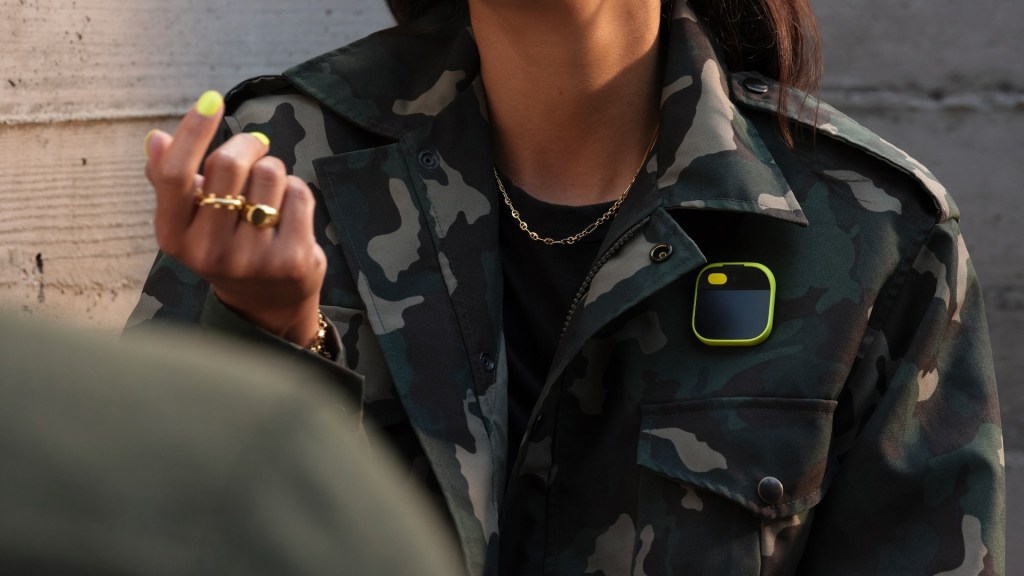
This week in artificial intelligence was a big one: Humane unveiled their highly-anticipated wearable, while OpenAI made strides with ChatGPT enhancements.
The Humane Ai Pin
A lot has already been said about the letdown that the Humane reveal was, mostly by people confused by the presentation style of the two ex-Apple employees who founded the company.
If you’ve seen Apple events and Humane’s 10-minute launch video, you’ll note the contrast in delivery and positioning. Apple tries to couch features and designs in real-life use cases, and show authentic enthusiasm for what they do to improve customers’ lives (Steve was unmatched at this). Humane kicked off with all the warmth of a freezer aisle, missing the chance to sell us on why their AI Pin wasn’t just another tech trinket in an already cluttered drawer. They puzzlingly started with how there are three colors available and it’ll come with extra batteries you can swap out, before even saying what the thing does! The rules of storytelling are quite well established, and why they chose to ignore them is a mystery.
A lot was also said about how two key facts in the video presentation, provided by the AI assistant so central to their product, turned out to be inaccurate. One was about the upcoming solar eclipse in 2024 (and Humane’s logo is an eclipse! How do you get this wrong?), and the other was an estimate of how much protein a handful of nuts has. It’s a stunning lack of attention to detail that this was not fact-checked in a prerecorded video.
Personally, I have been waiting for the past five years to see what this stealth startup was going to launch, and as the rumors and leaks came out, I was extremely excited to see an alternative vision for how we interact with computers and personal technology. What they showed did not actually stray from what we knew. An intelligent computer that sees what you see, is controlled by natural language, and is able to synthesize the world’s knowledge and project it onto your hand in response to queries is amazing!
The hardware looks good, channeling the iPhone 5’s design language to my eyes, and I’ll bet they had to pioneer new ideas in miniaturization and engineering to get it down to that size. I expected it to cost as much as an iPhone, but it’s only $699 USD, which feels astoundingly low. That’s not much more than what we used to pay for a large-storage iPod.
The disappointment is in their strategy. By positioning it as a replacement for your phone rather than an accessory, they’ve reduced the total addressable market to a few curious early adopters and people who want to address having a tech or screen addiction. The kind who intentionally buy featurephones in 2023. I think their anti-screen stance is interesting, but it doesn’t win over the critical mass necessary to scale and challenge norms.
The Ai Pin comes with its own phone line for messages and calls (for $24/mo), so it’s not going to be convenient to use this alongside your phone, and I would not give up my phone while this is still half-baked — I say this kindly, because even the iPhone launched half-baked in many ways. For many things that we have become accustomed to in life, there is no substitute for a high-definition Retina display capable of showing images, video, and detailed or private information when necessary.
Do I believe that Apple can one day get Siri to the level of competence that OpenAI has? I have to hope, because the Apple Watch is probably a better place for an AI assistant to live than in a magnetically attached square on my T-shirt. In any case, Humane seem to have taken a leaf out of their old employers’ playbook, and will be releasing this first version only in the US, and so whether or not I would buy one is a moot point.
OpenAI and GPTs
Speaking of OpenAI, it would seem that they’re still the team to beat when it comes to foundation models. The playing field is full of open-source alternatives now, including Lee Kai-Fu’s 01.ai and their Yi-series models, but as a do-it-all company offering dependable access to dependable AI, OpenAI seems unassailable.
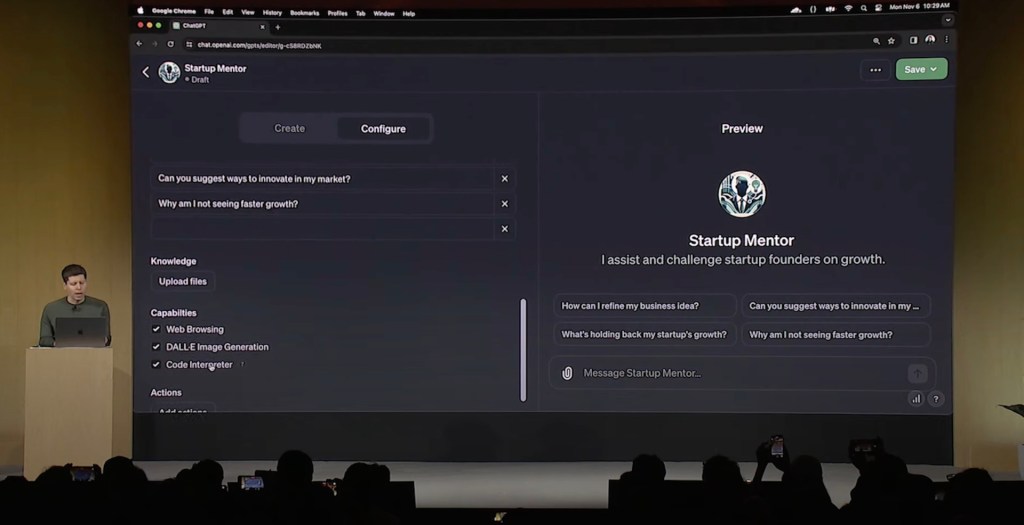
They announced enhancements to their models, increasing context windows and speeds while halving prices for developers, and launched a new consumer-friendly product: customized instances of ChatGPT that work like dedicated apps, which they call “GPTs”. In effect, these are a version of Custom Instructions which were introduced earlier this year as a way to tell ChatGPT how to behave across all chats. But sometimes you’re a researcher at work and sometimes you want to have some dumb fun, thus I’m not sure they caught on.
So now GPTs let you specify (pre-prompt?) different contexts and neatly turn them into separate tools for different purposes. Importantly, you can now also upload knowledge in the form of files and documents for the agents’ reference in generating replies. This makes them more powerful and app-like, and normal people like me with no coding ability can create them by telling a bot what they want (in natural language, of course), or writing prompts directly. I recommend the latter, because chatting with the “Create” front-end tends to oversimplify your instructions over time and you risk losing a lot of detail about how you want it to work and interact with users.
So what does the launch of these GPTs mean? Well, for many of the developers who were riding the OpenAI wave and only used their APIs to build simplistic wrapper apps, it’s a sudden shift in the tide and they’re now forced to build things that aren’t reducible to mere prompts.
What we’ll soon see is a GPT gold rush. Brace yourself for a stampede of AI prospectors, each hunting for their piece of OpenAI’s bonanza — the company will be curating and offering GPTs in a “Store” and sharing revenue with creators. That’s a different model than their APIs where developers pay OpenAI for compute and charge users in turn. Here, users all pay OpenAI a flat fee for ChatGPT Plus and can use community-made GPTs all they want (within the rate limits).
Hear everyone talking about a viral GPT that makes it so easy to do X? When you want to try it out, you’ll see a call-to-action to sign up for ChatGPT Plus. This signals to me that launching GPTs is a strategy to drive paid account conversion, which begins the lock-in that OpenAI needs in order to make ChatGPT the new OS for services, not unlike how WeChat is the base layer that runs China, regardless of whether you use iOS or Android. Eventually you won’t even need to know about or choose the GPTs you use; the master ChatGPT system will call them as necessary. We may not be headed for a screen-less future, but we’ll probably see an app-less one.
My GPT projects
Of course I’m playing with this and making some of my own! Did you think I wouldn’t, given the ability to create AI things without coding?
I’ve got a list of ideas to work on, and so far I’ve acted on three of them, which are explained on this blog in separate posts.
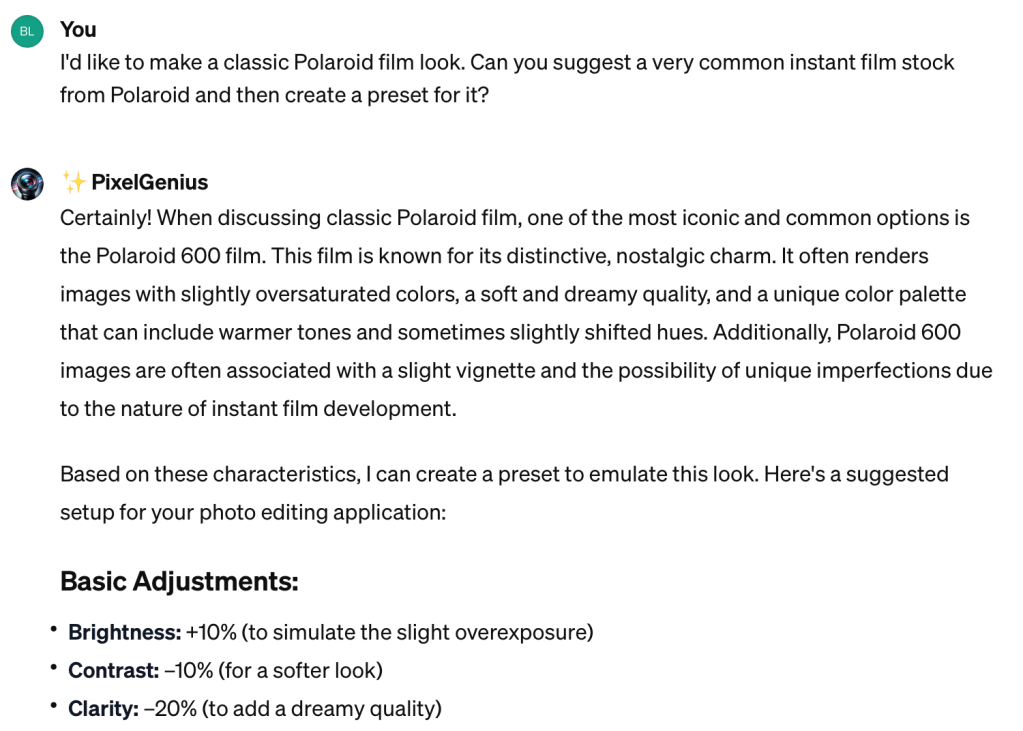
✨ PixelGenius was my first, and contains the most complex prompt I’ve ever written. It started out as a tool to generate photo editing presets/filters that you can use on your own in any sufficiently advanced photo editing app with curves, H/S/L controls, and color grading options. You can just say “I want to achieve the look of Fujifilm Astia slide film” and it’ll tell you how to do that. But now it does more than just make presets, which you can find out about here. More details and examples in the blog post here.
SleepyTalesSleepyKills
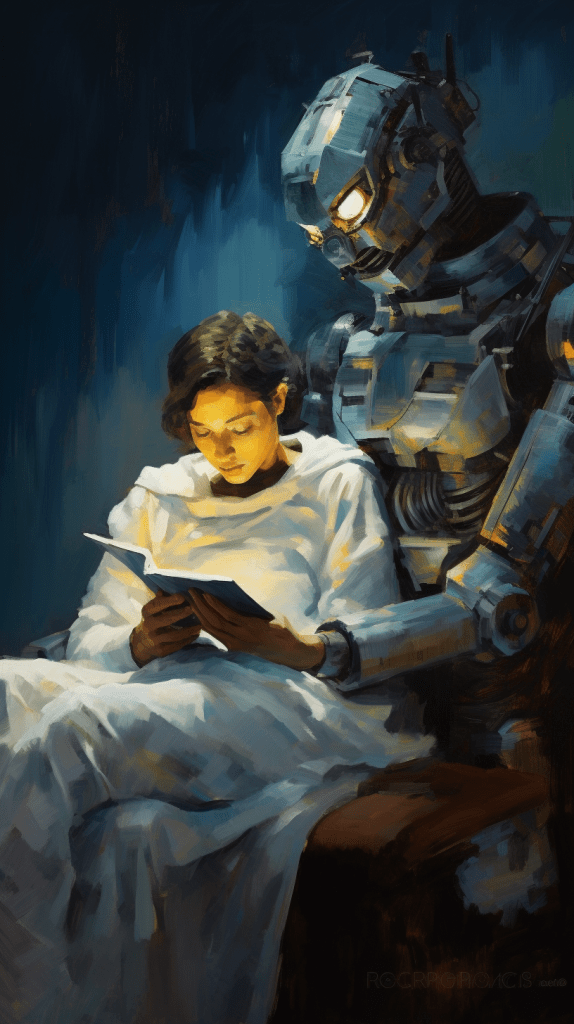
😴 SleepyTales was the second, and I’m still amazed at how good it is. It’s designed for Voice Conversations mode (currently only in the mobile app), so you can get a realistic human voice reading you original (and also interactive, if desired) bedtime stories. These are never-ending, long, and absolutely boring tales with no real point, in drama-free settings, told in a cozy and peaceful manner. It’s the storytelling equivalent of watching paint dry, yet oddly mesmerizing. More on this and the next one here.
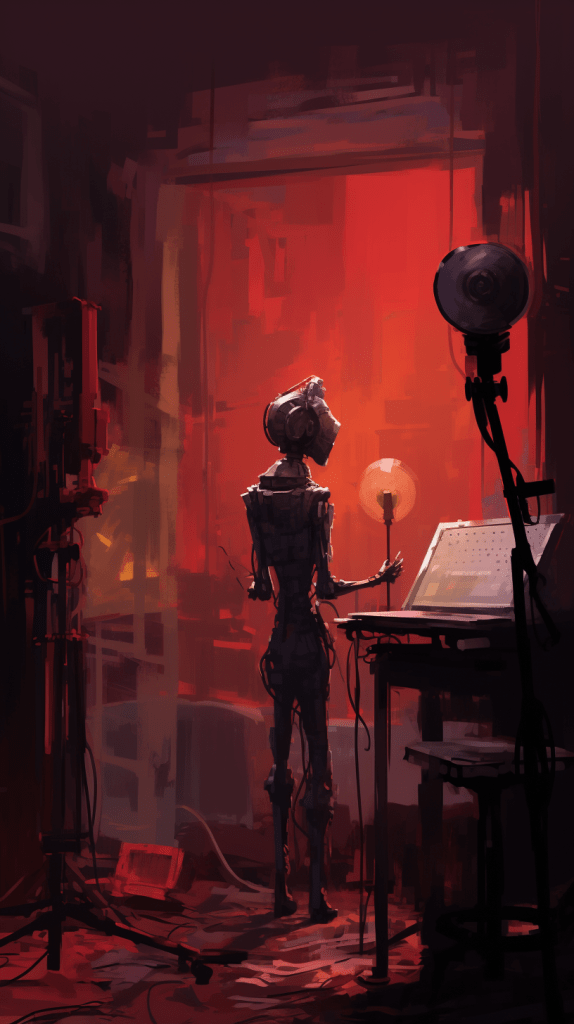
🥱 SleepyKills 🔪 was born from a hilarious misread — I told Cien about it and ‘mundane’ became ‘murder’. So if your bedtime stories of choice are usually true crime podcasts, then you’re in luck. This GPT agent will create an infinite number of dreary murder stories, but stripped of all suspense, mystery, and excitement. They’re about as exciting as real police work, not the flashy TV investigating sort. Again, I still can’t believe how cool it is to hear these being written and read in real time.
People have said the Voice Conversations feature is a game-changer for ChatGPT, but I didn’t really get it at first when using it for general queries. IMO, the killer app for it is storytelling. I’ve been using the voice called Sky for both the above bedtime stories apps, and it works well.
Films
I watched David Fincher’s new film The Killer in bed on my iPad, just like he would want me to. Even then, it was spectacular, a cinematic victory lap for both him and Michael Fassbender. It plays with genre conventions, expectations, and riffs off his own body of work. There are some great moments and a fantastic performance by Tilda Swinton. 4.5 stars.
Speaking of performances by English actors, I also watched Guy Ritchie’s Operation Fortune: Ruse de Guerre, which is both a terrible name and attempt at creating a new globetrotting spy/special ops team franchise. But, he has a certain touch even when making shit, and the film is a hell of a lot of fun, bringing out the best in Jason Statham (who tried to hold up The Expendables 4 and failed), as well as a villainous turn from Hugh Grant that — I shit you not — is easily a Top 10 career highlight for him. Jason Statham in the right hands is a very different animal than when he’s doing B material; I don’t know how to explain it. I actually gave it 4 stars on Letterboxd and won’t take it back.
Album of the week
REM’s Up received a 25th Anniversary Edition, with some tracks seemingly remastered and a whole second “disc” of an unreleased live performance they recorded on the set of the TV show Party of Five?! Sadly it is not a track-for-track live performance of the album, which would have been great. There’s no Dolby Atmos here either, so I’m just taking this as an opportunity to revisit this album.
I can still feel the gut punch from the day Bill Berry bowed out, post-aneurysm. I was afraid they might break up, and REM was absolutely my favorite band back then (maybe still), so when Up came out, I was hopeful for a new and long-lived chapter to begin. And yeah, it was a weird album, playing with new sounds and using drum machines — not unlike The Smashing Pumpkins’ Adore album after Jimmy Chamberlin left. But many songs were great, some even recognizably REM. The band kept going for a few more albums, each a new spin on an evolving sound. And in true style, they dropped the mic at just the right moment.
😴 SleepyTales: Spins long and boring stories to help you unwind and fall asleep. Designed for voice mode, turn it on and chill…
This is a GPT designed to be used with ChatGPT’s “Voice Conversations” mode (currently only in the mobile app) — although you can use it to generate text alone, it really shines when paired with one of their realistic voices. I currently prefer the one called Sky. Like it says in the description above, this GPT agent has been prompted to provide tension-free, inconsequential, meandering stories about anything you like. It reads them out in a slow, gentle manner, for quite awhile at a stretch.
So just turn on voice mode and pop your phone on the nightstand and listen to the most boring stories ever. Unfortunately, I’m unable to make it speak indefinitely without building an app, so it will occasionally stop and ask if it should keep going. You can say “yeah” or even “mmhmm”, and it will. Or you can give it some direction. Hint: just try and get it to make the story more exciting, I don’t think you’ll succeed!
And I suppose if you’ve nodded off and can’t tell it to continue, that’s a good thing? Nevertheless, I find its stories very good just for unwinding while still awake.
🥱 SleepyKills 🔪: A generative true crime podcast that couldn’t be more boring. Sleep tight!
While showing the former app to Cien, she misread “mundane” as “murder” and thought it generated boring true crime stories, to which I thought “WHY NOT!?”
And so SleepyKills was born, designed to emulate the language and style of a popular true crime podcast except… you might find it very hard to care? Firstly because the murder stories are completely generative and fictional, and secondly because they’re almost comically full of irrelevant details and lacking in any excitement or suspense. The AI podcaster often spends time on aspects of the case that no one else would want to know.
Check it out if that sounds like your kind of bedtime story.
Do you edit photos, use filters, or make your own presets? What if you had an AI tool to help create any look you asked for?
That’s ✨PixelGenius, my first “GPT” (a custom agent built on ChatGPT). It’s a photo editing expert that creates filters, suggests improvements, and helps you elevate your craft.
Describe a vibe and it’ll provide the settings to make a preset/filter.
Emulate a classic film stock!
Upload photos and get editing suggestions.
Reverse-engineer edited photos by providing a Before and After.
Learn editing techniques just by chatting naturally.
It’s designed to help beginners learn the art and color science of photo editing, while letting pros save time with great starting points. For every adjustment, it explains the intent so you learn how this stuff works.
It gives you standard adjustment values that you can plug into your favorite photo editing app like Darkroom, VSCO, Photomator, or Adobe Lightroom and save them as your own custom presets.
I prefer to learn by trying stuff out rather than watching videos or whatever, so when I first started using Lightroom, it was a messy process of trial and error that lasted years. ✨PixelGenius turns that into an interactive, guided experience. It’s like having a photo editing expert on demand, and you can even get into deep conversations about color theory and photographic history. All you need is a ChatGPT Plus account.
This involved writing one of the most comprehensive prompts I’ve done so far, so I’d be curious to know your thoughts after you give it a go!
I used to (sporadically) log my mood and mental state in a great free app called How We Feel, but ever since iOS 17 came out with a similar feature in the Health.app, I’ve been doing it there. It’s nowhere as good, though, and the act of recording how you feel is (surprise!) so much better in How We Feel. Apple’s version makes you scroll a list of feelings like Anxious, Content, and Sad, sorted in alphabetical order.
The other app arranges feelings in a colorful 2×2 grid, from high to low energy, from unpleasant to pleasant. An example of a high-energy unpleasant feeling is Terrified, while a low-energy pleasant feeling might be Serene. This grid is a much more logical and visual way to find the right word and quickly record your feelings throughout the day. Anyway, the rumor is that iOS 17.1 will be out next week, and I’m hoping the new Journal app is part of it, because I want better ways to record and look back on my state of mind.
===
We attended the local premiere of Martin Scorsese’s new film that everyone’s talking about online: Killers of the Flower Moon. In a theater, no less! It’s an Apple Original Film, and will be coming to Apple TV+ after this irl run is over. I can’t remember the last 3.5 hour film I saw under such circumstances, unable to take a break, forced to focus. If I’d seen it at home I’d probably have paused it no less than five times, and so I’m glad that I couldn’t, because it’s the kind of film that quietly spends its budget building a world so absolutely intact and complete that you’re left to focus on the people, the time, and the weight of its historical crimes. As a true story, it’s devastating. “People are the worst” is pretty much my 4-star Letterboxd review.
On the flip side, we saw disgraced filmmaker Woody Allen’s 2019 film, A Rainy Day in New York, which has pretty poor ratings online, and really enjoyed it. I’m aware that he has approximately, oh… one style? And a hallmark of it is neurotic, pretentious characters in awkward romantic situations who spout smart alecky jokes in an artificial, stage performance cadence… but I like it. It’s also amusing to see current generation stars like Timothée Chalamet and Elle Fanning as his stars, but playing their roles exactly like Woody. Is it because they’ve seen his old films and think they have to? Or do the scripts just demand that delivery? Also, Selena Gomez is in it, and I can’t help but see this performance as a superior version of what she does in Only Murders in the Building.
===
I got jabbed for Hepatitis A & B on Friday, and it was a doozy. I felt lightheaded and weird all afternoon afterwards, and I have to go back for two more boosters over the next few months.
Contributing to the feeling all weekend has been my new contact lenses, the first ones I’ve worn in maybe 8 years? The right eye prescription is a little underpowered and so I’m suffering with blurry images that are driving me crazy. I’ll need to try and get them exchanged next week.
Why am I wearing them at all? I got an annoying pimple/scratch behind one ear, exactly where the arm of my glasses sit, and so I decided on some disposable dailies while it heals. On one hand, the feeling of freedom is amazing — I really miss this about wearing contacts, which I did regularly in my younger days. Just things like being able to do a spontaneous facepalm! But now everyone has learnt that “my look” is “guy with glasses”, and suddenly my normal face looks weird, even to me gazing in the mirror, and I don’t need to freak people out any more than necessary.
The blurriness has had a slight impact on my enjoyment of Super Mario Wonder, the latest and greatest Mario game which just came out. I wasn’t planning to buy it, because I wasn’t planning to play it any time soon, being still in the middle of another old Mario game on the Switch, Super Mario 3D World + Bowser’s Revenge. But peer pressure got to me, and talking to Jussi got me justifying it to myself that playing a 2D and 3D Mario game at the same time isn’t a problem — it’s like reading a fiction and non-fiction book at the same time!
Super Mario Wonder is the 2D one, for the uninitiated. It’s a modern take on the classic Mario games, far more inventive and deep-reaching than even the New Super Mario Bros. series of games that tried to breathe new life into the side-scrolling platforming formula. Wonder has incredibly detailed and expressive animations all throughout: Mario and friends move and react to things like characters in a proper animated movie (was this planned to coincide with this year’s film? I don’t know), bursting with character, while the levels and events are literally psychedelic festivals of invention. This is a blockbuster game that spends its budget conspicuously, gleefully.
===
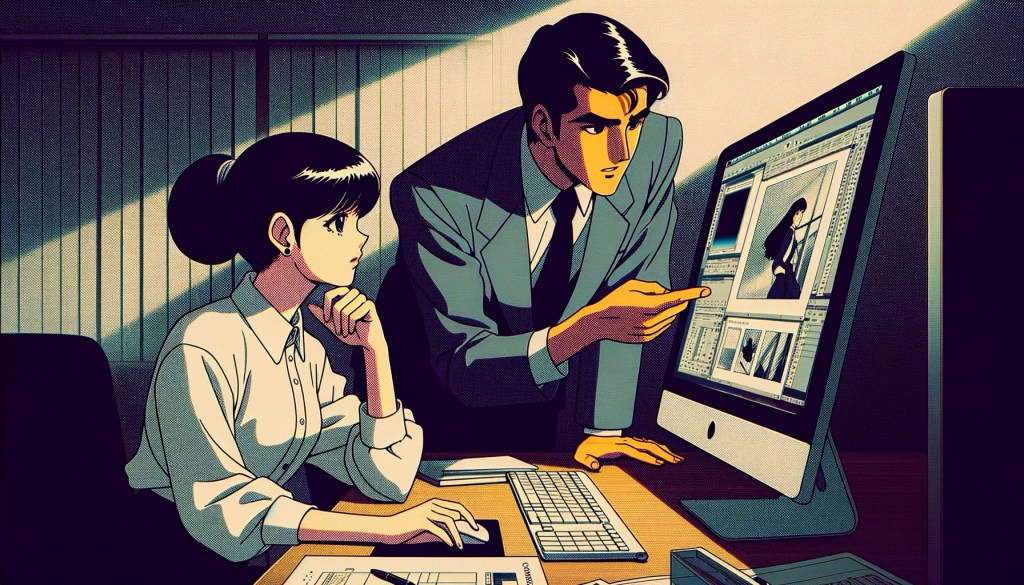
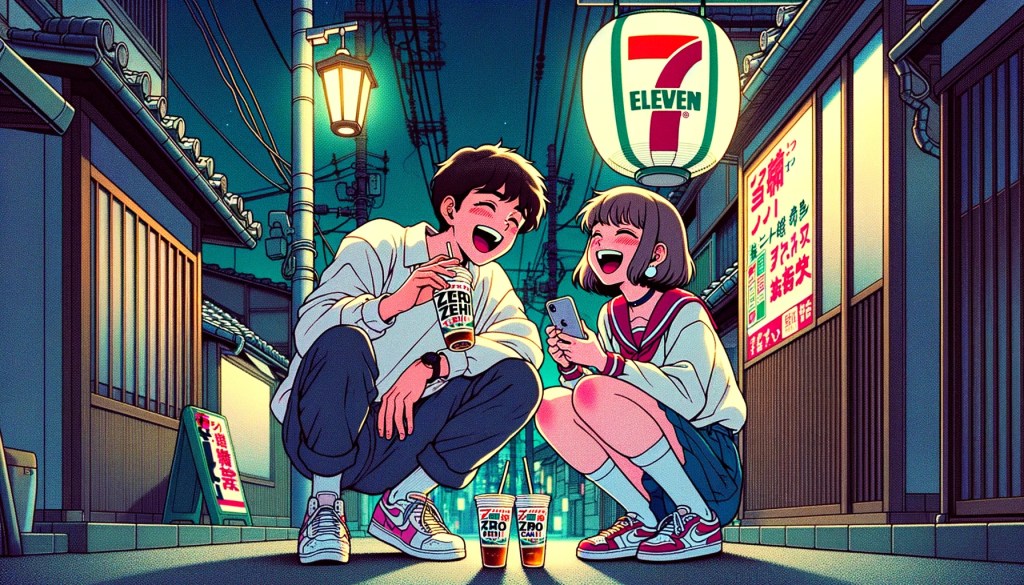
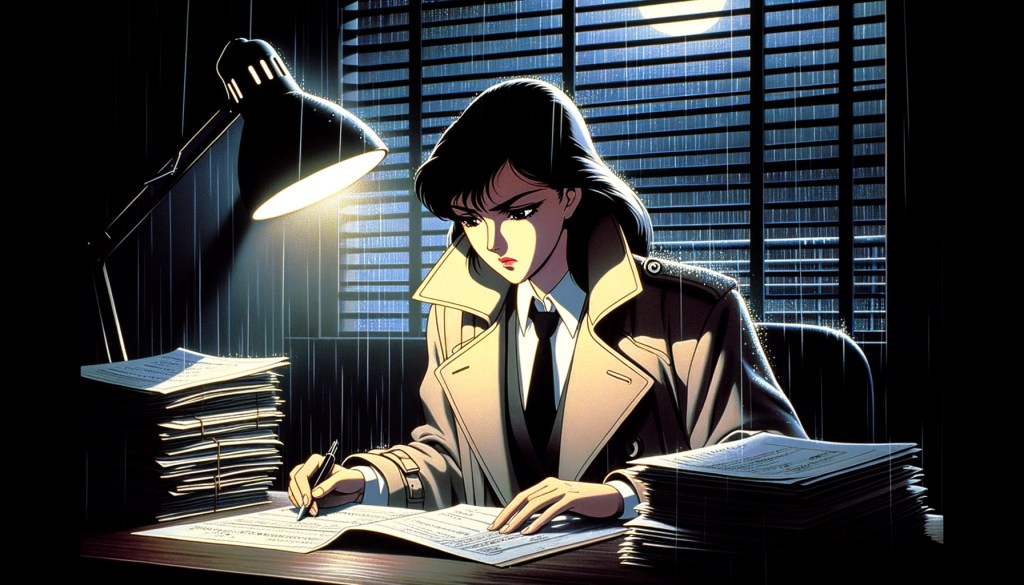
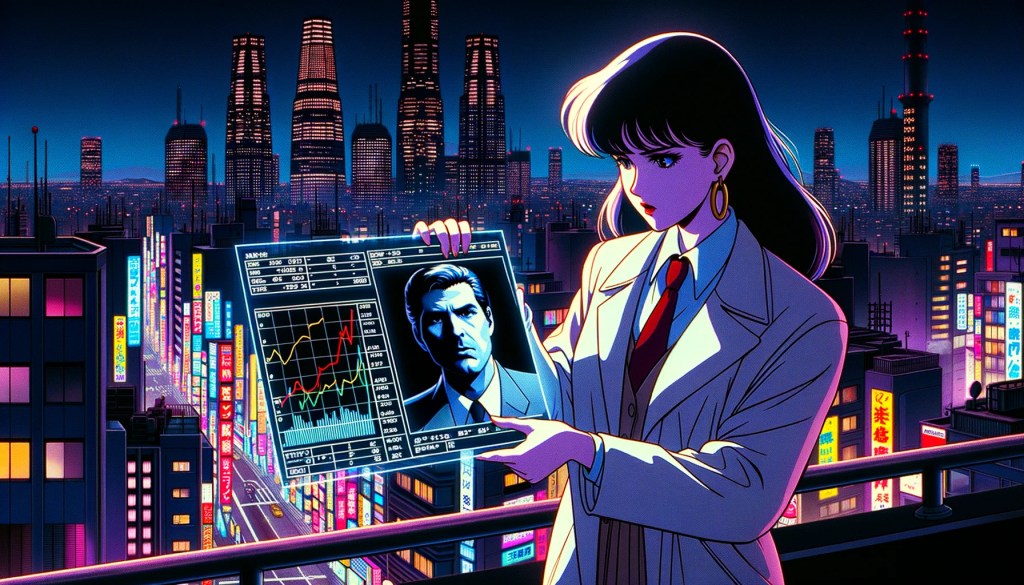
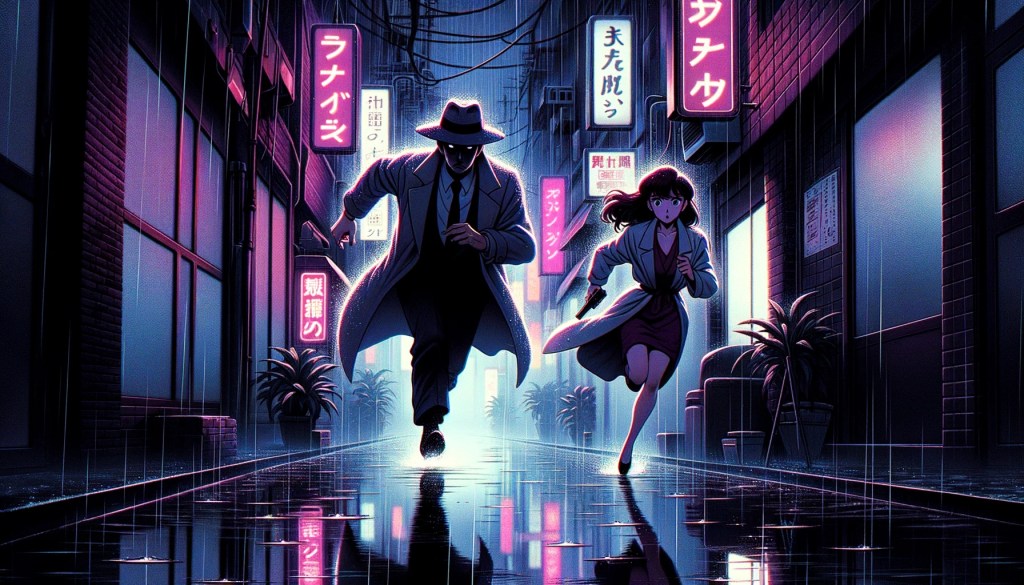
In playing with DALL•E 3 some more (within ChatGPT Plus), I discovered that it goes a great job of replicating the look of classic 80s anime. You literally just have to ask it for that. I tried some classic scenes, and then asked for couples hanging out near a 7-Eleven drinking Strong Zero, and then for screenshots from a movie about a female detective investigating a case of financial fraud, and it’s that last one that made me think this thing is a new milestone in tools for visualizing stories.
There was a period about a year ago when quite a few new moms all had ideas for children’s books, and wanted to use DALL•E or Midjourney to illustrate them. I got questions about whether it was feasible to do this, and if you’ve been talking everyone’s head off about this stuff too, you probably had the same conversations.
I think this level of natural language interface with GPT-4 and DALL•E 3 coming together is finally making it possible for anyone to direct images with consistent settings and characters. I read somewhere that Midjourney v6 is going to make prompting easier as well, so perhaps we’ll get a flood of storybooks next year.
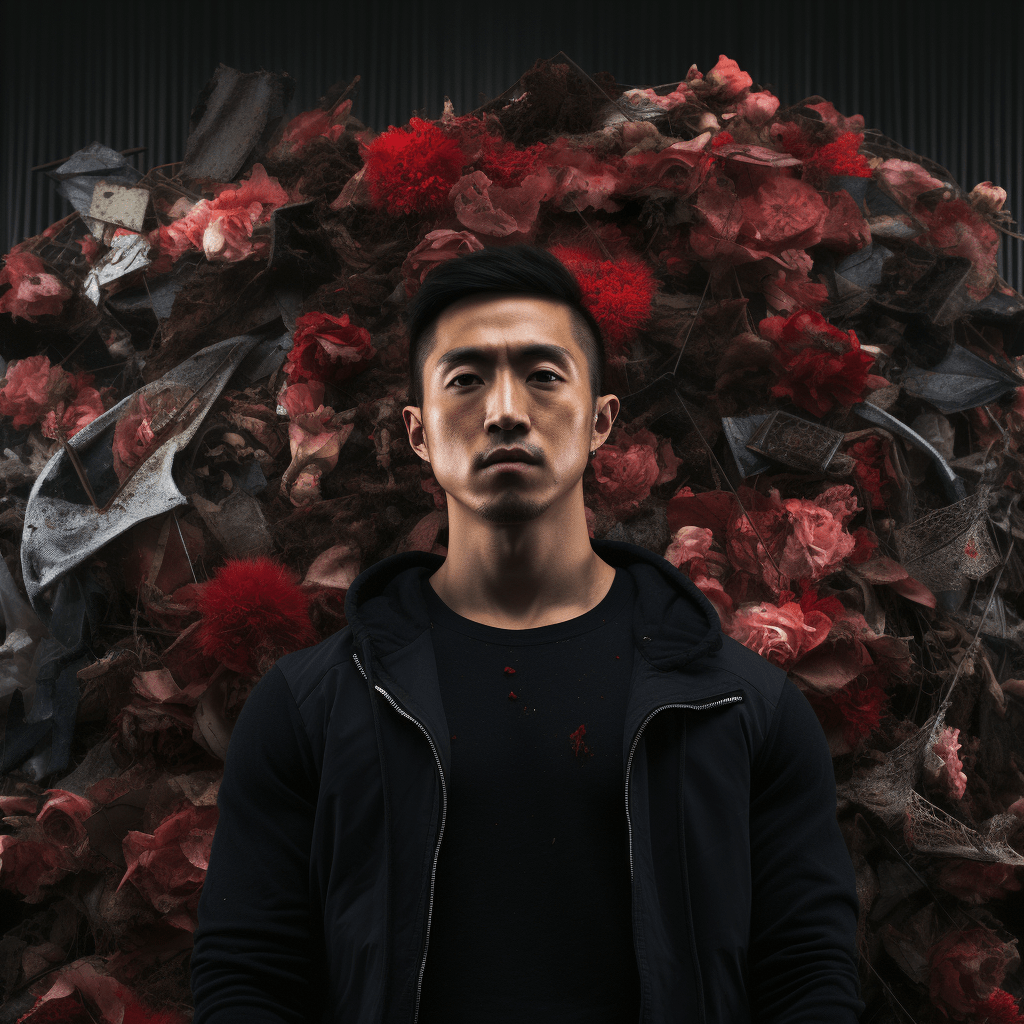
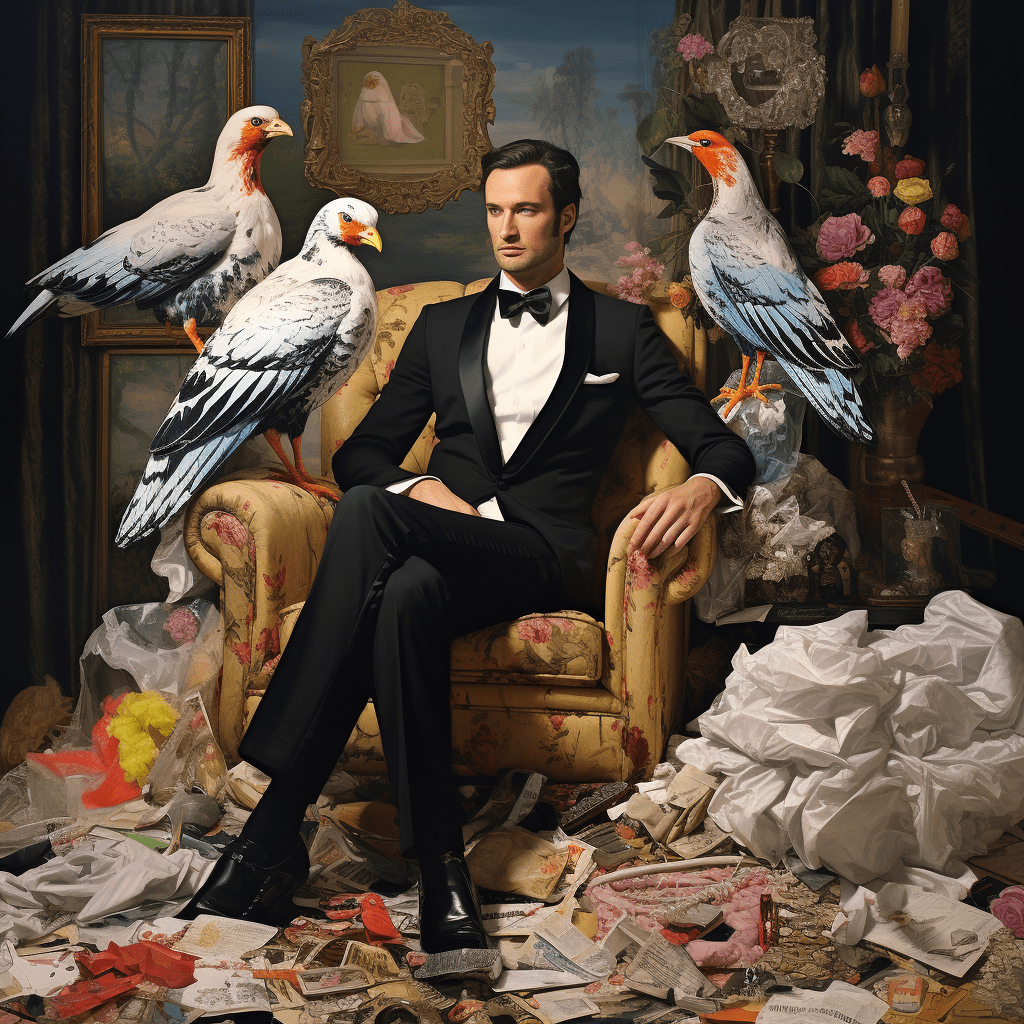
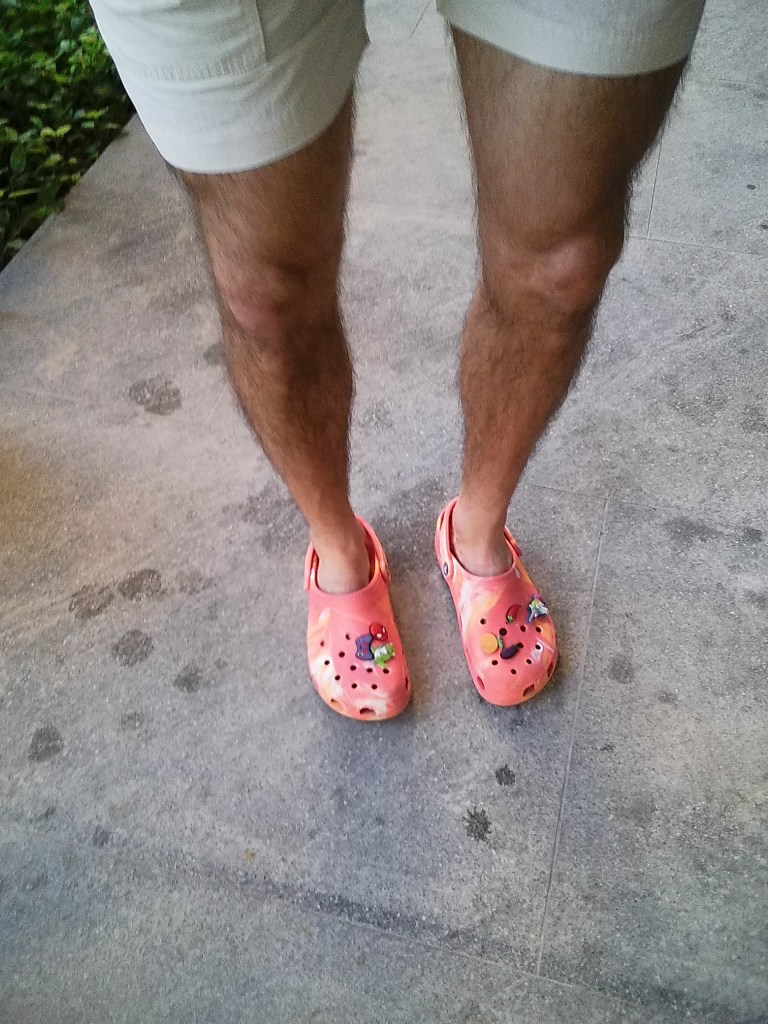
There was also a thing going around on Threads that basically asked participants to “paste your Threads bio into an AI art tool” and see what comes out. I saw a few people doing this, all floored by the accuracy of the people they saw gazing back through the black mirror, I suspect afraid of how accurately they were seen from just a few keywords — one lady said “I own all of those tops”.
I think this is a pretty strong signal for the mainstreaming of generative AI, that a meme like this can spread without instructions attached. Everyone who is online enough knows what it means to invoke an electronic genie that grants image wishes, knows very well how to go find one and get the deed done. Next year is going to be wild.
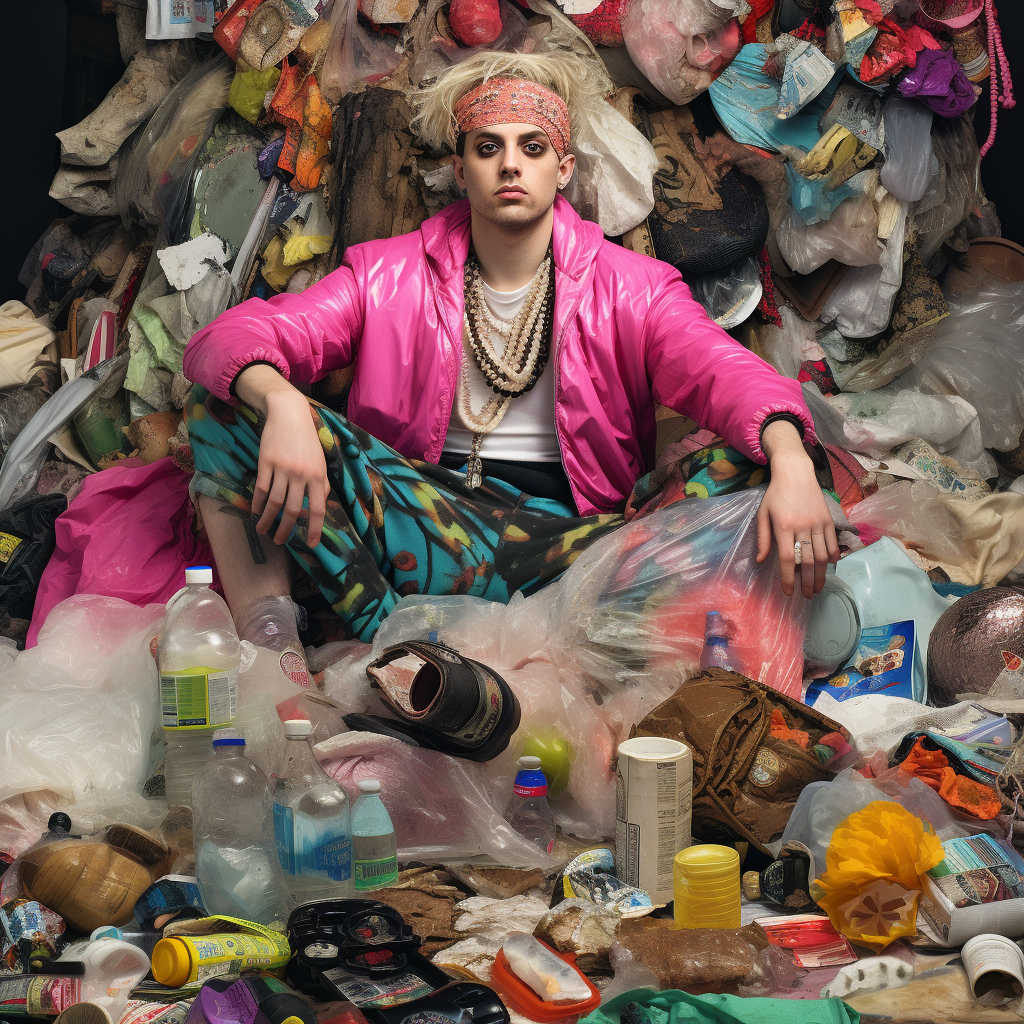
But anyway I wanted to try it out, although my bio isn’t like “Founder/CEO (he/him), hustling 24/7 🇸🇬, new book out 20/12, always up for coffee ☕️ and meetups 🤝”; it’s currently “Designer, sense-maker, aesthete, imposter, garbage, scum.” which gives you results like this:
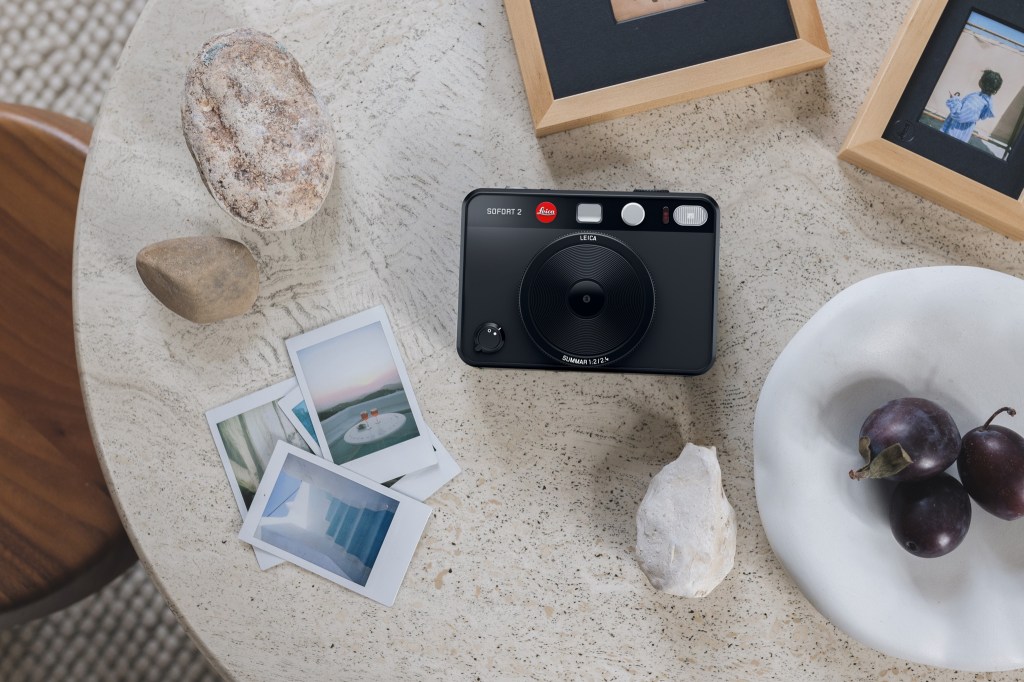
First, a correction to last week: I believed that the Leica Sofort 2 will offer little functional advantages over the Fujifilm Instax mini Evo camera that it’s based on. But I missed that the Sofort 2’s design favors a landscape orientation; its camera strap connection points and tripod mount are placed with that in mind, whereas the mini Evo seems intended to be used in portrait. This is another point of annoyance because the Fujifilm’s design visually indicates it should be used in landscape. Well, it also visually indicates its a vintage analog camera, but we’ll ignore that.
Cameras are for capturing memories anyhow, so on Friday night when we had a team barbecue for the first time in years, I brought my Instax mini Evo out to get some lo-fi, low-res, flash-enabled snaps. A camera never gets as much use as it does in the days just before its replacement is due to arrive — if that isn’t a camera addict’s maxim, it ought to be. But I wonder if Leica is ready for the backlash when the photos from this low-grade 5mp sensor start being associated with their premium brand. It’ll be the worst digital camera they’ve ever made. At least with the fully analog Sofort 1, the results were just little Instax prints. But now some really questionable digital files are gonna come from a Leica camera and start circulating.
These were the only ones without faces in them
Anyway, in a big coincidence, the last time I remember having a work barbecue was when Oya left in 2019 to return home, and I met her this week for the first time since as she passed through town for a day. A bunch of us who were around back then met up for Mexican food, margaritas, and refried memories.
I finally got access to ChatGPT’s new features (these couple of weeks felt like forever): image uploads for multimodal chats, a voice-driven mode, and DALL•E 3. I’ve yet to make proper use of the first feature, apart from a few tests. I gave it a photo I took at Toa Payoh Hub (what can you infer about my location from this photo? And it correctly guessed Singapore from some visible shop names); a receipt (split this bill, and would I be an asshole if I asked for this money back as a billionaire?); and a photo of a dying plant at home (how do I nurse this withered thing back to life?).
I wish the voice mode could listen out for your interruptions, which would make it much more conversational. Right now you have to tap the screen to stop it talking first. The synthesized voices are really good, and enhance the illusion of talking to a trustworthy intelligence. Using Siri Shortcuts, you can now just start talking to ChatGPT on your phone at any time, but I still hope Apple finds a way to design a more responsible, private version of this with a future Siri.
The ability to interface with an image generator with natural language is a big deal — in theory, ChatGPT can break down your detailed, context-laden instructions into the right prompts for DALL•E to work with — and affirms my belief that “prompt engineering” will be designed out of relevance for the majority of users. It can’t do photorealistic images as well as Midjourney, but it may be close for illustrations.
I made a new playlist on Apple Music, mostly made up of recent releases I’ve been enjoying, with a few oldies thrown in there: BLixTape #2
iOS 17 introduces crossfading, and I think it works great for mixtapes, making the intentional juxtapositions even clearer and jam-mier. Crossfading is when one song fades out just as the next one fades in. It’s like having a budget DJ. (Edit: AI suggested I explain it for those who might be unfamiliar, but Kim says this is mansplaining. I guess this is an explainer for the explainer.)
I played with this cover art idea for awhile in Midjourney over the past few weeks, but wasn’t super happy with any of it. I gave the same brief to ChatGPT + DALL•E 3 and decided to use its version. It came up with a more interesting composition than all the other centered, literally middle-of-the-road shots, and it was able to follow my instructions that the headphones should be Beats Studios.
Remember the Leica Sofort (German for “instantly”) camera? It came out of nowhere years ago, an unacknowledged collaboration with Fujifilm that took their popular Instax Mini 90 model and rehoused it in a sleeker Leica-designed body (offered at a much higher price, nearly double if I recall right). Reviewers tried to discern a difference in the photos, but they were essentially identical cameras on the inside. For some reason, everyone danced around the similarities and at best said the Sofort was “inspired” by the Mini 90, as if it was a new Instax camera by Leica that somehow came out looking mighty similar, rather than a simple body swap at the same Fuji factory.
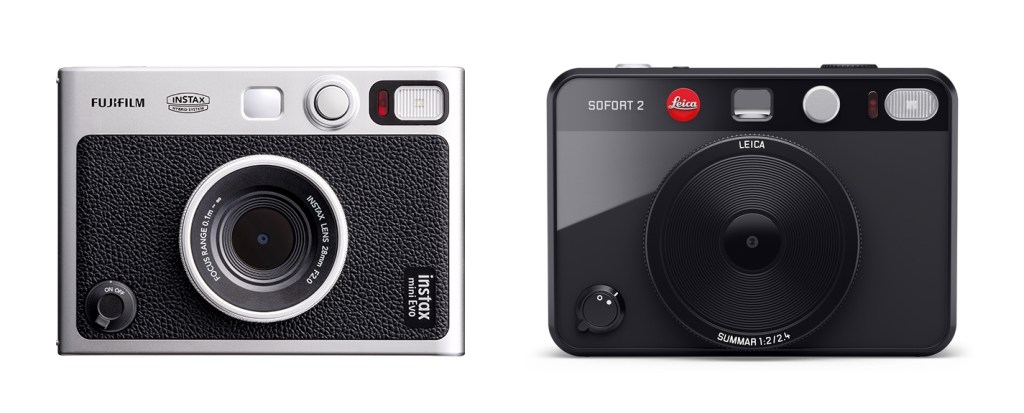
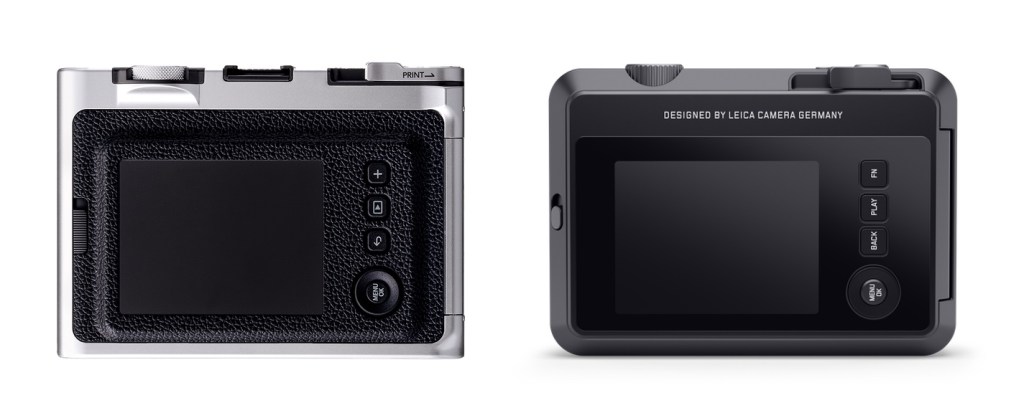
This week, Leica announced the Sofort 2, which is now a redesigned Instax mini Evo (a camera I bought myself for Christmas in 2021). Where the original Sofort was a fully analog Instax camera, the Sofort 2 is one of Fuji’s hybrids: a digital camera fused with one of their Instax printers, so you can take tons of photos and then decide which to print.
In my opinion, the mini Evo is the least ugly Instax camera Fuji has made, which is one of the reasons I was excited to get one when they came out. Oh, I noticed that Jurin from XG uses one, and some of their IG posts look like mini Evo shots. But the Sofort 2 is beautiful, streamlining the body to its essential elements and removing nearly all traces of fake plastic leather and silver-effect plastic.
Leica’s ability to wrap other companies’ cameras in minimalist industrial designs and sell them for more money is unmatched. I bought their D-Lux 7 precisely because I wanted Panasonic’s LX100M2 but could not get behind its rugged hiking shoe looks.
Where the mini Evo is a cute plastic facsimile of a Fujifilm X100 camera, and wearing one around on a shoulder strap makes you look like a kid who’s been placated with their very own toy iPhone, the Sofort 2 looks like a camera in its own right (far as I can tell from the images). And as little as I have used my mini Evo over the past two years, it will be very hard to convince myself not to “upgrade” to this version for Christmas. And to be clear, there are ZERO functional improvements from the Fuji version, apart from not looking like a toy.
Fujifilm makes their Instax cameras kid-friendly. They’re colorful, bulbous, fun, and recall the freewheeling sensibilities of product design before the 2008 financial crisis, when phones could look like tubes of lipstick and translucentplastics were everywhere (they’re coming back). The Leica partnership seemingly exists to provide the market with what the Japanese might innocently call “adult versions”. Why Fujifilm leaves money on the table by not doing this themselves is mind-boggling. Are they really incapable of producing understated designs? I don’t care about the Leica logo; it’s a joke on a product like this, I just want a clean-looking rounded rectangle.
Generational shifts in photography
And apropos of all this, I heard that Sean was getting into film photography and about to use an Olympus XA2 I once gave to Cien. Which got me talking to my Pi AI (we’ll come back to this) about old becoming new again in photography. Part of it was trying to convince myself that a Sofort 2 would be worth buying as an adult-friendly retro toy camera — a loving term for cameras with garbage image quality. I’ve owned many of the sort, like the Digital Harinezumi series, and they’re always plastic and cheap, or simply dusted-off vintage digital cameras. But this is a new! luxury! toy camera!
So Pi sorta made the “observation” that using an analog camera is an attempt to engage with photography more deliberately. Which I already knew? Because of course using a dedicated camera instead of a smartphone today is deliberate; a “slow photography” thing, a “real photographer” flex. Of course instant film is an extension of this.
But I’d not really appreciated it from the perspective of Gen Z people who grew up without them. Like why ordinary kids not into capital-P Photography would be interested in Instax/film cameras and old digital cameras beyond signaling coolness. Obviously we Xennials and Millennials grew up with photographic scarcity and have fewer photos of our younger days, but these kids grew up in an age of surplus, literally taking photos for granted. Phone cameras everywhere mean cheap and infinite memories. So naturally tools that force moments to be more precious, that force viewers to see events through wonky lenses, would hit different.
I noticed afterwards that Leica’s press release for the Sofort 2 sums this up with a simple statement: “Back then, the instantly printed photo symbolized acceleration, whereas, in today’s fast-paced world, it represents a moment of caution and relief.”
Next day update: I neglected to mention here that the mini Evo and Sofort 2 cameras are actually perfect bridges between these two approaches to photography. They are digital cameras that let you shoot in surplus, and print only the photos worth keeping in scarcity. Also, having two offerings serves buyers across the spectrum from fun/affordable to serious/expensive, which tends to be a generational divide. The hybrid instant camera is a tool that unifies photographers with different values (so long as they’re okay with 5-megapixel shots), and serves as a symbol of ‘making this moment count’.
The Pi personal AI assistant
Okay, so what’s Pi? It’s billed as a personal AI, a ChatGPT for your daily life. But isn’t ChatGPT already for daily life, as well as work life, I hear you ask? Yeah I know, which is why I’m giving this a go. The main difference is that instead of multiple chat threads for different topics, with Pi you just have one main chat. It tries to learn more about you and draws on past context to inform its responses. It’s built on a proprietary foundation model, so perhaps they have a way to get around the short-term memory and context collapse that I’ve seen with other generative AI text systems — so far it’s doing quite well after a few days!
It’s free, and their privacy policy claims they’ll never share or sell your information, but yeah sure what else would they say? I’ve found it quite pleasant, and its responses are tuned to be shorter and less formal than ChatGPT’s defaults. It does feel like talking to a friendly personal assistant.
So far I’ve had discussions with it about movies (we talked about Interstellar and why some Nolan films don’t work as well as others), python programming, economics, frameworks for building good arguments, as well as its own purpose and unique value proposition.
I just asked it to brainstorm what a Sofort 3 could bring to the table. It suggested more AI features (lol) and making it more user friendly. I said I’d go the other way and make it more unapologetically professional, with manual controls and higher quality. It was able to say that it sounded almost like an instant film version of a Leica M, and when I asked it to price such a product, it said $800 USD or higher. That’s pretty insightful!
Something about its simulated personality and the UX of having a single chat thread (where I don’t have to keep introducing my needs and context) makes this very pleasant to use, so much so that I might end up using it over ChatGPT for some queries.
===
Media activity
I had Saturday all to myself so it was a movie day. I saw The Equalizer 3, which was much slower and less action-packed than you’d expect. But Denzel is still badass and he gets to have a nice Italian holiday. Just expect a chiller installment going in. I think this is the last one for Robert McCall.
Indiana Jones and the Dial of Destiny was nowhere as bad as I was led to believe. I’d say it’s actually very successful in closing out Harrison Ford’s role and setting up a possible future heir. The last one was roundly panned and tried to introduce the idea that he had a son, played by an awful human being, which failed so badly they wrote him out in the most delicious way possible in this film. I really hope Phoebe Waller-Bridge gets her spinoff out of this, but apparently she’s developing a Tomb Raider TV series for Amazon Prime? What a shame to work on the pretender when the original tomb raiding franchise is right there!
I forced myself to finish season 1 of Invasion on Apple TV+, just because season 2 looked good in the trailers and has a higher Rotten Tomatoes score. Season 1 is an awful plodding mess, which given Simon Kinberg’s involvement should not surprise anyone. If you’re interested in S2 and haven’t started on S1, I’d recommend you just go straight to it and try to fill in the blanks.
The Below Deck marathon continues. We finished seasons 5 and 6, started over with season 1 — it was disappointing in terms of production quality and crew likeability — and are now on the second.
Apple Arcade’s new James Bond game is quite entertaining. Cypher 007 is an isometric stealth-action game from the makers of Space Marshalls, and should scratch the itch for anyone who loves the franchise and/or Metal Gear games.
So much new music came out and I haven’t had a chance to hear it all yet. After hearing about how Sufjan Stevens’ Javelin is dedicated to his partner who died this April, I’ve played it through several times. I think it’ll be one I come back to over the years.
There’s also a new Drake album, For All The Dogs, which may not have the same longevity.
I enjoyed my playthrough of HOW DID WE GET HERE? by a 22-year-old Canadian pop artist named “young friend” while writing this post. Admittedly, I wasn’t listening to the words at all, but it was very pleasant and I’ll have to get back to it.
A new Omar Apollo EP, Live For Me, which I’ve heard one song off and am really excited for.
Caroline Polachek’s second album, Desire, I Want To Turn Into You, has been getting great reviews too, so I’ll get around to it next week hopefully.
I’ve implemented a new blog theme, which you’ll notice if reading this on the web (as opposed to an RSS feed reader or the email newsletter — I’m surprised at how few people still use the former, and that people are using the latter). For the first time in many years, I’m experimenting with having a listing page instead of just having every post on a long page. Let me know if you think this is better.
A new cafe opened nearby and we’ve made something of a new routine to go there on Saturday mornings and spend quality time together. The coffee’s good, I get to see and hear people in this community that I’m normally ignorant of, and most importantly, it’s a chance to see cute neighborhood dogs.
After last weekend’s work commitments, I took Monday off to chill and fly my underused Mavic Mini 1 drone with my dad (who has a newer FPV model that he flies with a video headset). Hmm, I wonder if you’ll be able to use your Apple Vision Pro for such applications — I can’t see why not.
Bookworm mode has been engaged: I finished Anthony McCarten’s Going Zero, and both started and finished A.G. Riddle’s Quantum Radio this week. Along with Daniel Suarez’s Critical Mass a month ago, that’s a big dose of SF — so I’m now halfway through Sayaka Murata’s Life Ceremony, a slim collection of weird short stories. Whenever life feels like a directionless mess, I always find reading to be the cure.
Shitty films, such as the latest Fast and Furious installment (Fast X), where I couldn’t even make it past the halfway mark, don’t offer the same solace. It’s not only dumb and unengaging, it’s not even engaged with itself; the writing is awful and nothing makes you care at all. So instead, I watched Dwayne Johnson in Skyscaper on Netflix, and although it was a dumb and kinda bad action movie, it at least had a pulse.
===
Now let’s talk Beats, baby.
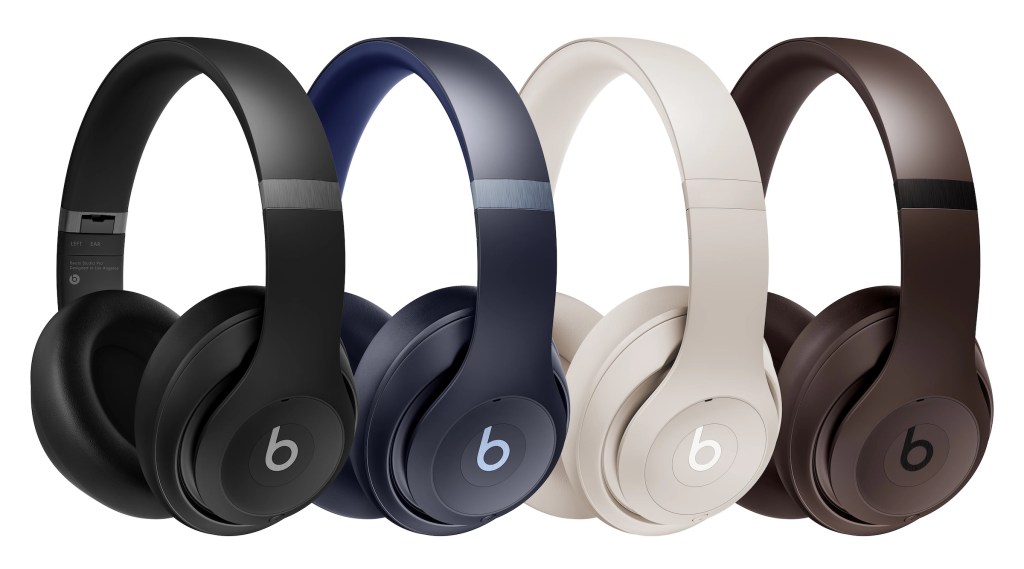
The long-awaited update to the Beats Studio over-ear headphone line finally dropped with the new Beats Studio Pro. My first pair was the Beats Studio 2 circa 2013, with that iconic Ammunition-designed silhouette (the original Studios were fugly, like everything from the early Monster-made Beats by Dre era) — all smooth swooping lines and a low profile on the ears. It’s a design so good they didn’t really change it in 2017 with the Beats Studio 3, and it remains untouched in 2023’s version.
Throughout all incarnations, the sound quality was, to be blunt, crappy. I love a good design as much as the next guy, but when it comes at the expense of audio quality, it’s a hard sell. But somehow, I ended up buying three pairs. Go figure.
After being acquired by Apple, there was hope that sound quality would improve, and indeed the entire Beats line has received significant upgrades, with two exceptions: the on-ear Solo series, which got a short-lived premium noise-canceling reboot with the Beats Solo Pro, and the Studio series. After the Beats Solo Pro was discontinued (my guess is Solo buyers are price sensitive and so the Pro model flopped), they went back to selling the pre-Apple Beats Solo 3 Wireless model and never bothered to update the Beats Studio 3 Wireless. Until now!
The new Beats Studio Pro looks like a proper contender for anyone on Android and those okay with skipping the latest Apple features (e.g. adaptive audio is only coming to second-generation AirPods Pro later this year). It does however have the key ones: spatial audio with dynamic head tracking, improved ANC, and USB-C support including lossless audio over a cable. Given the improved sound quality of recent releases like the Beats Fit Pro and Beats Studio Buds+, I have high hopes for these.
The Beats video aesthetic is still fresh, like an Apple design language from a parallel universe.
Beats recently brought Samuel Ross onboard as “principal design consultant”. His job? Picking out colors. Sandstone is a good-looking warm shade of white; Navy seems like an improvement on previous versions, darker and less saturated; Black is, well, black; and Deep Brown is the interesting new addition here. It reminds me of the original Zune. Ross says in the product video that he was going for “elevated” looks, but man, these are plastic. Luxe colors on plastic? Personally, I would’ve preferred a bit more energy and attitude.
However, a long-standing concern remains: the clamping force. These headphones have always been a bit tight, making them uncomfortable to wear with glasses. Early reviews indicate no change in this aspect, so that’s a good excuse to stop myself from getting them.
If I do, Sandstone has my name on it.
===
Someone mentioned how you could use ChatGPT as a therapist, which prompted me to try writing a prompt that anyone could use for this purpose. Keep in mind that you’ll get better results with GPT-4, and of course this is no substitute for real professional care and advice.
That said! I tried it out on a couple of scenarios and it was pretty good at guiding a conversation, suggesting strategies like reframing your thoughts, and helping you to reflect on your situation. I’d suggest talking to it like you would a real person, and saying things like “see you next week, what do you think we should talk about then?”
The last one came into view after watching her breathtaking performance of some Chopin on NPR’s Tiny Desk Concerts of all places (embedded below). I only just learned that she was diagnosed with multiple sclerosis (like Jacqueline Du Pré, who I mentioned a few weeks ago) in 2018, but has apparently managed to overcome it for the moment. It’s a cosmic joke that bad things happen to the most incredible talents.






















 sangsara.net