Tag: Events

  • Week 11.26

    Week 11.26

    If you thought I was going to stop after last week’s two apps, I wouldn’t blame you. I’ve been having poor luck staying focused on new hobbies and pursuits over the past year; they all just seem like too much work for too little payoff and I drift off. Vibe coding seems different so far because it lets me start making weird things that I want to see, without being dependent on anyone else’s time or generosity.

    If you think in terms of music albums/careers, then Collagen was the mixtape that I put together to see if I could be a real musician. Urban Jungles was a big leap forward, the debut album, if you will. It had way more polish and was usable by almost anyone (whereas Collagen had what you might call a niche audience).

    Which brings us to the sophomore curse or slump. The second album tends to be over-ambitious, myopically conceived, and underwhelms audiences looking for more of what made the debut good. There are exceptions to this mythical rule, like Radiohead’s The Bends, Lorde’s Melodrama, and D’Angelo’s Voodoo. By this logic, my next app was statistically going to “fail” by being a harder one to get into.

    I ended up making two apps again this week: SkySpotter and Library Supercollider. Each one has a separate page on this site that shows and explains what they are, so you should stop here and go read them before coming back.

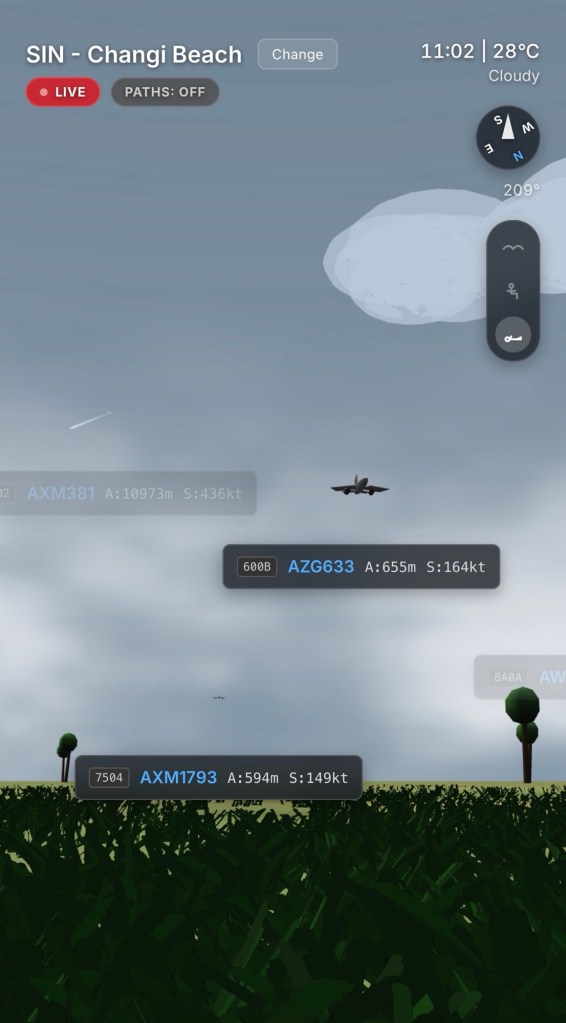
    Like a sophomore album, SkySpotter probably reached a little too far. It took the real-time weather data angle from Urban Jungles, added the more complex dimension of real-time air traffic data, and then threw in rendering a first-person 3D world as a bonus challenge. I started refining the concept and prototyping it on Sunday afternoon, and then worked on it for two full days on Monday and Tuesday. I literally forgot to eat lunch, and was still messing with it at 11pm both nights. It was like a job.

    Gemini 3 struggled. The Canvas chat became so long and convoluted that it won’t even load now in the iOS apps — I have to use the web interface. It hallucinated making changes, and introduced new bugs each time I made an improvement. It built planes with reversed wings and nose cones pointing backwards. Working with bugs in a 3D app was so blood-boilingly frustrating that I wanted to give up.

    I actually did give up… on implementing a VR mode for Apple Vision Pro. We got it to half work but the skybox sphere was too far away and would keep turning black. Rather than risk corrupting the working regular version any further, I decided to cut it.

    I’m proud of SkySpotter because it’s pretty damned cool to lie in the virtual grass and watch real planes go by. Even as someone who doesn’t care about planes more than the average person! But it was a technical challenge first and a passion project second. So if that was my over-produced sophomore studio album the label breathed down my neck for, then the next release would be its opposite: a scrappy, self-funded back-to-roots project recorded directly to tape in a Nashville studio over an inspired couple of days.
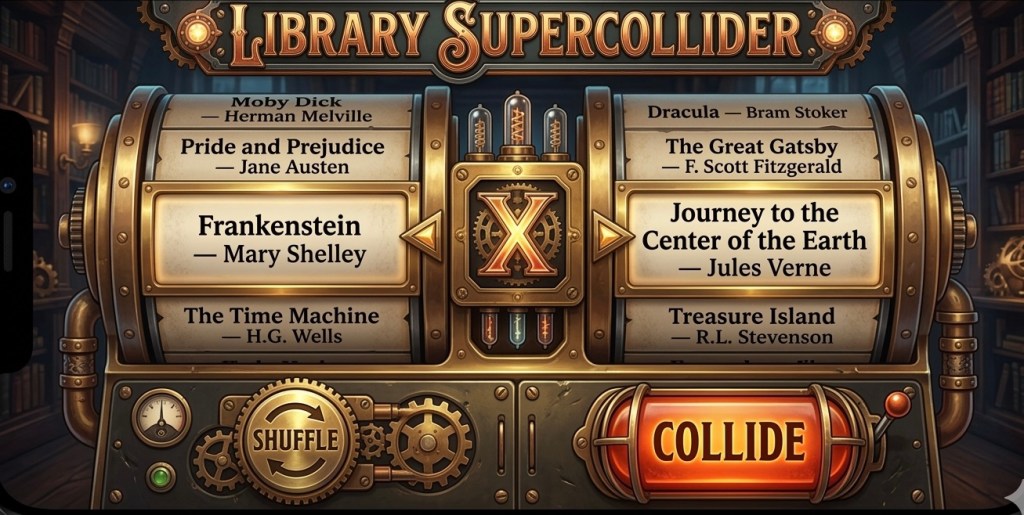
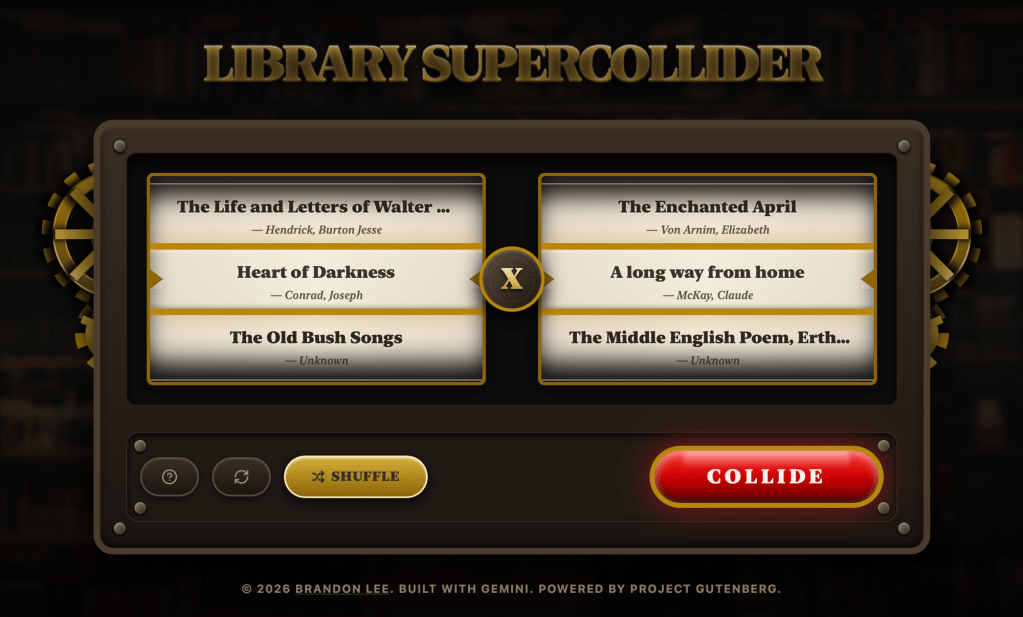
    Library Supercollider was an idea that came to me all of a sudden after I’d finished SkySpotter. I’d been interested in the concept of cut-up poetry since I was in university (popularized by Brion Gysin and William Burroughs around the 1960s), and I believe it occurred to me back then that someone could make a computer program to cut up and mash two classic texts. I just didn’t know it would be me, twenty years later.

    I expected it would take me the next couple of days to get working, being that it requires the somewhat complex-sounding downloading and processing of entire ebooks in the background of a web app. I didn’t know if it could even be done. So imagine my surprise when I had a working prototype by lunchtime on Wednesday. But between polishing the experience and overcoming download limits with Project Gutenberg servers, I wouldn’t be done until Saturday morning, making it a longer project with different challenges — comparatively less frustrating, more educational.

    I understand that it’s not an app for everyone — you might read a page and conclude that it’s worthless gibberish. Maybe it takes the sort of person who likes abstract art and free jazz. But personally I’m so pleased with this project that I’ve bought two domain names to go with it: librarysupercollider.com and the superior smashmybooksup.com, which I’ll retain for a year as a ‘marketing URL’.

    In all seriousness, I think this is the finest work of my two-week career as a builder of software! The user experience for remixing and reading the resulting texts is brilliant, if I do say so myself. The steampunk UI and animations are completely unnecessary but bring me joy (notice the moving gears in desktop view). I had to come up with caching and proxy solutions to make the app more reliable under load. I even got a little into the weeds: installing node.js and Vite on my Mac, running scripts in the terminal, trying to compile a macOS port to get around problems (eventually unnecessary).

    Even if I were a skilled and experienced developer, I can’t see how I would have made these apps in two weeks; from writing to designing and coding them up, plus preparing documentation and website copy (plus one very dubious video ad). Deploying Library Supercollider to its own domain made the reality click for me, a feeling kinda like publishing your first thing on the App Store. It says: this thing is now real and can be used by real people.

    Then I came across this article in the NYT Magazine, entitled “Coding After Coders: The End of Computer Programming As we Know It”. It notes an interesting inversion of what we’re seeing in other fields — AI is taking away the drudgery of programming and leaving the human, soulful (and fun) parts.

    “The work of a developer is now more judging than creating.”

    In that way, I may not have magically joined the ranks of coders overnight, but I could probably say I’m developing. At my job, I used to direct the form of apps in a way so removed that I could only claim the role of design, but not the larger making. Part of the handwringing in design circles today is precisely about how designing and developing are merging, and soon only making will remain.

    Not everyone will bother to turn their ideas into reality, and fewer still have the experience and vocabulary to prompt polished apps distinct from the models’ averaged-out defaults, but those who persevere will be bringing tools and toys into existence the likes of which you may have been waiting decades to see.

    What’s next? Well, I might have a couple of ideas…

    One thing all this app-making has done is bring me back to my Mac. I usually spend most of my computing time on my iPhone and iPad, but there’s no substitute for a Mac when it comes to managing local files, running scripts and compiling code. I’ve had coders like Michael make this point to me before, but I never got it because I never needed to sync a local repo with GitHub or anything before.

    So a side effect of spending long stretches of time on my five-year-old and long-neglected M1 MacBook Air is that I’m wondering “Why did I ever stop? This thing is great!”

    It’s worth noting that this week Apple’s newly released MacBook Neo has been getting a ton of praise on my social feeds for being an affordable and all-round capable machine at an unbelievable $599 price point. I got a tear in my eye as I read this essay by Sam Henri Gold: “This Is Not The Computer For You” — it perfectly encapsulates what it was like to grow up on computers and teach yourself things, even on PCs.

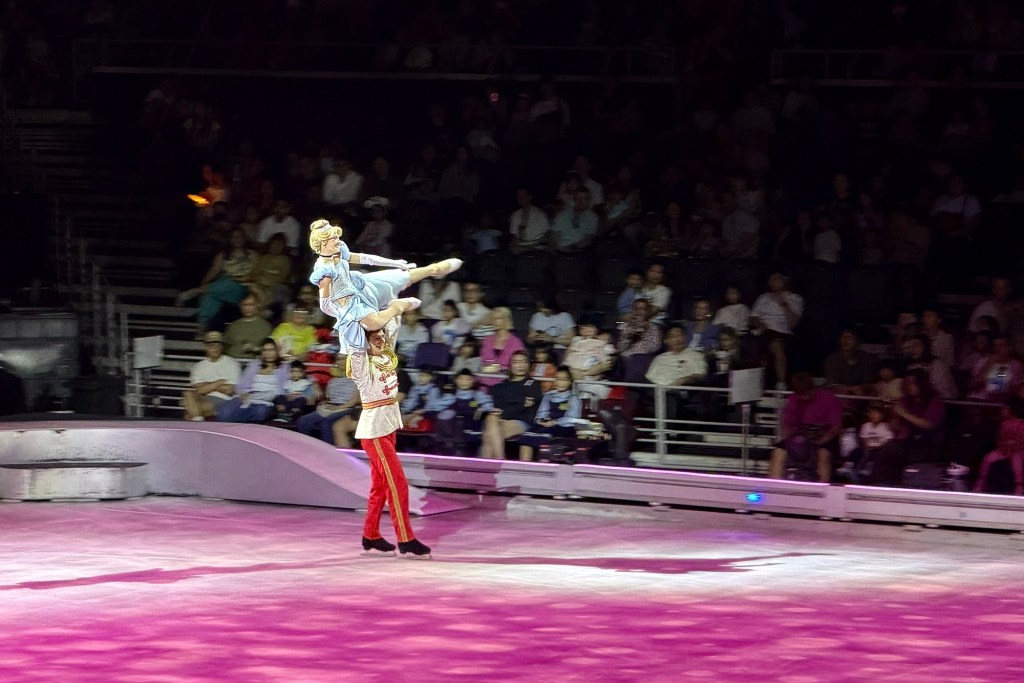
    Too much screen time is awfully bad for you, so on the weekend I touched some metaphorical grass by taking our niece out to Disney on Ice at the Singapore Indoor Stadium. It’s extremely well-timed, with the world still coming down from Alysia Liu’s gold medal, and Singapore being in the midst of a Disney craze — a Disney Cruise offering has launched after delays and is now at the local docks, with fireworks and drone shows along the bay at night.
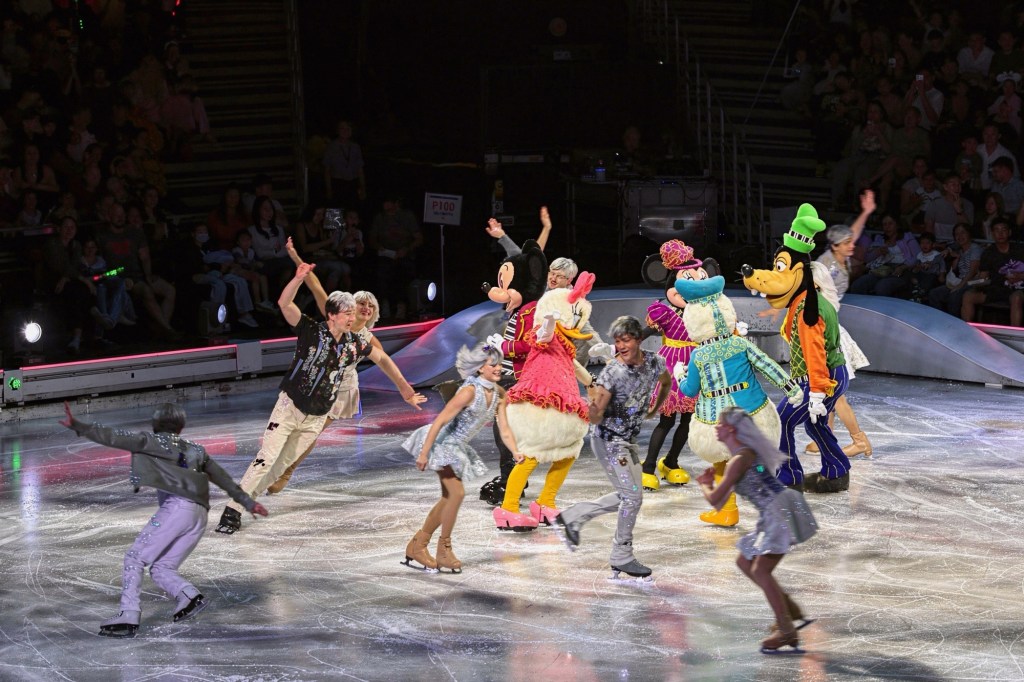

    These were Live Photos of some stunts

    I have no deep affection for Disney IPs but appreciate the amount of effort and coordination that goes into making magic, and it clearly works with so many adults into this stuff. What’s interesting is that while ice-skating can get pretty boring after awhile — it’s all the same moves over and over, around a static rink — adding a layer of characters and storytelling works to keep it fresh over an hour and a half.

    Oh, and our niece is 9, and by way of introducing her to the MacBook Neo, I asked her what computer she uses. I swear, her response was not far off the punchline in that Apple ad that everyone but me seems to hate, in which a girl who’s been using her iPad all day for creative things is asked what she’s doing on her computer, and she responds “What’s a computer?” Will iPads become open enough to support kids learning to (vibe) code? Or will nature heal in a post-post-PC revival led by the MacBook Neo? In any case, that ad was prescient.

    Bonus: Steve asks the same question in a different context (around 1:30). You must watch this video, it’s breathtaking. He’s 28 at this point. In addition to confidently describing things like Street View, mobile wireless computing, LLM chatbots, and the App Store, there’s a part near the end where he says “What we need to do is get away from programming. People don’t want to learn programming, they want to use computers.” He was talking about providing more finished software products to customers, because writing custom software was the norm then, but it’s an eerily relevant quote!
  • Week 33.23

    Week 33.23

    Our fridge is dying. After some eight years of dutifully cooling and freezing our food reserves, it’s losing its mind. Like a soldier left to survive too long in the jungle, it can’t tell right from wrong anymore, and it’s probably a threat to someone’s life. It started midweek when I decided to get some ice-cream and found the unopened tub mushy and soft to the touch. Ditto blocks of frozen salmon — uh oh, not a good sign.

    I’ve realized in recent years that I get disproportionately upset when things go wrong in the household. They’re like waves rattling loose the stones in my psychological seawall; things at home simply need to be predictable, dependable, safe. Maybe it’s the result of some trauma. Maybe the outside world is just too much sometimes.

    A new fridge has been viewed and paid for now, it will be roused from its Korean factory-induced slumber this Monday and loaded up with every surviving vegetable and condiment. I get images of them as war refugees lining up to get on a boat. They’re the tough ones, made of more shelf stable stuff. Pour one out for their fallen brothers: the spoils of war.

    Do you know what new fridges cost these days? I certainly did not. I’m pretty sure our last one was under S$1,000, but they cost more now. Blame inflation, the chip shortage, whatever, but the ones under a grand now are the brands that probably don’t come to mind when you think refrigerators: Whirlpool, Electrolux, Sharp, and local OEM brands you wouldn’t think of at all. So now we’ll have our very first Samsung product, if you don’t count the displays and components they make for others.

    Coupled with the so-called seasonal downturn in the markets now underway (supposedly the August and September months before a US election year tend to see significant corrections), there have been quite a few conversations about everyone feeling poor and worried. More than usual, anyway. I know one has to take a long view of these things, but the lack of bright spots is a little daunting.

    CNA put out a two-part documentary on Singapore’s fiscal reserves, promising unprecedented access and interviews, which I found quite enlightening. There was a visit to a secret warehouse literally filled with tons of gold, and stories about how this war chest came into being from the early days of our independence. It had not occurred to me before that our reserves were used to weather the 2008 finance crisis and Covid without issuing more debt, a luxury most countries did not have. Nor that one of the reasons we’re able to enjoy such a low tax rate is that annual income from invested assets helps to offset spending on public infrastructure.

    Here are the episodes on YouTube:

    ===

    I had fun this week with TikTok’s “Aged” filter, which is certainly not a new concept as far as apps are concerned, but it’s probably the most advanced execution yet. Through a blend of machine learning with harvested personal data from millions of non-consenting people and regular ol’ voodoo, it shows you what you’ll look like as a pensioner (should pension funds survive the financial end times). Some people have tested it on photos of celebrities when they were younger, and the aged photos reflect how they really look now, so… this is probably how you’ll turn out! Might as well get comfortable with it.

    It turns out that old me will look kinda like one of my uncles, and I’ve been having fun recording aged videos in a wheezing voice and sending them to friends and colleagues.

    Some of the other trending filters on TikTok are pretty sophisticated mini apps that involve a prompt box for generative AI. It takes a photo of you and will restyle it as a bronze statue, an anime girl, or whatever you ask it to do. They are also incredibly fast, compared to other generative AI image tools, which suggests Bytedance is burning some serious cash to power these models and gain AI mindshare.

    I also came across a new product called BeFake that will try to take this one feature and turn it into an entire social media network based on posting creative generative AI selfies. It makes some sense — you don’t have to be camera ready (already a low bar with some of the beauty filters now available), and you can showcase wild ideas. Will this sweep the world only for people to get tired of unreality and swing back to finding “boring” posts interesting? Stranger things have happened.

    ===

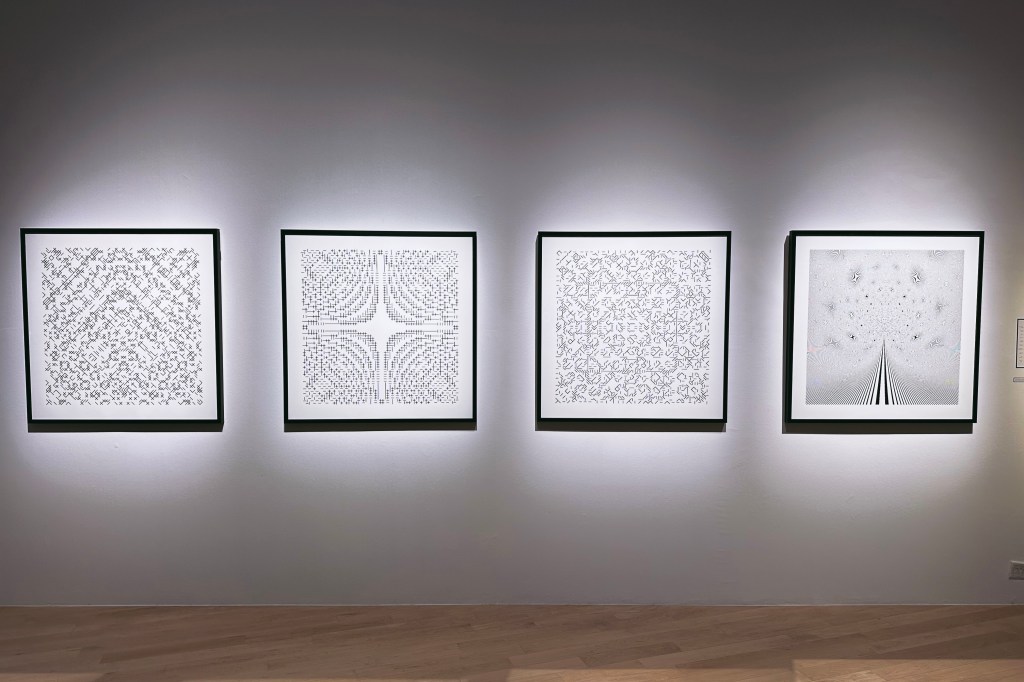
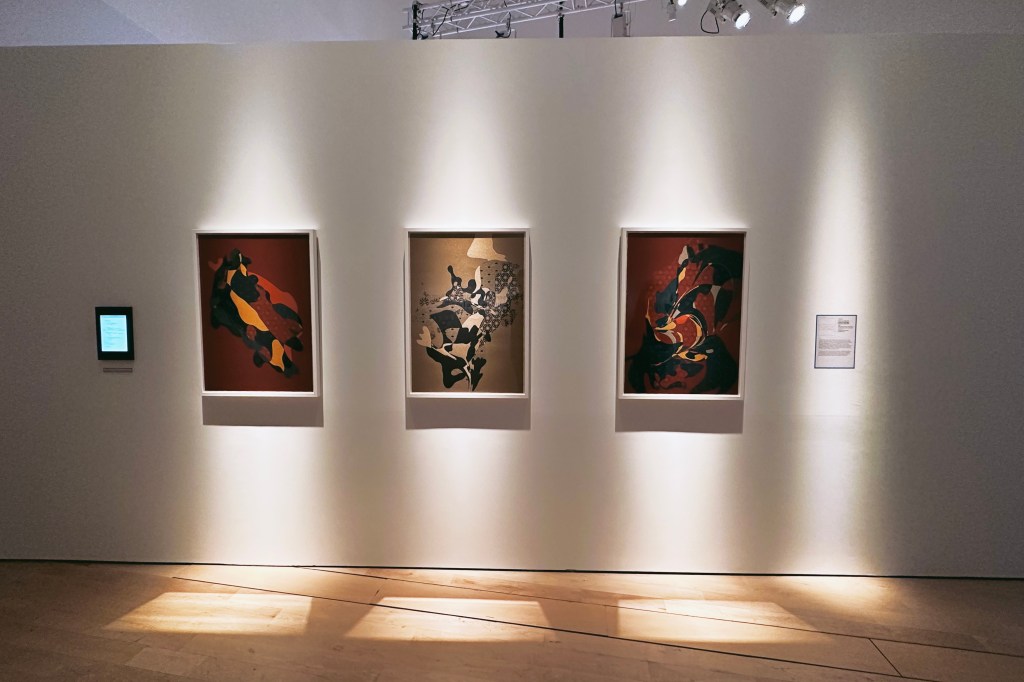
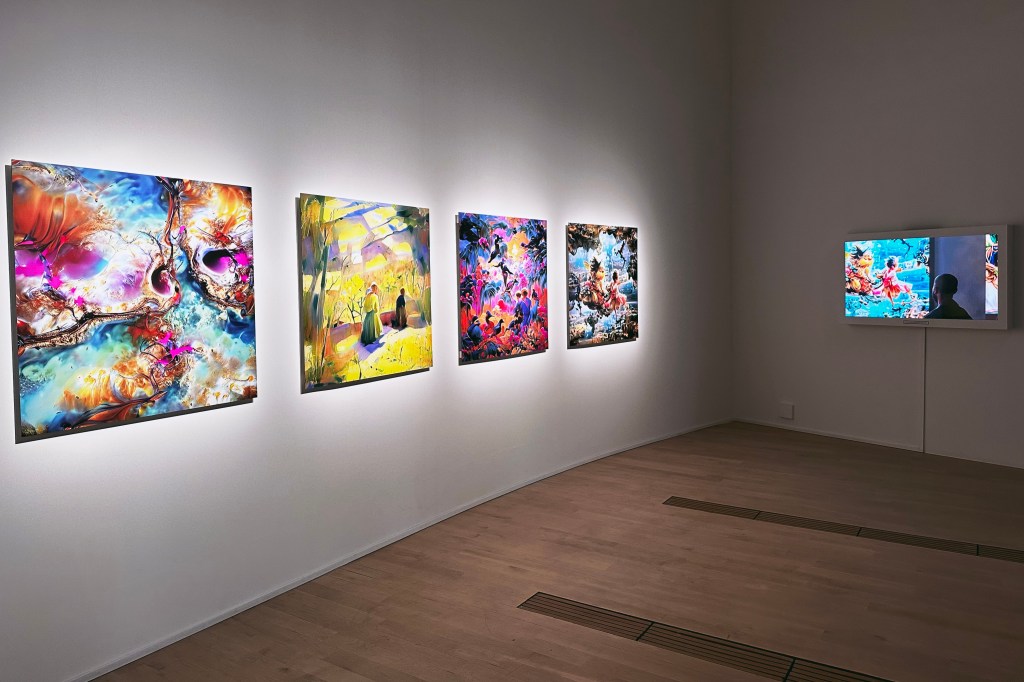
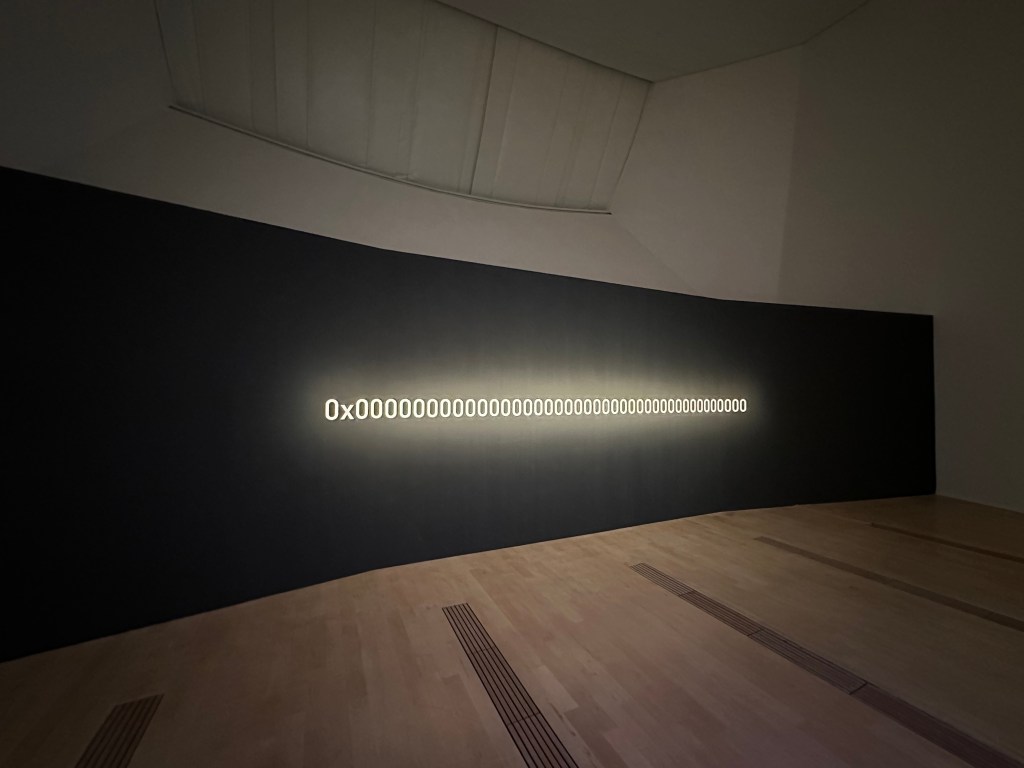
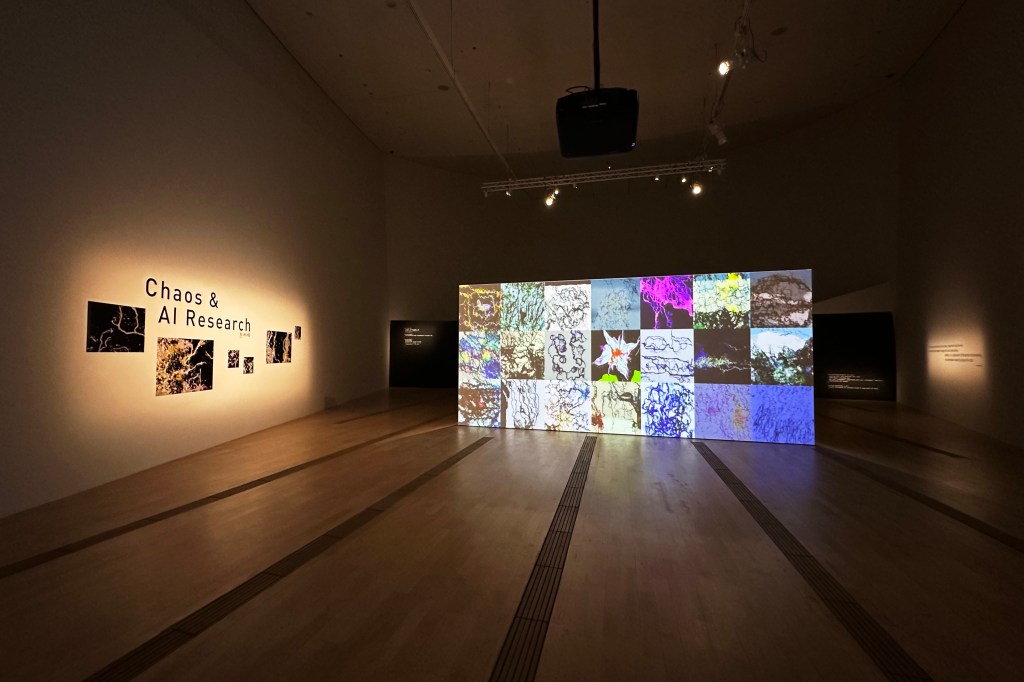
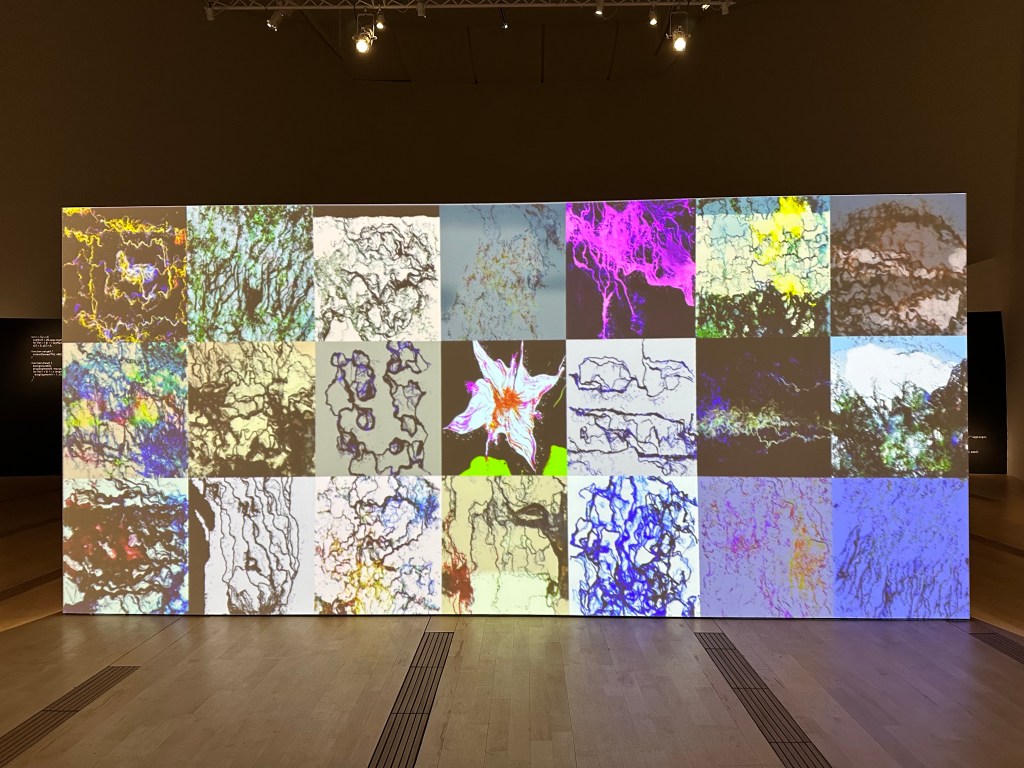
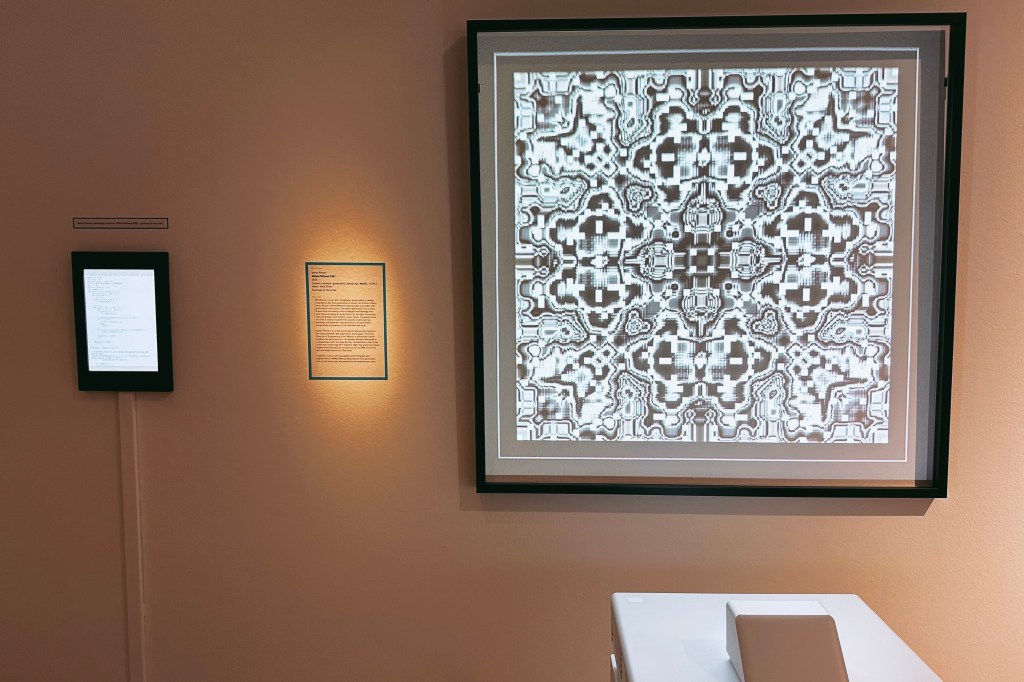
    On Sunday we went to the ArtScience Museum (at the Marina Bay Sands) for a rare high-profile exhibition of digital art. Notes from the Ether says it’s focused on NFTs and AI, but it’s also got a lot of generative art that just happens to be encoded on blockchains. I was especially excited to see the inclusion of work by DEAFBEEF and Emily Xie (Memories of Qilin), and Tyler Hobbs and Dandelion Wist’s QQL project was also presented for anyone to play with.

    Obviously this movement is in a weird sort of place at the moment. Valuations for most projects are as volatile as shitcoins, and a few “blue chip” projects like the ones displayed are more stable, but only about as much as bitcoin. Because NFT art is defined in large part by the medium, which is currently inseparable from talk of price and value, it’s hard to have a viewing experience divorced from these considerations. You don’t really visit a Monet exhibition and think about how much everything costs. Which is why the Open Editions I mentioned last week are interesting, and likewise with this event, which offers you a free NFT at the end. You get to co-create an artwork with an AI engine by uploading a photo of your own to be transformed, and it’s minted as a Tezos NFT if you’d like. I thought it was a very cool collectible to remember our visit by.

    I don’t think I’ve ever seen more affordable tickets at this museum, just S$6 with a further 30% off if you sign up for a free “Sands Lifestyle” account, so there’s little excuse not to go if you’re remotely interested in this stuff.

    Since we were already there, we also hopped into Sensory Odyssey: Into the Heart of Our Living World which pairs 8K video projections of natural scenes with immersive sounds and scents. In one space you’re smelling fresh air and damp earth in a rainforest, and in the next you’re underground with mole rats. It’s very cool, but ruined by small children being allowed to run loose in front of screens (can’t really be helped), and elderly museum staff loudly declaring that “this is a night savannah, very dark, no need to be scared!” (can be helped with training) in such a way that any illusion of being in a savannah is totally pierced — unless you’ve gone on a safari tour with a gaggle of Singaporean aunties, of course.

  • Week 30.23

    Week 30.23

    In the early years of mobile connectivity, we counted ourselves lucky to get 1GB of data per month. Fifty bucks bought you a plan, a phone, and a two-year leash. These days? I’m sitting on an 88GB, 5G mountain for half the price. Thank you, technological progress. But since COVID and working from home, I’m only using a fraction of my allowance.

    Yet, like any good consumer, I want more. So I switched providers from Circles to M1, lured by a plan that comes with 150GB at the same price. But there’s a catch, M1’s a little disorganized and provided me no updates on when my number would be ported. Right now I have two eSIMs jostling for control in my phone.

    Their checkout process also insisted on a “delivery” date. Delivery of what exactly? I’d already gotten the QR code for my eSIM over email. Assumed it was just a holdover from the old physical SIM days, too much bother to scrub from the website. But no, someone actually turned up to my doorstep at the appointed time, just to verify I’d activated my eSIM, then had me sign off on it.

    Let me repeat: M1 sends a flesh-and-blood human to confirm I got an email, but can’t drop me a line to say when my number would switch over. I had to spend 10 minutes on a support call to find out that it’s scheduled for next week. Will the data bonanza make up for this frustration? We’ll see.

    ===

    On a mellower note, I started to make use of my dormant brain.fm account again, to provide background music while I read and work. Is it pseudo-science? Beats me. But I like most of the tunes and it seems to work. The app has been significantly upgraded since I last saw it, with many more genres of music to choose from, and the option to vary the intensity of their brainwave-enhancing signals (which sound like wobbles).

    I get absolutely nothing out of referring you, but if you use my referral link you’ll get your first month for $1.

    With a little help from brain.fm and last week’s recommended music from Alice Sara Ott, I finished Sayaka Murata’s Life Ceremony, and also Hervé Le Tellier’s The Anomaly, and Lee Child’s 20th Jack Reacher novel, Make Me. Of all those, I can recommend The Anomaly most wholeheartedly. It’s a book you probably shouldn’t know anything about going in. If you really must know, it has science and mystery elements, but that’s all I’ll say. I’m now reading real-life astronaut Chris Hadfield’s The Apollo Murders.

    Not bad for a guy who’d only finished one book two months ago, now 8 out of 12 down on his Goodreads Challenge.

    ===

    I’ve been listening to Tessa Violet’s new album, MY GOD!, and it’s a playful catchy affair. Incredibly, Blur have reunited with a new album, The Ballad of Darren, and I couldn’t find much wrong with it after one playthrough. Maybe it’s the halo of how good the last Gorillaz album was after a decade of underwhelming me, but I think Damon Albarn is back.

    I made a commitment to use my AirPods Max more — they’ve been neglected because they’re somewhat of a pain, both literally and figuratively: the headband’s a little tight for me and the Smart Case remains a questionable design, adding friction to the simple act of turning a pair of headphones on and off.

    Two things have improved the experience for me. First, a dubious Reddit post from another big-headed owner who suggested bending the metal frame open, briefly straightening them open to form a 180º line, to ease the squeeze. This could obviously damage them, so do it at your own risk. But I think it’s made a difference. This is something you can’t do with the plastic Beats Studio Pros, sadly.

    Secondly, an updated audiogram from the free Mimi hearing test app. The last time I did the test was 2021, and I got slightly different results this time. I highly recommend everyone does this if they’re old enough to worry about losing some hearing. Thankfully my ears are still pretty good.

    Saving your test results as an audiogram effectively personalizes your listening experience on AirPods and supported headphones, applying an EQ profile that compensates for the frequencies you’ve become less sensitive to. You’ll hear music the way you used to, once you dive deep into the iOS Settings menu and find the section on Audio Accessibility, and turn on “Headphone Accommodations”.

    ===

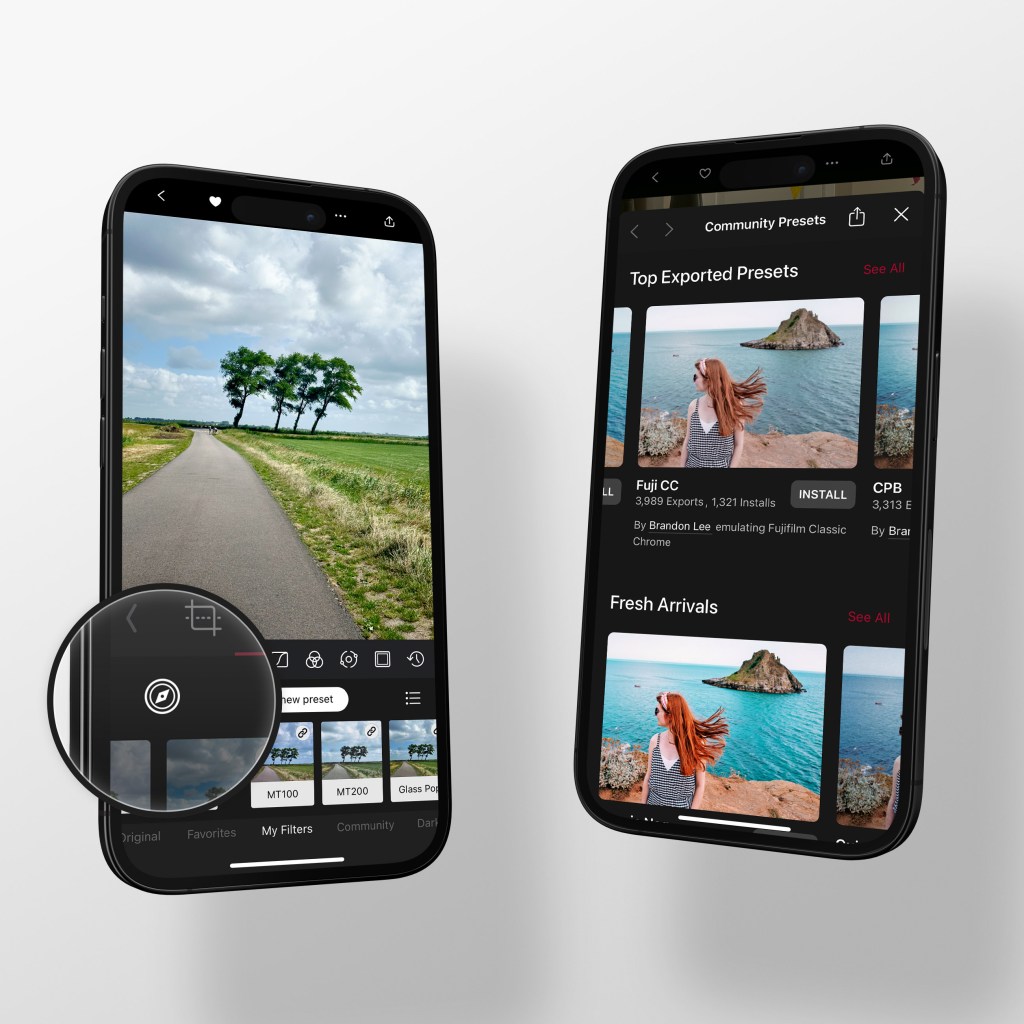
    Another app that played a part in this week is Darkroom, the photo editor for iOS and Mac that I’ve mentioned a few times. They launched a portal to showcase presets made by community members, and kindly put a spotlight on some of the ones I’ve made and shared. You can access this catalog through a new button in the app, too.

    As Twitter is living on borrowed time (this was the week their petulant man-child owner pushed out a hasty, clumsy rebrand to “X”), I decided to republish my thread of Darkroom presets to… Threads. Annoyingly, it’s still buggy and messed up the chronological order of my posts. Nevertheless, I think they’re all still there, and I’ll post future presets to the same link.

    New ones I shared to celebrate being on the presets portal:

    E1: This is my reproduction of the popular E1 filter in VSCO. I wrote that it adds warmth, color, and film vibes in a single tap, and it truly is quite a versatile everyday effect.

    MEM3: This is another strong effect from my nostalgia-forward MEM series. It lightens and fades images with a blue-magenta cross-processed wash. You pretty much lose all highlight detail, but it’s a good look for certain scenes.

    MEM4: I said that this creates a warm and dusty sunset feel, but it’s really also great for low-light scenes. Check out the last photo sample through the link. Again, you do stand to lose detail in contrast areas, so vary the strength to taste.

    ===

    Growing up in the 80s, I caught reruns of Takeshi’s Castle on Chinese TV channels with no context, and no ability to understand what was said. On reflection, I grew up watching a lot of shows visually rather than verbally, which continues to this day whenever I choose to watch movies on planes without headphones.

    Anyway, Takeshi’s Castle, for the uninitiated, was a long-running Japanese game show (?) featuring normal people tackling an obstacle course of heinous physical challenges that would make insurance men squeamish. It was a precursor of Ninja Warrior, American Gladiators, and yet a different beast: whimsical, insane, hilarious. Why the name? It was hosted by the infamous Takeshi “Beat” Kitano, who played the err… lord of the castle that 100 contestants each week tried to storm. Here’s the Wikipedia article.

    I’m pretty sure you all know this, anyway. It’s a cornerstone of modern media culture! Turn in your TV licenses if you don’t.

    So imagine my elation while browsing Amazon Prime Video in bed and suddenly seeing a new Takeshi’s Castle, a 2023 reboot! We’ve seen two of the eight available episodes, and it’s still gloriously fun. It’s still not rolled out globally, as some markets will get English voiceovers (the UK one will have comedian Romesh Ranganathan as one commentator), but I wouldn’t watch it any other way than in the original Japanese, and maybe even with the subtitles off for old times’ sake.

    ===

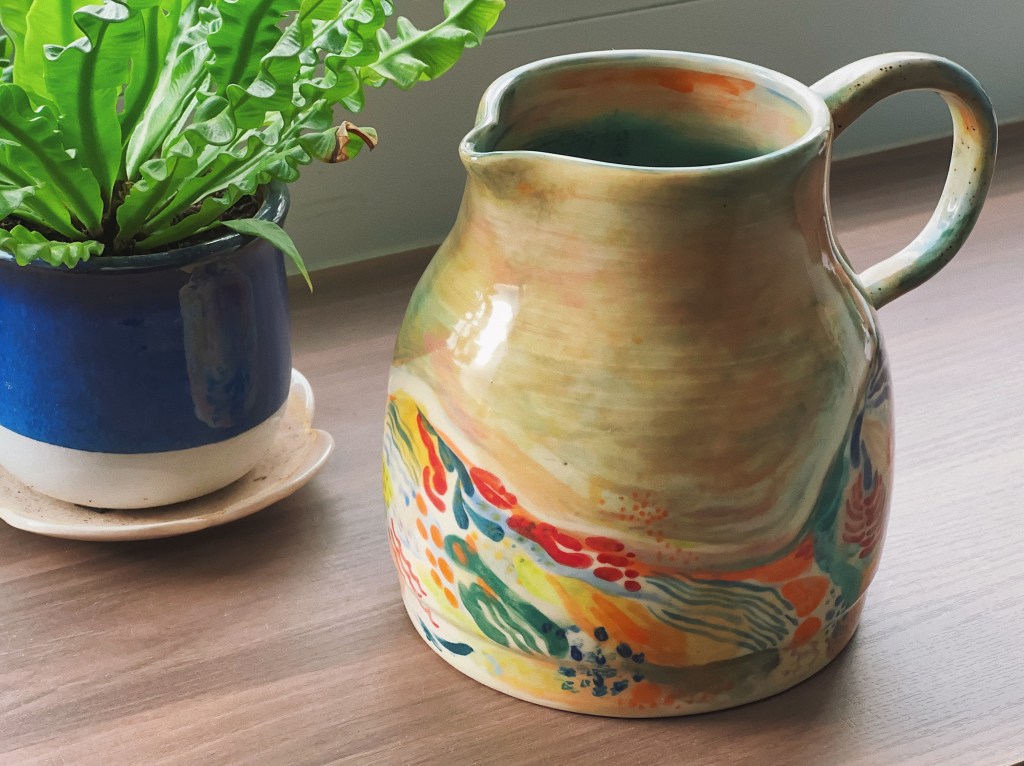
    On Sunday we visited the Illustration Arts Fest where some talented friends were showing their work. It was packed, and probably the most crowded place I’ve been in since Tokyo. Let’s hope I don’t get COVID again.

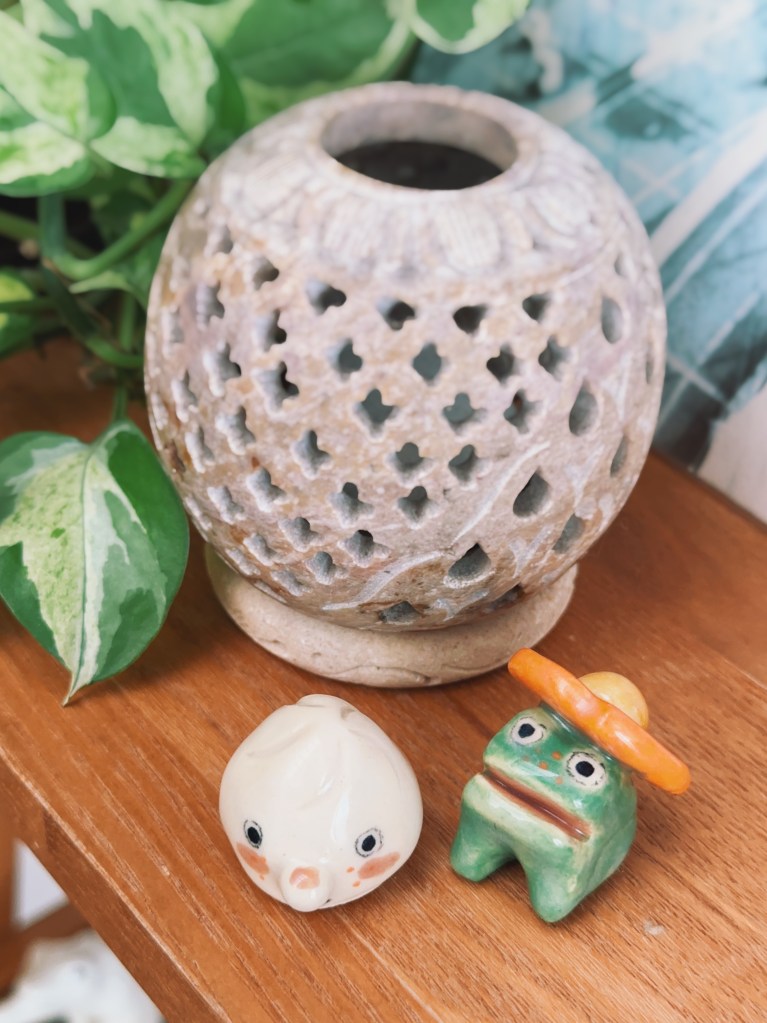
    The most common theme was cute cartoon cats. On stickers, posters, keyrings, enamel pins, you name it. Some other artists were out there, scratching their own freaky itches and looking for kindred spirits in the crowd. We bought a couple of things for the apartment, including these little guys below from our friend Reg at Ocio Ceramics. A dumpling and a frog. Cuteness sells.

  • Vintage Poster Exhibition at ION Orchard

    Vintage Poster Exhibition at ION Orchard

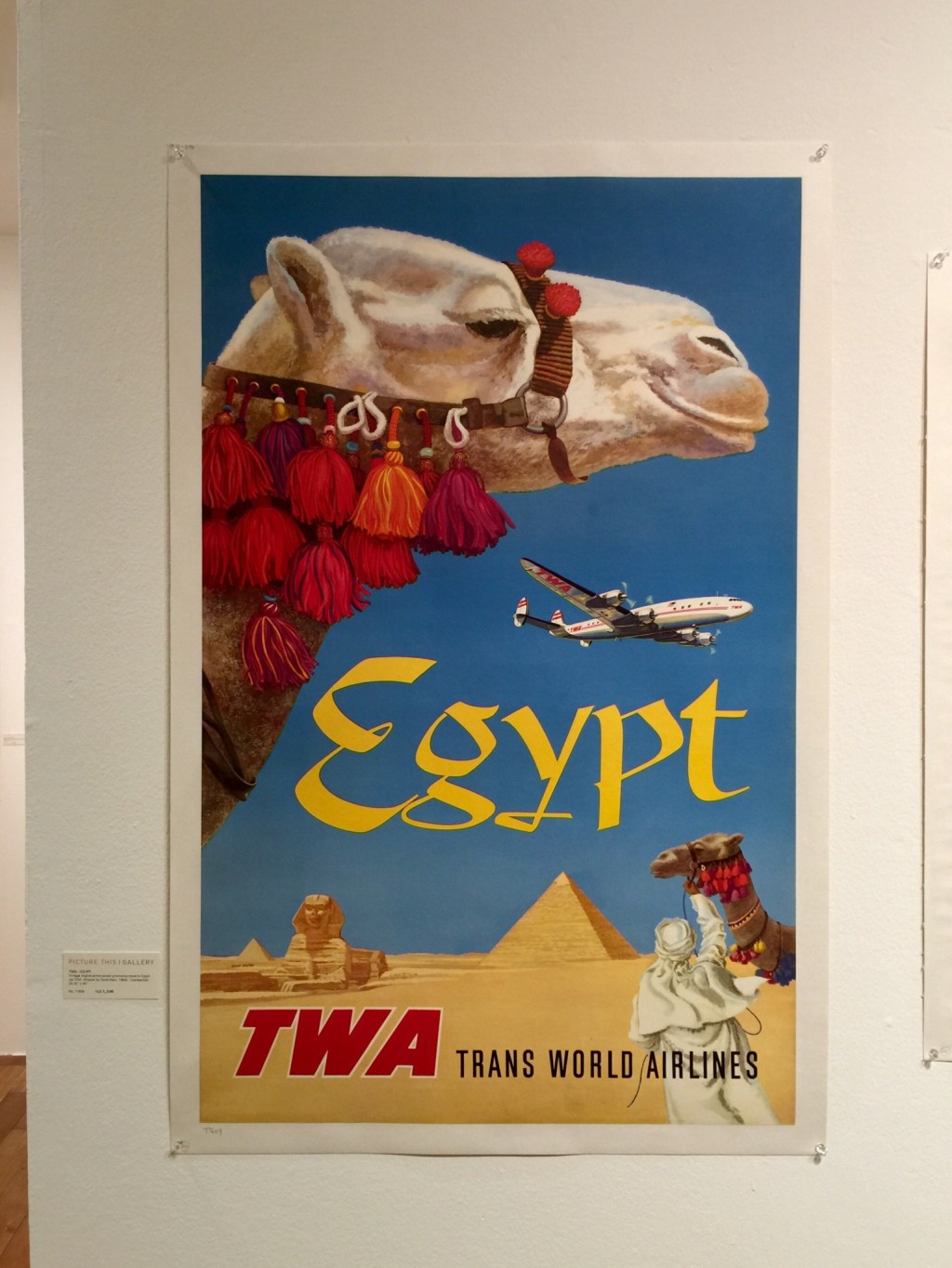
    Came across an exhibition of beautiful vintage posters at ION Orchard last night. It’s on till tomorrow (Level 4, ION Art), and presented by a gallery from HK. If you want to own any of them, they’re between $1500-3000 from what I saw.

    Picture This gallery

    IMG_8086.JPG

    IMG_8087.JPG

    IMG_8089.JPG

    IMG_8088.JPG

    IMG_8090.JPG

    IMG_8091.JPG

  • Guinness Draught in a Bottle

    IMG_6870

    @sangsara: Guinness Draught in a bottle is science at its most amazing. I’m gonna be drinking this all the time. pic.twitter.com/cBCy2ICeei

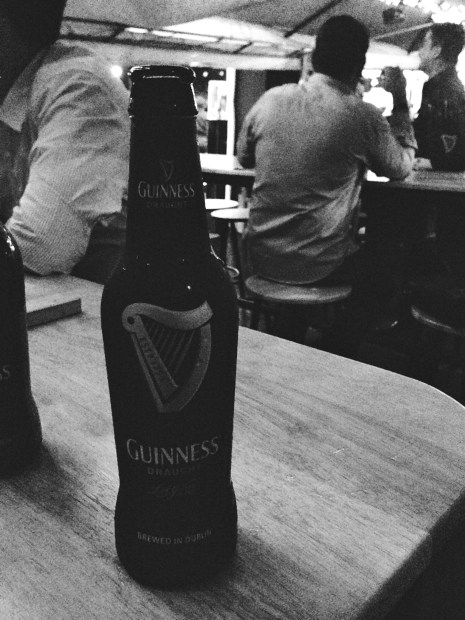
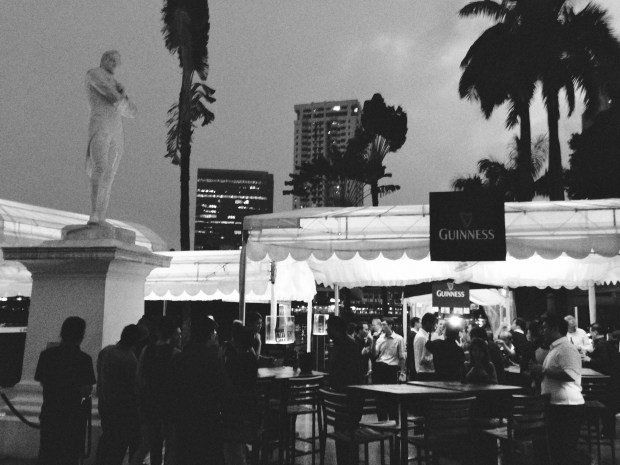
    A couple of days ago, a new bottled version of Guinness Draught was launched locally. My friend and colleague Bert (@bertnert), probably the biggest Guinness fan I know, got me in the door to try a few of them out. As the embedded tweet should show, it’s pretty close to the experience of drinking a ‘surger’ or ‘widget’ can of the stout. Unlike drinking from a pint glass, you don’t get a foamy head but the creaminess is there and quite satisfactory.

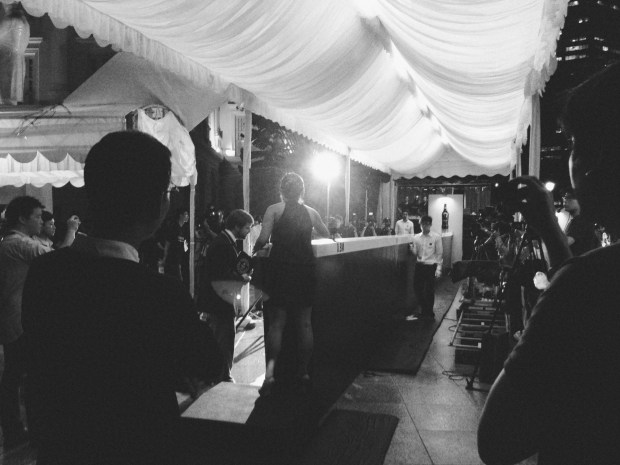
    There was also a Guinness World Record attempt going on that night, to see how far a full bottle could be slid down a narrow bar counter. The previous record was 10 meters, and the record was broken, and then broken again by the four plucked-from-Facebook contestants. I think it now stands at around 12.5 meters.

    IMG_6864 IMG_6866 IMG_6862 IMG_6863