1. My friend Rob is back in town for a visit. We worked together at the last place and shared moments absurd and amusing. He went home for reasons, and didn’t have a chance to get back here until now. We had a drink or seven on Saturday and it was like seeing your friends at school after the holidays; seamless and yet we’ve gone through so much change. I could hardly believe it’s been five years.
2. Our bedroom TV watching got a big upgrade from propped up iPad to projector. It’s not a best-in-class 4K one or anything, just a mini Anker Nebula Apollo the size of a UE Boom Bluetooth speaker. Its first task was Amazon Prime Video’s new Jack Reacher series, simply titled Reacher. As a reader of the pulpy action series (on my 18th book now), I was happy from the moment I saw the key art featuring a massive giant and not someone like Tom Cruise. I joked that casting is 80% of making a Reacher show, but they really did a good job with it. May many seasons follow.
3. My first NFT purchase was from the Fang Gang collection back in September. Was it logical? Fair value? Probably not, but it was an interesting space and having some entry point is better than none. After some reflection, I’m now much less interested in randomized PFPs made from a handful of mix-and-match traits, so I’ve traded off my “Fangster” for a “DJ” from the 0xmusic project. Far more interesting, it’s a bit of code that composes an infinite stream of generative music, playable in a browser. Unlike most visual NFTs, it’s stored entirely on-chain and will persist as long as the network itself. Listening to a song that no one else will ever hear again, playing from a dynamic and eternal station woven into the internet, is one of the cooler art+tech experiences I’ve had.
We made it through another 50 weeks of a pandemic year. It’s surprising to see the number; saying it aloud instantly recalls many things that happened and also a sense of regret for all that couldn’t. Time is often called the ultimate scarce asset, but I think being time rich is useless if one is energy poor.
Energy is the one thing I don’t have this very moment, having just received my booster dose yesterday. I went with Moderna for my first two and experienced some trippy and difficult side effects. The rumors are true: Pfizer isn’t as bad, but it’s not nothing. Much like me, my immune system is prone to overreacting. It also means I can’t do Ring Fit Adventure for the recommended two weeks, during the worst time of year to skip exercise.
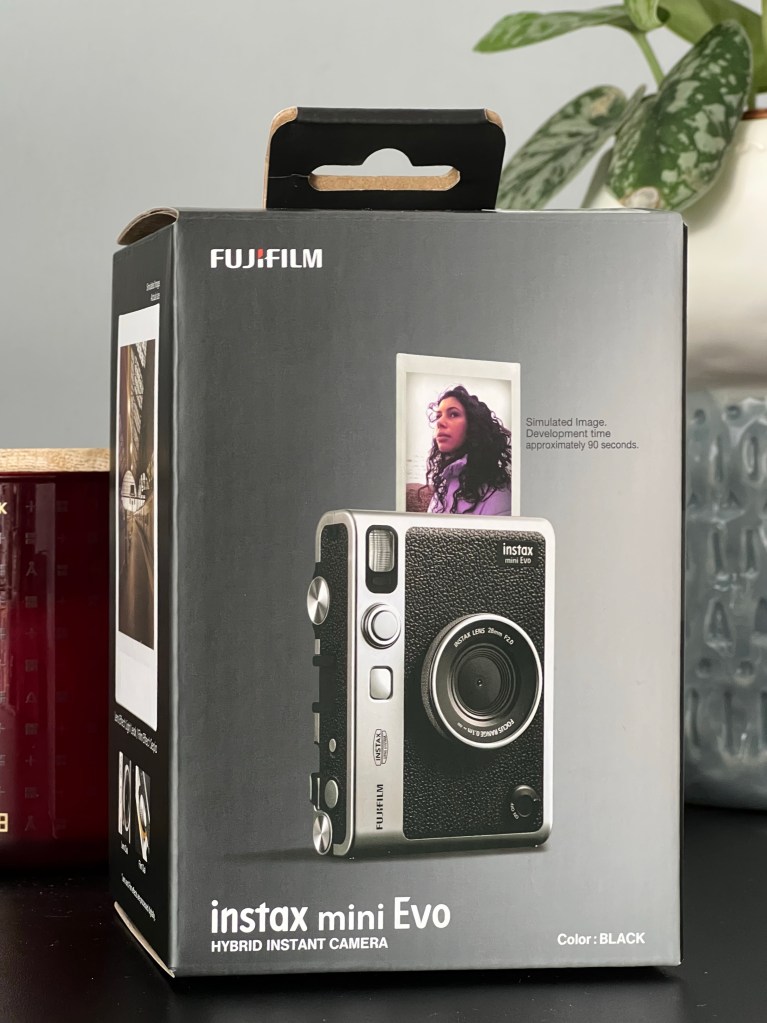
Maybe I already mentioned our scent-challenged Christmas tree last week. Well, it finally got decorated and there are now gifts under it. As a gift to myself (that I’ve already started using), I got the new Fujifilm Instax mini Evo camera. It’s just launched locally and in Japan, with a North American debut planned for February. Like the various crappy toy cameras that were popular awhile back, the Harinezumi and such, it’s a low-quality digital camera meant for fun shots with a grainy/blurry, poorly exposed aesthetic. On top of that, it has an Instax printer built in, so you can chuck out giveaway photos at a party, funeral, or board meeting. It’s not Fujifilm’s first attempt at this, but it’s the first that isn’t ugly or burdened with some other gimmicks (the last one recorded accompanying sound clips you could play via a QR code on every photo).
Many years ago when Go Go Curry shut their local outlets, I was pretty bummed about it and was especially offended by the franchisee spinning up their own copycat brand where all the restaurants used to be. It was a pale imitation, with several gimmicks thrown in that were not to my liking, but made them popular nevertheless. I generally dislike when food is “adapted to local tastes”. Anyway, this week we were near one around dinner time and decided to give Monster Curry another go, since it’s been years and the sour memory needed updating. And… they were actually good? I was just in disbelief that they turned it around: better quality ingredients, properly fried katsu, no skimping on the curry. Credit where credit’s due.
We don’t often use our Amazon Prime Video subscription, given the smaller library here, but I went looking for interesting things and came across an exclusive anime series called Babylon. I ended up watching all 12 episodes of it despite the unevenness, hoping for a payoff and some answers. Nope. It ends abruptly without much of a satisfying conclusion to the big questions. Avoid unless they make a second season.
Not disappointing at all is Micaiah Johnson’s The Space Between Worlds, which I’m currently reading. The title and premise may make you think it’s a mediocre YA SF-lite adventure novel, but it refreshes ideas like traveling between parallel worlds, and utopian cities with all the have-nots living beyond the walls, and adds excellent writing around race/class/identity politics, spiritualism, and the lasting effects of violence.
Tons of new music got added to my library, but I haven’t had a chance to hear any of it. At the front of the line is Alicia Keys’ and Aimee Mann’s new albums.
I like that they tried to use the X series’ design language, but the actual product is very plasticky and the charging port is literally covered with a flap of soft PVC.Under the right conditions, the Instax mini Evo can take pretty good shots!Most suffer exposure metering issues like this white plate of improved curry (you can manually stop down but it’s fiddly).
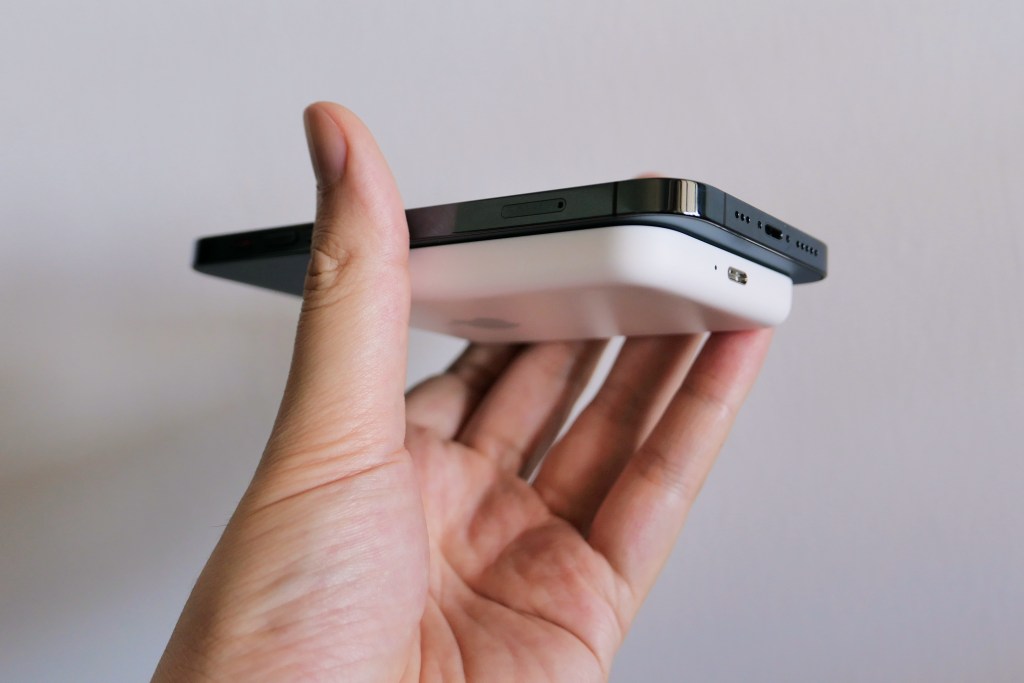
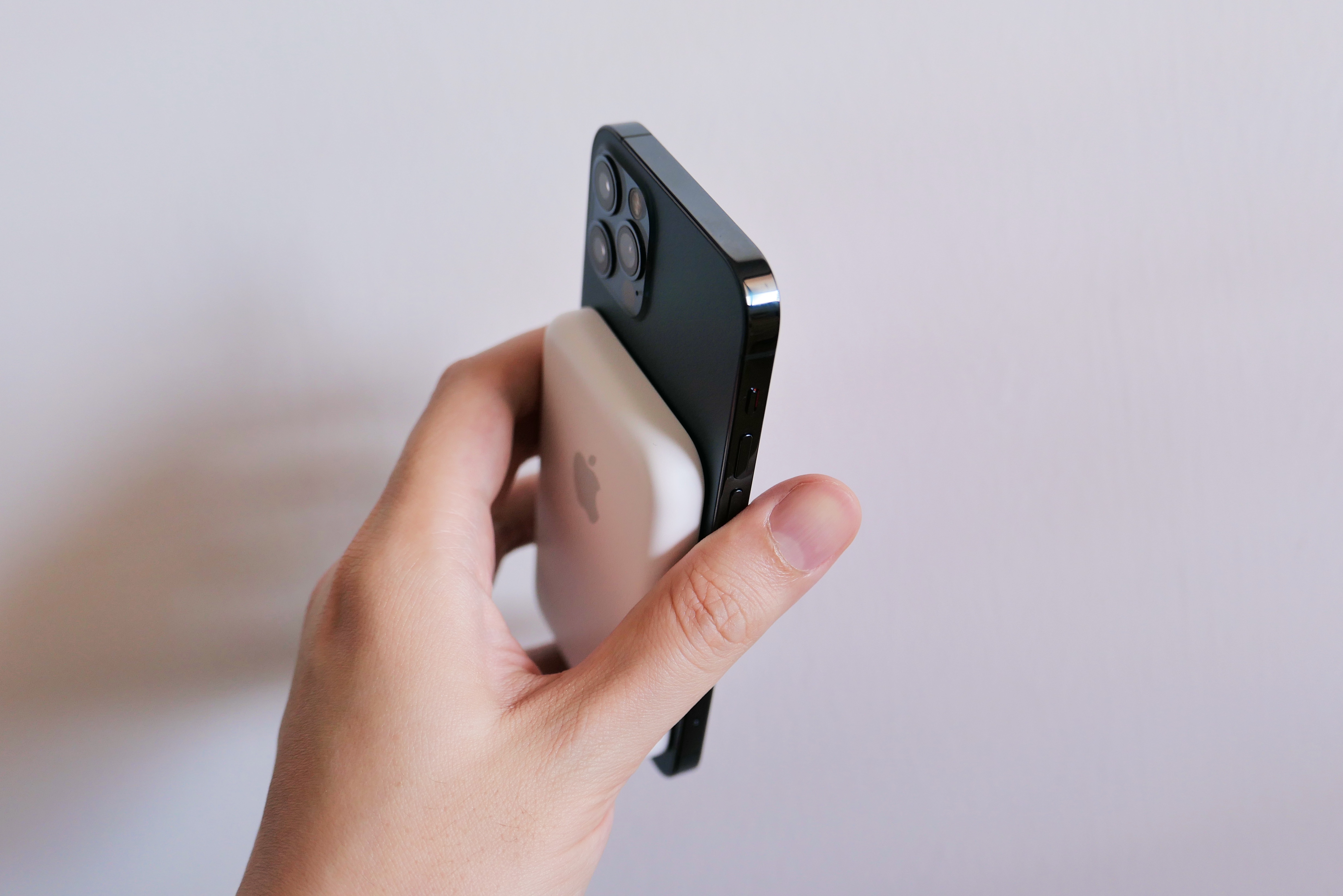
This week, Apple released an iPhone power accessory that’s been anticipated since the release of the iPhone 12 series late last year. In recent years, they’ve put out “battery cases” shortly after new phones — you’ve probably seen them: rubbery phone cases with a hump on the back, often ridiculed. With the MagSafe infrastructure on the new phones, everyone’s been waiting for a battery pack (or power bank) that you can just slap on the back.
On the price: Apple offers an intriguing spread of products at the $99 mark. You can get a HomePod mini in some countries, which is a great sounding smart speaker with serious processing power equivalent to an old iPhone. Or you could get a first-generation Pencil to use with most iPads still on sale. And least apparently worth the value is the braided solo loop, a strap for the Apple Watch made from recycled yarn. I think this battery pack sits squarely in the middle in terms of value.
The Good:
Slim (1.25cm) and lightweight as power banks go.
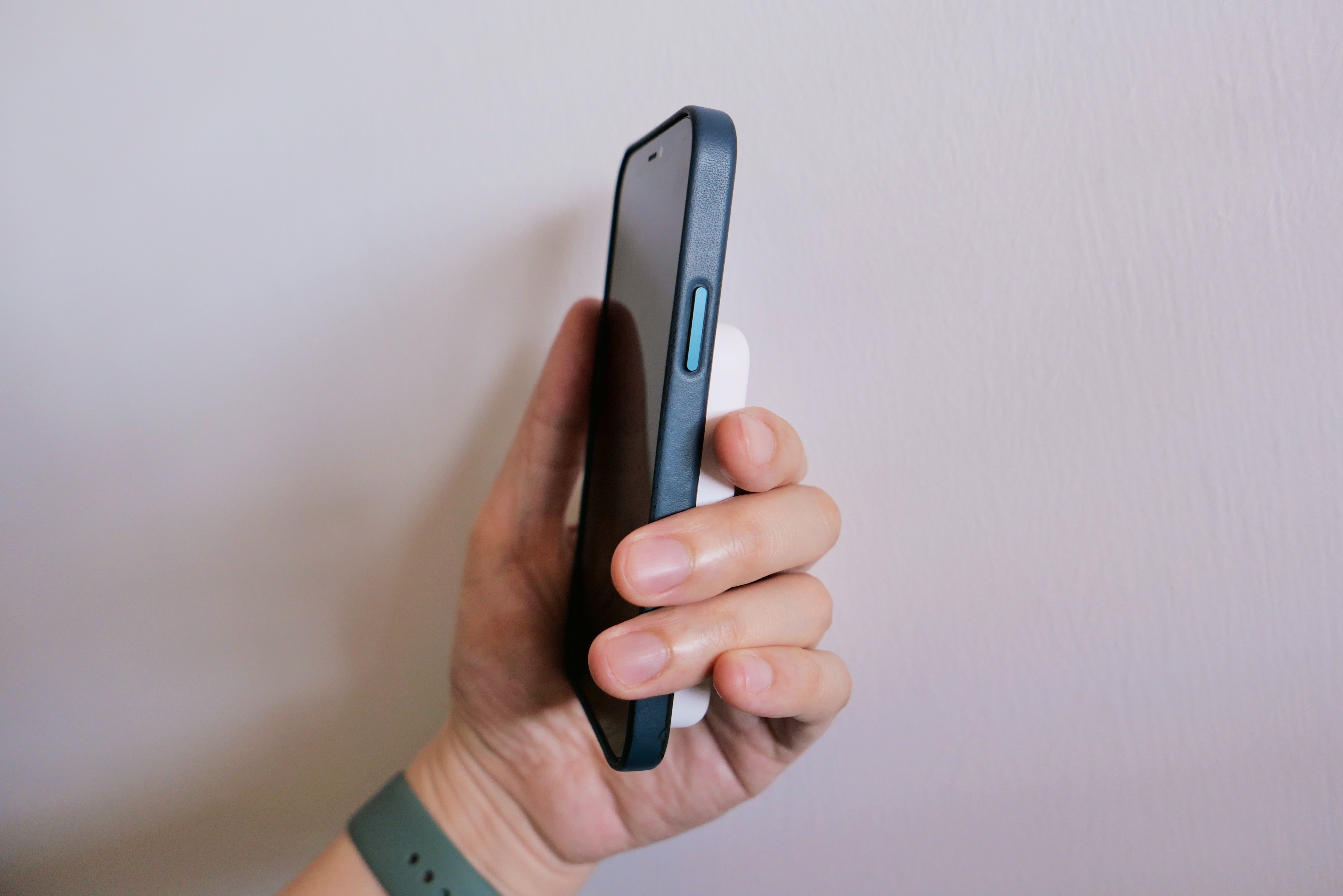
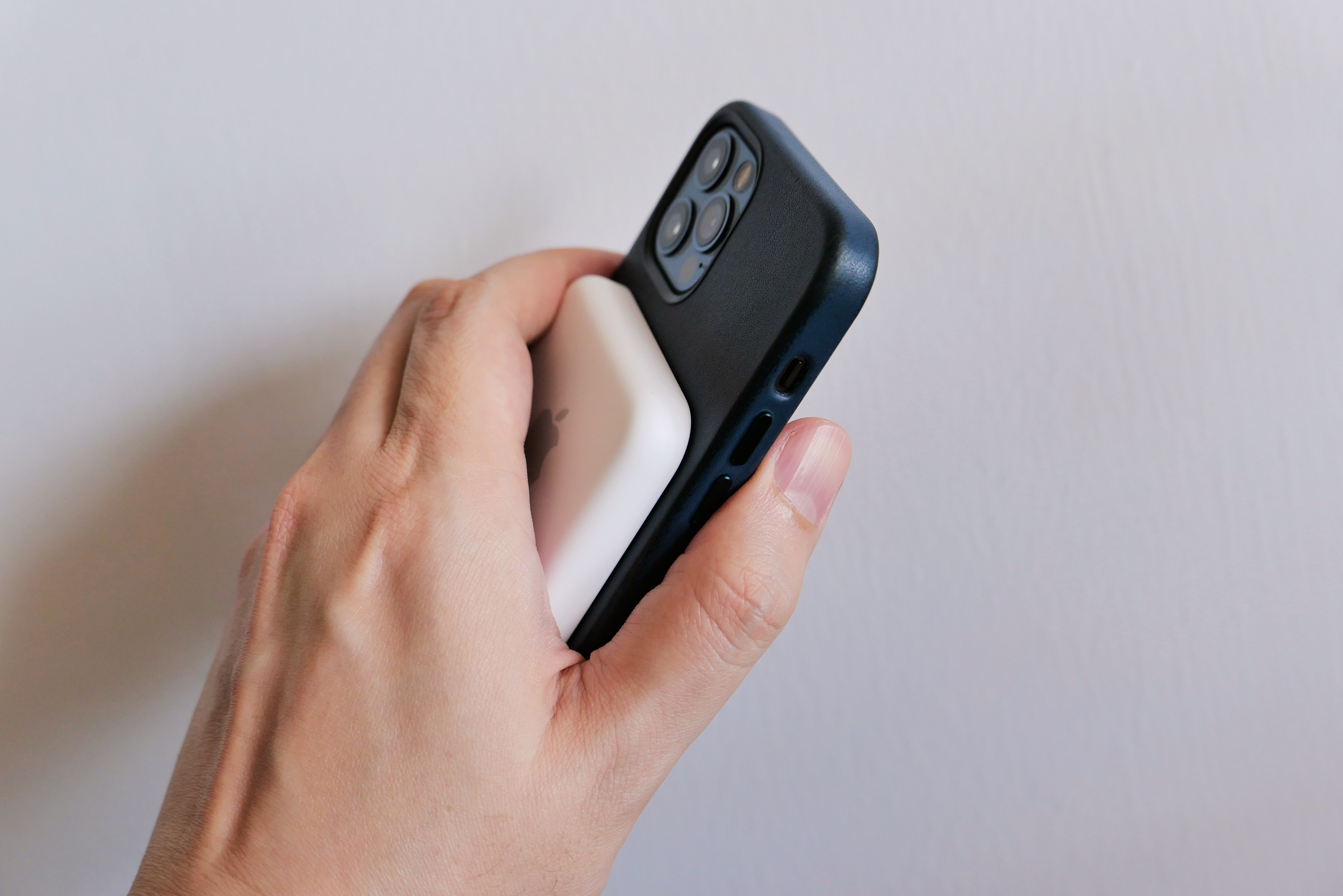
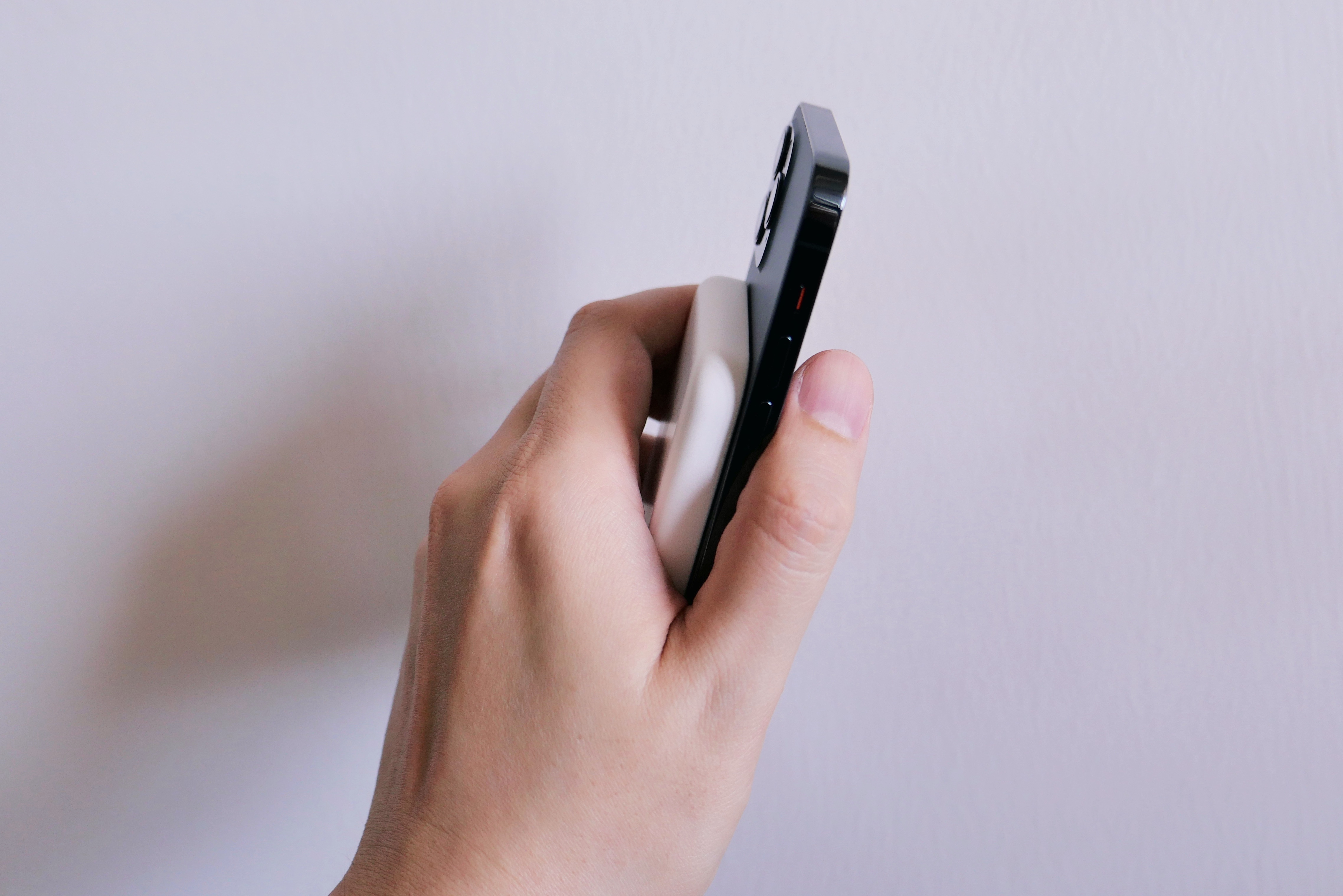
iPhone 12 Pro stays usable and comfortable enough to hold when in use (YMMV, my hands are large).
Starts charging your phone when attached; no buttons to mess with.
Integrates with iOS and foolproof to manage. Your iPhone will slowly draw power and keep temperatures low, stopping the recharge at 80% or 90% to preserve your battery’s lifespan.
The Bad:
Small capacity. Holds about as much power as an iPhone 12’s battery, but due to the inefficiencies of wireless charging, you can only expect it to impart an extra 50% or 60%, based on my experience so far. (Edit: I’ve tested it further and I think it may actually get you close to 80% of a full charge on an iPhone 12/12 Pro.)
It does its job pretty slowly, so while traveling and using your phone to take photos, it may make more sense to make a fast-charge pitstop from a regular wired power bank than to go about your day with this slab attached.
The pack can’t itself be charged wirelessly with a MagSafe charger or Qi pad. It may be technically possible since reverse charging from an iPhone works, but hasn’t been implemented.
My use case
I’m home most days, and if I were working I’d be doing that from a desk at home with MagSafe chargers, Qi chargers, USB-C to Lightning cables, and all sorts of equipment within reach. Why did I even buy this? Curiosity, boredom, and utter laziness to rise from the couch to plug my phone in as I drain it over the course of the day playing games and checking Twitter.
It’s worth mentioning that my 9-month-old iPhone 12 Pro currently has a battery health rating of 90%, which is abysmal. Most of the time, my iPhones rate about 97% after a full year of use. I don’t know what’s caused this one to degrade so rapidly: a manufacturing defect? My charging routine? My use of a wireless charging pad each night?
I wanted a way to conveniently extend the life of my iPhone so it can make it through a day without draining down past the 20% mark. When I do go out, I’m constantly worried about ending up with a flat battery. I need my iPhone to pay for things, take public transport, or get a cab at the end of a night. But I want to go out unencumbered, no bag, just pockets. With Apple Pay and other mobile payment platforms, I no longer carry a wallet most times.
Alternative solutions
As mentioned, one could use a regular power bank with a cable. They offer much larger capacities, are cheaper, and can charge faster (up to the 18W USB-C PD supported by iPhones). This does require carrying a bag or wearing cargo pants that have wires coming out of one pocket and going into another, though.
Or if a magnetic wireless solution is preferred, then there are again lower-cost alternatives from Anker, Hyper, Mophie, and many OEMs. These are usually half the price of Apple’s, slightly thicker and more unsightly, but offer a little more battery life. They also lack the OS integration and you have to start/stop charging with a button, although it’s easy to imagine future models hacking some iOS support the way fake Chinese AirPods are able to show up in the battery widget.
Personally, I think I’ll be keeping this for the peace of mind it gives when I leave the house empty-handed. It’s easy to carry separately in a jeans pocket, smaller than a phone or wallet, and has enough power to extend even a failing phone battery to last through a day and night of usage. It won’t get you through two days, but I don’t think that’s what it’s for. It’s a safety net, and a solution for lazy couch charging at home.
With or without a MagSafe leather case, it fits quite well in the hand while attached to an iPhone
It’s that playlisting time of the year. We started a thing at work back in 2017 where everyone picks their favorite song of the year, writes a few words about it, and then we slap together a website for it with some bonus Christmas material (that first year’s was a chatbot that controlled Santa’s operations).
That exercise usually then reminds/inspires me to make my own year-in-review playlist. This was last year’s effort.
The office playlist is now done, but we’ll need to find some free time in the next few days to put the package together. I’ll probably link it here when it’s done.
I spent most of Saturday afternoon working on my own playlist, and found that I’ve YET AGAIN failed to learn my lesson: not properly cataloging discoveries and favorites throughout the year makes for a difficult process at the end. I’m sure I’ve left out a ton. More on that in a separate post.
This week in gadgetland was notable of course for Apple’s semi-surprise announcement of the AirPods Max headphones. Did I like the look of them at first sight? Not really. Am I happy to see them embrace the original HomePod’s (commercially unpopular) approach of focusing on the high-end of mass market audio? YES! I want to see what Apple can do with headphones when they don’t have to hold back.
They cost S$940 here with AppleCare+, but without having heard them, it’s hard to say if that’s a problem or not. I don’t expect them to play in the same class as the Bose 700 or Sony 1000X series; more likely as a complete package they’re targeting Bang & Olufsen’s Beoplay H95, which go for 800 euros (S$1300). And kinda like how buying a great PC isn’t an alternative to a Mac if you value macOS, nothing really competes with AirPods Max as a complete package for Apple customers.
My biggest fear is that they won’t be comfortable; the closest proxy I have is an old pair of PSB M4Us which were nearly as heavy at 360g but too tight for my large head. If AirPods Max nail the fit, I think the weight will be alright. I only plan to use them at home for close listening on the couch and maybe the work desk. For everything else, it’s like one of the ATP guys said on their latest podcast: AirPods Pro are great enough general purpose headphones for all listening needs except flights over five hours.
“But Brandon, if that’s true, why don’t you just cancel this extravagant pre-order and be happy with the AirPods Pro?”. Well… I suppose I have a problem? There are quite a few pairs of over-ear headphones around the house, but none of them make me happy. I used the new Sony WH1000XM4s all afternoon while putting the aforementioned playlist together, and was pretty disappointed with their default sound signature. As I said to Michael on an impromptu international call while he was doing the dishes, the hype around their sound quality is a little overstated. They sound muddled, boomy, and narrow without EQ-ing (the “Bright” preset works best, but EQs feel like a hack). I was expecting more clarity in the highs, given the DSEE Extreme upsampling technology, but on songs with a lot going on, they can feel shockingly inadequate. I guess I’m hoping AirPods Max will be my go-to default pair of great sounding headphones that do it all.
After writing all that, we spent the night watching music videos and a great Sigrid performance off YouTube on the TV. Audio quality did not once enter my mind.
In my last update here, three long months ago, I’d just set up a new WiFi system with enough reach to connect our largely neglected study, which gave me a new place to hang out and play music too loudly.
Shortly thereafter, I decided the acoustics of that room were too boomy for the Beolit speaker I’d put in, and picked up a little Sonos which can be tuned to suit the space (it’s much better).
Shortly thereafter, a measure of hell broke loose everywhere, which I don’t need to explain. In the tiny window before nationwide lockdown was called, my wife and I decided to celebrate our anniversary with a staycation since getting away was impossible. We booked ourselves in for a weekend, visited the buffets, had cocktails in the lounge, and sat by the pool that first day reading more news and feeling something in the wind.
Literally overnight, we saw the hotel reconfigure their club lounge for social distancing, cutting the capacity in half. With not much else to do but eat canapés and drink while watching the news, I distinctly recall the numbers then: 380,000 infections worldwide. Yesterday, I saw that number in the news again, for global deaths.
According to the log my teammates have been keeping, we started working from home in the third week of March, later than our other colleagues not attached to client projects at the time. For that period of about a week, showing up at a reduced occupancy office building/mall was surreal, recalling Ling Ma’s novel Severance, where the protagonist keeps going to work at her Manhattan office long after the city stops working, and we were glad when the call was made to not take any more chances.
Clockwise from top-left: These stickers went up around the office shortly before a general WFH policy was declared; the last time we had a drink together at the bar after work, March 24; nobody thinks about staycations until you can’t have one
That move to make our home study more usable/livable/enjoyable just before this hit, which on hindsight was just down to luck and the High Fidelity TV series, was probably the most well-timed decision I’ll make all year. It’s given me a separate workspace from my wife who’s taken to occupying the living room’s solar-facing counter. Given that we’re both on calls a lot now, if I had to be nearby for WiFi purposes, I think there’d be trouble.
A lot of what we do with clients and their customers in the business of design used to happen in person. Speaking with people, watching them at work, communicating ideas — it takes a lot of channels to supply the necessary bandwidth, from spoken words and scribblings on a board to body language and moving things around in space. It’s also true for many other professions, and is probably why many fantasize that VR will be the long-term answer in the event that there won’t be a vaccine, if we agree that plexiglass shields in the office aren’t a solution for getting back to work.
We started working from home on a Wednesday and had to figure out how we’d start interviewing people the very next day; interviews that were originally planned to be in-person conversations. For a bunch of reasons, it wasn’t as easy as sending a Zoom meeting link. We ended up keeping those sessions simple and voice only; better to get the basics right and extract some good data than get fancy and fuck it all up.
Two months later, between us and other teams across the studio, I think we’re beginning to see how many of the old activities can be done virtually. The next step will be to devise new activities that aren’t constrained by assumptions about how work should be done. Maybe we’ll go back, maybe we won’t. One thing about remote work of this sort, technology constraints (including literacy) have a huge impact on who you can involve and co-create with. Almost anyone can pick up a pen or gesture at a thing. Now try to get them to manipulate content on a Miro or Mural board using an aging laptop. Now try to get them doing it in VR. What’s the equivalent of a Post-It note for virtual work: the simplest, most flexible atom of a tool for thinking aloud with anyone? Texting in a group chat?
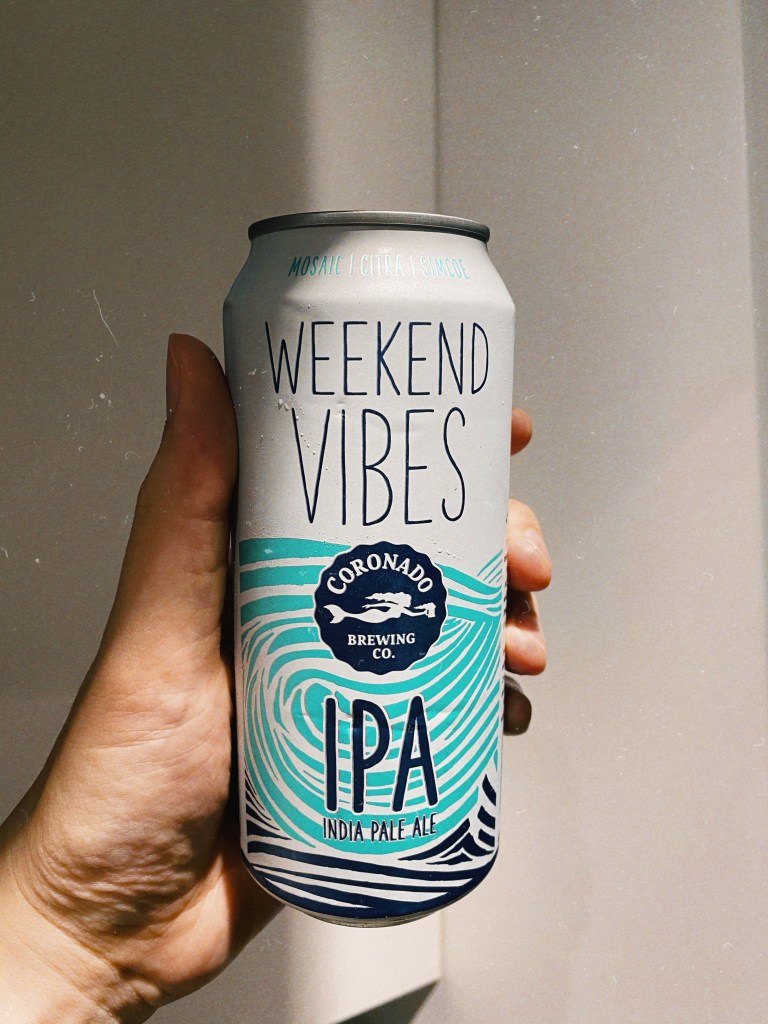
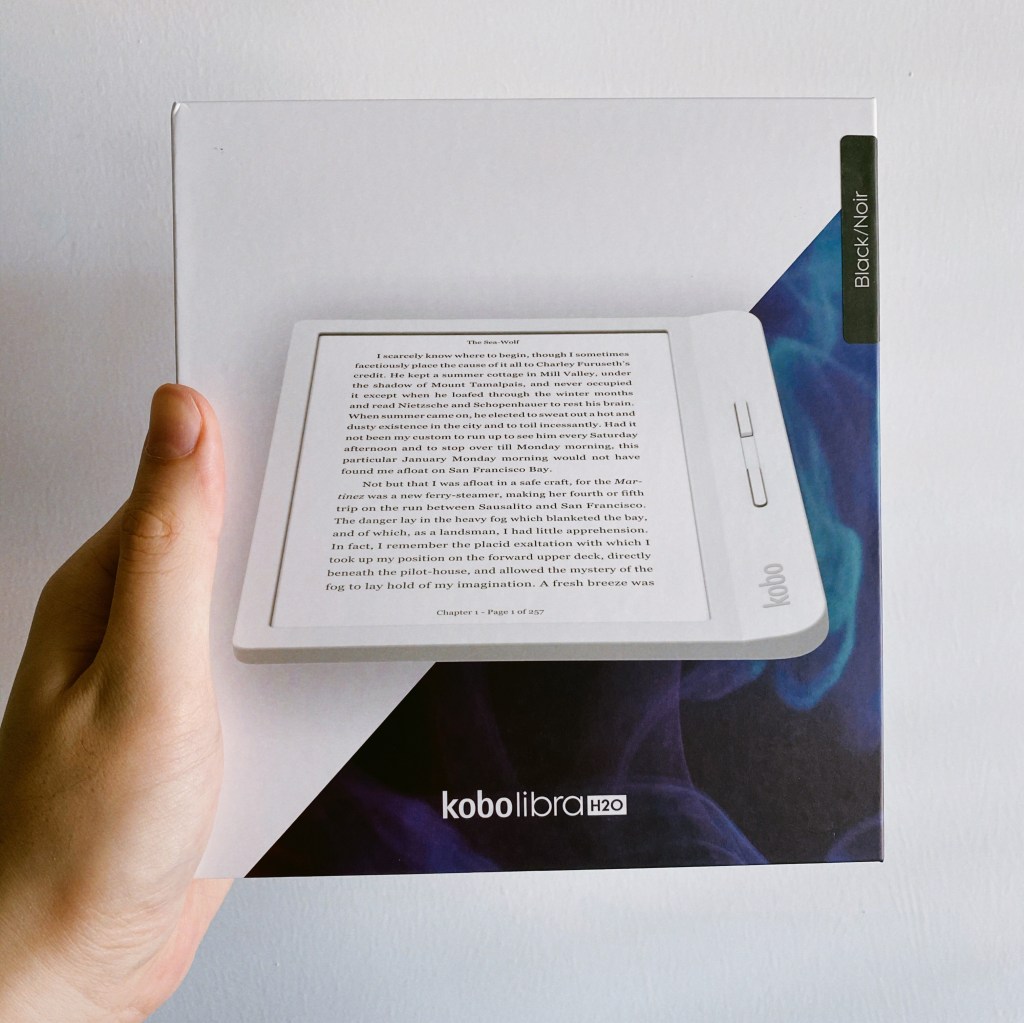
Otherwise, I’ve done some of the usual quarantine things. I’ve tried cutting my own hair (bought some clippers for it). I’ve been making cold brew coffee (bought a Hario bottle for it). We made that dalgona coffee one time but it was foul (already had turns out we actually bought the apocalypse-ready instant coffee for it). I’ve been making more cocktails and drinking IPAs at home instead of at the bar (bought the ingredients and ordered the cases, respectively). I’ve put on weight (bought a lot of takeout for it). I’ve been reading more (bought a Kobo reader for it). I’ve played upwards of 110 hours of Animal Crossing New Horizons (bought the game day one for it). Uh… having made that list, I am a little disgusted. Clearly, if life gives me lemons, I buy a juicer.
Clockwise from top-left: Meeting colleagues in Animal Crossing during our lunch break; that one time we whipped instant coffee and made a mess; pandemics tend to overshadow birthdays (no complaints); the Kobo Libra H2O can wirelessly borrow ebooks from the National Library; drinking the same beers but at home
The national lockdown here in Singapore ends in name next Monday, but the cautious re-opening will surely take more than a couple of months. The first people to be allowed back into office buildings at first will be those who haven’t been able to do their jobs from home for legal or technical reasons, and I think it’ll be September before most white-collared types find out what their leaders think about ending the great WFH experiment vs. saving a ton on commercial rent.
Note: This post contains a couple of Amazon affiliate links, which I’m trying out… again? I have a vague memory of using them on a couple of my sites before.
I was in the market for a Sony RX1R because I’d heard that the price had come down to as low as $2,400 SGD at third-party retailers, whereas Sony’s own retail stores still sells them for about $3,800. I know that’s a lot of money for a fixed-lens camera, but it was intriguing. I bought a Ricoh GR earlier this year as a birthday present to myself, and have only used it sparingly. The guilt! How could I justify a camera for Christmas too?
This particular fit of consumer madness began when a friend started looking at the new model, confusingly named the Sony RX1RII, or RX1Rm2, and which costs $5,000, for his own needs (isn’t that how it always starts?). He eventually decided to go even further upmarket with a Leica, but that’s a different story.
In the end, I hesitated too long because of the asking price and the unbearable judgment of my already adequate camera shelf, and discovered earlier this week that the older RX1R was no longer available at every third-party camera store I called and visited. My guess is Sony wanted better control of the price, and to remove competition for the new $5,000 model. It’s better, but it’s not $2,600 better.
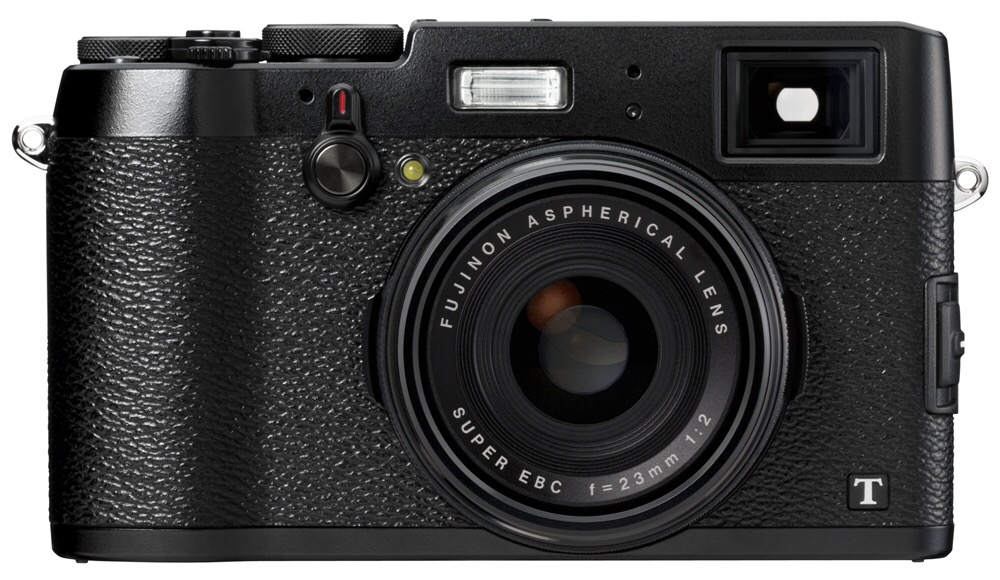
So after a bit more research and the use of a friend’s Fujifilm X100S for a few days, I got the beautiful X100T you see above. It’s nearly a thousand dollars cheaper than the Sony would have been. It’s not a fair comparison because the sensor is APS-C sized instead of full frame, but its 35mm prime lens barrel is a lot shorter and less conspicuous as a result. Fuji’s color reproduction and JPEG quality is also quite lovely, and I’m happy with the way things look straight out of the camera. I often find the Ricoh GR series’ 28mm field of view too wide for most purposes, and with many other compacts now starting at 24mm (like Sony’s RX100), it feels great to finally shoot with The Standard.
A quick recap of the specs, if you have the time:
Fixed 35mm f2 Fujinon lens
16mp CMOS sensor with phase detection autofocus
An integrated hybrid viewfinder that switches from optical to electronic with the flick of a switch (only the new RX1R has an EVF)
Built-in WiFI for transferring photos to a smartphone via Fuji’s barely functional app
Software emulation of Fujifilm’s classic film stocks (perhaps more in name than reality): Provia, Velvia, and Astia
A little bigger than the RX1R, although more compact on the whole thanks to a smaller lens
An ND filter and electronic shutter mode for really fast captures in bright light
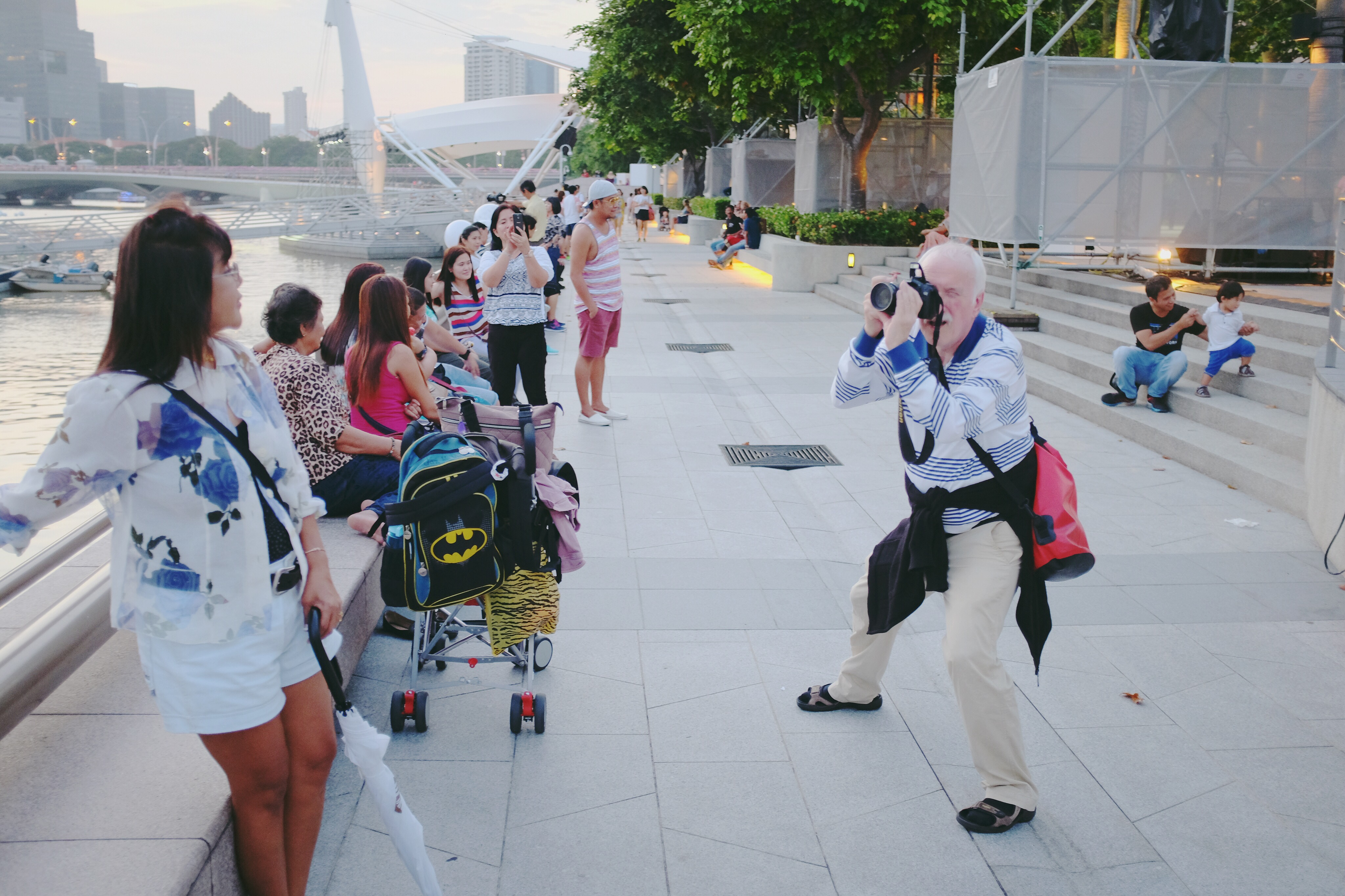
Here are some shots from a photo walk I took yesterday, which happened to coincide with the Hello Kitty Fun Run. I never knew it was such a big deal. Two observations: Having a camera around your neck makes you more liable to be asked to take someone’s photo, and if people notice you pointing one in their direction, they’re more likely to flash you a peace sign.
Today I received my new Moment Case (Dark Walnut Kickstarter edition) for iPhone 6 Plus after a long wait following the Kickstarter campaign. They hit a snag with manufacturing, and the release of the slightly thicker 6S series of phones necessitated holding back to make sure the original designs fit.
It works as advertised and is very easy to hold; slips into my jeans pocket comfortably enough too. Here’s a quick unboxing and look at the startup photo taking workflow. Note that you must use the Moment Camera app if you want to use the shutter button. It does NOT function as a regular Bluetooth remote shutter like the kind you use with a selfie stick.
As a user of the first-generation Pebble since last December, I eagerly ordered the new Time Steel model when it hit Kickstarter earlier this year. And then the Apple Watch went on sale in Singapore earlier than I’d expected it to, and that’s a whole other story about my irrational spending.
Fast forward to the present, and my new Pebble has arrived! But I’m probably selling it!
Let’s open this shipping box up.
There’s the Pebble Time Steel (which ships on a genuine Italian leather band, this one’s a gunmetal gray body, so the band is a matching gray/black), and a separate box containing the steel link bracelet in gunmetal. As a Kickstarter edition, it comes with both. With the retail model, the steel bracelet will be sold separately for US$50.
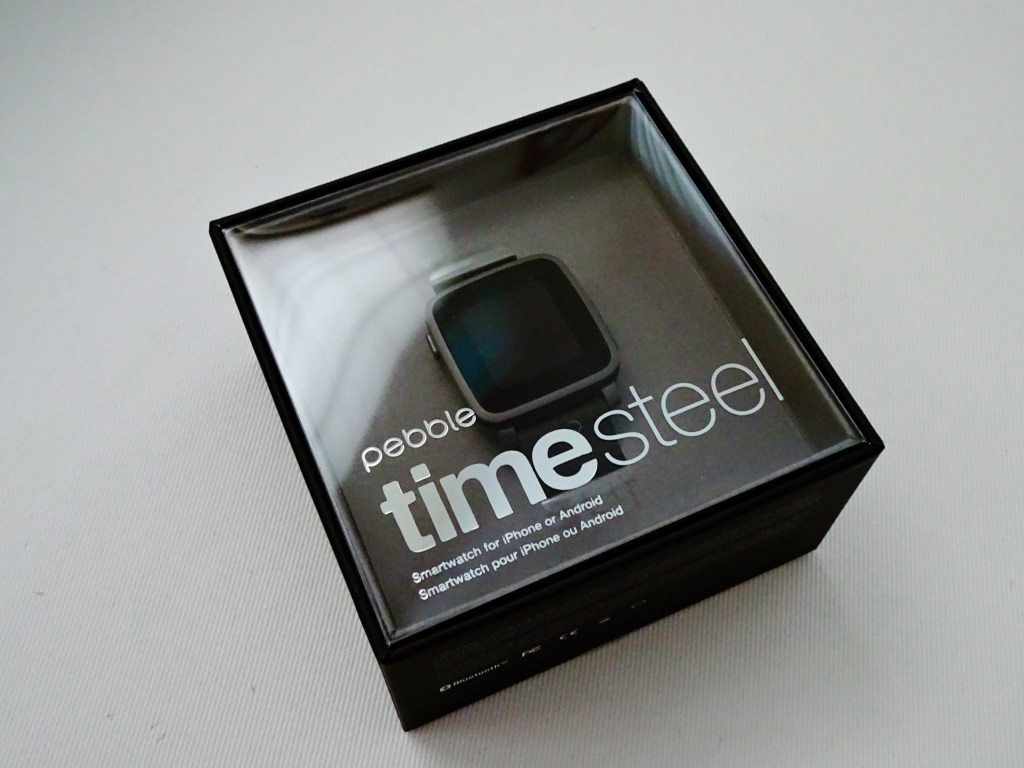
Previous Pebble watches have had pretty lackluster packaging, so this is quite a step up. Look at that display box; it’s good enough to be sold on the accessory shelves of an Apple Store, except they won’t be.
Here’s the back of the box with a list of standout features. Of course, the main improvement to the hardware is a new color e-ink/e-paper display. It’s always on, unlike the Apple Watch’s, so you can glance at it any time over the 10 DAYS that its battery will last, and know the time or your latest notification, without having to raise your wrist or press any buttons. It’s got a microphone now, which is useful for Android users who can dictate responses to messages and emails. It’s slightly less useful for iPhone users. And of course, it’s still waterproof to 30M. I don’t think anything else is.
Here it is next to my Apple Watch on the right. The watch case is very slightly smaller than the Apple one, and is also gently curved on the underside to sit neatly on your wrist. In that regard, it’s very nice and possibly more comfortable and natural looking on the wrist.
Here it is all set up and charging via a magnetic cable attached to the back. Nothing as sexy as Apple’s inductive charger; this one only uses magnets to draw two magnetic points to their respective spots. It works.
As you can see, the e-paper display shows colors even when not lit, although they’re not as vibrant as you’d see on a printed page. The sun icon has a mild yellow to it, and blue shows up very well. In direct sunlight, it looks crisp and strong, and is easy to read. Indoors, it can be a little muddy and dark, perhaps a touch dimmer looking than even the original Pebble. A backlight comes on when you press a button or flick your wrist. This also looks dimmer than I remember the original Pebble being, but perhaps I’ve just been spoilt by the Apple Watch’s super bright and colorful OLED display (which wantonly consumes more power in a day than the Pebble Time Steel does in 2 weeks).
Here’s what it looks like on the wrist (thanks to my dumb use of a wide-angle lens, the watch looks larger here than it is). I wear a 42mm Apple Watch and it looks smaller than this, and as shown above, the Pebble is even smaller than Apple’s. So if you normally wear a 38mm Apple Watch, this is probably what the Pebble Time Steel will look like on you.
Here’s a more accurate shot, this time with an imitation Casio watchface complete with Timex Indiglo color scheme. That statement alone tells you who the Pebble is aimed at; you have so much opportunity to customise the face of this. Many of the color faces I saw let you specify the color of every element and make your own themes. It strikes me as the sort of thing some people jailbreak iPhones or choose Android smartphones to be able to do. I’ve decided I’m not that person these days, so I’m probably going to sell it. But the build quality is solid and the leather strap is really quite soft and lovely. It’s a real improvement from Pebble, and if they can get the cost down, it might work out.
Oh, the new software works as advertised, but without using it for a few days, it’s hard to say how useful seeing your apps and events laid out on a timeline is. On paper it sounds like a great idea and it was one of the main reasons I ordered this at the time. Apple’s watchOS 2 is also going to have something along the same lines with its Time Travel feature, so I guess it doesn’t matter what platform you eventually choose — we will all soon be consuming time-sensitive content on our timepieces using contextual timeline interfaces.*
*Did it strike anyone else as odd that after Pebble showed their hand with Timeline on Kickstarter, Jonny Ive or someone on his team dropped a casual interview comment that they had tried a similar concept in an earlier prototype of the Apple Watch, but it didn’t work out? And then a few months later we see Time Travel as one of the key new features of the next watchOS?


























 sangsara.net