Another busy week, and I’ve been like a caffeinated creature hunched over its keyboard with bloodshot eyes. You may notice I’ve updated the navigation bar on this site to point to a dedicated page listing all my apps. This takes the place of a page that pointed to all my custom GPTs on ChatGPT (that never really took off, did it?) and before that, my NFT experiments. Those are still around, though!
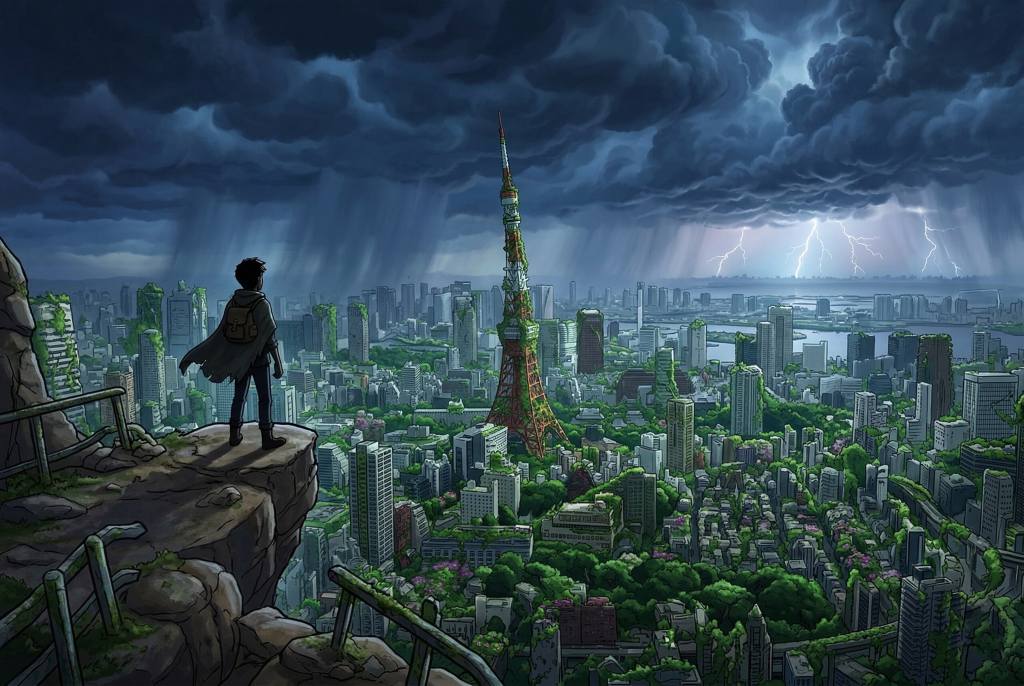
You may call it AI slop but I’ve generated key images for each of the apps on that page, which I like to think of as analogous to game box cover art, those evocative artistic representations that used to stretch truths to their breaking points, back in the days when games looked like Lego.
Here they are, just so you can admire them.
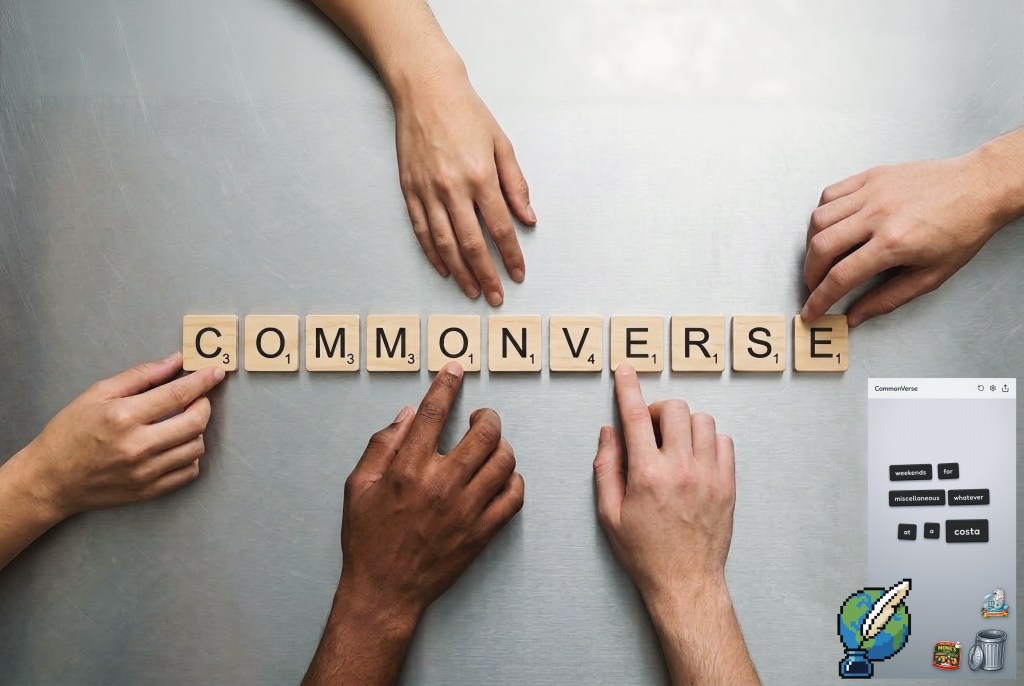
HEIFerCollagenUrban JunglesSkySpotterCommonVerse
The latest for now is CommonVerse, my daily magnetic poetry app. Give it a go!
I’m writing this paragraph on Thursday after another failed attempt to stop vibe coding and focus on other pursuits. So far I’ve mostly finished one project and started on another that I meant to leave aside until next week. What is this feeling? This need to actualize a new ability that I’ve always wanted but never had to worry about not having?
Instead of being able to recognize that I’ve already accomplished a lot, and “taking the rest of the week off” to go watch movies or something, I’m sucked into continually iterating and improving upon these apps like I’m on a deadline. It’s that paradox (mentioned here last May) where new technologies don’t decrease our workloads but only make us busier instead.
Productivitymaxxers will say this is fine. This is how it’s supposed to be: you can do more, so you work just as hard and get twice as much out of it. Why would you want to work half as much? And they’re not wrong — that’s the engine of progress. But it’s also how you end up making six apps in three weeks and treating it as some kind of baseline rather than a miracle. As predicted, my capability has grown but I got desensitized to the satisfaction.
The discomfiting shock to the system as I struggle with this resetting of scale, and feeling addicted to realizing more ideas, is an adaptation crisis. Adapting to life at a new speed and learning to balance capability with sensibility. Astronauts and pilots have to train to handle G-forces, in which the G stands for gravitational. I’m suggesting that working with AI has its own G-force, where the G is gratification. You can suddenly manifest many of the things you can think of. That’s a very powerful impulse to get under control. How do you engage with life’s responsibilities, appointments, or your growling stomach, when there’s always just one more prompt and revision to make? After getting home from a few drinks on Friday night, I found myself on my laptop in bed after midnight, fighting with a procedural audio generation engine that wouldn’t trigger drum sounds for any obvious reason.
The next night I did the same, staying up to 3:30 AM because I had some new ideas that just could not wait. My Apple Watch sleep score is in shambles. But App #6 is certainly shaping up to be my best work. I’m going to sit on it for a whole week and keep polishing, instead of putting it out and moving on to the next one. That’s my strategy for slowing this down — it’s all I’ve got.
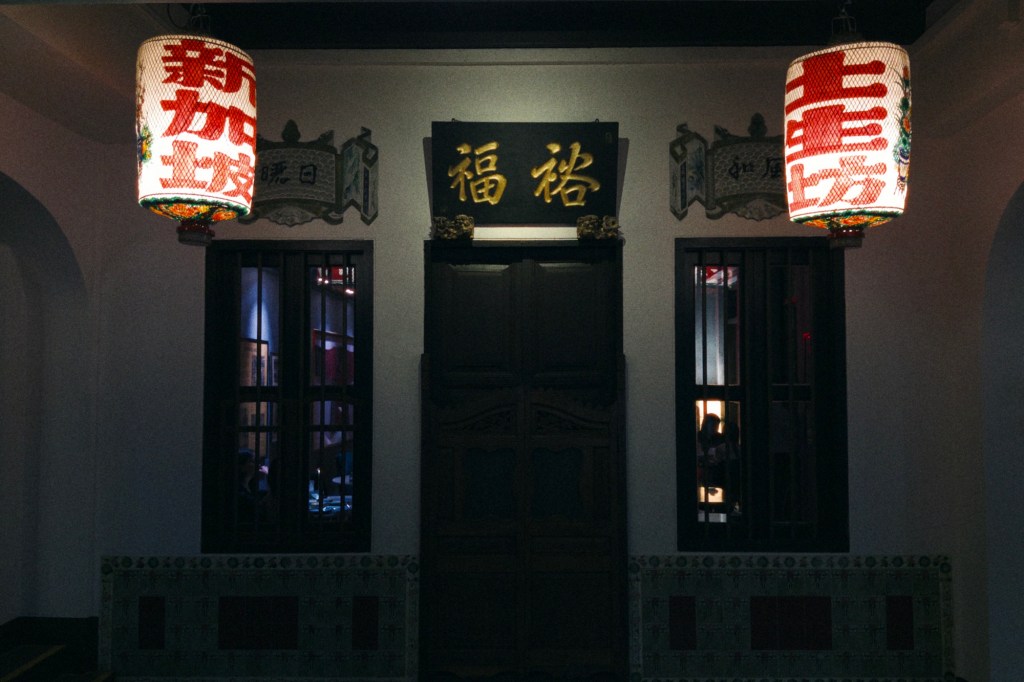
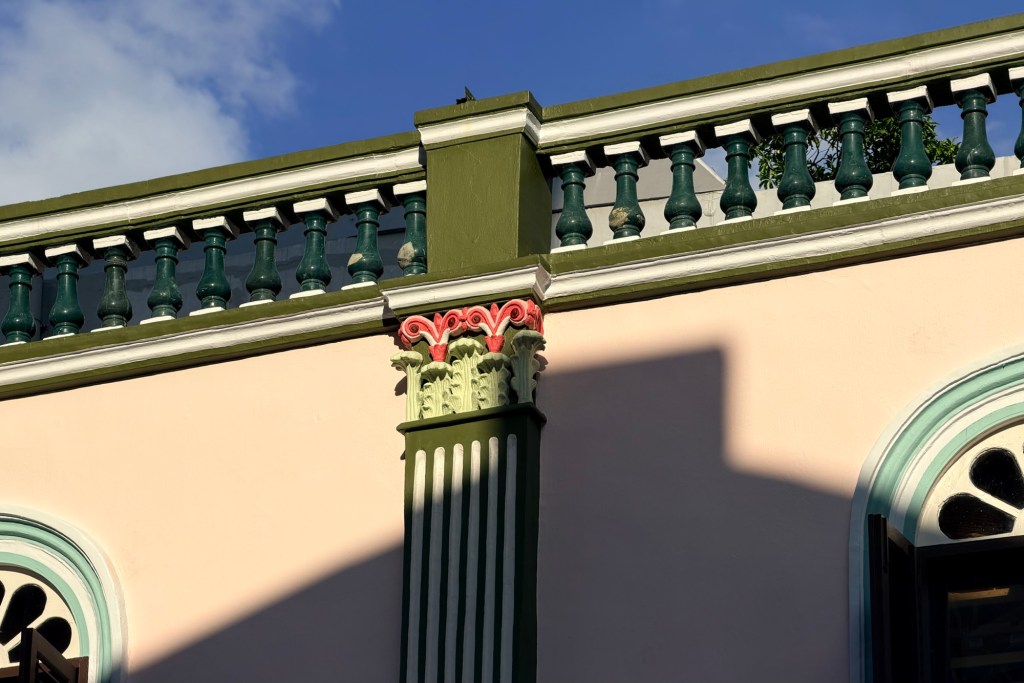
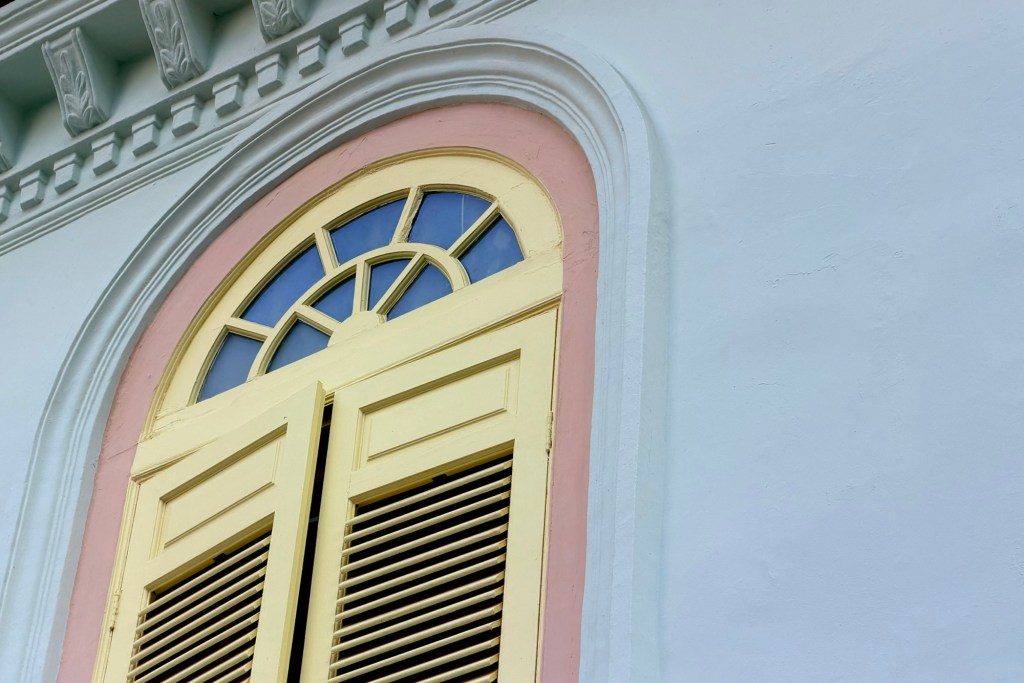
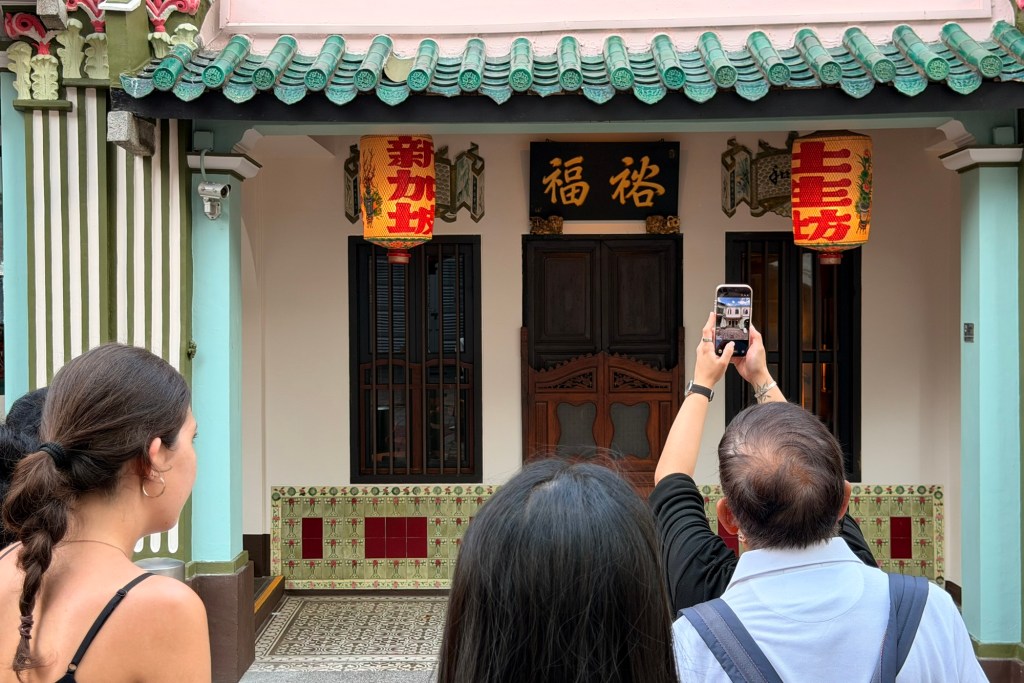
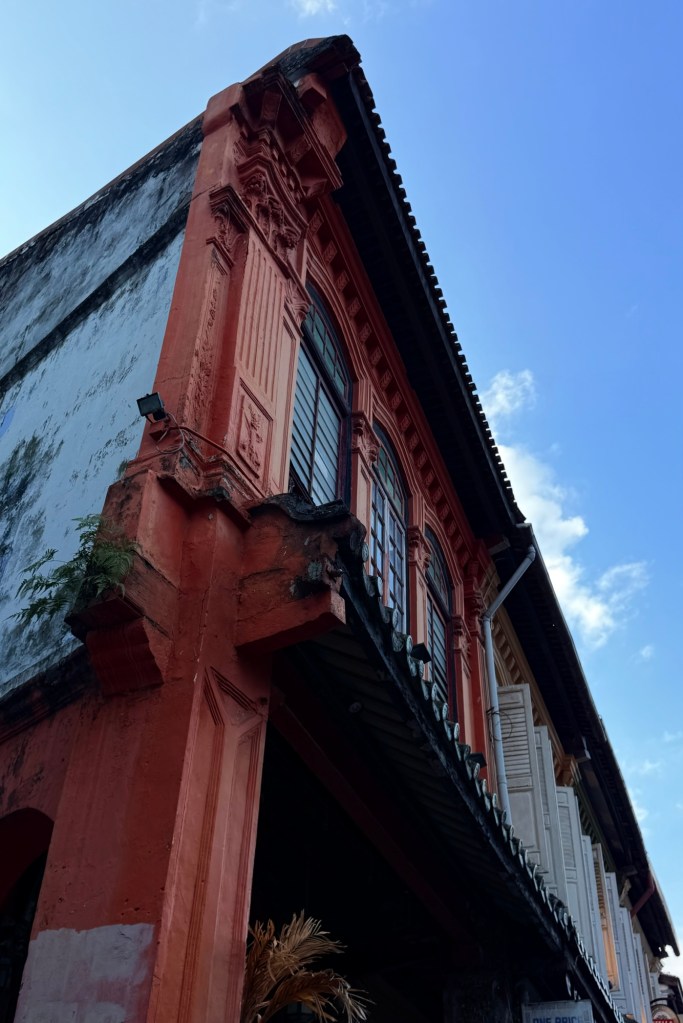
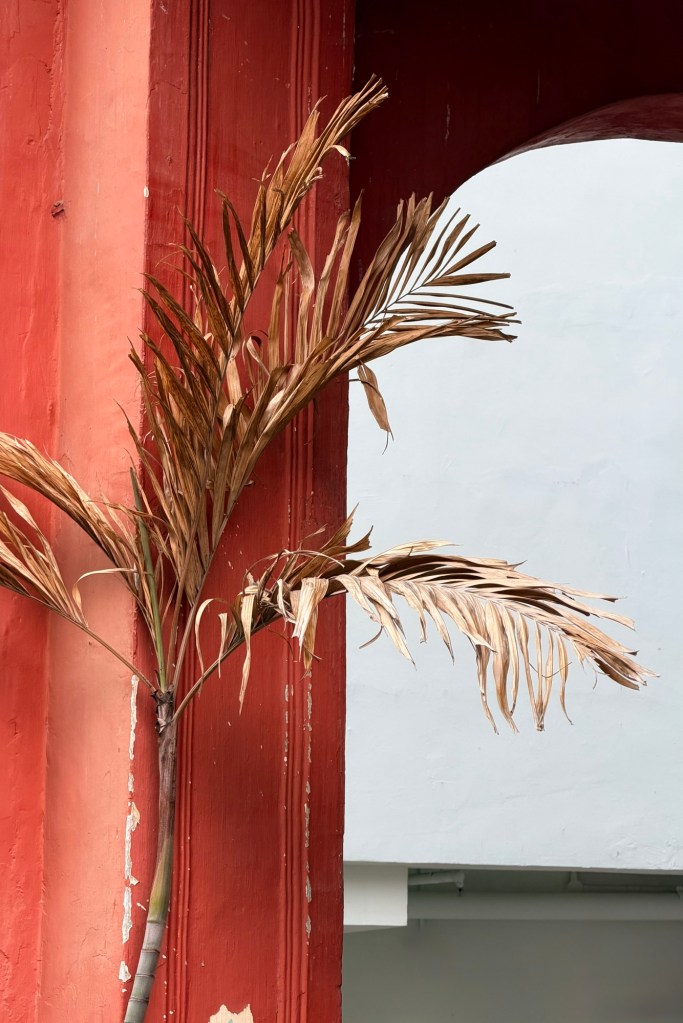
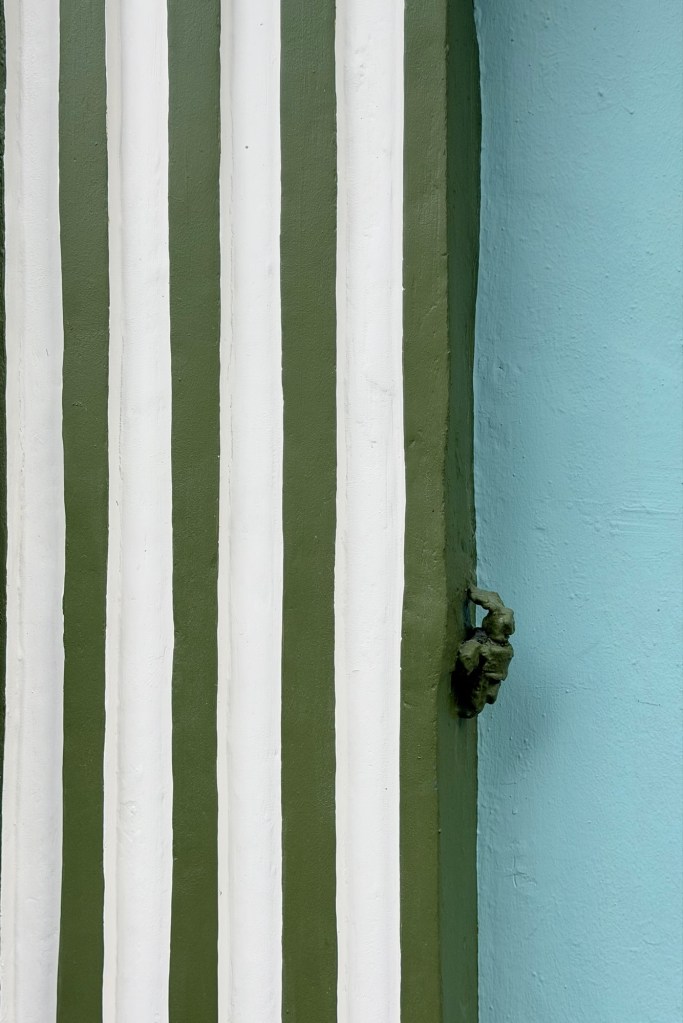
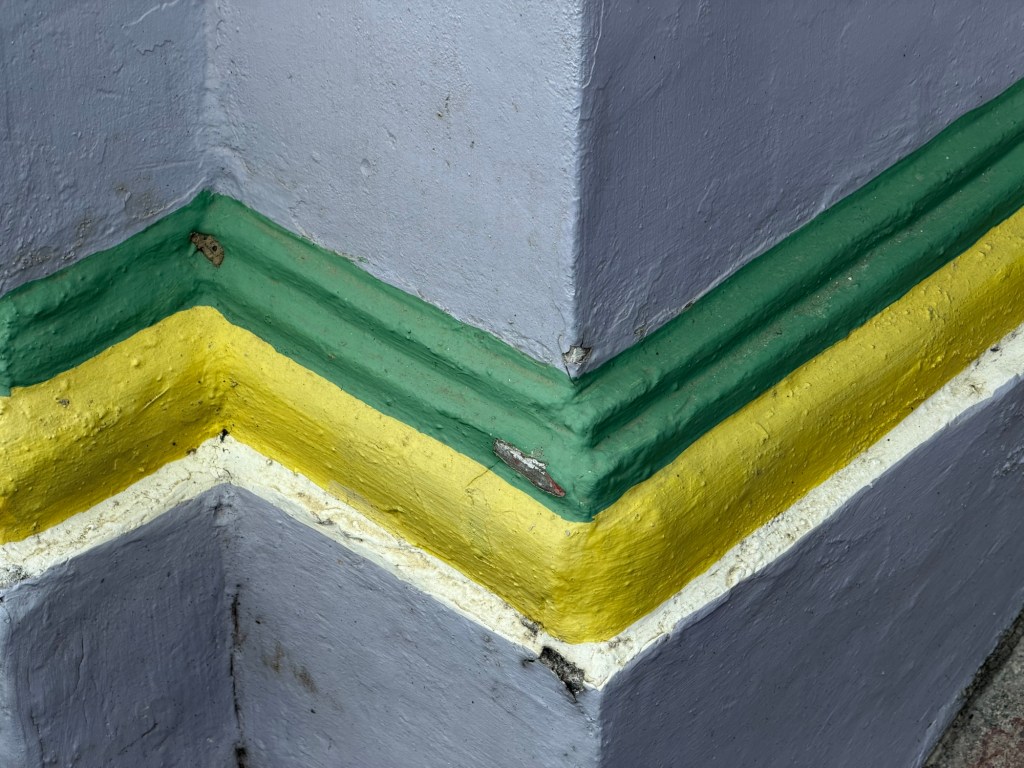
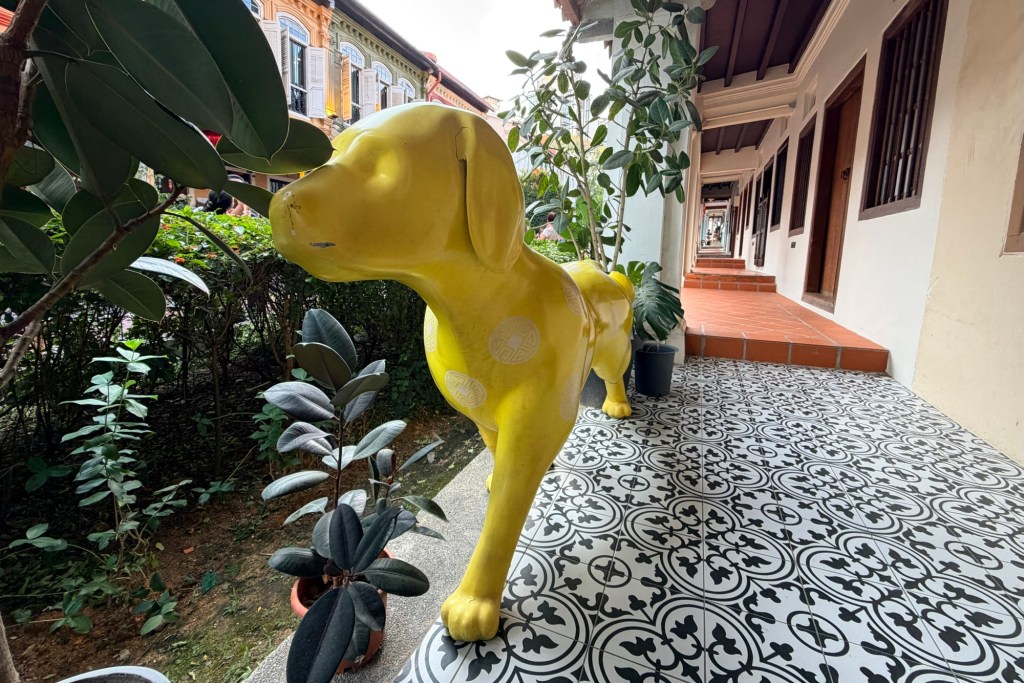
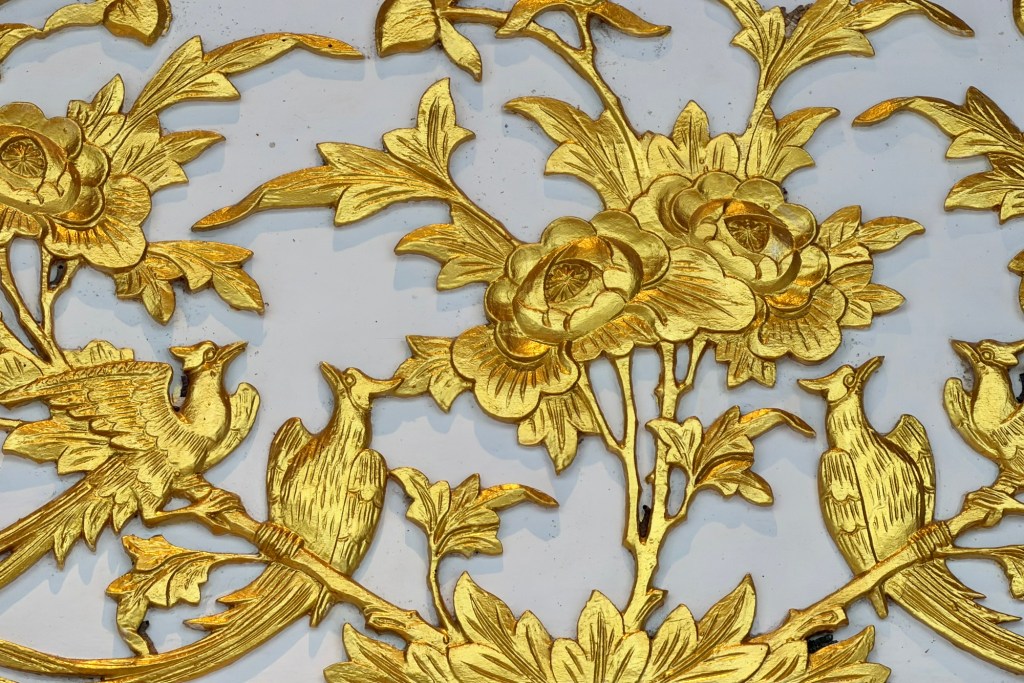
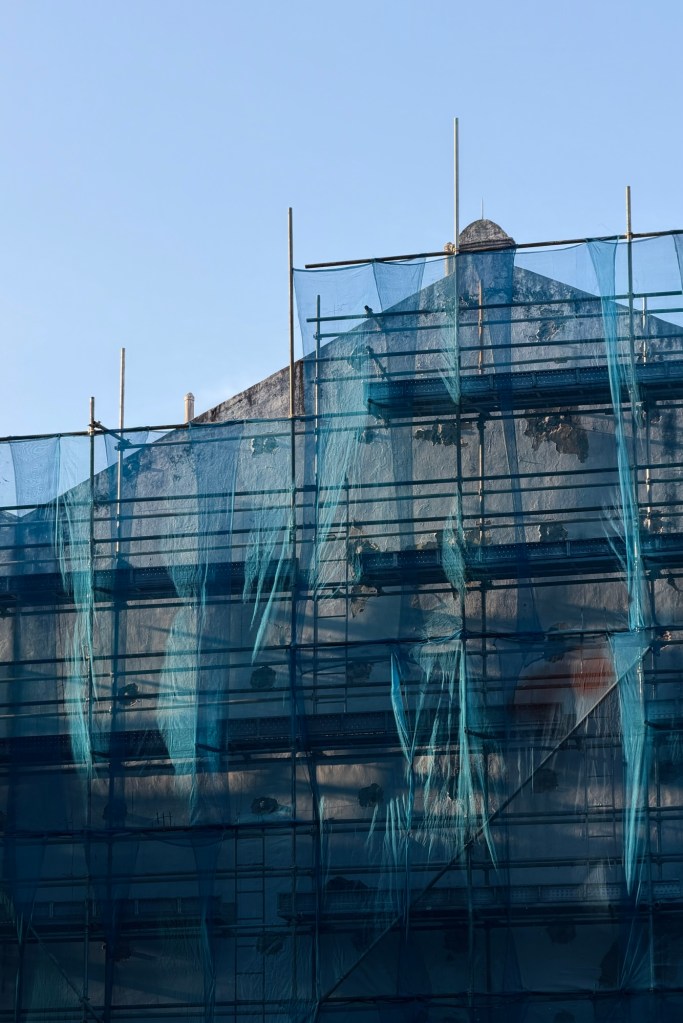
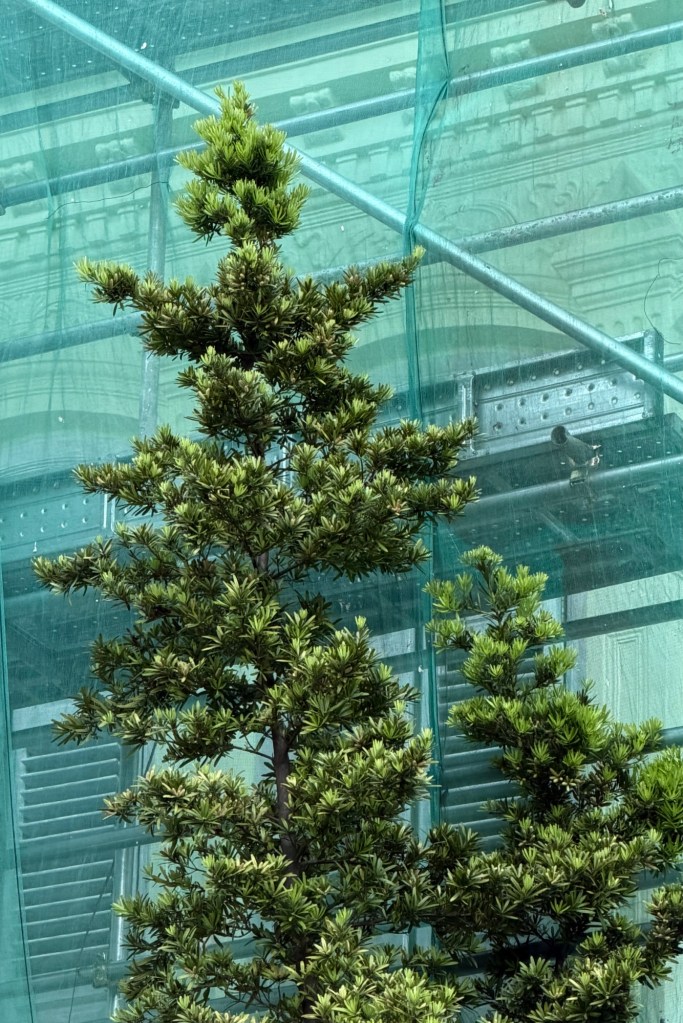
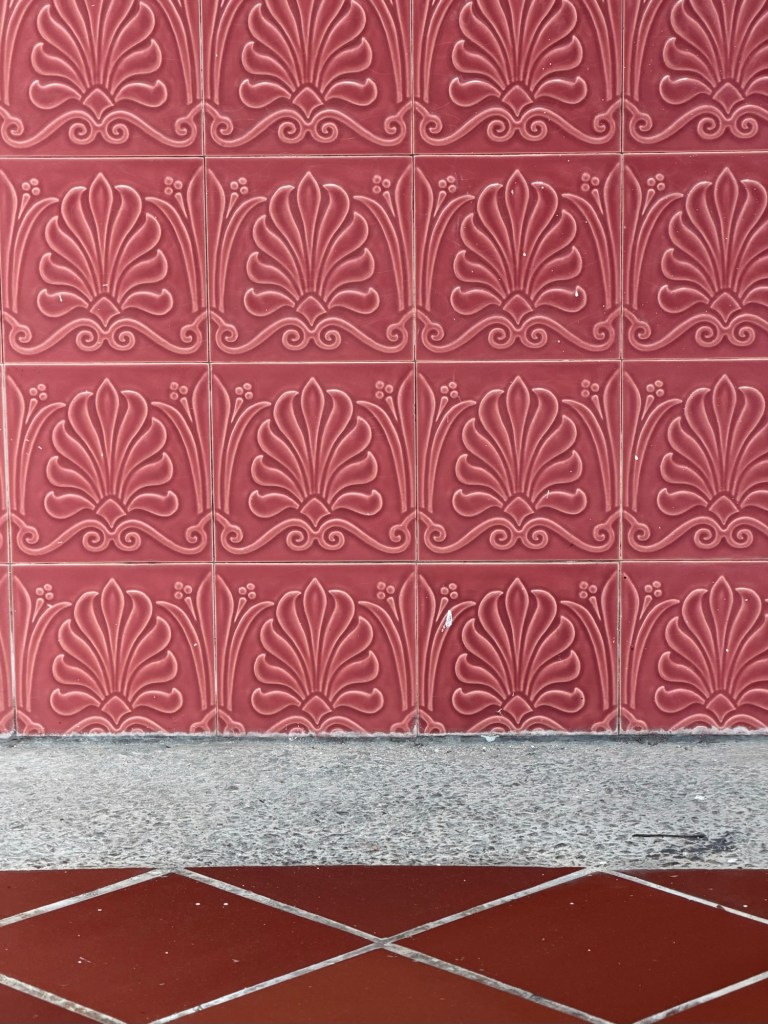
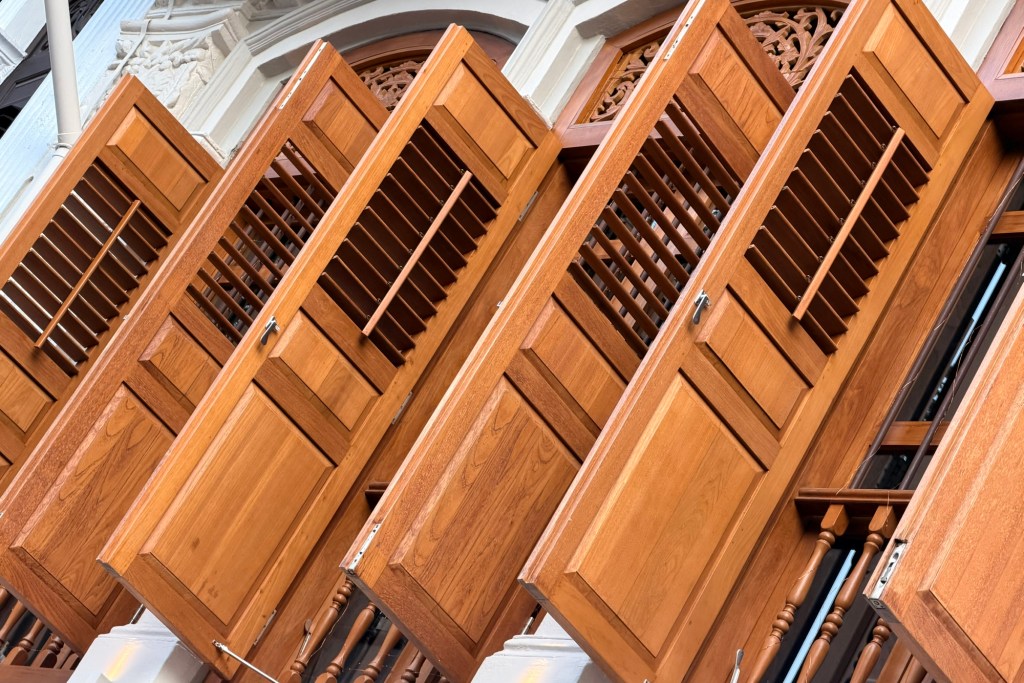
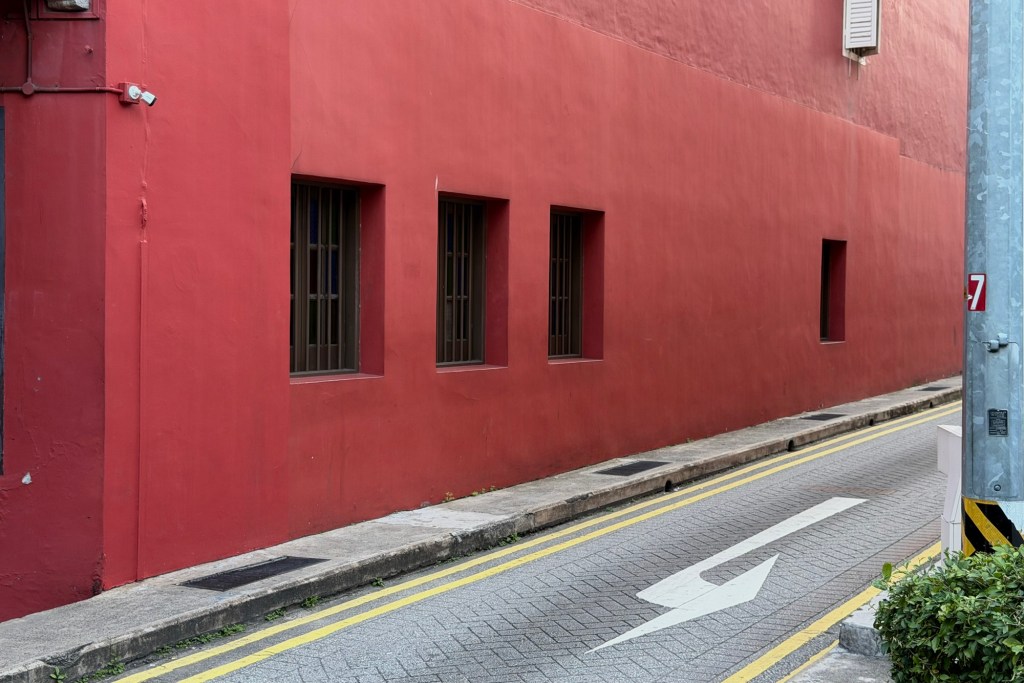
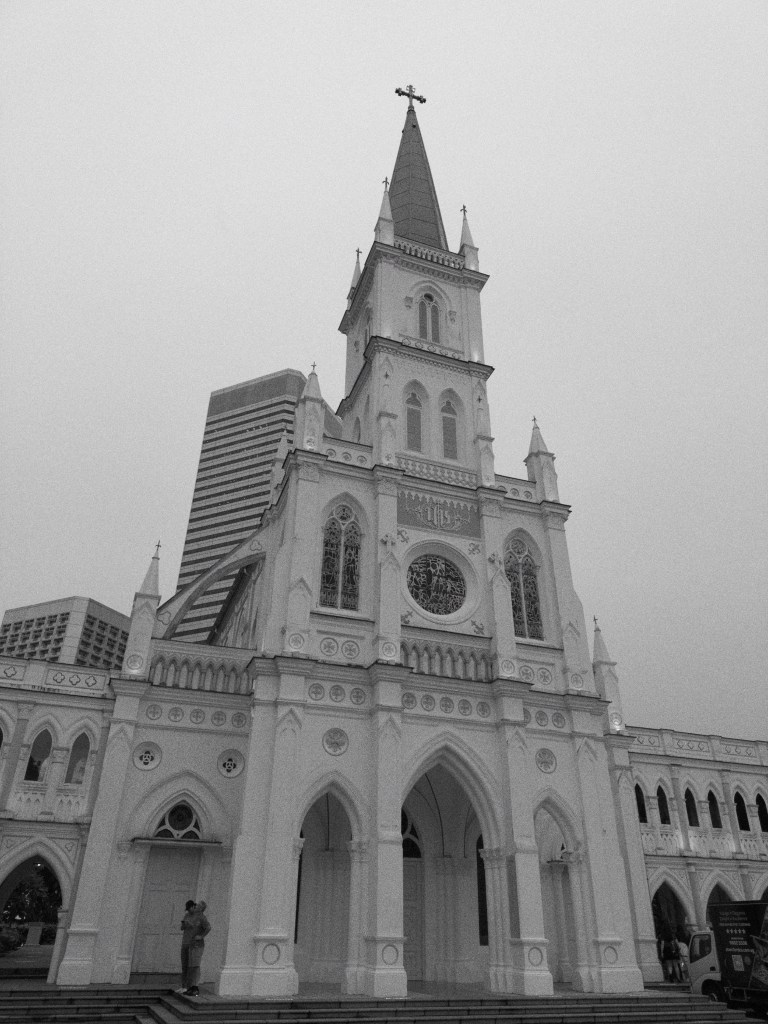
Over the weekend, I also attended an Apple Store photo walk activity on a sweltering afternoon (up to 36°C next week) with Cien and Peishan. I hadn’t done one of these in years, but always keep meaning to. This one was conducted by the staff at Apple Orchard, and was a walking tour of Emerald Hill — which in reality is just a tiny street off Orchard Road. I’ve been there dozens of times over the years, but never saw the details just sitting there in tiles, old paintwork, and ornamental doorframes. Going to a small area with the intention of taking photos, and giving it more time than you’d normally allocate, can be a really fun and creative exercise.
There’s no reason one couldn’t do this themselves any time, anywhere, of course. But these free ‘Today At Apple’ sessions are a good excuse to get off the couch. The other two local stores have their own programs, and I might check them out someday: Apple Jewel Changi Airport looks at the indoor waterfall, and Apple Marina Bay Sands has a night photography focus.
Another nice touch is that they’ll lend you an iPhone 17 or 17 Pro if you don’t have one, and they’re incredibly relaxed about handing them out. No paperwork to fill out or deposits to pay. That’s the great thing about Find My protection, I guess. A comment was made that in the UK, those phones would disappear the instant the group left the store — even if just for parts. But they must do these sessions worldwide, so I’d love to know how it’s dealt with.
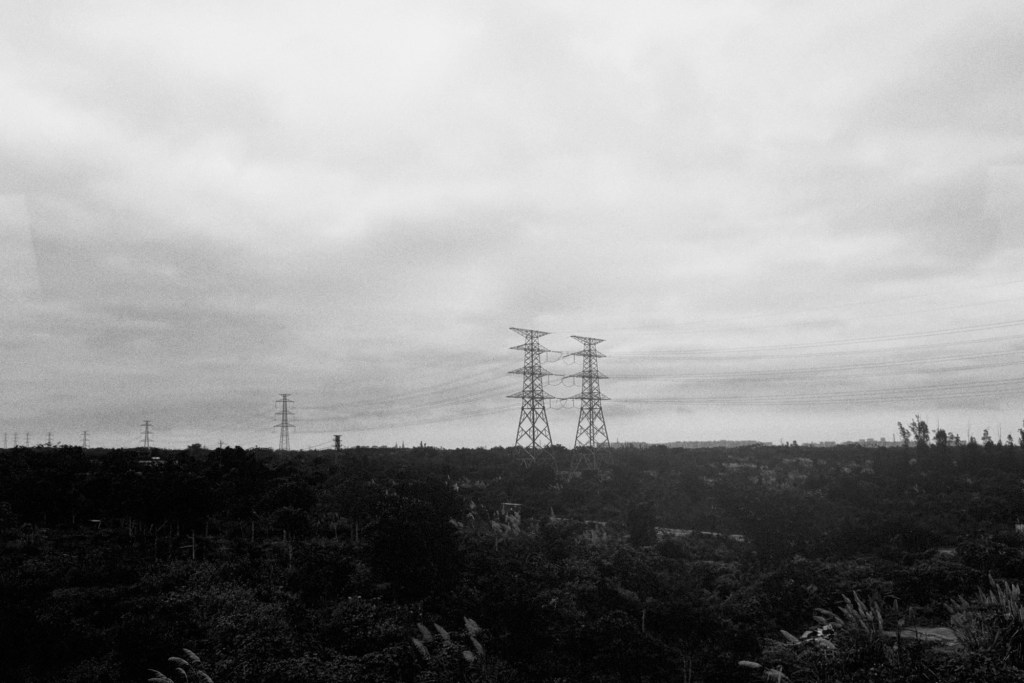
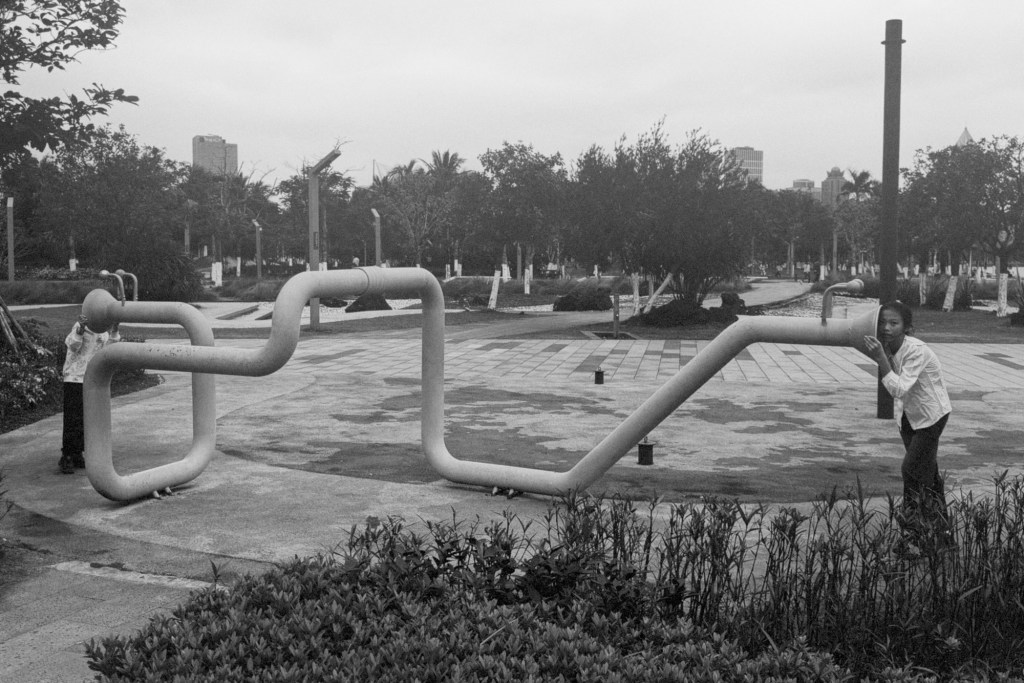
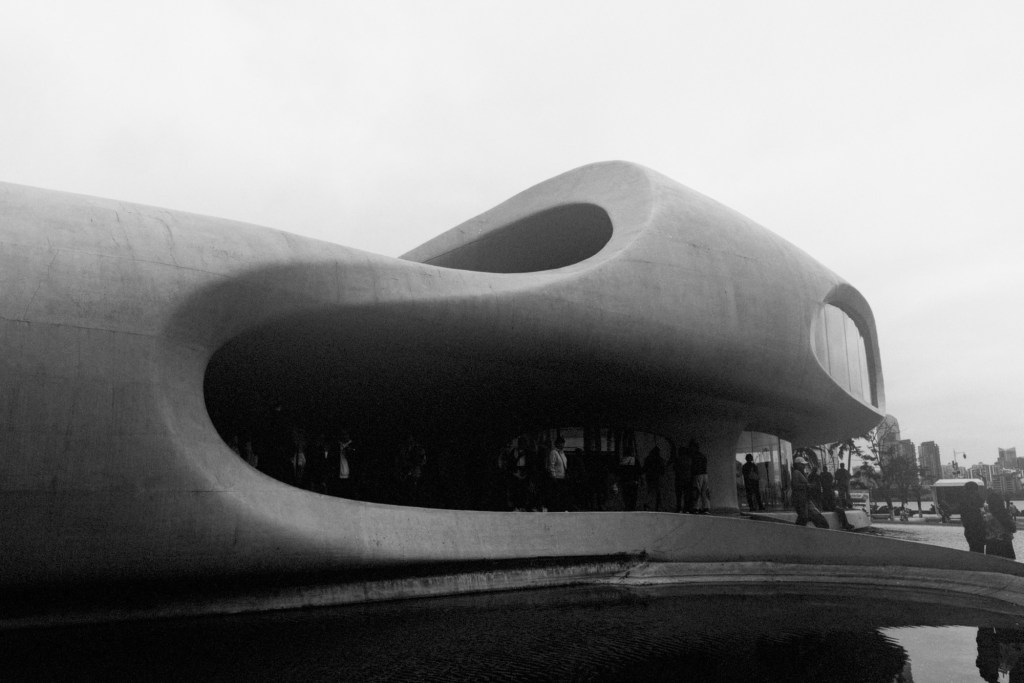
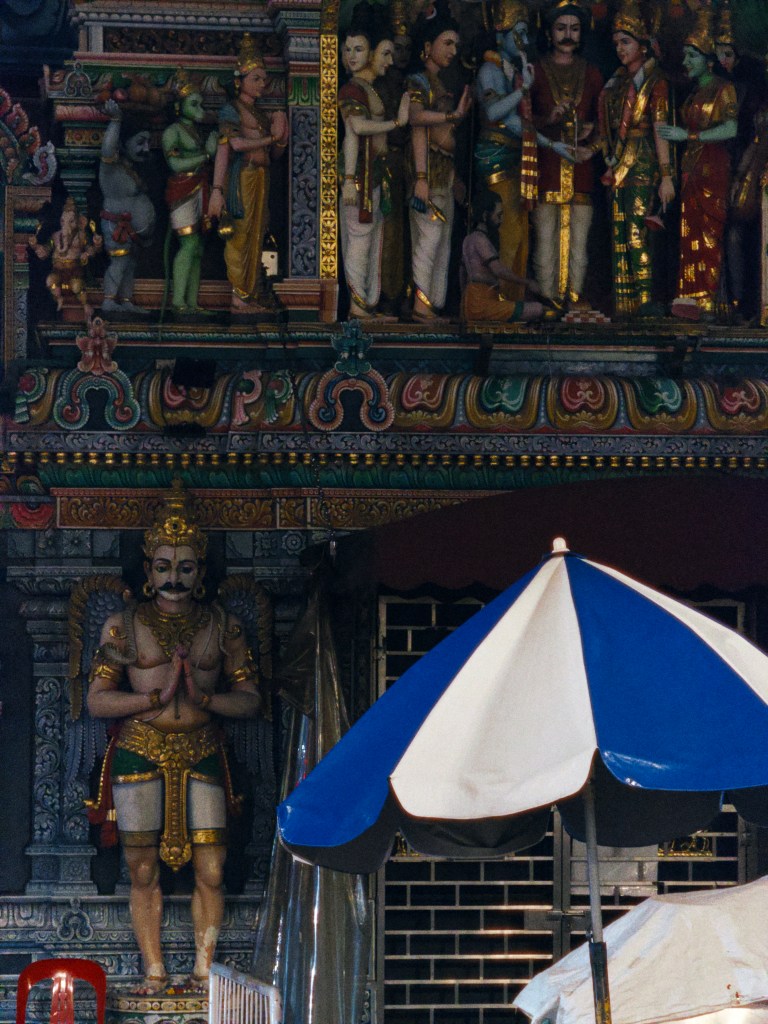
I shot these photos on an iPhone 17 Pro Max and emulated three classic Chinese B&W film stocks with AgBr: Lucky SHD 100, Friendship 100 Pan Film, and Shanghai GP3 100. The idea was to get the look of road trip snapshots from the 1990s that a traveler then might have taken.
11 greatly biased observations from a first trip to China
The Great Firewall does indeed block the majority of household internet names in the west. Imagine testing if you’re online, what would you type in the address bar of your browser? Google? Nope. Any Facebook property? All social networks and chat platforms don’t work, with the exception of iMessage. However, this only applies to hotel WiFi networks and those provided by local ISPs. If you’re roaming on a cell network while using a foreign provider’s SIM, things work as expected (albeit routed through Chinese servers). I decided not to bother with VPNs and just trusted in HTTPS 😬
Powerbank rental machines are ubiquitous, even in places where you should never leave a box full of lithium-ion batteries, like out on the street in direct sunlight. You pay a few cents per hour (via QR code), and because they’ve landed on a common battery design between the many operating brands, it seems you can return one anywhere else after you’re done charging your devices. It’s great not having to carry your own around, but even given a high degree of civic integrity, I think getting adoption in a country where everyone already has their own (like Singapore today) would be tough.
I was listening to Apple Music 1 (the radio station) and a song came on with a melody that I knew, but couldn’t place. It was To Ease You by the indie pop band Men I Trust, and a couple of days later I placed it. The main hook is basically a sped-up bit from Now And Then, the recent “new” Beatles song. I’m mostly glad I answered the question for myself because I hate that feeling of recognizing but not being able to remember.
I went out three nights this week to catch up with people, maybe drank too much, maybe ate too much fried food, and it’s been so warm here even after dark — I could be falling ill again, or at least kinda tired out.
Kim’s going to be away again so I only have two things on my agenda for the coming week. The first is another evening appointment for drinks and fried food, and the second is a big one: Nintendo Switch 2 release day! God willing, my delivery will arrive on Friday. I’m fully expecting at least three hours of painful setup and migration from my Switch OLED, because Nintendo isn’t the best at this stuff. The official local release date has been set for June 26, but pricing has still not been announced. I figure it might be S$50 less than what I paid, but screw it, early access and a guaranteed unit is worth paying for. Some fine print on the local website suggests they’re not confident the Nintendo Switch Online service will even launch in Southeast Asia this year! Taiwan’s website says it’s coming to them in 2025, while ours has nearly the same text saying they’re working on it, but not mentioning the year.
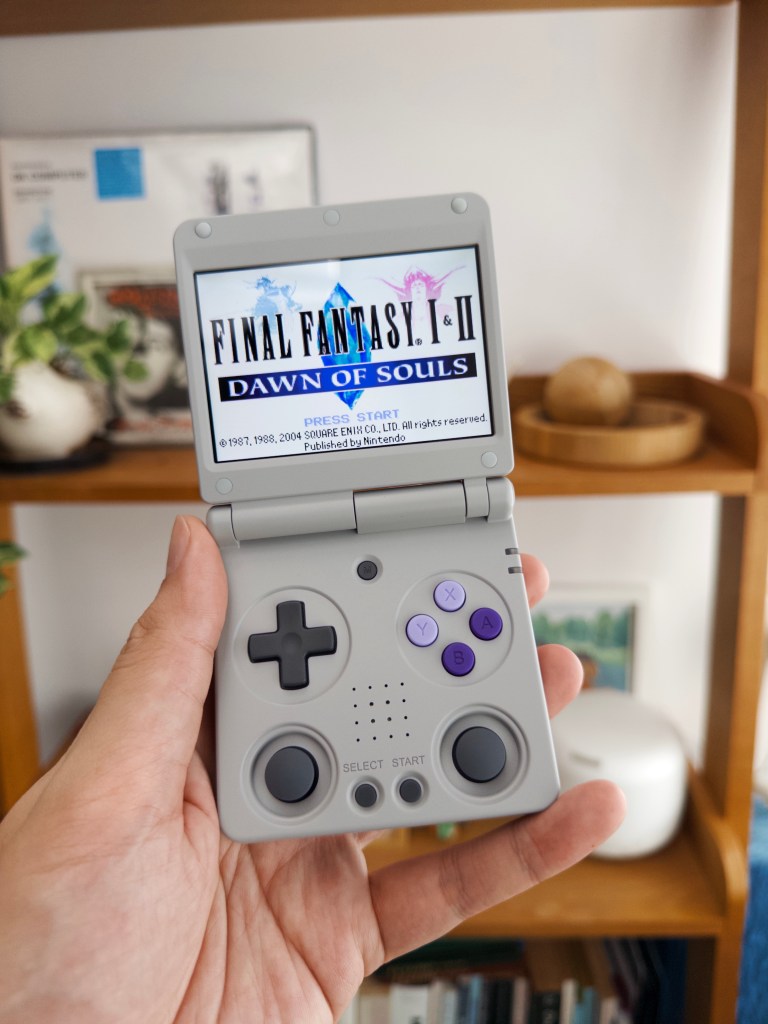
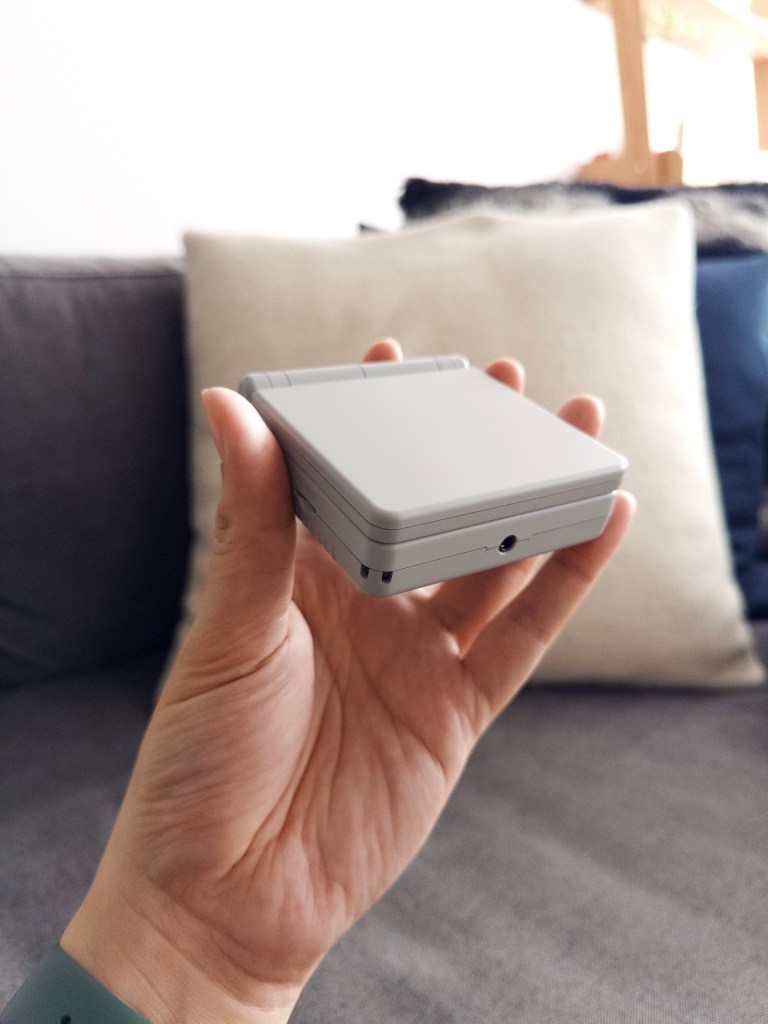
In the meantime, my Anbernic RG34XXSP arrived from China and it looks and plays pretty great. I mostly bought it as a fun toy and collectible, so I’m not planning to get stuck into an old RPG properly just before the Switch 2. I’ve booted it up, played a few platformers, and overall think it’s a neat device for the relatively low price ($60 USD at launch). It’ll be a nice thing to have on planes or short trips where I might want to play on physical controls, and the Switch is too cumbersome to bring along.
Trying to charge the Anbernic did lead me to learn something new, though. It wouldn’t charge with my USB-C to C charger and cable, only with the supplied USB-A to C cable, so I looked it up online. Apparently this is an intentional design choice that some makers of low-cost products make — supporting USB-C to C charging requires more expensive components, such as a chip to negotiate the power supply with the charger (getting it wrong might start a fire). Limiting charging to USB-A sources solves this because the output is fixed and lower-risk at 5V. So, if your cheap Chinese device comes with a USB-A to C cable in 2025, it’s actually an instruction on how to charge it. This solves the mystery of why one of my older JisuLife fans refuses to charge sometimes.
Michael and I somehow got into a long discussion about something other than Apple, spending a good hour on the phone going over why the Mission Impossible film series has ended up the way it is, with Christopher McQuarrie seemingly having lost his touch for writing a tight script with The Final Reckoning. I believe you can lay the blame for all the things I complained about before at Tom Cruise’s feet. The man wants to do his crazy stunts, and he’s so powerful as a producer and movie star that nobody can really push back on his ideas, not even the director (at this point just a person hired to enable Cruise’s dreams). So the story gets written after the set pieces are decided, and when time is short, two things happen: exposition gets inserted, and series hallmarks are leaned on to suggest you’re having a good time. So in between lots of talk about what’s going to happen, you get a scene where the team goes over their plan while you see flashes of it happening for real, there’s a heist-like entrance into an impenetrable space, some McGuffin gets stolen and lost and recovered again, maybe someone peels a mask off, etc. etc. But does anyone really understand what’s happening in the final action scene of TFR? Why they’re there, what the antagonist wants? How Hunt’s plan is supposed to work? It’s pretty cool, if you’ve ever wanted to see what a totally abstracted action movie would look like.
If you want to go further back up the blame chain, you could say it’s all because JJ Abrams decided to build out Ethan Hunt’s personal life back in MI3 to raise the emotional stakes, while defanging the main stakes by introducing a Mystery Box/McGuffin approach. It might have been Tom Cruise’s direction all along, but the result is that every subsequent movie has had to raise the stakes to nuclear armageddon and give Ethan Hunt the same “this is the result of your actions” multi-film existential hero’s crisis that Nolan’s Batman and Craig’s Bond also endured.
On his recommendation, I rewatched Rogue Nation (film #5) and it was even better than I’d remembered. There were also several scenes that reminded me of bits in TFR, like how a character pulls a flash drive out at a crucial moment — you can call them callbacks, but maybe we’ve strained the limits of McQ’s vocabulary and that’s why no single director should do four straight installments (of a series that didn’t conceive).
Don’t get me wrong, we both liked The Final Reckoning, but we’re sad about all the Mission Impossible experiments that we didn’t/won’t get because they gave up on the early anthology approach where each film had a different director’s touch. But for now, I’d love to have a prequel TV series that sits between the original and the first film; the early days of Hunt’s career. I think the world of the IMF is one franchise that would actually benefit from being owned by Disney, as they have no qualms about trying spinoffs and milking a brand to death. A mini-series about a rookie IMF team in Asia? A real-time one following another team in crisis, à la 24? Yes, please! I love it when a plan comes together, so just keep doing that.
A couple of weeks back I mentioned reading MW Craven’s book, Fearless, and said perhaps it’ll be a TV series someday. Well, I finished the book (good fun), and the acknowledgments page mentioned that a major streaming network has already bought the rights. No idea who, but it’d be funny if it was Amazon, home of Reacher, so that they can totally own the ‘dangerous ex-military investigator/vagabond who kills a small army per season’ space.
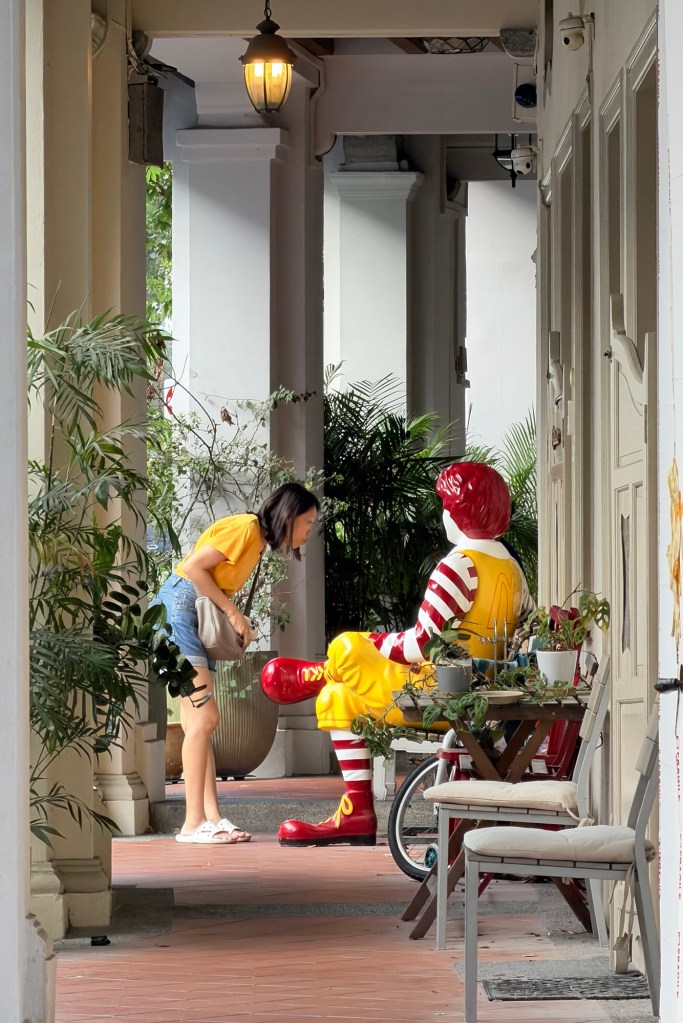
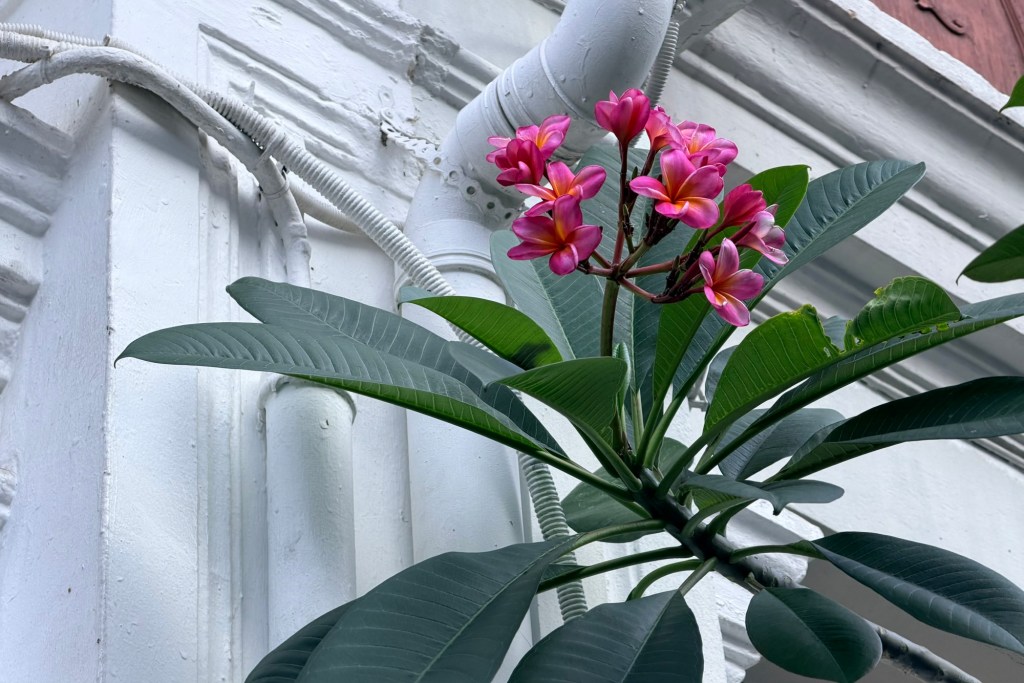
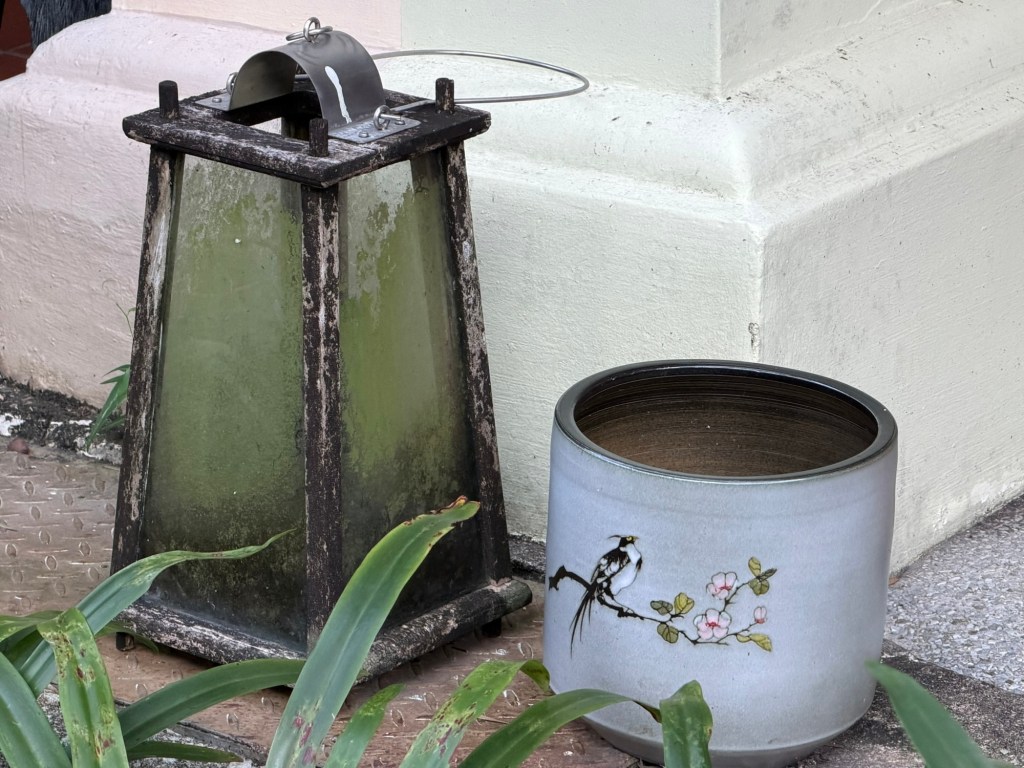
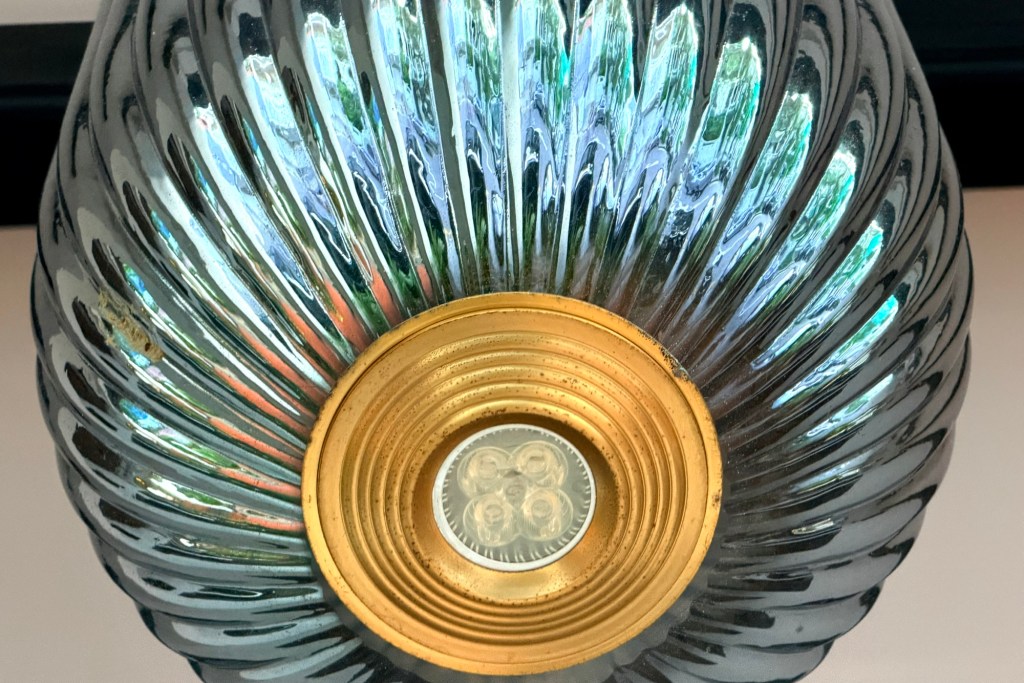
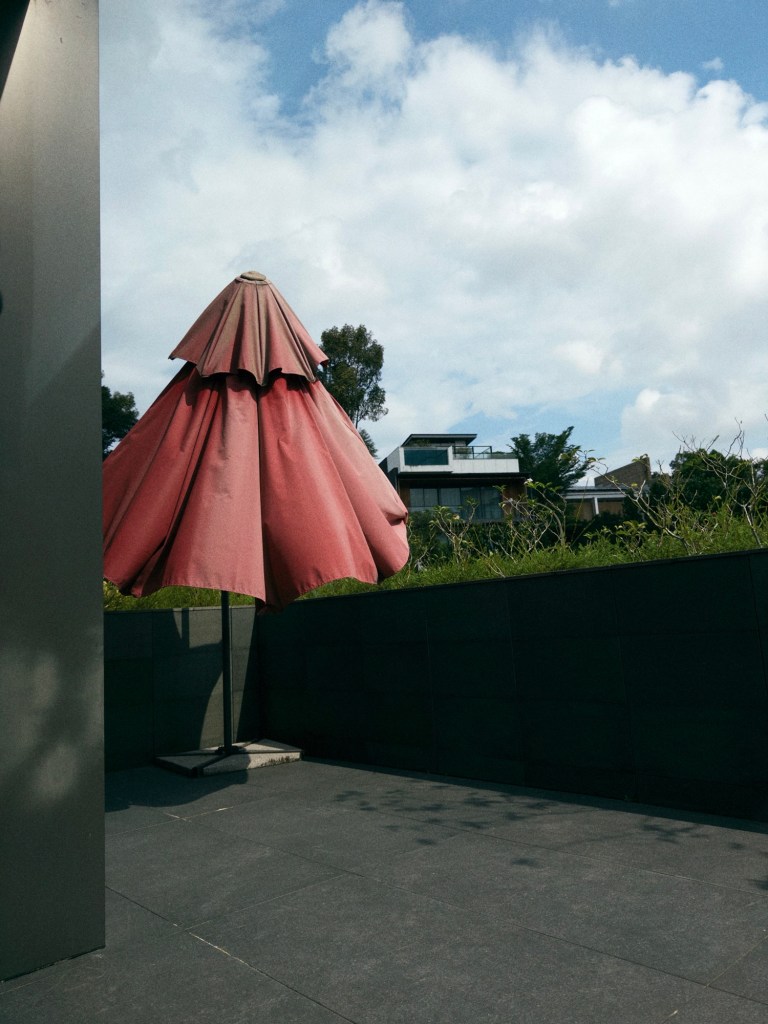
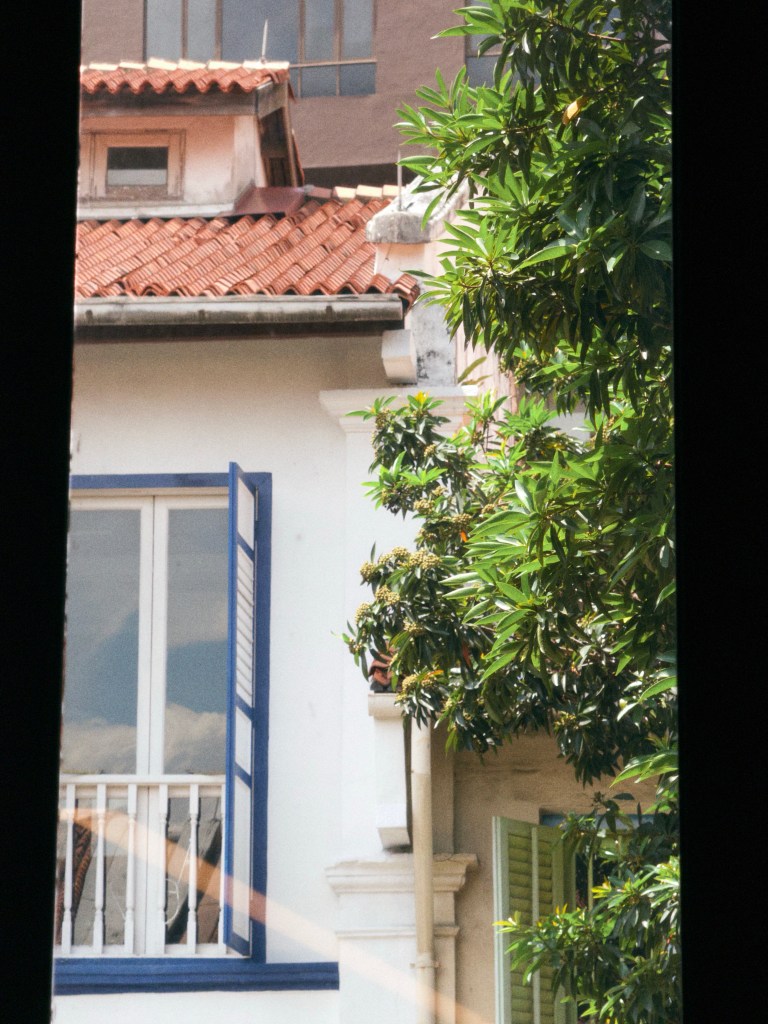
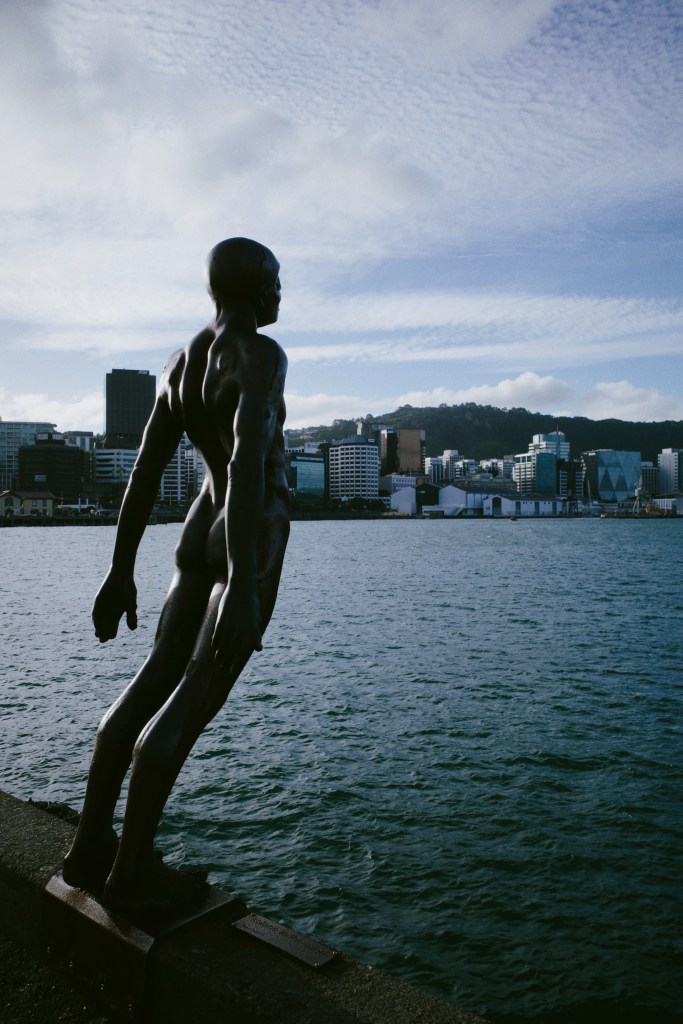
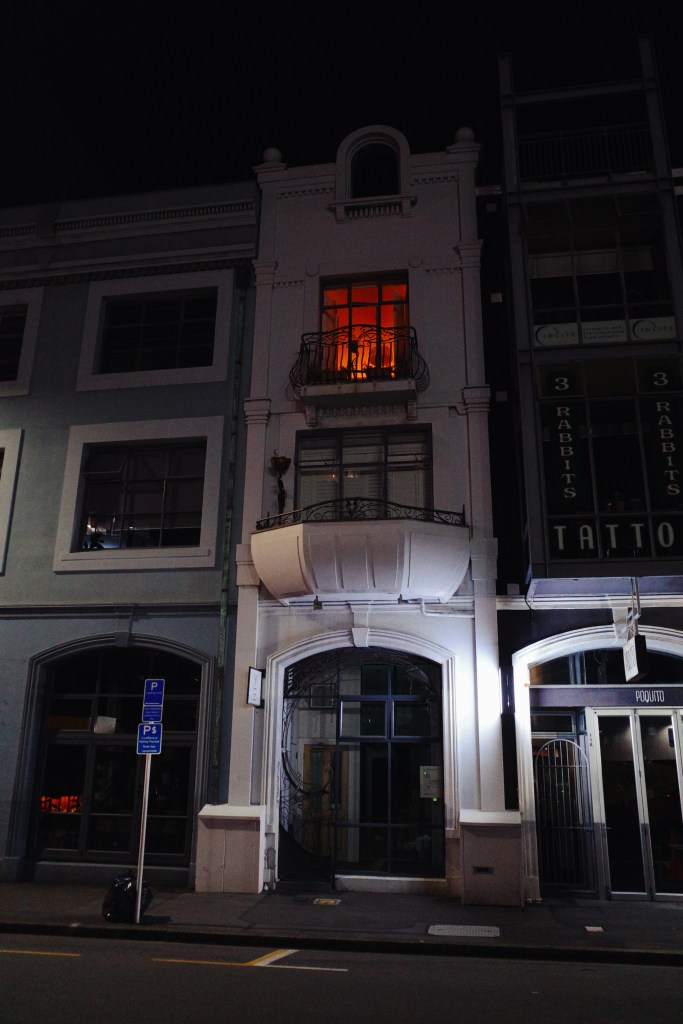
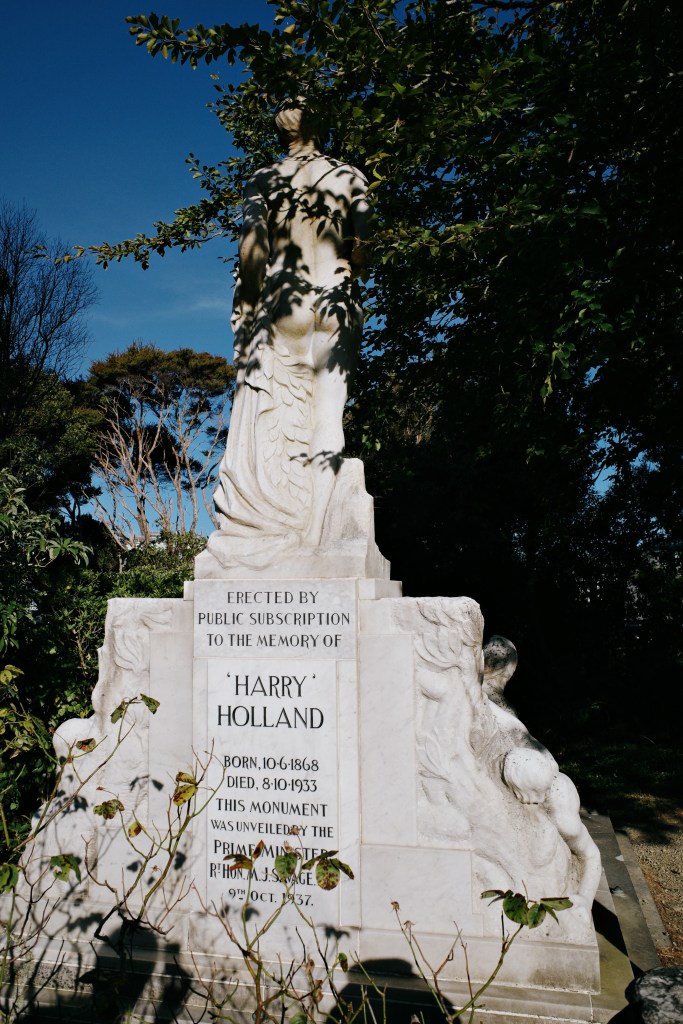
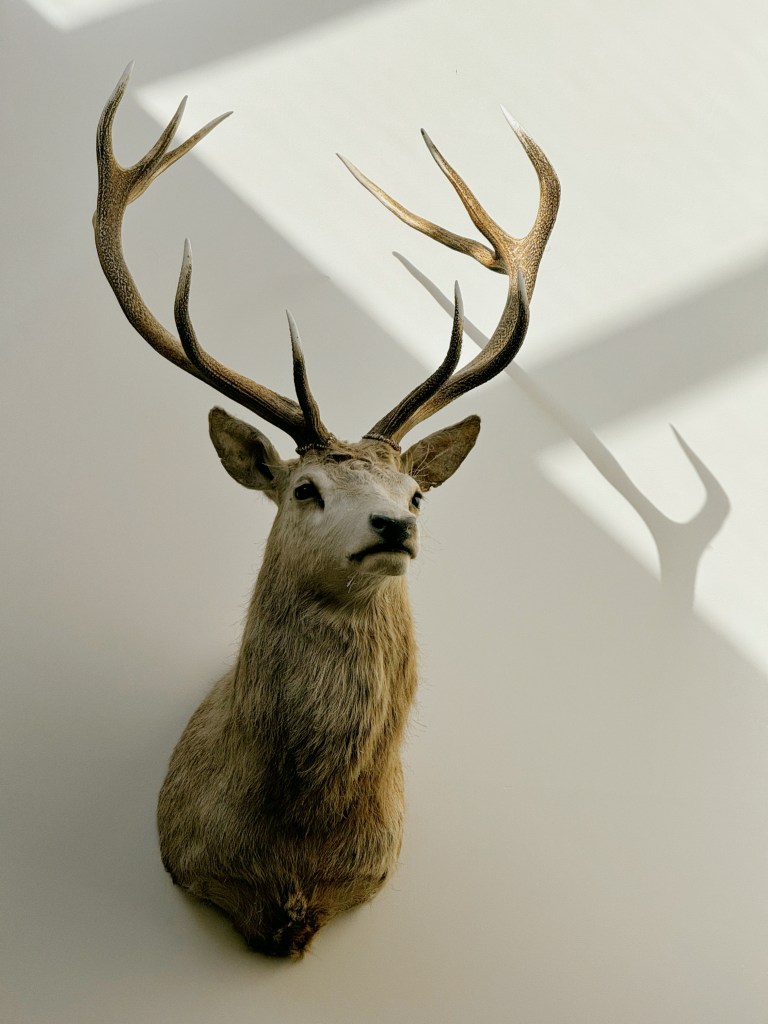
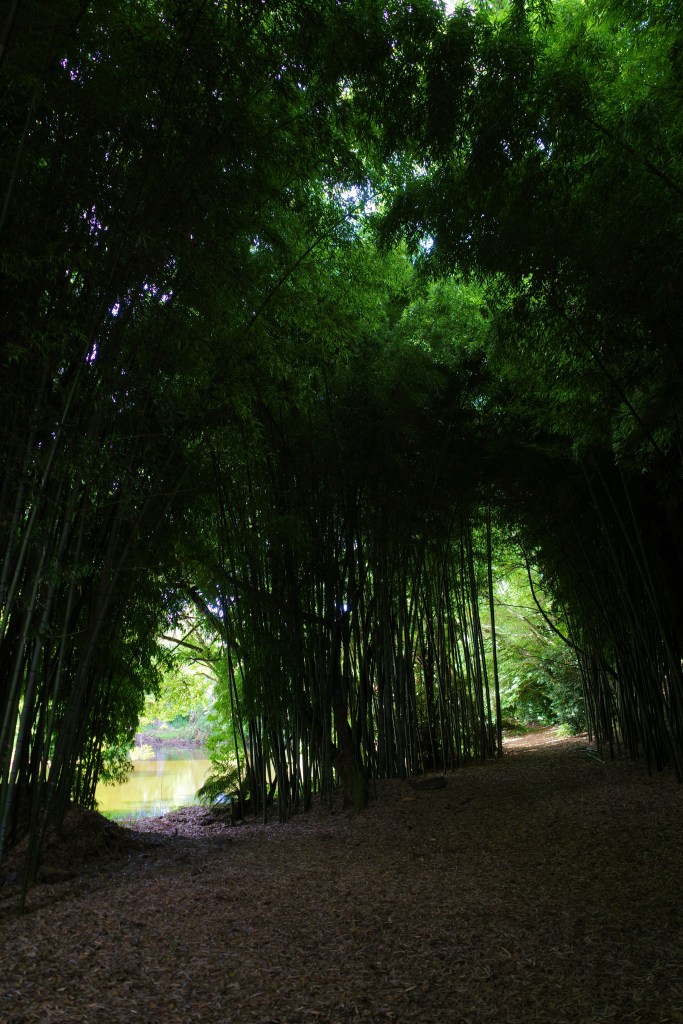
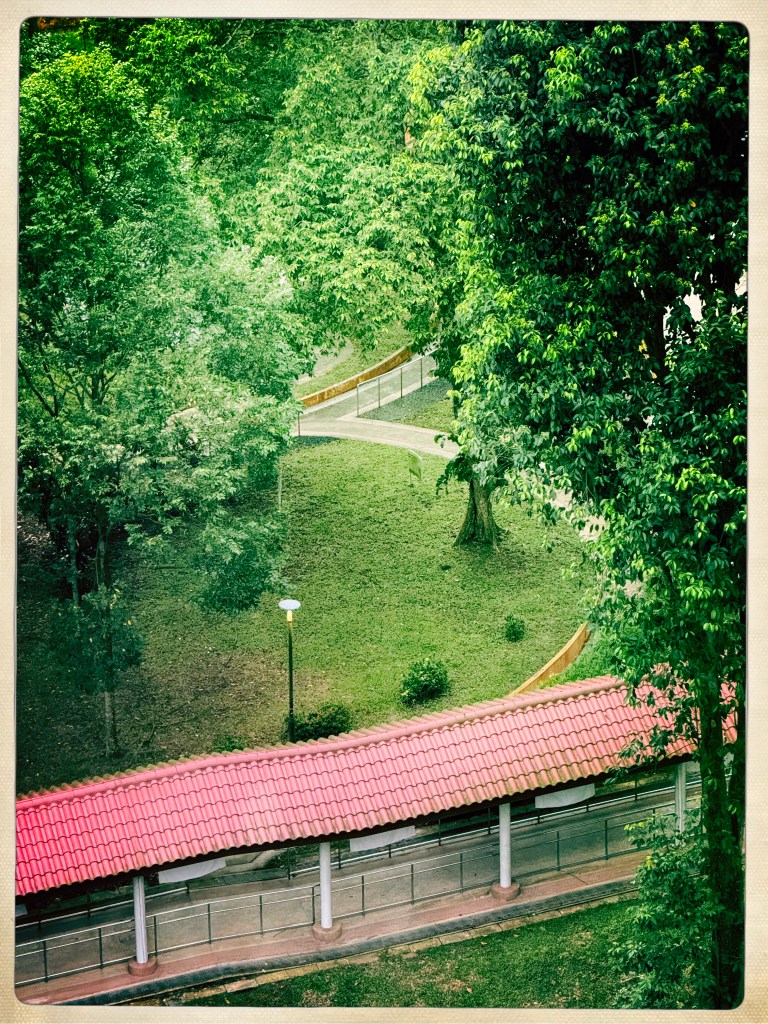
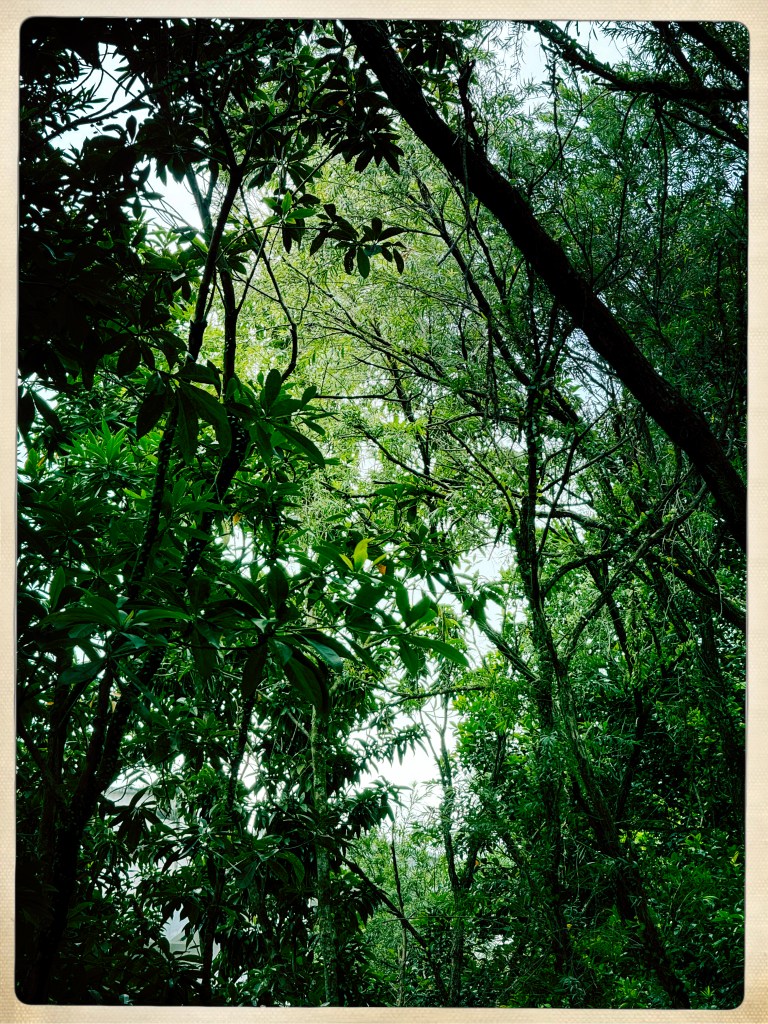
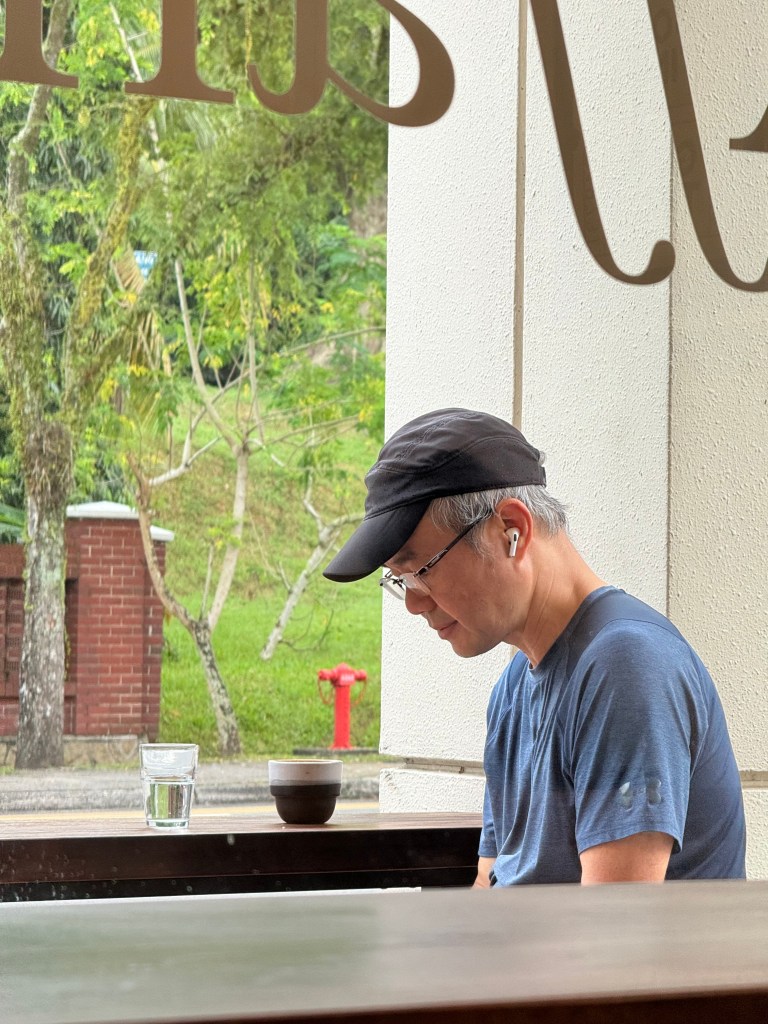
And here are some photos I took on my iPhone this week, still favoring the portrait orientation to pretend I bought a Fujifilm X half.
How to solve an iOS/iPhone bug that prevents third-party editing apps (e.g. Lightroom, VSCO, AgBr) from retaining the date/time metadata from the original photos when saving new edited files
I’ve tried to pack the right terms in the title and heading above in the hopes that you’ll find this page if you have the same problem that I did.
For several years, edited photos saved from apps like VSCO wound up with the “current” date and time as the “capture time” on my iPhone, meaning that they don’t sort chronologically alongside the original photos when viewing the Photo Library. I noticed with one app that when I made edits on my iPad, it worked as expected, i.e. the original capture time was retained, but mistakenly believed it was a bug in that specific app that only surfaced in their iPhone version.
Last week I discovered this behavior in the new AgBr app, and got to emailing with the developers. In that process, I realized it was a problem with my iPhone, and most likely down to a bug in iOS rather than the photo editing apps.
Without further ado, the solution is to “Reset All Settings” in your iPhone’s Settings app (under General → Transfer or Reset iPhone). This will undo many of your longstanding settings, such as known WiFi networks and cards in your Apple Wallet. It’s a pain in the ass, but much better than wiping the entire phone and starting over from scratch, which is what I thought I would have to do.
I have no idea when I picked up this problem, but it’s a deep-seated one that has followed me across several iPhones, resurfacing with each migration and “restore from iCloud backup”.
Funnily enough, I chanced upon the solution while whining about this problem to Michael, and while I was celebrating with way too much joy than fixing a computer problem should give someone, he pointed out that just a few weeks earlier he had also solved a longstanding problem with Safari on his Mac while telling me about it. I think we’ve figured out a winning formula.
Summary
Issue Description: Edited photos saved from third-party editing apps on iOS/iPhone lose the original date/time metadata, resulting in incorrect chronological order in the Photo Library.
Cause: Likely a bug in iOS.
Solution: Reset All Settings in the iPhone’s Settings app (under General → Transfer or Reset iPhone), though it will reset some settings.
Rainy season is reading season. After finishing There Is No Antimemetics Division for my book club, I also wrapped up Taylor Lorenz’s Extremely Online, which is sort of a brief history of social media and the influencer economy. I highly recommend the former for fans of SF stories involving time, unreliable memories, and the nature of reality; some members of the book club who are into Doctor Who likened it to that, but I wouldn’t know.
Then I decided to start getting into the mood for our holiday by reading some Japanese fiction. I began with Mieko Kawakami’s Heaven (a rough story about school bullying), which I thought would keep me occupied for a while, but before I knew it, I’d finished it along with Satoshi Yagisawa’s Days at the Morisaki Bookshop and More Days at the Morisaki Bookshop, two entries in the cozy Asian fiction wave dominating the local charts. Other entrants include Welcome to the Hyunam-Dong Bookshop and Before the Coffee Gets Cold by Hwang Bo-Reum and Toshikazu Kawaguchi, respectively. When the going gets tough, people start fantasizing about quitting their jobs and opening cafes or bookstores, and I think that explains the sudden popularity of this micro-genre. Incidentally, I bought a couple of these books for my mother on her recent birthday because I thought she’d enjoy the vibes, although already retired.
For the avoidance of doubt, all of the above books were three stars for me on Goodreads with the exception of Antimemetics, which got a 5-star rating. But the Morisaki Bookshop series makes reference to many great works of Japanese literature, and so I decided to try reading some Mishima on this trip. I’d read The Temple of the Golden Pavilion as a young adult, and it probably just glanced my frontal lobe at the time.
In a flash of pure coincidence soon after, I was scrolling through MUBI and came across Mishima: A Life in Four Chapters (1985) by Paul Schrader (who wrote Taxi Driver), an American Zoetrope biopic executive produced by George Lucas and Francis Ford Coppola. I watched it immediately, and it’s an incredible work of cinema — why isn’t this talked about more? It only covers the last phase of his life, up until his famous act of terrorism/suicide, which makes up only one of the four chapters. The other three are dramatizations of his work, literally staged on theatrical sets and shot with more care and inspiration than anything you could buy today with $100M in streaming service money.
In a further act of cosmic coincidence, I saw a Facebook post from Paul Schrader being shared on Twitter, having an AI moment of crisis when he found that ChatGPT outdoes him when prompted to provide “Paul Schrader script ideas”.
Writer of the legendary movie Taxi Driver is having an existential crisis about AI pic.twitter.com/5H89SWUKn9
Looking back on holiday photos from March 2023, I rediscovered my rediscovery of Hipstamatic, which had just launched its new subscription-based app at the time. Looking at those photos brings back fond memories; they are “ruined” in a good way — mundane everyday scenes somehow imprinted with the nostalgia of the moment through imperfect filters (it helps that I know that the original, normal photos lie underneath and can be accessed with a tap of the Revert button). My setup at the time was to use the Ricoh GR III as a main camera for all photos that needed to look good and accurate, and to reserve the iPhone + Hipstamatic for casual, silly snapshots. Otherwise, you have two tools competing for the same job. I’m now finding that idea attractive again, except both Hipstamatic apps are quite a pain to use, UI-wise.
I watched this video of “Best Apps in 2024” from the MKBHD Studio team, and decided to give Dazz Cam another try. It’s surprisingly powerful! Some of the vintage “cameras” you can choose from use RAW processes, and you can have it save both the original RAW file and the filtered results separately. So I may end up using this to “gimp” my iPhone rather than Hipstamatic. Plus, the subscription to unlock all its features is only $10/yr compared to Hipstamatic’s $40/yr. I don’t even think you need it as some of the free filters are good enough. I only wish it would use the underlying RAW and not the JPEG when importing an existing image from your library.
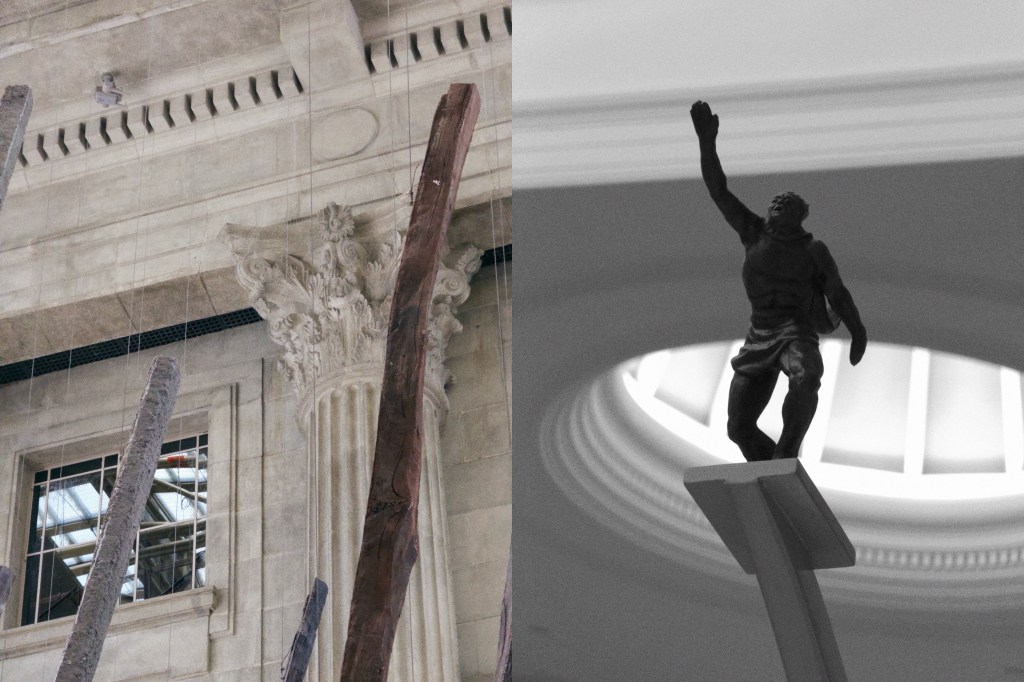
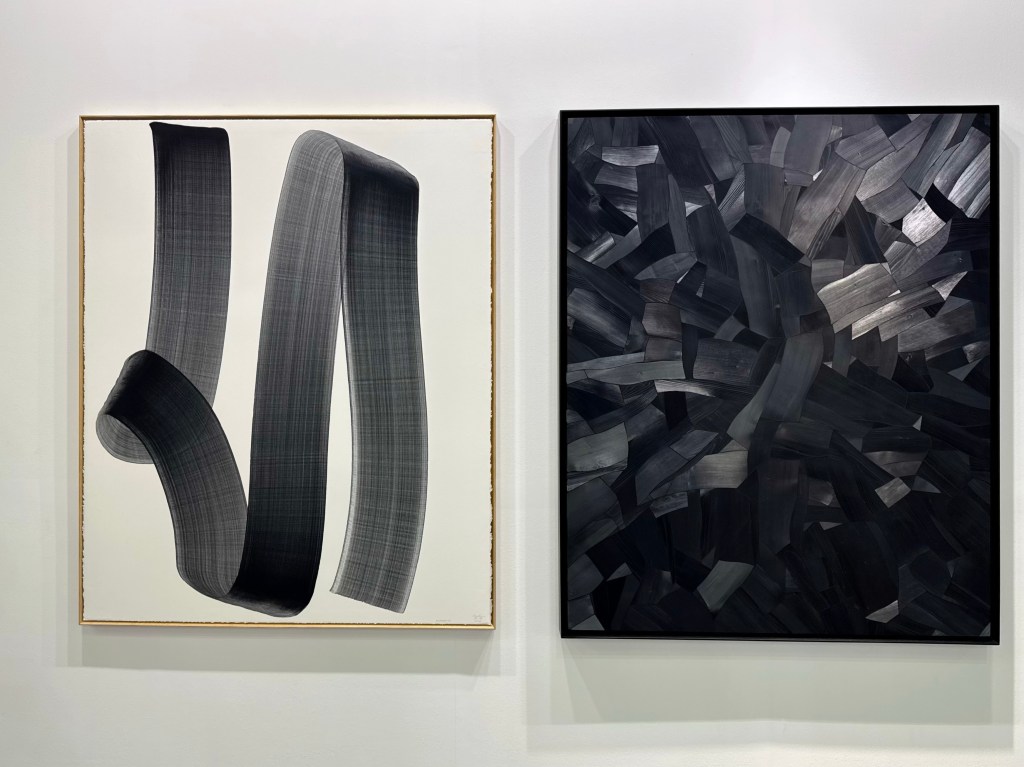
We had free tickets to the ART SG fair at the Marina Bay Sands over the weekend and dropped by for a quick look. It was crowded as hell and I was reminded why I don’t think these things are a great way for the general public to see art; it’s mostly a trade show geared towards buyers, and so the scale is too overwhelming for anything to really be appreciated. Not only that, but the selection this year didn’t really make much impact. I was looking out for more of the humor and playfulness I saw at the 2023 edition, something to make light and sense of the trauma we’ve normalized, but it was sorely lacking. I did like the pair in the featured image above, though, as they reminded me of some other works I’ve seen before, including the Act of Emotion digital series by Kelly Milligan.
Trump launched his own memecoin on Solana this weekend, days before the inauguration, and I believe it went up to a market cap of $70bn. That would qualify as a very funny and absurd art project, from ‘probably the greatest’ (scam) artist, if it wasn’t real and thereby depressing.
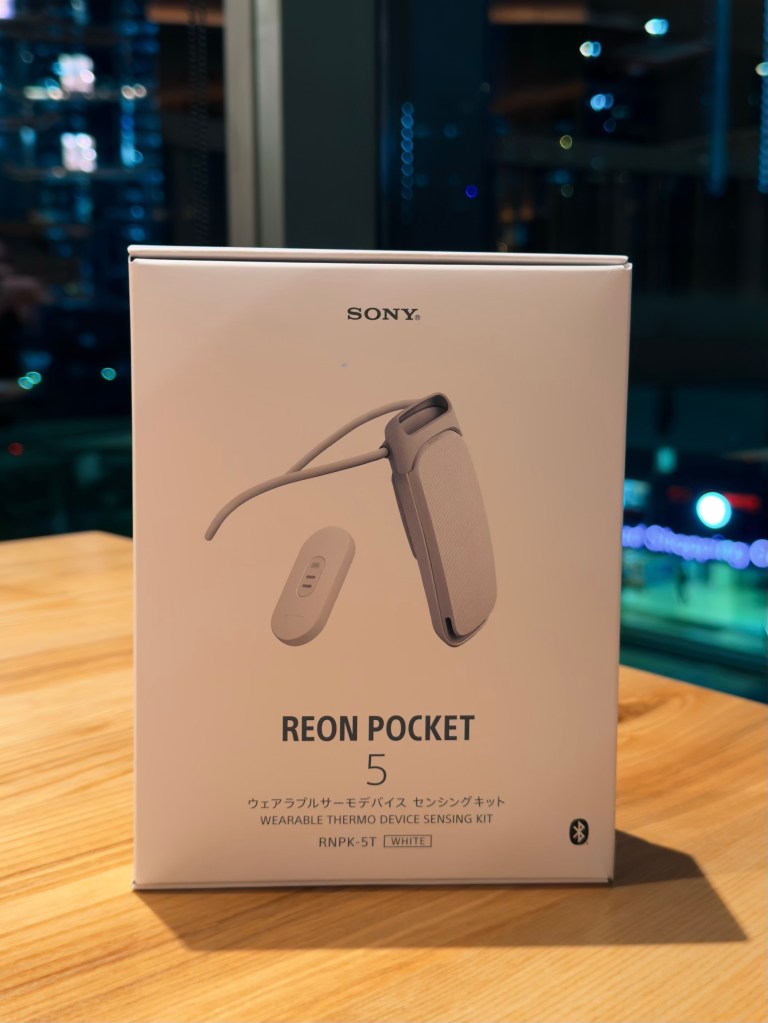
I discovered the existence of a cool new device this week when a Sony catalog wound up in my trad-mail inbox. After some online research, I visited the nearest Sony store for a demo of the Reon Pocket 5 device and ended up buying one for S$249. Okay, what is a “Reon Pocket” and why is this the fifth version? The four previous iterations were only sold in Japan, but the tech is now mature enough that Sony is launching it in the UK, Hong Kong, Singapore, and Thailand this year.
It’s best described as a wearable gadget for helping you feel more comfortable by fooling suggesting to your body that the temperature is more bearable than it thinks. It does that by cooling or heating a small metal plate pressed against your skin (in this case, at the base of your neck), which contrasts with the environment and changes your perception of it. Surprisingly, it works with just a difference of a few degrees.
I first learnt about this effect a decade ago from a Wired article about an MIT prototype and have been eagerly awaiting a commercial product ever since. I had no idea until after buying the Sony version that the researchers mentioned in that article have actually shipped their own wrist-worn product called the Embr Wave. It resembles a smartwatch and is more discreet than the bulkier Reon Pocket 5 which sticks out from beneath your shirt collar like some kind of life support system. However, since I already wear an Apple Watch, I don’t know if I’d wear an Embr Wave too.
In some ways, I seriously see this device as a “life support” technology. I think I’ve struggled with heat regulation all my life — always feeling warmer and sweatier than everyone else; most days you can hold your hand over my head and feel the heat radiating off it. I read that our bodies’ core temperature doesn’t actually change much (when it does, that’s hypothermia or heatstroke), so how comfortable we feel is all down to skin temperature, which this sort of thing hacks.
After a couple days of testing, I’ve found the Reon Pocket 5 doesn’t perform miracles but offers a different sort of relief than a handheld fan (though one could use both). But it’s like constantly holding a cool can of soda against your neck in hot weather, which is welcome! It’s a glass of ice water for someone in hell. Even when the temperature isn’t that high but it’s stuffy and humid, this takes the edge off. If you’re the sort who’s always feeling cold in Singapore’s air-conditioned spaces, it also heats up and offers the opposite effect.
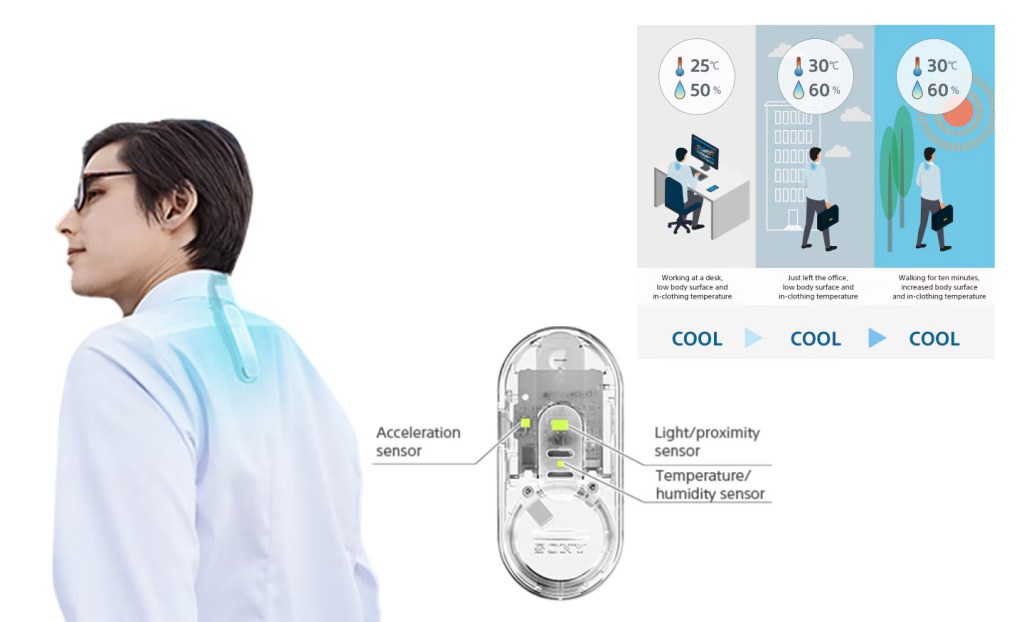
There’s a lot I could say about the app, and how it’s another example of Sony’s generally poor UX design, but once you figure out what settings you like, you can lock them in and operate the device without it. It also comes with a separate “tag” that you can attach elsewhere on your body, which monitors the external temperature and humidity so the device can automatically switch modes, but I haven’t bothered to take it out of the box at all. All they needed to do was put a button on the thing to switch between hot and cold, just like the Embr Wave does.
Building a separate piece of hardware instead… reminds me of how Sony headphones try to “intelligently” adjust noise cancellation levels by guessing whether you’re commuting, or working, or lazing about, by using GPS location and accelerometer data from the smartphone app — an absolutely mental and roundabout solution to replace the user pressing a button. Incidentally, Apple’s Adaptive Audio mode on AirPods Pro is a much better take: they dynamically adjust the balance between noise canceling and transparency based on environmental noise, letting you be aware but not annoyed.
The battery, if you’re wondering, should last an entire day out. At Level 1 cooling power it’s rated at 17 hours; at Level 3, 10 hours; and at Level 5, 4 hours. Operating on Smart Cool mode, it switches between them as necessary. There’s also a “wave” feature that I recommend turning on, which follows the same core principle as Embr’s device where cooling power fluctuates so you don’t become desensitized to it. If you need even longer performance, you can plug it into a power bank and it will work on direct power without charging. Imagine using it at the same time as Apple Vision Pro, with two power banks in your back pockets. That’s living in the future, baby.
In conclusion, wearing the Reon Pocket 5 around your neck makes you look dorky or hooked up to some medical device, but when it’s over 30ºC in the shade, who gives a damn?!
===
New camera apps
I’ve been using two new camera apps: Kino, from Lux Optics who also make the Halide app, and Leica LUX (no relation).
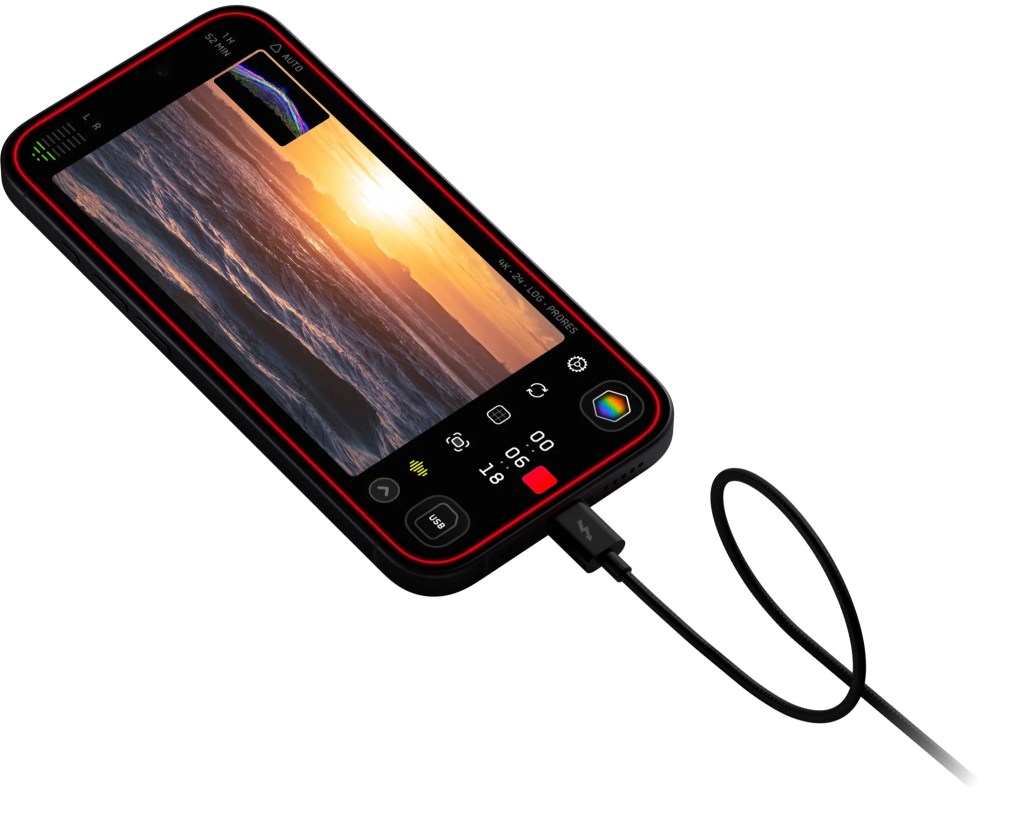
Kino is a logical move. Halide was a “pro” app focused on bringing intuitive manual controls for still photography. Kino does the same for video. Unlike Halide, it’s a one-time purchase ($20 USD) and a big part of its functionality is the ability to apply different looks (color grading via LUTs). I’ve always wished Halide would do something similar, to help lazy shooters get the most out of RAW captures. I hardly shoot any video but I thought Kino was worth buying, especially since I’ve let my Halide subscription lapse for lack of use.
One of the best things Kino does is allow the system to shoot in Apple LOG but write the files in HEVC format instead of ProRes, which saves a lot of space but still conveys some of the benefits. You can also shoot in LOG, apply a color grade preset in real time, and save the baked file in HEVC. That’s awesome.
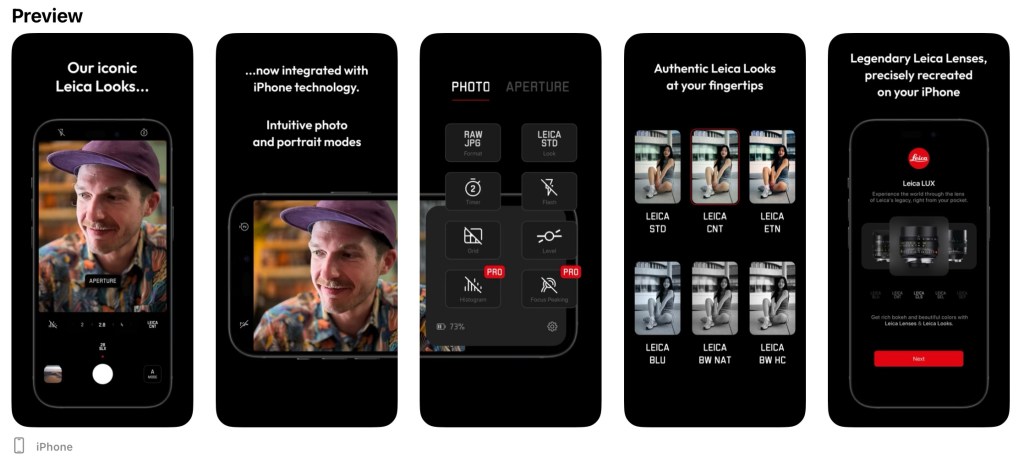
Leica LUX is not so logical and I’ve been puzzling over why a company with their luxury brand equity would take a risk like this. On the page linked above, they’re saying the app “lets you capture the iconic Leica Look with your iPhone” using their “deep color science” and digital simulations of “legendary lenses”, like the Noctilux-M 50mm f/1.2 ($7,895 USD), and claiming it “reproduces” its “signature aesthetic bokeh”.
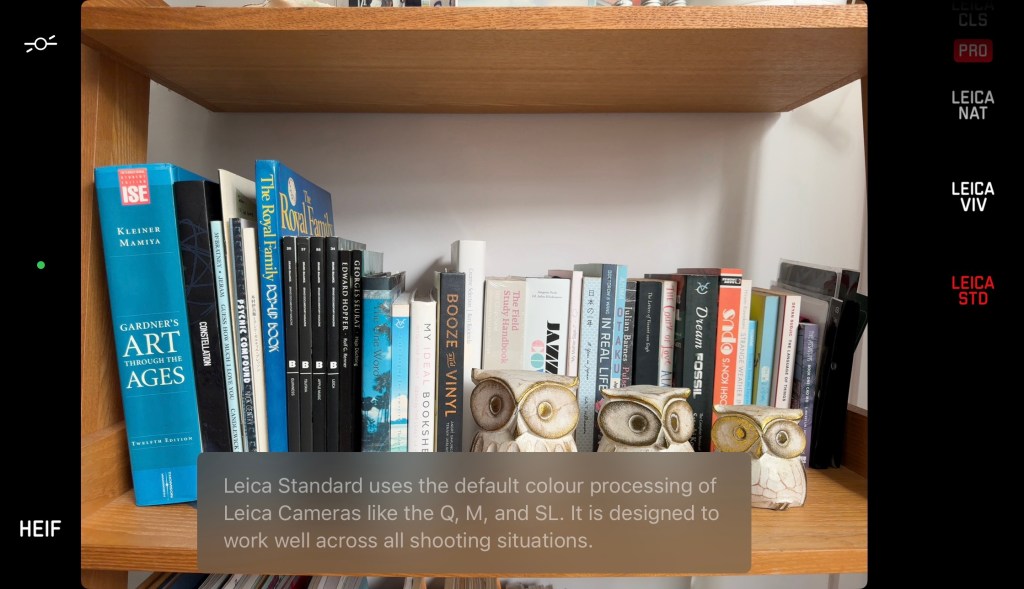
I present two exhibits. The first (below) is what you see when selecting the “Leica Standard” profile: a statement that it handles color the same way as their cameras that cost upwards of $6,000 USD do, using your iPhone’s sensor. Whether it’s true or not is beside the point; Leica is saying you can enter their world with a free app and the phone you already own. To my eyes, it’s not far off from the iPhone’s default color handling, and looks like some gentle H/S/L shifts. The other Leica Looks are a mixed bag: I like the Leica Natural one, but some others are heavy and feel like “filters”. I’d hoped these would be more like Fuji’s in-camera film simulations, which are more like “color profiles”.
The secret sauce is leaking out!
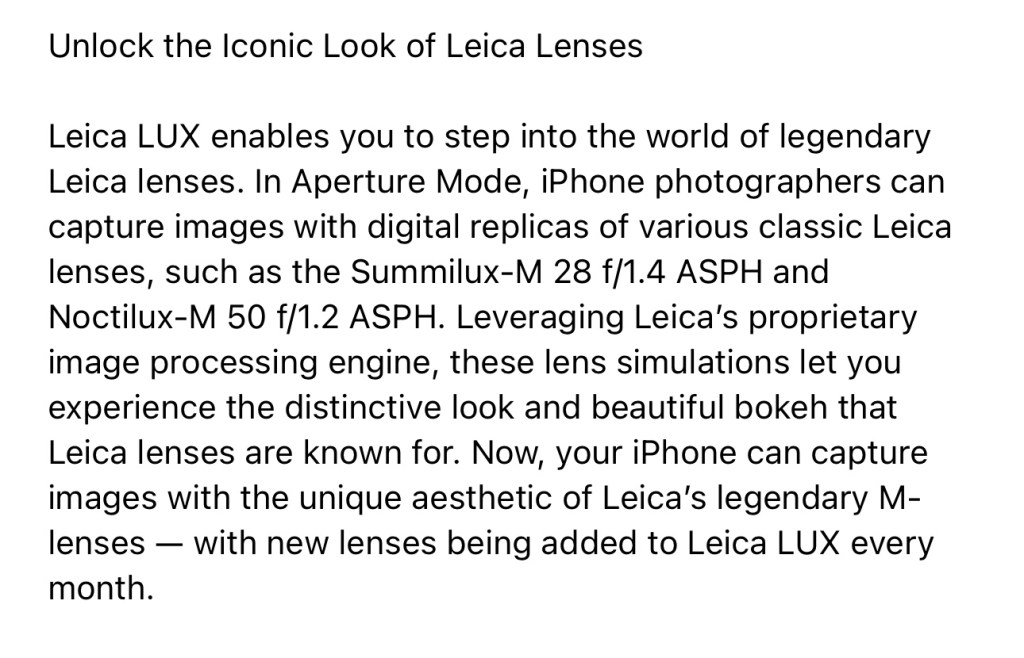
The second shows how their implementation of a depth effect is inferior to Apple’s own Portrait Mode, with rough edge artifacts, despite the hyperbolic claims of giving your iPhone the “unique aesthetic of Leica’s legendary M-lenses” with their “distinctive look and beautiful bokeh”. If it did, that dark shot of my Misery Men mug would look like it came from a 28mm Summilux f/1.4 lens, and I can assure you it does not. Moreover, their digital depth effect only adds background blur, not foreground blur, which makes for a less realistic result that Apple’s own Portrait Mode which your iPhone already does for free.
LUX’s App Store descriptionSee how the digital replica handles the mug’s edges
One nice feature is the photo library viewer they’ve built into it, which lets you switch between seeing All photos and Leica photos only, including ones taken with your Leica cameras. And photos taken with this app sit alongside them as equals! In the field where the camera model is specified, it simply shows “Leica LUX”.
What are they getting out of this brand dilution? Well, the app is subscription-based and asks for S$99.98/yr to unlock more Leica Looks and lenses. They claim new ones will be added monthly. I think perhaps anyone who owns or intends to own a physical Leica camera will not bother with this, and it’s a move to grab all the aspirational customers who want to touch the brand — including a bit of overlap with the market they tried to target with their Huawei and Xiaomi smartphone collaborations. The question is whether this will do any significant reputational damage, and so far all the comments I’ve seen on Leica blogs and communities have been negative. Could they stand to make more on app subscriptions than they’d lose from upset camera buyers? Maybe! Is that capitalization model the right way to run a company? Maybe not?
I’m still optimistic because I’m not emotionally or financially invested enough in the brand to care how they destroy themselves, and will wait to see if they update the app to improve edge detection and add some better Leica Looks. If it ever gets good enough to be my primary iPhone camera app, a hundred bucks a year is steep but not out of the question.
Meanwhile, I’ve found the following settings get me calmer and more natural photos out of the default iPhone camera app. First, go to Settings > Camera and make sure you turn on “Exposure Adjustment” under the “Preserve Settings” section. Then in the camera app, set exposure to -0.3ev, and using one of the Photographic Styles as a base, change its values to -20 Tone and +5 Warmth. Note: If you have a 14 Pro, the only way you’re getting less crispy shots is to use an app like Zerocam or Halide and disabling smart processing.
===
Media activity
Started playing Spider-Man: Miles Morales on the PS5. It feels just like the first game I played on the PS4 years ago and I can’t say I’m getting next-gen from this, but it’s good fun.
Finally got Balatro on the Switch, the highly acclaimed indie poker roguelike game. It reminds me so much of Solitairica, the indie solitaire roguelike game on iOS. That’s a good thing. It’s the kind of game you can play for a few minutes, or hours on end.
Started watching season 2 of Link Click, a Chinese-made “anime” series with a cool ‘catch a serial killer through time’ kinda story. I saw season 1 a couple of years ago and was impressed by how well executed it was.
Saw Still of the Night (1982), starring a young Meryl Streep and Roy Scheider. It’s a Hitchcock-inspired psychological thriller with Fatal Attraction vibes. 3/5
Saw The Ministry of Ungentlemanly Warfare, a Guy Ritchie WWII joint that feels like if Inglourious Basterds was a Jason Statham vehicle. Except he’s not in this, Henry Cavill is, as well as Alan Ritchson (of Reacher fame) who plays a gay Dane (Swede?) who loves killing Nazis almost a little too much. Quite a bit of fun. 3/5
Saw The Fall Guy, a movie I’ve been anticipating for a long time on the strength of its trailer and what little I’d assumed about its story. I didn’t know it was based on an old TV show. But it was a messy, empty disappointment of a blockbuster that even Ryan Gosling and Emily Blunt couldn’t save. 2/5
Saw Carnival of Souls (1962), a cult classic surrealist quasi-horror film on Kanopy, a video streaming service that’s free if you connect your library account. It’s got Ed Wood B-movie vibes and special effects, a lot of rough edges, but still manages to be a compelling work that I’ll probably remember for a long time. 3.5/5
Saw To Have and Have Not (1944) in which Lauren Bacall plays a character who is stated as being 22 years old, to which I thought “she’s gotta be a lot older than that”. I looked it up and she was probably 19 💀. So that’s proof that people really used to look older, and you’d be forgiven for assuming it was the copious smoking (on display in this film). It’s a weird one, almost a musical showcase for Hoagy Carmichael who shows up as the hotel bar’s piano man. Doesn’t quite have that Casablanca magic yet. 3/5
Saw Dream Scenario in which Nicolas Cage convincingly plays a loser who suddenly becomes famous due to an unexplained phenomenon (he starts appearing in people’s dreams). Towards the end, it pivots from uneasy mystery to comical cultural commentary. That’s not a complaint though. 3/5
A playlist for you
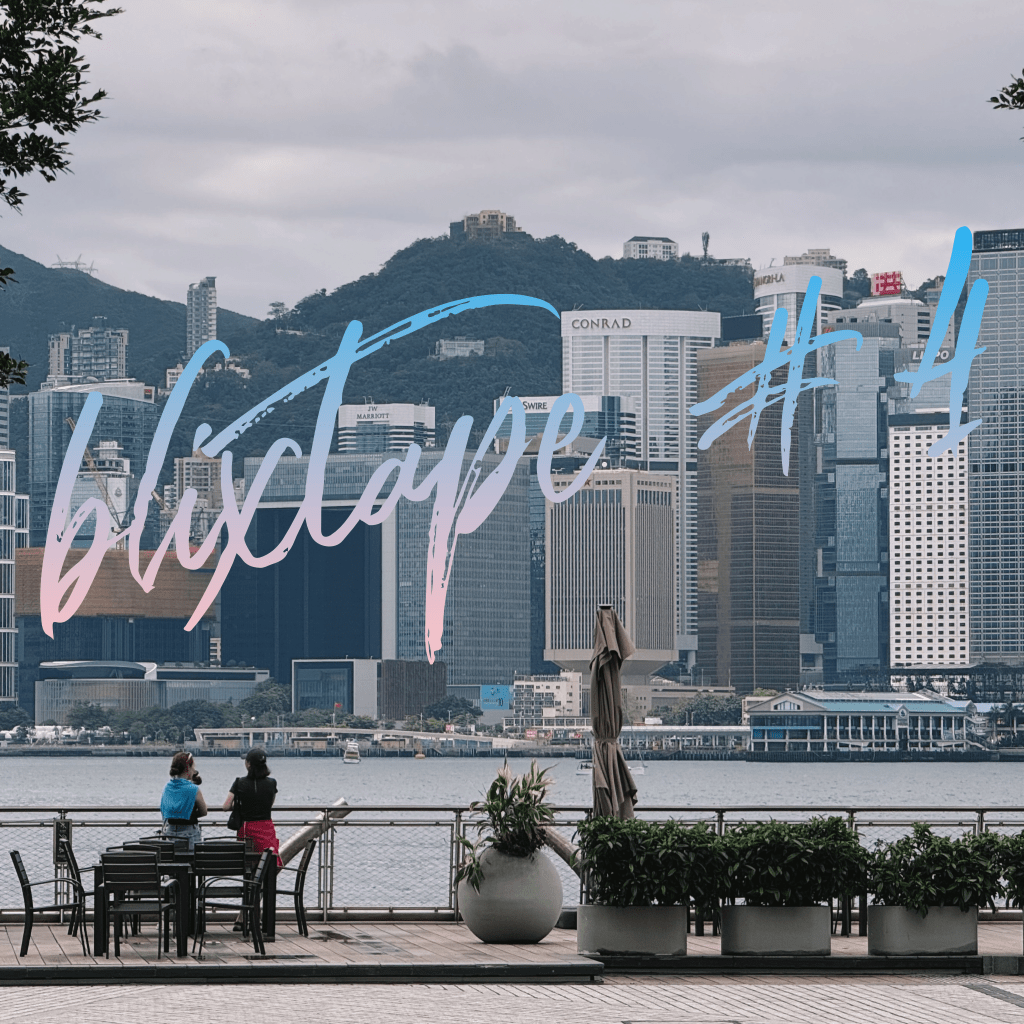
As reward for making it this far, here’s the next installment in my Blixtape playlist series, covering music I listened to from January to May this year. Hope you find something to like.
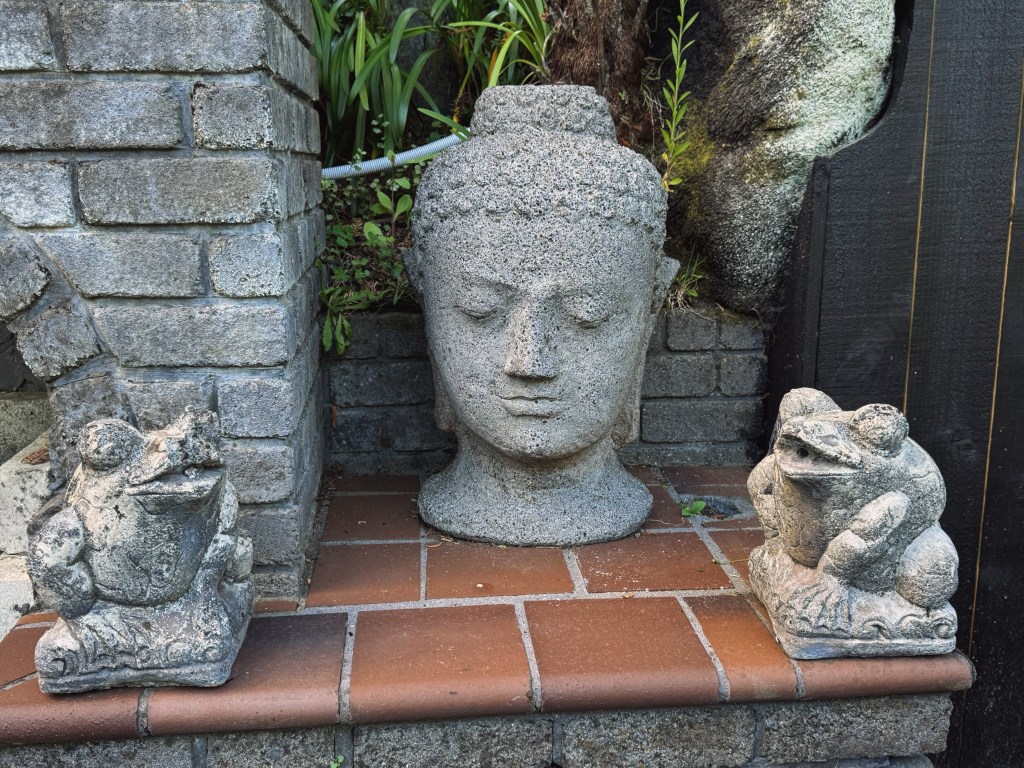
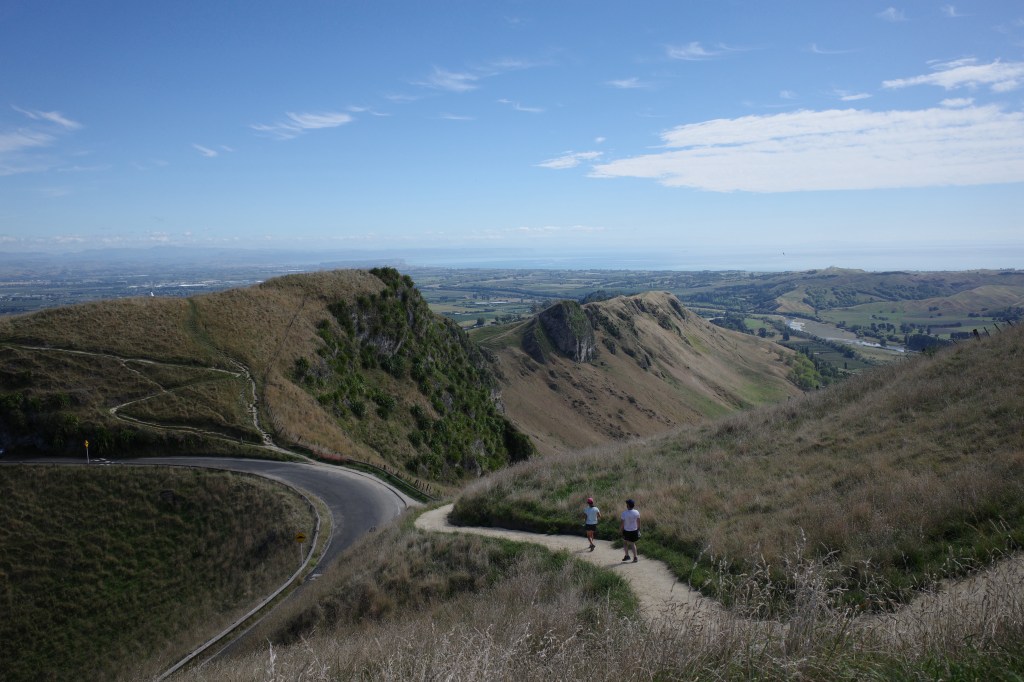
We landed in Auckland, New Zealand Monday morning and immediately flew down to Wellington, and we’ve been driving our way back north for the past few days. I’m currently writing this while sitting beside a Buddha’s head in a poolside garden, in a small new hotel outside of Rotorua.
Four hours ago, I was parasailing above Lake Taupō in my usual urban uniform of jeans and a t-shirt — if you know me, you’ll know that I don’t sign up for even remotely dangerous things, especially over large bodies of water; in the cringey words of Below Deck repeat charter guest, Dean Slover, I said “homie don’t play that!” But Kim convinced me to, and we survived. They played Maroon 5 songs on the boat going out, and so by the time we were lifted some 50 meters in the air to float in blissful silence high above the town, I was having a good time. Lake Taupō is a volcanic caldera that’s nearly the same size as Singapore, but because it’s all flat you can just about see from one end to the other from up there. New Zealand challenges the city dweller’s sense of scale like all good nature vacations.
Since leaving Wellington, the road trip portion of the trip so far has been mostly measured in burgers, fish and chips, and winery stops, specifically in the Martinborough and Hawke’s Bay areas where the tastings have been revealing of each company’s nature: some overly commercial and strictly scripted, versus others more informal, just going on vibes the only way they know. I think the difference shows up in the wine, with wineries in the latter category being more playful with flavor, more likely to put better stuff in a low-priced lineup. But I would say that, as someone who’s now had a crash course in holding up his glass against the light to observe the color.
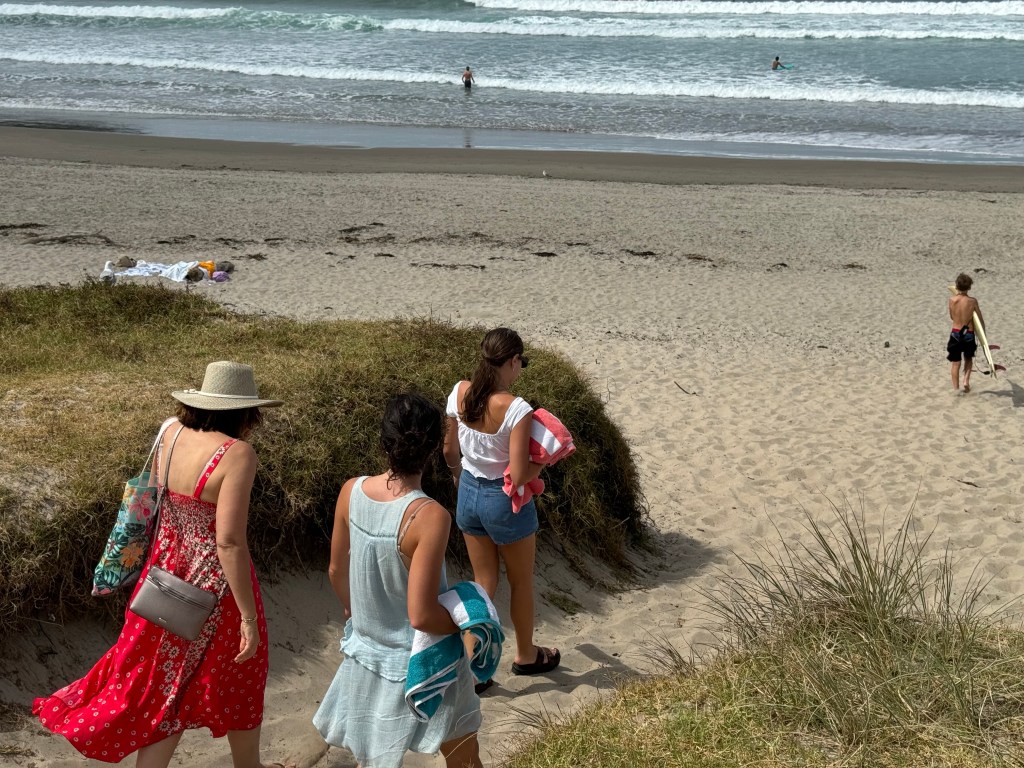
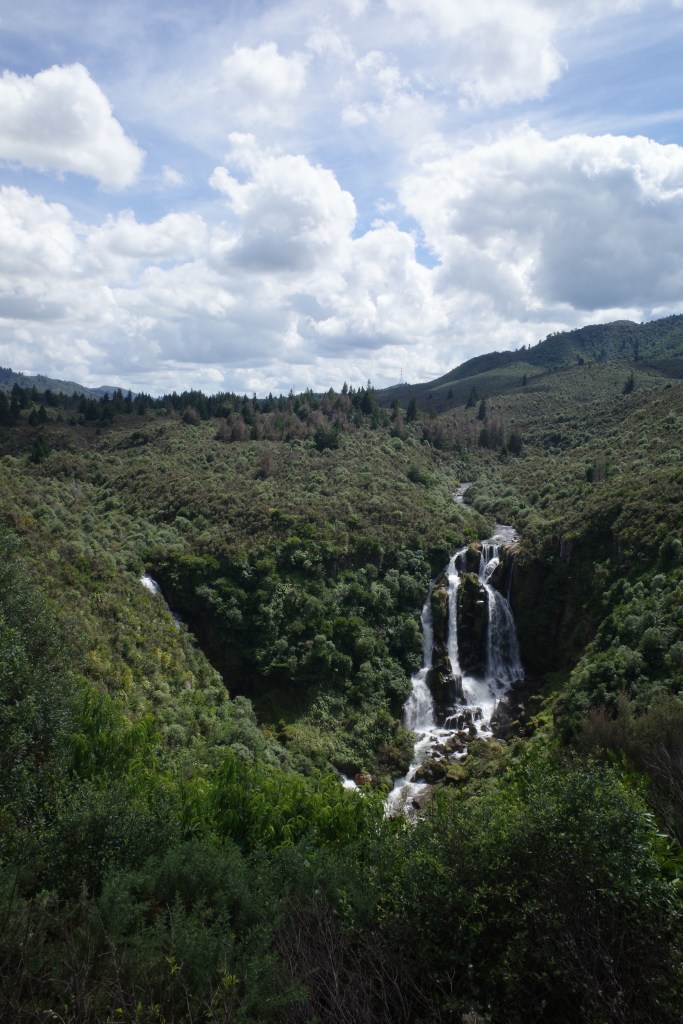
I’m now lying in bed on Sunday evening having just finished the last leg of our driving tour, which took us to the famous Whangamata Beach bordering the Bay of Plenty, and Hunua Falls, where we did another little nature walk and met a nice dog and helped its owners get a photo together with their iPad. Old people really carry full-sized iPads around on hikes to use as large-screened cameras. Mind blown.
A couple of observations on this road trip. So much roadkill! Easily a hundred little bundles of fur spotted spread across tarmac just today alone. Some decayed and washed away, little more than stains. Some still fresh, bloating, bleeding. We avoided making contact with all but a couple. A ritual evolved, mainly to stay alert but also out of pity for these bunnies or squirrels(?): upon spotting one, I would put my palms together and say “rest in peace”, and Kim would follow with “in all your pieces”.
FM radio is still not a great experience; it’s a wonder how people survived on it for so long. Fortunately I had a lot of downloaded music on my iPhone, which also navigated us with offline maps. CarPlay is excellent, and Apple Maps was good enough for nearly every leg of the journey. We listened to Lorde’s albums, of course, as well as the Sunkissed Summer playlist she compiled on Apple Music, and other New Zealand legends like Bic Runga and Crowded House. At one point I put on some J Dilla but learnt that rhythmic music you can sort of nod and zone out to is NOT what a driver wants over long winding roads.
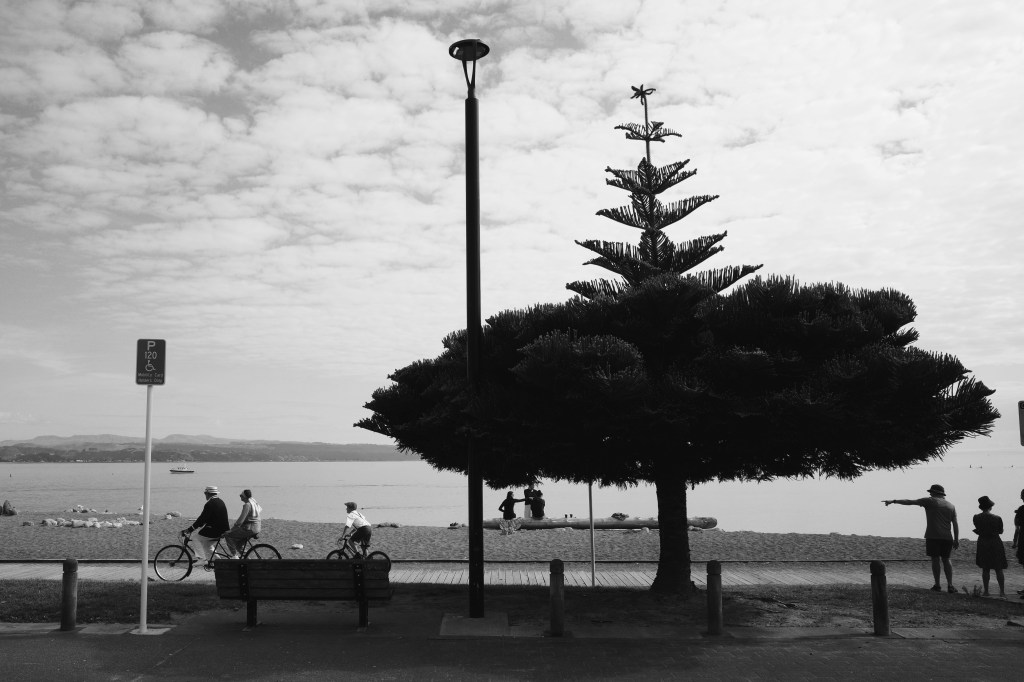
As I mentioned last week, this itinerary was drawn up with ChatGPT and my custom GPT, AI-tinerary, but we had to fact-check everything and plot the route on a map before making bookings. It’s held up well so far, with a couple of impromptu detours and chance discoveries along the way. For one, we did not realize that while passing through Napier for one night that we’d be there for the Art Deco-obsessed city’s annual Art Deco Festival, the first one they’ve been able to hold since 2020. Vintage cars were out in force, there was a Warbirds air show, and a free concert on the beach. It was packed, every restaurant was booked out. We ended up eating dinner out of a food truck by the sea. I asked ChatGPT “what’s happening in Napier tonight?” and it confidently replied, “I couldn’t find any events tonight.” At the risk of sounding like a broken record, these tools truly are starting points and aids right now, and you must resist the idea that they are final answers.
I’ll post the final version of our itinerary next week when we’re done, in case it helps anyone looking to do the same.
All photos were taken by either a Ricoh GR III or iPhone 15 Pro Max. The extra 120mm equivalent reach of the iPhone came in very handy, but there’s no beating the image quality of the GR when it comes to landscapes. The light was so good that some photos taken with the Standard color profile, straight to JPEG, were surprisingly “finished” out of the camera. This year’s iPhone still wants to make everything bright and sharp, which fails to capture atmosphere and preserve highlights. I edited photos daily as quickly and lazily as possible, using RNI Films for most of it — at some point they added the ability to save edits on top of original files (non-destructively), which is a key consideration I look for in photo apps. I’ve also started using RAW Power again late in the trip, which is making me want to go back and redo some edits. Maybe on the flight home.
After 71.5 hours of dungeon crawling, coffee brewing, curry cooking, high schooling, part-time jobbing, and maid cafe patronizing, I finally finished the incredible game that is Persona 5 Royal. If you count the 30 or so hours I put into the original non-Royal version on my PS4 back in 2016, this has been a long time in the making. There’s a remake of Persona 3 coming next year, so I’m looking forward to that.
For the uninitiated, Persona games are a spinoff series from another series of games called Shin Megami Tensei, which all involve harnessing the same stable of supernatural beings and doing turn-based battles. It’s Pokémon with demons. The SMT games are grittier and flirt with horror themes, but the Persona ones (at least the ones I’ve seen) incorporate more slice-of-life activities and are generally lighter.
What’s next? Not sure. For now I’m gonna pass a little time finishing the final episode in Ace Attorney Chronicles which I paused over a year ago. I still don’t feel up to Tears of the Kingdom.
On the TV front, we finished season 1 of Poker Face and it’s a show I’d recommend to almost anybody. Brilliant writing within a formula that is equally happy to revel in, but also subvert itself from time to time. The twists, the characters, the plays on genre, they’re straight out of an Ace Attorney game (minus the goofiness).
Netflix also released season 3 of Kengan Ashura, a hyper-violent manga to anime adaptation that I do not recommend to anyone, except I watched the first two seasons ages ago and feel invested in finishing it. Truly, the Venn diagram of people who make this and make Mortal Kombat games is just a circle of sickos. The people who enjoy this are probably in the same circle.
So I’ve partially fast-forwarded myself through it up to episode 9 now. Hilariously, the main character has been in a coma since the end of episode 1, and while the fight scenes (it’s centered around a Bloodsport-style martial arts tournament) are rendered in a 3D engine that simulates an anime look, all other scenes are drawn in traditional 2D, and boy does their lack of budget show! Some scenes (mostly flashbacks, to be fair) are literally sketches passed off as a stylistic choice.
===
I got my new iPhone, and rejoining the Plus/Max club hasn’t been as bad as I feared. Granted, this is my first large iPhone with flat sides, a design I highly prefer to the rounded sides we endured for many years between the iPhone 6 and 11 series. Flat sides are simpler easier to hold, especially between fingertips when taking a photo in landscape orientation.
So now with the reduced weight, flat sides, and thinner bezels, I think the Max form factor is finally becoming something I can love. The benefits of the larger screen are undeniable and without a case on the whole thing feels amazing. It’s more of a joy to use for every task: watching videos, writing text and reading pages, editing photos, gaming, you name it. The increased battery life is also a great comfort, especially after the disappointment of the 14 Pro in that area. After a year of regular use, that one is down to 85% battery health.
There have been complaints about the build quality of the early iPhones 15, with reports of wonky antenna lines, discolored titanium frames straight out of the box, and so on. I did notice the same odd rectangular ghost lines at certain points on the sides of my Natural Titanium Pro Max, but they rubbed away with no issues. I commented a single word, Stains;Gate, on a Threads post from 9to5mac about it but sadly no one appreciated the anime reference.
Where I have more concern is the fit and finish where the back glass meets the metal frame. New this year are rounded edges, not angular, not chamfered, but with a curve in the metal and maybe even a little in the glass. Some areas on mine are quite well rounded and comfortable to touch, but unfortunately the lower left and right sides where my hand makes contact have a slightly sharper feel to them. It’s clearly a minor defect, with a gap between the glass and titanium that’s probably measured in micrometers, but I can feel it, and that’s that.
If I were a YouTuber I might make a video where I try to grate cheese with the edge or something. I’ll put up with it for now and see if it “settles in” after awhile, and try an AppleCare+ replacement if I can’t stand it.
It’s now emerging that the 15 Pro Max’s titanium frame is susceptible to overflexing when pressure is applied, causing the back glass panel to break with nothing more than force from one’s bare hands. You will recall the iPhone 6 Plus’s “Bendgate” issue, where YouTubers were able to bend and break the devices quite easily. Apple reinforced the following year’s iPhone 6S, I think with steel inserts, but doing that with the 16 Pro Max would defeat the purpose of this entire switch to titanium. In the video above, the smaller 15 Pro survives the same bend test. It’s just a problem with the larger models.
Anecdotally, there’s always some risk involved in buying the first Apple products out of the factory gate; I’ve experienced many odd defects over the years from underpowered speakers in the first-gen iPad Pro (was blown away by the actual volume when I got a new unit after a display fault)to battery and sound issues with AirPods Pro (even acknowledged with a replacement program). Usually waiting a couple of weeks will ensure you get perfect devices. But I haven’t got the patience for that!
But the cameras! They are indeed an improvement. More natural processing, less sharpening, and the 24mp files have more resolved detail. I’m enjoying the 5x reach, which as one reviewer pointed out, is a more meaningful role for an extra lens than 3x, given that the main camera is already capable of providing a good 2x image (at 12mp), which is close enough to 3x. Portrait Mode does extremely good segmentation now, and I haven’t taken any photos yet where the edges on people or objects were not perfectly recognized.
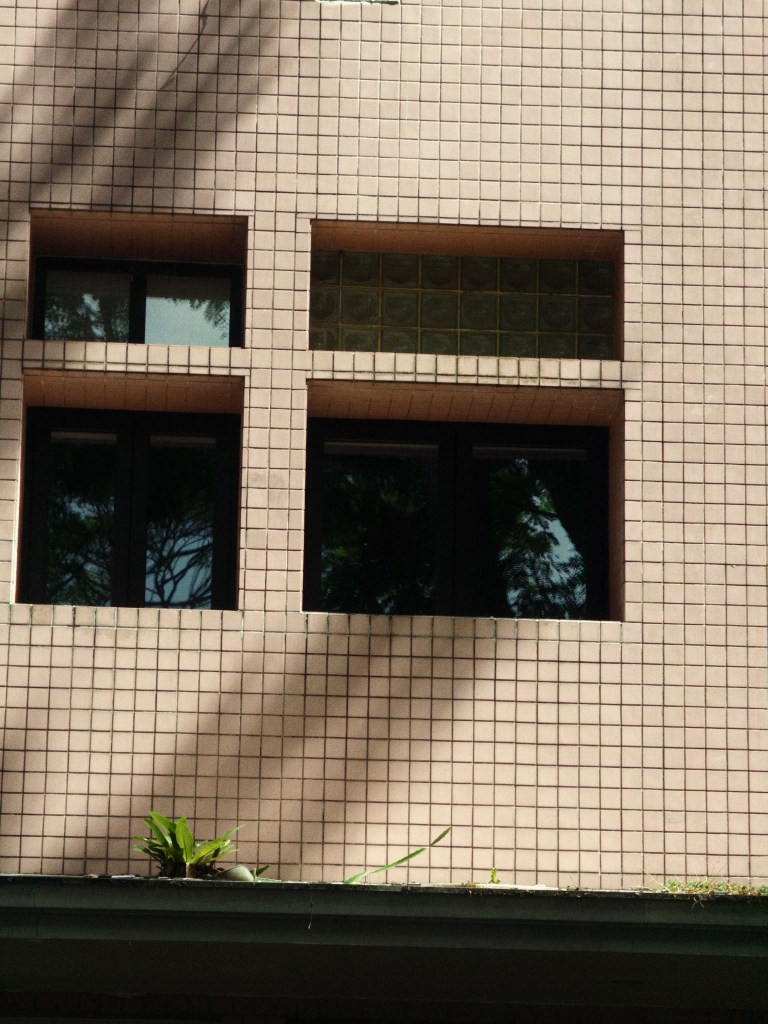
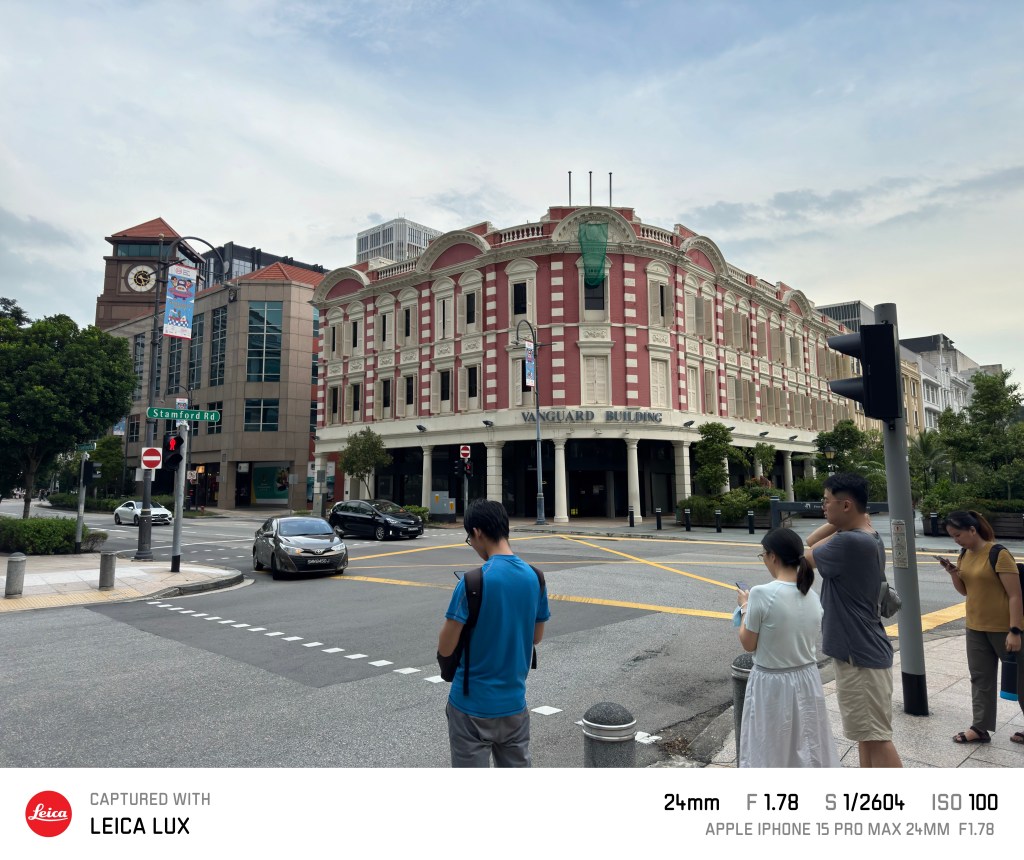
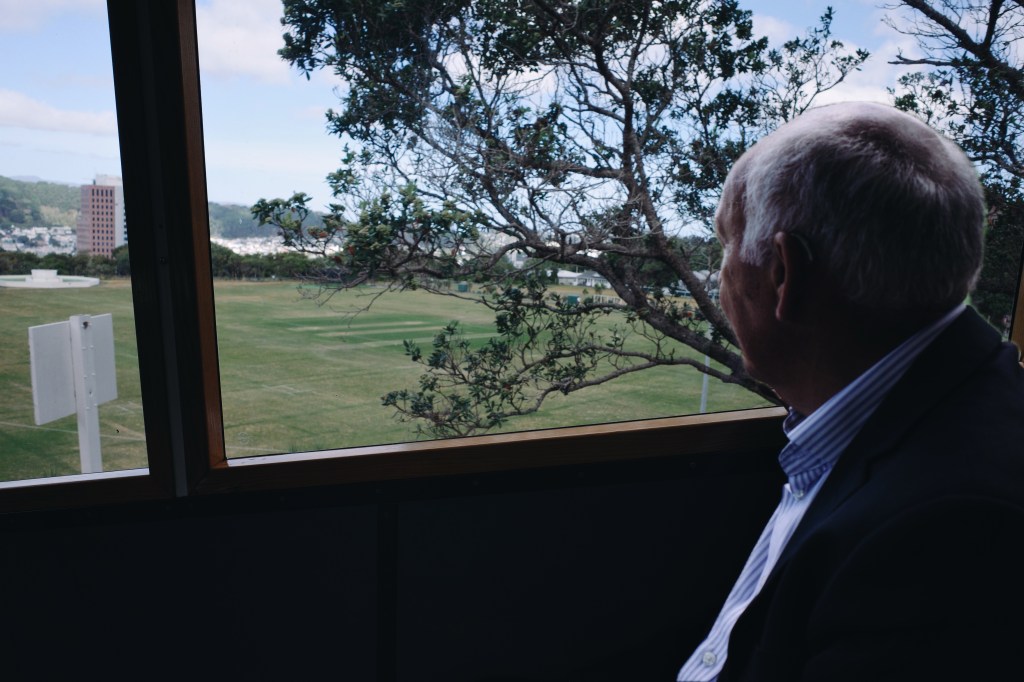
A pair of 5x photos, processed in Hipstamatic120mm (5x) through a window — sorry, stranger28mm low-light shot (not Night Mode)28mm close up268mm (10x digital zoom)



























 sangsara.net