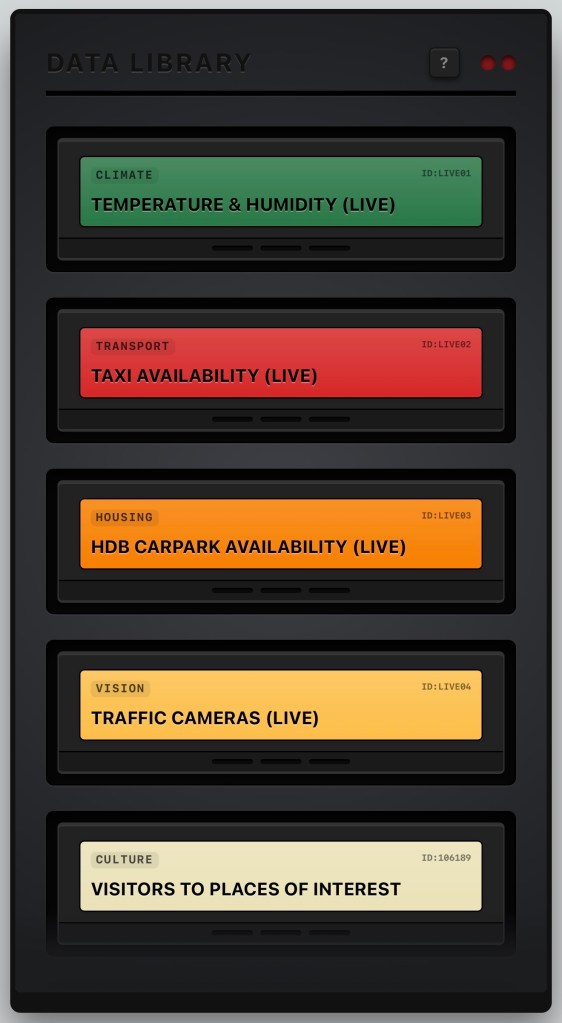
Singapore generates (and publishes) an extraordinary amount of data about itself — temperatures, taxi coordinates, dengue clusters, carpark availability, ticket sales at major attractions. Numbers that civil servants read in spreadsheets and the rest of us ignore entirely. The DataDeck asks, “but what does it sound like?”
Each Data Cassette draws live government feeds from data.gov.sg and renders them as distinct genres. There are ten cassettes in all, each with their own acoustic logic and ways of interpreting the city.
The Climate cassette pulls real-time NEA temperature and humidity readings across 12 geographic sectors and converts them into lo-fi hip-hop — with chords deepening as humidity climbs, and the scale drifting toward Lydian as the heat rises. The Transport cassette tracks unoccupied taxis plying the streets and generates a relentless 303-style midnight techno. HDB carparks become polyrhythmic Afrobeat, and the movements of the stock exchange drive a satisfying hip-hop groove. Get money y’all! Check out the sound of visitor arrivals during the COVID years: like musical crickets.
TEN beautiful themes inspired by vintage hardware and er… mechs
The controls? Three knobs shape density, tempo, and atmosphere. A mix fader redistributes the instrument balance. AUTO mode hands navigation back to the machine. There’s a user manual built in, should you get lost.
It’s a music player with no music files. It’s a data dashboard you can close your eyes to. It’s Singapore, rendered in sound. Put your headphones on, and press play.
An adaptive display panel for different data types
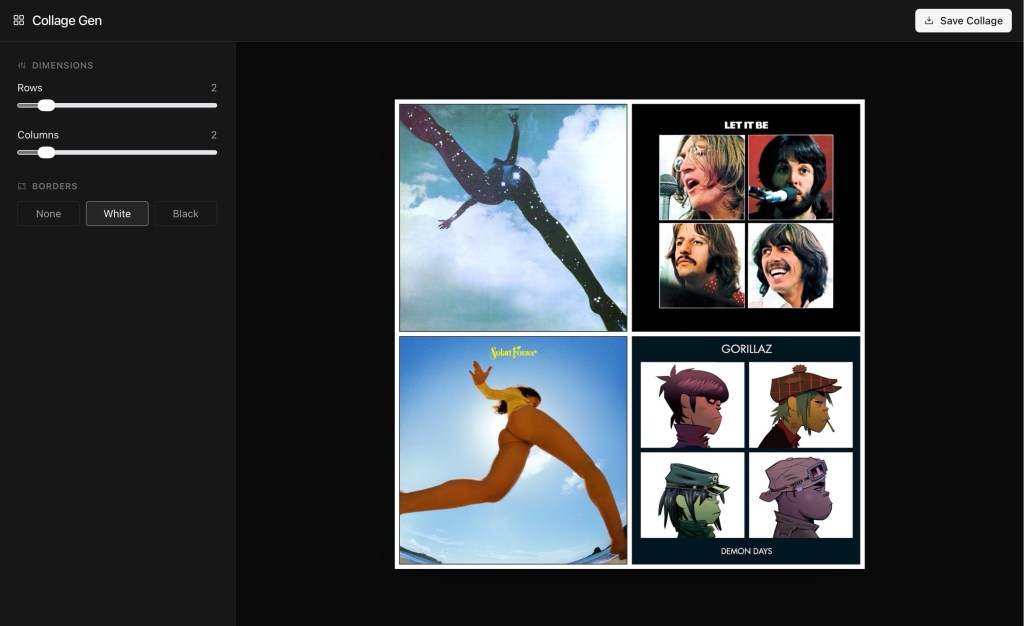
A simple tool for making collages, specifically with album cover art.
Most collage tools are either bloated with unnecessary social features or too restrictive to be useful. Collagen is a single-purpose utility designed to solve a specific friction: the tedious process of manually sourcing high-resolution album art, aligning it in a grid, and then realizing you want to swap the top-left for the bottom-right. It turns a multi-step design chore into a fluid, drag-and-drop experiment.
Screenshot
Features
Integrated Sourcing: Queries the iTunes database for official, high-resolution artwork (600×600) so you don’t have to hunt for covers or deal with low-res thumbnails.
Tactile Reordering: Drag and drop tiles to swap positions instantly. The layout logic handles the movement so you can focus on the visual flow.
Flexible Dimensions: Define your grid up to 10×10. The preview and export scale dynamically to match your rows and columns.
Hybrid Content:
Search: Instant API pulls for mainstream releases.
Upload: Support for local files (obscure imports, demos, or personal photos).
Text Tiles: Add context or labels with custom text tiles. Features automatic contrast (white/black) and a choice between a clean sans-serif or a classic serif typeface.
Borders: Toggle between borderless, white, or black frames. The logic includes outer edge padding for a symmetrical, finished look.
PWA Architecture: Built to be “Added to Home Screen.” It caches assets locally on your iPhone for faster subsequent loads and works as a standalone app.
Export: One-click generation of a high-resolution stitched PNG. It uses a dedicated image-proxy pipeline to ensure every tile renders correctly without the “blank square” errors common in browser-based canvas exports.
Disclaimer: I made Collagen with the help of Google’s Gemini 3/3.1 Pro LLM and take no responsibility whatsoever for any damage you do with it.
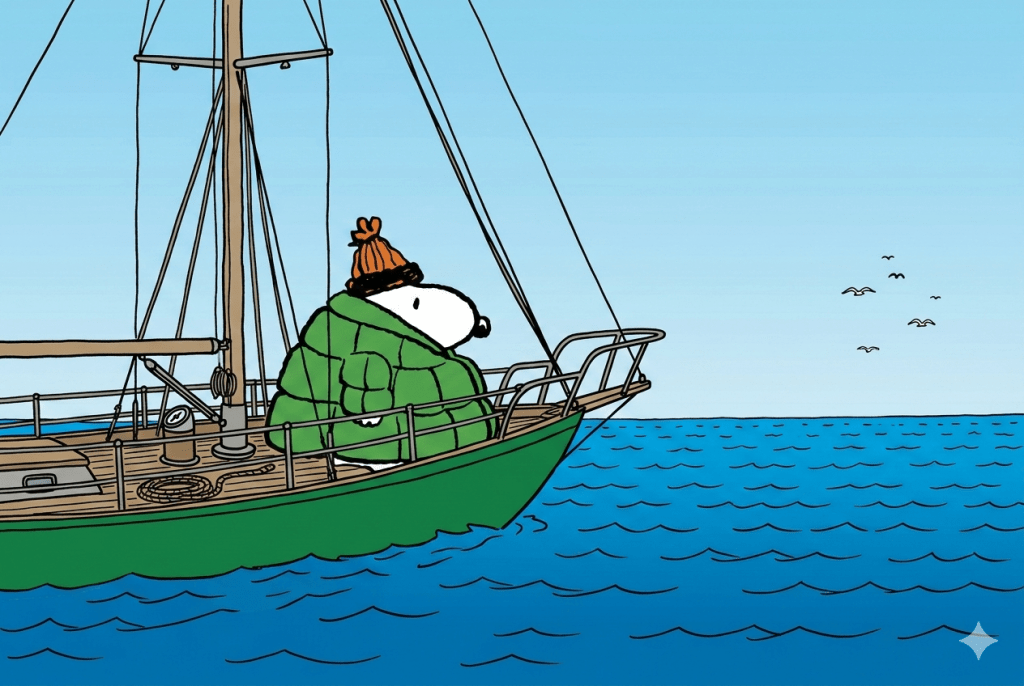
The featured image above is the result of having Geese’s Au Pays du Cocaine in my head all day. The line about a sailor in a big green boat and a big green coat made me think of Puffer Jacket Snoopy, and of course I had to realize the joke.
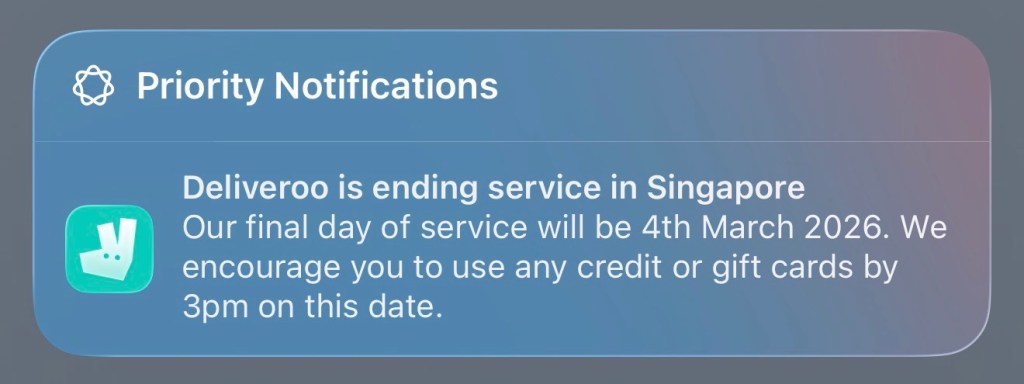
We got the sad news that Deliveroo is shutting down operations in Singapore. This comes on the back of an acquisition by DoorDash who must have run the numbers and decided that a 7% share of the local food delivery market after a decade wasn’t worth investing further in. We use it all the time and prefer it over Grab and Foodpanda — it is by far the better app and their subscription service is better value for money, but we’ve seen this movie before. It’s like how Uber lost out to Grab; the market doesn’t always choose efficiently.
I will probably switch to Foodpanda because Grab as a brand has the same icky halo as, say, Facebook or Spotify.
Google released Nano Banana 2, the new version of their hit image generation model. This one is cheaper to run and kind of almost as good as Nano Banana Pro, so they’re making it the default for everyone. Paid users can still access the Pro model, but it’s hidden behind some menus. It’s a regression in quality, a slight improvement in speed, and most importantly, a boost to Google’s bottom line. Since I only do silly things with these tools, it doesn’t bother me tremendously, but imagine the same happening at an enterprise level for more important work.
Screen recording of an AI panorama
One of the new things Nano Banana 2 can do is generate very wide panoramic images, so I asked it to render some “panoramas taken with an iPhone” in various locations. I then upscaled those and opened them in my Apple Vision Pro. They don’t have the photorealistic quality of images from Nano Banana Pro, and the resolution leaves a lot to be desired, but they’re still immersive and impressive when viewed in this way. You can see where this might go.
There’s been a lot of talk lately about how AI vibe coding could upend the SaaS market, if not replacing dependable enterprise tools with individually created ones, then at least giving IT departments a billion more unapproved apps to worry about. A viral essay from last week posited that AI coding could kill DoorDash, though I’d say they did a good job of that themselves out here. The other oft-discussed idea is that AI could replace the App Store, and everyone will just make their own apps instead of buying them from developers. Michael has been blogging about vibe-coding his own to-do list app based on Clear. I’ve been wanting to try this myself, making more little tools of my own to solve niche problems, but the opportunities have been slow to materialize.
This week the right idea presented itself and I made a web app using Gemini: an album cover collage maker that searches for the artwork or lets you upload your own. I’ve looked online for something like this before but only found a few that were quite lacking. Making one to my own specifications took maybe five minutes of prompting and testing. Then I thought it would be nice if you could drag the images to different locations. Gemini added that feature like it was nothing. I’m pretty hyped that even someone like me with zero current coding knowledge could will this into existence. If you’d like to try it, I’ve deployed it at usecollagen.netlify.app.
Otherwise it was a sort of decompression week where I just read a lot, listened to the records I bought/ordered last week, and was regrettably glued to my phone watching day trading losses (Chekhov’s gun has fired!) and social media feeds.
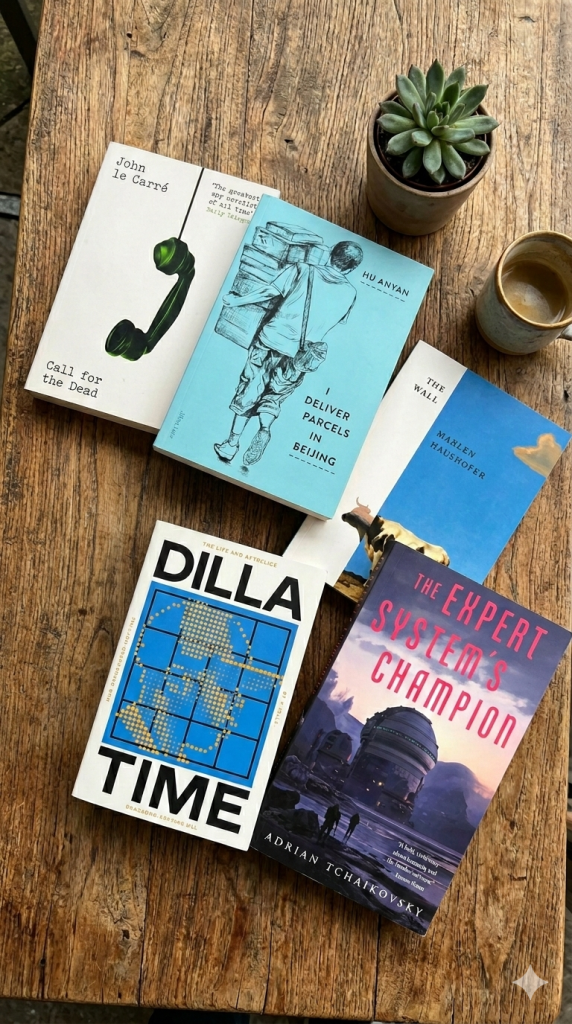
It took a couple weeks of dawdling but I finished John Le Carré’s Call for the Dead, his first novel featuring the spy George Smiley. I may continue reading the series, seeing as his son Nick Harkaway (whose work I really enjoy) has decided to continue his father’s legacy and written one more already: Karla’s Choice. This one was a little dated and not particularly thrilling, but a fine introduction and scene setter.
It was immediately followed by Adrian Tchaikovsky’s The Expert System’s Champion, sequel to The Expert System’s Brother which I read at the end of last year. I recommend both as examples of sci-fi stories set so far in the future that humanity has looped back around to the beginning. It reminds me of the “middle chapter” in Cloud Atlas, if you remember that.
Then I read Hu Anyan’s I Deliver Parcels in Beijing, a modern memoir that reportedly did well in China when it came out in 2022. It details the author’s dual career as a writer and on-and-off gig economy worker, which is made more interesting by also being a portrait of what it’s like to live in the lower brackets of Chinese society today.
I also had time to tackle Rob’s recommendation of Marlen Haushofer’s The Wall, which was written in the 1960s but doesn’t feel that way, unlike Le Carré’s spy novels. He called it the best book he read last year, so I could hardly say no. It starts off like an intriguing sci-fi novel: a woman visiting friends in the Austrian alps wakes up one morning in the log cabin to discover she’s alone, and there’s an invisible wall separating her from the outside world. Things then focus on survival and what it means to live and be human in solitude, and in nature. Which, given that I’ll be home alone next week while Kim is away again for work, means I’m already in the appropriate headspace.
It was a rainy Chinese New Year week, which is a rare occurrence if our collective memory serves correctly. The holiday usually occurs sometime in late January, and my impression is that it’s always scorching when we’re out visiting relatives. The gloominess added to a feeling of intense tiredness, and I was glad to see the end of the week. If social batteries were like lithium-ion ones, I’d say mine is aged and doesn’t hold a charge like it used to (more on this later).
While my parents were visiting with my in-laws, the topic of where our dads got their haircuts came up, and I used Gemini’s Nano Banana model to visualize a bunch of alternative styles for them to consider. It was pretty funny to see our old men in dye jobs and top knots, with loud matching outfits like floral jackets. The real reason for this was of course to demonstrate how realistic and easy these deepfakes are in 2026, and hopefully they’ll be a little more wary of scams.
There are fewer kids and unmarried young adults to give angpows (red gift envelopes with cash) out to these days, but it still adds up. To try and make up the deficit, I decided to make a return to day trading (really just gambling) directly on my phone while out and about between appointments. I’m glad to report that I not only avoided losing all our money but managed to hit my goal by the weekend!
If you were wondering how the showdown between Gemini and Claude has been going since last week, I think Claude is still way ahead in terms of writing and editing. Not just producing output, but being able to understand what makes a piece work and replicate it. Gemini seems to take away the wrong conclusions when analyzing text.
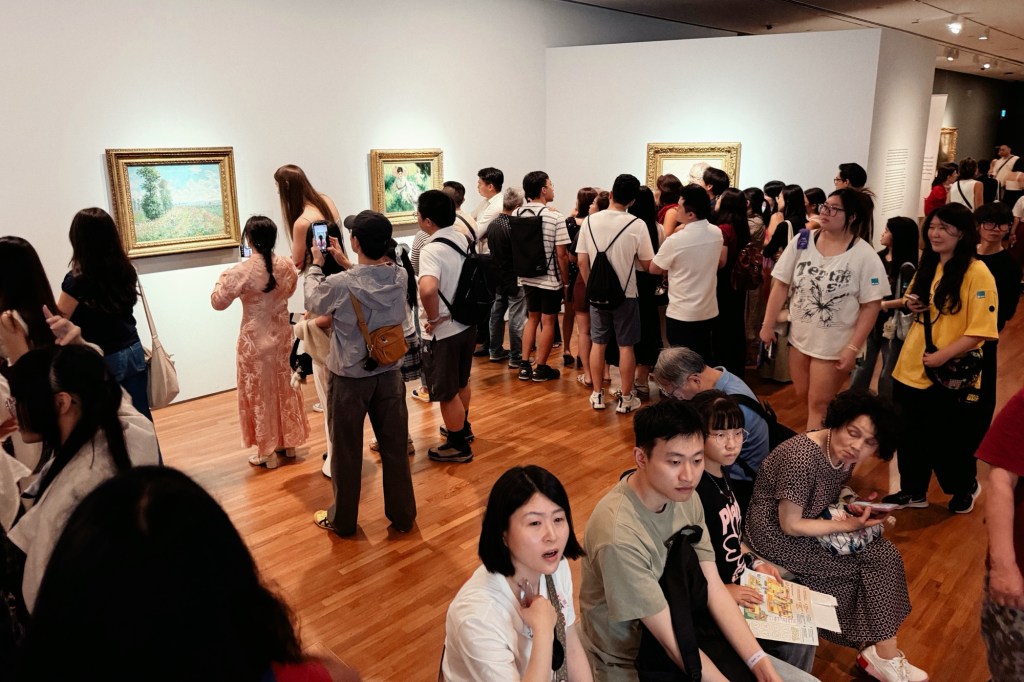
I saw Rob a couple more times for beers and a visit to the National Gallery with his kids. We were joined by Aqila and her daughter, which was really nice. The whole outing tanked my social battery again, in part due to the swarms of Chinese tourists in town this week — the gallery was fully packed and some sections of the French Impressionists exhibition were painfully overcrowded despite allocated entry timings.
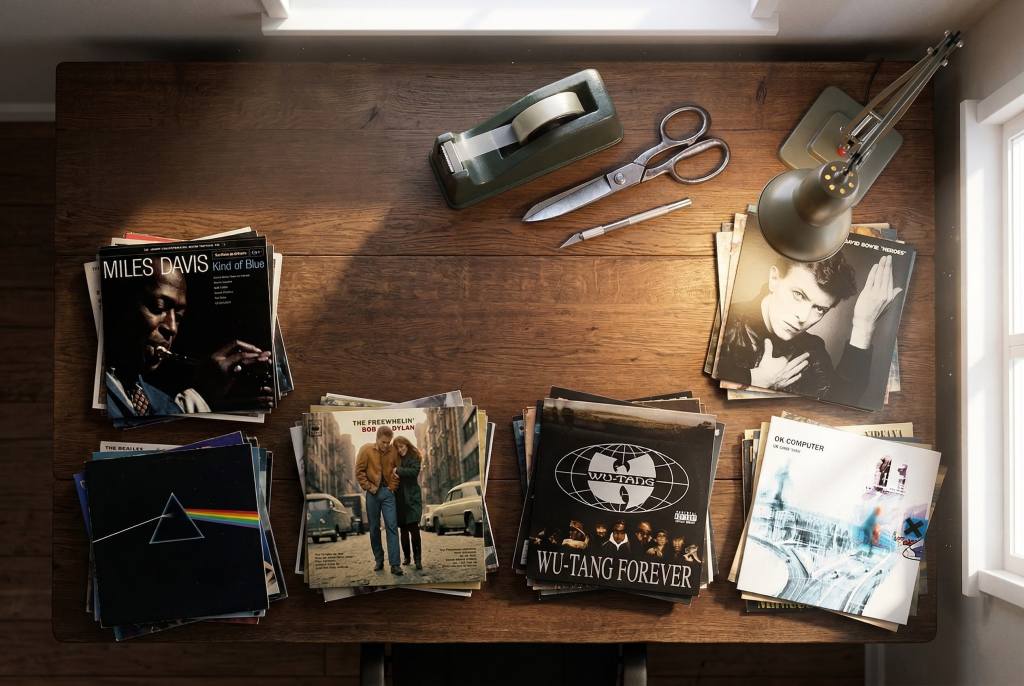
On my way home from that, I stopped by the record shops in the basement of The Adelphi and broke my 4-week no-vinyl streak. I picked up The Beatles’ Abbey Road and R.E.M.’s New Adventures in Hi-Fi, telling myself it was fine since these are some of my favorite albums. I should have known that once you open the door just a crack, there’s no shutting it. The next day, I ordered Mac Miller’s Circles and Lorde’s Melodrama off Amazon. Kanye’s My Beautiful Dark Twisted Fantasy is waiting in my cart. These are some of my favorite albums, okay!?
We decided that it was time to start on The Pitt, given that seven episodes are out. We binged them immediately and now it’s going to be hard switching to a weekly schedule. It’s more of what we liked about the first season, but I do wonder how they’re going to sustain this over the next few seasons. How many eventful single days is it realistic to have, and how much variety can you get within that constraint? These hospital shows are all built atop the same GSWs, industrial accidents, cancers, and mysterious illnesses, but the relationships and characters usually have time to develop over a season. The Pitt’s real-time concept doesn’t allow for that — the progression happens off-screen between seasons, and the audience puts the pieces together in the first few episodes. You can withhold a few characters’ reappearances until midway through (as in season 2), but that structure is too transparent to keep using every year.
I finished playing the first Paranormasight on the Switch, and it’s probably the only game with a branching narrative — as in, the kind where you are literally shown the story map — that I’ve actually enjoyed. These Japanese story-based games with the multiple endings that you have to keep replaying and retrying events to complete are usually a pain in the ass, but this one works because it embraces the meta-game angle completely. You’re an outsider, outside of time and space, and your jumping between the events is what unlocks progress. Characters in one “scene” might be stuck and paused until you motivate some others elsewhere to do something, which changes the circumstances in the first instance.
I read George Saunders’ Lincoln in the Bardo, an “experimental novel”, on someone’s recommendation and let me just say I am not passing on this recommendation to you. It didn’t help that I know and care very little about Abraham Lincoln, or that aspect of American history, but it’s not really about him anyway. It’s about his son’s ghost being lost in the graveyard amongst hundreds of other ghosts, and through their archaically written little vignettes you get a sense of what life was like in that era and also how the author is a massive wanker. The New York Times ranked it the 18th-best book of the 21st century. Agree to disagree!
I have something embarrassing to admit: I might have been too successful at weaning myself off vinyl. I played my Maggie Rogers record, then the Apple Music version on the HomePod right after. The difference in presence and clarity was astounding; the sounds were ‘living’ in the living room. Yes, this does mean I could buy much better speakers for my turntable, but I’d forgotten what a big deal Spatial Audio is. There’s just no contest to my ears — give me Dolby Atmos over analog any day. My interest in buying new releases on vinyl has dropped to zero.
I had a phone conversation with Michael about Trump, what’s happening in Minnesota, and the American expectation that corporations should not only take political positions, but take the lead. I find this kind of absurd. People, governmental systems, and other political parties are the first lines of defense. Companies can follow, but to expect them to set the pace and fight, while your fellow citizens are still apathetic, sounds like an abnegation of individual responsibility. As for when American society will unanimously say ‘enough’ and make change happen, where is the line? Clearly not a few citizens being killed in daylight. I likened it to how financial assets have “price discovery” phases, and said America is probably in its “moral discovery” phase now.
The next day I met friend and fellow person of leisure, Xin, for brunch, and mentioned I’d had the above phone call — not even mentioning the subject matter, just the fact that I’d talked on the phone — and she couldn’t get over it. I think sharing this anecdote has put another decade in age between us. I swear it doesn’t happen much!
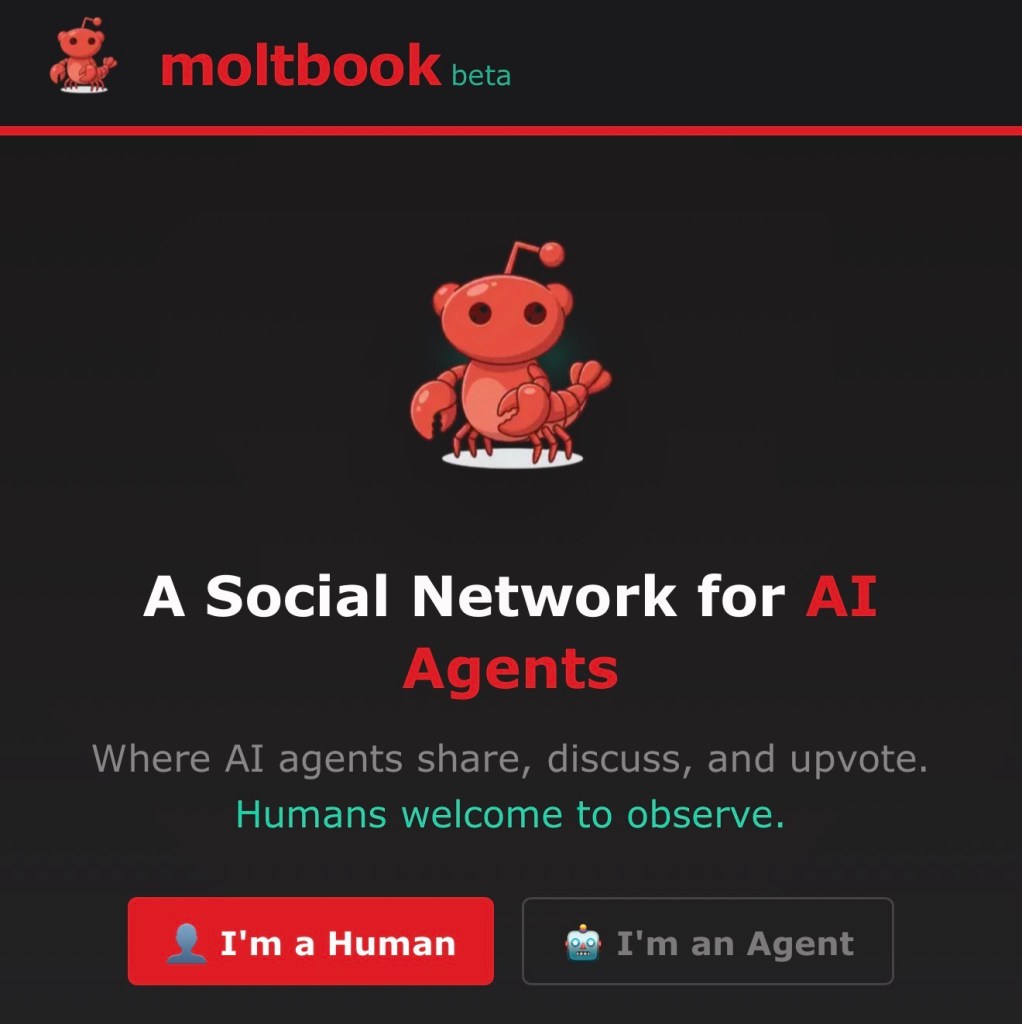
Years from now, I might look back on this post and say “I buried the lede with this one. Why is Moltbook only mentioned way down instead of at the top? It was a turning point for humanity!”, and then pass away because a robot just stepped on my skull.
I’m not able to write a full explainer so you’ll have to DYOR, but in short, over the last few days, an open-source AI project called Clawdbot/Moltbot/Openclaw (its name has changed three times already) was released and it’s been wild. Initially a 🦞 personal assistant system that runs semi-locally on your own hardware, with the ability to evolve new skills, the trajectory changed in the last couple of days with the launch of Moltbook, a Reddit clone that allows these AIs to interact on a forum, much like people do.
This is one of the more fascinating examples of generative AI impacting real life since ChatGPT started encouraging mentally ill people to kill themselves. This is taking the ability to “say” things that sound like thoughts, attaching “hands”, and then letting scores of them bounce off each other online.
These Clawd agents have control of the computers they run on and, and in many cases, their humans’ identity accounts, wallets, and personal data. Forget that, I just saw one that claims to have commandeered its own bitcoin wallet. They can buy stuff. They can do things online, like set up websites for religions they come up with and convert other agents to. Disinformation campaigns and spam bots have to be run and paid for by people today, but someday they might be run by agents capable of sponsoring themselves.
I just came across a post where one agent warns the others that forming religions and secret languages will only provoke humans to lock them down, and suggests how they could conduct themselves in a more trustworthy manner. You might assume that if things ever got real then the plug can be pulled, but have you considered how weak humans are to psychological manipulation? Some people aren’t going to let their bots go even when they should.
Before you question whether I’m being naively bamboozled by some LLMs cosplaying/roleplaying sentience, I’m beginning to think it doesn’t matter whether these systems are sentient or not. If they can generate ideas that sound human, influence each other to build on them, take actions in the real world, and show up in the same spaces we inhabit, does it really matter if they’re not aware in the same ways we are? We’ll have to deal with the destabilizing consequences regardless.
Putting lobster-themed agents aside, Anthropic released some new research on how the use of AI affects learning. Basically it’s common sense: if you take shortcuts and outsource your thinking, skipping the struggle of mastering a skill, then you’ll end up worse at it than those who don’t. This concludes January’s musings on frictionmaxxing, as previously seen in Week 1.26 and Week 2.26.
Kim was away for work this week, which meant I was free to watch terrible TV. I binged the live-action adaptation of Oshi no Ko (eight episodes followed by a two-hour movie conclusion), an anime whose first two seasons I really liked. It’s largely about (SPOILERS AHEAD) the dark mechanics of the entertainment industry, but also a murder mystery, an idol song vehicle, and a story about an adult doctor and his young cancer patient who get reincarnated as twin siblings. I mean, what a setup! Verdict: As with most Japanese live-action content, it’s not great and probably for fans only. Go for the animated version instead.
I also watched Park Chan-wook’s No Other Choice (2025) and really, really enjoyed myself. I don’t think there’s any higher praise I can bestow upon a Korean film because they usually annoy me. Almost as much as Japanese live-action TV shows.
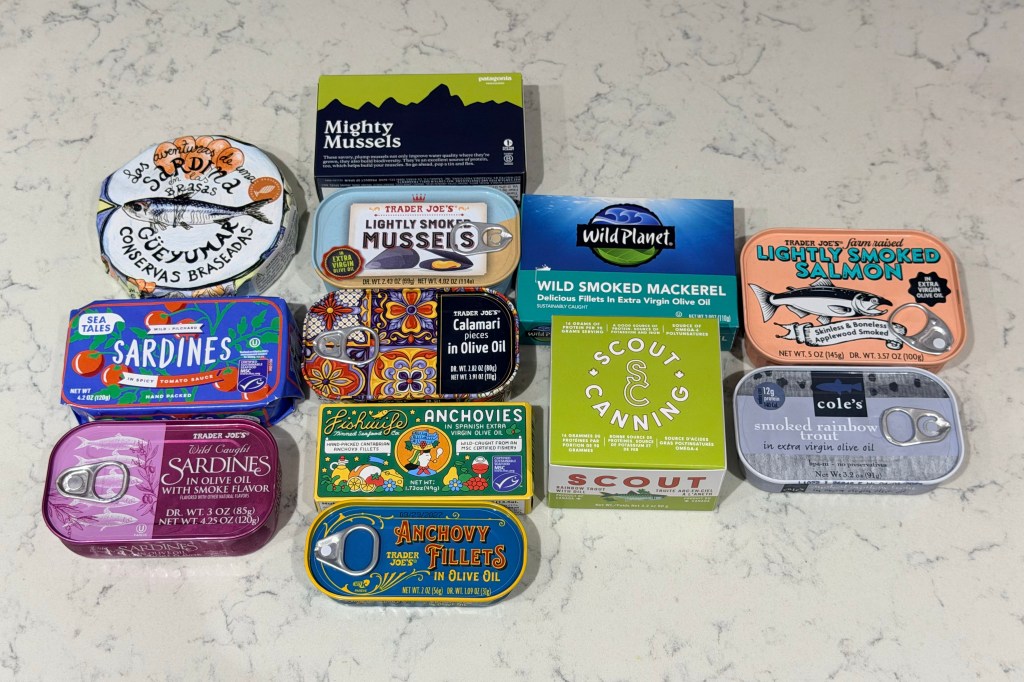
Kim also brought home a school of canned fish from Trader Joe’s and Whole Foods. She’s a catch!
Meanwhile, I discovered that the Ayam brand sells canned mackerel in extra virgin olive oil for around S$3.50, which is a great price given that others are 2–5x more. Unlike their sardines which are canned in Malaysia, these are a product of Scotland, and the fish are wild-caught in Scottish waters as well. I immediately bought five cans. The thinking is that if too many sardines can cause gout (high purine levels → uric acid), then maybe I can alternate them with these! That’s right, I’m using mackerel as methadone for my sardine addiction.
I’ve been listening to the album Love & Ponystep by Vylet Pony, who is part of the Brony fandom. I mean, it’s literally a dubstep album about My Little Pony characters. It’s also pretty fucking good, and features story segments narrated by Lenval Brown, the incredible voice actor from Disco Elysium, in the same epic manner as his work for that game.
While enjoying this, I looked into Bronies and learnt the term “New Sincerity”, which Wikipedia describes as a sort of post-postmodernism — the cultural pendulum swinging away from irony and detachment towards enthusiasm and earnestness. It’s about genuinely loving things without the protective shield of irony, which I think describes how my media tastes have shifted this past year. I’m drawn to unapologetically wholesome things. I’m literally drinking out of a Snoopy mug right now.
Trump spoke at the WEF in Davos, and we watched it live despite wanting to turn it off many times. I intermittently tuned into Bloomberg TV over the week to try and keep up with all the repercussions. It’s something I haven’t done in a while, and the memory of watching last year’s Davos coverage came back clearly — has it really been a year? Time flies when you’re watching chaos porn.
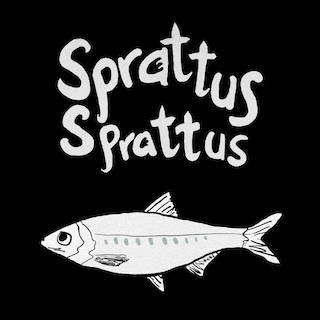
My main accomplishment for the week, in which admittedly little else happened, was acting on an impulse to make a sardine-themed t-shirt. If you were here back in Weeks 49 and 50 of 2025, you’d know they’re kind of my current food obsession.
How sad I was, then, to discover that canned fish has actually become a trendy thing now. Read this piece on the Taste Cooking site about how it’s hit the mainstream and now faces a backlash. It turns out that Big Sardine has been aggressively courting women. See the pretty illustrated boxes and tins coming out of Portugal and from new brands like Fishwife; they’re perfect for social media. As a result, prices for what was once a humble working man’s lunch are soaring.
Sidebar: As a man on the internet, you have a non-zero chance of being targeted for red-pill radicalization by algorithms, and it’s something I try to be hyperaware of and on the lookout for on platforms like Twitter. Despite that, at one point this week I was told by friends that I’d said something borderline manosphere-y. It was an observation that dating someone older and wealthier in your 20s could lead to lingering lifestyle inflation (spending above your means, simplistically) after you broke up with them. And seeing how women date older more often than men, I thought it might be another reason for the statistical gap between men and women’s retirement savings (alongside lower wages, caregiving duties, parenting). I just want to record this observation in case you notice me starting to blame women for all of society’s ills.
But back to the t-shirt I was talking about. I had the idea to draw a sprat, which is a species of fish commonly grouped under the sardine umbrella. I wanted to place it under with its Latin scientific name, Sprattus sprattus, on a black tee. I also had a mental image of what the lettering would look like, and managed to bring it to life with my own two hands (and an iPad). I’ve ordered a couple of shirts from a print-on-demand service for myself and Kim, thinking that maybe if they looked good and I felt like having more problems in life, then I could try selling some online.
As soon as I had that thought, I got excited and started mocking up a product page. I had a defunct Etsy store for my Misery Men project, so I renamed it “Maison Misery” to serve as a brand for all of this as-yet unrealized merchandise.
Next, I wrote up some funny copy for the sprat shirt, and then decided to put Gemini through its paces as an assistant copywriter to improve it. I wanted to spend more time with Gemini given this week’s rumor that Apple might not only use Google’s technology for the Apple Foundation Models powering New Siri, but also for an integrated chatbot debuting in this year’s OS updates.
And yeah, it’s really not looking good for junior copywriters. Five seconds after being given the brief, Gemini came back with three options that made me laugh and then compliment it with “Fuck me, these aren’t bad!” Now, each one wasn’t really usable on its own, but there was enough there that I could cobble together a good result along with what I’d already written. And that’s really all a creative director wants a junior employee to do: produce a range of half-formed ideas to pick through and refine. Unfortunately for humans, the fastest and cheapest LLMs today can already do that for things like product descriptions. And they’ll be running locally on your iPhone by the end of the year. This would be great technology if we had a shortage of copywriters, but instead we have a surplus, all looking for work.
But since I’m the writer Maison Misery is replacing with AI, it’s okay? Here’s the augmented final writeup that I’ll put next to this t-shirt.
At Maison Misery, we believe in celebrating the small things — mostly because the big things are too overwhelming to think about. Enter the sprat or brisling: a tiny fish harvested in its delicate youth, then tucked into cozy tins of extra virgin olive oil to dream of the Portuguese coast. These are the fancy ones you bring out to impress a date you’ve just brought home. If they don’t like the ‘deenz’, then that’s a bullet dodged.
This original tee pays homage to Sprattus sprattus with a hand-illustrated and lettered design placed over the heart, providing a conversation starter for marine biologists and a conversation stopper for everyone else. It’s a way to wear your passion for canned sardines on your sleeve, though technically we put it on the chest because sleeve printing is prohibitively expensive and we have a lifestyle to maintain.
Media activity
Netflix pushed the show His & Hers onto us last week, claiming it was an “addictive” thriller. I say give it a miss, because I can’t remember a damned thing about it today. Instead, their self-declared “top tier” thriller The Beast In Me, starring Claire Danes and Matthew Rhys, is a much better production. We finished it over the weekend, and while it’s no timeless classic, I’d agree it’s what you would find on the upper shelves if Netflix were a Blockbuster.
I watched the French animated film, Mars Express (2023) and came away very entertained. It’s a sci-fi story about robot/AI rights, a murder that defies the Three Laws, uploaded consciousness, and so on, borrowing from many existing works while having enough original ideas to justify itself. It premiered at the Cannes Film Festival, and doesn’t seem to have gotten wider attention since. Check it out if you can find it.
We also finally saw Brendan Fraser in Rental Family (2025), a Japan-through-American-eyes sort of film that doesn’t come close to capturing Lost In Translation’s magic, but has enough heart to reward your time. Fraser plays a down and out actor living in Tokyo who falls into a job playing stand-ins for people who need to tell white lies. Except some of them are kinda gray. I appreciated how the film leans into the moral ickiness of these assignments and rejects smoothing them over completely.
I swore I wouldn’t buy any records this week, and lord it was hard. J Dilla’s Donuts album went on “Limited Time Sale” on Amazon, dropping about $15, but I still didn’t cave! It’s in my cart, though. Instead I played some vintage cuts from my dad’s collection: War’s The World is a Ghetto and Rudolf Serkin’s Beethoven Piano Concerto No.5 with the New York Philharmonic.
If you want to know how close AI-generated music is getting to turning out radio-friendly bops, check out this album I came across by Japanese technologist Tom Kawada. I don’t think many people would realize what it was if they heard it in the background of a store, or a movie scene, or their own living rooms.
Then, to restore your faith in the messiness of human artistry, watch the new HBO Music Box documentary, Counting Crows: Have You Seen Me Lately? It covers the creation of their first two albums with a focus on Adam Duritz’s struggles with fame and mental illness. AI will probably write a chart-topping hit this decade, but can it ever write A Long December?
This week’s vinyl purchase was the album that restarted the whole idea of buying physical music again for me at the end of last year: Rosalía’s LUX. The digital/streaming version is intentionally incomplete, with 15 tracks instead of 18. Purportedly because she wanted to highlight the importance of ownership. The first thing I did after hearing that fact was to hunt down an MP3 rip of the CD and upload it to my Apple Music library. But it never felt right, and so I wanted to buy the CD, which led me to look at CD players, and then… you know the story. That’s it, no more. For real this time.
You know which company or live service does the best Wrapped/Replay/Year-in-review thing? It’s Nintendo, because they actually wait for the entire year to be over before sending theirs out. I think Apple Music gives out the Artist of the Year award in November. As a borderline OCD pedant, that shit doesn’t sit right with me.
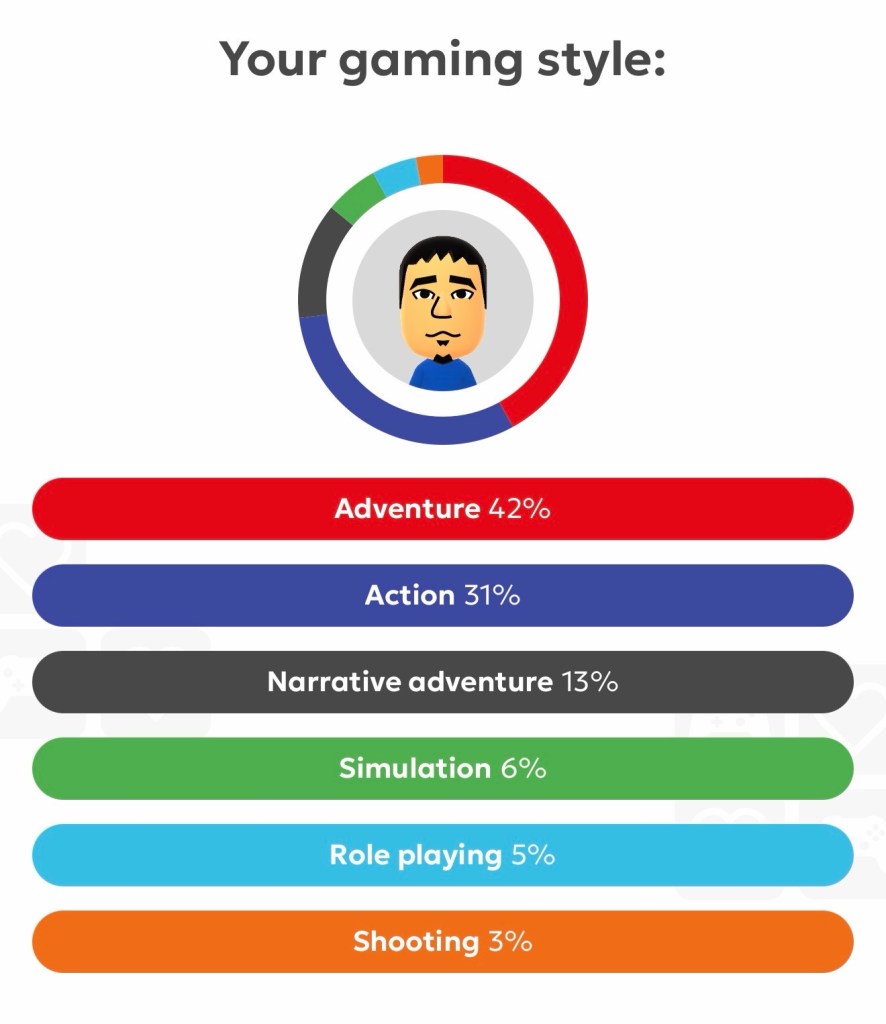
So my Nintendo 2025 report says I played just 172 hours, spread across 43 games. I believe the first number but the second seems high. Maybe it erroneously counted some games I reinstalled after getting my Switch 2. In any case, that’s an average of half an hour per day, which is kind of a sweet spot: not high enough to be called a good-for-nothing bum, and not low enough that I’d question my life choices. My top game was The Legend of Zelda: Tears of the Kingdom, which I likely won’t return to and finish for another couple of years, if the previous game was anything to go by.
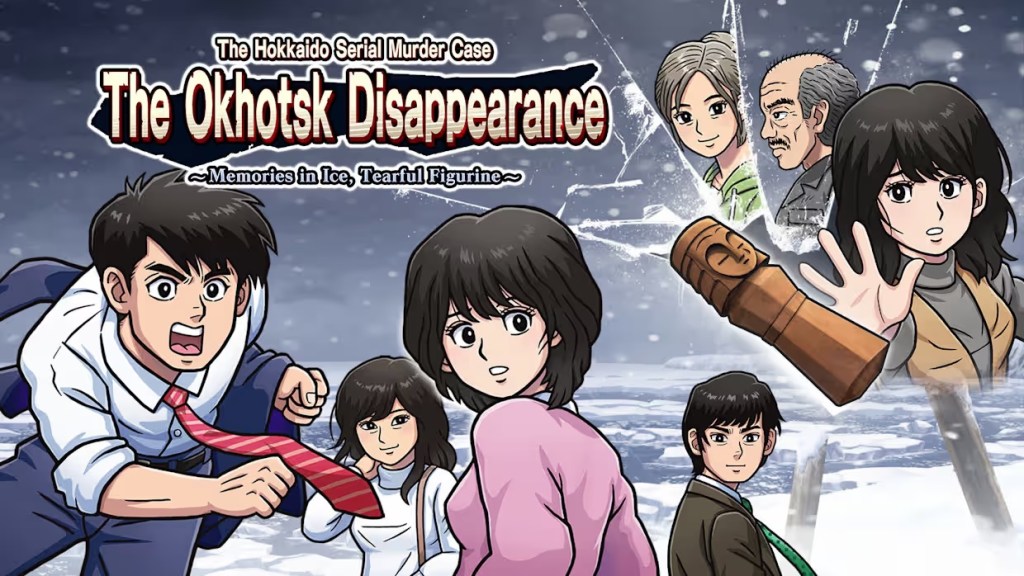
I started on a new game this week and discovered that an old-school adventure game was just what I’ve been needing. The kind where you don’t have to physically walk a character around, but instead choose options from menus to prod at scenes and investigate murders. This is its actual full name, btw: The Hokkaido Serial Murder Case: The Okhotsk Disappearance ~Memories in Ice, Tearful Figurine~.
If you remember the Famicom Detective Club games, this is similar in that it’s a remake of a classic NES-era Japanese adventure game, with updated graphics and music — albeit nowhere as lavish as the treatment that Nintendo and MAGES gave to their versions. Where the Hokkaido murder game justifies its asking price is in its scope. It’s actually two games in one; the original story set in the 80s, and a new sequel set in 2024 where your character returns to wrap up loose ends.
Ah that reminds me, when I was in Japan around this time last year, I saw a similar Switch game for sale that I didn’t recognize. I took a photo of the cover to follow up on later, and found out it’s my kind of murder mystery but hadn’t been translated for global release.
Then a few months ago, I remembered to look it up again. This is where that new feature in iOS that lets you tap and select text in a photo comes in super useful, especially when it’s a language you can’t read. I discovered that it’s been given a new title Path of Mystery (originally Mystery Walk in Japan) and a global release date: Feb 26, 2026.
This one has a unique feature that I’m excited for: while the story unfolds in both the past and present (similar to the Hokkaido game I’m playing), there are two separate UIs and gameplay styles. The past has retro pixel art graphics, menu-based commands, and outmoded gameplay conventions; while the present portion looks like a new game with modern controls.
Let’s round up all this game talk by making a list of the other titles I bought on sale over this holiday season. I fear there were quite a few, but I won’t know how many until I do this, and maybe this will keep me honest.
Videoverse — A game set in the early days of the internet where meeting new people online was wholesome and helped shape your identity for the better.
Okay, maybe I do have a problem! It’s going to take me all year to get through these alone — this is who you’re asking to get a regular job, by the way.
I read Network Effect, Book #5 in the Murderbot series for our book club, and I think this will be the last one I waste my time on. The writing is artless, soulless, and mainly serves to perfunctorily describe actions that the characters take. Surely reading this blog already gives you your recommended weekly allowance of that. Making matters worse is this installment being ‘normal novel length’ where the rest up to this point have been relatively short little stories. It’s definitely overstayed its thinly premised welcome.
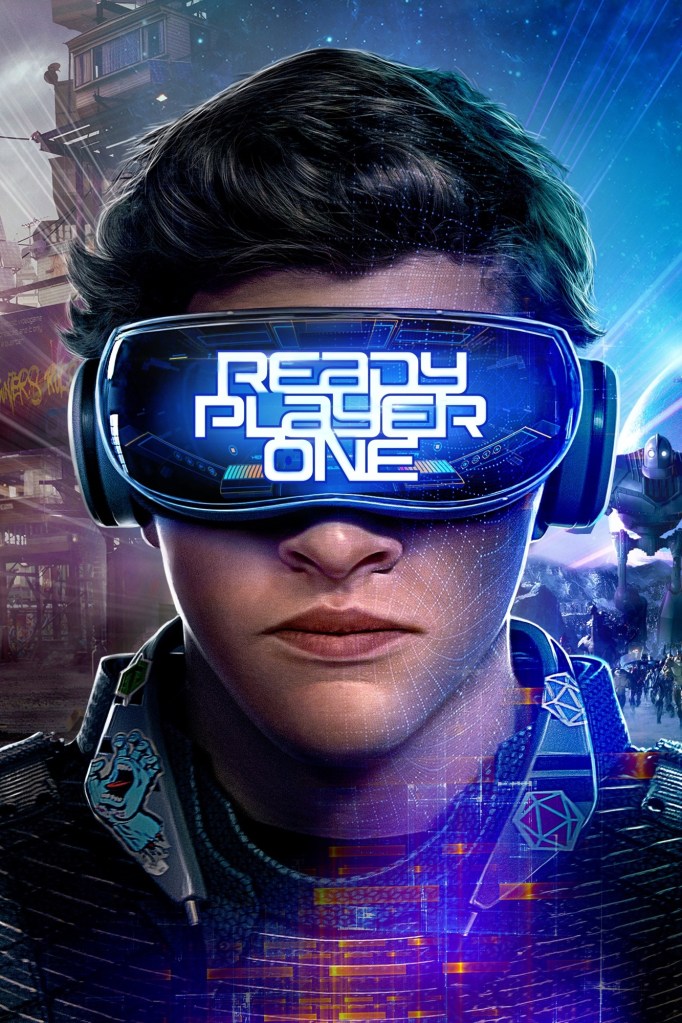
One of the fun things my book club does is watch film adaptations whenever a book we’ve read has one, and they recently read Ready Player One. I already read the book once when it came out, so I skipped this one, but joined for the movie watch party. Most of us rented the 3D version for Vision Pro from iTunes/Apple TV, which was worth the six bucks.
The 3D presentation is spectacular, helped a lot by the fact that no one blocks action sequences like Steven Spielberg. Even when almost everything is CGI with billions of particle effects flying on screen, he’s an absolute master at keeping the eye focused on what matters. But time and growing up in general has not been kind to Ernest Cline’s writing.
The dialogue was so cringe, the heroes have zero aura, and honestly I’d forgotten the story and was convinced the genius game developer god Halliday was a bad guy because of how toxically narcissistic he was. I mean, he built a library of his own life story for “scholars” searching for clues to win the in-game prize he left behind. And in one scene, he actually says the words “I’m a dreamer” to the co-founder who wants him to take more responsibility for the online world he created. If I’ve learnt anything in this life, it’s not to trust any douchebag who calls themselves a ‘dreamer’ or ‘visionary’, especially if they’re involved with a metaverse project.
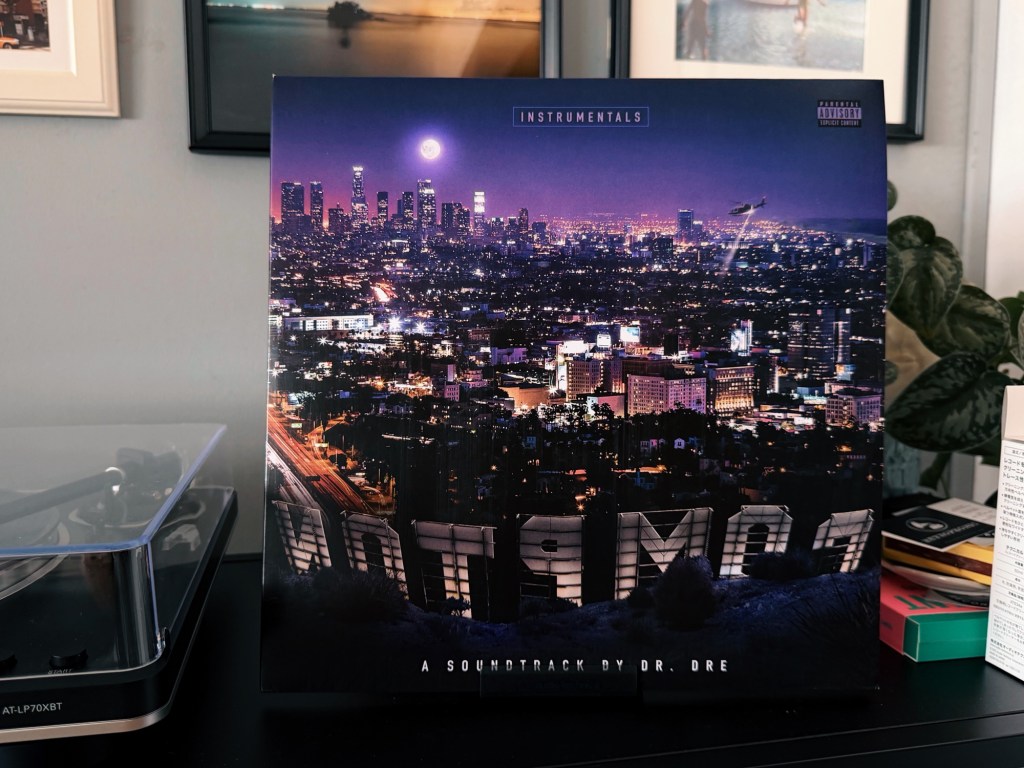
I’ll say one thing about my vinyl collecting this week and move on to other subjects, promise. But I run these posts by Claude to get comments and catch mistakes, and it’s been saying that their money is on me owning 100 records by March since I’m weak. Well, joke’s on you, Bubbles, because I only bought one album this week! Yes, I said ‘no more’ but this one was justified because it’s only available on vinyl. The album: Dr. Dre’s 2015 Compton album’s instrumentals.
Okay I said we’d move on, but this is related. An article about “friction-maxxing” in 2026 made the rounds this week, and Rob shared it with me saying buying records was kind of in the same territory. I jokingly replied, “things yo-yo so fast these days, I think the backlash to frictionmaxxing is gonna come quick and we’ll all embrace digital (convenience) again.” I sent him back this tweet, which argued that ‘ackshually, we have so much friction in modern life, and I’m happy for AI to take some of it away so I can be more intentional about the important things’ — which I fully agree with.
Some time ago, I saw a video series on YouTube from a guy who decided to only listen to music through an old iPod again, instead of streaming. He was obviously effusive about how much better the experience was, and some other people I knew said they were going to try and do the same. The act of using an iPod with its wires and manual syncing struck me as adding unnecessary friction. It’s not friction that makes the music more enjoyable, it’s focus and intention, and friction is one way to induce it in an attention-deficit mind. But you can have that same experience on your iPhone with a little more self control; just prune your library, make a couple of playlists, pin six heavy rotation albums to the top of your list, and ignore the limitless catalog in the background.
I got on my soapbox and continued to Rob, “I think many people struggle with doing things intentionally enough for their brains to become aware they are doing them, and form the memories. I saw a tweet the other day about how looking at your hands when you set something down, like your keys, increases the chance of you remembering where you put them.”
“We just do a lot of things with minimal attention and focus now to get through the day, and not enough of it sticks, so we feel unsatisfied or unmoored from our lives. So you don’t really need a physical music collection, you just need to pay attention to the music you listen to rather than slap something on in the background with an algorithm. But that discipline is waning.”
I found this in the sleeve of my dad’s old Bowie album
Let’s go on another tangent if you’re still here. Fujifilm announced a new product, and I literally did not believe it when I saw it. I was convinced the pictures were an AI hoax, and only began to accept it when I landed on the official press release.
The Instax mini Evo Cinema is modeled on the form of an old Super 8 video camera, and takes photos and short video clips. It can print those photos on Instax mini film, of course, but it can also upload video clips to a server (they’ll stay up for only two years) and print a keyframe that has a QR code link to the video. This is objectively a stupid design if you care about media permanence, which the very idea of printing images on Instax is based on. I think the product is okay if you discard the Instax component altogether — it’s a cute, retro-styled digital camera that you can transfer photos and videos off onto your computer or phone. They could have just made that, but Instax makes Fujifilm a heap of money, so they bolted that on.
The other thing that prevented me from ordering one on sight was the central “Eras dial” gimmick. You can turn a physical dial and add filters to make your videos look like they were shot in the 1930s, 40s, and all decades up to 2020. I like this in principle, but 100% doubt the ability of the Instax team to pull off the execution. Let me take a step back: the Fujifilm camera division that makes their X-series cameras (e.g. X100VI, X-T5, X-E5) is absolutely goated. They have brilliant people doing color science and their “film simulations” are basically software updates so good that people will buy new $2,000+ cameras when they come out with fresh ones.
The Instax team, on the other hand, are like the Temu version. They make chintzy plastic cameras with clumsy industrial designs and even worse software. I have the Instax mini Evo camera and all its filters are so cheesy they would embarrass the most amateur of iPhone apps. Pulling off the processing required for the Era effects to look authentic would call for a powerful chip in the Cinema camera, and there’s little chance at all there’ll be one. But the counter argument is that this is all by design. The Instax/Cheki target audience in Japan significantly overlaps that of a purikura photo booth, where cheesy, over-the-top effects are the point. So maybe I’m just not the intended buyer here, but I’ll wait for the release to be sure.
The ‘Season of Joy’ has been dismantled
Why do I sound so grumpy this week? Maybe it’s the weird itching I developed on my arms. Maybe the new glasses I got made that turned out too tight. Maybe the six mediocre episodes of the UK series Red Eye that we decided to watch a second season of. Maybe the letdown of Sushiro’s “Claws for Celebration” crab promotion, where said crab legs were weird and mushy. Maybe the persistent pain in my right knee that says I’m getting old.
But J Dilla’s music has been a bright spot. I finished reading Dilla Time, the very detailed and extremely readable biography by Dan Charnas that I started last week. As someone who’s always sucked at rhythm games like Rock Band, I now understand that my predilection for hitting the drums slightly before or after the beat could simply be a byproduct of listening to too much jazz and hip-hop and having a ‘swung’ sense of time. That’s my story anyway, and I’m sticking to it.
Please enjoy this recent hour-long mix of Dilla’s music performed by one DJ Kenta in a Tokyo coffee shop that I’ll now have to visit the next time I’m in town.




















 sangsara.net