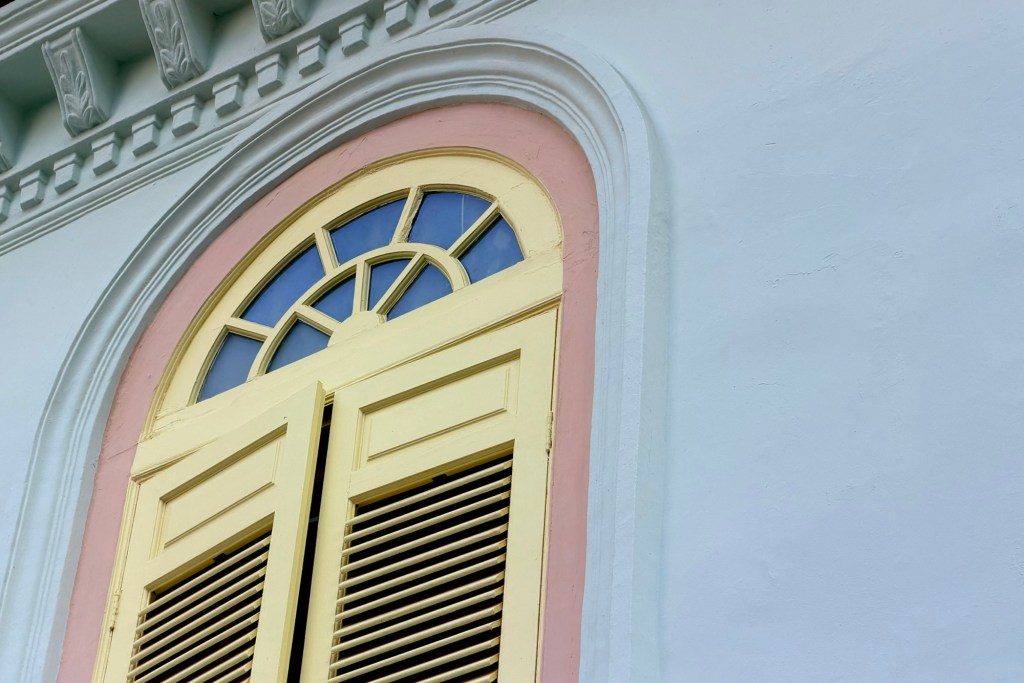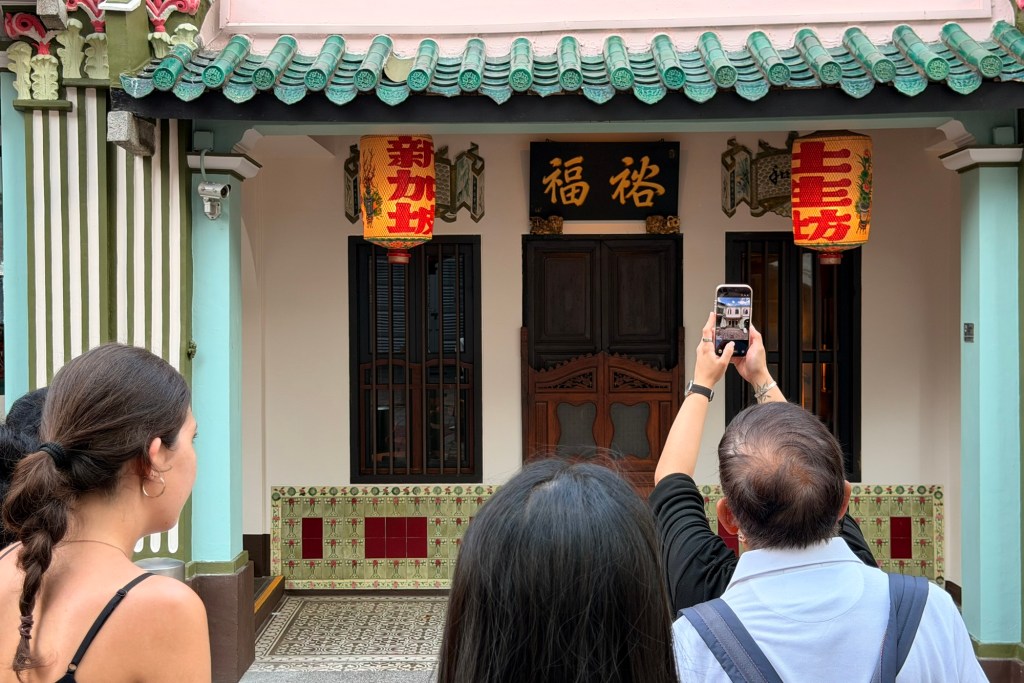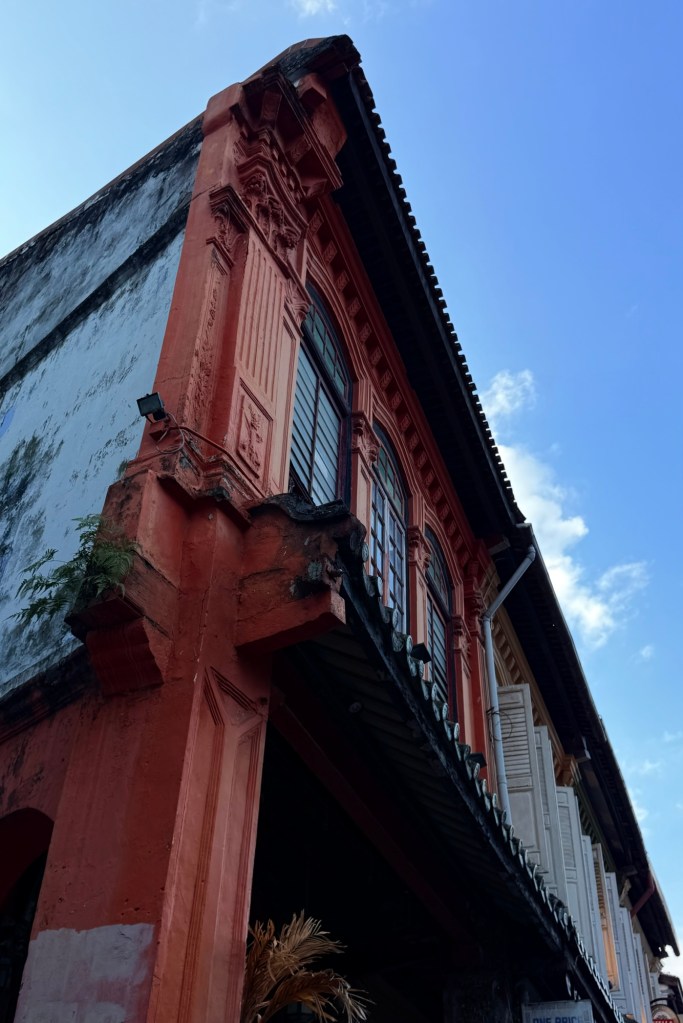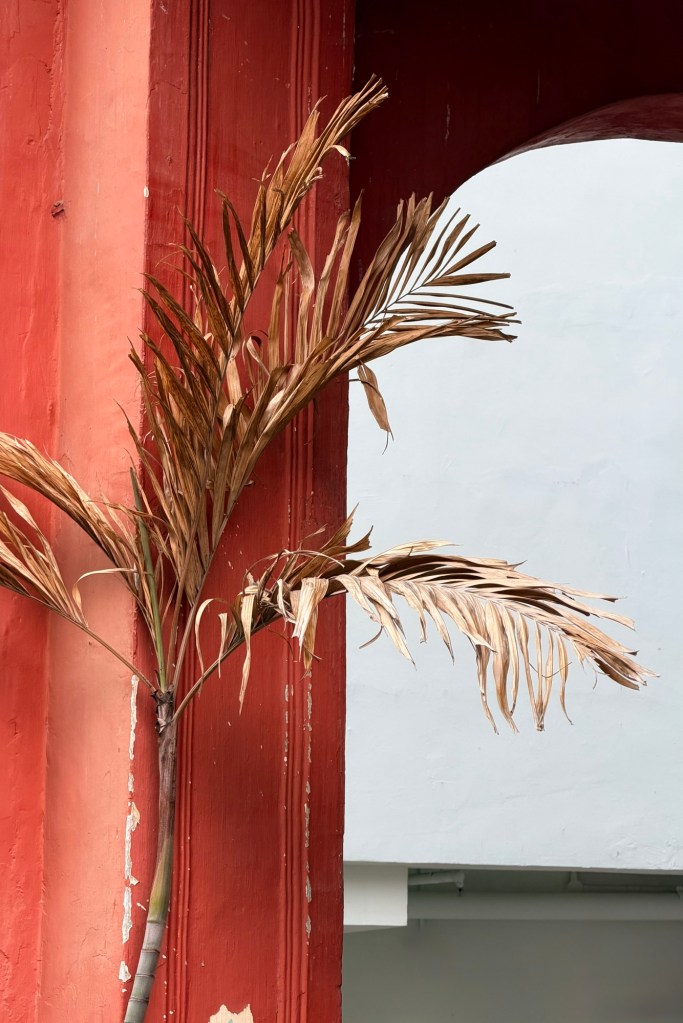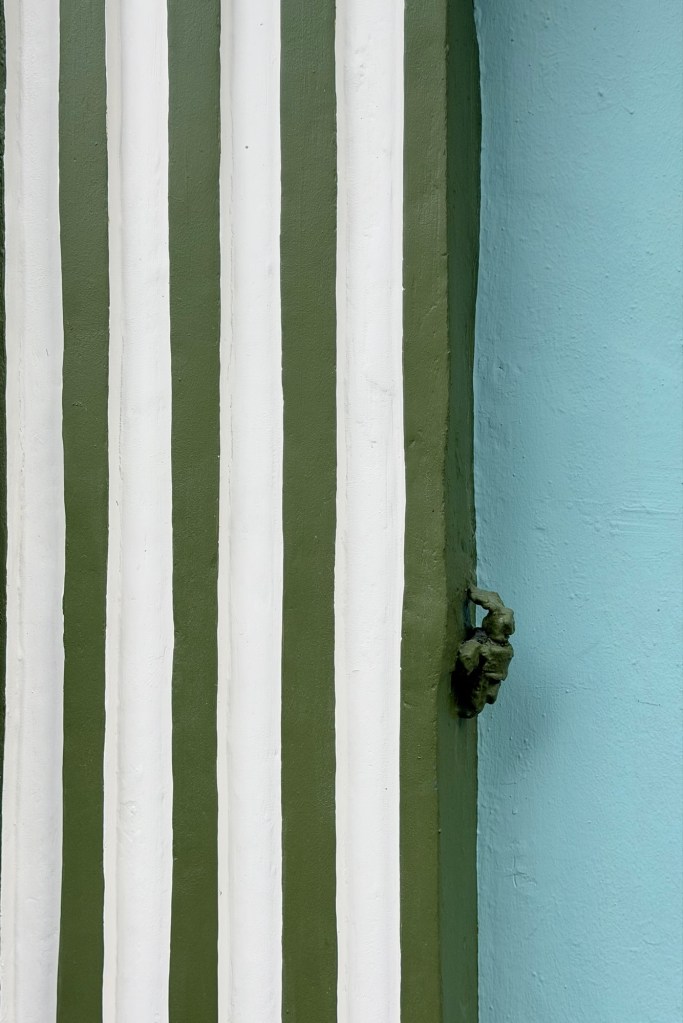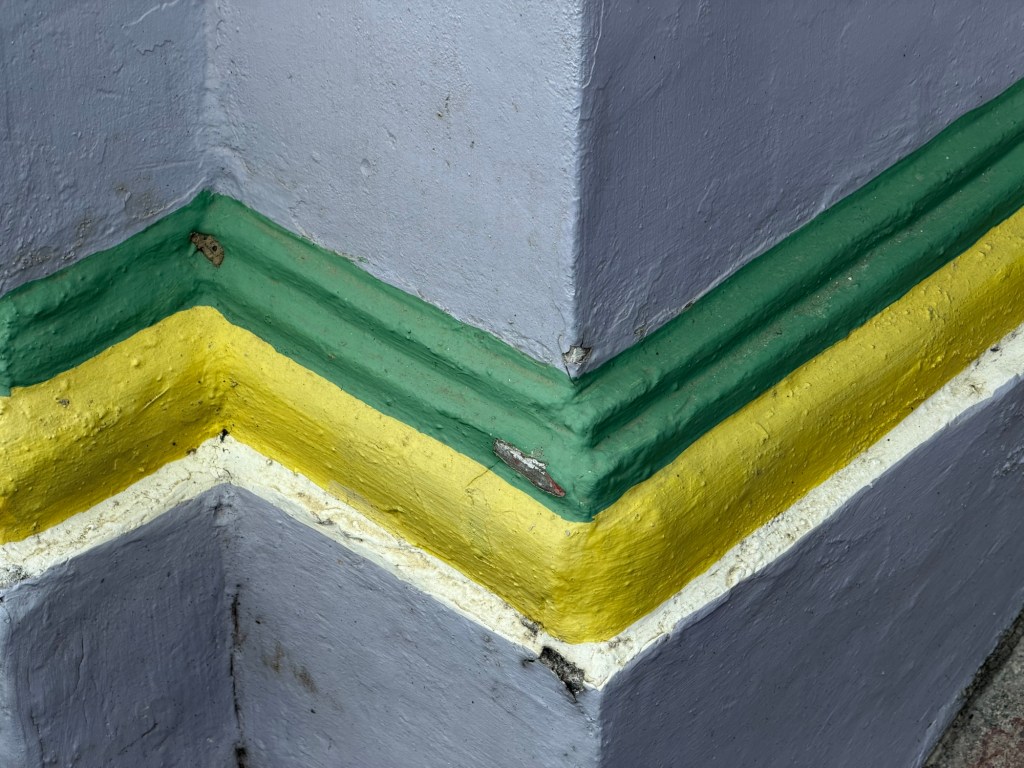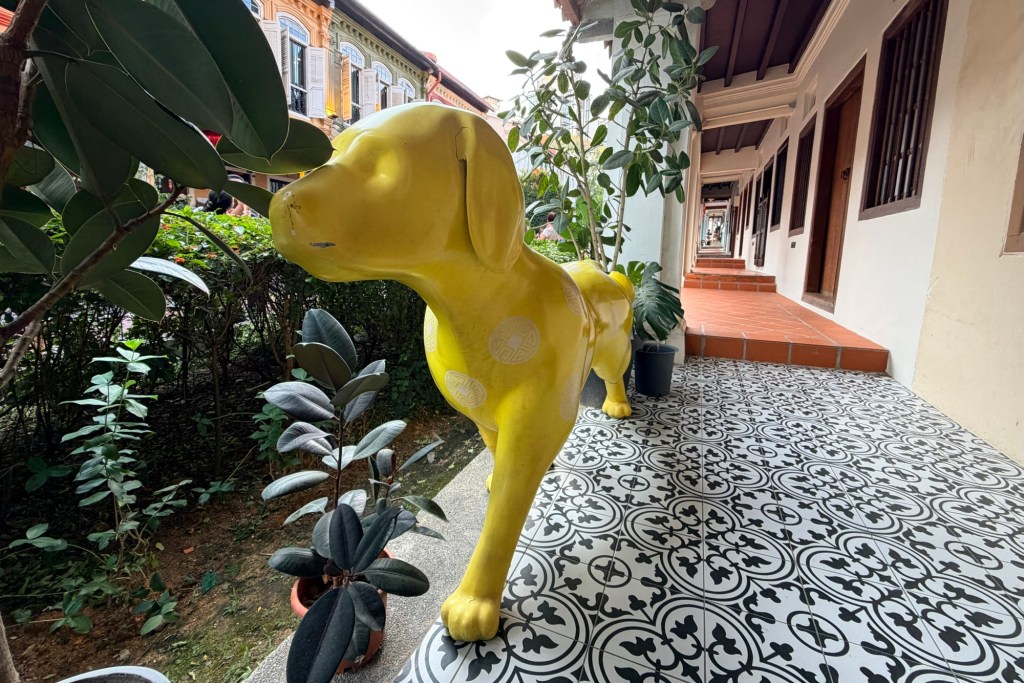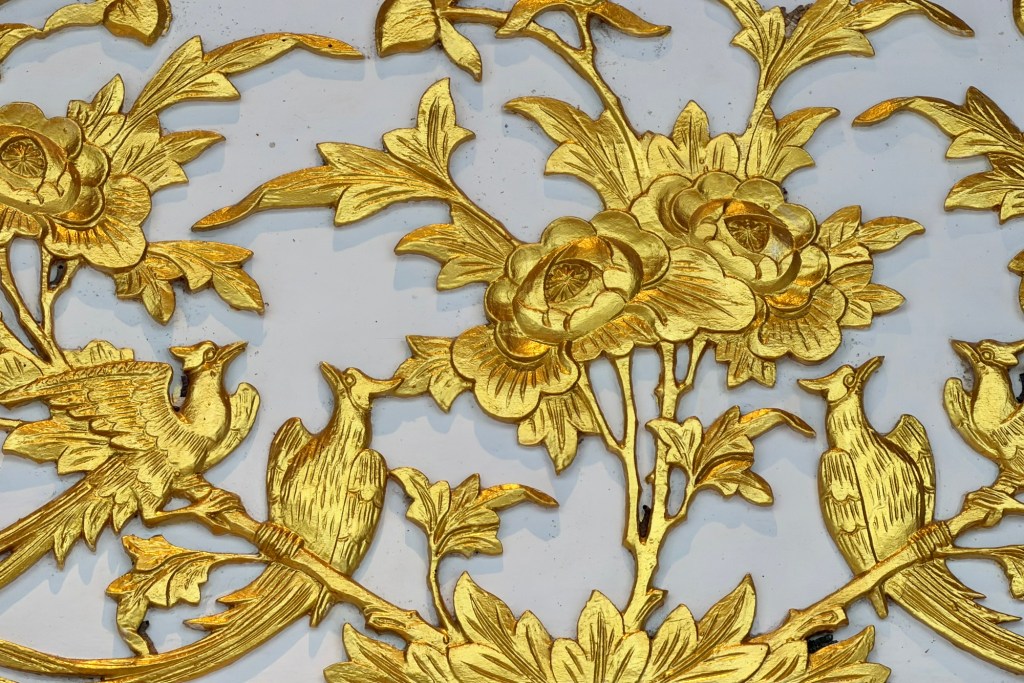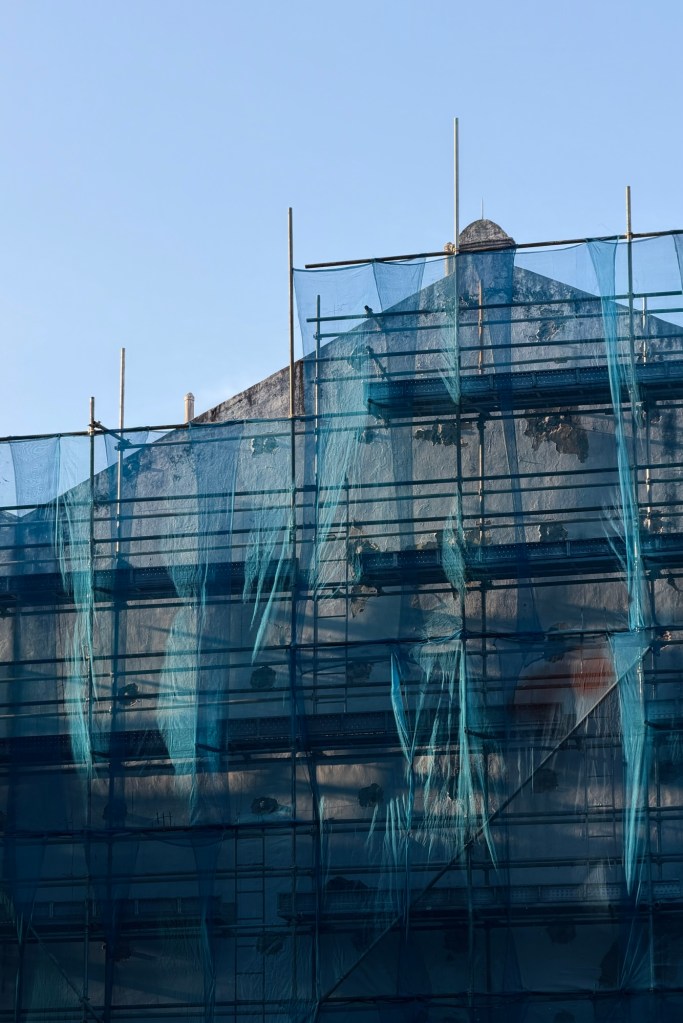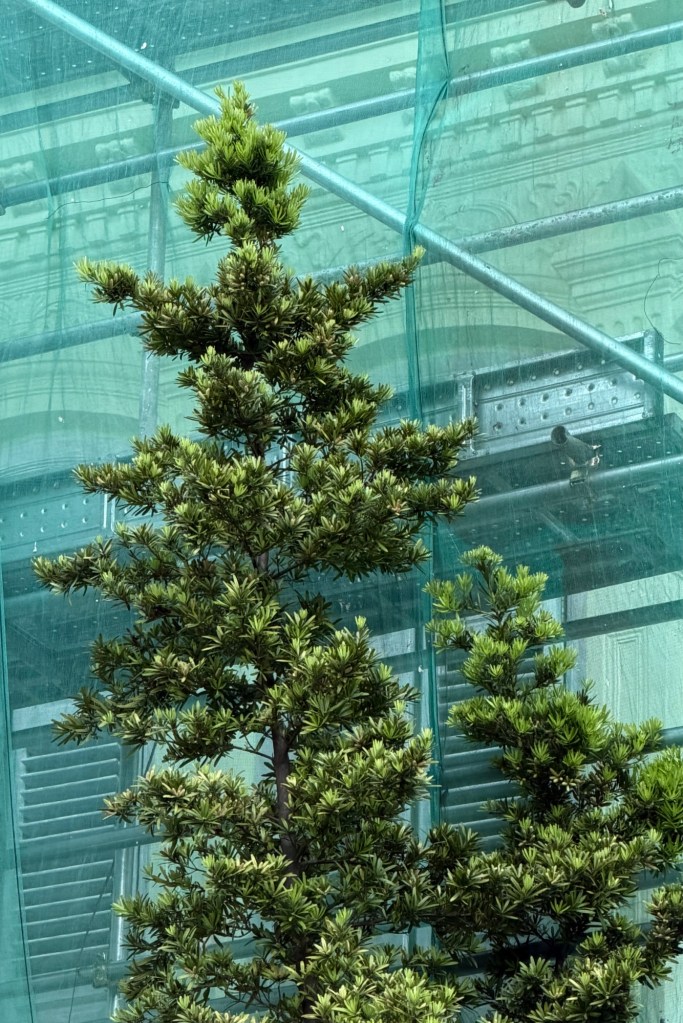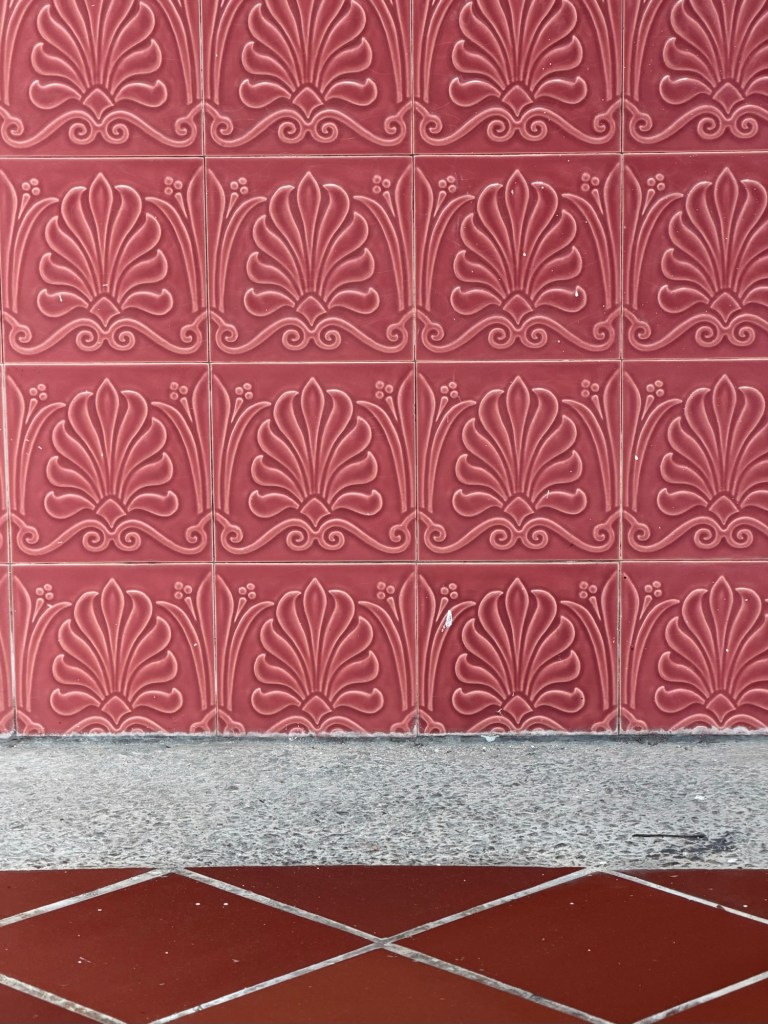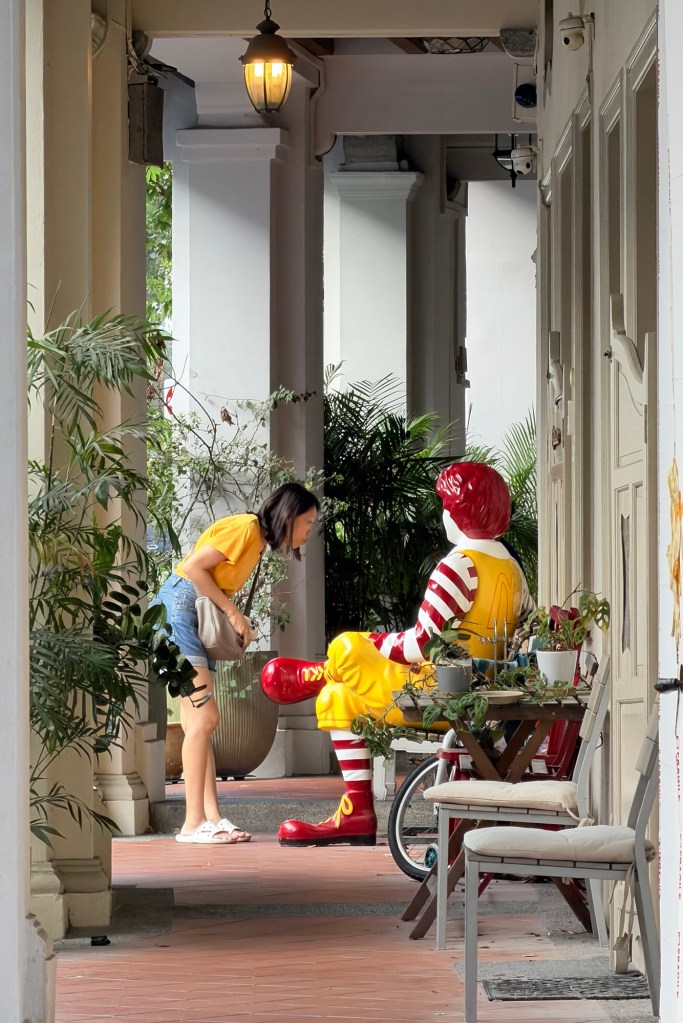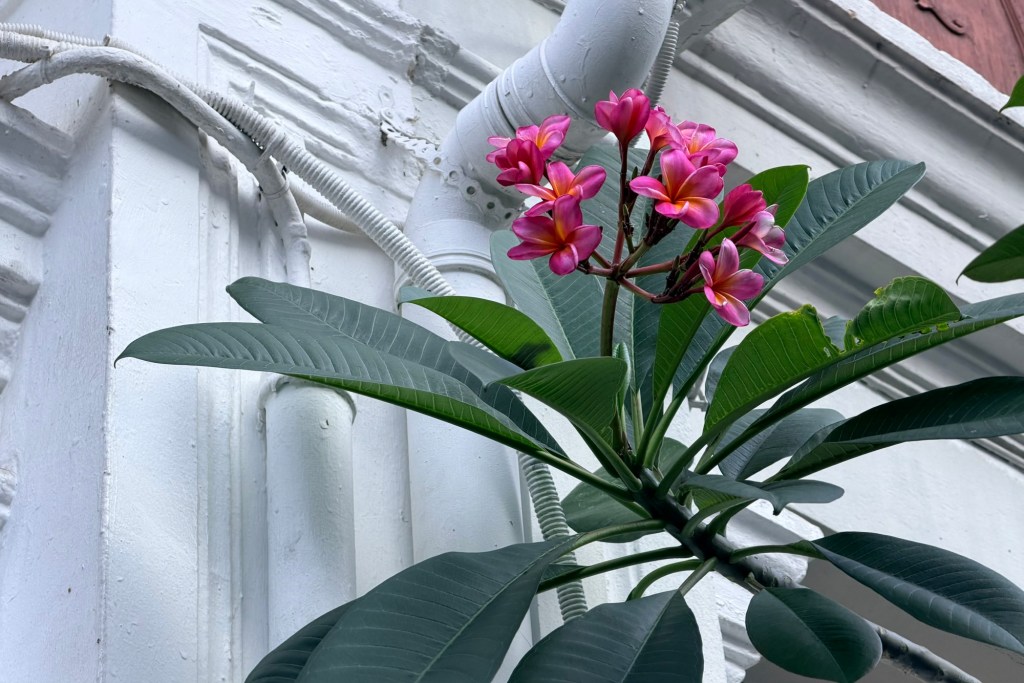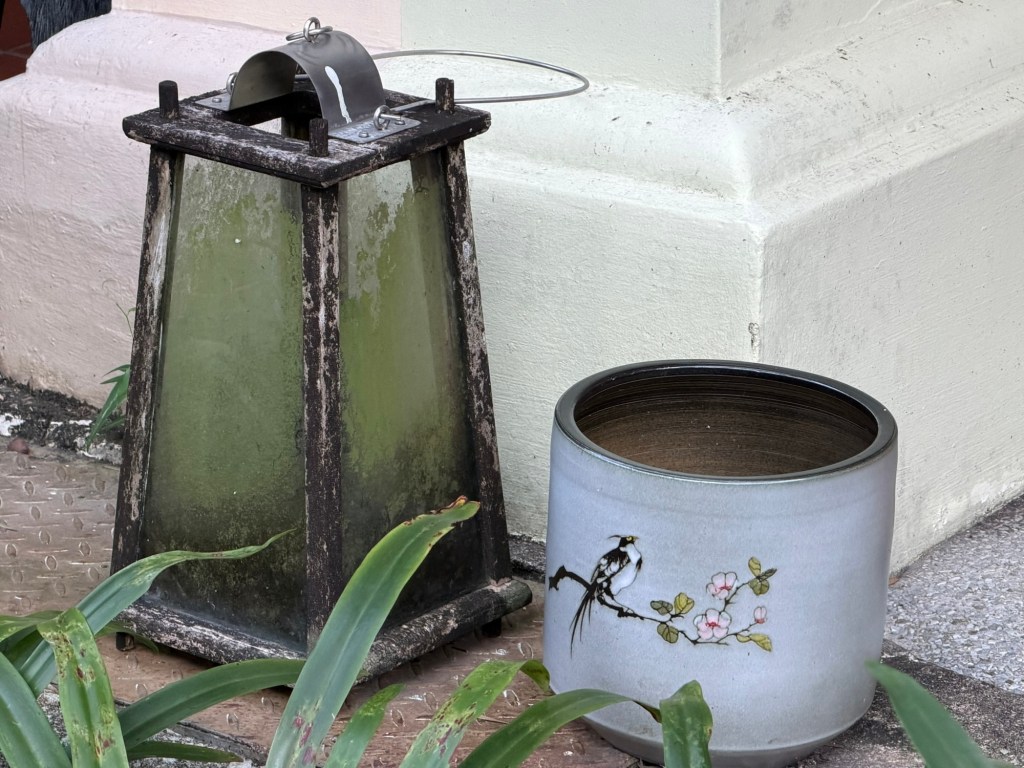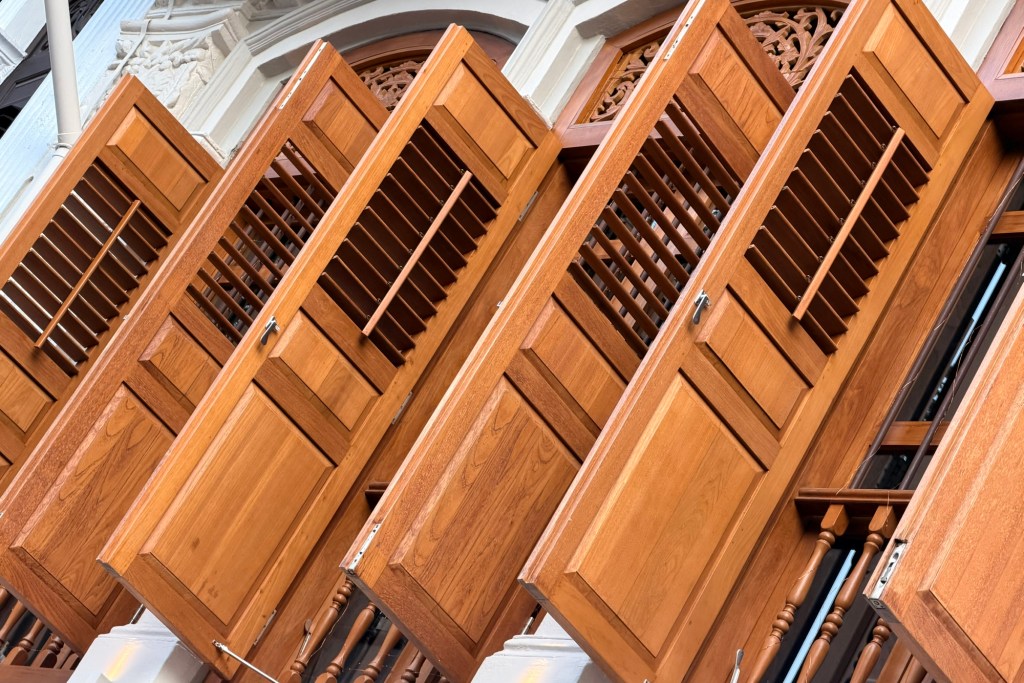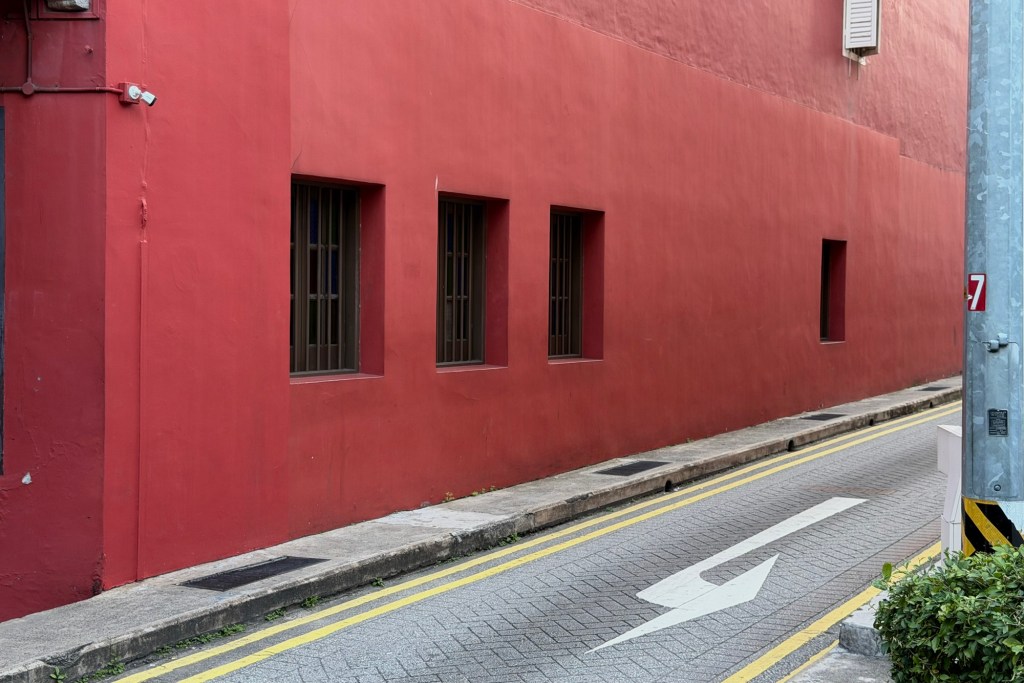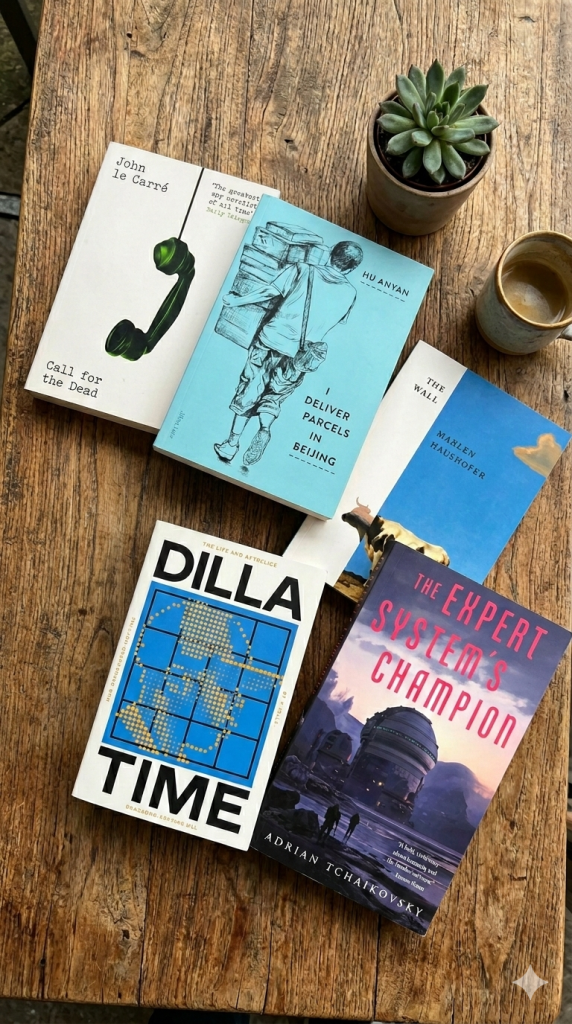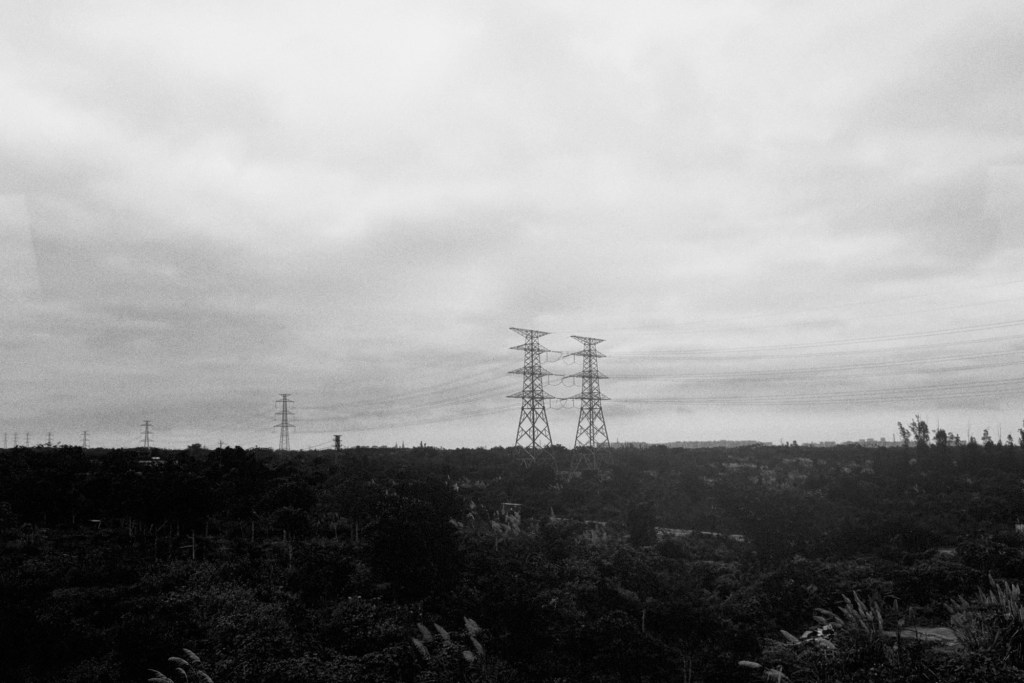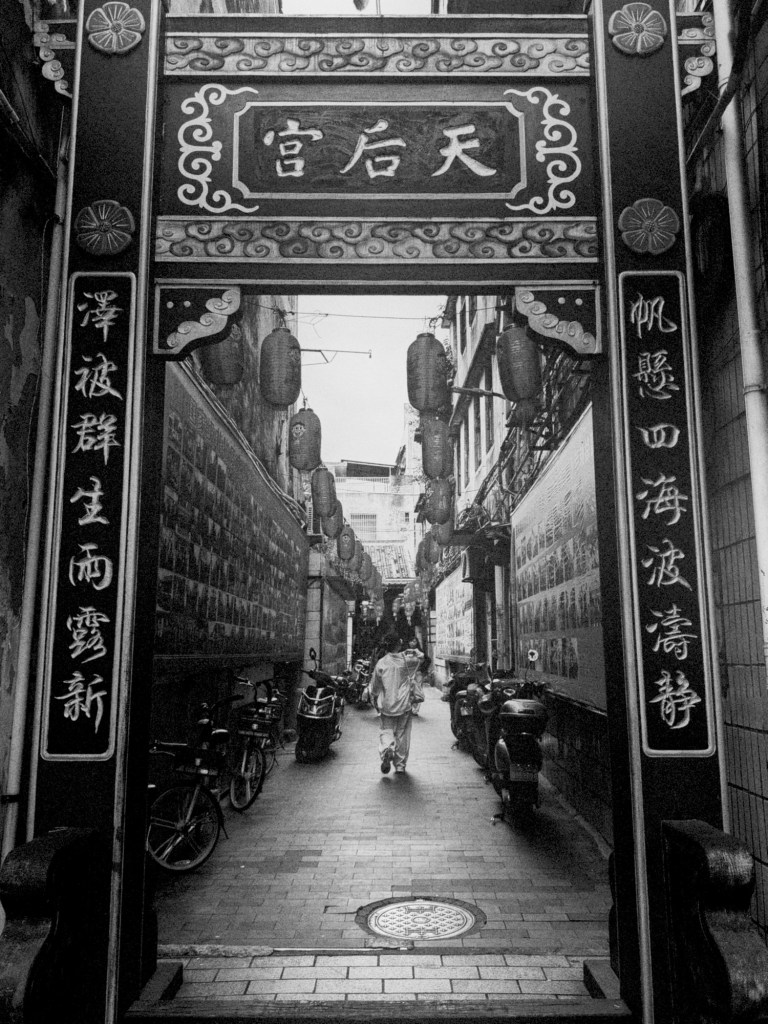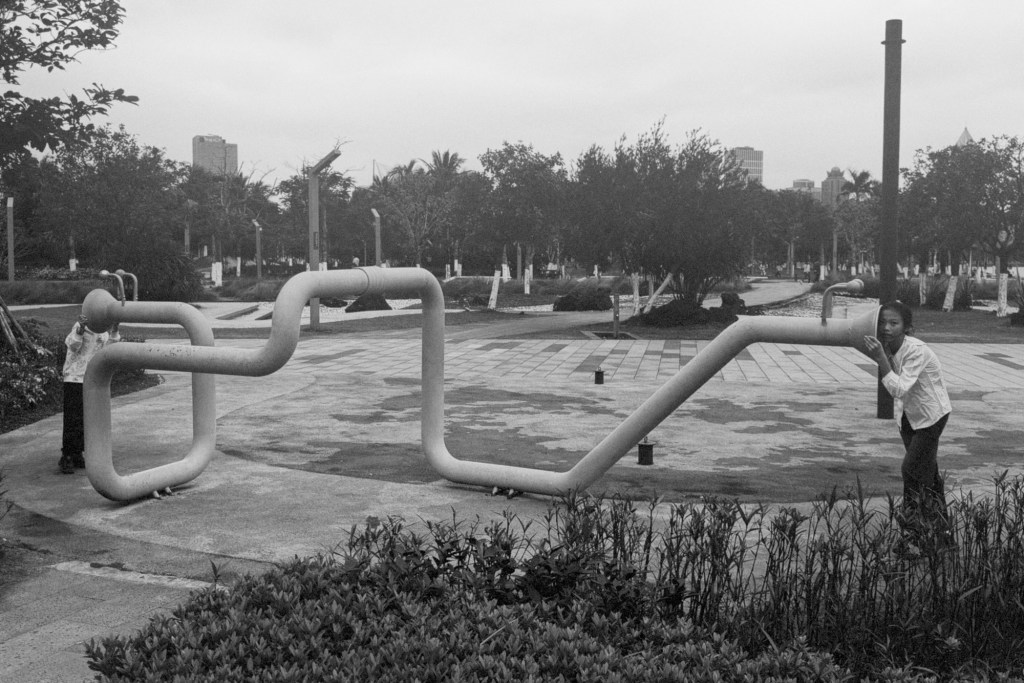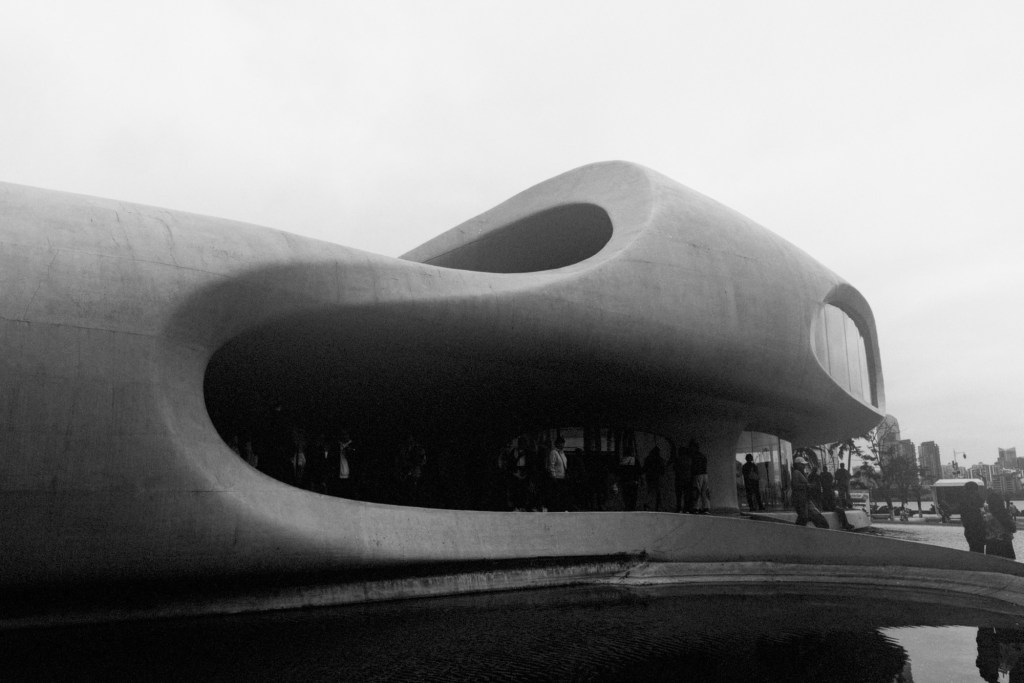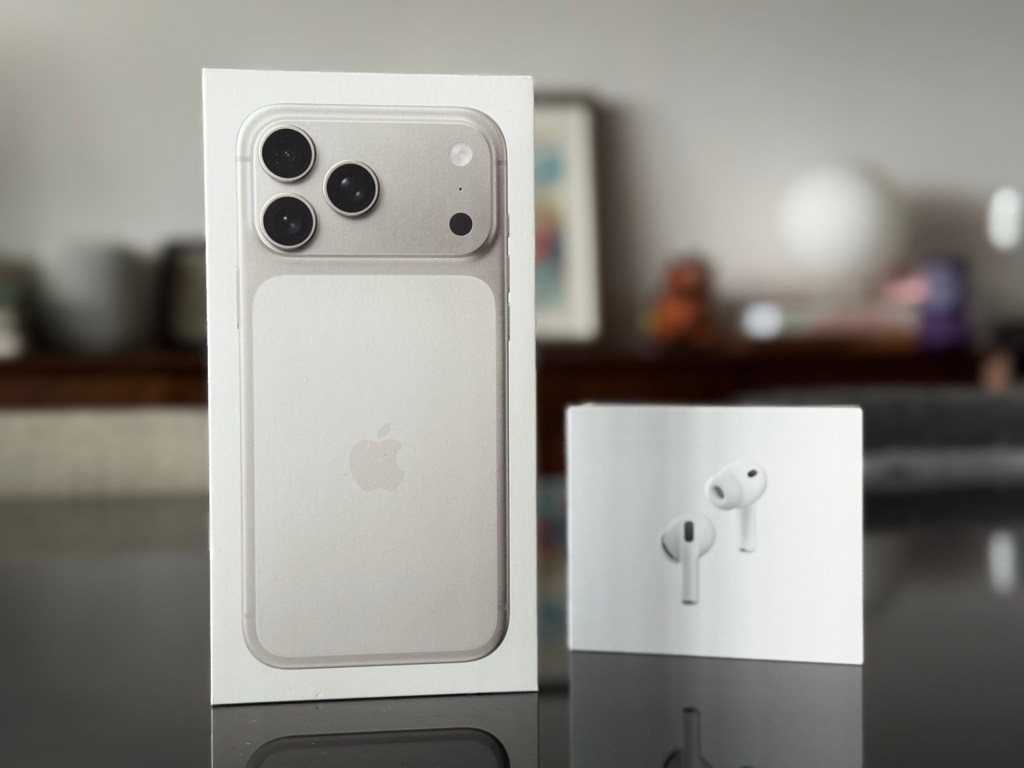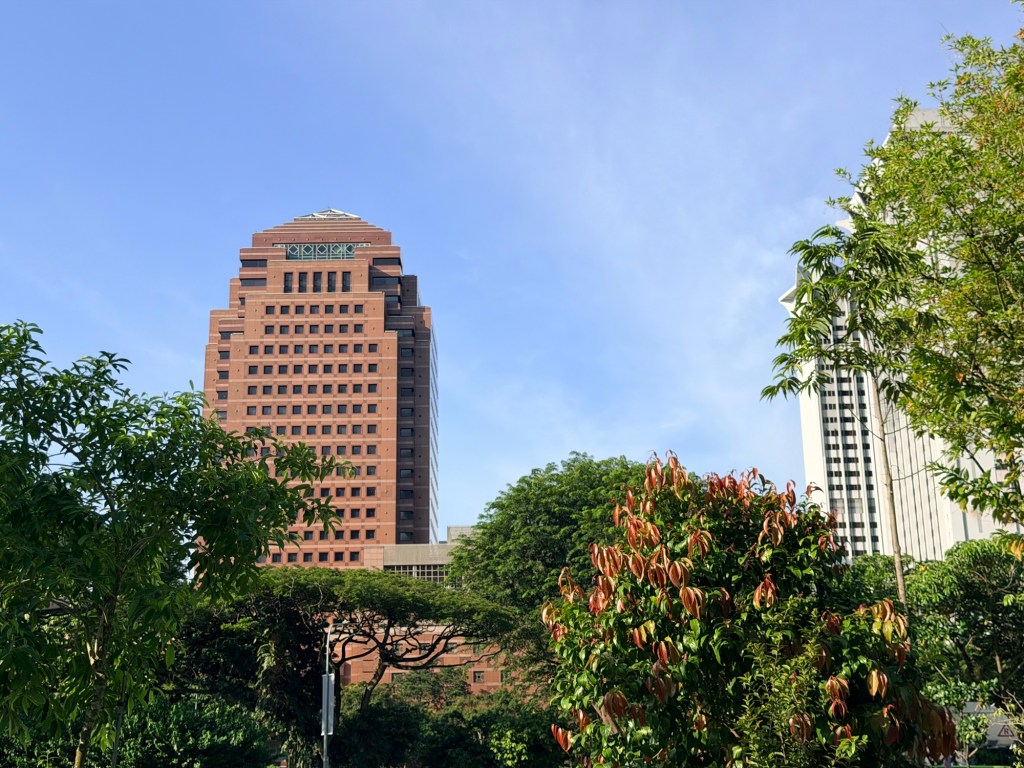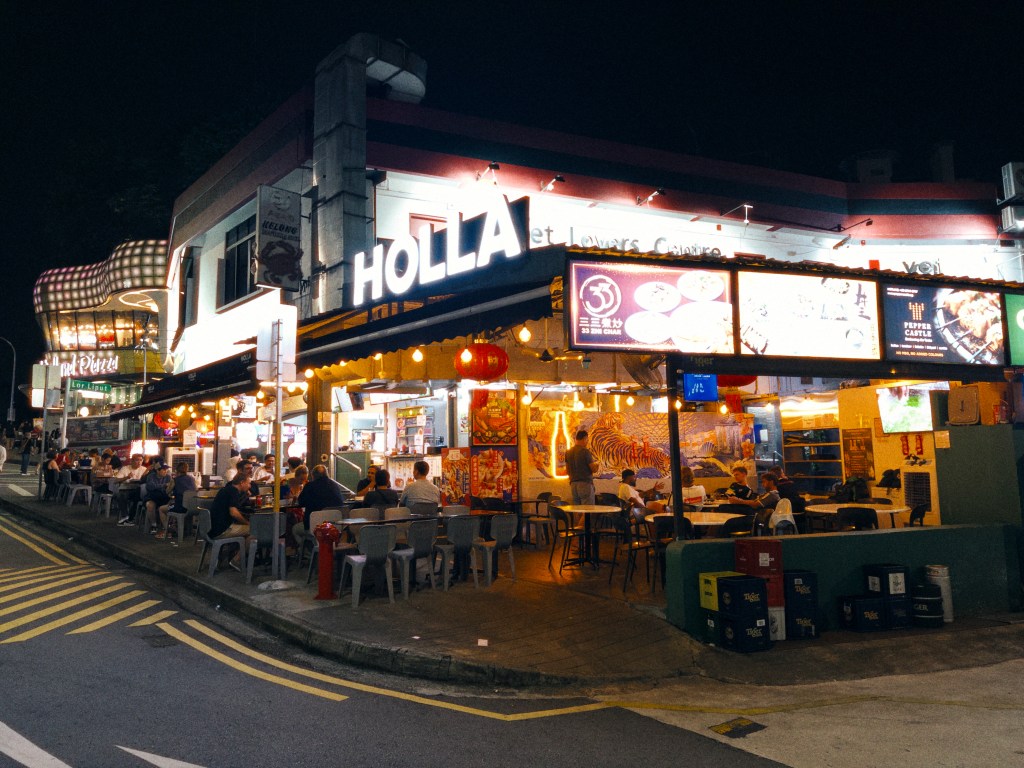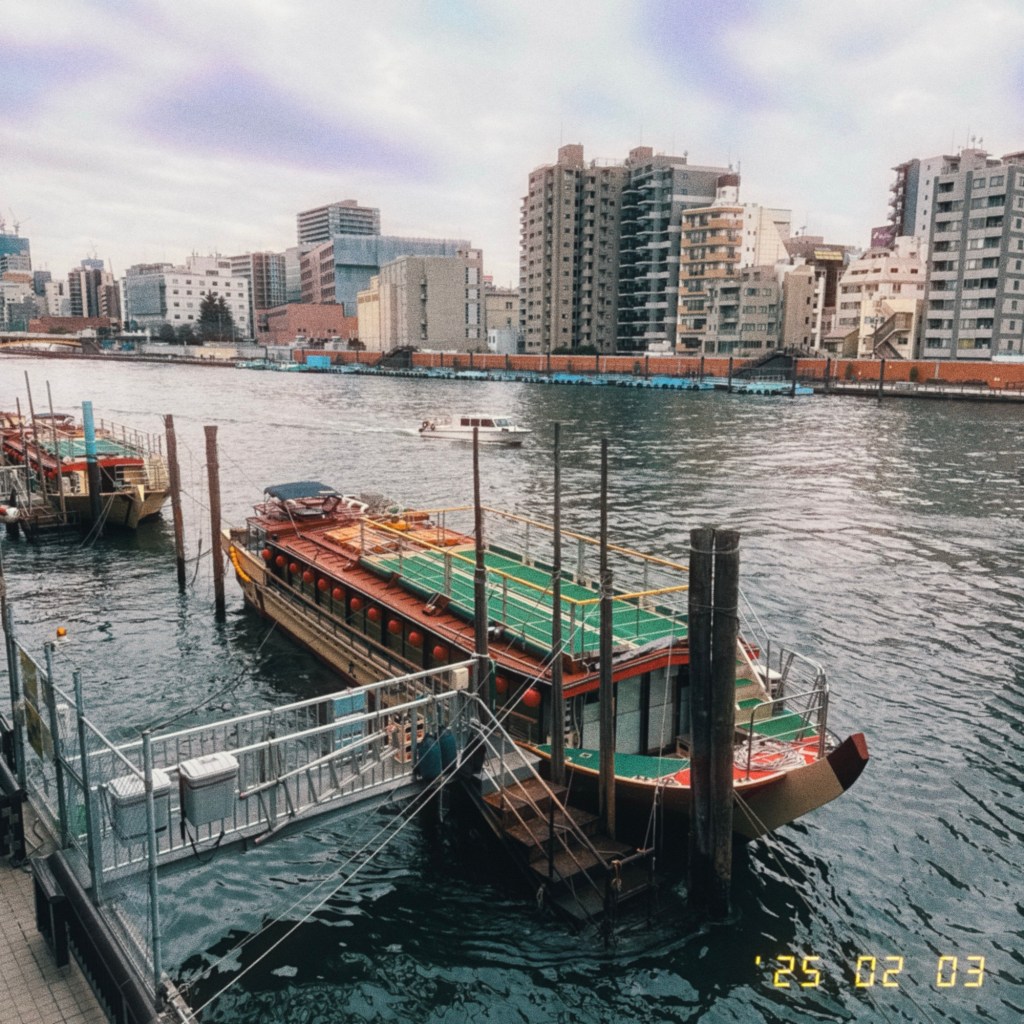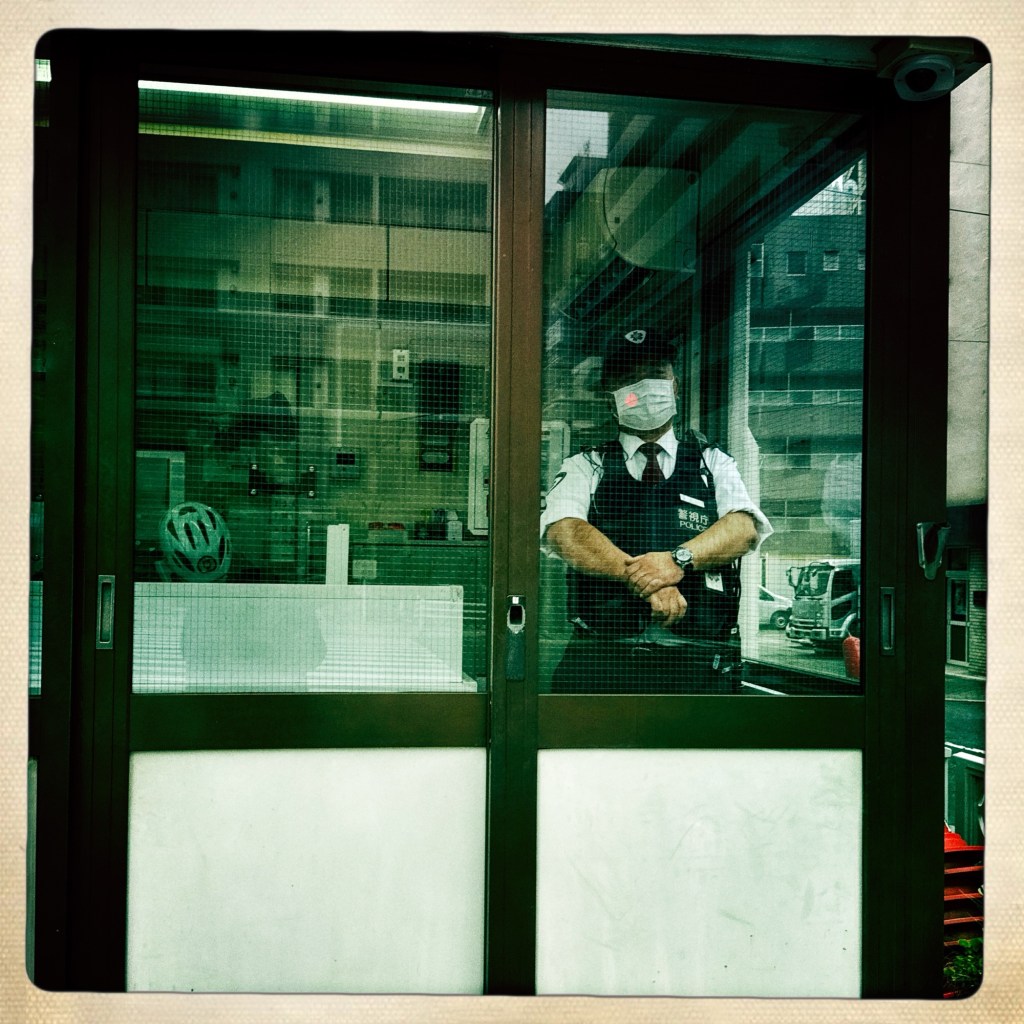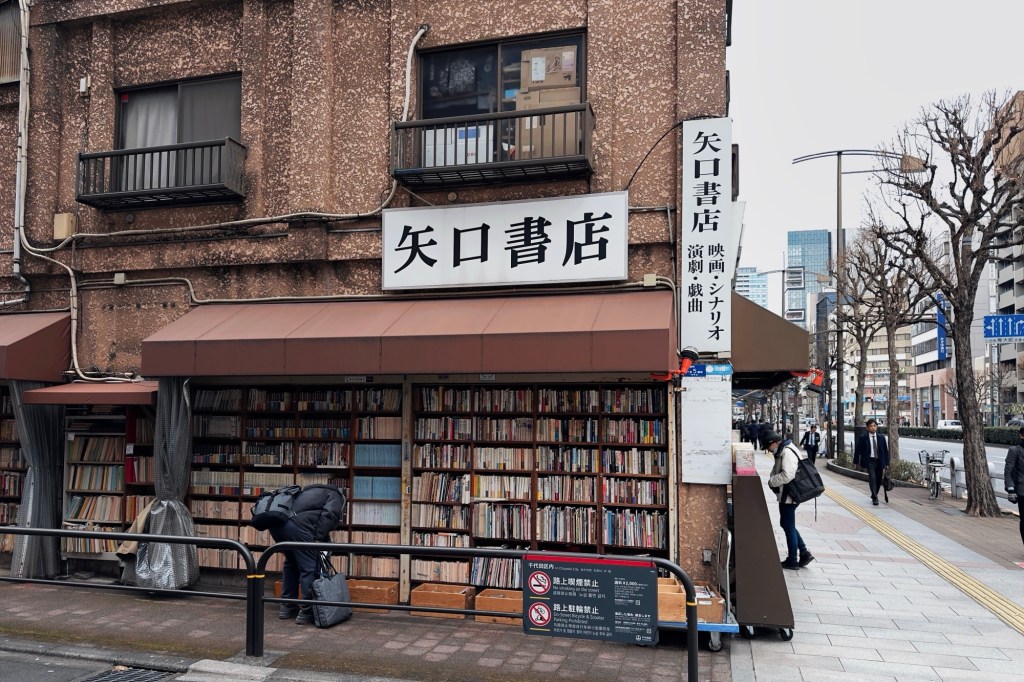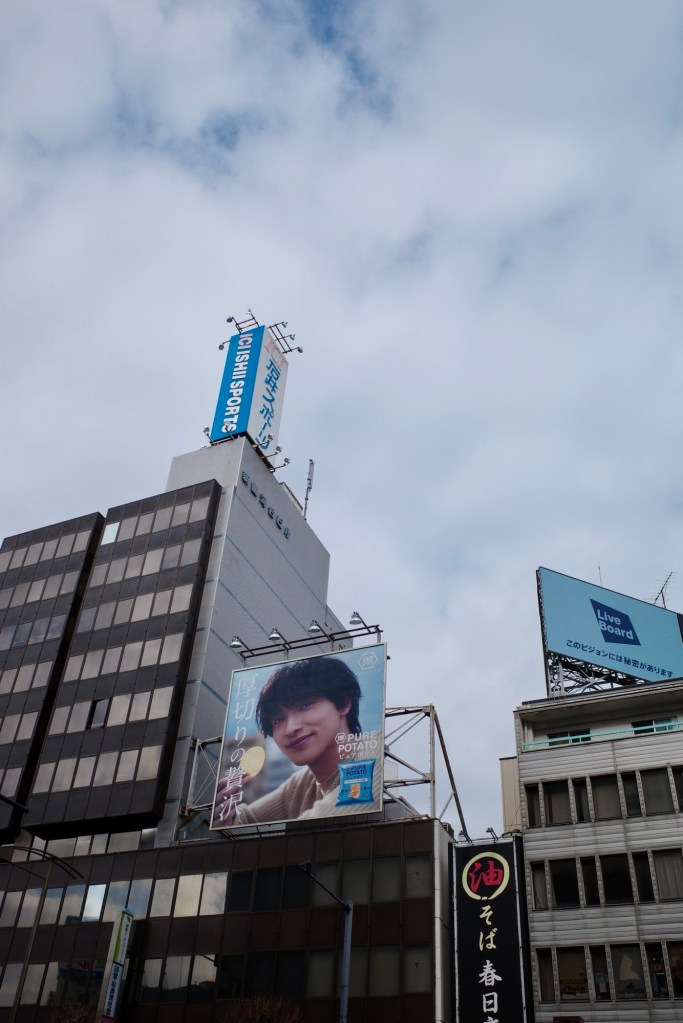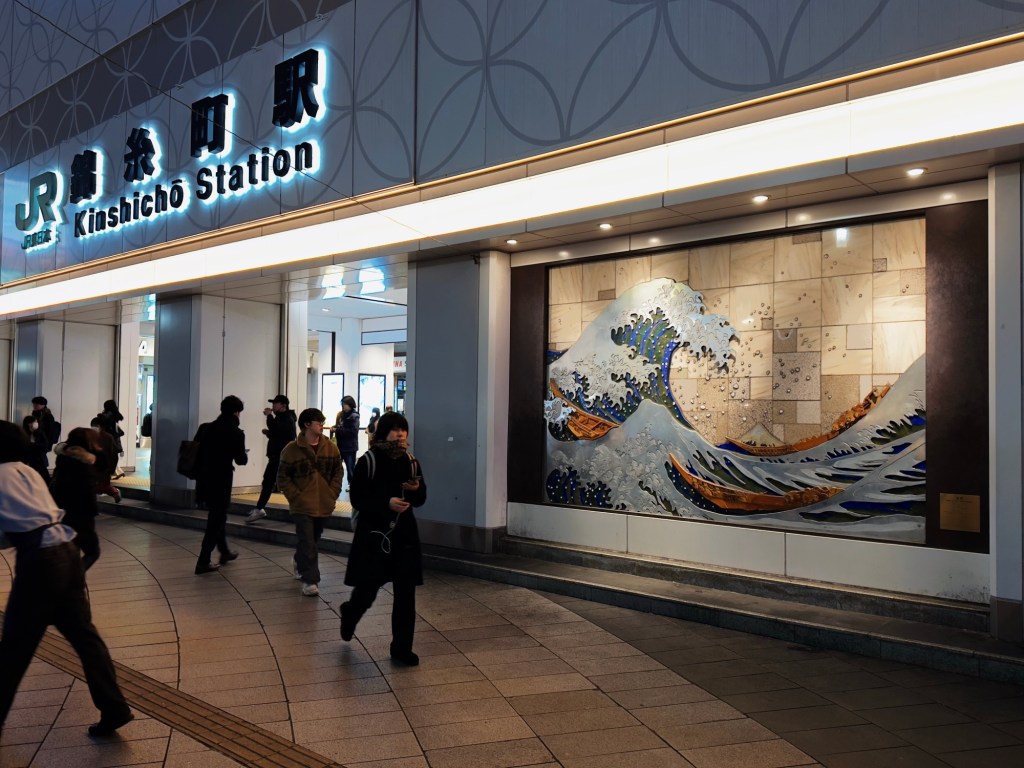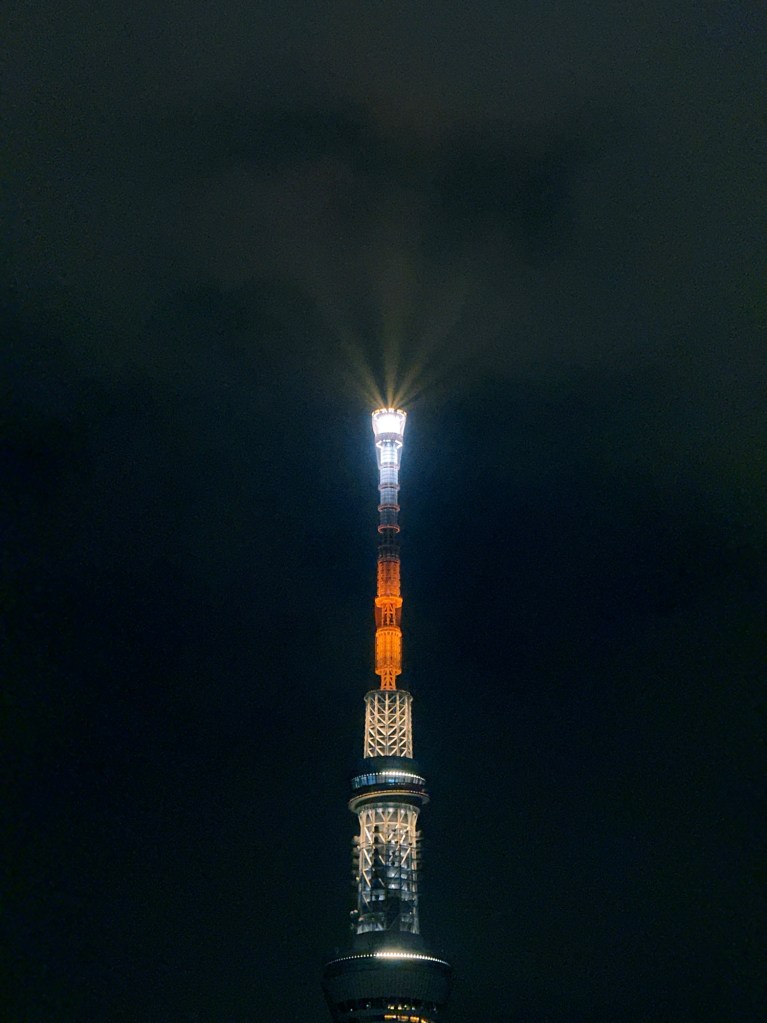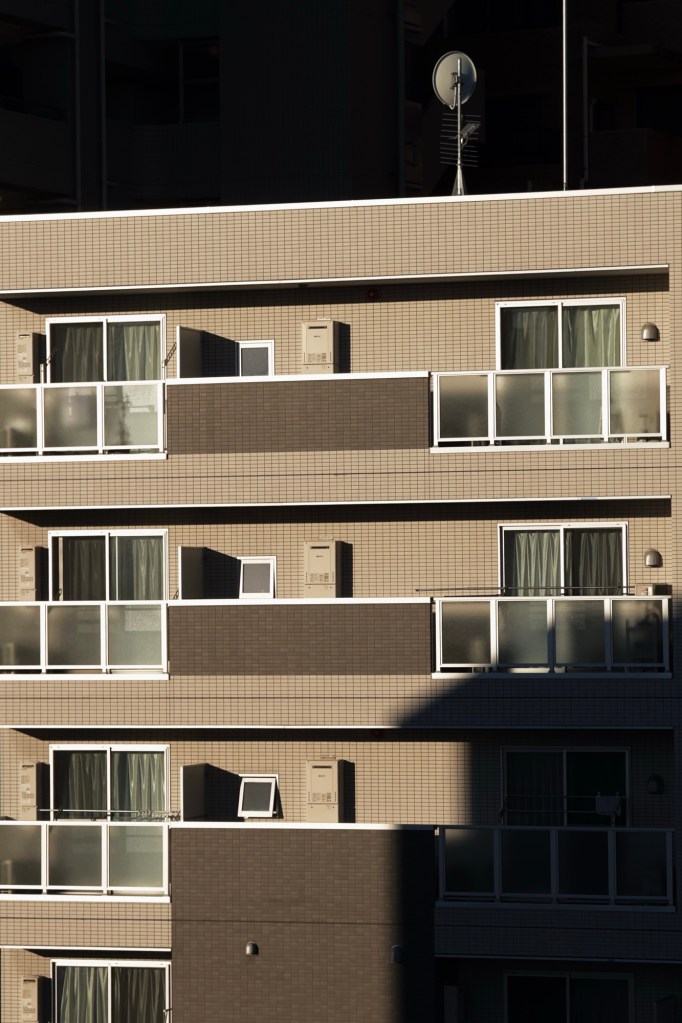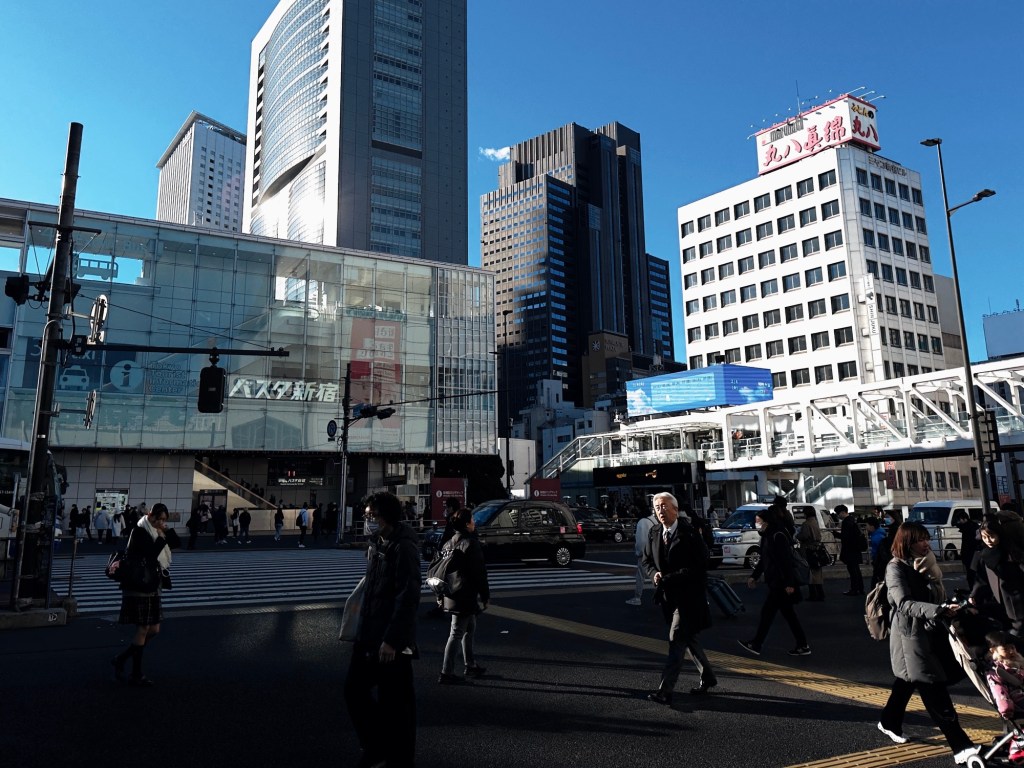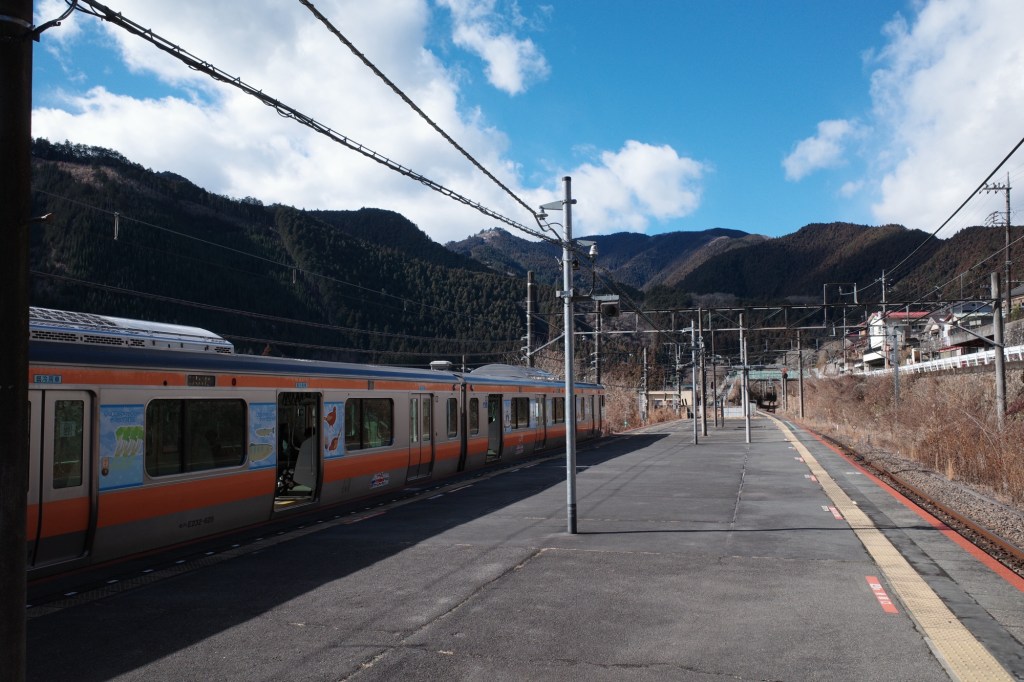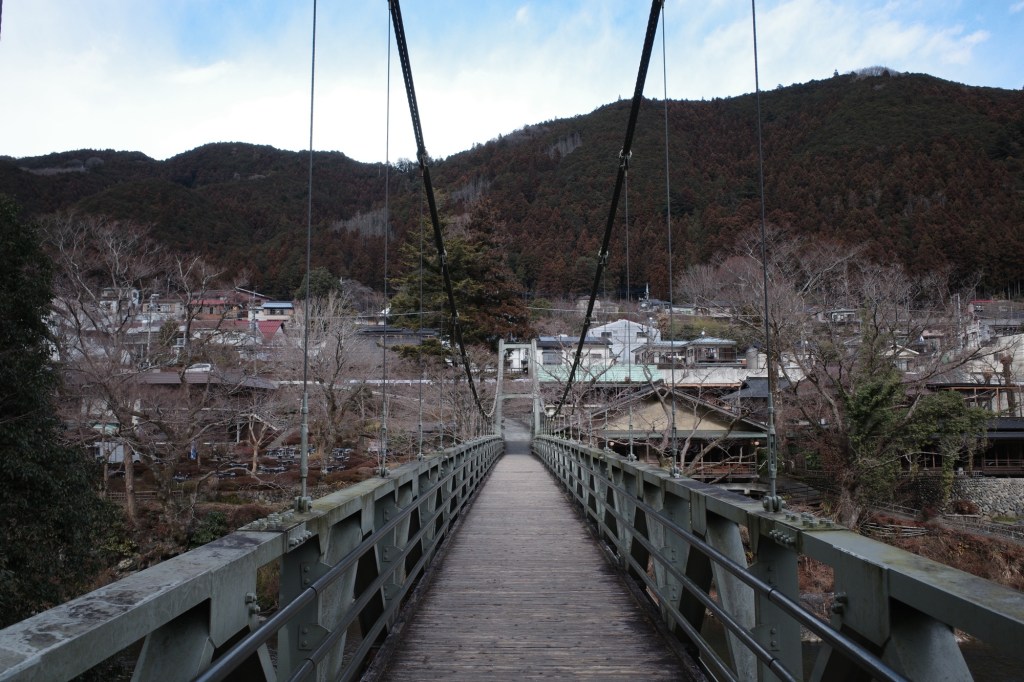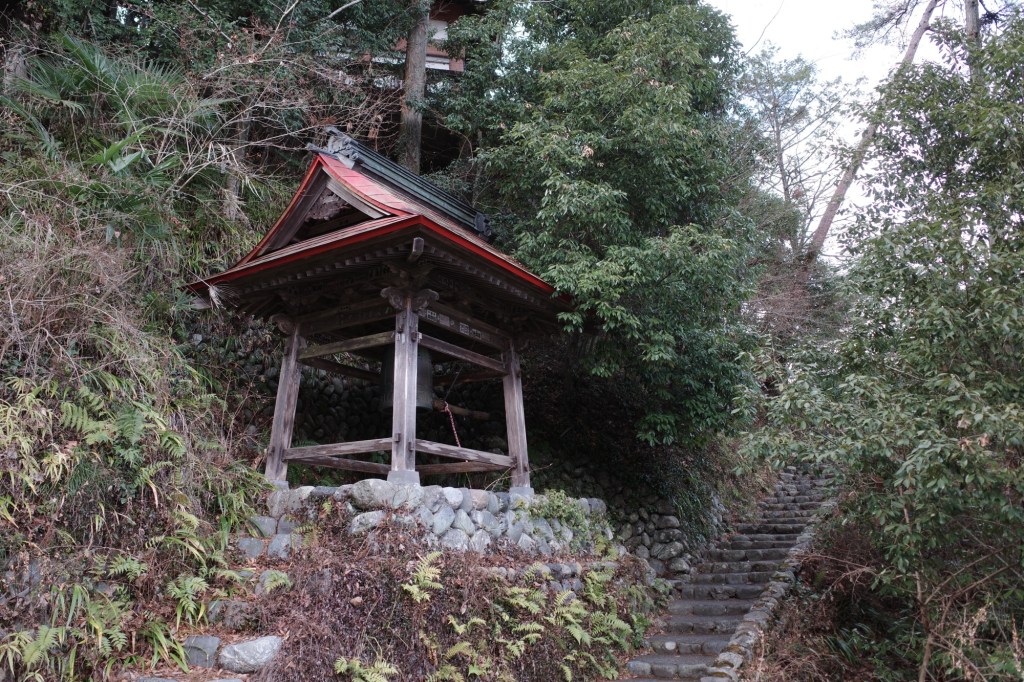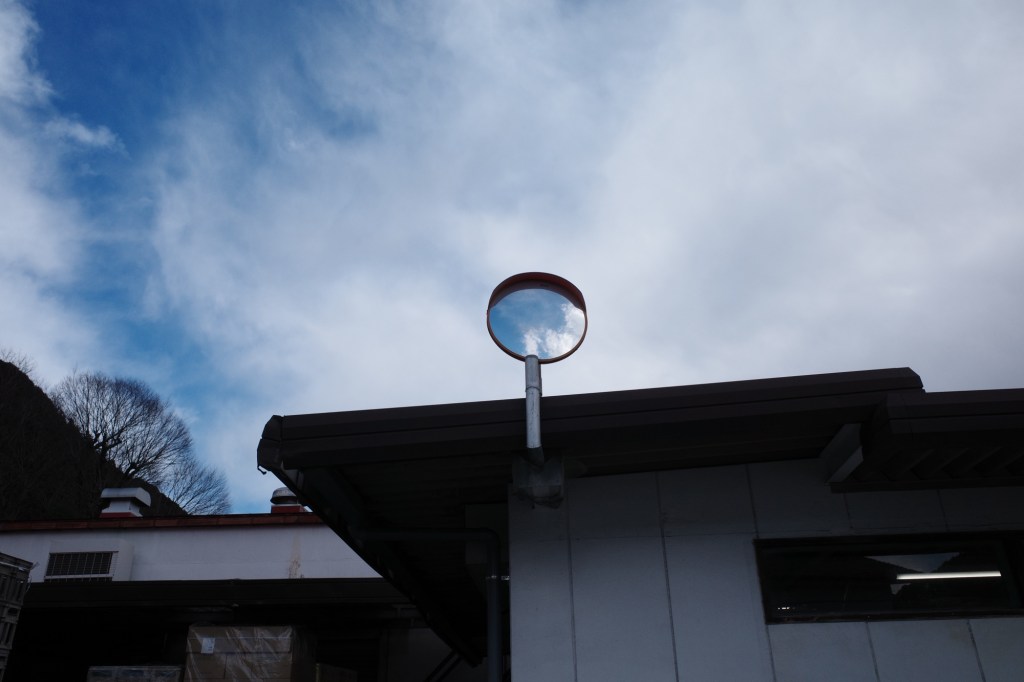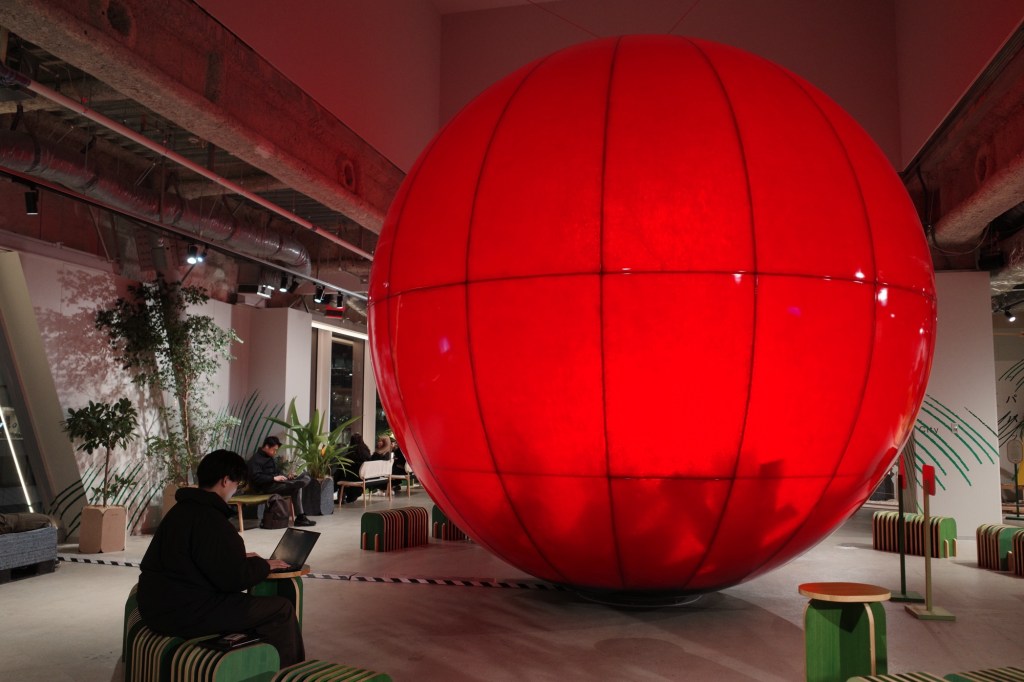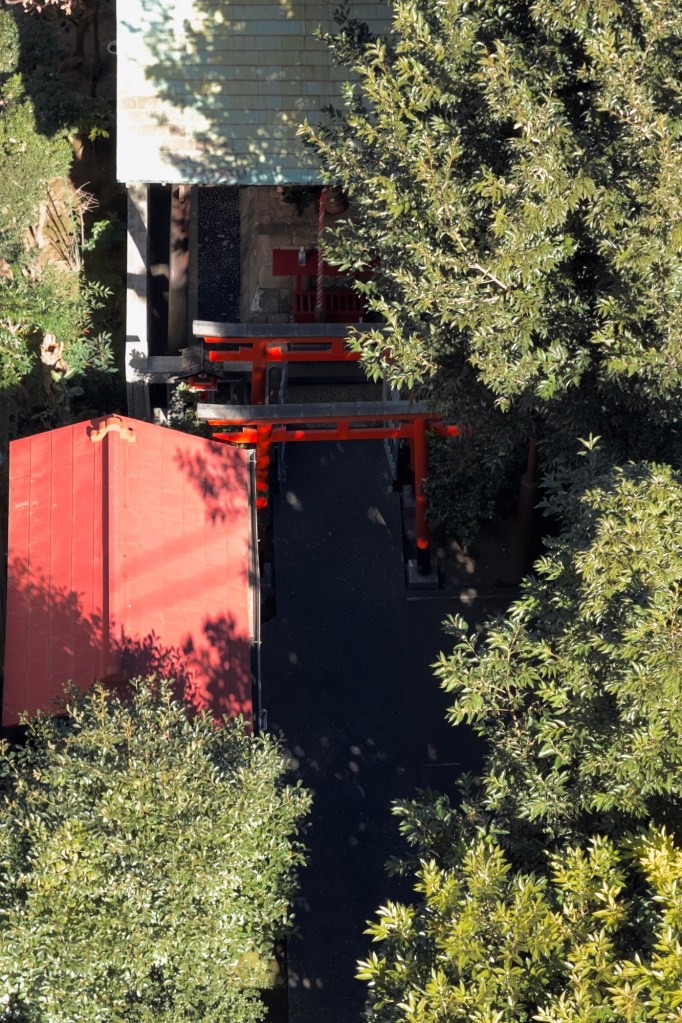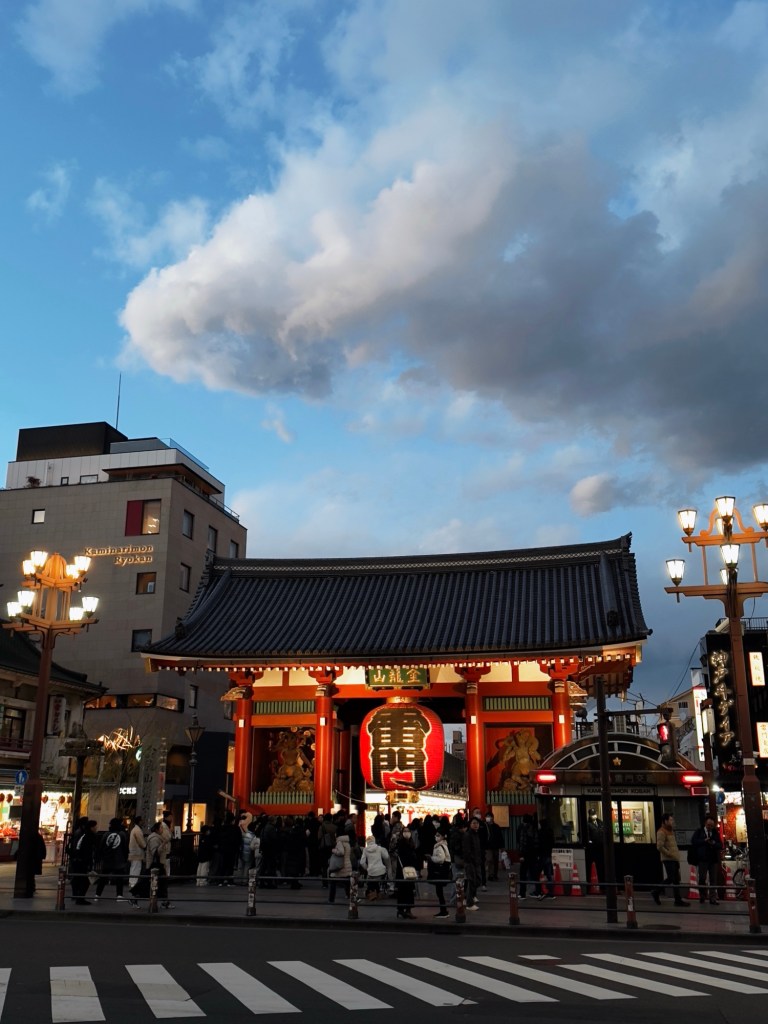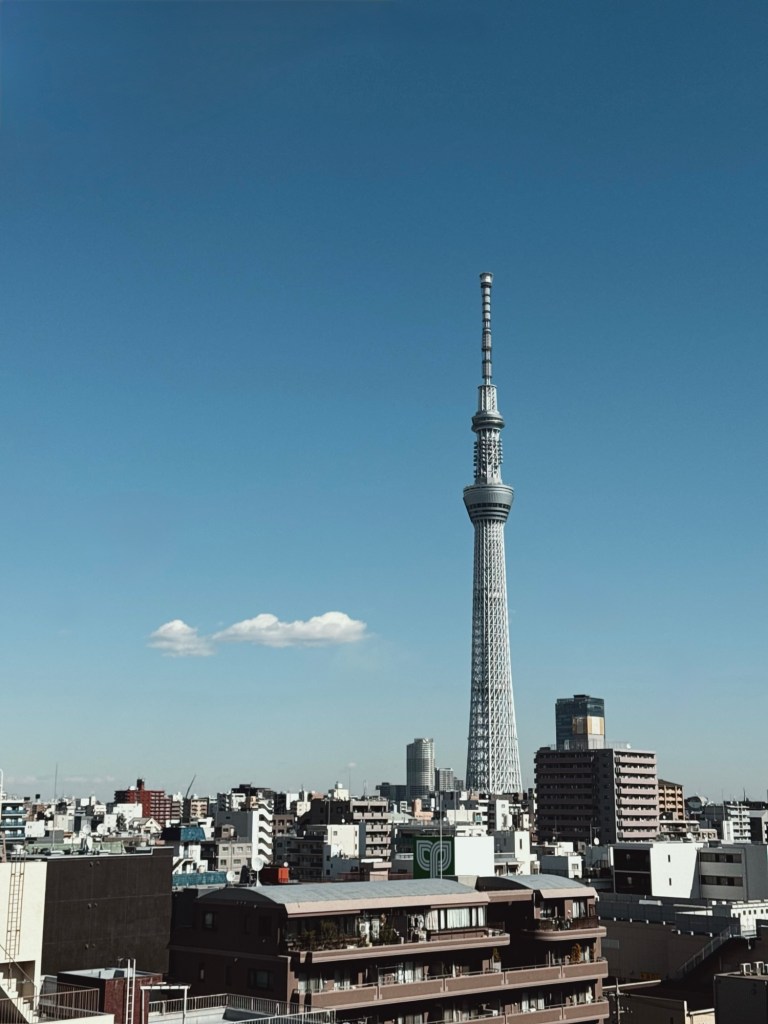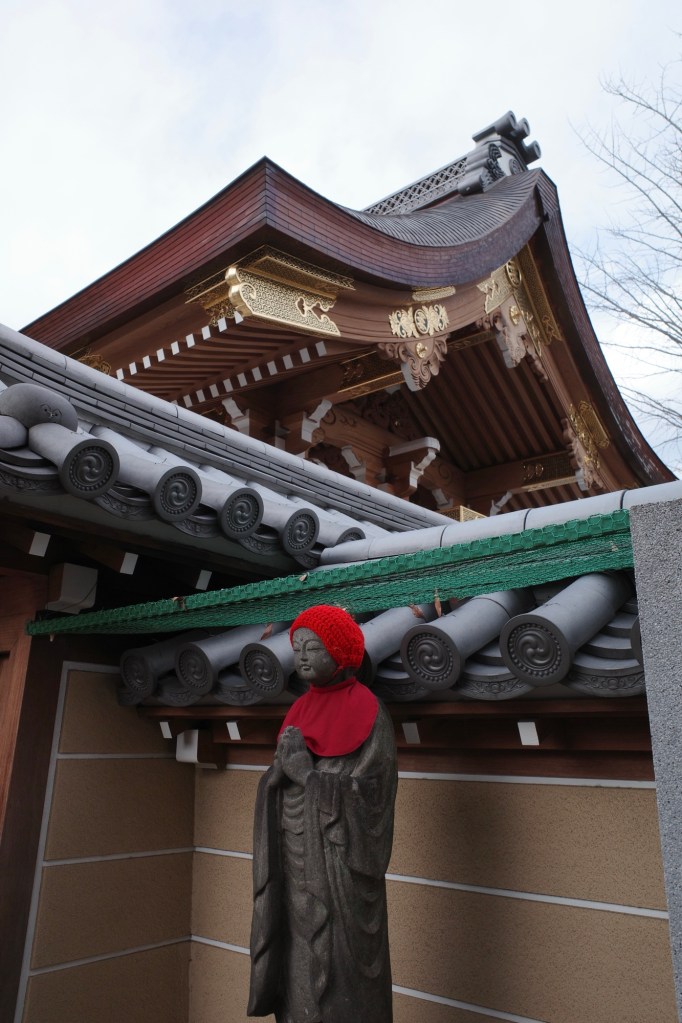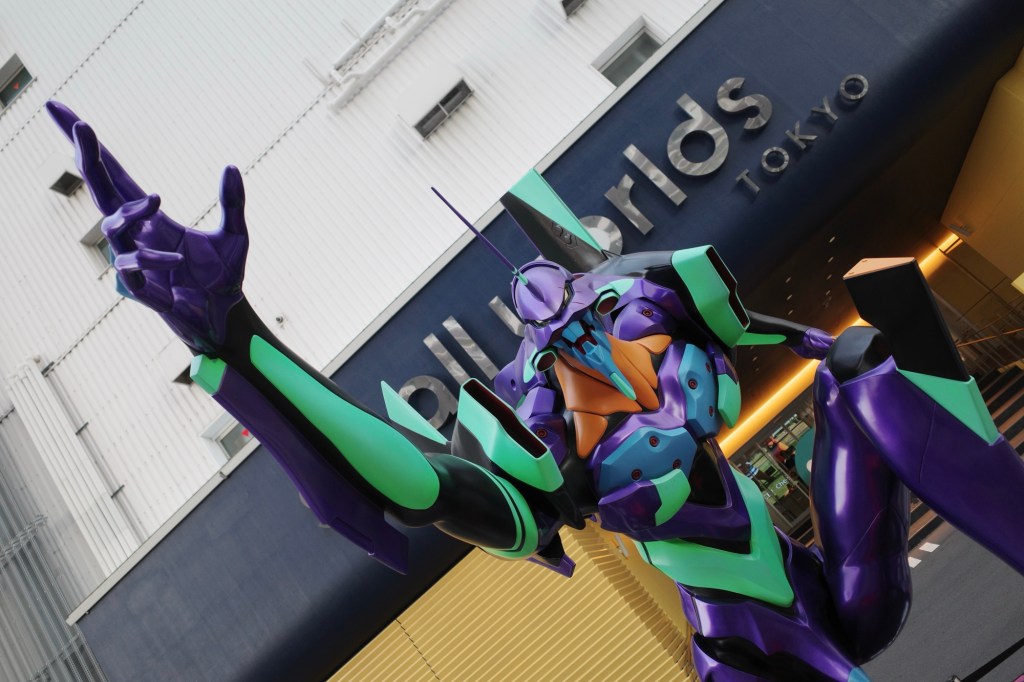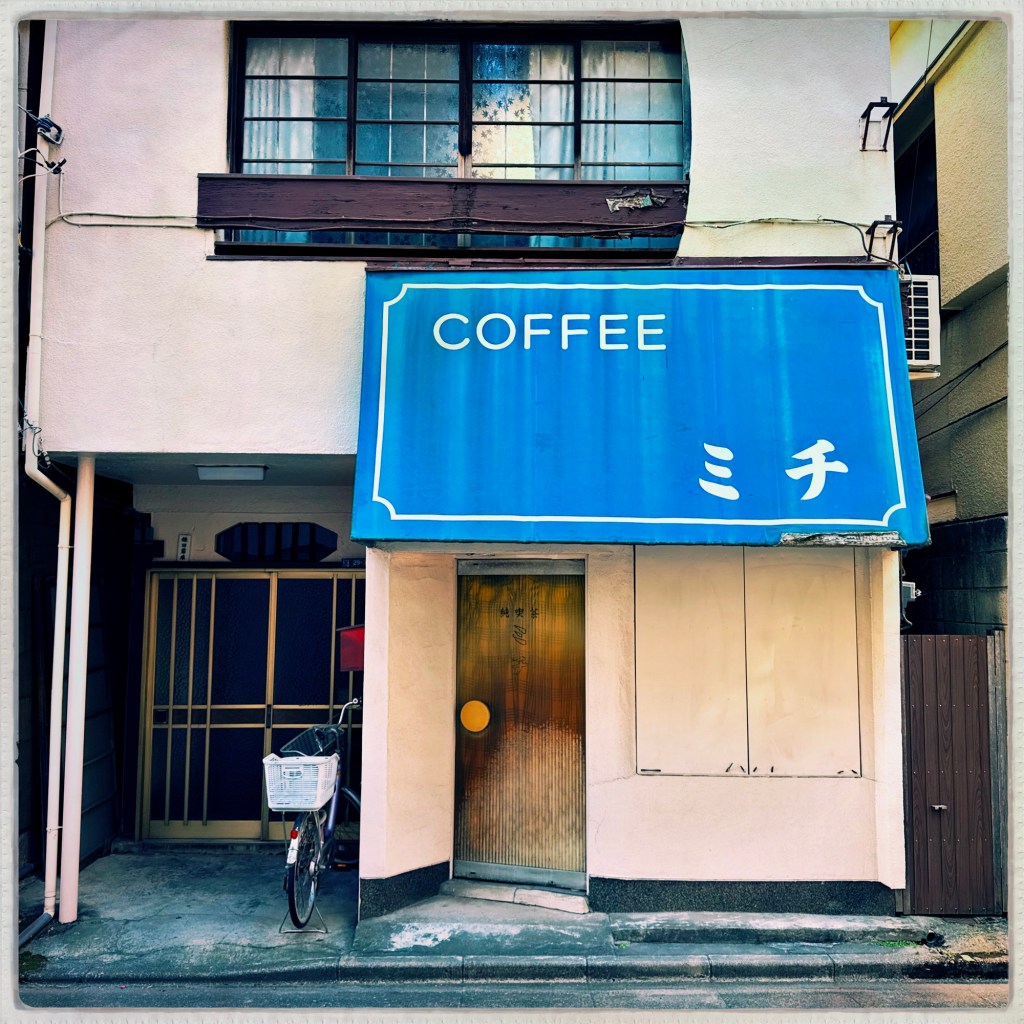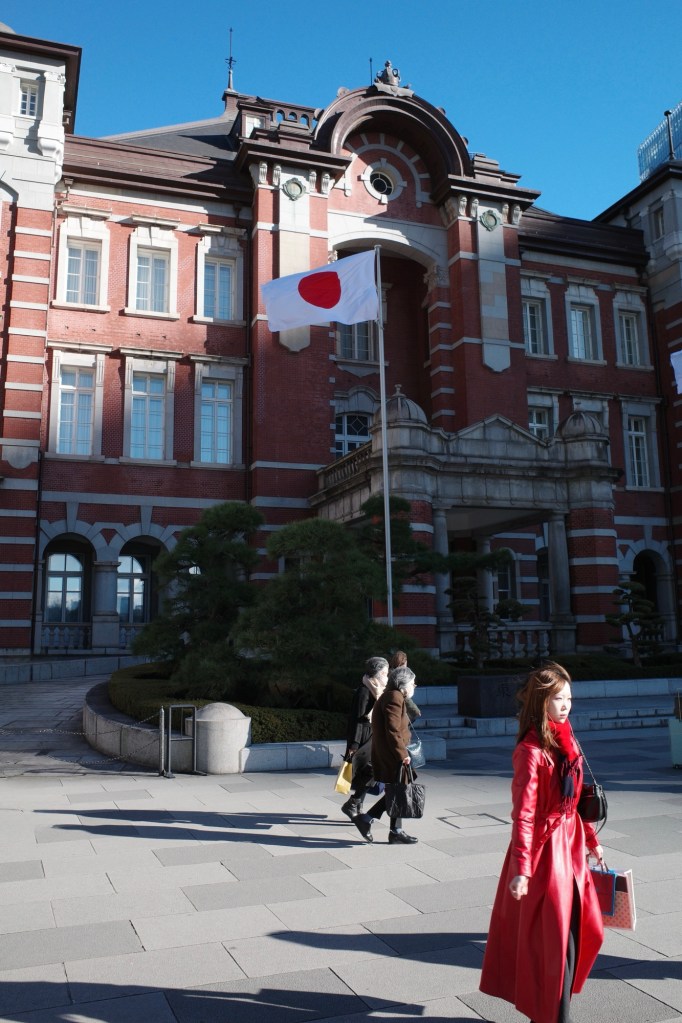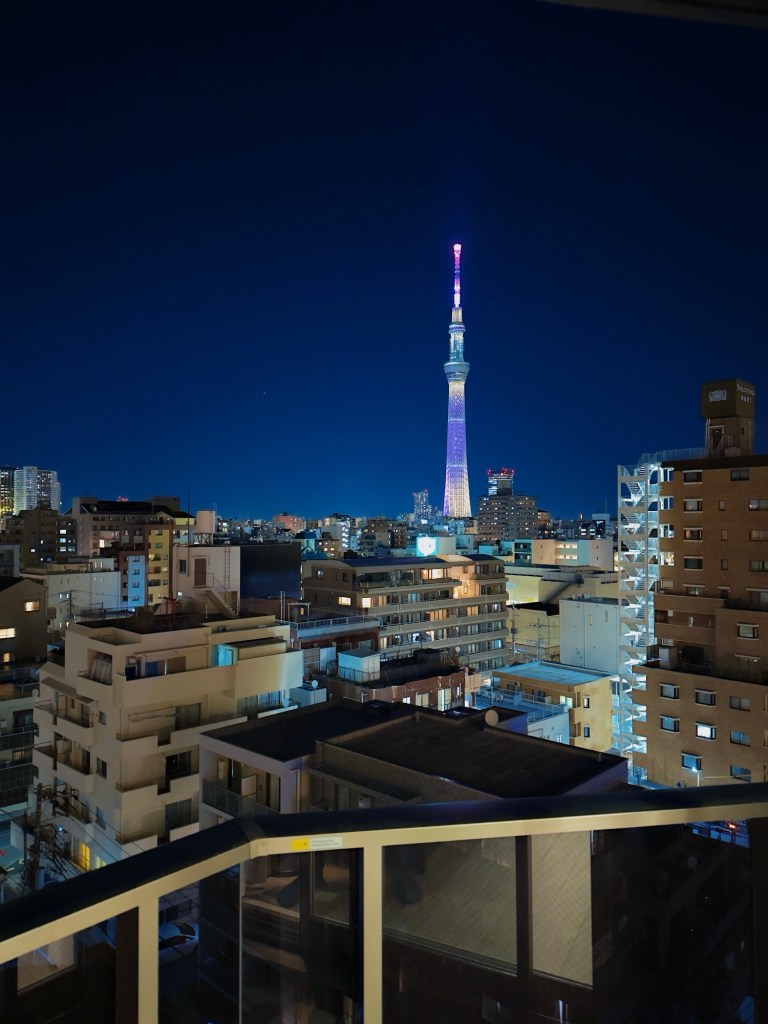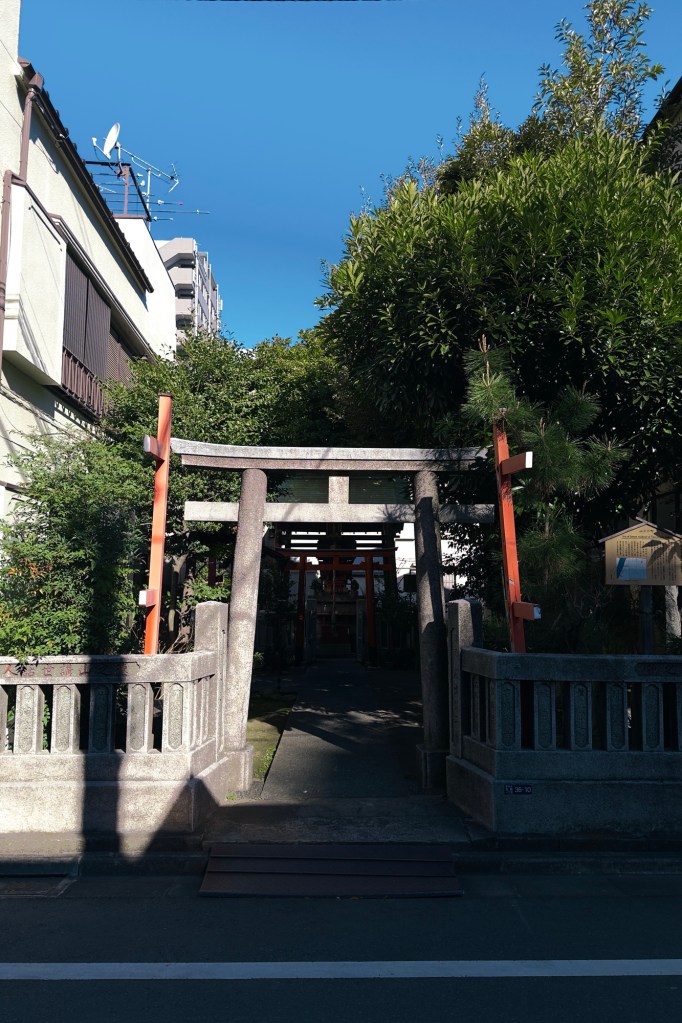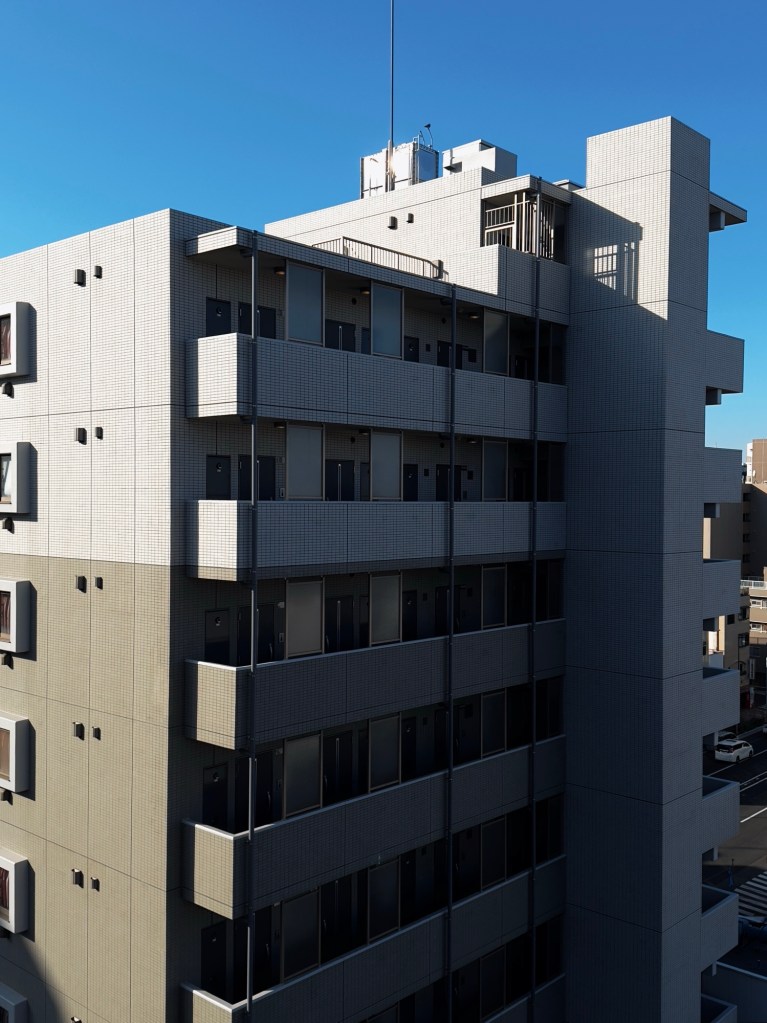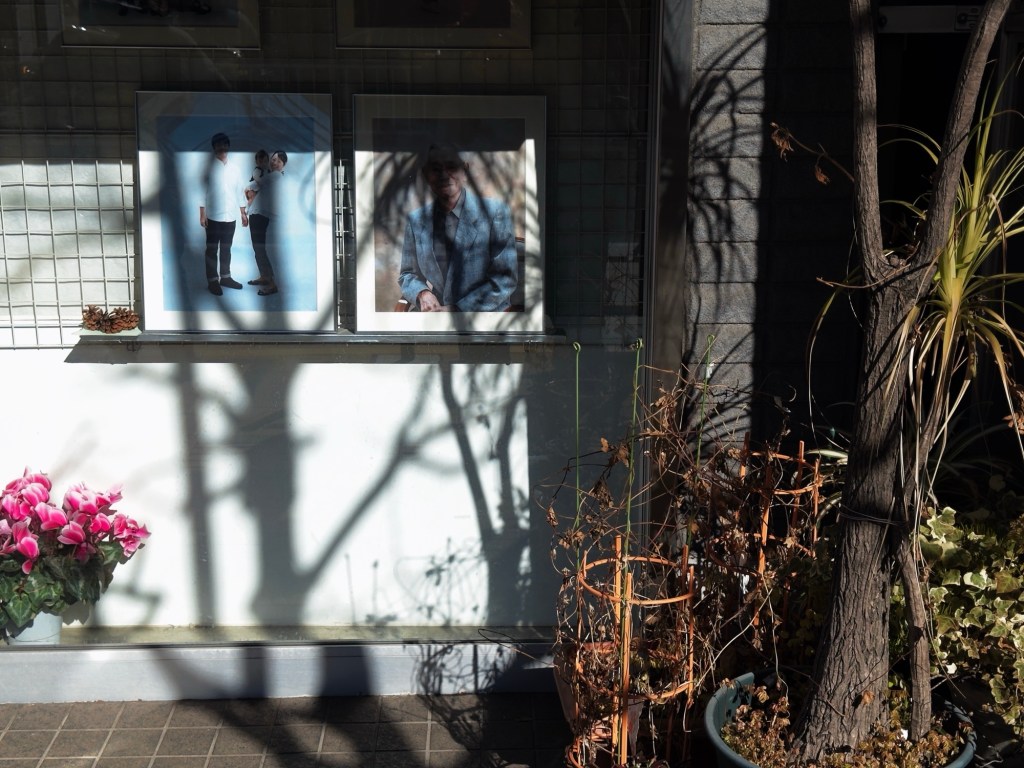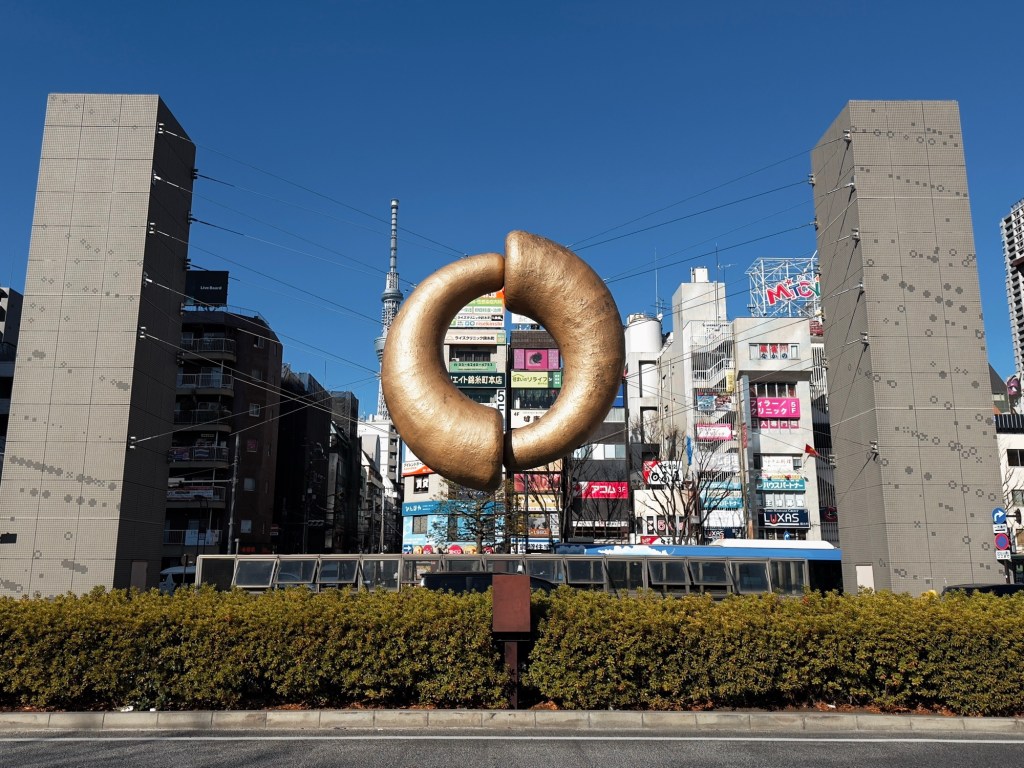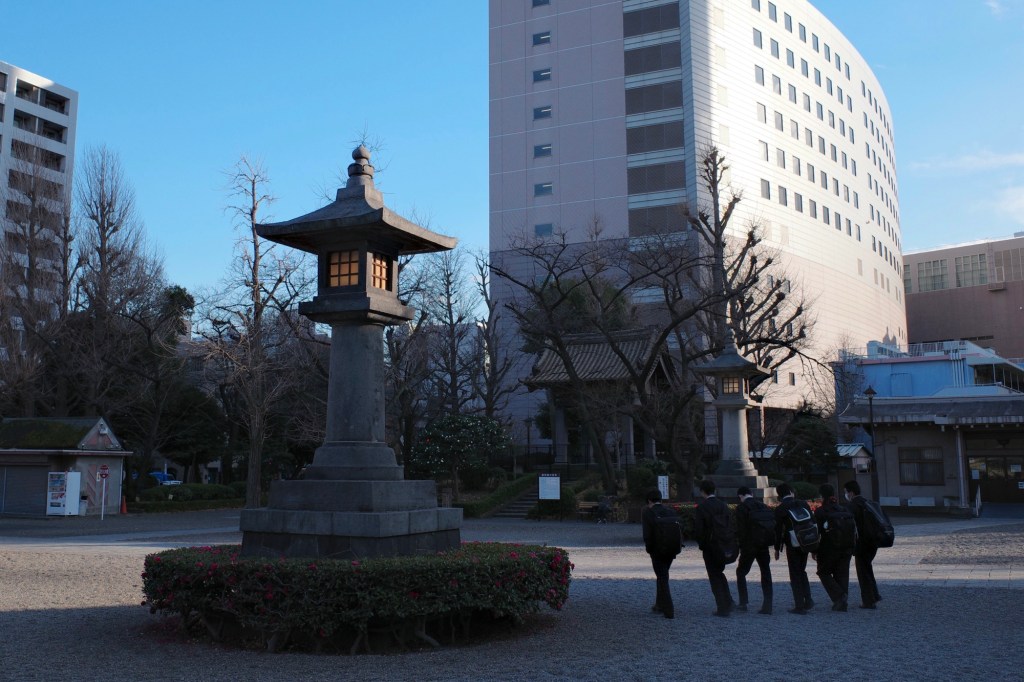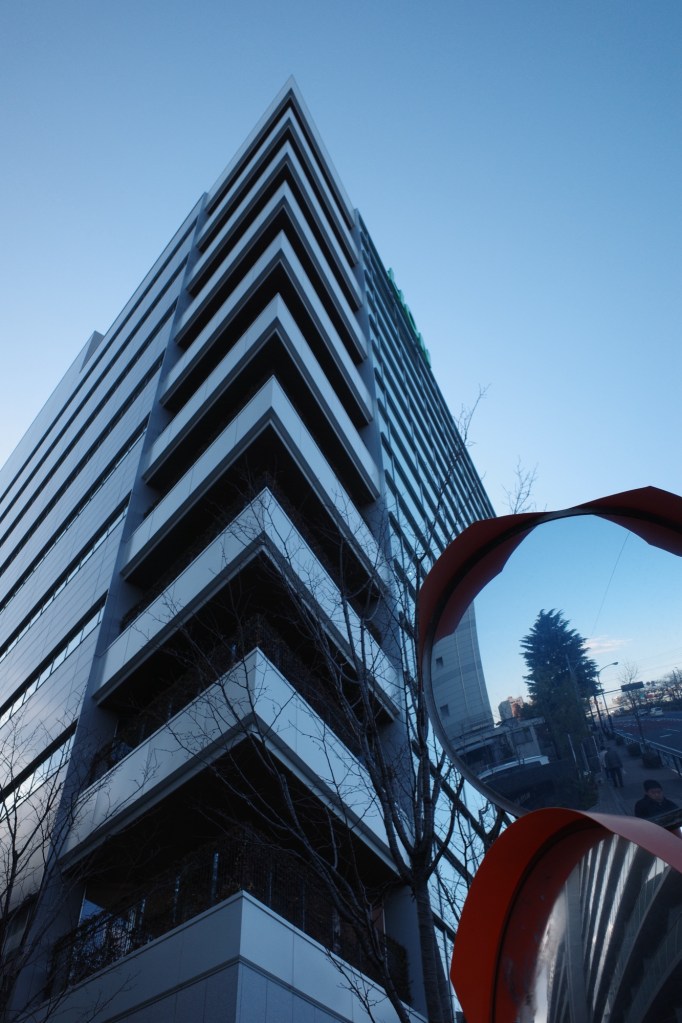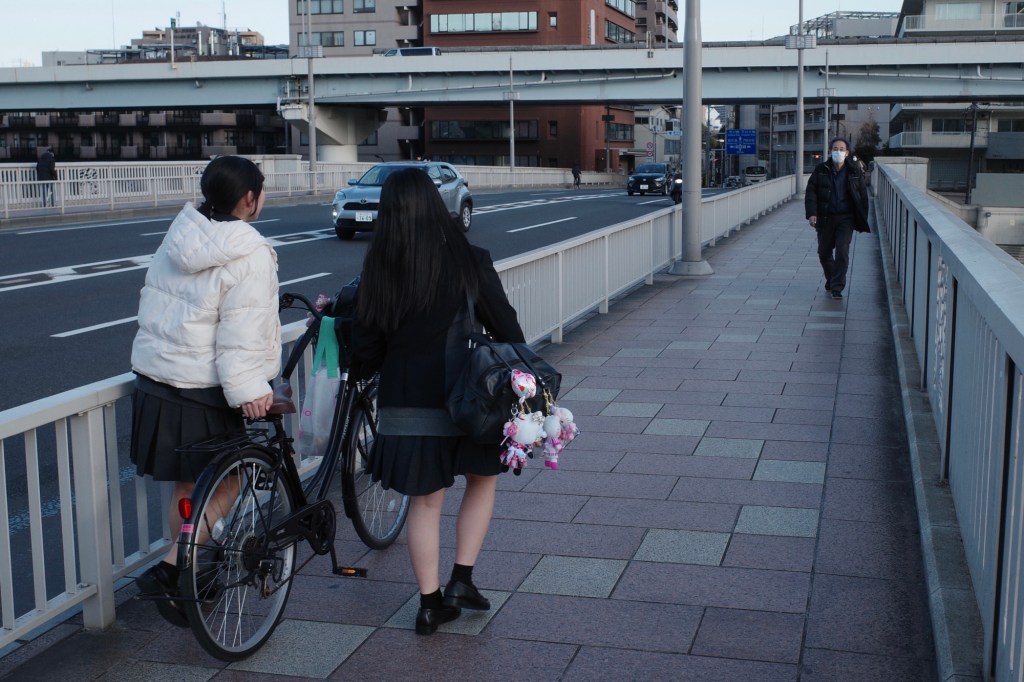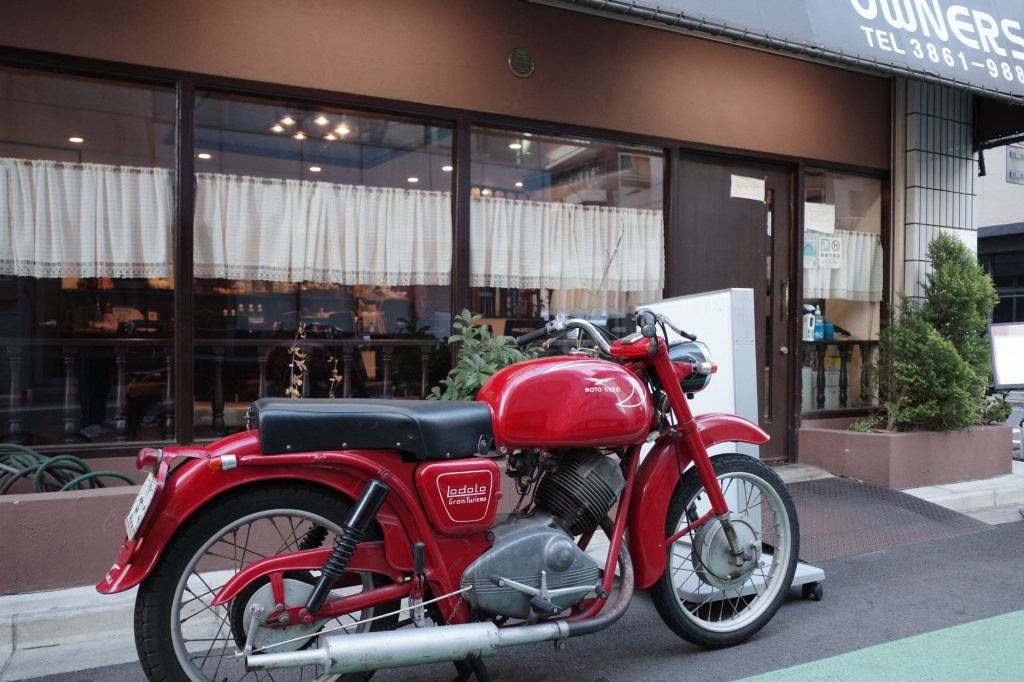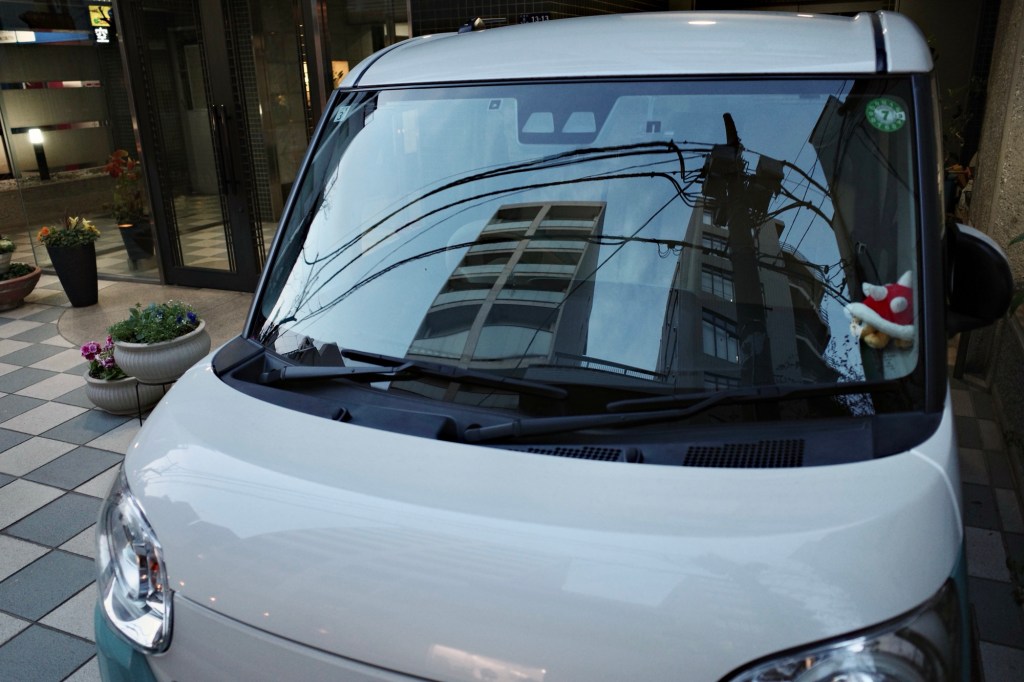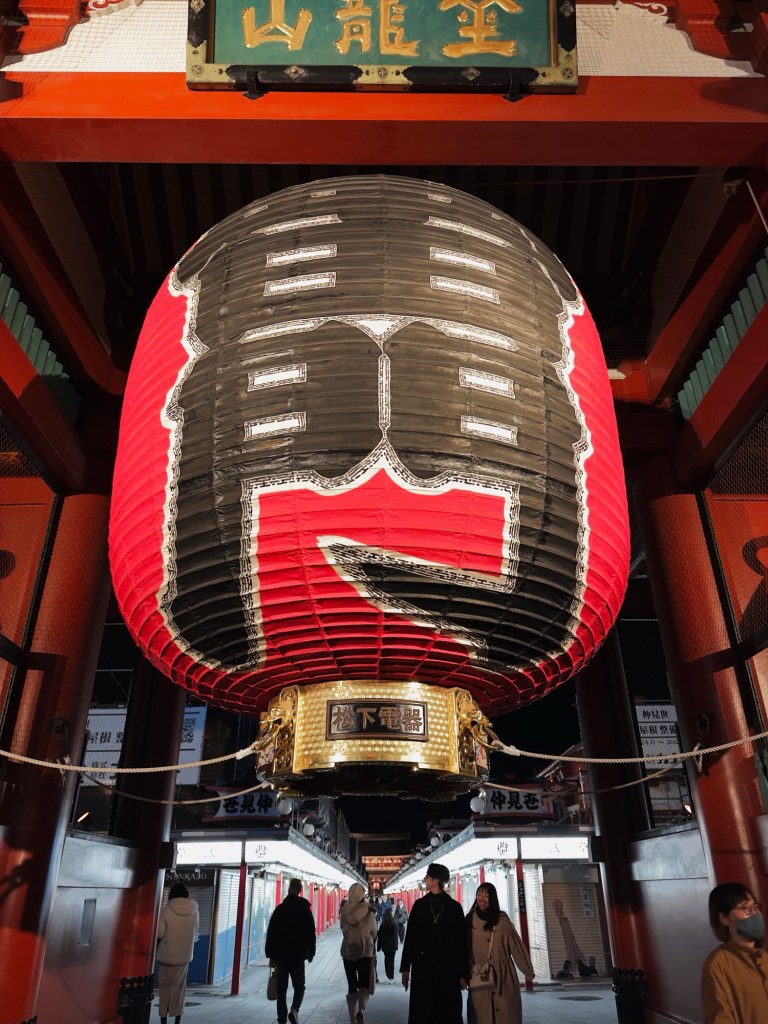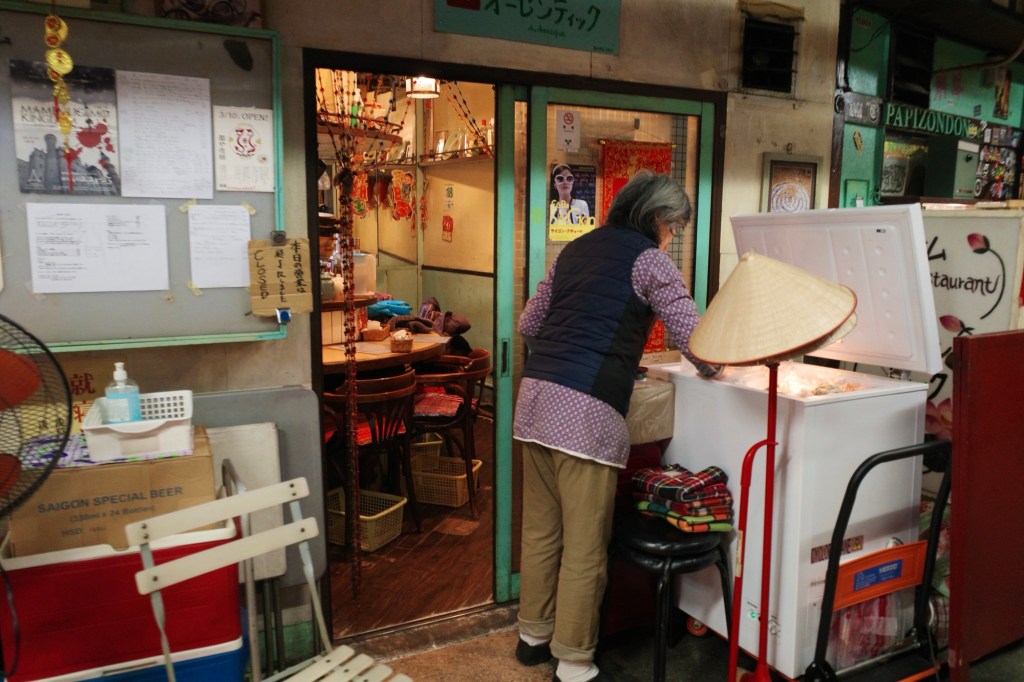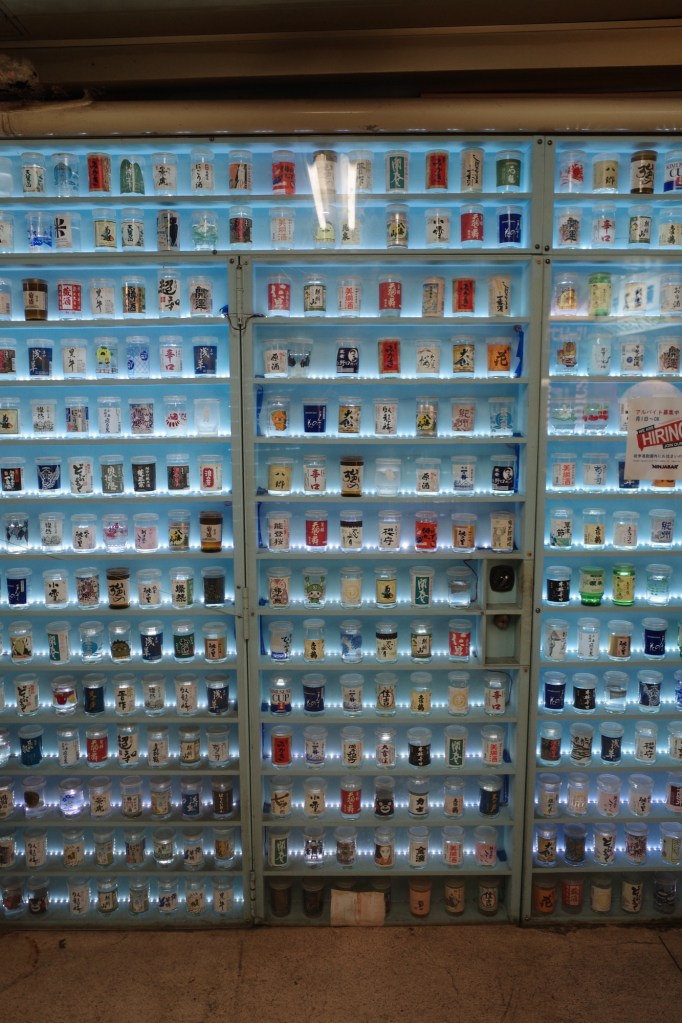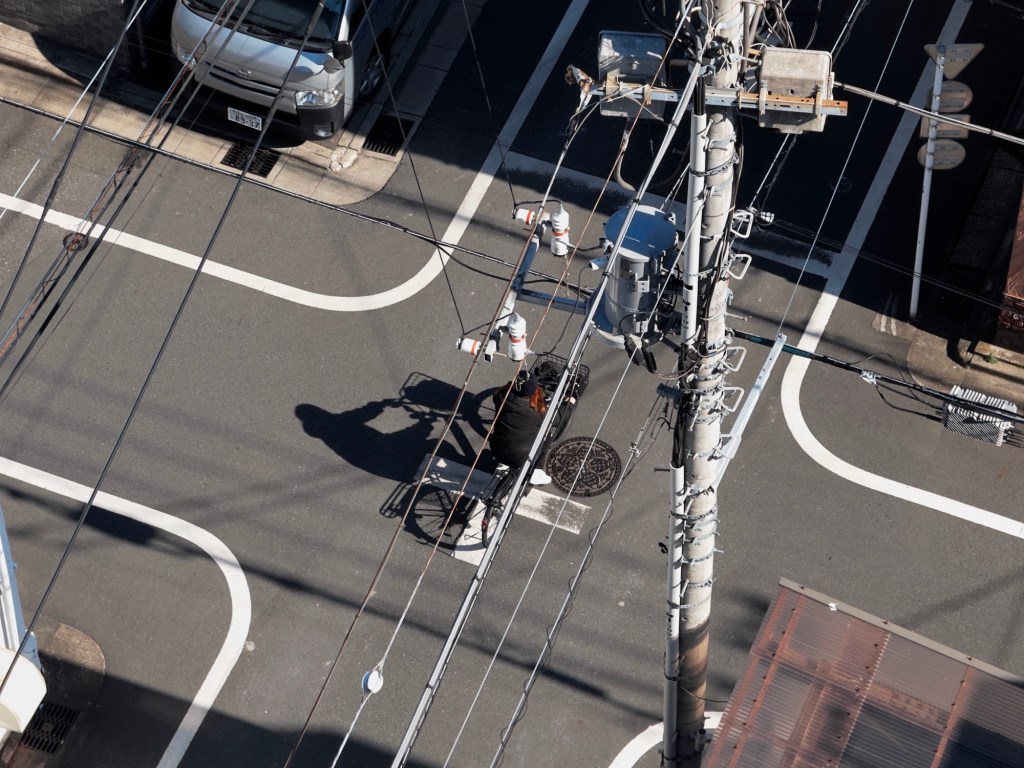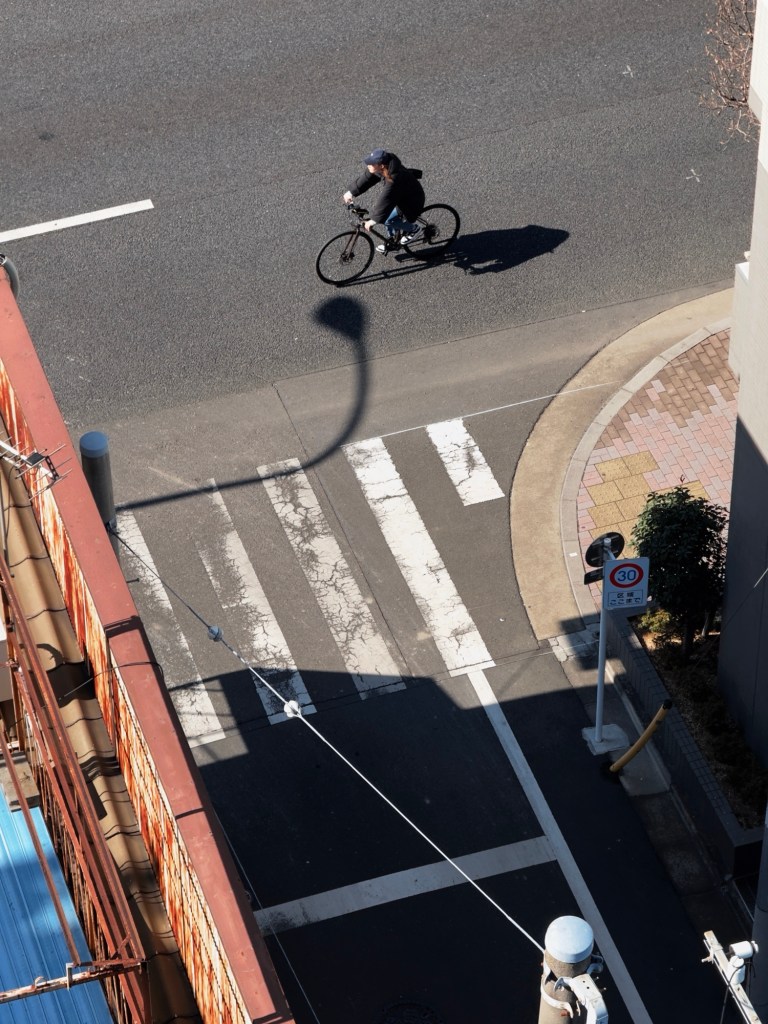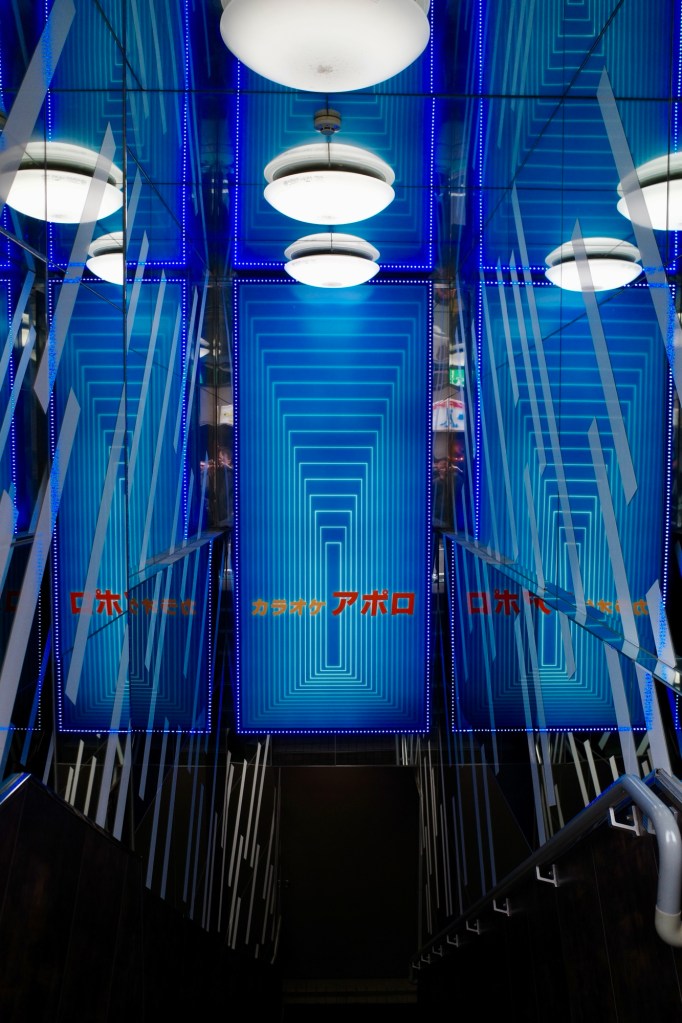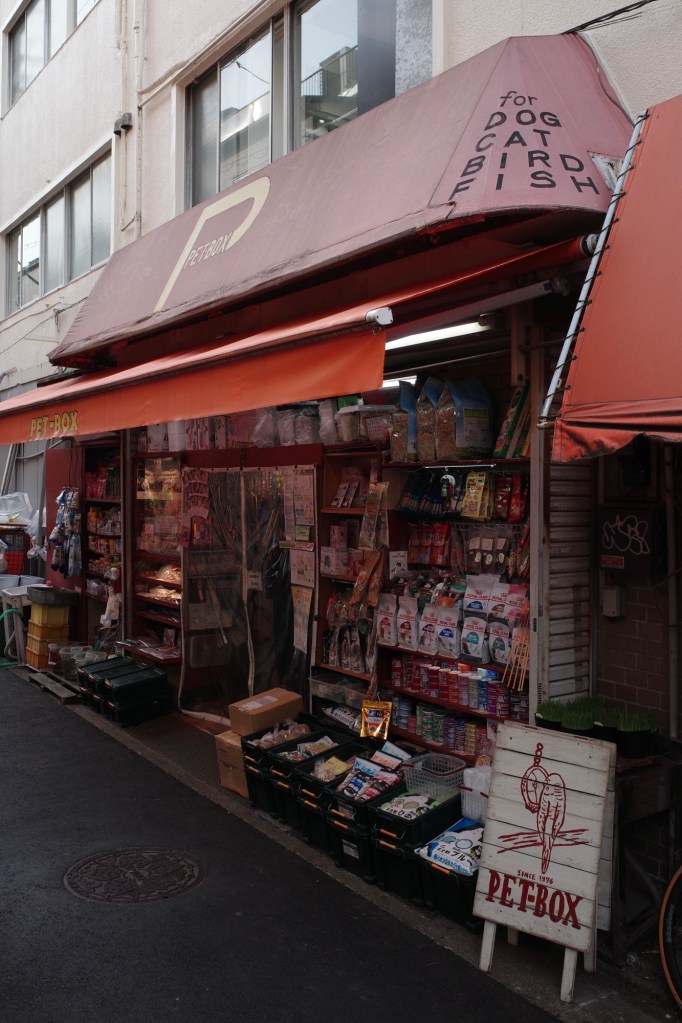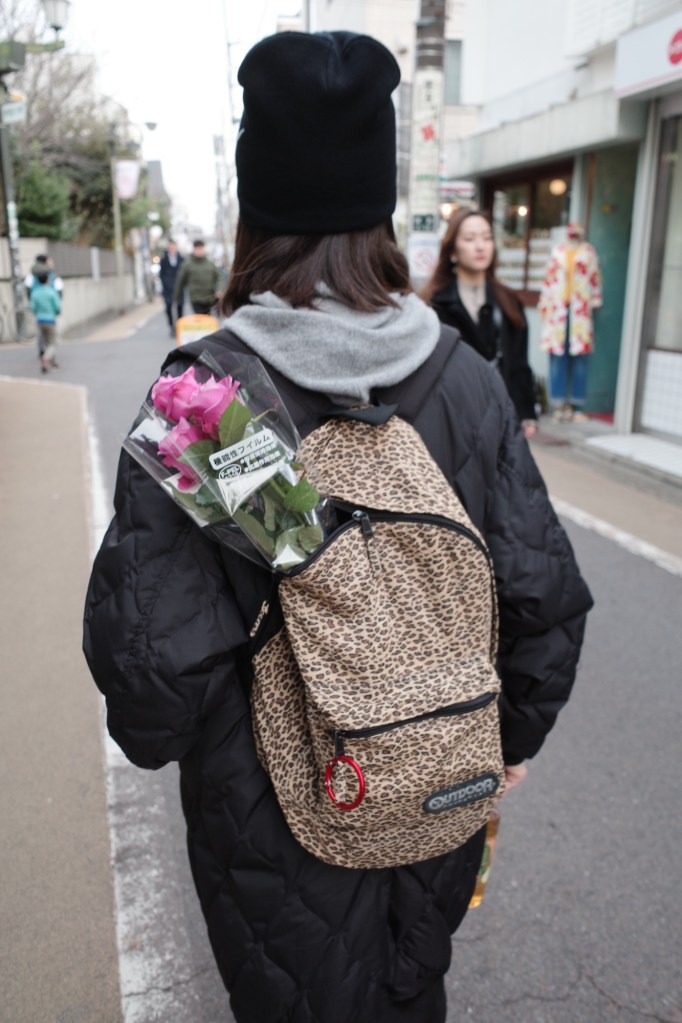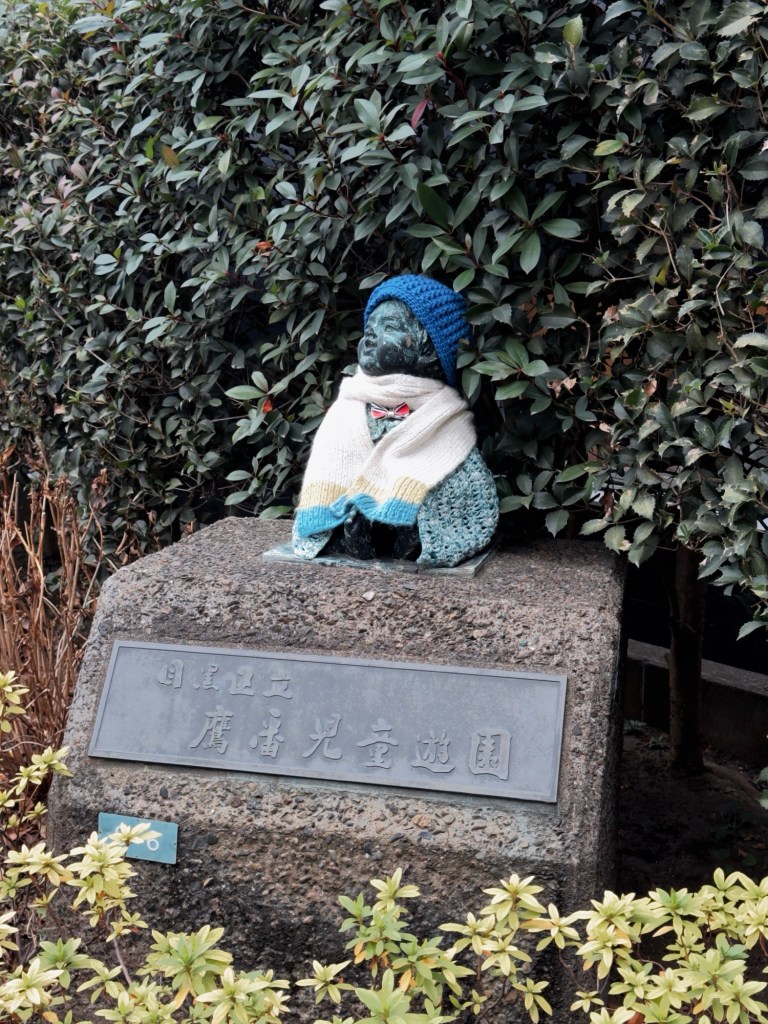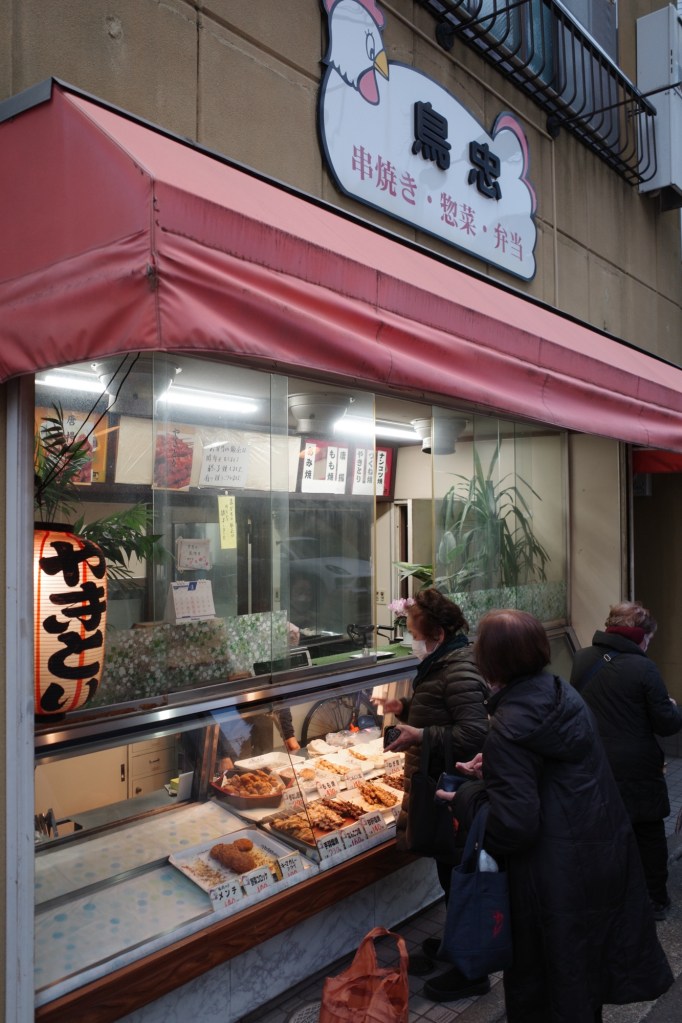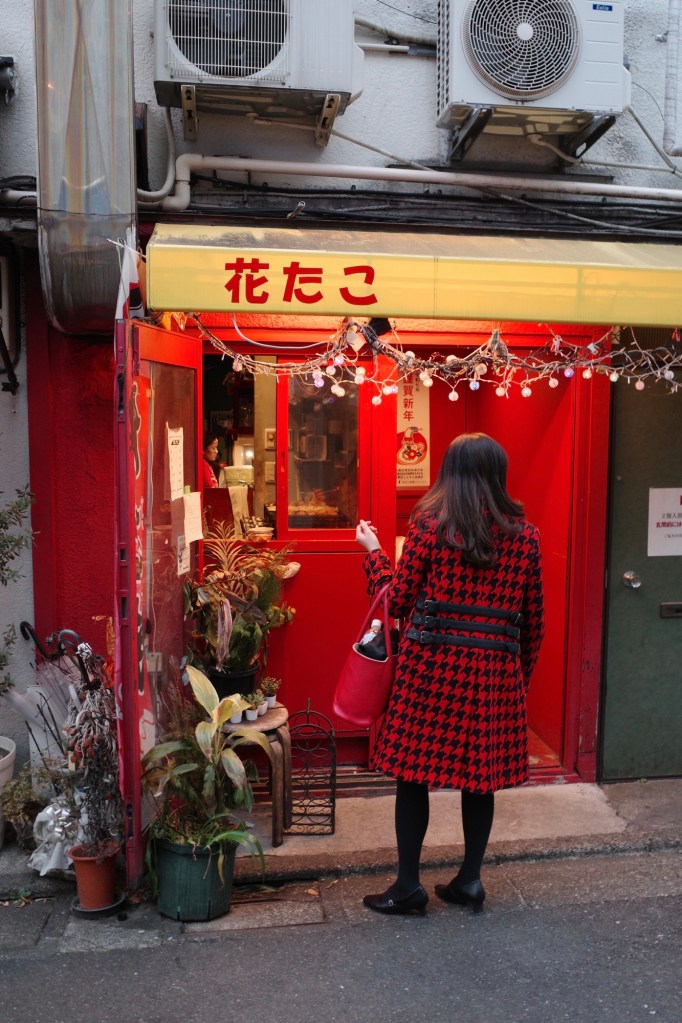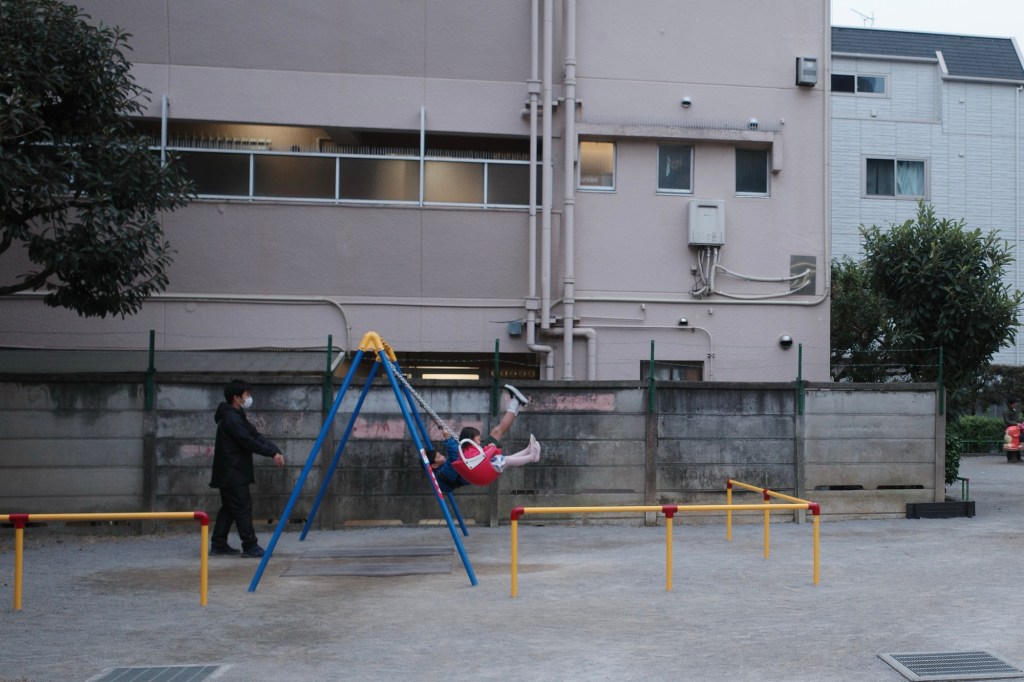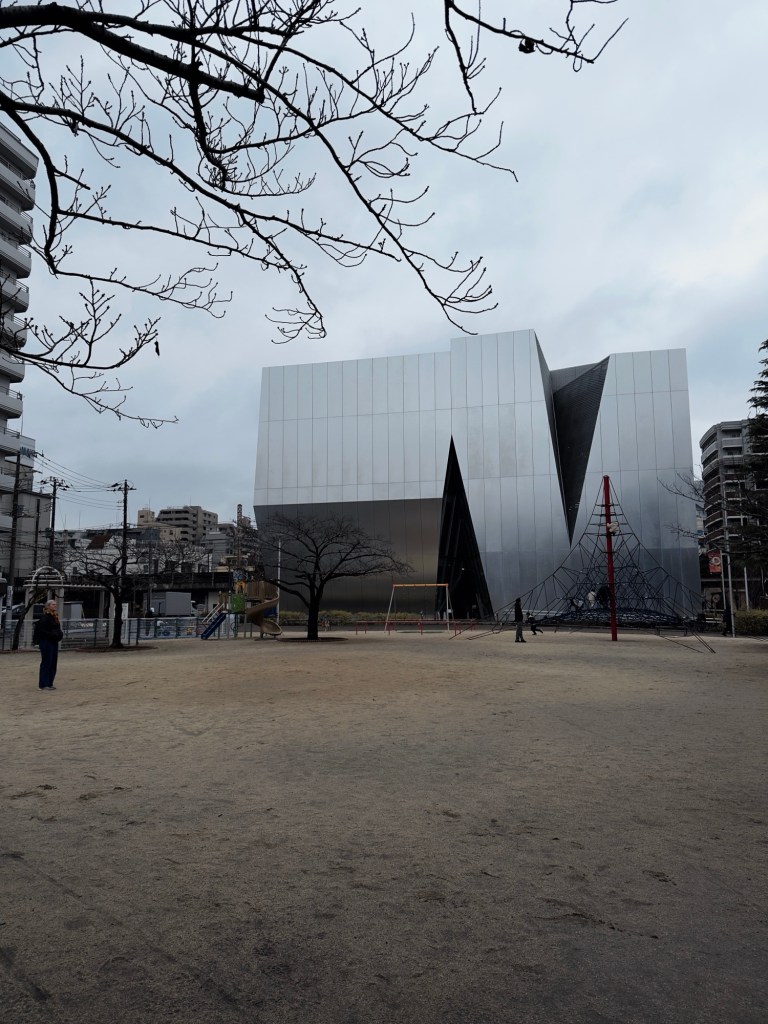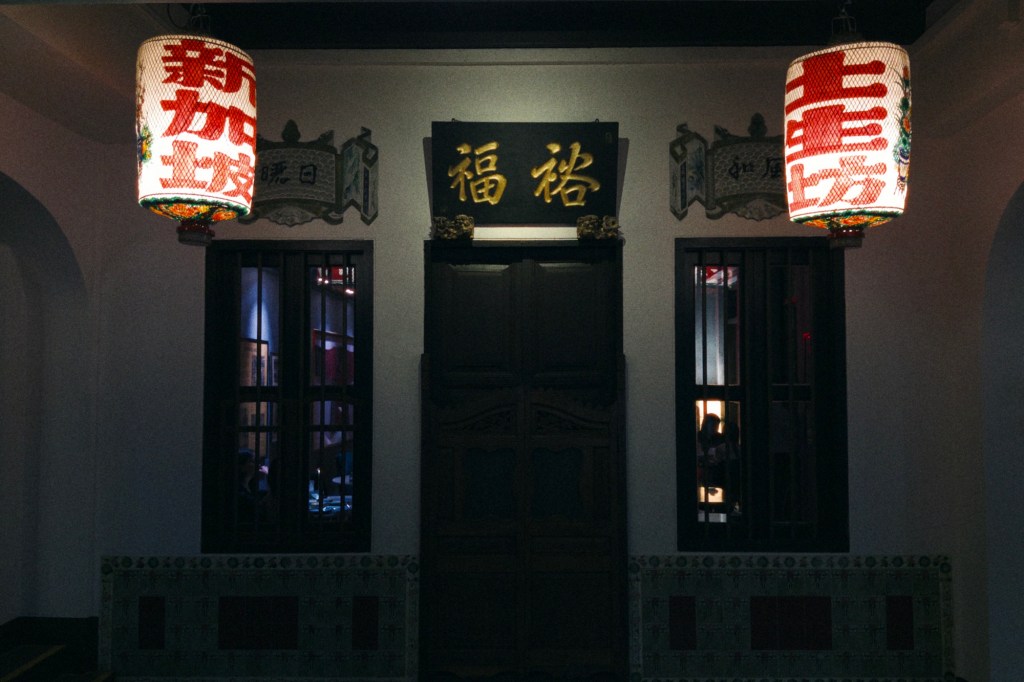
I shot these photos on an iPhone 17 Pro Max and emulated three classic Chinese B&W film stocks with AgBr: Lucky SHD 100, Friendship 100 Pan Film, and Shanghai GP3 100. The idea was to get the look of road trip snapshots from the 1990s that a traveler then might have taken.
11 greatly biased observations from a first trip to China
The Great Firewall does indeed block the majority of household internet names in the west. Imagine testing if you’re online, what would you type in the address bar of your browser? Google? Nope. Any Facebook property? All social networks and chat platforms don’t work, with the exception of iMessage. However, this only applies to hotel WiFi networks and those provided by local ISPs. If you’re roaming on a cell network while using a foreign provider’s SIM, things work as expected (albeit routed through Chinese servers). I decided not to bother with VPNs and just trusted in HTTPS 😬
Powerbank rental machines are ubiquitous, even in places where you should never leave a box full of lithium-ion batteries, like out on the street in direct sunlight. You pay a few cents per hour (via QR code), and because they’ve landed on a common battery design between the many operating brands, it seems you can return one anywhere else after you’re done charging your devices. It’s great not having to carry your own around, but even given a high degree of civic integrity, I think getting adoption in a country where everyone already has their own (like Singapore today) would be tough.
I type this while listening to Sam Fender’s last album, People Watching. I’ve been meaning to hear this through for awhile, but it got buried in my ever-growing library of new music. Thankfully, with the latest update to Apple Music in the OS26 series, you can now pin up to six albums or playlists to the top of your screen. I’ve wanted this sort of ‘Now Playing’ or ‘Heavy Rotation’ virtual shelf for the longest time — it’s the first feature I’d add if designing a music player app. So this album and five other neglected ones are now sitting up there, and I can give them the attention I want.
I’ve been listening on both my new AirPods Pro 3 and an original pair of AirPods Pro, and dare I say the difference is quite obvious. Louanne asked me what I do with old pairs of headphones when I get new ones, and the answer was “put them in different rooms!”, of course. I’m fast running out of rooms. The new model sounds much more Beats-like than ever (modern Beats, not OG Monster Beats). That is to say, a bass-forward sound with a very clear, almost sparkling high end. It’s a fun sound, and I think they’ll be very popular for all kinds of music, if not audiophile-grade neutral. They appear to fit better than before too, and the difference in body shape will strike longtime AirPods users as soon as they pick them up.
Then my new iPhone arrived, and before you judge, the old one is being returned to Apple’s Trade In partner in a few days, where it will hopefully be responsibly refurbished or at worst recycled. They’ve suggested that I’m likely to get nearly half the original cost back, which is an astounding deal for a two-year-old model! I’ll believe it when the deposit lands in my bank account.
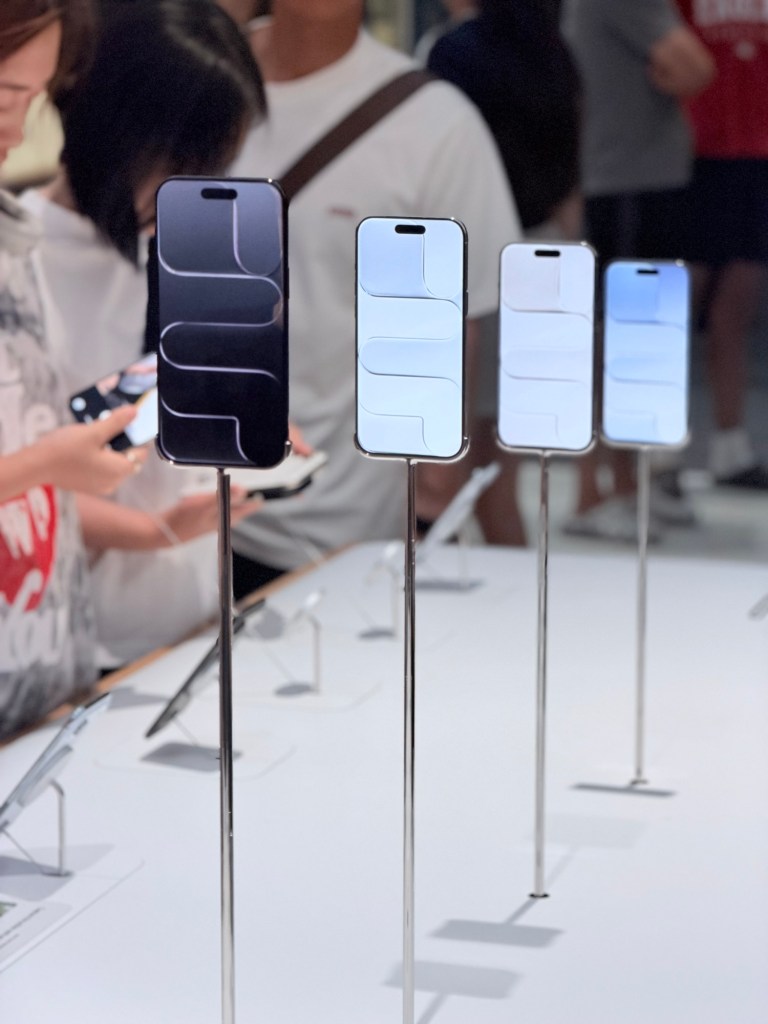
I’m very happy I decided to stick with the Pro Max size instead of switching to a Pro. The slight increases in height and width are visible if you put them together, but isn’t really noticeable in the hand. The increase in thickness IS, but combined with the new gentler corners on the seamless aluminum body, I think thicker is actually better? This might be the best feeling iPhone ever.
I’ve yet to put the new camera system through its paces, but I’m excited and very pleased after a couple of days with it. Images look cleaner, and the redesigned front-facing camera is a revelation. I took a test selfie and could scarcely believe how presentable I looked. Coming from the iPhone 15 series, I’m also new to the new Photographic Styles that were introduced last year, and am getting a lot out of them. I compared photos shot in RAW with Halide and in HEIC with the default camera using a tweaked “Natural” style, and they’re extremely close in both SDR and HDR. This is a big deal! Along with the revised Photonic Engine this year, the dark days of overprocessed iPhone photos may be behind us.
When reviews get creative
One thing I’ve noticed this year is how bland and predictable the video reviews from the usual tech YouTubers and influencers have been. They go through the spec sheets while speaking to the camera, do a few test shots, and end without any thoughts you couldn’t have pulled out of ChatGPT. But then I saw a couple of videos from the Chinese-speaking side of the internet, and that’s when I realized Western civilization is well and truly finished.
Take a look at these and tell me you’re not duly impressed by the storytelling creativity, production skill, points of view, and passion on display — even if you can’t understand a word (but most of them have English subtitles you can enable). They could just shoot the phones on a stand while swinging a light overhead, but they instead they go hard with CGI, costumes, sets, comedic sketches, and cinematic editing. And they do these in the WEEK they’ve given between the phones being revealed and launching.
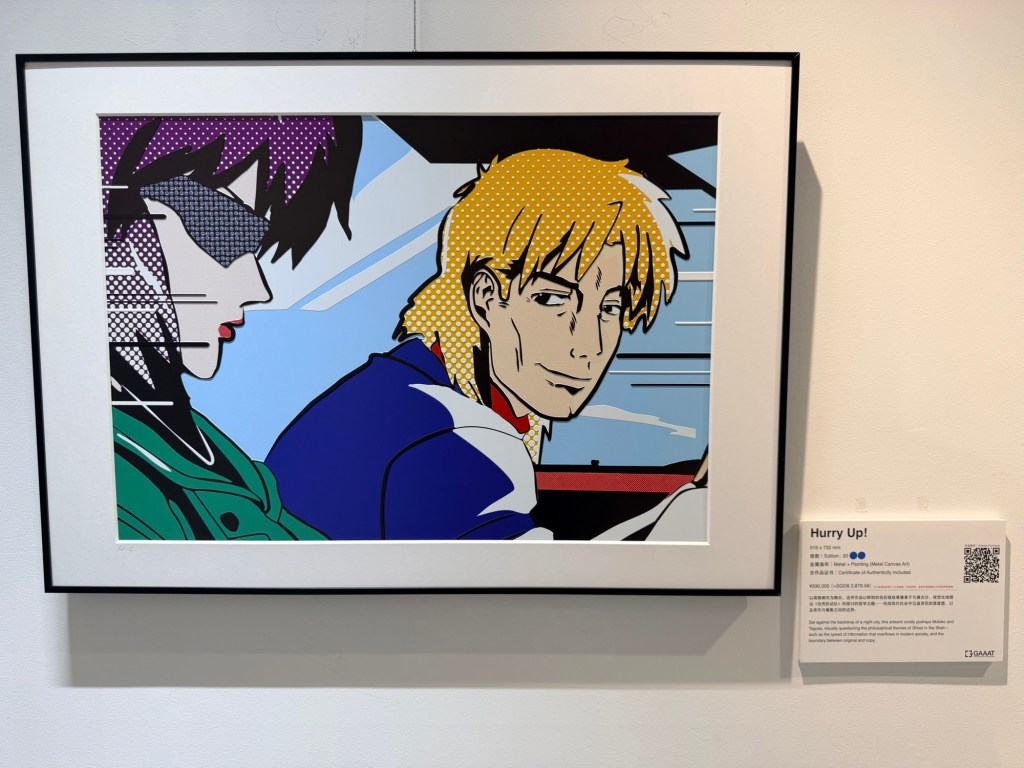
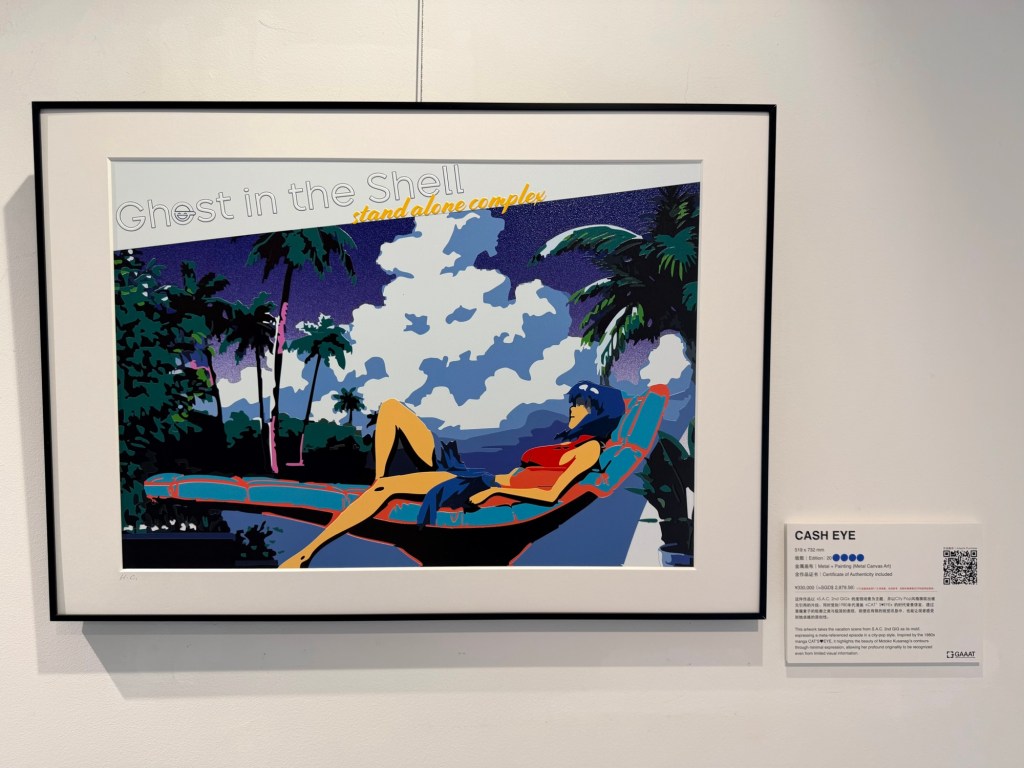
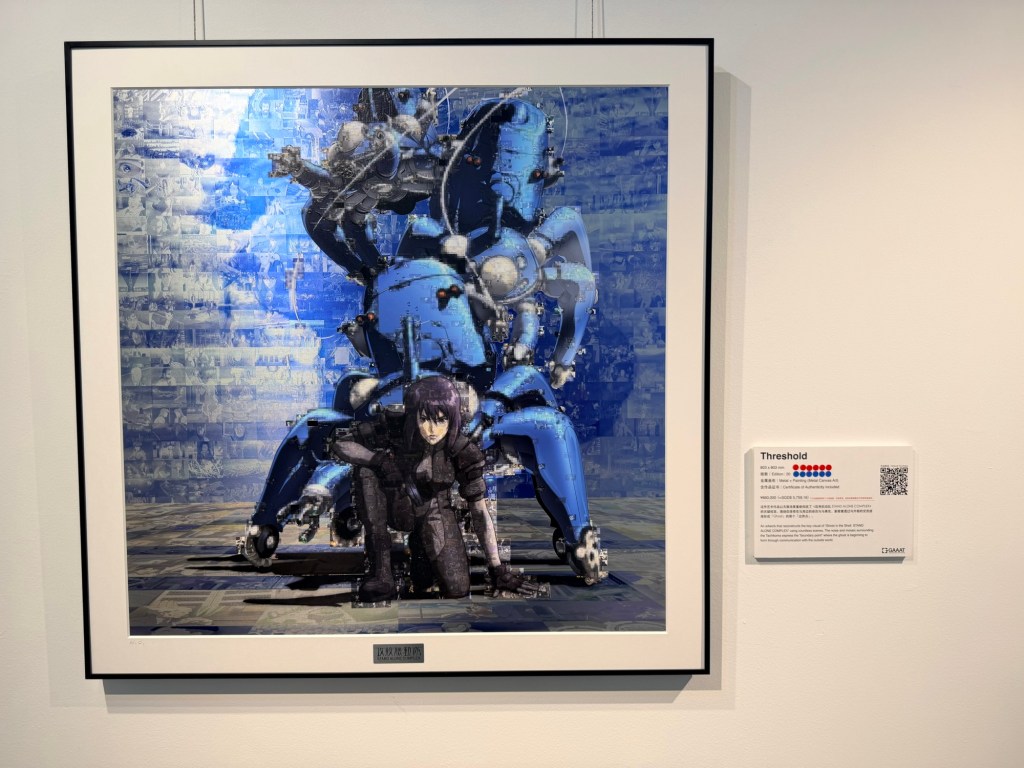
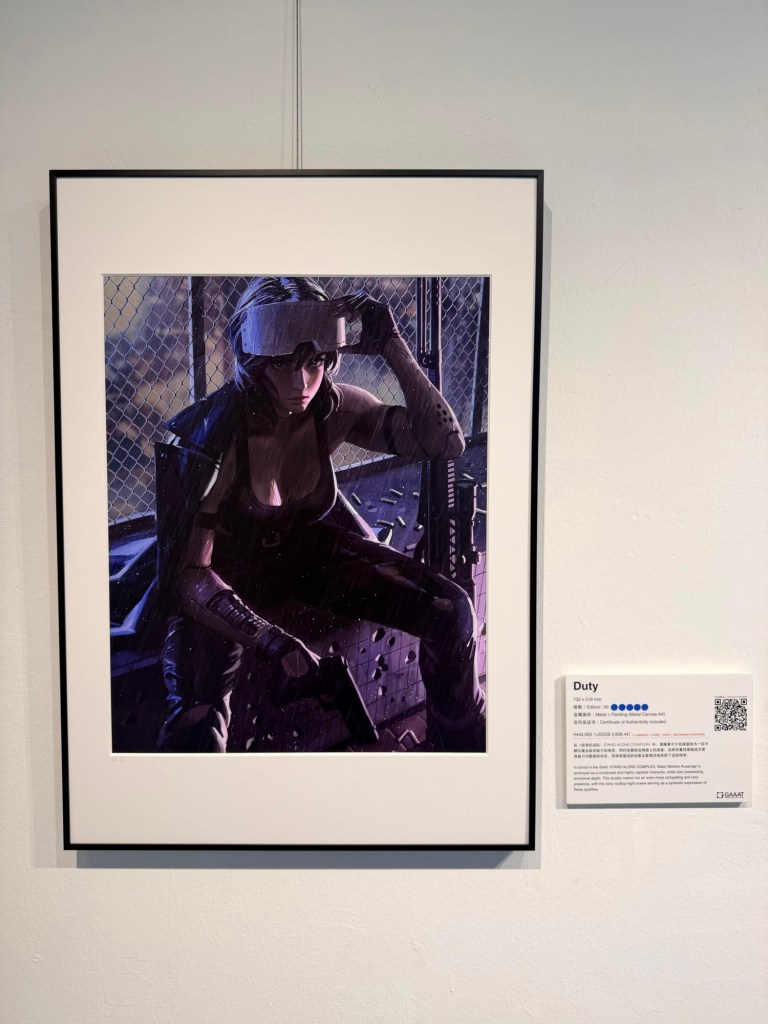
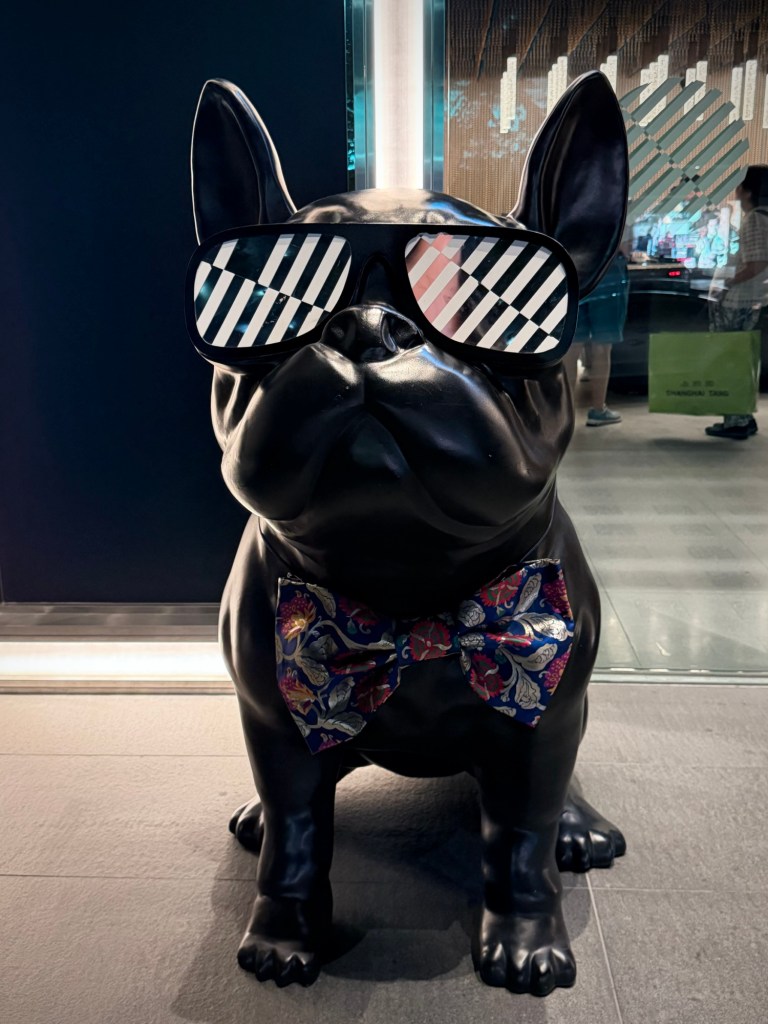
We visited a local art sales event for works based on the Ghost in the Shell: Stand Alone Complex franchise, just to have a look. The metal-printed pieces were going for upwards of S$4,000, so there was never any chance we’d buy one — but I got a little acrylic plate standee for my desk (S$25). Above are some snaps straight from the iPhone 17 Pro Max, using only Photographic Styles.
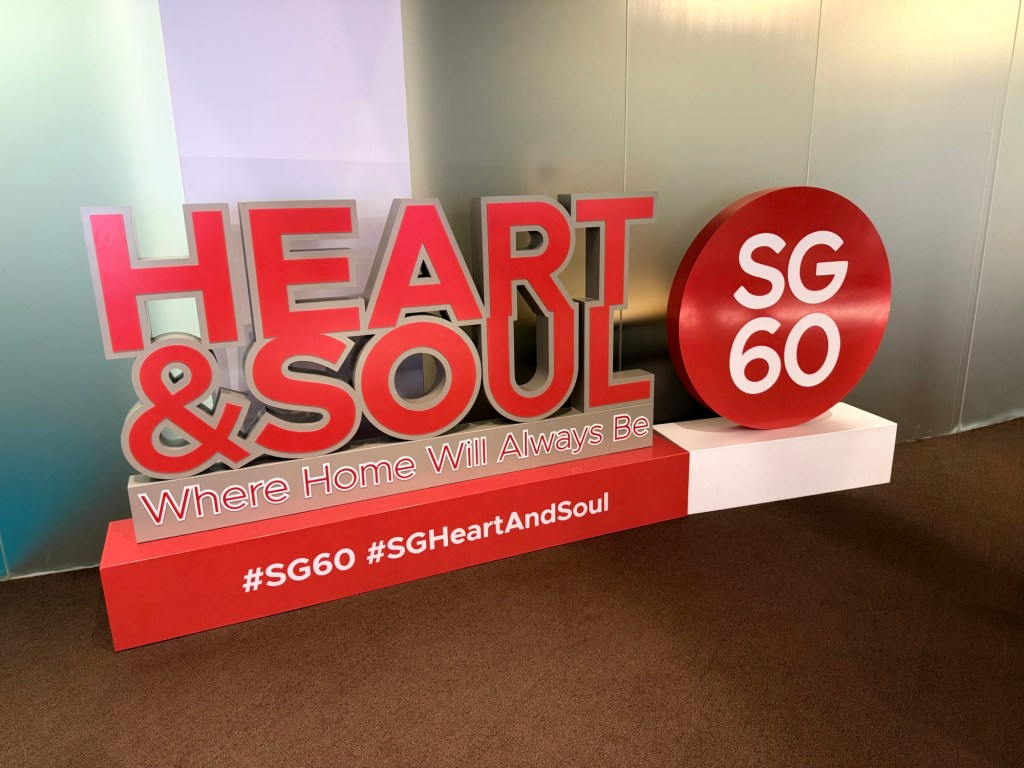
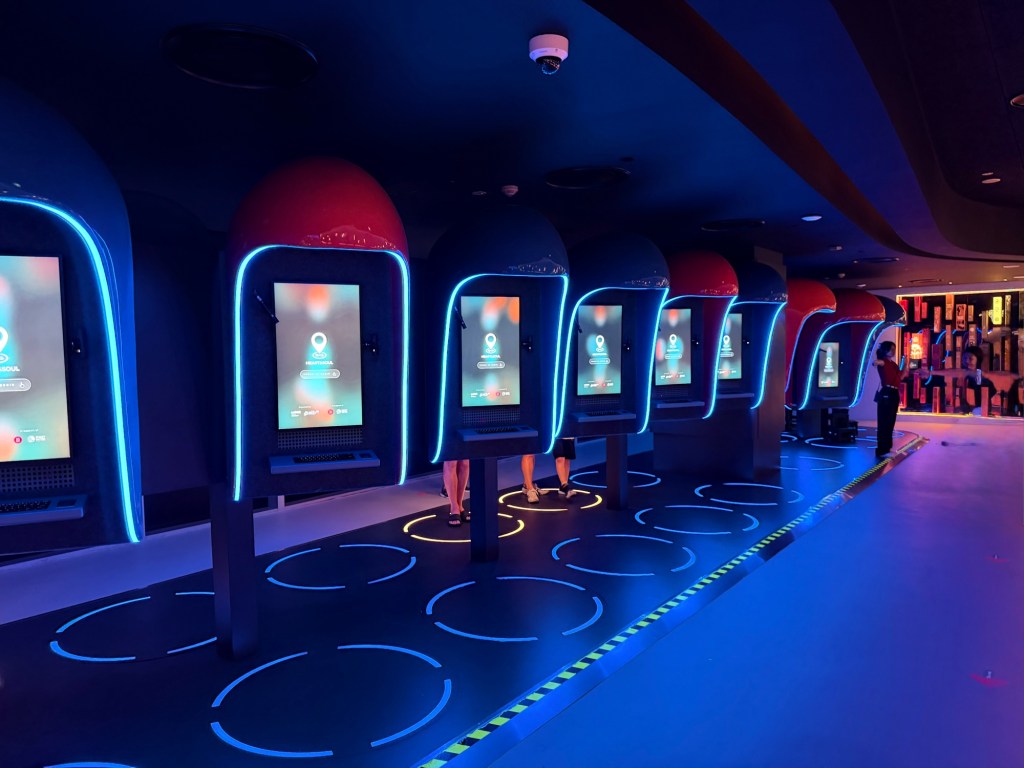
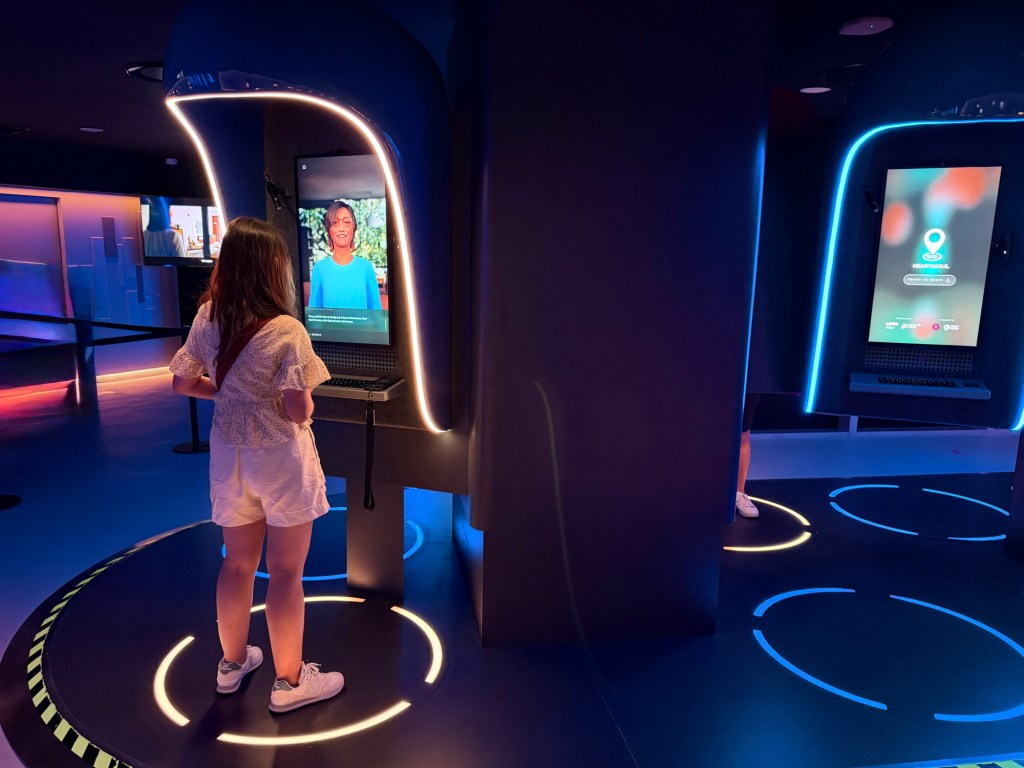
Afterwards, we visited the SG60 Heart&Soul Experience which is being housed at the site of the old library@orchard. Supposedly it will be renovated and return as a downtown library next year, which is great news. From what I can gather, it’s meant to inspire people about what Singapore’s future might look like, and what place they’d have in it (employing lots of tech to personalize the journey). Criticisms I’ve heard are that it doesn’t go far enough, and the future shown looks kinda like the present: delivery drones, working in VR headsets, greenery everywhere. Visit and see for yourself. Bookings are required, but the tickets are free. It’s quite an involved production with each visitor being given a guide device (an encased Xiaomi smartphone) to wear around their necks, and human facilitators bringing them through the stations.
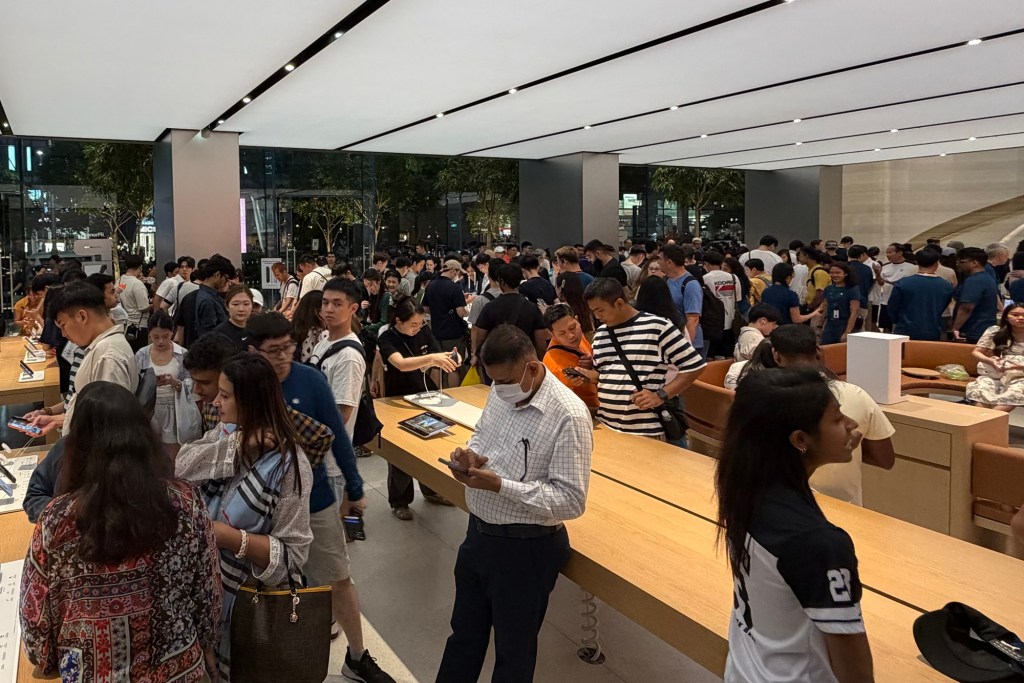
Oh, speaking of cases, we went by Apple Orchard Road after the show to have a look at the iPhone Air, and I haven’t seen that store so packed in years. I picked up a rather loud Beats case in “Pebble Pink”, mostly because I really wanted a Beats case last year but they only made them for the iPhone 16 series. It’s hard plastic with a matte finish that’s slippery when your hands are dry but tacky enough if there’s a bit of moisture.
Check out my reel with the Pink Panther theme:
And while we’re on the subject of great directors, I finally sat down with Bernardo Bertolucci’s The Dreamers (2003) on MUBI. More explicit than I expected, it’s easy to see why people call it pretentious with its heavy callbacks to classic cinema, but it’s never boring and it sure knows how to use mirrors. I gave it 3.5 stars on Letterboxd, mostly because there’s “altogether too much time spent lying on floors for my liking”. There’s also one truly revolting moment where, out of money, they raid the apartment building’s trash for scraps of food and assemble the world’s grossest bento.
Spike Lee’s Highest 2 Lowest (2025), now on Apple TV+, is a remake of Kurosawa’s High and Low (1963), which I’ll embarrassingly only get around to watching after this homage. But this is a fine film that stands on its own: a sharp, sometimes experimental exploration of class and morality, constantly playing on the gulf between generations — Motown vs. modern rap, film vs. digital, Kurosawa vs. Lee.
Lots of reading this week, but not the traditional sort. I decided it was time to cross Emio: The Smiling Man off my Nintendo Switch backlog — that would be the murder mystery sorta-visual novel published by Nintendo (developed by Mages) last year. It’s the third installment in the ‘Famicom Detective Club’ series that laid dormant for decades (the clue’s in the name; they were made for the original Famicom aka the Japanese NES) until remakes of the first two games were released in 2021.
I played the first remake back in Week 31 of 2021, and apparently felt it was “a crock of shit”. When Emio came out, I wrote more about the series in Week 36.24, and watched a YouTube playthrough of the second game rather than pay good money to torture myself some more.
Thankfully, Emio is much better than those two. Perhaps because it’s a new game with a more sophisticated and complex story than was possible in the 80s. But I suspect it’s also because I’m now familiar enough with, and more forgiving of, the series’ game design ideas that I’d called “archaic and frustrating”. In any case, it has the most lavish animation production values I’ve ever seen in a visual novel, and the detective vibes are a lot of fun. I was let down by the mystery’s resolution, but the journey was definitely worth the time.
Japanese workplace sexism in Emio The Smiling Man
Rather than dive into Zelda Tears of the Kingdom (can you tell I’m afraid of the commitment?), I decided to continue down the VN path by starting on TSUKIHIME A piece of blue glass moon, a decision I will probably soon regret. This is a remake of a supposed masterpiece by the developer Type-Moon, and involves some 30–50 hours of reading, which is about 3x longer than Emio. It is, however, much less interactive and more like reading a novel with visuals and sound to set the mood. I’m only a little while in, but finding it a pleasant ‘multimedia’ midpoint between watching a show and reading a book. Luckily, I played Type-Moon’s Witch on the Holy Nightback in March, and because TSUKIHIME takes place later on in the same universe, it feels like a continuation.
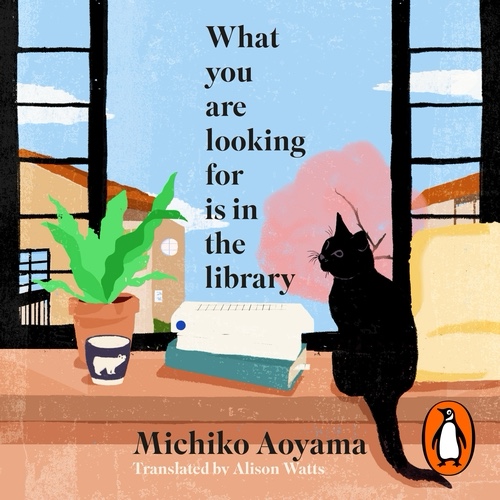
There was a real book, though! What You Are Looking For Is in the Library by Michiko Aoyama is a charming collection of five little stories centered around a community library, where people stuck in different ruts meet a librarian who has a knack for recommending books that set them off and thriving in new directions. I wrote in my Goodreads review that on top of being above average as translated Japanese books go — most of them come across sounding dumber and more boring than I’d hope they are in the original texts — but the extremely healing nature of these stories warranted a five-star rating from me.
It looks like I’ll be going to Bangkok again next month, but this time the heat will be even more unbearable (a RealFeel of 40–45ºC?), so please pray for me. In preparation, I’ve purchased a white t-shirt for the first time in several years.
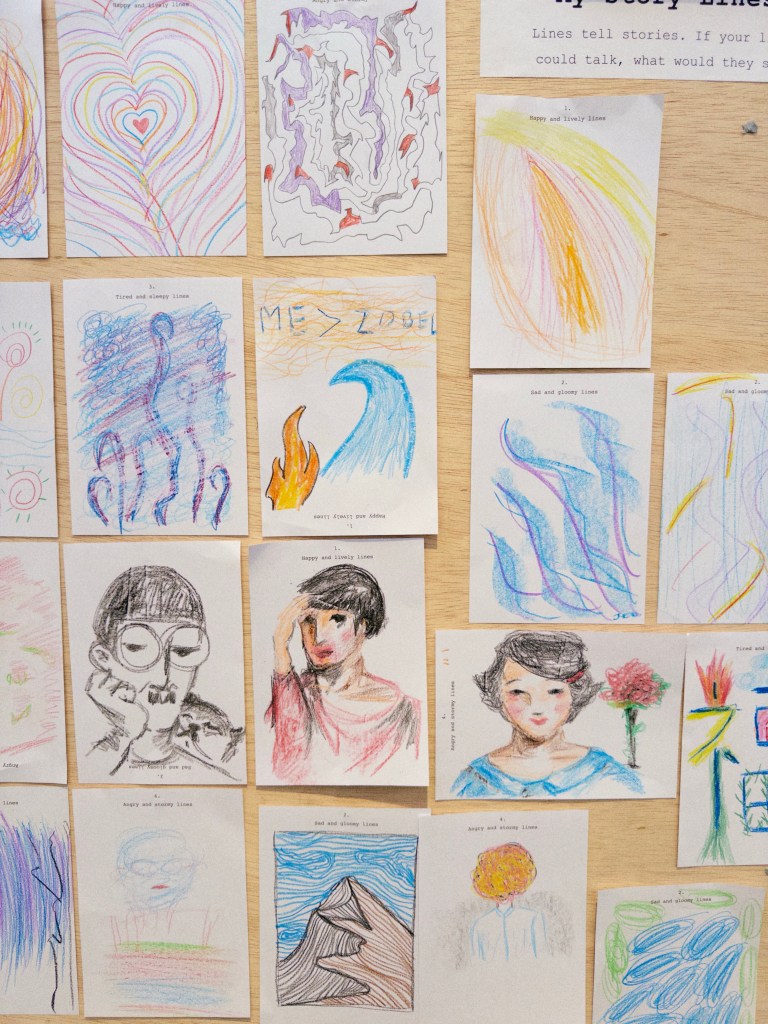
Over the weekend, we dragged ourselves out to see the City of Others exhibition at the National Gallery despite not being fully in the mood. I thought it would be healthy/helpful to just wander through it anyway, even if not fully attentive, and I did find some things unexpectedly inspiring. I may start a new project soon on the back of one idea!
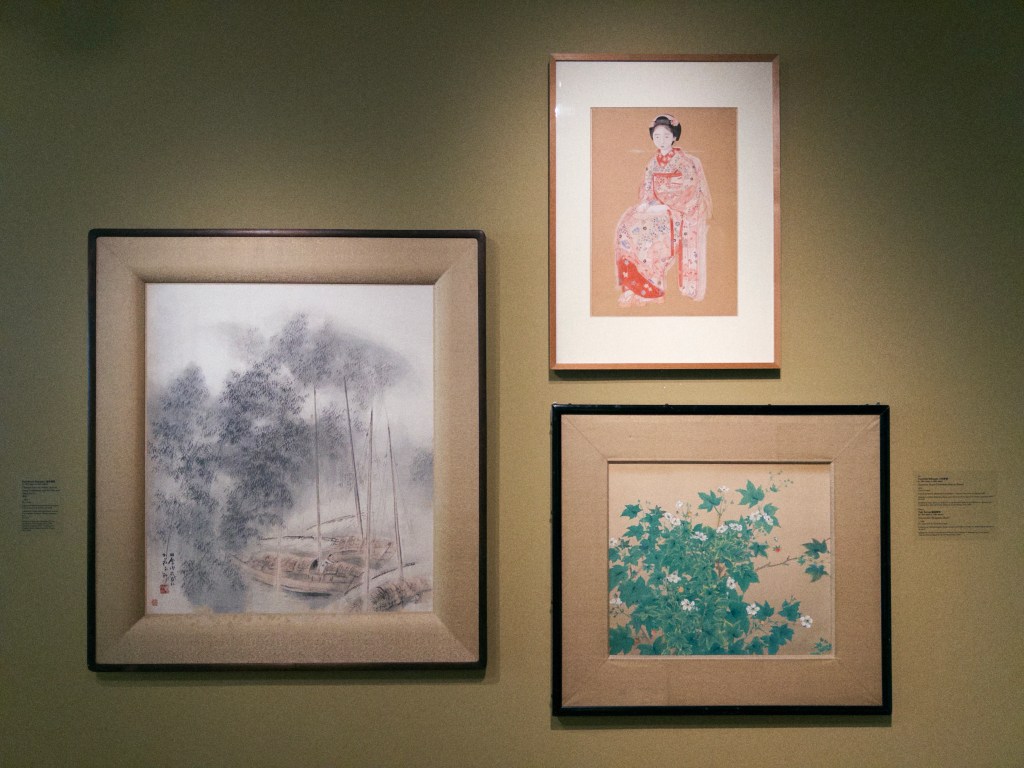
While looking at some artifacts behind glass, I remembered that I’d installed Adobe’s new iOS camera app, Project Indigo, which was apparently developed by some of computational photography’s living legends, and promises “SLR quality” images by combining up to 32 frames at a time. It includes an AI-powered feature that removes reflections by inferring what the subject is, and generating detail to fill the less-visible areas. I tried it out on a couple of artworks and got a warning that my phone was overheating — I guess I’m upgrading to an iPhone 17 Pro this year! Anyway, see how it did for yourself.
For a free app, Project Indigo is a great deal. I’m sure it’ll eventually be shut down and folded into a paid Adobe offering, but for now, everyone should try it out for a bit. It takes very clean and likely superior photos to the default camera, and does super-resolution oversampling to give you more zoom reach than the iPhone’s lenses will. But the outputs still have that hyperreal HDR look that comes with computational photography, and for the moment that’s something I’m a little tired of. A little grain goes a long way in making a phone photo feel more like a real moment.
After the gallery visit, we had lunch at a Cafe&Meal Muji where I was shocked to see the latest inflation-adjusted menu; a massive downgrade from when I used to visit frequently during office lunch hours. The “4-Deli” meal of two hot and two cold dishes alongside rice and soup used to cost maybe $17.80 pre-Covid, then crept up to $20.80 in the years after. Today, it’s been entirely removed from the menu, and $20.80 only gets you a “3-Deli”: one hot and two cold dishes. To try and obfuscate the loss in value, they’re now throwing in a half-boiled egg (which can’t cost more than 30 cents).
I probably should have expected it, because for breakfast that same day we stopped by a Toast Box for some kaya toast, which I honestly haven’t done in years, and the breakfast set (coffee, two eggs, a sandwich) is now S$7.60, or about 50% more than in the pre-Covid era. You can of course get this sort of thing cheaper elsewhere, but these prices are still wild.
In Craig Mod’s nearly three-hour book tour interview on Rich Roll’s podcast, which I’m listening to in small doses, he mentions the ¥300 breakfast set, a Japanese coffee house staple, and how apologetic businesses have been about having to raise prices by even ¥20 or ¥50. That’s what the kaya toast set is to Singapore, and I wonder if Japan is going to see a ¥500 or ¥700 breakfast set before too long.
Speaking of Japan, the Blue Bottle chain arrived in Singapore back in April. While I know they’re American, I’d only ever had their coffee while in Japan. Now that two months have passed, I thought the hype would have died down enough to try and visit the branch here in Raffles City’s tiny LUMINE department store. It was still packed, but I got an iced NOLA-style coffee to go for S$8 — lightly sweetened and flavored with chicory, it was pretty good tbh! But you can see Nestlé’s dirty fingerprints all over the brand now. It feels like the stores only exist to justify selling merch through other channels. Do a search for “Blue Bottle NOLA” and instead of a store menu or info page about their drink offerings, you’ll get tons of spinoff products like NOLA Nespresso capsules, brew-at-home kits, tumblers, instant coffee mix, foamers, and so on. Even Starbucks, synonymous with the mercenary scaling of coffee, looks kinda restrained in comparison.
We spent Monday strolling around Jimbocho, an area permeated by three of my favorite smells: books, coffee, and curry. I don’t know how many of the district’s 140~ bookstores we managed to see, but it’s something else. So nice to see the reading and collecting of printed material still alive, although you have to wonder where these used books and magazines (e.g. an issue of GQ with Jerry Seinfeld from when he was just getting famous) came from — the personal libraries of dead or dying hoarders?
There were also more stores selling CDs and vinyls, and I saw new models of portable players for sale at an electronics store. There are DiscMan-like devices that output Bluetooth to your headphones and speakers (alas, no AirPlay), and even a cassette player with Bluetooth. They look pretty cheap and plasticky though; nothing you’d put in a nice spot on a shelf to form a modern hi-fi unit.
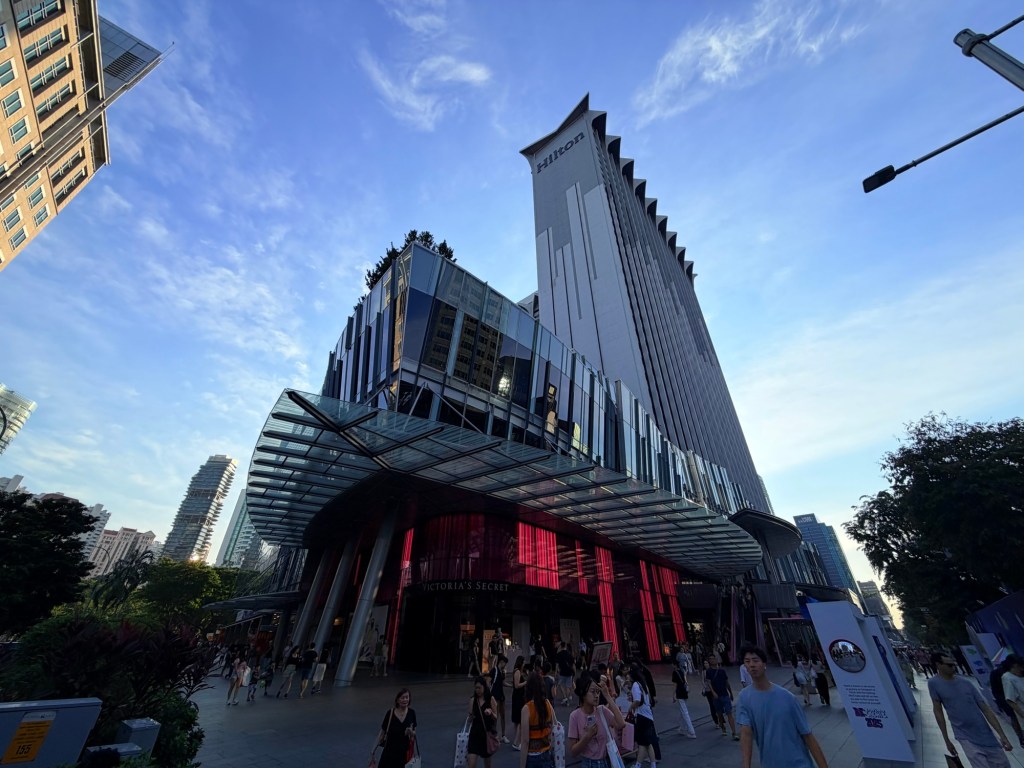
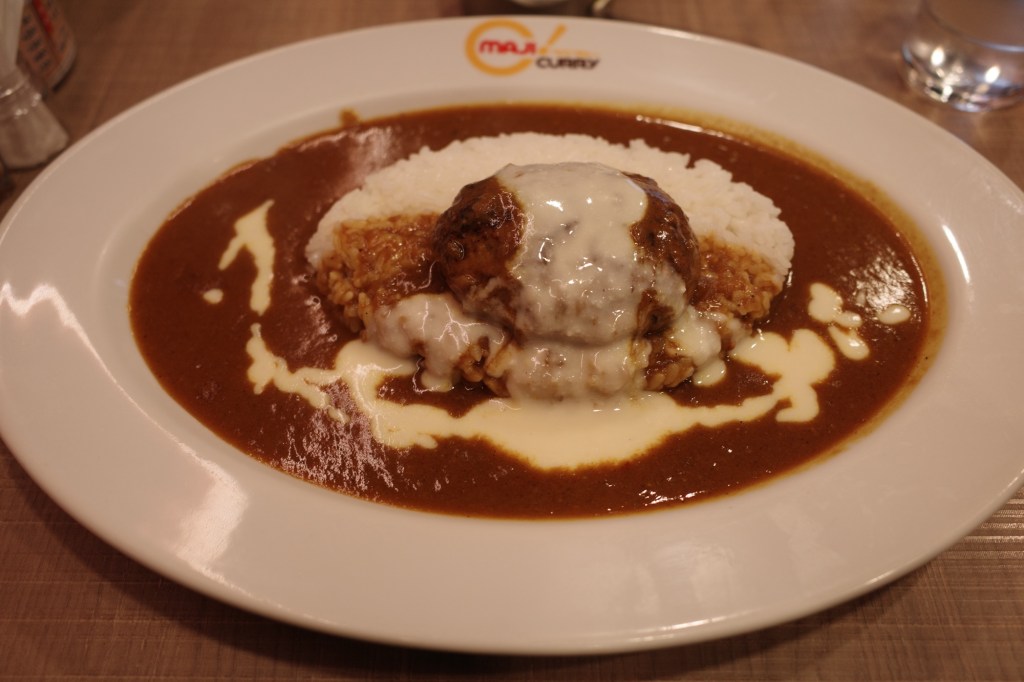
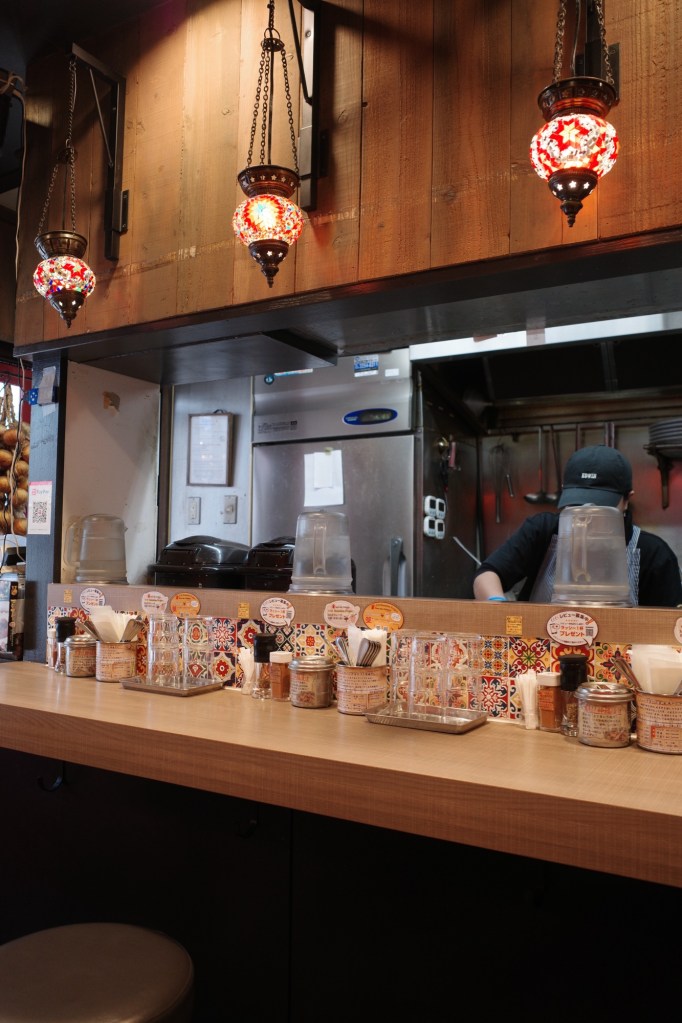
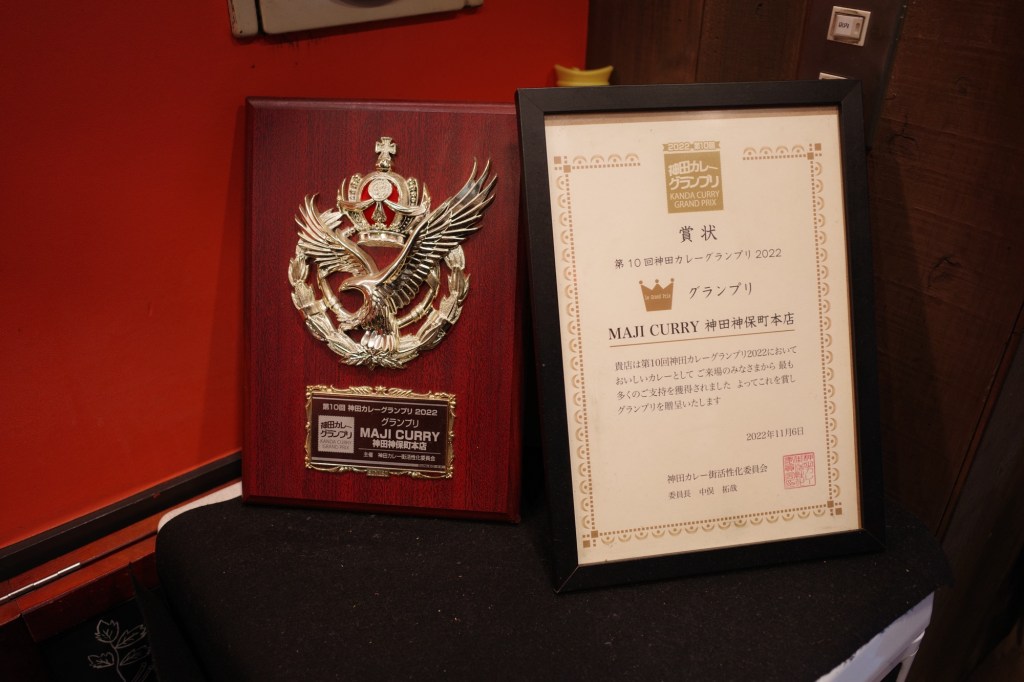
We had lunch at the original Maji Curry restaurant in Jimbocho, and I’m pleased to report that the outlet in Singapore is pretty much the real deal. The fondue cheese sauce here is better, but that’s really nitpicking. Well done to the franchisee/team for bringing it over authentically, unlike Coco Ichibanya’s!
I’ve been on the lookout for cool gachapon miniature items to hang on my bag. So far, I’ve gotten Ricoh GR1 cameras (two of the same silver model), a MiniDisc, a wooden bird call, an Evangelion VHS episode tape with Rei Ayanami on the cover, a Nissin Cup Noodle, and a Johnsonville sausage pack (that I lost when the chain broke off somewhere). It’s quite a millennial weeb collection.
We intended to start each day early to make the most of the limited sunlight. We also underestimated our laziness/tiredness and how hard it would be to get out of bed on a cold day.
On Tuesday, we were forced up at sunrise for a sake brewery tour that was booked weeks ago. We met our guide at Shinjuku station before 9 a.m. — just imagine the crowds — and discovered it was a private tour for just the two of us. It was a nice day of “countryside” day drinking and not-at-all forced conversation with our guide, a 24-year veteran of Japan (originally from Britain via Zimbabwe).
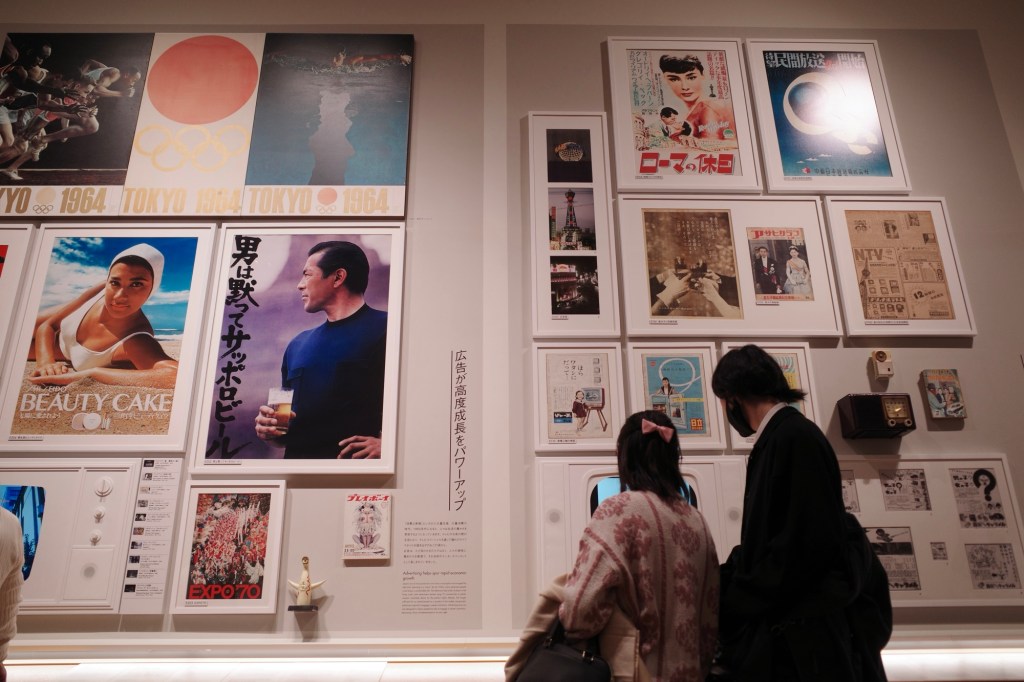
We’ve just visited the Advertising Museum Tokyo, near the Dentsu headquarters and almost certainly funded/run by them. Outside, there’s a free-use space with chairs and tables, and while many seats are occupied by people working on laptops, there are more than a few salarymen sleeping with their heads down. It’s a tough life. Joni Mitchell’s Carey is playing from some speaker nearby.
At my beloved Go Go Curry for lunch now, and it’s the best of the three Japanese curries we’ve had so far (Maji is close behind; CoCo had a poor showing at the Asakusa-eki branch, but I’m confident they’ll deliver next time). But the price of the “Grand Slam” plate with everything on it has shockingly gone up to ¥1700. It was originally ¥1000, and when we came after Covid, it was maybe ¥1200. Inflation is hitting hard here.
Go Go Curry’s Singapore menu
Come to think of it, when Go Go Curry opened in Singapore in 2009, the cost of the equivalent menu item was S$18.50, or about ¥2000. It’s taken Japan 15 years to catch up to that price.
Leica launched a new iPhone accessory: the Leica LUX Grip. It’s a new design for the camera grip made by Fjorden, which was acquired by Leica recently and which has been responsible for the LUX app. It attaches to the iPhone via MagSafe and adds a two-stage shutter button, a control dial, and two programmable function buttons. It honestly looks pretty good, and if the LUX app improves its photo processing to get rid of the iPhone’s Smart HDR look, it will make a pretty nice “camera”.
It’s available now in Singapore for S$450, and when I stopped in at a Leica store here in Tokyo and asked if they had one to look at, the salesman actually laughed, saying no dates for a Japanese launch have yet been announced. What the heck?
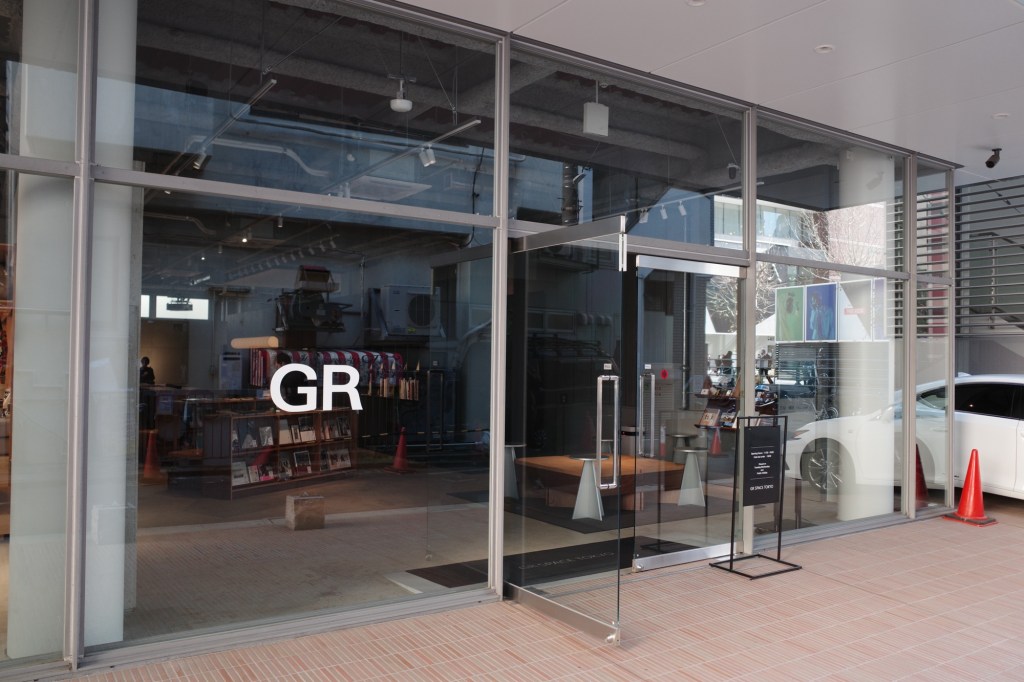
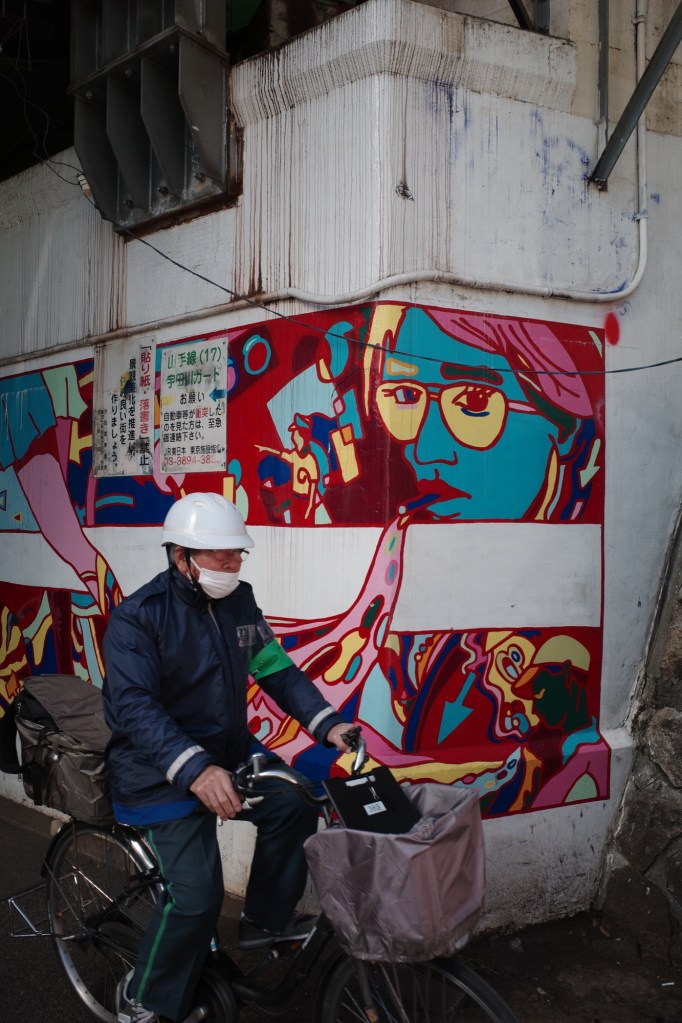
I was super excited to see the new Ricoh GR Space in Shibuya, as I used to love their old RING CUBE museum/gallery in Ginza that closed down in 2020. The staff were super friendly and (I found this odd) thanked me sincerely when they learnt that I’ve been a supporter of the series from the GRD days. I was hoping to buy a little finger strap like the one that came with the GR III Diary Edition, but they don’t sell those piecemeal. Oh well. It was well worth the visit.
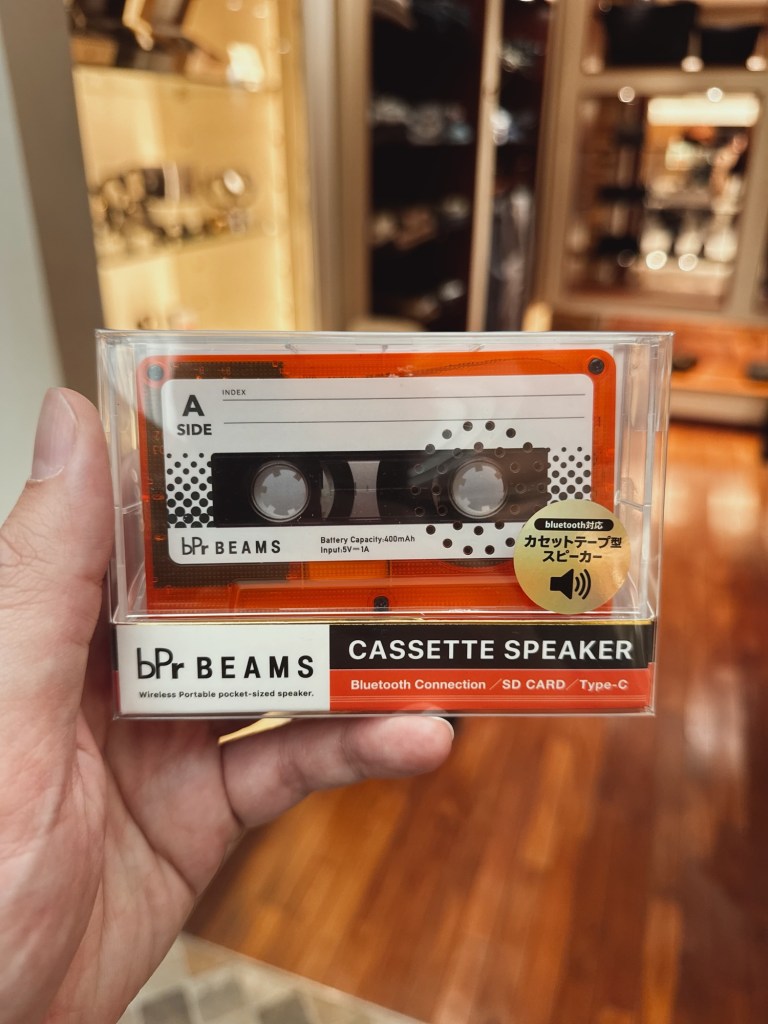
Still on the lookout for nice souvenirs and Japan-exclusive gadgets, but it seems those days are long gone and generally the global electronics market is extremely flat now with online shopping and Chinese e-commerce platforms like AliExpress. But! While at Beams (clothing retailer), I discovered this Bluetooth speaker that is the exact shape and size as a cassette tape for $50. Despite not expecting it to sound any better than my iPhone’s built-in speakers, I bought it on sight. An hour later, I found a non-Beams branded version at Hands for about $10 less. That’s… fine, I guess.
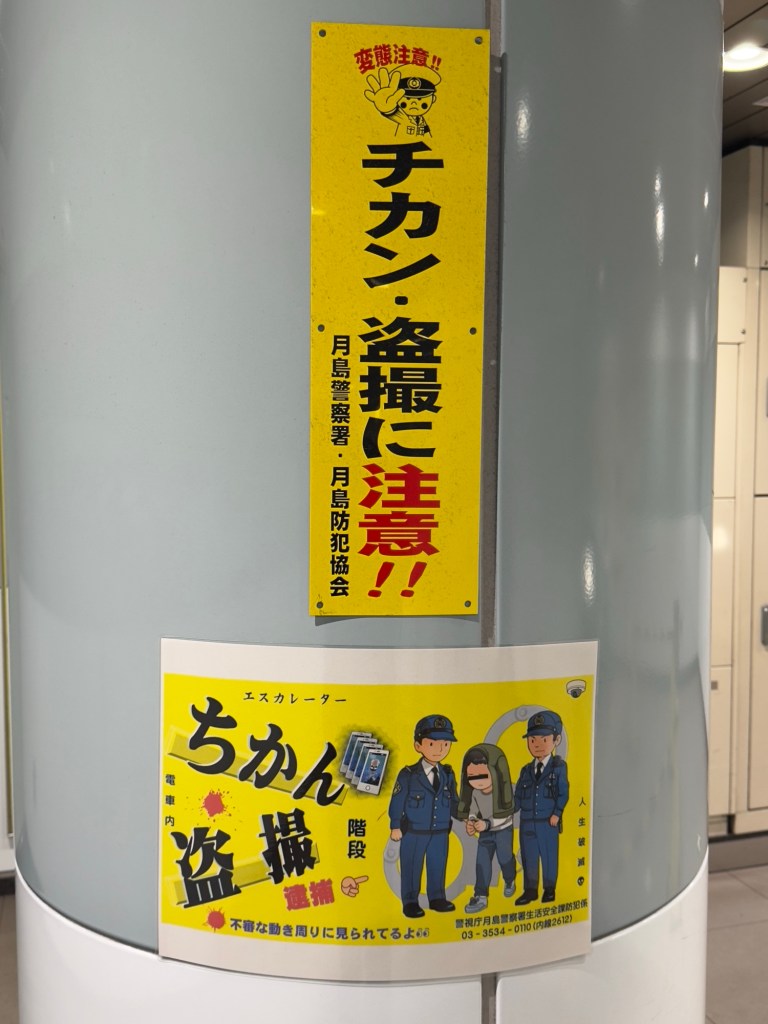
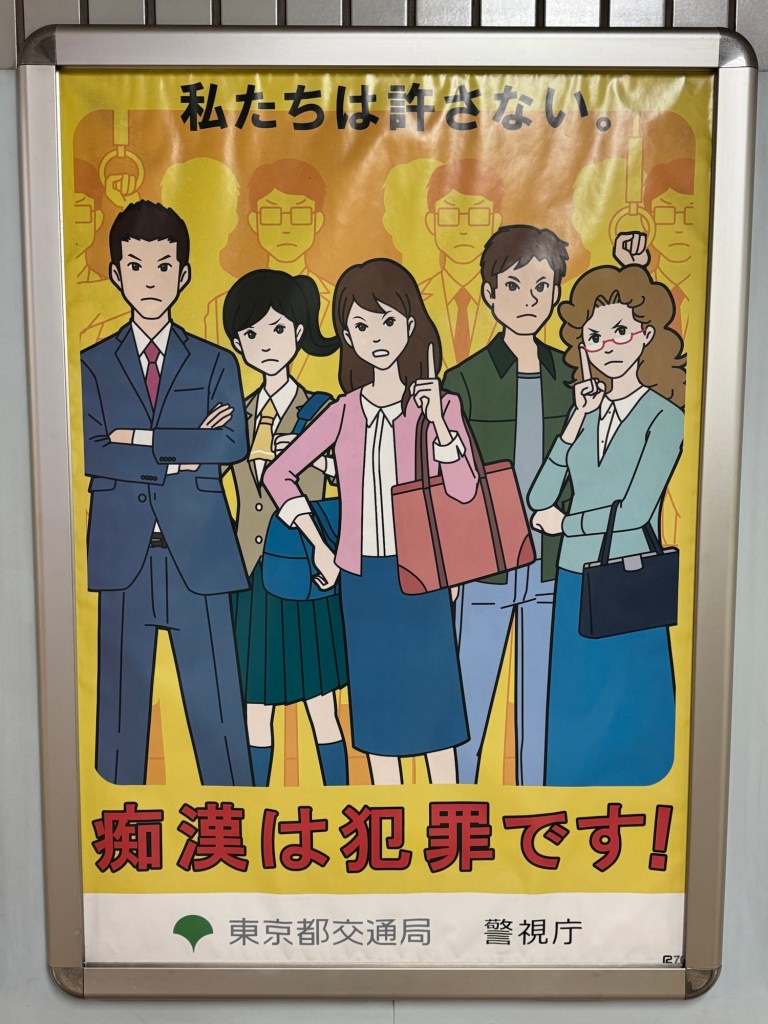
There are great PSA ads here warning against perverts who take upskirt photos and molest people on trains. I’ve been collecting a few (ads, not perverts).
We arrived in Tokyo after dark and headed to a nearby supermarket for apartment essentials: toilet roll, hand soap, face towels, etc. Supermarkets here open till 11 p.m. or midnight, which I did not expect. We’ve been seeing more 24-hour supermarkets back home as well, so maybe that’s just how people shop now (or how late people work now).
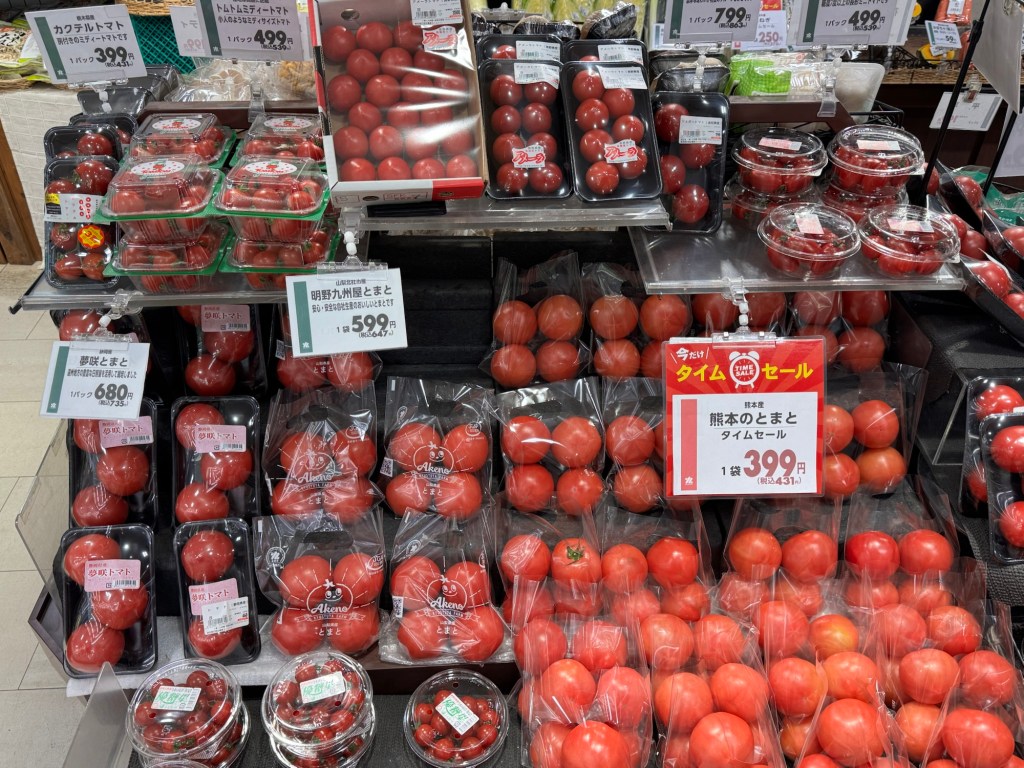
The domestic produce here is, unsurprisingly, beautiful and better than anything you can easily find in Singapore. Prices range from a little more to a GTFOutta here more. I mean, look at those tomatoes. We’ve also been eating some lovely strawberries from a random fruit stand near Gakugei-daigaku station.
My foray into videography was short-lived. After just a day, I’ve gone back to just taking photos. It’s too much work to break in the habit of filming scenes with camera moves and multiple angles whenever something interesting appears.
We ducked into a used records store that carried both CDs and vinyls, and for a short while, I entertained the thought of getting a new CD player to put my teenage collection back into service. If I can find a nice-looking one that supports AirPlay (ha) to our HomePods, then I might. Why hasn’t anyone made an all-in-one, retro revival-ready CD/cassette/LP player with decent quality? They’d make a killing.
Sleep eluded me for two nights. It was the combination of a smaller bed, snoring, and variable room temperature while we figured out the settings. Things got better once I busted out my Loop Quiet II earplugs. They’re well worth the $20-odd bucks.
AccuWeather shows the city has a constant dry air advisory in effect. That’s certainly true in our apartment when the heating is on, and now we’re going to buy a cheap humidifier from 3 Coins (aka ¥300), a Daiso-esque home goods chain that has some really nice products like a 3-in-1 iPhone/Apple Watch/AirPods charging stand and even transparent Switch Pro-style controllers for about S$26. It’s funny that in Singapore I’m constantly dehumidifying, and here it’s just the opposite.
It’s not really that cold. Between 0° and 11° is fine by me, but 15° and sunny would obviously be ideal.
There’s a longstanding idea/stereotype that the Japanese diet is low on vegetables, and I suppose historically that might have been true, with most of it in pickled form? Sean and Cien were just here too, and they’d read that people keep their toilet businesses running smoothly with the help of probiotic milk drinks. Specifically, this Meiji R1 product (or Yakult). We bought some; the verdict’s still out. Meanwhile, trying to get a healthy dose of mealtime fiber with vegetable ramen, side salads, and shredded cabbage, and honestly, the prevalence of vegetables is no different from what I’m used to.
We had dinner at a yakitori restaurant featured in a video on the Japan By Food YouTube channel, and all the local diners were ordering raw chicken tataki, which funnily was not on the English menu given to tourists. But one hot dish we ordered, chicken neck shu mai, came with pink bits of effectively raw meat inside. When in Rome…
It was meant to snow on Sunday, but that didn’t end up happening. We made it out on foot to a nice coffee shop (apparently a branch of a Sydney business), and then spent the morning in the Hokusai museum looking at a small slice of his insane output over 90 years. He apparently produced over 30,000 works, including woodblock prints, sketches, and paintings. I remember having a poster of The Great Wave in my university bedroom way back when (like many of you, I imagine), so it was nice to see the “real thing”.
I’ve used my Ricoh GR III and iPhone cameras probably an equal amount. The former in JPEG-only mode, with the factory Positive Film settings (not to be confused with zeroing each setting; there is actually a “recipe” that they ship with), and the latter in ProRAW. I misspoke last week when it came to the Nitro app. It’s still too buggy, and I couldn’t bring myself to pay for it in this state so I’ve gone back to the developer’s previous app, RAW Power. It’s very good, and with my soon-to-be-released color film LUTs and tone mapping disabled, the iPhone can honestly look like a proper camera. Apple’s default look is… realistic but not romantic.
Rainy season is reading season. After finishing There Is No Antimemetics Division for my book club, I also wrapped up Taylor Lorenz’s Extremely Online, which is sort of a brief history of social media and the influencer economy. I highly recommend the former for fans of SF stories involving time, unreliable memories, and the nature of reality; some members of the book club who are into Doctor Who likened it to that, but I wouldn’t know.
Then I decided to start getting into the mood for our holiday by reading some Japanese fiction. I began with Mieko Kawakami’s Heaven (a rough story about school bullying), which I thought would keep me occupied for a while, but before I knew it, I’d finished it along with Satoshi Yagisawa’s Days at the Morisaki Bookshop and More Days at the Morisaki Bookshop, two entries in the cozy Asian fiction wave dominating the local charts. Other entrants include Welcome to the Hyunam-Dong Bookshop and Before the Coffee Gets Cold by Hwang Bo-Reum and Toshikazu Kawaguchi, respectively. When the going gets tough, people start fantasizing about quitting their jobs and opening cafes or bookstores, and I think that explains the sudden popularity of this micro-genre. Incidentally, I bought a couple of these books for my mother on her recent birthday because I thought she’d enjoy the vibes, although already retired.
For the avoidance of doubt, all of the above books were three stars for me on Goodreads with the exception of Antimemetics, which got a 5-star rating. But the Morisaki Bookshop series makes reference to many great works of Japanese literature, and so I decided to try reading some Mishima on this trip. I’d read The Temple of the Golden Pavilion as a young adult, and it probably just glanced my frontal lobe at the time.
In a flash of pure coincidence soon after, I was scrolling through MUBI and came across Mishima: A Life in Four Chapters (1985) by Paul Schrader (who wrote Taxi Driver), an American Zoetrope biopic executive produced by George Lucas and Francis Ford Coppola. I watched it immediately, and it’s an incredible work of cinema — why isn’t this talked about more? It only covers the last phase of his life, up until his famous act of terrorism/suicide, which makes up only one of the four chapters. The other three are dramatizations of his work, literally staged on theatrical sets and shot with more care and inspiration than anything you could buy today with $100M in streaming service money.
In a further act of cosmic coincidence, I saw a Facebook post from Paul Schrader being shared on Twitter, having an AI moment of crisis when he found that ChatGPT outdoes him when prompted to provide “Paul Schrader script ideas”.
Writer of the legendary movie Taxi Driver is having an existential crisis about AI pic.twitter.com/5H89SWUKn9
Looking back on holiday photos from March 2023, I rediscovered my rediscovery of Hipstamatic, which had just launched its new subscription-based app at the time. Looking at those photos brings back fond memories; they are “ruined” in a good way — mundane everyday scenes somehow imprinted with the nostalgia of the moment through imperfect filters (it helps that I know that the original, normal photos lie underneath and can be accessed with a tap of the Revert button). My setup at the time was to use the Ricoh GR III as a main camera for all photos that needed to look good and accurate, and to reserve the iPhone + Hipstamatic for casual, silly snapshots. Otherwise, you have two tools competing for the same job. I’m now finding that idea attractive again, except both Hipstamatic apps are quite a pain to use, UI-wise.
I watched this video of “Best Apps in 2024” from the MKBHD Studio team, and decided to give Dazz Cam another try. It’s surprisingly powerful! Some of the vintage “cameras” you can choose from use RAW processes, and you can have it save both the original RAW file and the filtered results separately. So I may end up using this to “gimp” my iPhone rather than Hipstamatic. Plus, the subscription to unlock all its features is only $10/yr compared to Hipstamatic’s $40/yr. I don’t even think you need it as some of the free filters are good enough. I only wish it would use the underlying RAW and not the JPEG when importing an existing image from your library.
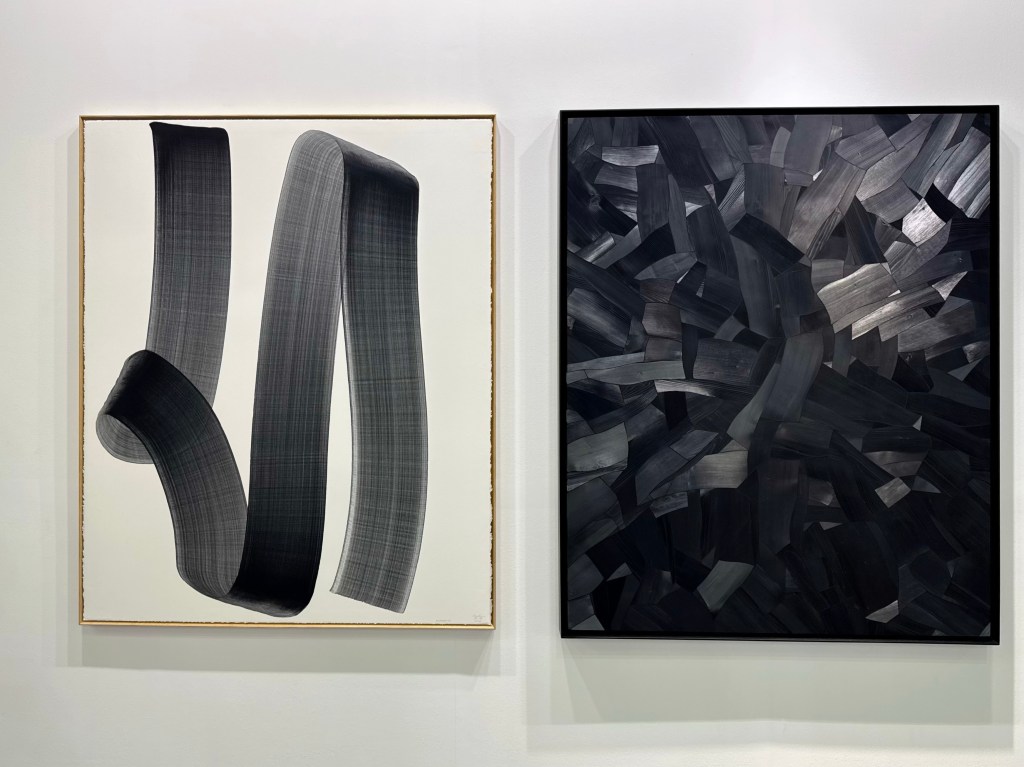
We had free tickets to the ART SG fair at the Marina Bay Sands over the weekend and dropped by for a quick look. It was crowded as hell and I was reminded why I don’t think these things are a great way for the general public to see art; it’s mostly a trade show geared towards buyers, and so the scale is too overwhelming for anything to really be appreciated. Not only that, but the selection this year didn’t really make much impact. I was looking out for more of the humor and playfulness I saw at the 2023 edition, something to make light and sense of the trauma we’ve normalized, but it was sorely lacking. I did like the pair in the featured image above, though, as they reminded me of some other works I’ve seen before, including the Act of Emotion digital series by Kelly Milligan.
Trump launched his own memecoin on Solana this weekend, days before the inauguration, and I believe it went up to a market cap of $70bn. That would qualify as a very funny and absurd art project, from ‘probably the greatest’ (scam) artist, if it wasn’t real and thereby depressing.
Just 10 days to Christmas, and I finally got a sense of it happening through my first gift exchange and a couple of meetups. The first was with a few workplace alums, after one suggested to me that it would be nice if we all caught up (and so I ended up getting the job of organizing, which I bumbled through). It was nice after all, and I got to spend time with some people I hadn’t seen in years. The second was last night at a friend’s home that impressively decorated for the season, complete with a playlist of Christmas classics greeting us at the door. I think that was the moment it became real for me.
I brought my Leica D-Lux 7 out of hibernation this week for a few photos, mostly to put its aging battery to the test. It fits in my new Bellroy sling (the Ricoh GR III is still significantly smaller and lighter, albeit without a zoom lens), so I’m entertaining the thought of bringing it on our next holiday. Oh, that’s right. We’ve just booked a trip to Tokyo next year, wayyy behind the trend, but hopefully everyone’s had their fill of Japan by now and it’ll be less crowded when we get there. If I do need a spare battery, I’ll pick up the Panasonic equivalent model from Yodobashi Camera or something.
Another reason for the renewed interest was an update to the Leica FOTOS app (which connects to cameras) that came out this week. For the uninitiated, ‘Leica Looks’ are essentially a series of live filters that can be installed onto newer cameras. Owners of older models have been out of luck, but with this new update they can be retroactively applied in the app to any JPEG taken with a Leica camera. While trying it out, I discovered that photos I’ve been taking with the Leica LUX camera app also qualify as “taken with a Leica camera”, meaning you can apply these Looks to iPhone photos for free as well.
So far, I’ve been surprised by how well photos from its Micro Four-Thirds sensor have turned out, especially in daylight. Low light photos are quite smudgy/noisy if you elect to use an ISO value over 3200. I’m fortunate that Leica’s updated D-Lux 8 model this year was such a relative disappointment: a surface-level redesign of the camera’s body and UI without any improvements to the lens, sensor, or processor. It’s good news for me since an uncompelling update is money saved. Ignoring the PS5 I got in May, NOT upgrading stuff has been a bit of a theme this year. I don’t even covet Fuji’s X100VI camera one bit, maybe because it’s been so (artificially?) rare and overpriced.
===
Our new broadband line was finally activated, and it’s resulted in a doubling of accessible bandwidth. In one speed test, I got over 1.1 Gbps (symmetrical) on my iPhone. At this point, our fleet of un-upgraded hardware is holding us back more than the network. In a couple of years, when every device in the house actually supports WiFi 7, I’ll upgrade the router and unlock the full 10Gbps that we currently have.
How little use am I making of this plentiful bandwidth? Well, listening to a lot of Apple Music Radio.
You probably missed this because it hardly made the headlines, but Apple Music doubled the number of their live, hosted radio stations from three to six. Apple Music Club, Chill, and Música Uno now join Apple Music 1, Hits, and Country. In a world where personalized, algorithmic stations/playlists are plentiful and pedestrian, I think these human-led stations are a wonderful zig to Spotify DJ’s zag.
Some of the best artists I’ve discovered this year were serendipitous encounters while listening to Zane Lowe, Rebecca Judd, Matt Wilkinson, or Dotty taking listeners through their latest picks on Apple Music 1. I think receiving and interacting with other people’s passion and opinions is a key part of the cultural experience of music, so these DJs play an important role that is growing ever smaller. It’s so good to see Apple Music expanding their Radio offering rather than shutting it down.
I used to have a Shortcut on my phone to launch Apple Music 1, but with these new stations it seemed time to build a quick launcher. Now, I can start live stations and my personalized stations from the Control Center, Today Screen, or even with the Action Button.
===
iOS 18.2 came out of beta, with new Apple Intelligence features like Genmoji and Image Playground. They are okay for a bit of fun, but definitely won’t cause any artists or illustrators to become unemployed. It’s interesting to ask if they ever will, because Apple could certainly get the models there with time, even with fully on-device inference, so it’s just a question of intention. But I don’t think there are any brakes on this train and every company is onboard, they’ve just bought different tickets.
I was able to visit my parents for dinner for the first time in over a month. The long delay was on account of my dad developing a painful case of shingles, which, if you don’t know much about (like me), is a reemergence of a dormant chickenpox virus in one’s body, often after the age of 50. In other words, if you’ve had chickenpox before, you’re at risk of shingles — a nastier, localized version of the same virus.
Unlike the regular childhood version, it doesn’t usually take over your entire body, just specific areas. In my dad’s case, it affected his back and one side of his torso, leaving the skin painfully sensitive for weeks — nerve pain that, for some, can linger for years. Thankfully, he’s making a quicker recovery.
I had to stay away because I have never gotten chickenpox, and you can catch it from someone with shingles. I was urged to get the vaccine, because adult cpox is reportedly awful (like shingles, maybe worse), but my doctor suggested doing some blood work first to test for immunity — mostly because he didn’t believe I could make it this far in life without getting chickenpox. But it’s true! My mother swears it, and I have two traits: pretty good memory of my childhood years, and an outsized tendency to complain of ailments. There is no way that I could have gotten chickenpox as a child and everyone just forgot.
The test results came back, and apparently I’m immune. The only theory I have traces back to this one time in kindergarten, when the boy sitting next to me in class developed cpox and had to leave school early. I recall living in fear that I would be next, and pus-filled bubbles would soon show. I remember checking myself fastidiously for a week or more, but it never came. Perhaps the glancing exposure was just enough to let my immune system prepare itself, but not enough to result in an infection? Or maybe, as my recent run-in with a car suggests, I’m actually Unbreakable like Bruce Willis in that M. Night Shyamalan movie.
===
Kim is away again for work (13,600km away to be precise), and my having to deal with our pest situation alone has been a whole saga too boring to recount in detail. Tl;dr I’ve deployed a fleet of poison/bait traps, struggled with anxious insomnia, taped up a bunch of possible entry points, cleaned up a lot of lizard poop, sprayed insecticide down drains…
More happily, the morning she left for the airport, I was up early and decided around 7:30 AM that I might go for a walk before it got too warm. This was inspired by Cien’s recent revelation that she’s been taking hour-long morning walks nearly every day. Just to get it out of the way: that’s a bit much for me, but I might go once a week. Spontaneously, this particular morning’s resolution ended in Peishan and me ‘virtually’ joining her for a walk at the same time, in our respective neighborhoods, sending photos along the way. This is actually a pretty fun thing to do!
It was, however, warm despite the early hour. And it’s been hot and humid all week out here. I had to walk 10 minutes from an MRT station to a restaurant yesterday evening in very still air, and I could feel the sweat on my back not evaporating at all, merely pooling. Even my Sony Reon Pocket 5 brought little relief; I barely perceived that the metal contact point was cooler, or it can’t do much to dispel the mugginess of high humidity.
===
I couldn’t take the wait any longer and upgraded to the visionOS 2 beta. I won’t upgrade any other devices, but I wanted any improvements in eye/hand tracking that I could get. So far, it’s been perfectly stable. I could talk about the new gestures and features, but the single most impressive thing has been the ability to view old 2D photos as 3D spatial scenes.
What this looks like is simply layers of depth. You obviously can’t look around corners, and it’s not doing anything crazy like building 3D models you can move around in. But it’s like going from looking at a scene with one eye to two eyes. They suddenly have a liveliness to them because your brain can not only see that one object is in front of another, but perceive it too. Sadly, this is not something that can be demonstrated with a photo or video. The only way is to see it for yourself.
The AI-powered segmentation of objects is somehow flawless, even better than on Portrait Mode (blurred background) photos taken with an iPhone. In one shot I had of a vineyard, every individual plant and leaf stretching to the horizon line was distinctly separated in space from the others. You can also blow them up to life-size with an “immersive” viewing mode, which puts you right in the space.
Going through photos from the past two decades, of people who’ve passed on, and places I may never see again, has been profoundly moving. Documenting your experiences in photos has always been like building a time capsule, but this approaches time travel. It makes me so glad for every moment I thought to capture at the time, and the fact that the Vision Pro can do this retroactively for normal photos feels like the most unexpected gift I never knew I wanted. That’s what Apple does best, I suppose.
Before the annual fall event tomorrow night, I’ll go on record again that I don’t think I’ll be upgrading my iPhone or anything else this year (but this time I really mean it!). So far I’ve had 16 iPhones and lost this bet with myself every year, but I can’t justify an incremental tech purchase in the same year as the AVP.
Things that are unlikely to be announced but might make me reconsider my ‘no upgrade’ vow:
For iPhone 16 Pro (Max):
No camera bump
New image processing pipeline that walks back the aggressive AI/HDR look and brings back natural looking photos à la Halide’s Process Zero (but with 24–48mp HEIC/JPEG XL files)
Bold, saturated colors like on the old iPod nanos
Untextured, grippy back glass
Significantly faster or exclusive Apple Intelligence features compared to iPhone 15 Pro
Completely new battery chemistry that means I won’t be sub-90% battery health in under a year
For Apple Watch Series 10:
2x battery life
Blood glucose monitoring
New body design that shames the old ones so bad you can’t wear them out in public anymore
For AirPods Max:
Redesigned headband that either replaces the mesh or improves its comfort and durability
Significant weight reduction and/or new materials (comfort and durability)
A great protective case
Addition of a power button
===
Media activity
Recent reading momentum led me to finish reading Neal Stephenson’s Interface after two months. It’s a highly entertaining sci-fi story about contemporary American politics, media culture, and using brain implants to reverse a presidential candidate’s stroke damage. Nearly the entire time I was reading it, I visualized the main character as Robert F. Kennedy, and his VP pick as Kamala Harris.
For my next book, I’m taking it easy with Jack Reacher #22, The Midnight Line.
A few years ago, Nintendo remade two classic ‘80s visual novel-style adventure games under the “Famicom Detective Club” banner. This week, they released a wholly new third entry in the series, Emio: The Smiling Man, which got greenlit because of the warm reception that the remakes received. The history of these games is pretty interesting, and I watched this whole video essay on them.
I bought and played the first remake, The Missing Heir, back around 2022, and found its authentically ancient gameplay archaic and frustrating. For example, in most such games, when questioning someone about a topic, you will reach a point where their answer starts to repeat itself — a sign that you’ve heard all you’re going to hear. In the first two Famicom Detective Club games, this is not the case (pun unintended).
You: [Ask about the car] Suspect: There was a car seen at the time, I heard. You: [Ask about the car] Suspect: Hmm, that’s about all I remember. You: [Ask about the car] Suspect: Hmm, that’s about all I remember. You: [Ask about the car] Suspect: Hmm, that’s about all I remember. You: [Ask about the car] Suspect: Oh! I just remembered something. It was a black sedan.
This is such incredibly bad game design, because someone repeating themselves like that is unnatural in the real world, so it appears as a limitation of the game (not having AI to generate different versions of “I dunno”). So of course a player isn’t going to keep pressing, because the suspect’s response isn’t an invitation to keep trying. It’s the equivalent of a brick wall in the game’s interaction model. But no, you’re meant to kick every solid object multiple times in case it comes loose.
I ended up finishing the game using a walkthrough, and declined to buy the second game, The Girl Who Stands Behind. I’m guessing that Emio, being a new game, will be an improvement in this regard and so I intend to play it someday. But it doesn’t feel right doing that unless I also play the second game (there is no real need, they are not connected).
Rather than pay $30 USD to frustrate myself, I watched a 7-hour video of someone else playing through the entire game — at 1.5x speed, of course. The first video I found was actually 10 hours long because the player was blundering through some of the aforementioned game design quirks, so I gave up on him and found this better one instead.
Oh, and there’s another kinda new game that concludes something that started in my childhood, and I finished it this week. That game is of course Return to Monkey Island, which I played on the Switch. If you subscribe to Apple Arcade, you can also play it there. I don’t know how I feel about it; the original two games were the pinnacle of LucasArts’ point-and-click adventures and I probably remember them most fondly of all. The new sequel brings the story to a close, but with a new art style and an acknowledgment that a long time has passed (both in story terms and the authors’ perspectives). There was no way the ending could have satisfied every question and loose end, so they just went for something that felt true enough to its roots, but kinda comes out of nowhere. I was honestly surprised when the credits rolled. But that’s life!