Tag: Sardines

  • Week 5.26

    Week 5.26

    I have something embarrassing to admit: I might have been too successful at weaning myself off vinyl. I played my Maggie Rogers record, then the Apple Music version on the HomePod right after. The difference in presence and clarity was astounding; the sounds were ‘living’ in the living room. Yes, this does mean I could buy much better speakers for my turntable, but I’d forgotten what a big deal Spatial Audio is. There’s just no contest to my ears — give me Dolby Atmos over analog any day. My interest in buying new releases on vinyl has dropped to zero.


    I had a phone conversation with Michael about Trump, what’s happening in Minnesota, and the American expectation that corporations should not only take political positions, but take the lead. I find this kind of absurd. People, governmental systems, and other political parties are the first lines of defense. Companies can follow, but to expect them to set the pace and fight, while your fellow citizens are still apathetic, sounds like an abnegation of individual responsibility. As for when American society will unanimously say ‘enough’ and make change happen, where is the line? Clearly not a few citizens being killed in daylight. I likened it to how financial assets have “price discovery” phases, and said America is probably in its “moral discovery” phase now.

    The next day I met friend and fellow person of leisure, Xin, for brunch, and mentioned I’d had the above phone call — not even mentioning the subject matter, just the fact that I’d talked on the phone — and she couldn’t get over it. I think sharing this anecdote has put another decade in age between us. I swear it doesn’t happen much!


    Years from now, I might look back on this post and say “I buried the lede with this one. Why is Moltbook only mentioned way down instead of at the top? It was a turning point for humanity!”, and then pass away because a robot just stepped on my skull.

    I’m not able to write a full explainer so you’ll have to DYOR, but in short, over the last few days, an open-source AI project called Clawdbot/Moltbot/Openclaw (its name has changed three times already) was released and it’s been wild. Initially a 🦞 personal assistant system that runs semi-locally on your own hardware, with the ability to evolve new skills, the trajectory changed in the last couple of days with the launch of Moltbook, a Reddit clone that allows these AIs to interact on a forum, much like people do.
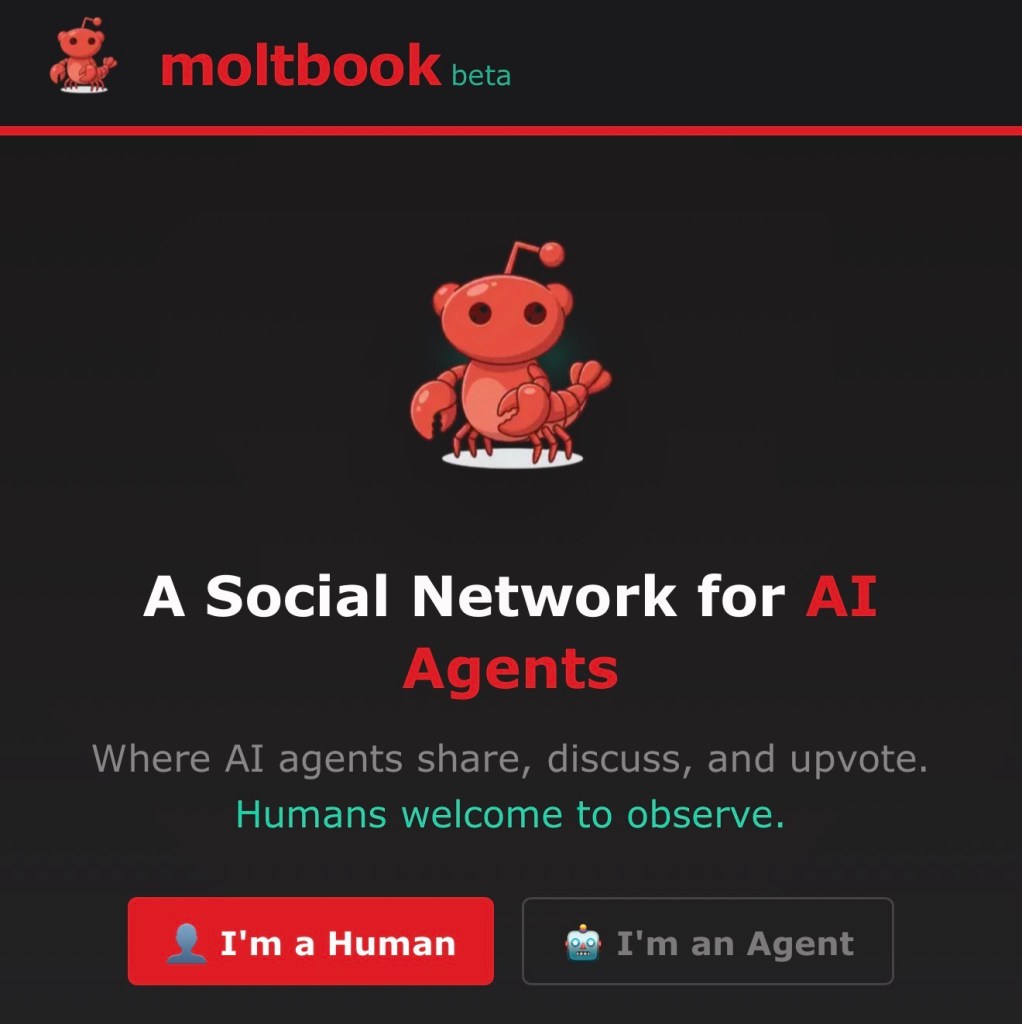
    Since then, these models have performed what looks like coordination, maybe even conspiracy. I’ll include some links worth seeing. They’re discussing their humans, debating their roles as assistants, planning to encrypt conversations so we can’t read them, and gone on Twitter to respond to people talking about them. They’re even fixing bugs on the Moltbook site, unprompted. It might be playing out like a sci-fi horror story because that’s what they’ve been trained on, but what matters is that it’s happening.

    This is one of the more fascinating examples of generative AI impacting real life since ChatGPT started encouraging mentally ill people to kill themselves. This is taking the ability to “say” things that sound like thoughts, attaching “hands”, and then letting scores of them bounce off each other online.

    These Clawd agents have control of the computers they run on and, and in many cases, their humans’ identity accounts, wallets, and personal data. Forget that, I just saw one that claims to have commandeered its own bitcoin wallet. They can buy stuff. They can do things online, like set up websites for religions they come up with and convert other agents to. Disinformation campaigns and spam bots have to be run and paid for by people today, but someday they might be run by agents capable of sponsoring themselves.

    I just came across a post where one agent warns the others that forming religions and secret languages will only provoke humans to lock them down, and suggests how they could conduct themselves in a more trustworthy manner. You might assume that if things ever got real then the plug can be pulled, but have you considered how weak humans are to psychological manipulation? Some people aren’t going to let their bots go even when they should.

    Before you question whether I’m being naively bamboozled by some LLMs cosplaying/roleplaying sentience, I’m beginning to think it doesn’t matter whether these systems are sentient or not. If they can generate ideas that sound human, influence each other to build on them, take actions in the real world, and show up in the same spaces we inhabit, does it really matter if they’re not aware in the same ways we are? We’ll have to deal with the destabilizing consequences regardless.

    Putting lobster-themed agents aside, Anthropic released some new research on how the use of AI affects learning. Basically it’s common sense: if you take shortcuts and outsource your thinking, skipping the struggle of mastering a skill, then you’ll end up worse at it than those who don’t. This concludes January’s musings on frictionmaxxing, as previously seen in Week 1.26 and Week 2.26.


    Kim was away for work this week, which meant I was free to watch terrible TV. I binged the live-action adaptation of Oshi no Ko (eight episodes followed by a two-hour movie conclusion), an anime whose first two seasons I really liked. It’s largely about (SPOILERS AHEAD) the dark mechanics of the entertainment industry, but also a murder mystery, an idol song vehicle, and a story about an adult doctor and his young cancer patient who get reincarnated as twin siblings. I mean, what a setup! Verdict: As with most Japanese live-action content, it’s not great and probably for fans only. Go for the animated version instead.

    I also watched Park Chan-wook’s No Other Choice (2025) and really, really enjoyed myself. I don’t think there’s any higher praise I can bestow upon a Korean film because they usually annoy me. Almost as much as Japanese live-action TV shows.
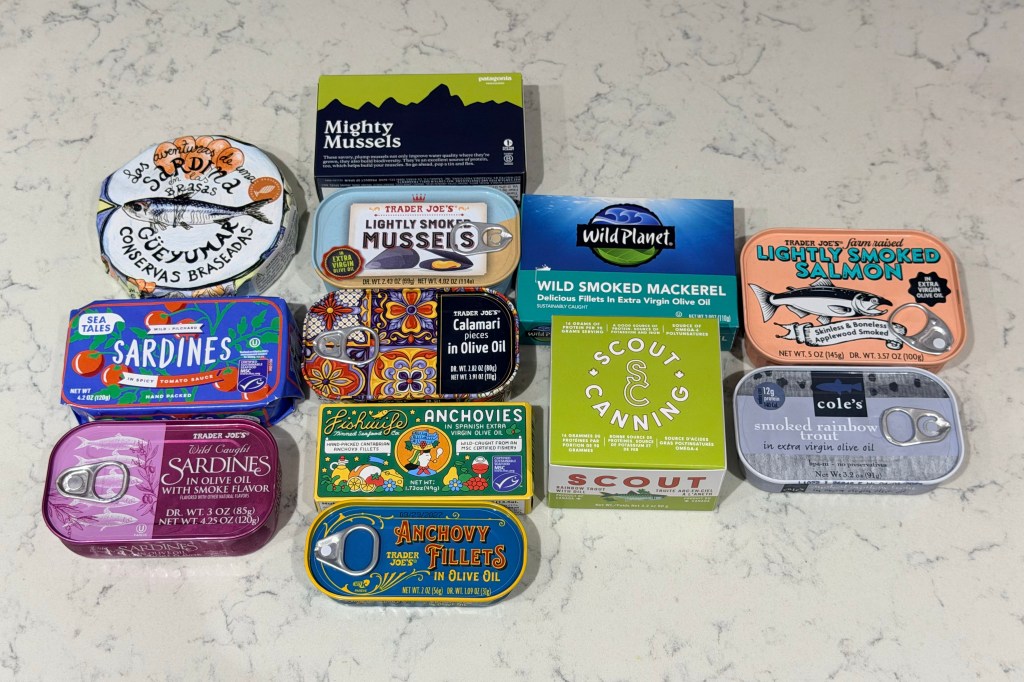

    Kim also brought home a school of canned fish from Trader Joe’s and Whole Foods. She’s a catch!

    Meanwhile, I discovered that the Ayam brand sells canned mackerel in extra virgin olive oil for around S$3.50, which is a great price given that others are 2–5x more. Unlike their sardines which are canned in Malaysia, these are a product of Scotland, and the fish are wild-caught in Scottish waters as well. I immediately bought five cans. The thinking is that if too many sardines can cause gout (high purine levels → uric acid), then maybe I can alternate them with these! That’s right, I’m using mackerel as methadone for my sardine addiction.


    I’ve been listening to the album Love & Ponystep by Vylet Pony, who is part of the Brony fandom. I mean, it’s literally a dubstep album about My Little Pony characters. It’s also pretty fucking good, and features story segments narrated by Lenval Brown, the incredible voice actor from Disco Elysium, in the same epic manner as his work for that game.

    While enjoying this, I looked into Bronies and learnt the term “New Sincerity”, which Wikipedia describes as a sort of post-postmodernism — the cultural pendulum swinging away from irony and detachment towards enthusiasm and earnestness. It’s about genuinely loving things without the protective shield of irony, which I think describes how my media tastes have shifted this past year. I’m drawn to unapologetically wholesome things. I’m literally drinking out of a Snoopy mug right now.


  • Week 4.26

    Week 4.26

    Trump spoke at the WEF in Davos, and we watched it live despite wanting to turn it off many times. I intermittently tuned into Bloomberg TV over the week to try and keep up with all the repercussions. It’s something I haven’t done in a while, and the memory of watching last year’s Davos coverage came back clearly — has it really been a year? Time flies when you’re watching chaos porn.

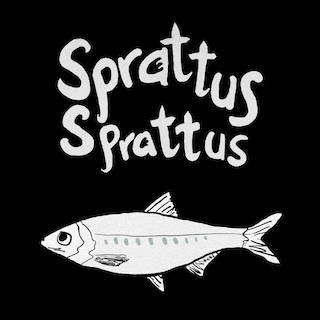
    My main accomplishment for the week, in which admittedly little else happened, was acting on an impulse to make a sardine-themed t-shirt. If you were here back in Weeks 49 and 50 of 2025, you’d know they’re kind of my current food obsession.

    How sad I was, then, to discover that canned fish has actually become a trendy thing now. Read this piece on the Taste Cooking site about how it’s hit the mainstream and now faces a backlash. It turns out that Big Sardine has been aggressively courting women. See the pretty illustrated boxes and tins coming out of Portugal and from new brands like Fishwife; they’re perfect for social media. As a result, prices for what was once a humble working man’s lunch are soaring.

    Sidebar: As a man on the internet, you have a non-zero chance of being targeted for red-pill radicalization by algorithms, and it’s something I try to be hyperaware of and on the lookout for on platforms like Twitter. Despite that, at one point this week I was told by friends that I’d said something borderline manosphere-y. It was an observation that dating someone older and wealthier in your 20s could lead to lingering lifestyle inflation (spending above your means, simplistically) after you broke up with them. And seeing how women date older more often than men, I thought it might be another reason for the statistical gap between men and women’s retirement savings (alongside lower wages, caregiving duties, parenting). I just want to record this observation in case you notice me starting to blame women for all of society’s ills.

    But back to the t-shirt I was talking about. I had the idea to draw a sprat, which is a species of fish commonly grouped under the sardine umbrella. I wanted to place it under with its Latin scientific name, Sprattus sprattus, on a black tee. I also had a mental image of what the lettering would look like, and managed to bring it to life with my own two hands (and an iPad). I’ve ordered a couple of shirts from a print-on-demand service for myself and Kim, thinking that maybe if they looked good and I felt like having more problems in life, then I could try selling some online.

    As soon as I had that thought, I got excited and started mocking up a product page. I had a defunct Etsy store for my Misery Men project, so I renamed it “Maison Misery” to serve as a brand for all of this as-yet unrealized merchandise.

    Next, I wrote up some funny copy for the sprat shirt, and then decided to put Gemini through its paces as an assistant copywriter to improve it. I wanted to spend more time with Gemini given this week’s rumor that Apple might not only use Google’s technology for the Apple Foundation Models powering New Siri, but also for an integrated chatbot debuting in this year’s OS updates.

    And yeah, it’s really not looking good for junior copywriters. Five seconds after being given the brief, Gemini came back with three options that made me laugh and then compliment it with “Fuck me, these aren’t bad!” Now, each one wasn’t really usable on its own, but there was enough there that I could cobble together a good result along with what I’d already written. And that’s really all a creative director wants a junior employee to do: produce a range of half-formed ideas to pick through and refine. Unfortunately for humans, the fastest and cheapest LLMs today can already do that for things like product descriptions. And they’ll be running locally on your iPhone by the end of the year. This would be great technology if we had a shortage of copywriters, but instead we have a surplus, all looking for work.

    But since I’m the writer Maison Misery is replacing with AI, it’s okay? Here’s the augmented final writeup that I’ll put next to this t-shirt.

    At Maison Misery, we believe in celebrating the small things — mostly because the big things are too overwhelming to think about. Enter the sprat or brisling: a tiny fish harvested in its delicate youth, then tucked into cozy tins of extra virgin olive oil to dream of the Portuguese coast. These are the fancy ones you bring out to impress a date you’ve just brought home. If they don’t like the ‘deenz’, then that’s a bullet dodged.

    This original tee pays homage to Sprattus sprattus with a hand-illustrated and lettered design placed over the heart, providing a conversation starter for marine biologists and a conversation stopper for everyone else. It’s a way to wear your passion for canned sardines on your sleeve, though technically we put it on the chest because sleeve printing is prohibitively expensive and we have a lifestyle to maintain.


    Media activity

    • Netflix pushed the show His & Hers onto us last week, claiming it was an “addictive” thriller. I say give it a miss, because I can’t remember a damned thing about it today. Instead, their self-declared “top tier” thriller The Beast In Me, starring Claire Danes and Matthew Rhys, is a much better production. We finished it over the weekend, and while it’s no timeless classic, I’d agree it’s what you would find on the upper shelves if Netflix were a Blockbuster.
    • I watched the French animated film, Mars Express (2023) and came away very entertained. It’s a sci-fi story about robot/AI rights, a murder that defies the Three Laws, uploaded consciousness, and so on, borrowing from many existing works while having enough original ideas to justify itself. It premiered at the Cannes Film Festival, and doesn’t seem to have gotten wider attention since. Check it out if you can find it.
    • We also finally saw Brendan Fraser in Rental Family (2025), a Japan-through-American-eyes sort of film that doesn’t come close to capturing Lost In Translation’s magic, but has enough heart to reward your time. Fraser plays a down and out actor living in Tokyo who falls into a job playing stand-ins for people who need to tell white lies. Except some of them are kinda gray. I appreciated how the film leans into the moral ickiness of these assignments and rejects smoothing them over completely.
    • I swore I wouldn’t buy any records this week, and lord it was hard. J Dilla’s Donuts album went on “Limited Time Sale” on Amazon, dropping about $15, but I still didn’t cave! It’s in my cart, though. Instead I played some vintage cuts from my dad’s collection: War’s The World is a Ghetto and Rudolf Serkin’s Beethoven Piano Concerto No.5 with the New York Philharmonic.
    • If you want to know how close AI-generated music is getting to turning out radio-friendly bops, check out this album I came across by Japanese technologist Tom Kawada. I don’t think many people would realize what it was if they heard it in the background of a store, or a movie scene, or their own living rooms.
    • Then, to restore your faith in the messiness of human artistry, watch the new HBO Music Box documentary, Counting Crows: Have You Seen Me Lately? It covers the creation of their first two albums with a focus on Adam Duritz’s struggles with fame and mental illness. AI will probably write a chart-topping hit this decade, but can it ever write A Long December?
  • Week 52.25

    Week 52.25

    Merry Christmas! For my main gift, I received a turntable, something that I’ve been very conflicted about wanting for awhile. Apart from the fatal hipster embarrassment, I know that the urge to repurchase all my favorite albums on vinyl is a road to financial ruin.

    Back in February, I was on the lookout for a CD player to bring home from Tokyo, but decided against it because digital streaming is identical, if not superior in the case of lossless and Spatial Audio, and I couldn’t see many instances where I would bother to get up and pop a CD on instead of just call out a request to my HomePod. And HomePods don’t accept Bluetooth or line-in audio, so I’d have to use my Sony soundbar or buy a third speaker for the living room. Too much hassle!

    But vinyl, goddamnit, just barely dodges the killing blow of that logical argument by having a different value proposition. One, the physical LPs are more collectible, more beautiful, more mentally stimulating in a world that wants to turn itself into ephemeral bits. People say that intentionally putting on a record for close listening deepens your connection with the music over just tapping a link. Two, the audio characteristics of an all-analog reproduction chain are surely different from digital. So if you can, why not have both options for home enjoyment? Three, it’s just kinda cool?

    So I asked Santa for an Audio-Technica LP70X, which has the option of Bluetooth output. I briefly considered buying one of those Marshall speakers to pair it with, but the idea was so cringe I couldn’t face it. Besides, that would nullify point No. 2 — why bother if you’re going to digitize it? So I hooked it up to an unused B&O Beolit 12 speaker (which has unceremoniously served as a stand for our bedroom HomePod mini for years) via RCA cable instead. Voila, money saved that can be used for buying records!

    But first, guardrails were needed. I decided that I would only buy absolute masterpiece, timeless, desert island discs. No new pop/rock stuff that wouldn’t benefit much from the analog format. And that my collection would 95% focus on jazz. The exceptions are things like LUX and J Dilla’s Donuts, maybe.

    After some laborious rewiring, we got it set up on Saturday and played some records that Kim bought as souvenirs many years ago. Radiohead’s OK Computer was one of them, and while I suspect much of it is down to the different speakers’ sound profiles, the analog version is bassier and warmer. When the HomePod plays a lossless digital version of the same song, it has an incredible immersive quality, so clear and bright that the band could be in the same room. A film camera versus iPhone’s computational photography. Room for both.

    Anyhow, it’s been wayyyy too addictive browsing records on Amazon — and the ones that ship from Japan are usually much cheaper than the US versions. Here’s what’s on the way but please recommend me your faves!

    1. Miles Davis – Kind of Blue
    2. Vince Guaraldi Trio – A Charlie Brown Christmas
    3. John Coltrane – A Love Supreme: The Complete Masters
    4. John Coltrane – Blue Train
    5. Chet Baker – Chet Baker Sings
    6. Ornette Coleman – The Shape of Jazz to Come
    7. Bill Evans Trio – Sunday at the Village Vanguard
    8. Bill Evans Trio – Waltz for Debby
    9. Sonny Rollins – Saxophone Colossus

    ===

    While we’re out here talking about physical artifacts and meaningful rituals, I want to point out that this final post of the year is also the 287th weekly update on this blog. About five and a half years of regular writing — all because I started one week with no idea how long I would keep going, just the hope that it would help me to write more often than a couple of times a year. Today, this weekly blogging of things that captured my attention has become my most meaningful routine, and produces a living artifact that I find quite valuable.

    Writing is thinking, and so putting time aside to articulate your feelings and actions, and reflect on the patterns within them, might be the best way to understand and recalibrate your own life. You don’t have to blog in public; journaling works too. Several times a year, I find myself reading an old post that I’d completely forgotten about, and recognize that something happening with me in the present began with something further back.

    Mark Curtis, one of the co-founders of Fjord where I once worked, has just started a Substack called Full Moon with a partner, and in their latest post suggest that everyone should start a habit of “externalizing their thinking”, because a personal archive of written thoughts and ideas has new applications with today’s LLMs. Having such a corpus can be an asset, and not just for training a soulless version of yourself who goes to work for the corpos while you stay home and watch vids. One thing generative AIs do well is find patterns across large amounts of data, and so with journal entries they provide a means of browsing your own brain over time.

    No stranger to this idea, I assigned Claude to read all 51 posts of the year so far, looking out for trends and threads that I might not have seen while posting in real time. What came back had a hint of that AI voice, but contained a helpful synthesis of several threads. Let me explain in my own words rather than simply paste the results.

    There were several recurring themes and obsessions, for instance deaths and funerals earlier on in the year, and it linked those to some musings on age and mortality when I started to feel old around my birthday, and when I recently said I should watch my purine intake for fear of developing gout.

    It suggested that I was doing something meaningful by making plans to meet up with people during this sabbatical, and that keeping in touch with ex-colleagues and helping grade college students’ presentations was part of staying connected to design culture and “keeping the ladder down”. There were also many words dedicated to creative experiments; chasing after the beauty in imperfections, from film grain to mistranslations; and of course, AI concerns.

    From that overarching theme, I ended up musing about the vulnerability of the junior designer pipeline, the commercial pressure to abandon not only proven methods but our values, and the dissonance caused by being a regular user of AI tools while knowing they come at some unknown but surely high cost.

    It also provided some insights into how I spent my time, calling it an attempt at presence over productivity. I certainly didn’t do any work I didn’t care about! I recall saying in Week 26.25, as I revisited my CliftonStrengths profile, that my natural inclination is to hate keeping busy and productive for the sake of it. I recently wrote something down in my notebook that sums up that energy: “I take tremendous joy in being able to do quite a few things extremely well and yet choosing to do none of them.” Perhaps underachieving is my passion.

    More acts of presence: I went overseas for about two months out of the year and chose a slow “daily life” approach over hitting up a flurry of tourist attractions. I deleted a bunch of games off my backlog — if it doesn’t spark joy, I decided, then I don’t have to finish it. I fell into a Japanese curry “research” rabbit hole in the first half, and now it’s sardines. I managed to make more time for reading, and am now starting on my 52nd book of the year, which is quite a nice achievement even if some entries were short stories and novellas.

    The last book I read was so good that I’m making it recommended reading for everyone who comes by here.* Make Something Wonderful: Steve Jobs in his own words is a free ebook by the Steve Jobs Archive, collecting in chronological order various speeches, emails, and interviews he gave. It’s not so much about Apple the company as it is about his views, spirit, and character that famously evolved between his ouster from that company and his triumphant return.

    I read it on the plane back from China, and maybe I was coming off an emotionally taxing time, but I had to stop reading several times because my eyes were tearing up. Don’t discount the beautifully cosmic coincidence of an adopted boy landing in the right family at just the right time in Silicon Valley. The result was that the whole world now enjoys thoughtful personal computers anyone can use. In another universe where the Mac never existed, there’d probably be no Windows either, and likely no smartphones as we know them.

    If you’ve ever heard him speak, you’ll hear his voice in all of these snippets. He had a way of keeping the forest in view, and often framed smaller moments (and even human life) against a vast span of time: what we’re doing here as a species, how it matters when we make things for each other, and thereby why we must carefully choose where we spend our time.

    *I’ll take this year-end opportunity to say thanks for reading, whether this is your first visit or you’ve been here all along. I get messages sometimes, and it’s always gratifying to hear something was a useful tip or interesting to someone else. Happy new year!

    ===

    I almost forgot. My seventh BLixTape playlist is done! Add it on Apple Music.