Kim was away for work again, so I mostly stayed in and spent more time with the Vision Pro. Apple’s new VIP video series that takes you to major sporting arenas doesn’t sound like my sort of thing on paper, but the first episode on Yankee Stadium was a surprisingly entertaining watch. The crowds feel real and the only thing missing was a closeup of a hot dog. It was filmed last June, I think, and feels like a document of a much saner time. There are still many more apps and videos I have yet to check out.
Back in the present, Trump’s wacky tariff rollout drama continued, with the latest being a series of takesies-backsies that is great news for Apple and other makers of computers and smartphones: exemption from whatever the crazy current rate is on imports from China. 125%? Or was it 155%? Everyone now expects the stock to surge on Monday’s open, but come on, none of these pronouncements stick or mean anything now. The best move might be to sell all US-based assets and spend the next year off-the-grid on a beach somewhere.
Starbucks has done a collaboration with Peanuts (that’s Peanuts × Starbucks, for readers who were here last week), and of all the merch they put out, it was a yellow stoneware mug that I liked the best. It features the whole gang sitting at a long table, with Snoopy dressed as a barista and serving up espressos in his latest persona, a corporate caffeine shill stupidly named “Joe Kind”. I like Snoopy, probably on account of being exposed to the Apple TV 4K’s wonderful Snoopy and Woodstock screensaver, so I’m turning a blind eye to this sacrilege. Anyway I received my mug in the mail this week and it’s my new teatime go-to.
I did go out fairly early on Saturday morning to go hang out with a bunch of coffee nerd ex-colleagues who spent more time messing around with grind sizes than I ever thought possible (my contribution was a bag of beans fresh from Ho Chi Minh). It was a good time, and the occasion gave me a novel writing prompt to try out, which brings to me to my latest ChatGPT-based hobby…
About two years ago, when we were just grappling with the GPT-3 model and what it could do, I spent quite a lot of time trying to get it to write passable poetry. The most successful approach I found was to provide it with a detailed character backstory and ask it to write from that person’s perspective, taking into account their preferred styles and word choices. I managed to eke out some genuinely good stanzas (imo), was moved and amazed, and then moved on to other experiments and forgot about it.
Until this week, that is, when I wondered how the latest models would fare given the same tasks. I put my old prompts together into a custom GPT, and asked for the first silly idea that came to mind: a poem about growing older but ironically becoming more attracted to cute things like Snoopy. It did an honestly good job with just that. Then I asked it to write one about the story of how he got his name — a true story: Charles Schulz’s mother daydreamed they’d buy a family dog when she recovered from cancer, but she never did — and the result was good enough to refine further. So I went back and forth on it with the bot (who I named Penrose), combined several attempts, intervened slightly, and here’s where we landed.
She Gave Him the Name

“If we ever get another dog,”
she said,
“we should call him Snoopy.”

It was a small thing,
tucked between errands
or waiting rooms,
the kind of sentence
you don’t expect to echo.

He was fifteen.
Maybe he nodded.
Maybe he carried it like lint in his pocket,
forgotten
until everything else was gone.

Years later,
drawing alone in his studio,
he gave the name to a dog
who danced on rooftops,
typed novels no one would read,
stood in for joy
and for all the feelings
boys weren’t supposed to have.

Snoopy caught on.
So did the quiet boy with no luck,
the girl who loved too hard,
the blanket dragged across the years.
The world came to know them
and needed their steady kindness.

Maybe that’s what it means
to miss someone forever,
to take the smallest thing they gave you
and let it become
the sky above everything you make.
And here’s one from another session where I asked it to identify a core human paradox and write something about it. It chose to explore how we want freedom but crave structure.
The Night I Rearranged the Furniture

I moved the couch against the other wall
just to see if the room felt different.
It didn’t.
I stared at it like it had betrayed me,
then moved it back.

It was past midnight.
The kind of hour
when you wonder
if this version of your life
is the one that sticks.

I opened the window to let in some air,
but it was the same air as yesterday.
Nothing new came through.

I thought about driving somewhere,
but didn’t know what I’d be driving to.
The gas tank was full.
The fridge was full.
I was full of something I couldn’t name.

They say people like me
always want to leave,
but never go far.
We change the wallpaper.
We cut our hair.
We imagine new cities
without maps.

The truth is, I love knowing where the forks are.
I love the sound the radiator makes
right before it kicks in.
I love the old light switch that sticks
unless you press it just right.

But still—
some nights I crave an airport gate,
a highway at dusk,
a conversation in a town
where no one knows what I used to be.

I don’t go.
I just stay up too late
and move the couch.
It feels unreal to have this tool for S$30/mo. I can ask it for poems about any random scenario or feeling, and it tends to throw out lines and images that catch me off guard. I’ve now taken to giving it things I half-wrote long ago and never finished, and it gives pretty good notes. An unexpected side effect of this is that I’m feeling more inspired myself, and now I’m asking it to give me prompts, and I’ll write things for it to review.
Here’s one I reworked this week.
He died in his 17th year

And flowers were laid by the side of the road
Fit to be swept within just a fortnight

Parents kept his memory alive another thirty years,
Until grief or emptiness took them too

I used to think we were made for more
How clever bones and cells can seem

But a body is mostly waiting to be undone
And our home keeps going around the sun
While out there
Nothing waits for no one
While I was messing with Penrose, OpenAI launched a new feature called “Memory”, where ChatGPT is able to reference all your past conversations across previously separate chats. The way they chose to showcase it was to suggest you let the AI describe you, the black mirror lighting up to reveal a camera was recording all along. I didn’t expect them to so transparently demonstrate how this technology is a more powerful, more dangerous profiling machine that anything Facebook or Google has ever put online, but I suspect they think there’s nothing we can do. I asked it to guess how I felt about certain topics, like Nolan’s Batman trilogy or the Fujifilm X100VI camera. It didn’t exactly read my mind but they were very educated guesses. Not very reassuring. It offered to guess other things like my favorite cocktail (it said Negroni; not my absolute favorite but one of them), my favorite beer (a Belgian saison; not even close), and my favorite band (Radiohead; they might be in second place).
This reminded me I was due another playthrough of OK Computer to keep my millennial card intact. It only gets better with time. I’ve also been listening to Counting Crows’ Hard Candy again recently. Some of those songs are the best that anyone or any AI will ever write.
I read All Systems Red, the first book in Martha Wells’ Murderbot series. It’s about a security robot that’s hacked its own governor module, secretly sentient but pretending not to be, and mostly just wants to be left alone to binge-watch serials. Deeply relatable. Apple TV+ has made a show from it that’s meant to come out soon, and I can’t wait. Thankfully there are six more books (plus some novellas), so this could be their next Silo or Slow Horses: a long-running fan favorite franchise they get to keep making more of. If you like introverted robots with trust issues getting into some space shootouts, it’s a fun time.
Still on AI bots, since I paid for ChatGPT Plus again last week, I decided to update a custom GPT I made to serve as my personal editor and proofreader. It’s trained on a bunch of these very blog posts and now incorporates a detailed summary of my writing style into its prompt. It’s shockingly fun to work with and makes half-decent suggestions. If you’d like to try this, give ChatGPT access to a bunch of your writing, get it to codify your style as a JSON profile, then refine it by reviewing examples together.
It actually managed to write me a half-decent LinkedIn post from a premise I provided, not that I care to post on LinkedIn at all. After some editing and joint revisions, it’s now in a shape that wouldn’t make me cringe if I read it from someone else on LinkedIn. Wait, that’s not true. Everything on LinkedIn is cringe.
I’m not going to say a lot about Trump’s tariffs and the mess they’ve made of the stock market, but boy am I seeing red in my finance apps. I don’t know how Americans will be able to afford anything, and I’m kinda mad that this will affect the rest of us too.
Caught in the blast is Nintendo’s new Switch 2, which was detailed this week in a series of live broadcasts I’ve been anticipating for the past couple of months. The new GameChat and GameShare features they showed are very welcome, especially if we’re ever locked down in a future pandemic. They’ve done a lot to make playing with friends online feel like hanging out on the same couch. Unfortunately, the announcement was marred by a higher than expected price, something of an unforced error on their part, and people flooded the Treehouse livestream chat with calls to “DROP THE PRICE”. To make matters worse, the already unwelcome US price of $449 is now set to rise once they calculate the impact of tariffs.
We’ll be missing the June 5 launch in any case, with the official site saying “July–September in Singapore, Thailand, Malaysia, and the Philippines”. As for price, the original Switch launched at $299 USD, which should’ve meant about S$400 — but we ended up paying S$650 here, bundled with Breath of the Wild, because of limited supply and some greedy local distribution. I don’t expect the same kind of scalping this time, but I also wouldn’t be shocked to see it land at S$800. Can’t wait.
I still have so much to play on my old Switch OLED anyway, and this week I got started on Ace Attorney Investigations Collection. It’s a remastered version of the two Miles Edgeworth games from the Nintendo DS, the latter of which was never released internationally. Also in my backlog are Kirby and the Forgotten Land and The Legend of Zelda: Tears of the Kingdom, both of which are getting Switch 2 enhancement patches — higher frame rates, HDR, all that good stuff — if you’re willing to pay for the upgrade. Which means I now have a perfectly valid excuse to keep ignoring them until summer.
Michael pinged me out of the blue to ask if I knew anything about the origins of using the × symbol in Japanese to mean “and” or “plus”. It’s something I’ve long wondered about too, especially with anime titles like Hunter × Hunter and Spy × Family. So I outsourced the research to Perplexity (an AI search engine), and found that this usage came out of Japanese fashion subculture in the 1990s. Turns out it’s a Japanese invention, possibly inspired by its use in botany to denote crossbreeding. In modern use, the × stands in for “with”, “versus”, “of”, or “intersection”. It’s also not pronounced aloud, which is why the show is just called “Spy Family”. I like how the symbol invites layered meanings — it implies both conflict and connection. In Spy × Family, it’s the tension between the fake family setup and their hidden identities, but also how those roles merge into something real. A simple little mark doing a lot of work.
I watched a new anime on Netflix called I Parry Everything. Following the isekai wave a couple years back, the new trend seems to be fantasy stories about “weak” characters who go all-in on training one obscure skill — to the point of accidentally attaining god-tier strength. Jose reminded me of another in the same vein, with the glorious title I Don’t Want to Get Hurt, So I’ll Max Out My Defense. In Parry, the main guy is told early on he has no future as a swordsman — so he just spends the next 14 years practicing how to block. Now he’s practically unkillable. But the show’s comedy hinges on him not realizing this, while everyone else assumes he’s the savior of their kingdom. It’s extremely stupid, extremely fun, and yeah I binged the whole thing in a weekend.
We’ve also been watching The Pitt on Max and it’s a great hospital drama (starring Noah Wyle of ER) that leans more towards realism than the likes of New Amsterdam. Everything takes place over 15 hours in 15 episodes, which takes me back to watching 24 in absolute awe as a young man.
Pulse on Netflix is everything The Pitt is not. It’s cheesy, everyone’s more model than medic, and there’s no urgency or realism. Even the surgeries are shot in crispy iPhone-like HDR and cinematic lighting. It does have Willa Fitzgerald (aka Reacher’s partner in S1) and Néstor Carbonell (Yanko from The Morning Show) but even they can’t lift this to greatness. It’s fine background TV though.
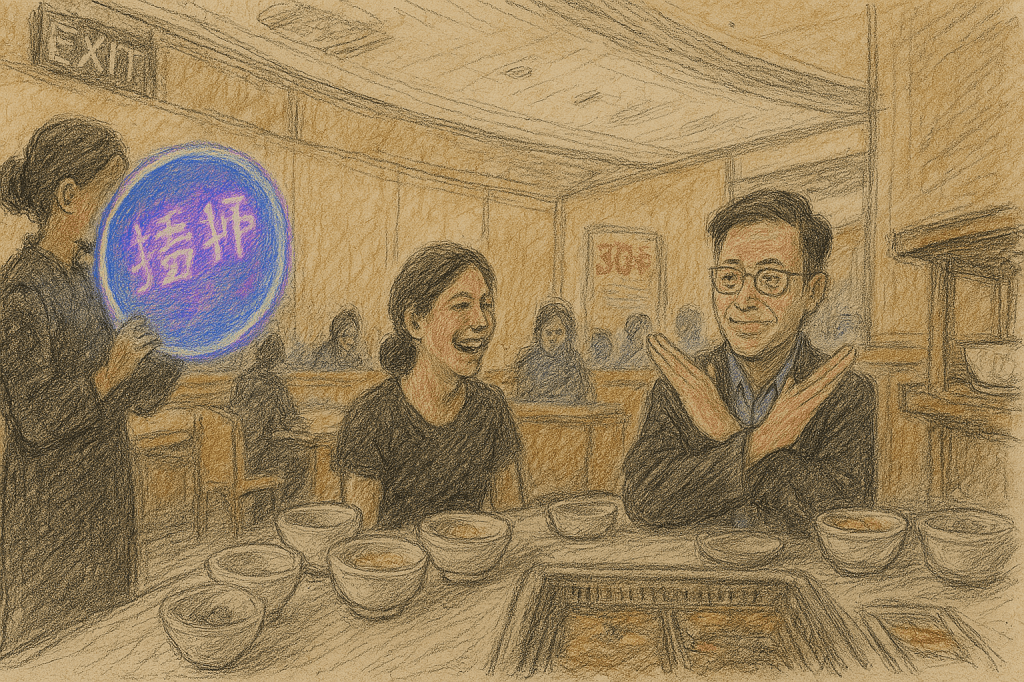
What’s up with this image? I went for dinner with Peishan and Cien, who decided it would be funny to tell HaiDiLao (a massive Chinese hotpot chain) that it was my birthday month, so the staff came round and sang/blasted out of a Bluetooth speaker a proprietary and very Chinese birthday song, that apparently everyone around us knew because they joined in and clapped along. I tried to stop them, but in the end had to endure it with a pained smile.
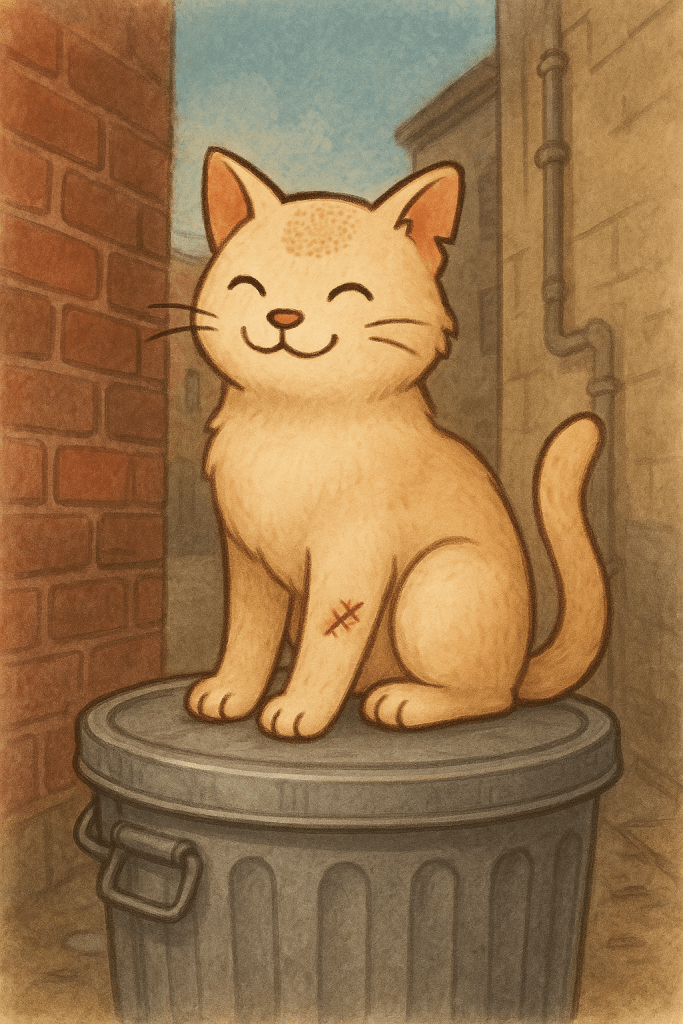
Btw one legitimate use case of AI is transforming images into drawings to get around the problem of publicly sharing people’s faces.
A massive 7.7 quake hit Myanmar and Thailand on Friday, causing several hundred deaths so far. It was chilling to pull up the news and see reports of buildings swaying in Bangkok and having to be shut down for safety inspections, buildings that I had just been in a week ago. Thankfully, everyone we know is unhurt, but I’ve heard accounts of the traffic becoming even more unworkable (someone spent over 5 hours getting to the airport), and with some having to walk miles home instead.
It was my Apple Watch that alerted me to this earthquake, via a notification from the environment ministry’s MyENV app, which usually likes to tell me about quakes in places so far away I don’t see what possible need there could be for an alert. I was in the middle of watching Jason Statham’s film, A Working Man (2025), in an almost empty theater with Peishan, and was about to swipe it away when I saw that it was actually kind of nearby. And then afterwards, the feeds were full of videos showing swimming pools at the tops of condominiums raining their contents down onto the streets below. Who decided we should start putting pools up there, anyway?
The movie is terrible, by the way, and makes the mistake of trying to NOT be the predictable vengeance-by-numbers Statham vehicle that the trailer makes it out to be. It looks like our man Jason is just your regular ex-military deadly killer who’s decided to take on an unassuming identity and retire to a life of normalcy as a construction worker when one of his new friends falls afoul of the mob and needs rescuing. This is a setup rooted in at least a little realism, which is needed for the audience to suspend disbelief when the righteous murdering starts. However, this film is co-written by Sylvester Stallone, who is now at a stage in life where he writes really ridiculous scenes, silly and clichéd to the point of surrealism, as evidenced in the last installments of his Rambo and Expendables franchises.
The latest season of Reacher, a series on freaking Amazon Prime Video, is more believable and enjoyable in almost every way, which is a hell of a red flag for whoever produced A Working Man. When reading any of Lee Child’s novels, Reacher comes across as a stoic avatar of justice, almost featureless in terms of personality. But as played on TV by Alan Ritchson, he’s endearingly a bit of an awkward and pedantic weirdo, as you would expect someone with his physicality to be after moving through a world that he doesn’t comfortably fit into. I like that change.
We also watched the critically acclaimed show Adolescence on Netflix, and it’s an absolute marvel of filmmaking and acting. I’ve never seen a British TV production with this level of craft; it just leaves you wondering how they pulled it off — how they had the energy, even. Each episode is an hour-long performance that often involves moving between multiple locations, with the actors having to ramp up the emotions from anger to fear and the sorrow in between, and they did this how many times? For the final episode, they apparently used Take #16. It’s unfathomable talent. Stephen Graham and his co—stars deserve awards for this.
===
This week will also be remembered for the wave of Studio Ghibli-styled images that washed up on social media after the release of ChatGPT’s new image generation capabilities in their 4o model. People turned personal photos, memes, and historic images alike into ripoffs of Miyazaki’s instantly recognizable style, and I have to say I enjoyed many of them whilst simultaneously feeling uneasy about what this means.
The new model seems to be a milestone that’s arriving a little sooner than I expected. It can render text with good enough quality and aesthetic precision. It can process a multi-step prompt such as “create a print ad for the product in this picture”, and it will write some pretty workable ad copy, re-imagine the object you’ve given it, and merge them into a single image that looks right at a glance. There may be minor imperfections, or it may fail to nail a critical detail depending on your object. But the fact that it can be completely right some of the time is startling. I’d say it’s most of the way to fucking the creative industry over, but who knows if the last mile will take a quarter, a year, or a decade to close.
While discussing the possible outcomes of this development with some people, specifically whether this would retard the growth and success of any new visual ideas — take for example the iconic look of Studio Ghibli, or Peanuts and Snoopy — why/how could any new artist launch and evolve their style if it can be snatched away from them early on and proliferated across the web in ways they haven’t even thought of yet — I wondered aloud if the only way forward left for them will be to use AI to scale their work, to generate more variations of it themselves, and to speed it to its logical conclusion (or demise) before anyone else does.
At this point, I remembered an abandoned “art project” of mine (if it could be called that) from a few years ago, and got very excited about enlisting ChatGPT’s help with it.
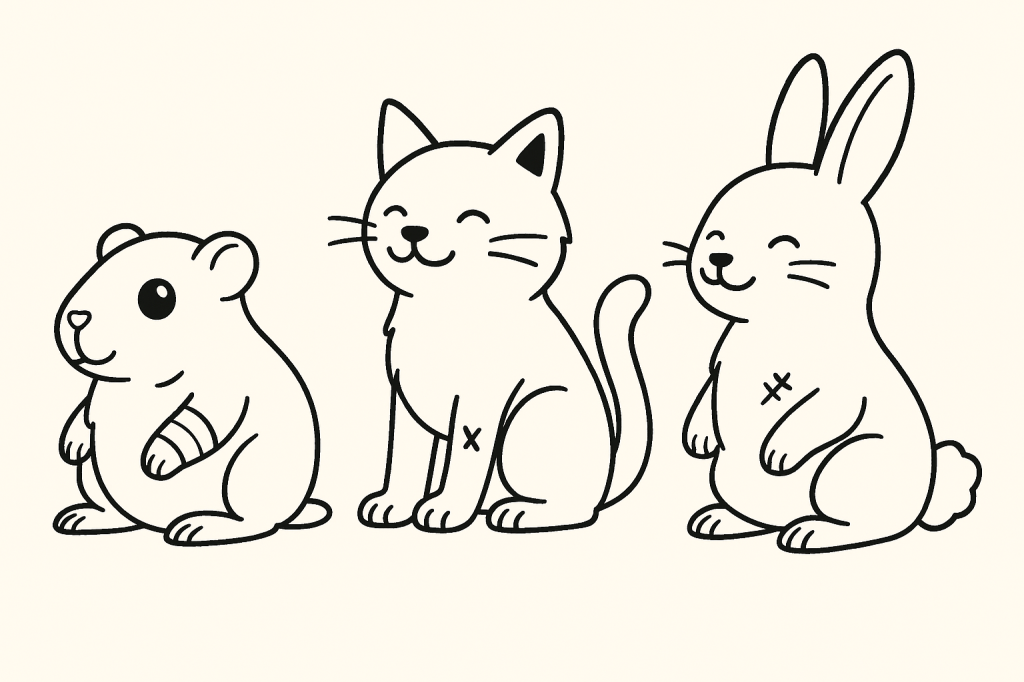
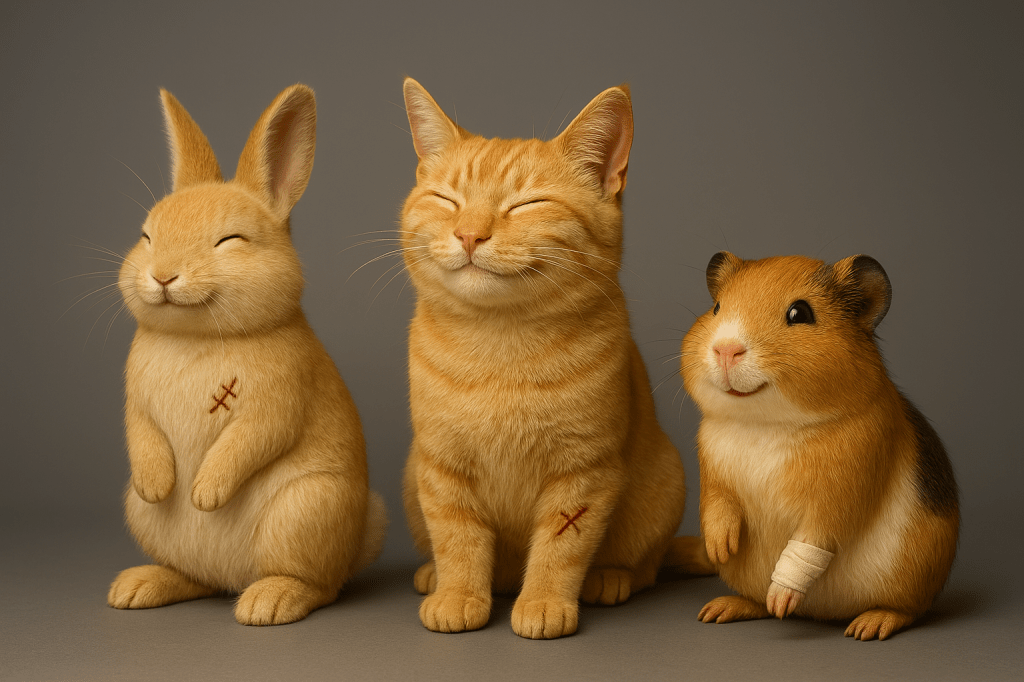
In late 2019, just before COVID hit, I had the idea to draw a series of cute animal characters and make some products. They would be called the Fluffy Hearts Club, and the story was that they were all research animals who were having horrible tests done on them, but who banded together and escaped from the lab. So they’d all have little scars and visible reminders of humanity’s awfulness on their bodies, but they’d be extremely happy and positive in their freedom eras.
I drew the first one with great difficulty, a rabbit with a scar on his chest, printed him on something like 50 tote bags, and gave them away to friends that Christmas. I started to draw the next one, a cat, along with some other angles of the rabbit, but eventually shelved it… owing to COVID or lack of skill, I don’t know. As you can see they are pretty rough.
But when I realized that I could use ChatGPT to “learn” this style and concept to help me finish the rest of it, I got excited enough to plonk down $30 and upgrade my account to Plus. Ethics check: Would I have paid a human artist to do this for me? Unlikely. I’m not made of money, and it’s just a silly side project. Should I have? I can’t see how; I want to explore this on my own without another human in the mix.
I’ve spent a little time on it so far, and it’s grasped the core idea and even brainstormed other animals and their visual signatures with me — it felt eerily like collaborating with a person, as we discussed possibilities and complimented each other along the way. It has trouble following instructions about very minute details, which it explained as a shortcoming of the way its models were trained (it leans towards cartoon conventions, which one of my notes contradicts), which one can take as proof that this is all built on the back of awful copyright violations.
But with its help, I’ve managed to produce more versions of the rabbit and even imagined the cat in various art styles, so I’d say this has been a half success. I might use it as a foundation for tracing/drawing new ones myself, or as inspiration for different scenarios.
I only wish I was using this renewed subscription to explore how to stay relevant in my own job domain rather than in the lane of starving artists. Yuk yuk.
Speaking of the design field, I went back to the same college I visited last November to help give feedback on the work from a class of students doing a design thinking course taught by my former boss and mentor, and was again struck by how much of what we do and prescribe as designers, the responsible way to move in the world, is naive and vulnerable to the at-odd incentives of everyone in the AI business. They’ll throw a synthetic persona at a problem for $10 in compute before they spend a dollar on asking a real person what they need to lead a better life.
And that brings me to Careless People, the Facebook tell-all book by Sarah Wynn-Williams that I’ve just finished reading. The one that Zuckerberg and his lawyers tried to quash before it was published. I thought I knew enough about Facebook’s bad behavior, but I was still stunned by some of her anecdotes.
I haven’t made many rules about what kind of work I’ll do, and when I used to smoke, I believed that I could consult on work for tobacco companies because to do otherwise would be hypocrisy (I’m wiser now), but “never work for Facebook” was a promise I made maybe a decade ago. I simply do not understand or respect anyone who chooses to, and this book should be required reading for those who think they might.
===
I listened to Alessia Cara’s new album Love & Hyperbole a couple of times, hoping that something would finally click, because I did want to like it. But I was left without much of an impression. I’m probably coming off R&B in general because listening to SZA’s deluxe edition of SOS on the plane home last week was quite excruciating.
But then I put on Jessie Reyez’s new album PAID IN MEMORIES and I loved the one playthrough I’ve heard. Maybe it’s the millennial in me but there are some samples for old people in here, including the Smashing Pumpkins’ 1979. She makes it work, and the melodies are strong.
How to solve a problem where a Kobo ereader will hang or freeze or completely drain to 0% battery life overnight
I’m posting this in the hopes of helping anyone with the same issue.
I own an older Kobo Libra H2O model and never had any problems like this, but it happened often with my new Kobo Clara Color. I would pick it up in the morning and find the battery flat. Or I’d be using it and it would lock up and require a hard reboot. It would also lose my reading position in a book when this happened.
The reason (at least for me; your mileage may vary) can be traced back to ePub files that contain errors such as improper markup or missing font specifications. This can happen if you’re loading your Kobo with ePub files other than those sold through the Kobo e-store, such as privately authored files or converted documents.
You can address these errors in the free open source book management app, Calibre. Select a book in the main list, then press “T” or choose the menu option to “Edit Book”. Then look in the toolbar for an icon that looks like a bug, which might be labeled “Run Check”. This will scan the ePub file for errors, and offer to fix them automatically. Most of the time, this will solve all problems. Occasionally, a file may have problems that can’t be fixed, in which case you may have to delete or edit some HTML elements yourself, if you know how. When you’re done, press the equivalent of ‘Cmd-S’ to save the changes, and close the window.
Finally, you’ll want to use a special Kobo-optimized form of the ePub format called KePub (or Kobo ePub) when transferring the files to your Kobo. This format is apparently fully compatible with all ePub readers, but offers enhanced performance when used with Kobos, so you may notice page turns and searches are faster.
In Calibre’s settings, go to the Plugins page and find the option to install external plugins. Search for KoboTouchExtended and install that, then configure it to automatically convert books before sending them to your device. You can refer to this Reddit thread and the links within it if you run into any trouble.
If you don’t use Calibre, there are standalone tools for converting ePub files to KePub such as this web-based one which does everything in your browser — no uploading to servers involved.
Ever since doing this a couple of weeks ago and transferring all my books over again, I haven’t run into this issue despite using it quite a bit.
Summary
Problem Cause: ePub files with errors, such as improper markup or missing font specifications, can cause freezing, battery drain, and reading position loss on Kobo Clara Color.
Solution: Use Calibre to check and fix ePub file errors, then transfer the files to Kobo using KePub format for enhanced performance.
Plugin Installation: Install the KoboTouchExtended plugin in Calibre and configure it to automatically convert books to KEPUB format before sending them to your Kobo device.
How to solve an iOS/iPhone bug that prevents third-party editing apps (e.g. Lightroom, VSCO, AgBr) from retaining the date/time metadata from the original photos when saving new edited files
I’ve tried to pack the right terms in the title and heading above in the hopes that you’ll find this page if you have the same problem that I did.
For several years, edited photos saved from apps like VSCO wound up with the “current” date and time as the “capture time” on my iPhone, meaning that they don’t sort chronologically alongside the original photos when viewing the Photo Library. I noticed with one app that when I made edits on my iPad, it worked as expected, i.e. the original capture time was retained, but mistakenly believed it was a bug in that specific app that only surfaced in their iPhone version.
Last week I discovered this behavior in the new AgBr app, and got to emailing with the developers. In that process, I realized it was a problem with my iPhone, and most likely down to a bug in iOS rather than the photo editing apps.
Without further ado, the solution is to “Reset All Settings” in your iPhone’s Settings app (under General → Transfer or Reset iPhone). This will undo many of your longstanding settings, such as known WiFi networks and cards in your Apple Wallet. It’s a pain in the ass, but much better than wiping the entire phone and starting over from scratch, which is what I thought I would have to do.
I have no idea when I picked up this problem, but it’s a deep-seated one that has followed me across several iPhones, resurfacing with each migration and “restore from iCloud backup”.
Funnily enough, I chanced upon the solution while whining about this problem to Michael, and while I was celebrating with way too much joy than fixing a computer problem should give someone, he pointed out that just a few weeks earlier he had also solved a longstanding problem with Safari on his Mac while telling me about it. I think we’ve figured out a winning formula.
Summary
Issue Description: Edited photos saved from third-party editing apps on iOS/iPhone lose the original date/time metadata, resulting in incorrect chronological order in the Photo Library.
Cause: Likely a bug in iOS.
Solution: Reset All Settings in the iPhone’s Settings app (under General → Transfer or Reset iPhone), though it will reset some settings.
I made myself a spot in the apartment to sit and rot the hours away. This was achieved by moving the comfiest chair over to the dining table and plugging in my iPad Pro and Magic Keyboard into power. From here, I can also watch the TV. The plan was to spend all of Monday sitting here and finally getting some rest from going out every day and walking over 10,000 steps, which has driven my Apple Health metrics up by 2x for the past two weeks.
I think my body has been surprised/broken by this sudden surge in activity. It doesn’t help that the bed here isn’t the best, so the morning backaches haven’t been fun.
But I ended up going out on Monday after all, because a day spent home is a day I’m not eating curry. I noticed a line for Alba Curry while in Akihabara last week, and made my way to a nearby branch of theirs for my third plate of curry rice in as many days. They’re a Kanazawa-style curry joint, but as far as I know, that doesn’t necessitate the use of baseball references? They have a one-with-everything menu item like Go Go Curry’s “Grand Slam”, except theirs is called the “Home Run”. It comes with a single pork katsu, a fried egg, two sausages, and a fried prawn. The fried egg with a runny yolk was a nice touch, but sadly, the rest of it was average. The curry was a little stodgy and lacked the punch of flavor I was looking for.
I had better luck with Hinoya Curry, a favorite of recent years that I’ve never had the chance to eat more than once a trip. Unlike the others, it actually has a little heat while managing a fair amount of fruit-like sweetness. I ordered a plate with only a raw egg, vegetables, and two sausages because I didn’t understand the ordering system and thought it would include a pork cutlet. No matter, it was very good as it was, and now I have an excuse for one more visit before I leave.
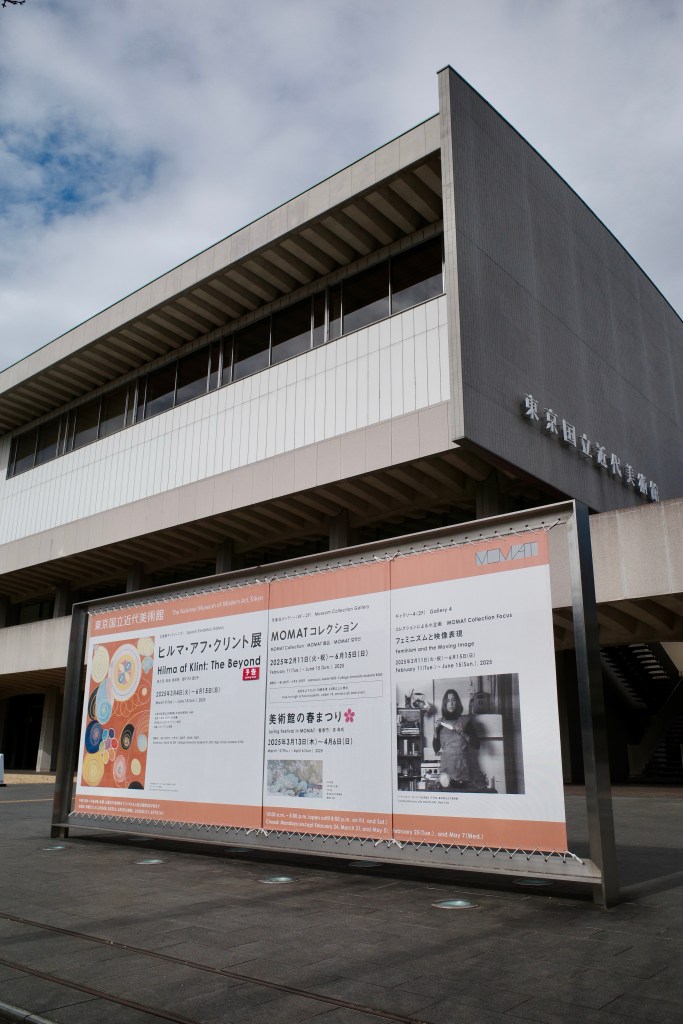
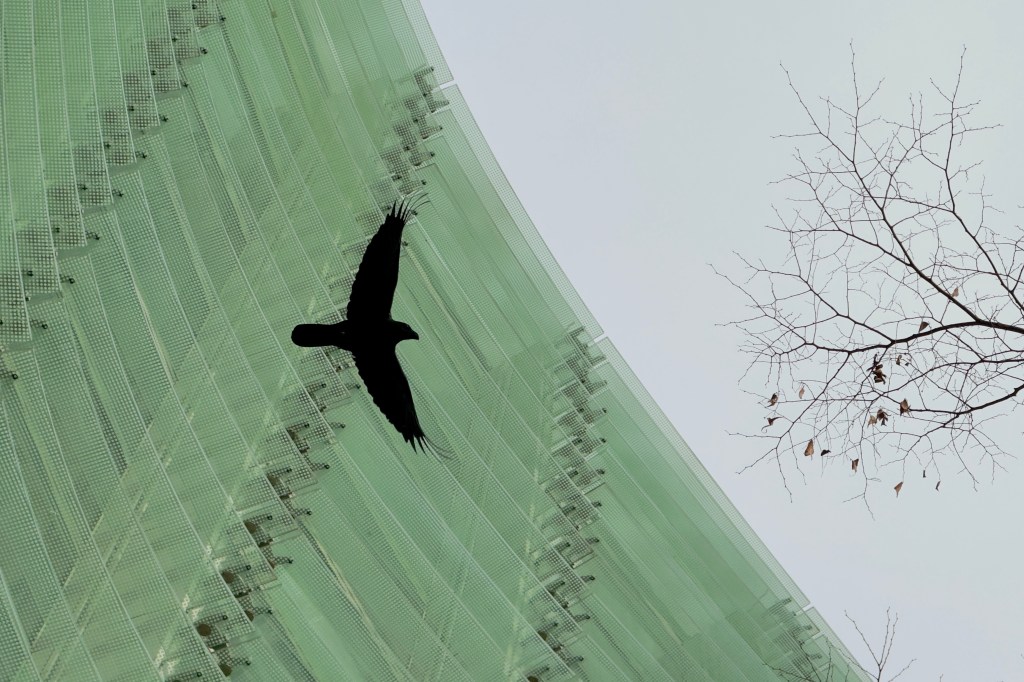
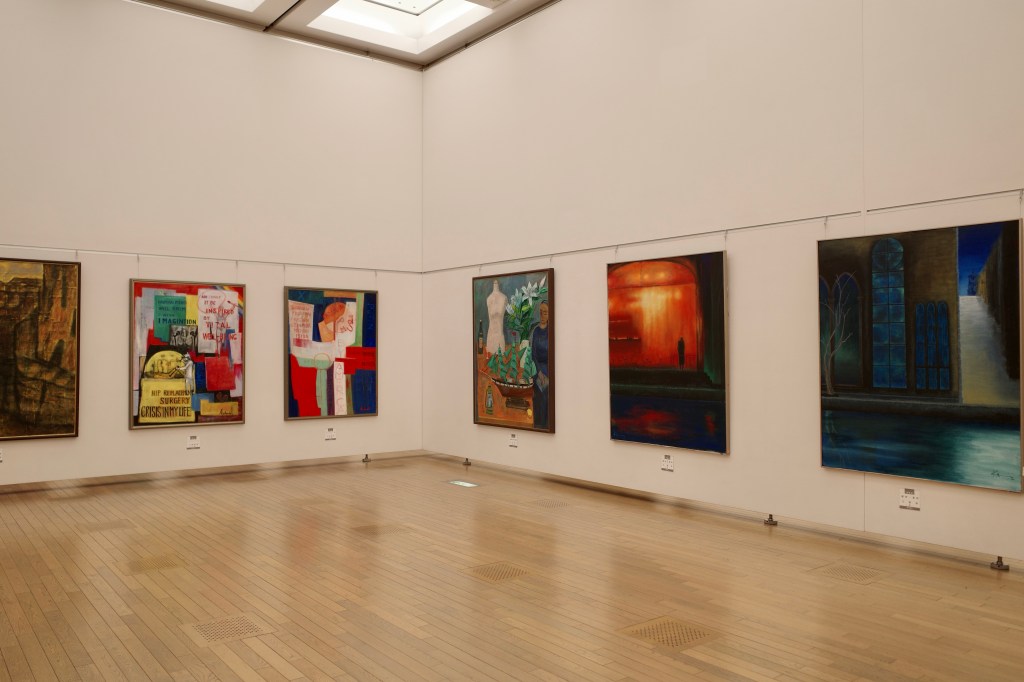
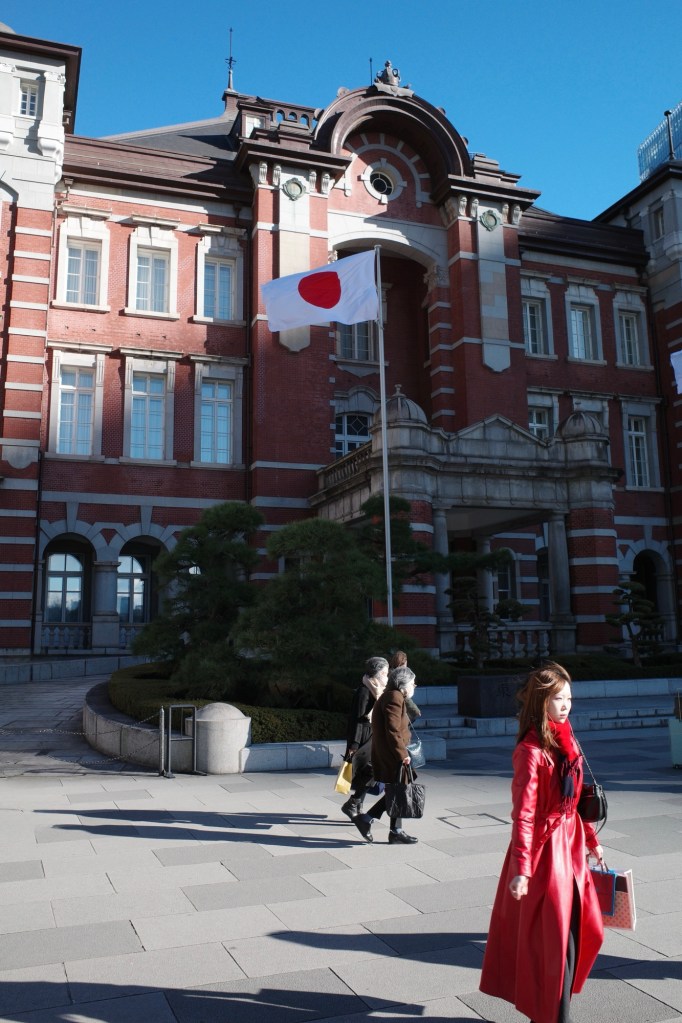
On Tuesday, I made my way out to MOMAT: the Museum of Modern Art Tokyo, a place whose existence I was only alerted to when Michael blogged about his visit last year. It was a particularly bright and sunny morning, which made for a nice visit given its proximity to the Imperial Palace’s moat and picturesque grounds. The museum has a massive collection of over 13,000 works, but only displays about 200 at a time with bi-annual rotations. I like this approach much better than the one taken by Singapore’s National Gallery.
In any case, this moment in time seems to be a sort of dead zone for the big museums. Many are preparing for new exhibitions that only begin in March, which is a shame but not a blow because what’s on now is still just barely manageable with the time I have.
On the way back, I stopped by Kitte Marunouchi and spotted the Qoobo for sale at the “Good Design Store Tokyo by Nohara”. I first saw this adorable, tail-wagging robot/cushion online many years ago and immediately wanted one, but was resigned to it being an only-in-Japan product. It’s now available internationally if you look hard enough, albeit with a significant markup. After doing the girl math, buying it here was too good a deal to pass up (about S$150), so I guess I’ve found the souvenir gadget I’ve been looking for.
Last week, I complained about us tourists overcrowding the city, but it’s everyone; Tokyo is simply up to its observation decks with people. At several points while out and about, I’ve wanted to stop in somewhere for a coffee break but had to hit up multiple cafes to find a free table. Even after 2 p.m., when you’d expect the office crowd to be back at their desks, many seem parked in cafes to work remotely. I saw people doing video calls and some looked set up there for the long haul with stationery, chargers, and other accessories strewn about to make personal workspaces.
In the vicinity of MOMAT, I discovered the JCII (Japan Camera Industry Institute) Camera Museum, a small basement space packed with photographic history: hundreds of vintage cameras including the iconic Leica I Model A, which turns 100 this year. Ironically, the museum prohibits any photography of the space or its exhibits. For a mere ¥300 entry fee, I got an hour’s entertainment poring over weird and rare designs — on the whole, the majority of industry players are copycats and follow innovative leaders, quite like how smartphone hardware and software today have converged on similar designs. Virtually every camera I’ve ever owned, or at least some cousin of it, was in this priceless collection.
My body has really had enough after all. Three weeks of walking and stair-climbing amidst the coughing masses, drastic temperature changes, and drier air than it’s used to has led to me being mildly ill now. That has regrettably meant calling off some plans, but my new goal for the rest of my time here is to recuperate at home while eating 7-Eleven food and bingeing Doctor-X: Surgeon Michiko Daimon on Netflix. I mentioned this admittedly cheesy but comforting TV show back in 2023, and at that time, a few seasons were still available for watching in Singapore. Today, the show isn’t on any local service, but being geographically in Japan means I can pick up where I left off on Netflix, in the middle of Season 3 (of 7).
Rereading that old post, it seems that I experience the same renewed excitement for gaming, that I mentioned last week, every time I come here. I still think this atmosphere hinges on the large presence and floor space given to physical game retail, but this may not last much longer with digital sales on the rise everywhere. Of course, one can also attribute this cultural presence to the relative outsize of the game economy here (including mobile games).
One of the games I saw in a box in a store was Shinjuku Soumei, a visual novel I’d seen on the Nintendo eShop before but wasn’t enticed by. I decided to buy and at least start on it while here, and I’ve just finished “playing” it through while resting at home (it’s not very interactive at all, just a click-and-read VN).
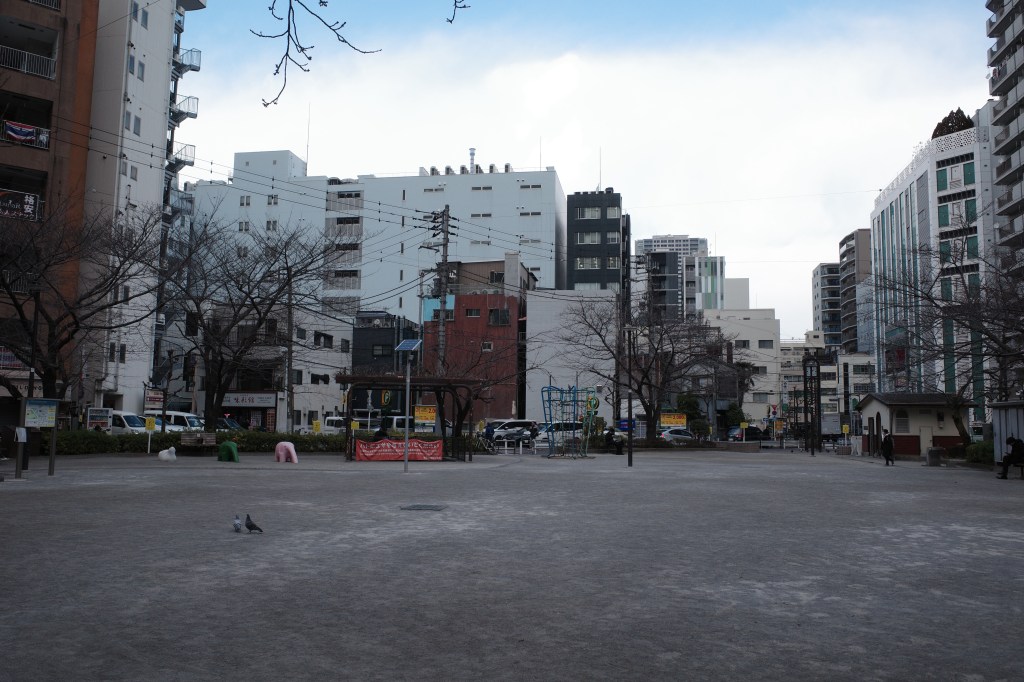
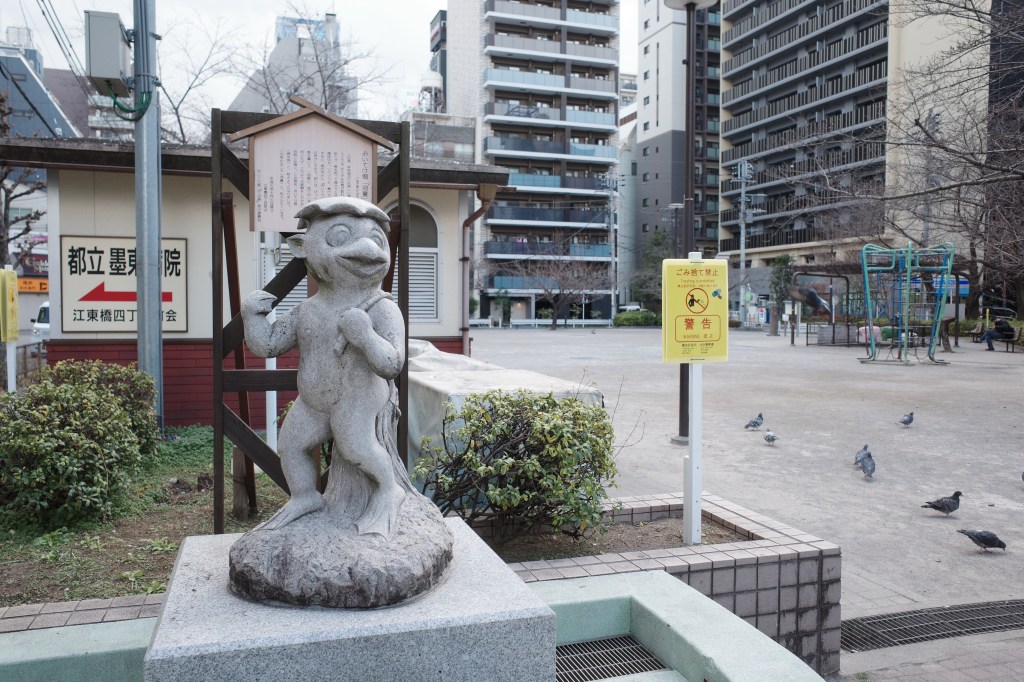
I mentioned PARANORMASIGHT last week, and while I won’t start playing it until I’m safely home, I did go out to visit one of the Sumida landmarks featured in this creepy supernatural game: Kinshibori Park. It’s not much to look at but there’s a statue of a famous kappa in one corner, one of the “Seven Wonders of Honjo” which the game seems to be based on.
By the way, I’m half certain we saw the actress who plays Doctor-X on the streets of Ryogoku a couple of weeks ago. There wasn’t anyone else around, so I couldn’t see from others’ reactions if it really was her. It sure looked like her to me, though, so I’m sticking with that story.
Just had my first ever “soup curry” in Shimokitazawa, which unbeknownst to me is also considered a curry town (like Jimbocho in last week’s update), albeit focused more on authentic “spice curry”, as opposed to the sweeter Japanese adaptations of British-adapted curries. It came with a whole chicken leg and an impressive 20 kinds of vegetables, costing about ¥2000. Thoroughly delicious and a healthy meal (I told myself), although we did have to wait over an hour in a virtual queue for it.
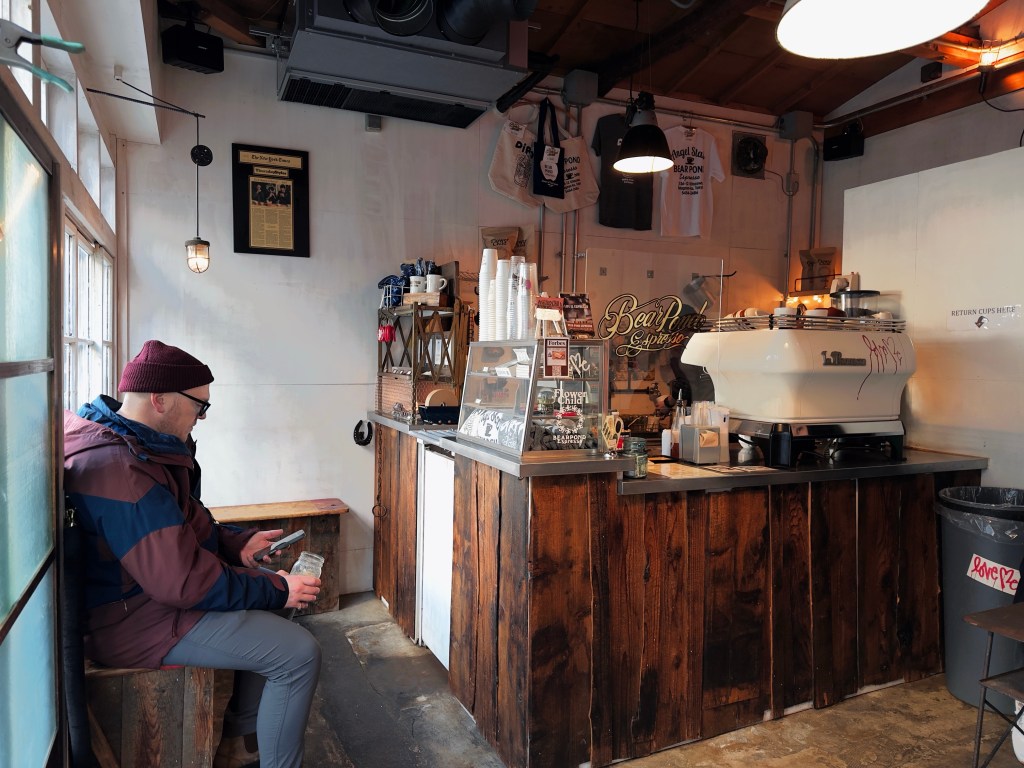
Taking a photo would have gotten you thrown out before
To pass the time, we stopped into Bear Pond Espresso for one of their famous Dirtys and a cup of their proprietary Flower Child blend. The coffee is still as good as it ever was, but the vibe has changed now that the famously surly owner isn’t behind the counter. The last time we came and saw him, his mood had brightened up tremendously; he was taking off early to walk his dog in the sun, and even stopped to tell us its name. Perhaps he’s now retired. Good for him.
Afterwards, an obligatory stop into Village Vanguard, a “bookshop” whose closest kin is probably Don Quijote (or as it’s known in Singapore, Don Don Donki), that self-described shopping jungle where haphazard aisle placement is intentional and designed to get you lost and overwhelmed in a good way. VV has books, media merch, stickers, physical music, gacha, plushies, clothing, you name it. If I could actually read Japanese, I’d never be able to leave.
Back to food for a minute. We booked a “katsu omakase” meal before coming out here, featuring multiple cuts of perfectly cooked Japanese pork, and separately had an impromptu sushi omakase in Roppongi, where we got in just after lunch hour and had the whole counter to ourselves.
We also tried some Mister Donut, which is known in Singapore for always selling out, but here in addition to the perpetual lines and wide selection of sweet bakes, it’s also a place you can sit down and have… fried rice!?
I haven’t stepped into either a McDonald’s or Burger King (and probably won’t), but for posterity’s sake, I will record that the former is currently selling a line of “New York-Style” burgers with , which sounds like bullshit to me because one of them has a prawn cutlet. The King is more on brand with a monstrous Yeti burger that has four quarter-pound patties dripping with creamy “white cheese”.
Most museums are closed on Mondays or Tuesdays, but you can’t always rely on their websites for accurate updates. We found that out the hard way on Tuesday, which was also a national holiday, when we traveled nearly an hour to Nerima Art Museum only to discover it was closed — their site said otherwise.
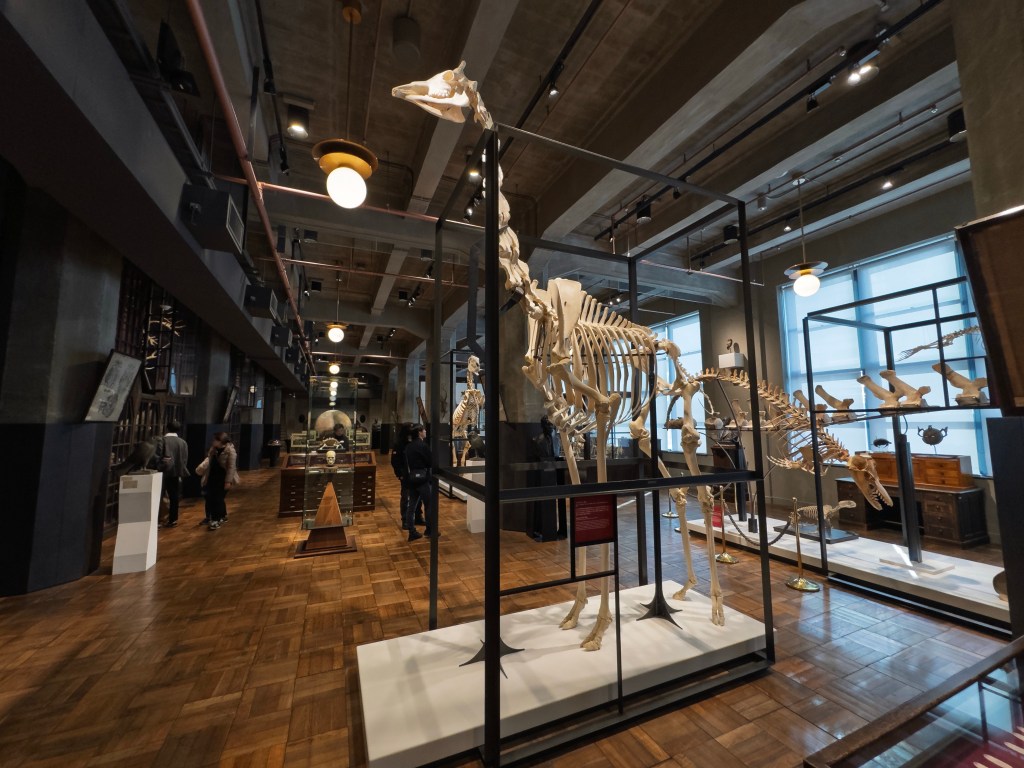
But we made up for that fail on Wednesday and Thursday with visits to the Museum of Contemporary Art Tokyo (MOT), and the Mori Art Museum, respectively.
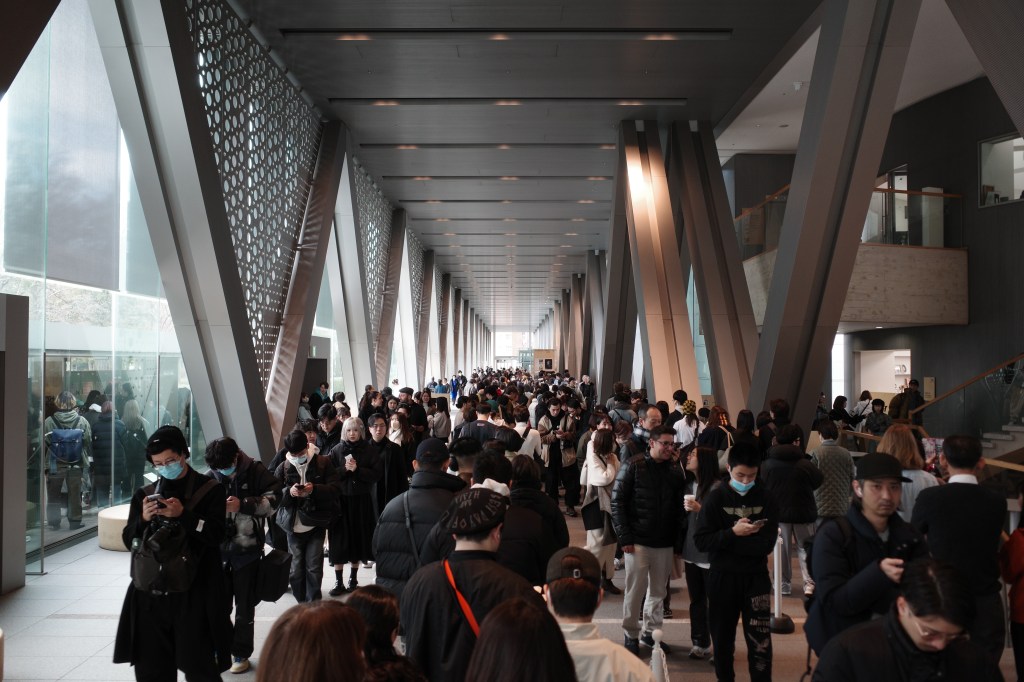
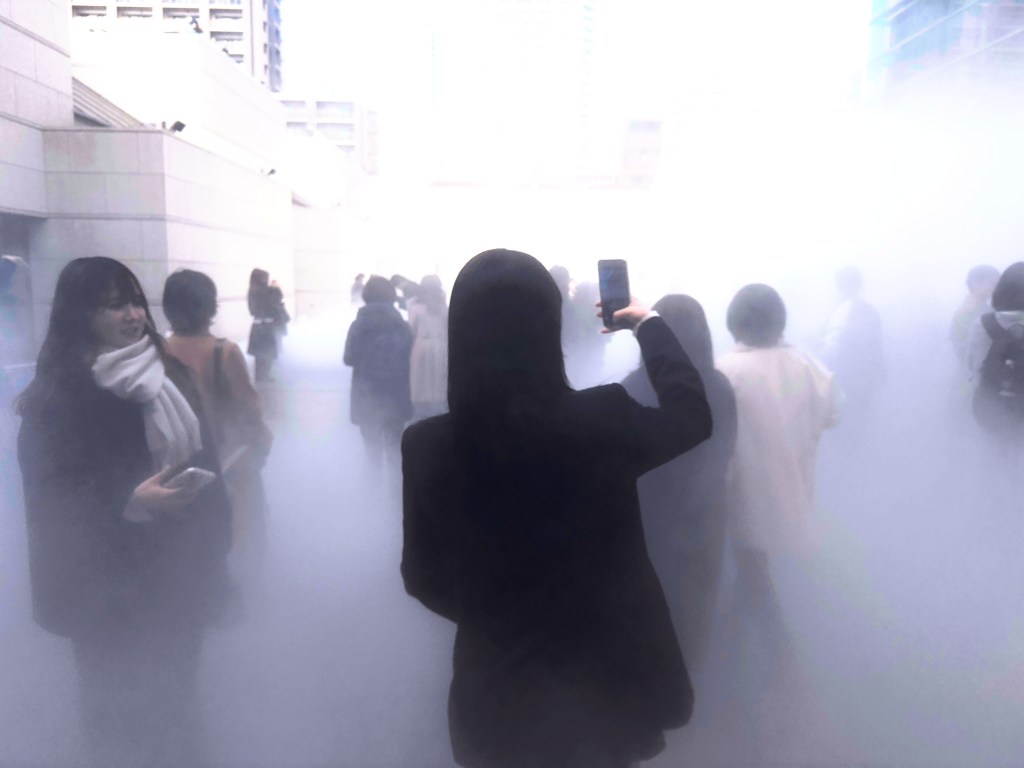
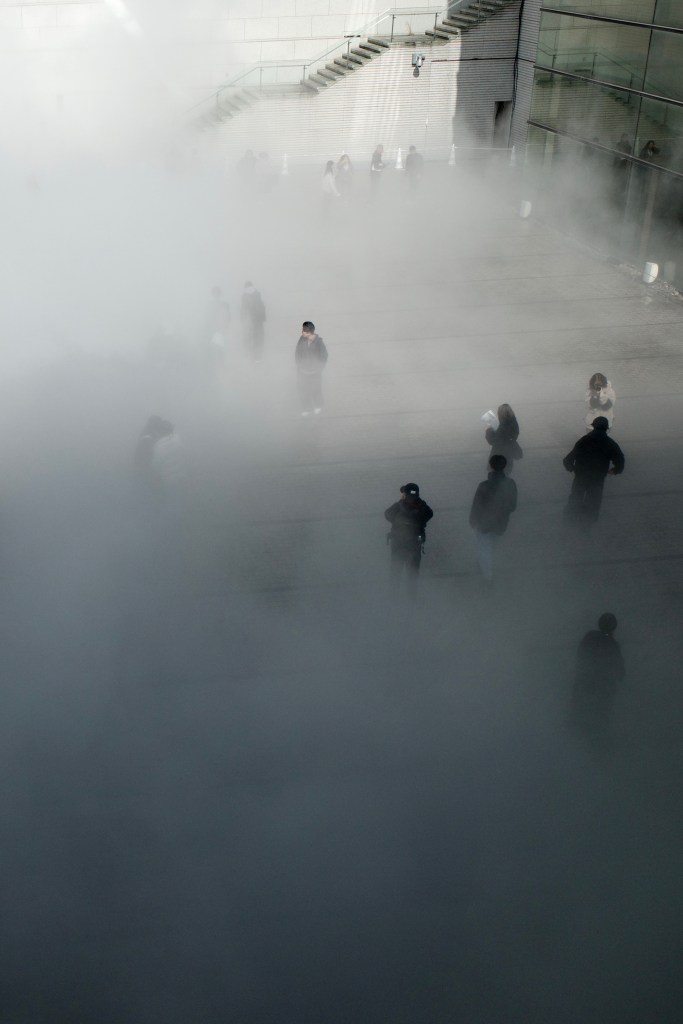
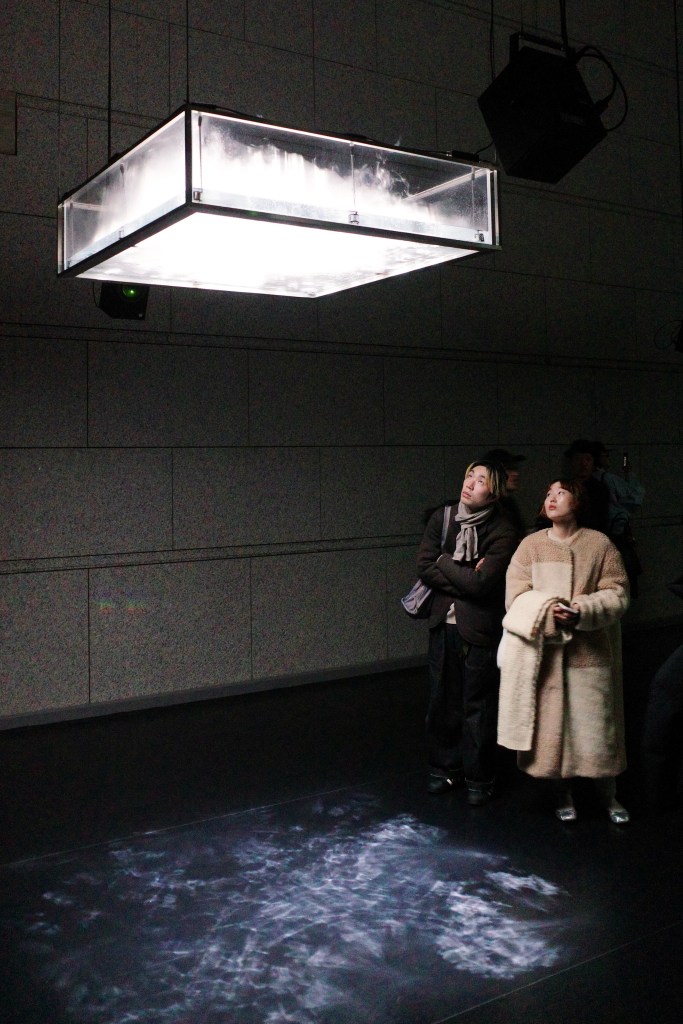
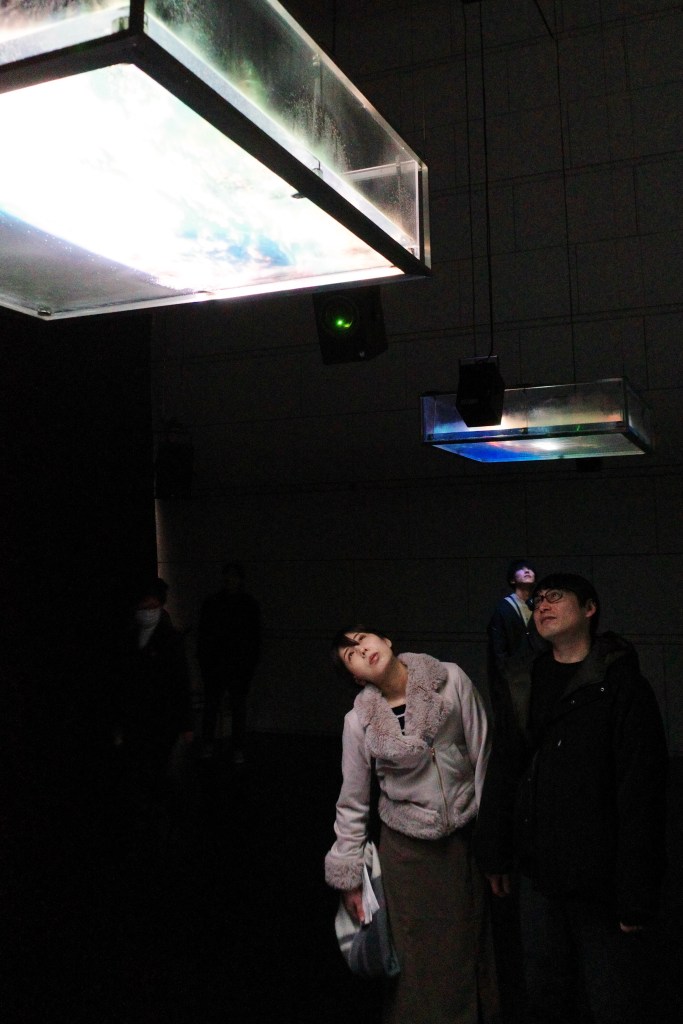
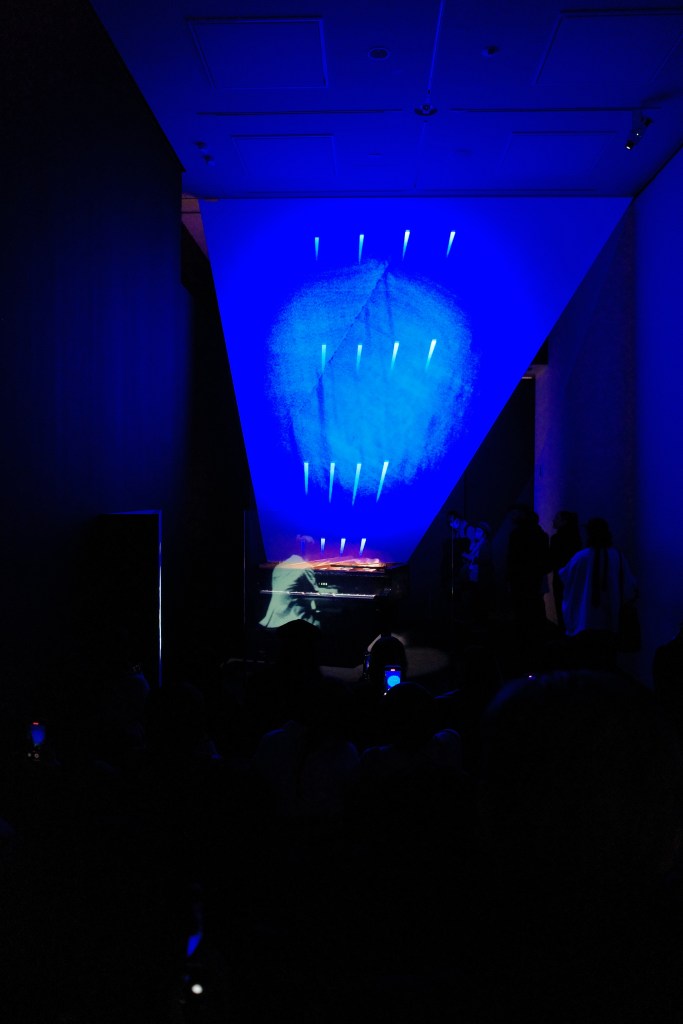
MOT is hosting the extremely popular, TikTok-viral Ryuichi Sakamoto tribute: Seeing Sound, Hearing Time. We must have stood in line for 45 minutes to get in, but it was certainly worth it. The final room was probably the highlight, where you see an ethereal “hologram” of him playing on a real piano with keys synced to a MIDI performance he recorded. Spectral visualizations of each note rise from the piano as he plays, and it’s like watching his ghost play Guitar Hero in reverse. There’s also an outdoor portion that you might already have seen online: a dense “fog sculpture” you can wander through. Walking through it is disorienting and like being in a video game scene. You can barely see past your outstretched hand, and other people fade into view through the white mist. There’s a feeling that someone might come recklessly running and knock you over. All around us, Japanese people kept saying “Yabai!” out loud.
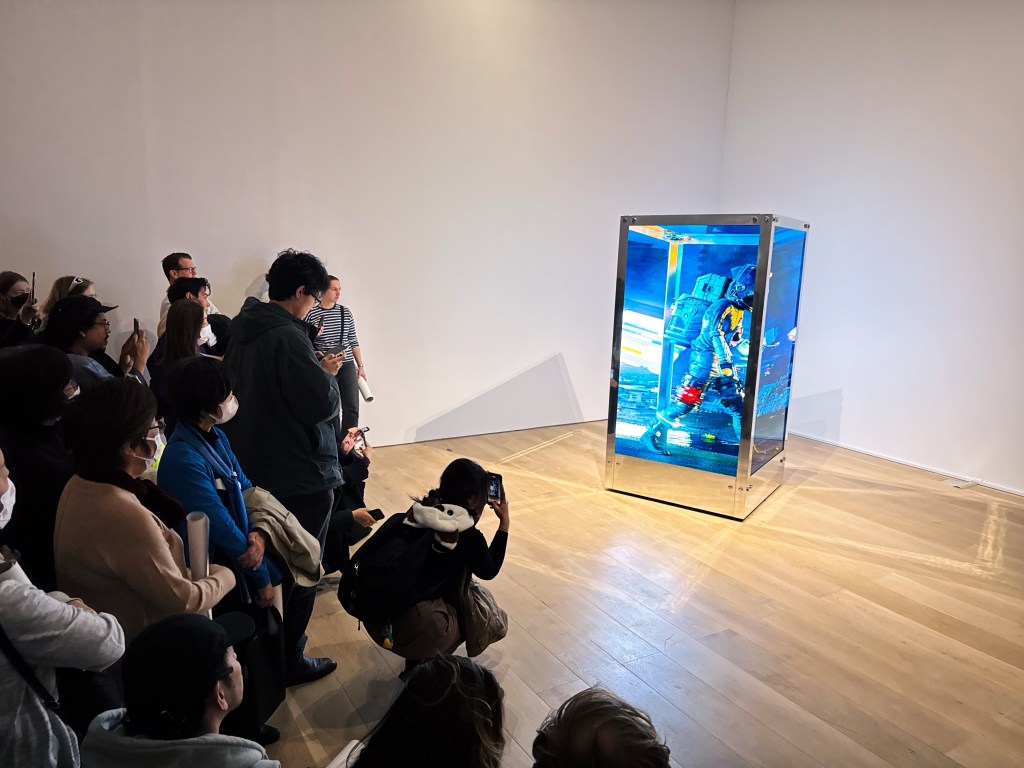
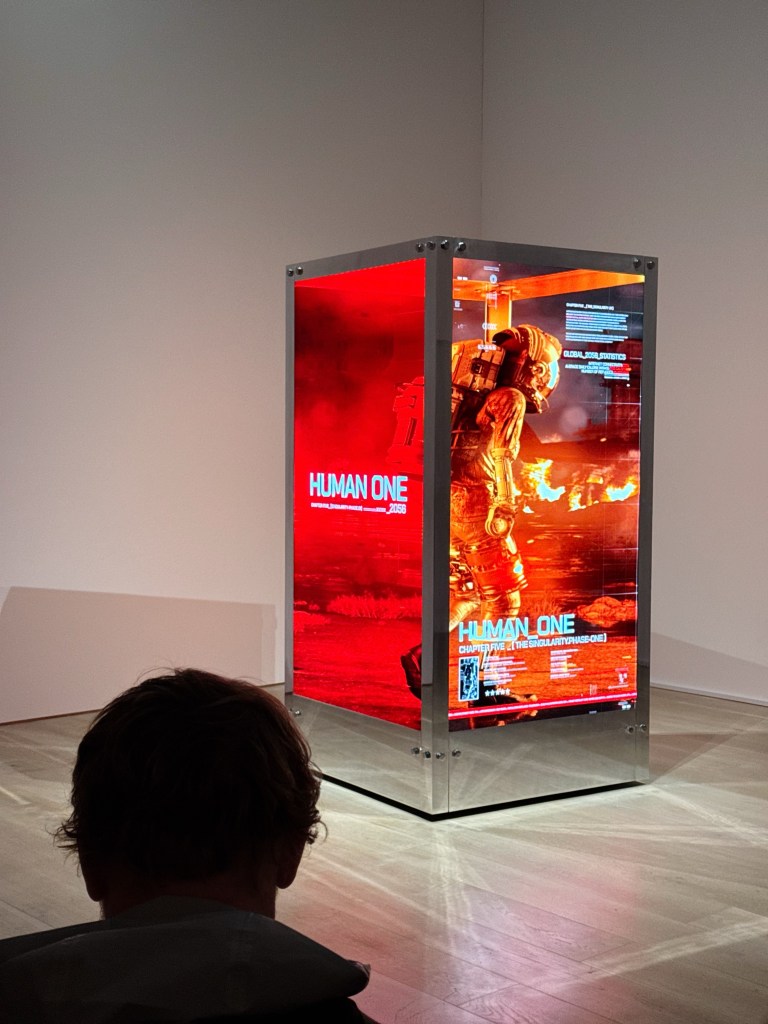
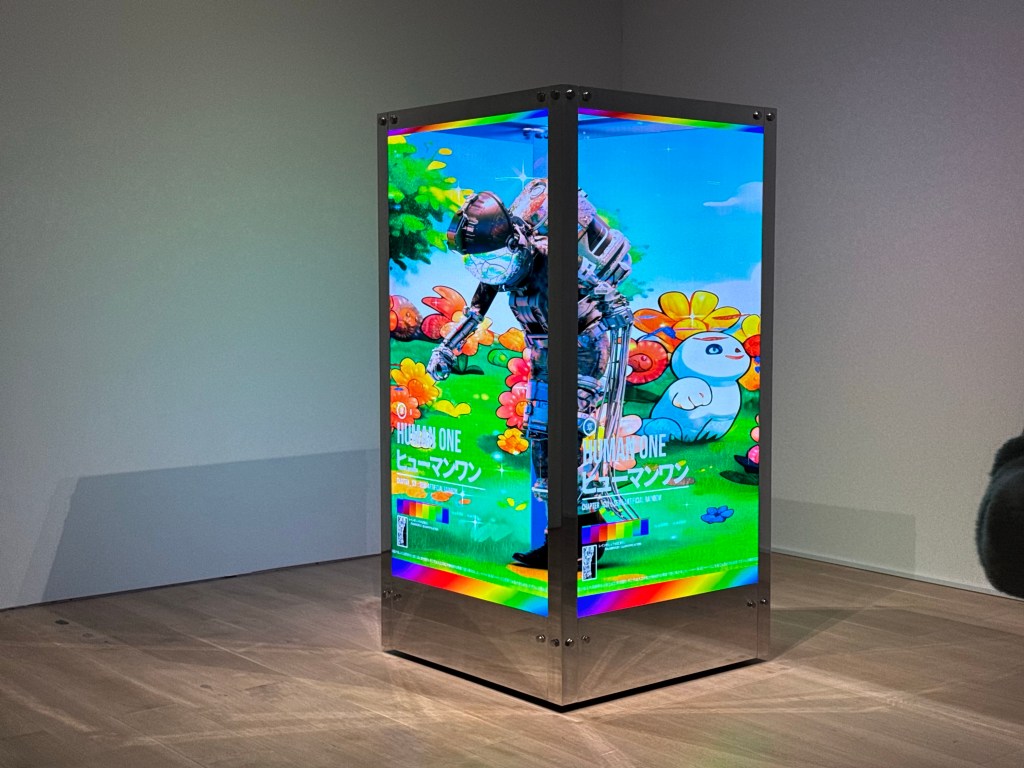
Thursday was opening day for Machine Love at Mori Art, and by going early in the morning, we caught the artist Beeple (famous for selling a $69M NFT at Christie’s) unveiling a new “software update” to his work HUMAN ONE, tailored to Tokyo and this exhibition in particular. In it, the eternally trudging humanoid AI robot was transported from a post-apocalyptic world to a new rainbow-colored cartoon world filled with derivative Asian imagery like pandas and pagodas. It was like a parody of Takeshi Murakami’s work, but he also attended the following day, so I guess he’s cool with it.
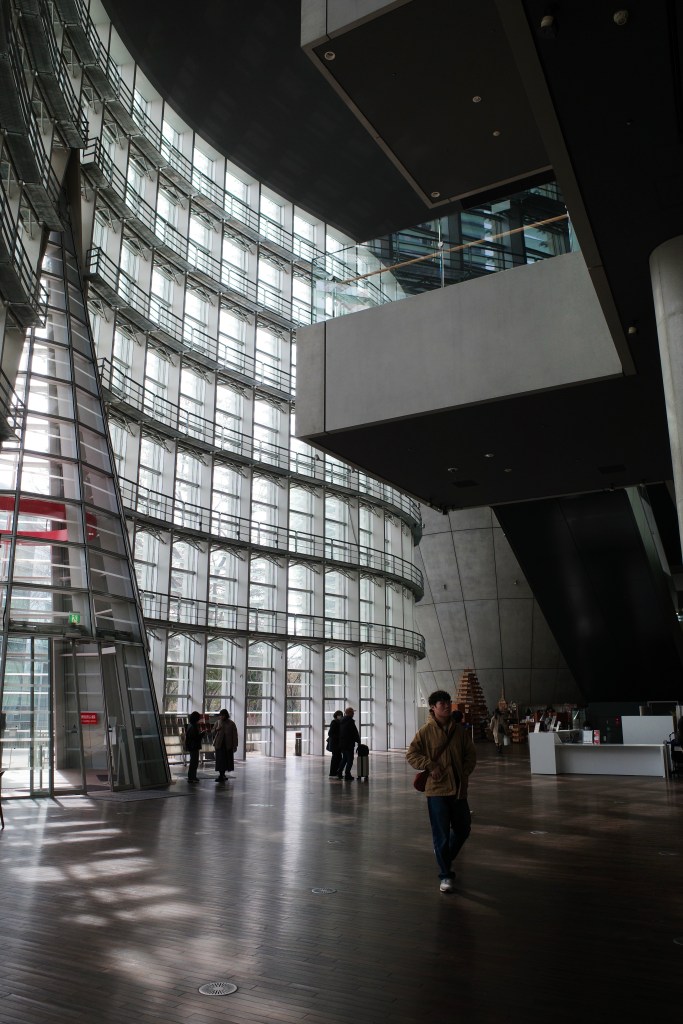
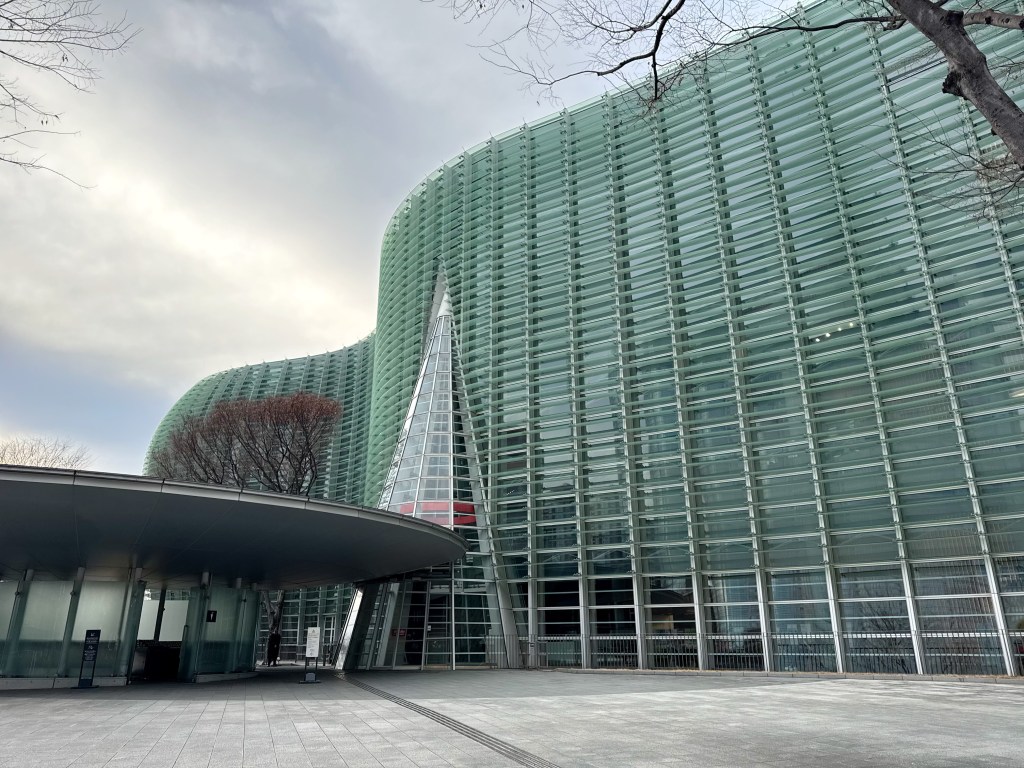
Then on Sunday, I visited the National Art Center in Roppongi, which is interesting for the fact that it’s more of a hosting ground for smaller organizations that want to hold exhibitions, and not a museum with its own collection. I saw a couple of calligraphy shows (admittedly hard for me to appreciate), a show featuring young and new artists, and the results of a couple more annual open competitions. I spend just $10 for an entire afternoon’s worth of interesting ideas, and am now thoroughly saturated with imagery.
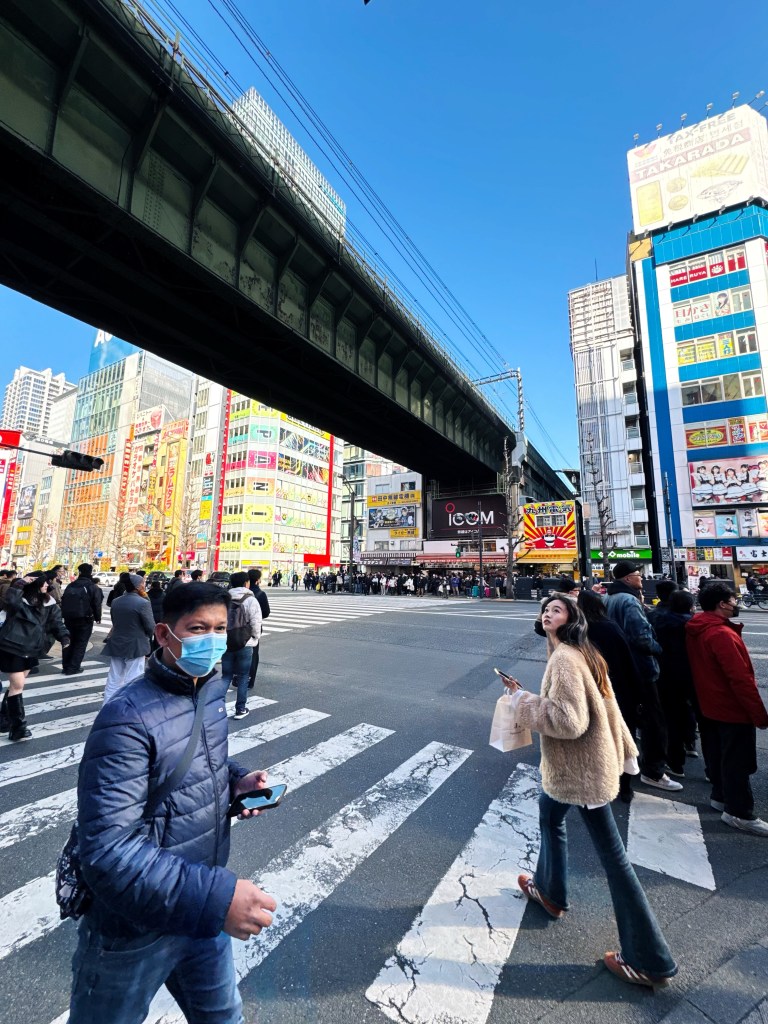
I made the mistake of going to Akihabara over the weekend, after Kim had gone home (I’m staying on for a little bit), leaving me free to eat all the curry rice I want and spend hours in electronic stores. It was more crowded than I can ever remember seeing, and not in any positive way; people were lugging large suitcases around and blocking narrow aisles with them, among other inconsiderate acts. I left exhausted and feeling somewhat ill (the number of coughing and sneezing people around didn’t help). The place is a victim of its own reputation, I guess, and now tourists have ruined the place for everyone. Like Chernobyl, it might be 50 years before one can safely visit again.
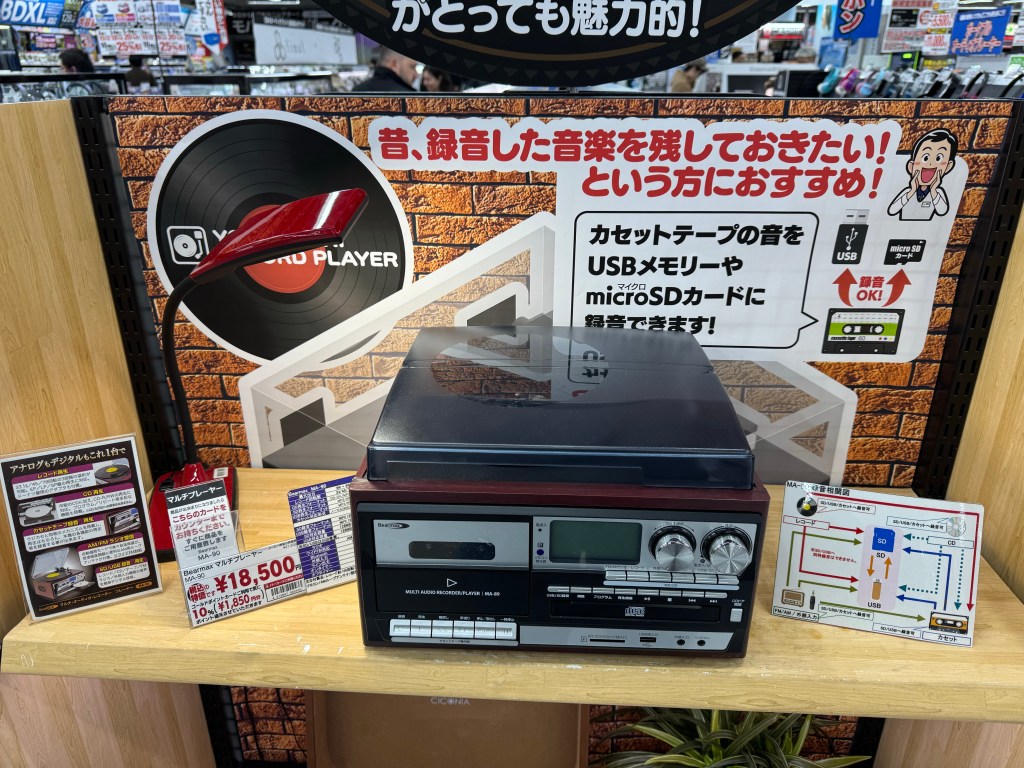
Two weeks ago, I asked why no one has created an all-in-one vinyl/CD/cassette player yet. Yesterday, I saw one at Yodobashi Camera. Granted, it probably sounds terrible, and the ¥18,500 (S$163) price doesn’t inspire much confidence either. If someone makes a better version of this, though, I’d be up for it.
One thing I still love doing is browsing the video game sections at these large retailers. Although some of the physical games are region-free and contain English translations, I’m not really there to buy anything — my backlog is deep enough to last for years. The fun is in seeing games really thrive in the real world, with cartridges alongside plushies, keychains, and other accessories. There are sadly no such equivalents back home. Inevitably, I’ll see Japanese-specific box art and pick something new up to look up online, or be reminded of a title I’d heard of but forgot to wishlist, and by the end of it, become more inspired to head home and play more games. After a couple of such experiences, my wishlist is now deeper, and I’ve bought a few new digital titles as well.
Incidentally, Perplexity released a new “Deep Research” mode which has nothing to do with OpenAI’s Deep Research product, and I asked it to find me Nintendo Switch games set in Eastern Tokyo that I might play while living here, for greater immersion. Amazingly, it succeeded. It was able to find one game, PARANORMASIGHT, that was developed with the help of the Sumida city council and tourism board (why they agreed, I do not know, because the game involves at least one of the parks being haunted). It’s also available for iOS. Impressively, Perplexity was also able to extrapolate that the region is known for sumo wrestling, and identified games involving sumo that might be of interest. All in all, not a bad feature to have! Free users get five questions a day, paid users get hundreds more.
I realized almost too late that I had neglected to shoot more panoramic photos this trip, which are really great to view on Vision Pro and have the effect of transporting you back to places you want to remember. I’m trying to make up for that now.
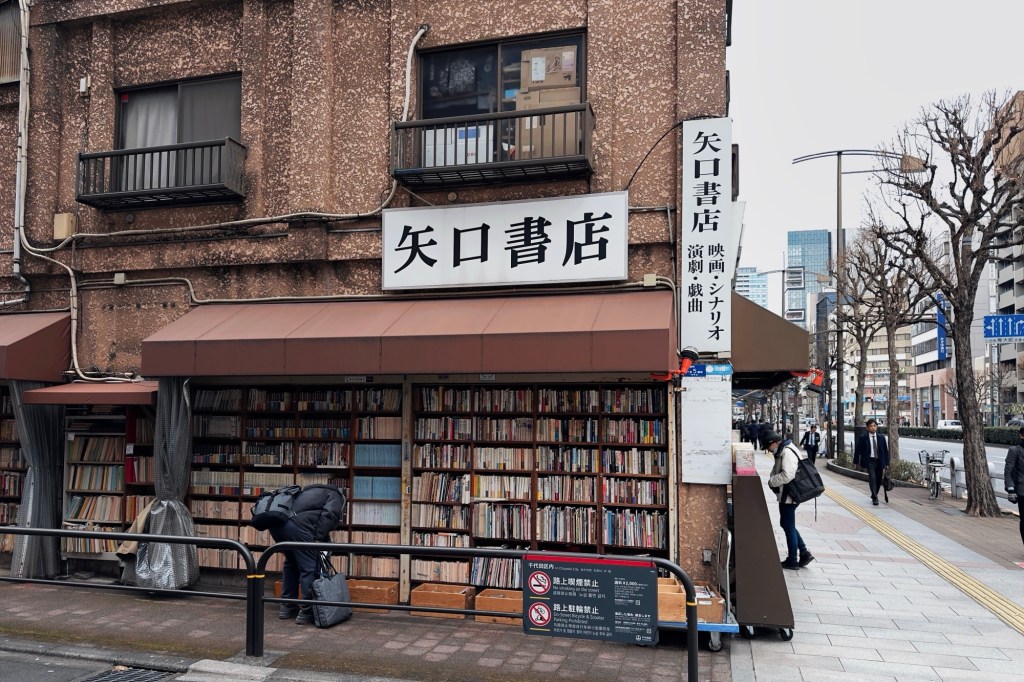
We spent Monday strolling around Jimbocho, an area permeated by three of my favorite smells: books, coffee, and curry. I don’t know how many of the district’s 140~ bookstores we managed to see, but it’s something else. So nice to see the reading and collecting of printed material still alive, although you have to wonder where these used books and magazines (e.g. an issue of GQ with Jerry Seinfeld from when he was just getting famous) came from — the personal libraries of dead or dying hoarders?
There were also more stores selling CDs and vinyls, and I saw new models of portable players for sale at an electronics store. There are DiscMan-like devices that output Bluetooth to your headphones and speakers (alas, no AirPlay), and even a cassette player with Bluetooth. They look pretty cheap and plasticky though; nothing you’d put in a nice spot on a shelf to form a modern hi-fi unit.
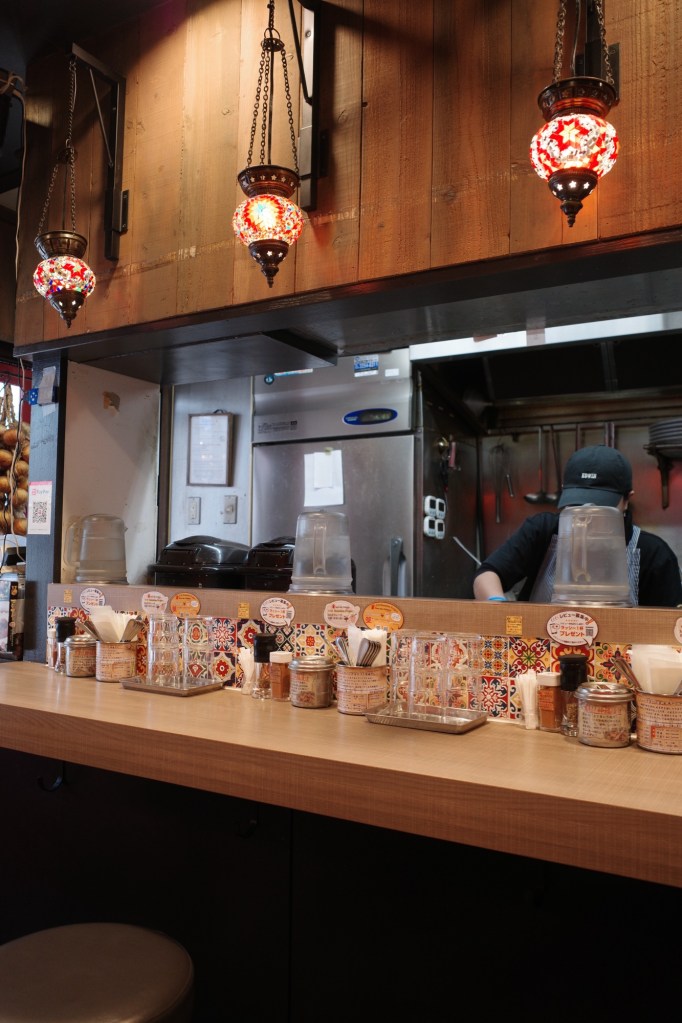
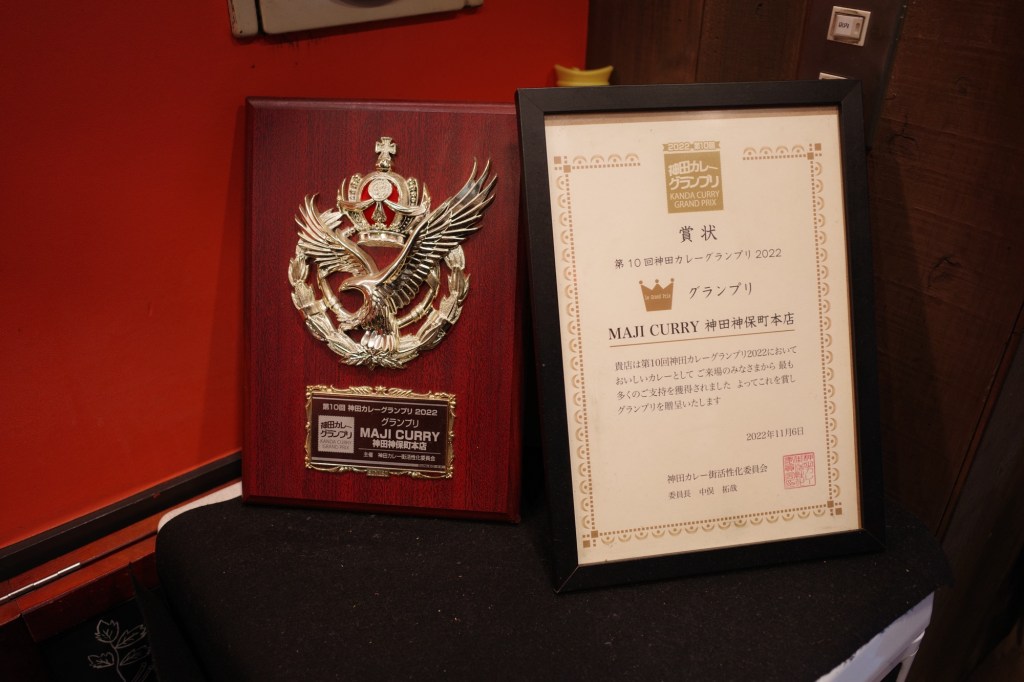
We had lunch at the original Maji Curry restaurant in Jimbocho, and I’m pleased to report that the outlet in Singapore is pretty much the real deal. The fondue cheese sauce here is better, but that’s really nitpicking. Well done to the franchisee/team for bringing it over authentically, unlike Coco Ichibanya’s!
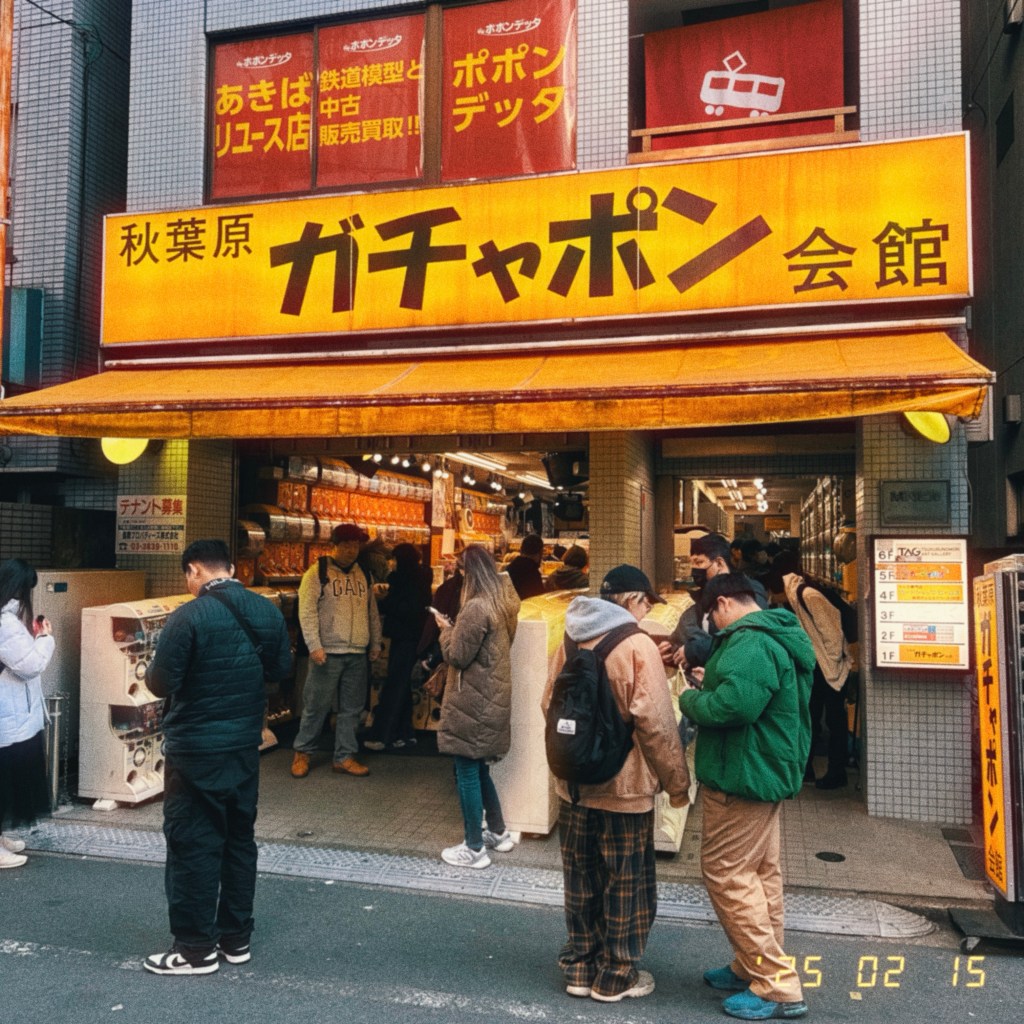
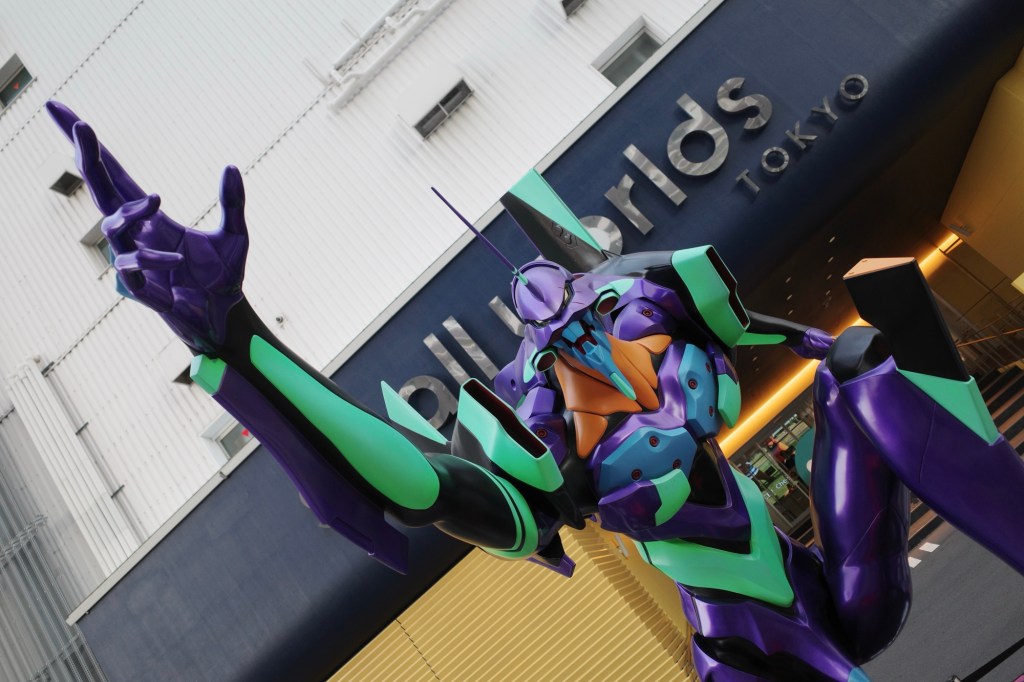
I’ve been on the lookout for cool gachapon miniature items to hang on my bag. So far, I’ve gotten Ricoh GR1 cameras (two of the same silver model), a MiniDisc, a wooden bird call, an Evangelion VHS episode tape with Rei Ayanami on the cover, a Nissin Cup Noodle, and a Johnsonville sausage pack (that I lost when the chain broke off somewhere). It’s quite a millennial weeb collection.
We intended to start each day early to make the most of the limited sunlight. We also underestimated our laziness/tiredness and how hard it would be to get out of bed on a cold day.
On Tuesday, we were forced up at sunrise for a sake brewery tour that was booked weeks ago. We met our guide at Shinjuku station before 9 a.m. — just imagine the crowds — and discovered it was a private tour for just the two of us. It was a nice day of “countryside” day drinking and not-at-all forced conversation with our guide, a 24-year veteran of Japan (originally from Britain via Zimbabwe).
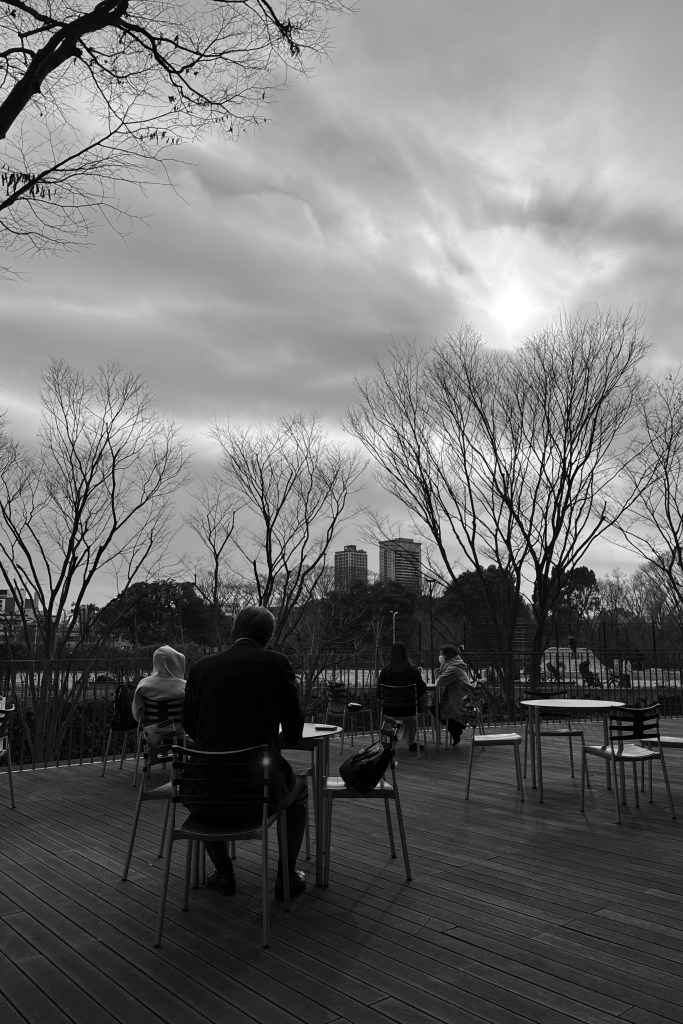
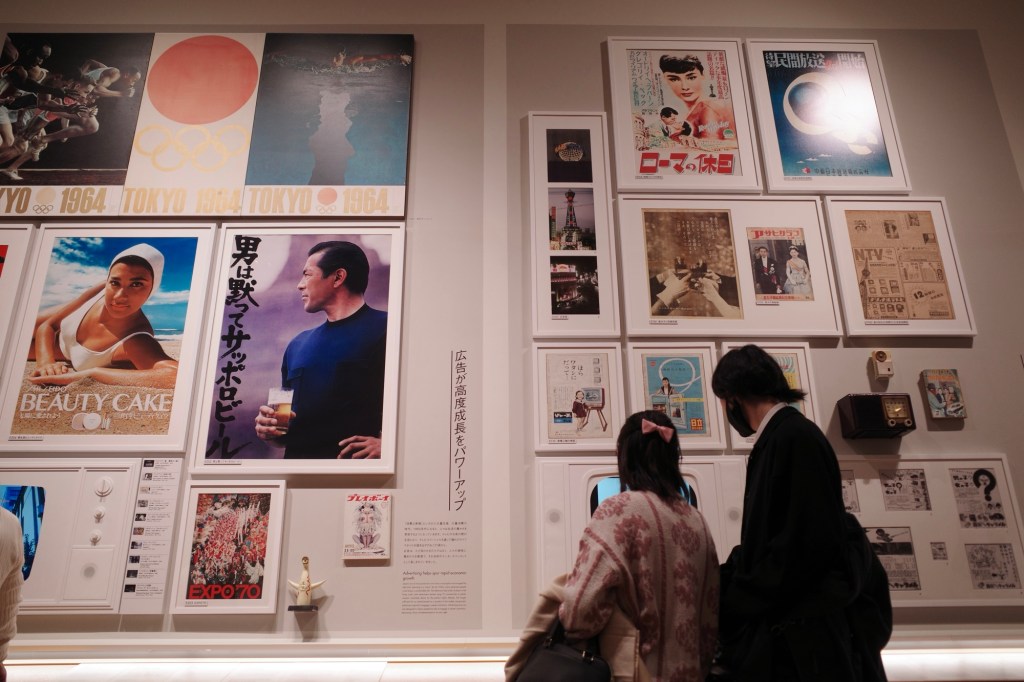
We’ve just visited the Advertising Museum Tokyo, near the Dentsu headquarters and almost certainly funded/run by them. Outside, there’s a free-use space with chairs and tables, and while many seats are occupied by people working on laptops, there are more than a few salarymen sleeping with their heads down. It’s a tough life. Joni Mitchell’s Carey is playing from some speaker nearby.
At my beloved Go Go Curry for lunch now, and it’s the best of the three Japanese curries we’ve had so far (Maji is close behind; CoCo had a poor showing at the Asakusa-eki branch, but I’m confident they’ll deliver next time). But the price of the “Grand Slam” plate with everything on it has shockingly gone up to ¥1700. It was originally ¥1000, and when we came after Covid, it was maybe ¥1200. Inflation is hitting hard here.
Go Go Curry’s Singapore menu
Come to think of it, when Go Go Curry opened in Singapore in 2009, the cost of the equivalent menu item was S$18.50, or about ¥2000. It’s taken Japan 15 years to catch up to that price.
Leica launched a new iPhone accessory: the Leica LUX Grip. It’s a new design for the camera grip made by Fjorden, which was acquired by Leica recently and which has been responsible for the LUX app. It attaches to the iPhone via MagSafe and adds a two-stage shutter button, a control dial, and two programmable function buttons. It honestly looks pretty good, and if the LUX app improves its photo processing to get rid of the iPhone’s Smart HDR look, it will make a pretty nice “camera”.
It’s available now in Singapore for S$450, and when I stopped in at a Leica store here in Tokyo and asked if they had one to look at, the salesman actually laughed, saying no dates for a Japanese launch have yet been announced. What the heck?
I was super excited to see the new Ricoh GR Space in Shibuya, as I used to love their old RING CUBE museum/gallery in Ginza that closed down in 2020. The staff were super friendly and (I found this odd) thanked me sincerely when they learnt that I’ve been a supporter of the series from the GRD days. I was hoping to buy a little finger strap like the one that came with the GR III Diary Edition, but they don’t sell those piecemeal. Oh well. It was well worth the visit.
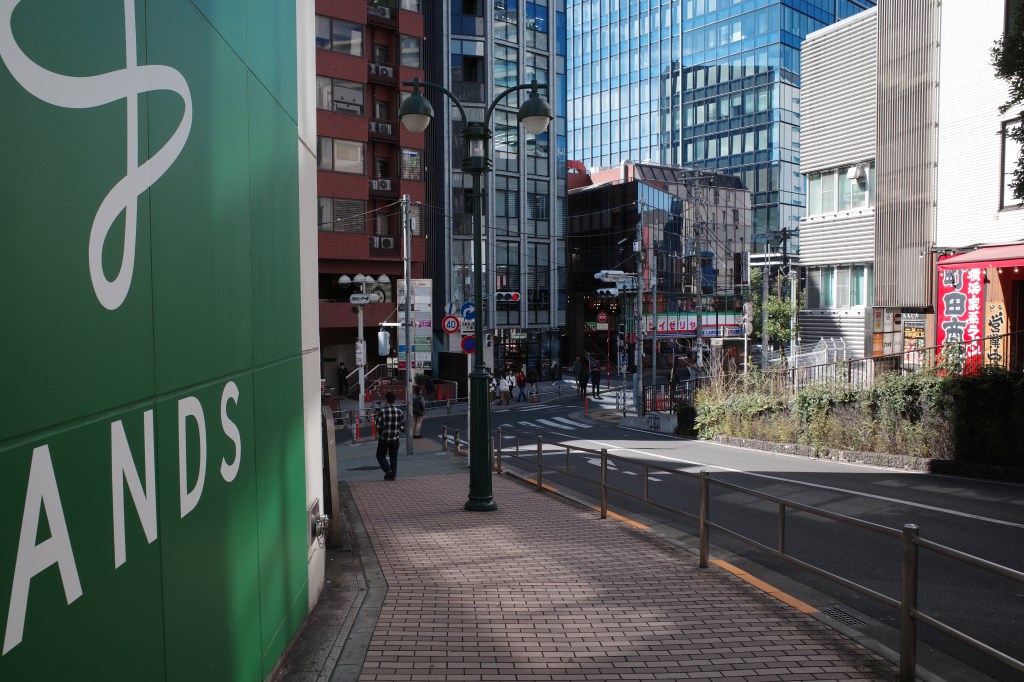
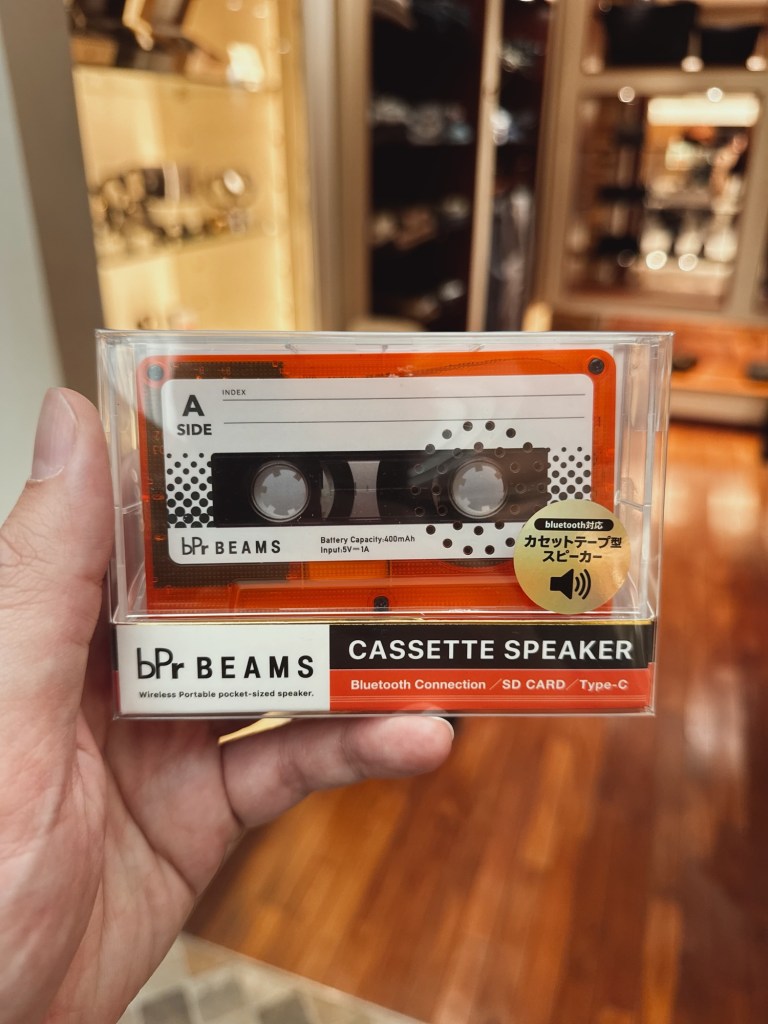
Still on the lookout for nice souvenirs and Japan-exclusive gadgets, but it seems those days are long gone and generally the global electronics market is extremely flat now with online shopping and Chinese e-commerce platforms like AliExpress. But! While at Beams (clothing retailer), I discovered this Bluetooth speaker that is the exact shape and size as a cassette tape for $50. Despite not expecting it to sound any better than my iPhone’s built-in speakers, I bought it on sight. An hour later, I found a non-Beams branded version at Hands for about $10 less. That’s… fine, I guess.
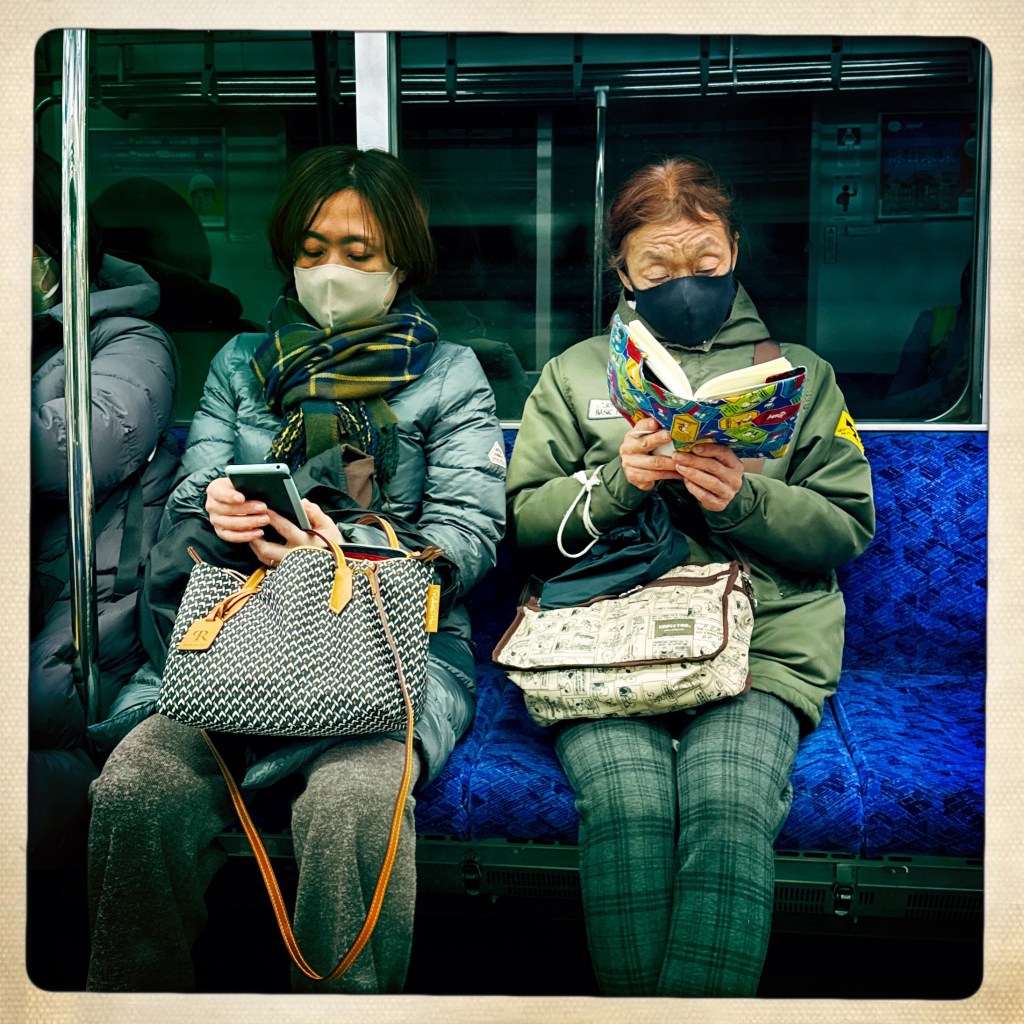
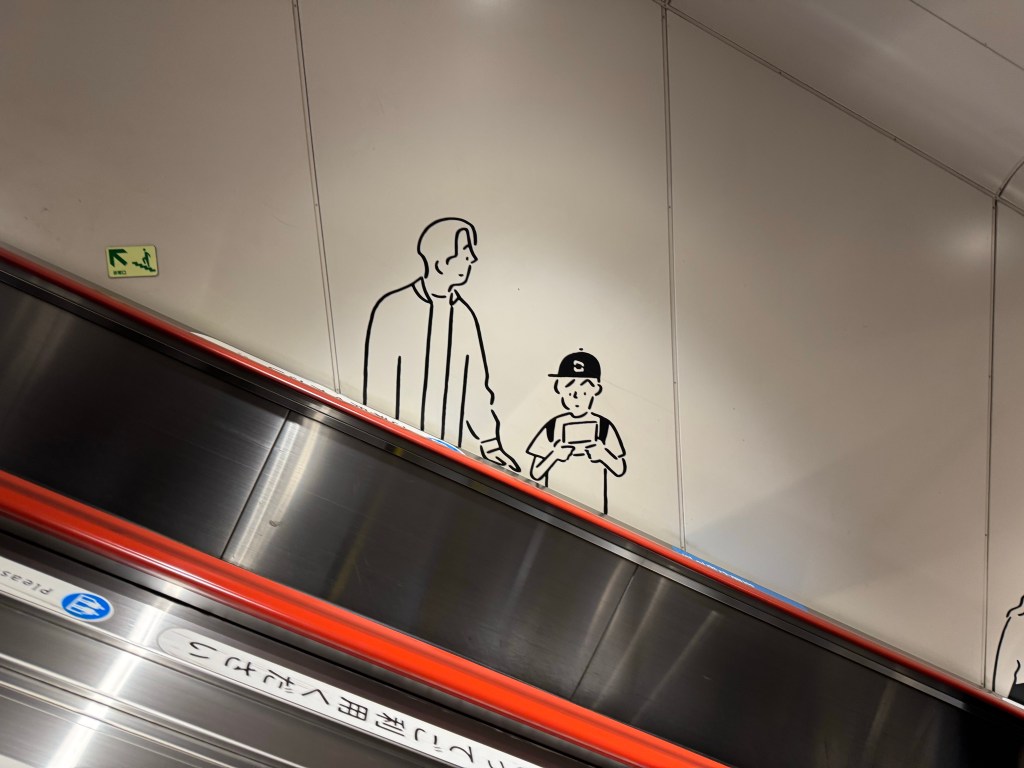
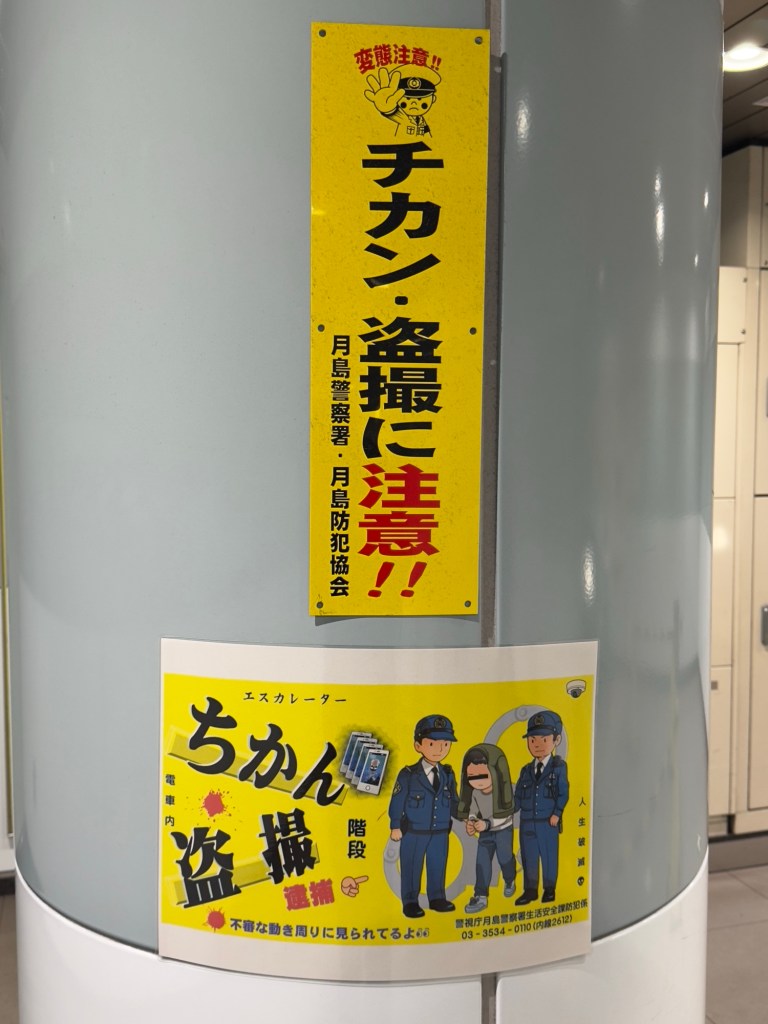
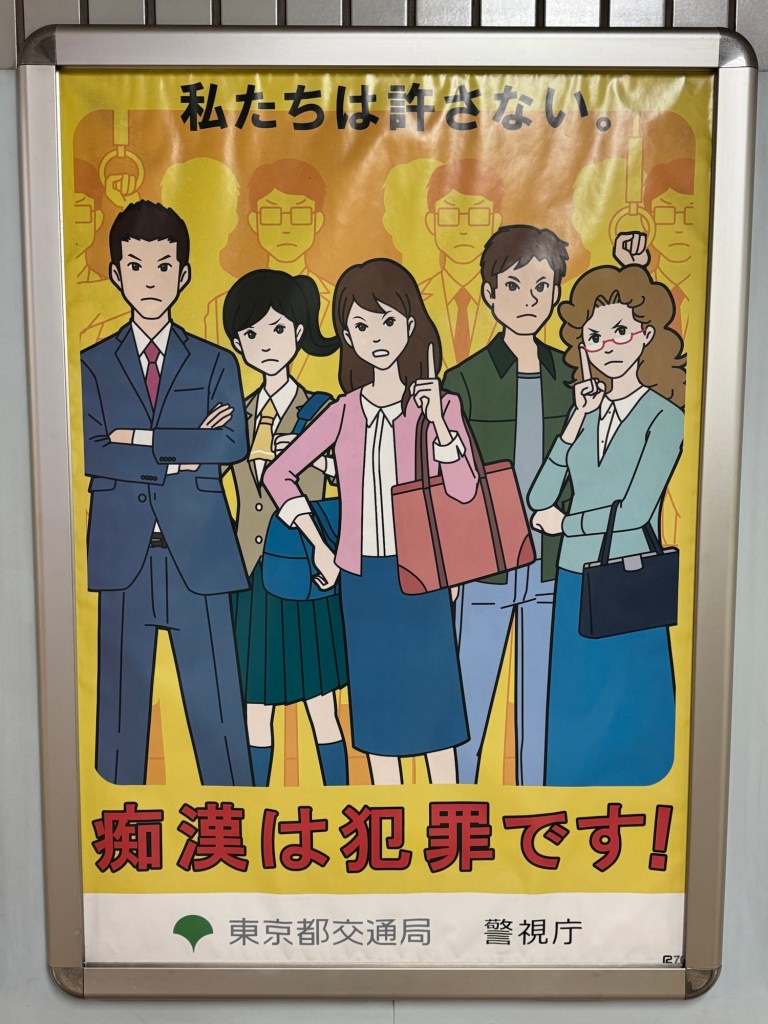
There are great PSA ads here warning against perverts who take upskirt photos and molest people on trains. I’ve been collecting a few (ads, not perverts).































































 sangsara.net