Category: Reviews

Reviews of products and services I probably paid for

  • Week 23.24: Chilling with Sony’s Reon Pocket 5, New Camera Apps, and a Playlist

    Week 23.24: Chilling with Sony’s Reon Pocket 5, New Camera Apps, and a Playlist

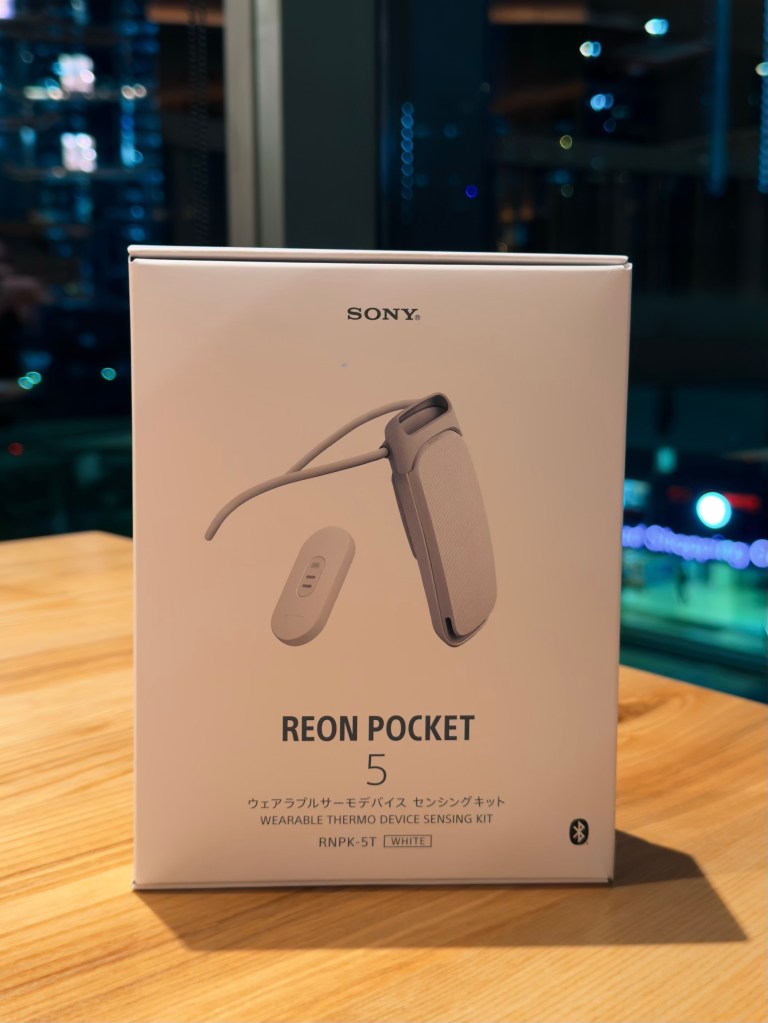
    Sony Reon Pocket 5

    I discovered the existence of a cool new device this week when a Sony catalog wound up in my trad-mail inbox. After some online research, I visited the nearest Sony store for a demo of the Reon Pocket 5 device and ended up buying one for S$249. Okay, what is a “Reon Pocket” and why is this the fifth version? The four previous iterations were only sold in Japan, but the tech is now mature enough that Sony is launching it in the UK, Hong Kong, Singapore, and Thailand this year.

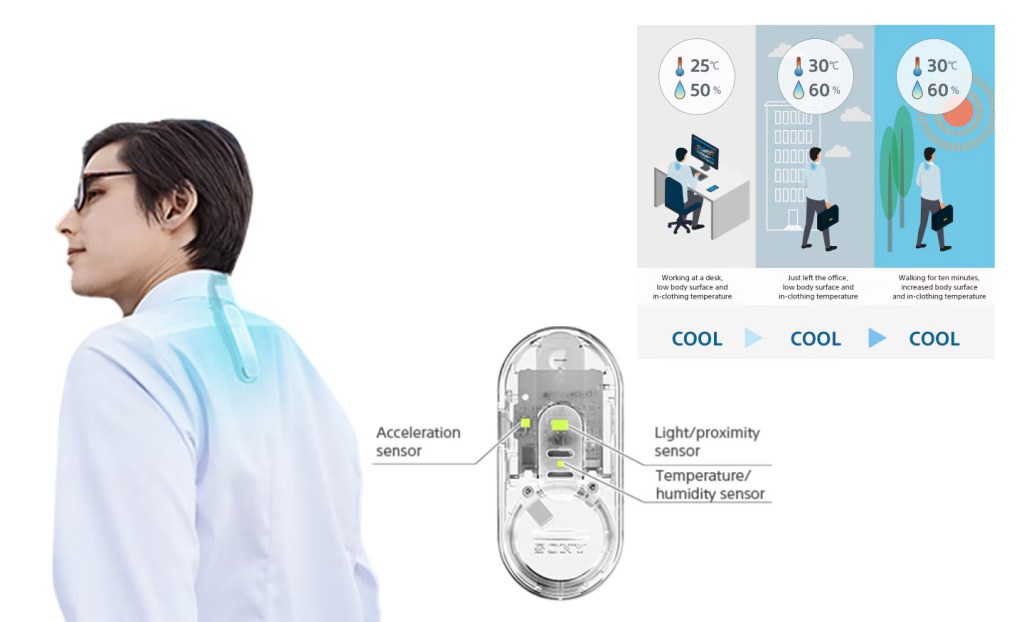
    It’s best described as a wearable gadget for helping you feel more comfortable by fooling suggesting to your body that the temperature is more bearable than it thinks. It does that by cooling or heating a small metal plate pressed against your skin (in this case, at the base of your neck), which contrasts with the environment and changes your perception of it. Surprisingly, it works with just a difference of a few degrees.

    I first learnt about this effect a decade ago from a Wired article about an MIT prototype and have been eagerly awaiting a commercial product ever since. I had no idea until after buying the Sony version that the researchers mentioned in that article have actually shipped their own wrist-worn product called the Embr Wave. It resembles a smartwatch and is more discreet than the bulkier Reon Pocket 5 which sticks out from beneath your shirt collar like some kind of life support system. However, since I already wear an Apple Watch, I don’t know if I’d wear an Embr Wave too.

    In some ways, I seriously see this device as a “life support” technology. I think I’ve struggled with heat regulation all my life — always feeling warmer and sweatier than everyone else; most days you can hold your hand over my head and feel the heat radiating off it. I read that our bodies’ core temperature doesn’t actually change much (when it does, that’s hypothermia or heatstroke), so how comfortable we feel is all down to skin temperature, which this sort of thing hacks.

    After a couple days of testing, I’ve found the Reon Pocket 5 doesn’t perform miracles but offers a different sort of relief than a handheld fan (though one could use both). But it’s like constantly holding a cool can of soda against your neck in hot weather, which is welcome! It’s a glass of ice water for someone in hell. Even when the temperature isn’t that high but it’s stuffy and humid, this takes the edge off. If you’re the sort who’s always feeling cold in Singapore’s air-conditioned spaces, it also heats up and offers the opposite effect.

    There’s a lot I could say about the app, and how it’s another example of Sony’s generally poor UX design, but once you figure out what settings you like, you can lock them in and operate the device without it. It also comes with a separate “tag” that you can attach elsewhere on your body, which monitors the external temperature and humidity so the device can automatically switch modes, but I haven’t bothered to take it out of the box at all. All they needed to do was put a button on the thing to switch between hot and cold, just like the Embr Wave does.

    Building a separate piece of hardware instead… reminds me of how Sony headphones try to “intelligently” adjust noise cancellation levels by guessing whether you’re commuting, or working, or lazing about, by using GPS location and accelerometer data from the smartphone app — an absolutely mental and roundabout solution to replace the user pressing a button. Incidentally, Apple’s Adaptive Audio mode on AirPods Pro is a much better take: they dynamically adjust the balance between noise canceling and transparency based on environmental noise, letting you be aware but not annoyed.

    The battery, if you’re wondering, should last an entire day out. At Level 1 cooling power it’s rated at 17 hours; at Level 3, 10 hours; and at Level 5, 4 hours. Operating on Smart Cool mode, it switches between them as necessary. There’s also a “wave” feature that I recommend turning on, which follows the same core principle as Embr’s device where cooling power fluctuates so you don’t become desensitized to it. If you need even longer performance, you can plug it into a power bank and it will work on direct power without charging. Imagine using it at the same time as Apple Vision Pro, with two power banks in your back pockets. That’s living in the future, baby.

    In conclusion, wearing the Reon Pocket 5 around your neck makes you look dorky or hooked up to some medical device, but when it’s over 30ºC in the shade, who gives a damn?!

    ===

    New camera apps

    I’ve been using two new camera apps: Kino, from Lux Optics who also make the Halide app, and Leica LUX (no relation).

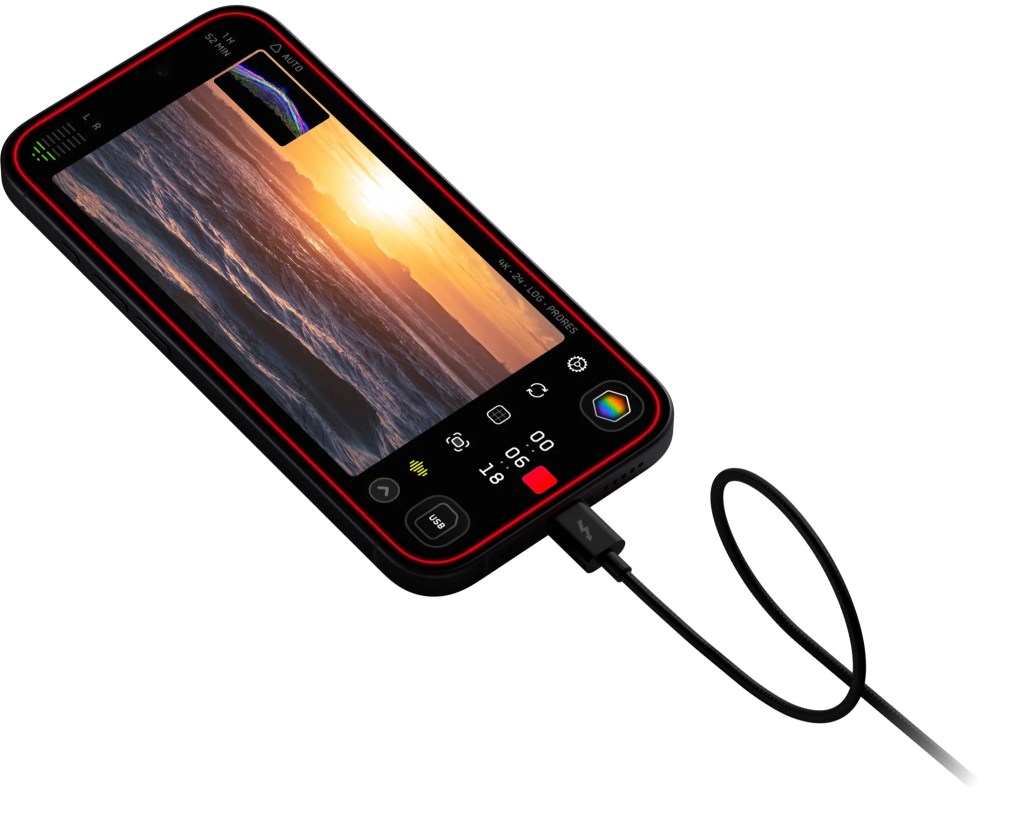
    Kino is a logical move. Halide was a “pro” app focused on bringing intuitive manual controls for still photography. Kino does the same for video. Unlike Halide, it’s a one-time purchase ($20 USD) and a big part of its functionality is the ability to apply different looks (color grading via LUTs). I’ve always wished Halide would do something similar, to help lazy shooters get the most out of RAW captures. I hardly shoot any video but I thought Kino was worth buying, especially since I’ve let my Halide subscription lapse for lack of use.

    One of the best things Kino does is allow the system to shoot in Apple LOG but write the files in HEVC format instead of ProRes, which saves a lot of space but still conveys some of the benefits. You can also shoot in LOG, apply a color grade preset in real time, and save the baked file in HEVC. That’s awesome.

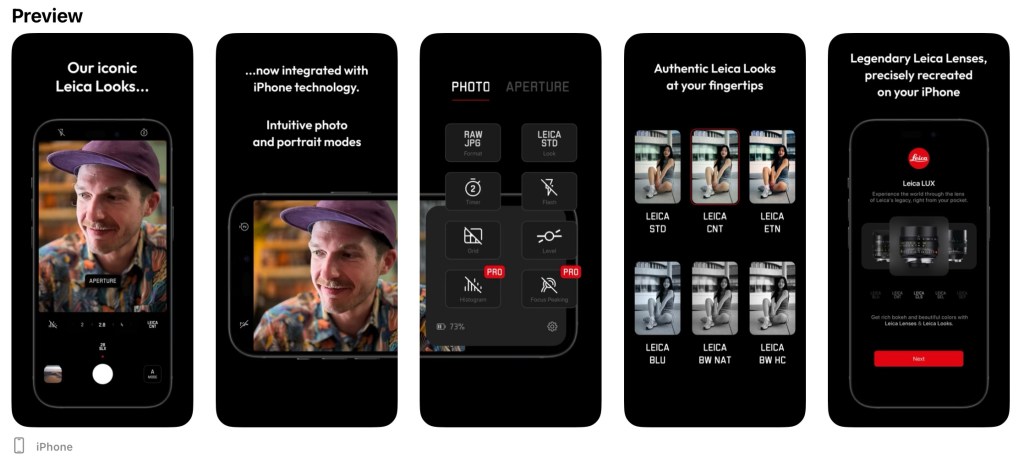
    Leica LUX is not so logical and I’ve been puzzling over why a company with their luxury brand equity would take a risk like this. On the page linked above, they’re saying the app “lets you capture the iconic Leica Look with your iPhone” using their “deep color science” and digital simulations of “legendary lenses”, like the Noctilux-M 50mm f/1.2 ($7,895 USD), and claiming it “reproduces” its “signature aesthetic bokeh”.

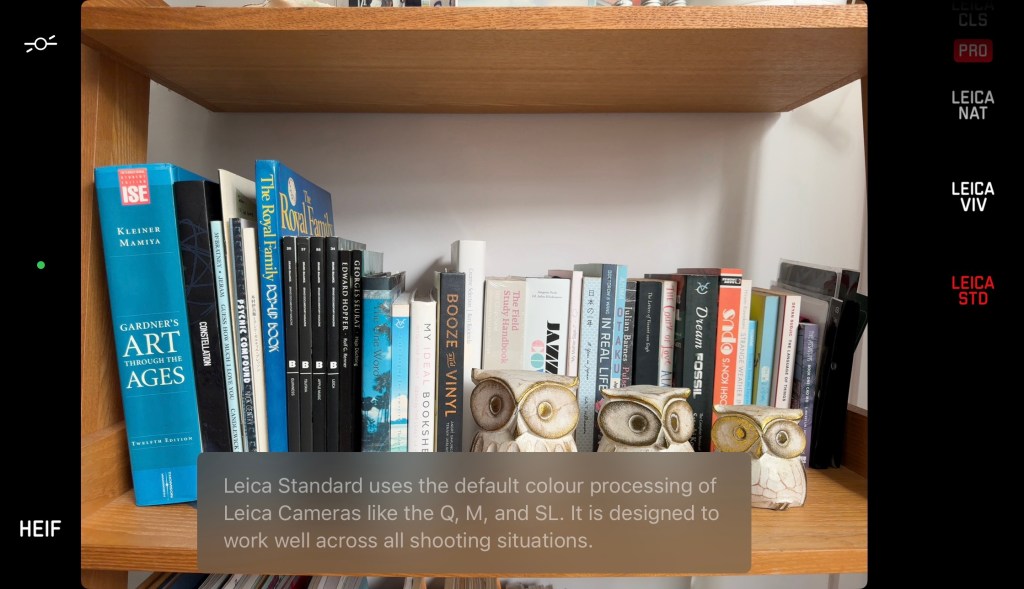
    I present two exhibits. The first (below) is what you see when selecting the “Leica Standard” profile: a statement that it handles color the same way as their cameras that cost upwards of $6,000 USD do, using your iPhone’s sensor. Whether it’s true or not is beside the point; Leica is saying you can enter their world with a free app and the phone you already own. To my eyes, it’s not far off from the iPhone’s default color handling, and looks like some gentle H/S/L shifts. The other Leica Looks are a mixed bag: I like the Leica Natural one, but some others are heavy and feel like “filters”. I’d hoped these would be more like Fuji’s in-camera film simulations, which are more like “color profiles”.

    The secret sauce is leaking out!

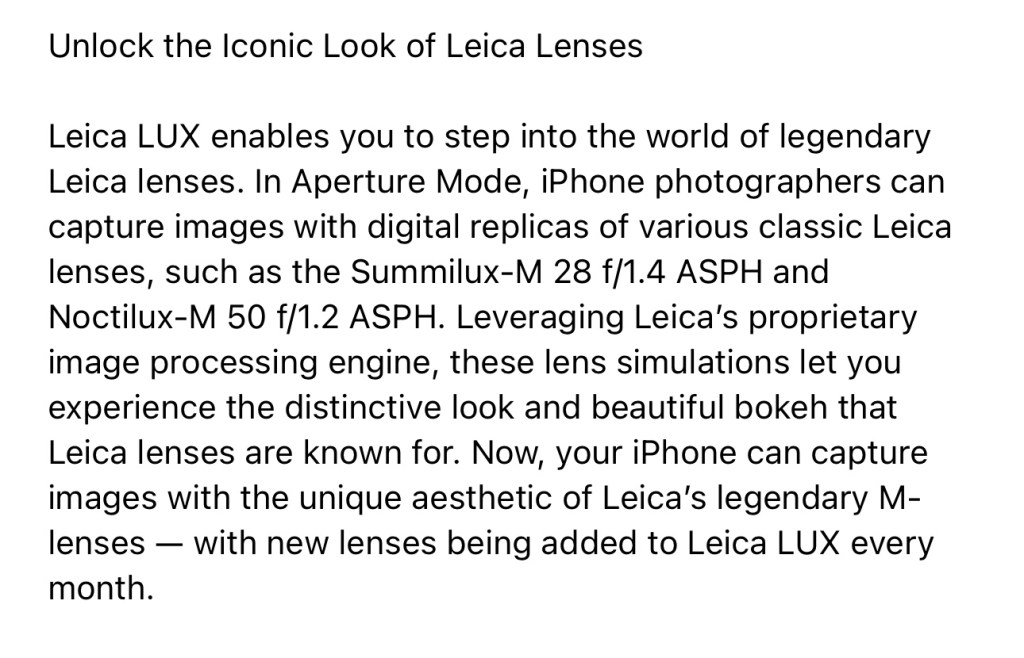
    The second shows how their implementation of a depth effect is inferior to Apple’s own Portrait Mode, with rough edge artifacts, despite the hyperbolic claims of giving your iPhone the “unique aesthetic of Leica’s legendary M-lenses” with their “distinctive look and beautiful bokeh”. If it did, that dark shot of my Misery Men mug would look like it came from a 28mm Summilux f/1.4 lens, and I can assure you it does not. Moreover, their digital depth effect only adds background blur, not foreground blur, which makes for a less realistic result that Apple’s own Portrait Mode which your iPhone already does for free.

    One nice feature is the photo library viewer they’ve built into it, which lets you switch between seeing All photos and Leica photos only, including ones taken with your Leica cameras. And photos taken with this app sit alongside them as equals! In the field where the camera model is specified, it simply shows “Leica LUX”.

    What are they getting out of this brand dilution? Well, the app is subscription-based and asks for S$99.98/yr to unlock more Leica Looks and lenses. They claim new ones will be added monthly. I think perhaps anyone who owns or intends to own a physical Leica camera will not bother with this, and it’s a move to grab all the aspirational customers who want to touch the brand — including a bit of overlap with the market they tried to target with their Huawei and Xiaomi smartphone collaborations. The question is whether this will do any significant reputational damage, and so far all the comments I’ve seen on Leica blogs and communities have been negative. Could they stand to make more on app subscriptions than they’d lose from upset camera buyers? Maybe! Is that capitalization model the right way to run a company? Maybe not?

    I’m still optimistic because I’m not emotionally or financially invested enough in the brand to care how they destroy themselves, and will wait to see if they update the app to improve edge detection and add some better Leica Looks. If it ever gets good enough to be my primary iPhone camera app, a hundred bucks a year is steep but not out of the question.

    Before: iPhone defaults. After: Custom Photographic Style

    Meanwhile, I’ve found the following settings get me calmer and more natural photos out of the default iPhone camera app. First, go to Settings > Camera and make sure you turn on “Exposure Adjustment” under the “Preserve Settings” section. Then in the camera app, set exposure to -0.3ev, and using one of the Photographic Styles as a base, change its values to -20 Tone and +5 Warmth. Note: If you have a 14 Pro, the only way you’re getting less crispy shots is to use an app like Zerocam or Halide and disabling smart processing.

    ===

    Media activity

    • Started playing Spider-Man: Miles Morales on the PS5. It feels just like the first game I played on the PS4 years ago and I can’t say I’m getting next-gen from this, but it’s good fun.
    • Finally got Balatro on the Switch, the highly acclaimed indie poker roguelike game. It reminds me so much of Solitairica, the indie solitaire roguelike game on iOS. That’s a good thing. It’s the kind of game you can play for a few minutes, or hours on end.
    • Started watching season 2 of Link Click, a Chinese-made “anime” series with a cool ‘catch a serial killer through time’ kinda story. I saw season 1 a couple of years ago and was impressed by how well executed it was.
    • Saw Still of the Night (1982), starring a young Meryl Streep and Roy Scheider. It’s a Hitchcock-inspired psychological thriller with Fatal Attraction vibes. 3/5
    • Saw The Ministry of Ungentlemanly Warfare, a Guy Ritchie WWII joint that feels like if Inglourious Basterds was a Jason Statham vehicle. Except he’s not in this, Henry Cavill is, as well as Alan Ritchson (of Reacher fame) who plays a gay Dane (Swede?) who loves killing Nazis almost a little too much. Quite a bit of fun. 3/5
    • Saw The Fall Guy, a movie I’ve been anticipating for a long time on the strength of its trailer and what little I’d assumed about its story. I didn’t know it was based on an old TV show. But it was a messy, empty disappointment of a blockbuster that even Ryan Gosling and Emily Blunt couldn’t save. 2/5
    • Saw Carnival of Souls (1962), a cult classic surrealist quasi-horror film on Kanopy, a video streaming service that’s free if you connect your library account. It’s got Ed Wood B-movie vibes and special effects, a lot of rough edges, but still manages to be a compelling work that I’ll probably remember for a long time. 3.5/5
    • Saw To Have and Have Not (1944) in which Lauren Bacall plays a character who is stated as being 22 years old, to which I thought “she’s gotta be a lot older than that”. I looked it up and she was probably 19 💀. So that’s proof that people really used to look older, and you’d be forgiven for assuming it was the copious smoking (on display in this film). It’s a weird one, almost a musical showcase for Hoagy Carmichael who shows up as the hotel bar’s piano man. Doesn’t quite have that Casablanca magic yet. 3/5
    • Saw Dream Scenario in which Nicolas Cage convincingly plays a loser who suddenly becomes famous due to an unexplained phenomenon (he starts appearing in people’s dreams). Towards the end, it pivots from uneasy mystery to comical cultural commentary. That’s not a complaint though. 3/5

    A playlist for you

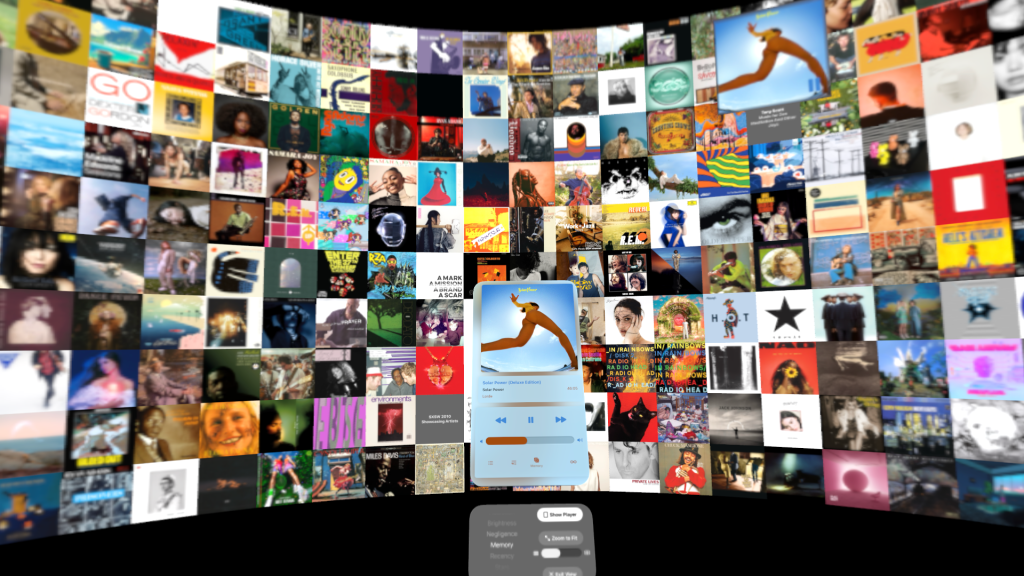
    As reward for making it this far, here’s the next installment in my Blixtape playlist series, covering music I listened to from January to May this year. Hope you find something to like.

    Add BLixTape #4 on Apple Music

    The tracklist:

  • Week 22.23

    Yes, I made this with Midjourney

    Six years after I booted up my Nintendo Switch for the first time and slotted in The Legend of Zelda: Breath of the Wild’s cartridge, I finally took on the final boss this week and finished the game. Before you think this game is a monster (although it is), I effectively took a 5.5 year hiatus.

    My first experience with the game was both exhilarating and overwhelming — here was a non-linear open-world adventure designed to be an exercise in self determinism. Yes, the princess has been locked in a bubble, literally waiting 100 years for you to wake up and save the kingdom, but that didn’t mean you had to hurry. You could decide to be a chef and spend time gathering rare ingredients and experimenting with recipes. You could examine every curious crevice of the natural landscape to discover the Korok seeds deviously placed by the designers, or climb foreboding mountains just for the hell of it (you’d probably find Korok seeds for your trouble).

    This was a game that demanded longer play sessions — no dipping in for just five minutes — and frequent ones at that. You kind of had to remember what you were last doing and where you wanted to go next. So, faced with too much commitment and mental load, I started to distance myself from it and play other games instead.

    If you’ve been following along in recent weeks, you’d know that the release of the sequel, Tears of the Kingdom, spurred me to try completing it once and for all. And it’s been quite the journey: I had to re-familiarize myself with the game’s laws of physics, Link’s complicated powers, and in the process discovered that I’d spent those first 40 hours or so essentially mucking around in just one corner of the world.

    By last week, I’d finally uncovered the whole world’s layout, but with some places still unexplored and doubtlessly many secrets left to be found. I’d gotten good at fighting, and was told that I was ready for the final showdown with “Calamity Ganon”. Except… I wasn’t, not mentally.

    So I spent this week’s game time mucking about and doing inconsequential side quests, like helping a group of arguing scientists collect evidence of giant monster skeletons using my digital camera (yes). And then, on Friday night, I said ‘fuck it’ fought my way to the center of the map, took the big baddie out, and saw the credits roll. It was an absolute anticlimax, partly because I was in a hurry and took a bunch of sneaky shortcuts to the final fight, instead of exploring the giant castle like I suppose I was meant to do.

    So I guess the moral of the story is err… heh… it’s the journey, not the destination? And as I was telling Cien earlier that day, the game is designed so that it’s possible to start the game and simply walk a beeline straight to the final boss and kill him instantly, if you had the skills and weren’t interested in slowly unfolding the whole experience for yourself. So this implicit message was always present, and I’m glad I took the time this year to enjoy more of it.

    ===

    Speaking of picking up old games again, I re-subscribed to the New York Times in order to play their crosswords. The last time I played a lot of them was when they released a Nintendo DS game back in 2007. In recent weeks, a group of people at work starting playing them collaboratively, and I found the experience fun enough to give it a shot. The current promotional price is just $20 USD for the first year of All Access membership ($90 afterwards).

    With the installation of the NYT Games app, I’ve also got the main news app again, of course. It does a couple of things really well, namely it presents simple text and images beautifully with a handful of layout variations, and it has a personalized tab called “For You” that is finite and completable each day.

    I didn’t realize how much I’d missed having a primary source of news in my life, with its own Home Screen button, but of course I’m prioritizing it only because I paid for it. I’m still enjoying Artifact, and I’ve just told it that I have an NYT sub now and it promises to prioritize it for me. Artifact has a real chance here of being the winning news aggregator.

    It makes me upset how Apple Music’s personalized tab could be so much better, like an AI-compiled digest of what’s new in music that I’d be interested in. Fingers crossed for WWDC next week! (Disclaimer: I know nothing.)

    ===

    Friday was Vesak Day here and a public holiday, so I spent the afternoon with Peishan and Cien visiting two cafes, and let me just say I am disappointed that we are allowing so many Instagrammable cafes to flourish. They’re all variations of the same bare concrete interior, tables and stools placed closely together, serviceable coffee + $20 and up full English breakfast plates template of an F&B business. We managed to land in two that offered differented value: Acoustics on Neil Road, which understands that bare concrete is a terrible environment to have conversations or listen to music in, so they invested in sound dampening wall panels and impressive looking speakers; and the Allpress pop-up cafe down the street on on 73 Duxton Road which, well, offers Allpress beans.

    ===

    Back to AI, Jose pointed me at the Planet Money podcast which is currently producing a series of episodes about GPT. They’re using it to write and create a full actual episode, and documenting the process. Parts 1, 2, and 3 (the actual AI-produced episode). Listening to the first episode, I observed them going through the same cycle of revelations that I went through recently as I experimented with using AI to do elements of my own job. The initial curiosity and excitement, the sudden surprise at how good it is, the disbelief when it’s sometimes even better, and the slow acceptance of the chaos to come as you realize no one knows how this is gonna turn out. We live in interesting times.

    ===

    I watched the finale of Ted Lasso’s third and possibly final season. Season 1 is everyone’s pick for the strongest arc, but I think Season 3 is right behind it now. Season 2 was disjointed and strange to me, so quite a distant third place.

    I said of the episode in a group chat:

    The Ted Lasso finale is one of the best I’ve ever seen. On brand, unashamed, fan servicing, heavy-handed symbolic closure with all the love in the world. 5 stars.

    There’s a line in it about how absolute perfection is boring, and by being imperfect on its own terms, the final episode was effectively, truly perfect. They made some polarizing choices this year and didn’t give us what we wanted at times, but the last episode gives it all. It mirrors the beginning, it offers thematic and narrative closure, and it gives room for the satisfying character growth it nurtured to show itself off.

    Their choice of song to play over the final minutes was spot on, obvious, schmaltzy, perfect. It might have been better if they’d used my favorite version featuring Fiona Apple, but what do I know.

    ===

    A couple of weeks ago Michael pinged me to talk about Daft Punk, after I wrote about Random Access Memories, saying sheepishly that Discovery was probably his favorite album, as if RAM was a purer musical endeavor and Discovery was sonic candy for philistines. I was mostly surprised that anyone could fail to love RAM best, and admitted that I hadn’t heard Discovery in many years and hardly knew it well.

    Then I saw this YouTube video by “Digging The Greats”, in which they break down the achievements in sampling that Discovery contains. Absolute magic. I keep telling myself to spend more time on shows like Song Exploder and Watch The Sound on Apple TV+ and This Is Pop, but I never seem to make the time. What I love about this 15-minute video is they don’t just play the samples and show you what Daft Punk did; they load them up and perform the melodies live on an MPC to show you how the band did it.

    Then on Sunday night, the algorithms delivered me this endearingly old-fashioned 20-minute talk from Pearl Acoustics (they seem to make loudspeakers) in which their technical director, Harley Lovegrove, inducts RAM into his list of Great Recordings, and proceeds to discuss why he thinks the production and musicianship on it are noteworthy. He’s got a trained ear as you’d expect, and spends quite a bit of time talking about the incredible Giorgio by Moroder, pointing out things like how there are two different drummers on the track (I had no idea!). What makes it more fun is the fact that this is clearly not the kind of music he normally reviews — other Great Recordings include Jacqueline Du Pré’s Elgar Cello Concerto (this often moves me to tears on good headphones), and Pink Floyd’s The Dark Side of the Moon. Anyway, loved this video and it helped me appreciate a favorite album even more.

    ===

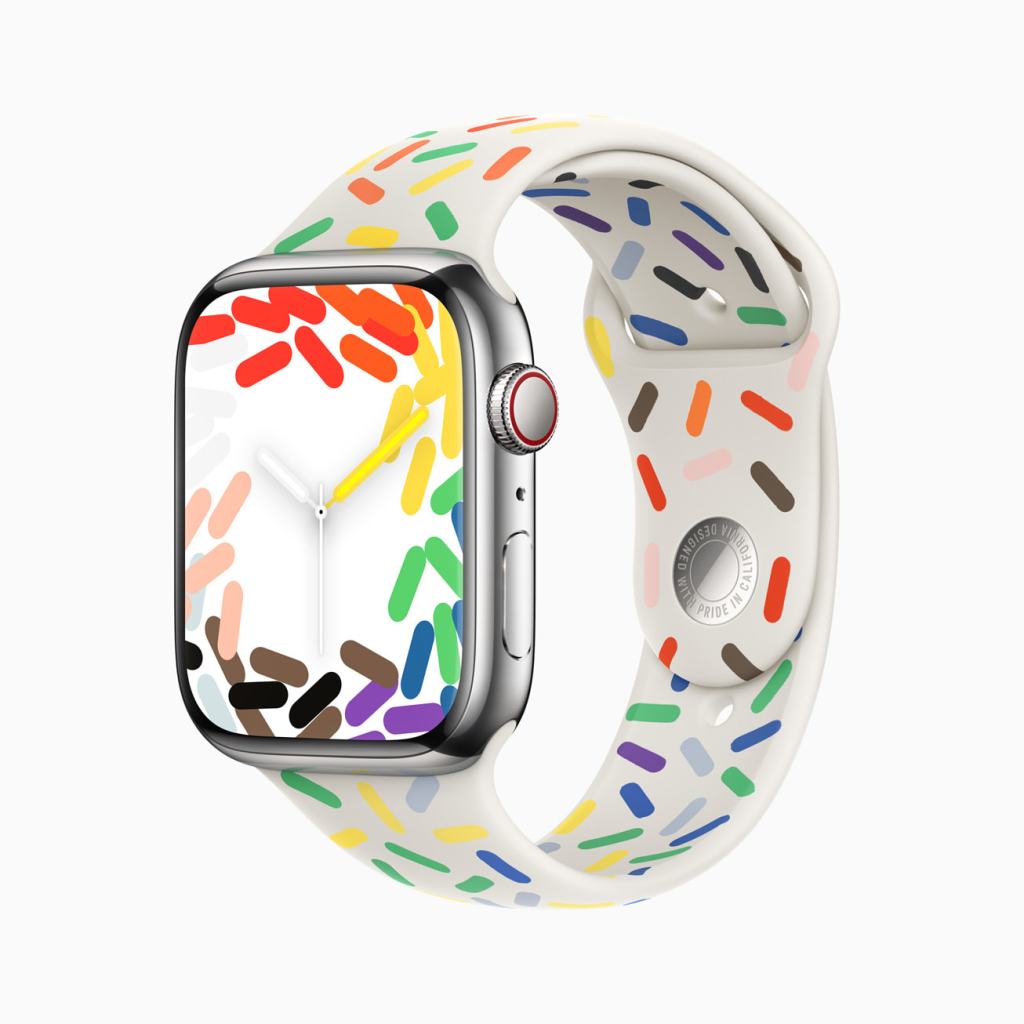
    A different sort of band, but I bought the 2023 Pride band for my Apple Watch. Rather than the heavy and vibrant rainbow bars of previous versions, this year’s design has a white base with scattered color pills. It looks like birthday cake sprinkles or confetti, which is a fun vibe you don’t see in any other official Apple Watch bands, almost like something Swatch would do.

    ===

    And now, for this week’s conclusion, brought to you by GPT:

    In wrapping up, there’s something uniquely human about picking up where we left off, be it a beloved video game, a trusted news source, or a favorite TV show. That’s the joy of life’s continuity, the pleasure in seeing where a journey takes us, especially when it’s one we didn’t quite finish the first time around. These past weeks, I’ve immersed myself in familiar worlds, marveled at the capabilities of AI, and watched characters grow, and it made me realize how we continuously strive for balance, exploration, and ultimately, an understanding of our own story. We may stumble, we may take detours, but isn’t that the beauty of life’s game?

  • Week 7.23

    My mother-in-law stayed with us for the week and a new routine was soon established: every night after dinner, we’d watch an old film from the 40s and 50s. This worked out well because I’ve been hoarding a bunch of film noir classics which my wife would never otherwise agree to sit through.

    • The best was undoubtedly The Third Man (1949) adapted from the Graham Greene novel and directed by one Carol Reed. I obviously thought Reed was a woman who somehow got to make a huge film and give Orson Welles direction, but nope, turns out Carol is a man. This is a film I’ve actually tried to watch three or four times; maybe even finished, but I couldn’t remember much. The first time might have been in film class at university. What a strange and meandering film, with intriguing technical aspects and unexpected emotional depth. The very last scene is one for the ages. I gave it five stars on Letterboxd.
    • The next one was Lured (1947), starring Lucille Ball and George Sanders, directed by Douglas Siri. This was the second-best, and features a pretty strong heroine for the time. Her role in a police plot to catch a killer is to be the bait, but she actually gets hired as a proper undercover detective to do it and she has some great comeback lines. 4 stars.
    • What a disappointment Key Largo (1948) was, though! Bogart and Bacall in a famous film — perhaps my expectations were too high? It’s slow, unfolds in basically one location, and feels like a play poorly adapted into motion picture form (I recall seeing in the credits that it was). 2.5 stars.
    • Stanley Kubrick’s The Killing (1956) brought the momentum back: a more complex film that plays with chronological jumps, multiple viewpoints, and intersecting roles in a heist that slowly makes more sense as the film goes on. Watched alongside others from the period, it stands out both for having more to say and trusting its audience to come along. 4 stars.
    • We ended on a slightly weak note with Alfred Hitchcock’s Shadow of a Doubt (1943), which is apparently called his first true masterpiece. Ehhhhh. I do give it points for walking right up to the edge of incest and staring into it — one reviewer on Letterboxd put it like this: “This bitch wanted to straight up fuck her uncle! Hitchcock was so ahead of his time, he literally invented Cersei × Jamie.” But otherwise, 3 stars from me.

    Coincidentally, I saw a tweet this week about the portrayal of sex in these old films, and how not being allowed to be explicit led directors and actors to create even more powerful suggestions of desire. I was also disappointed that this person was only on Twitter and not Mastodon. Can everyone hurry up and move already?

    ===

    I discovered a great little free app, like, totally free. Been Outside uses geofences to track how much time you spend away from home. For someone like me who usually loves staying home and working remotely, it provides a way to assess how much this lousy life forces me to compromise on my introverted, shut-in preferences.

    Speaking of, we binged (with fast forwarding) all 10 episodes of The Ultimatum: France on Netflix this weekend. For the unfamiliar, it’s a wretched reality TV show that takes couples where one party wants to get married, and makes them swap partners with each other to see if it changes their minds. Some end up back together stronger and agree to get married, others love the glimpse of another life and decide they don’t want to go back, and so on.

    I’ve seen some of the American version and expected the French participants to be more debased, more promiscuous, but they were… not?! The biggest scandal was one person kissing a stranger during a night out. I said “speaking of” 118 words ago because at some point during the show, Kim sighed, “this world is really horrible”, and I laughed.

    ===

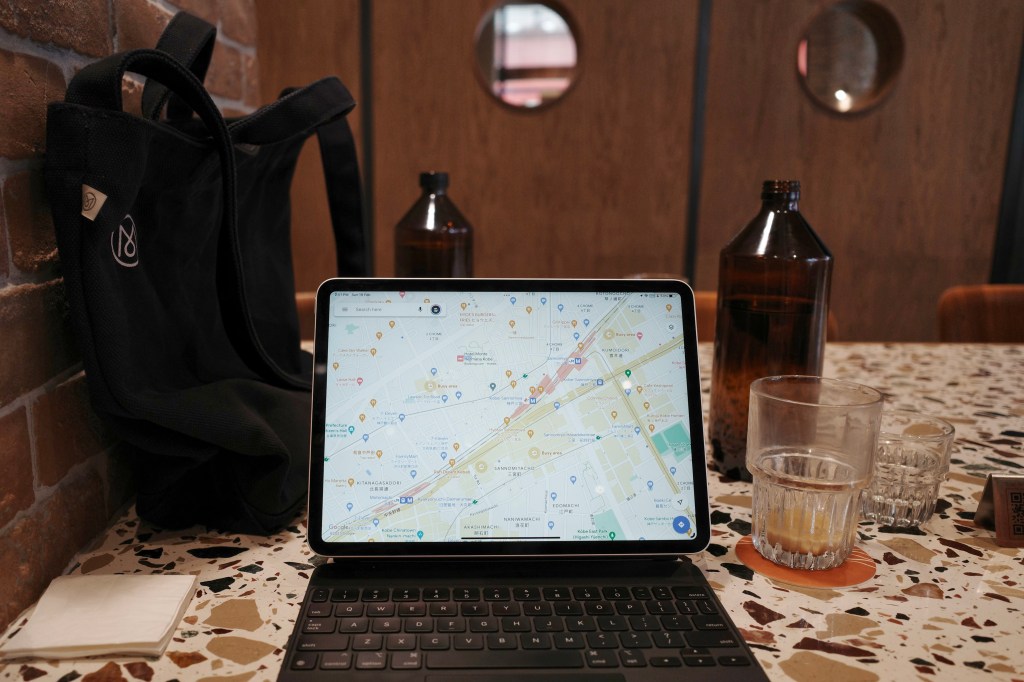
    Our trip to Japan is less than a month away and many plans have yet to be made. We went out to a cafe for brunch today and sat side-by-side with our iPads and tried to do research together with a shared Safari Tab Group and a Freeform board. The latter has intermittent syncing hiccups that you never get with Miro, and makes working on it kinda scary, but it’s free and good enough and I’m looking forward to it being well supported and a key part of the Apple ecosystem! I want to believe!

    My one good Midjourney creation of the week
  • Week 44.22: No cat, no mood

    A cataclysmic catastrophe. Specifically, our new cat, who did not arrive on schedule. We were notified just the day before she was meant to come home that she’d developed a slight case of the sniffles. So she will stay a little longer where she is for observation and we’re hoping to get her next weekend instead. This means an additional week of fur-free living surrounded by our toxic plants, but made for quite a disappointing weekend.

    Also, slightly disappointing was episode three of The Peripheral, which sagged a little bit compared to the impressive introduction of the world and technologies in episodes one and two. It also looked as if the budget was significantly reduced for this episode, and several scenes had a small, green screen sound stage feel to them. I hope this is not indicative of the remaining episodes.

    Being impatient for the rest of it to be released, I intended to start reading the book again, but somehow picked up John Scalzi’s Kaiju Preservation Society instead. It’s a book that manages to meld a serious enough approach to its science and drama with a premise that just can’t be taken seriously. So far so pleased.

    ===

    An update on my foray into publishing Darkroom presets: the company published a curated collection of creations from the community and featured a bunch of mine.

    Koji’s an original I shared this week. As the tweet above says, it’s inspired by characteristics of both Kodak and Fuji films, but not from comparing and copying any existing ones — just a vibe from the mental pictures I had of both brands at the time. I first made the Koji preset about four years ago, but it’s since been tweaked a hundred times probably and doesn’t resemble its original self anymore. Nevertheless, I find it an attractive analog look that suits both portraits and holiday snaps, leaning warm/red in the skin tones (Kodak?) while having subtly green-forward shadows and rolled-off highlights (Fuji?).

    ===

    Oh, we also saw Ticket To Paradise, a new rom-com starring Julia Roberts and George Clooney that goes for the feel of more successful genre pictures from the 2000s, but somehow only manages to achieve the hollow, plastic soul of a Netflix algorithm joint or one of those Chinese-financed vehicles for an aging Hollywood star that also has a minor role for some Chinese tycoon’s niece.

    But here we have two Hollywood stars who have aged really well, no Chinese money in sight, and it’s still a weird dud. It wants the 2000s energy so bad that it’s also kinda tone deaf about race and white privilege, purporting to be set in Bali while not looking the part, and having its Indonesian cast members play exotic, superstitious, speak-a-no-English Easterners who openly make out with foreign women they just met, and in front of their families too.

    In one scene, though, Clooney gets to tell a mediocre story with all his indelible charisma and likability turned on — that easy voice, low with emotion, taking you into its confidence; a precision tool calibrated for both paternal warmth and Nespresso/Omega endorsement — and afterwards it doesn’t really matter how the movie ends, you’re just glad to see them both on screen again, even if they allowed a hack director to momentarily make them look like two sad has-beens fighting over who can harvest the most seaweed.

  • Week 5.22

    Welcome back, it’s the last week of the year for people who love the moon. I decided to draw two Misery Men who look like a pair of oranges (which are traditionally exchanged as gifts during the Lunar New Year), and they are proactively numbered #87 and #88 (a famously lucky number in Chinese culture). Numbers 83–86 are done, but will be released later.

    From an artistic standpoint, I think I learnt something new with the little tael hat on #88. The intention was to make it shiny and gold; I could see it in my head but wasn’t sure how to make it happen on the screen. In the end, trial and error got me close enough to be happy.

    Last week, Michael linked to this two-hour video explaining why NFTs and Web3 are a scam at worst, and based on unstable premises at best. Since then I’ve encountered it more on Twitter and set aside the time to watch it. I think everyone touching the space should watch it, whether they’re involved out of personal interest in the tech/money/culture, or on behalf of clients who want to explore it. It covers a lot, but if I had to oversimplify my takeaways, I’d say that I mostly agree with his views — there are glaring flaws in the architecture of the prevailing networks today, enough to suggest a collapse or dystopian outcome if they grow to become infrastructure that the world depends on. I think there are many opportunities to be scammed out there, alongside a lot of space-wasting junk (content, apps, bots) that only exists because of the potential for asymmetrical upside. Maybe natural selection will sort it out and hone the landscape into a workable form, or it won’t. One place I don’t agree: he spends a little time at the start dismissing Bitcoin, but the rest of the video builds a case for why it’s something completely different from “crypto”.


    People say Chinese New Year is generally a time of eating too much, which hasn’t been the case for me because I don’t particularly care for much of the seasonal food, except pineapple tarts. However, dinner on two consecutive days this week was Korean BBQ, as in loads of fatty pork belly, closer to a kilogram than not. We finally got a new smart scale after the old one died a few months ago, and it’s not something I want to confront right now.

    Ironically, I got the new Beats Fit Pro, presumably so named because they 1) fit ears well and 2) are for fit people who work out. In brief, EarPods/AirPods have never fit me well and always feel on the verge of falling out, at least on my left side. But I haven’t gone back to other buds because of their Apple ecosystem convenience, audio features, and pocket-sized case.

    The Beats Fit Pro fix the fit with wingtips that you know Apple would never put on AirPods (that would require acknowledging inconvenient truths about human anatomy), while offering every other benefit of the AirPods Pro. Okay, the case is a little bigger, but it’s manageable. They also have the latitude to sound more fun (whereas Apple would prefer being neutral, aspirationally audiophile) and come in several colors. After being acquired for the platform that would become Apple Music, it seemed at times like the Beats brand might not survive long under the master’s roof, but I’m glad it has.
    Also, this “Behind The Design” video strikes me as one of the best product videos to come out of Apple lately. It simply starts with a strong problem statement and then shows you how they solved it. Then it’s just good music, pretty exploded 3D visuals, and shots of the headphones in use by above average looking people.


    Media activity:

    • Went back to Hades on the Switch in lieu of starting a big new proper game. It’s good.
    • Watched The Puppet Master on Netflix, a 3-part documentary on an extraordinarily bold and psychotic conman who ruined some people’s lives in an unbelievable way. Worth watching just to remind yourself it can happen.
    • Started Den-noh Coil on Netflix, a landmark anime series from 2007 that I’d never heard of before. It has an art style that looks of its time, but the story and central technologies (AR/XR glasses on everyone creating a parallel world) could have been written for today. I’m only three episodes in, but I think I’m gonna love it.
    • The Beatles’ legendary rooftop performance, restored and featured in the Get Back series, has been released as its own album (Apple Music), mixed in spatial audio with Dolby Atmos. Just great on a new pair of headphones.
  • Quick thoughts on Apple’s MagSafe Battery Pack (2021)

    Quick thoughts on Apple’s MagSafe Battery Pack (2021)

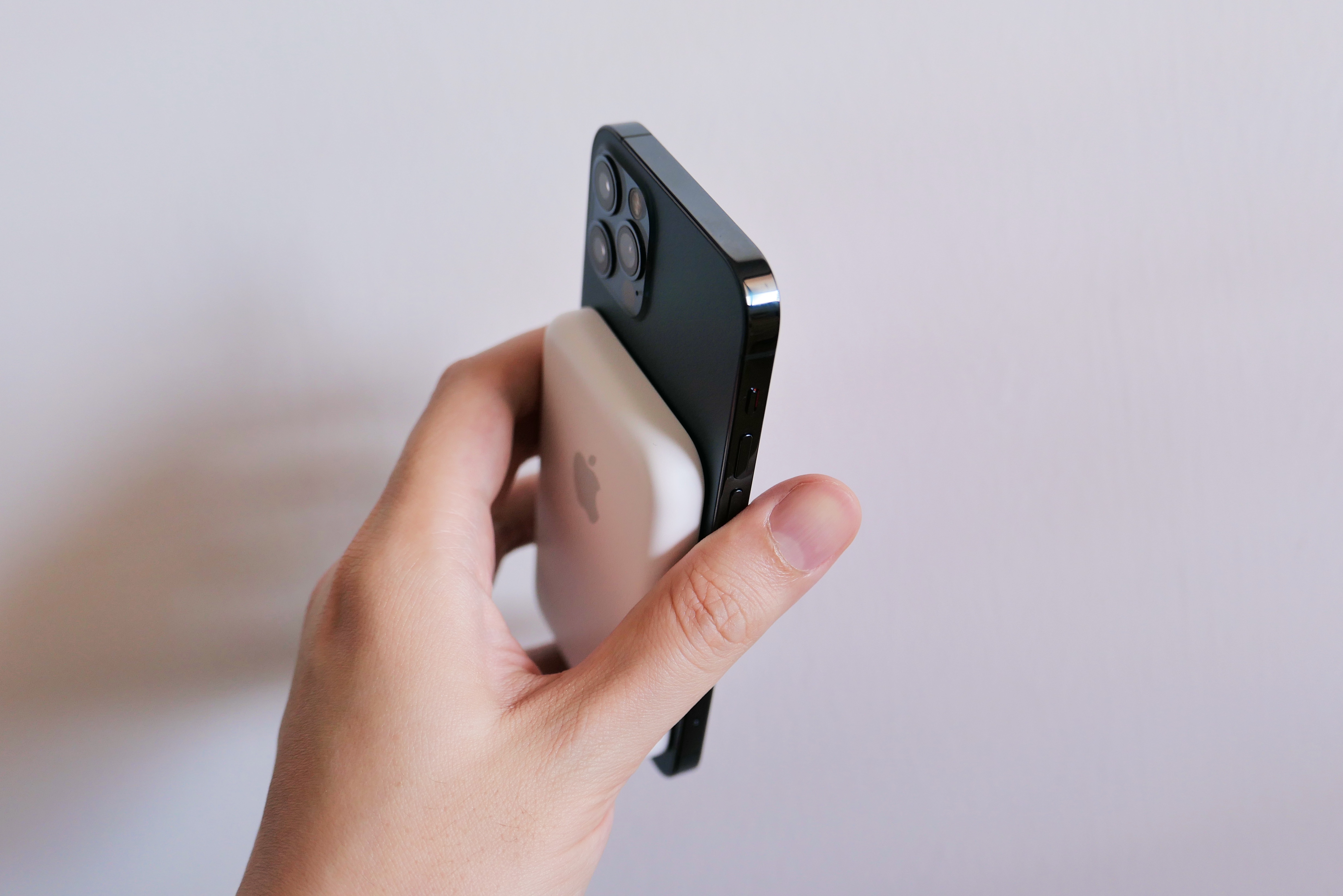
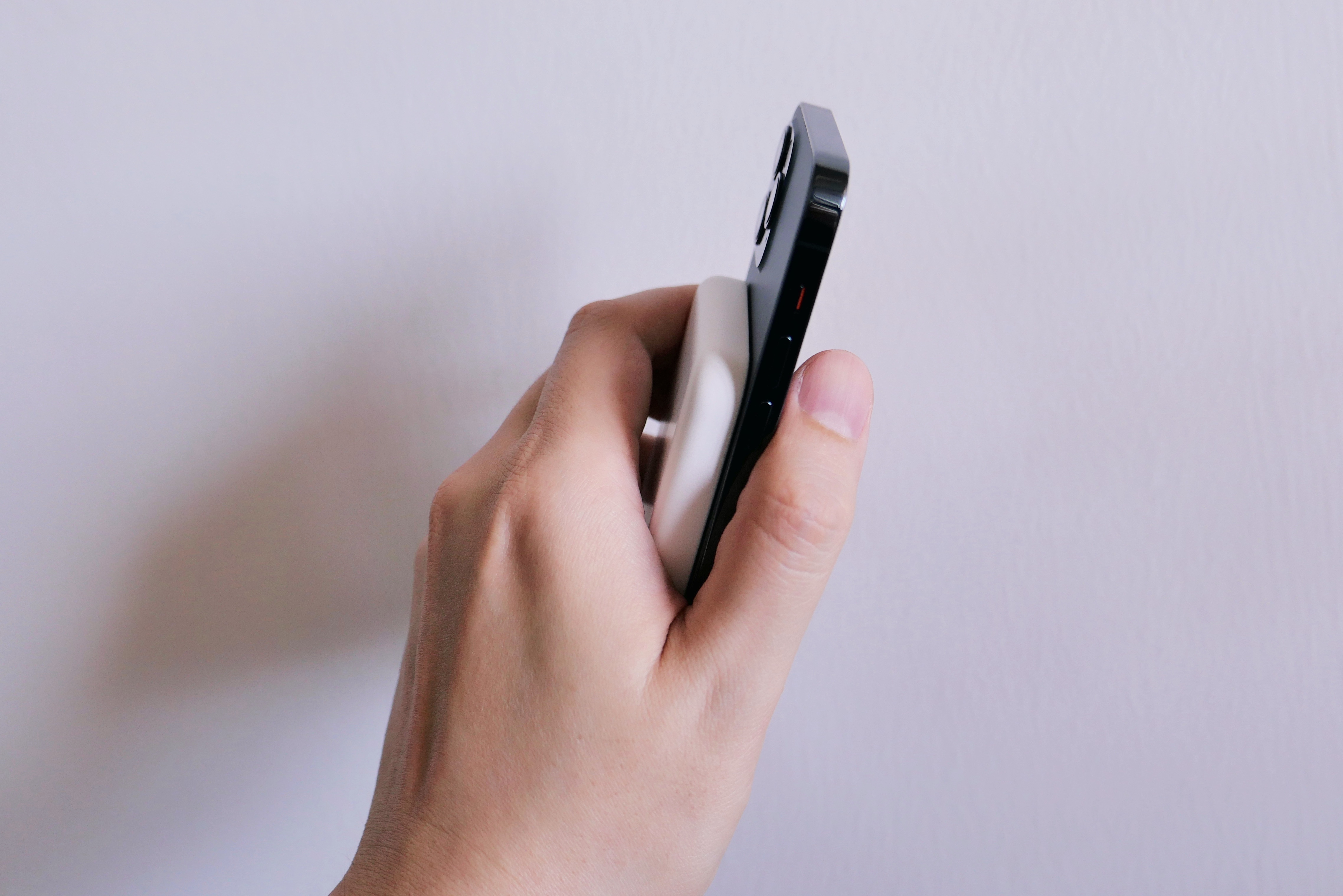
    This week, Apple released an iPhone power accessory that’s been anticipated since the release of the iPhone 12 series late last year. In recent years, they’ve put out “battery cases” shortly after new phones — you’ve probably seen them: rubbery phone cases with a hump on the back, often ridiculed. With the MagSafe infrastructure on the new phones, everyone’s been waiting for a battery pack (or power bank) that you can just slap on the back.

    After some delay, it’s finally arrived for USD$99 or S$139 and only in white. Bit of a missed opportunity to add some pops of color there, like the MagSafe card wallets they make in yellow and blue leather. I think it’ll pair quite well with this Cloud Blue silicone case though.

    On the price: Apple offers an intriguing spread of products at the $99 mark. You can get a HomePod mini in some countries, which is a great sounding smart speaker with serious processing power equivalent to an old iPhone. Or you could get a first-generation Pencil to use with most iPads still on sale. And least apparently worth the value is the braided solo loop, a strap for the Apple Watch made from recycled yarn. I think this battery pack sits squarely in the middle in terms of value.

    The Good:

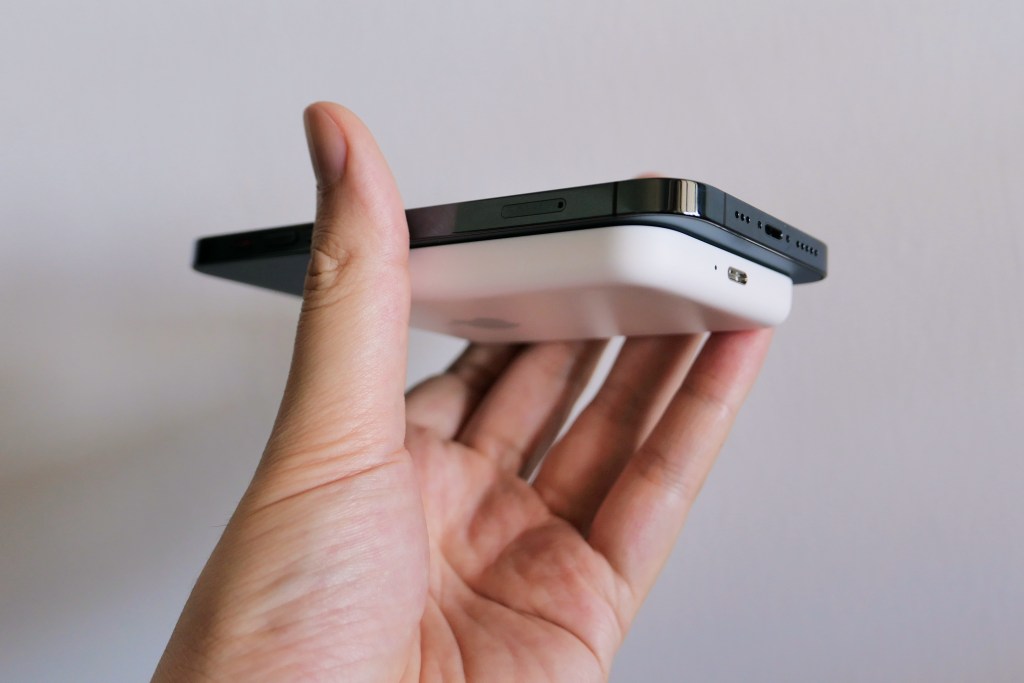
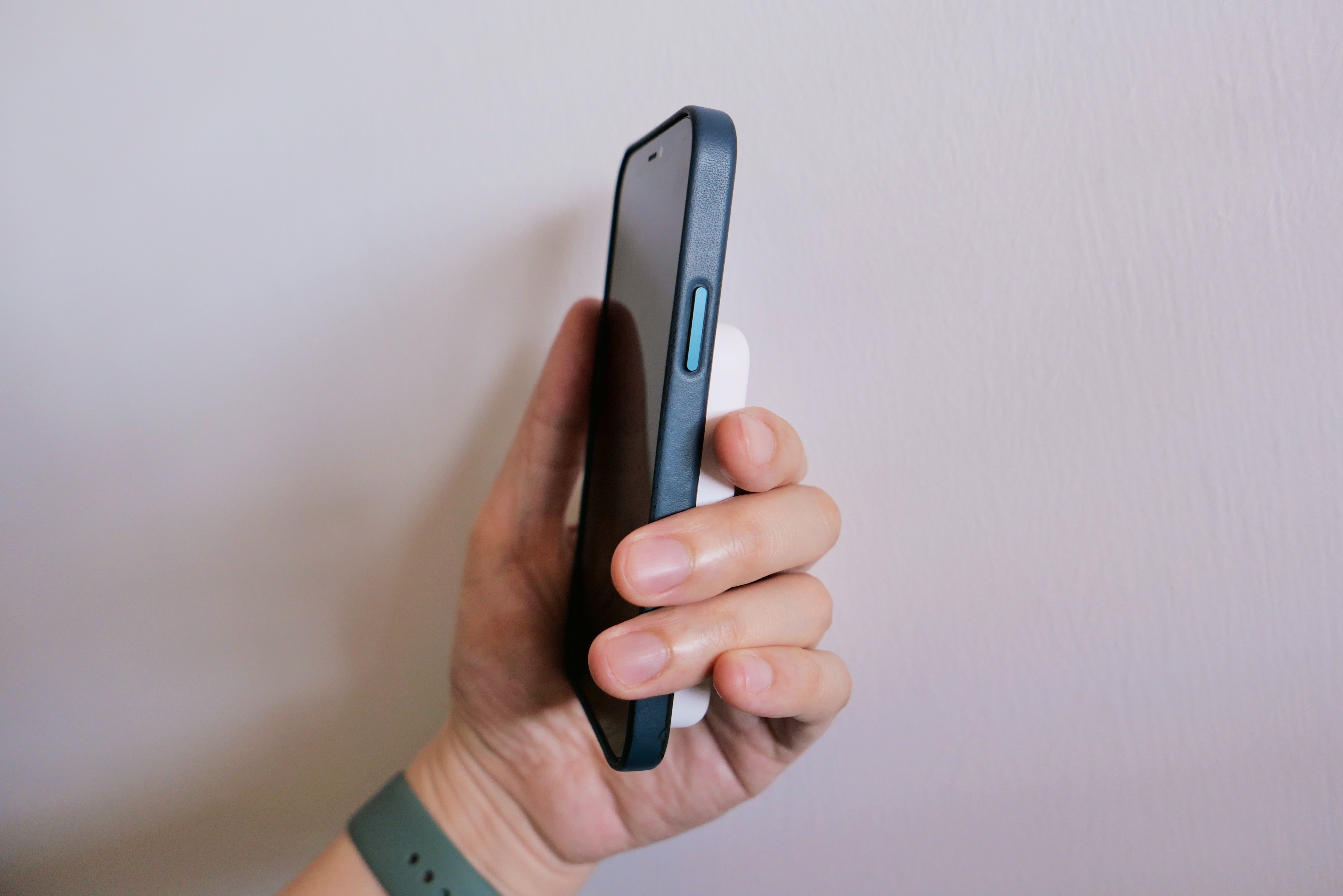
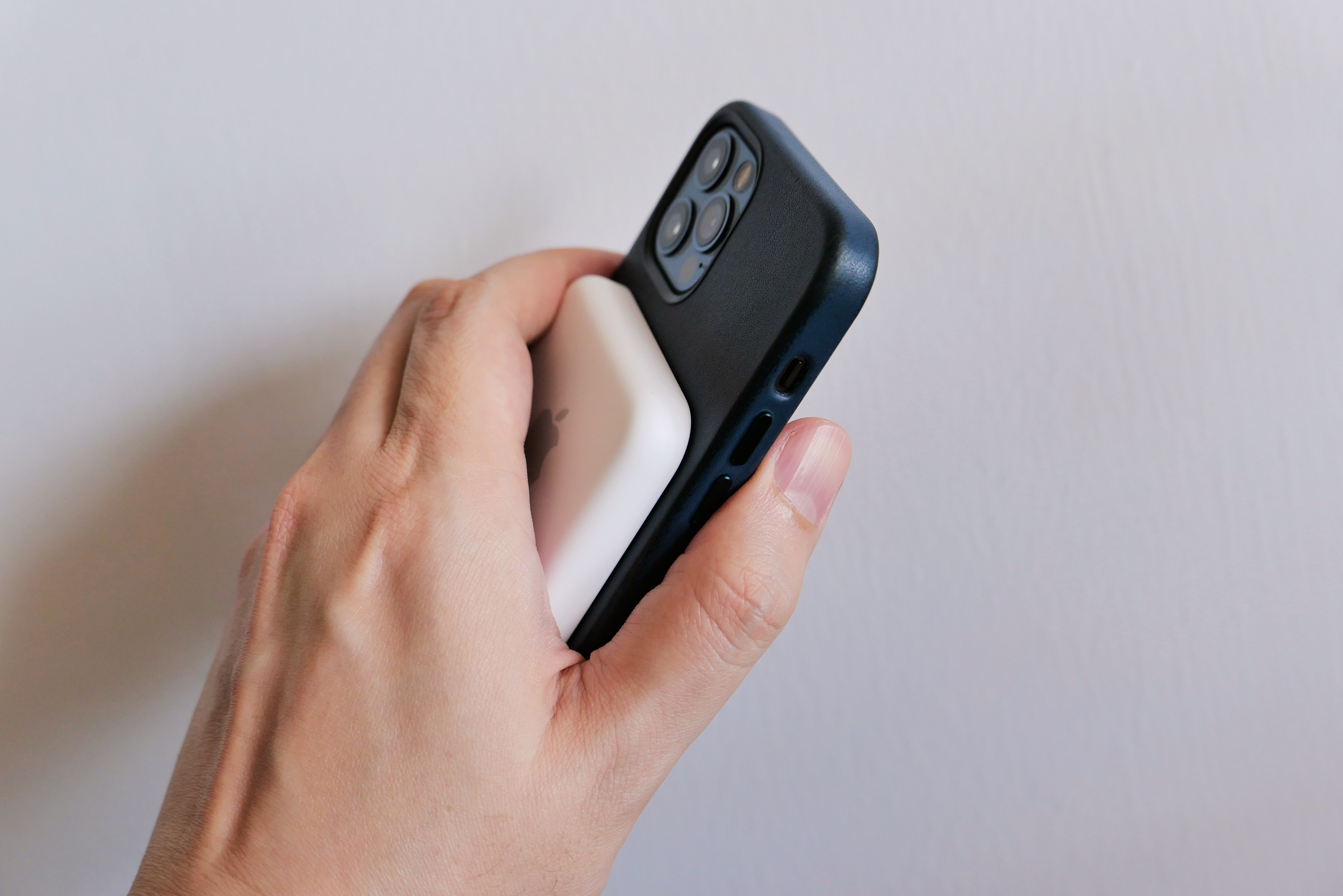
    • Slim (1.25cm) and lightweight as power banks go.
    • iPhone 12 Pro stays usable and comfortable enough to hold when in use (YMMV, my hands are large).
    • Starts charging your phone when attached; no buttons to mess with.
    • Integrates with iOS and foolproof to manage. Your iPhone will slowly draw power and keep temperatures low, stopping the recharge at 80% or 90% to preserve your battery’s lifespan.

    The Bad:

    • Small capacity. Holds about as much power as an iPhone 12’s battery, but due to the inefficiencies of wireless charging, you can only expect it to impart an extra 50% or 60%, based on my experience so far. (Edit: I’ve tested it further and I think it may actually get you close to 80% of a full charge on an iPhone 12/12 Pro.)
    • It does its job pretty slowly, so while traveling and using your phone to take photos, it may make more sense to make a fast-charge pitstop from a regular wired power bank than to go about your day with this slab attached.
    • The pack can’t itself be charged wirelessly with a MagSafe charger or Qi pad. It may be technically possible since reverse charging from an iPhone works, but hasn’t been implemented.

    My use case

    I’m home most days, and if I were working I’d be doing that from a desk at home with MagSafe chargers, Qi chargers, USB-C to Lightning cables, and all sorts of equipment within reach. Why did I even buy this? Curiosity, boredom, and utter laziness to rise from the couch to plug my phone in as I drain it over the course of the day playing games and checking Twitter.

    It’s worth mentioning that my 9-month-old iPhone 12 Pro currently has a battery health rating of 90%, which is abysmal. Most of the time, my iPhones rate about 97% after a full year of use. I don’t know what’s caused this one to degrade so rapidly: a manufacturing defect? My charging routine? My use of a wireless charging pad each night?

    I wanted a way to conveniently extend the life of my iPhone so it can make it through a day without draining down past the 20% mark. When I do go out, I’m constantly worried about ending up with a flat battery. I need my iPhone to pay for things, take public transport, or get a cab at the end of a night. But I want to go out unencumbered, no bag, just pockets. With Apple Pay and other mobile payment platforms, I no longer carry a wallet most times.

    Alternative solutions

    As mentioned, one could use a regular power bank with a cable. They offer much larger capacities, are cheaper, and can charge faster (up to the 18W USB-C PD supported by iPhones). This does require carrying a bag or wearing cargo pants that have wires coming out of one pocket and going into another, though.

    Or if a magnetic wireless solution is preferred, then there are again lower-cost alternatives from Anker, Hyper, Mophie, and many OEMs. These are usually half the price of Apple’s, slightly thicker and more unsightly, but offer a little more battery life. They also lack the OS integration and you have to start/stop charging with a button, although it’s easy to imagine future models hacking some iOS support the way fake Chinese AirPods are able to show up in the battery widget.

    Personally, I think I’ll be keeping this for the peace of mind it gives when I leave the house empty-handed. It’s easy to carry separately in a jeans pocket, smaller than a phone or wallet, and has enough power to extend even a failing phone battery to last through a day and night of usage. It won’t get you through two days, but I don’t think that’s what it’s for. It’s a safety net, and a solution for lazy couch charging at home.

  • Dispo Day 1

    You may have heard the buzz this week around the new beta version of Dispo, the app formerly known as David’s Disposable, as in Vine/YouTuber David Dobrik’s version of those camera apps that simulate the look (and sometimes also the experience of waiting for photos to develop) of disposable film cameras. David himself notoriously shoots his exciting life with tons of those cameras, so the app made sense as a spinoff business. It wasn’t the first of its kind on the App Store, and there were so many others with knockoff names like Huji (Fuji) and Gudak (Kodak). So while David’s fans probably used it, the first version of the app wasn’t thoughtfully designed or original enough to be an essential camera app. Now, the next version is being taken seriously with millions invested and a full-time team hired.

    Side note: This reminds me that one of the first app ideas I had and sketched out in the early years of the iPhone was for something similar. Obviously I never had the guts to make it, which is the main gap between ideas and profit. I was thinking you could “buy” and load rolls of film into a camera (complete with having to thread the initial end bit onto a wind-up spool before shutting the door) and then send them off to the lab when you’d shot 36 or so images. And after an hour or a day had elapsed, you’d return to the app to see a yellow paper envelope slide across a store counter to you, and be able to tear it open to see your shots (and the included negatives). I remember feeling kinda bummed when the first camera app to do the enforced waiting time gimmick came out. It wasn’t as skeuomorphically cool. I think it was 1-Hour Photo by Nevercenter.

    Anyway, Dispo 2.0 is currently in beta and I only just got in. My first batch of photos came out this morning at 9am (the predefined time for all photo deliveries), and they look fine. You get a lightly push processed, slightly cool-temperatured shot in a 16:9 aspect ratio. I don’t understand why it’s not 3:2 like normal 35mm film. The flash is on by default as a core part of the disposable aesthetic. All EXIF data is stripped out, including the actual time of capture.

    There’s a lot to like here so far, but it’s also a little unusual as social apps go. The tutorial doesn’t cover some of its sharing features, so you have to figure them out. There are “rolls” that can be public or private, solo or with others. I suppose they are really “albums”. Before you shoot a scene, you may load multiple rolls in the camera that you would like to contribute the resulting photo to. Which breaks the metaphor of the film roll somewhat, because disposable cameras don’t normally shoot onto four rolls of film simultaneously (nor do they have replaceable film)! After a shot is developed, however, you can manually add it to any roll.

    Each roll can only have 69 contributors, so the emphasis is on doing it with your friend group, but there’s no limit to how many members of the public can follow a roll and see it on their feeds. David Dobrik himself seems to be using rolls to capture short events, like throwaway albums, rather than as curated, ongoing thematic feeds like I see some others doing for their pet, food, or “good vibes” photography. Perhaps the idea is still being tuned, or maybe they’re fine with people using them however they like.

    Beta testers are not supposed to share screenshots, so I won’t. But it’s an example of non-cookie cutter UX design that asks you to work a little to figure it out; Snapchat and at least one redesign of VSCO often get credited for attempting personality in a post-iOS 7 world. Outside of games, it seems it’s often camera/photo apps that still go for it.

    On the other hand, Hipstamatic has devolved into such a confused and cluttered app that you have to really work to figure it out. No fun at all. I miss the old Hipstamatic, and Dispo looks like it might bring some of that magic back: you’re encouraged to shoot without chimping, frame loosely through a tiny viewfinder, and be happy with even the crappy shots.

    It actually reminded me today that Hipstamatic once tried an app called DSPO, pretty similar in concept. You had virtual rolls of film that you’d have to shoot fully before developing, and you could invite friends to share a disposable camera in real time. Two people in two cities could shoot a roll of film together. I remember it crashed a lot for me, and it was a struggle to convince anyone to install it. So it failed. Good idea, wrong time and execution. At least amongst millennials and zoomers in the US now, Dispo seems to have avoided that trap: the TestFlight beta is fully subscribed.

  • Week 51.20 and AirPods Max review

    • Christmas is just next week now, so there’s a little more meeting up and eating out going on than usual. Although I’m still in the habit of logging every single expense in an app, I’ve decided not to look too hard at December’s outflow this year. Come to think of it, this approach may explain some of the back-and-forth below about whether the AirPods Max are worth keeping or not. Look, you’ve been warned. Skip it if you don’t care about headphone purchases.
    • We spent the weekend at a family staycation, which was another form of meeting up and eating out. Day drinking really doesn’t work for me. Have a glass of wine at lunch and it’s headaches and drowsiness somehow, but if I start after 6pm, everything’s good.
    • It wasn’t all lazing about the hotel. We went out to the National Gallery’s new retrospective on the work of Singaporean artist Georgette Chen (1906–1993), a name I’d never heard before despite what appears to be a fair amount of exposure in recent years, according to the linked Wikipedia article. I should probably consume more local media.
    • Earlier in the week, there was some meeting up and eating out with a couple of colleagues I hadn’t seen in awhile. As I learnt from Grace, you really haven’t got a chance with any bar and restaurant in town these days unless you make reservations, so that must be great for Chope and other similar booking platforms (assuming they’ve figured out workable business models). We wanted Korean BBQ but could only secure a spot at a 3.9-star Google reviewed place. It was a 3 at best, so I think there’s a need for some kind of review correction algorithm across multiple services. For example, I noticed on Foursquare (which has a much smaller user base) that users rating things in Singapore were pretty harsh, so you actually had to add to ratings to get an indicative score of quality. Google, with many more users, probably needs correcting down instead.
    • Speaking of ratings, I said a couple of weeks ago that I was reading Ready Player Two and hoped it would at least turn out to be a 2.5-star book. Well I finally got around to finishing it, and nope. I don’t remember anything about the first book, only the experience of it, that I had fun and enjoyed some of the references because it was the first time I’d seen some of them mentioned in a long while. But it turns out that’s really what Ernest Cline wants to do: string together loads of “geeky” references and get congratulated for it. This second book reads like third-rate fan fiction and I couldn’t wait for it to be over.
    • According to Goodreads, that completed my 2020 Reading Challenge. 30 books this year, which I probably haven’t done in over a decade. With any luck, I’ll be able to surpass that next year if the universe grants me lots of free time.

    AirPods Max

    I got my pair a week ahead of their scheduled delivery date and it’s led to a lot of pointless pondering over the past few days. They sound really good. I did a couple of head-to-head comparisons and they’re the best pair of wireless headphones in my drawer. Everything older or cheaper doesn’t put up a fight in the sound quality department. Not any of the Sonys, Boses, Beats, or B&O Beoplays. I haven’t compared them to the Nurasound headphones yet, but I actually expect those to make a case for sticking around because they feel so physically different and immersive as a listening experience.

    I’d love if they could just be The One, and help me declutter, but they fall short in a couple of areas outside of sound quality. The most minor of these is their goofy look with the mesh headband and rectangular cups. I got Space Gray and I don’t think I could be happy with any of the other colors if they got grubby or scratched up.

    Comfort: They’re heavy as we knew, but it’s NOT been a big problem. What’s worse is they actually have more clamping force than I’d like. Granted, I have a larger than normal head and wear glasses, but can’t imagine being forced to wear these on an international flight. I once wore a pair of Bose QC35s for almost an entire 16-hour flight, and I’d do it again because although that older model doesn’t sound the best when you’re on the ground, they’re loose enough and the ANC is effective enough to make them perfect for in-flight use. The APMs just don’t work for that use case. I would say they’re actually too tight to even wear at home for more than a couple of hours, which is really sad.

    Case/Portability: Everyone has complained about the design and construction of this enough and I have to agree. Their role in triggering the low-power mode complicates usability and their cheapening effect means we’d be happier if they’d left them out of the box completely. I’d much prefer if the headphones themselves could fold up. On that point, if you’ve got both arms fully extended and the cups are folded flat, there’s a point at the bottom-inner corner of each aluminum cup where they collide against each other. So if you wear them around your neck like that, it’s possible you’ll see scratches forming at that spot.

    Build quality: Many reviewers have praised the APMs for their solid build quality, but to my touch, the metal earcups on mine have not been brushed/polished properly; I can feel the transition between smooth and rough patches when I run my fingers over them. It drives me kinda crazy that this is happening on a S$900 pair of headphones, even though I already know from first-hand experience over the past 16 years that first batches of Apple products out of the factory are likely to have some defects. Insert big sigh here.

    Now, the competition. There really isn’t much to speak of if you want comparable sound quality in a wireless ANC headphone. I’d previously glanced at B&O’s new Beoplay H95 but their price tag was too high for what I thought was yet another mediocre product. My first pair of Beoplays was the first-generation wired H6, which was super comfortable but neutral and not much fun for some kinds of music, and everything since has not really been great. They made the headband smaller from the H7 onwards, so those don’t fit my head as well either.

    In the wake of the AirPods Max launching, the H95 is now looking like the only real competitor. The online consensus is that Bang & Olufsen have finally nailed the sound quality and industrial design issues of their past, at greater cost to the consumer than before. They cost S$1300 compared to the $700 of the previous flagship H9 (third-generation).

    Compared to the APMs, the H95s look better to some, are lighter, are more comfortable and sound even better (according to the forum folks on Head-Fi), have longer battery life, and fold up inside their included non-shitty metal carrying case. Arguments against them include less effective noise-cancellation, smaller earcups that may not fit everyone, no transparency mode, and none of that simplified wireless connectivity. Oh, and the fact that the brand is kind of struggling and so finding local repair options may not be possible in the long-term. It’s hard to fight formidable Apple’s retail and support network.

    If I can’t justify keeping them around for short listening sessions only, then I’ll be returning the APMs for a refund and making do with what I already have. While they really sound terrific and have ruined a bunch of other headphones for me, solid audio engineering isn’t the whole package. An overemphasis on that is what people say* held the original HomePod back, but improving Siri to compete with Alexa and Google Assistant was arguably a much bigger hurdle than giving these a more comfortable fit and designing a better case.

    Edit: I wore them the whole time while writing this week’s update, and on reflection, they sound so good that I’m hoping the band loosens up a bit or something so I can keep them.

    * Who am I to say, when we can’t even buy HomePods in this neglected backwater that inexplicably has a spherical glass Apple Store?