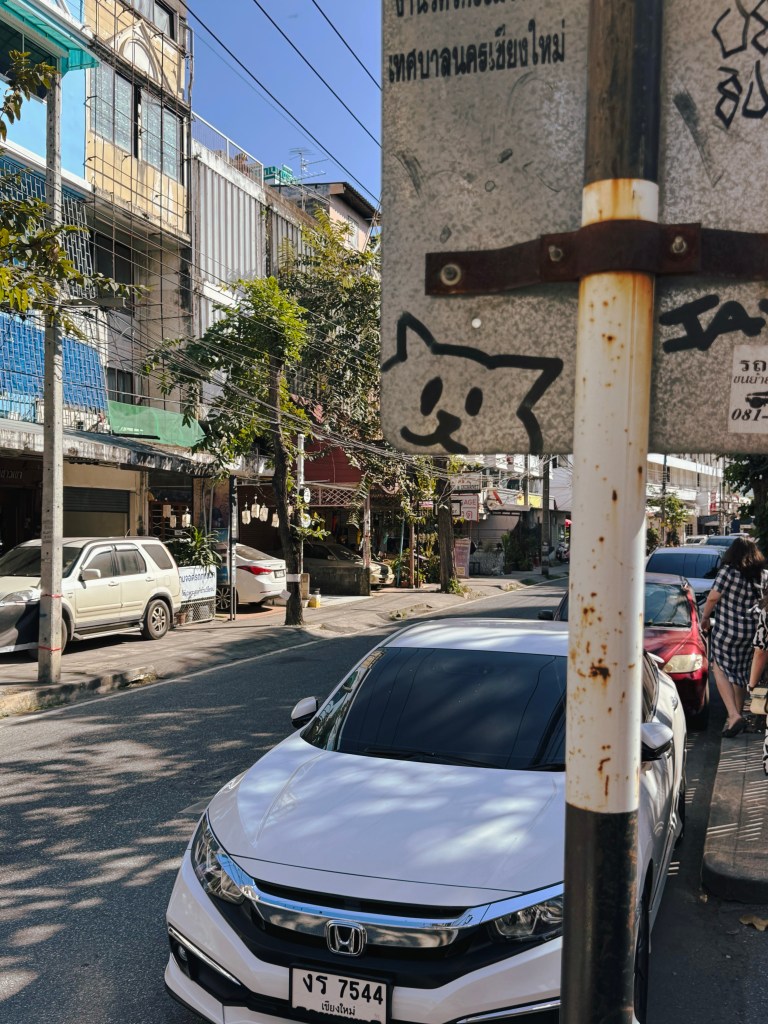
Greetings from beautiful Chiang Mai on this last day of the year. It’s my first time here, and I’m sure it won’t be my last. If anything, I’m kicking myself for not coming sooner — it’s currently a very cool and walkable 25°C at 11am, and temperatures go below 20°C in the evenings; Microsoft Copilot with Bing tells me it’s the safest city in SE Asia (wha?); and the food and coffee have been top notch so far.
We’ve also been to a cool cocktail bar with live jazz in a basement speakeasy-like space, and another “live house” with a mix of bands playing each night. Coming from Singapore where jazz clubs are a rarity, and almost exclusively the domain of old people, it’s been surprising to see many young people in attendance, although I can’t be sure they enjoy the bands. They seem to pay more attention and clap louder for the pop cover bands.
One amazing performer I heard was Joshua Lebofsky, originally from Canada, who sang and played a straight hour of jazz standards and pop interpretations on piano at The A Ter (theater). They were fantastically musical and soulful variations, and I was glad to be able to tell him so afterwards; sadly he hasn’t got a social media presence, but there’s an album from 2006 on Apple Music: Play A Little Prayer.
If we lived here, I would be a regular patron at these places for sure (especially at prices roughly half those back home). The non-existence of a vibrant jazz scene is such a shame for Singapore, because we have quite a few talented jazz players who end up being session musicians for mandopop performers most of the time, probably due to the economics of the music scene. I guess these are the third-order consequences of necessarily narrow education policies in our early years.
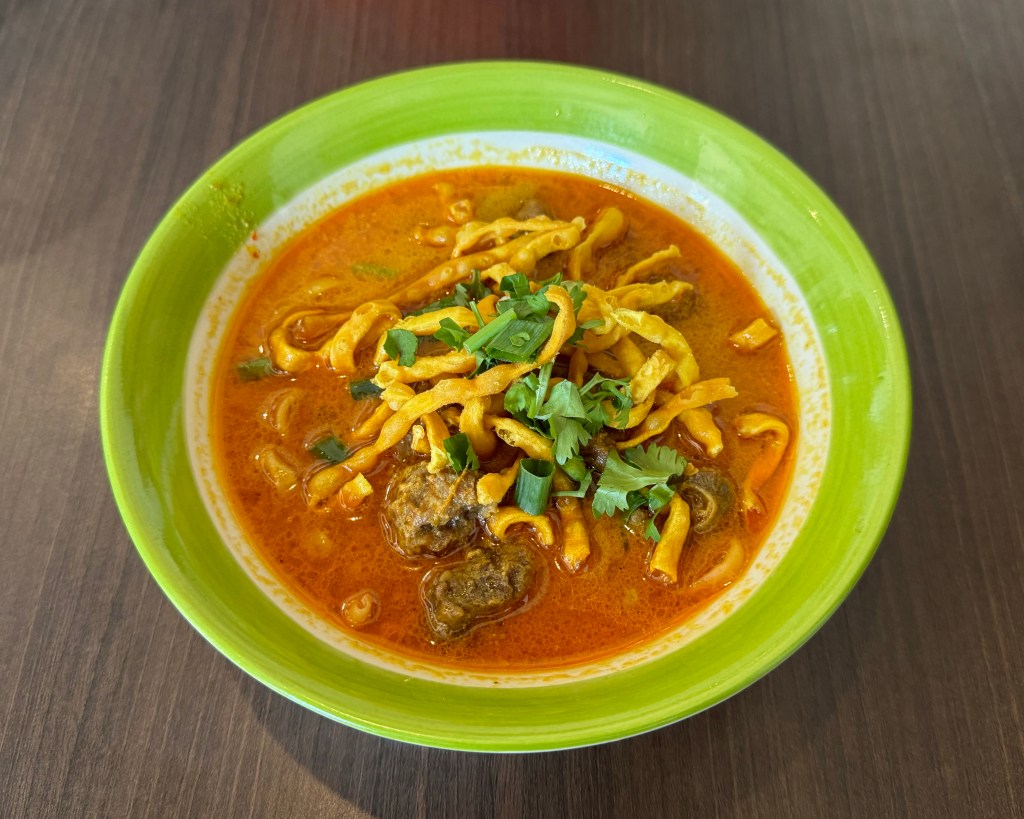
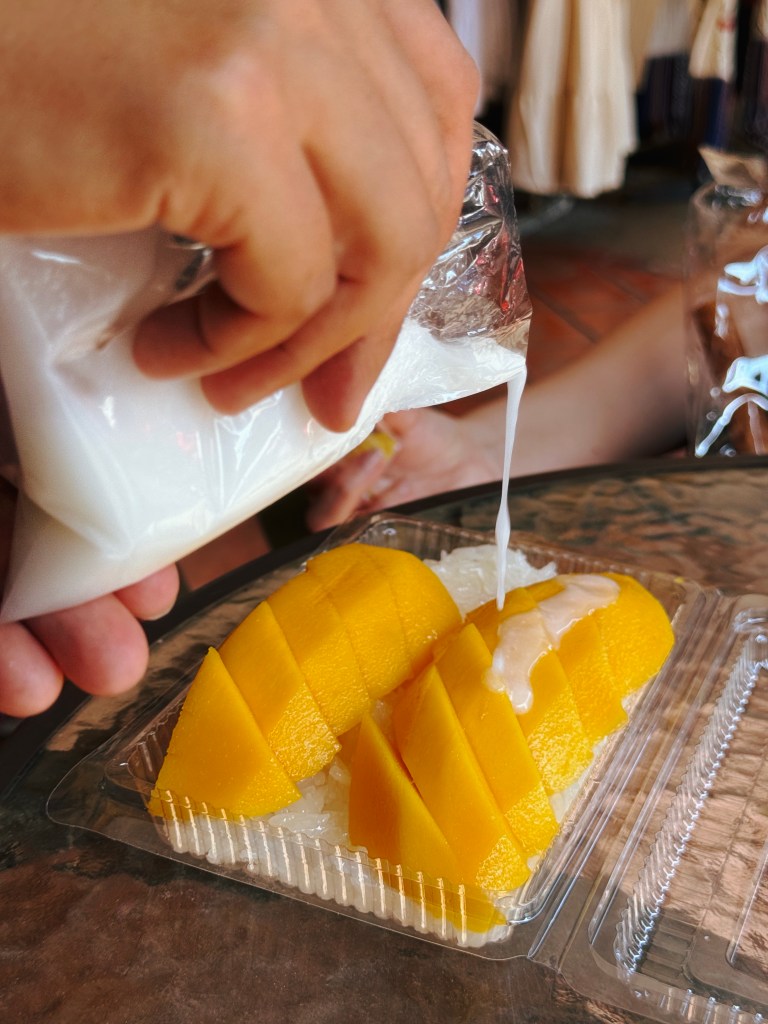
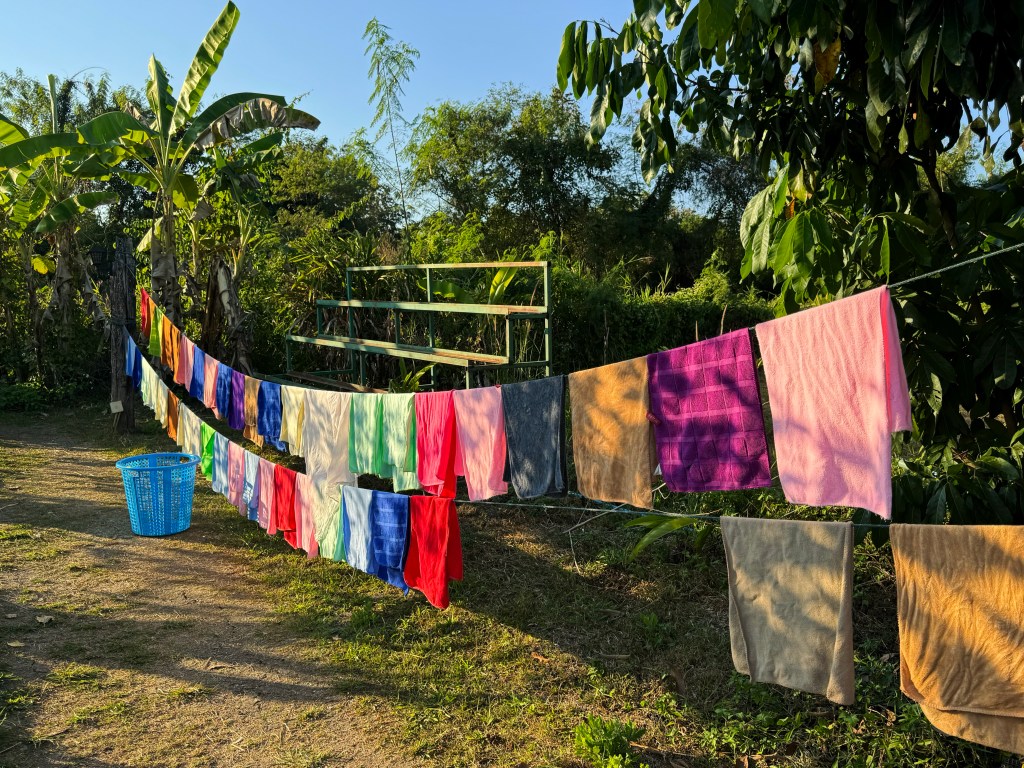
We also went on a walking street food tour and a cooking class at a small organic farm and school (where I was snapped in a farmer’s hat looking glum at having been dragged along, but ultimately it was a good time and the food was, like all of it, quite excellent). An intriguing culinary detail here is how Hainanese immigrants created their own localized chicken rice combining the steamed chicken with deep fried chicken cutlets and an entirely different chilli that’s dark and savory, with fermented soybeans and fish sauce?
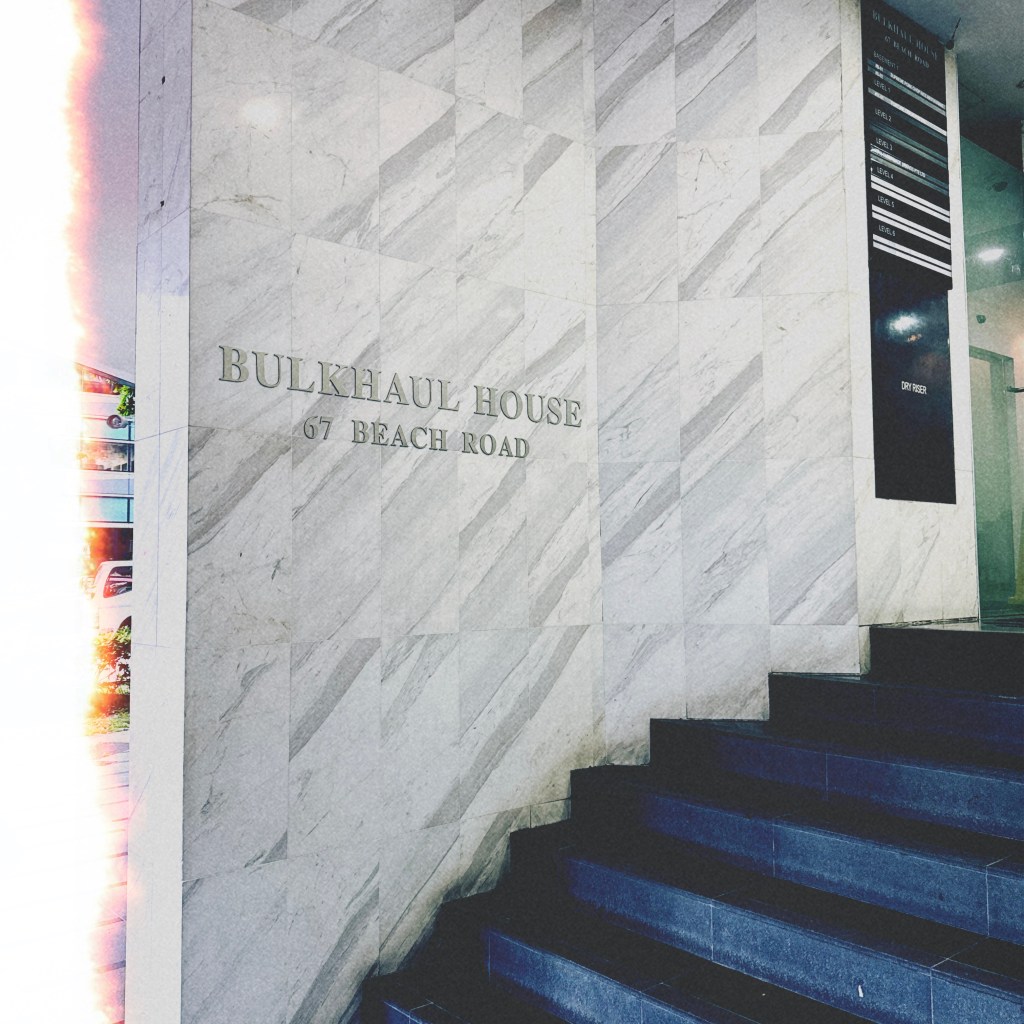
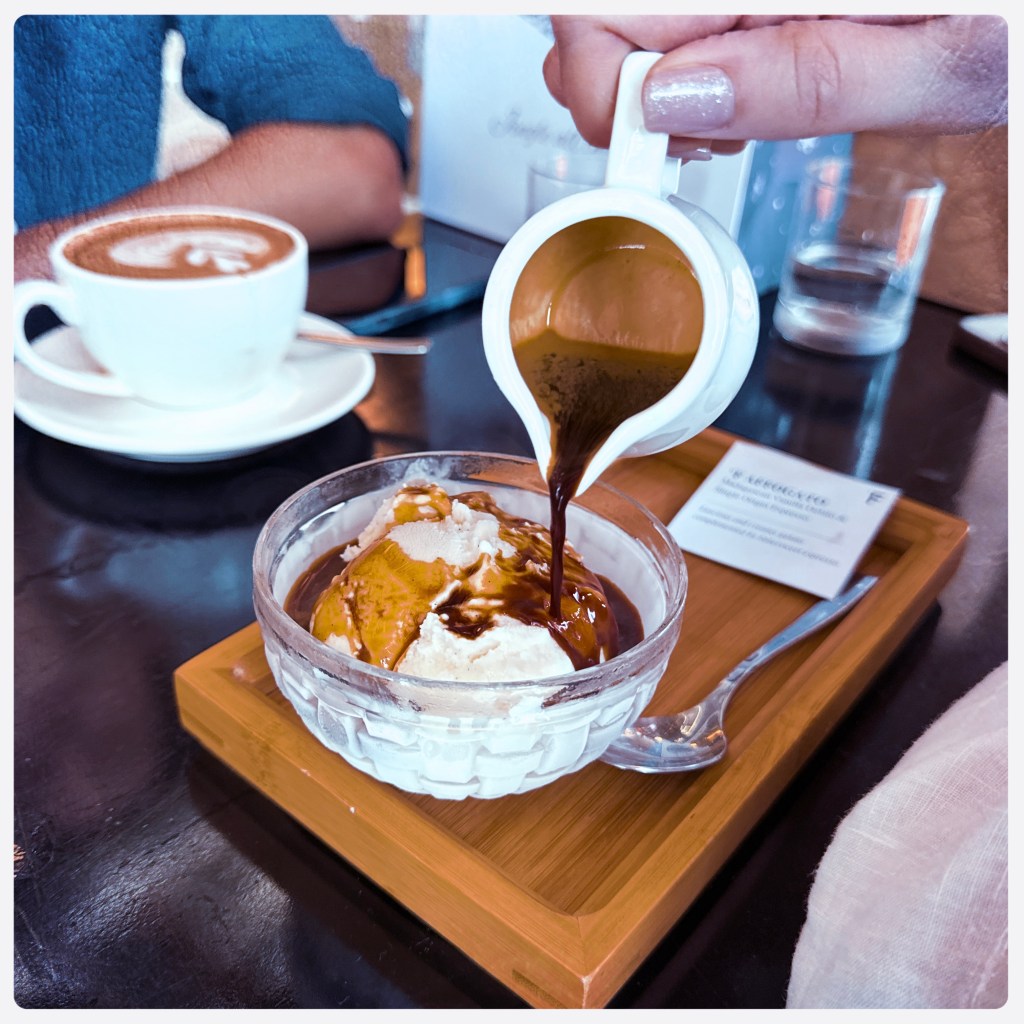
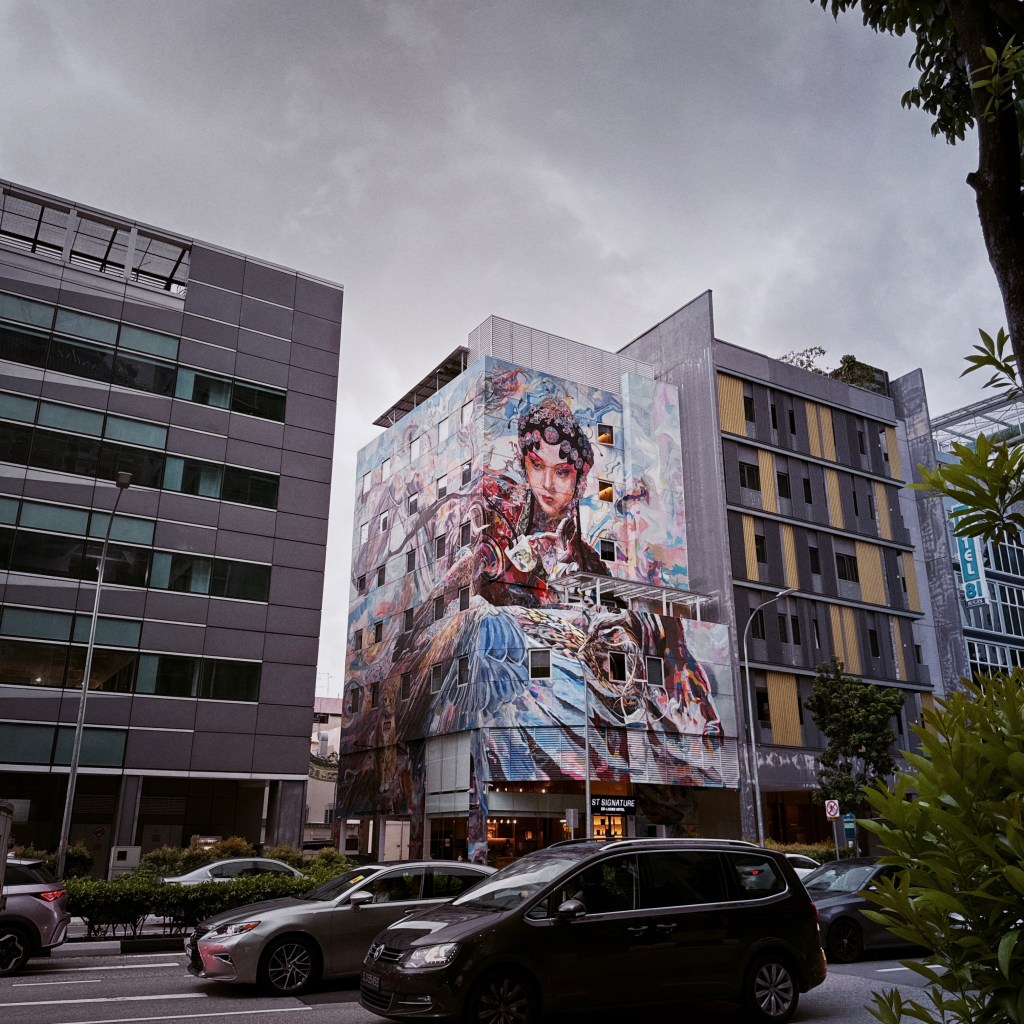
Here are some photos, all from my iPhone 15 Pro Max. I made a new Darkroom preset to handle the light and scenery here, and I think it’s a versatile look I’ll probably be using for a long while. I’ll probably share it here next year after some fine tuning!
Anyway, Chiang Mai. Come by, it’s lovely enough to consider buying an apartment in, but I’ve only been here a couple of days.
===
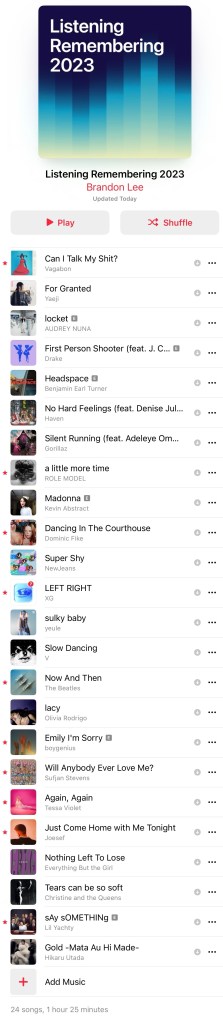
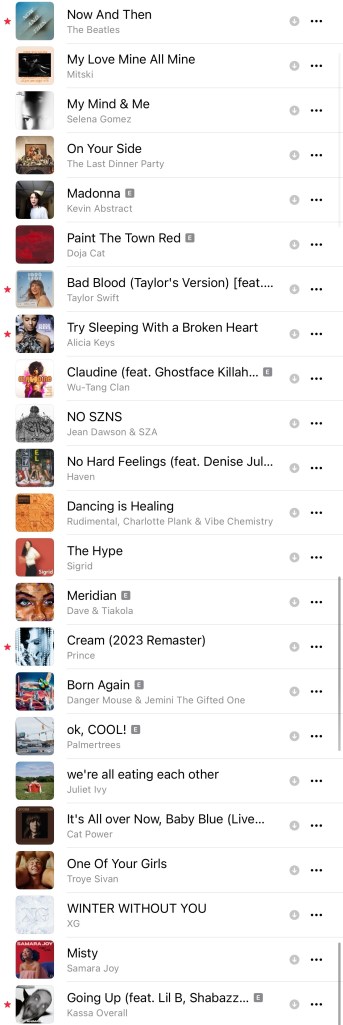
On the 45-minute minibus ride back from the farm last night, I managed to throw together my end-of-year playlist with some not-too-shabby transitions (I recommend turning crossfading on; 3 seconds). This is partly a diary of associated memories and partly what I’ll remember as the year’s best songs. This process usually takes much longer but everything came together on a stomach full of coconut curries and fresh herbs and spices they had us pound in a mortar ourselves.
Merry Christmas! Let’s talk about music this week.
I received the Beats Studio Pro headphones as an early present, in the Sandstone color, only 22 weeks after I wrote about how I thought they were set to be a fantastic update to the aged/obsolete/frankly embarrassing Beats Studio3 Wireless model. In that post, I said I would not be buying them for myself on account of having enough headphones. No promises have been broken, and I can confirm that they sound really good and are comfortable even with my big head. If you’ve found others like the B&O H95 or B&W PX7 too small to fully enclose the bottom of your earlobes, these may do the trick.
I often try to convince myself that a pair of AirPods Pro should suffice for my/anyone’s needs, that a pocketable pair of smart, well-engineered buds are more than enough. Who needs HomePods or other home speakers, over-ear headphones, soundbars, etc.? But just as you can feel the bass from a towering set of speakers in your chest, a pair of big drivers blasting air into your ears do feel something different.
Since I had the week off, I spent hours testing them out, thinking about what music I enjoyed the most this year. I sometimes do an annual wrap-up playlist with all my favorites, in lieu of making playlists throughout the year like I should. But this year I’ve made three: BLixTapes 1, 2, and 3, so I’ll see if I feel like it next week.
In the meantime, I think I’ll name some personal “winners”!
2023 sangsara.net music awards
Best comeback: Damon Albarn (Blur, Gorillaz)
Please note these are personal picks, and I’m not saying Albarn disappeared, but for a long time I’d written him off completely — a remnant of the 90s and mid 00s who still puts out funny tuneless projects every few years that I play through once then delete from my library. When that time came around again with this year’s The Ballad of Darren and Cracker Island from his Blur and Gorillaz bands respectively, I played the albums and was stunned. Did he get his mojo back?! The jams get your feet tapping, the lyrics are somewhere between conceptual backstory and dadaist poetry as usual, and the pretty moments are so pretty they just pop into my head some mornings as I brush my teeth.
Honorable mentions:
Everything But The Girl, Fuse: How often do you hear from a band after 24 years of hanging up the name, and the new stuff is up there with their best work? Sure, Tracey Thorn and Ben Watt kept busy with other projects but I never expected them to release new music together. This coming out of the pandemic was one of its silver linings.
Bob Dylan, Shadow Kingdom: Revisiting one’s old material with the benefit of age and experience made Joni Mitchell’s Both Sides Now (2000) a revelation for me when it came out, and while I still don’t know Dylan’s work well enough after all these years to appreciate every nuance of these new versions, I’m planning to put in the work.
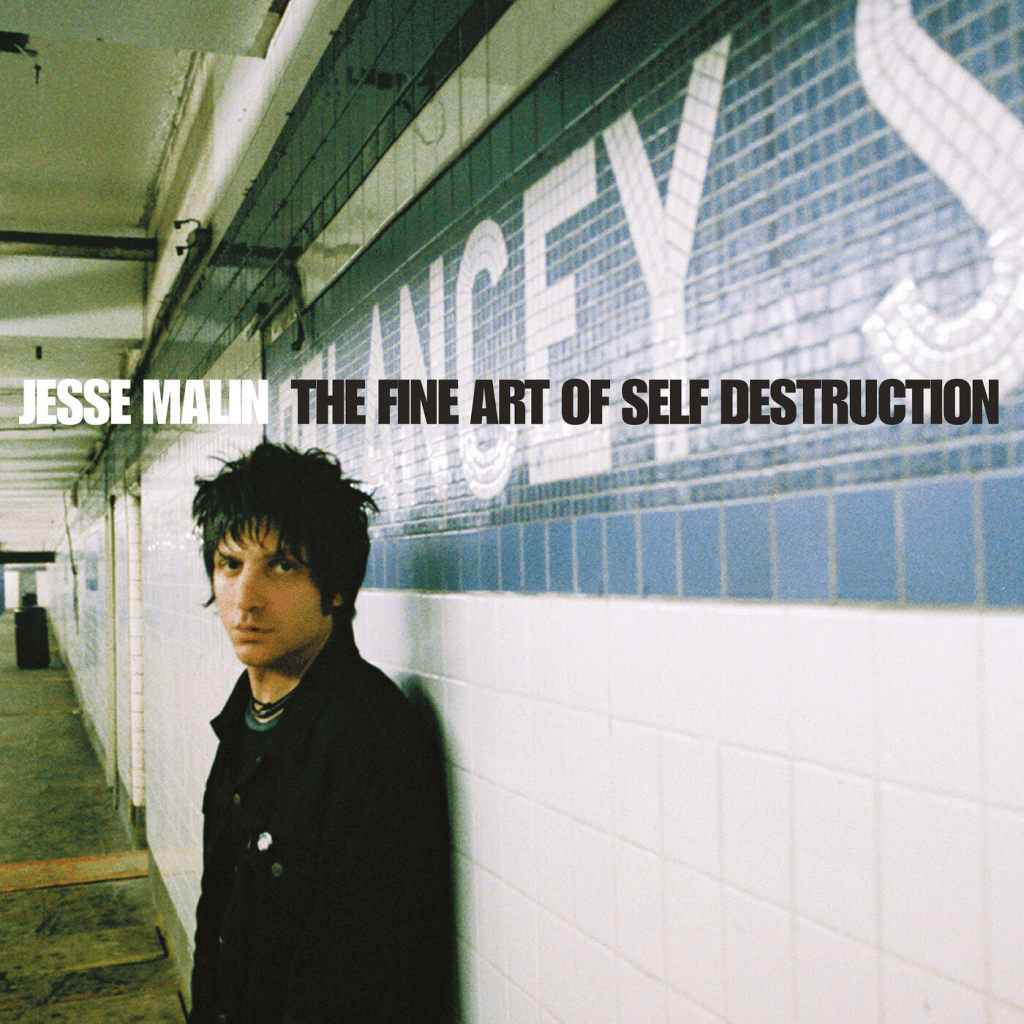
Best reissue: Jesse Malin — The Fine Art of Self Destruction
The 20th Anniversary Edition of this seminal album sadly took on a different meaning a couple of months after it was released. Jesse Malin suffered a freak “spinal stroke” in New York and became paralyzed from the waist down (an update in December revealed an unfortunate lack of progress, with him now seeking stem cell treatments in Argentina). The Fine Art was somehow a formative album for me, although I had no reason to identify with its East Coast bohemian city life vignettes. I suppose it’s universal the same way Springsteen is. This new edition includes 2022 versions of key songs, and although Malin’s voice is virtually unchanged, you can hear the years on his shoulders in these slower, introspective readings.
Honorable mentions:
Portishead, Roseland NYC Live 25: This came out of nowhere, a remastered 25th anniversary edition of an insanely historic performance, and now with three tracks that were previously only in the film. I remember buying it on VCDs (remember those?) from the local HMV. If only they’d remixed it in Spatial Audio… I would die to experience this like a real concert.
R.E.M., Up (25th Anniversary Edition): I already mentioned this one in Week 45.23. As I noticed these last two albums with 25th anniversaries, I thought “huh, 1998 sure was a special year”. And thanks to Apple Music showing other playlists where a song is included, I discovered this one: At Home With Jack Antonoff, which is entirely dedicated to the magical moment that was 1998. Check it, The Smashing Pumpkins put out Adore, Neutral Milk Hotel made In The Airplane Over The Sea, and Natalie Imbruglia sang Torn?! What was in the air?
I’m down to click out you hoes and make a crime scene I click the trigger on the stick like a high beam Man, I was Bentley wheel whippin’ when I was nineteen She call my number, leave her hangin’, she got dry-cleaned She got a Android, her messages is lime green I search one name, and end up seein’ twenty tings Nadine, Christine, Justine, Kathleen, Charlene, Pauline, Claudine Man, I pack ‘em in this phone like some sardines. — First Person Shooter, Drake feat. J. Cole
Best new (to me) artist: yeule
I racked my brain trying to think of another Singaporean-born artist who has achieved critical acclaim overseas singing in English (we have quite a few who make it in Mandopop, in Taiwan and so on), but couldn’t think of another besides yeule, a London-based non-binary 25ish self-taught musician who studied fashion but also paints and streams and has a way with theatrical makeup. Their latest album, softscars, got an 8.5 from Pitchfork, and the last one got 8.3. That’s a hometown hero medallion as far as I’m concerned, and for the record I really like these records. There are interviews online that suggest a tumultuous childhood, and looking at how they’re covered in tattoos and generally act and look like someone who would give an Asian parent a coronary, I can imagine the difficulties faced growing up here were potent inputs for artistry. They also have an extremely-online underground idol type of presence, with a community distributed across platforms — I’d never joined a musician’s Discord server before this one, but why isn’t more of a thing?
One of the things I realized this year was how the ways we as fans connect with artists we love have crossed a line, and the tools and channels we use seem to be encouraging the development of parasocial relationships. This is something that maybe evolved from Asian pop and idols, e.g. handshake events, but I believe is going to become very mainstream from here.
Honorable mentions:
Kassa Overall: A super talented drummer who performs a funky modern mashup of hip-hop and jazz. An indie Anderson .Pakk? Btw I discovered the Seattle radio station KEXP while looking for yeule’s performances, and discovered a wealth of great music on their YouTube channel, as well as a ton of new bands to look into. Fortunately, Kassa Overall also played a set for KEXP and it’s — to use a term Scott Forstall once tried to make happen — absolutely blow away. And that logo with his name on all the band’s hoodies!
Samara Joy: Another jazzy discovery from late in the year, and possessor of an incredible vocal instrument you need to hear. Here’s her album Linger Awhile on Verve Records.
Best album: XG — New DNA
I waited months for the New DNA mini-album. I watched hours and hours of “documentary footage” on YouTube, following the members as they struggled through five years of frankly brutal and manipulative training under their manager Simon’s direction. I learnt all seven of their names. I watched each new single and video drop, and then watched reaction videos. I watched fancams and BTS specials (but drew the line at braving a heatstroke at their Formula 1 concert here). From the moment I first heard them in February, I knew they were different. They’ve doubled their following on YouTube since (currently with 2.41M subscribers), but I think they’re still being slept on. J-Pop groups are never this polished, and K-Pop ones are never this accessible. With every song in English and a style that effortlessly unites hip-hop, electronic, and 90s R&B, these girls deserve to be massive in 2024. I wish New DNA contained all their previously released singles, which would have made a beefier release and maybe helped them break out, but I suspect that’s just the millennial in me talking. Everyone knows nobody listens to whole albums anymore, which makes this category very sad.
Honorable mentions:
Sufjan Stevens, Javelin: It was close, I wanted to call this the album of the year. Deeply moving, and kinda makes up for not having any new music from Joanna Newsom.
Kevin Abstract, Blanket: I never listened to Brockhampton, of which Abstract is a member, and I don’t remember his previous album ARIZONA BABY doing anything for me. But Blanket is something else. Like yeule’s softscars, it draws on 90s alt-rock to create a new sound that goes beyond labels.
Vagabon, Sorry I Haven’t Called: I really need to play this more often. It’s a soulful, elastic collection of ingenious songs and the opener, Can I Talk My Shit?, is one of my favorites of the year.
===
Other media activity:
I finished reading The Paris Apartment and gave it two stars on Goodreads. Please don’t.
We binged the Dead Ringers TV miniseries on Amazon Prime Video. Wow. Rachel Weisz does that incredible thing actors do when they’re bored of playing one character and want to play a set of twins. You literally forget they’re not two people. Also the bloodiest show of the year, not for the squeamish.
Slow Horses is back, and we’re nearly done with Season 3. It’s still very very good, and even better than the last season. I’ve only just discovered they’re based on a series of novels by Mick Herron, of which there are eight, so that’s my 2024 reading challenge sorted.
After making the sci-fi adventure Chrono Quest, I thought my next GPT game should be all the way in the other direction, so Cruising For Love is a bit of a rom-com dating sim set on a cruise.
You are on a five-day cruise to try and find romance. You should have a new experience each time you play: new destinations, new activities, new people to meet, and hopefully new breakfast items at the buffet restaurant. You don’t have to tell the game your gender or what kind of person you’re into, but it doesn’t hurt.
You can simply play it like a choose-your-own-adventure game and pick from the multiple choices given to you at the end of each turn, or take the keyboard and start providing more detail about where you’d like to take things. You can double-time/triple-time, play hard to get, take someone shopping for diamonds, reveal your secret magic skills, or try to seduce the captain. Nearly anything you can dream of, as long as it’s related to finding love.
You may or may not encounter some surprises along the way, making your successful pursuit of a love interest not exactly a given. So turn on the charm, put your leisure suit on, and start cruising for love!
Christmas is creeping closer, but the Goodreads Challenge angel won’t be darkening my doorstep as I’ve redeemed myself with two weeks to go! James Hogan’s Thrice Upon A Time was the twelfth book of my year, and definitely one of the better ones. It’s a 1980s time travel story where no time travel takes place, but it grapples with ideas about how timelines are rewritten, plus some other global topics that seem quite prescient when read today. Stylistically, it’s aged, but in that classic sci-fi way I love, which takes me back to reading books in the library after school. I think those hours, that precious access back then to a ton of books I couldn’t wait to read, were the part of going to school I looked forward to most. Anyway I’ve started a dumb new book that I should be finishing this year for bonus credit: The Paris Apartment by Lucy Foley.
If you’re looking for reading material, it may interest you to hear that I somehow managed to finish B’Fast, the AI-generated breakfast zine project I mentioned last week. The InstaZine GPT I made to create the content is also available through the same link (I updated the page with some additional usage tips today). Now that it’s done, I’m planning to make a companion breakfast-themed zine called “B’Fast (Brandon’s Version)” which will be made entirely by me, in a way that an AI presumably would not. But probably not straight away.
===
Earlier this year, Hipstamatic redesigned and relaunched their Hipstamatic X app. The “X” was dropped, and they added a new social feed. It was the official replacement for their original app which became Hipstamatic Classic. Where the original was funded by in-app purchases for new filters (at a pace of roughly one new 99c release each month), the new Hipstamatic charges a $30/year subscription, doubling their income from faithful fans.
I used the new app for some photos during my trip to Japan and mostly enjoyed the experience, but it was too buggy and the UI was still too cluttered and confusing (a longstanding problem with the original Hipstamatic app as well) for me to consider continuing with a paid subscription.
Their main problem is that there are now over 300 filters in the forms of “films” and “lenses” and “flashes” that you can combine to make infinite looks, and no good way to make the attractive human-curated combinations they recommend accessible and discoverable. In the last version, they tried to give a few of these combinations the tangible metaphor of being unique “cameras”, each one with a different skeuomorphic body you picked off a shelf, but essentially they were presets you could call up. But you can keep, what, ten of these aside in a little drawer before you couldn’t tell them apart? And so many of the other combinations were left out of sight and out of mind.
Now, after a week of teasing social media posts, wherein a “physical camera” was shown in videos — quite obviously a 3D model rendered in AR, but some people believed they were going to release a hardware product anyway — they’ve released a major update (v10) that tries to untangle the Gordian knot of their UX issues.
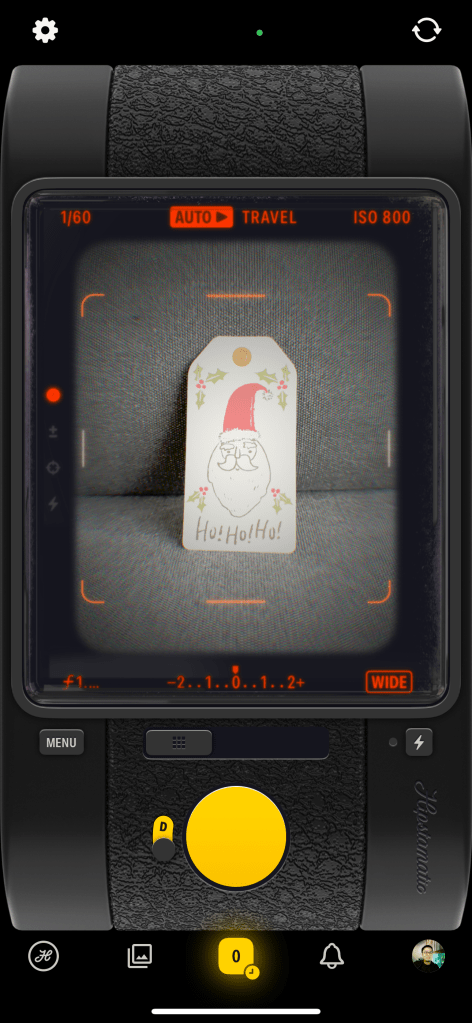
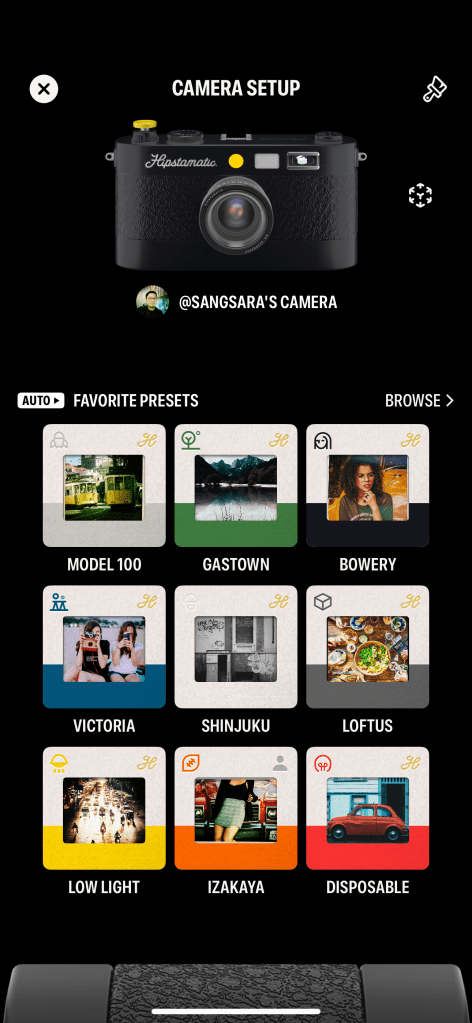
In this new version, they’ve tried to marry what worked in the original app with a new info architecture and set of metaphors to manage the library of looks they’ve accumulated over the last 14 years. You get just ONE skeuomorphic camera to call your own and customize the look of, and this camera is capable of loading up many presets. You can either let the camera detect the scene and choose a suitable preset for it (Auto mode), or specify the preset yourself (Manual mode). There are 9 possible scenes, such as Travel, People, and Still Life, but in a puzzling and unfortunate move, when you start using the app, each of these scenes has just one or two associated presets. That means you’re going to see the same looks over and over, when there are over a hundred more hidden away in a long list. This was presumably done to allow you, the user, to customize your experience and assign your favorite presets to the scenes.
There are two major problems at this point. One: leaving it up to the user to gain their own understanding of all the pre-existing “good combos” and assign them to 9 scene categories is insane. It’s a lot of work to hand off to a customer you hope will pay you money. The team should be doing the work of tagging each preset combo with a recommended use case, AND making it easy to assign them. It’s not currently easy. I had to move back and forth between two sections of the app looking at presets and memorizing their names to go assign to a scene, because these things aren’t placed together. Off the top of my head, it just needs an in-line list of suggested presets (from the aforementioned tagging exercise) on the same screen where you customize a scene’s presets. Perhaps this is coming. I’d argue it should have been in the MVP release of such a big redesign.
Two: as I mentioned, there are infinite possible presets given the number of ingredients they’ve accumulated. You can make your own combos, but there’s no great way to experiment and do this — there should be a sandbox where you can explore each lens/film/flash’s characteristics and try them out in real time to find a good combo. There used to be a section of the app called the “Hipstamatic Supply Catalog” where you could browse all these effects (it was only like a static magazine, but they could have made it interactive), and this now seems to be gone or I can’t find it anymore in the maze of menus and buttons. Perhaps they’re okay with most users just using the curated “good presets” and never making their own, but it seems like a missed opportunity.
I was feeling a mix of optimistic and bored, so I paid for an annual subscription anyway and will be trying to take lots of everyday silly snaps with this, and maybe even use it on my upcoming trip to Thailand. But if you know someone who works at Hipstamatic, please talk to them about taking on some external advice.
===
I finished watching Pluto on Netflix. It’s still a strong recommendation for me; a modern anime made with classic sensibilities and a story that really keeps you guessing. It’s also a very different Astro Boy story, suitable for people who hear “Astro Boy” and think it’s stuff for kids.
We started watching A Murder at the End of the World and I’m really liking it so far. Especially its star, Emma Corrin, who I’ve never seen in anything else before. They’ve got the most strikingly similar face to Jodie Foster, I was sure they were related.
New playlist! BLixTape #3 is done, made up of mostly new songs that I’ve been listening to since mid-October. Add it here on Apple Music.
I mentioned last week that I’d started making a zine about breakfast using AI tools to write all the text and make the pictures, leaving the final job of laying it out to my own (inexperienced) human hands.
Well, here it is. It was a lot of fun to put together, and I got a crash course in print design while trying to evolve it from a word processor document into something a little more creative and fun. You can sort of see the gradual improvement from beginning to end, as things become a little neater and more coherent — much like the mind in the morning as you make your way through breakfast.
I’d say the final content is 98% AI generated; I made some cuts and changed just a handful of specific phrases: in one place to avoid possible offense, and most of the others were in a poem at the end, to make it suck less.
I did it with the help of my custom GPT: InstaZine, which I encourage you to check out if you want to do something like this. It will brainstorm a bunch of different article ideas for your approval, then write them in a range of different authorial voices, hopefully giving the final product more diversity and interest than if you just did it the normal way with ChatGPT.
You can read the zine below in the embedded Issuu viewer, or download the PDF. Let me know how you like it!
Some additional tips for using InstaZine: Start by telling it what the subject of the zine should be, and describe what it should be like if you know. Ask it to create a list of article ideas — it should suggest a bunch of titles with a short abstract of each one, usually with a fictional author’s name and some description of the style and approach it will take. If you’re happy with this list, you should copy it off to the side in your own notes and play these descriptions back to the GPT before asking it to write each one. The reason is… the context window still isn’t great with ChatGPT as of Dec 2023, and it won’t necessarily do a great job if you don’t remind it of the brief after 20 messages of writing other articles and generating the images for them. By default, it creates colorful minimalist illustrations suited for a certain kind of magazine I like, but you should override this with whatever style you want.
As usual, I find myself in disbelief that another year is nearing its end. My Goodreads Reading Challenge count stands at 11 out of 12, and I’m halfway through a book right now, so I guess I’ll just make it before New Year’s. Which, incidentally, I’ll now be spending overseas thanks to some last minute plans. I’ll say where and post some photos after I’m back.
On reflection, it’s a bit of a shame that almost all the books I’ve read this year were just 3-star affairs. It’s like I’ve held back from tackling the big names on my reading list, choosing lighter and more inconsequential fare. In some ways, this has been a calmly chaotic year, with instability in the wider world putting everyone on edge, and that may have influenced my need for soothing, low-stakes entertainment. I saw a mention somewhere that the self-care industry is “sedating women”, making them focus on trying to fix something in themselves instead of fixing the problems out there. I can relate.
The holiday overeating has begun (although I may have forgotten to stop after last year), which I think is linked to a feeling of letting go and treating yourself in the evenings as work slows down (or seems less important) at this time of the year. We ended up eating out a fair few times, and as I write this I’m looking forward to another trip to Maji Curry this evening.
It’s not just fat cushioning my bones — while at Tokyu Hands this week (now simply called Hands), I saw a $75 wavy seat cushion and decided I had to have it for all the sitting around I do when working from home. Does it do anything for me? I don’t really know! But I’m treating myself. And then on the weekend we wandered into some kind of fancy organic bedding store and walked out with a pair of new pillows. Kim unfortunately may have chosen the wrong height/density for her sleeping style, but after one night I can cautiously report that mine cradles my noggin just fine.
===
Where’s the usual AI garbage, Brandon? I can hear you thinking it! Well okay, so Peishan mentioned she’d made a new zine, which reminded me of a project idea I’d written down and filed away. It was to make a zine on the subject of “Breakfast”, but using only AI-generated words and images.
If you’re thinking that sounds like a pretty mediocre zine, then you understand the challenge here. We’re now at a point where generative AI’s infinite supply threatens to drive down the perceived value of all but the best; content vs. art. So I’d like to see if my human labor of directing an AI worker to deliver above-average quality and packaging its output as a coherent product, can create something worth looking at. The only way to find out is to make it! And now that we can do custom GPTs, I decided to start by making one that acts like a diverse team of writers and artists, with a range of different styles, which can then be applied to a zine on any topic you like.
I’m still testing it out, but so far I’ve gotten a handful of articles. And in doing so, I’ve realized that I know nearly nothing about print layouts or how to design an attractive zine. I’ve read my share of mags, of course, but without effectively taking in their details. I’m making it with Pages on my Mac, and using its “Free Layout Mode” has been the best approach I’ve found. It’s sort of like a digital version of making a physical zine: I’m moving chunks of text and cut-out imagery around on A4 canvases; almost like scrapbooking. I just need more fonts and more imagination and more time.
===
I listened to no new music this week.
I didn’t turn my Switch on once.
I haven’t seen any films.
We did start Season 2 of Bosch Legacy though, and that’s still as great as ever. Not just the modern noir vibes and great jazz soundtrack. It’s a show that respects its audience and their time, without overelaborating on plot points or explaining every term or acronym that comes up. We’re already on episode 7 of 10, and I’ll be sad when it’s over. Thankfully a third season has been confirmed!
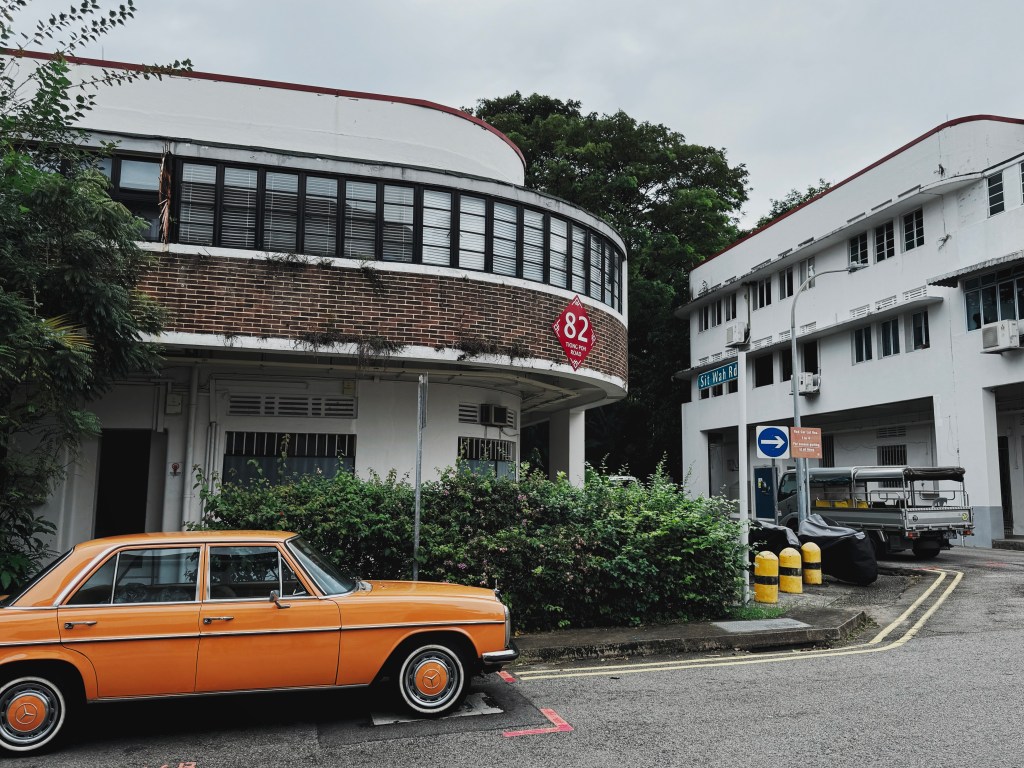
(This week’s featured image was taken while walking around Tiong Bahru, edited with a Ricoh GR Positive Film effect simulation preset I made.)
Why do people never rinse their mouths out after brushing their teeth in the movies?
Isn’t it misleading and bad for oral hygiene education if directors leave it out for pacing reasons?
What’s the recipe for a Vesper martini?
How might a wealthy Indonesian put their billions of IDR to work beyond investing? (asking for a friend, I swear)
Aside: ‘Asking the internet’ used to be our go-to phrase, but in an era where AI might be the one answering, does the term need revising? We used to be able to say ‘asking the internet’ but what about when you’re really asking an AI? They live on the internet and were certainly trained on internet content, but the old definition meant looking up content and new replies created by people; what do we call it when the answers AI generated? Keeping in mind that these answers may well be wrong, and in ways different from how a human might be wrong, it doesn’t feel like we should use the same terms. Or maybe we’ll keep referring to any hive mind as the internet?
Can I go a week without talking about AI? I think those days may be behind us.
Even iA Writer, the Markdown text editor I use for these updates, released a new update with an AI-related feature. No, it’s not automatically finishing your sentences or summarizing your essays. They’re all about the writing experience and process, and so they’re embracing how people use ChatGPT as a writing assistant, but helping them to preserve their own authentic voices. Text pasted from ChatGPT can be visually differentiated from text you wrote yourself, so you can see the Frankensteinian stitches on your monster. It also saves this info in the metadata for provenance.
This suggests that many users send text back and forth to ChatGPT so often that they end up forgetting which bits they wrote themselves, which isn’t a problem I’ve had so far, but going forward, who knows? It’s a good idea and one I’m glad they’re testing, but iA Writer has always been a niche tool for a certain kind of user. I thnk word processors with integrated AI are going to be so widely used and loved by the end of 2024 that no one will care about who did what part.
===
I made and released a new GPT, a game called Chrono Quest where you go back in time to improve humanity’s chances of beating an alien invasion. You can read more about it in my post here, but there are many ways to succeed, limited only by your imagination and problem solving inclinations. As a kid playing text adventure games, I never thought I’d see the day they could write themselves as you played. It even creates illustrations along the way, although those aren’t strictly necessary.
I’ve got some other game ideas I’ll probably get on soon over the Christmas break. OpenAI announced yesterday that the GPT “App Store” meant to open in November was being delayed until early 2024. I guess that gives me more time to learn.
===
It’s not accurate to say I didn’t get anything during the Black Friday/Cyber Monday sales. Pixelmator Pro for Mac was 50% off, and I thought it was time I upgraded to it from regular ol’ Pixelmator, which I must have bought over ten years ago for personal use as a substitute for Photoshop. Those were the days of per-once, use-forever software. To the developers’ credit, Pixelmator Pro is still offered through that model, although their newest app, Photomator, prefers a subscription pricing plan. The latter just won Apple’s Mac App of the Year award, by the way.
Pixelmator Pro is more than just a Photoshop-type editor now, it’s also a video and vector image editor, and comes with lots of templates for creating posters, logos, and so on. And like Photomator, it has useful ML-based features for correcting color, removing noise, and increasingly resolution of photos. These are pretty old-school and conservative by the standards of generative AI — see the recent development of Magnific AI, a tool confusingly billed as “upscaling” when it’s really closer to hallucination. It can subjectively improve the quality of photos by generating plausible (but inaccurate) pixels.
Check out this “upscaling” of Tomb Raider 1.
⚡ OK, this is impressive 🤯
I also wanted to try upscaling Lara Croft from PS1 to super high resolution! Mini step by step tutorial 👇
Stumbling into the New York jazz scene by accident, I found two jazz artists I’d like to recommend: Brandee Younger and Samara Joy. Both already have a couple of albums out.
Younger is a harpist who blends genres and leans modern. You’ll hear some hip-hop production, and it’s really not what you think when you hear the word “harp”. Her new album is Brand New Life, and is apparently based on and inspired the work of legendary harpist Dorothy Ashby, who I was also ignorant of. This is a weird observation, but hear me out. The opening track, the previously unrecorded, Ashby-written piece You’re A Girl For One Man Only, has a haunting melodic fragment that I think I recognize from… the soundtrack of the Japanese game/anime Steins;Gate of all things?!
Samara Joy is a much more traditional vocalist, but what an incredible instrument her voice is. I’ll leave a video of her covering Lush Life below and you’ll see what I mean. I’m about to put her Christmas EP, A Joyful Holiday, on and get some lunch. See y’all later.
(This week’s featured image was taken at a new mall that’s sprung up in Holland Village this weekend. It’s disconcerting; the massive development has been hidden behind hoardings for the past few years, and now revealed, it’s an unexpected contrast to the other old buildings and shopfronts, like a bionic arm of mediocre high street brands slapped onto an aging body.)
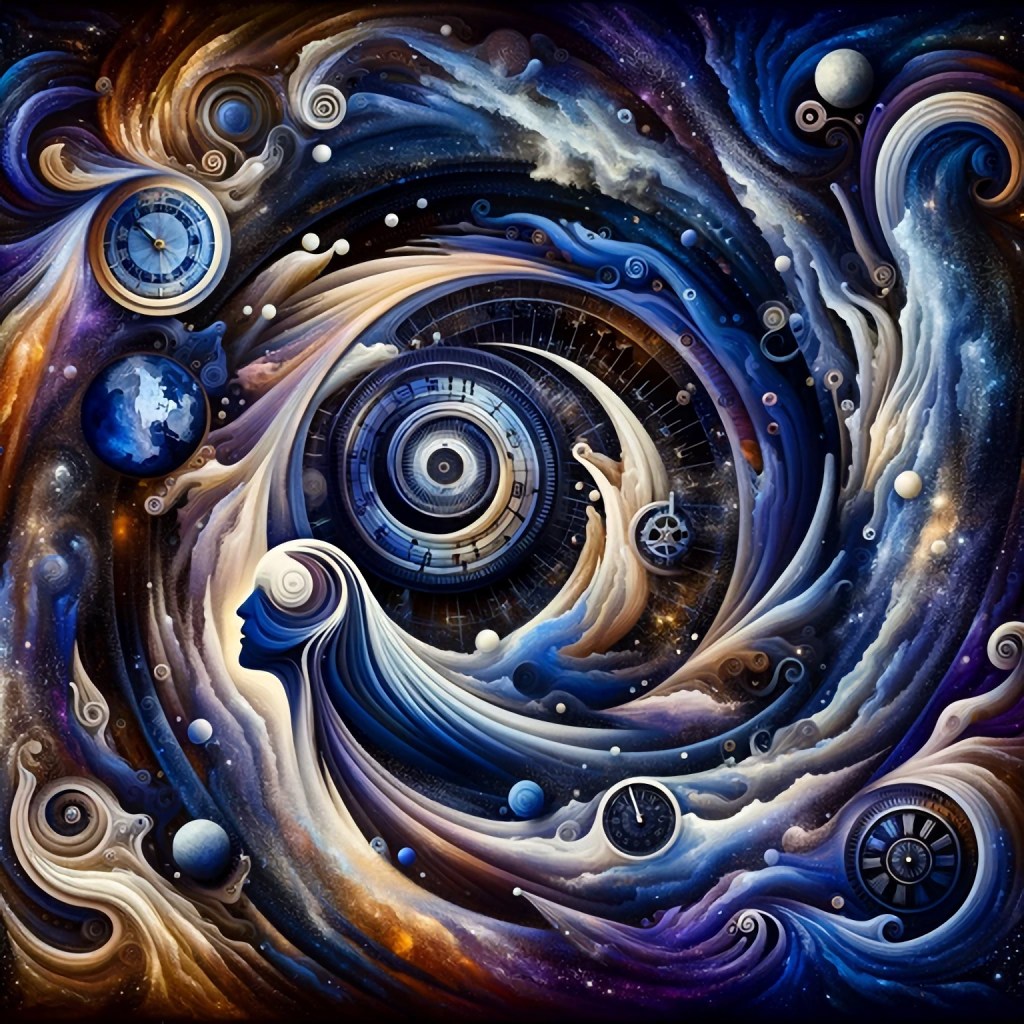
A thrilling adventure through time to give humanity a fighting chance!
Chrono Quest is an interactive fiction game, like the Choose-Your-Own-Adventure stories of old. There are occasional graphics generated by DALL•E, just like how those books would have illustrations every now and then. Unlike those books, it’s a GPT that writes a different story each time, one that responds to your inputs and imagination. You can stick to the provided multiple choice options, or respond freely with your own ideas.
The set up: An alien invasion threatens earth, and recently discovered time travel technology is our only hope. You must go back in time to change history and prepare humanity to meet this challenge.
Things I’ve tried (mild spoilers): I’ve done some ridiculous things in this game. I’ve gone back to find Jesus and recorded a video message of him appealing to people of the future to work together against the invaders. I prevented Hitler from taking power by stealing his playbook and being an even bigger Hitler. I imbued primitive cavemen with modern human DNA, to accelerate our evolution (and found myself the dumbest and shortest man in the world upon my return to the future). I also stopped the Fall of Constantinople with Semtex plastic explosives, prevented the Library of Alexandria from burning by building a firebreak , and became Leonardo da Vinci’s best mate after stumbling into his workshop with a fake stab wound. My colleague Brian played it and beat the aliens by uniting the world under a single market economy and rewriting property laws.
===
This is the first game I’ve made since the launch of custom GPTs a few weeks ago. I played a bunch of text adventures as a kid, and just with books versus movies, they can be more immersive and fun than AAA games made for millions of dollars.
AI Dungeon blew my mind when it came out a few years ago, unstable and liable to forget or misunderstand context as it was, it fulfilled many childhood dreams by being a flexible “dungeon master” that could take a story almost anywhere you asked it to. Wanted to pull out a gun in a medieval story, or use diplomatic words to get out of a situation? It was up to you. That was three years ago and built on GPT-2. It’s now three years later, and anyone can make their own custom story/game powered by GPT-4 — with virtually every shortcoming of AI Dungeon solved. Stories are incredibly coherent, natural, and well written.
You can use normal ChatGPT to play interactive fiction games, and the story of Chrono Quest was one of the first I experimented with earlier this year. You can have a pretty good time even with GPT-3.5! But the advantage of custom GPTs is that you can craft a game world and share it with other people to play, specifying a certain style, and keeping an element of surprise when it comes to how the game plays out and interacts with the player.
I might make more, I don’t know! Your thoughts are welcome.























 sangsara.net