Just had my first ever “soup curry” in Shimokitazawa, which unbeknownst to me is also considered a curry town (like Jimbocho in last week’s update), albeit focused more on authentic “spice curry”, as opposed to the sweeter Japanese adaptations of British-adapted curries. It came with a whole chicken leg and an impressive 20 kinds of vegetables, costing about ¥2000. Thoroughly delicious and a healthy meal (I told myself), although we did have to wait over an hour in a virtual queue for it.
Taking a photo would have gotten you thrown out before
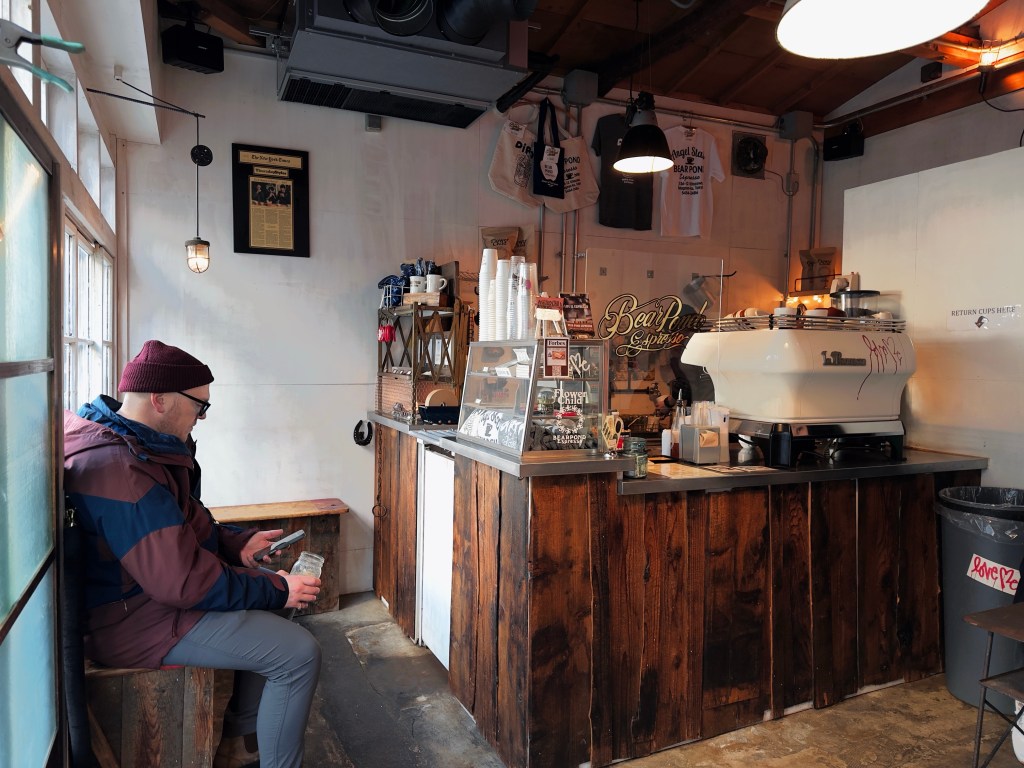
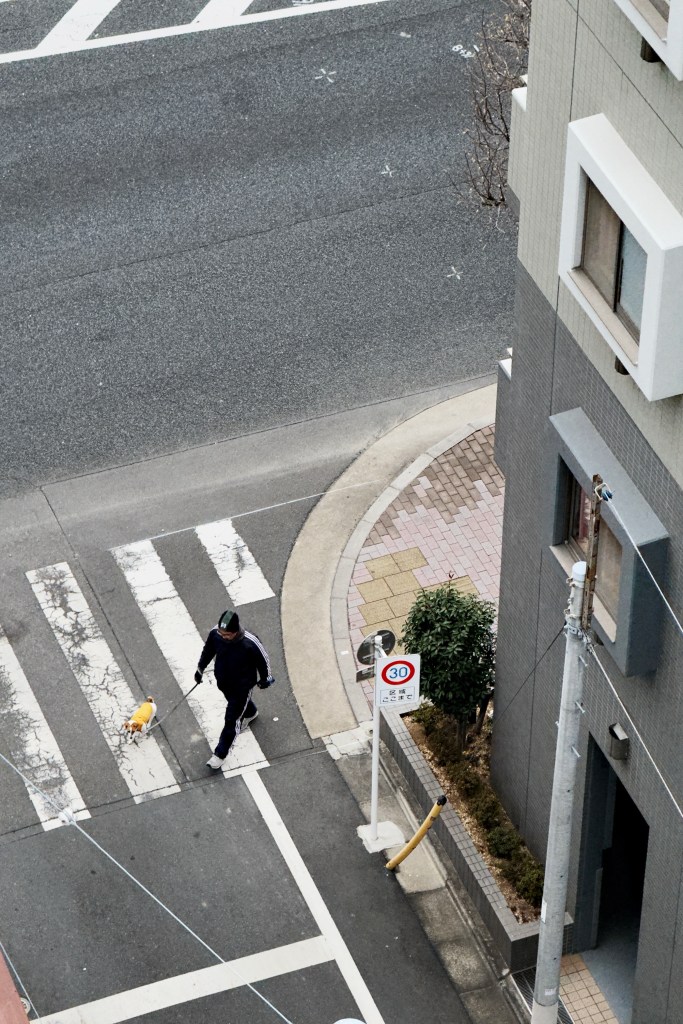
To pass the time, we stopped into Bear Pond Espresso for one of their famous Dirtys and a cup of their proprietary Flower Child blend. The coffee is still as good as it ever was, but the vibe has changed now that the famously surly owner isn’t behind the counter. The last time we came and saw him, his mood had brightened up tremendously; he was taking off early to walk his dog in the sun, and even stopped to tell us its name. Perhaps he’s now retired. Good for him.
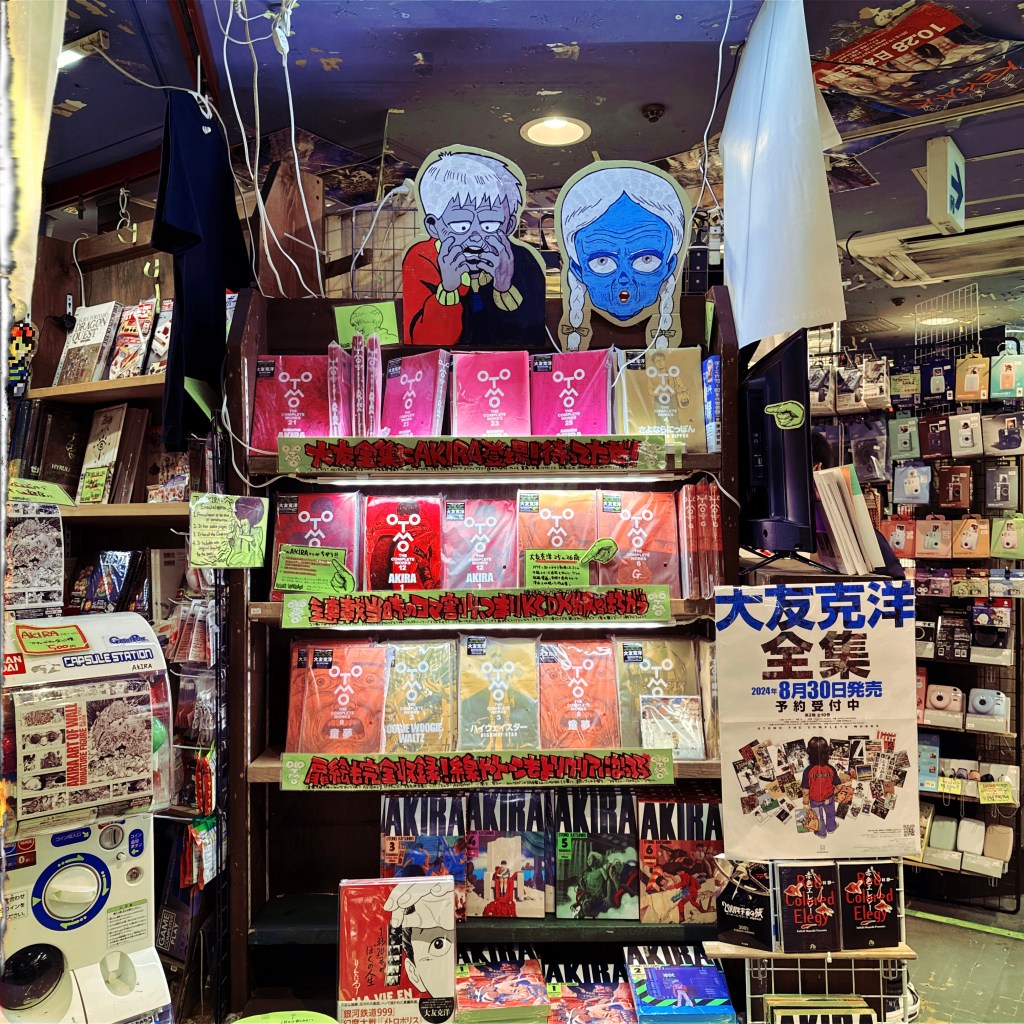
Afterwards, an obligatory stop into Village Vanguard, a “bookshop” whose closest kin is probably Don Quijote (or as it’s known in Singapore, Don Don Donki), that self-described shopping jungle where haphazard aisle placement is intentional and designed to get you lost and overwhelmed in a good way. VV has books, media merch, stickers, physical music, gacha, plushies, clothing, you name it. If I could actually read Japanese, I’d never be able to leave.
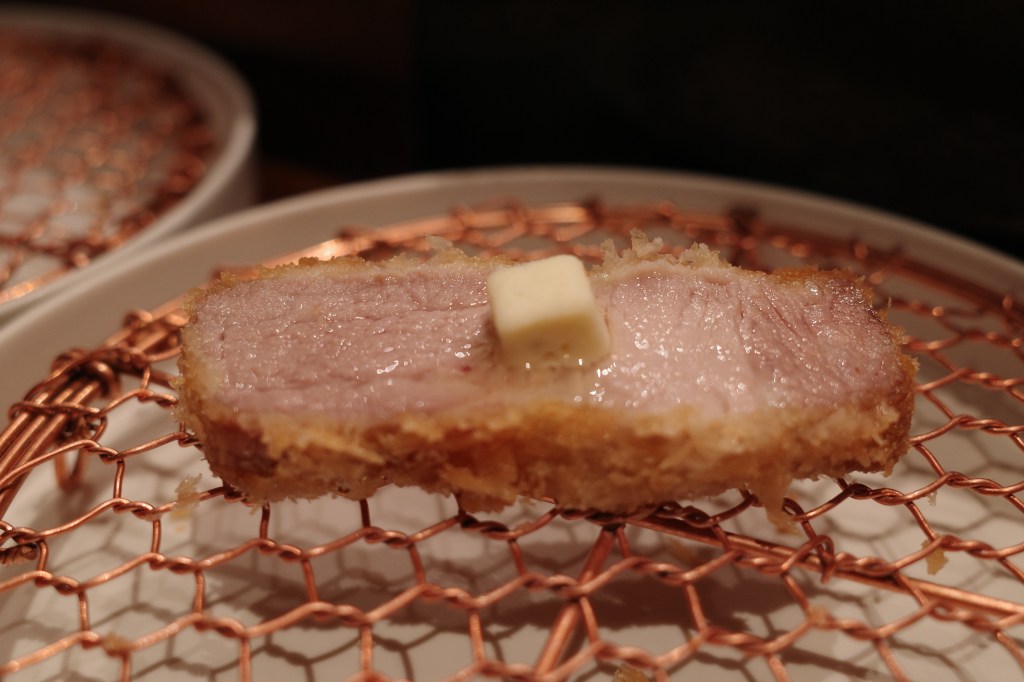
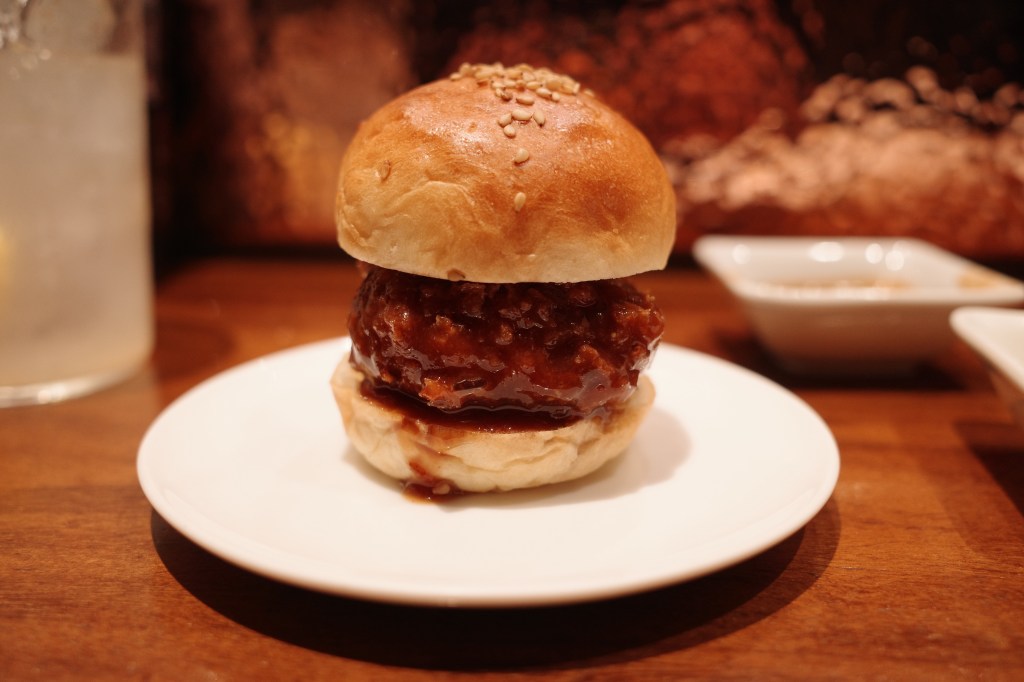
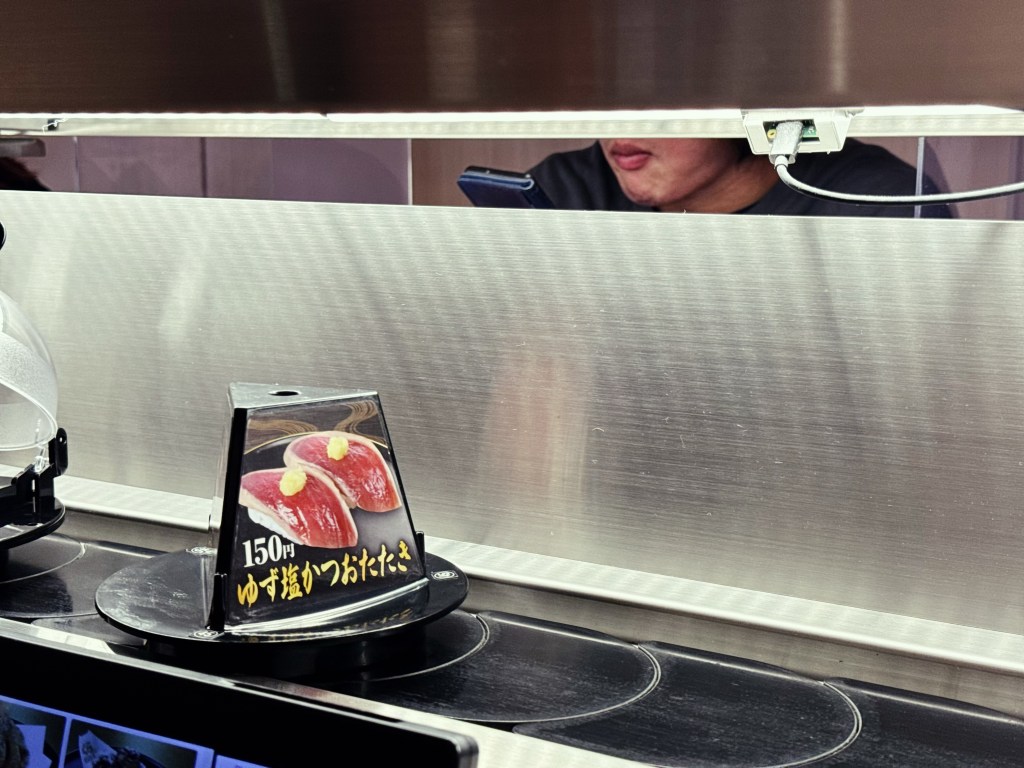
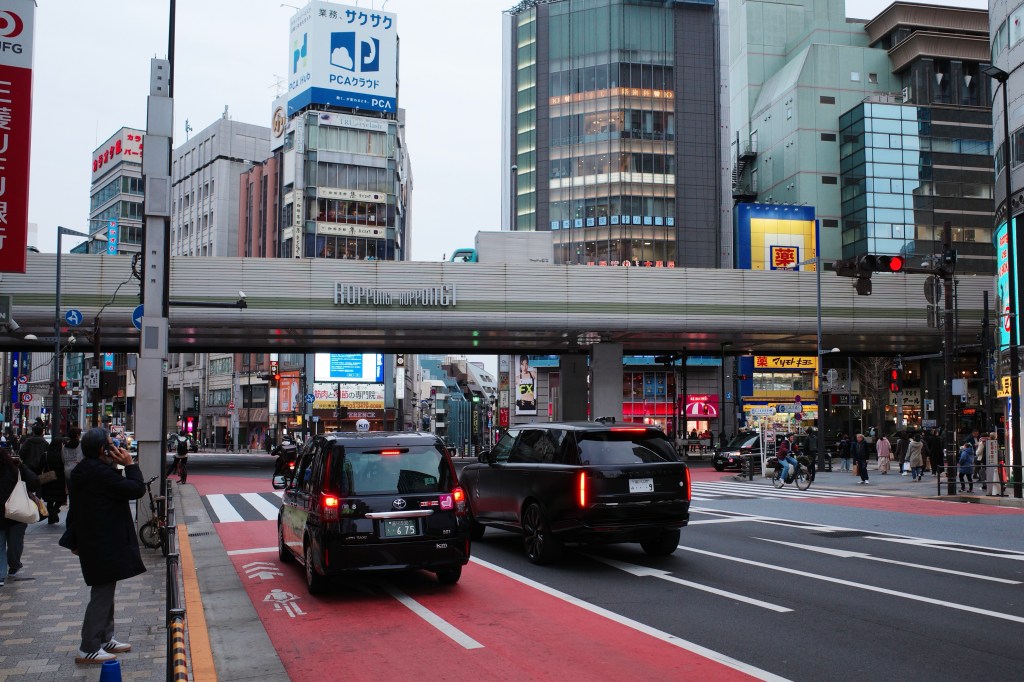
Back to food for a minute. We booked a “katsu omakase” meal before coming out here, featuring multiple cuts of perfectly cooked Japanese pork, and separately had an impromptu sushi omakase in Roppongi, where we got in just after lunch hour and had the whole counter to ourselves.
We also tried some Mister Donut, which is known in Singapore for always selling out, but here in addition to the perpetual lines and wide selection of sweet bakes, it’s also a place you can sit down and have… fried rice!?
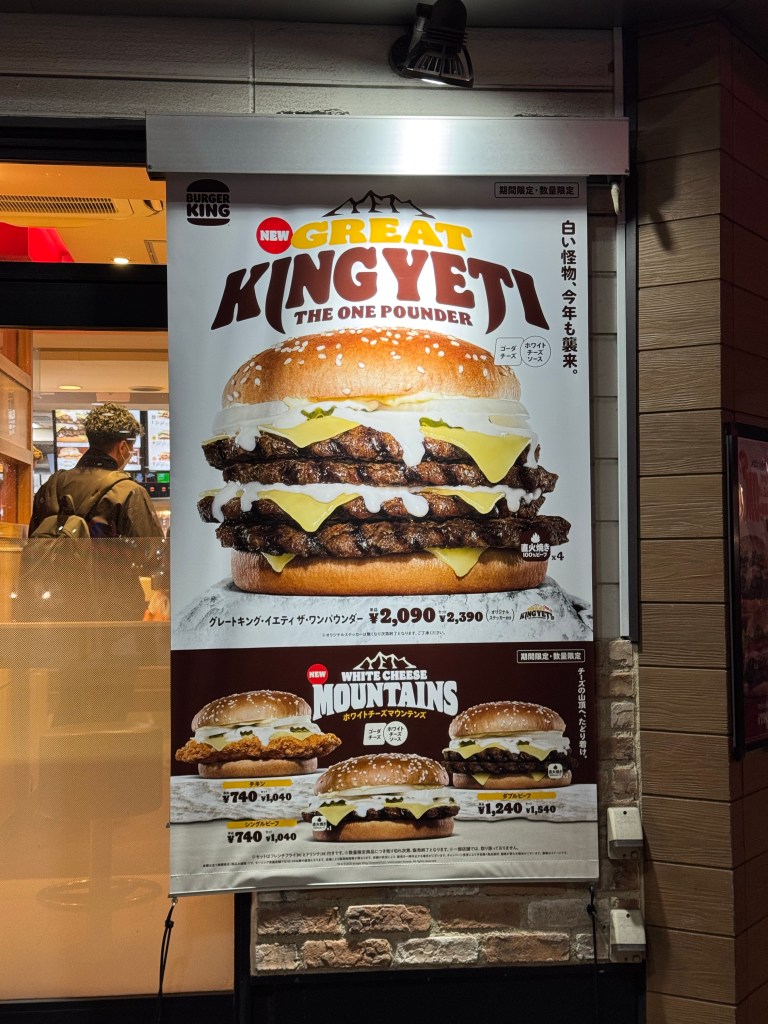
I haven’t stepped into either a McDonald’s or Burger King (and probably won’t), but for posterity’s sake, I will record that the former is currently selling a line of “New York-Style” burgers with , which sounds like bullshit to me because one of them has a prawn cutlet. The King is more on brand with a monstrous Yeti burger that has four quarter-pound patties dripping with creamy “white cheese”.
Most museums are closed on Mondays or Tuesdays, but you can’t always rely on their websites for accurate updates. We found that out the hard way on Tuesday, which was also a national holiday, when we traveled nearly an hour to Nerima Art Museum only to discover it was closed — their site said otherwise.
But we made up for that fail on Wednesday and Thursday with visits to the Museum of Contemporary Art Tokyo (MOT), and the Mori Art Museum, respectively.
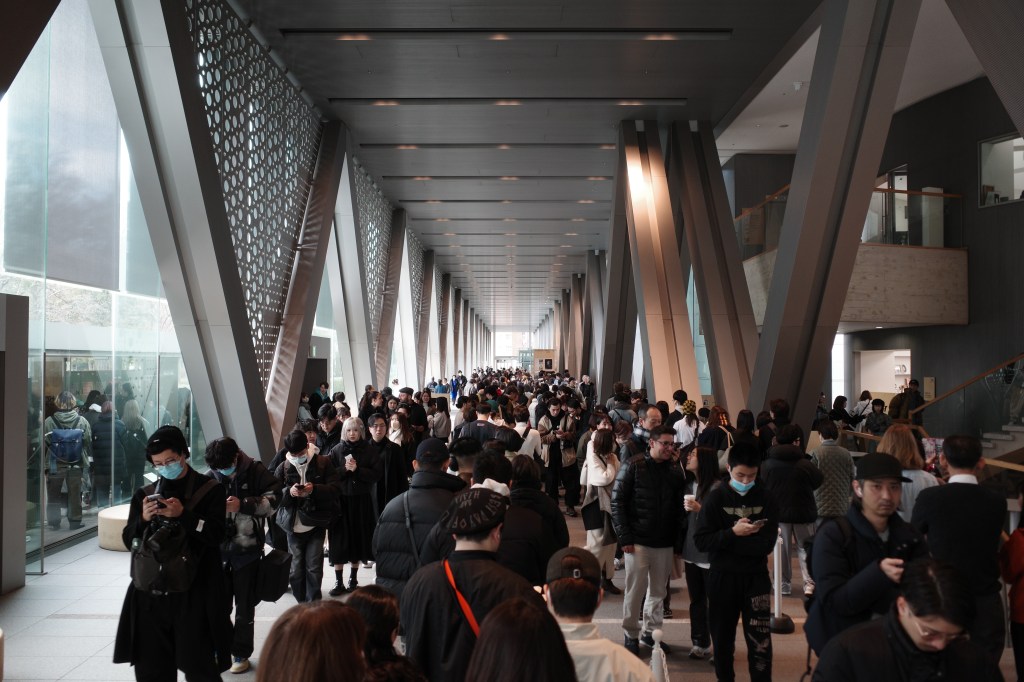
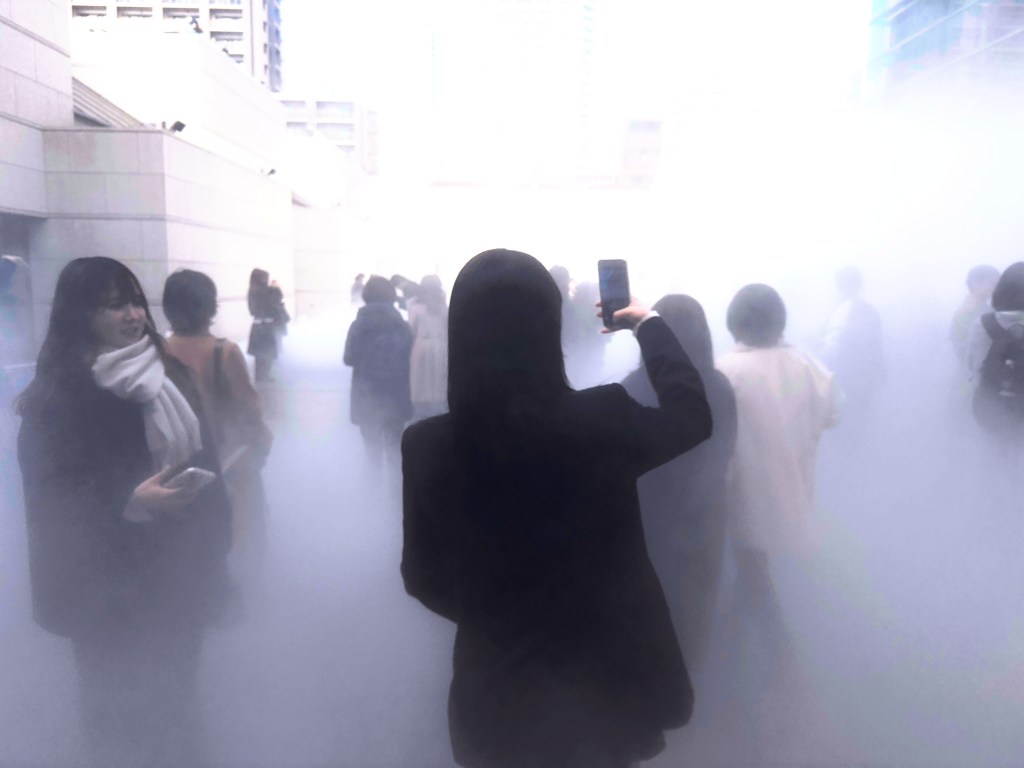
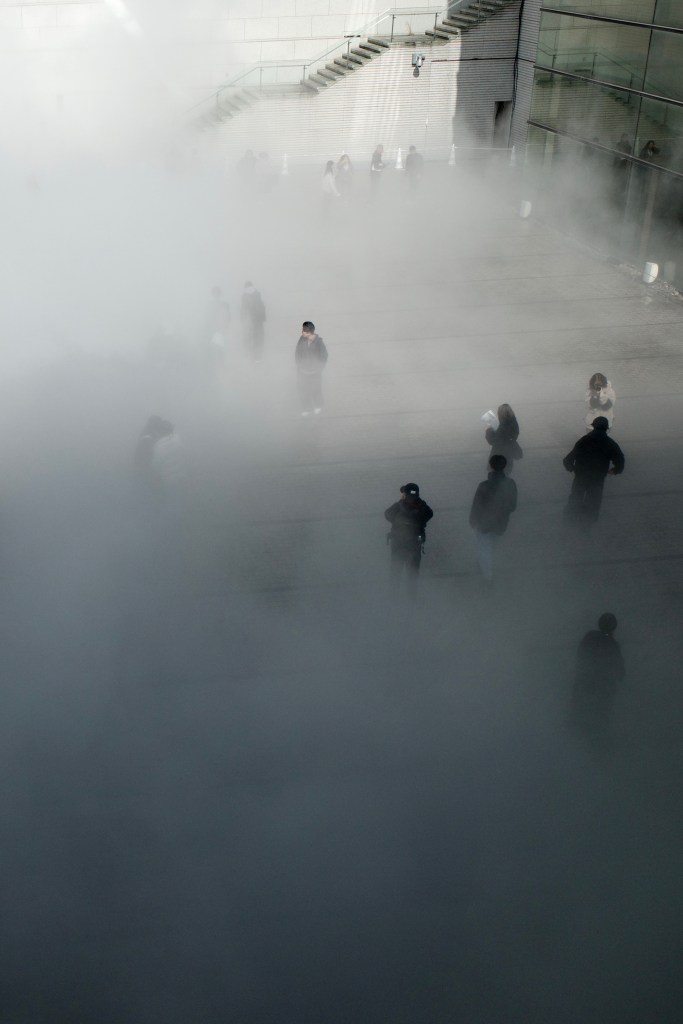
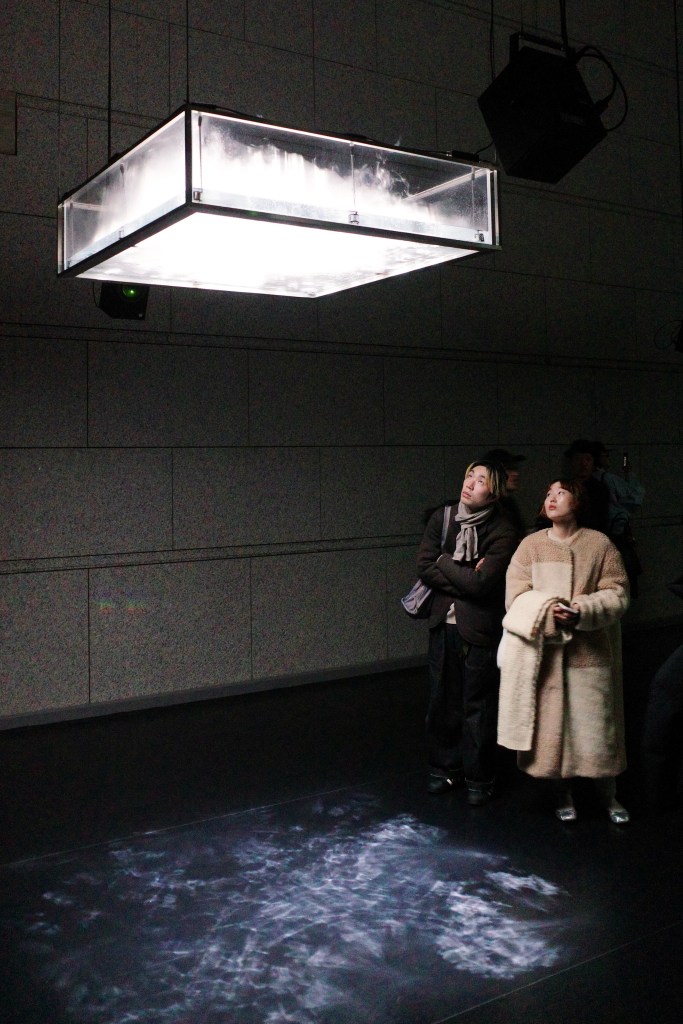
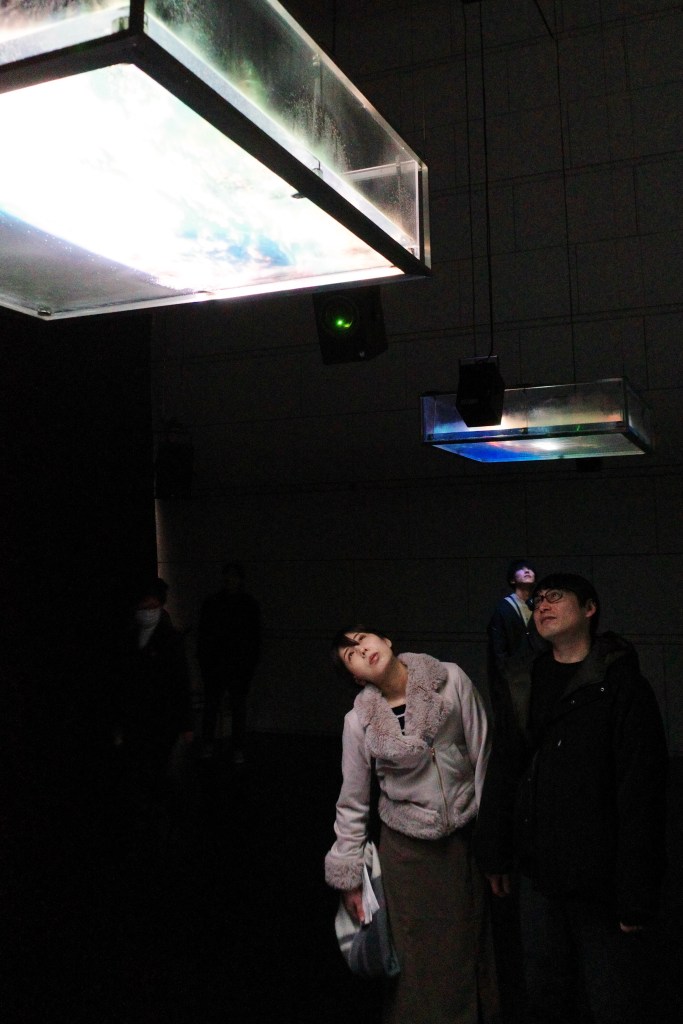
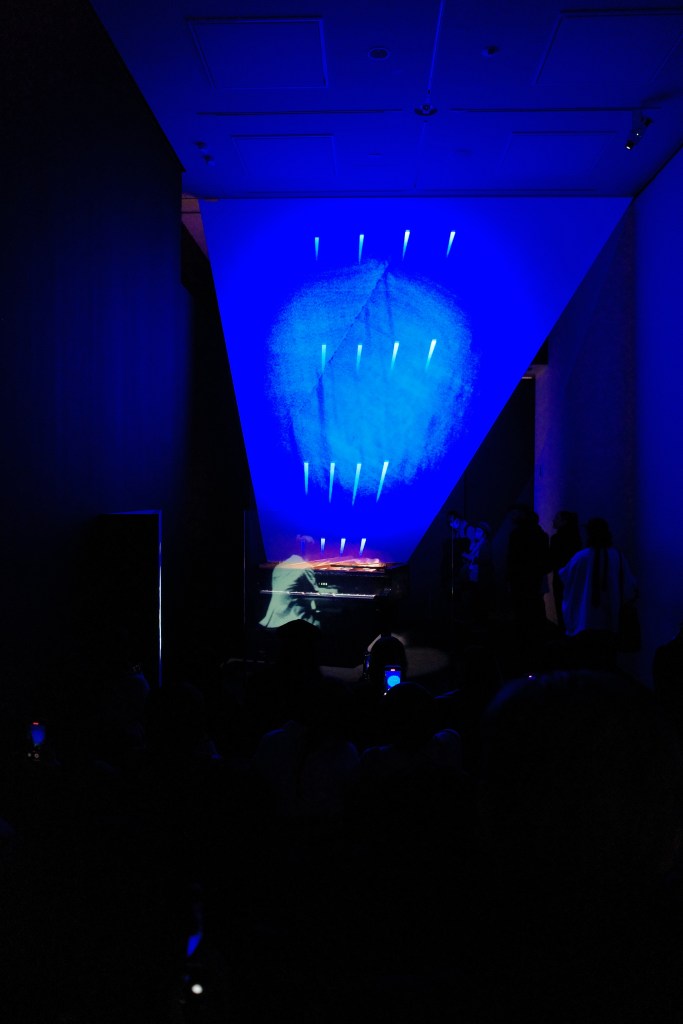
MOT is hosting the extremely popular, TikTok-viral Ryuichi Sakamoto tribute: Seeing Sound, Hearing Time. We must have stood in line for 45 minutes to get in, but it was certainly worth it. The final room was probably the highlight, where you see an ethereal “hologram” of him playing on a real piano with keys synced to a MIDI performance he recorded. Spectral visualizations of each note rise from the piano as he plays, and it’s like watching his ghost play Guitar Hero in reverse. There’s also an outdoor portion that you might already have seen online: a dense “fog sculpture” you can wander through. Walking through it is disorienting and like being in a video game scene. You can barely see past your outstretched hand, and other people fade into view through the white mist. There’s a feeling that someone might come recklessly running and knock you over. All around us, Japanese people kept saying “Yabai!” out loud.
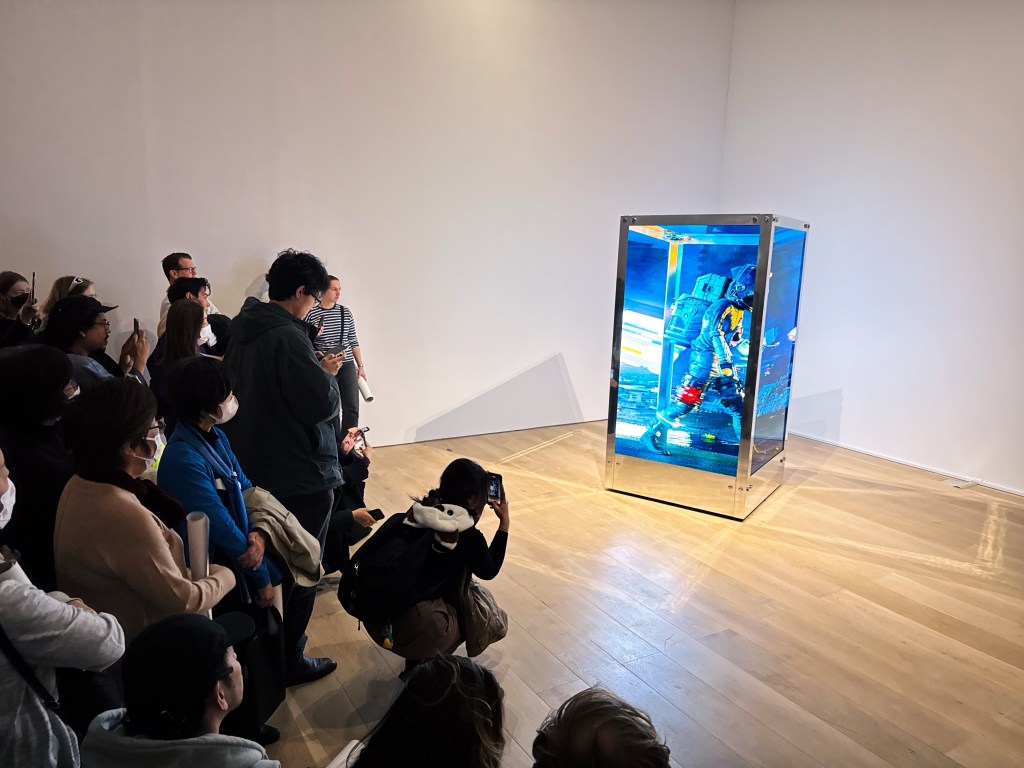
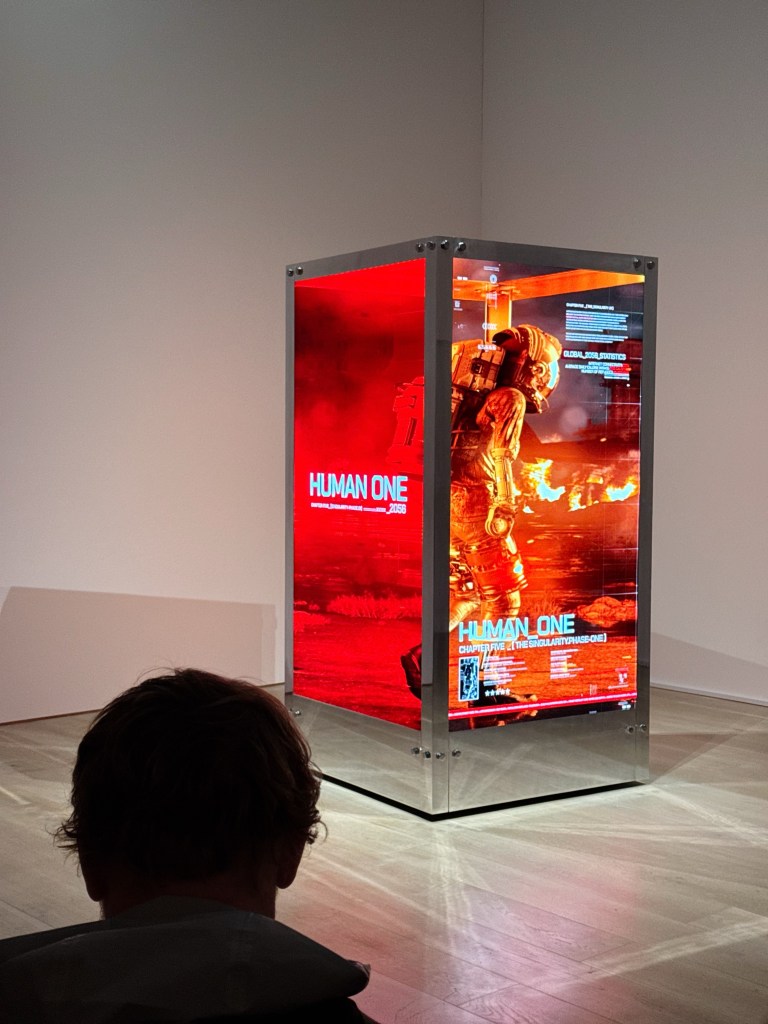
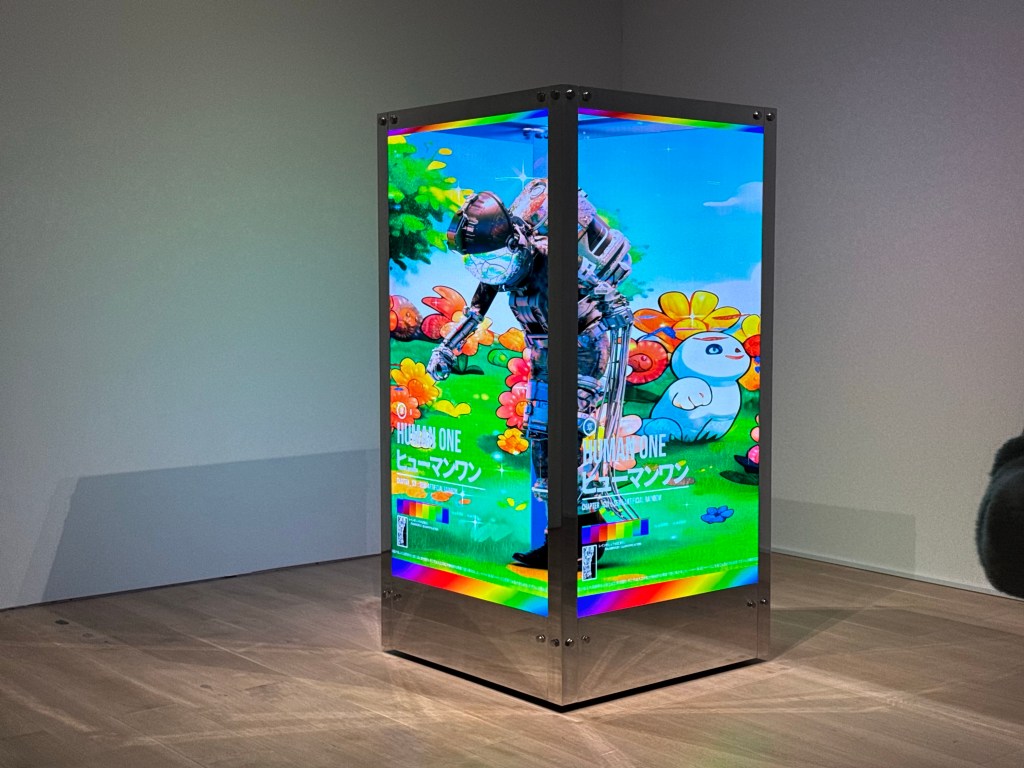
Thursday was opening day for Machine Love at Mori Art, and by going early in the morning, we caught the artist Beeple (famous for selling a $69M NFT at Christie’s) unveiling a new “software update” to his work HUMAN ONE, tailored to Tokyo and this exhibition in particular. In it, the eternally trudging humanoid AI robot was transported from a post-apocalyptic world to a new rainbow-colored cartoon world filled with derivative Asian imagery like pandas and pagodas. It was like a parody of Takeshi Murakami’s work, but he also attended the following day, so I guess he’s cool with it.
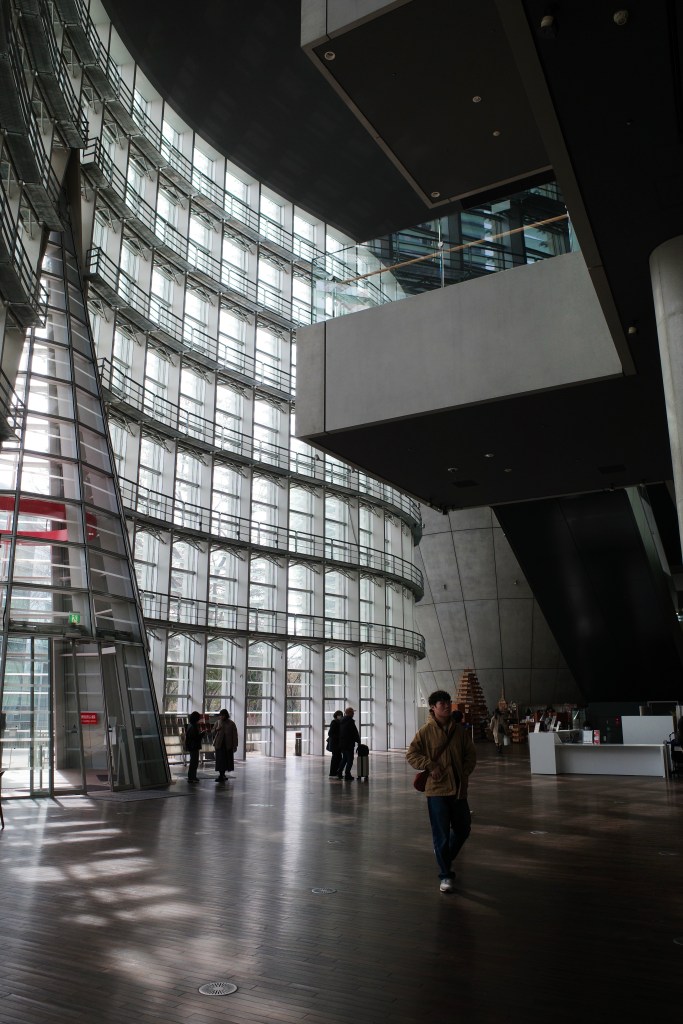
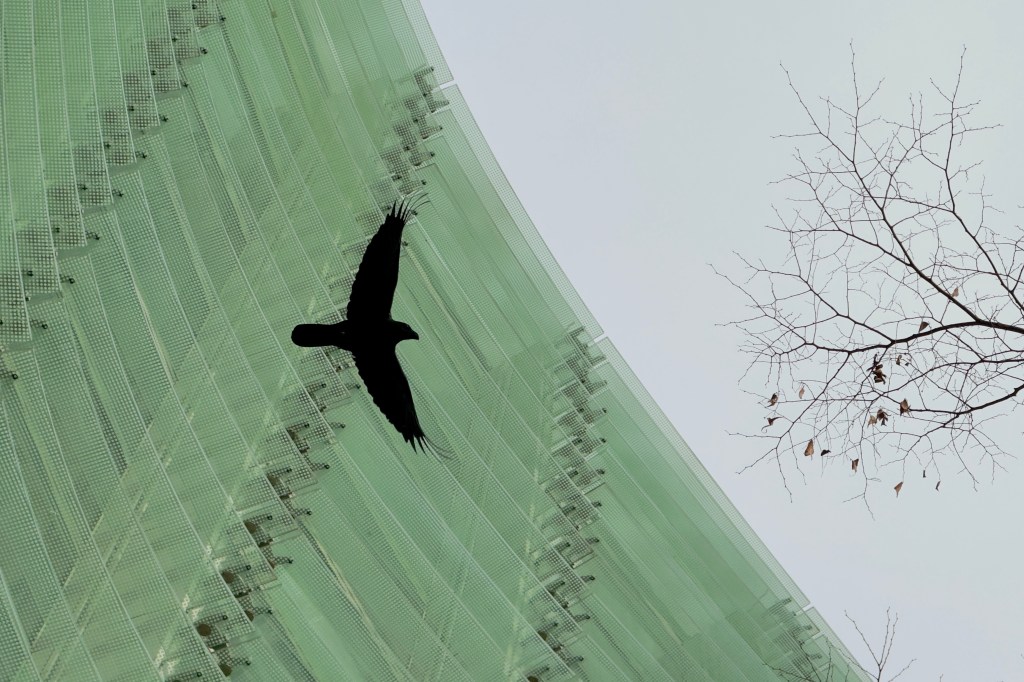
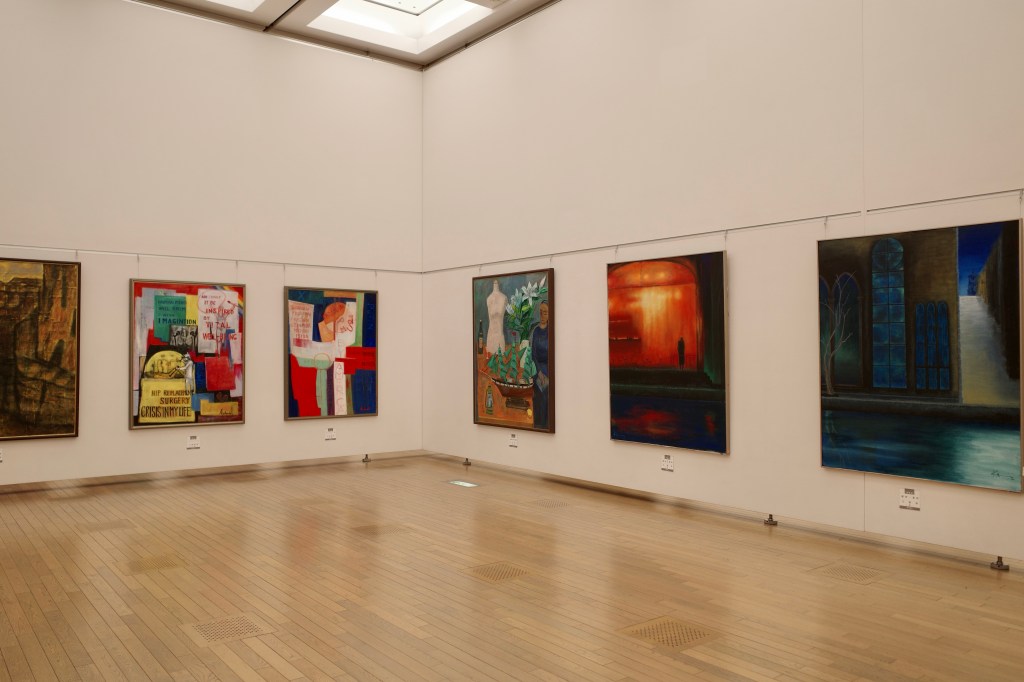
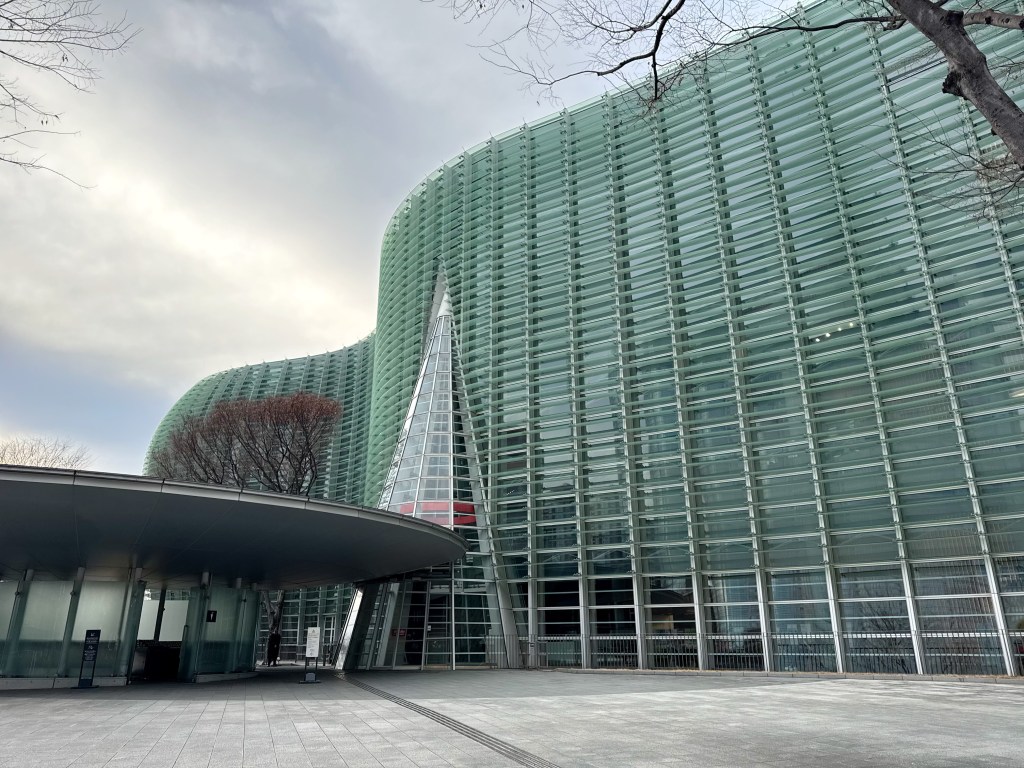
Then on Sunday, I visited the National Art Center in Roppongi, which is interesting for the fact that it’s more of a hosting ground for smaller organizations that want to hold exhibitions, and not a museum with its own collection. I saw a couple of calligraphy shows (admittedly hard for me to appreciate), a show featuring young and new artists, and the results of a couple more annual open competitions. I spend just $10 for an entire afternoon’s worth of interesting ideas, and am now thoroughly saturated with imagery.
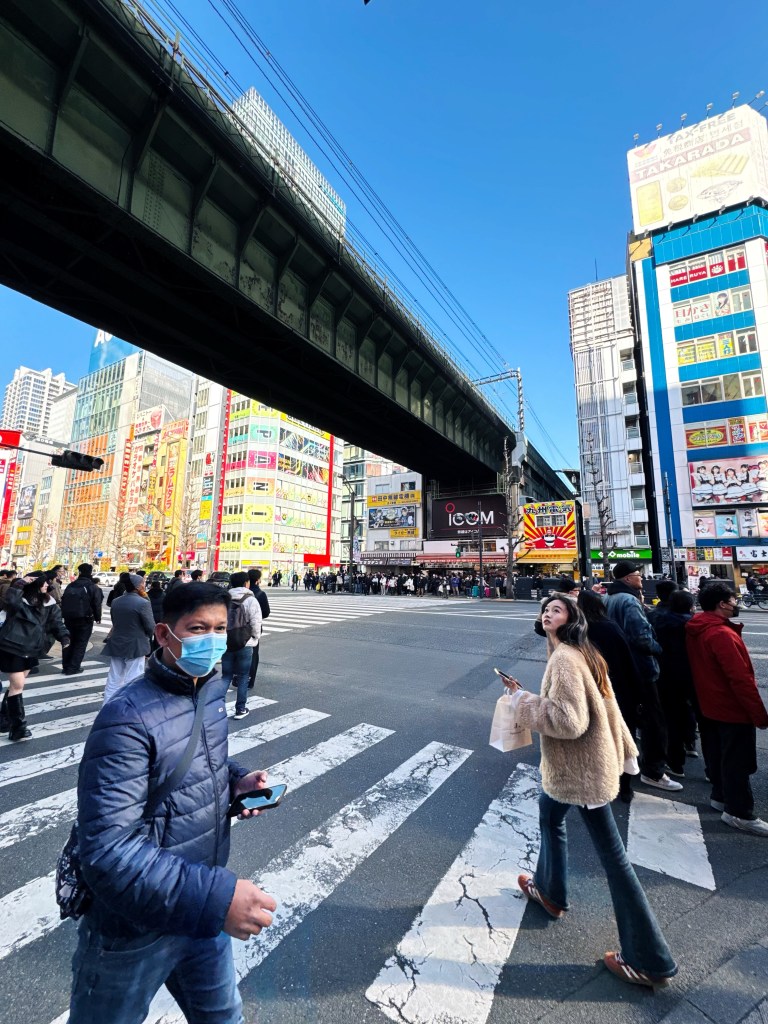
I made the mistake of going to Akihabara over the weekend, after Kim had gone home (I’m staying on for a little bit), leaving me free to eat all the curry rice I want and spend hours in electronic stores. It was more crowded than I can ever remember seeing, and not in any positive way; people were lugging large suitcases around and blocking narrow aisles with them, among other inconsiderate acts. I left exhausted and feeling somewhat ill (the number of coughing and sneezing people around didn’t help). The place is a victim of its own reputation, I guess, and now tourists have ruined the place for everyone. Like Chernobyl, it might be 50 years before one can safely visit again.
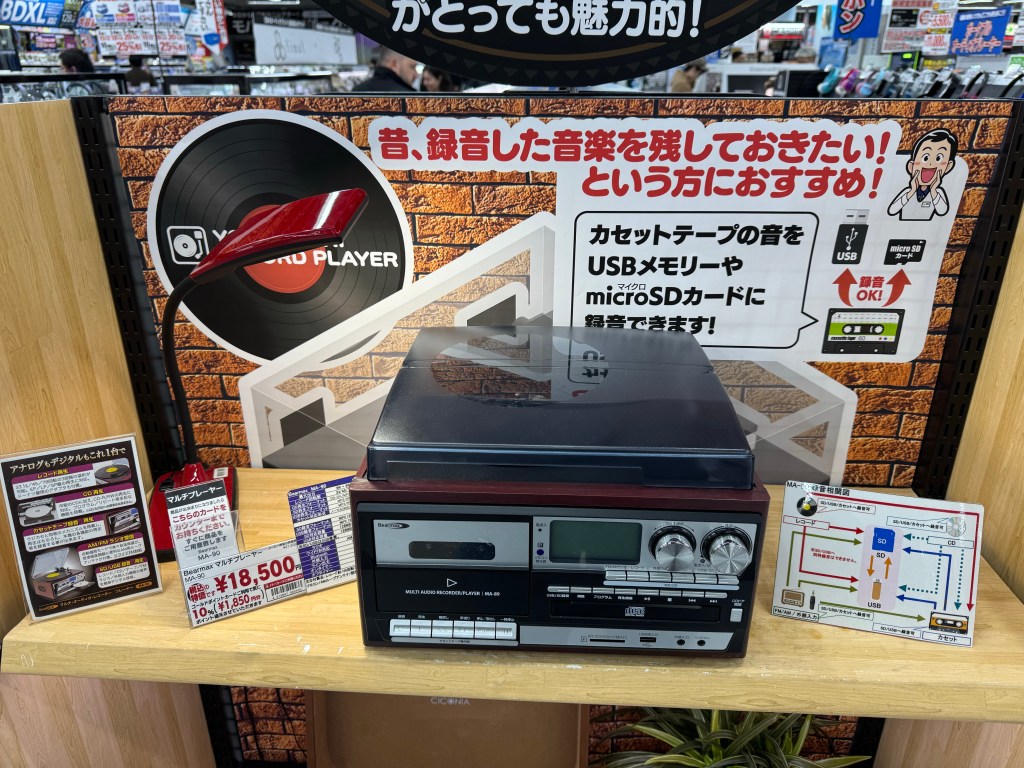
Two weeks ago, I asked why no one has created an all-in-one vinyl/CD/cassette player yet. Yesterday, I saw one at Yodobashi Camera. Granted, it probably sounds terrible, and the ¥18,500 (S$163) price doesn’t inspire much confidence either. If someone makes a better version of this, though, I’d be up for it.
One thing I still love doing is browsing the video game sections at these large retailers. Although some of the physical games are region-free and contain English translations, I’m not really there to buy anything — my backlog is deep enough to last for years. The fun is in seeing games really thrive in the real world, with cartridges alongside plushies, keychains, and other accessories. There are sadly no such equivalents back home. Inevitably, I’ll see Japanese-specific box art and pick something new up to look up online, or be reminded of a title I’d heard of but forgot to wishlist, and by the end of it, become more inspired to head home and play more games. After a couple of such experiences, my wishlist is now deeper, and I’ve bought a few new digital titles as well.
Incidentally, Perplexity released a new “Deep Research” mode which has nothing to do with OpenAI’s Deep Research product, and I asked it to find me Nintendo Switch games set in Eastern Tokyo that I might play while living here, for greater immersion. Amazingly, it succeeded. It was able to find one game, PARANORMASIGHT, that was developed with the help of the Sumida city council and tourism board (why they agreed, I do not know, because the game involves at least one of the parks being haunted). It’s also available for iOS. Impressively, Perplexity was also able to extrapolate that the region is known for sumo wrestling, and identified games involving sumo that might be of interest. All in all, not a bad feature to have! Free users get five questions a day, paid users get hundreds more.
I realized almost too late that I had neglected to shoot more panoramic photos this trip, which are really great to view on Vision Pro and have the effect of transporting you back to places you want to remember. I’m trying to make up for that now.
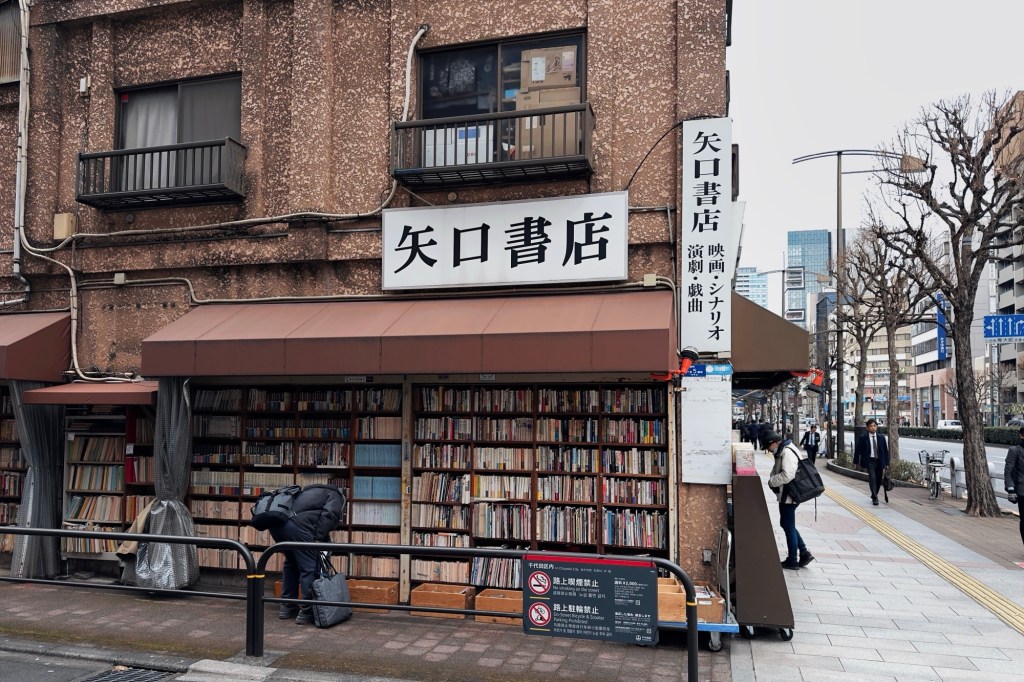
We spent Monday strolling around Jimbocho, an area permeated by three of my favorite smells: books, coffee, and curry. I don’t know how many of the district’s 140~ bookstores we managed to see, but it’s something else. So nice to see the reading and collecting of printed material still alive, although you have to wonder where these used books and magazines (e.g. an issue of GQ with Jerry Seinfeld from when he was just getting famous) came from — the personal libraries of dead or dying hoarders?
There were also more stores selling CDs and vinyls, and I saw new models of portable players for sale at an electronics store. There are DiscMan-like devices that output Bluetooth to your headphones and speakers (alas, no AirPlay), and even a cassette player with Bluetooth. They look pretty cheap and plasticky though; nothing you’d put in a nice spot on a shelf to form a modern hi-fi unit.
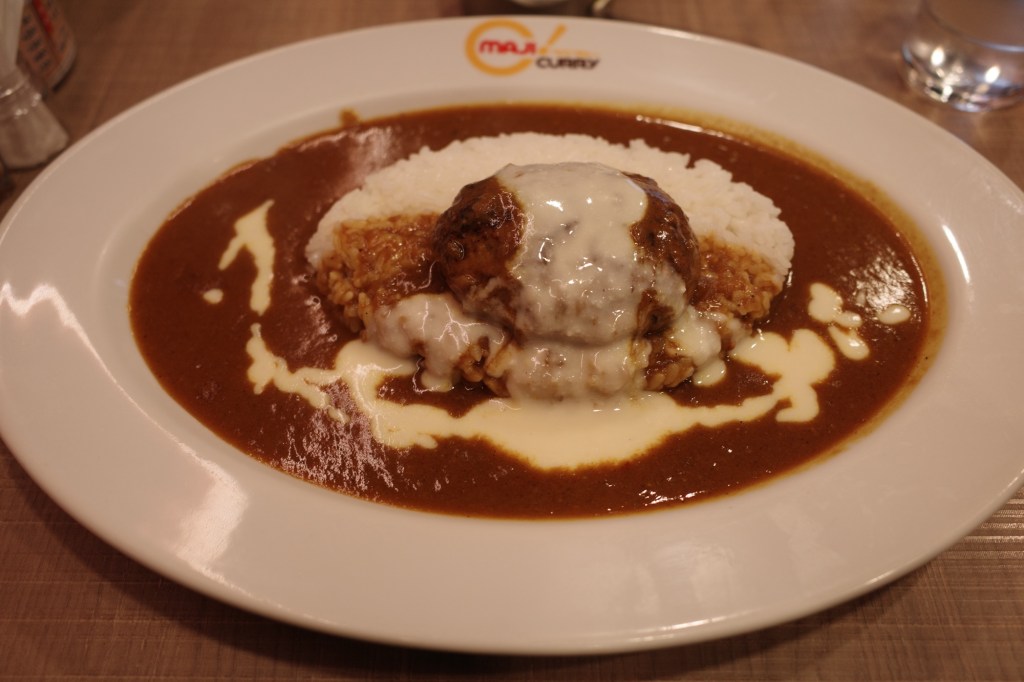
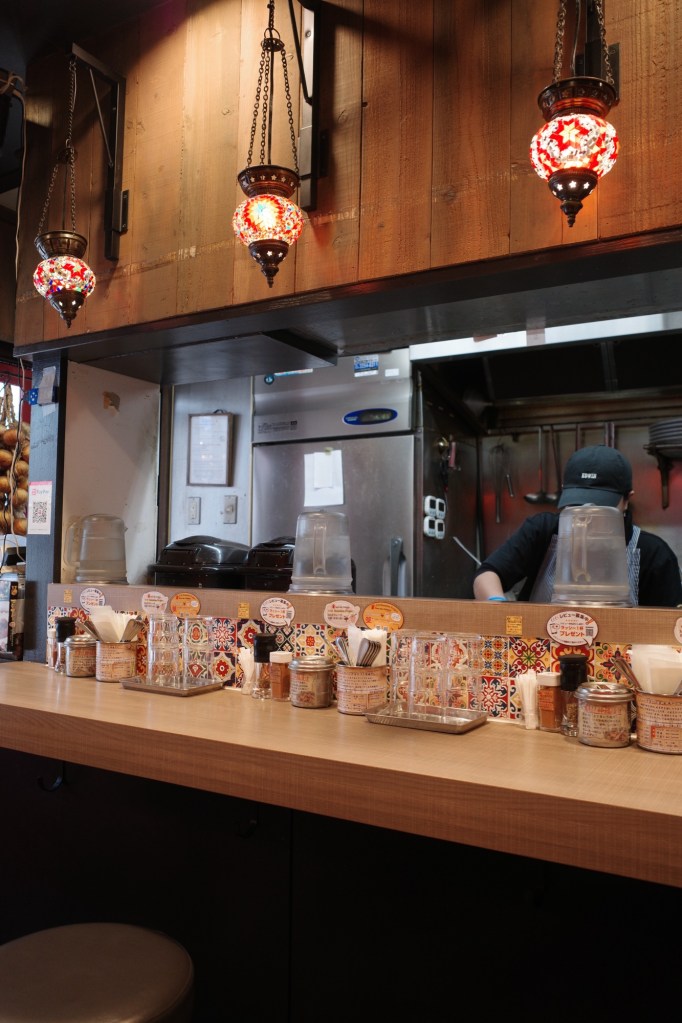
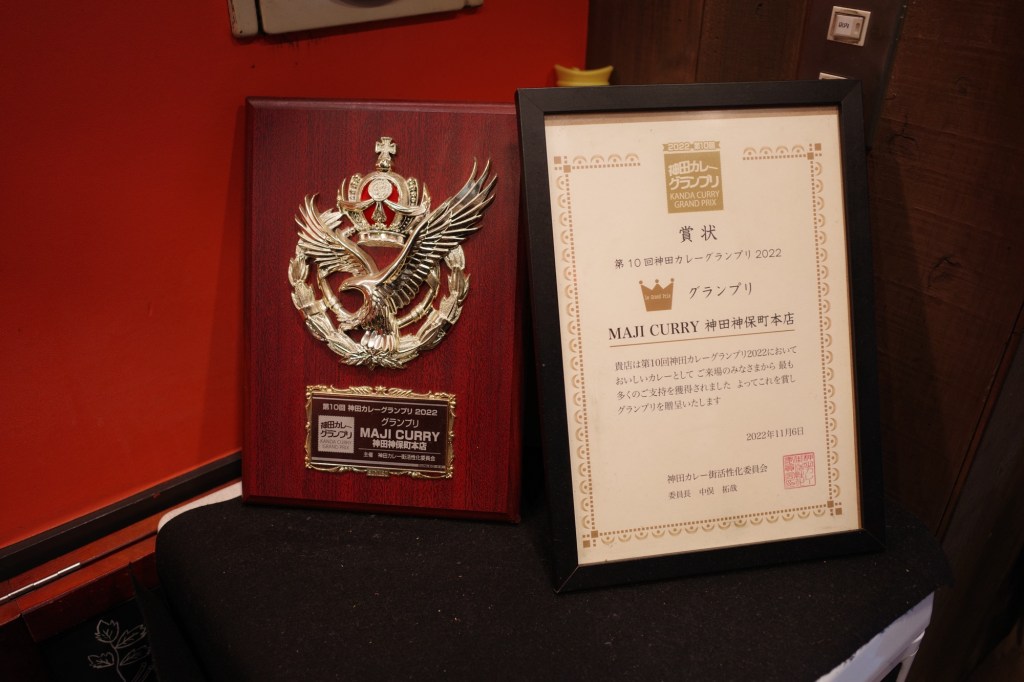
We had lunch at the original Maji Curry restaurant in Jimbocho, and I’m pleased to report that the outlet in Singapore is pretty much the real deal. The fondue cheese sauce here is better, but that’s really nitpicking. Well done to the franchisee/team for bringing it over authentically, unlike Coco Ichibanya’s!
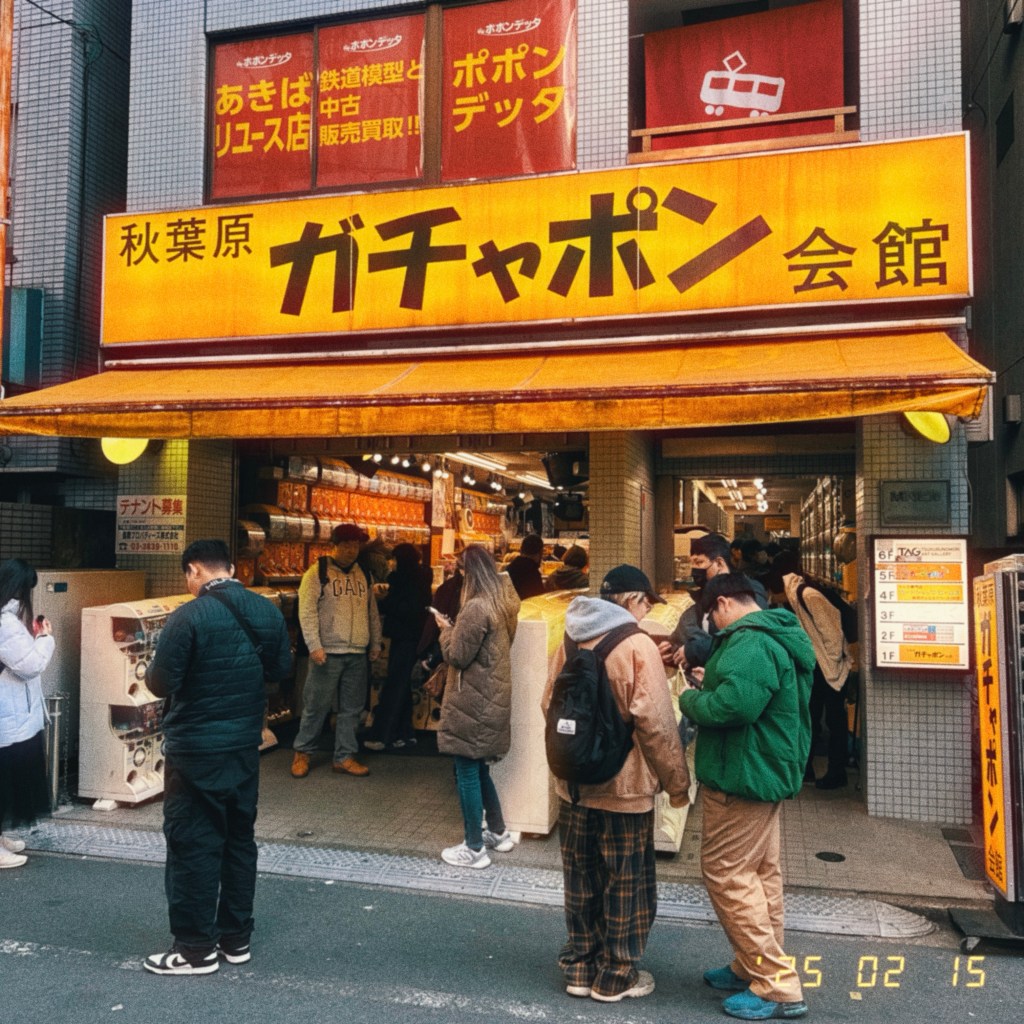
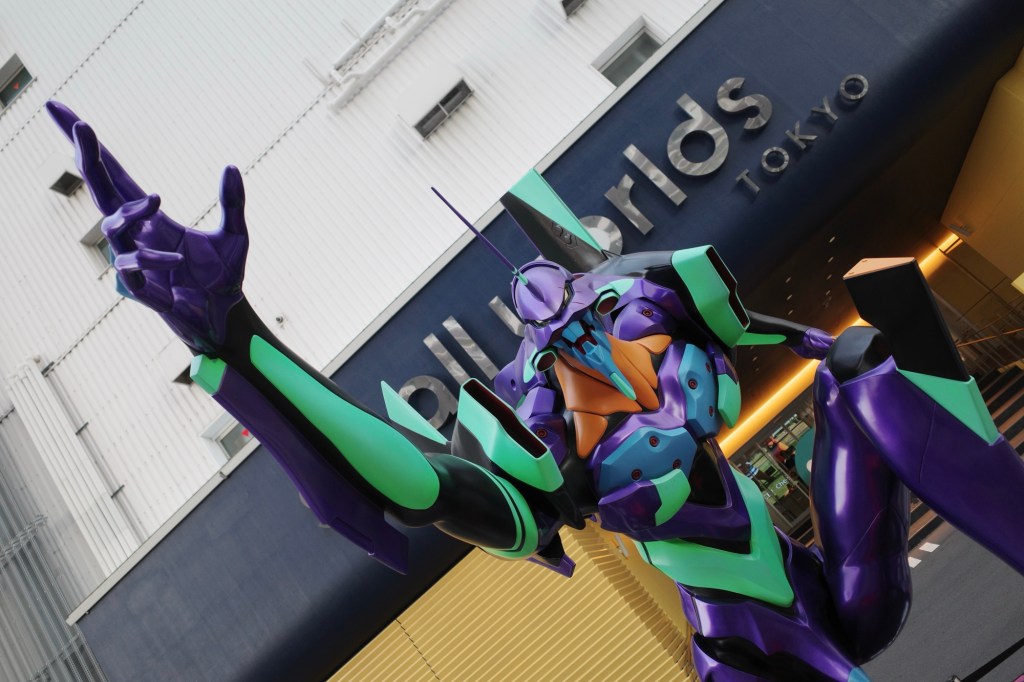
I’ve been on the lookout for cool gachapon miniature items to hang on my bag. So far, I’ve gotten Ricoh GR1 cameras (two of the same silver model), a MiniDisc, a wooden bird call, an Evangelion VHS episode tape with Rei Ayanami on the cover, a Nissin Cup Noodle, and a Johnsonville sausage pack (that I lost when the chain broke off somewhere). It’s quite a millennial weeb collection.
We intended to start each day early to make the most of the limited sunlight. We also underestimated our laziness/tiredness and how hard it would be to get out of bed on a cold day.
On Tuesday, we were forced up at sunrise for a sake brewery tour that was booked weeks ago. We met our guide at Shinjuku station before 9 a.m. — just imagine the crowds — and discovered it was a private tour for just the two of us. It was a nice day of “countryside” day drinking and not-at-all forced conversation with our guide, a 24-year veteran of Japan (originally from Britain via Zimbabwe).
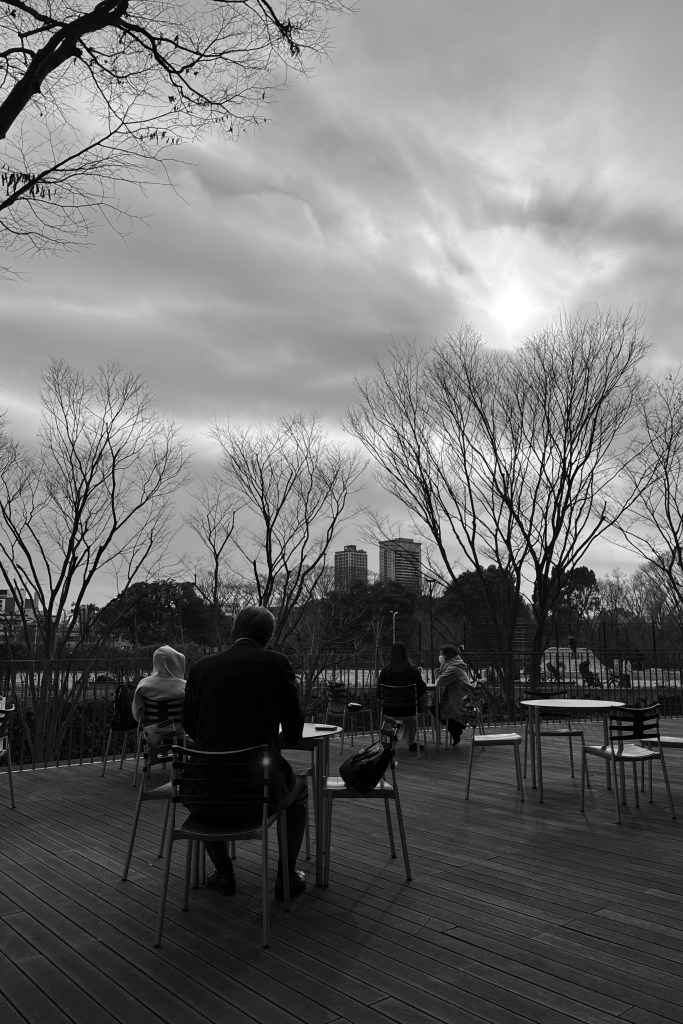
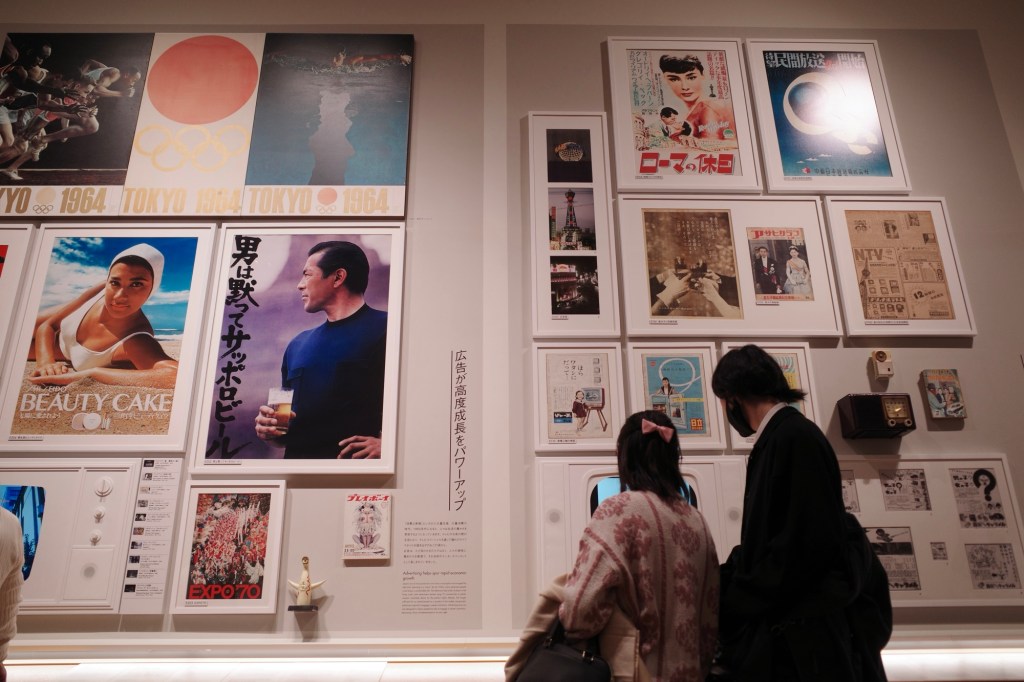
We’ve just visited the Advertising Museum Tokyo, near the Dentsu headquarters and almost certainly funded/run by them. Outside, there’s a free-use space with chairs and tables, and while many seats are occupied by people working on laptops, there are more than a few salarymen sleeping with their heads down. It’s a tough life. Joni Mitchell’s Carey is playing from some speaker nearby.
At my beloved Go Go Curry for lunch now, and it’s the best of the three Japanese curries we’ve had so far (Maji is close behind; CoCo had a poor showing at the Asakusa-eki branch, but I’m confident they’ll deliver next time). But the price of the “Grand Slam” plate with everything on it has shockingly gone up to ¥1700. It was originally ¥1000, and when we came after Covid, it was maybe ¥1200. Inflation is hitting hard here.
Go Go Curry’s Singapore menu
Come to think of it, when Go Go Curry opened in Singapore in 2009, the cost of the equivalent menu item was S$18.50, or about ¥2000. It’s taken Japan 15 years to catch up to that price.
Leica launched a new iPhone accessory: the Leica LUX Grip. It’s a new design for the camera grip made by Fjorden, which was acquired by Leica recently and which has been responsible for the LUX app. It attaches to the iPhone via MagSafe and adds a two-stage shutter button, a control dial, and two programmable function buttons. It honestly looks pretty good, and if the LUX app improves its photo processing to get rid of the iPhone’s Smart HDR look, it will make a pretty nice “camera”.
It’s available now in Singapore for S$450, and when I stopped in at a Leica store here in Tokyo and asked if they had one to look at, the salesman actually laughed, saying no dates for a Japanese launch have yet been announced. What the heck?
I was super excited to see the new Ricoh GR Space in Shibuya, as I used to love their old RING CUBE museum/gallery in Ginza that closed down in 2020. The staff were super friendly and (I found this odd) thanked me sincerely when they learnt that I’ve been a supporter of the series from the GRD days. I was hoping to buy a little finger strap like the one that came with the GR III Diary Edition, but they don’t sell those piecemeal. Oh well. It was well worth the visit.
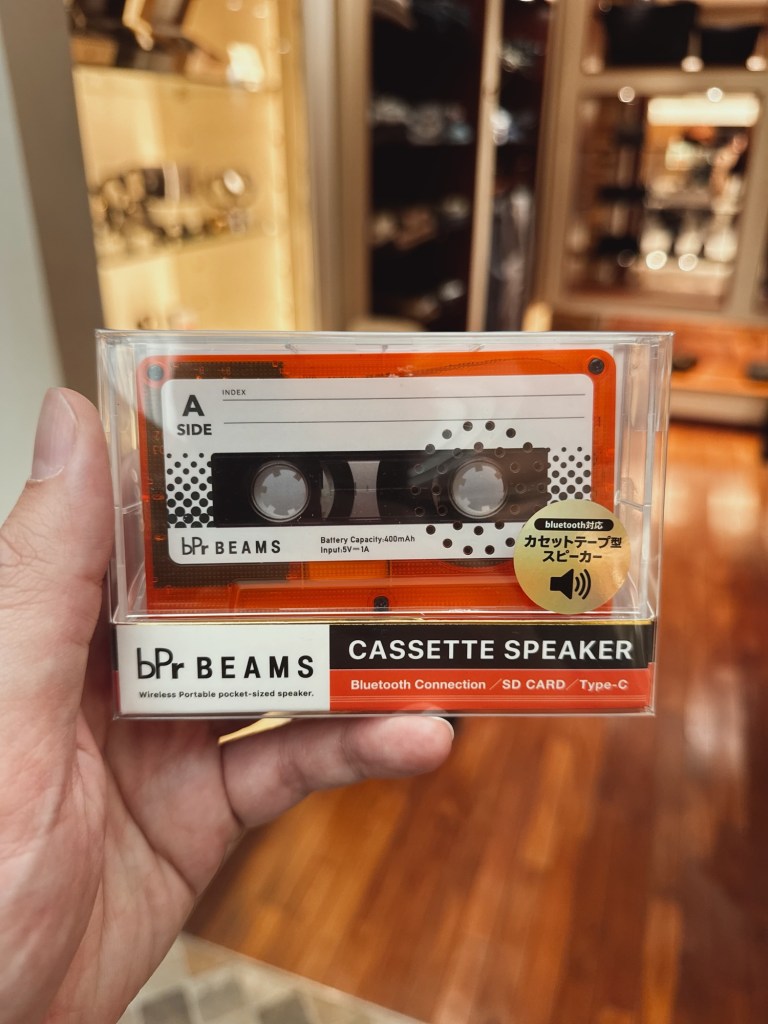
Still on the lookout for nice souvenirs and Japan-exclusive gadgets, but it seems those days are long gone and generally the global electronics market is extremely flat now with online shopping and Chinese e-commerce platforms like AliExpress. But! While at Beams (clothing retailer), I discovered this Bluetooth speaker that is the exact shape and size as a cassette tape for $50. Despite not expecting it to sound any better than my iPhone’s built-in speakers, I bought it on sight. An hour later, I found a non-Beams branded version at Hands for about $10 less. That’s… fine, I guess.
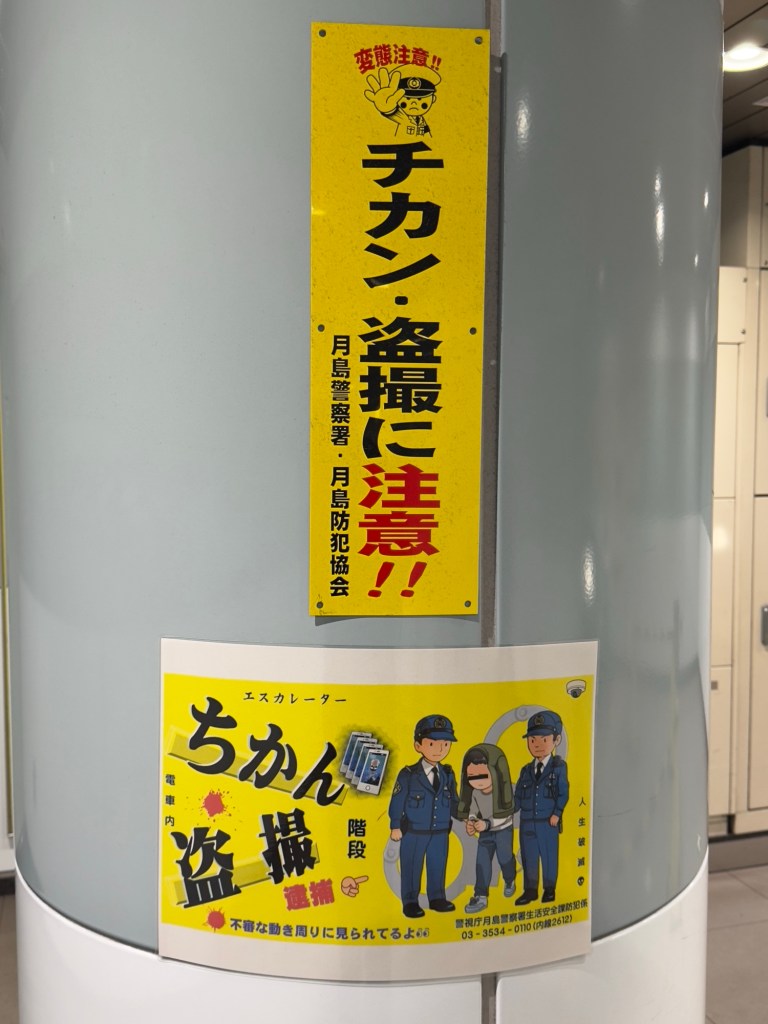
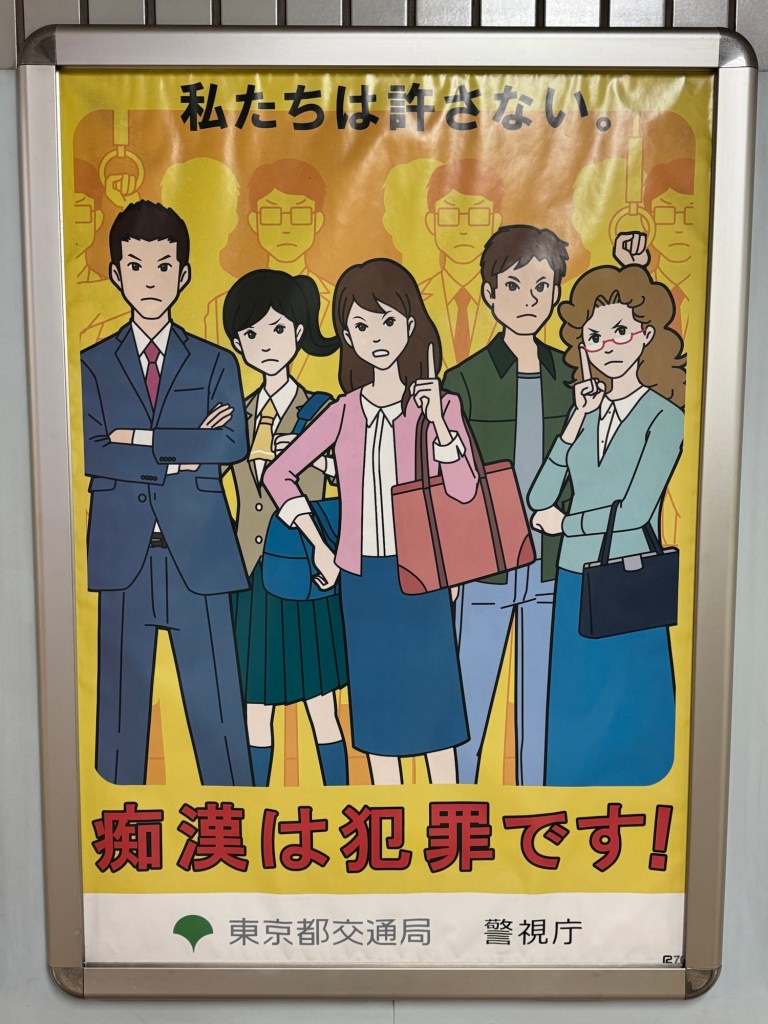
There are great PSA ads here warning against perverts who take upskirt photos and molest people on trains. I’ve been collecting a few (ads, not perverts).
We arrived in Tokyo after dark and headed to a nearby supermarket for apartment essentials: toilet roll, hand soap, face towels, etc. Supermarkets here open till 11 p.m. or midnight, which I did not expect. We’ve been seeing more 24-hour supermarkets back home as well, so maybe that’s just how people shop now (or how late people work now).
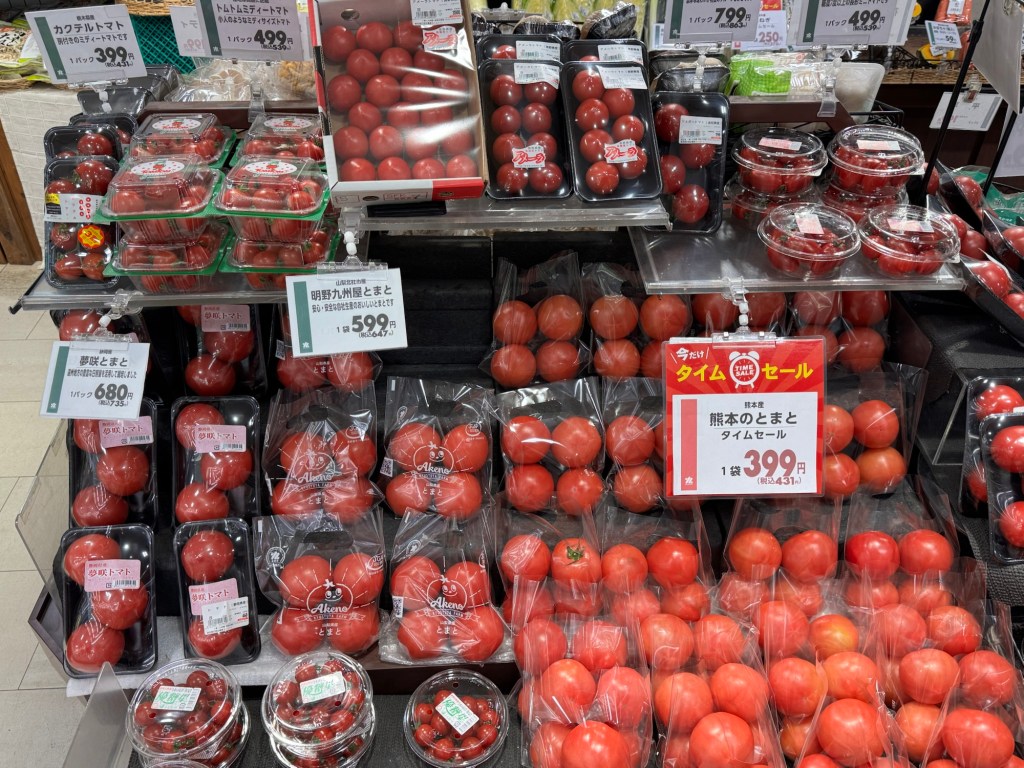
The domestic produce here is, unsurprisingly, beautiful and better than anything you can easily find in Singapore. Prices range from a little more to a GTFOutta here more. I mean, look at those tomatoes. We’ve also been eating some lovely strawberries from a random fruit stand near Gakugei-daigaku station.
My foray into videography was short-lived. After just a day, I’ve gone back to just taking photos. It’s too much work to break in the habit of filming scenes with camera moves and multiple angles whenever something interesting appears.
We ducked into a used records store that carried both CDs and vinyls, and for a short while, I entertained the thought of getting a new CD player to put my teenage collection back into service. If I can find a nice-looking one that supports AirPlay (ha) to our HomePods, then I might. Why hasn’t anyone made an all-in-one, retro revival-ready CD/cassette/LP player with decent quality? They’d make a killing.
Sleep eluded me for two nights. It was the combination of a smaller bed, snoring, and variable room temperature while we figured out the settings. Things got better once I busted out my Loop Quiet II earplugs. They’re well worth the $20-odd bucks.
AccuWeather shows the city has a constant dry air advisory in effect. That’s certainly true in our apartment when the heating is on, and now we’re going to buy a cheap humidifier from 3 Coins (aka ¥300), a Daiso-esque home goods chain that has some really nice products like a 3-in-1 iPhone/Apple Watch/AirPods charging stand and even transparent Switch Pro-style controllers for about S$26. It’s funny that in Singapore I’m constantly dehumidifying, and here it’s just the opposite.
It’s not really that cold. Between 0° and 11° is fine by me, but 15° and sunny would obviously be ideal.
There’s a longstanding idea/stereotype that the Japanese diet is low on vegetables, and I suppose historically that might have been true, with most of it in pickled form? Sean and Cien were just here too, and they’d read that people keep their toilet businesses running smoothly with the help of probiotic milk drinks. Specifically, this Meiji R1 product (or Yakult). We bought some; the verdict’s still out. Meanwhile, trying to get a healthy dose of mealtime fiber with vegetable ramen, side salads, and shredded cabbage, and honestly, the prevalence of vegetables is no different from what I’m used to.
We had dinner at a yakitori restaurant featured in a video on the Japan By Food YouTube channel, and all the local diners were ordering raw chicken tataki, which funnily was not on the English menu given to tourists. But one hot dish we ordered, chicken neck shu mai, came with pink bits of effectively raw meat inside. When in Rome…
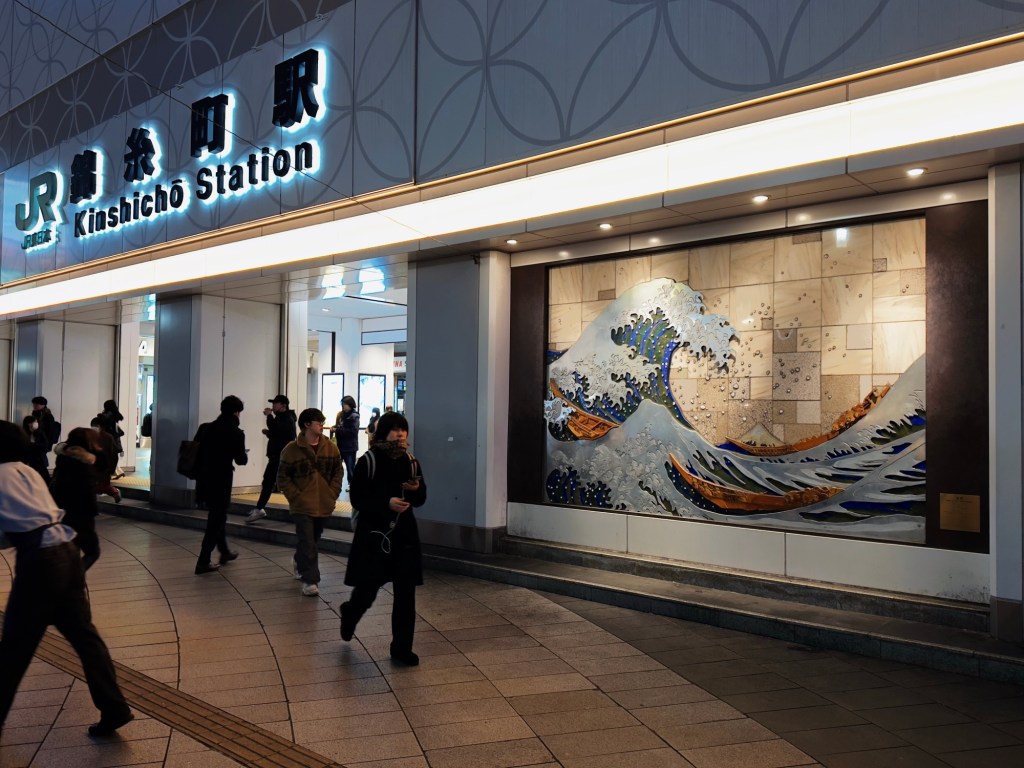
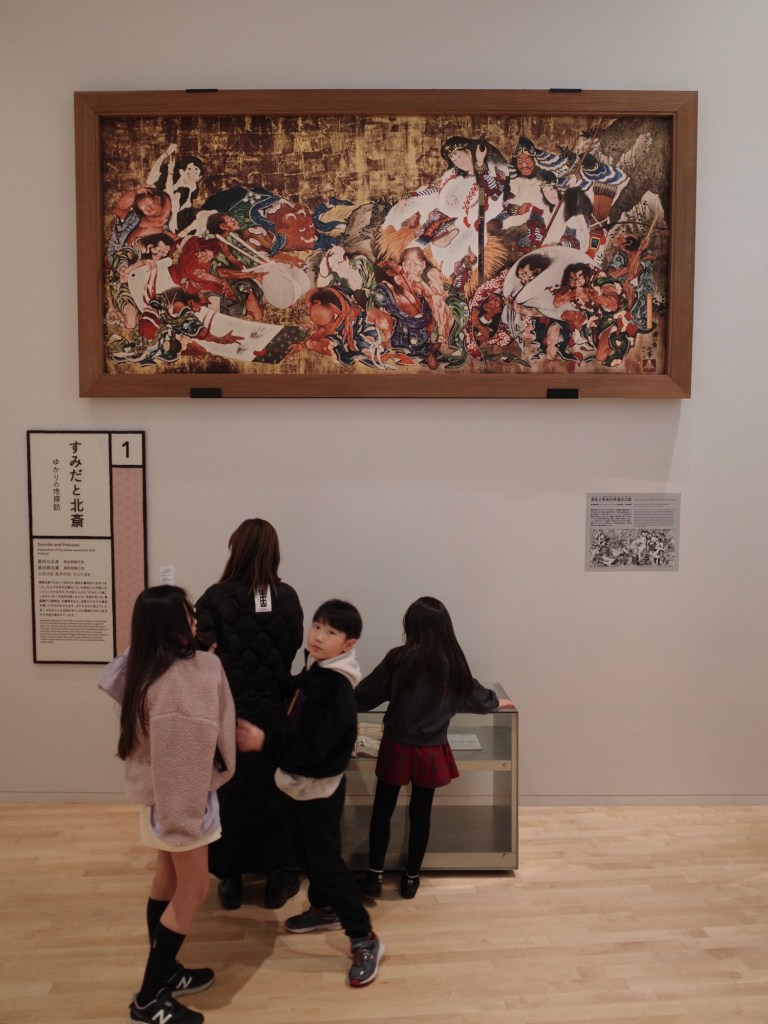
It was meant to snow on Sunday, but that didn’t end up happening. We made it out on foot to a nice coffee shop (apparently a branch of a Sydney business), and then spent the morning in the Hokusai museum looking at a small slice of his insane output over 90 years. He apparently produced over 30,000 works, including woodblock prints, sketches, and paintings. I remember having a poster of The Great Wave in my university bedroom way back when (like many of you, I imagine), so it was nice to see the “real thing”.
I’ve used my Ricoh GR III and iPhone cameras probably an equal amount. The former in JPEG-only mode, with the factory Positive Film settings (not to be confused with zeroing each setting; there is actually a “recipe” that they ship with), and the latter in ProRAW. I misspoke last week when it came to the Nitro app. It’s still too buggy, and I couldn’t bring myself to pay for it in this state so I’ve gone back to the developer’s previous app, RAW Power. It’s very good, and with my soon-to-be-released color film LUTs and tone mapping disabled, the iPhone can honestly look like a proper camera. Apple’s default look is… realistic but not romantic.
Before diving into the deeper end of Japanese literature as previously mentioned, I thought I should warm up with at least one Haruki Murakami novel first. My gut said that it’d been maybe a year or two since the last one I’d read, but no, Goodreads informs me that I finished 1Q84 in May 2020! So I picked up Norwegian Wood from the library and finished it in a few days. I now want to watch the 2010 film adaptation because there’s so much spicy dialogue in this that I can’t imagine them using. Also, Rinko Kikuchi and Kiko Mizuhara play the two female leads, and that is the most 2010 Japanese casting ever.
My new Kobo Clara Color started acting up during this, freezing and needing to be rebooted, losing my current progress, and draining its battery rapidly overnight. I have a post from 2013 about how I fixed similar battery issues on my Kindle, and it’s one of the most visited pages on this site. Sadly, I didn’t find any tips online about battery problems with this Kobo model, so I just did a factory reset and things seem to be going okay so far. I suspect it has something to do with using Calibre to load EPUB files on it, if said files were not perfectly formatted.
My friend Cong is always saying Singapore lacks authentic Vietnamese food, specifically pho, but he recently found a place that he found good enough and that’s generous with the herbs and vegetables that are hard to find here. I went with him, Mavis, and Jose to check it out for lunch on Friday, and I can say that it was a fine bowl of noodles (but can’t speak to its authenticity). No gatekeeping; it’s called Lang Nuong 1980’s on Hamilton Road near Jalan Besar.
I’ve never put in the time to get good at shooting video and mastering all the techniques that go into making little films, so I rarely post video ‘stories’ on social media and vacations are only documented through stills in my photo library — isn’t it funny that we still call them photo libraries (e.g. iCloud Photo Library, Google Photos) even though they contain videos? This week I found myself experimenting a little with the form, thinking I might try to make myself what people used to call a “home movie” (before sharing your life with strangers was a thing) during my time in Japan.
When it comes to shooting footage, I’ve found Kino and Blackmagic Cam to be the best. They let you record 4K video in Apple Log, process the video in real-time using color-grading LUTs, and save them in a standard color space in compressed HEVC files. This is much better for almost anyone than using the default iPhone camera which saves Apple Log videos using ProRes, which results in massive files. I prefer Kino a little bit more because it includes a bunch of LUTs out of the box. It also has a more beginner-friendly UI, and takes care of most things automatically to get you more cinematic results.
One thing it doesn’t do, that I don’t think any app does, is use your location to influence your video settings. What do I mean? I may be oversimplifying, but here in Singapore (where PAL is the broadcast standard), you get flickering lights when shooting at the common 24/30 FPS speeds because our electricity grid operates at 50hz instead of 60hz. This causes lightbulbs to pulse at 100 times a second, and you see it happening at 24fps because 100 does not divide as cleanly by 24 as it does by 25. You can apparently counteract this through some combination of shutter speed/angle, but that’s beyond me. I just know I shot a bunch of footage at 24 FPS and there was flicker all over it. It’s 2025 and it sure would be nice if an app just knew what to do!
When it comes to editing, I played with a bunch of the most popular apps, including the super popular CapCut by ByteDance that I believe most IG/TikTok influencers use. It’s definitely a comprehensive tool, but wants you to pay a subscription for many of its most useful features — S$105.98/yr is a little steep for amateur dabblers like me imo.
I hadn’t fired up iMovie in a long while, and was surprised to discover a “Magic Movie” mode was added two years ago, and it’s not bad if you’re happy to give up fine-grained control. Just select a heap of clips, and it’ll string them together with a dynamic soundtrack (the music ends naturally when your video does), transitions, and a smattering of fonts and title styles you can choose from. Being a free Apple app, I think this is probably enough for most amateur dabblers… except it doesn’t support 9:16 videos. It’s an app for boomers.
That restriction probably won’t affect me as I intend to shoot my videos in traditional landscape orientation anyway, but it’s nice to have options. That’s when I discovered LightCut, a completely free Chinese app that looks suspiciously like CapCut and tries to opt you into a data-sharing program (you can say no, and also deny it Bluetooth permissions while you’re at it), but is otherwise a very attractive and powerful tool for the price! Like with CapCut’s paid AI features, it can drop your clips into suitable pre-made templates and make a pretty professional-looking video with little effort on your part. I think it’s a good alternative to iMovie if you need the flexibility of freely placing text on screen, adjusting the brightness/color of individual scenes, and so on.
On Wednesday, I decided to visit the National Gallery again and see the special exhibitions leaving next week. Here’s a low-effort “Magic Movie” of my visit, just a heap of random clips shot with Kino and assembled by iMovie. I finished the whole thing on my phone over a cup of tea at the café afterwards.
One thing I don’t like about being in a ‘video mode’ while walking around is that it takes you out of being in ‘photo mode’. I probably took just three photos that day, and don’t know if there’s any way around it except practice.
I still can’t decide what the best way to shoot photos on an iPhone is right now. I vacillate between shooting Bayer RAW with an app like Halide, shooting ProRAW with the Leica LUX app, ProRAW with the default camera app, and just embracing the iPhone’s “Photonic Engine” and getting 24MP HEIF files with the default camera app.
Bear with the neurosis, but as part of obsessing over the above question, I’ve been testing Nitro Photo, the new-ish pro photo editing app by former Apple Photo Apps group CTO Nik Bhatt. His last app was RAW Power, which I’ve owned for years but haven’t used that much, partly because I rarely shot RAW and partly because its UI is a little clunky. Nitro is a re-imagining of RAW Power, built from the ground up with modern frameworks and a redesigned UI. From a functional and technical perspective, I think it offers a level of control that no other app, short of Adobe Lightroom, does on iOS. Neither Darkroom nor the recently acquired-by-Apple Photomator have the ability to tune RAW/ProRAW images like Nitro. You can do things like adjust the tone mapping on ProRAW photos, for instance, to get a more natural look without Smart HDR effects, or control how the Apple RAW engine renders sharpness. I’ve ported over a few of my own presets over as LUTs, and am getting into it to the point that I might plonk down $100 and make it my main photo editor. The worst thing about it is still the UI, which I must stress is not bad; just a tad dated as touch UI conventions go. Darkroom is much more pleasant to use on a small screen, but the broken state of preset syncing there has really turned me off lately.
This is where you say, “But Brandon, if you shoot everything in ProRAW, doesn’t that take up a ton of storage? Especially if you don’t have an iPhone 16 Pro that can employ JPEG XL compression?” Well, yes, and that does bother me. So imagine my excitement when I discovered the NO RAW app, which claims to strip out the RAW data from photos that are RAW+JPEG bundles in the iOS file system, once you’re done with editing and know you won’t go back again. I knew deep down that it’s not possible for an app to do that on iOS, but had to pay S$3 to find out how it worked. The answer? It’s essentially a solution you can build on your own in Shortcuts.app: make a new copy of your image as a HEIC file (retaining metadata), and then delete the original bundled file. Boooo! My free HEIFer shortcut does exactly this, but for JPEGs. And NO RAW has the same “flaw” as my shortcut. Namely, that the correct chronological order will only be retained if you sort your photos by Date Captured. If you sort by Recently Added, then all of these former-RAW photos will appear at the bottom. I should have known, but I’ll still use NO RAW as it gets the job done and has a date picker UI that beats any shortcut, but I might update HEIFer to do the same if anyone wants it.
Media activity:
I finished watching the anime series Dead Dead Demon’s Dededede Destruction. I’d heard about it before, and then when Dandadan came out, I mistook it for this and only realized they were separate shows like many episodes later. They are eerily similar in name and synopsis: school kids dealing with an alien invasion. But Dededede is much less kinetic/comedic/wacky. 3.5/5 stars.
We finished Squid Game 2 and despite initially liking how it was handled, I got a little bored towards the end as the slow, dramatic deaths started to pile up. When will we get a third season, and will I care? Probably not.
I watched The Gleaners and I (2000) Because it’s leaving MUBI. It’s the kind of documentary you get when an experienced director picks up a novel tool (a digital video camera, in this case), and starts messing about around a topic that interests them. Here, Agnès Varda starts by interviewing people who still practice the lost art of gleaning — picking through recently harvested fields for uncollected produce — and ends up doing a cross-country investigation of waste and poverty. 4/5 stars.
I discovered the American YouTuber and illustrator Linh Truong aka @withlovelinh through a Japan travel/haul video she made last spring and found myself binging the last couple years of her content creator journey. She started doing vlogs in high school and has kept going with cozy life updates that interior decoration tips and other sorts of young adult life-hacking. She recently graduated from college, and it’s extremely sweet how many of her commenters say they’ve grown up with her over the years and are proud that she’s making it (1.2M subscribers and making sponsored content for Nintendo, Notion, et al).
Rainy season is reading season. After finishing There Is No Antimemetics Division for my book club, I also wrapped up Taylor Lorenz’s Extremely Online, which is sort of a brief history of social media and the influencer economy. I highly recommend the former for fans of SF stories involving time, unreliable memories, and the nature of reality; some members of the book club who are into Doctor Who likened it to that, but I wouldn’t know.
Then I decided to start getting into the mood for our holiday by reading some Japanese fiction. I began with Mieko Kawakami’s Heaven (a rough story about school bullying), which I thought would keep me occupied for a while, but before I knew it, I’d finished it along with Satoshi Yagisawa’s Days at the Morisaki Bookshop and More Days at the Morisaki Bookshop, two entries in the cozy Asian fiction wave dominating the local charts. Other entrants include Welcome to the Hyunam-Dong Bookshop and Before the Coffee Gets Cold by Hwang Bo-Reum and Toshikazu Kawaguchi, respectively. When the going gets tough, people start fantasizing about quitting their jobs and opening cafes or bookstores, and I think that explains the sudden popularity of this micro-genre. Incidentally, I bought a couple of these books for my mother on her recent birthday because I thought she’d enjoy the vibes, although already retired.
For the avoidance of doubt, all of the above books were three stars for me on Goodreads with the exception of Antimemetics, which got a 5-star rating. But the Morisaki Bookshop series makes reference to many great works of Japanese literature, and so I decided to try reading some Mishima on this trip. I’d read The Temple of the Golden Pavilion as a young adult, and it probably just glanced my frontal lobe at the time.
In a flash of pure coincidence soon after, I was scrolling through MUBI and came across Mishima: A Life in Four Chapters (1985) by Paul Schrader (who wrote Taxi Driver), an American Zoetrope biopic executive produced by George Lucas and Francis Ford Coppola. I watched it immediately, and it’s an incredible work of cinema — why isn’t this talked about more? It only covers the last phase of his life, up until his famous act of terrorism/suicide, which makes up only one of the four chapters. The other three are dramatizations of his work, literally staged on theatrical sets and shot with more care and inspiration than anything you could buy today with $100M in streaming service money.
In a further act of cosmic coincidence, I saw a Facebook post from Paul Schrader being shared on Twitter, having an AI moment of crisis when he found that ChatGPT outdoes him when prompted to provide “Paul Schrader script ideas”.
Writer of the legendary movie Taxi Driver is having an existential crisis about AI pic.twitter.com/5H89SWUKn9
Looking back on holiday photos from March 2023, I rediscovered my rediscovery of Hipstamatic, which had just launched its new subscription-based app at the time. Looking at those photos brings back fond memories; they are “ruined” in a good way — mundane everyday scenes somehow imprinted with the nostalgia of the moment through imperfect filters (it helps that I know that the original, normal photos lie underneath and can be accessed with a tap of the Revert button). My setup at the time was to use the Ricoh GR III as a main camera for all photos that needed to look good and accurate, and to reserve the iPhone + Hipstamatic for casual, silly snapshots. Otherwise, you have two tools competing for the same job. I’m now finding that idea attractive again, except both Hipstamatic apps are quite a pain to use, UI-wise.
I watched this video of “Best Apps in 2024” from the MKBHD Studio team, and decided to give Dazz Cam another try. It’s surprisingly powerful! Some of the vintage “cameras” you can choose from use RAW processes, and you can have it save both the original RAW file and the filtered results separately. So I may end up using this to “gimp” my iPhone rather than Hipstamatic. Plus, the subscription to unlock all its features is only $10/yr compared to Hipstamatic’s $40/yr. I don’t even think you need it as some of the free filters are good enough. I only wish it would use the underlying RAW and not the JPEG when importing an existing image from your library.
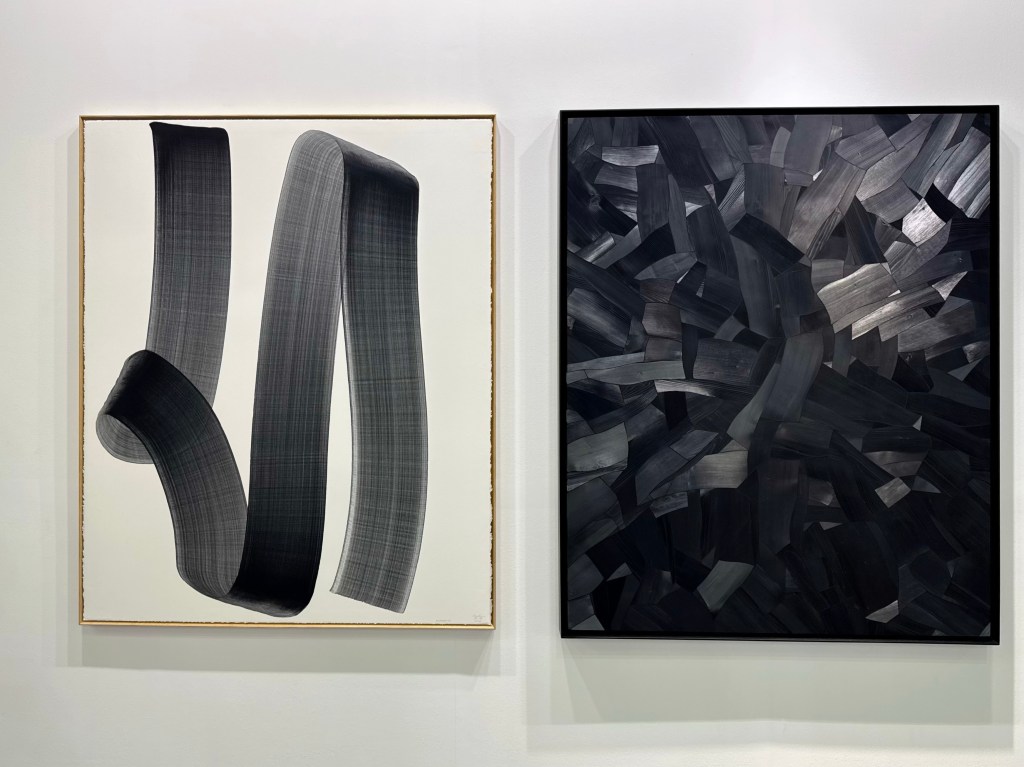
We had free tickets to the ART SG fair at the Marina Bay Sands over the weekend and dropped by for a quick look. It was crowded as hell and I was reminded why I don’t think these things are a great way for the general public to see art; it’s mostly a trade show geared towards buyers, and so the scale is too overwhelming for anything to really be appreciated. Not only that, but the selection this year didn’t really make much impact. I was looking out for more of the humor and playfulness I saw at the 2023 edition, something to make light and sense of the trauma we’ve normalized, but it was sorely lacking. I did like the pair in the featured image above, though, as they reminded me of some other works I’ve seen before, including the Act of Emotion digital series by Kelly Milligan.
Trump launched his own memecoin on Solana this weekend, days before the inauguration, and I believe it went up to a market cap of $70bn. That would qualify as a very funny and absurd art project, from ‘probably the greatest’ (scam) artist, if it wasn’t real and thereby depressing.
True to early January patterns in Singapore, it’s looking gloomy, rainy, and dare I say even a little bit chilly out there (lows of 22ºC). My memory of Chinese New Year each year, though, is that it’s always intolerably sunny and hot. So unless climate change has mucked that up, things will flip in a couple of weeks.
If you’re reading this on the web, you may notice the site sporting a refreshed design for the new year. This came out of a chat with Michael about tools for cross-posting to Bluesky and elsewhere. I said that it’s been a longstanding wish of mine to just post everything, including short “tweets”, here on WordPress and have them go out to social networks automatically. At which point I remembered that WordPress’s new annual theme was due out, and that’s what you’re looking at now: Twenty Twenty Five.
The basic architecture is the same, but there are several improvements that I’m happy about. For one, the home page now supports showing full posts, so you don’t have to tap through to read them. You can also hide page titles on specific pages, which I used to get around with a hack. The new default font (Manrope) isn’t bad, but I wasn’t happy with the line spacing and weights they chose, so those have been customized. Wordy bullet lists are also displayed in a more pleasing manner than before, which is great for these updates.
I moved some other components around to make more sense to me, but no one else will probably notice. I also took the opportunity to inject some classic sangsara.net yellow into the header, a callback to how this site looked 20 years ago. I literally had to go dig into my file backups to find a reference for the color code.
I’ll probably improve the About and Archive pages when I run out of other things to do.
===
Have you ever started mentally packing your bags for a trip because it was too early to physically pack, but the anxiety of wanting to sort it out was getting too strong? That’s me now, and I’ve started to decide what devices and chargers I’ll need and how to organize them, and also what bags to bring for different purposes.
It’s at this point that I realized I’ve somehow become one of those “bag guys” — not so hardcore that I keep up with every new release from Peak or WaterField or côte&ciel, but more that I have way too many for a person who really stays in a lot.
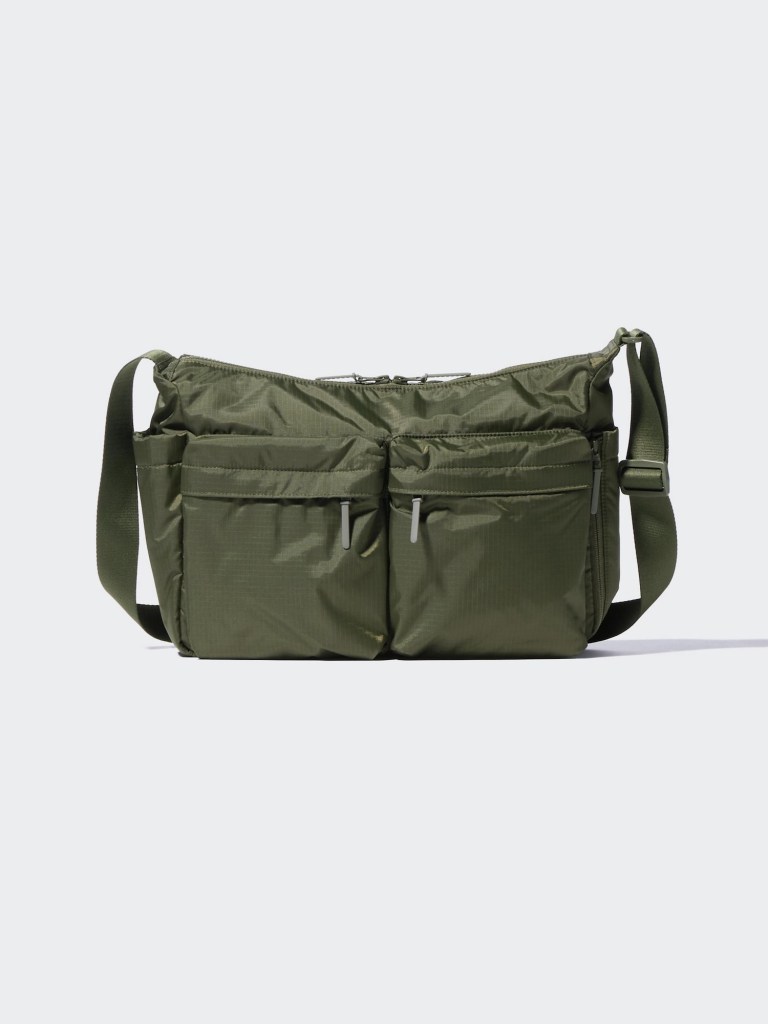
A couple of days ago, I started seeing online mentions and reviews of the new S$40 Uniqlo ‘Multi Pocket Shoulder Bag’ and decided that it could beat Peak Design’s 10L Everyday Sling for carrying headphones, camera, Switch, iPad + keyboard, down jacket, and a bevy of other bits on the flight over. It’s lightweight, water-resistant, and so cheap as to be disposable/replaceable if damaged. It’s also structurally unassuming, and can be used for the “everyday carry” of just a few items if needed, whereas the Peak Design bag can’t flatten down on a crowded Tokyo train even if it’s mostly empty.
If the Uniqlo bag looks familiar, that’s because it’s a ‘dupe’ of a similar Porter bag that costs 20x more. I’m going out later today to pick one up, but can’t decide between boring black and ordinary olive. (Later: I went with black.)
A few more travel points:
I signed up for a YouTrip debit card and have frankly been impressed by how well the app/service works. I used to rely on my bank’s multi-currency account + card for overseas use, but it turns out that their exchange rates are awful compared to YouTrip’s, and even Wise and Revolut’s rates. YouTrip will exchange your SGD on-the-fly as needed, or you can exchange currencies ahead of time if you like the rate. My bank requires exchanging funds ahead of time, and if you don’t have enough to cover a purchase, the entire transaction defaults to SGD (incurring high fees), even if you have enough foreign currency to cover 99% of it. What are banks even good for?
With this, I sadly realized I could have been using YouTrip for every online USD purchase over the past few years, instead of my credit cards which come with 2–3% foreign currency transaction fees 💸.
I selected Saily for my eSIM needs (discount code for $3 off: BRANDO3576). It’s a new service by NordVPN, and 20GB of data in Japan currently costs $23 USD, which I of course paid with YouTrip. Being from NordVPN, it has a good app that lets you toggle ad/malware blocking on the server side, as well as spoofing your location via their network of IPs.
I tried to get an updated Covid vaccine and was denied by the GP because I didn’t fall into the risk categories (e.g. over 60 years of age). This was news to me, as I thought it was available to anyone who wanted it. The Ministry of Health’s website suggests as much, but now I’m annoyed enough by the back-and-forth that I won’t get one.
Many years ago when I was trying to learn basic Japanese, I found some free podcasts from JapanesePod101.com, and this week was surprised to find them still around, and active on YouTube. So I’m dedicating some time over the next few weeks to watching their videos and studying up on some vocabulary which may come in useful.
===
I rewatched Tenet (2020) after hearing it was recently rereleased in IMAX theaters in the US, using the Vision Pro to recreate the large-screen experience at home. It was incredible, and the film was so much better than I’d remembered it. I rated it 3.5 stars on Letterboxd before, but I’ve now upgraded that to 4.5.
[Spoilers ahead] I read some other reviews that agreed ‘this film gets better with every viewing’, and I think it’s because you spend your first viewing trying to decode 1) what is going on, 2) how the time mechanic works, 3) what the next twist is going to be. Once those things are kind of understood, you can appreciate the craft and execution. How did they plan and stage those fight scenes, where one person is moving forward in time while the other is in reverse? And then taking that concept and applying it to driving, shootouts, and a whole bloody army? I don’t think I paid any attention to Kenneth Branagh the first time, or noticed how good Robert Pattinson really is, or the locations, or the madness of crashing a real airplane into a hangar. I was probably having a headache trying to understand catching a bullet with a gun.
Our long #youngstar programming nightmare is over. About two years ago, Michael and I noticed that the aforementioned Apple Music playlist had veered from its Japanese roots and presented differently to international users. The English picks were mediocre, and not edgy or innovative in line with the playlist’s stated purpose. And then it fell into a memory hole and wasn’t updated for months. Well, the localization experiment is over! I’m now seeing the Japanese version here in the Singapore ‘store’. Good on you, Apple Music editors.
I was looking through my archives to see what happened this time last year and found that I did a fun “music awards” post in late December, which I don’t have the energy for this time around. However, I can pick three personal favorites.
Song of the year: Not Like Us — Watching the Kendrick and Drake beef unfold in real time while on vacation in Hong Kong, waking up each morning to hear yet another song released while we slept, and then having this incredible, perfect banger drop at the end? It was a great time to be alive.
Album of the year: It’s a tie between Audrey Nuna’s TRENCH and Maggie Rogers’ Don’t Forget Me. Audrey stretched the fuck out of her sound in the most creative manner possible, to the point that Apple Music classifies the album not as Hip-Hop, but Indie Pop. Like a great Kanye album, it’s filled with little moments that anyone else would have turned into whole songs — this is an album of sonic riches and solid vibes. In contrast, Maggie’s is a streamlined, quickly recorded distillation of everything that makes her great, without extraneous electronic production or gimmicks. Just ten great songs with a band. I must have played it a dozen times when it came out.
A playlist
While I didn’t get around to making my customary “best of the year” playlist (usually titled Listening Remembering 20xx), I did finish compiling BLixTape #5, which is a bunch of songs I enjoyed between June and December. Taken along with the previous installment, it gives a similar picture, although not strictly made up of songs released in 2024.
Girl, so confusing featuring lorde — Charli xcx & Lorde
Eusexua — FKA twigs
We Are Making Out — Mura Masa & yeule
Scumbag — ROLE MODEL
Creatures in Heaven — Glass Animals
Petco — Cassandra Jenkins
In The Living Room — Maggie Rogers
Beaches — beabadoobee
So Glad You Made It — Fantastic Cat
Empty Spaces — Eliot Bronson
Our Town — Iris DeMent
Lately — Fiona Apple
Kaze Wo Atsumete — Happy End
Fear When You Fly — Cleo Sol
Wildfires — Sault
Darlin’ — Jean Dawson
This Is Who I Am (From “The Day of Tomorrow”) — Celeste
Free Fallin’ (feat. Kina Grannis) — Imaginary Future
===
Japan, again
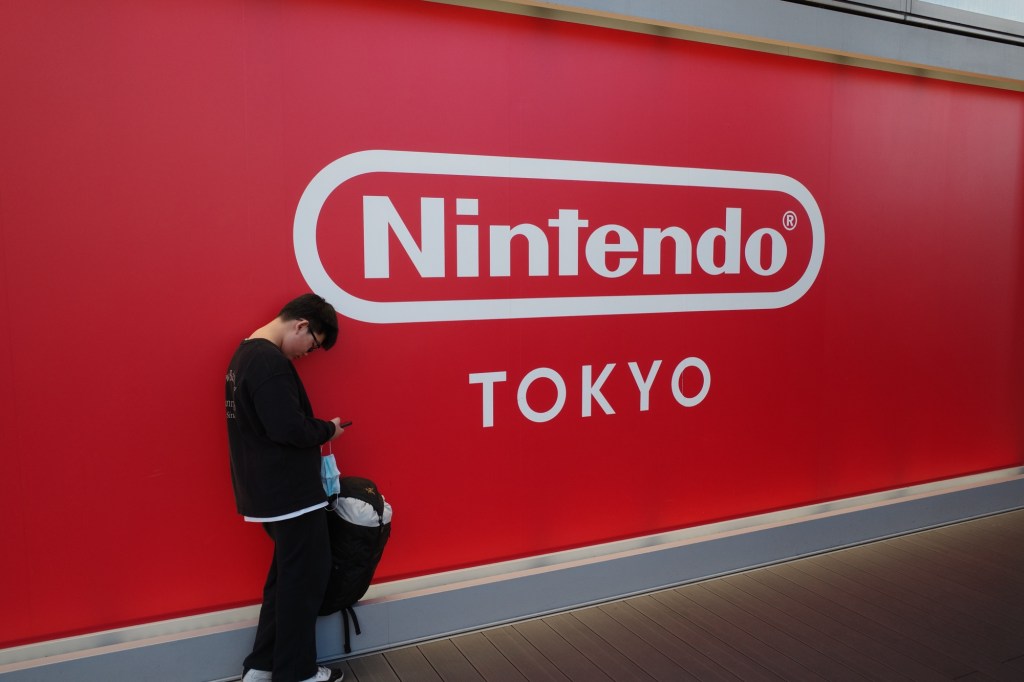
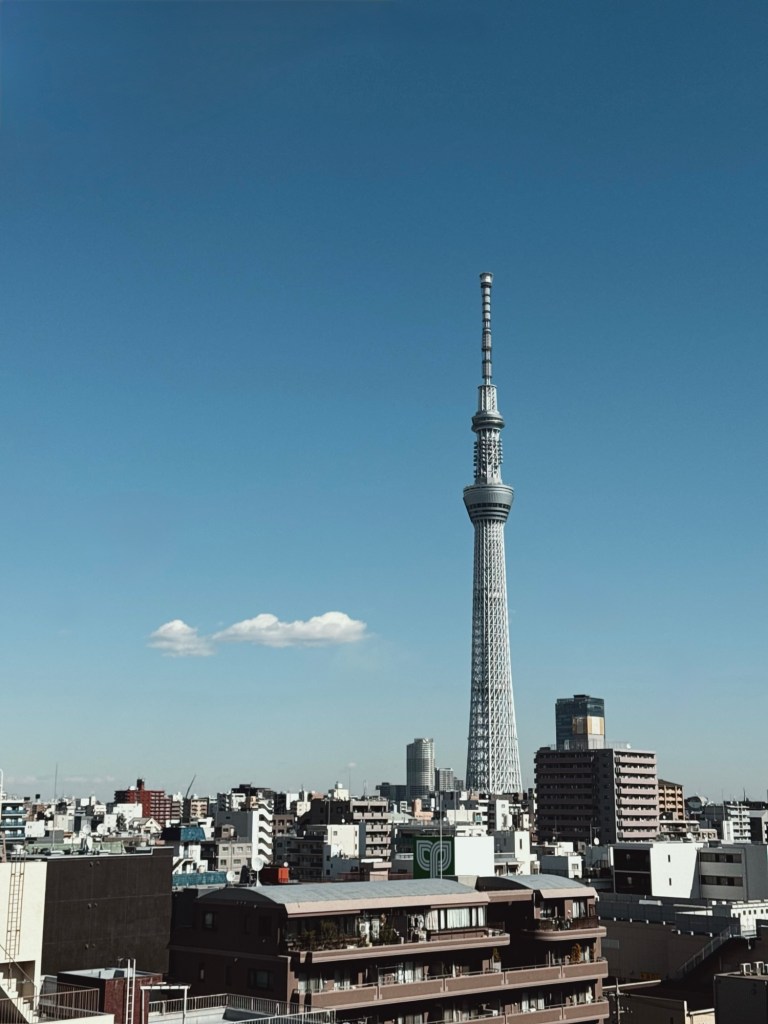
We got back from Langkawi on Monday and immediately started to stress about our upcoming trip to Japan, which has only been a foggy plan to hang out in Tokyo and eat a lot of curry rice, at least on my part. We’ve at least confirmed where we’re going to stay: a sort of serviced apartment unit that’s twice the size of a regular hotel room, for less money. How’s that possible? There’ll be no housekeeping, and the location isn’t as convenient as the hotel we were considering (but still within core Tokyo and walking distance to bus and train stations).
Since I don’t have any pressing need to return when Kim does, I plan on staying on a little longer on my own. Maybe another 10 days, which should be enough time to crawl every floor of Yodobashi Camera and drink my weight in highballs. Who am I kidding? It’ll be the middle of winter and I’ll probably stay in bed with my Switch and watch Japanese daytime TV.
People sometimes say it feels like I go to Japan a lot, but honestly it’s only every three years or so, on average. This will be the longest vacation of my life, and I’ll finally be like one of those people I’m always meeting who say unbelievable, envy-inducing things like, “I visit Tokyo three or four times a year, just to shop and eat”, and that casually tossed-out favorite: “Oh, I was just in Tokyo for a month”.
I’m looking forward to visiting the Tokyo Photographic Art Museum in Meguro, among many others. We gave it a miss the last time around, so it’s been at least six years since we visited. The same goes for the Tokyo Metropolitan Art Museum in Ueno, and the National Art Center, Tokyo.
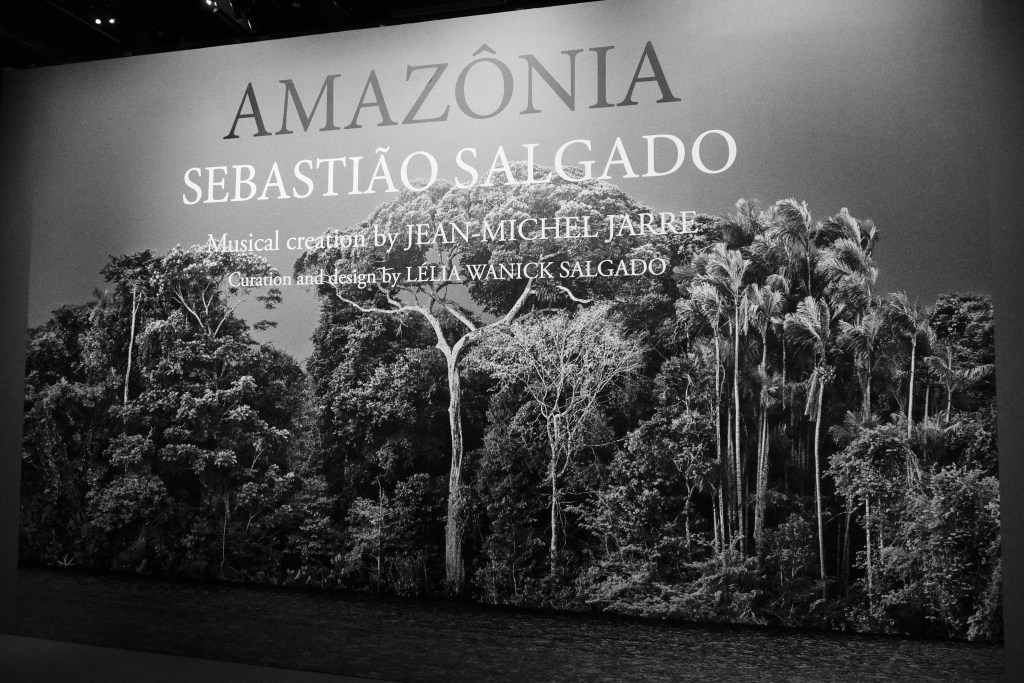
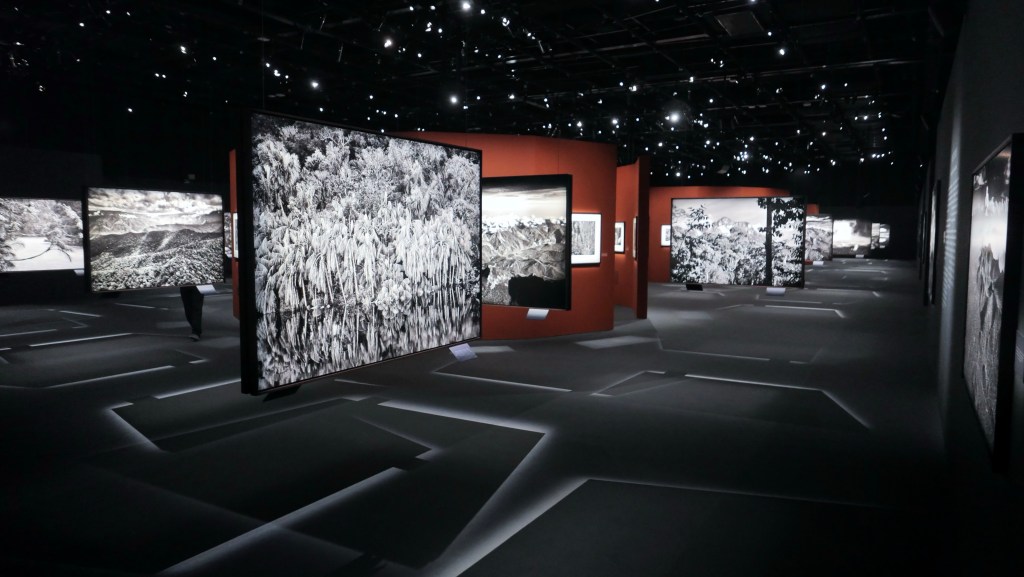
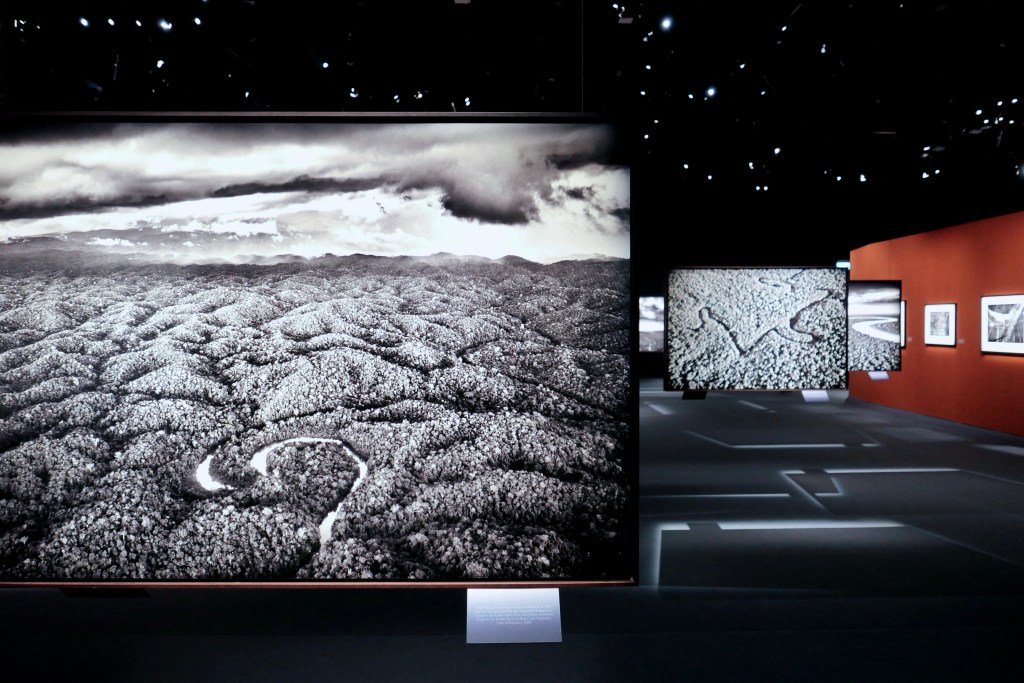
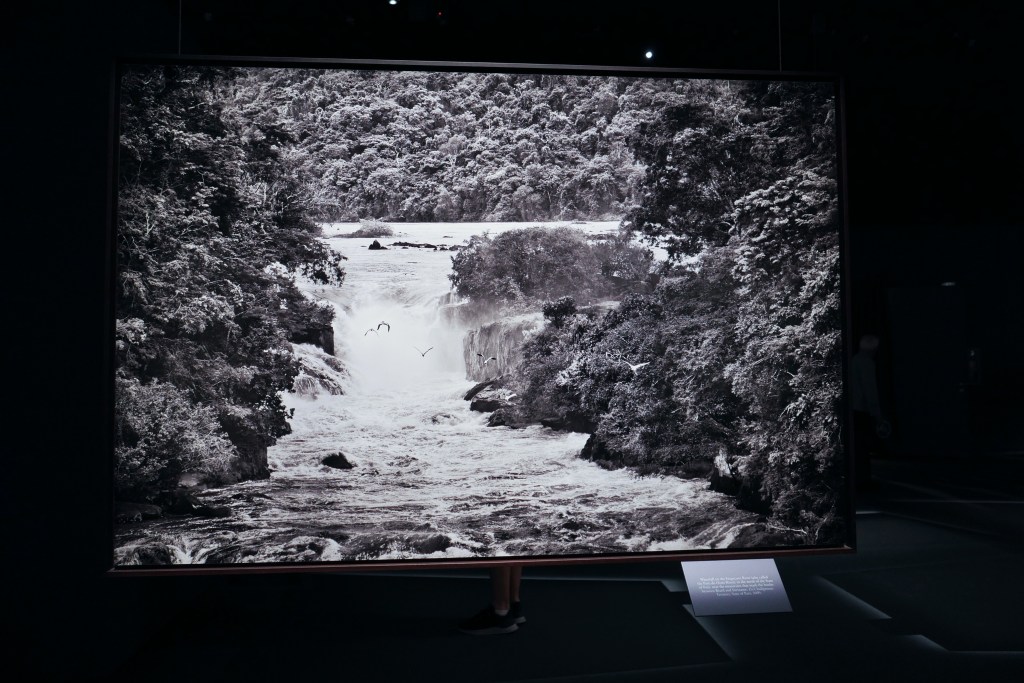
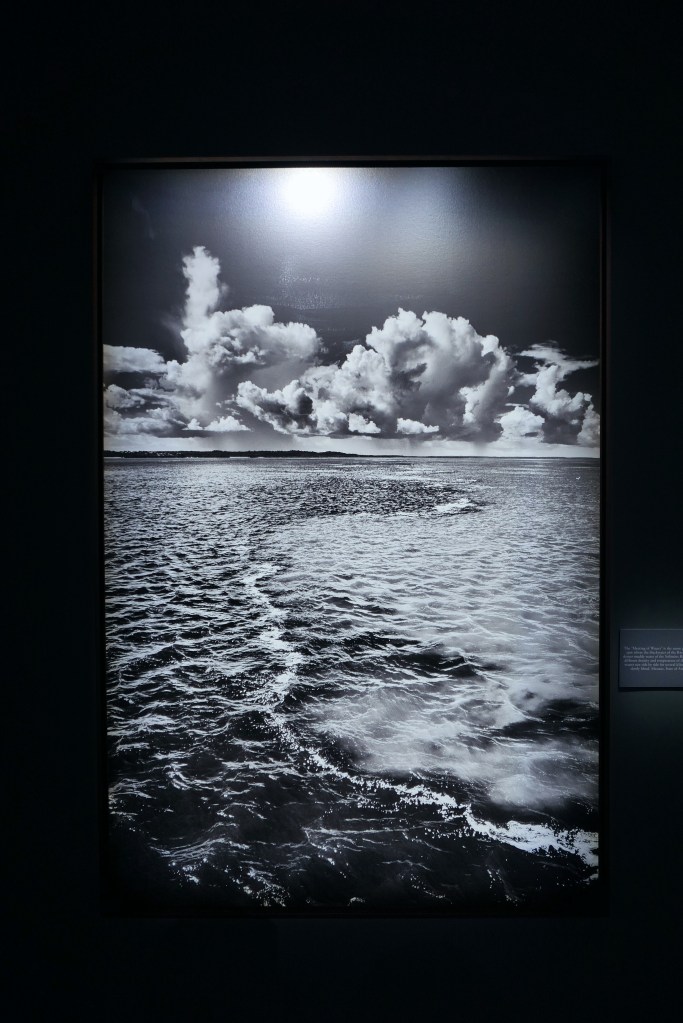
Pure photographic exhibitions seem like a rarity here, so when we heard one was on now at the National Museum of Singapore, it became the plan for the second day of the new year. Amazônia, by Sebastião Salgado, is one of the best uses I’ve seen of the basement gallery space at the National Museum (usually turned into a linear maze with temporary walls). This time, it’s an open space with loose walls created by the photographs themselves. The show is a mix of these large, suspended landscape prints and smaller, intimate portraits of Amazonian tribes, some of them still living by their ancient ways and getting odd facial piercings that most modern-world deviants wouldn’t emulate.
Media Activity
We finished the second season of Shrinking, the lovable Apple TV+ series that probably does therapy more of a disservice than it intends to. Harrison Ford actually gives a shit here (unlike his other cash grabs), and it’s some of his best work. Recommended.
I saw two films involving (false?) choices behind doors.
Sliding Doors (1998) is a film I bought on a pirated VCD like 25 years ago and never got around to watching. I imagined it to be a slick 90s rom-com, but it comes in with slightly low-budget vibes. Maybe Gwyneth wasn’t a big star yet? There’s some slightly clumsy editing, and some shots don’t work. But you can feel the writer/director’s passion for this story coming through, and it’s an alright weekend film. 3 stars.
Heretic (2024) is the latest installment of Hugh Grant playing against rom-com type, and it seems to be an immensely popular career move. I largely enjoyed the film, which is part-horror, part-media history and religious lecture. That is, up until the ending. 2.5 stars.




































 sangsara.net