

- Christmas is just next week now, so there’s a little more meeting up and eating out going on than usual. Although I’m still in the habit of logging every single expense in an app, I’ve decided not to look too hard at December’s outflow this year. Come to think of it, this approach may explain some of the back-and-forth below about whether the AirPods Max are worth keeping or not. Look, you’ve been warned. Skip it if you don’t care about headphone purchases.
- We spent the weekend at a family staycation, which was another form of meeting up and eating out. Day drinking really doesn’t work for me. Have a glass of wine at lunch and it’s headaches and drowsiness somehow, but if I start after 6pm, everything’s good.
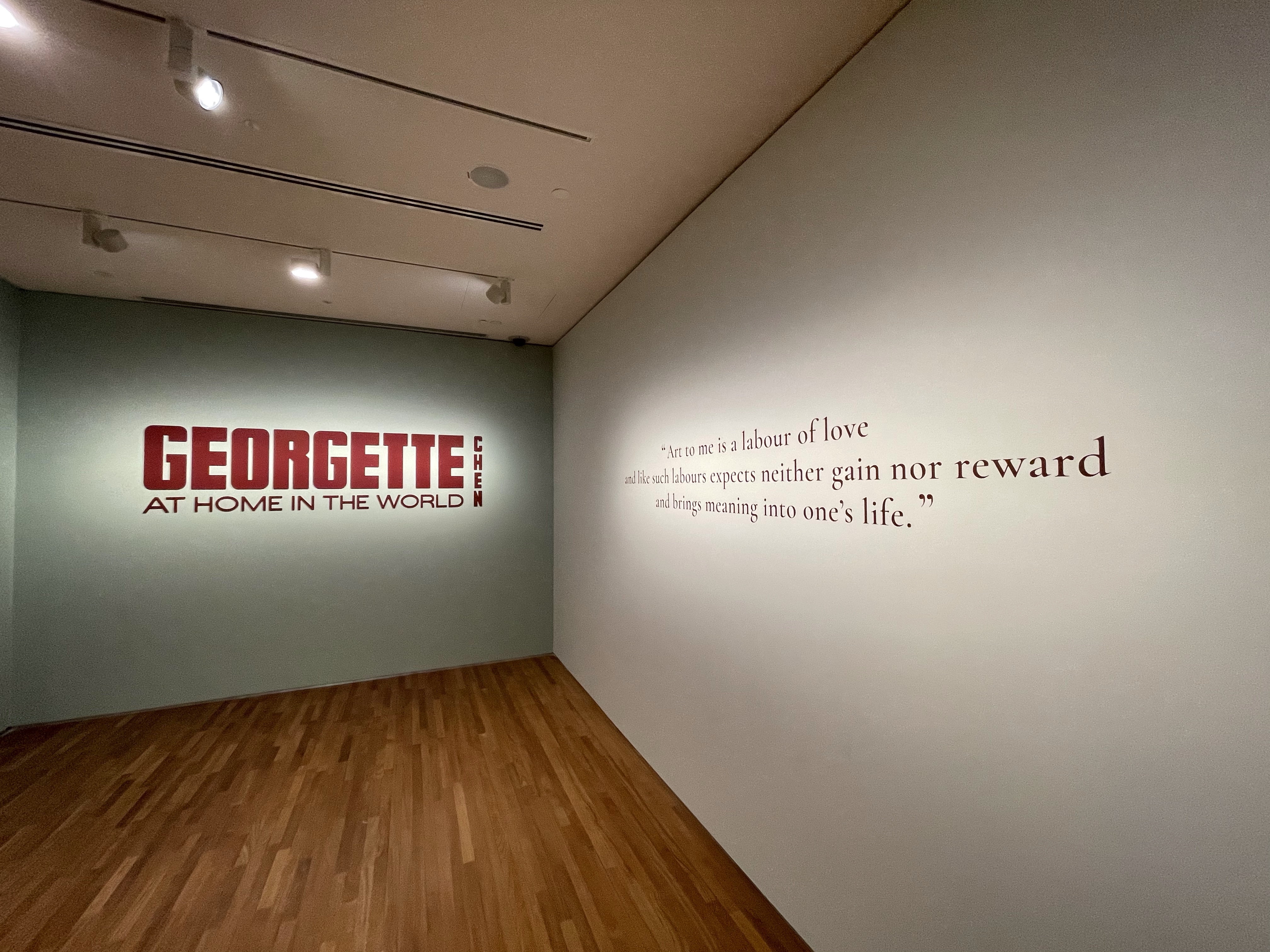
- It wasn’t all lazing about the hotel. We went out to the National Gallery’s new retrospective on the work of Singaporean artist Georgette Chen (1906–1993), a name I’d never heard before despite what appears to be a fair amount of exposure in recent years, according to the linked Wikipedia article. I should probably consume more local media.
- Earlier in the week, there was some meeting up and eating out with a couple of colleagues I hadn’t seen in awhile. As I learnt from Grace, you really haven’t got a chance with any bar and restaurant in town these days unless you make reservations, so that must be great for Chope and other similar booking platforms (assuming they’ve figured out workable business models). We wanted Korean BBQ but could only secure a spot at a 3.9-star Google reviewed place. It was a 3 at best, so I think there’s a need for some kind of review correction algorithm across multiple services. For example, I noticed on Foursquare (which has a much smaller user base) that users rating things in Singapore were pretty harsh, so you actually had to add to ratings to get an indicative score of quality. Google, with many more users, probably needs correcting down instead.
- Speaking of ratings, I said a couple of weeks ago that I was reading Ready Player Two and hoped it would at least turn out to be a 2.5-star book. Well I finally got around to finishing it, and nope. I don’t remember anything about the first book, only the experience of it, that I had fun and enjoyed some of the references because it was the first time I’d seen some of them mentioned in a long while. But it turns out that’s really what Ernest Cline wants to do: string together loads of “geeky” references and get congratulated for it. This second book reads like third-rate fan fiction and I couldn’t wait for it to be over.
- According to Goodreads, that completed my 2020 Reading Challenge. 30 books this year, which I probably haven’t done in over a decade. With any luck, I’ll be able to surpass that next year if the universe grants me lots of free time.
AirPods Max
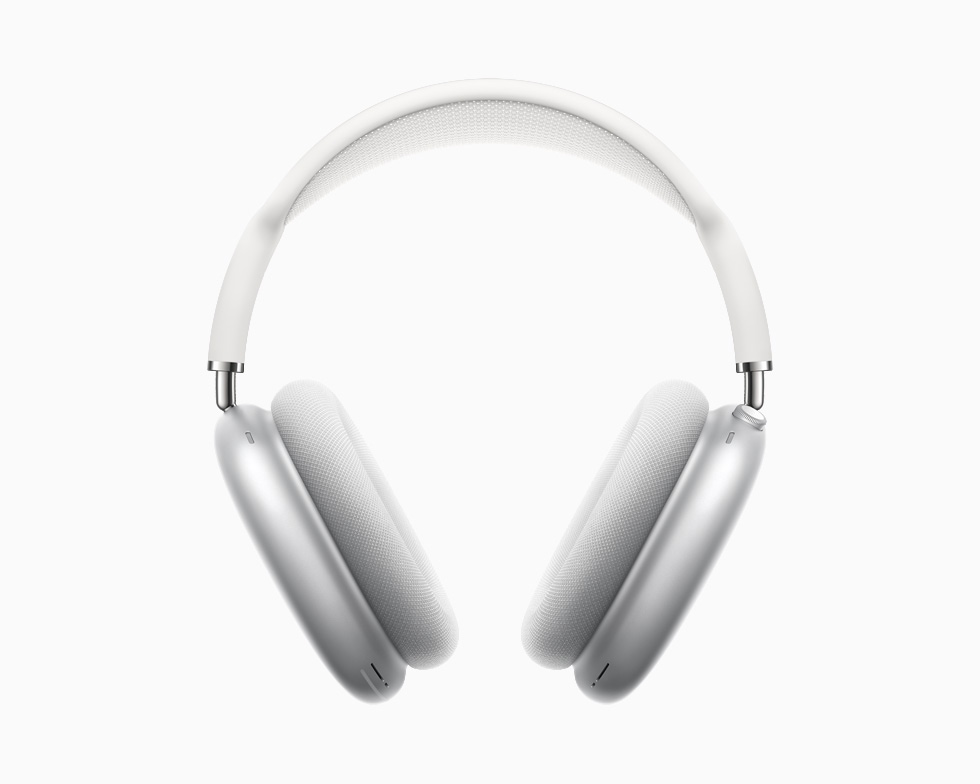
I got my pair a week ahead of their scheduled delivery date and it’s led to a lot of pointless pondering over the past few days. They sound really good. I did a couple of head-to-head comparisons and they’re the best pair of wireless headphones in my drawer. Everything older or cheaper doesn’t put up a fight in the sound quality department. Not any of the Sonys, Boses, Beats, or B&O Beoplays. I haven’t compared them to the Nurasound headphones yet, but I actually expect those to make a case for sticking around because they feel so physically different and immersive as a listening experience.
I’d love if they could just be The One, and help me declutter, but they fall short in a couple of areas outside of sound quality. The most minor of these is their goofy look with the mesh headband and rectangular cups. I got Space Gray and I don’t think I could be happy with any of the other colors if they got grubby or scratched up.
Comfort: They’re heavy as we knew, but it’s NOT been a big problem. What’s worse is they actually have more clamping force than I’d like. Granted, I have a larger than normal head and wear glasses, but can’t imagine being forced to wear these on an international flight. I once wore a pair of Bose QC35s for almost an entire 16-hour flight, and I’d do it again because although that older model doesn’t sound the best when you’re on the ground, they’re loose enough and the ANC is effective enough to make them perfect for in-flight use. The APMs just don’t work for that use case. I would say they’re actually too tight to even wear at home for more than a couple of hours, which is really sad.
Case/Portability: Everyone has complained about the design and construction of this enough and I have to agree. Their role in triggering the low-power mode complicates usability and their cheapening effect means we’d be happier if they’d left them out of the box completely. I’d much prefer if the headphones themselves could fold up. On that point, if you’ve got both arms fully extended and the cups are folded flat, there’s a point at the bottom-inner corner of each aluminum cup where they collide against each other. So if you wear them around your neck like that, it’s possible you’ll see scratches forming at that spot.
Build quality: Many reviewers have praised the APMs for their solid build quality, but to my touch, the metal earcups on mine have not been brushed/polished properly; I can feel the transition between smooth and rough patches when I run my fingers over them. It drives me kinda crazy that this is happening on a S$900 pair of headphones, even though I already know from first-hand experience over the past 16 years that first batches of Apple products out of the factory are likely to have some defects. Insert big sigh here.
Now, the competition. There really isn’t much to speak of if you want comparable sound quality in a wireless ANC headphone. I’d previously glanced at B&O’s new Beoplay H95 but their price tag was too high for what I thought was yet another mediocre product. My first pair of Beoplays was the first-generation wired H6, which was super comfortable but neutral and not much fun for some kinds of music, and everything since has not really been great. They made the headband smaller from the H7 onwards, so those don’t fit my head as well either.
In the wake of the AirPods Max launching, the H95 is now looking like the only real competitor. The online consensus is that Bang & Olufsen have finally nailed the sound quality and industrial design issues of their past, at greater cost to the consumer than before. They cost S$1300 compared to the $700 of the previous flagship H9 (third-generation).
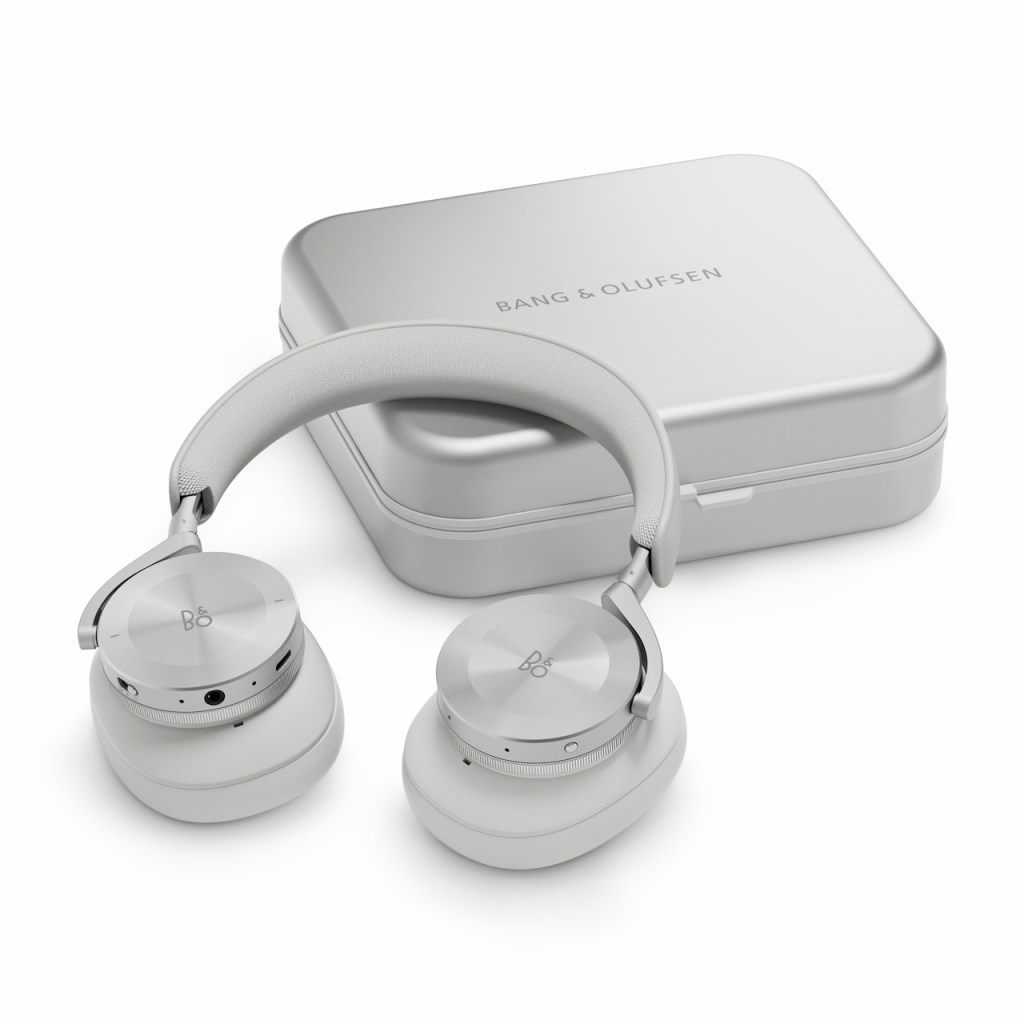
Compared to the APMs, the H95s look better to some, are lighter, are more comfortable and sound even better (according to the forum folks on Head-Fi), have longer battery life, and fold up inside their included non-shitty metal carrying case. Arguments against them include less effective noise-cancellation, smaller earcups that may not fit everyone, no transparency mode, and none of that simplified wireless connectivity. Oh, and the fact that the brand is kind of struggling and so finding local repair options may not be possible in the long-term. It’s hard to fight formidable Apple’s retail and support network.
If I can’t justify keeping them around for short listening sessions only, then I’ll be returning the APMs for a refund and making do with what I already have. While they really sound terrific and have ruined a bunch of other headphones for me, solid audio engineering isn’t the whole package. An overemphasis on that is what people say* held the original HomePod back, but improving Siri to compete with Alexa and Google Assistant was arguably a much bigger hurdle than giving these a more comfortable fit and designing a better case.
Edit: I wore them the whole time while writing this week’s update, and on reflection, they sound so good that I’m hoping the band loosens up a bit or something so I can keep them.
* Who am I to say, when we can’t even buy HomePods in this neglected backwater that inexplicably has a spherical glass Apple Store?

 sangsara.net