I’m now at the age where annual medical exams are strongly advised. Everyone around me knows someone whose life’s been upended (or worse) by a serious health issue. As much as it sucks to find out, finding out too late is worse. We went for ours this week and are waiting for results, fingers crossed.
I’m now also at the age where lame jokes come naturally, so when the nurse asked, “You have about five drinks on average a week? What do you like to drink?”, I replied, “What do you have?” The nurse laughed harder than expected so I’m guessing the clinic doesn’t get many patients masking anxiety with comedy.
They’ll probably come back and tell me I’ve got hypertension, because I definitely felt my blood pressure spiking on Saturday when Kim agreed to give It Takes Two another go on the Switch. For the uninitiated, it’s a co-op game where a married couple on the verge of divorce magically get turned into a pair of their daughter’s wooden dolls in the shed, and need to make their way back into the main house to get her help. But in order to make the journey, they’ll need to — you guessed it — work together. As a couples conflict simulator, it’s super effective. There are many videos online showing one player (usually male) getting frustrated as their partners (usually female) struggle with the hand-eye coordination required to get through the platforming sections, dying over and over. Don’t get me wrong, it’s a lot of fun, and we surprisingly played for about three hours before calling it a day.
Speaking of things women do differently, I watched this video essay on the rise of gambling-related activities and industries, and learnt that blind box sales are overwhelmingly driven by female buyers. Supposedly, the data bears out that women prefer to get their dopamine fixes from such lower-risk, collection-and-completion-oriented activities with a community element. I definitely have never felt especially compelled to buy more than a couple of any given gacha or blind box toy. It says men prefer higher-stakes competitive play, “go big or go home” style, or what you’d recognize as traditional gambling. The point is, businesses really know our buttons and they are pushing them every minute in the modern world.
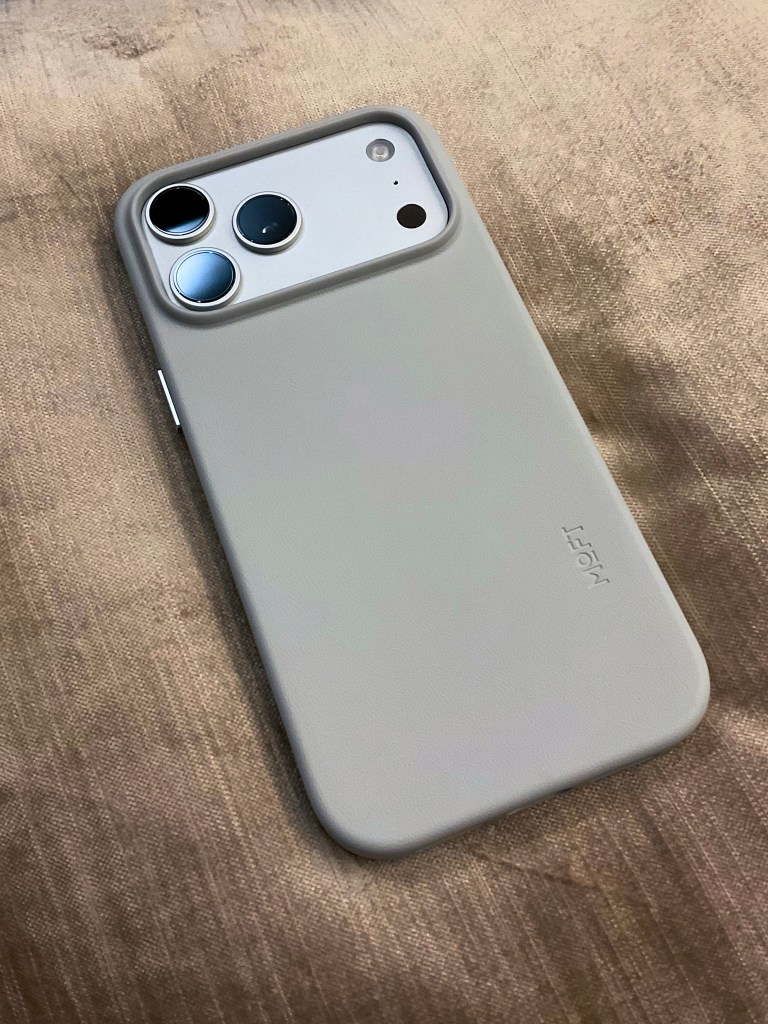
Speaking of wasting money, it didn’t take long to realize that my plastic Beats case wasn’t suited to everyday use — not because it’s candy pink but because, like the iPhone it protects, it’s too smooth and hard to hold. It’s now my occasional fun case, but for other days when I want to use one at all, I’ve got the MOFT Snap Case MOVAS™ in “Misty Cove” colored “vegan leather”. Nevertheless, it feels significantly nicer: soft, textured, grippy, yet smooth enough to slide out of a pocket without turning it inside out. One additional benefit of vegan leather over the murdery kind is that it’s more stain/patina resistant. I would never have been able to risk this color with a cowhide case; it’d turn blue-black from my jeans in no time. Btw, when did we all agree to start calling PVC vegan leather? That’s quite the PR masterstroke by Big Plastic.
Last week, the Twitch streamer 4amlaundry once again attended the Tokyo Game Show and streamed hours of walking around the show floor. I missed it then, but watched some of the recording this week on YouTube. I was more excited when he decided to visit the Extinct Media Museum in Tokyo on Wednesday. It’s a private collection of old cameras, laptops, phones, and media devices like the Walkman/Discman, MP3 players and so on. This was on my list to visit back in February, but on the day I was meant to go, it got too cold and dark for the 15-minute walk over from Tokyo station and I decided to head home. Watching the POV stream felt like being there — except he was happy to touch all of those beautiful tech artifacts where I, the germophobe, would have declined.
I read a couple of books. Flowers for Algernon by Daniel Keyes is one of those titles you always hear about, but I never actually knew what it was about. I thought it was some inspirational crap like ‘Hey God, it’s Whoever, Are You Listening’, or ‘The Five People You Meet in Purgatory’ or whatever. It turned out to be about an intellectually disabled man who’s turned into a genius in a science experiment. It was also more powerful than I expected because it’s presented entirely as journal entries by the man himself, so the reader experiences his increasing intelligence and widening awareness of his position firsthand.
Another book was Perfection by Vincenzo Latronico, which has been getting mentioned a lot on account of being nominated for the Booker Prize this year and for being too painfully truthful a look at millennials, and our devotion to living through trends, cool hunting, digital nomadism, performative wokeness, and mediocre aesthetics. Here’s the New Yorker’s article about Perfection, which makes me want to read the Georges Perec book that inspired it. Me? I loved it, but if I’d taken a few different turns — say, moved to Berlin — I’d probably feel personally attacked.
The week got off to a bad start when our three-year-old Dyson V12 vacuum cleaner stopped working. The motor cyclone made a pulsating noise and the error message “Airways Blocked” appeared on the little LED screen. Usually this means that you’ve got some ball of hair choking one of the attachments, or your filters need cleaning. I checked everything and knocked out so much dust that my palm hurt, but still no luck.
Our cleaner shared that another client had similar problems and paid about $150 for repair at a Dyson service center, and a Perplexity search corroborated that would be the starting point, depending on what needed to be fixed. It said complex replacements could take over three weeks! My first priority was to get it working asap, because I have no idea how people lived before vacuum cleaners were invented.
On a whim, I decided to check what a new vacuum cleaner would cost. The latest Dyson, the “V16 Animal” model is over S$1,100, and another V12 would be S$800. But the shocking thing is how crazy cheap the Chinese clones have gotten, ranging between S$80 (yes) and S$400. Xiaomi’s most powerful, the G20 Max, is only about S$320 and I’m sure it rivals our Dyson in capability and (I wouldn’t have thought so before this) longevity. I was beginning to think buying an entirely new Chinese vacuum for the price of a Dyson repair was a viable option.
Anyhow, I got an appointment at the service center for a couple of days later, and the staff’s instant opinion was that there wasn’t anything stuck further inside the cyclone unit, but it was an electronic or PCB (printed circuit board) issue. Meaning the entire main bit of the vacuum cleaner, minus battery and air filter, would need to be swapped out. Total cost: S$168. I believe this is simply the modern default for consumer electronics — don’t bother repairing or replacing one little component, give the customer a new unit and send the old one back for recycling (or disposal). It’s wasteful, but means the business doesn’t need to train frontline repair staff and the customer gets a “better” experience to boot.
Later, I went to have a look at the Xiaomi model in person, and it’s definitely uglier and clunkier, with the same downward dust receptacle ejection system as much older Dyson designs. I do like my V12 very much, I just don’t believe in it as much after this incident.
===
I saw with some excitement that Puzzle Quest was being rereleased in an “Immortal Edition” for the Switch, with remastered visuals. It’s also out on other platforms. I played the original back in 2007 on my Nintendo DS and probably sank over 100 hours into it. It was probably the first game to combine Match-3 puzzling with an RPG storyline and character progression. To date, I haven’t played a better expression of this idea.
With regards to this new version, it’s been good so far. The UI looks gigantic going from a tiny handheld to a 65” TV, but the great thing about playing on Switch is that you have the touchscreen controls this genre was made for. I have yet to encounter any of the bugs that plagued the original release, but that’s no guarantee I won’t. If I recall correctly, sometimes moves wouldn’t register and you’d die despite technically winning. On one hand it made the game feel unfair, but glass-half-full people would call it extra challenge. The game was so fun, I was happy to play around these deficiencies.
===
On Friday night we met Wen and Sarah for Mexican food at a place called Huevos, in New Bahru. I read awhile back that the retail complex was struggling but that was not the case that night; it was pretty loco. One fun memory that came up was a trip to Bintan we took together back in 2009 where Mandy sang John Mellencamp’s Hurts So Good in the pool so often that it became the theme song of that vacation. I went home that night and unearthed a video I made in iMovie from all the clips I shot, using that song as the soundtrack. The video quality, shot on my Panasonic LUMIX LX3, has held up incredibly well after all this time.
The next day, I ate at Shake Shack and made the double mistake of ordering a Tiramisu milkshake and finishing it even though I could have stopped halfway. It turns out that single serving had 850 calories and a whopping 90g of sugar — that’s 18 teaspoons of system-disrupting poison! For comparison, the single-patty Shackburger I also ate has only 550 calories. After learning all that, I didn’t have the heart to look up the side of fries I also ate. At this age, I don’t think the damage will ever be undone. I might have to start saving up for Ozempic.
===
My Goodreads annual reading challenge has been completed with a vengeance, and currently stands at 40 books out of a targeted 24. The last few weeks have been made up of financial self-help material, including Nick Maggiulli’s The Wealth Ladder, which I also saw being featured on the shelves of a local Books Kinokuniya. I thought it worth mentioning because of how it lays out different strategies for people on different rungs of the so-called ladder of net worth: $1–10k, $10–100k, $100k–1M, and so on. It’s a very clear way to think about what actions and sacrifices are needed to get to the next level, and whether you’d even want to. There’s also some interesting data on how people at the higher levels distribute their money in completely different ways from us plebs.
I also read Charles Yu’s How to Live Safely in a Science Fictional Universe, an infuriatingly patchy story about time travel and searching for a father who’s gone missing in time and space. There are some novel ideas here that move the genre forward, some of them explained with a lot of (pseudo?)science and some only intriguingly hinted at. The post-time travel world that it builds is fundamentally illogical, and almost no effort is made to integrate it with a reader’s expectations — in other words, it kind of fails to hold together. However, the actual writing is occasionally brilliant. There are passages that collapse memory, description, and feeling — suddenly you’re thinking about your own childhood and watching it through the quantum bookshelf, like at the end of Interstellar (2014).
Speaking of movies, I rewatched the Wachowskis’ 2012 version of David Mitchell’s Cloud Atlas with my book club and it wasn’t as good as I remembered. Turns out both the book and film feel shakier on return. Anyhow, it was only 13 years ago, but there are race impersonation elements in this film that seem like transgressions today. Multiple white actors have their eyes taped up to play Asian characters. Halle Berry and Zhou Xun both have scenes where they play blue-eyed white women. The Korean characters speak English in a mix of other Asian accents. The only line that isn’t crossed is white people putting on blackface. Everything else seems to have gotten the green light.
Happy iPhone week aka Tech Christmas to all who celebrate! I wrote up my thoughts (below) after the event on Wednesday, and since then I’ve seen the same sentiments echoed throughout YouTube videos, podcasts, and articles, so I at least know I’m not reading these things entirely wrong. All in all, one of the best iPhone lineups ever. They went all out, with very few compromises or artificial impairments to make the expensive models more attractive — they are all seriously good value, extremely capable-sounding devices.
On Tuesday, we went over to my parents’ place for dinner, and spurred by a question someone had last week after seeing a photo of their living room, I asked after some family history and got some new information. The accuracy and completeness of Singaporean family stories must vary widely; after all most families here only arrived in the last century. My dad only knows where his grandfather came from in China, and a suspicion of his occupation (ask me and I’ll tell you), but not why or how they made their way down to Southeast Asia. Apparently no one ever said. I’d say that was weird, but then I’ve waited this many decades to even ask.
You know what else I’ve waited forever to do? Start The Legend of Zelda: Tears of the Kingdom. I finished Breath of the Wildin the summer of 2023 — I could have sworn it was last year, oh my — after letting it languish uncompleted for about six years. Since both games are set in the same world of Hyrule, albeit expanded in TotK, many recommend taking a break in between. Now that the Switch 2 edition is out, with modern luxuries like running at 4K 60fps, it was time. And because this is a game where skills also accrue in the player rather than purely in the character, jumping back in feels great. I’m better at combat and finding my way around than I was at the beginning of BotW, which makes sense for a sequel: Link has been here and done this before. It’s marvelous game design all around.
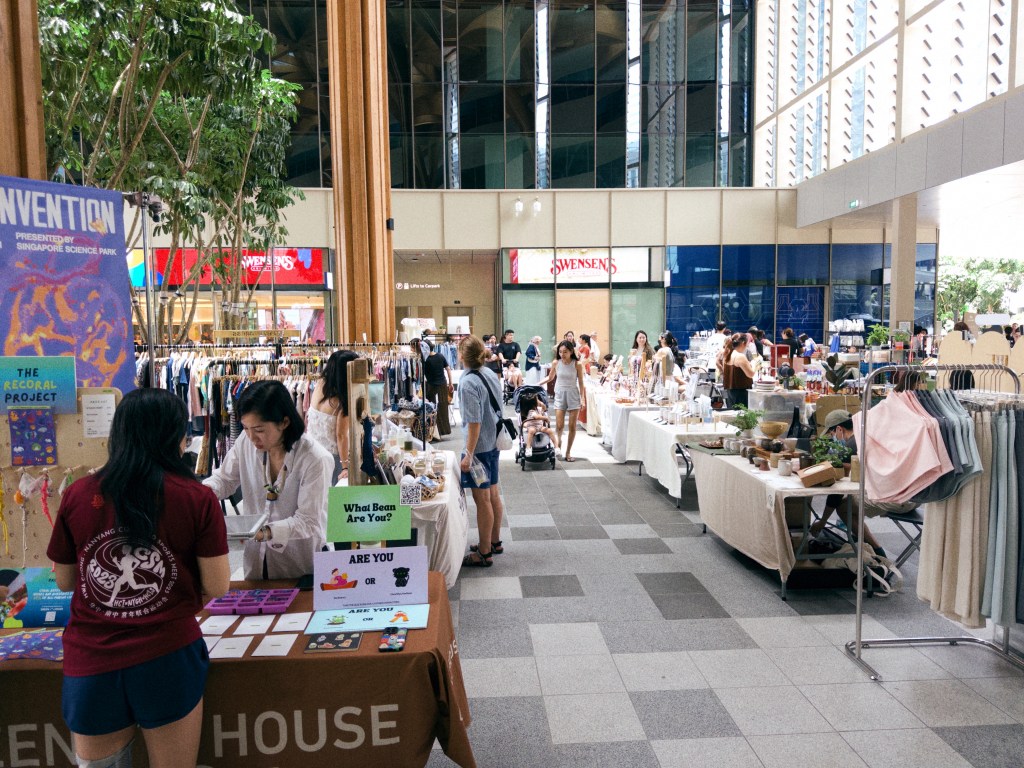
Speaking of capital-D Design, Singapore Design Week is back again, but I’m less inclined to explore every venue and event after seeing that last year’s slipshod execution probably hasn’t been rectified. The website and program directory are still confusing and missing key visitor info.
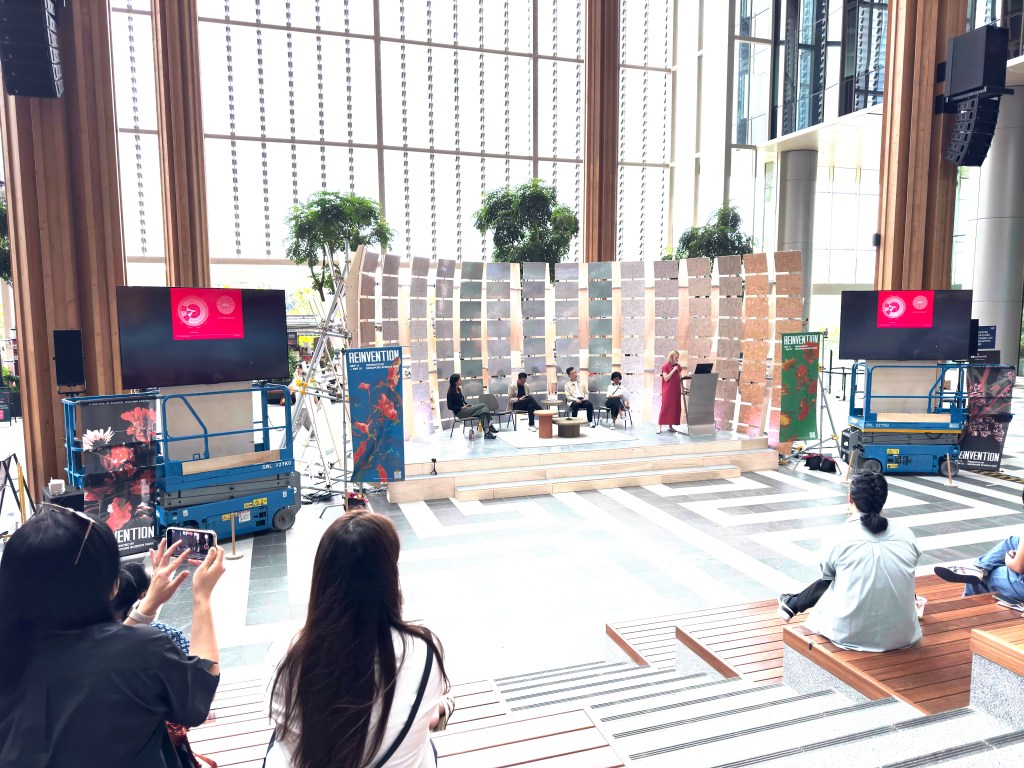
Case in point: On Sunday we went down to the Science Park district for a talk I’d signed up for, only to find that no one in the stated venue (a building lobby) knew where it was happening. It turned out to be in an open space outside instead. I’m not sure the speakers knew either, given that several used packed slides unreadable on the small screens provided. To make matters worse, some presenters’ slides weren’t even fit to the full screen size. When informed by the audience, they said “sorry, we can’t fix it. We can send you the deck!”
Nearby, one of the robotics exhibitions had info cards printed in such tiny type you’d literally have to crouch on the floor to read them. I don’t know why we can’t get these things right for a design week.
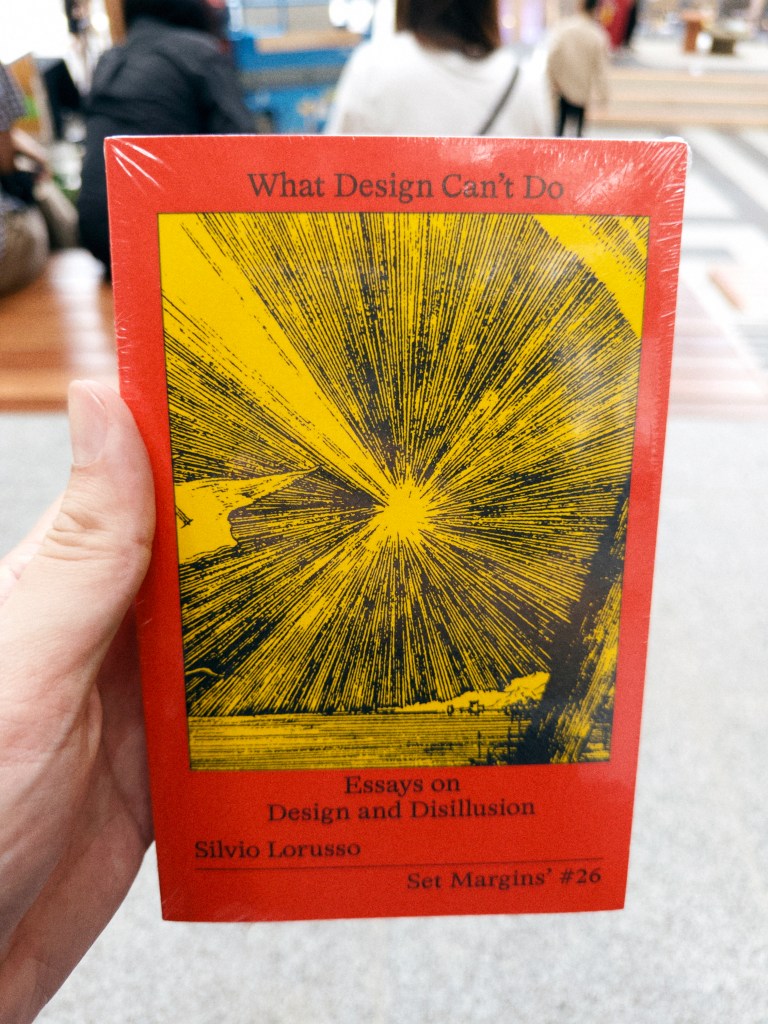
But there was a high point! Local graphic and art book seller Basheer had a small stand at the fair, and I found a copy of Silvio Lorusso’s What Design Can’t Do: Essays on Design and Disillusion, which Jose recommended ages ago. It was S$37 for future reference.
If you follow me on Goodreads and were shocked at the amount of reading I suddenly got done, calm down. Those were not five separate books, but short sci-fi stories in something called The Forward Collection, published by Amazon, and curated by Blake Crouch of Dark Matter fame. For some reason, each story has its own entry on Goodreads instead of just one for the compilation. I recommend them!
===
Apple Fall Event
The annual Apple fall event took place as it always does in early September (I love that it’s been over 15 years but some people still ask “When do the new iPhones come out?”). This year was of particular interest to me because 1) I didn’t upgrade my iPhone for once last year, mostly content with my iPhone 15 Pro Max and even wondering if I could stretch it out to three years. 2) If I can save any money somewhere in my annual budget, I’d be open to it! Alas, my Apple Watch is three years old, and my AirPods Pro 2 are the Lightning version that don’t do lossless audio with Vision Pro. So as the livestream began, I started praying that none of the announcements would make me feel like I needed to buy stuff.
Right out of the gate, the new AirPods Pro 3 were shown and I was like “goddamnit!” These mostly look the same, but have been subtly refined to fit better in your ears and yup, I need that as they’ve always been a little loose on one side. They supposedly sound better, thanks to a new acoustic port design. The active noise cancellation is now 2x better, and battery life has gone up about a third, to 8 hours. There’s also heart rate monitoring but I don’t give a crap about that. Nevertheless, a very hard purchase to resist.
Then, the Apple Watch Series 11 and Ultra 3 were shown, but thankfully I’m not sporty enough so the bulk of their workout/outdoors adventure-centric improvements bounced off my consumer armor. I mainly use my Series 8 as a timepiece, with occasional notifications and stock prices that I read when waking up in the middle of the night, and all it needs is a new battery. Lighter, smaller, more health sensors, faster charging — these are all nice to have but not when a new titanium model comes to over S$1,200 with AppleCare+. What’s that? Buy aluminum? Oh no, darling.
I was excited to see the iPhone 17 get a ProMotion display (variable refresh rates up to 120hz), because it suggests that the iPad Air might get one next year too. Overall, this is a truly great phone to offer as the base model. With better battery life, 256GB starting storage, and very capable cameras (including a smart new multi-aspect selfie camera), there are no compromises to be seen here and most people will be fully satisfied with one. It stands up well beside the Pro phone for everyday use in nearly all aspects.
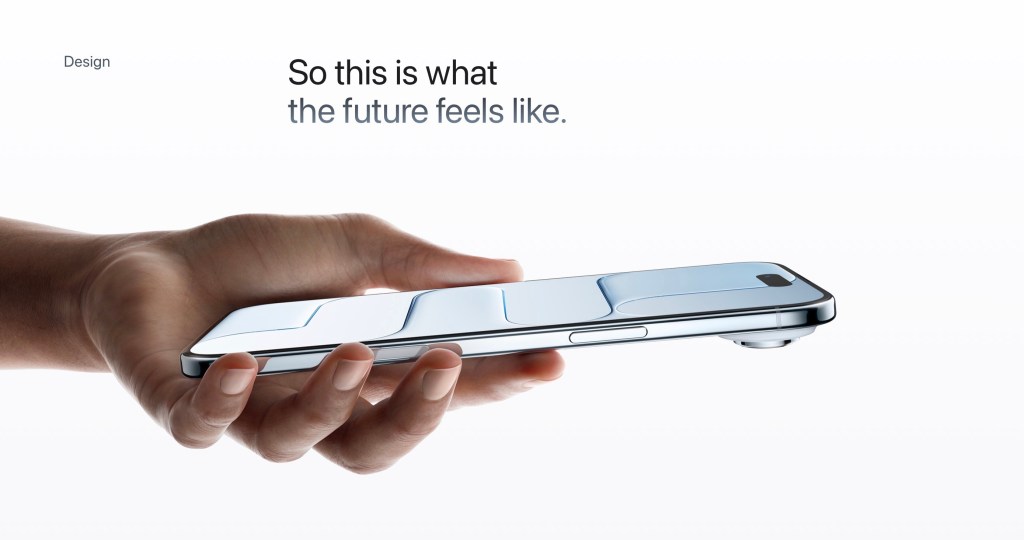
When rumors of the the iPhone Air leaked, I didn’t believe a thinner phone with less battery life made any sense. And including only a single camera with no ultrawide lens? That excludes most Gen Z buyers! But I think I was wrong. The new wider front-facing camera might handle the Gen Z selfie use case. In truth, this is a phone that matches or exceeds the specs of last year’s iPhone 16, but is way more desirable. With its unique and recognizable design, glossy titanium frame, and premium semi-pro price positioning, this is the peacocking model. It’s literally the shiny new object. And that place in the lineup is made possible by a welcome pivot in the Pro line.
The iPhone 17 Pro and Pro Max are now freed from their jobs of pushing up iPhone ARPU by appealing to customers with a little more money to spend, and who want something better than the base model. That’s the Air now. The Pro models have now transitioned to powerful professional tools with features that most people won’t even have heard of (e.g. GenLock for video), let alone know how to use. Which means they can ditch premium/luxury materials like stainless steel and titanium, for a more pragmatic forged aluminum that’s lighter and better for thermal management. They can also withstand weirder/uglier industrial designs (emphasis on industrial) like the new camera plateau that houses bigger sensors and makes room elsewhere for massive batteries. These models can now be thicker and heavier than most consumers would like because the Air exists.
The Air, by the way, looks like they got halfway through the development of next year’s rumored foldable iPhone and decided to ship one half as a product. Which is probably not entirely untrue; many niche Apple products are test beds for scaling ideas that will later appear elsewhere. The Air’s remarkable miniaturization and the Pro’s new vapor chamber cooling system will probably be echoed in a future Apple Vision Pro.
It’s also worth noting the ever-changing definition of “Air” in Apple parlance. It usually means either cheaper or lighter, and never premium/luxury. The MacBook Air is both the cheapest and lightest laptop, at least for now. The iPad Air is a Goldilocks model, sitting between the basic iPad and the Pro (which is the thinnest and lightest). But while the iPhone Air is cheaper than the Pro, it’s the thinnest, lightest, and also nicest. It’s elegant where the Pro is beastly, and I think this is their main design direction for the future.
Even if it doesn’t sell well this year, I don’t see this being canceled like the Plus phones. If anything, the Pro Max might be the one to go next. Its role is now to simply be the biggest screen, which a certain folding device might take the place of. So 12 months from now, we may be talking about iPhone 18, iPhone 18 Pro, iPhone Air 2, and an iPhone DS or whatever.
So it’s decision time. By the time this gets posted, I would have chosen a phone, size, and color. The Air is very tempting, except I couldn’t live without macro and telephoto photos. I do think its 6.5” screen size is in the sweet spot. The Pro’s 6.3” is too small and according to myself in 2023, going back to a bigger Pro Max after three years of Pro was worth the pocket bulge and hand strain. The new Cosmic Orange is striking as hell, but will it look tired after two years? Or two weeks? Brian called it reminiscent of “80s anime” and I think he’s onto something with that bit of free association. It also reminds me of some Sony MP3 players and phones.
Update: Pro Max in Silver. Big, heavy, and expensive. I’ll have to tighten my belt now in more ways than one.
I’ve been with Gomo (budget SingTel) since last August, barely scratching my absurd 600GB/month plan. But after reading Michael’s blog post about switching telcos, I jumped back to Giga within the hour — they’ve finally fixed 5G support for iPhones, and it’s a 5G Standalone network (better) as well. Overall, this will save me a few bucks each month, drop me down to a still-generous 400GB limit, and give even more international data. This new trend of bundling roaming data is a boon for travel; I’ve managed to do without buying separate eSIMs on a few trips now. Until next year, then.
After finishing the Shinchan game last week, I started on a game that I fell in love with at first sight: Tiny Bookshop. It’s almost as good as I was hoping — you do run a tiny bookshop, stock its shelves, and recommend real book titles to fit people’s needs, but the core gameplay loop is quite simple. That’s not a bad thing — it just means this is the sort of cozy and casual game you play alongside something more involved and epic. One thing that did happen almost immediately: it gave me a hankering to do some reading.
I got tired of waiting for my book club to inch through Cloud Atlas and finished it on my own. It’s not as groundbreaking as I recall it feeling when I read it in 2013, but perhaps that’s because many of its moves have been copied in popular media since. It’s also a lot less sci-fi than I remembered, and much more like a genre writing exercise with several loosely (and one might argue unnecessarily) connected stories. In my Goodreads review, I called it a 3-star concept with 5-star execution.
Much more sci-fi: I also finished John Scalzi’s The Ghost Brigades, which I’ve been reading in parallel over the past couple of weeks. It’s a lot of fun, and a sequel that’s even better than the first book, Old Man’s War.
Speaking of old, Ryan Adams released a reworking of his seminal album, Heartbreaker, for its 25TH ANNIVERSARY (!?). Where did the time go? Incidentally, I came across that album the year it came out when a friend in the army recommended it. I remember borrowing his copy to burn a CD-R because I couldn’t afford to buy my own. I haven’t seen that guy in 20 years, but coincidentally this month, I discovered that Kim knows him through work and sent my regards. The original record was a lightning bolt: raw, full of yearning and reckless honesty. The new version sands it all down into a flaccid bore. He’s taken a hungry debut and embalmed it in strings and piano. Joni Mitchell’s Both Sides Now is an example of how to do this well. A few tracks survive the treatment, but most of it lands like one of those Disney live-action remakes: glossy, lifeless, and unnecessary.
Speaking of old, it was Peishan’s birthday this weekend and we hung out for a brunch that went from noon to evening. Nice day, no notes. The discussion touched on topics that have come up on ChannelNewsAsia programming recently — it turns out I watch too much of this — such as home-based businesses, which is incidentally where our coffee came from. I also thought for a brief moment that it might be fun to do a podcast from the future, recorded in an underground bunker after the fall of society, discussing found pop culture artifacts from our present day and guessing at the role they played in the apocalypse. Things like Labubus, Season 4 of Entourage, Magic: The Gathering, Blackpink, live-action Snow White. Maybe call it “Funintended Consequences”.
We also talked about the different approaches men and women (generalized) take to making podcasts. Men apparently are happy to record hours of conversation that’s interesting to nobody else, refusing to edit it down to only the useful bits; basically having no interest in the needs of their audiences, as seen in real life in a meeting room near you. I figured that this makes sense because men get together and record podcasts mainly as an excuse to hang out and shoot the shit with friends. At least, that’s been the motivation every time people I know say they should start one.
Speaking of old, I put on Apple Music’s “Classic Hip-Hop” radio station (algorithmic, not human hosted) expecting to only hear the usual 80s–90s boom bap, you know, the stuff I was too young to hear in real time, but oh my… there was some Jay-Z and Dr. Dre material from the 2000s mixed in there. We’re the classics now.
We lost a grand aunt at the close of last week, and attended her funeral and cremation on Tuesday. It got me thinking about qing ming, which is a day in early April (I had to look this up) where Chinese families traditionally visit their ancestors’ graves and do some neatening up. I have vague memories of being dragged along to do this as a kid, and even being allowed by my parents to skip school for it. I mostly remember the smell of burning joss sticks mixed with the dewy morning air and damp soil. For some reason we stopped going by the time I was a teen.
I talked about this with Cien and Peishan and they seemed to still be in touch with the practice of visiting graves, or in these days of diminishing real estate, a columbarium. If you asked me where my family members are buried or stored as ashes, I wouldn’t be able to tell you. I assume many of them have been scattered, either into local waters or some faraway favorite destination. Honestly, I like the idea of not being tethered to a single spot. If your spouse is still alive, maybe they’d like to keep you near, in some vessel at home. But if too many, or too few, people are sharing you then it’s better to be everywhere. A memory triggered by some food, place, or figure of speech. An algorithmically assembled photo collage tossed up by a personal computing companion one morning. A mention in some dusty book on a top shelf in a library, waiting to be seen by a future student or recycled into a supermarket receipt. I’d be fine with any of that.
Back to the funeral: it was held at the Mandai Crematorium and Columbarium, one of only three cremation facilities serving the whole of Singapore, and I was upset by how much it is in need of some design intervention. I wonder if any of the people managing the place have tried to look at the process with fresh eyes, or at least through the tired and grieving eyes of the people passing through it. Because they’d see so many moments that could be made kinder, more understanding, more dignified. The script could use a rewrite. Playing ‘Amazing Grace’ out of tinny $40 Bluetooth speakers in the final viewing halls is not it. For Chrissakes, please also remove the ugly MS Word-designed notices plastered on the viewing room windows, they obstruct the view of the caskets as they’re delivered (by industrial forklifts!) into the flames. I’m not exaggerating.
My shoes fell apart. They were the second pair of New Balance 990s to do so, doing nothing more strenuous than supporting my occasional walking about town. The last pair lasted three years; these only made it to two. At around S$300, these are supposed to be the best shoes that NB makes, but I’m beginning to think their ‘Made in the USA’ label is more a statement of liability than superiority these days. The Chinese-made models could probably survive a decade. Alas, with my big feet and aversion to swooshes, the 990s are some of the only shoes I’m comfortable in, so I’ll be buying yet another pair — online, too, since they stopped local distribution of the wide sizes.
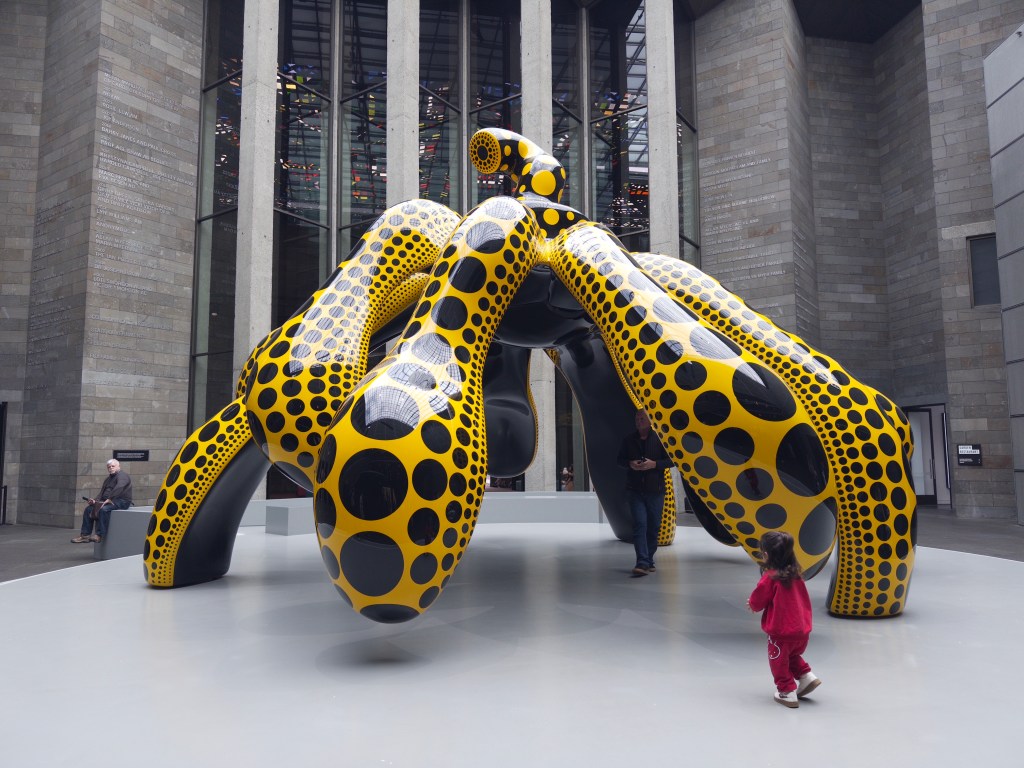
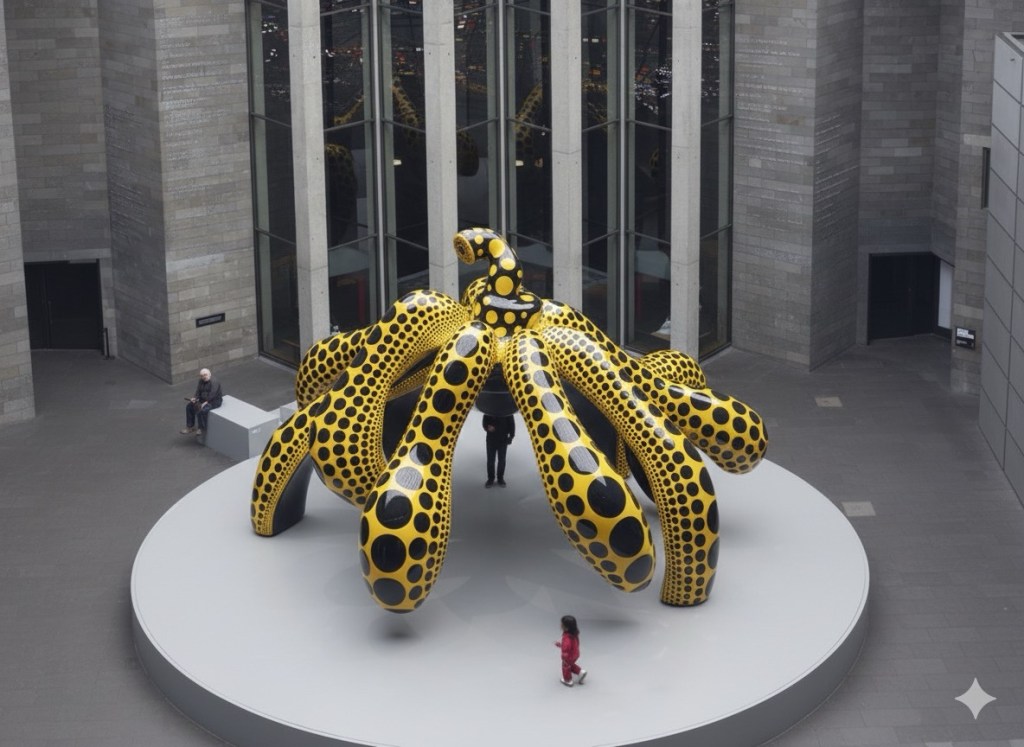
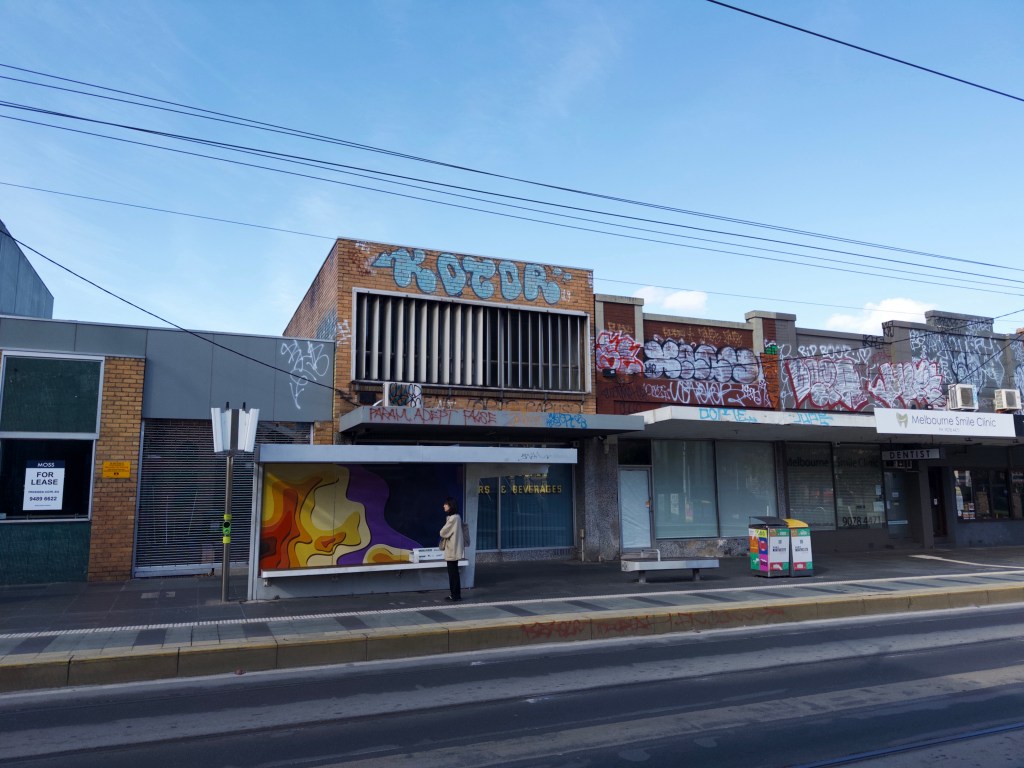
Google upgraded Gemini with the Nano Banana image model that’s been trending on Twitter, and the bar for impressive generative AI has been raised again. It’s extraordinarily capable (and fast) at combining images with accuracy, as well as reimagining them in different styles and from different perspectives. A few months ago, Gemini was an also-ran, but maybe something’s shifted at Google and they’re an actual contender again. As much as I try to avoid Google services, I suppose I find them preferable to OpenAI and Meta. Take a look at the example above where I asked it to redraw a scene I photographed last month in Melbourne, but from above.
On Thursday I met two friend-couples, who I’ll call Mong and Jogina because it sounds amusing, for a rare weekday afternoon lunch where it was made abundantly clear that I’m behind the times for not having seen K-Pop Demon Hunters yet. Circumstantially, we’ve all got the time and flexibility to do these weekday catchups more often than once or twice a year, and maybe we should.
Aside: I did see the movie later, and it’s really good! My main gripe is the use of stuttering frames for the character animation, which worked fine in Sony’s Spiderverse films but break immersion here. The frame rates also seem uneven from scene to scene? Speaking of Sony, I’d hate to be the person who decided to sell this to Netflix for just $100M.
Afterwards, some of us went on to check out a nearby Crocs store (hear me out!) because a new collaboration had just launched: Animal Crossing! I just tagged along for a look, but became increasingly afraid as we got nearer that I would end up buying a pair. Kinda like how I bought the first iPad at Funan mall in 2010, that I absolutely wasn’t interested in… until I joined the line. Thankfully, my senses returned, and they only carried the smaller women’s sizes. God bless my big feet!
The book club is still reading Cloud Atlas, and at one point, a character mentions Carole King’s Tapestry album playing at a low volume in the background. I realized that I’ve known about this album forever but never heard it. So I put it on while reading. And boy did I know half the songs on this. I was beginning to wonder if it was a covers album, that’s how familiar they were. Incredible work, and a deserving #38 on Apple Music’s Top 100 Best Albums list.
And finally, a little gaming episode:
As previously mentioned, I’ve been playing the first Shinchan game on Nintendo Switch as a way of marking the summer — never mind that it’s always summer here in Singapore. It started well but I found it increasingly repetitive and uninteresting, and have been trying to just get it over with. The game features a time loop, where you replay the same week over. I spoke to Evan about it while I was on the second week, and he told me to hang on until the fourth week.
>> I was like, “there’s four fucking weeks??”
>> He said, “the real game BEGINS after week four!”
>> “How is that possible?”
Reader, I’ll tell you, I was ready to delete the game then. At the end of the third week, it seemed that I had all but completed the game. All my tasks were done. Then as the credits rolled, I texted him back:
>> “Dude, I’ve finished the game, what’s going on?”
>> And he says, “You haven’t, that’s just the beginning, get ready.”
>> “I don’t believe you, don’t mess with me!”
By this point, I had put in about 7.5 hours and couldn’t take it any more if this was just an extended prologue. There was just no way. The game was surely done! Then he asks me if I’ve done a certain thing yet, and I’m like:
>> “Uh yeah… long ago? In the first week?!”
Suddenly, I realized he’d spent the first three weeks mucking around and not doing any of the main game’s tasks, and only got started on the story just before time ran out. So yes, I had finished the game. Thank fuck for that.
In a week that didn’t feel like a lot of forward motion, I realized I spent it looking back on and revisiting old experiences to see if they’ve changed, or if maybe I have.
Upon my return from the UK back in 2005, I realized that it was extremely hard to find good fish and chips in Singapore. No one seemed to like splashing malt vinegar and lashing salt over everything; it was always tartar sauce and lemon slices. And then a little place called Smith’s opened at Balmoral Plaza and it was as close to the real thing as you could find here.
Earlier this year, it seemed like Smith’s would close down after nearly two decades, another victim of high rents, rising ingredient costs, and a weakened consumer. But the regulars cried out, social media amplified it, and they got a lease extension into the summer. In a recent turn for the better, the landlord capitulated and they got a good price on the place for another year. That’s about the time I started seeing more advertising from them on Instagram.
You can guess what happened next (for someone who used to make ads, I’m surprisingly susceptible to suggestion). I dragged my parents down for dinner — my first visit since 2018, according to my records on Swarm. Yes, I was part of the problem, but here in Singapore I don’t exactly feel like eating it every week the way I once did! Prices are indeed a lot higher than they used to be; S$30 for a cod and chips stings like lemon in the eyes, but I don’t blame Smith’s. The Guardian made a whole video showing things aren’t much better back in the UK. The food was good, by the way, save for some watery curry sauce that I wouldn’t bother with again. I know it looks a little light on the chips above, but we all left satisfied.
As promised last week, I threw caution to the wind and upgraded my Vision Pro to the developer beta, mostly motivated by the need for a more realistic Persona. And it really is a huge upgrade in resolution and fidelity from exactly the same scanning process. There’s even a pair of glasses in there that looks just like mine. Disappointingly, the UI looks exactly the same, and neither the new design language nor the Liquid Glass material have been implemented. This is a curious state of affairs: all other platforms have a new look and feel that were purportedly inspired by visionOS, but they’re now “further ahead” than visionOS itself, which risks looking dated with more opacity and frosting. I sure hope this isn’t because glass elements don’t actually hold up in a mixed reality setting. I can see how the bright chromatic aberrations might actually be too distracting when they’re 8-feet high in your living room.
One of the earliest apps that I installed upon getting my Vision Pro was Explore POV. It’s a library of immersive (16K, 180º, 3D) videos shot in some of the world’s wildest and most beautiful environments. Think forest trails in New Zealand, blue Caribbean waters, the Swiss Alps, but also the Eiffel Tower. As the name suggests, they’re first-person POV and mounted on someone actually hiking the mountain’s edge and so on. Depending on your relationship with heights and VR motion, the effect can range from thrilling to nauseating. When it first came out, there were maybe just three videos on offer, and I didn’t really take to it because of all the other apps and content I wanted to check out first.
I went back into the app this week after hearing that they were running a summer sale, and decided to pay S$50 for six months of access. They’ve leveled up their video production game, and the latest videos are shot with Blackmagic URSA Cine cameras. Their crew are actively shooting around the world and there’s even a community poll for people to vote where they should go next (I voted for Nepal). It’s third-party stuff like this that we really need to see succeed for the long-term success of the platform, and unlike some casual iPad game ported to 3D, it really shows off the magical qualities of this device.
Thanks to my book club voting to tackle David Mitchell’s Cloud Atlas next, I’m breaking three of my usual rules. One, I don’t really make time to re-visit books I’ve already read, but given that the last time was in 2014, I’m interested to see if it’ll feel different now. My memory of it is roughly “very good, sort of like The Fountain (2006), but also claustrophobic and harrowing somewhere in the middle”. Two, I usually cheat at book club and read the whole book at once rather than stopping where agreed each week. I thought it’d be nice to experience it at the same time as everyone else for a change, which leads to my third broken rule: Only reading one book at a time. Since Cloud Atlas is going to take about six weeks, I’ll have to read another book in parallel if I’m going to read anything else at all.
I just finished Nick Harkaway’s Tigerman, which is such an odd duck I don’t know how to tell you about it. It’s only my second book of his that I’ve read, and so different in setting and language from Gnomon, which I also enjoyed. He blends real-world references with imagined details that create a sense of — not fantasy exactly, but unreality. Within that space, absurdist humor sits comfortably alongside themes of family, colonialism, mental health, geopolitics, and bursts of comic-book action. 4 stars.
The year has so far seen a lot of exciting music releases, and there are even more to come. I’m really hyped for the next few drops from the “Legend Has It” series. The albums from Raekwon and Ghostface Killah have already dropped, but new material from De La Soul? Nas and DJ Premier? Oh my.
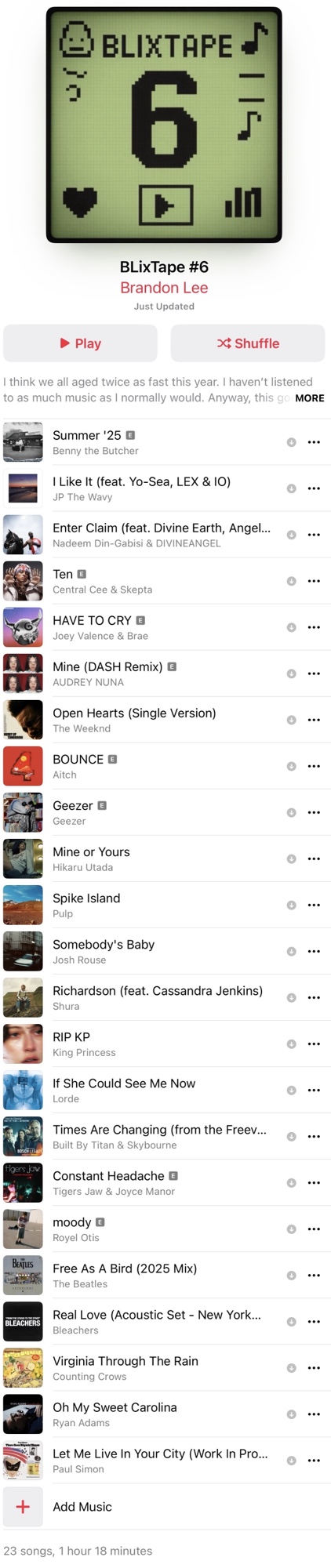
Despite (or because of?) all the great stuff coming out, I feel like I haven’t spent enough time listening to music this year. Maybe it’s the lack of commuting time, which is where I would normally get to put an entire album on and listen closely. So it’s also taken me from January till now to finish BLixTape #6, the latest in my poorly named series of “currently listening to” playlists. Hopefully the next few will be quarterly. Here it is on Apple Music.
Checking in now from the first row of a Boeing Dreamliner — a plane that has probably been in the news recently for the wrong reasons. But if you’re reading this post, it means we made it back safely.
There was a moment early in the week where we were telling our Melbourne-based friends about last year’s trip to New Zealand and for some reason we both blanked on some key details and took awhile to align on what exactly happened. Maybe we were just tired, but then I had another theory: what if planning that trip with the help of AI meant the details didn’t form strong memories? Normally, planning a trip forces you to do research and make choices, with the resulting success or failure of your trip all on you. Those actions burn the memories in. But when ChatGPT spoon-feeds you an itinerary, maybe the details just float in and out of your mind. I wonder if this will really rot our lazy brains like no technology has before.
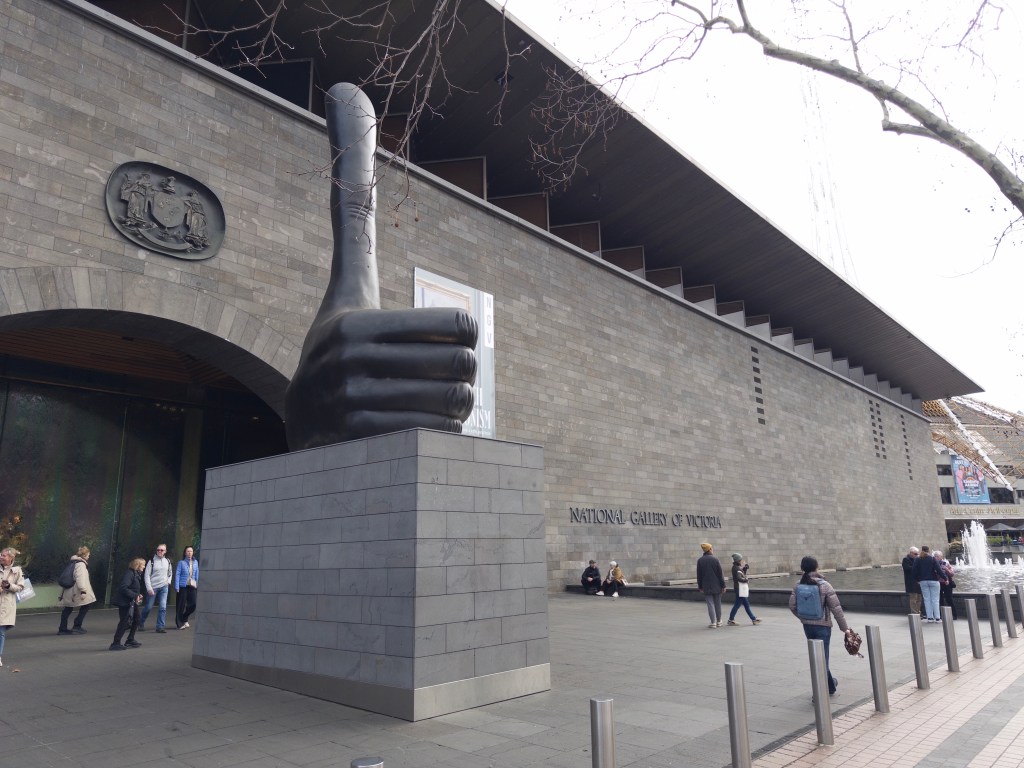
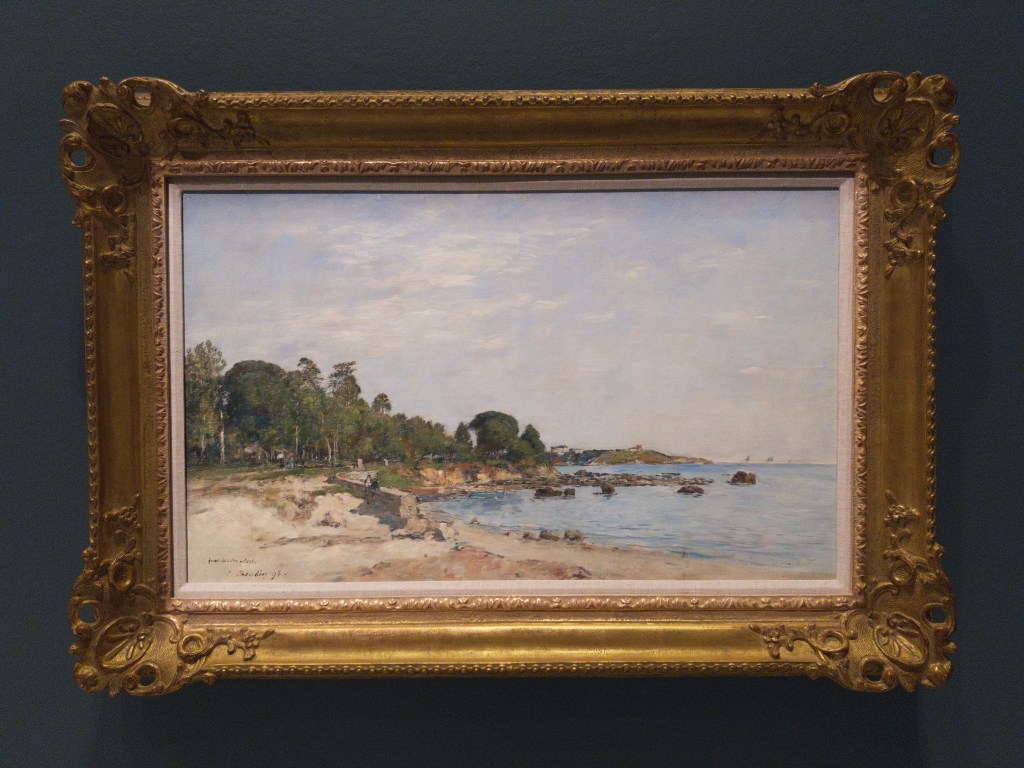
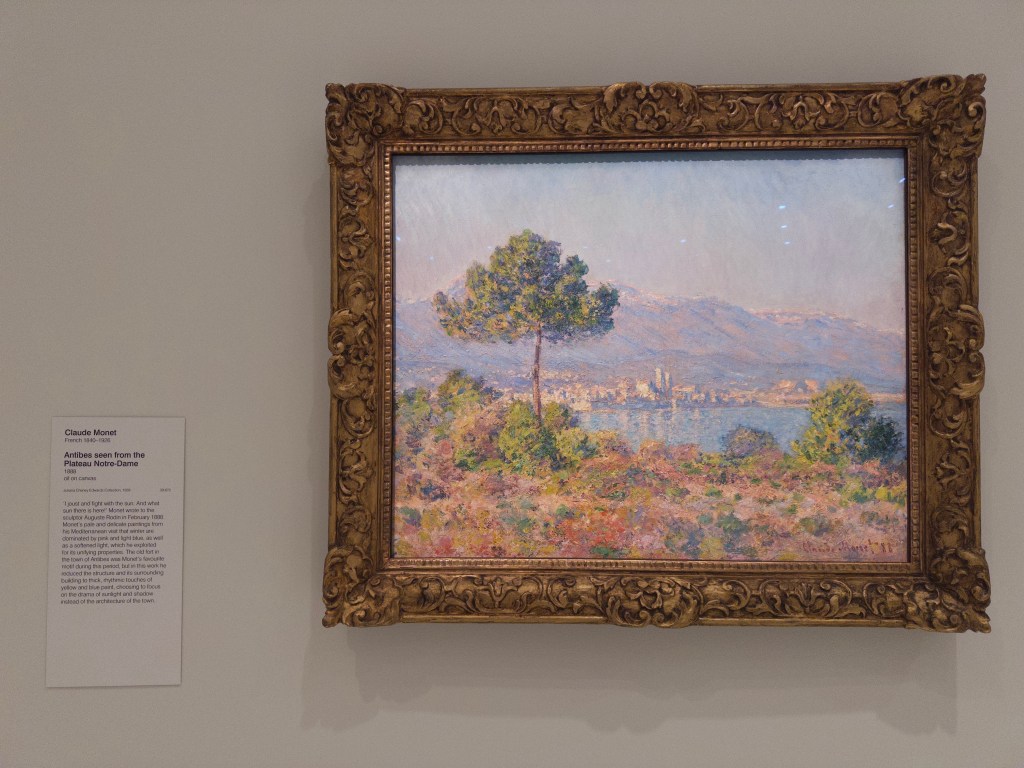
We dropped in on a French Impressionism exhibit at the National Gallery Victoria, and I should say “yet another”, because every time we come by there seems to be something either French or impressionistic on. It was fine, but the $50+ ticket prices are surprising in contrast to exhibition prices in Singapore. I was also really hoping to see something new at ACMI, but sadly their new ‘Game Worlds’ videogame exhibition won’t open till September. Maybe I’ll have to come back.
And then I fell ill and had to take it easy for a couple of days! If I had to guess, I probably picked up a flu bug from the airport or on the flight out. Still, I spent a large chunk of the week in bed or otherwise resting while Kim ran shopping errands for her mom and so on.
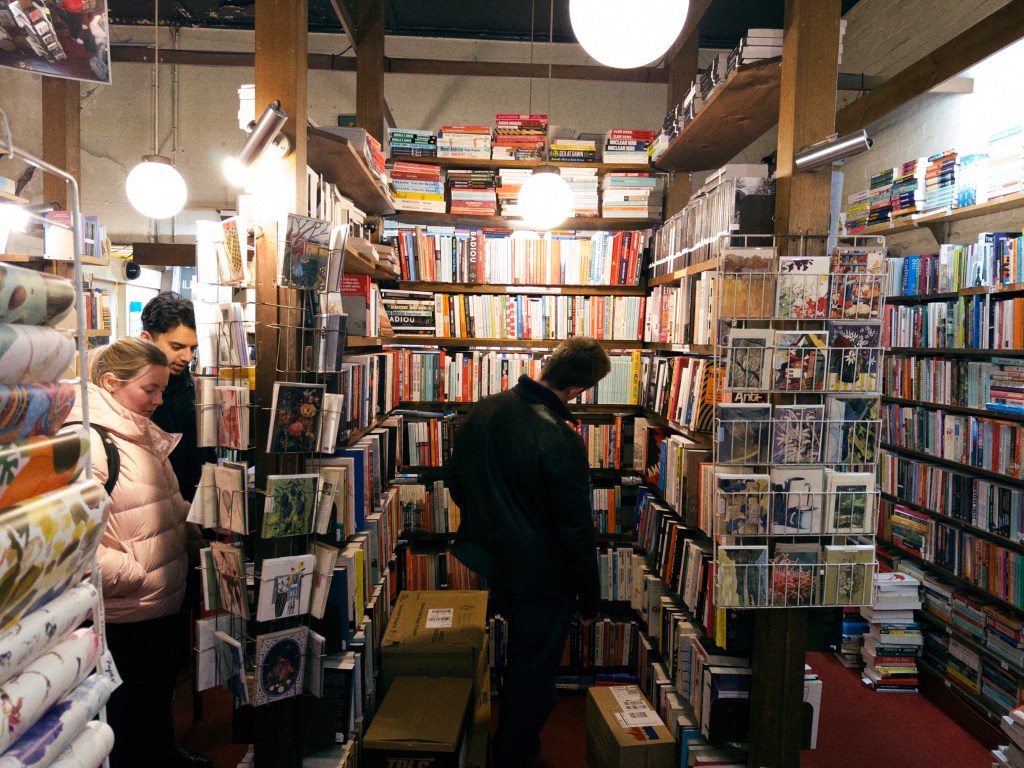
As I got steadily better, we went out a bit for a nice dinner, lunch at a winery, and a visit to this bookstore, The Paperback, in the CBD that I always buy something from. This time I got a collection of Louise Glück’s poems that I’ve been wanting for awhile. Just taking it slow and enjoying a change of scenery. Normally getting sick on holiday would be a disaster, but having no expectations or plans means no disappointments either.
I also went to my first Costco and had their famous hotdog, which was just $1.99 AUD with a soda. The financial engineering is strong at this company because it was a good and sizable pork sausage that I would have bought at thrice the price. We bought some other things there not worth mentioning except for a physical copy of Donkey Kong Bananza for the Switch 2 that’s S$20 cheaper in Australia than in Singapore. We really are getting ripped off out here; even buying it off the US eShop is S$5 cheaper than the local physical price.
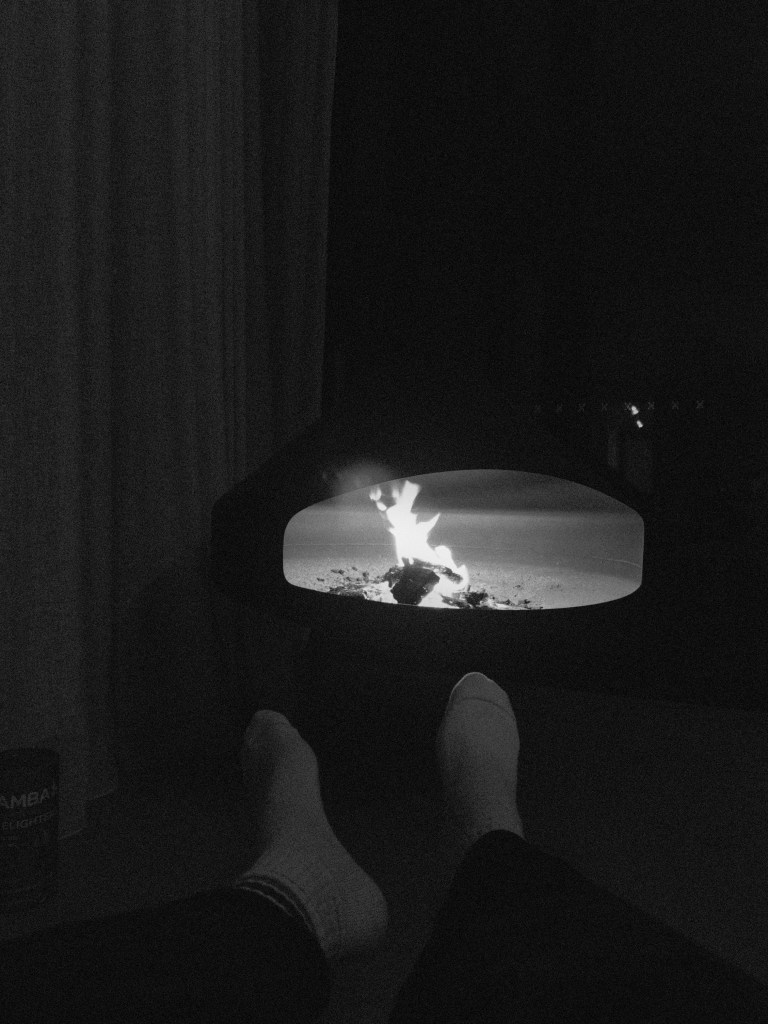
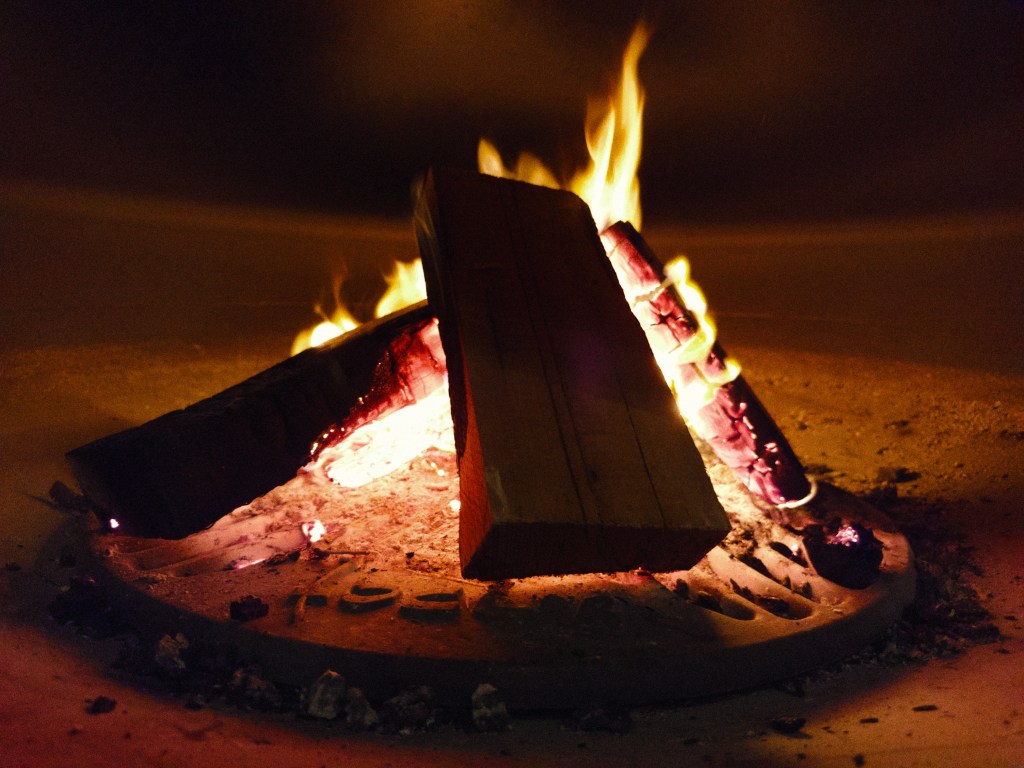
Another thing I discovered was how nice it can be to watch a fire and sit in front of a fireplace for a few hours. This is something that I maybe understood before but forgot. Continually tending to a fire — rearranging logs, blowing on embers, adding more fuel — it’s like a mindfulness retreat no one has yet packaged up for Singaporeans without winter experience. I cleared my inbox one evening while doing that and warming my feet by the flames.
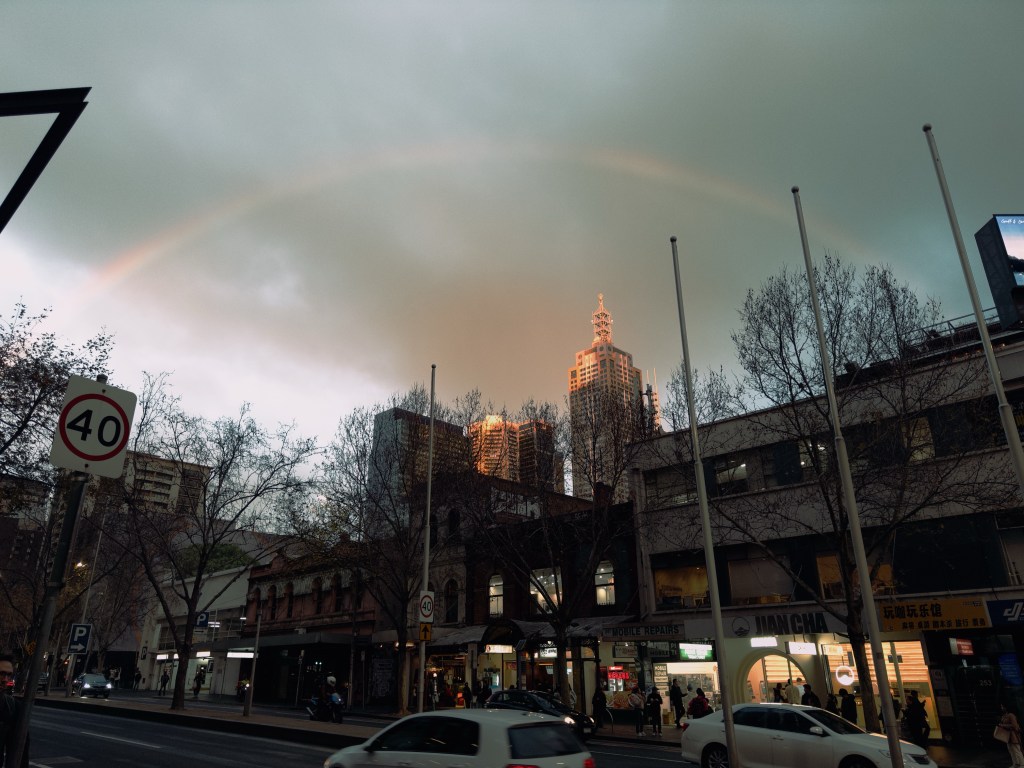
In Melbourne at the moment, getting some relief from the heat of summer which seems to be getting worse with every year for no reason anyone can see at all! There’s no plan, just chilling at cafes, bars, and hanging with some friends for a few days.
Our friends in the city have built an incredible home for their three kids, rabbits, chickens, and visiting mothers-in-law. And for now, us as well. It’s the sort of setup that you can almost never find in Singapore, not without incurring generational debt, and it almost justifies all the dreaming Singaporeans do over a retirement in Australia. Almost. Because those people are surely forgetting to consider one crucial detail: hairy spiders the size of your hand.
I’ve brought no camera besides my iPhone. I’ve got my Kobo and iPad to read and draw, but left the Switch 2 at home. It feels nice having less stuff to keep track of, and I never understood the attraction of playing video games on holiday anyway. Why would you escape reality only to… escape reality again?
Before leaving, I met Brian for beer and ramen — the former at an Irish pub in Singapore that was entirely populated with middle-aged white men when I walked in. When the bartender told the waiter who to send the pints of Guinness to, I heard him call me “the Chinese man”, which is a description that would normally never help you in Singapore.
We talked a bit about Bosch because I’d recommended the Amazon TV series to him awhile back and he’s now enjoyed all seven seasons of the mainline show. He did, however, notice that season 7 felt a little different (I personally can’t remember), and found out that some network suits came in at that time and tried to make changes to the show. Right after, the series moved to the Freevee channel and became Bosch Legacy, where the vibes became noticeably different again and the supporting cast changed. I still love them all though.
And now there’s a new 10-episode Bosch spinoff series, Ballard, starring Maggie Q. I’ve yet to start on it, and while I want it to be good in the same ‘LA Noir’ way that Bosch was, I gotta be realistic and prepare for a load of network exec bullshit.
On the flight over, I finished reading Old Man’s War, a very entertaining John Scalzi sci-fi novel about signing up for an intergalactic war at the age of 75; read Blake Crouch’s Summer Frost, a solid short story about AI that could easily become a film; skimmed the popular financial self-help book Die With Zero; and started on Nick Harkaway’s Tigerman without knowing a thing about it but it’s already going well.













 sangsara.net