Tag: Cameras

  • Should I really have bought a new camera?

    Should I really have bought a new camera?

    You never use the cameras you have as much as you do when there’s a new one ordered and on the way. I’ve just bought a Panasonic LX10 online to take the place of my 6(!) year old Sony RX100mk1—a compact travel camera with a big-enough 1″ sensor and useful 3x-ish zoom range.

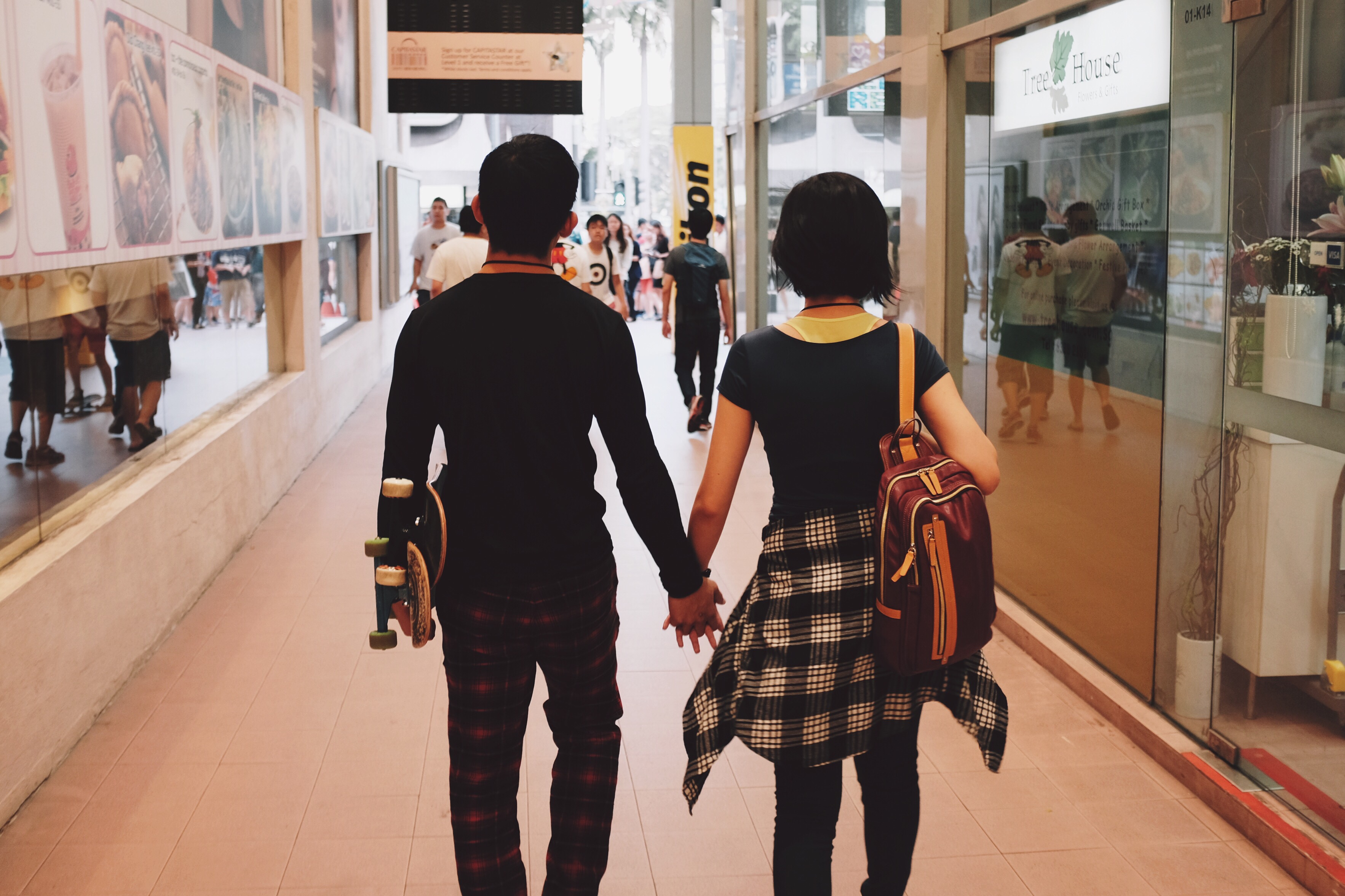
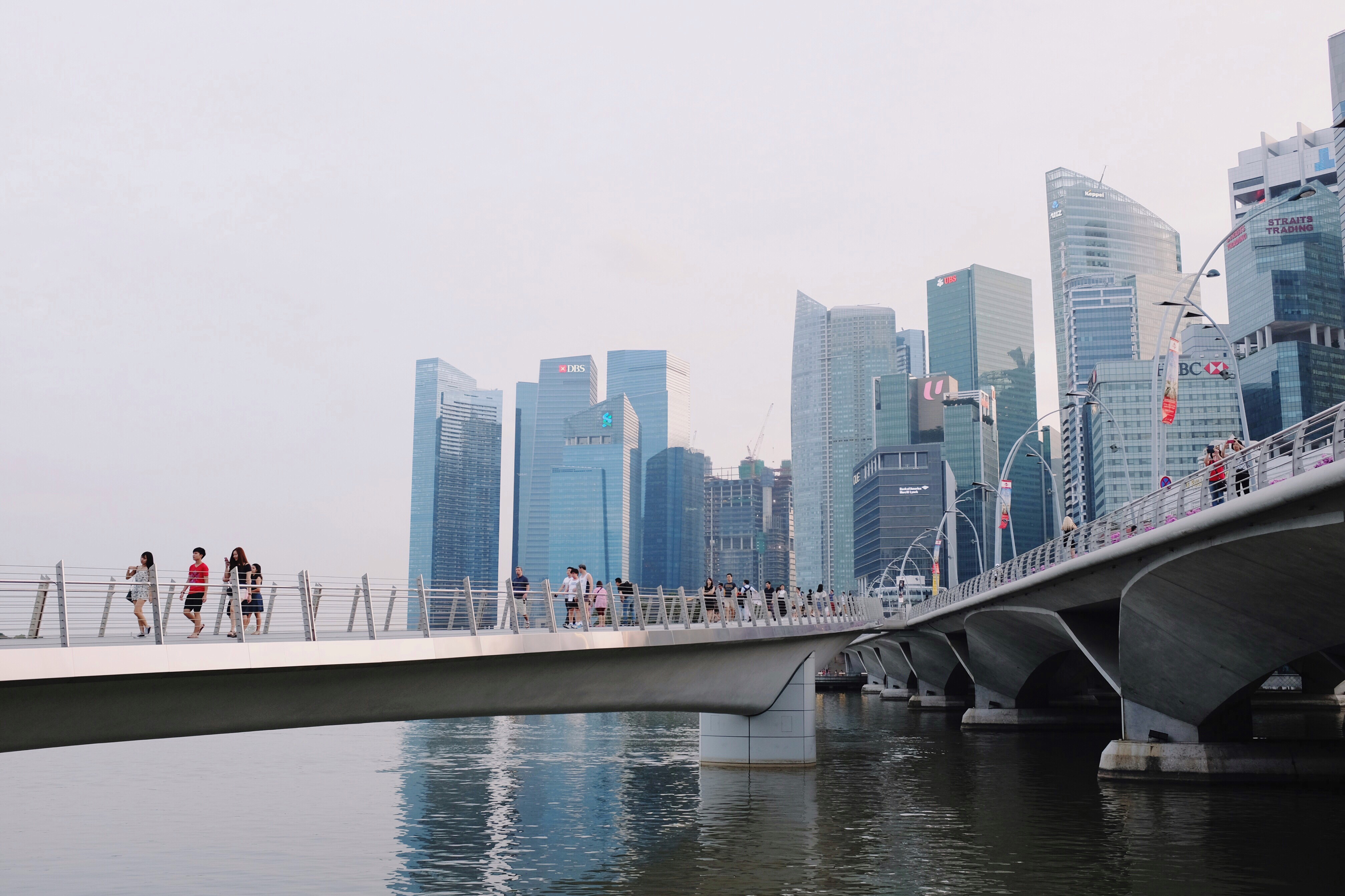
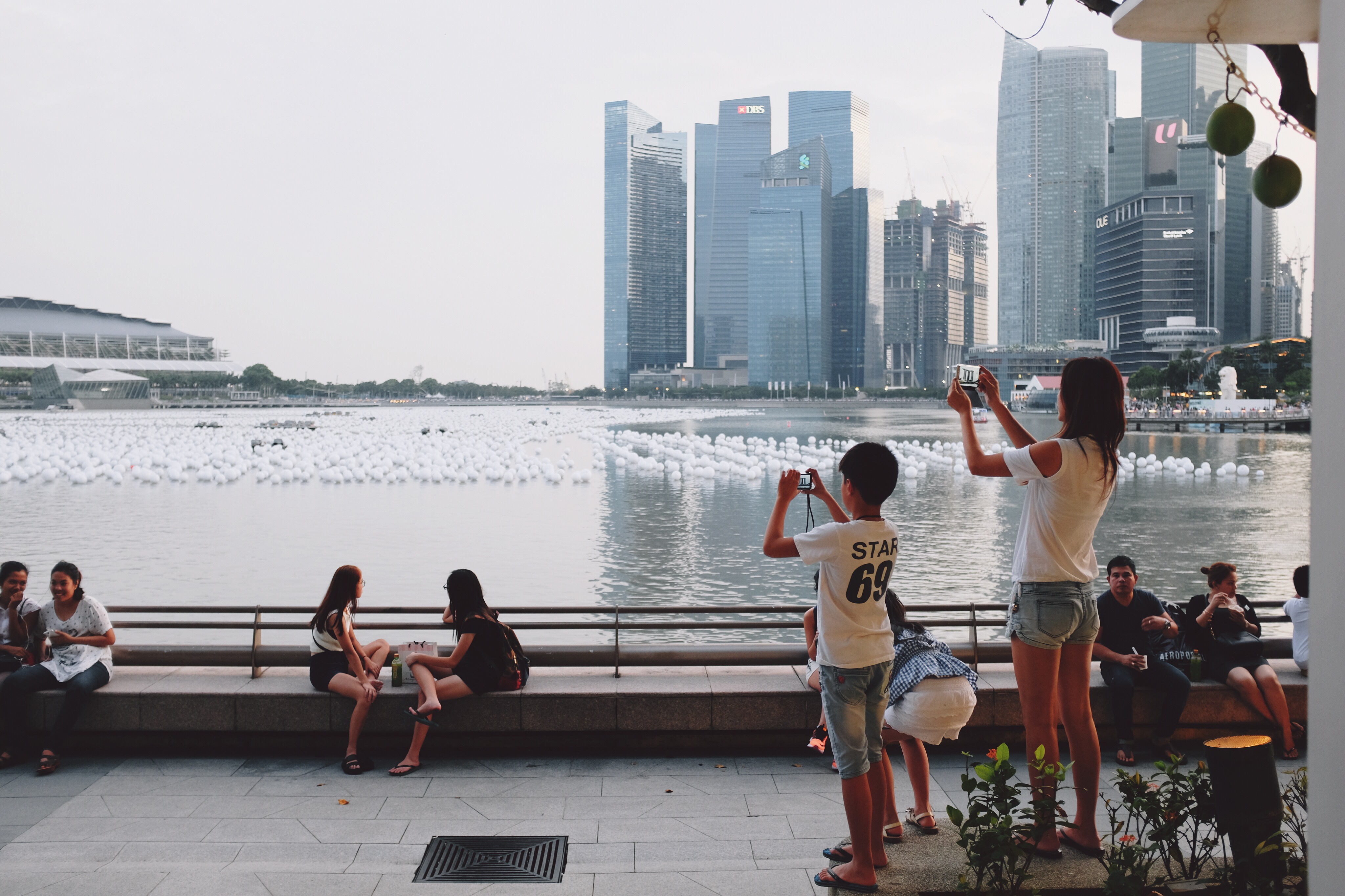
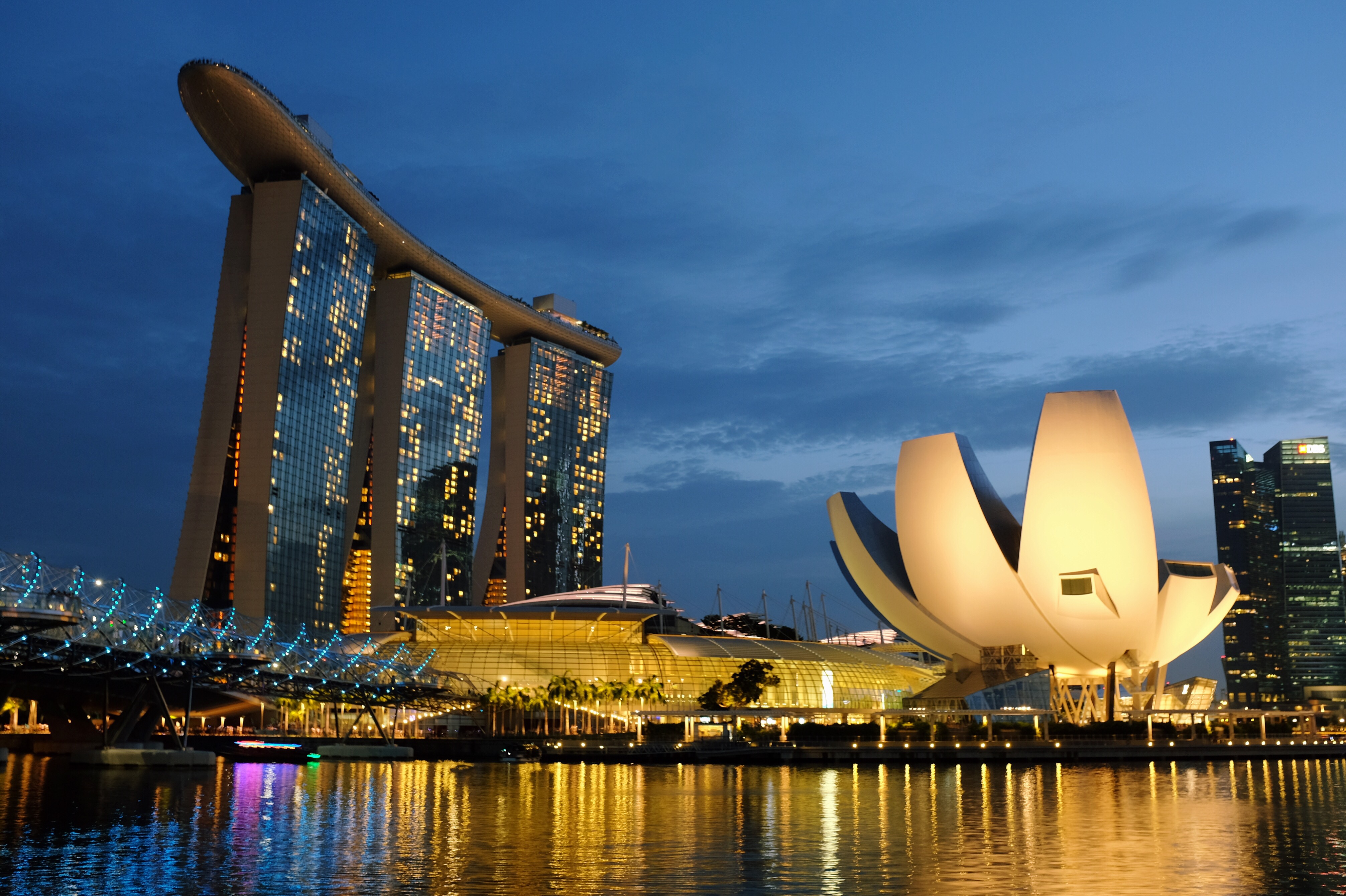
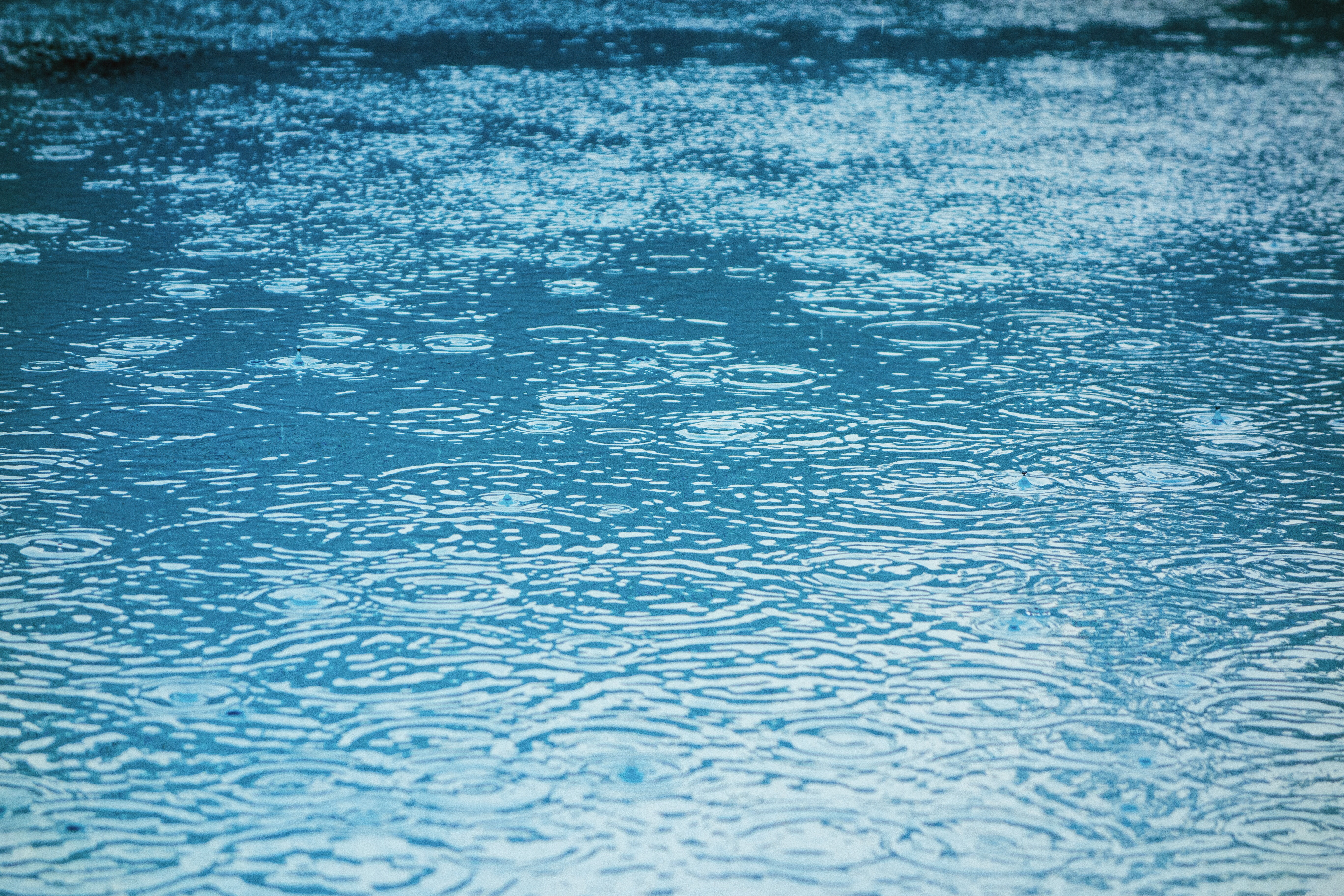
    Below: a recent shot from my RX100.
    That the LX10 has been on the market for 2 years says something about my changing habits. Buying last year’s model used to be unthinkable, and I’d pay a premium for buying that way. But the industry has changed and now hardware updates come every few years instead of annually, and the average price has gone over the $1000 mark to compensate for the drop in sales. Buying late nets you a nice discount back to pre-smartphone prices.

    Anyway, while waiting for that camera to come and prove wrong my fears that I’ve given my money to a scammy HK website, I’ve been using my iPhone X and RX100 a bit around the neighborhood and workplace.

    I can’t stress enough how much the Halide camera app + Adobe’s new and improved Lightroom Mobile have changed the way I shoot and edit RAW images on iPhone. (I still love and use Darkroom too, it just doesn’t do RAW as well as Lightroom anymore.)
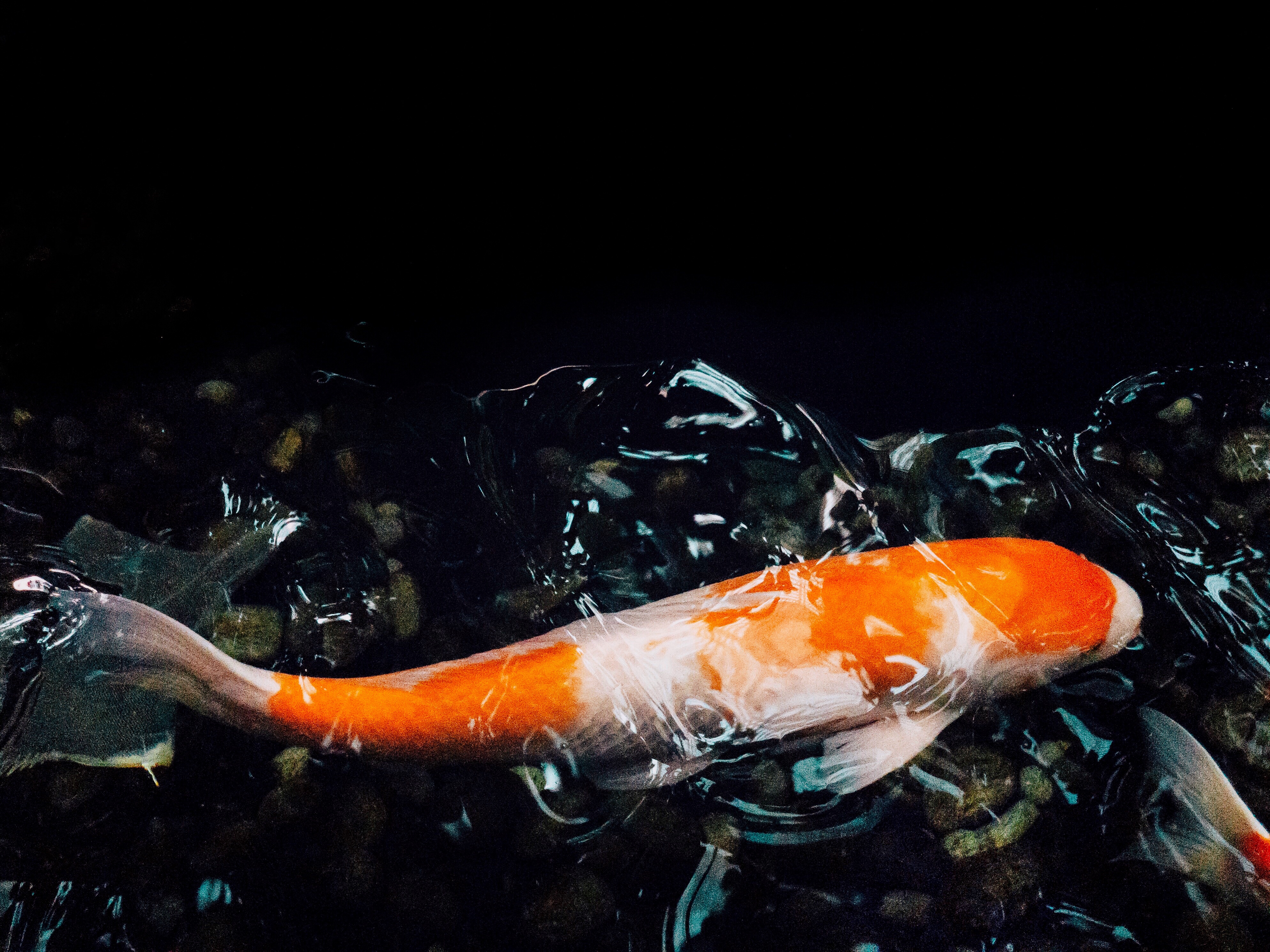
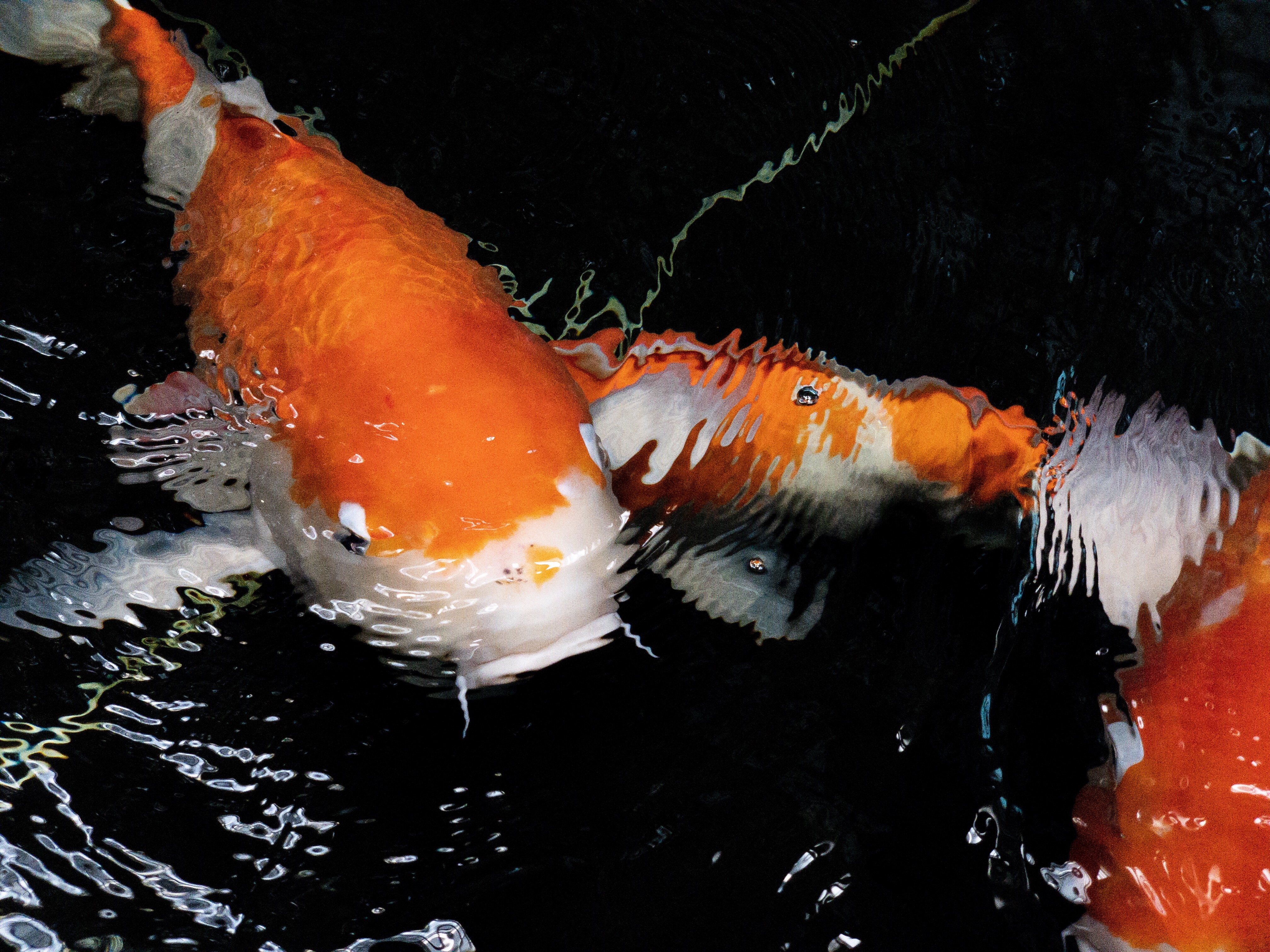
    Shooting koi in a rippling pool with an iPhone requires you to go full manual, and while the thought of fiddling with shutter speeds and ISO and manual focus on a touchscreen used to make me shudder, it’s actually doable with Halide’s well-considered control layout and gestures. I just wish you could lock focus peaking to always-on.
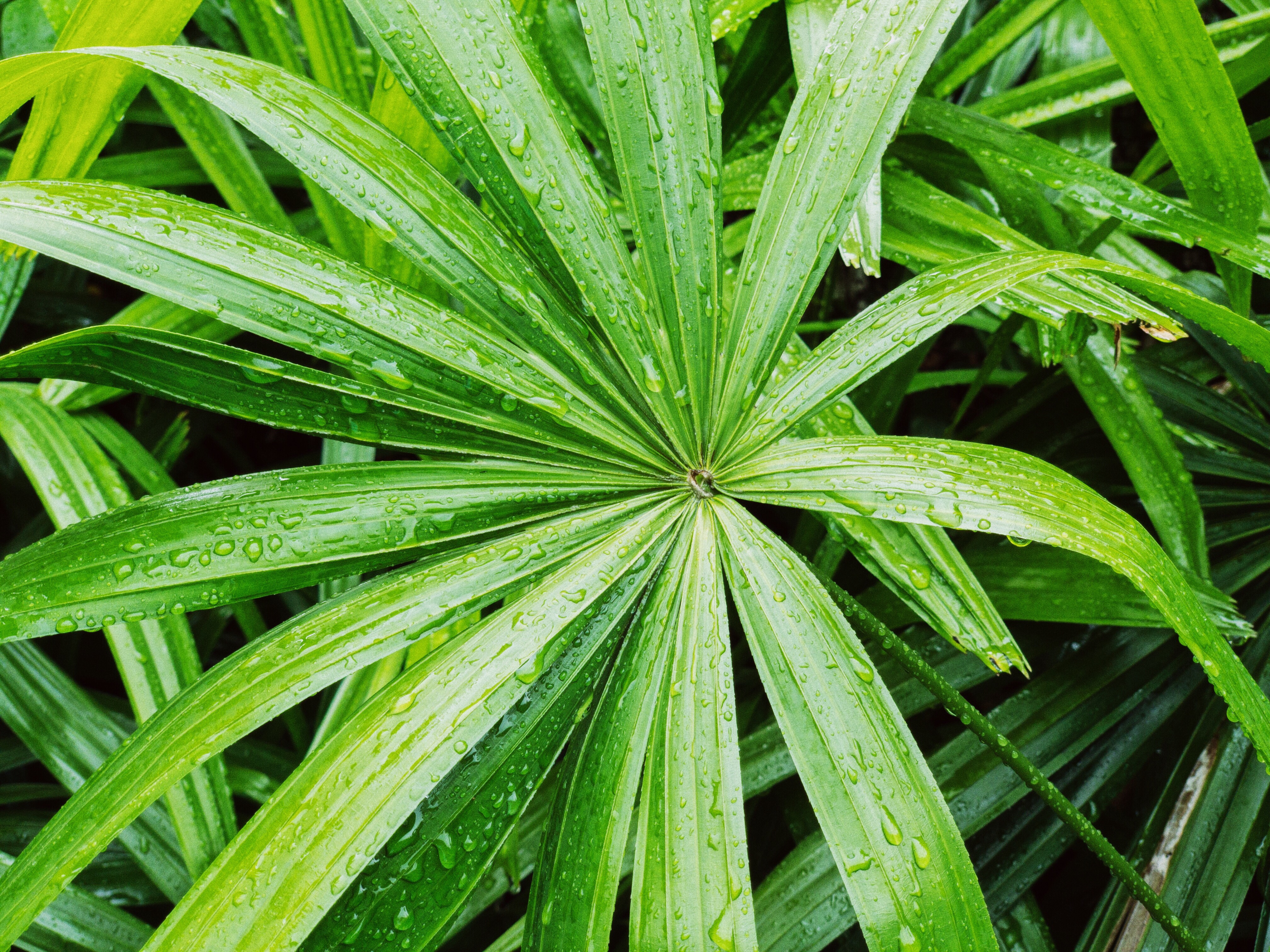

    Honestly, I had no idea you could get this kind of sharpness and microcontrast out of an iPhone. I’ll be saving JPEGs and Live Photos for quick grab shots and moving scenes from now on. Given that I’ve taken a few holidays with just my iPhone, this is all making me wonder if I should have bought a new dedicated camera at all.
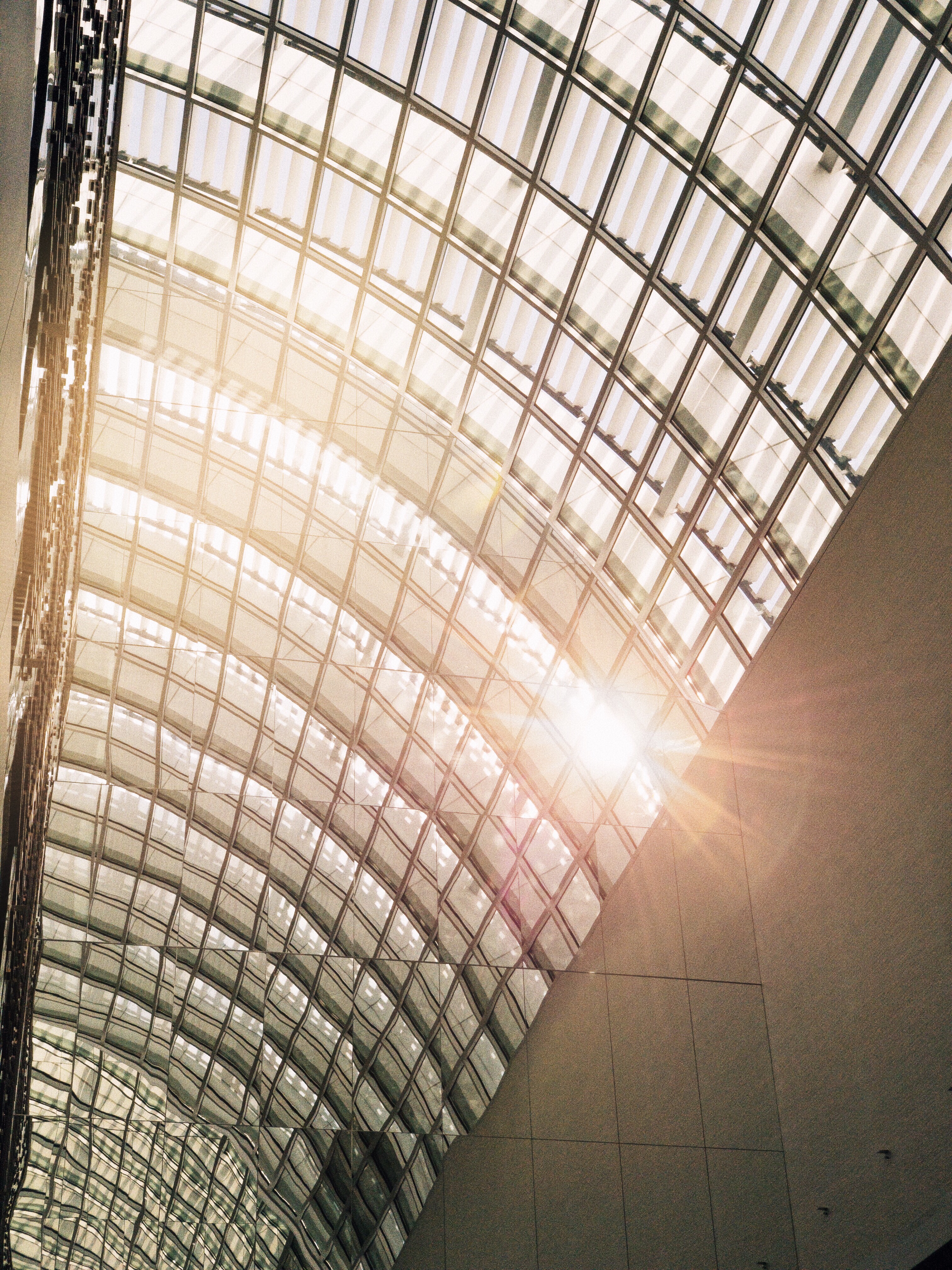
    Okay okay, while shooting in RAW preserves highlights and deals with tricky lighting such as the above shot in the late afternoon, I’ll admit to enhancing that flare with Lens Distortions. It’s all about creating the scene you saw with your eyes, right??

    Assuming the camera comes on time, I’ll probably bring it with me to Tasmania when I go in a few weeks. Seems like a landscape kinda place, so I have doubts about bringing my other cameras: a Ricoh GR (28mm) and Fujifilm X100T (35mm). 🤔
  • 31 Days of Black & White

    31 Days of Black & White

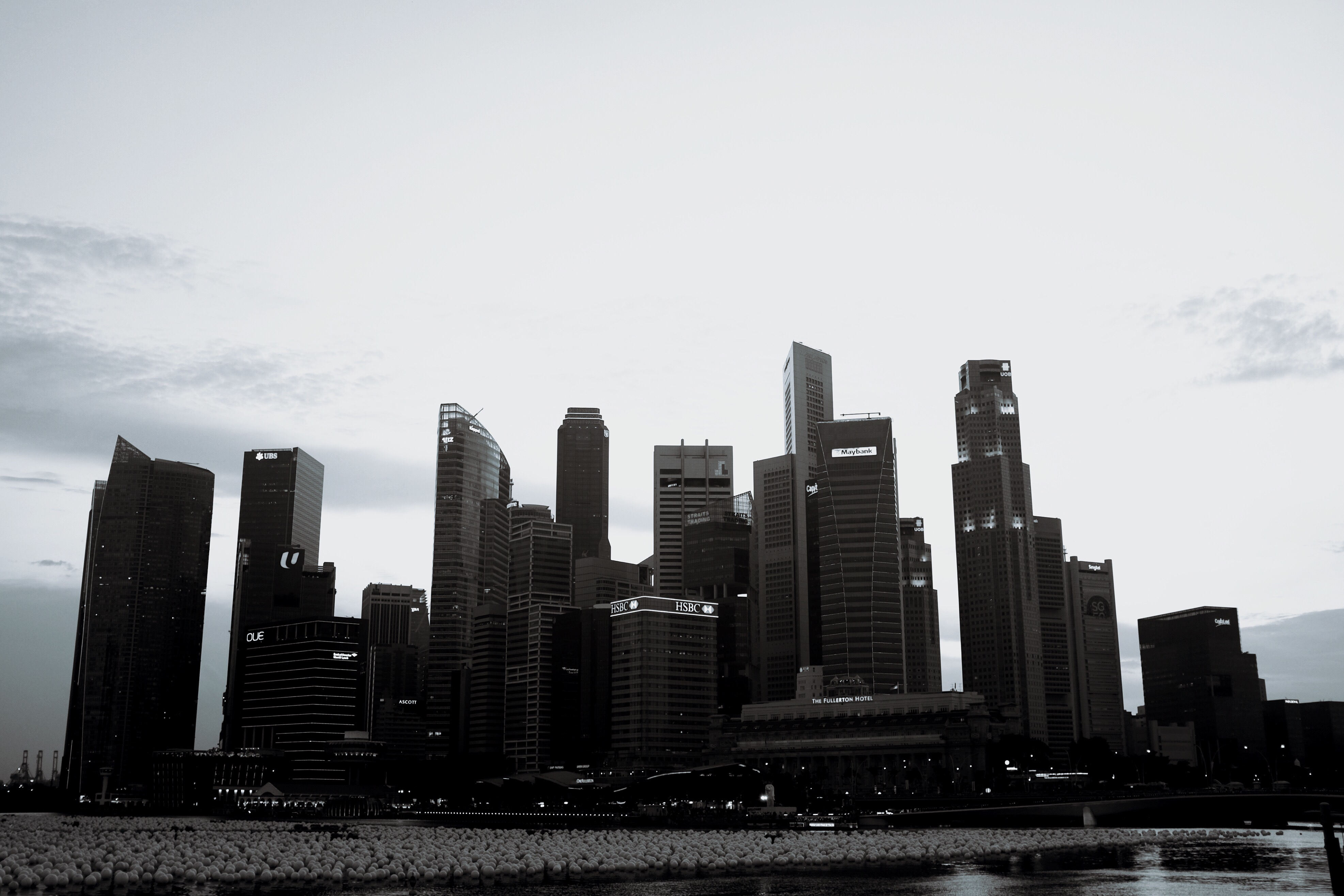
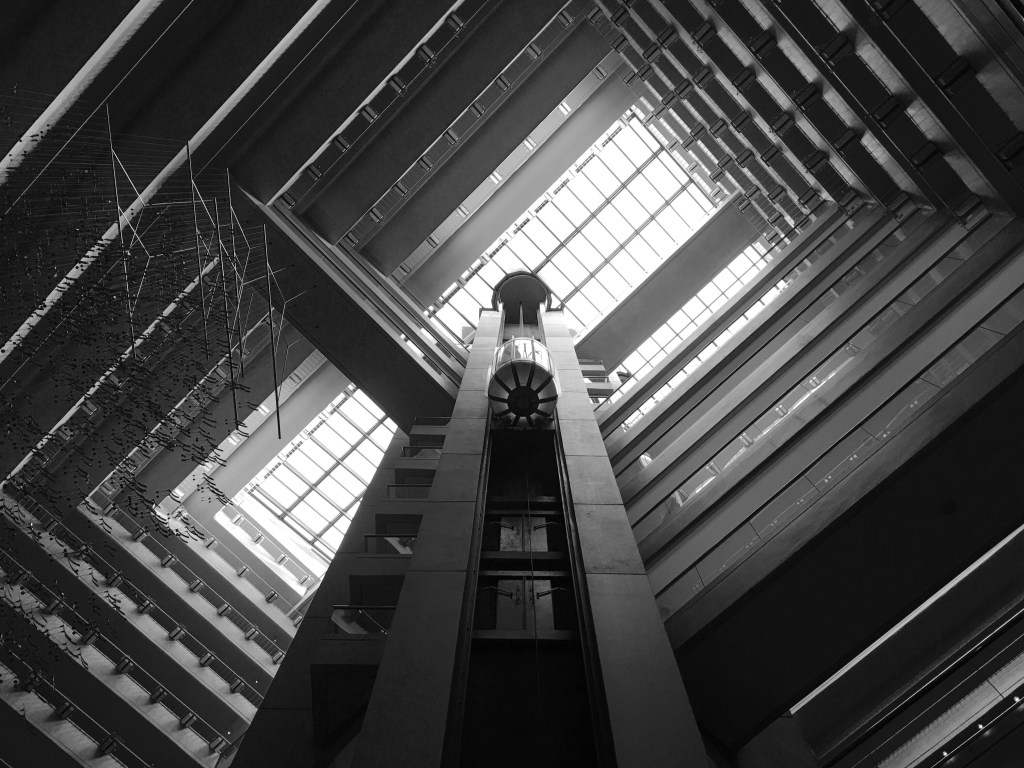
    I spent the month of January shooting photos only in black and white. Not just the ones I posted on Instagram, but everything in my camera roll got converted and saved in black and white. When I scroll through my timeline in the future, this block of 60 or so shots is going to stand out.

    I got the idea from @espresso on Twitter who shot monochrome photos for the entire year of 2015. That’s dedication. It only came to my attention in December when he started mentioning how much he looked forward to color again in the new year. You can see his Storehouse collection of photos here.

    It was absolutely worth it. You can always learn a lot in any creative endeavor by putting restrictions in place; I think because it’s too easy to try to grow in many ways at once, especially when taking photos, you can go from landscapes to close ups to street scenes in a single day, and play with a dozen photo processes and apps at a time. Taking away some options can make you focus long enough in one direction to notice something new. Taking color away immediately makes you think about lines and composition and texture. All the habits you’ve formed around what looks interesting and when to raise your camera are rendered unreliable, and you’re made to look at everything through new criteria that you’re forming through practice.

    It reminds you that the absence of color is actually a powerful tool that has gotten too closely associated with making statements or establishing mood. It’s a legitimate way of directing attention, and a different set of skills when doing post-processing. And it frees you up from taking photos of every meal, because it’s quickly apparent that most won’t turn out very appetizing.

    If anything, a month might be too little time, especially with the demands of work and other hobbies. Now that it’s over, I intend to keep doing it, maybe at a 1:3 ratio with color photos.

    Everyone should try it out some time (with the #bwchallenge hashtag). I highly recommend the Darkroom app, as always, because it gives you a ton of control over how tones are converted and shifted, going beyond the emulation of simple color lens filters.

    Also check out my friend Cong’s feed, who did the challenge with me and stuck with it even through a trip to Osaka, which took some guts.

    Edit: Forgot to add an observation. A lot of these photos were taken with my iPhone, and I found that turning a photo black and white negates the weaknesses of small smartphone sensors. Noise and muddy colors in dark scenes are no big deal, and the quality of available light (in gradations) seems to increase when you combine the color channels.


  • First Photos From a Fujifilm X100T

    First Photos From a Fujifilm X100T

    I was in the market for a Sony RX1R because I’d heard that the price had come down to as low as $2,400 SGD at third-party retailers, whereas Sony’s own retail stores still sells them for about $3,800. I know that’s a lot of money for a fixed-lens camera, but it was intriguing. I bought a Ricoh GR earlier this year as a birthday present to myself, and have only used it sparingly. The guilt! How could I justify a camera for Christmas too?

    This particular fit of consumer madness began when a friend started looking at the new model, confusingly named the Sony RX1RII, or RX1Rm2, and which costs $5,000, for his own needs (isn’t that how it always starts?). He eventually decided to go even further upmarket with a Leica, but that’s a different story.

    In the end, I hesitated too long because of the asking price and the unbearable judgment of my already adequate camera shelf, and discovered earlier this week that the older RX1R was no longer available at every third-party camera store I called and visited. My guess is Sony wanted better control of the price, and to remove competition for the new $5,000 model. It’s better, but it’s not $2,600 better.

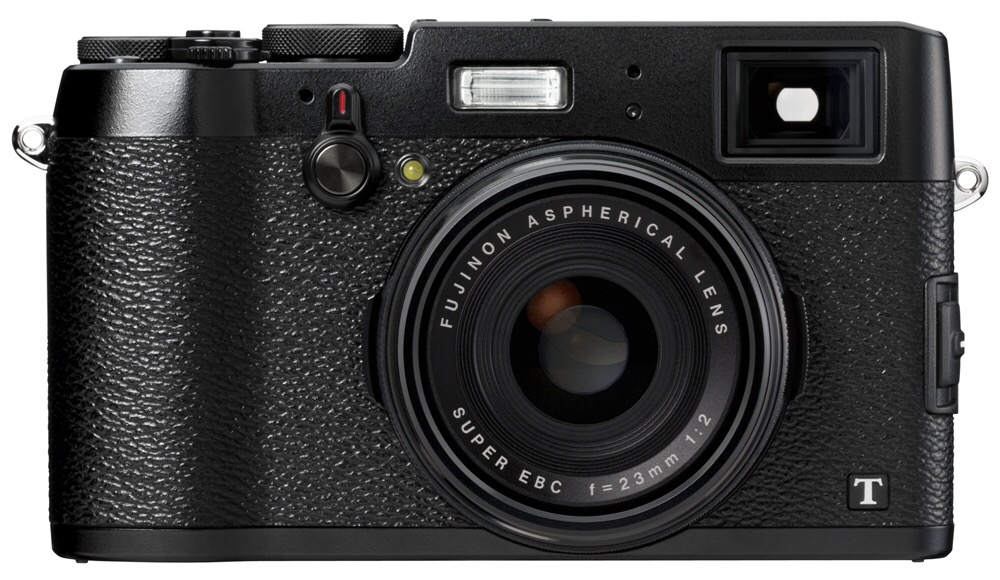
    So after a bit more research and the use of a friend’s Fujifilm X100S for a few days, I got the beautiful X100T you see above. It’s nearly a thousand dollars cheaper than the Sony would have been. It’s not a fair comparison because the sensor is APS-C sized instead of full frame, but its 35mm prime lens barrel is a lot shorter and less conspicuous as a result. Fuji’s color reproduction and JPEG quality is also quite lovely, and I’m happy with the way things look straight out of the camera. I often find the Ricoh GR series’ 28mm field of view too wide for most purposes, and with many other compacts now starting at 24mm (like Sony’s RX100), it feels great to finally shoot with The Standard.

    A quick recap of the specs, if you have the time:

    • Fixed 35mm f2 Fujinon lens
    • 16mp CMOS sensor with phase detection autofocus
    • An integrated hybrid viewfinder that switches from optical to electronic with the flick of a switch (only the new RX1R has an EVF)
    • Built-in WiFI for transferring photos to a smartphone via Fuji’s barely functional app
    • Software emulation of Fujifilm’s classic film stocks (perhaps more in name than reality): Provia, Velvia, and Astia
    • A little bigger than the RX1R, although more compact on the whole thanks to a smaller lens
    • An ND filter and electronic shutter mode for really fast captures in bright light

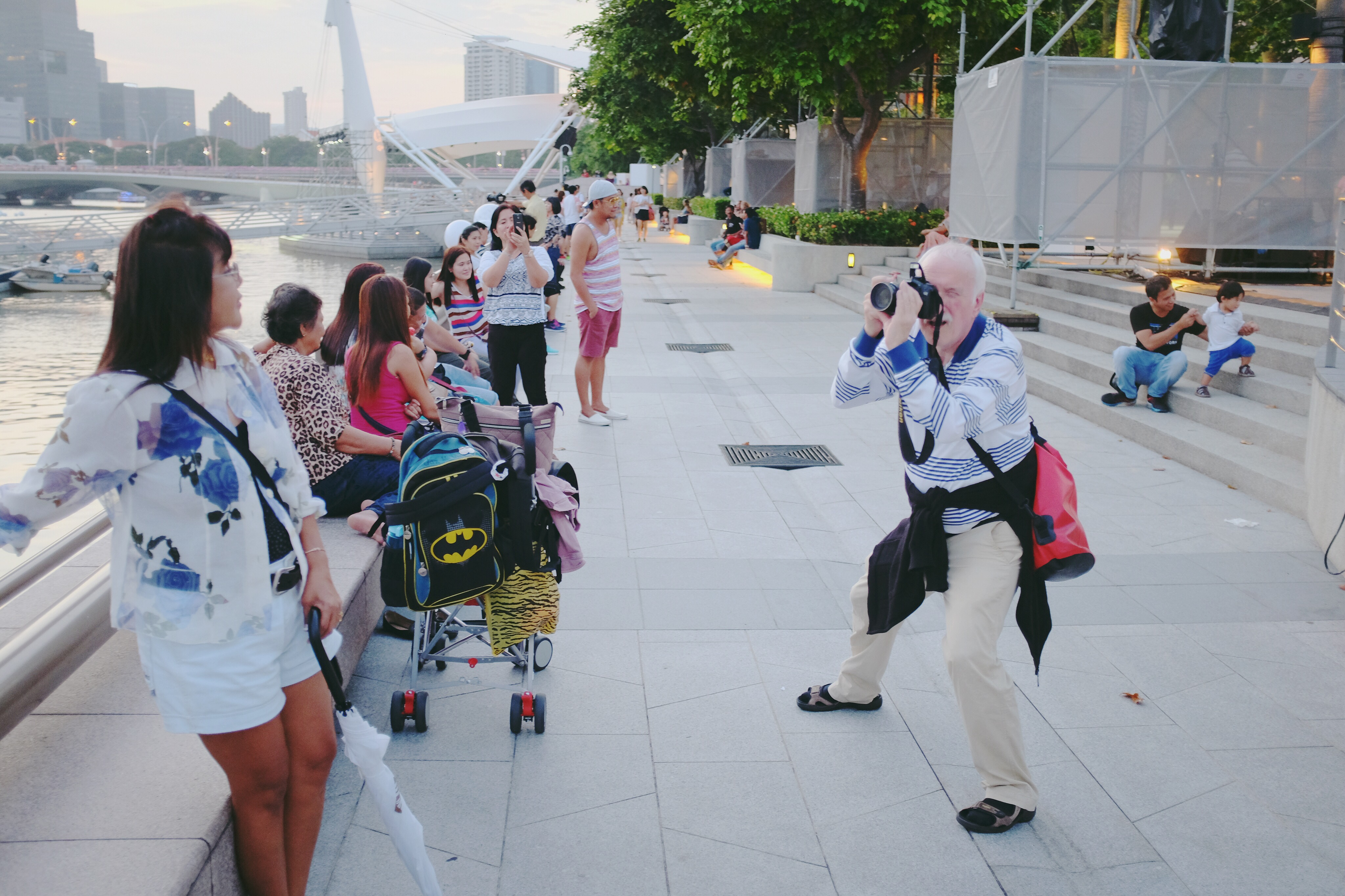
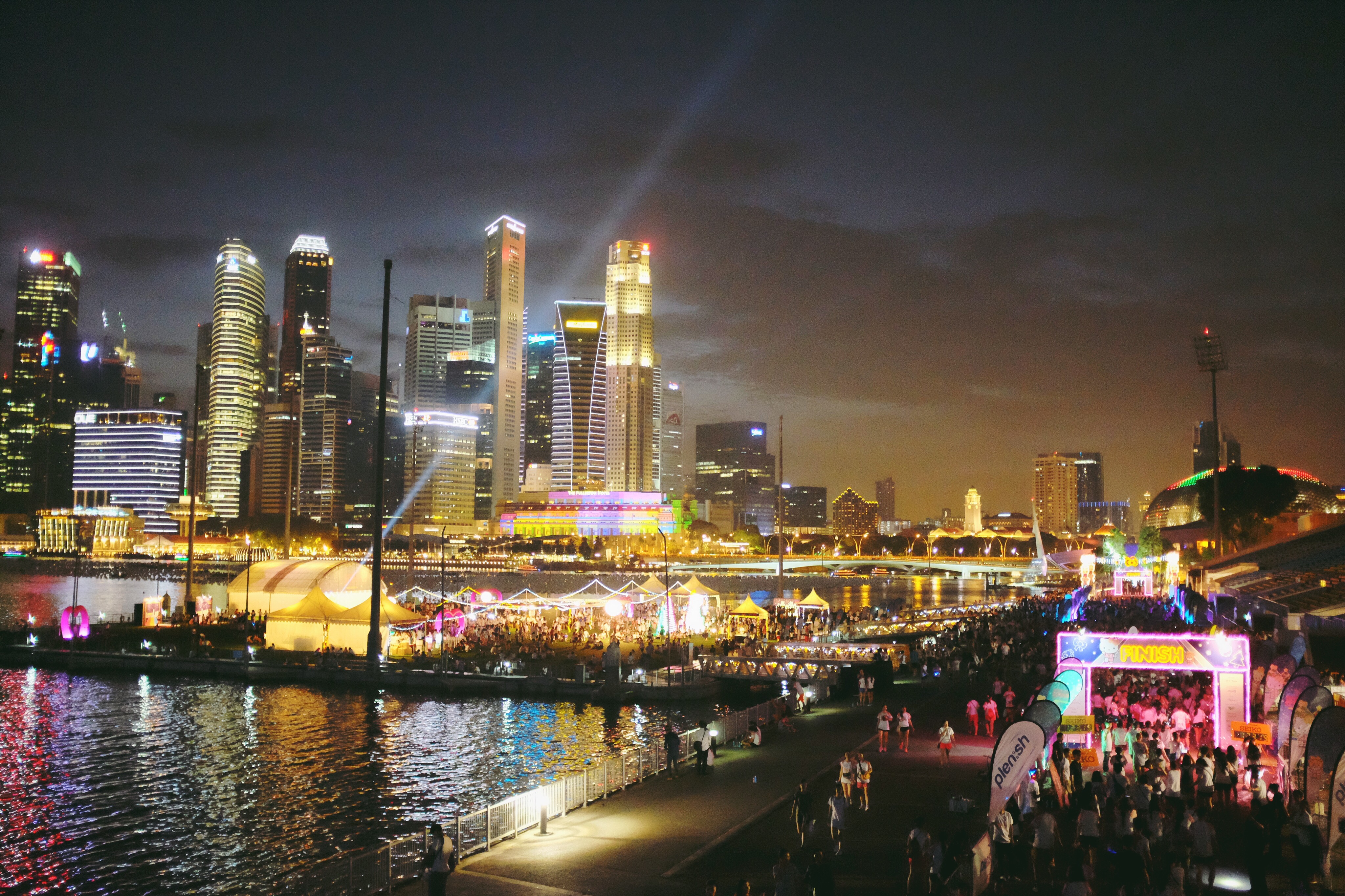
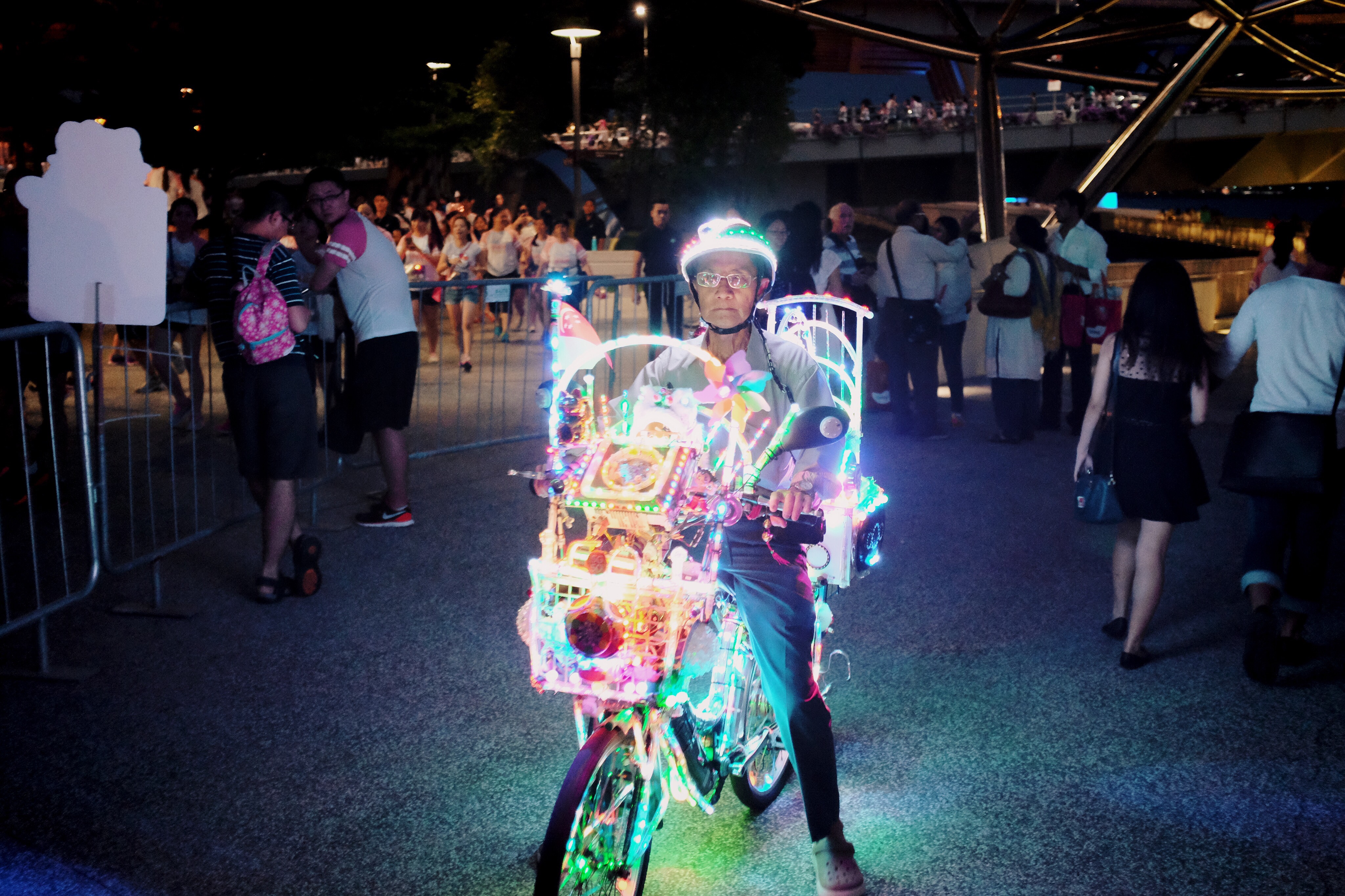
    Here are some shots from a photo walk I took yesterday, which happened to coincide with the Hello Kitty Fun Run. I never knew it was such a big deal. Two observations: Having a camera around your neck makes you more liable to be asked to take someone’s photo, and if people notice you pointing one in their direction, they’re more likely to flash you a peace sign.

    img_2680img_2672img_2673img_2658img_2655img_2660img_2707img_2705img_2711img_2689img_2701img_2727img_2686img_2685img_2716img_2719img_2721img_2733img_2723img_2706

  • Unboxing: Moment Case for iPhone 6S Plus

    Unboxing: Moment Case for iPhone 6S Plus

    Today I received my new Moment Case (Dark Walnut Kickstarter edition) for iPhone 6 Plus after a long wait following the Kickstarter campaign. They hit a snag with manufacturing, and the release of the slightly thicker 6S series of phones necessitated holding back to make sure the original designs fit.

    It works as advertised and is very easy to hold; slips into my jeans pocket comfortably enough too. Here’s a quick unboxing and look at the startup photo taking workflow. Note that you must use the Moment Camera app if you want to use the shutter button. It does NOT function as a regular Bluetooth remote shutter like the kind you use with a selfie stick.

  • Shuttered Out

    IMG_0743

    At a recent office balcony party, I spoke to a colleague who’s also into photography (by which I mean he’s also afflicted by the coin-draining hobby of buying cameras), and realized that maybe I’ve made some progress. My last purchase was the Sony RX-100, which he also bought, and then sold, and then bought a Fuji X20, and then sold, and then bought a used Fuji X100S (pictured). The urge has not visited me lately, unless you count the $200 Q Camera which no amount of money on Earth can buy at the moment because they’ve only made one sold-out and poorly handled batch.

    I’m doing really well on just my iPhone 5S and excellent apps like the new Mattebox (do try my Velvius filter), and Cortex Camera. You can also explore all my posts tagged ‘Photography‘.

  • VSCOcam 2.0 — A New High-Water Mark In Mobile Photography

    I’ve been a fan of VSCO products for awhile, and have written about using their VSCO Film presets with JPEGs from consumer compact cameras, and recommended the last version of their VSCOcam iPhone app in my rundown of Essential iPhone Photography Apps.

    In the latter post, I said of version 1 of VSCOcam:

    As flawed as it is capable, this low-priced alternative to the VSCO company’s pricey desktop plugins is pretty good at giving photos a realistic film look; no light leaks and crazy cross-processing here, just subtle color shifts, fade operations, and real grain overlays. Skip the other basic editing tools included; they’re not up to scratch yet, but the package is an easy buy at $0.99.

    The good news this week is that version 2 of VSCOcam [iTunes] greatly improves upon those editing tools (specifically by giving operations such as adjusting brightness more precise ‘steps’ of control, and making them non-destructive within the app; new adjustments like rotation have also been added), and takes the original’s 10 built-in film looks to another level.

    The new version of VSCOcam (a separate download in the App Store) is a free download, and now contains a store with 16 packs of “presets” for download at 99c each. A pack consists of 3 presets, which are really more like filters since their results cannot be accomplished by tweaking any of the editing parameters. Presets is a strange term to carry over from VSCO’s Lightroom and Aperture products, where they really are Presets.

    Owners of the previous paid app can unlock the original 10 legacy filters in the new app, which is a nice touch. And as a launch special, all 16 packs can be bought for the price of 6.

    The new app is essentially a ground-up redesign and rebuild. All operations are significantly faster, the built-in lightbox mode is nearly unrecognizable and has some very nice power-user features like flagging and filtering by flagged/edited states. The camera module is now good enough to use as a camera replacement, with separate focus/exposure locking, a “big shutter button” mode, high ISO boost support for iPhone 5, and other improvements. There’s also a proprietary photo publishing platform called VSCO Grid built in that I haven’t had the chance to try because accounts are being rolled out slowly as they test it.

    In this week’s issue of The Round Down newsletter (subscribe!), I said:

    This is a new high-water mark in mobile photography apps. […] It’s almost too good to be true, and too good to give away for nothing.

    And it really is. At one point on the mobile photography timeline, taptaptap’s Camera+ app was king of the hill as an all-in-one solution because few others did as much as it did, as inoffensively as it did. However, its shortcomings in editing and effects processing have never been addressed, and the pace of development seems to have slowed down considerably in the past year. With VSCOcam 2.0, I think its successor has arrived. It has the power to fix shortcomings in photos as well as or better than Camera+ ever did, and the professional desktop editing pedigree of its filters is unmatched by competitors.

    A few bugs and metadata issues notwithstanding, if I had to delete every photo app on my iPhone bar one, this would be my choice to keep.

    Not the best example, but one photo I took last night.
    Not the best example, but one photo I took last night.

  • First Time in Hong Kong Since 1984 (Photos)

    First Time in Hong Kong Since 1984 (Photos)

    Here are some of my favorite photos from 5 days of eating and sightseeing in Hong Kong; the ones I knew I was lucky to have as soon as I hit the button. As I said a couple of days ago, the Sony RX100 is now my favorite compact camera — just that little bit more versatile than a Ricoh GRD thanks to its 3.8x optical zoom, and, while bigger, still small enough to carry in a pocket. In terms of pure image quality, it takes better photos than any of the small-sensored compacts I’ve fooled around with.

    Still, while going through the entire set on Flickr, I was surprised by how many came from the iPhone 5. At this size, can you tell which of the ones below came from an iPhone? Click through to find out.

    There are a couple of photos from Art|Basel 2013, which was running at the HK Convention and Exhibition Center (HKCEC) from Thursday to the weekend. One of the low points was sitting at the cafe area and listening to a bunch of very rich people complaining about how their cameras and iPads and iPhone 5s batteries weren’t enough to last through a busy day of buying art (and taking photos of art with the flash on) even after shutting down all the apps by double-clicking the home button (=_=). They also complained that there wasn’t enough art amazing enough to buy on the spot. I wanted to tell them to spend some money on a battery pack over at Wan Chai.

    Taxi ride into Hong Kong

    Under The Bridge

    B&W Tenements

    Hysan Place Apple Store Pano

    IMG_7665

    Causeway Bay Apple Store Exterior

    Rainy Day in Hong Kong

    Horses — Times Square

    High Pixel Density

    Golden Wonder

    Roasted Meats

    Love Shop

    Smoking Bin

    Scaffolding, Alleyway, Night

    Okay Now I'm Coming Down

    Do You Fools Not See The Duck Coming?!

    Art | Basel HK 2013

    PINK

  • Photo: Hong Kong Lingerie Shop

    DSC00102

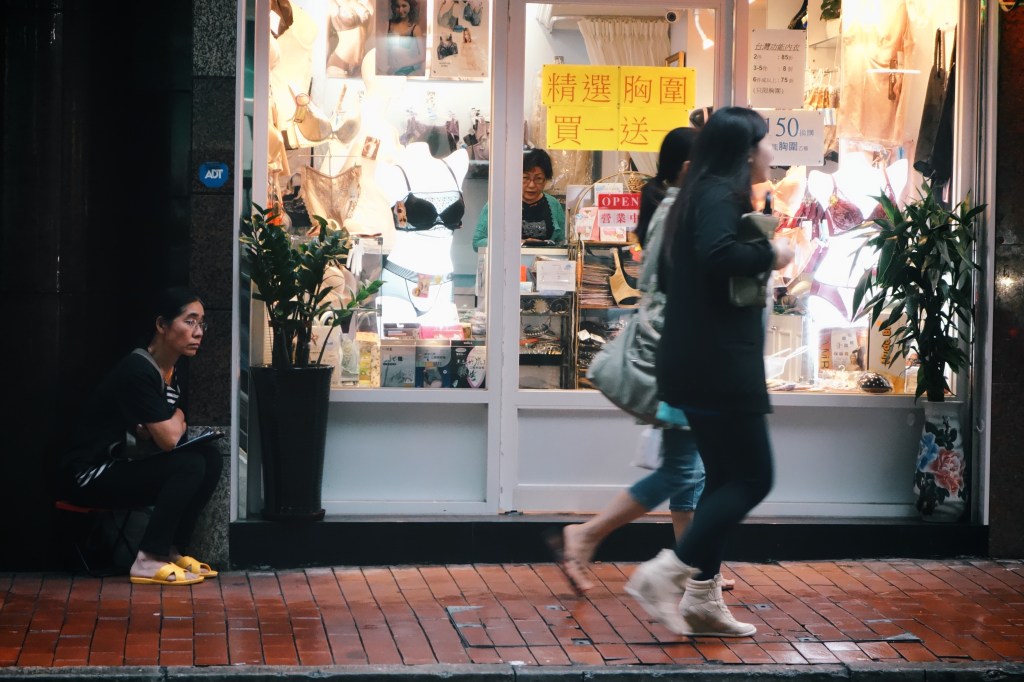
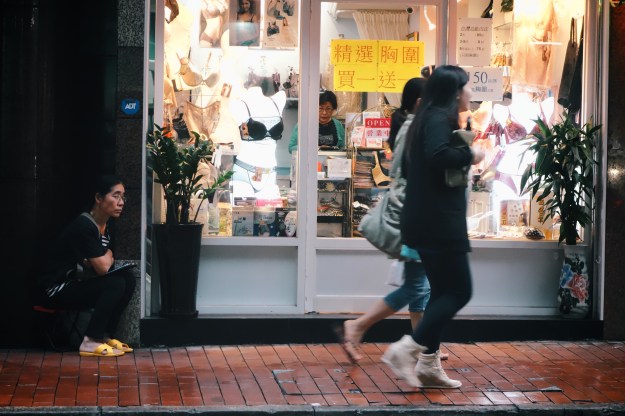
    A quick word about the Sony RX100 I bought on vacation: best camera I’ve ever owned. Small enough to put in a jeans pocket, amazing quality output, and fast enough to grab shots like this one — I saw it across the street just as Kim managed to hail a taxi; had literally two seconds to shoot blindly while getting in; pleased beyond words that it turned out sharp and captured the look of the lady in the shop. I don’t think you can buy a better compact right now except maybe the larger RX1 which costs five times more.