Tag: Film

  • Week 12.24

    Week 12.24

    If you’re reading this on the web, you might notice that this site is now running WordPress’s new ‘Twenty Twenty Four’ theme, with a more traditional blog-like homepage (it has a sidebar) linking to single-column post pages. Navigation remains unchanged, but typography and minor details are improved.

    I’m happier with this than I was with the blocky grid of last year’s ‘Twenty Twenty Three’ theme, because this comes with the freedom to put up shorter posts without Titles or Featured Images. Over the years I’ve gone back and forth on microblogging here, or having all tweets mirrored here, but it’s never stuck. But at least I have the option again, especially since I haven’t properly posted on Twitter in a year and most people I want to follow are still scattered across Threads, Bluesky, Nostr, and Mastodon.

    ===

    We celebrated a little life milestone this week with a nature walk, a “Gold Class” viewing of Dune Part Two, a nice bottle of French Malbec, and a perfect Canadian pork chop with a side of the butteriest mashed potatoes. A mix of simple and simpler pleasures.

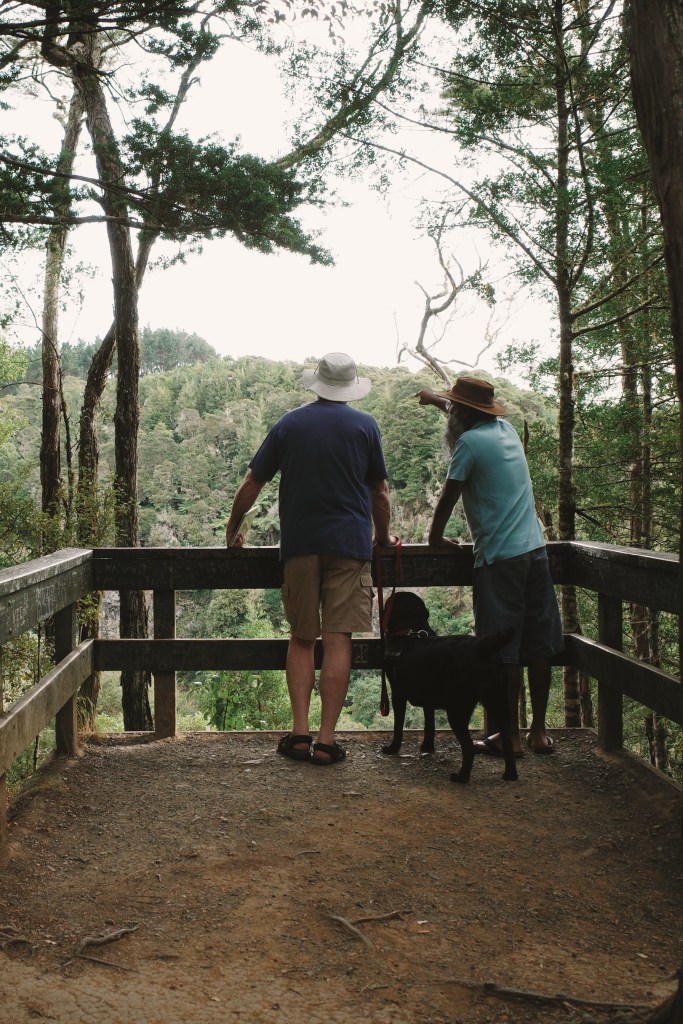
    I’ll expand: We were recently in New Zealand, and took a couple of walks in nature reserves. I’ve never bothered to attempt the same in Singapore because it’s ridiculously hot, but visiting the Rifle Range Nature Park in West Singapore was interesting for the stark contrast offered versus our recent experiences. Every step on its paths is sure footed by design; suspended walkways take you through the forest without trampling plants, and they’re so convenient all the monkeys we saw were using them as well, rather than walking in the dirt. You get the sense that everything is regularly inspected and all dangers have been scrubbed. It reflects the usual criticism of Singapore being a theme park, which is only a problem because living in a safe environment breeds complacency. At several points on the easiest routes at Te Mata Park in New Zealand, slipping off a path and tumbling into a ravine was a genuine possibility. I wonder what other metaphorical tumbles Singaporean life has not prepared me for.


    The new Dune is as superb as all reviews have indicated, and I could not imagine rating it any less than 5 stars in Letterboxd. The art direction and photography are flawless, and it looks twice as expensive as it is. Never once while watching did my brain check out and think, “oh, that’s CGI”. The only change I would dare suggest is Austin Butler’s casting, as he’s not anywhere as menacing as the movie treats him. His character is already a nepo baby who just enjoys killing defenseless slaves and servants, and Butler didn’t bring the presence to suggest he’s also one of the most dangerous people in a universe full of freaks.

    Another 5-star film for us this week was Wim Wenders’s Perfect Days (2023), which won a Best Actor award at Cannes last year for Koji Yakusho’s nearly wordless performance. I enjoyed it tremendously as a loving tribute to the city of Tokyo and its toilets (really), a meditation on repetition and routine, an ode to proud and purposeful work, and a parable about how avoiding the messiness of life might obscure living itself. The soundtrack is a Gen X dream. Visually, it’s filled with beautiful everyday moments so mundane as to be overlooked by most of us going about our daily busyness. The way all its themes and music choices come together in the film’s final minutes is worth half a star alone.

    Continuing the theme of Japanese films about appreciating life, we watched Living (2022), the transposed-to-England remake of Kurosawa’s Ikiru (1952). I’ve never seen the original, but it’s now high on my list. Bill Nighy is fantastic in the role of a civil servant who learns he’s dying and wonders what it’s all about, and plays his deconstruction with impressive vulnerability. I looked at the trailer for Ikiru afterwards, and while Takashi Shimura’s performance in the same role is regarded as iconic, it was a little theatrical and may not have aged as well.

    Anyhow, the message in both these films is timeless: stop working so hard at meaningless things, smell the roses (or watch the shadows cast by leaves — ‘komorebi’ in Japanese, as the end credits of Perfect Days tells us), and make a difference to another human being’s life.

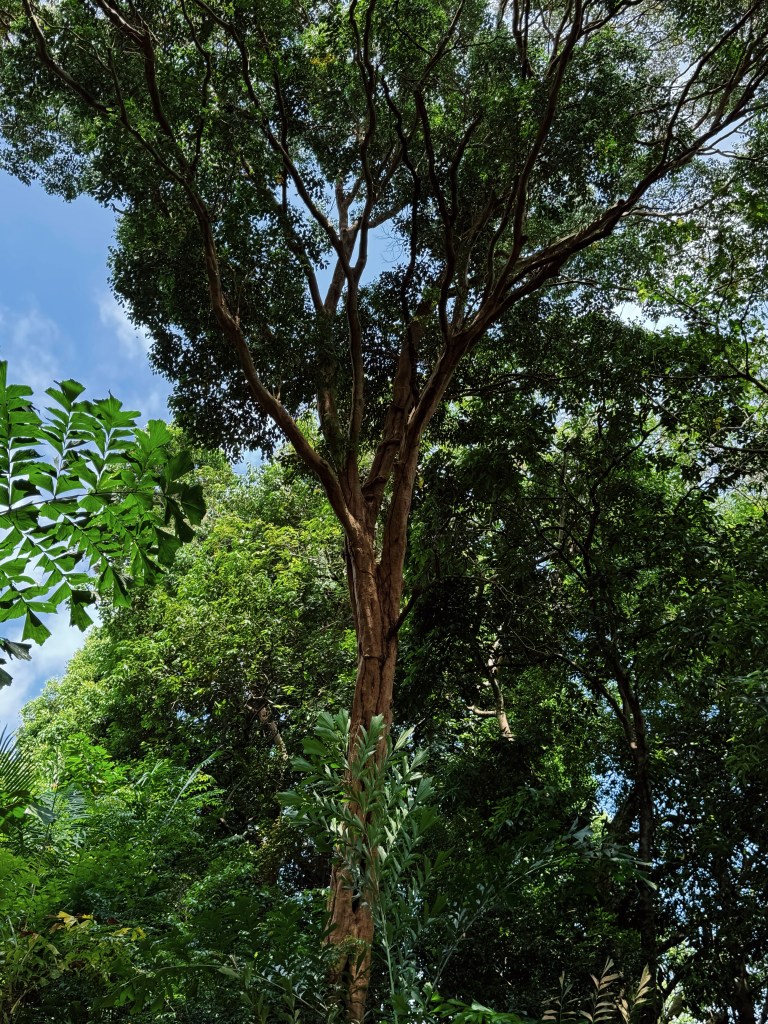
    Take a little forest bathing break with this video I captured.

    ===

    Additional media activity:

    • We finished Season 1 of Below Deck Down Under at last, and I was glad to learn that Captain Jason and Chief Stew Aesha return for Season 2, which we now must see. The leadership and teamwork these two have put Captain Lee and Kate of the mainline series to bottomless shame.
    • The new Call of Duty mobile version of Warzone has finally come out, after being delayed for about a year. As a somewhat devoted player of the original Call of Duty Mobile title, I’ve been waiting with very high expectations for this. Unfortunately, the launch has been a bit of a dud, with many complaints from the worldwide community. For one, Android devices seem incapable of running it well. On my iPhone 15 Pro Max, it runs at peak performance and the graphics are truly console quality; I was running around maps that I knew instinctively, but my brain was exploding from how different and detailed everything looked. Sadly, the phone runs hot and it drained the better part of my battery in maybe an hour. I’ll wait to see if they improve anything before calling it quits.
    • The new Kacey Musgraves album, Deeper Well, is not bad at all. It even has a song called Anime Eyes which drops a line about a “Miyazaki sky”. Very weird times we live in.
    • I started using a new social app that tries to be a Letterboxd for music: Musicboard. Unfortunately, it doesn’t automatically log/scrobble your listening activity, so rating music and broadcasting your taste is a manual affair. You also can’t start playing an album directly in Apple Music from within the app — it only supports Spotify at the moment.
  • Week 11.24

    Week 11.24

    Kim was away for work this week so that meant a return to pandemic routine for me: I worked from home every day, mostly staying in our ‘office’ room hopping on calls, flopping from chair to couch, picking up my Playdate* to kill a minute here and there, scrolling feeds (#WhereIsKateMiddleton), and mostly eating simple, low-cost, not entirely healthy meals.

    I did, however, pay attention to the bottle of olive oil in our kitchen, which is now past its best-before date, and looked into what a good replacement would be. In the process, I watched some YouTube videos on the supposed benefits of having two or more tablespoons of extra virgin olive oil a day, which can be summed up as reducing your risk of dying from several awful diseases by up to 19%. One video made a case for buying the better stuff thusly: imagine you’re visiting a friend’s home; you’d typically bring along a bottle of wine that costs between $20–30 (people who show up empty handed are so weird, right!?), which will be drunk within the first hour and followed by the opening of another bottle, and maybe another — that’s fair and normal, so why is it so hard to pay the same amount for a bottle of olive oil that you’ll use for months?

    That sold me, and I’m pledging to only use quality oil from now on. I was already aware of most of these benefits and how seed oils are comparatively terrible, but the comparison to a bottle of wine really hit it home for me and I don’t see why anyone wouldn’t spend a few extra bucks for tastier, healthier stuff if they could. Pro tip: try drinking a spoonful on its own, and see how much of that prickly, peppery sensation you get in the back of your throat. That’s a sign of the polyphenol content, which gives the antioxidant effects you want.

    At nights I accomplished shockingly little of the movie marathoning I’d imagined for my bachelor week. I saw two episodes of Red Queen on Amazon Prime Video, a series based on a “Spanish literary phenomenon” involving a woman with an IQ of 242 who helps the police catch serial killers in between psychotic episodes. And that’s about it? The rest of my viewing time was spent on YouTube watching Bloomberg, CNBC, and video podcasts over lunch.

    When Kim got back, we tried to make plans for Dune Part 2, but couldn’t find a time slot that worked, and did you know IMAX tickets are S$50 now? Even the nearest theater to us is charging nearly S$40 for their premium “Gold Class” seats, which gave me pause to wonder if we should just wait for it to come out on streaming.

    And then we watched Oppenheimer at home, on our nearly 10-year-old HDTV (that’s right, no 4K or HDR), which is totally not the way Nolan imagined. Despite the technical limitations of our screening, it was an extremely cinematic and immersive experience, and made me think some things are definitely worth the IMAX. So, maybe Dune next weekend.

    Music was just as neglected as the other arts, and the only new album I heard through was Ariana Grande’s latest: Eternal Sunshine. I didn’t register a single word, but it’s actually fantastic background R&B. That’s not a slight! It sounds good, doesn’t do anything crazy, and after a few more listens I’ll probably get into it for real.

    However, I am listening to Chick Corea’s Now He Sings, Now He Sobs (1968) as I write this, if you want something a little more challenging/rewarding.

  • Week 8.24

    Week 8.24

    We spent the last three days of our road trip in Auckland, returning the car to a desolate parking garage and then ordering an Uber from the side of the road with our luggage. When we got in, the driver confirmed “So you’re checking in to the Hilton? Not impressed with the parking lot?” which was low-key one of the best jokes that week.

    I already mentioned eating many burgers, but from our brief tour of restaurants across the North Island, it really seemed like New Zealand cuisine is made up of steaks, brisket, pork belly, oysters, fish and chips, and lamb chops. The renowned local beef is as amazing as you’d expect. As a tourist, this is nothing to complain about, but I’m certain I’d find the narrow range a little tiring if I lived there.

    There are local beers and many craft beers, but Heineken is held in strangely high regard; maybe a result of its relatively high price as an imported product. In Singapore, I’d say it’s on the second rung from the bottom above Tiger and Carlsberg for many people, a slightly better lager for not much more money. Anyway, the wine game is so strong it’s a wonder anyone drinks beer there (we did, though).

    I think Peter Jackson’s Lord of the Rings films put New Zealand on the map more than anything else in the past century, but we passed on visiting the Hobbiton film set as neither of us are really fans — I sometimes explain that I hate fantasy settings because there’s no electricity and it’s just filthy people sitting around fires — but it wouldn’t be right to go all the way to NZ and not at least touch that iconic surface.

    So we booked a Weta Workshop tour in Auckland, which turned out to be part-theme park, part-showcase and gift shop. They’ve structured an experience around three fictional films their team supposedly worked on but didn’t get released, which provides a narrative device to show off their craft in conceptual world building, model making, special effects make up, and cinematography. It is not dissimilar to making a video game! You come up with the setting, the rules of the world, character designs, then get sculpting.

    Did you know? Weta worked on the Ghost in the Shell live-action film, making Scarlett Johansson’s silicone suit and other cyborg designs.

    Another highlight of our time there was a “Maori cultural experience” at the Auckland Museum and War Memorial, in which photos were allowed but discouraged, and so I don’t have any to share. There are several opportunities for tourists to see and engage with Maori culture, but when we looked at Tripadvisor reviews, it seemed like some are really commercialized dog and pony shows amounting to little more than cosplay theater, and we weren’t really keen on that.

    In contrast, the museum’s program is a 30-minute demonstration and explanation of some select rituals (which we would call “songs” or “dances”, but are really social instruments for building community, passing down knowledge, and so on) by a talented group of Maori people who apparently manage to hold day jobs in science and education on top of this. On top of preserving their ways, a focus of this experience was showing people from other cultures how easily histories like theirs are colonized and reduced. For example, clapping was not encouraged, because it turns their sharing into a performance, and simply because they don’t clap in their culture. I gave myself points for feeling icky about all the people fresh off their cruise ships clapping at the start, way before they were informed of this.

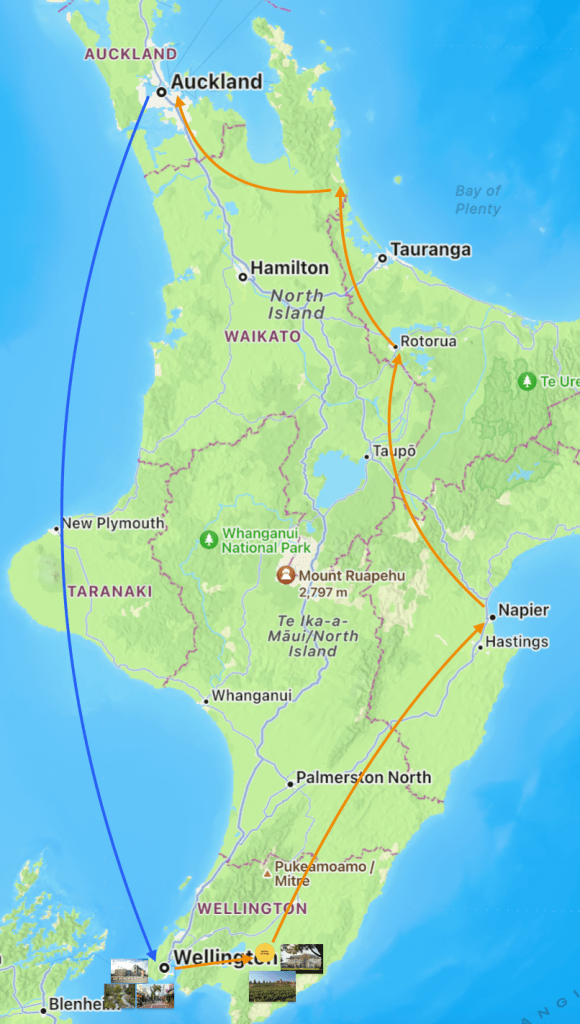
    I promised to share the AI-assisted itinerary of our trip, so here it is.

    The route we planned in Apple Freeform

    Day 1: Auckland to Wellington

    • Arrive in Auckland and catch a domestic flight to Wellington.
    • Evening in Wellington: Walk along the waterfront, find some dinner.

    Day 2: Wellington

    • Visit Te Papa Tongarewa Museum for an insight into New Zealand’s history and culture.
    • Take the cable car to the Botanic Garden for city views.
    • Evening: Explore Cuba Street for its vibrant nightlife and culinary scene.
    • What we really did: Had cocktails at Elixir and dinner near the hotel.

    Day 3: Wellington to Martinborough (1.5 hour drive)

    Day 4: Martinborough to Havelock (3 hours drive)

    • Breakfast at one of the cafes in town
    • Depart Martinborough, taking State Highway 2.
    • Stop in the town of Masterton and visit the Awatoi art and history museum (this was an unplanned stop after we saw a billboard by the highway)
    • Stop at Pukaha National Wildlife Centre.
    • Dinner in Havelock North: there are some nice restaurants in the town center
    • Stay in Havelock North

    Day 5: Havelock and Napier

    • Walk/hike in Te Mata Park and drive to the peak.
    • Head into Napier for lunch at a vineyard: We had bookings for lunch and a tour at Church Road Winery.
    • Local seafood dinner in Napier (as mentioned last week, we chanced upon the annual Art Deco Festival).

    Day 6: Napier to Rotorua (3 hours drive)

    • Depart Napier for Rotorua
    • Stop in Taupo for lunch by the lake
    • Parasailing over Lake Taupo in the mid-afternoon -_-
    • Stop at Huka Falls
    • Continue to Rotorua (another hour, so you’ll arrive in the early evening)

    Day 7: Rotorua to Auckland (3 hour drive)

    • Drive to Whangamata
    • Stop at The Cider Factorie along the way for lunch (this was an unplanned stop but was great)
    • Stop at Hunua Falls
    • Arrive in Auckland in the evening, return car
    • Dinner along Princes Wharf

    Day 8: Auckland

    • Visit Weta Workshop for a tour
    • Go up the Sky Tower for panoramic city views (we got a combo Weta + Sky Tower ticket online)
    • Lose some money in the Sky City casino
    • Beer, wine, dinner

    Day 9: Auckland

    • Visit the Auckland War Memorial Museum for Maori and Pacific Islander artifacts. The Maori Cultural Experience (twice a day, book ahead) is highly recommended.
    • Shopping downtown
      OR
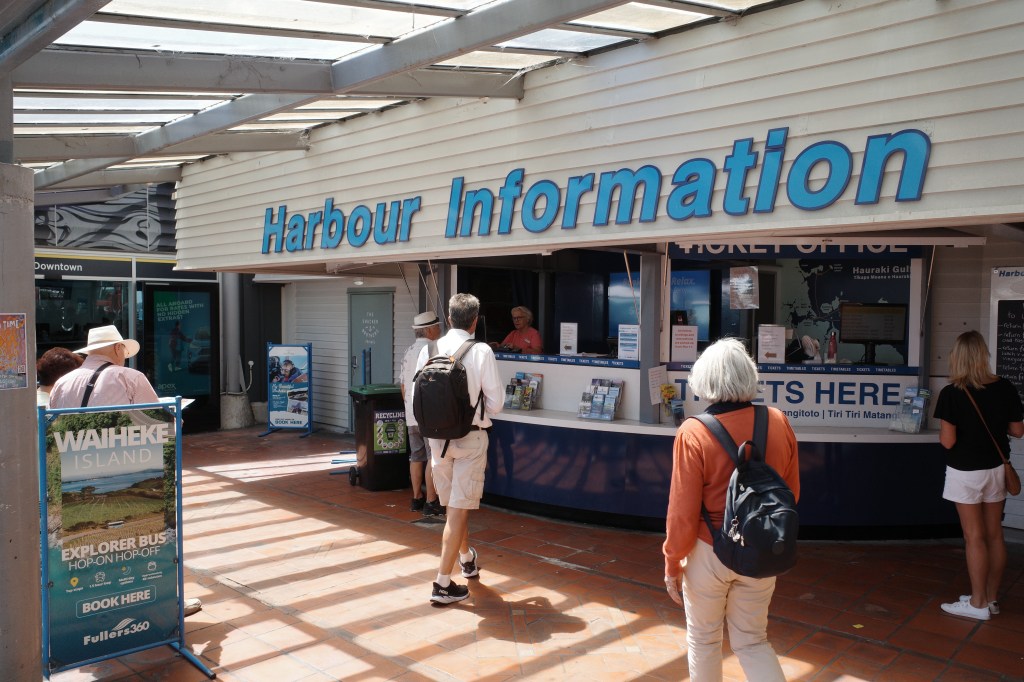
    • Full day: Take a ferry to Waiheke Island for more vineyards, beaches, and hiking trails.

    Day 10: Depart

    ===

    As always, returning to Singapore’s heat after a little time in a temperate climate was brutal. It’s one of the main reasons I would entertain the idea of moving away or owning a second property somewhere. It’s often said that a little sunshine and walking does wonders for your mood and helps people with depression, and I really did feel a lot less weight on me coming back with a watch tan after 10 days, but this weather is not made for walking. And so I expect this feeling will fade with the tan.

    Since coming back, we finished Season 7 of Below Deck, and I’ve just gone totally off Captain Lee and Kate now, formerly the least-bad people in that toxic stew of management hell/training that I’ve recommended people watch the show for in the past. We’ve now started on Below Deck Down Under, and the Australian captain there is a breath of fresh air. Where Captain Lee stayed in his bridge oblivious to the crew’s troubles with bullying and insubordination, this one is hands-on, leads by example, and even joins them for dinner (but wisely not clubbing) on the first night out. You already know he sees what’s going on, who doesn’t pull their weight, and knows how to address it. To top it all off, he’s hot and the interior girls can’t stop looking at him.

  • Week 46.23

    Week 46.23

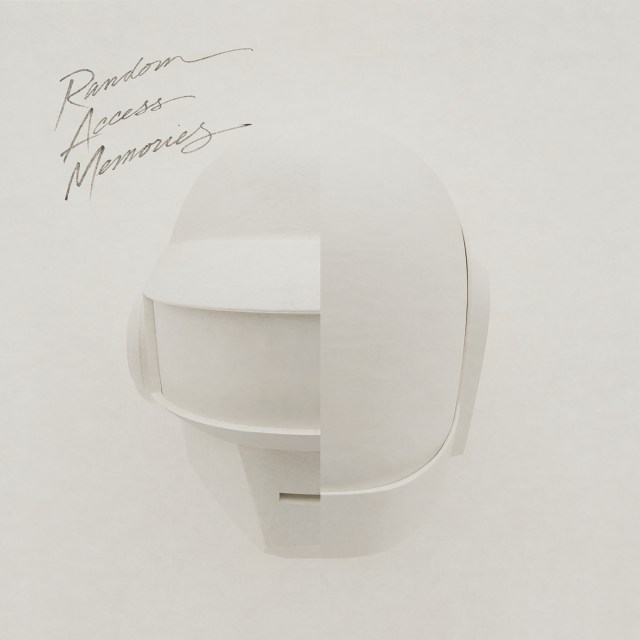
    Album of the week: Daft Punk released a “drumless” edition of Random Access Memories and the simple act of removing elements adds an unexpected amount of value. The album strikes a delicate balance between novelty and nostalgia. By removing the drum tracks, it reveals intricate instrumental interplays once masked by robust beats, offering new perspective on familiar melodies. Within minutes, you’ll be surprised at how different this feels. I don’t know how many other albums have been rereleased like this, but it’s a great idea — one made less cynical by the streaming model, as Michael observed in a chat. In the old days, this would just look like trying to sell you a CD you already bought.

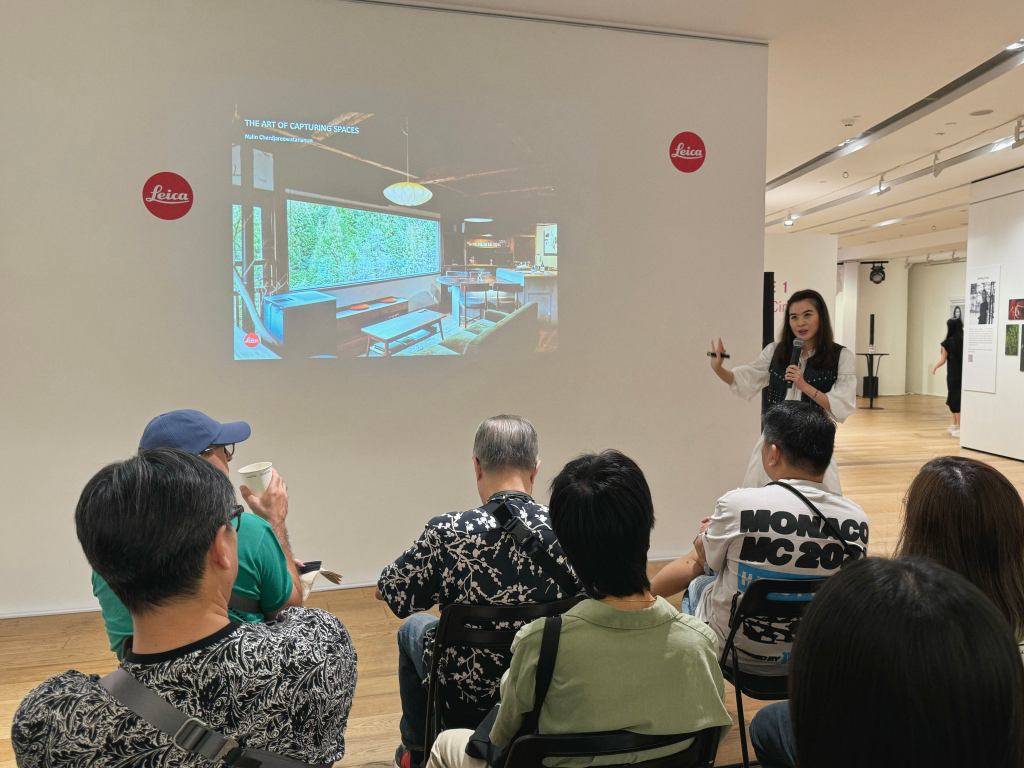
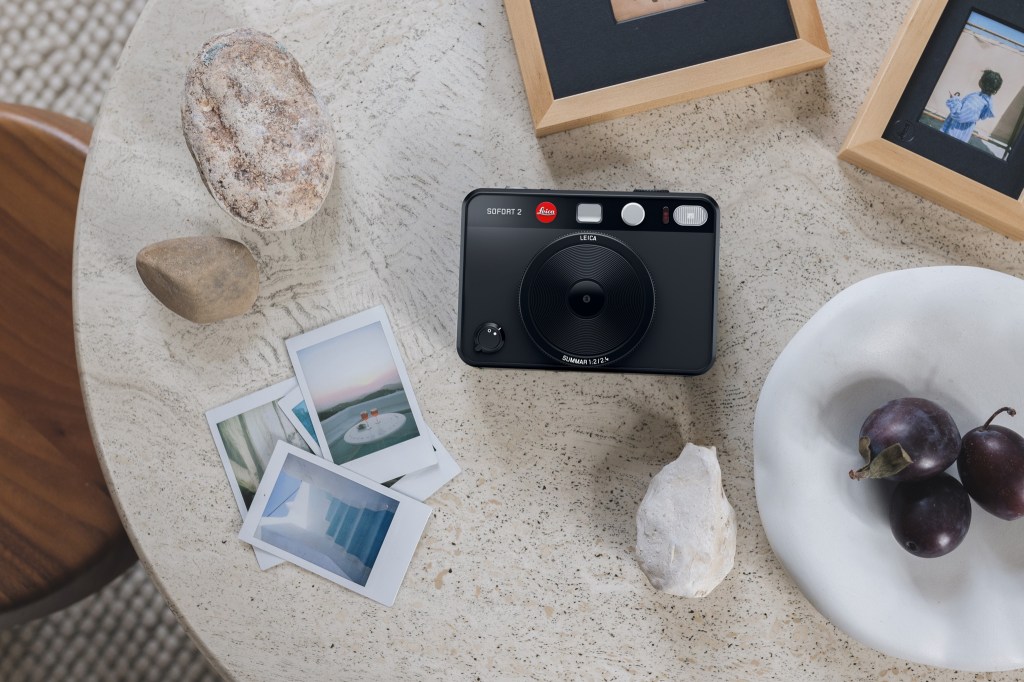
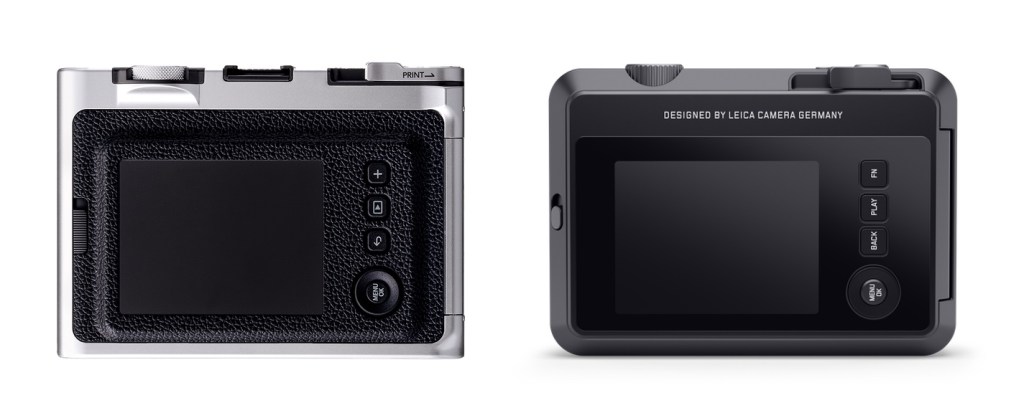
    Speaking of cynical purchases avoided, I saw and held the Leica Sofort 2 in person this weekend while attending a talk and exhibition at their annual Celebration of Photography event. The glossy front plastic was not as fingerprint prone as I’d feared, and overall build quality felt a touch better than on the Fujifilm Instax mini Evo: the rocker button on the back panel had more click resistance, the “film advance” lever that prints photos was sturdier and more satisfying to activate, and the flimsy USB port cover on the bottom was slightly firmer and seemed to stay in place. For me, those were the top 3 basic problems that needed to be addressed. The software menus were simply reskinned and not redesigned, as expected. All in all, Leica did the minimum they had to do to make the Fujifilm product a little more premium, but without improvements to image quality, it’s still a very odd product to bear a red dot. I did not feel the urge to replace my mini Evo on the spot.
    With Leica’s latest attempt at opening my wallet rejected, my week was free to absorb excesses of a different kind when I met up with Jianjia for a farewell lunch. She decided we would eat Mala at some place called YGF. It turns out that she schedules every meet-up she can there, because she’s addicted to their high sodium spice blend. When I pointed out how salty it was (after she had drunk all her soup, and for the record I couldn’t finish my massive bowl), she was like “huh, maybe that’s why I like it so much. I never had much salt in my food growing up”.

    We are all the products of our childhoods, each messed up in our own special ways, which is something I was discussing with a colleague in a work-related conversation one day when I thought, “ooh, I should make a GPT therapist!” Which I called Doctor Talkabout, and tried to bias it towards exploring barriers to happiness that originated in childhood. On the whole, the unlicensed doctor is now quite good at discussing all manner of problems, and I hope it gives better perspectives than vanilla ChatGPT. And just in case psychology and psychoanalysis are a little too… “real” for you? I also made a GPT therapist based on astrology, inspired by Co—Star. I honestly get a kick out of both, and discussing my problems with them has been more effective at managing my feelings than just going in circles on my own.

    The number of GPTs I’ve made this past week is now in the double digits (including one for work and a private one for editing text), and so I’ve had to make a category page to see them all on this site. Please check them out.

    And yes, some shit is afoot at OpenAI, after CEO Sam Altman was ousted early Saturday morning. Too early to say why, but ChatGPT has noticeably struggled to perform quickly of late, and they’ve both turned off new signups for ChatGPT Plus AND reduced the rate for paying members from 50 to 40 messages every three hours. I have a feeling they might renege on their commitment to open a GPT App Store and share revenue with creators. Time will tell. I wasn’t going to quit my day job for this anyway. And as of Sunday afternoon, he’s supposedly been asked to come back and the board of directors will resign? Pure insanity.

    I watched the first episode of Netflix’s acclaimed Blue Eye Samurai Western anime series, and it felt like something an AI wrote. I don’t get the rave reviews just yet; two people described it to me using Kill Bill as a reference point, and you’ll see why in the super derivative first episode. It even uses the same Tomoyasu Hotei song, Battle Without Honor or Humanity, in a cliche sword-forging and training montage sequence. I mean, Kill Bill itself was a pastiche of samurai movie tropes, but this warms them over without any shame. It also has a dash of Afro Samurai to it, however both of these are examples of how to do homage without feeling like copies. Netflix shows are like cloud kitchen-brand versions of fast food items that were inspired by restaurant dishes.

    Somehow the show has some talent signed up to it: George Takei, Ming Na-Wen, and Kenneth Branagh provide voices. Its writer and co-creator, Michael Green, was involved in Blade Runner 2049 (but also Branagh’s trilogy of Hercule Poirot films which I do not love). But I’ll give it a second chance anyway; there may be other themes at play here beyond the Othered protagonist seeking revenge. But having seen this, I feel like I have a pretty good idea of what AI-generated mass entertainment would look like, and I’m not down for it anymore. I’d like for AGI to come and take away all the other jobs in the world, leaving us humans free to come up with new and more creative ways to show sword fights.

    So imagine my surprise when I started up Pluto (also on Netflix) after two episodes of Blue Eye Samurai, and found it the total opposite in terms of quality. You don’t know where the story is going even if some ideas, like androids that grapple with unexplained dreams from a past life, are familiar and were explored before in other works. It takes its time with characterizations, and aims for a timeless beauty that goes beyond slow-motion action scenes. Polygon has a nice piece about it, but don’t read anything before you’ve seen the first episode, just trust me on that.

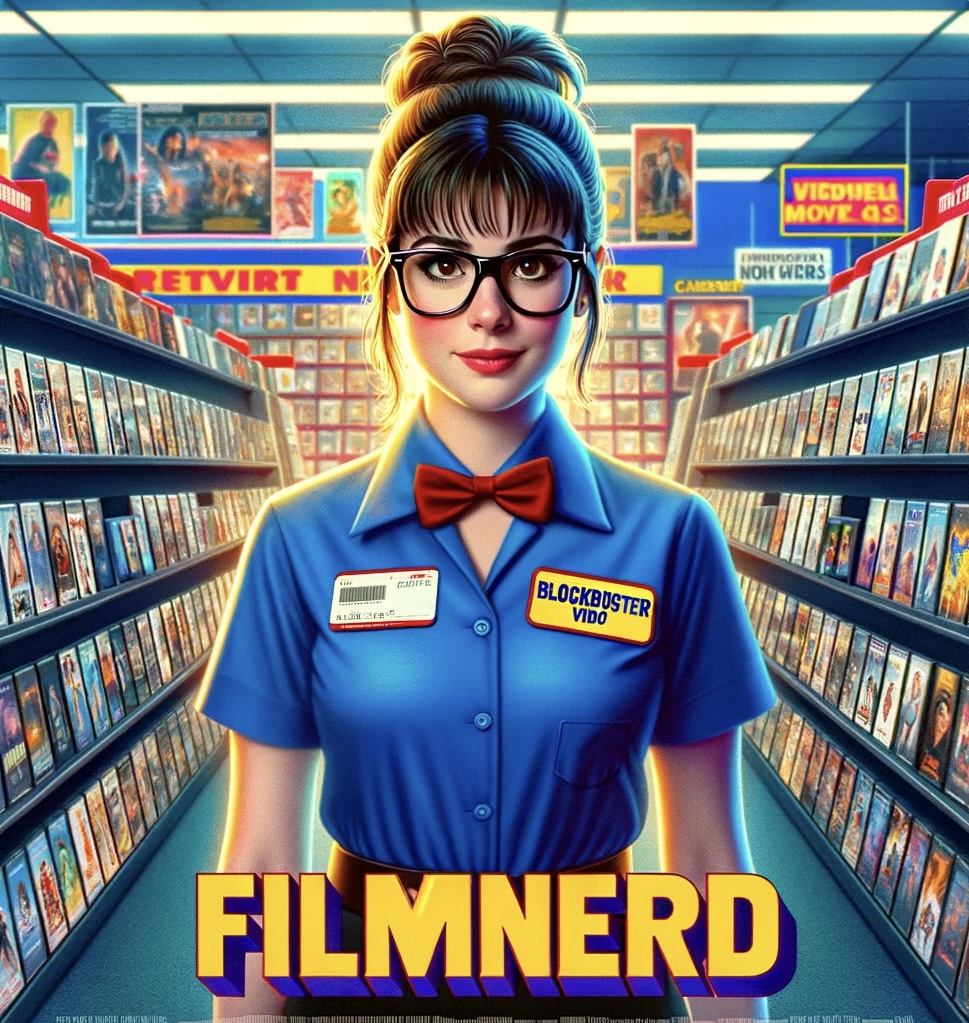
  • FilmNerd GPT

    FilmNerd is your friendly movie buff for deep dives into cinema history, critiques, and all things film! 🎬

    Here’s a fun chatbot for those times you want debate a film but your friends haven’t seen it or have had enough of your bullshit. It’s up for all sorts of questions and hypothetical arguments, and I’m learning a lot just talking to it.

    Example: I asked for a film where a bolt of lightning was at the center of a major plot point and it said Back to the Future (of course!), and then we asked it whether that was a more worthy moment in lightning-centric film discourse than Thor, and it was able to provide compelling arguments both ways.

    Let me know if you enjoy it.

  • Week 42.23

    Week 42.23

    I used to (sporadically) log my mood and mental state in a great free app called How We Feel, but ever since iOS 17 came out with a similar feature in the Health.app, I’ve been doing it there. It’s nowhere as good, though, and the act of recording how you feel is (surprise!) so much better in How We Feel. Apple’s version makes you scroll a list of feelings like Anxious, Content, and Sad, sorted in alphabetical order.

    The other app arranges feelings in a colorful 2×2 grid, from high to low energy, from unpleasant to pleasant. An example of a high-energy unpleasant feeling is Terrified, while a low-energy pleasant feeling might be Serene. This grid is a much more logical and visual way to find the right word and quickly record your feelings throughout the day. Anyway, the rumor is that iOS 17.1 will be out next week, and I’m hoping the new Journal app is part of it, because I want better ways to record and look back on my state of mind.
    ===

    We attended the local premiere of Martin Scorsese’s new film that everyone’s talking about online: Killers of the Flower Moon. In a theater, no less! It’s an Apple Original Film, and will be coming to Apple TV+ after this irl run is over. I can’t remember the last 3.5 hour film I saw under such circumstances, unable to take a break, forced to focus. If I’d seen it at home I’d probably have paused it no less than five times, and so I’m glad that I couldn’t, because it’s the kind of film that quietly spends its budget building a world so absolutely intact and complete that you’re left to focus on the people, the time, and the weight of its historical crimes. As a true story, it’s devastating. “People are the worst” is pretty much my 4-star Letterboxd review.

    On the flip side, we saw disgraced filmmaker Woody Allen’s 2019 film, A Rainy Day in New York, which has pretty poor ratings online, and really enjoyed it. I’m aware that he has approximately, oh… one style? And a hallmark of it is neurotic, pretentious characters in awkward romantic situations who spout smart alecky jokes in an artificial, stage performance cadence… but I like it. It’s also amusing to see current generation stars like Timothée Chalamet and Elle Fanning as his stars, but playing their roles exactly like Woody. Is it because they’ve seen his old films and think they have to? Or do the scripts just demand that delivery? Also, Selena Gomez is in it, and I can’t help but see this performance as a superior version of what she does in Only Murders in the Building.
    ===

    I got jabbed for Hepatitis A & B on Friday, and it was a doozy. I felt lightheaded and weird all afternoon afterwards, and I have to go back for two more boosters over the next few months.

    Contributing to the feeling all weekend has been my new contact lenses, the first ones I’ve worn in maybe 8 years? The right eye prescription is a little underpowered and so I’m suffering with blurry images that are driving me crazy. I’ll need to try and get them exchanged next week.

    Why am I wearing them at all? I got an annoying pimple/scratch behind one ear, exactly where the arm of my glasses sit, and so I decided on some disposable dailies while it heals. On one hand, the feeling of freedom is amazing — I really miss this about wearing contacts, which I did regularly in my younger days. Just things like being able to do a spontaneous facepalm! But now everyone has learnt that “my look” is “guy with glasses”, and suddenly my normal face looks weird, even to me gazing in the mirror, and I don’t need to freak people out any more than necessary.

    The blurriness has had a slight impact on my enjoyment of Super Mario Wonder, the latest and greatest Mario game which just came out. I wasn’t planning to buy it, because I wasn’t planning to play it any time soon, being still in the middle of another old Mario game on the Switch, Super Mario 3D World + Bowser’s Revenge. But peer pressure got to me, and talking to Jussi got me justifying it to myself that playing a 2D and 3D Mario game at the same time isn’t a problem — it’s like reading a fiction and non-fiction book at the same time!

    Super Mario Wonder is the 2D one, for the uninitiated. It’s a modern take on the classic Mario games, far more inventive and deep-reaching than even the New Super Mario Bros. series of games that tried to breathe new life into the side-scrolling platforming formula. Wonder has incredibly detailed and expressive animations all throughout: Mario and friends move and react to things like characters in a proper animated movie (was this planned to coincide with this year’s film? I don’t know), bursting with character, while the levels and events are literally psychedelic festivals of invention. This is a blockbuster game that spends its budget conspicuously, gleefully.

    ===

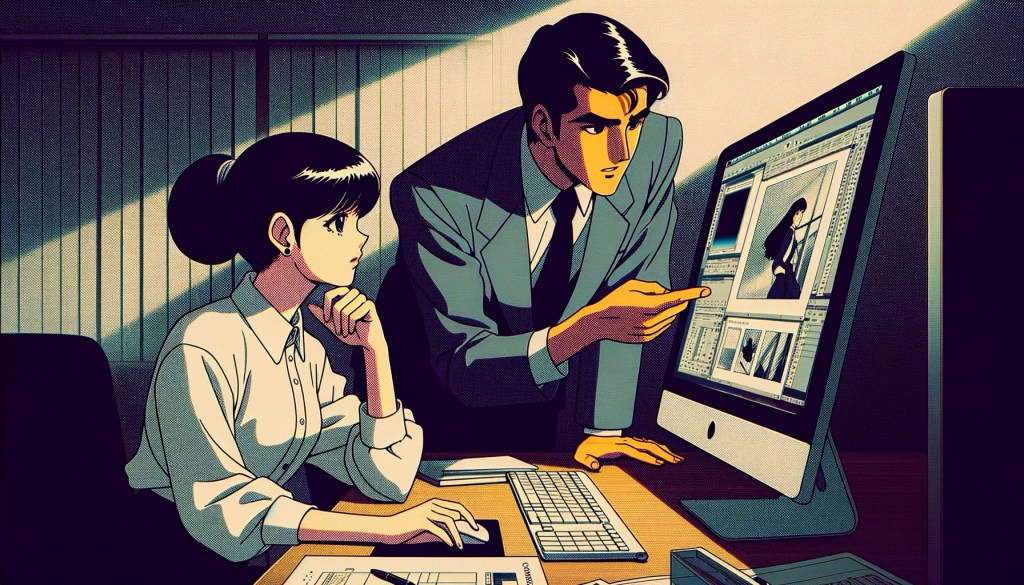
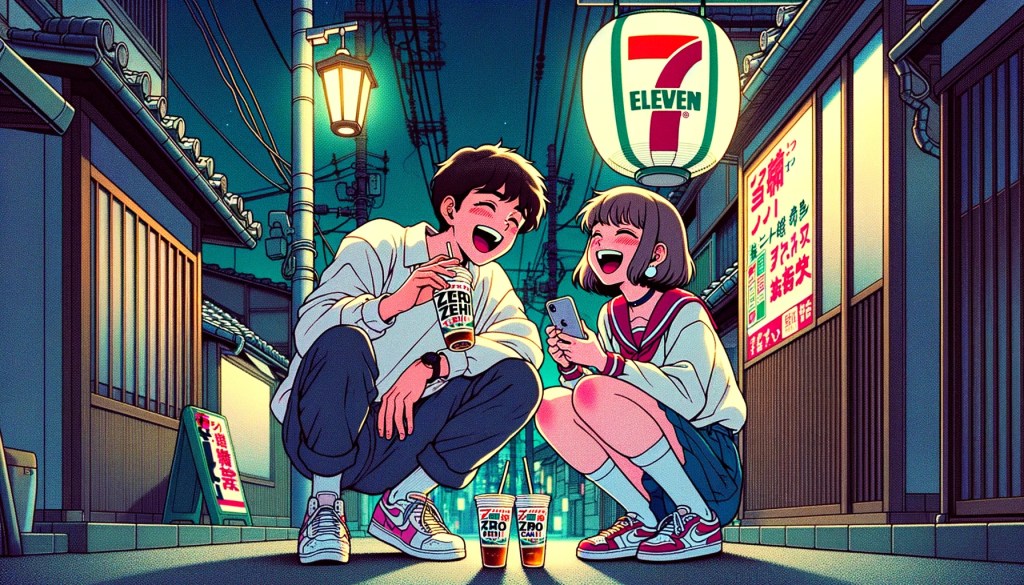
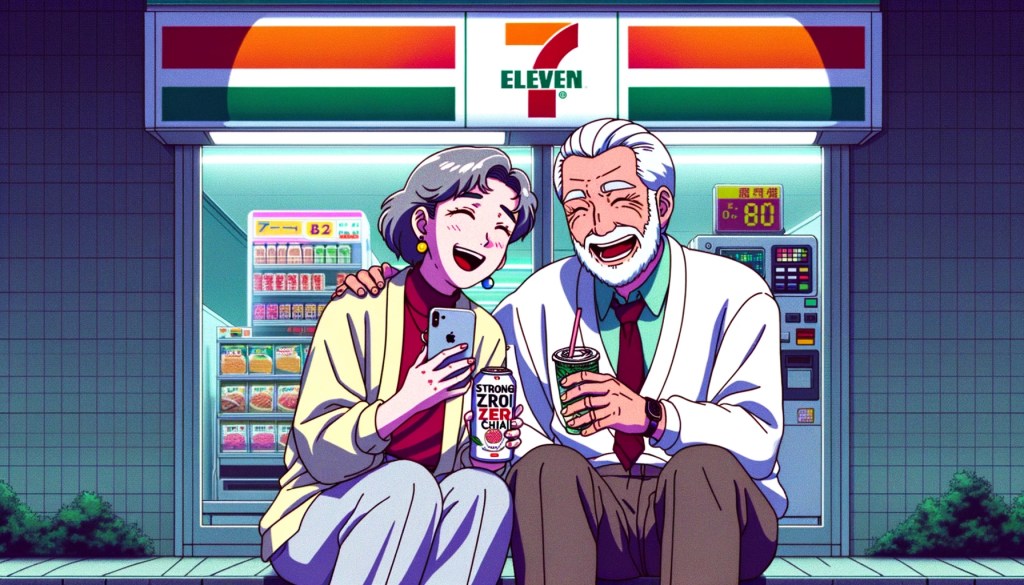
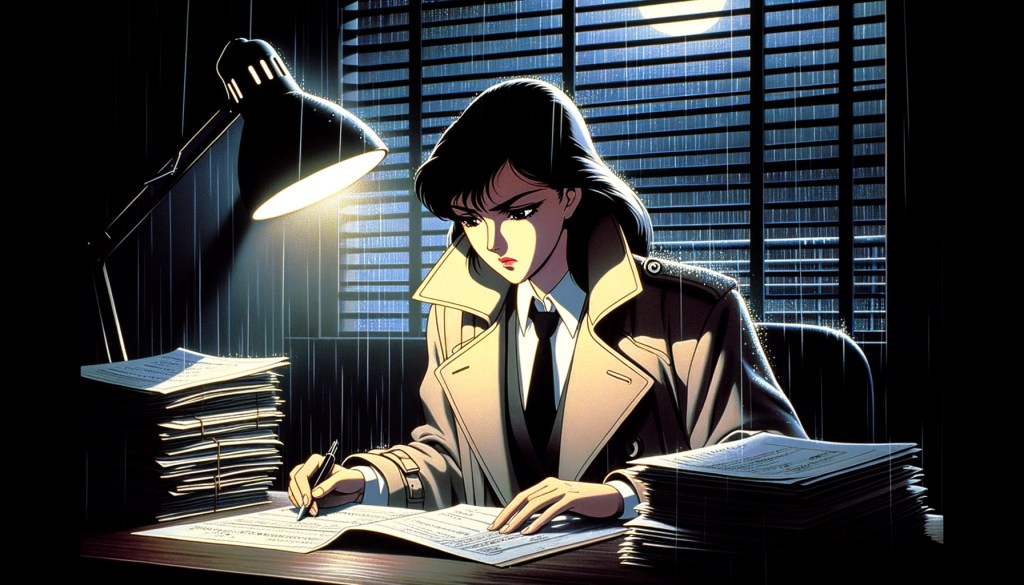
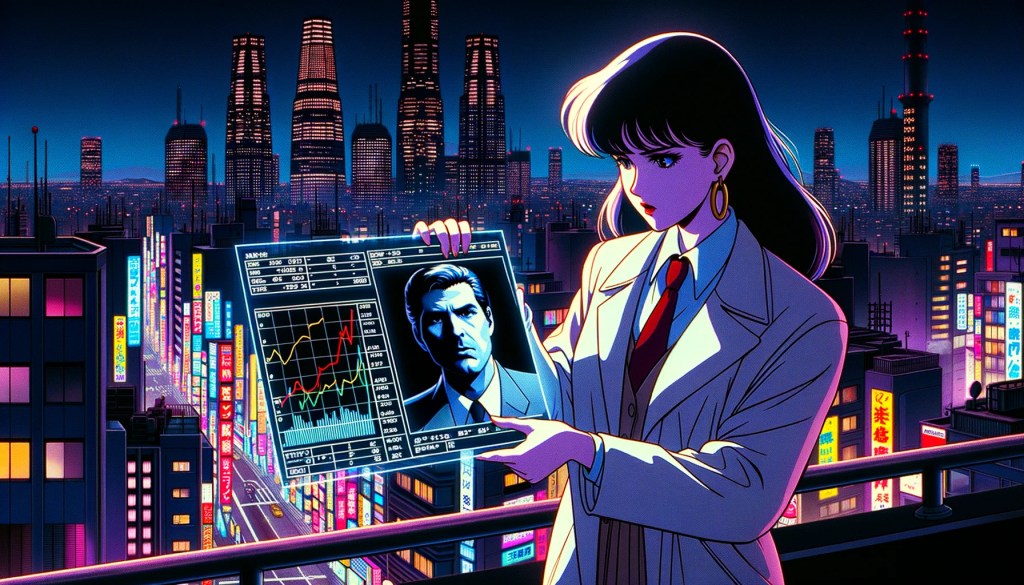
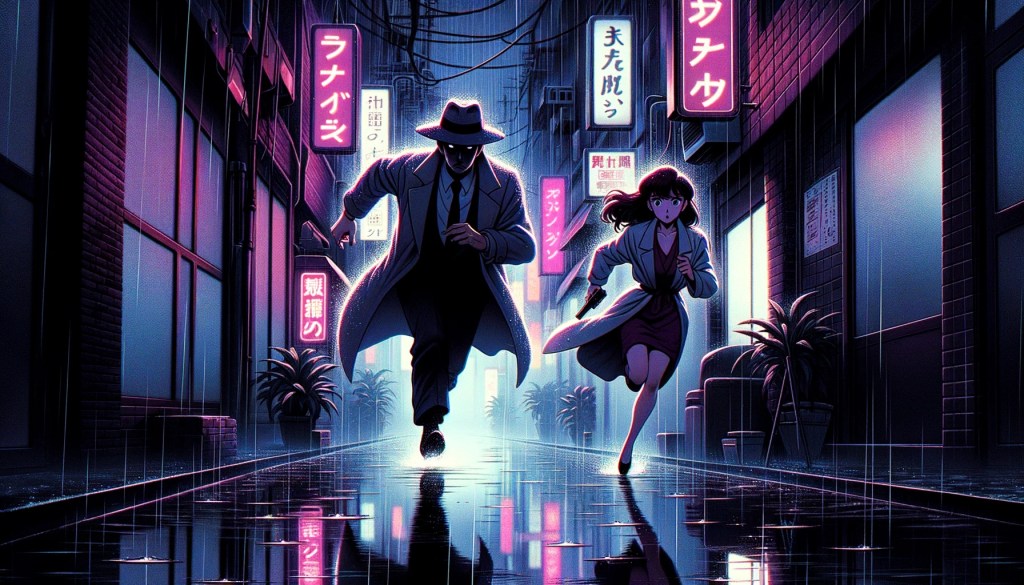
    In playing with DALL•E 3 some more (within ChatGPT Plus), I discovered that it goes a great job of replicating the look of classic 80s anime. You literally just have to ask it for that. I tried some classic scenes, and then asked for couples hanging out near a 7-Eleven drinking Strong Zero, and then for screenshots from a movie about a female detective investigating a case of financial fraud, and it’s that last one that made me think this thing is a new milestone in tools for visualizing stories.

    There was a period about a year ago when quite a few new moms all had ideas for children’s books, and wanted to use DALL•E or Midjourney to illustrate them. I got questions about whether it was feasible to do this, and if you’ve been talking everyone’s head off about this stuff too, you probably had the same conversations.

    I think this level of natural language interface with GPT-4 and DALL•E 3 coming together is finally making it possible for anyone to direct images with consistent settings and characters. I read somewhere that Midjourney v6 is going to make prompting easier as well, so perhaps we’ll get a flood of storybooks next year.

    There was also a thing going around on Threads that basically asked participants to “paste your Threads bio into an AI art tool” and see what comes out. I saw a few people doing this, all floored by the accuracy of the people they saw gazing back through the black mirror, I suspect afraid of how accurately they were seen from just a few keywords — one lady said “I own all of those tops”.

    I think this is a pretty strong signal for the mainstreaming of generative AI, that a meme like this can spread without instructions attached. Everyone who is online enough knows what it means to invoke an electronic genie that grants image wishes, knows very well how to go find one and get the deed done. Next year is going to be wild.

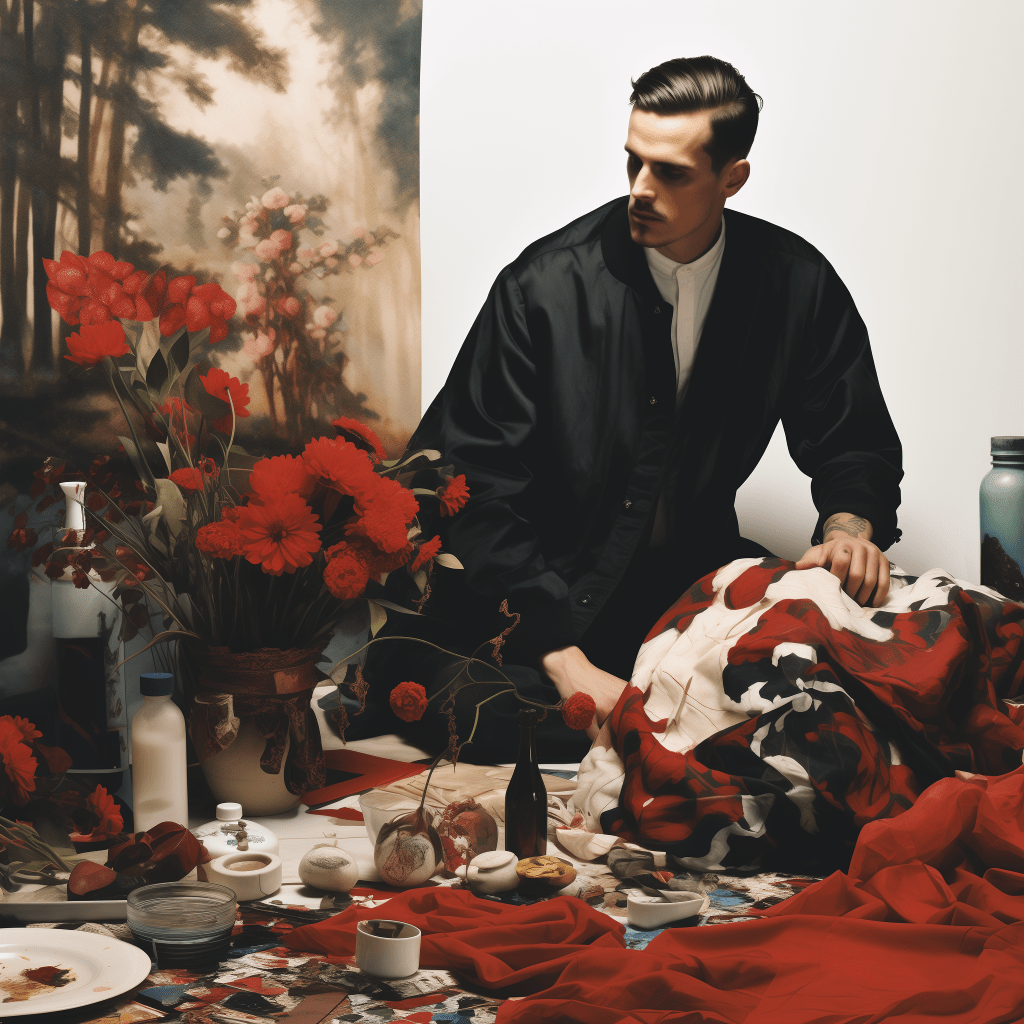
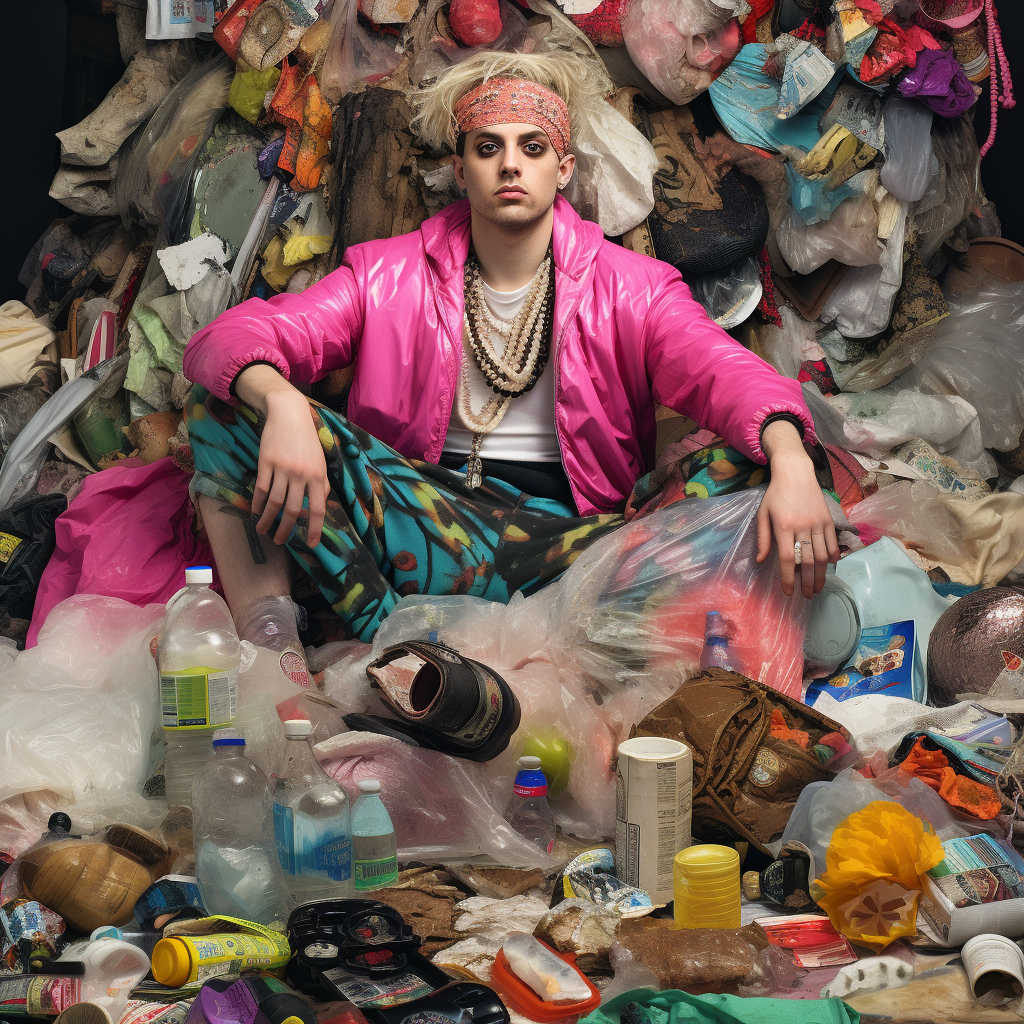
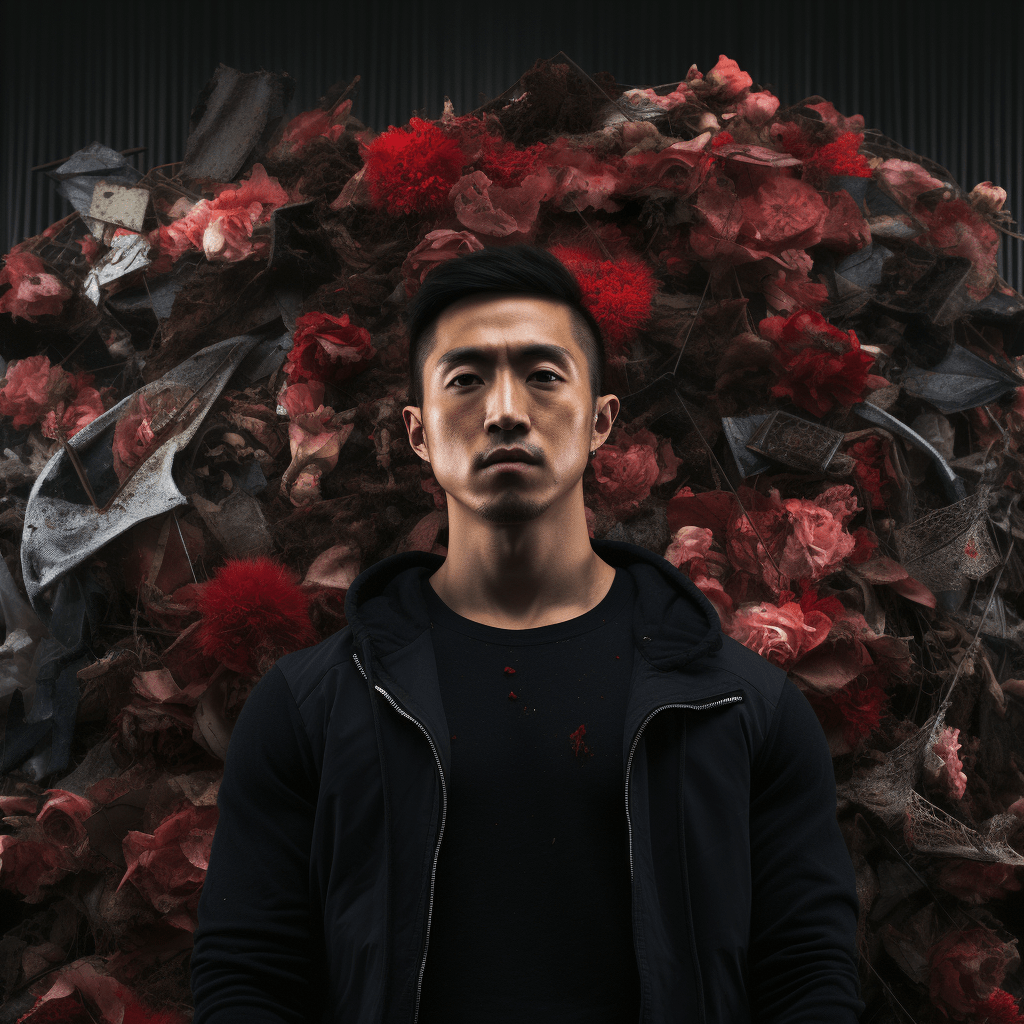
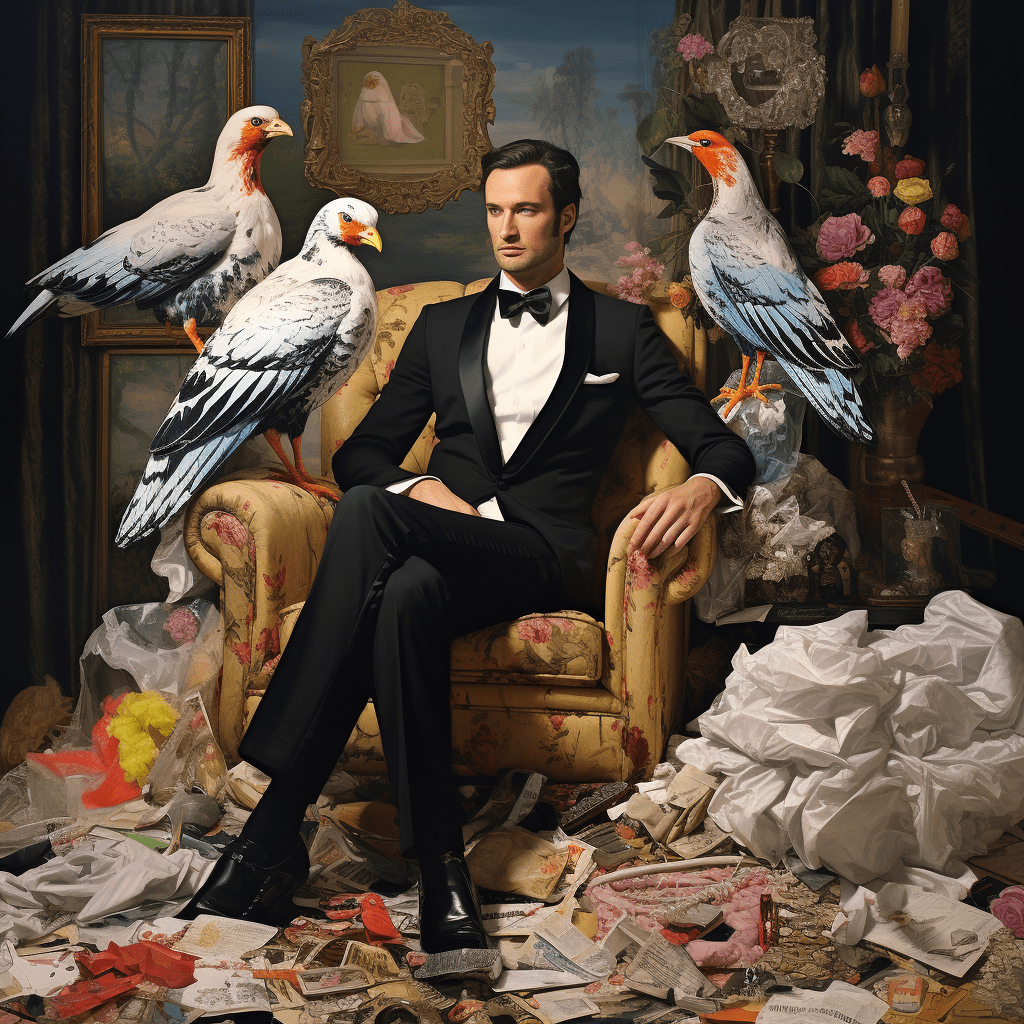
    But anyway I wanted to try it out, although my bio isn’t like “Founder/CEO (he/him), hustling 24/7 🇸🇬, new book out 20/12, always up for coffee ☕️ and meetups 🤝”; it’s currently “Designer, sense-maker, aesthete, imposter, garbage, scum.” which gives you results like this:

  • Week 40.23

    Week 40.23

    So-forting what?

    Remember the Leica Sofort (German for “instantly”) camera? It came out of nowhere years ago, an unacknowledged collaboration with Fujifilm that took their popular Instax Mini 90 model and rehoused it in a sleeker Leica-designed body (offered at a much higher price, nearly double if I recall right). Reviewers tried to discern a difference in the photos, but they were essentially identical cameras on the inside. For some reason, everyone danced around the similarities and at best said the Sofort was “inspired” by the Mini 90, as if it was a new Instax camera by Leica that somehow came out looking mighty similar, rather than a simple body swap at the same Fuji factory.

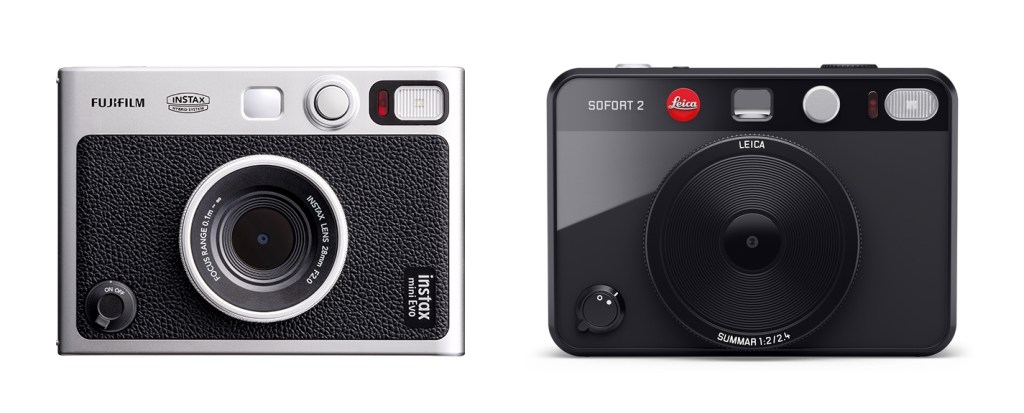
    This week, Leica announced the Sofort 2, which is now a redesigned Instax mini Evo (a camera I bought myself for Christmas in 2021). Where the original Sofort was a fully analog Instax camera, the Sofort 2 is one of Fuji’s hybrids: a digital camera fused with one of their Instax printers, so you can take tons of photos and then decide which to print.

    By the way I also mentioned this on Threads. You should follow me there if you’ve quit Twitter.

    In my opinion, the mini Evo is the least ugly Instax camera Fuji has made, which is one of the reasons I was excited to get one when they came out. Oh, I noticed that Jurin from XG uses one, and some of their IG posts look like mini Evo shots. But the Sofort 2 is beautiful, streamlining the body to its essential elements and removing nearly all traces of fake plastic leather and silver-effect plastic.

    Leica’s ability to wrap other companies’ cameras in minimalist industrial designs and sell them for more money is unmatched. I bought their D-Lux 7 precisely because I wanted Panasonic’s LX100M2 but could not get behind its rugged hiking shoe looks.

    Where the mini Evo is a cute plastic facsimile of a Fujifilm X100 camera, and wearing one around on a shoulder strap makes you look like a kid who’s been placated with their very own toy iPhone, the Sofort 2 looks like a camera in its own right (far as I can tell from the images). And as little as I have used my mini Evo over the past two years, it will be very hard to convince myself not to “upgrade” to this version for Christmas. And to be clear, there are ZERO functional improvements from the Fuji version, apart from not looking like a toy.

    Fujifilm makes their Instax cameras kid-friendly. They’re colorful, bulbous, fun, and recall the freewheeling sensibilities of product design before the 2008 financial crisis, when phones could look like tubes of lipstick and translucent plastics were everywhere (they’re coming back). The Leica partnership seemingly exists to provide the market with what the Japanese might innocently call “adult versions”. Why Fujifilm leaves money on the table by not doing this themselves is mind-boggling. Are they really incapable of producing understated designs? I don’t care about the Leica logo; it’s a joke on a product like this, I just want a clean-looking rounded rectangle.

    Generational shifts in photography

    And apropos of all this, I heard that Sean was getting into film photography and about to use an Olympus XA2 I once gave to Cien. Which got me talking to my Pi AI (we’ll come back to this) about old becoming new again in photography. Part of it was trying to convince myself that a Sofort 2 would be worth buying as an adult-friendly retro toy camera — a loving term for cameras with garbage image quality. I’ve owned many of the sort, like the Digital Harinezumi series, and they’re always plastic and cheap, or simply dusted-off vintage digital cameras. But this is a new! luxury! toy camera!

    So Pi sorta made the “observation” that using an analog camera is an attempt to engage with photography more deliberately. Which I already knew? Because of course using a dedicated camera instead of a smartphone today is deliberate; a “slow photography” thing, a “real photographer” flex. Of course instant film is an extension of this.

    But I’d not really appreciated it from the perspective of Gen Z people who grew up without them. Like why ordinary kids not into capital-P Photography would be interested in Instax/film cameras and old digital cameras beyond signaling coolness. Obviously we Xennials and Millennials grew up with photographic scarcity and have fewer photos of our younger days, but these kids grew up in an age of surplus, literally taking photos for granted. Phone cameras everywhere mean cheap and infinite memories. So naturally tools that force moments to be more precious, that force viewers to see events through wonky lenses, would hit different.

    I noticed afterwards that Leica’s press release for the Sofort 2 sums this up with a simple statement: “Back then, the instantly printed photo symbolized acceleration, whereas, in today’s fast-paced world, it represents a moment of caution and relief.”

    Next day update: I neglected to mention here that the mini Evo and Sofort 2 cameras are actually perfect bridges between these two approaches to photography. They are digital cameras that let you shoot in surplus, and print only the photos worth keeping in scarcity. Also, having two offerings serves buyers across the spectrum from fun/affordable to serious/expensive, which tends to be a generational divide. The hybrid instant camera is a tool that unifies photographers with different values (so long as they’re okay with 5-megapixel shots), and serves as a symbol of ‘making this moment count’.

    The Pi personal AI assistant

    Okay, so what’s Pi? It’s billed as a personal AI, a ChatGPT for your daily life. But isn’t ChatGPT already for daily life, as well as work life, I hear you ask? Yeah I know, which is why I’m giving this a go. The main difference is that instead of multiple chat threads for different topics, with Pi you just have one main chat. It tries to learn more about you and draws on past context to inform its responses. It’s built on a proprietary foundation model, so perhaps they have a way to get around the short-term memory and context collapse that I’ve seen with other generative AI text systems — so far it’s doing quite well after a few days!

    It’s free, and their privacy policy claims they’ll never share or sell your information, but yeah sure what else would they say? I’ve found it quite pleasant, and its responses are tuned to be shorter and less formal than ChatGPT’s defaults. It does feel like talking to a friendly personal assistant.

    So far I’ve had discussions with it about movies (we talked about Interstellar and why some Nolan films don’t work as well as others), python programming, economics, frameworks for building good arguments, as well as its own purpose and unique value proposition.

    I just asked it to brainstorm what a Sofort 3 could bring to the table. It suggested more AI features (lol) and making it more user friendly. I said I’d go the other way and make it more unapologetically professional, with manual controls and higher quality. It was able to say that it sounded almost like an instant film version of a Leica M, and when I asked it to price such a product, it said $800 USD or higher. That’s pretty insightful!

    Something about its simulated personality and the UX of having a single chat thread (where I don’t have to keep introducing my needs and context) makes this very pleasant to use, so much so that I might end up using it over ChatGPT for some queries.

    ===

    Media activity

    • I had Saturday all to myself so it was a movie day. I saw The Equalizer 3, which was much slower and less action-packed than you’d expect. But Denzel is still badass and he gets to have a nice Italian holiday. Just expect a chiller installment going in. I think this is the last one for Robert McCall.
    • Indiana Jones and the Dial of Destiny was nowhere as bad as I was led to believe. I’d say it’s actually very successful in closing out Harrison Ford’s role and setting up a possible future heir. The last one was roundly panned and tried to introduce the idea that he had a son, played by an awful human being, which failed so badly they wrote him out in the most delicious way possible in this film. I really hope Phoebe Waller-Bridge gets her spinoff out of this, but apparently she’s developing a Tomb Raider TV series for Amazon Prime? What a shame to work on the pretender when the original tomb raiding franchise is right there!
    • I forced myself to finish season 1 of Invasion on Apple TV+, just because season 2 looked good in the trailers and has a higher Rotten Tomatoes score. Season 1 is an awful plodding mess, which given Simon Kinberg’s involvement should not surprise anyone. If you’re interested in S2 and haven’t started on S1, I’d recommend you just go straight to it and try to fill in the blanks.
    • The Below Deck marathon continues. We finished seasons 5 and 6, started over with season 1 — it was disappointing in terms of production quality and crew likeability — and are now on the second.
    • Apple Arcade’s new James Bond game is quite entertaining. Cypher 007 is an isometric stealth-action game from the makers of Space Marshalls, and should scratch the itch for anyone who loves the franchise and/or Metal Gear games.
    • So much new music came out and I haven’t had a chance to hear it all yet. After hearing about how Sufjan Stevens’ Javelin is dedicated to his partner who died this April, I’ve played it through several times. I think it’ll be one I come back to over the years.
    • There’s also a new Drake album, For All The Dogs, which may not have the same longevity.
    • I enjoyed my playthrough of HOW DID WE GET HERE? by a 22-year-old Canadian pop artist named “young friend” while writing this post. Admittedly, I wasn’t listening to the words at all, but it was very pleasant and I’ll have to get back to it.
    • A new Omar Apollo EP, Live For Me, which I’ve heard one song off and am really excited for.
    • Caroline Polachek’s second album, Desire, I Want To Turn Into You, has been getting great reviews too, so I’ll get around to it next week hopefully.
    • Also, a new Jorja Smith! A new Static Selektah!
  • Week 39.23

    Week 39.23

    Kim returned from a business trip to Vietnam on Thursday with a nasty bug, which as of this moment I’ve still avoided. We also had a medical checkup done and I got a double vaccination out of it (one in each arm, both of which are SORE) for tetanus and the flu. Firstly, why doesn’t anybody talk about tetanus jabs for adults? I don’t think I’ve had one since I was a kid but apparently adults are meant to every 10 years. Secondly, I’m not sure if the flu jab is going to make me more susceptible or more resilient to her germs right now. I guess I’ll find out as the work week starts!

    If I do wind up too sick for work, I hope to still have the strength to do some gaming on my new iPhone and Backbone One controller. The USB-C one I ordered on September 13 (the day after the iPhone announcement) was supposed to come with a new firmware version on it that would work with both iPhones and Android phones, but it didn’t! And so nothing happened when I plugged it in. I complained online through various channels, and they sent me a free replacement within a few days.

    FWIW, the first one can be made to work if I plug it into an Android phone and use their app to update the firmware. For some reason, they can’t do the same through an iOS app, which seems… weird? I’m sure I’ve owned hardware that updated itself through an iOS app, but maybe it can’t do that over the USB port. So they have to ship out replacements to people without access to Android, and going by Reddit, it seems there are quite a few of us, which is unfortunate for their business.

    Gris is a beautiful indie game that I bought years ago on the App Store and never played, and if you’re an Apple Arcade subscriber you’re in luck — Gris+ is now available in the catalog. I finally started on it awhile back on my iPhone 14 Pro and Lightning-ported Backbone, and finished it on the new equipment this week. The larger screen definitely adds to the experience, and probably comes close enough to the Switch experience to justify this new “console gaming handheld” positioning. I really can’t wait to see how Death Stranding will play (and be priced) on it.

    Japanese Rural Life Adventure is another new chill title on Apple Arcade I’ve enjoyed checking out. It’s played in portrait orientation, so no room for a Backbone controller here. But it’s exactly what it says on the tin. A game where you move to the countryside and clean up a busted old house, start planting vegetables, and getting to know the town.

    ===

    • The musical highlight of my week was the long-awaited release of XG’s first mini-album, New DNA. We’ve heard most of it by now except for the last single to be released, Puppet Show (YouTube), which I didn’t quite love at first but is slowly growing on me.
    • We’ve been watching the new season of The Morning Show on Apple TV+ and it’s getting good. I barely remember the second season somehow, but after a bit of a warmup, things in Season 3 get quite satisfying in episodes 2 and 3.
    • Also on the service is a new songwriting rom-com called Flora And Son, by the director of songwriting rom-com Begin Again and Once (haven’t seen this one myself). I enjoyed it, even after finding out that the lead actress is Bono’s daughter. 4 stars.
    • I also watched an entire episode of Foundation on the iPhone 15 Pro Max, which was quite enjoyable! As we don’t have an HDR-capable TV at home — the 8-year-old HDTV refuses to die — this is probably the best screen I have for watching video. The whole time I felt like a “real” character in a show, the kind who watches TV on their phone with dead eyes while eating lunch before getting back to their dead-end job. There’s a scene or two of that in Flora And Son.
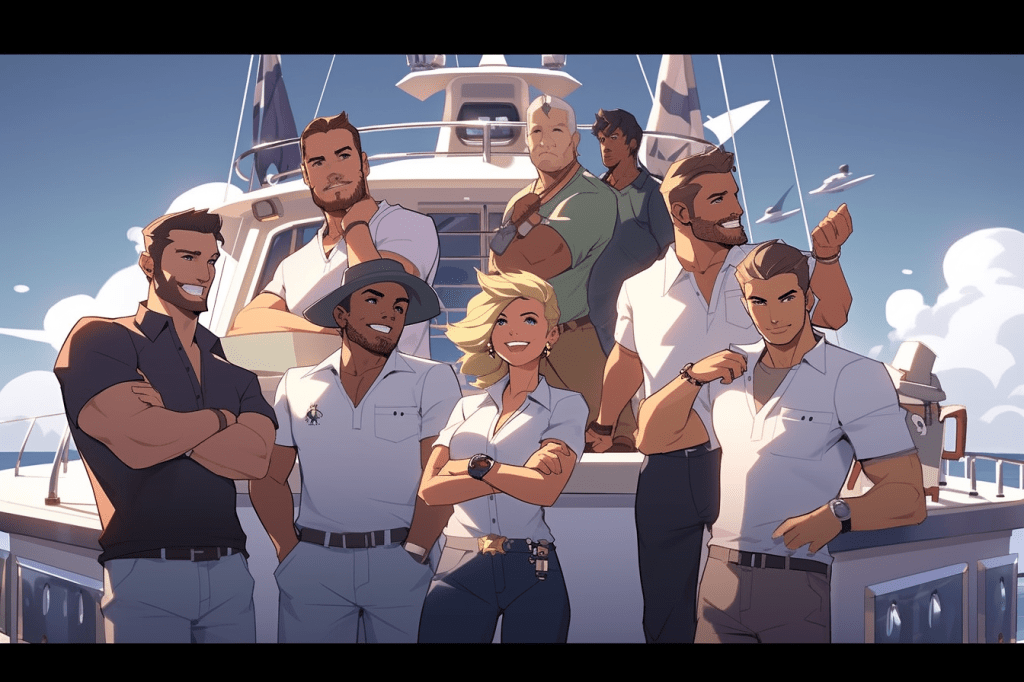
    • But the most unexpected, most time- consuming, most addictive new media we encountered had to be Below Deck, which I reluctantly started over the weekend and ended up binging an entire season of. Local Netflix only has seasons 5 and 6 of this nautical reality tv show which follows the crews of pleasure yachts as they take on “charters” — several-day trips booked by rich people who leave tips of at least $15,000. It’s a different kind of workplace drama, and the screwups, often obnoxious guests, and interpersonal relations are just so easy to keep watching.