Tag: Games

  • Week 36.24

    Week 36.24

    I was able to visit my parents for dinner for the first time in over a month. The long delay was on account of my dad developing a painful case of shingles, which, if you don’t know much about (like me), is a reemergence of a dormant chickenpox virus in one’s body, often after the age of 50. In other words, if you’ve had chickenpox before, you’re at risk of shingles — a nastier, localized version of the same virus.

    Unlike the regular childhood version, it doesn’t usually take over your entire body, just specific areas. In my dad’s case, it affected his back and one side of his torso, leaving the skin painfully sensitive for weeks — nerve pain that, for some, can linger for years. Thankfully, he’s making a quicker recovery.

    I had to stay away because I have never gotten chickenpox, and you can catch it from someone with shingles. I was urged to get the vaccine, because adult cpox is reportedly awful (like shingles, maybe worse), but my doctor suggested doing some blood work first to test for immunity — mostly because he didn’t believe I could make it this far in life without getting chickenpox. But it’s true! My mother swears it, and I have two traits: pretty good memory of my childhood years, and an outsized tendency to complain of ailments. There is no way that I could have gotten chickenpox as a child and everyone just forgot.

    The test results came back, and apparently I’m immune. The only theory I have traces back to this one time in kindergarten, when the boy sitting next to me in class developed cpox and had to leave school early. I recall living in fear that I would be next, and pus-filled bubbles would soon show. I remember checking myself fastidiously for a week or more, but it never came. Perhaps the glancing exposure was just enough to let my immune system prepare itself, but not enough to result in an infection? Or maybe, as my recent run-in with a car suggests, I’m actually Unbreakable like Bruce Willis in that M. Night Shyamalan movie.

    ===

    Kim is away again for work (13,600km away to be precise), and my having to deal with our pest situation alone has been a whole saga too boring to recount in detail. Tl;dr I’ve deployed a fleet of poison/bait traps, struggled with anxious insomnia, taped up a bunch of possible entry points, cleaned up a lot of lizard poop, sprayed insecticide down drains…

    More happily, the morning she left for the airport, I was up early and decided around 7:30 AM that I might go for a walk before it got too warm. This was inspired by Cien’s recent revelation that she’s been taking hour-long morning walks nearly every day. Just to get it out of the way: that’s a bit much for me, but I might go once a week. Spontaneously, this particular morning’s resolution ended in Peishan and me ‘virtually’ joining her for a walk at the same time, in our respective neighborhoods, sending photos along the way. This is actually a pretty fun thing to do!

    It was, however, warm despite the early hour. And it’s been hot and humid all week out here. I had to walk 10 minutes from an MRT station to a restaurant yesterday evening in very still air, and I could feel the sweat on my back not evaporating at all, merely pooling. Even my Sony Reon Pocket 5 brought little relief; I barely perceived that the metal contact point was cooler, or it can’t do much to dispel the mugginess of high humidity.

    ===

    I couldn’t take the wait any longer and upgraded to the visionOS 2 beta. I won’t upgrade any other devices, but I wanted any improvements in eye/hand tracking that I could get. So far, it’s been perfectly stable. I could talk about the new gestures and features, but the single most impressive thing has been the ability to view old 2D photos as 3D spatial scenes.

    What this looks like is simply layers of depth. You obviously can’t look around corners, and it’s not doing anything crazy like building 3D models you can move around in. But it’s like going from looking at a scene with one eye to two eyes. They suddenly have a liveliness to them because your brain can not only see that one object is in front of another, but perceive it too. Sadly, this is not something that can be demonstrated with a photo or video. The only way is to see it for yourself.

    The AI-powered segmentation of objects is somehow flawless, even better than on Portrait Mode (blurred background) photos taken with an iPhone. In one shot I had of a vineyard, every individual plant and leaf stretching to the horizon line was distinctly separated in space from the others. You can also blow them up to life-size with an “immersive” viewing mode, which puts you right in the space.

    Going through photos from the past two decades, of people who’ve passed on, and places I may never see again, has been profoundly moving. Documenting your experiences in photos has always been like building a time capsule, but this approaches time travel. It makes me so glad for every moment I thought to capture at the time, and the fact that the Vision Pro can do this retroactively for normal photos feels like the most unexpected gift I never knew I wanted. That’s what Apple does best, I suppose.


    Before the annual fall event tomorrow night, I’ll go on record again that I don’t think I’ll be upgrading my iPhone or anything else this year (but this time I really mean it!). So far I’ve had 16 iPhones and lost this bet with myself every year, but I can’t justify an incremental tech purchase in the same year as the AVP.

    Things that are unlikely to be announced but might make me reconsider my ‘no upgrade’ vow:

    For iPhone 16 Pro (Max):

    • No camera bump
    • New image processing pipeline that walks back the aggressive AI/HDR look and brings back natural looking photos à la Halide’s Process Zero (but with 24–48mp HEIC/JPEG XL files)
    • Bold, saturated colors like on the old iPod nanos
    • Untextured, grippy back glass
    • Significantly faster or exclusive Apple Intelligence features compared to iPhone 15 Pro
    • Completely new battery chemistry that means I won’t be sub-90% battery health in under a year

    For Apple Watch Series 10:

    • 2x battery life
    • Blood glucose monitoring
    • New body design that shames the old ones so bad you can’t wear them out in public anymore

    For AirPods Max:

    • Redesigned headband that either replaces the mesh or improves its comfort and durability
    • Significant weight reduction and/or new materials (comfort and durability)
    • A great protective case
    • Addition of a power button

    ===

    Media activity

    Recent reading momentum led me to finish reading Neal Stephenson’s Interface after two months. It’s a highly entertaining sci-fi story about contemporary American politics, media culture, and using brain implants to reverse a presidential candidate’s stroke damage. Nearly the entire time I was reading it, I visualized the main character as Robert F. Kennedy, and his VP pick as Kamala Harris.

    For my next book, I’m taking it easy with Jack Reacher #22, The Midnight Line.
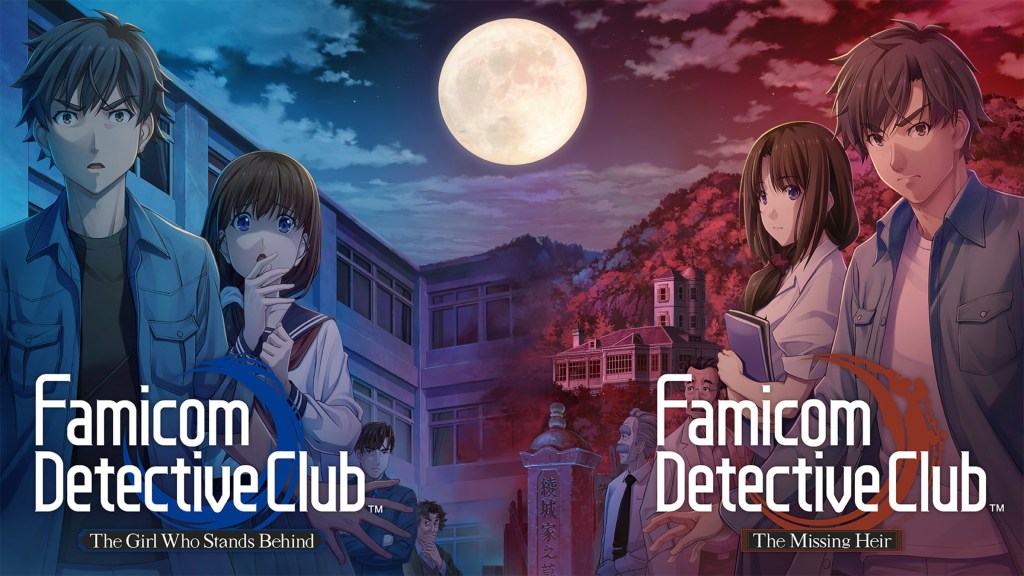
    A few years ago, Nintendo remade two classic ‘80s visual novel-style adventure games under the “Famicom Detective Club” banner. This week, they released a wholly new third entry in the series, Emio: The Smiling Man, which got greenlit because of the warm reception that the remakes received. The history of these games is pretty interesting, and I watched this whole video essay on them.

    I bought and played the first remake, The Missing Heir, back around 2022, and found its authentically ancient gameplay archaic and frustrating. For example, in most such games, when questioning someone about a topic, you will reach a point where their answer starts to repeat itself — a sign that you’ve heard all you’re going to hear. In the first two Famicom Detective Club games, this is not the case (pun unintended).

    You: [Ask about the car]
    Suspect: There was a car seen at the time, I heard.
    You: [Ask about the car]
    Suspect: Hmm, that’s about all I remember.
    You: [Ask about the car]
    Suspect: Hmm, that’s about all I remember.
    You: [Ask about the car]
    Suspect: Hmm, that’s about all I remember.
    You: [Ask about the car]
    Suspect: Oh! I just remembered something. It was a black sedan.

    This is such incredibly bad game design, because someone repeating themselves like that is unnatural in the real world, so it appears as a limitation of the game (not having AI to generate different versions of “I dunno”). So of course a player isn’t going to keep pressing, because the suspect’s response isn’t an invitation to keep trying. It’s the equivalent of a brick wall in the game’s interaction model. But no, you’re meant to kick every solid object multiple times in case it comes loose.

    I ended up finishing the game using a walkthrough, and declined to buy the second game, The Girl Who Stands Behind. I’m guessing that Emio, being a new game, will be an improvement in this regard and so I intend to play it someday. But it doesn’t feel right doing that unless I also play the second game (there is no real need, they are not connected).

    Rather than pay $30 USD to frustrate myself, I watched a 7-hour video of someone else playing through the entire game — at 1.5x speed, of course. The first video I found was actually 10 hours long because the player was blundering through some of the aforementioned game design quirks, so I gave up on him and found this better one instead.


    Oh, and there’s another kinda new game that concludes something that started in my childhood, and I finished it this week. That game is of course Return to Monkey Island, which I played on the Switch. If you subscribe to Apple Arcade, you can also play it there. I don’t know how I feel about it; the original two games were the pinnacle of LucasArts’ point-and-click adventures and I probably remember them most fondly of all. The new sequel brings the story to a close, but with a new art style and an acknowledgment that a long time has passed (both in story terms and the authors’ perspectives). There was no way the ending could have satisfied every question and loose end, so they just went for something that felt true enough to its roots, but kinda comes out of nowhere. I was honestly surprised when the credits rolled. But that’s life!


  • Week 29.24

    Week 29.24

    I managed to go a whole week without visiting the Apple Store.

    We did visit a new branch of Go! KBBQ at Bukit Timah Plaza; the original on Amoy Street is perpetually busy and comes recommended by the Korean community (so I’m told), and even has its own aging room in the back with a viewing window. The new one lacks the aging room but IS in an aging suburban mall, which increases your chances of getting a table. We overestimated as usual, and ordered a 690g set of pork belly, neck, and jowl. They do the cooking for you — there are illustrated STOP! signs telling you not to even attempt it yourself — and everything was perfect.

    ===

    I was saddened by the passing of another senior relative, aged 86, apparently from heart failure. The shock was compounded by the fact that I had just seen him a few weeks ago for the first time in years, at another uncle’s memorial, and he looked in great health. I remember him for hosting some of the more enjoyable Chinese New Year get-togethers of my childhood, where I learnt to play blackjack at the dinner table together with adults, spinning the lazy Susan around to draw cards off the pile, sweeping the pot (ashtray) of coins into my arms after winning a big hand, then experiencing the pain of losing everything — great preparation for the Terra Luna collapse decades later.

    Due to a contagious illness at my parents’ place, I attended the wake alone and discovered a massive 9-storey building in Woodlands with multi-faith halls and columbarium facilities. The majority of these that I’ve attended have been at Singapore Casket in the Lavender district, a much humbler affair. Woodlands Memorial feels modern, which is to say efficient, cookie-cutter, and almost soulless. That joke is nowhere as distasteful as the marketing position I found on one of their posters: “Singapore’s premier one-stop afterlife venue”.

    ===

    I spent almost all of Monday installing Windows XP on my iPad and MacBook using the newly approved UTM SE app from the App Store. The goal was to play an old Windows game that I have fond memories of: High Seas Solitaire. It’s really not much to look at, and the entire package weighs in at under 800kb. Published by ZapSpot, the game was part of a series of ad-supported titles that make Flappy Bird look like a big-budget production.

    But in the early 2000s, I was stuck in a dreary clerical job that involved juggling Microsoft Excel and Access, stacks of official papers, and a cabinet full of file binders. High Seas Solitaire was on my Win95-powered computer, and it might as well have contained an entire 3D metaverse. When I found the above gameplay video on YouTube, I was shocked at how much detail my nostalgic brain had invented: I remembered a calming nautical world with ocean sounds, a creaking wooden ship, and seagulls flying overhead. In reality, the game has like four SFX clips that it plays at various times and that’s it.

    I’ve forgotten the exact rules, but it wasn’t your standard solitaire game. You had to match cards that added up to 14, but pairs could also be matched, I think? It was just very satisfying to complete, and easy enough to do that a few times during each lunch break. I haven’t found any game based on the same mechanics since, but I dream about it.

    Alas, while I managed to get Windows up and running, the game itself would not run. This led me to install VMware and try other online emulators, repeatedly install Windows, and even create CD-ROM images containing the game file for the virtual machines to mount. But each time, the game wouldn’t get past the loading screen. Finally, I asked Ci’en if she would try running it on her PC, and when even that didn’t work, I threw the whole project out of the window. Small comfort: perhaps even if I had succeeded, the CrowdStrike BSoD debacle this week might have wiped out my VM.

    When I’m rich, I’ll bankroll the creation of a new, truly immersive version for visionOS.

    ===

    I watched two video essays from the Digging The Greats YouTube channel which usually focuses on music history and song breakdowns, but these were about an “experiment” where the host tries to only listen to music off an iPod for a month. He deletes streaming apps on his phone, commits to use aux cables for in-car listening, and eventually goes down a rabbit hole where he also quits social media and starts using a dedicated digital camera and prints photos in lieu of Instagram (why? It’s not as if he was using Instagram to take the photos).

    This sort of modern tech consequence confluence happens over and over throughout the videos. He says this experiment changed his life and his whole outlook on music, especially regarding the influence of algorithms. Because he has an iPod with finite storage and no internet connection, he has to make choices about what music to buy and load onto it; he can’t just rely on an omnifarious cloud library. Thus he makes it into a whole personality: he introduces the idea into his everyday conversations and asks musicians and DJs he meets for music recommendations. He thinks ahead about what music he’s going to listen to. And music takes up even more space in his mind (if that were even possible).

    None of these benefits actually required an iPod! He could have conducted the same experiment on his iPhone with some self-discipline, e.g. only listening to music downloaded offline, which can only be done at home near a laptop. But the iPod is a physical object that makes limitations tangible and the experiment is a construct that reminds you of a goal — these sorts of things are great for creativity and focus. It’s the intentionality and “mode setting” of what he’s doing that’s producing the results. And this is something we can and should all practice from time to time.

    A few years back, I committed to taking only black-and-white photos for an entire month. I can now identify that period very easily when scrolling through my photo library. It was an exciting, liberating, and frustrating exercise all at once that forced more conscious decisions and felt like I was working with new gear (sans the expense). When you keep a mission like that at the front of your mind, you look out for interesting photos everywhere, which is why so many people take their favorite photos on holiday.

    The same applies to writing (“I will blog every week”), music (“I will write an entire album in one key”), or anything that gives you joy (“Let’s do an Arnie movie marathon this weekend”).

    ===

    Media activity

    • 💿 Apropos of the above: I listened to that new Travis album during a long cab ride and it was okay but didn’t make a huge impression. I considered deleting it, but then thought, “if I’d bought this on CD years ago, I’d listen to it at least a few more times, and the songs would probably stick in my head and years later I might even be thrilled to hear one of them come on somewhere in public”. That’s how my relationships with many of my favorite albums began anyway. This endless queue of options and dopamine-driven consumption pattern is not good for culture.
    • 🎮 Ghostopia Season 1 continues to be an intriguing journey on the Nintendo Switch. It reminds me a little of Doki Doki Literature Club, not in content but in manner: layers of subversion and unexpected metaphorical depth under cuteness and comedy. I will be sad when it’s over (soon).
    • 🎬 The following were all watched on MUBI.
    • Saw a Tsai Ming Jiang short, The Night (2021), which is nothing more than a series of still camera takes of nocturnal Hong Kong street scenes. The bright, digital-looking aesthetic resists the traditional romantic notion of Hong Kong as a neon-soaked, tattered metropolis. It’s dirty, yet cold and empty. Perhaps that was the point, but it did nothing for me. 1 star.
    • Saw One More Time with Feeling (2016), the first of the two Nick Cave films by Andrew Dominik. The inconsistent use of black-and-white footage upsets me. I probably should have watched this before This Much I Know to be True, but coming off that one I’m feeling that Dominik has a limited approach to getting things out of Cave, and when you hear him in the background asking questions, he can barely articulate them, sometimes letting his fumbling interrupt Cave’s train of thought, and that to me is an awful shame. He and the film crew also seem to greatly irritate Cave, which sadly continues in the sequel. They’re also transparently making a film, not a documentary, directing naturalistic actions to be repeated so they can be shot on the 3D camera. 3.5 stars.
    • Saw 24 City (2008), another pseudo-documentary, this time about the closure of a long-running factory in China. As you may have heard, the scale of these operations makes them cities in themselves, with the children of workers attending school within their walls and identifying more as ‘of the factory’ than the communities around them. There are interviews with real people recounting their lifelong experiences at the factory, including some devastatingly emotional stories, interspersed with actors being interviewed as characters for reasons unexplained. This dilutes the effect and makes it hard to stay invested as you never know when you’re being ‘lied to’. One scene has the legendary Joan Chen playing a factory worker who grew up with the nickname “Little Flower” because of her resemblance to a character in a film played by Joan Chen. I mean, that’s some genius casting but also too much. 3 stars.
    • 🛣️ I also rewatched David Lynch’s Lost Highway (1997) and ended up writing a longer review, below:

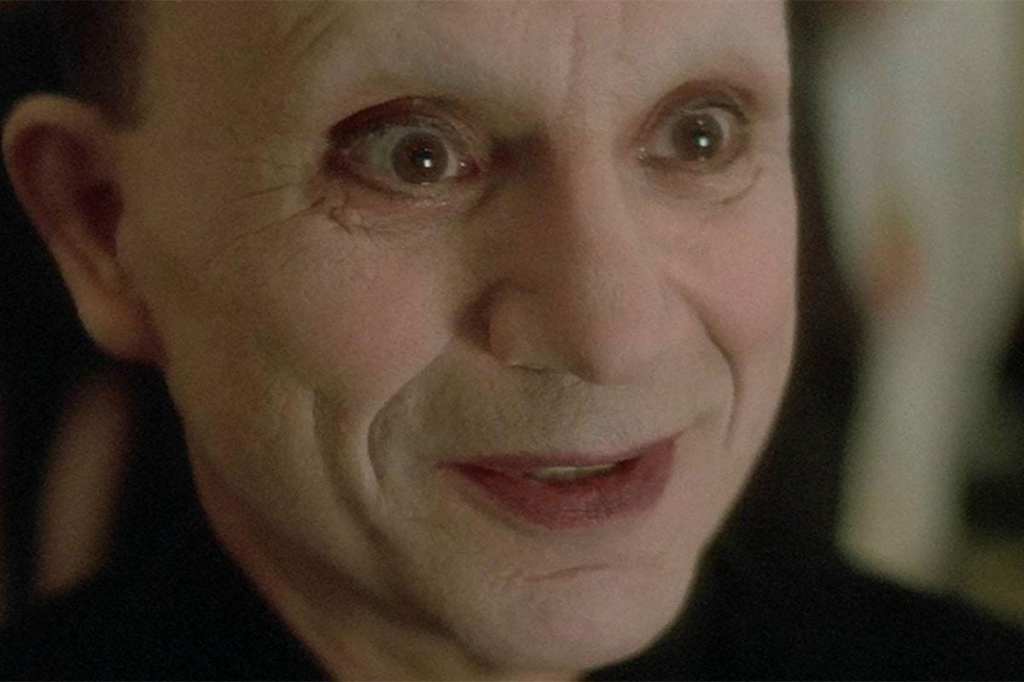
    This film made a huge impression on me as a teenager, the early scene with the Mystery Man’s wide-eyed mask of a face staring spookily at Bill Pullman like Ryuk the ‘shinigami’ in Death Note — so grotesque and caked in unearthly tones that I remember it as employing special effects, but no, it was just Robert Blake’s face — talking to him from both sides of a phone call, surreal and inexplicable just like much of this entire film, it scarred me deep.

    It seemed like a shockwave of audacity to have a main character morph into another person completely without any satisfying followup, just rolling into a new story completely. I remembered that, but mostly forgot the ending where the two halves converge. Making sense wasn’t the point anyway, it was a vibe. It’s jazz cinema.

    I don’t think I had much early exposure to challenging art and I was making up for it through a phase into which Lost Highway fit perfectly, like William Burrough’s cut-up texts and visual poems like the Qatsi series: peering into randomness for meaningful patterns, meditating on nonsense to glimpse truth. Maybe even more than the film itself, I was really into the soundtrack, which featured David Bowie right in the middle of his Outside/Earthling era (which is where I started with him), the Nine Inch Nails, Rammstein, The Smashing Pumpkins. Teenager catnip. Was it also the first time I heard Antonio Carlos Jobim? Maybe!

    Rewatching it now over two decades later, I expected to understand things at a deeper level, but maybe I’m just a boring old guy now or got stupider because all I can focus on is how ugly or sloppy things are from a craft perspective: Pullman’s tacky LA apartment with odd furniture, the awkward fight scene between Pete and Andy that ends with a forehead embedded in a glass table, the VHS look. Sure, I have theories about what it’s all about but come on, who casts Gary Busey as a caring dad? It’s all corny af. The cinematic vocabulary hasn’t aged well and the once-cool cyclical timeline where the end is the beginning is the end isn’t mind-blowing anymore, just lame. Marilyn Manson’s inclusion in a snuff porn excerpt isn’t edgy, it’s enabling a sex offender. The Mystery Man has lost all menace and looks pathetic in his white makeup; I bet I could take him. Yeah I’m boring now. 3 stars.

  • Week 28.24

    Week 28.24

    My weekly ‘Going to the Apple Store’ streak continued on Monday when I accompanied my dad for his demo of the Vision Pro. Rather than use my unit with an imprecise fit, I thought it’d be better for him to get the proper experience, and sure enough, he had completely different strap and light seal sizes from mine. He’s had some experience with immersive headsets, mainly from flying his FPV drone and other vehicles, but in terms of interacting with spatial UIs and XR objects this was a first. He came away very impressed, apart from the usual complaints (weight, price). He wasn’t planning to buy one going in, but I wonder if he’s thinking about it now.

    Aside: One hobby I’ve been meaning to play around with in the Vision Pro is sculpture, which is much more intuitive (read: idiot friendly) to do in 3D space with your hands than on an iPad with a Pencil. There’s just not a great app for it that I’ve found yet, although it’s possible at a blobby sort of level in AirDraw — Finger Paint, so I’m starting there.

    If Apple still made their AirPort wireless networking hubs (many smart people still say to this day that discontinuing them was a strategic error), I might have had cause to visit a store again next week. Since they don’t, I bought a set of TP-Link WiFi mesh routers instead and set them up over the weekend. One of the power adapters was faulty out of the box, but fortunately our old system’s were compatible, so that’s sorted.

    Aside: There was a tense moment on Friday night when a ‘pop’ was heard just before the power cut out in one section of the home. It turned out a wall-connected USB charging hub had burnt out, fortunately without damaging anything. It was a Lencent brand 65W GaN thing that I bought off Amazon Prime last October, with a 4.6-star rating. I was complacent to attribute trust based on its Amazon profile rather than my own knowledge — I’d never heard of Lencent and haven’t since — and won’t be making that mistake again. It’s only slightly more reputable Chinese brands from here on out!

    FWIW I’ve had mixed experiences with Anker, but they’re probably the best/safest from a brand equity perspective. I’ve also seen a lot of people using Ugreen products. I have a charger and a couple of cables from them, but their website has typos like you’d find in a phishing email.

    Our old pre-COVID system was WiFi 5, and we had nearly 30 internet-enabled devices on it, which I think might have contributed to recent connectivity issues. I have bored Kim to tears with explanations and theories all week, so I’ll spare you. In short, I spent $400 I hadn’t budgeted for to upgrade us to a WiFi 6E mesh that claims to have self-learning AI and support for 200 devices. The app is miles better than our old Netgear Orbi’s, letting you configure nearly everything from your phone — it’s bizarro world over at TP-Link because the web-based admin panel has nearly no settings. Anyway, we’re future ready and could move up to 2Gbps internet when our current contract expires.

    ===

    • 🎮 I’m still checking into Zenless Zone Zero daily to claim log-in rewards and farm materials. I’m observing that this routine is actually a barrier to getting more stuck into proper games. Devious.
    • 🎮 Nevertheless, started on a charming and well-written visual novel about the afterlife called Ghostpia: Season 1, on the Nintendo Switch. I saw launch ads for it during our last trip to Japan and bought the global release late last year, but I’m only starting it now. I think it’s pronounced Ghost-o-pia in Japan, and the name implies “ghost town”, like the Latin topos for place, as in utopia. It’s the rare visual novel that doesn’t ever feel like it’s wasting time or insulting your intelligence.
    • 📺 Started watching Sunny, Apple TV+’s new show starring Rashida Jones and a robot that kinda looks like a Pepper 2.0. It’s an A24 production, set in a surreal other-universe Japan that feels like a variant of the world in Severance. Such an odd vibe, which I suppose adds to the “nothing is what it seems” mystery here. She’s an American expat whose Japanese engineer husband and son supposedly died in an accident, leaving her an advanced AI robot to figure things out with.
    • 📺 Absolutely thrilled that Jinny’s Kitchen has returned for a second season on Amazon Prime Video, sending Korean celebrities to run a restaurant in Iceland this time. Like before, each episode is essentially a two-hour movie, and there’s something about this formula that makes even the most mundane moments (restocking a fridge, taking orders, dicing vegetables) so watchable. Other reality shows can only dream of including this much detail on a weekly basis without losing an audience.
    • 🎬 Saw In the Realm of the Senses (1976) on MUBI despite warnings from Nic not to watch it. Is it uncomfortably, unbelievably graphic? Yes. It’s also a very powerful and competently made film based on a bananas true story. 3.5 stars.
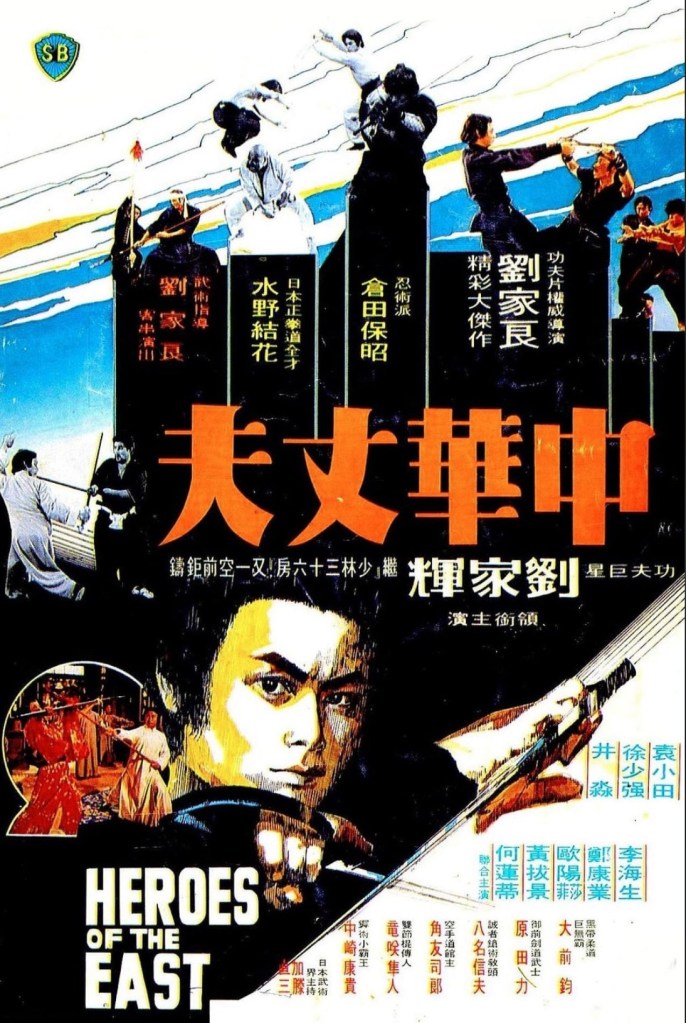
    • 🎬 Saw Heroes of the East (1978) next, a classic Shaw Brothers kungfu flick by Lau Kar-Leung starring Gordon Liu, both in top form. It’s actually a cross-cultural martial arts romcom, with action scenes so good I don’t think we know how to do them anymore. One of the best I’ve seen, up there with Dirty Ho (1979). 4.5 stars.
    • 🎬 Saw Friends and Strangers (2021), a very enjoyable indie Australian film. Gorgeous photography, care evident in every shot. The story meanders and discharges detail wherever it feels like it, leaving so much off screen, and the result is “dreamy”? Aside from the Australian identity crises, I was surprised it felt a bit like Singapore, where everyone knows someone you know, and nobody has figured out what life’s about. I much preferred the first half with Emma Diaz in it; the second felt like a portrait of bumbling male incompetence that no one needs to see more of, really. 4 stars.
    • 🎬 Saw Beverly Hills Cop: Axel F (2024) and wasn’t as disappointed as I expected to be! It took a little warming up to, but Eddie Murphy looks like he’s having fun again and that’s enough for me. 3 stars.
    • 🎬 If you’re in the mood for a mellow drama shot entirely on an actual luxury cruise ship on an actual voyage, Steven Soderbergh’s Let Them All Talk (2020) has got you. Meryl Streep, Gemma Chan, Candice Bergen! Oh it’s about a writer trying to write a sequel to her best work, and catching up with two old friends she hasn’t seen in decades. 3.5 stars.
    • 🎬 I also really enjoyed Upgraded (2024), an Amazon Prime Video original romcom about the art world starring Camila Mendes, Marisa Tomei, and Giles from Buffy The Vampire Slayer (Anthony Head). It’s derivative AND fun! 3.5 stars.
    • 🎧 Tons of new music this week but I haven’t had time to hear Eminem, Cigarettes After Sex, Tori Amos, or Travis yet. I’ve heard Griff’s debut album, Vertigo (polished pop from Sigrid’s side of the aisle), and Clairo’s Charm (a lush, beautiful vintage sound).
  • Week 27.24

    Week 27.24

    This Fourth of July, I eagerly awaited the launch of Zenless Zone Zero, the new action-gacha-anime game from the Singapore-based, Chinese-owned developer HoYoverse (also known as MiHoYo).

    Gamespot’s review noted that their smash hit Genshin Impact has grown too large as an open-world game to be effectively played on mobile, and is now best on consoles and PC. Their last game Honkai Star Rail was more mobile friendly in comparison, since it’s a turn-based combat game (yawn), and ZZZ comes in somewhere in between.

    It’s got fast-paced dodge and counter gameplay with a sizeable cast of playable characters — most of them needing to be ‘won’ through awful gacha mechanics that will bankrupt weak-willed fans (not me, I hope) — interspersed with pretty animated cutscenes, comic panels, talking head visual novel-style dialogue, Sokoban puzzles, and a charming town where you can shop, do fetch quests, and engage in all that RPG-lite fun.

    If I sound a bit skeptical, it’s because I think this could have been a great paid game instead of a cynical free-to-play profit machine. I’m actually having a great time with it so far, mostly playing on the PS5. Just on the basis of its modern (read: non-fantasy) theme and setting alone, I think I’ve finally found a live-service game I can get into. It’s extremely polished, mindless fun designed to please a certain kind of millennial nerd: the city of New Eridu celebrates film buffs (your character runs a video rental store), ramen lovers, gamers, hackers, and its whole vibe is techno-stylish yet cozy. Right now, you mainly do battle in a few repetitive environments, but if this game is half as successful as HoYoverse’s other titles, they’ll probably add a lot more over the next couple of years.

    The Fourth also brought the surprise release of Kendrick Lamar’s music video for Not Like Us, and the wait was worth it. What a victory lap, as if Drake’s grave wasn’t already bottoming out all the way to the earth’s core. It’s packed with visual jokes and callbacks to Drake’s lines/lies, memes, and other moments from this historic battle. Do they still give out MTV video music awards? Surely not, but if they did, this should win some. It should be Song of the Year at the Grammys.

    ===

    This week with Vision Pro

    Last week, I said that I’d gotten too narrow a light seal for my Apple Vision Pro and was due down at the store to swap it for a better fit. It’s been a minute since I visited Apple Orchard Road, and the space still looked as great as on its first day seven years ago. They’ve set the store up with a dedicated Vision Pro seated demo area, using the new curved couches and white demo tables as documented by Michael Steebler, Apple Retail historian extraordinaire.

    Since I don’t intend to move mine around much, I decided against the official Apple travel case (S$299), and found a great deal on the Spigen Klasden Pouch. It was somehow just S$62 on Amazon with free next-day Prime delivery. That’s a lot less than the $119 USD retail price on Spigen’s own site. I used that to bring my unit down for my appointment, and in the middle of my conversation with the specialist, a man interrupted to ask where I got my case! I looked at the Apple employee beside me and said, “Erm, I don’t think I can answer that within the Apple Store, but you should consider the official case; it’s a fine product!” 🤡 I need to stay in their good graces; I’ll be visiting again next week when I accompany my dad for his 30-minute demo.

    Over the weekend, I got one more Vision Pro accessory delivered, hopefully the last chunk of change I’ll need to spend on this thing: the ANNAPRO A1 Comfort Head Strap that I’ve seen several people on Twitter promoting. It’s meant to be used with the Solo Knit Band and fits over the “audio straps” on either side of the unit, creating a second load-bearing point on your forehead (as opposed to the Dual Loop Strap which sits at the top of your head). I’ve found that this removes almost all pressure from around your eyes and cheeks, as advertised, transferring it to your forehead instead. This isn’t a magic solution for the Vision Pro’s weight but it may be preferable for many people. After all, it’s a proven design similar to that of the PSVR headset. I’m gonna use it as my default for awhile and see how it goes.

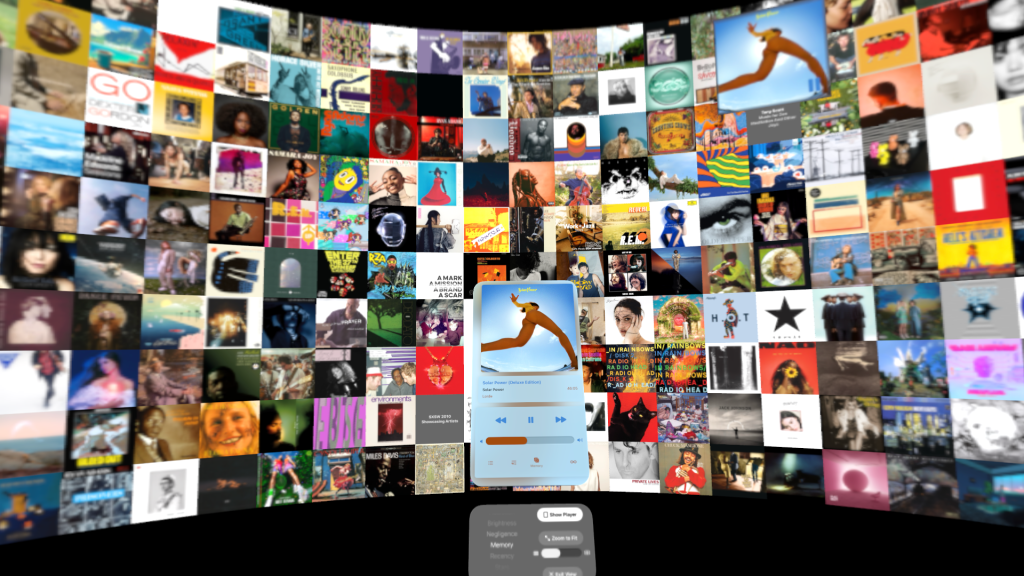
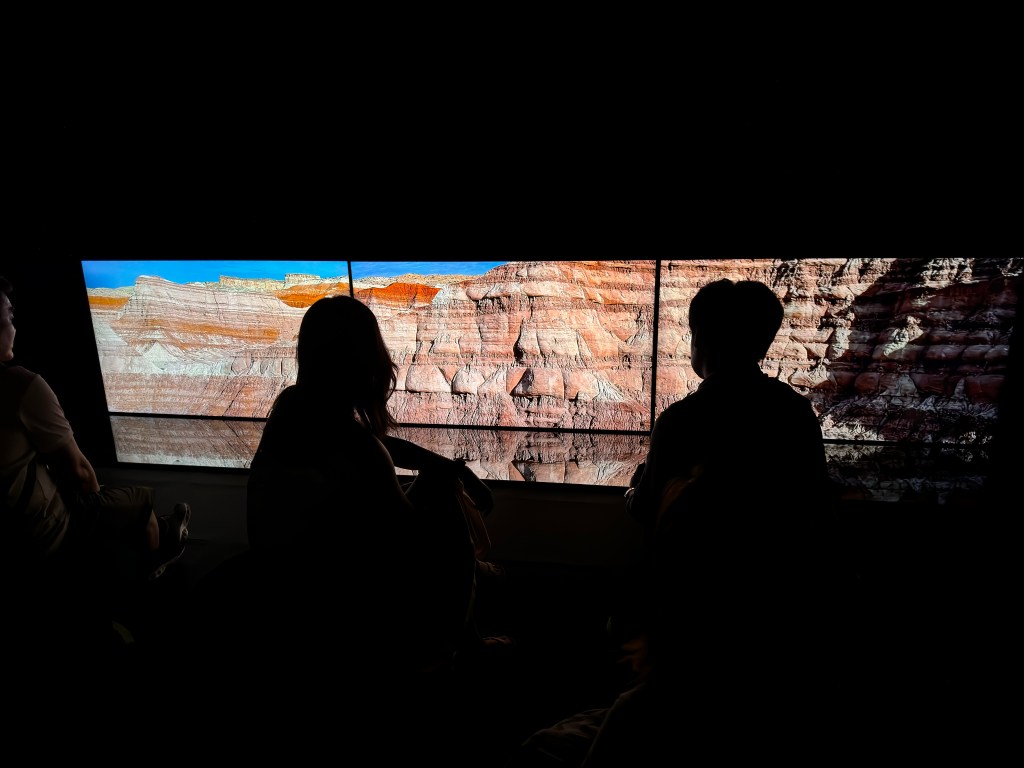
    An app recommendation: I discovered that Longplay, which I’ve been using as a living room music controller on an old iPad, has been updated for visionOS. On top of using it as a music player in a window, you can enter an immersive mode that surrounds with a giant wall of your album covers to choose from. The screenshot above is blurry outside the focal point because of the Vision Pro’s foveated rendering, but rest assured when you’re using it, everything you look at is sharp and you never notice blurriness in your peripheral view.

    ===

    Media activity

    • I did a quick playthrough of Love On Leave on the Nintendo Switch, having bought it on sale a few months back. It’s a slightly ecchi visual novel that I only wanted because of its premise: a burned-out salaryman quits his job in the city and decides to take a two-week vacation in the countryside town where he spent some time as a child. That sounds nice, doesn’t it? Unfortunately, the inn he wanted to stay at is closed for the summer, so he has to live with three sisters who were his childhood friends instead. The eldest’s a momma type, the second is a tsundere martial arts type, and the youngest is a spoilt gamer/streamer college student. I spent most of my time fishing and farming.
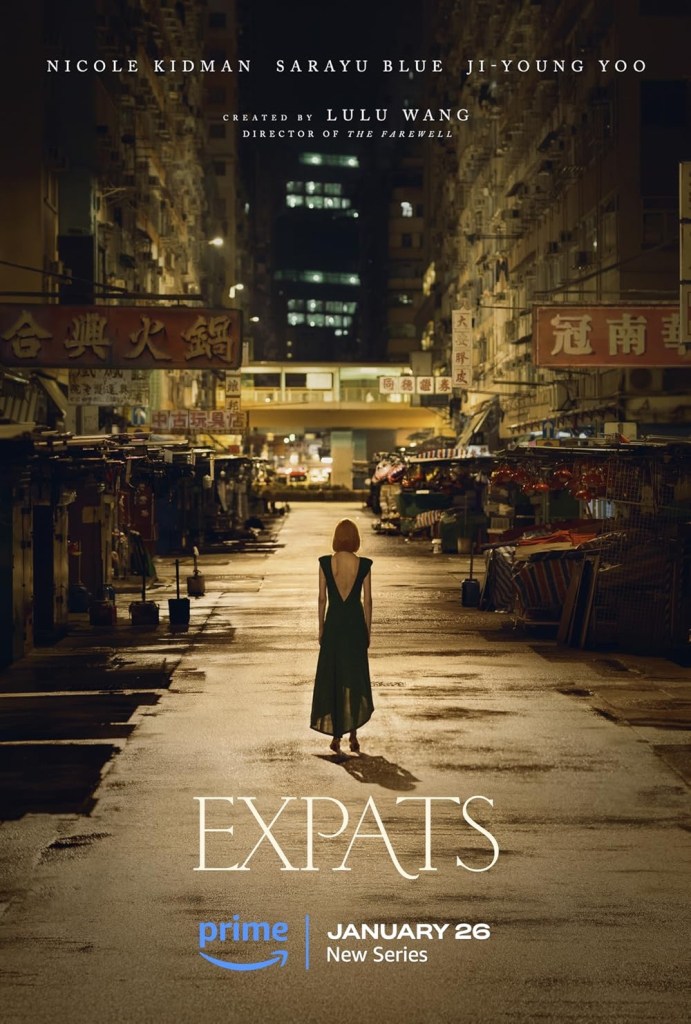
    • We watched Lulu Wang’s miniseries, Expats, on Amazon Prime Video. It’s headlined by Nicole Kidman, based on a novel, and set in Hong Kong on the eve of the 2014 protests. I thought Wang did a fantastic job with The Farewell (2019), leaving the right amount of things said/unsaid for emotional impact, but this TV effort is a little clumsier. Still, overall worth seeing at just six episodes — the penultimate one is a film unto itself at 1hr 40mins, and spends time with the Filipino domestic workers who are only background characters up to that point. The show’s description tells you that it’s about three expat women (one white, one brown, one yellow) connected by a tragedy, and it’s so easy to forget that their helpers are technically expats too. 3 stars.
    • Rewatched Gravity (2013) in 3D with the Apple Vision Pro after buying it on sale for just $7 USD, and it was even better than I remembered it being a decade ago. And it was remarkable then; a miracle film with so much implied complexity that one can’t imagine how it was made. Yet, the movement is so simple and pure, the whole film is essentially a single continuous scene. Like Mad Max Fury Road, it doesn’t build or boil, it just goes hard from the start and doesn’t let up. 5 stars.
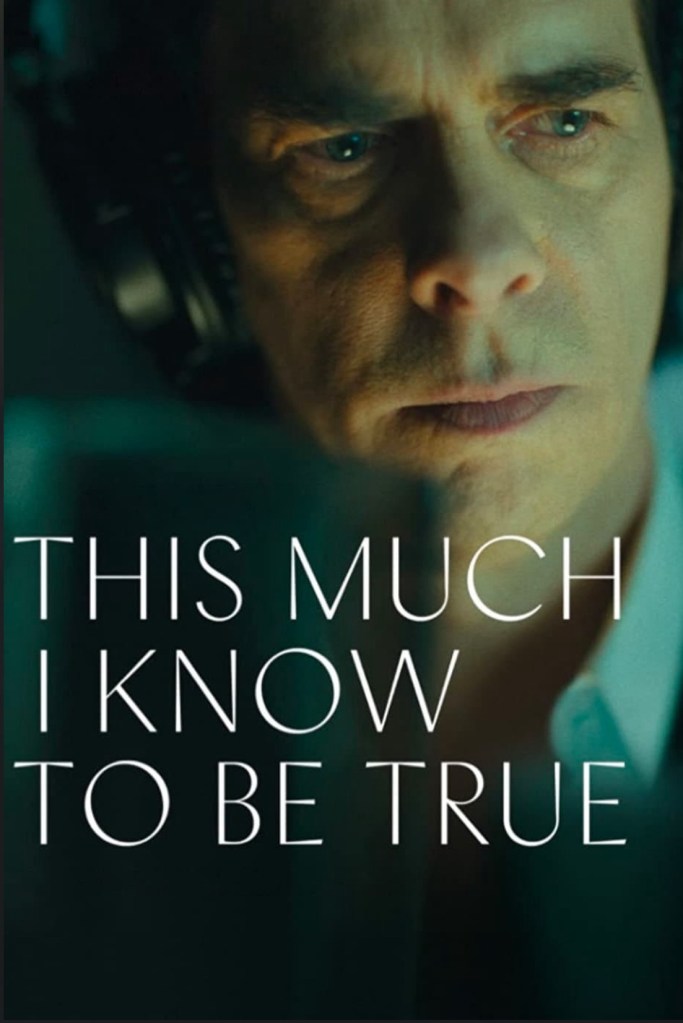
    • Saw This Much I Know to Be True (2022) on MUBI. It’s a concert film (but in a studio) + documentary about Nick Cave and the Bad Seeds, working through their newer material — 2019’s Ghosteen and 2021’s CARNAGE — during the pandemic. A lot of it deals with the death of his son in 2015, and showcases Cave’s working relationship with Warren Ellis, who looks like an insane homeless math professor who wears nice suits and expensive watches. I especially liked one part where he describes them in the studio as producing loads of horrible stuff with occasional transcendent moments, “but they’re just snippets in an ocean of bullshit”. A perfect description of the creative process. 4 stars.
    • Saw Irma Vep (1996) on MUBI. Weird, funny, enchanting. I don’t think I’d ever seen young Maggie Cheung in a film before this, certainly not speaking English, and it’s something else. She’s magnetic, unbelievably apart from the world. You can feel it when she comes in frame for the first time; suddenly everyone else is a normal person and she’s clearly the movie star she’s supposed to be playing (herself). 4.5 stars.
    • While logging the above on Letterboxd, I discovered that Olivier Assayas made a TV sequel/reboot of Irma Vep in 2022, also titled Irma Vep. It stars Alicia Vikander and is apparently an unflinching assessment of his own failed marriage to Cheung after the original movie, and revisits its themes in the light of our current day disdain for cinema. But I could be wrong. It’s on my list to watch soon.
    • On Sunday we managed to see a hat trick of recent LGBTQ-themed movies!
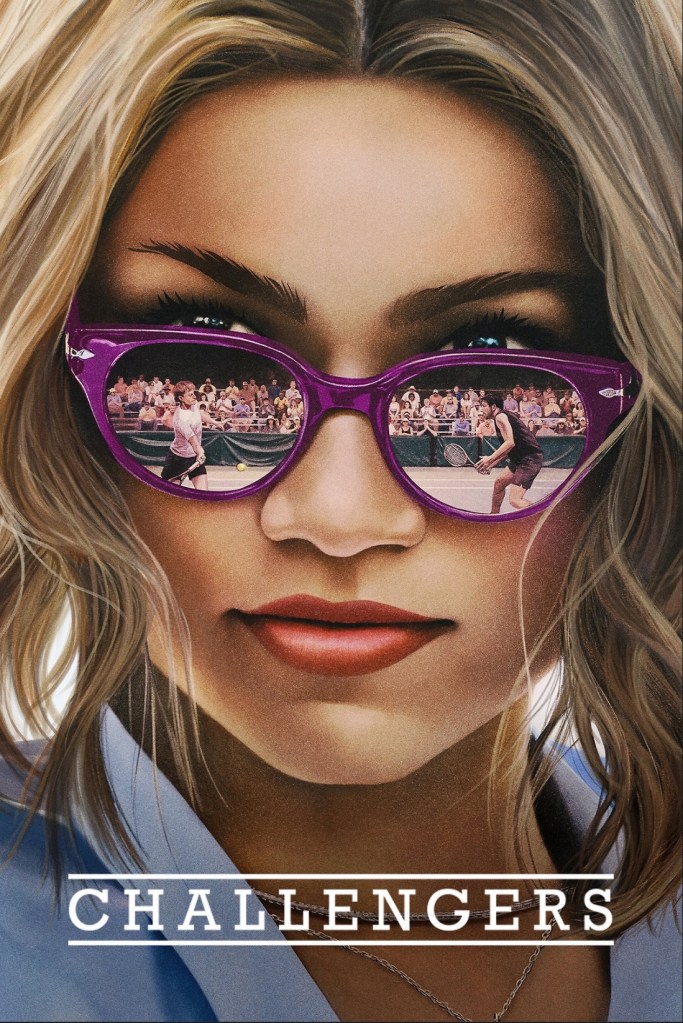
    • It started with Challengers (2024): The ending is on some anime finishing move shit, you see it a mile away and they drew it out a little too long. Apart from that, this is the tennis romance drama the world has been needing. It’s also shot so so beautifully. 4.5 stars.
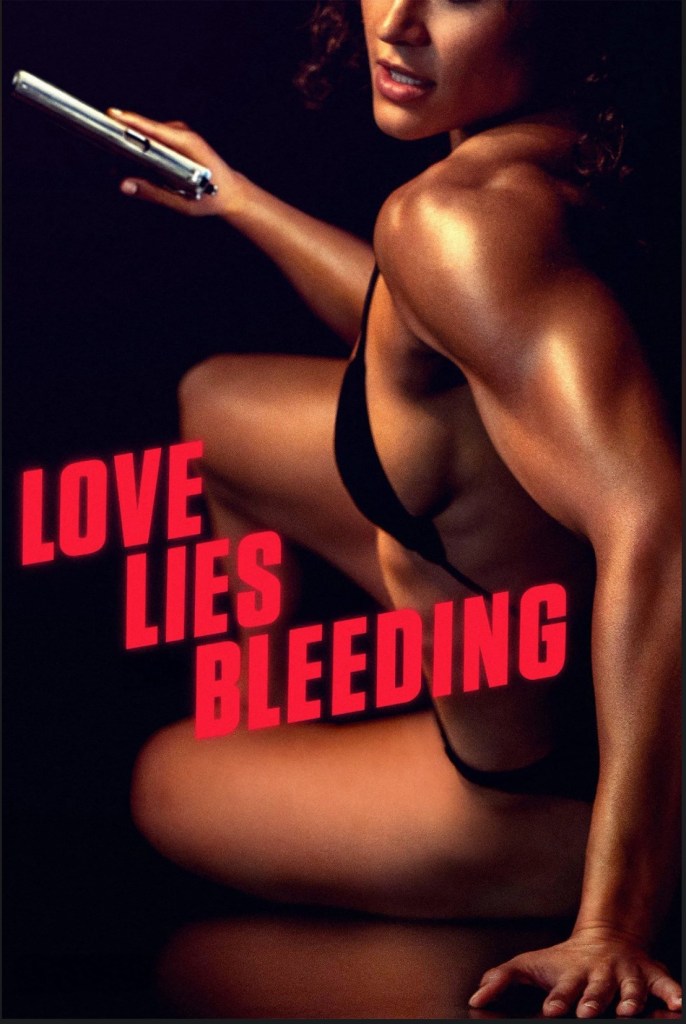
    • Then Love Lies Bleeding (2024): Damn, this movie does what it wants. Unfortunately half the time it wants to be a frustrating oversexual drama set in small town hell (you could set a Reacher novel here), but the other half is a beautiful drugged out fantasy I don’t really get but must respect. 3.5 stars.
    • The last one was All Of Us Strangers (2023), a film that Hideo Kojima raved about on Twitter, and after seeing it, I know why: it touches on two of his favorite themes. I won’t say the second one because it’s a spoiler, but the first is men’s butts. Those aside, the core of the film is a really interesting, beautiful narrative device for exploring loss and lost time, one I don’t think I’ve encountered before, handled softly and naturally with great performances (from one guy that looks like Harry Potter and another who looks like The Incredible Hulk, pre-transformation), and it really makes it worthwhile. 4 stars.
  • Week 24.24

    Week 24.24

    ✅ Saw Seinfeld live

    His 2024 tour had just one Asian stop, here, before heading to several Australian cities. We decided to splurge on S$300 tickets late last year for the one-night-only show on June 14. After all, when are you ever going to see Jerry Seinfeld again? It’s a once-in-a-lifetime, bucket list opportunity.

    And he was pretty good! I can’t believe he’s 70 and still working the circuit. Although the face says he’s aged, the material suggests he’s still the same unserious, childish complainer we love. Some bits on modern subjects like AI and smartphone addiction screamed ‘boomer!’, but his timeless takes on marriage, the lack of innovation at the Sun-Maid Raisin Company, and putting old dish sponges out of their misery, were solid gold.

    ===

    I attended an inspiring memorial service for my uncle, who passed away a few weeks ago. It was a large and well-attended affair, on account of him having been a prominent member of the local medical community.

    Relatives are usually these distant figures we only see during Chinese New Year reunions. But under the surface, there’s a lifetime of stories we never hear, and it’s a pity. If not for the history lesson and stories that his son shared, I would never have known about how he was born in China 90 years ago, arrived in Singapore at the age of 10, suffered tragedy at the hands of the Japanese, and became an award-winning multihyphenate equally accomplished in matters of art and science. That generation really was built different; the risks they took seem unreal when compared to our modern lives (but tbh they couldn’t handle a zillion social notifications destroying their mental health either).

    ===

    It was WWDC week and while I don’t have to comment on Apple stuff, I kinda always do, so let’s keep traditions alive. They unveiled a slew of software features coming to every platform, and I was most excited to see that Journal, Notes, and Freeform are still being improved and haven’t become forgotten hobbies. As a word-centric computer user, they’re the ones I rely on most — the Math Notes demo on iPad was super cool but I couldn’t begin to use it.

    I’m not convinced the Photos app redesign was necessary or an improvement for most users. Its single-page design seems like a conceptual simplification that might add more complexity in real-life use. I haven’t lived with it yet, so I hope I’m wrong.

    I’m convinced Messages will continue to absorb all popular chat features until it eventually catches up to where Telegram was about four years ago. And that’s all it needs to do, really.

    They announced that Apple Vision Pro will finally be sold outside the US, with Singapore as one of the first countries to get it, alongside Japan and China. Wow, that’s a hell of an upgrade to our starting lineup position. Back in Week 5, I correctly predicted that the global rollout would start in June, but I also said that the product would see annual updates — the consensus on tech Twitter now is that there won’t be a new model until 2026. Which… makes me think that I could get one after all? Getting two years of use out of a S$5,500 device is a lot more palatable than getting just one. Once you add the cost of AppleCare+ (S$749), a travel case (S$299), and prescription inserts/contact lenses though. Hmm.

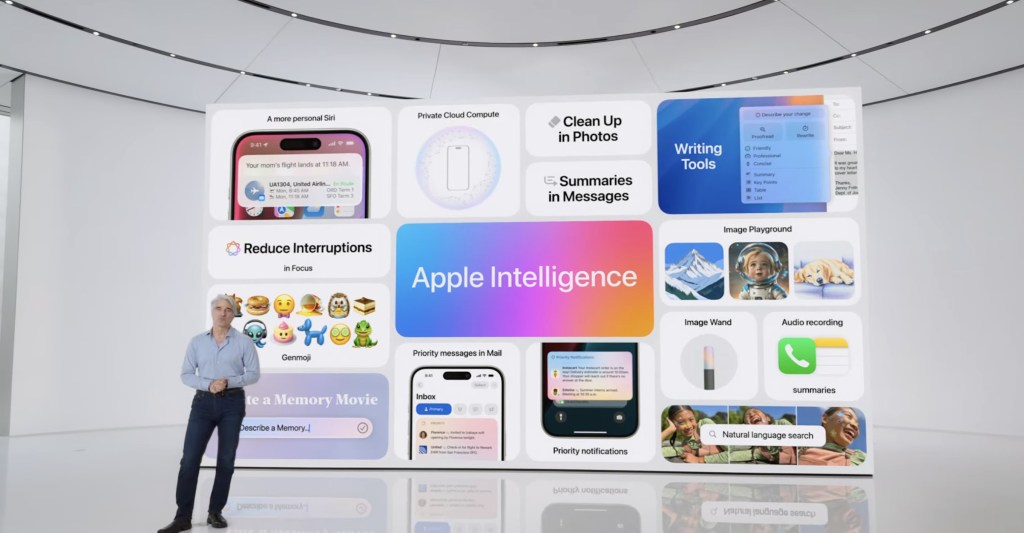
    On Apple Intelligence: I was happy to see them begin by laying out their design principles (we do this on a lot of my projects, but they are rarely communicated to the public), which are critical for this particularly suspicious and misunderstood technology, for which Apple needs to differentiate their approach and model. Some, like Google, already have access to your data but can’t be trusted not to monetize it with ad targeting. Others, like OpenAI, may only have what data you choose to share but can’t be trusted not to train their models on it. Apple is unique in that it doesn’t seem to want to do either.

    Finally, we’re getting a smarter Siri that’s an actual agent, i.e. able to string together various tasks in pursuit of a goal, and take action on behalf of users. So much for the Rabbit and all that bullshit. Doing as much locally as possible is the only responsible way to do AI agents. And Apple’s private cloud compute solution, which looks to be yet another privacy engineering breakthrough, is probably the second-best way.

    The image generation stuff was probably the most contentious part. I’ve seen upset takes from artists but no one can put this stuff back in the bottle. The only way to stop AI art is a full-scale public revolt, and that requires everyone getting a good look at it first. It’s the four packs of cigarettes your dad forces you to smoke after he catches you sneaking one. When we’re all tired of seeing gross AI styles, human-created art might be appropriately valued.

    But I don’t think Apple is on this exact mission, so I was surprised at the examples they chose to showcase. The Genmoji of a surfing dinosaur looked terribly similar to Meta’s own AI chat stickers in style and quality (cheap). But being able to create Genmojis and illustration-style images for documents all across the OS, for free, is no doubt a big deal. I think many people will generate their first AI images with Apple Intelligence.

    ===

    Media activity:

    • I just finished R.F. Kuang’s Babel and loved every page. If you’re into university-set adventures, deep dives into language and literature, the aftershocks of British colonialism, and tales of the Chinese diaspora, this one’s for you. I had no idea that she also wrote Yellowface, which I’ve heard many people rave about. Props to Kuang, she gets a lot more out of being Chinese than me. 5/5 stars.
    • Bought Like a Dragon Gaiden: The Man Who Erased His Name for S$31 on PlayStation’s summer sale, and immediately started playing it. I thought I’d had enough of this series for awhile, but I’m six hours in and having so much more fun than in the preceding game. Part of it is even set in the same Yokohama map as Yakuza: Like a Dragon, but running around here is so much better without the annoying turn-based combat. Recommended if you like absurd storylines played with the straightest of faces.
    • Started watching Constellations on Apple TV+, which has sadly been canceled after one season. The first two episodes lean into a space horror vibe which had me seriously tense, but it’s lightened up a bit now in episode three. Recommended for fans of Noomi Rapace, Dead Space, sci-fi mysteries.
    • Watched A Quiet Place Part II and was let down because I remember enjoying the first one, but this sequel is a much lesser use of mostly the same ingredients. Plus that annoying post-apocalyptic trope about how the human survivors are worse than the monsters. PUHLEASE. 1.5/5 stars.
    • Watched Hit Man on Netflix, the first Richard Linklater film I’ve caught in years. It kept me guessing (and I had a lot of wrong guesses where it was heading), and has a lot of fun with the concept. Glen Powell is going to be a huge star, isn’t he? 4/5 stars.
    • Alex Garland’s Civil War was like most of his films: plenty to look at, not much to say. It shows what a civil war in the US might look like, but doesn’t care to fill anything in, mirroring the photojournalists it follows. Early on, Kirsten Dunst says “we just shoot the pictures, others can ask why”, or something to that effect. Well, isn’t that convenient for you, Alex Garland. 2.5/5 stars.
    • Discovered the band Fantastic Cat after seeing a vertical video somewhere of them inviting Adam Duritz of Counting Crows to be on their new song. It may have been a clip of the video for the song, actually. Following that I checked out Now That’s What I Call Fantastic Cat and really enjoy its pre-my-birth country rock sound. A quick internet search revealed that they’re a supergroup of four singer-songwriters that I unfortunately have never heard of.
    • Am listening to Charli XCX’s very popular new album, BRAT, and it might be her best work yet. I’m also listening to A.G. Cook’s new Britpop album and since he produced half of her album, it can get confusing.
    • Have also been following the drama of Taylor Swift allegedly releasing numerous editions of her albums on the eve of other female artists’ album releases to block them from the top spot on charts. She apparently tried it with Billie Eilish’s album, and now she’s done it to Charli with a UK-only release of two new editions of The Tortured Poets Department, each with different demos or live versions tacked on. She’s free to defend the throne but there are apparently 34 different versions of that album out now. Even The Guardian has weighed in and declared Charli the winner on artistic grounds. This releasing of multiple variants to milk fans feels gross to me. Back in my day, musicians just released one version of an album (okay, plus maybe a Japan-only one with bonus tracks) and it had to fend for itself on the charts for years!
  • Week 23.24: Chilling with Sony’s Reon Pocket 5, New Camera Apps, and a Playlist

    Week 23.24: Chilling with Sony’s Reon Pocket 5, New Camera Apps, and a Playlist

    Sony Reon Pocket 5

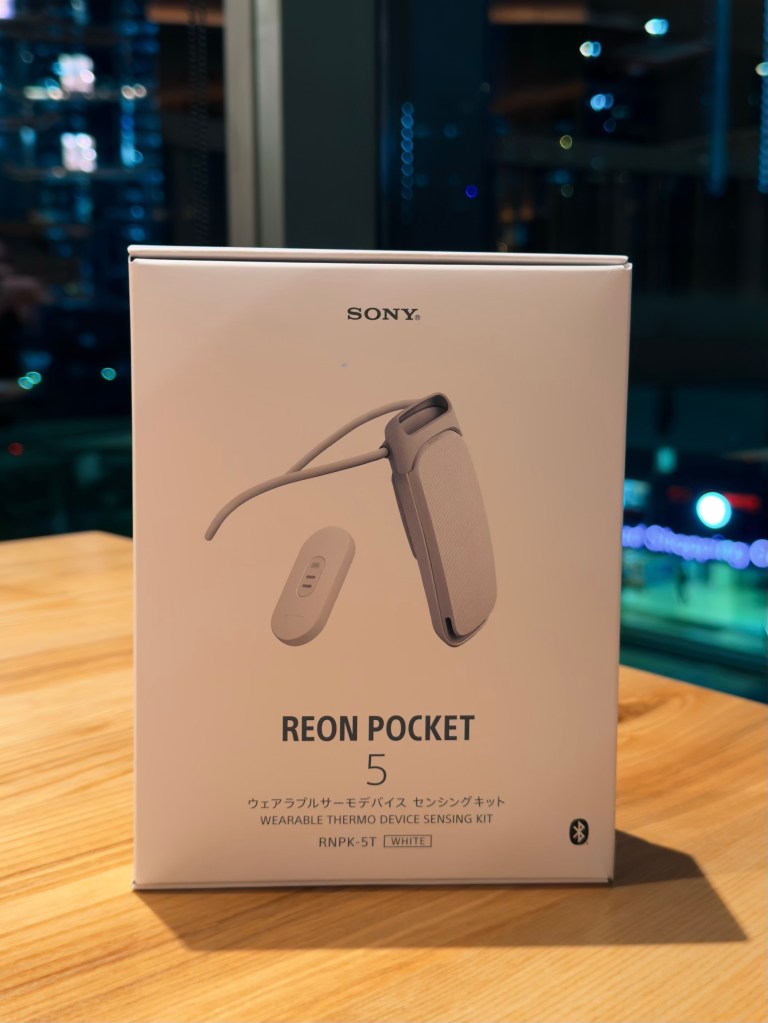
    I discovered the existence of a cool new device this week when a Sony catalog wound up in my trad-mail inbox. After some online research, I visited the nearest Sony store for a demo of the Reon Pocket 5 device and ended up buying one for S$249. Okay, what is a “Reon Pocket” and why is this the fifth version? The four previous iterations were only sold in Japan, but the tech is now mature enough that Sony is launching it in the UK, Hong Kong, Singapore, and Thailand this year.

    It’s best described as a wearable gadget for helping you feel more comfortable by fooling suggesting to your body that the temperature is more bearable than it thinks. It does that by cooling or heating a small metal plate pressed against your skin (in this case, at the base of your neck), which contrasts with the environment and changes your perception of it. Surprisingly, it works with just a difference of a few degrees.

    I first learnt about this effect a decade ago from a Wired article about an MIT prototype and have been eagerly awaiting a commercial product ever since. I had no idea until after buying the Sony version that the researchers mentioned in that article have actually shipped their own wrist-worn product called the Embr Wave. It resembles a smartwatch and is more discreet than the bulkier Reon Pocket 5 which sticks out from beneath your shirt collar like some kind of life support system. However, since I already wear an Apple Watch, I don’t know if I’d wear an Embr Wave too.

    In some ways, I seriously see this device as a “life support” technology. I think I’ve struggled with heat regulation all my life — always feeling warmer and sweatier than everyone else; most days you can hold your hand over my head and feel the heat radiating off it. I read that our bodies’ core temperature doesn’t actually change much (when it does, that’s hypothermia or heatstroke), so how comfortable we feel is all down to skin temperature, which this sort of thing hacks.

    After a couple days of testing, I’ve found the Reon Pocket 5 doesn’t perform miracles but offers a different sort of relief than a handheld fan (though one could use both). But it’s like constantly holding a cool can of soda against your neck in hot weather, which is welcome! It’s a glass of ice water for someone in hell. Even when the temperature isn’t that high but it’s stuffy and humid, this takes the edge off. If you’re the sort who’s always feeling cold in Singapore’s air-conditioned spaces, it also heats up and offers the opposite effect.

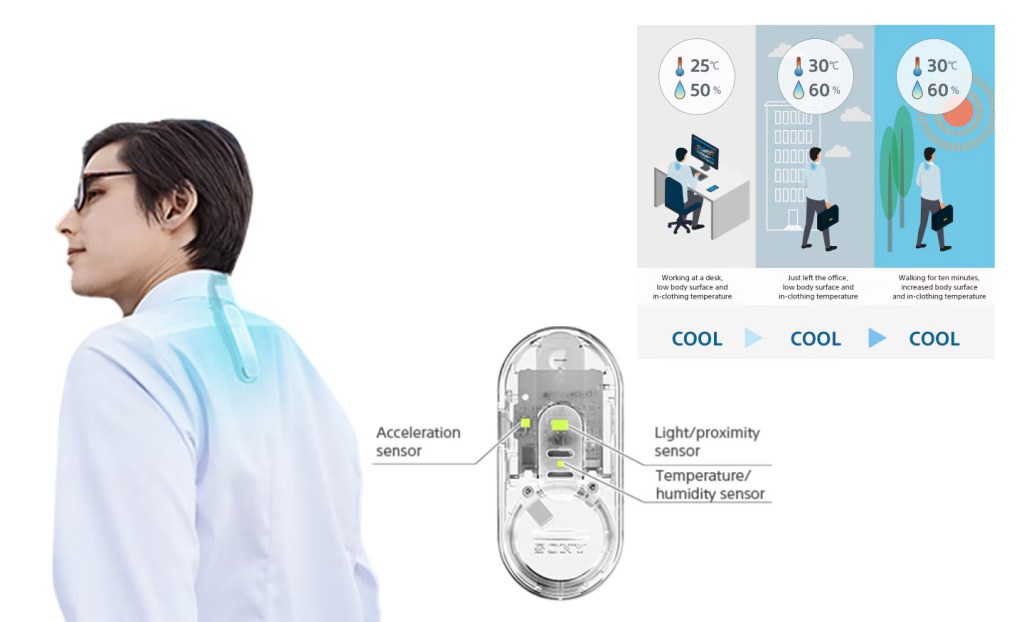
    There’s a lot I could say about the app, and how it’s another example of Sony’s generally poor UX design, but once you figure out what settings you like, you can lock them in and operate the device without it. It also comes with a separate “tag” that you can attach elsewhere on your body, which monitors the external temperature and humidity so the device can automatically switch modes, but I haven’t bothered to take it out of the box at all. All they needed to do was put a button on the thing to switch between hot and cold, just like the Embr Wave does.

    Building a separate piece of hardware instead… reminds me of how Sony headphones try to “intelligently” adjust noise cancellation levels by guessing whether you’re commuting, or working, or lazing about, by using GPS location and accelerometer data from the smartphone app — an absolutely mental and roundabout solution to replace the user pressing a button. Incidentally, Apple’s Adaptive Audio mode on AirPods Pro is a much better take: they dynamically adjust the balance between noise canceling and transparency based on environmental noise, letting you be aware but not annoyed.

    The battery, if you’re wondering, should last an entire day out. At Level 1 cooling power it’s rated at 17 hours; at Level 3, 10 hours; and at Level 5, 4 hours. Operating on Smart Cool mode, it switches between them as necessary. There’s also a “wave” feature that I recommend turning on, which follows the same core principle as Embr’s device where cooling power fluctuates so you don’t become desensitized to it. If you need even longer performance, you can plug it into a power bank and it will work on direct power without charging. Imagine using it at the same time as Apple Vision Pro, with two power banks in your back pockets. That’s living in the future, baby.

    In conclusion, wearing the Reon Pocket 5 around your neck makes you look dorky or hooked up to some medical device, but when it’s over 30ºC in the shade, who gives a damn?!

    ===

    New camera apps

    I’ve been using two new camera apps: Kino, from Lux Optics who also make the Halide app, and Leica LUX (no relation).

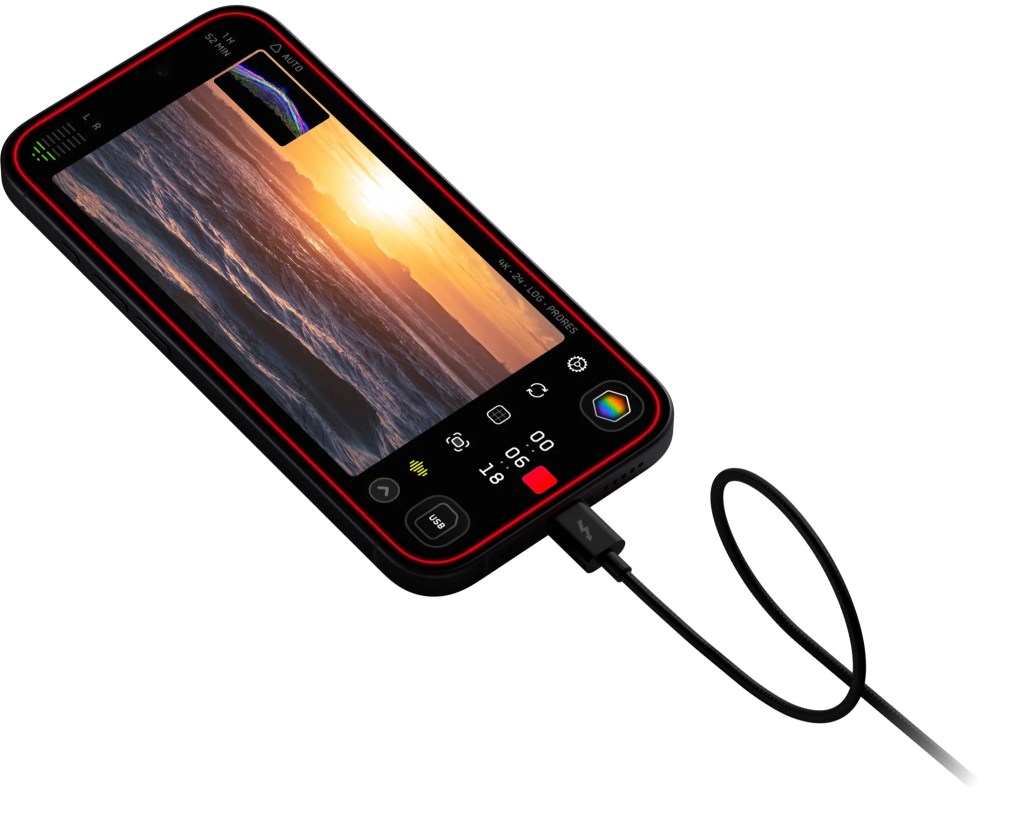
    Kino is a logical move. Halide was a “pro” app focused on bringing intuitive manual controls for still photography. Kino does the same for video. Unlike Halide, it’s a one-time purchase ($20 USD) and a big part of its functionality is the ability to apply different looks (color grading via LUTs). I’ve always wished Halide would do something similar, to help lazy shooters get the most out of RAW captures. I hardly shoot any video but I thought Kino was worth buying, especially since I’ve let my Halide subscription lapse for lack of use.

    One of the best things Kino does is allow the system to shoot in Apple LOG but write the files in HEVC format instead of ProRes, which saves a lot of space but still conveys some of the benefits. You can also shoot in LOG, apply a color grade preset in real time, and save the baked file in HEVC. That’s awesome.

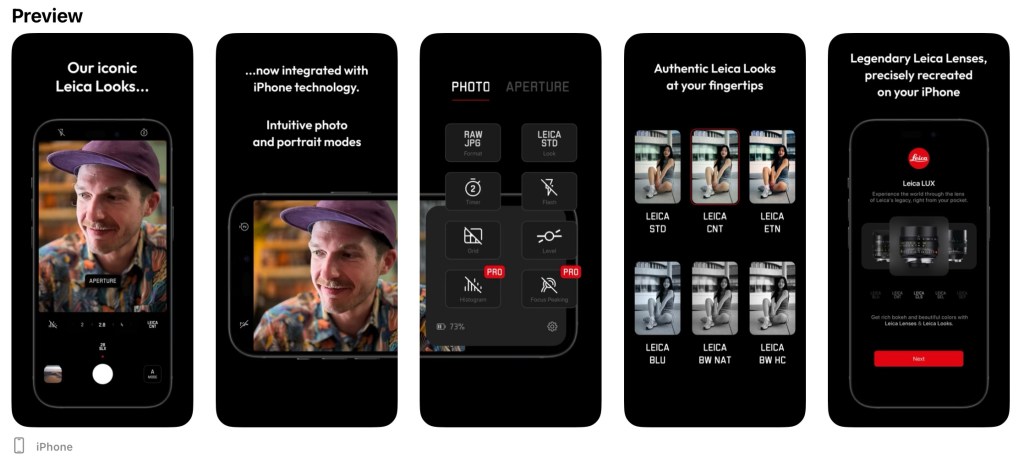
    Leica LUX is not so logical and I’ve been puzzling over why a company with their luxury brand equity would take a risk like this. On the page linked above, they’re saying the app “lets you capture the iconic Leica Look with your iPhone” using their “deep color science” and digital simulations of “legendary lenses”, like the Noctilux-M 50mm f/1.2 ($7,895 USD), and claiming it “reproduces” its “signature aesthetic bokeh”.

    I present two exhibits. The first (below) is what you see when selecting the “Leica Standard” profile: a statement that it handles color the same way as their cameras that cost upwards of $6,000 USD do, using your iPhone’s sensor. Whether it’s true or not is beside the point; Leica is saying you can enter their world with a free app and the phone you already own. To my eyes, it’s not far off from the iPhone’s default color handling, and looks like some gentle H/S/L shifts. The other Leica Looks are a mixed bag: I like the Leica Natural one, but some others are heavy and feel like “filters”. I’d hoped these would be more like Fuji’s in-camera film simulations, which are more like “color profiles”.

    The secret sauce is leaking out!

    The second shows how their implementation of a depth effect is inferior to Apple’s own Portrait Mode, with rough edge artifacts, despite the hyperbolic claims of giving your iPhone the “unique aesthetic of Leica’s legendary M-lenses” with their “distinctive look and beautiful bokeh”. If it did, that dark shot of my Misery Men mug would look like it came from a 28mm Summilux f/1.4 lens, and I can assure you it does not. Moreover, their digital depth effect only adds background blur, not foreground blur, which makes for a less realistic result that Apple’s own Portrait Mode which your iPhone already does for free.

    One nice feature is the photo library viewer they’ve built into it, which lets you switch between seeing All photos and Leica photos only, including ones taken with your Leica cameras. And photos taken with this app sit alongside them as equals! In the field where the camera model is specified, it simply shows “Leica LUX”.

    What are they getting out of this brand dilution? Well, the app is subscription-based and asks for S$99.98/yr to unlock more Leica Looks and lenses. They claim new ones will be added monthly. I think perhaps anyone who owns or intends to own a physical Leica camera will not bother with this, and it’s a move to grab all the aspirational customers who want to touch the brand — including a bit of overlap with the market they tried to target with their Huawei and Xiaomi smartphone collaborations. The question is whether this will do any significant reputational damage, and so far all the comments I’ve seen on Leica blogs and communities have been negative. Could they stand to make more on app subscriptions than they’d lose from upset camera buyers? Maybe! Is that capitalization model the right way to run a company? Maybe not?

    I’m still optimistic because I’m not emotionally or financially invested enough in the brand to care how they destroy themselves, and will wait to see if they update the app to improve edge detection and add some better Leica Looks. If it ever gets good enough to be my primary iPhone camera app, a hundred bucks a year is steep but not out of the question.

    Before: iPhone defaults. After: Custom Photographic Style

    Meanwhile, I’ve found the following settings get me calmer and more natural photos out of the default iPhone camera app. First, go to Settings > Camera and make sure you turn on “Exposure Adjustment” under the “Preserve Settings” section. Then in the camera app, set exposure to -0.3ev, and using one of the Photographic Styles as a base, change its values to -20 Tone and +5 Warmth. Note: If you have a 14 Pro, the only way you’re getting less crispy shots is to use an app like Zerocam or Halide and disabling smart processing.

    ===

    Media activity

    • Started playing Spider-Man: Miles Morales on the PS5. It feels just like the first game I played on the PS4 years ago and I can’t say I’m getting next-gen from this, but it’s good fun.
    • Finally got Balatro on the Switch, the highly acclaimed indie poker roguelike game. It reminds me so much of Solitairica, the indie solitaire roguelike game on iOS. That’s a good thing. It’s the kind of game you can play for a few minutes, or hours on end.
    • Started watching season 2 of Link Click, a Chinese-made “anime” series with a cool ‘catch a serial killer through time’ kinda story. I saw season 1 a couple of years ago and was impressed by how well executed it was.
    • Saw Still of the Night (1982), starring a young Meryl Streep and Roy Scheider. It’s a Hitchcock-inspired psychological thriller with Fatal Attraction vibes. 3/5
    • Saw The Ministry of Ungentlemanly Warfare, a Guy Ritchie WWII joint that feels like if Inglourious Basterds was a Jason Statham vehicle. Except he’s not in this, Henry Cavill is, as well as Alan Ritchson (of Reacher fame) who plays a gay Dane (Swede?) who loves killing Nazis almost a little too much. Quite a bit of fun. 3/5
    • Saw The Fall Guy, a movie I’ve been anticipating for a long time on the strength of its trailer and what little I’d assumed about its story. I didn’t know it was based on an old TV show. But it was a messy, empty disappointment of a blockbuster that even Ryan Gosling and Emily Blunt couldn’t save. 2/5
    • Saw Carnival of Souls (1962), a cult classic surrealist quasi-horror film on Kanopy, a video streaming service that’s free if you connect your library account. It’s got Ed Wood B-movie vibes and special effects, a lot of rough edges, but still manages to be a compelling work that I’ll probably remember for a long time. 3.5/5
    • Saw To Have and Have Not (1944) in which Lauren Bacall plays a character who is stated as being 22 years old, to which I thought “she’s gotta be a lot older than that”. I looked it up and she was probably 19 💀. So that’s proof that people really used to look older, and you’d be forgiven for assuming it was the copious smoking (on display in this film). It’s a weird one, almost a musical showcase for Hoagy Carmichael who shows up as the hotel bar’s piano man. Doesn’t quite have that Casablanca magic yet. 3/5
    • Saw Dream Scenario in which Nicolas Cage convincingly plays a loser who suddenly becomes famous due to an unexplained phenomenon (he starts appearing in people’s dreams). Towards the end, it pivots from uneasy mystery to comical cultural commentary. That’s not a complaint though. 3/5

    A playlist for you

    As reward for making it this far, here’s the next installment in my Blixtape playlist series, covering music I listened to from January to May this year. Hope you find something to like.

    Add BLixTape #4 on Apple Music

    The tracklist:

  • Week 22.24

    Week 22.24

    I used to drink 3–4 coffees a day, measured in espresso shots, usually from our home Nespresso machine or the office’s barista. At Starbucks prices, that would cost $10 a day or more, depending on the drink formulations. At home, about $3.20 in Nespresso pods.

    While looking at where I could trim unnecessary expenses (which has resulted in pausing Netflix for the past month, I’ve barely missed it; and canceling YouTube Premium, much more painful because of how frequent the bad ads are, so perhaps a necessary expense after all), I thought perhaps I could drink more tea. After all, I like tea! It’s just a bit more bother, waiting for the water to boil and then standing there for 4–5 minutes while it brews, or at least having to remember to come back in time — I usually don’t, and then it stands there on the counter for 20 minutes becoming cold and uncommonly strong.

    So I got some UK supermarket brand teabags in, because local supermarkets don’t do tea much cheaper and can’t do it much better, I assume. And boy are they ridiculously cheap. A box of 80 Sainsbury’s gold label teabags runs about S$5–6 (and less than S$2 in the UK), making each hit of caffeine about 10x cheaper than Nespresso. If you do the math, simply switching to tea will save me enough to buy a new iPhone Pro every two years.

    Starbucks revenue is down, coincidence?

    ===

    I finally got the third and final dose of my hepatitis vaccine after recovering enough from Covid — that cough is still around though. For reasons too hard to explain here, I ran into YJ immediately after, and we managed to chat for about half an hour. It was my first time seeing him in years; I think the last time was a noisy fast-food lunch just before Covid happened.

    He runs a bunch of coding classes for kids and I got to sit in for a little bit of one. What I want to mention here is how astounding it is to actually watch young teens use their computers in a classroom in 2024. They swipe between desktop spaces on macOS: they’ve got windows for Discord, Telegram, YouTube, Figma, oh and some multiplayer FPS they’re killing their classmates in, casually multitasking between all of it while still participating in the lesson.

    I said to YJ either we’re really old and slow, or this generation’s brains are cooked. I assume the former. We were premature in calling millennials “digital natives” because the world they and Gen Zs grew up in were not sufficiently digital. I think these kids are there now.


    Media activity

    • I know I said I was committed to finishing Astral Chain on the Switch, but I lied. The graphics are good for the aging platform, but the story is not engaging, the levels waste my time, and the combat is over complicated for no reason. Cutting my losses.
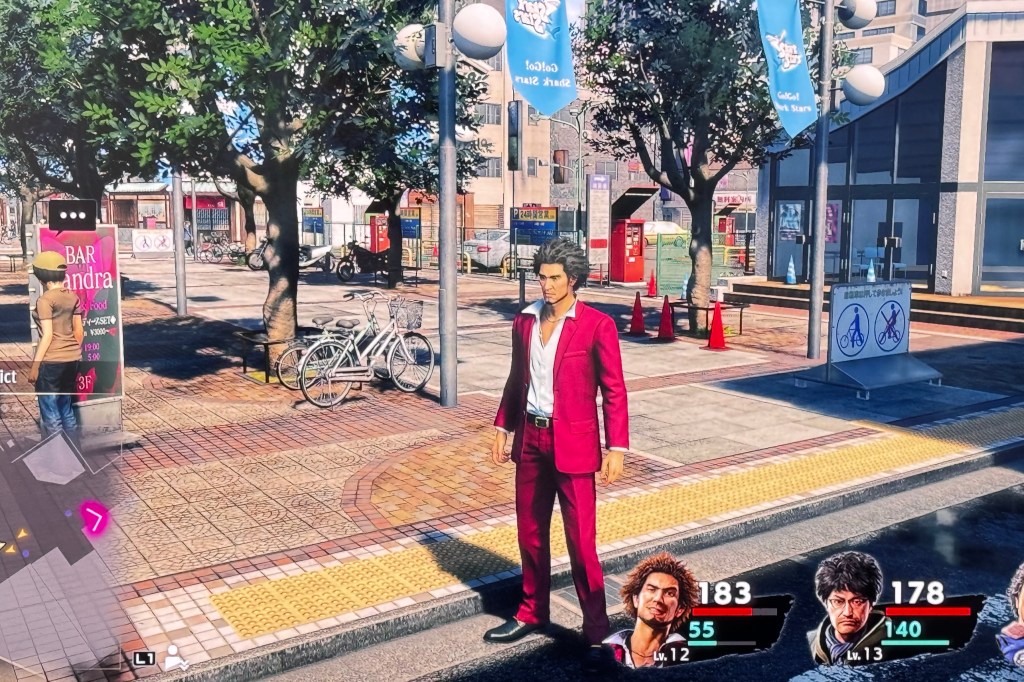
    • Likewise, after 24 hours invested, I’m ready to call Yakuza: Like A Dragon the worst installment I’ve played in an otherwise brilliant series. Perhaps it’s the decision to make it more of a JRPG, with all the tedious combat and level grinding that comes with it. The city of Yokohama where you spend most of your time is so much blander than it is in Lost Judgment — just compare the maps and you’ll see Yakuza’s version is a barren wasteland where Judgment’s pops with shops and activities on every block. I’m at a stage where the game is telling me to level up before the next chapter begins, and I’m saying no to hours more of pointless street fights.
    • I went back to Lost Judgment to finish the add-on DLC adventure, The Kaito Files, which took about four hours. And then I deleted it along with the two games above. Clean slate and it feels good.
    • I decided to see more films each week, and to cut down on the decision paralysis, they don’t have to be great.
    • Firestarter (2022) was terrible. I was actually excited for it because I saw the original 80s film several times as a kid; it had horror vibes and terrified me. It was based on a Stephen King story and starred a child Drew Barrymore as a girl with the power to set things on fire with her mind. This new one has Zac Efron playing her dad, and there are nearly no redeeming qualities. 1/5.
    • I rewatched David Fincher’s The Girl with the Dragon Tattoo over two days and loved it more than I probably did when it came out. Although it wasn’t as successful, it made me want to rewatch The Girl in the Spider’s Web too, but had to confirm my vague recollection that it was a new standalone story written after Stieg Larsson’s death ended the trilogy. Turns out there are now SEVEN books in the Lisbeth Salander series, and Spider’s Web is book #4. I’ll probably read the new books first to see if they’re any good.
    • In the Heights was a fun musical with Lin Manuel-Miranda’s fingerprints all over it. The songs were satisfying, with the occasional clever bars that make you go ‘ooooh!’, and Jon Chu (of the Step Up films) is obviously the guy you call to direct big dance sequences. Perfect Sunday afternoon viewing. 4/5.
    • Completely without meaning to, I saw an Anya Taylor-Joy triple feature this week: The Northman: I was prepared for a mid-budget Viking tale, but had no idea it would be a star-studded, intensely violent, artistic triumph (4/5); The Menu: I was prepared for cannibalism and risked watching it before dinner anyway, but instead it was an absurd black comedy wrapped in layers of detestfulness — it attacks pretension with a blunt weapon forged from pretentiousness itself (3/5); and Furiosa: Jesus Christ, George Miller has action cinema running in his veins, you can’t take your eyes off the screen for a minute. Anya is incredible in all three, a victim with hidden strength. I’d like to see her do some lighter comedic material. Maybe I’ll watch Emma next week.
    • YouTube recommended me a music video by Kenshi Yonezu and I want to know why no one told me about this guy. I’ve seen three of his recent videos now and they’re brilliant! They make use of practical effects, clever editing, and great art direction to keep you engaged throughout the songs. Take a look:
  • Week 21.24

    Week 21.24

    Kim’s post-trip illness last Sunday turned out to be Covid, so we shuttered ourselves home all week and tried to sleep it off. Since it was our last test kit, I didn’t get a chance to test myself, but I assumed that the lingering illness I’ve had since returning from Hong Kong was probably it, or else I’d just get reinfected (which didn’t happen). We received new tests on Thursday and, thankfully, both tested negative.

    Games

    Being stuck at home allowed me to clock over 10 hours in Yakuza: Like A Dragon (#7 in the series) which, unlike its predecessors, is a turn-based RPG. Since Kiryu Kazuma rode off into the sunset in Yakuza 6: The Song of Life, this installment has a whole new cast, from ex-Yakuza henchmen to ex-detectives, ex-nurses, and ex-hostesses. It’s more ridiculous than any of the other entries: one side quest has your party fighting adult Yakuza men wearing diapers after you crash their bizarre infant roleplaying session. After beating them, you make up by sharing a milk toast from baby bottles. You get the idea.

    According to HowLongToBeat.com I’ve probably got another 40 hours to go, which puts my massive backlog even further back on the calendar and makes me a little impatient tbh. I should take on shorter games, like the slew of great-looking new indie titles that just dropped this month. Luke Plunkett at Aftermath asks how the hell we’re supposed to find the time for this embarrassment of riches. For my part, I’ve already bought 1000xRESIST and Little Kitty, Big City. Backlogs are a neverending to-do list, even for the unemployed.

    Film and TV

    There’s a new 6-part drama series on the UK’s Channel 4 called The Gathering, and some people involved in the excellent show Line of Duty are supposedly involved in it. It looks at the effects of ‘toxic ambition’, class lines, and online behaviors on the lives of some teens and their families in Merseyside. It was good enough for us to see the whole thing over the weekend.

    We also binged all available episodes of Dark Matter on Apple TV+, a show I’ve been looking forward to since it was announced. I’ve enjoyed Blake Crouch’s novels for awhile, and they are always conspicuously written as if selling their film rights is his real goal. That’s fine! They are fast-moving sci-fi action movies in book form. Unfortunately, the series gets off to a slower start than I’d like. I find it frustrating when characters in films behave as though sci-fi tropes don’t exist in their universe. Mild spoiler alert, but if I come home and find my house looks completely different and my wife is a different person, it wouldn’t take me days to deduce I’m in a parallel universe, especially if I’m a scientist who’s worked on the bloody idea before. Things do pick up after episode 2, though. It’s made me resolve to read more sci-fi in the next few weeks.

    I mentioned starting on Sugar last Sunday, the new Colin Farrell show that is best enjoyed with zero knowledge going in. It was so good we finished all episodes the next day. I am proud to say that I called the events of the final episodes very early on. But I want you to enjoy it, so I won’t say anything more. Except… its love for classic Hollywood cinema made me resolve to spend more time watching films in the next few weeks.

    Did you know that Singapore’s National Library Board (and I suspect many others globally) has a deal with a streaming video service called Kanopy that gives you unlimited access to their catalog? It even has an Apple TV app! See if your library card lets you in; they’ve got a ton of classics and indie films.

    We saw Woody Allen’s Wonder Wheel (2017), which was more remarkable for its cinematography by Vittorio Storaro (Apocalypse Now, The Last Emperor) — light and color saturation/tonality are constantly changing in the middle of scenes, making full use of this “channel” for communicating the story — than for the fact that Kate Winslet, Jim Belushi, and Justin Timberlake?! are in it. 3 stars.

    But wow was I wrecked by She Came to Me, a weird little film that I held at arms length but found myself fully embracing by its absurd and perfect operatic ending. I don’t know how to judge acting, if I’m honest, but Peter Dinklage, Marisa Tomei, and Anne Hathaway inhabit their characters effortlessly and subtly. I had to look up writer and director Rebecca Miller afterwards, and oh, she’s only Arthur Miller’s daughter and Daniel Day-Lewis’s partner and the author of several books that I will now read. 4 stars.

    I also resumed watching Blue Giant, the anime film about a trio of young men striving to make it as jazz musicians, and it perfectly captures the intensity and ecstasy of a great performance in a few superb animated sequences (at one point during a solo, the protagonist’s body soars through space past a black hole depicted in the style of Interstellar). It’s like the performance scenes from Whiplash rendered in the style of Into the Spider-Verse. It made me resolve to spend more time listening to great jazz albums on my headphones in the next few weeks. 4.5 stars.

    ===

    Channel News Asia, the Singapore-based er… news channel, puts out some good documentaries from time to time, but they’ve outdone themselves with the scope of their latest three-part series, Walk the Line.

    It follows a group of Chinese citizens eager to escape poor financial prospects and/or persecution in their country, as they make a dangerous journey through South America to become illegal immigrants in the US. It’s heartbreaking and insane how they persevere through the difficult journey, and how naively they think America will somehow be worth it.

    After arriving in Monterey Park, California, they join thousands of others vying for dishwashing jobs and so on. It’s a story that’s been told in other media before, but CNA’s team really did the field work and it’s worth a watch.

    ===

    Books

    I finished Jack Reacher #21, Night School (Jack goes to Europe and gets involved in something big that still feels as intimate as the usual conspiracies he deals with, 3 stars), and decided to try something different. Boy did I regret it.

    The chosen detour was Anxious People, by Swedish author Fredrik Backman, who I saw giving a jokey ‘I don’t normally give talks about being a writer but here goes’ kinda talk on social media that someone shared with me. I should have known from that video he would have a dad joke sense of humor, and it was excruciating in the novel. Covered in a layer of schmaltzy philosophizing about life that came off like a motivational quote poster in a school counselor’s office, the thing somehow has a Goodreads review average over 4 stars. I made it through about 37% before returning the ebook to the library and giving it a 1-star rating. Just reading it filled me with pure hatred.

    Now desperately in need of a palate cleanser, I decided to embark on R.F. Kuang’s Babel which Munz has been recommending to me for a year, and oh god it’s exactly what I needed. I never had the young adult experience of reading a Harry Potter book, but I imagine this is what that must have felt like, with ample magic and intrigue, but a more literary and historical take with colonial criticism and racial identity crises to round it out.