Tag: Music

  • Week 52.25

    Week 52.25

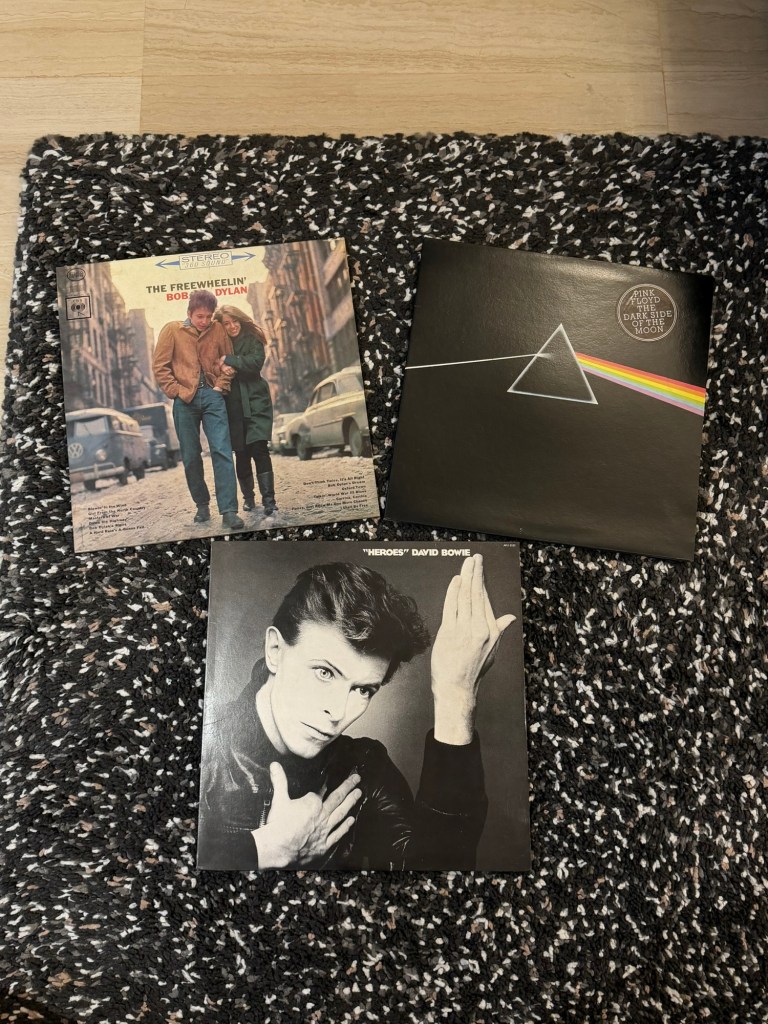
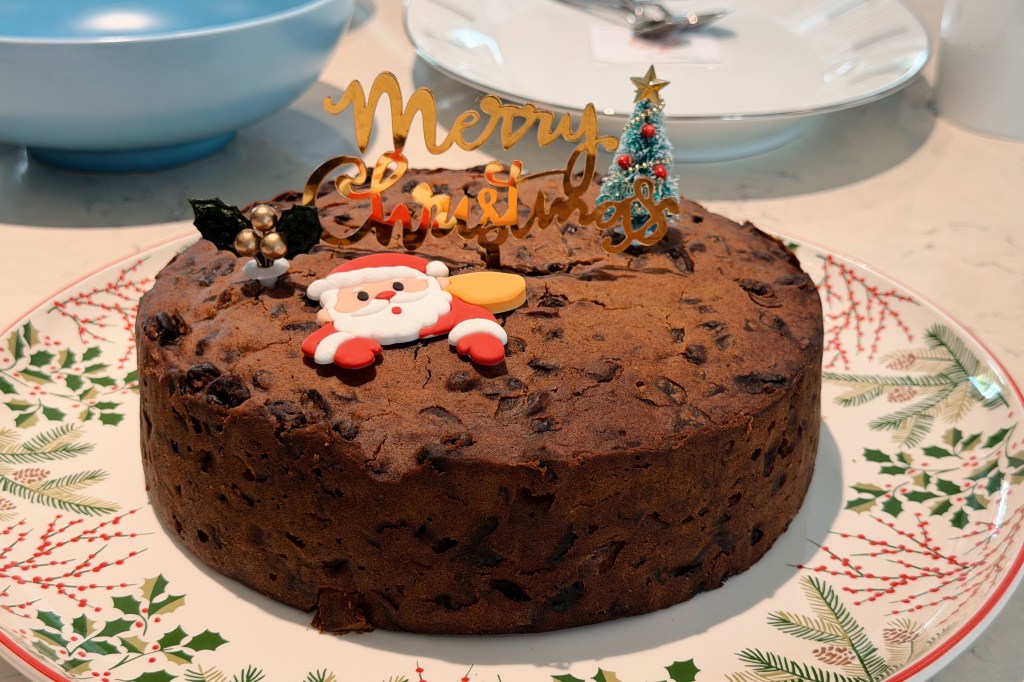
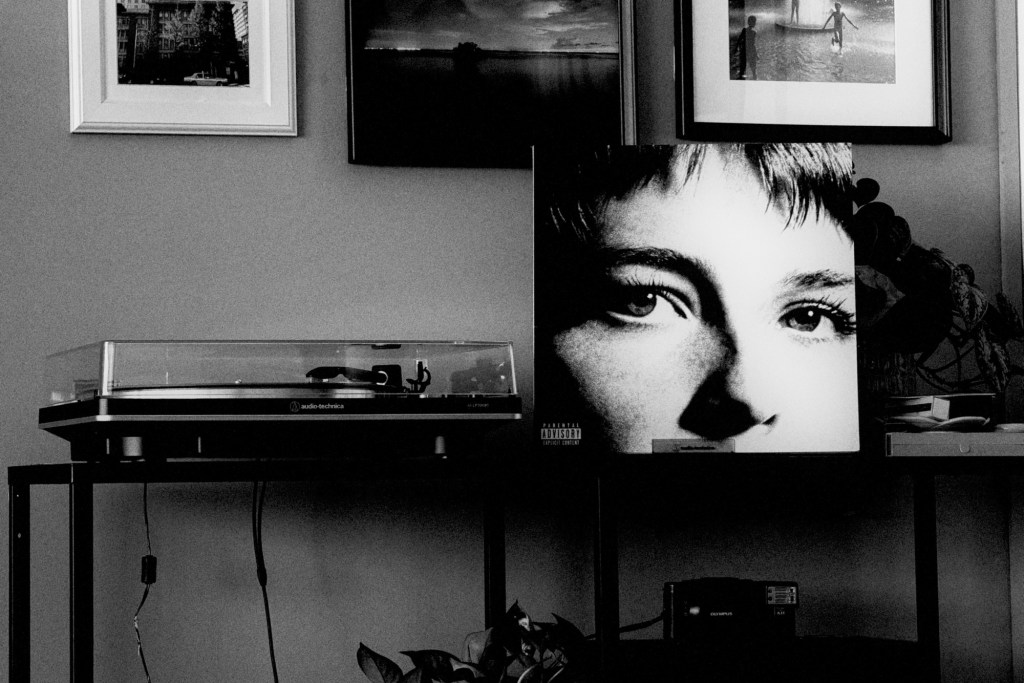
    Merry Christmas! For my main gift, I received a turntable, something that I’ve been very conflicted about wanting for awhile. Apart from the fatal hipster embarrassment, I know that the urge to repurchase all my favorite albums on vinyl is a road to financial ruin.

    Back in February, I was on the lookout for a CD player to bring home from Tokyo, but decided against it because digital streaming is identical, if not superior in the case of lossless and Spatial Audio, and I couldn’t see many instances where I would bother to get up and pop a CD on instead of just call out a request to my HomePod. And HomePods don’t accept Bluetooth or line-in audio, so I’d have to use my Sony soundbar or buy a third speaker for the living room. Too much hassle!

    But vinyl, goddamnit, just barely dodges the killing blow of that logical argument by having a different value proposition. One, the physical LPs are more collectible, more beautiful, more mentally stimulating in a world that wants to turn itself into ephemeral bits. People say that intentionally putting on a record for close listening deepens your connection with the music over just tapping a link. Two, the audio characteristics of an all-analog reproduction chain are surely different from digital. So if you can, why not have both options for home enjoyment? Three, it’s just kinda cool?

    So I asked Santa for an Audio-Technica LP70X, which has the option of Bluetooth output. I briefly considered buying one of those Marshall speakers to pair it with, but the idea was so cringe I couldn’t face it. Besides, that would nullify point No. 2 — why bother if you’re going to digitize it? So I hooked it up to an unused B&O Beolit 12 speaker (which has unceremoniously served as a stand for our bedroom HomePod mini for years) via RCA cable instead. Voila, money saved that can be used for buying records!

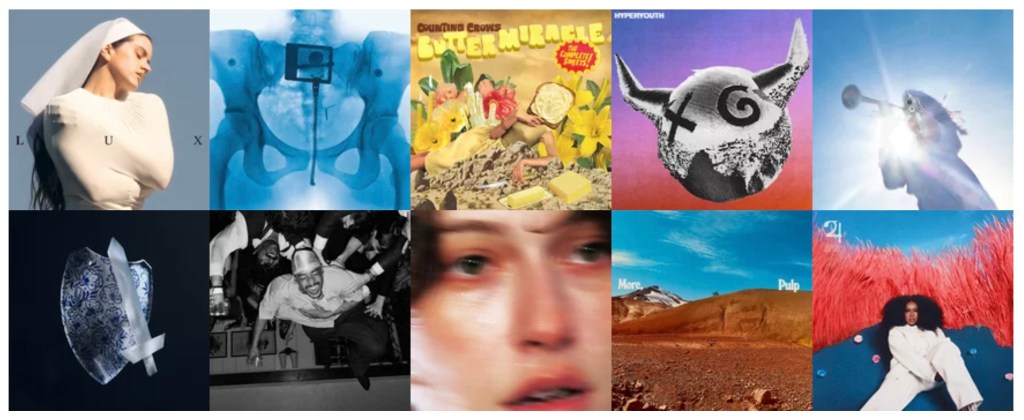
    But first, guardrails were needed. I decided that I would only buy absolute masterpiece, timeless, desert island discs. No new pop/rock stuff that wouldn’t benefit much from the analog format. And that my collection would 95% focus on jazz. The exceptions are things like LUX and J Dilla’s Donuts, maybe.

    After some laborious rewiring, we got it set up on Saturday and played some records that Kim bought as souvenirs many years ago. Radiohead’s OK Computer was one of them, and while I suspect much of it is down to the different speakers’ sound profiles, the analog version is bassier and warmer. When the HomePod plays a lossless digital version of the same song, it has an incredible immersive quality, so clear and bright that the band could be in the same room. A film camera versus iPhone’s computational photography. Room for both.

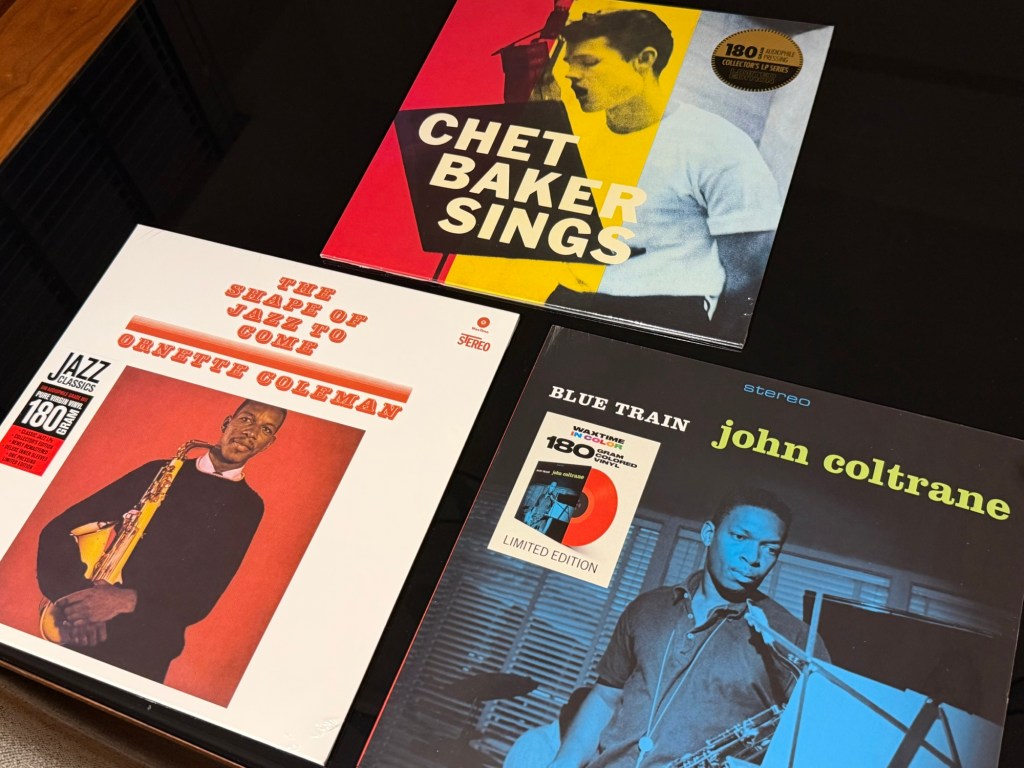
    Anyhow, it’s been wayyyy too addictive browsing records on Amazon — and the ones that ship from Japan are usually much cheaper than the US versions. Here’s what’s on the way but please recommend me your faves!

    1. Miles Davis – Kind of Blue
    2. Vince Guaraldi Trio – A Charlie Brown Christmas
    3. John Coltrane – A Love Supreme: The Complete Masters
    4. John Coltrane – Blue Train
    5. Chet Baker – Chet Baker Sings
    6. Ornette Coleman – The Shape of Jazz to Come
    7. Bill Evans Trio – Sunday at the Village Vanguard
    8. Bill Evans Trio – Waltz for Debby
    9. Sonny Rollins – Saxophone Colossus

    ===

    While we’re out here talking about physical artifacts and meaningful rituals, I want to point out that this final post of the year is also the 287th weekly update on this blog. About five and a half years of regular writing — all because I started one week with no idea how long I would keep going, just the hope that it would help me to write more often than a couple of times a year. Today, this weekly blogging of things that captured my attention has become my most meaningful routine, and produces a living artifact that I find quite valuable.

    Writing is thinking, and so putting time aside to articulate your feelings and actions, and reflect on the patterns within them, might be the best way to understand and recalibrate your own life. You don’t have to blog in public; journaling works too. Several times a year, I find myself reading an old post that I’d completely forgotten about, and recognize that something happening with me in the present began with something further back.

    Mark Curtis, one of the co-founders of Fjord where I once worked, has just started a Substack called Full Moon with a partner, and in their latest post suggest that everyone should start a habit of “externalizing their thinking”, because a personal archive of written thoughts and ideas has new applications with today’s LLMs. Having such a corpus can be an asset, and not just for training a soulless version of yourself who goes to work for the corpos while you stay home and watch vids. One thing generative AIs do well is find patterns across large amounts of data, and so with journal entries they provide a means of browsing your own brain over time.

    No stranger to this idea, I assigned Claude to read all 51 posts of the year so far, looking out for trends and threads that I might not have seen while posting in real time. What came back had a hint of that AI voice, but contained a helpful synthesis of several threads. Let me explain in my own words rather than simply paste the results.

    There were several recurring themes and obsessions, for instance deaths and funerals earlier on in the year, and it linked those to some musings on age and mortality when I started to feel old around my birthday, and when I recently said I should watch my purine intake for fear of developing gout.

    It suggested that I was doing something meaningful by making plans to meet up with people during this sabbatical, and that keeping in touch with ex-colleagues and helping grade college students’ presentations was part of staying connected to design culture and “keeping the ladder down”. There were also many words dedicated to creative experiments; chasing after the beauty in imperfections, from film grain to mistranslations; and of course, AI concerns.

    From that overarching theme, I ended up musing about the vulnerability of the junior designer pipeline, the commercial pressure to abandon not only proven methods but our values, and the dissonance caused by being a regular user of AI tools while knowing they come at some unknown but surely high cost.

    It also provided some insights into how I spent my time, calling it an attempt at presence over productivity. I certainly didn’t do any work I didn’t care about! I recall saying in Week 26.25, as I revisited my CliftonStrengths profile, that my natural inclination is to hate keeping busy and productive for the sake of it. I recently wrote something down in my notebook that sums up that energy: “I take tremendous joy in being able to do quite a few things extremely well and yet choosing to do none of them.” Perhaps underachieving is my passion.

    More acts of presence: I went overseas for about two months out of the year and chose a slow “daily life” approach over hitting up a flurry of tourist attractions. I deleted a bunch of games off my backlog — if it doesn’t spark joy, I decided, then I don’t have to finish it. I fell into a Japanese curry “research” rabbit hole in the first half, and now it’s sardines. I managed to make more time for reading, and am now starting on my 52nd book of the year, which is quite a nice achievement even if some entries were short stories and novellas.

    The last book I read was so good that I’m making it recommended reading for everyone who comes by here.* Make Something Wonderful: Steve Jobs in his own words is a free ebook by the Steve Jobs Archive, collecting in chronological order various speeches, emails, and interviews he gave. It’s not so much about Apple the company as it is about his views, spirit, and character that famously evolved between his ouster from that company and his triumphant return.

    I read it on the plane back from China, and maybe I was coming off an emotionally taxing time, but I had to stop reading several times because my eyes were tearing up. Don’t discount the beautifully cosmic coincidence of an adopted boy landing in the right family at just the right time in Silicon Valley. The result was that the whole world now enjoys thoughtful personal computers anyone can use. In another universe where the Mac never existed, there’d probably be no Windows either, and likely no smartphones as we know them.

    If you’ve ever heard him speak, you’ll hear his voice in all of these snippets. He had a way of keeping the forest in view, and often framed smaller moments (and even human life) against a vast span of time: what we’re doing here as a species, how it matters when we make things for each other, and thereby why we must carefully choose where we spend our time.

    *I’ll take this year-end opportunity to say thanks for reading, whether this is your first visit or you’ve been here all along. I get messages sometimes, and it’s always gratifying to hear something was a useful tip or interesting to someone else. Happy new year!

    ===

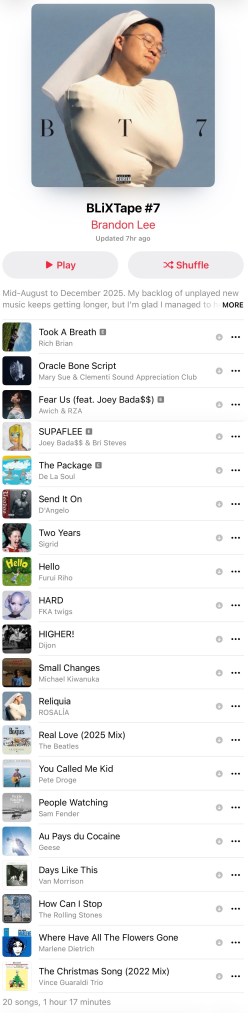
    I almost forgot. My seventh BLixTape playlist is done! Add it on Apple Music.

  • Week 50.25

    Week 50.25

    By the time you read this, I’ll be in China for the first time — behind the Great Firewall and probably unable to make contact with email and chat servers despite my VPN. If you don’t hear back from me, this is why! It’s Thursday and I’m writing this post in advance, so maybe there isn’t much to say yet. But let’s get started and I’m sure we can come up with something.
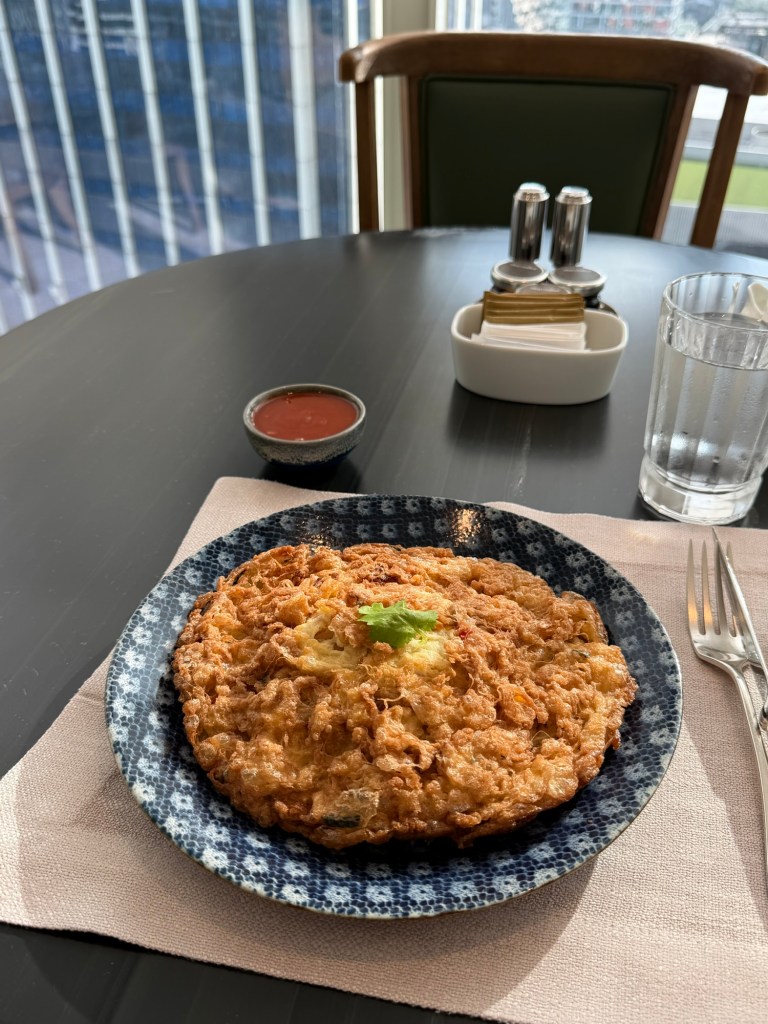
    Following up on last week’s topic of sardines, I rediscovered the joyful YouTube channel, Canned Fish Files w/ Matthew Carlson where the eponymous creator has so far filed 188 reports on canned fish from around the world. These seemingly absurd videos entertain because they’re so earnest, and comments I’ve seen note that they prove it’s possible to have a successful channel about anything, as long as you’re obsessed enough. He has also been called the James Hoffman of sardines, which I find accurate and hilarious. I encourage you to watch a few and join me on this adventure, but beware, some commenters note they went from never eating sardines to eating them regularly after watching his weird and nerdy reviews.

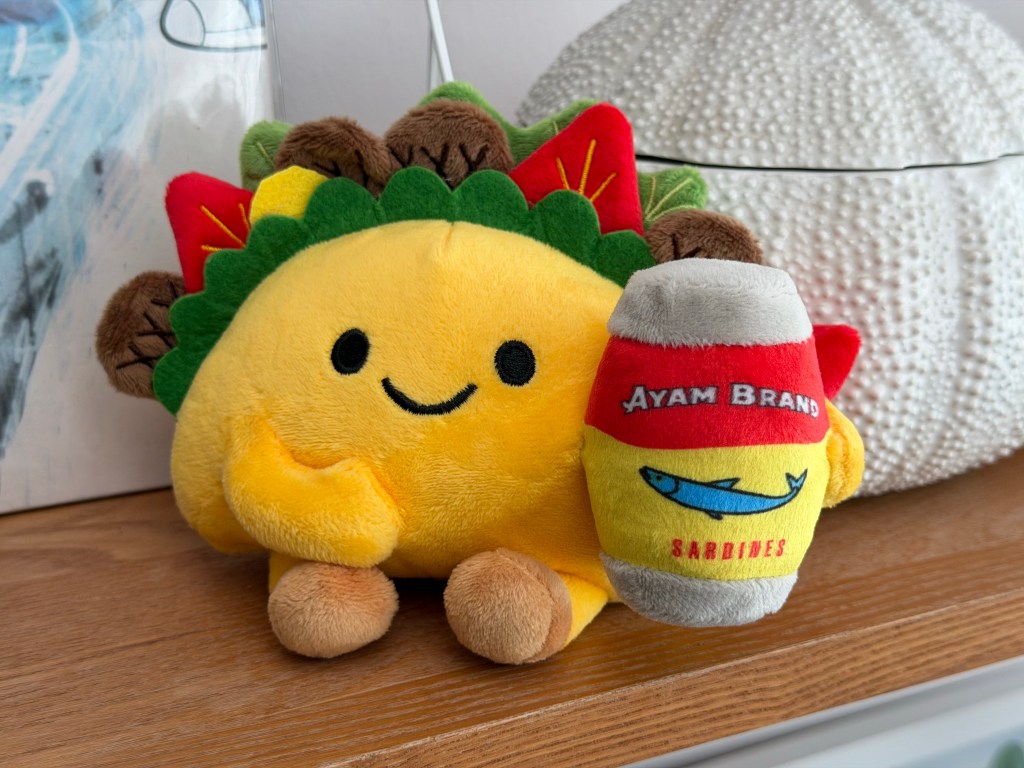
    I also bought enough Ayam brand sardines off Redmart this week that I got a free plushie of a taco holding a can of Ayam’s signature deenz in tomato sauce. Why a taco? It’s a mystery and I welcome your theories.

    On Wednesday evening I was able to get a few alums from my last design team to show up for a Christmas reunion. We had a bigger turnout last year but it’s tricky finding a date that works for everyone in December. With more advance notice, we might be able to do better next time, but I’m glad we went ahead and did something while we could. If there’s one thing I’ve learnt in recent times, it’s how to pull the trigger and not end up waiting for a perfect time that never comes.

    Returning to another recent topic, AI, I enjoyed reading the text of Cory Doctorow’s recent talk: The Reverse Centaur’s Guide to Criticizing AI. A “centaur” is when a human is augmented by a machine — horse body, human head. A reverse centaur, then, is when a human body is directed by, used up by, a machine. This is the kind of job where a computer tells you what to do simply because it can’t yet do it for itself. You’re a replaceable part of the equation. He provides an easy-to-grasp frame for what’s happening with the valuation of AI companies and what motivates the various players in this space. It’s an Ed Zitron essay, but one you’ll actually read and finish. It also serves as an abstract of his next book which will be out next June.

    I’ve been sequencing my next BLixTape playlist, collecting music I’ve been listening to in recent months. Together, volumes 6 and 7 will form the soundtrack of my 2025 — the main difference between these playlists and the end-of-year ones I used to do before is that these aren’t restricted to songs released in 2025. From a diaristic perspective, I think taking note of older songs I discovered or revisited captures a better overview of the year’s different phases, and the things I was into. This means nothing to anyone else, of course, but hopefully they are enjoyable playlists to put on regardless of context.

    Bonus: I’m reviving the iPod shuffle experience for myself with a playlist featuring 120 random songs from my library. I also made a simple Shortcut that refills it with a tap (although you have to manually clear existing tracks first).

    In the process of doing all this, I heard ROSALÍA’s Sauvignon Blanc again, and after 24 days of straight Spanish lessons in Duolingo, I was thrilled to discover that I understood certain parts more intuitively. Simple lines like “mi futuro se bien que sera dorado”, emerged with new magnitude and gave me goosebumps — aided by my imperfect comprehension, the music’s beauty rose to another level.

    I pulled out my iPhone to jot down: “High specificity in language creates greater distance from emotional truth.”

    Here’s something Cory Doctorow says in the aforementioned piece:

    I’ve given it a lot of thought, and here’s what I think art is: it starts with an artist, who has some vast, complex, numinous, irreducible feeling in their mind. And the artist infuses that feeling into some artistic medium. They make a song, or a poem, or a painting, or a drawing, or a dance, or a book, or a photograph. And the idea is, when you experience this work, a facsimile of the big, numinous, irreducible feeling will materialize in your mind.

    Expanding on this moment of “experiencing”, I’ve often noticed that many of the times I’ve been really moved by a work of art, there were gaps left to allow my mind to imbue it with the biggest significance it could. The art merely gestures in the direction the viewer should go, because meaning is equally made through labor on the receiving end (Roland Barthes, etc.). When you look at art, what you see is as defined and constrained by your own life experience as it is guided by the artist’s own.

    And so when I read translated poetry, the original Chinese title of a film, or imperfectly translate a lyric in my head, they might hit with staggering significance and meaning. The originals may be clumsy or not even that beautiful, but their gestures let me imagine their fullest potentials being reached. My bad Spanish might actually give me a richer experience with Lux than a more fluent speaker has because I have to project into the gaps. In art, imperfections are sometimes features, not bugs.

    I’m not suggesting that artists might try to be more vague, or that translators should aim to play it loose. It’s just that some of our most powerful encounters with art happen when we’re amateurs, outsiders, or bring incomplete context to the table.

    I’ve referred to this quality before as “high dynamic range” art — when you feel something more powerful than the artistic medium should have the bandwidth to transmit. It’s like having a printed photograph with the brightness and color of real life. It’s not physically possible, and yet we’ve all imagined ourselves seeing something in a photo for real, because our minds can fill in the blanks.

    To sum up, perfect translation and articulation might actually reduce emotional impact. High resolution imagery works when trying to explain a concept (one-way communication), but when you want people to feel, then abstraction, linguistic barriers, and layers of translation invite viewers to complete the canvas (two-way collaboration).


    Aside: In the spirit of using AI to complement and augment, I asked Claude to identify the thread running through my recent posts and it said the following.

    I think you’re circling around a central anxiety/question: “What does it mean to be human when machines can do increasingly human things?”

    But you’re approaching it from multiple angles:

    • Translation: What gets lost when we perfect communication? (Week 47)
    • Cultural appropriation: Should artists stay in their lanes or cross boundaries? (Week 46)
    • Craft/design: What happens when AI can do the work? (Week 48)
    • Language specificity: Does perfection actually reduce meaning? (This week)

    The unifying theme:
    You’re consistently arguing that human limitations are actually generative:

    • Not speaking Spanish perfectly makes ROSALÍA more powerful
    • Imperfect translation creates “high dynamic range” emotion
    • Craft traditions matter even when they’re slower/costlier
    • Gaps in art let viewers co-create meaning

    The deeper question you might be asking: “If AI can do high-resolution, perfectly executed versions of creative work, does that mean messy human versions become obsolete? Or does it reveal that perfection was never the point?”

    Your answer seems to be that it wasn’t the point. Gaps, translations, and imperfections are where meaning lives.

  • Week 49.25

    Week 49.25

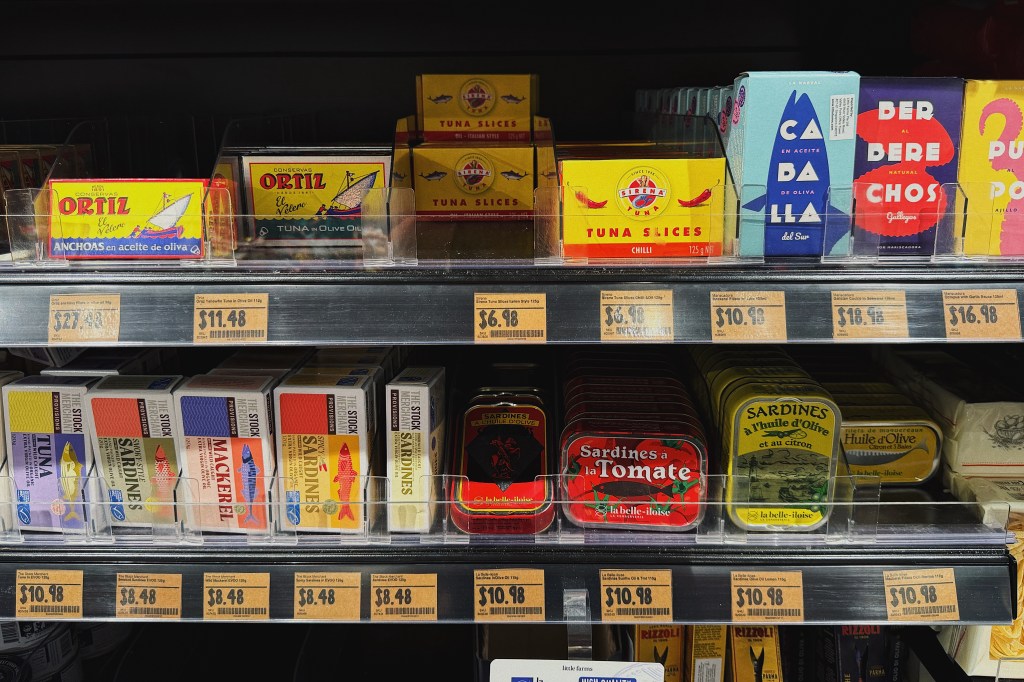
    • Canned sardines are my latest obsession. Before you imagine those fancy imported ones from Portugal with the beautifully illustrated tins, costing $20, no — not yet. And honestly, even the $10 ones in the photo are aspirational. But you know how you’re meant to eat two servings of oily fish a week for the Omega-3 heart health benefits? I thought I’d try to do a better job of that, and ended up falling in love with the convenience and versatility of little fish in tomato sauce or extra virgin olive oil. I’ve been having them on their own, on toast, with pasta and a little pesto, whatever. I even joined the r/cannedsardines subreddit, where other weirdos discuss them all day.
    • It was during a chance conversation with my parents that I learnt these healthy fish (including kippers and mackerel) are very high in purine and can lead to gout flare ups. Sure enough, search Reddit and you’ll find many canned fish enjoyers suddenly finding themselves in excruciating foot pain after eating three tins a day. To stay on the safe side, I’ve sadly started to restrict myself to two, maybe three servings a week.
    • Japan-based writer and walking influencer Craig Mod occasionally does “pop-up newsletters” to accompany his projects — say, a cross-country trek. He walks and takes photos during the day, then writes and posts these thoughtful, downright literary journal entries at night. Once the walk is over, the newsletter ends. I sign up for them but don’t read them as they come in because, like delicious sardines you savor, they’re too good to have to rush or get through. This week I finally read his last series from back in October, titled Between Two Mountains. Because it’s now over, the only ways to find them are his members-only archives, or having someone forward you the emails. I recommend subscribing to one of his more regular newsletters anyway, and you’ll be notified the next time a pop-up begins.
    • I read Morgan Housel’s The Psychology of Money which is notable for being a personal finance book that doesn’t belabor its points. There are 20 individual “learnings” that he wants to pass on, and some take up as little as a couple of pages. His latest book, The Art of Spending Money looks to fill a gap in a market where many pages are devoted to helping people build good saving habits, but not as many on what healthy spending looks like. Unfortunately, it’s fully booked out at the library and I’m 1,110th in line.
    • It’s taken me from Week 31.25 till now to go from owning a copy of Donkey Kong Bananza to playing it. It’s supposedly by the same team that made Super Mario Odyssey, and like that game it’s charming, delightful, and perfectly tuned for fun over frustration. I’m surprised at how easy it is, but that’s not a complaint at all. There are no 30-minute boss fights here. Nothing overstays its welcome, much like the book I just mentioned. I was alone on Sunday afternoon and started playing at 2pm — it was 6pm before I managed to tear myself away.
    • Bugonia is out for home viewing and I watched its ending sequence again because I loved it so much. No spoilers, but it utilizes Marlene Dietrich’s cover of Where Have All The Flowers Gone to brilliant and satisfying effect. I’ve known the song for a while (since Massive Attack referenced it on their Mezzanine album, probably) but never thought about what it says until this particular incarnation. It’s been in my head all week.
    • Did you know Norah Jones has a podcast called Playing Along (YouTube)? It’s a simple concept: she has different musical guests come in each week (recently Sarah McLachlan, Alessia Cara, Sam Smith) and they chat and play together in the studio. The conversations are super interesting for anyone who loves music because you get to hear discussions about technique and inspiration from people at the highest levels of their craft. This is what every artist has had the opportunity to do with the internet for the past two decades, but I can’t think of many who have! Apple Music artist-hosted shows are probably the closest thing, but they’re very radio like.
    • Speaking of people at the highest levels, I hereby record for posterity that two interesting executive departures from Apple were announced this week, John Giannandrea and Alan Dye, which prompted Michael and I to hop on a call and yap about it for a couple of hours.
    • So it’s beginning to feel a lot like Christmas! The Vince Guaraldi Trio’s A Charlie Brown Christmas album has been pinned to the top of my Apple Music list where I can play it on every HomePod across the apartment — all is well.
  • Week 47.25

    Week 47.25

    • After listening to ROSALÍA so much last week, I decided I wanted to experience LUX closer to the reality it was conceived in. So I reinstalled Duolingo, which I haven’t touched since maybe 2017? After several days, I’m now at Level 9 in Spanish, whatever that means. The biggest obstacle to Español perfecto is my inability to roll my ‘R’s, which I will simply need to practice out loud until it clicks. I can only do this while alone because Kim tells me to please stop por el amor de dios.
    • I met up with some old friends and acquaintances this week: one about to have their second child in the midst of questioning their career trajectory (aren’t we all?) and another who’s just come off living on a boat with their family for the past seven years, sailing from port to port in an unusual nautical retirement. Their youngest child practically grew up on water but will now have to stay in one place, join a normal school, and get accustomed to land life. In thinking about both situations, I reflected that personal freedom might be the most valuable asset to have when dealing with difficult times.
    • Later, I mentioned the old D&D character alignment framework to Cien and Peishan, and how it related to our personalities which I thought were evenly spread across Lawful to Chaotic. It hadn’t crossed my mind that Chaotic was actually about valuing freedom, but it kinda is — freedom to follow your whims instead of rules and expectations?
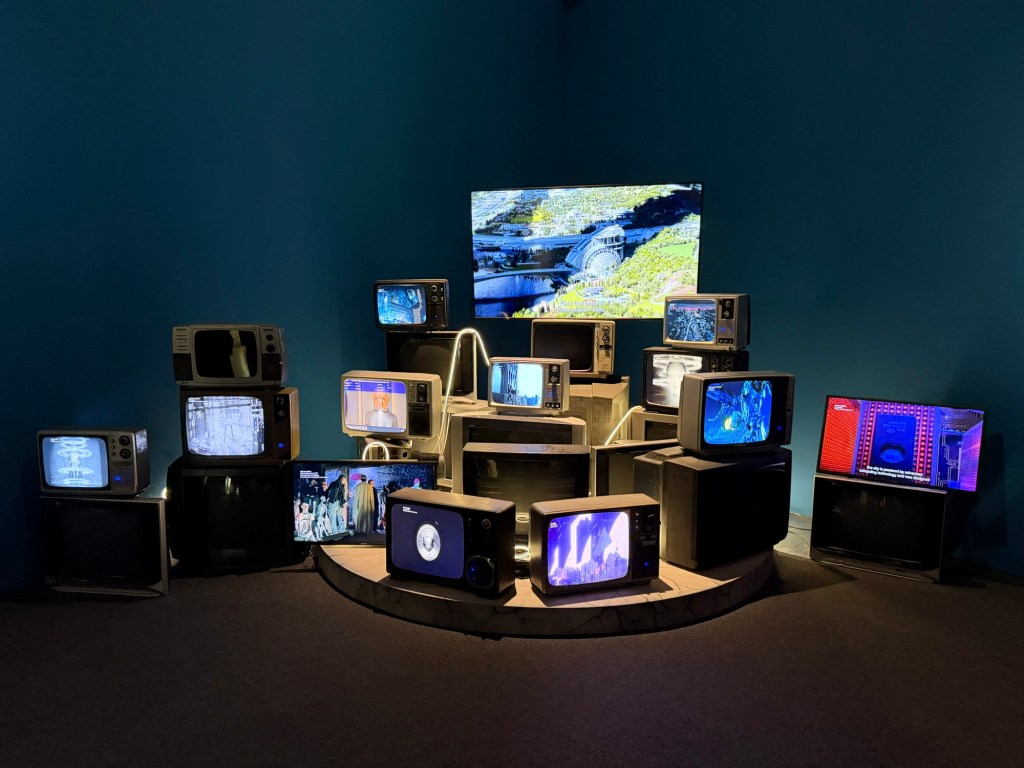
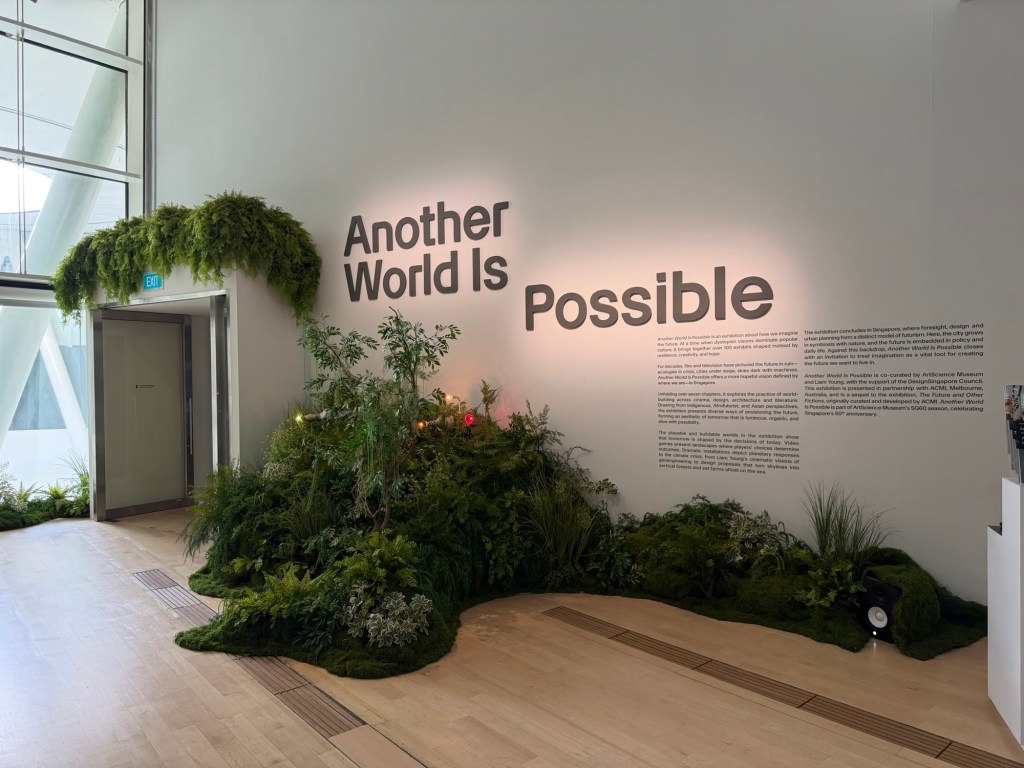
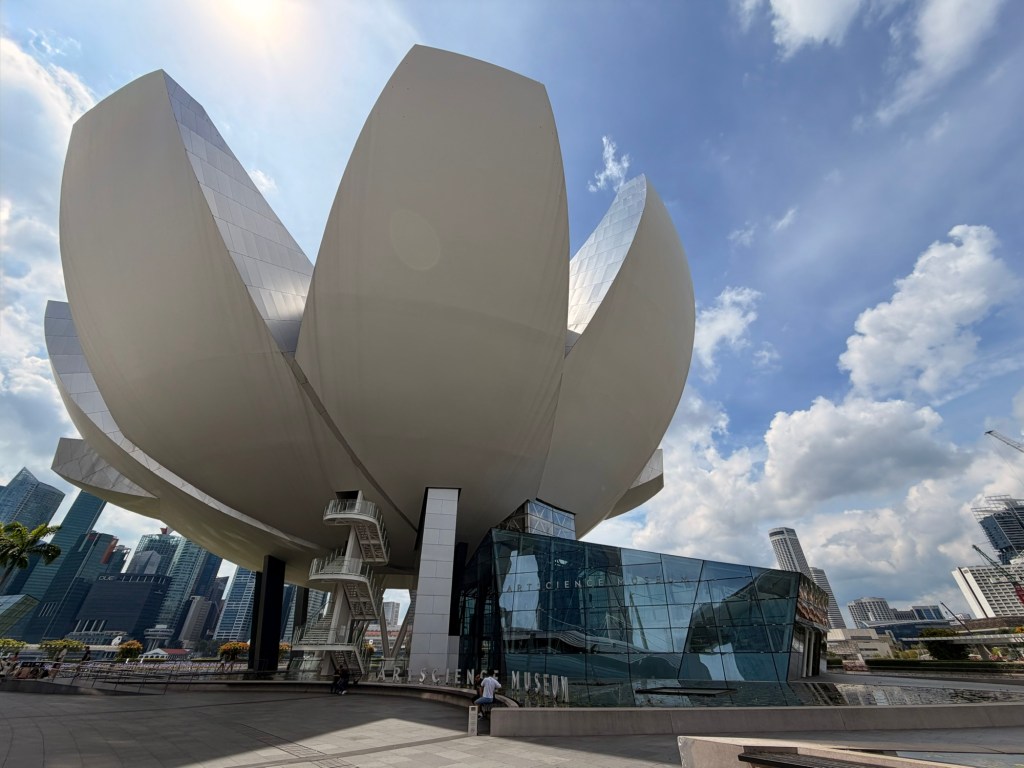
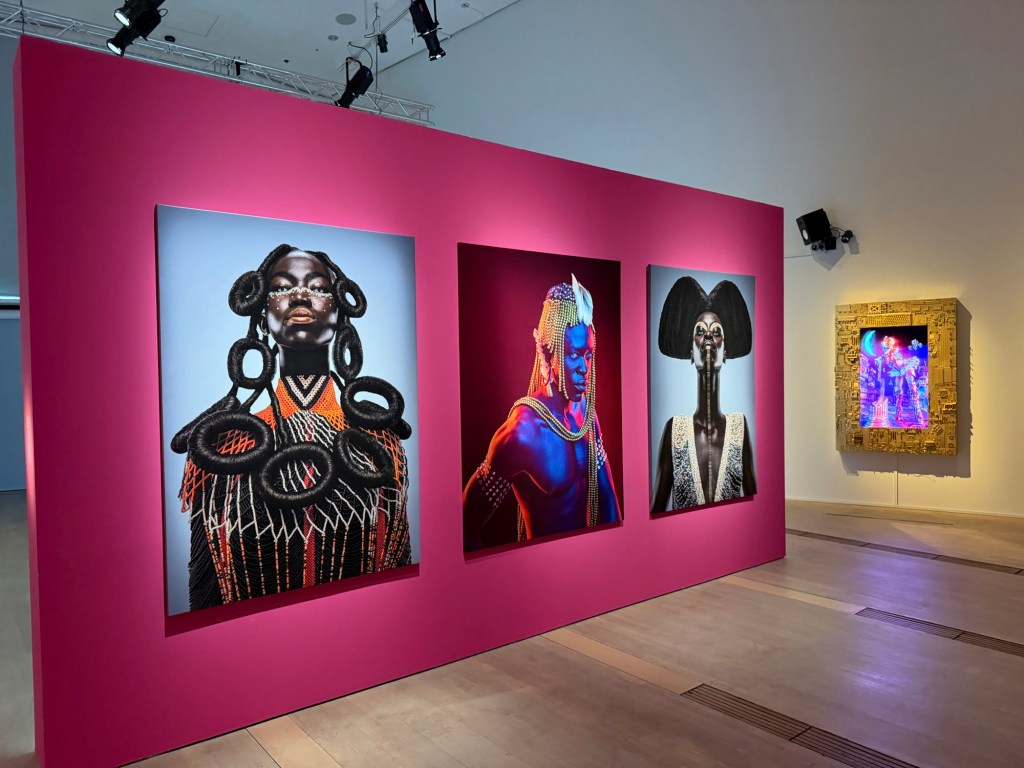
    • Then I visited the Artscience Museum on a weekday afternoon for a futurism exhibition called Another World Is Possible – a hopeful title promising alternative models for living, maybe even freedom from our current constraints. My expectations were high because it was yet another collaboration with ACMI (Australian Centre for the Moving Image) out of Melbourne. Alas, I left feeling rather annoyed and unfulfilled.
    • The space itself is inadequate for multimedia shows. There’s not enough surface area, and the adjacent rooms without doors bleed sound into each other at an atrocious level. Near the end, there were some screens with a peaceful computer-generated nature scene meant for reflection, but all you can hear is music blaring from another video installation.
    • But regarding the actual show, several of the items presented were clearly AI-generated slop, unlabeled. The wall text just says things like “12-minute audio/video presentation” or “14-inch giclée print.” I don’t want our institutions of culture to charge $20 for mediocre renderings one could Midjourney at home. Hard to feel like ‘another world is possible’ when the medium represents what’s wrong with the present one.
    • Racism came up during my book club meeting this week, which gave me a chance to traumatize the Americans with “Darkie” toothpaste. It’s a brand that’s been ubiquitous in these parts since I was a kid. The name is bad enough, but they also put a minstrel on the box, highlighting the contrast between black skin and white teeth. It rebranded to “Darlie” at some point and made it somewhat arguable that the man wasn’t black, but we all know. It was only in late-2021 that its Chinese name changed from 黑人牙膏 “Black Person Toothpaste” to 好來 “Bright Future” (my translation). Reading the Wikipedia page, I was surprised to learn that it had a market share as high as 50% in Singapore in the 80s!
    • But hey, cultural theft isn’t just about race. Kill Bill is getting a theatrical re-release next month — both volumes cut together with unseen footage into the 4hr 40min epic Tarantino originally intended. Maybe no cinema in Singapore will take it up, but this means there’s hope for an updated digital release at some point.
    • That iconic siren when the camera zooms into Uma Thurman’s rage-filled eyes? Sampled from the Shaw Brothers film Five Fingers of Death aka King Boxer (1972), which I saw for the first time this week on MUBI. The Chinese title 天下第一拳 translates to “The Greatest Fist Under Heaven” — not “in the world” but “under heaven,” which is somehow more evocative and poetic.
    • A bunch of these old Shaw Brothers wuxia flicks are leaving MUBI in the next few days so I’ll be on a little martial arts marathon in the coming week.
    • And since we were talking about cultural appropriation last week (I’m cool with it), you know who else loves sampling kung-fu movies and helped Tarantino put the sound of Kill Bill together? That’s right, the RZA aka the Abbott, who resurfaced this week with the release of Japanese rapper Awich’s new album Okinawan Wuman, which he produced.
    • Apart from a little cringey self-caricaturing from Awich — the usual “we say arigato” shit, not unlike Utada Hikaru singing “You’re easy breezy and I’m Japanesey” back in 2005 — it’s a solid album on first listen. Maybe I’m being too critical about someone trying to break into another market by dumbing down their own culture, but she’s already got the RZA in her corner. She doesn’t need to prove anything. Feel free to switch up languages and drop the most obscure Okinawan slang! ROSALÍA’s success has proven that you can trust listeners to find their way to you.
    • Awich’s promotional video has a Japanese hip-hop expert explain, by way of establishing how monumental it is that RZA has produced this Japanese lady’s album, that the two most important acts in history were the Wu-Tang Clan and De La Soul. What good fortune for us, then, that this week saw the latter’s first new album in 9 years, Cabin In The Sky! We eating good, mi familia.
  • Week 46.25

    Week 46.25

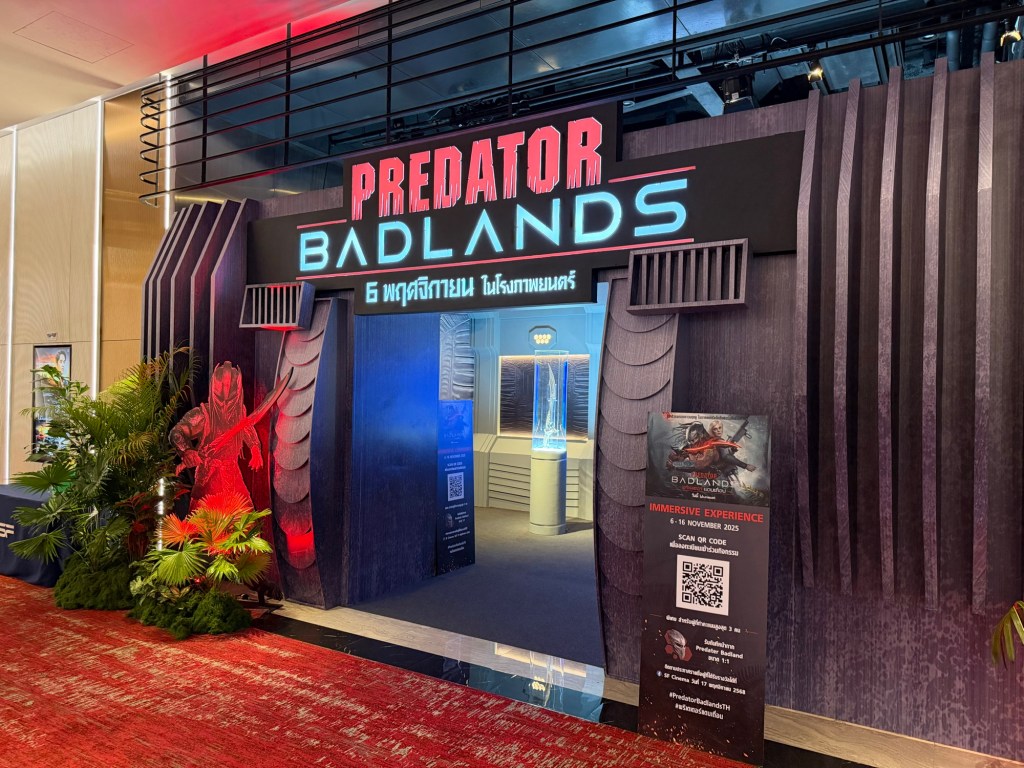
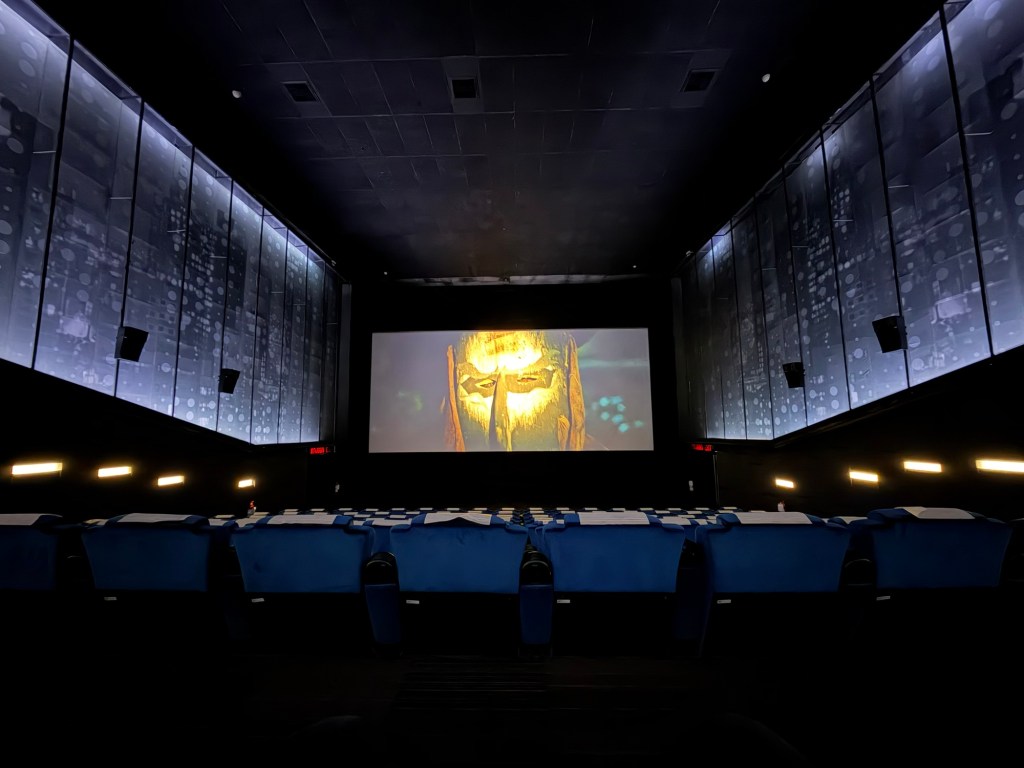
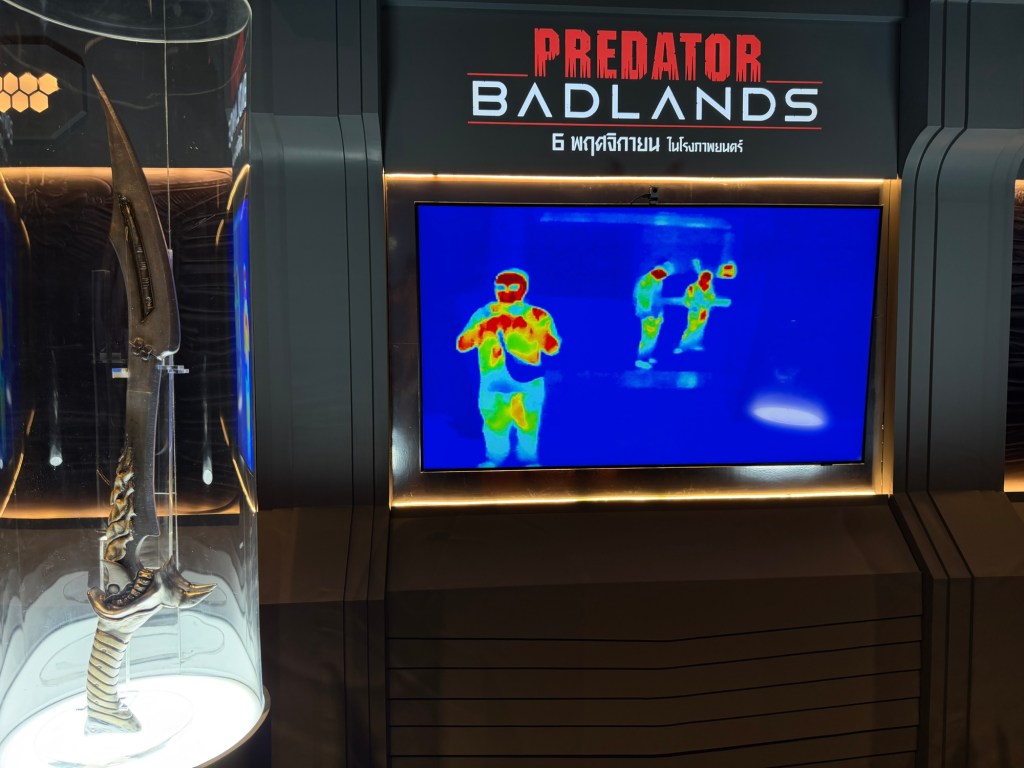
    The knives are falling at my feet and I’m supposed to catch them by the handles. I don’t succeed. This is a free “immersive Predator experience” at a Bangkok cinema complete with atmospheric sets, film props, and physical challenges to prove you’re predator not prey. I fail the blade catch but nail the laser rifle and poison plant maze. The whole setup probably cost more than most Singaporean theaters make in a week, which is why we’ll never see anything like it back home. Small markets can’t justify this kind of spectacle when nobody goes to movies anymore.

    The market size thing keeps coming up. Sushiro here is cheaper with bigger portions — the mackerel and tuna noticeably better than Singapore’s. But a local friend sent me to Katsu Midori instead, which claims to be Japan’s “number-one” conveyor belt sushi brand. The quality and generosity made me understand why Singaporeans fantasize about moving to Thailand. It’s not only the cost arbitrage; it’s having enough customers to support real competition and excellence at every tier.

    I saw Predator: Badlands before the knife-catching humiliation. It’s not like any other Predator film — a young Yautja (Predator) is the protagonist, Elle Fanning tags along being delightful, and if you’ve been watching Alien: Earth you’ll catch a Weyland-Yutani reference. It’s almost too much fun for this franchise but I had a good time.

    Then Now You See Me, Now You Don’t: schlocky heist nonsense with too many characters and Magic Castle consultants providing magician’s jargon nobody asked for. The absolute best trick here is Rosamund Pike’s South African accent. Watching her joyfully inhabiting the villain squares the ticket price.

    Then Bugonia. Yorgos Lanthimos and Emma Stone, remaking the Korean Save the Green Planet! Don’t look anything up, just watch it. I’ve avoided their recent work but Stone is so good here I felt like I was seeing her for the first time — not the competent actress I knew but someone operating on a completely different level. The film makes pretentious orchestral choices that annoyed me until the final sequence paired music and image so perfectly I forgave everything. That experience of an artist asking for your trust and then paying it back in spades is something special.
    Which brings me to ROSALÍA.

    I’ve never paid attention to Spanish-language music beyond casual exposure. Ricky Martin and Shakira. Didn’t even know how Latin American and European Spanish differed until this week. But her new album LUX kept appearing in my feeds and so I listened. Then I listened to MOTOMAMI. Both of them, over and over.

    With this, I think she’s up there with Lorde, Billie Eilish, FKA twigs, Kendrick Lamar, Janelle Monáe — artists creating boundary-pushing work that questions everything while being unapologetically emotional. Maybe necessarily spiritual. LUX’s multilayered beauty and complexity feels like an impossible accomplishment. You don’t need to be a musician or watch her Zane Lowe interview to know it took years to create. You can hear it.

    Then I found an angry essay calling her a colonizer. It claims she (and her fellow Spaniards) stole flamenco from Romani people, conveniently rebranded herself as Latina to enter the Latin Grammy awards, and now that ICE is deporting brown people, the evil ROSALÍA is finally revealing her true face: a White European plumbing the Christian-orchestral tradition with an album where she poses as a fair and chaste nun on the cover.

    I found it very tiring, and wondered if policing cultural appropriation is just another form of gatekeeping. Because it turns out the Latin Grammys are open to all Spanish-language artists — more about language and tradition than ethnicity. But my real issue is this idea that curious minds have no right to explore and remix the world they encounter. It’s like saying Yo-Yo Ma shouldn’t play Bach because he’s Chinese-American, rather than celebrating how his contributions have enriched the canon. ROSALÍA’s reverence for these traditions is obvious in the music itself. I don’t need a sworn affidavit listing her inspirations to hear it.
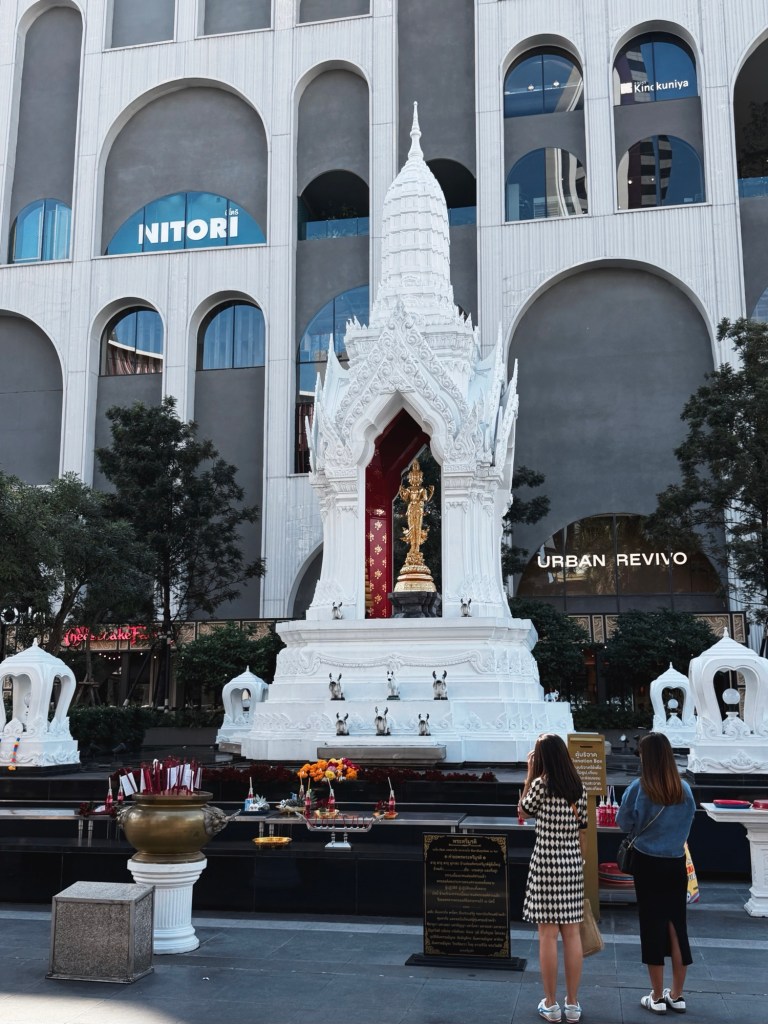
    When you discover something this good — something you should have found years ago — you don’t want to be told it’s problematic. You want to understand why it works, why it moves you, why someone else’s cultural exploration can become universal art. That’s what great artists do. They don’t stay in their lane. They take what they love from everywhere and make something new that can belong to everyone.


  • Week 42.25

    Week 42.25

    • I woke up from one of those dreams where you need to go to the bathroom, so you visit a bathroom (in your dream) but it’s very unpleasant and almost in a state of dilapidation. For example, the sinks and toilets might be taped up to say “out of service”, or the tiles and floors are all ruined, and it’s clearly not a functioning toilet — but you gotta go! And then later that same day, someone mentioned having a recurring dream about a gross “squat toilet” in their childhood home, and a light clicked on in my head. Maybe everyone has these dreams, and it’s the brain’s way of saying “don’t pee now!” I’d bet this is a universal experience.
    • I learnt on Instagram that the singer D’Angelo passed away. He was only 51, and they say it was cancer, maybe pancreatic. That would make it at least two world-changing visionaries to go that way. Voodoo remains one of my favorite albums of all time, one of those that exists fully as a complete work — there’s nothing that can be added or removed, and even the idea of a super deluxe edition with remixes or outtakes feels unnecessary. It’s so loose and hard to pin down in terms of genre and style (he reportedly hated the “neo-soul” label and said he simply played Black music), that I don’t think I knew what I was listening to as I played it the first hundred times. He brought together everything I love about hip-hop, jazz, funk, soul, R&B, Prince’s ecstatic falsetto… into a single masterpiece. What’s also tragic is that he never released the promised follow-up to 2014’s Black Messiah and I don’t know how to feel about it being dug out of the vault and released someday.
    • Speaking of deaths, I Want to Die but I Want to Eat Tteokbokki has moved to the top of my reading list after its author Baek Se-Hee passed away this week at 35. News reports only say she died, but everyone is surely wondering if it was suicide on account of the book being about her journey with depression. It makes me wonder why suicides are often sidestepped in the news these days. They could at least say that it wasn’t? It just seems very weird to not address the question. Maybe they’re afraid of copycats, or there’s some assumption about shame on the side of the surviving family. I think for anyone who was so open in struggling with the decision, letting people know that they did what they wanted is actually kinda respectful.
    • Speaking of existential questions, my book club has elected to read Isaac Asimov’s I, Robot, which I was reluctant to revisit. The last time I read it was in secondary school — I read just about every science fiction novel, and probably all the Asimov ones, they had in the school library. As I feared, it doesn’t entirely hold up to the lofty memories I had of encountering The Three Laws of Robotics for the first time. The writing is a little, shall we say, 1940s? But that’s not to say this isn’t an absolute miracle, because it was written in the 1940s. It’s a compilation of short stories, each concerned with testing the boundaries and interpretation of the Laws in different ways, and basically highlighting the importance of rigorous prompt engineering! Reading this in 2025 is a trip. Asimov holds up a mirror to humanity more than anything, and we see people behaving rudely to AIs as if they were slaves or farm animals, but also others becoming attached to them as if they were “real”.
    • I’m also halfway through The Optimist, a biography of Sam Altman and his path to leading OpenAI. It’s as much about the Valley as it is about Altman, to be fair, and I’m learning a lot about the history of Y-Combinator and other companies along the way. I might have been influenced by all the hit pieces on Altman’s character, but I’m mostly skeptical about him being a force for good. An analyst’s note I heard on Bloomberg the other day went something like, “Sam has the power to destroy the global economy for the next decade, or to lead us to the promised land”. And as a mad prophet once said: “no one man should have all that power”.
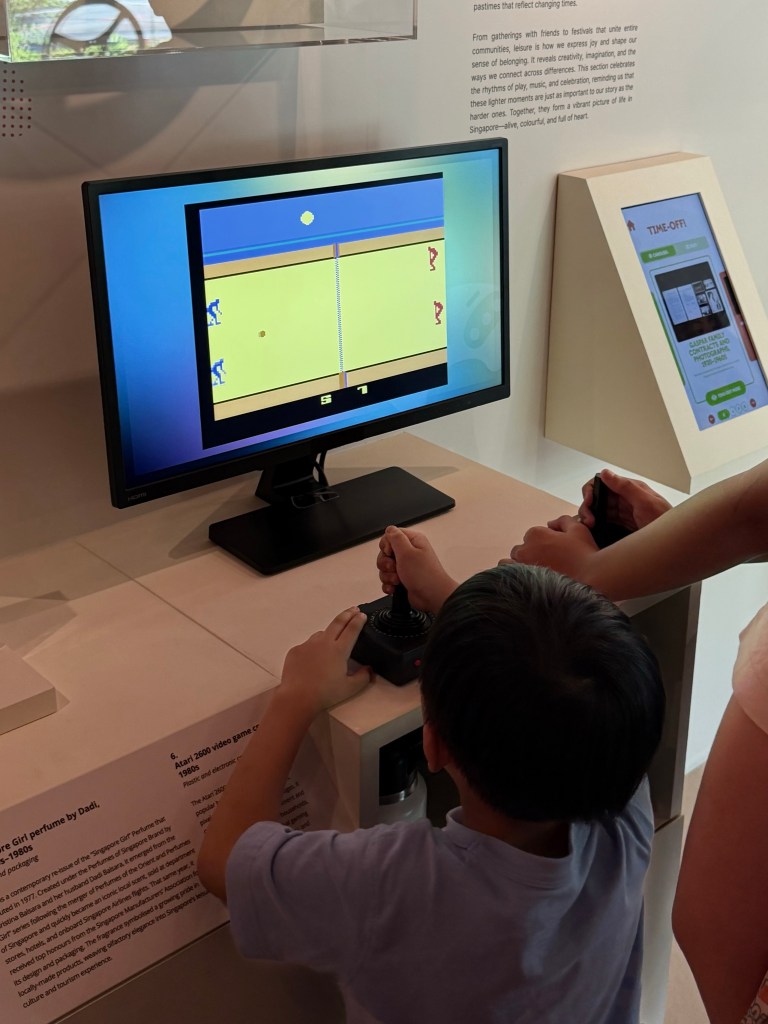
    • Over the weekend we visited the National Museum where I saw a kid playing RealSports Volleyball on an Atari 2600. Way to make a guy feel old — I played that myself at his age and now it’s in a museum! He looked to be enjoying it, which just goes to show ancient software can still hold power over the lizard brain (as long as it hasn’t been exposed to Fortnite).
    • Then as we headed to the last stop, a new permanent exhibition called Singapore Odyssea, we discovered that we were too late and it had closed for the day (at 6pm). I wasn’t even particularly interested in it, but felt pretty bummed out that we missed it anyway. Then Kim pointed at a family and noted that I was having the same reaction as their kid, who was being consoled by his parents, “it’s not that we don’t want to go sweetheart, but it’s closed.” Hmph. People are always like, ‘stay young at heart’ and ‘don’t lose your childlike wonder’, but then they don’t want the grumpy tantrums that come with it!
  • Week 38.25

    Week 38.25

    I type this while listening to Sam Fender’s last album, People Watching. I’ve been meaning to hear this through for awhile, but it got buried in my ever-growing library of new music. Thankfully, with the latest update to Apple Music in the OS26 series, you can now pin up to six albums or playlists to the top of your screen. I’ve wanted this sort of ‘Now Playing’ or ‘Heavy Rotation’ virtual shelf for the longest time — it’s the first feature I’d add if designing a music player app. So this album and five other neglected ones are now sitting up there, and I can give them the attention I want.
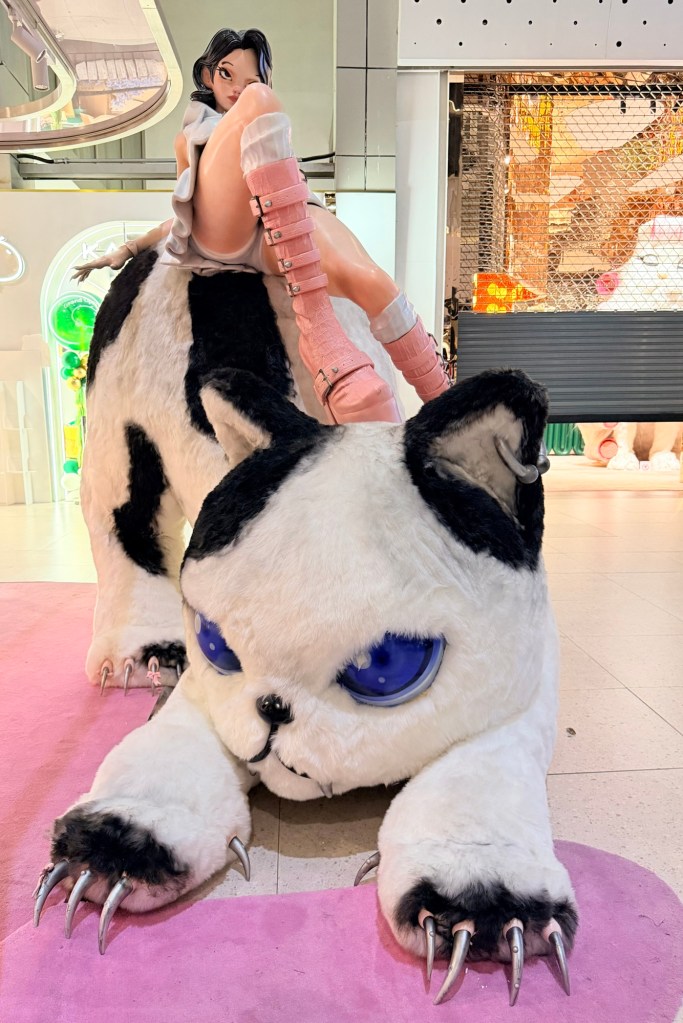
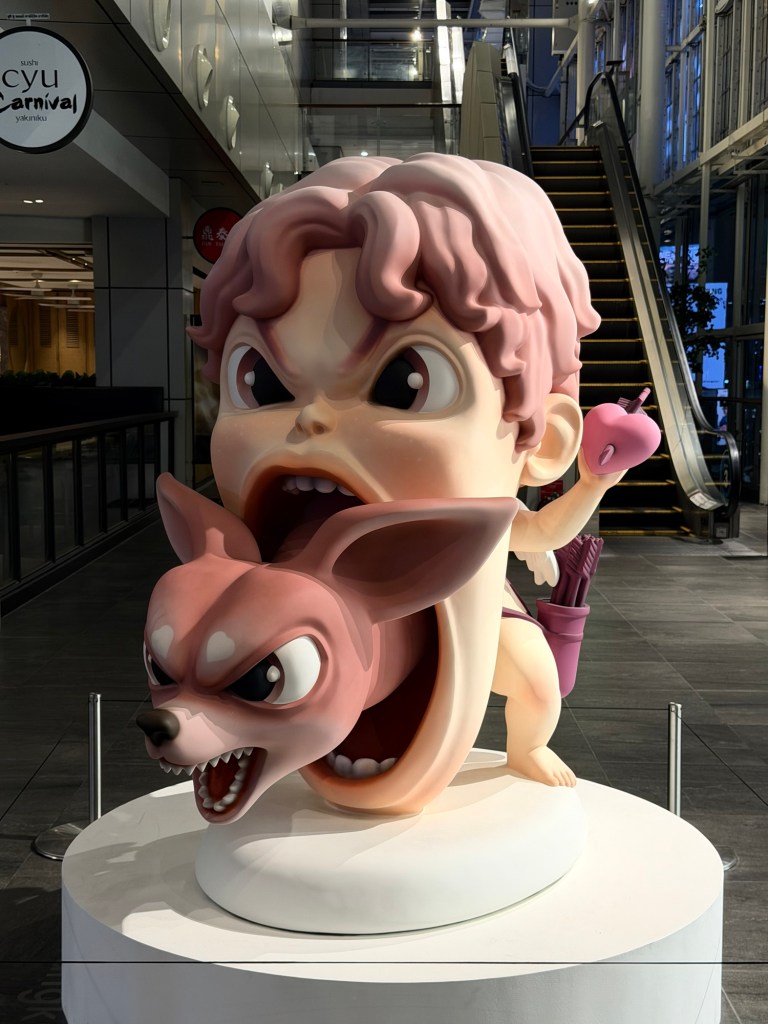
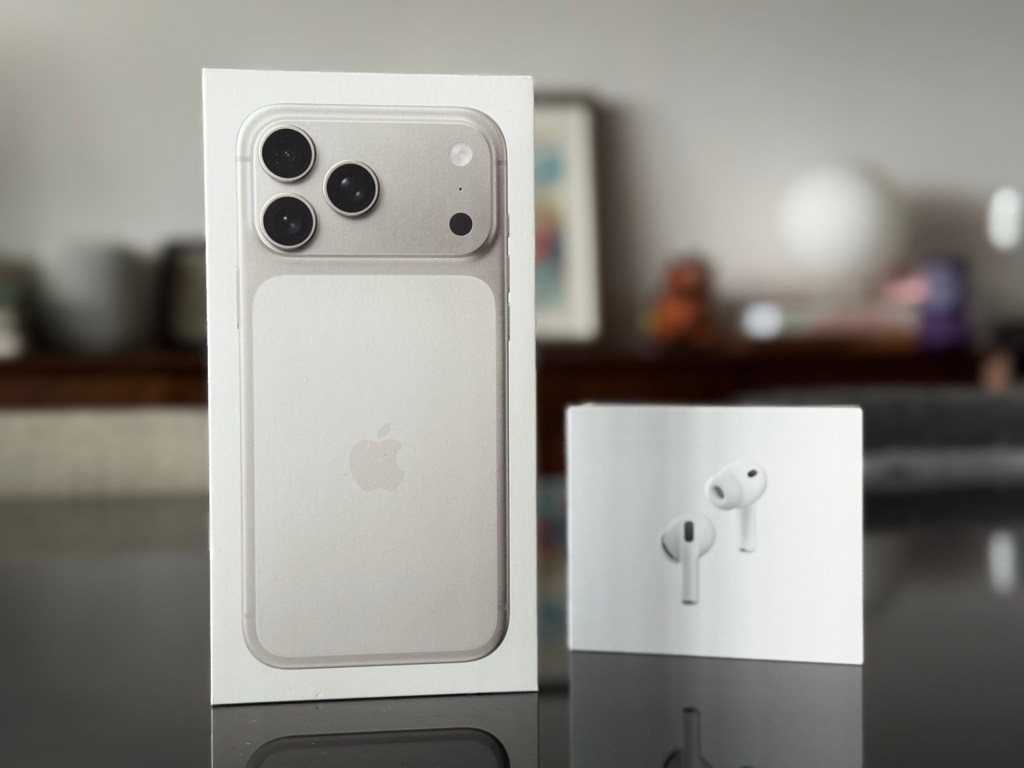
    I’ve been listening on both my new AirPods Pro 3 and an original pair of AirPods Pro, and dare I say the difference is quite obvious. Louanne asked me what I do with old pairs of headphones when I get new ones, and the answer was “put them in different rooms!”, of course. I’m fast running out of rooms. The new model sounds much more Beats-like than ever (modern Beats, not OG Monster Beats). That is to say, a bass-forward sound with a very clear, almost sparkling high end. It’s a fun sound, and I think they’ll be very popular for all kinds of music, if not audiophile-grade neutral. They appear to fit better than before too, and the difference in body shape will strike longtime AirPods users as soon as they pick them up.

    Then my new iPhone arrived, and before you judge, the old one is being returned to Apple’s Trade In partner in a few days, where it will hopefully be responsibly refurbished or at worst recycled. They’ve suggested that I’m likely to get nearly half the original cost back, which is an astounding deal for a two-year-old model! I’ll believe it when the deposit lands in my bank account.

    I’m very happy I decided to stick with the Pro Max size instead of switching to a Pro. The slight increases in height and width are visible if you put them together, but isn’t really noticeable in the hand. The increase in thickness IS, but combined with the new gentler corners on the seamless aluminum body, I think thicker is actually better? This might be the best feeling iPhone ever.

    I’ve yet to put the new camera system through its paces, but I’m excited and very pleased after a couple of days with it. Images look cleaner, and the redesigned front-facing camera is a revelation. I took a test selfie and could scarcely believe how presentable I looked. Coming from the iPhone 15 series, I’m also new to the new Photographic Styles that were introduced last year, and am getting a lot out of them. I compared photos shot in RAW with Halide and in HEIC with the default camera using a tweaked “Natural” style, and they’re extremely close in both SDR and HDR. This is a big deal! Along with the revised Photonic Engine this year, the dark days of overprocessed iPhone photos may be behind us.

    When reviews get creative

    One thing I’ve noticed this year is how bland and predictable the video reviews from the usual tech YouTubers and influencers have been. They go through the spec sheets while speaking to the camera, do a few test shots, and end without any thoughts you couldn’t have pulled out of ChatGPT. But then I saw a couple of videos from the Chinese-speaking side of the internet, and that’s when I realized Western civilization is well and truly finished.

    Take a look at these and tell me you’re not duly impressed by the storytelling creativity, production skill, points of view, and passion on display — even if you can’t understand a word (but most of them have English subtitles you can enable). They could just shoot the phones on a stand while swinging a light overhead, but they instead they go hard with CGI, costumes, sets, comedic sketches, and cinematic editing. And they do these in the WEEK they’ve given between the phones being revealed and launching.


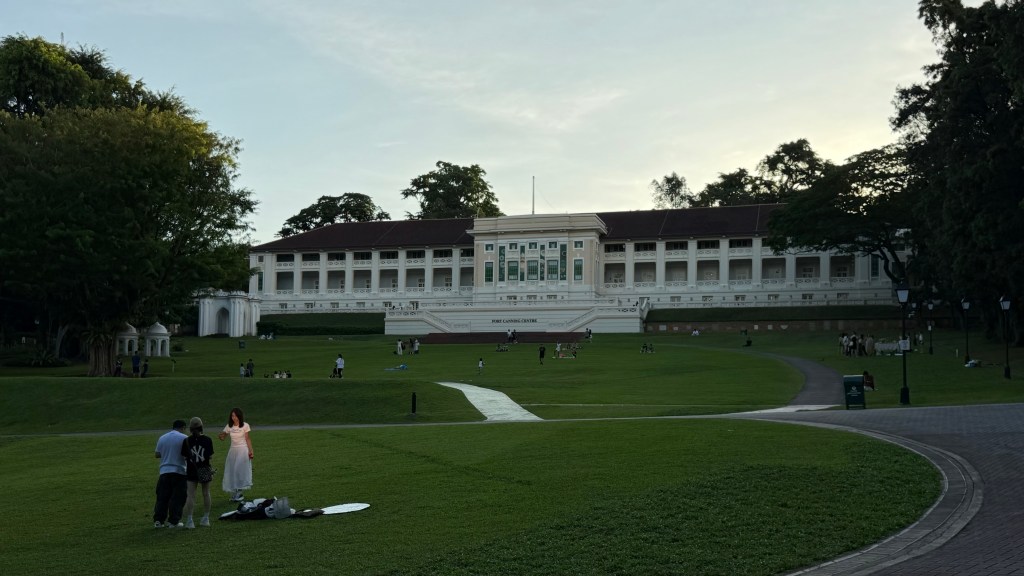
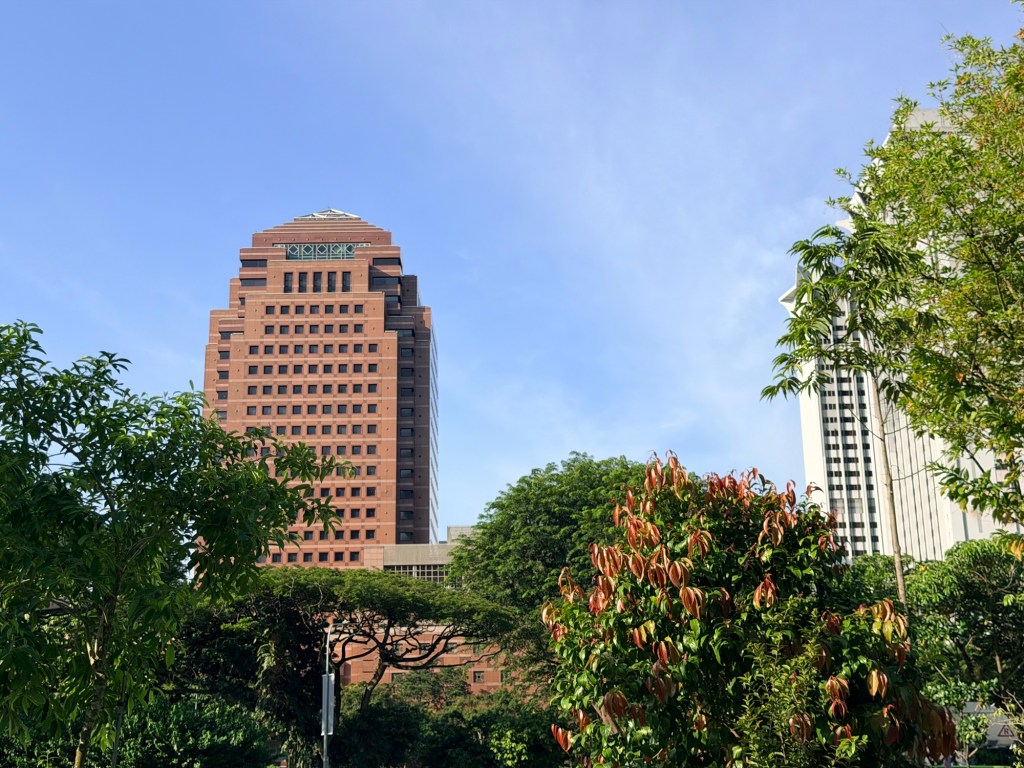
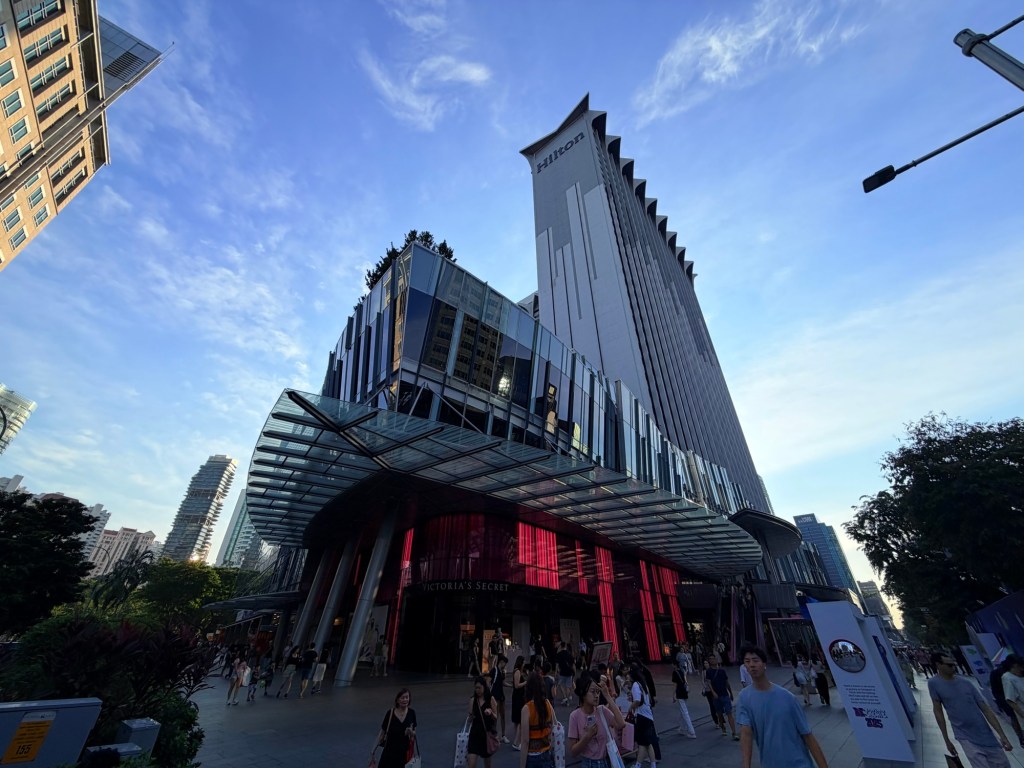
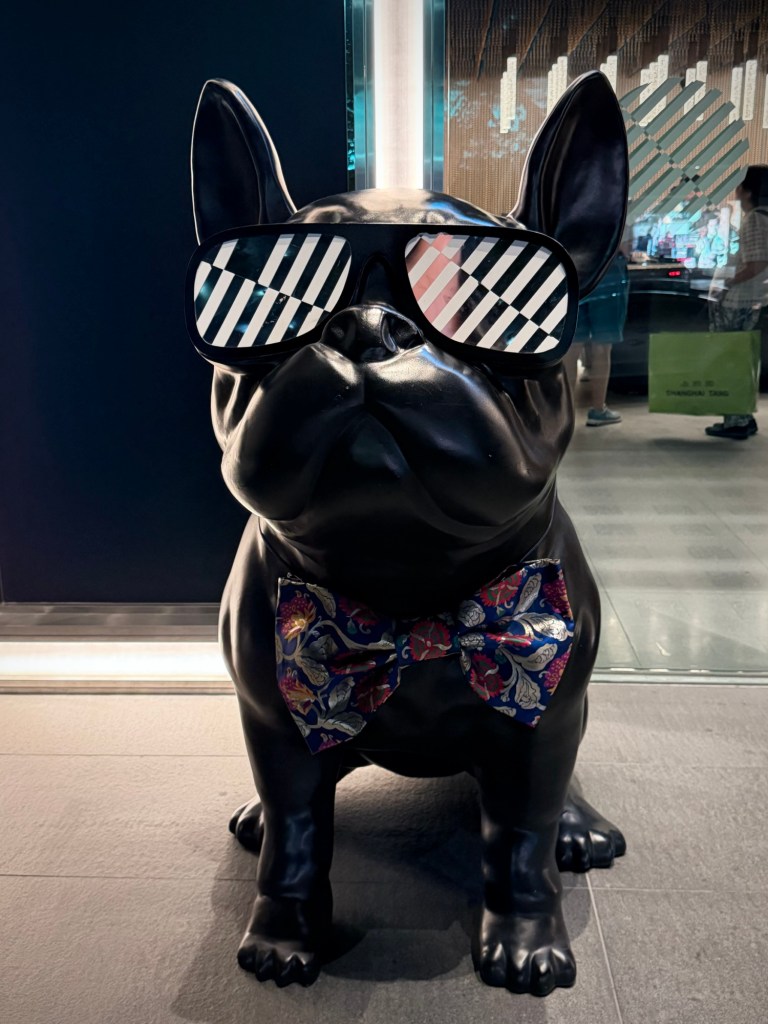
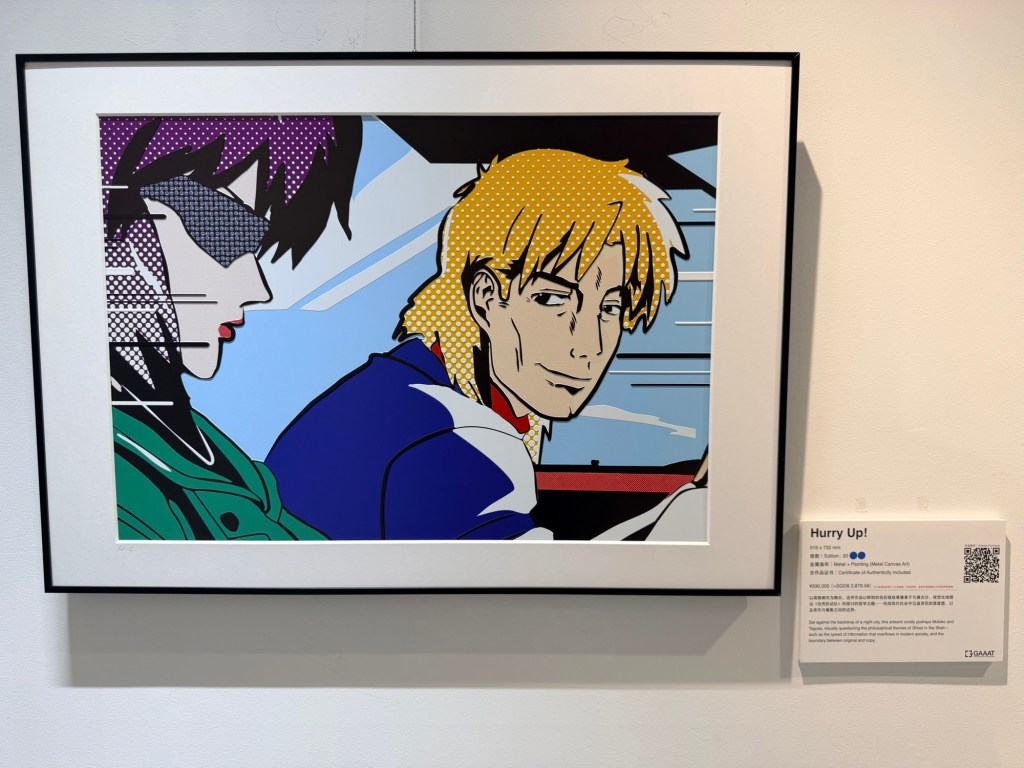
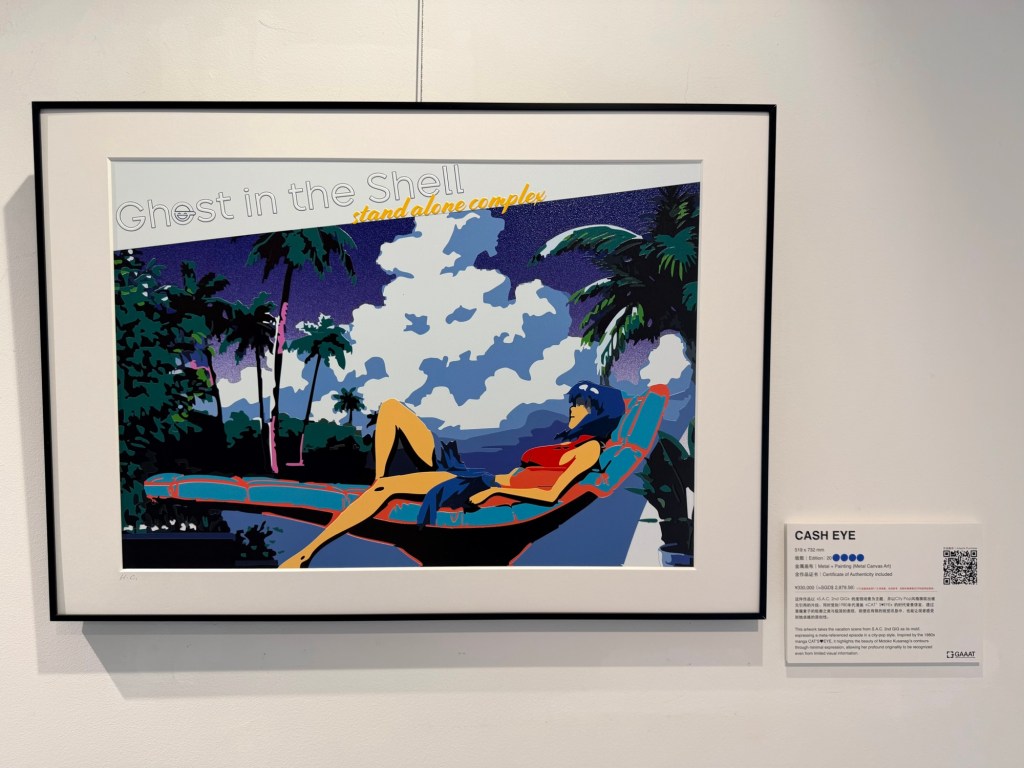
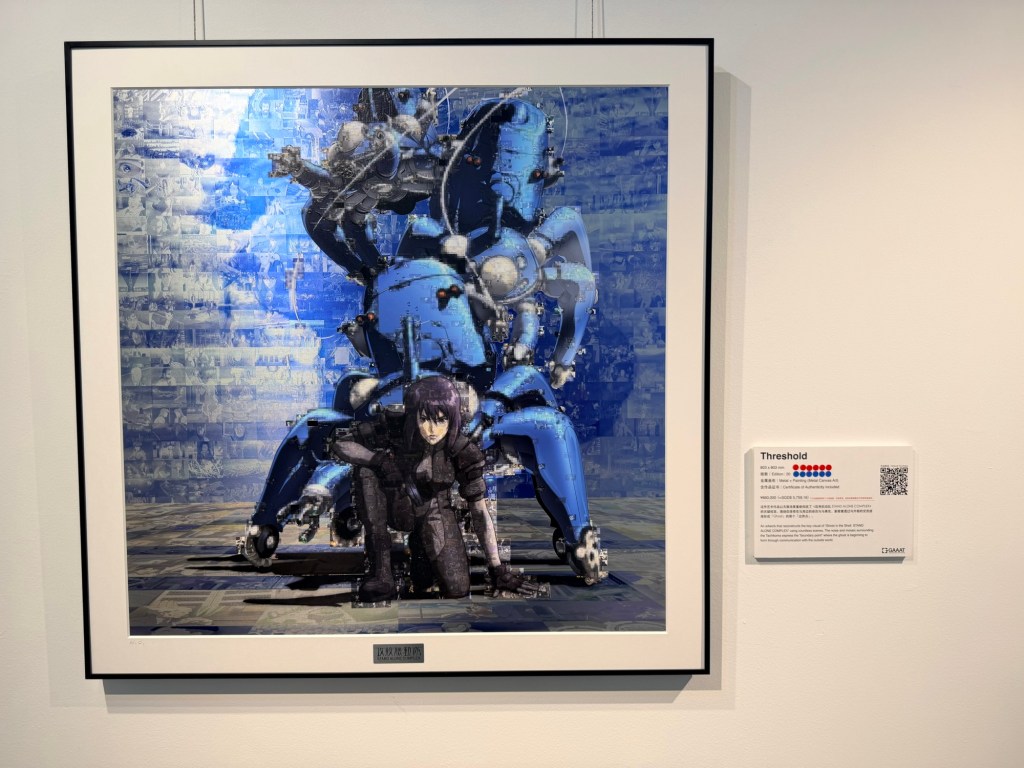
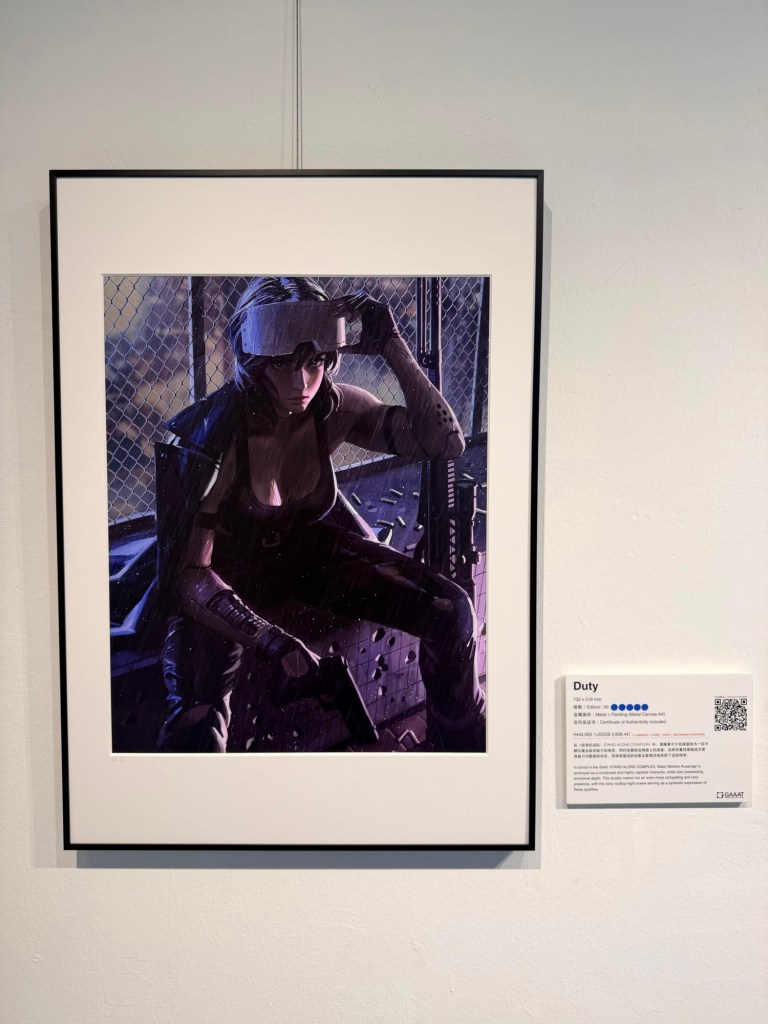
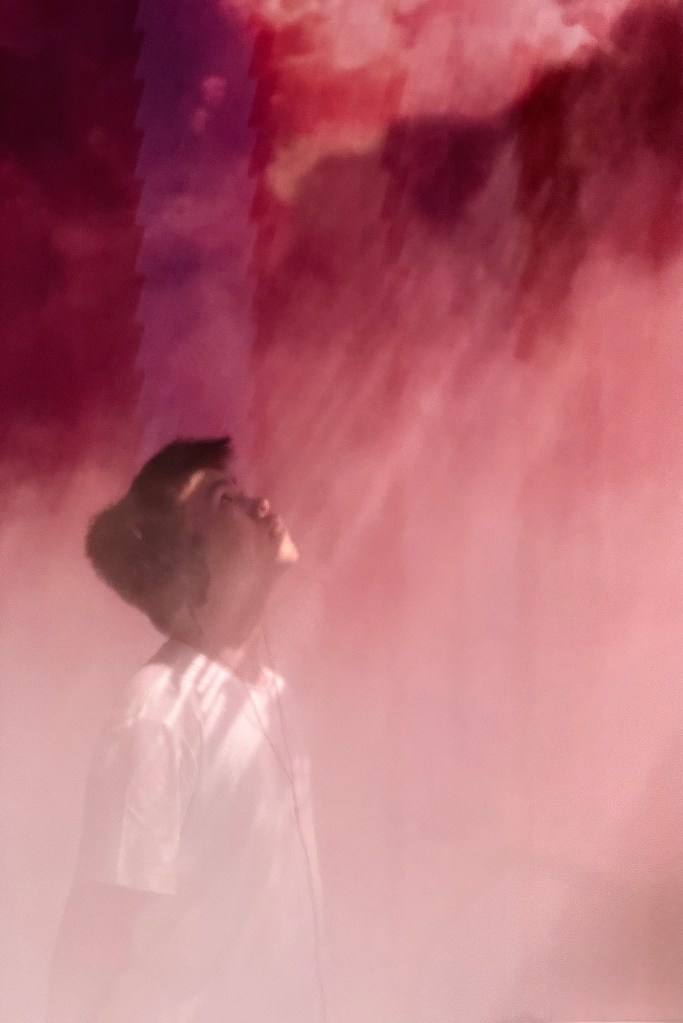
    We visited a local art sales event for works based on the Ghost in the Shell: Stand Alone Complex franchise, just to have a look. The metal-printed pieces were going for upwards of S$4,000, so there was never any chance we’d buy one — but I got a little acrylic plate standee for my desk (S$25). Above are some snaps straight from the iPhone 17 Pro Max, using only Photographic Styles.

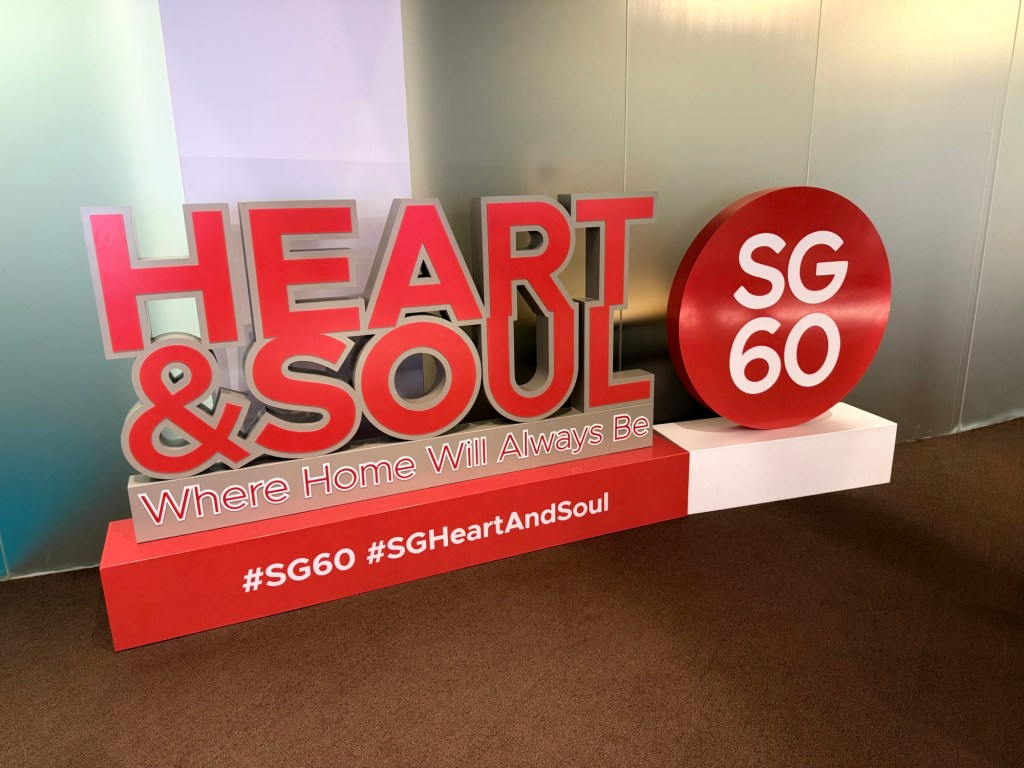
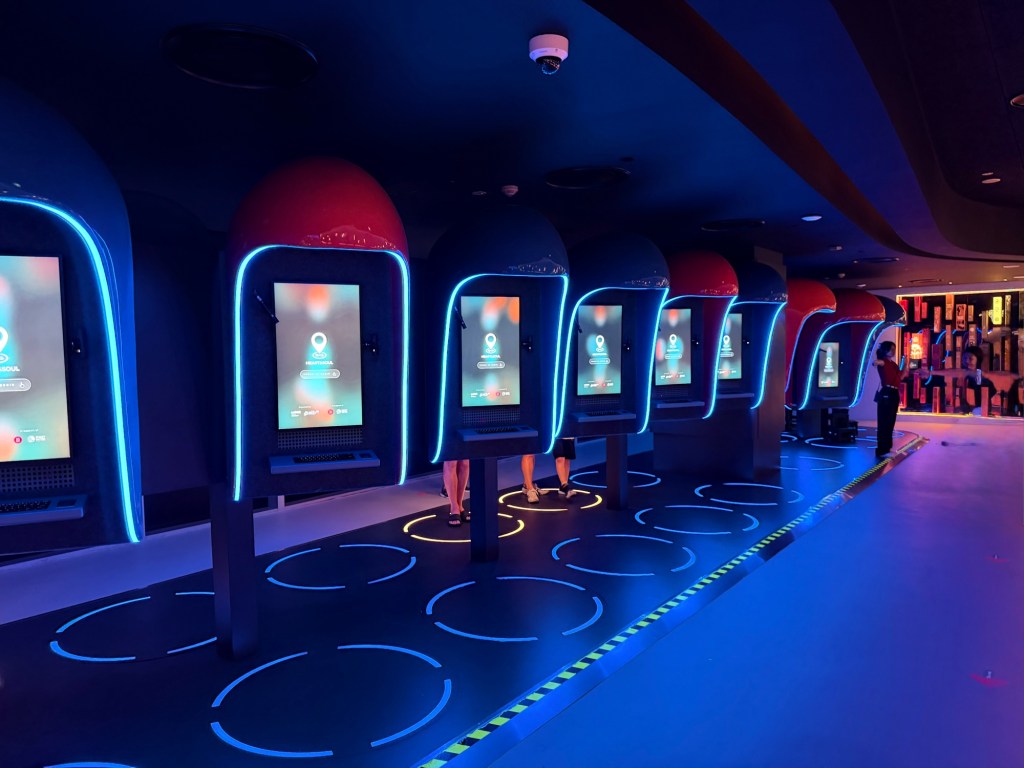
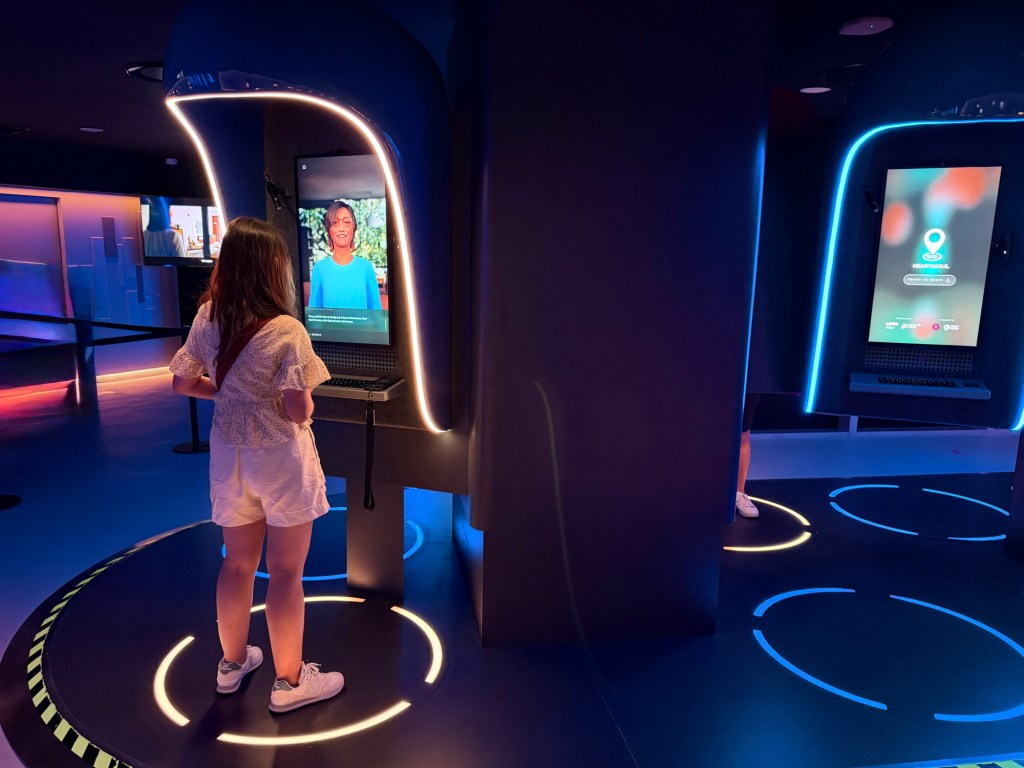
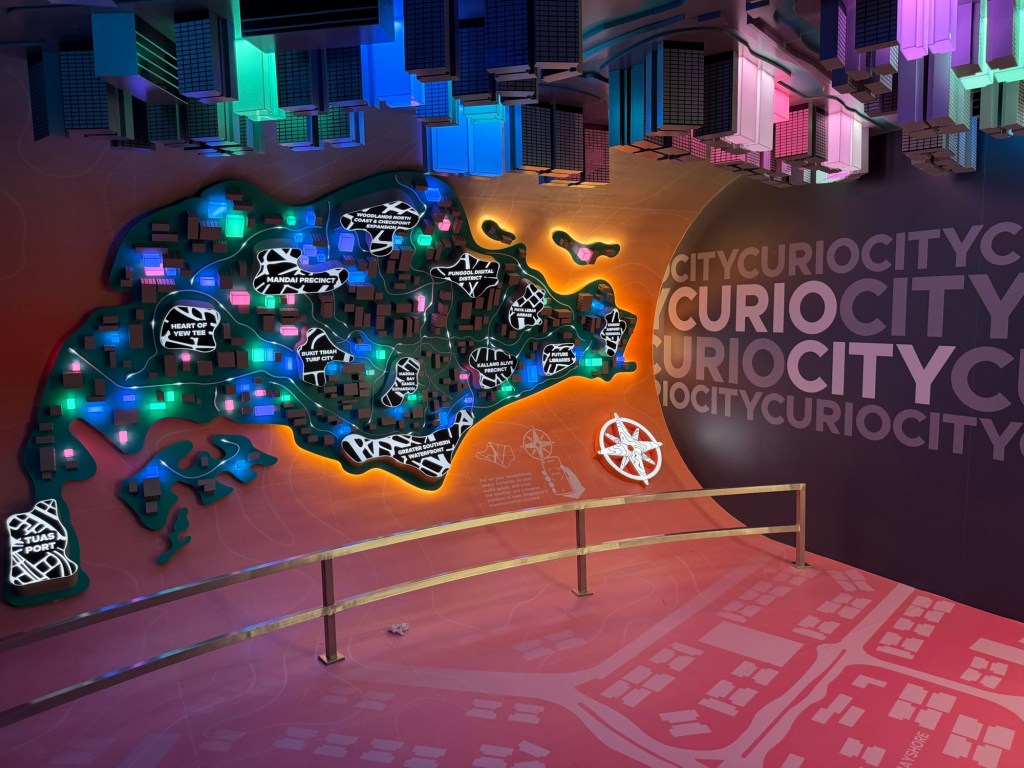
    Afterwards, we visited the SG60 Heart&Soul Experience which is being housed at the site of the old library@orchard. Supposedly it will be renovated and return as a downtown library next year, which is great news. From what I can gather, it’s meant to inspire people about what Singapore’s future might look like, and what place they’d have in it (employing lots of tech to personalize the journey). Criticisms I’ve heard are that it doesn’t go far enough, and the future shown looks kinda like the present: delivery drones, working in VR headsets, greenery everywhere. Visit and see for yourself. Bookings are required, but the tickets are free. It’s quite an involved production with each visitor being given a guide device (an encased Xiaomi smartphone) to wear around their necks, and human facilitators bringing them through the stations.

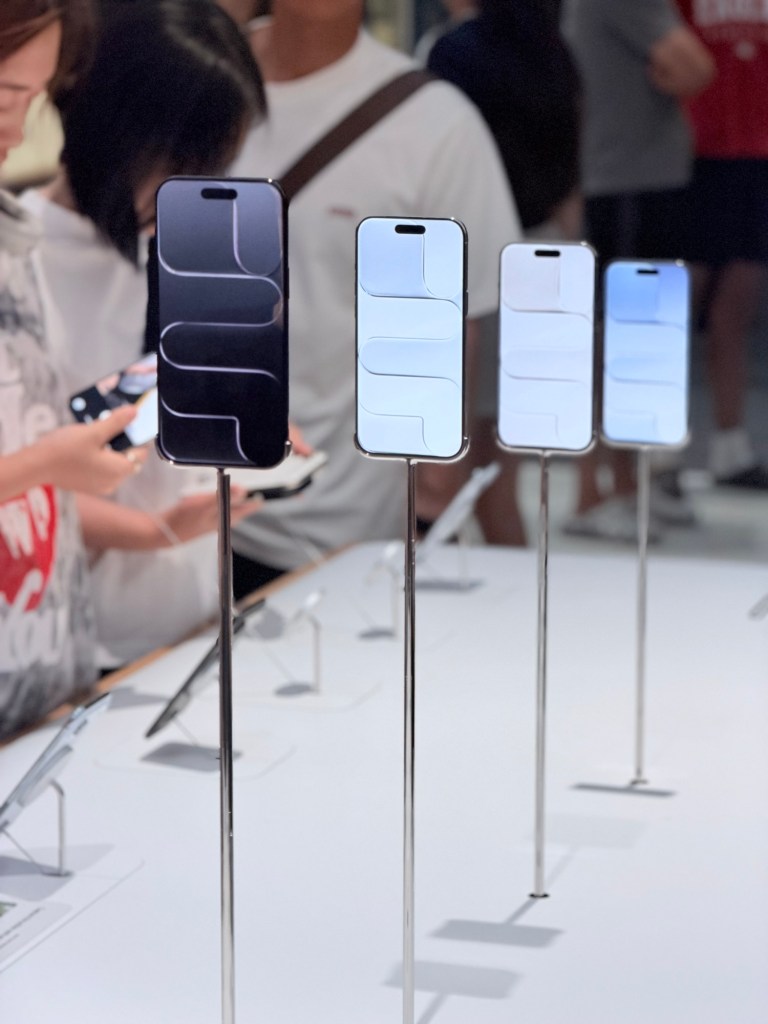
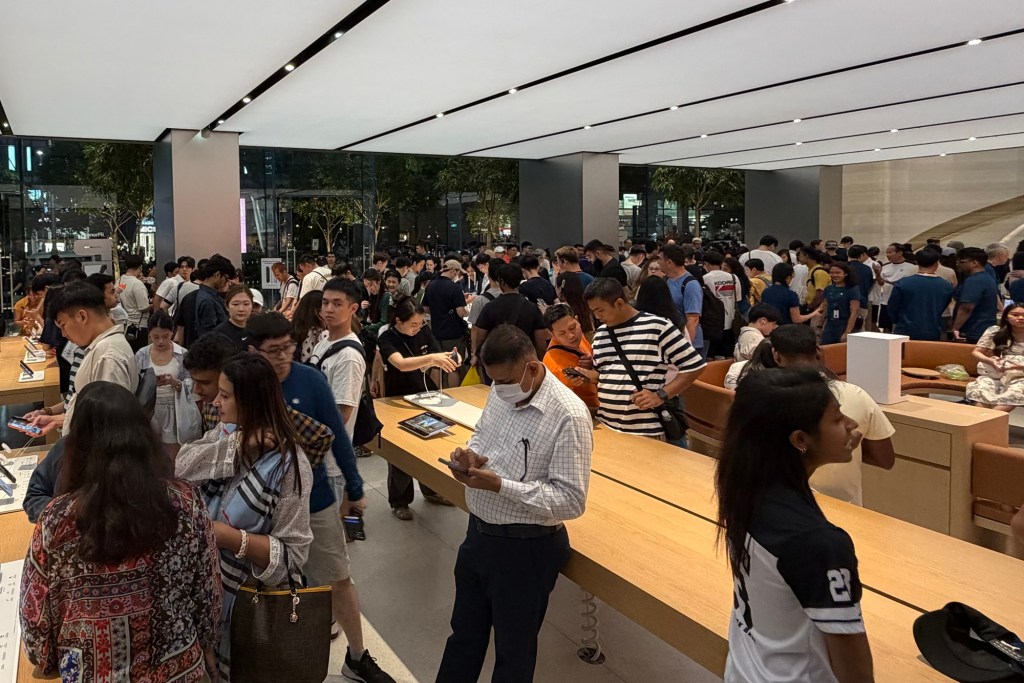
    Oh, speaking of cases, we went by Apple Orchard Road after the show to have a look at the iPhone Air, and I haven’t seen that store so packed in years. I picked up a rather loud Beats case in “Pebble Pink”, mostly because I really wanted a Beats case last year but they only made them for the iPhone 16 series. It’s hard plastic with a matte finish that’s slippery when your hands are dry but tacky enough if there’s a bit of moisture.

    Check out my reel with the Pink Panther theme:

    And while we’re on the subject of great directors, I finally sat down with Bernardo Bertolucci’s The Dreamers (2003) on MUBI. More explicit than I expected, it’s easy to see why people call it pretentious with its heavy callbacks to classic cinema, but it’s never boring and it sure knows how to use mirrors. I gave it 3.5 stars on Letterboxd, mostly because there’s “altogether too much time spent lying on floors for my liking”. There’s also one truly revolting moment where, out of money, they raid the apartment building’s trash for scraps of food and assemble the world’s grossest bento.

    Spike Lee’s Highest 2 Lowest (2025), now on Apple TV+, is a remake of Kurosawa’s High and Low (1963), which I’ll embarrassingly only get around to watching after this homage. But this is a fine film that stands on its own: a sharp, sometimes experimental exploration of class and morality, constantly playing on the gulf between generations — Motown vs. modern rap, film vs. digital, Kurosawa vs. Lee.

  • Week 36.25

    Week 36.25

    • I’ve been with Gomo (budget SingTel) since last August, barely scratching my absurd 600GB/month plan. But after reading Michael’s blog post about switching telcos, I jumped back to Giga within the hour — they’ve finally fixed 5G support for iPhones, and it’s a 5G Standalone network (better) as well. Overall, this will save me a few bucks each month, drop me down to a still-generous 400GB limit, and give even more international data. This new trend of bundling roaming data is a boon for travel; I’ve managed to do without buying separate eSIMs on a few trips now. Until next year, then.
    • After finishing the Shinchan game last week, I started on a game that I fell in love with at first sight: Tiny Bookshop. It’s almost as good as I was hoping — you do run a tiny bookshop, stock its shelves, and recommend real book titles to fit people’s needs, but the core gameplay loop is quite simple. That’s not a bad thing — it just means this is the sort of cozy and casual game you play alongside something more involved and epic. One thing that did happen almost immediately: it gave me a hankering to do some reading.
    • I got tired of waiting for my book club to inch through Cloud Atlas and finished it on my own. It’s not as groundbreaking as I recall it feeling when I read it in 2013, but perhaps that’s because many of its moves have been copied in popular media since. It’s also a lot less sci-fi than I remembered, and much more like a genre writing exercise with several loosely (and one might argue unnecessarily) connected stories. In my Goodreads review, I called it a 3-star concept with 5-star execution.
    • Much more sci-fi: I also finished John Scalzi’s The Ghost Brigades, which I’ve been reading in parallel over the past couple of weeks. It’s a lot of fun, and a sequel that’s even better than the first book, Old Man’s War.
    • Speaking of old, Ryan Adams released a reworking of his seminal album, Heartbreaker, for its 25TH ANNIVERSARY (!?). Where did the time go? Incidentally, I came across that album the year it came out when a friend in the army recommended it. I remember borrowing his copy to burn a CD-R because I couldn’t afford to buy my own. I haven’t seen that guy in 20 years, but coincidentally this month, I discovered that Kim knows him through work and sent my regards. The original record was a lightning bolt: raw, full of yearning and reckless honesty. The new version sands it all down into a flaccid bore. He’s taken a hungry debut and embalmed it in strings and piano. Joni Mitchell’s Both Sides Now is an example of how to do this well. A few tracks survive the treatment, but most of it lands like one of those Disney live-action remakes: glossy, lifeless, and unnecessary.
    • Speaking of old, it was Peishan’s birthday this weekend and we hung out for a brunch that went from noon to evening. Nice day, no notes. The discussion touched on topics that have come up on ChannelNewsAsia programming recently — it turns out I watch too much of this — such as home-based businesses, which is incidentally where our coffee came from. I also thought for a brief moment that it might be fun to do a podcast from the future, recorded in an underground bunker after the fall of society, discussing found pop culture artifacts from our present day and guessing at the role they played in the apocalypse. Things like Labubus, Season 4 of Entourage, Magic: The Gathering, Blackpink, live-action Snow White. Maybe call it “Funintended Consequences”.
    • We also talked about the different approaches men and women (generalized) take to making podcasts. Men apparently are happy to record hours of conversation that’s interesting to nobody else, refusing to edit it down to only the useful bits; basically having no interest in the needs of their audiences, as seen in real life in a meeting room near you. I figured that this makes sense because men get together and record podcasts mainly as an excuse to hang out and shoot the shit with friends. At least, that’s been the motivation every time people I know say they should start one.
    • Speaking of old, I put on Apple Music’s “Classic Hip-Hop” radio station (algorithmic, not human hosted) expecting to only hear the usual 80s–90s boom bap, you know, the stuff I was too young to hear in real time, but oh my… there was some Jay-Z and Dr. Dre material from the 2000s mixed in there. We’re the classics now.