Just 10 days to Christmas, and I finally got a sense of it happening through my first gift exchange and a couple of meetups. The first was with a few workplace alums, after one suggested to me that it would be nice if we all caught up (and so I ended up getting the job of organizing, which I bumbled through). It was nice after all, and I got to spend time with some people I hadn’t seen in years. The second was last night at a friend’s home that impressively decorated for the season, complete with a playlist of Christmas classics greeting us at the door. I think that was the moment it became real for me.
I brought my Leica D-Lux 7 out of hibernation this week for a few photos, mostly to put its aging battery to the test. It fits in my new Bellroy sling (the Ricoh GR III is still significantly smaller and lighter, albeit without a zoom lens), so I’m entertaining the thought of bringing it on our next holiday. Oh, that’s right. We’ve just booked a trip to Tokyo next year, wayyy behind the trend, but hopefully everyone’s had their fill of Japan by now and it’ll be less crowded when we get there. If I do need a spare battery, I’ll pick up the Panasonic equivalent model from Yodobashi Camera or something.
Another reason for the renewed interest was an update to the Leica FOTOS app (which connects to cameras) that came out this week. For the uninitiated, ‘Leica Looks’ are essentially a series of live filters that can be installed onto newer cameras. Owners of older models have been out of luck, but with this new update they can be retroactively applied in the app to any JPEG taken with a Leica camera. While trying it out, I discovered that photos I’ve been taking with the Leica LUX camera app also qualify as “taken with a Leica camera”, meaning you can apply these Looks to iPhone photos for free as well.
So far, I’ve been surprised by how well photos from its Micro Four-Thirds sensor have turned out, especially in daylight. Low light photos are quite smudgy/noisy if you elect to use an ISO value over 3200. I’m fortunate that Leica’s updated D-Lux 8 model this year was such a relative disappointment: a surface-level redesign of the camera’s body and UI without any improvements to the lens, sensor, or processor. It’s good news for me since an uncompelling update is money saved. Ignoring the PS5 I got in May, NOT upgrading stuff has been a bit of a theme this year. I don’t even covet Fuji’s X100VI camera one bit, maybe because it’s been so (artificially?) rare and overpriced.
===
Our new broadband line was finally activated, and it’s resulted in a doubling of accessible bandwidth. In one speed test, I got over 1.1 Gbps (symmetrical) on my iPhone. At this point, our fleet of un-upgraded hardware is holding us back more than the network. In a couple of years, when every device in the house actually supports WiFi 7, I’ll upgrade the router and unlock the full 10Gbps that we currently have.
How little use am I making of this plentiful bandwidth? Well, listening to a lot of Apple Music Radio.
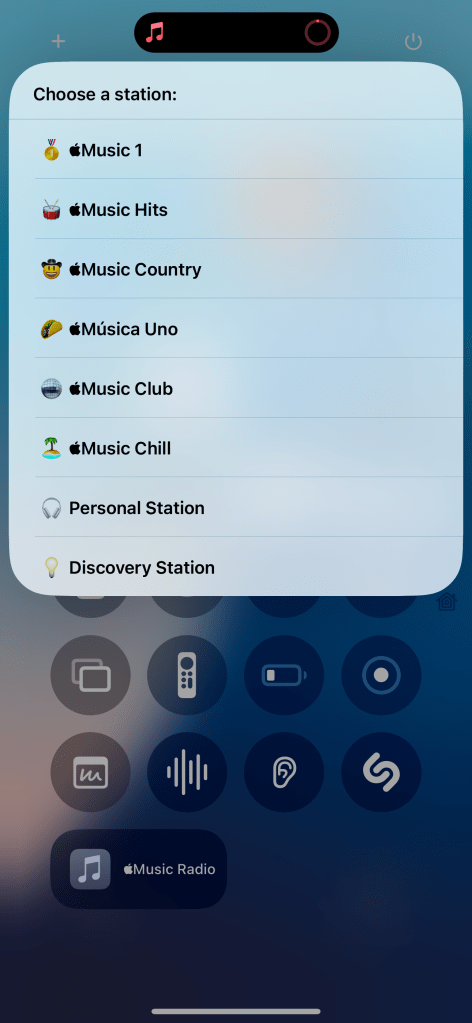
You probably missed this because it hardly made the headlines, but Apple Music doubled the number of their live, hosted radio stations from three to six. Apple Music Club, Chill, and Música Uno now join Apple Music 1, Hits, and Country. In a world where personalized, algorithmic stations/playlists are plentiful and pedestrian, I think these human-led stations are a wonderful zig to Spotify DJ’s zag.
Some of the best artists I’ve discovered this year were serendipitous encounters while listening to Zane Lowe, Rebecca Judd, Matt Wilkinson, or Dotty taking listeners through their latest picks on Apple Music 1. I think receiving and interacting with other people’s passion and opinions is a key part of the cultural experience of music, so these DJs play an important role that is growing ever smaller. It’s so good to see Apple Music expanding their Radio offering rather than shutting it down.
I used to have a Shortcut on my phone to launch Apple Music 1, but with these new stations it seemed time to build a quick launcher. Now, I can start live stations and my personalized stations from the Control Center, Today Screen, or even with the Action Button.
===
iOS 18.2 came out of beta, with new Apple Intelligence features like Genmoji and Image Playground. They are okay for a bit of fun, but definitely won’t cause any artists or illustrators to become unemployed. It’s interesting to ask if they ever will, because Apple could certainly get the models there with time, even with fully on-device inference, so it’s just a question of intention. But I don’t think there are any brakes on this train and every company is onboard, they’ve just bought different tickets.
I was able to visit my parents for dinner for the first time in over a month. The long delay was on account of my dad developing a painful case of shingles, which, if you don’t know much about (like me), is a reemergence of a dormant chickenpox virus in one’s body, often after the age of 50. In other words, if you’ve had chickenpox before, you’re at risk of shingles — a nastier, localized version of the same virus.
Unlike the regular childhood version, it doesn’t usually take over your entire body, just specific areas. In my dad’s case, it affected his back and one side of his torso, leaving the skin painfully sensitive for weeks — nerve pain that, for some, can linger for years. Thankfully, he’s making a quicker recovery.
I had to stay away because I have never gotten chickenpox, and you can catch it from someone with shingles. I was urged to get the vaccine, because adult cpox is reportedly awful (like shingles, maybe worse), but my doctor suggested doing some blood work first to test for immunity — mostly because he didn’t believe I could make it this far in life without getting chickenpox. But it’s true! My mother swears it, and I have two traits: pretty good memory of my childhood years, and an outsized tendency to complain of ailments. There is no way that I could have gotten chickenpox as a child and everyone just forgot.
The test results came back, and apparently I’m immune. The only theory I have traces back to this one time in kindergarten, when the boy sitting next to me in class developed cpox and had to leave school early. I recall living in fear that I would be next, and pus-filled bubbles would soon show. I remember checking myself fastidiously for a week or more, but it never came. Perhaps the glancing exposure was just enough to let my immune system prepare itself, but not enough to result in an infection? Or maybe, as my recent run-in with a car suggests, I’m actually Unbreakable like Bruce Willis in that M. Night Shyamalan movie.
===
Kim is away again for work (13,600km away to be precise), and my having to deal with our pest situation alone has been a whole saga too boring to recount in detail. Tl;dr I’ve deployed a fleet of poison/bait traps, struggled with anxious insomnia, taped up a bunch of possible entry points, cleaned up a lot of lizard poop, sprayed insecticide down drains…
More happily, the morning she left for the airport, I was up early and decided around 7:30 AM that I might go for a walk before it got too warm. This was inspired by Cien’s recent revelation that she’s been taking hour-long morning walks nearly every day. Just to get it out of the way: that’s a bit much for me, but I might go once a week. Spontaneously, this particular morning’s resolution ended in Peishan and me ‘virtually’ joining her for a walk at the same time, in our respective neighborhoods, sending photos along the way. This is actually a pretty fun thing to do!
It was, however, warm despite the early hour. And it’s been hot and humid all week out here. I had to walk 10 minutes from an MRT station to a restaurant yesterday evening in very still air, and I could feel the sweat on my back not evaporating at all, merely pooling. Even my Sony Reon Pocket 5 brought little relief; I barely perceived that the metal contact point was cooler, or it can’t do much to dispel the mugginess of high humidity.
===
I couldn’t take the wait any longer and upgraded to the visionOS 2 beta. I won’t upgrade any other devices, but I wanted any improvements in eye/hand tracking that I could get. So far, it’s been perfectly stable. I could talk about the new gestures and features, but the single most impressive thing has been the ability to view old 2D photos as 3D spatial scenes.
What this looks like is simply layers of depth. You obviously can’t look around corners, and it’s not doing anything crazy like building 3D models you can move around in. But it’s like going from looking at a scene with one eye to two eyes. They suddenly have a liveliness to them because your brain can not only see that one object is in front of another, but perceive it too. Sadly, this is not something that can be demonstrated with a photo or video. The only way is to see it for yourself.
The AI-powered segmentation of objects is somehow flawless, even better than on Portrait Mode (blurred background) photos taken with an iPhone. In one shot I had of a vineyard, every individual plant and leaf stretching to the horizon line was distinctly separated in space from the others. You can also blow them up to life-size with an “immersive” viewing mode, which puts you right in the space.
Going through photos from the past two decades, of people who’ve passed on, and places I may never see again, has been profoundly moving. Documenting your experiences in photos has always been like building a time capsule, but this approaches time travel. It makes me so glad for every moment I thought to capture at the time, and the fact that the Vision Pro can do this retroactively for normal photos feels like the most unexpected gift I never knew I wanted. That’s what Apple does best, I suppose.
Before the annual fall event tomorrow night, I’ll go on record again that I don’t think I’ll be upgrading my iPhone or anything else this year (but this time I really mean it!). So far I’ve had 16 iPhones and lost this bet with myself every year, but I can’t justify an incremental tech purchase in the same year as the AVP.
Things that are unlikely to be announced but might make me reconsider my ‘no upgrade’ vow:
For iPhone 16 Pro (Max):
No camera bump
New image processing pipeline that walks back the aggressive AI/HDR look and brings back natural looking photos à la Halide’s Process Zero (but with 24–48mp HEIC/JPEG XL files)
Bold, saturated colors like on the old iPod nanos
Untextured, grippy back glass
Significantly faster or exclusive Apple Intelligence features compared to iPhone 15 Pro
Completely new battery chemistry that means I won’t be sub-90% battery health in under a year
For Apple Watch Series 10:
2x battery life
Blood glucose monitoring
New body design that shames the old ones so bad you can’t wear them out in public anymore
For AirPods Max:
Redesigned headband that either replaces the mesh or improves its comfort and durability
Significant weight reduction and/or new materials (comfort and durability)
A great protective case
Addition of a power button
===
Media activity
Recent reading momentum led me to finish reading Neal Stephenson’s Interface after two months. It’s a highly entertaining sci-fi story about contemporary American politics, media culture, and using brain implants to reverse a presidential candidate’s stroke damage. Nearly the entire time I was reading it, I visualized the main character as Robert F. Kennedy, and his VP pick as Kamala Harris.
For my next book, I’m taking it easy with Jack Reacher #22, The Midnight Line.
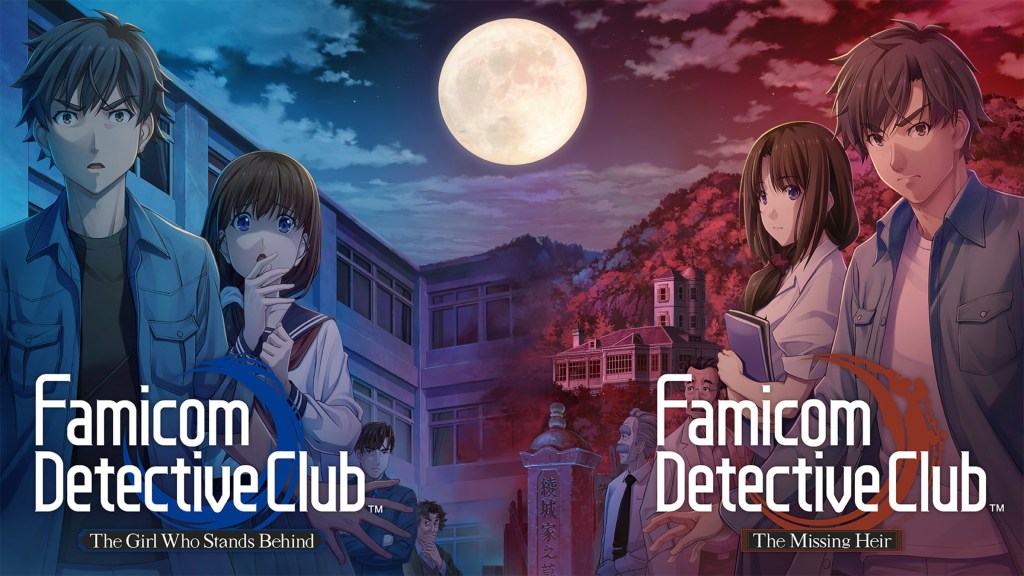
A few years ago, Nintendo remade two classic ‘80s visual novel-style adventure games under the “Famicom Detective Club” banner. This week, they released a wholly new third entry in the series, Emio: The Smiling Man, which got greenlit because of the warm reception that the remakes received. The history of these games is pretty interesting, and I watched this whole video essay on them.
I bought and played the first remake, The Missing Heir, back around 2022, and found its authentically ancient gameplay archaic and frustrating. For example, in most such games, when questioning someone about a topic, you will reach a point where their answer starts to repeat itself — a sign that you’ve heard all you’re going to hear. In the first two Famicom Detective Club games, this is not the case (pun unintended).
You: [Ask about the car] Suspect: There was a car seen at the time, I heard. You: [Ask about the car] Suspect: Hmm, that’s about all I remember. You: [Ask about the car] Suspect: Hmm, that’s about all I remember. You: [Ask about the car] Suspect: Hmm, that’s about all I remember. You: [Ask about the car] Suspect: Oh! I just remembered something. It was a black sedan.
This is such incredibly bad game design, because someone repeating themselves like that is unnatural in the real world, so it appears as a limitation of the game (not having AI to generate different versions of “I dunno”). So of course a player isn’t going to keep pressing, because the suspect’s response isn’t an invitation to keep trying. It’s the equivalent of a brick wall in the game’s interaction model. But no, you’re meant to kick every solid object multiple times in case it comes loose.
I ended up finishing the game using a walkthrough, and declined to buy the second game, The Girl Who Stands Behind. I’m guessing that Emio, being a new game, will be an improvement in this regard and so I intend to play it someday. But it doesn’t feel right doing that unless I also play the second game (there is no real need, they are not connected).
Rather than pay $30 USD to frustrate myself, I watched a 7-hour video of someone else playing through the entire game — at 1.5x speed, of course. The first video I found was actually 10 hours long because the player was blundering through some of the aforementioned game design quirks, so I gave up on him and found this better one instead.
Oh, and there’s another kinda new game that concludes something that started in my childhood, and I finished it this week. That game is of course Return to Monkey Island, which I played on the Switch. If you subscribe to Apple Arcade, you can also play it there. I don’t know how I feel about it; the original two games were the pinnacle of LucasArts’ point-and-click adventures and I probably remember them most fondly of all. The new sequel brings the story to a close, but with a new art style and an acknowledgment that a long time has passed (both in story terms and the authors’ perspectives). There was no way the ending could have satisfied every question and loose end, so they just went for something that felt true enough to its roots, but kinda comes out of nowhere. I was honestly surprised when the credits rolled. But that’s life!
First, an update on last week’s air conditioning saga. During another service visit, the professionals confirmed what my online research had suggested: a malfunctioning thermistor was the reason for inconsistent cooling. To test it out, they swapped sensors between two indoor units, and now that the cause has been confirmed after a couple of days, they have to come back yet again to replace the broken one (S$161).
Shortly after, I was coincidentally served this cocky tweet about how “reasonably smart” people with internet access can now challenge an expert about their specific problems, because 1) the information is out there, and 2) the customer has more invested in the outcome than the vendor. For the record I tried hard not to preemptively suggest it to the experts, but when they diagnosed a ‘thermistor problem,’ I wasn’t the least bit surprised.
I got into an argument with a contractor working on our house recently and my wife was like, “he’s been doing this a long time, what makes you think you know better than him?” I’ve found throughout my entire life that two or three hours of intense research in a domain isn’t…
New house problem: We found a dead cockroach and it’s been bugging me. I made a poll on Instagram Stories and asked how many people have seen a roach in their homes in the past year, and was surprised the results were pretty much 50-50 (n=29). It might be down to how many people have apartments with integrated rubbish chutes or face open-air corridors. In any case, there’s always something wrong and I need the universe to give me a break or better mental health.
===
I joined my first-ever book club after hearing about it from some folks I met in inSpaze. They meet in the app for an hour every week, and have what I assume is a typical book club discussion if not for the fact that (nearly) everyone is in a Vision Pro.
They’ve just started on a new book, Guy Immega’s Super-Earth Mother, which I couldn’t find in the library’s catalog and had to buy off the Kobo store. The title is my least favorite part, as it could turn some readers off. I didn’t expect to enjoy it as much as I did, but I ended up finishing it in just a couple of days. I was later chastised for this, as we’re supposed to be reading it together over three weeks.
It’s about a billionaire’s mission to send an ark of human DNA across the universe in the care of an AI (Mother-9), and how its efforts to colonize other planets goes. That premise immediately reminded me of the back-half of Neal Stephenson’s Seveneves, but this is a very different effort. I think I described it in my Goodreads review as “a compact and accessible space epic”.
What’s making this extra special is that one participant is a friend of the author’s, and they’ve been filling us in on little Easter eggs and references to real-life experiences. There’s also a chance that Mr. Immega might join us for a short Q&A in a later session.
This external push to read broke my summer reading block. I had stalled on Neal Stephenson’s Interface for months, but after finishing Super-Earth Mother, I breezed through another hundred pages and am enjoying it immensely.
Kim’s pretty old Kindle Paperwhite finally died, and I got her a new Kobo Clara BW (she declined the Color model, which I still think was an extra $30 worth spending), which is a very nice and slender reader in person. I am now envious of its USB-C charging and Dark Mode support, and am trying to stop myself from buying a Libra Color to replace my first-gen Libra. At over S$300 dollars, even if I’ve read 100 free books on mine so far (I haven’t), I’d still have paid $3/book for the sheer utility of an e-ink screen, which seems silly to me because one can read perfectly well on an iPhone. Or a Vision Pro, even.
I tried that, btw. Having giant floating pages in front of you is actually not terrible. And in doing so I hit upon another realization about the Vision Pro. Photographers are always saying that you should print your photos to appreciate them, at as large a size as you can, but how many of us really do? Most photos end up being seen on phones, and maybe laptop-sized screens. But now there’s a way to view our favorite shots at wall size and have a gallery-scale experience at home. And, I suspect, discover more flaws and limitations that will push us towards buying better gear. It’s tragic how much of the last decade we documented in piddly 12mp photos because iPhones were more convenient than dedicated cameras. Ugh!
We caught up on Sunny. This is a show that, on paper, seemed designed to light up my neurons. Robotics, AI, a Japanese setting, a “darkly comedic” mystery, a story about clashing cultures, an A24 production. But it’s not for me at all. I came across the above clip on how causality, consequence, and coherence (my terms) are essential in telling a story people can care about, and sadly Sunny fails to adhere to those rules.
But also on Apple TV+ is Pachinko, which has just returned for its second season, and I thoroughly enjoyed the first two episodes out now. I understand that it’s one of the most popular shows on the service, and I hope it finds an even wider audience.
The consensus online seems to be that Apple TV+ is full of great shows that people just aren’t discovering, and Bad Monkey is one of them. Again, I think the show’s title is the weakest link here, and you should be giving it a chance. Vince Vaughn does his thing, the dialogue crackles, and things move with causality, consequence, and coherence. It also kicks off with the discovery of a severed body part.
We rewatched Twister (1996) and then saw Twisters (2024). The original is an actual classic, directed by Jan de Bont (who also did Speed), and features a team of tornado chasers with actual, palpable camaraderie. You feel like you’re going along on an adventure with them, and part of that happens because the script bakes in ample downtime where they strategize, tell war stories while eating steak and eggs, and hang out in motels overnight. The sequel is almost embarrassing in how it tries to check a series of “mirror the original” boxes — there’s the in-over-their-head outsider whose terror is played for comedy, the traumatic past weighing on the female lead’s motivations, her magical gut feel that can predict weather better than the science-dependent nerds. But despite all that, it can’t reproduce the magic. Still, as a standalone movie, Twisters is not all bad, and Glen Powell is definitely becoming one of the most likable and bankable men in Hollywood. 4 and 3.5 stars respectively.
We also watched Office Space (1999), which I realize I’ve never really seen properly at all. It’s an anti-work masterpiece, with many themes and grievances that seem to be reemerging today. Sure, it came out around the time of The Matrix, when rebellion against cubicle offices was at its peak, but I can’t recall many films in the past ten years that have so strongly espoused quitting your dumb job, burning your workplace to the ground, and finding purpose somewhere else. 4 stars.
Gregg Araki’s Mysterious Skin (2004) was leaving MUBI, so I decided I’d better see it. Boy, what a downer. I looked at reviews on Letterboxd and here are some excerpts from the positive ones: “This is a flawless film, but don’t watch it.” “This is not a movie I should’ve watched.” “I will never recover from this.” “What if I just walked into oncoming traffic”. 4 stars from me, but I tried not to think about it too hard. It might be a 4.5.
Also leaving MUBI was the French film Summer Hours by Olivier Assayas. It’s a quiet and beautiful story about the familial unraveling that happens when a parent dies and there is ‘bric-a-brac’ to be split up and hard discussions to be had. Sad subject matter, but nowhere approaching the rock buttom of Mysterious Skin’s tragedy. Also 4 stars.
I tried again to start watching Assayas’s Irma Vep TV series, but various interruptions have stopped me from finishing the first episode. I know it’s not a straightforward remake of the original film, but Alicia Vikander’s character is so different from Maggie Cheung’s that I’m intrigued to see what he’s trying to say about her/them/filmmaking with this new take.
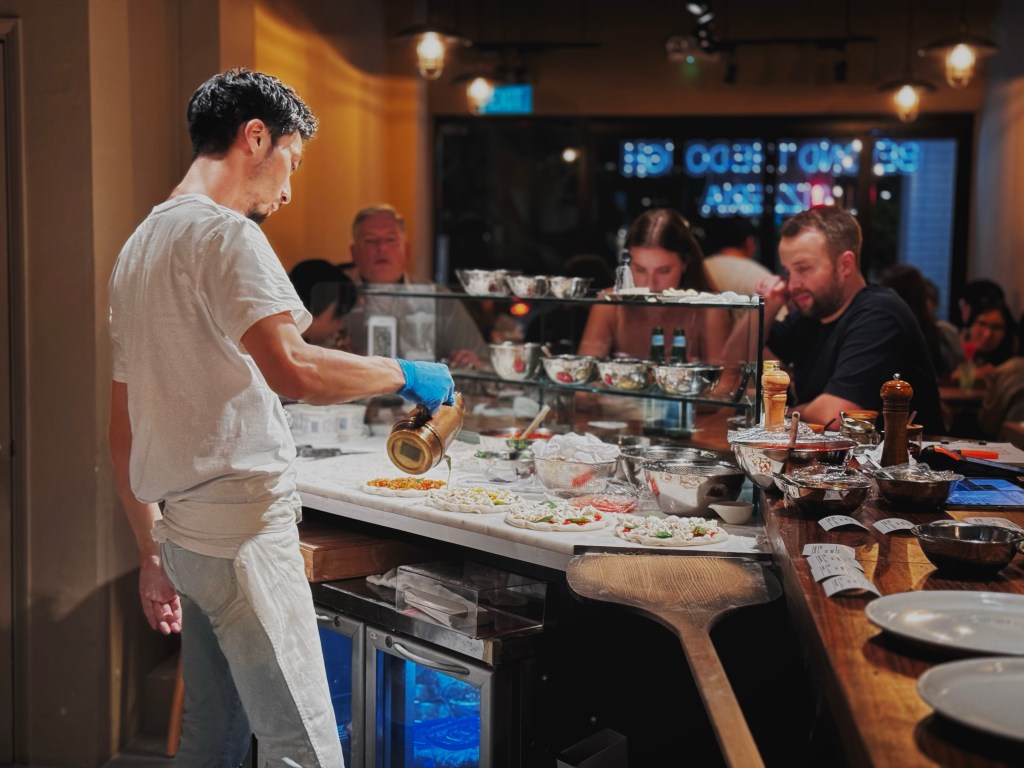
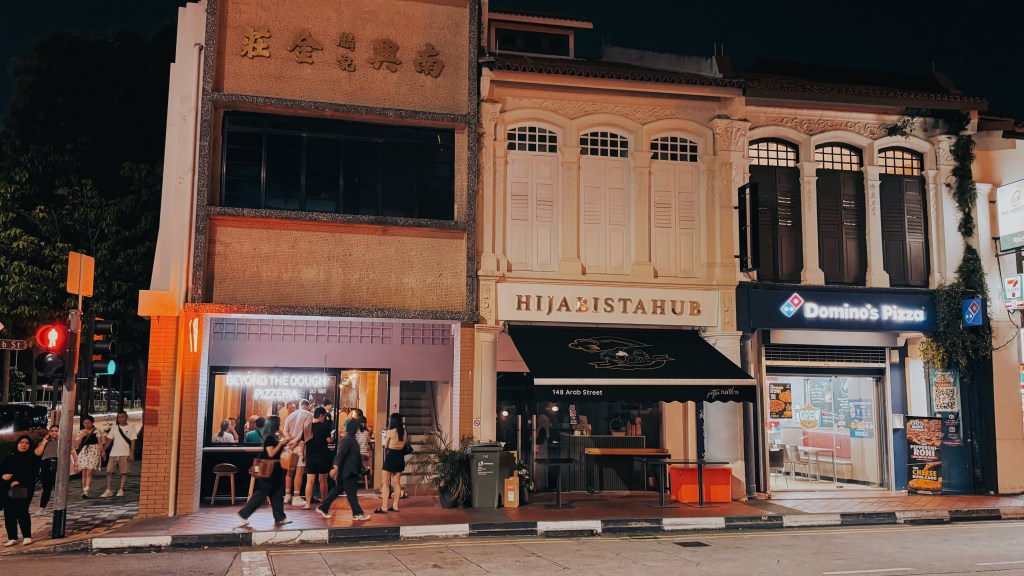
Featured photo (top): A superb dinner we had at Beyond The Dough on Arab Street. It’s one of those places that brings obsessive Japanese craft to traditional pizza. They are amusingly two doors down from a Domino’s outlet.
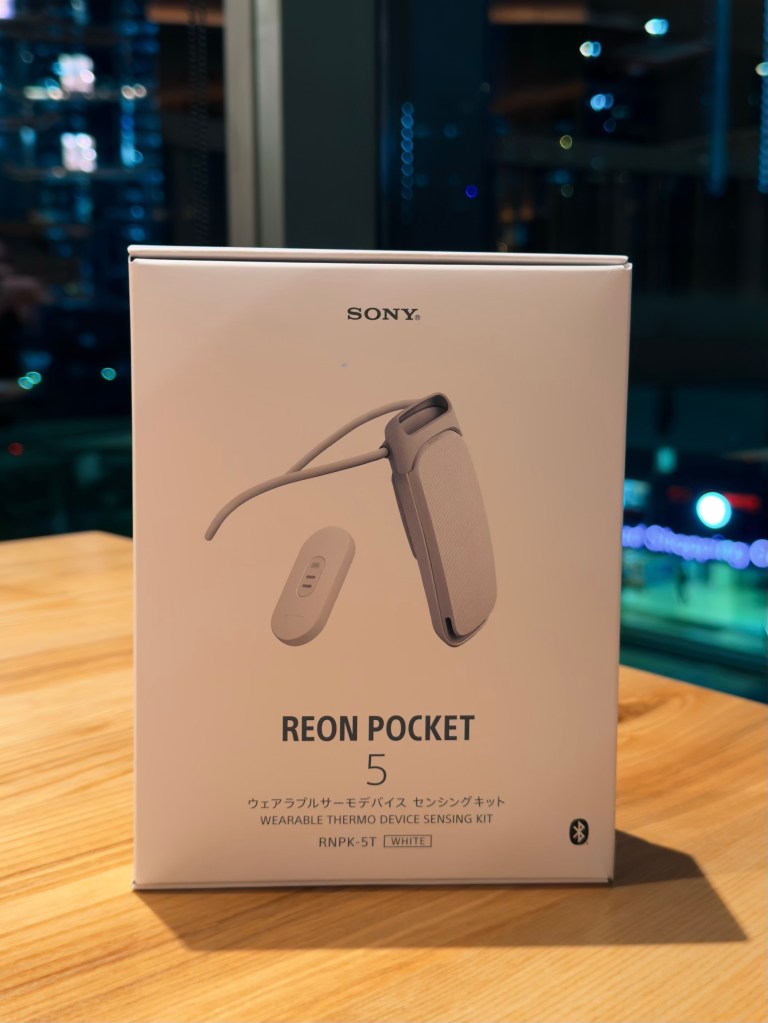
I discovered the existence of a cool new device this week when a Sony catalog wound up in my trad-mail inbox. After some online research, I visited the nearest Sony store for a demo of the Reon Pocket 5 device and ended up buying one for S$249. Okay, what is a “Reon Pocket” and why is this the fifth version? The four previous iterations were only sold in Japan, but the tech is now mature enough that Sony is launching it in the UK, Hong Kong, Singapore, and Thailand this year.
It’s best described as a wearable gadget for helping you feel more comfortable by fooling suggesting to your body that the temperature is more bearable than it thinks. It does that by cooling or heating a small metal plate pressed against your skin (in this case, at the base of your neck), which contrasts with the environment and changes your perception of it. Surprisingly, it works with just a difference of a few degrees.
I first learnt about this effect a decade ago from a Wired article about an MIT prototype and have been eagerly awaiting a commercial product ever since. I had no idea until after buying the Sony version that the researchers mentioned in that article have actually shipped their own wrist-worn product called the Embr Wave. It resembles a smartwatch and is more discreet than the bulkier Reon Pocket 5 which sticks out from beneath your shirt collar like some kind of life support system. However, since I already wear an Apple Watch, I don’t know if I’d wear an Embr Wave too.
In some ways, I seriously see this device as a “life support” technology. I think I’ve struggled with heat regulation all my life — always feeling warmer and sweatier than everyone else; most days you can hold your hand over my head and feel the heat radiating off it. I read that our bodies’ core temperature doesn’t actually change much (when it does, that’s hypothermia or heatstroke), so how comfortable we feel is all down to skin temperature, which this sort of thing hacks.
After a couple days of testing, I’ve found the Reon Pocket 5 doesn’t perform miracles but offers a different sort of relief than a handheld fan (though one could use both). But it’s like constantly holding a cool can of soda against your neck in hot weather, which is welcome! It’s a glass of ice water for someone in hell. Even when the temperature isn’t that high but it’s stuffy and humid, this takes the edge off. If you’re the sort who’s always feeling cold in Singapore’s air-conditioned spaces, it also heats up and offers the opposite effect.
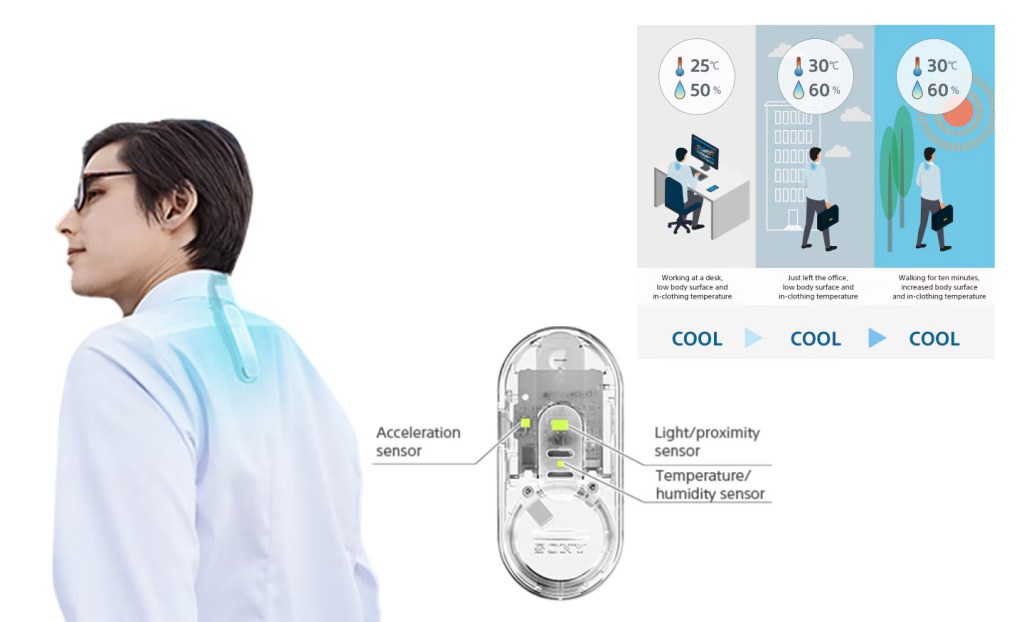
There’s a lot I could say about the app, and how it’s another example of Sony’s generally poor UX design, but once you figure out what settings you like, you can lock them in and operate the device without it. It also comes with a separate “tag” that you can attach elsewhere on your body, which monitors the external temperature and humidity so the device can automatically switch modes, but I haven’t bothered to take it out of the box at all. All they needed to do was put a button on the thing to switch between hot and cold, just like the Embr Wave does.
Building a separate piece of hardware instead… reminds me of how Sony headphones try to “intelligently” adjust noise cancellation levels by guessing whether you’re commuting, or working, or lazing about, by using GPS location and accelerometer data from the smartphone app — an absolutely mental and roundabout solution to replace the user pressing a button. Incidentally, Apple’s Adaptive Audio mode on AirPods Pro is a much better take: they dynamically adjust the balance between noise canceling and transparency based on environmental noise, letting you be aware but not annoyed.
The battery, if you’re wondering, should last an entire day out. At Level 1 cooling power it’s rated at 17 hours; at Level 3, 10 hours; and at Level 5, 4 hours. Operating on Smart Cool mode, it switches between them as necessary. There’s also a “wave” feature that I recommend turning on, which follows the same core principle as Embr’s device where cooling power fluctuates so you don’t become desensitized to it. If you need even longer performance, you can plug it into a power bank and it will work on direct power without charging. Imagine using it at the same time as Apple Vision Pro, with two power banks in your back pockets. That’s living in the future, baby.
In conclusion, wearing the Reon Pocket 5 around your neck makes you look dorky or hooked up to some medical device, but when it’s over 30ºC in the shade, who gives a damn?!
===
New camera apps
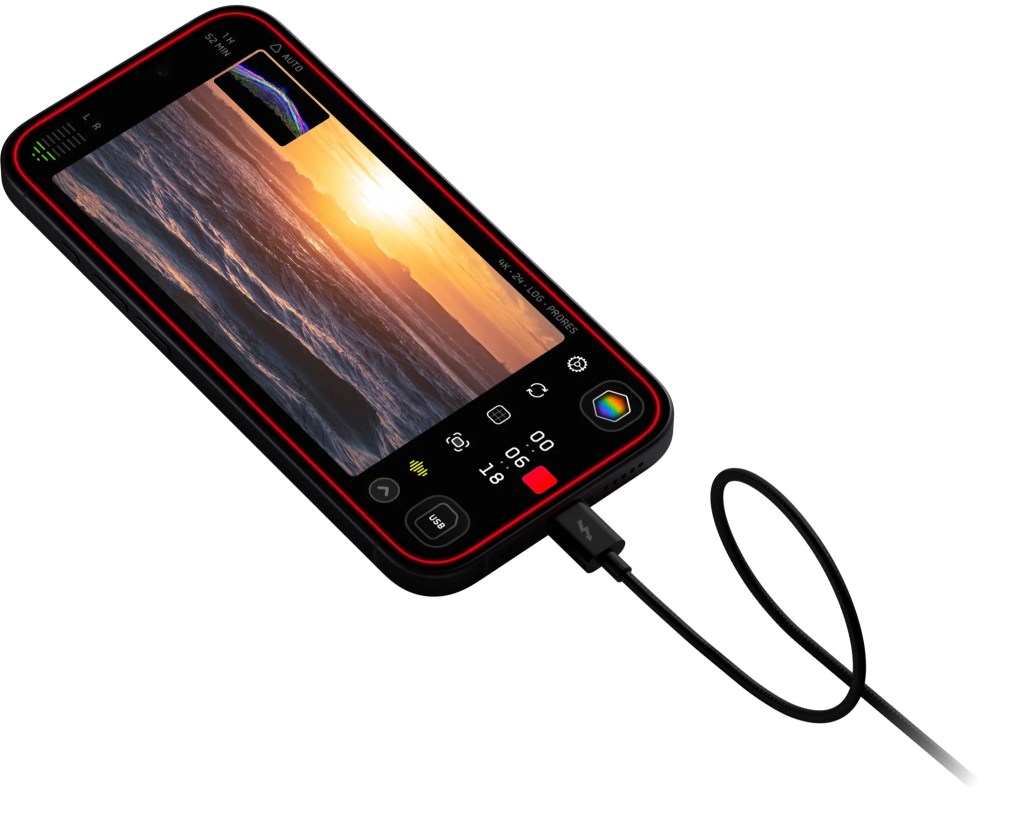
I’ve been using two new camera apps: Kino, from Lux Optics who also make the Halide app, and Leica LUX (no relation).
Kino is a logical move. Halide was a “pro” app focused on bringing intuitive manual controls for still photography. Kino does the same for video. Unlike Halide, it’s a one-time purchase ($20 USD) and a big part of its functionality is the ability to apply different looks (color grading via LUTs). I’ve always wished Halide would do something similar, to help lazy shooters get the most out of RAW captures. I hardly shoot any video but I thought Kino was worth buying, especially since I’ve let my Halide subscription lapse for lack of use.
One of the best things Kino does is allow the system to shoot in Apple LOG but write the files in HEVC format instead of ProRes, which saves a lot of space but still conveys some of the benefits. You can also shoot in LOG, apply a color grade preset in real time, and save the baked file in HEVC. That’s awesome.
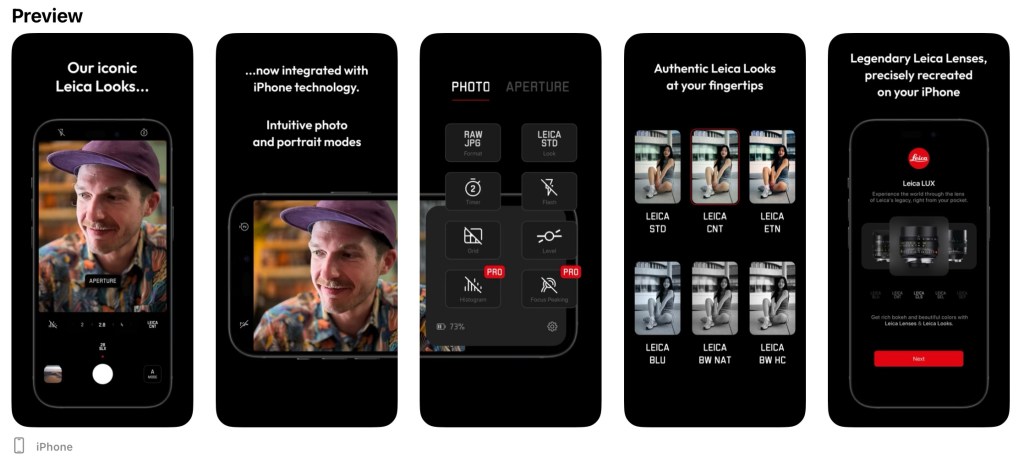
Leica LUX is not so logical and I’ve been puzzling over why a company with their luxury brand equity would take a risk like this. On the page linked above, they’re saying the app “lets you capture the iconic Leica Look with your iPhone” using their “deep color science” and digital simulations of “legendary lenses”, like the Noctilux-M 50mm f/1.2 ($7,895 USD), and claiming it “reproduces” its “signature aesthetic bokeh”.
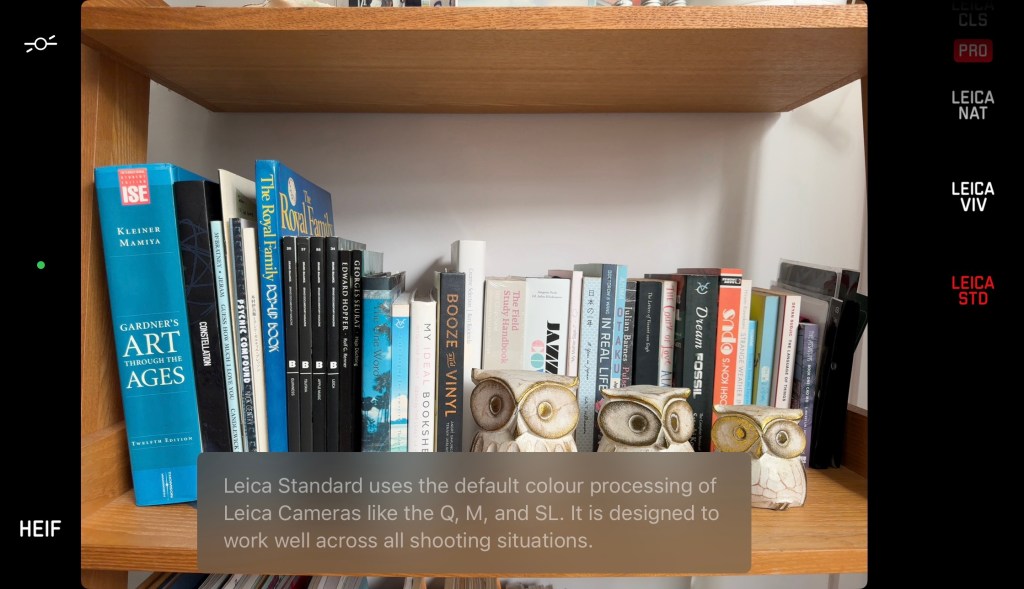
I present two exhibits. The first (below) is what you see when selecting the “Leica Standard” profile: a statement that it handles color the same way as their cameras that cost upwards of $6,000 USD do, using your iPhone’s sensor. Whether it’s true or not is beside the point; Leica is saying you can enter their world with a free app and the phone you already own. To my eyes, it’s not far off from the iPhone’s default color handling, and looks like some gentle H/S/L shifts. The other Leica Looks are a mixed bag: I like the Leica Natural one, but some others are heavy and feel like “filters”. I’d hoped these would be more like Fuji’s in-camera film simulations, which are more like “color profiles”.
The secret sauce is leaking out!
The second shows how their implementation of a depth effect is inferior to Apple’s own Portrait Mode, with rough edge artifacts, despite the hyperbolic claims of giving your iPhone the “unique aesthetic of Leica’s legendary M-lenses” with their “distinctive look and beautiful bokeh”. If it did, that dark shot of my Misery Men mug would look like it came from a 28mm Summilux f/1.4 lens, and I can assure you it does not. Moreover, their digital depth effect only adds background blur, not foreground blur, which makes for a less realistic result that Apple’s own Portrait Mode which your iPhone already does for free.
LUX’s App Store descriptionSee how the digital replica handles the mug’s edges
One nice feature is the photo library viewer they’ve built into it, which lets you switch between seeing All photos and Leica photos only, including ones taken with your Leica cameras. And photos taken with this app sit alongside them as equals! In the field where the camera model is specified, it simply shows “Leica LUX”.
What are they getting out of this brand dilution? Well, the app is subscription-based and asks for S$99.98/yr to unlock more Leica Looks and lenses. They claim new ones will be added monthly. I think perhaps anyone who owns or intends to own a physical Leica camera will not bother with this, and it’s a move to grab all the aspirational customers who want to touch the brand — including a bit of overlap with the market they tried to target with their Huawei and Xiaomi smartphone collaborations. The question is whether this will do any significant reputational damage, and so far all the comments I’ve seen on Leica blogs and communities have been negative. Could they stand to make more on app subscriptions than they’d lose from upset camera buyers? Maybe! Is that capitalization model the right way to run a company? Maybe not?
I’m still optimistic because I’m not emotionally or financially invested enough in the brand to care how they destroy themselves, and will wait to see if they update the app to improve edge detection and add some better Leica Looks. If it ever gets good enough to be my primary iPhone camera app, a hundred bucks a year is steep but not out of the question.
Meanwhile, I’ve found the following settings get me calmer and more natural photos out of the default iPhone camera app. First, go to Settings > Camera and make sure you turn on “Exposure Adjustment” under the “Preserve Settings” section. Then in the camera app, set exposure to -0.3ev, and using one of the Photographic Styles as a base, change its values to -20 Tone and +5 Warmth. Note: If you have a 14 Pro, the only way you’re getting less crispy shots is to use an app like Zerocam or Halide and disabling smart processing.
===
Media activity
Started playing Spider-Man: Miles Morales on the PS5. It feels just like the first game I played on the PS4 years ago and I can’t say I’m getting next-gen from this, but it’s good fun.
Finally got Balatro on the Switch, the highly acclaimed indie poker roguelike game. It reminds me so much of Solitairica, the indie solitaire roguelike game on iOS. That’s a good thing. It’s the kind of game you can play for a few minutes, or hours on end.
Started watching season 2 of Link Click, a Chinese-made “anime” series with a cool ‘catch a serial killer through time’ kinda story. I saw season 1 a couple of years ago and was impressed by how well executed it was.
Saw Still of the Night (1982), starring a young Meryl Streep and Roy Scheider. It’s a Hitchcock-inspired psychological thriller with Fatal Attraction vibes. 3/5
Saw The Ministry of Ungentlemanly Warfare, a Guy Ritchie WWII joint that feels like if Inglourious Basterds was a Jason Statham vehicle. Except he’s not in this, Henry Cavill is, as well as Alan Ritchson (of Reacher fame) who plays a gay Dane (Swede?) who loves killing Nazis almost a little too much. Quite a bit of fun. 3/5
Saw The Fall Guy, a movie I’ve been anticipating for a long time on the strength of its trailer and what little I’d assumed about its story. I didn’t know it was based on an old TV show. But it was a messy, empty disappointment of a blockbuster that even Ryan Gosling and Emily Blunt couldn’t save. 2/5
Saw Carnival of Souls (1962), a cult classic surrealist quasi-horror film on Kanopy, a video streaming service that’s free if you connect your library account. It’s got Ed Wood B-movie vibes and special effects, a lot of rough edges, but still manages to be a compelling work that I’ll probably remember for a long time. 3.5/5
Saw To Have and Have Not (1944) in which Lauren Bacall plays a character who is stated as being 22 years old, to which I thought “she’s gotta be a lot older than that”. I looked it up and she was probably 19 💀. So that’s proof that people really used to look older, and you’d be forgiven for assuming it was the copious smoking (on display in this film). It’s a weird one, almost a musical showcase for Hoagy Carmichael who shows up as the hotel bar’s piano man. Doesn’t quite have that Casablanca magic yet. 3/5
Saw Dream Scenario in which Nicolas Cage convincingly plays a loser who suddenly becomes famous due to an unexplained phenomenon (he starts appearing in people’s dreams). Towards the end, it pivots from uneasy mystery to comical cultural commentary. That’s not a complaint though. 3/5
A playlist for you
As reward for making it this far, here’s the next installment in my Blixtape playlist series, covering music I listened to from January to May this year. Hope you find something to like.
Last week marked the 200th installment of a blogging rhythm I wasn’t sure I could keep up for a year, let alone nearly four. I thank any readers I have, the makers of iA Writer, WordPress, and of course, my wife for graciously giving me space on Sunday mornings to engage in this act of reflection and blabbering.
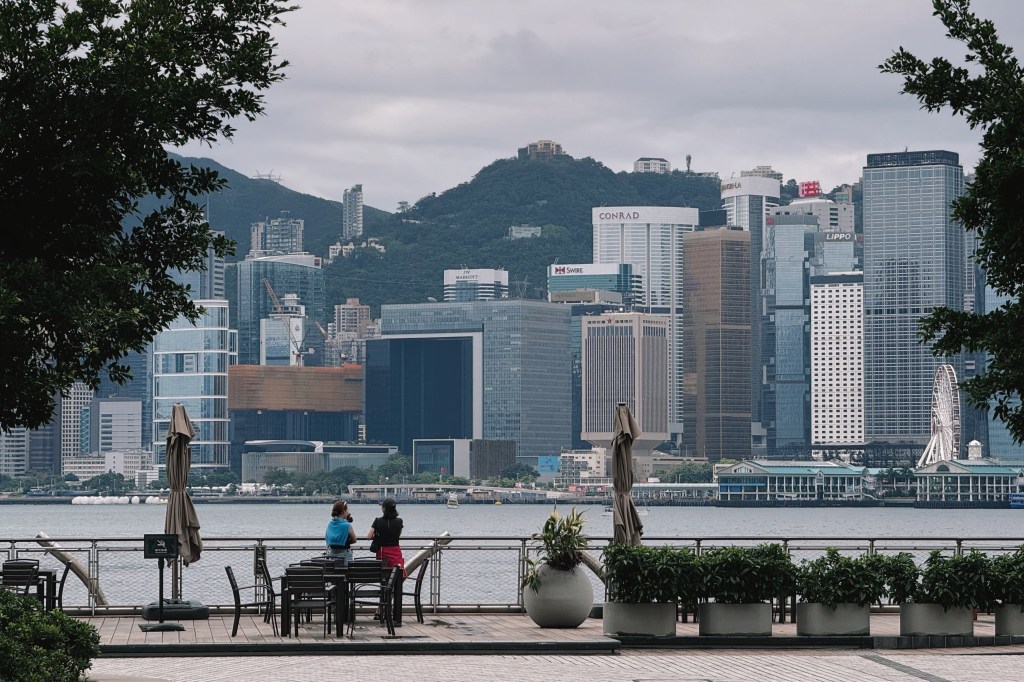
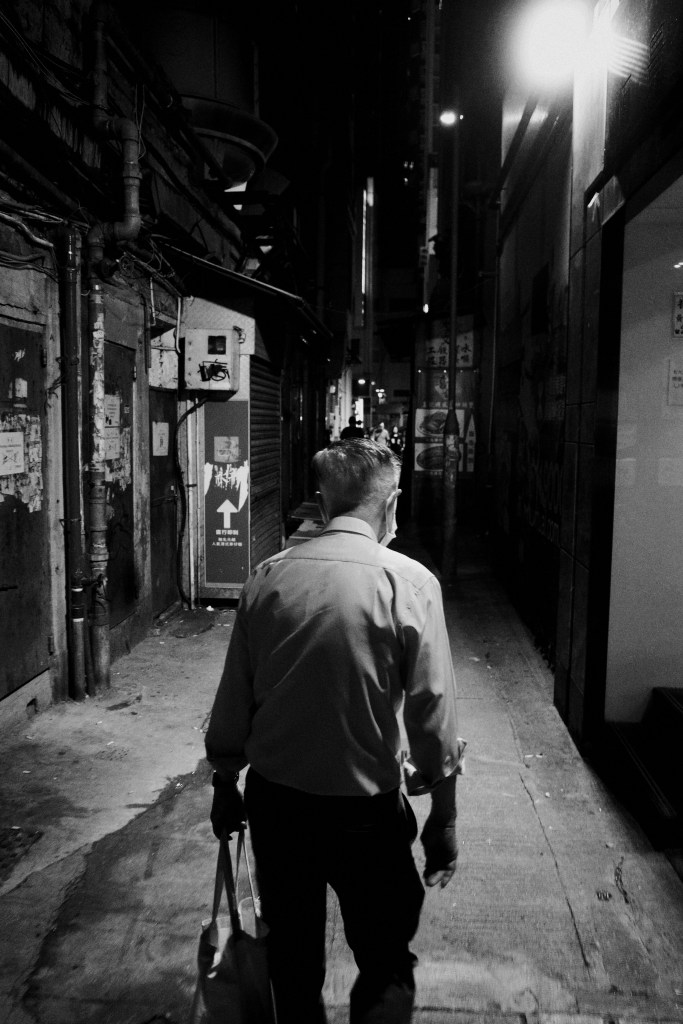
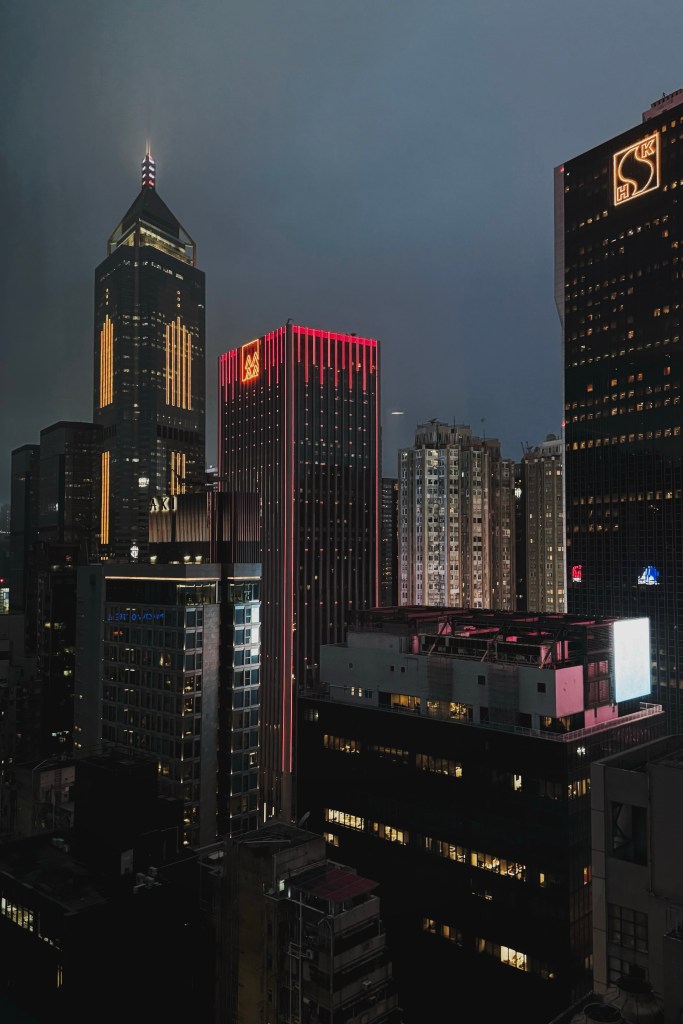
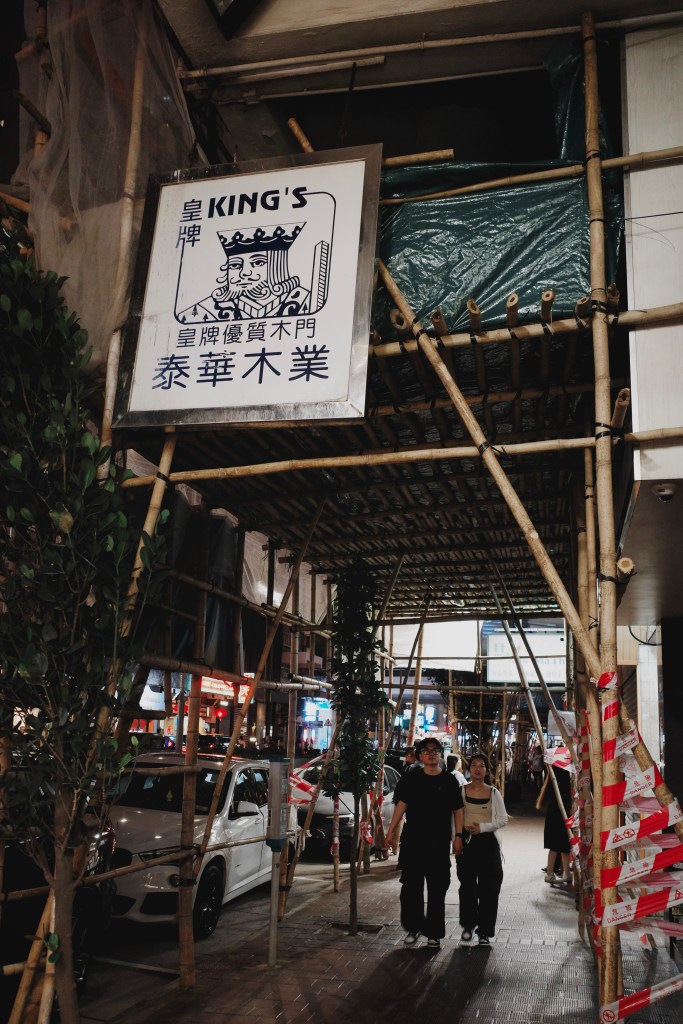
Except I’m not writing this on Sunday, no it’s currently Thursday and I’m getting a head start with some structure because we’ll be in Hong Kong for the weekend. It was a last-minute idea, driven by a primal craving for Chinese roast goose, a desire to escape the summer heatwave currently roasting all of SE Asia, and the realization that we won’t have a pocket of clear calendar space like this again for several months.
I haven’t been back in the territory since May 2019, and so much has obviously happened since. Did you know that this very site was once blocked by the great Chinese firewall? I have no idea why, but I hope I don’t find myself unwelcome upon arrival. Anecdotally, I’ve heard the city doesn’t quite feel the same these days, and we’ve seen the numerous ChannelNewsAsia documentary features about people looking for fresh starts, emigrating to the UK and so on. But as an infrequent visitor with only superficial interactions to speak of, I don’t expect to sense any changes at all.
What’s changed is that while I used to be excited about Hong Kong’s lack of sales tax and abundance of electronics and camera emporiums, not to mention official Apple Stores, those things are less interesting these days. I’ve got nothing on my shopping list (plus I’m in low-cost mode — see previous entries), I’m content with snapping photos on my iPhone and Ricoh GR III, and Singapore has so many Apple Stores these days I’ve started taking them for granted.
(CW: some camera nerdery ahead)
I am looking forward to photographing the city a little with Dmitri Novikov’s new camera app, Zerocam (in beta). The concept is an extremely simplified camera with one button; there’s not even a way to quickly look at the last photo you took. When you hit the shutter, a RAW image is captured with as little of the iPhone’s intelligent processing as possible, plus some specific settings that Novikov prefers (-0.5ev and some very light touch color grading, as far as I can tell), and then saved directly to a HEIF file.
Unfortunately it only gives you photos at 12mp size, probably because third-party apps don’t have the option of 24mp and 24mp is a result of the computational photography processes that Zerocam avoids anyway. And while you can use Halide to capture similarly unprocessed photos (turn off “Enable Smartest Processing” in its settings), you can’t make it remember a lowered exposure setting between sessions.
The intermediate solution I’ve landed on to retain 24mp files while getting better everyday photos is to set Apple’s stock camera app to remember a -0.7ev exposure, and tune Photographic Styles to -20 Tone and -7 Warmth. I really like the look of this “recipe” on iPhone 15, and it’s kinda like shooting with Highlight Priority exposure and the Negative Film effect on a Ricoh GR III (which I’ll also be doing).
Actually in HK now:
We’ve chosen a wet and gloomy weekend to stop by. Our flight was delayed by 2.5 hours, I suspect because of turbulent conditions at HK International Airport around our original arrival time. Just two days earlier, some Cathay Pacific passengers were tossed around and couldn’t land for six hours, with the descriptions of a vomit and scream-filled cabin in the news fulfilling the conditions of a personal nightmare.
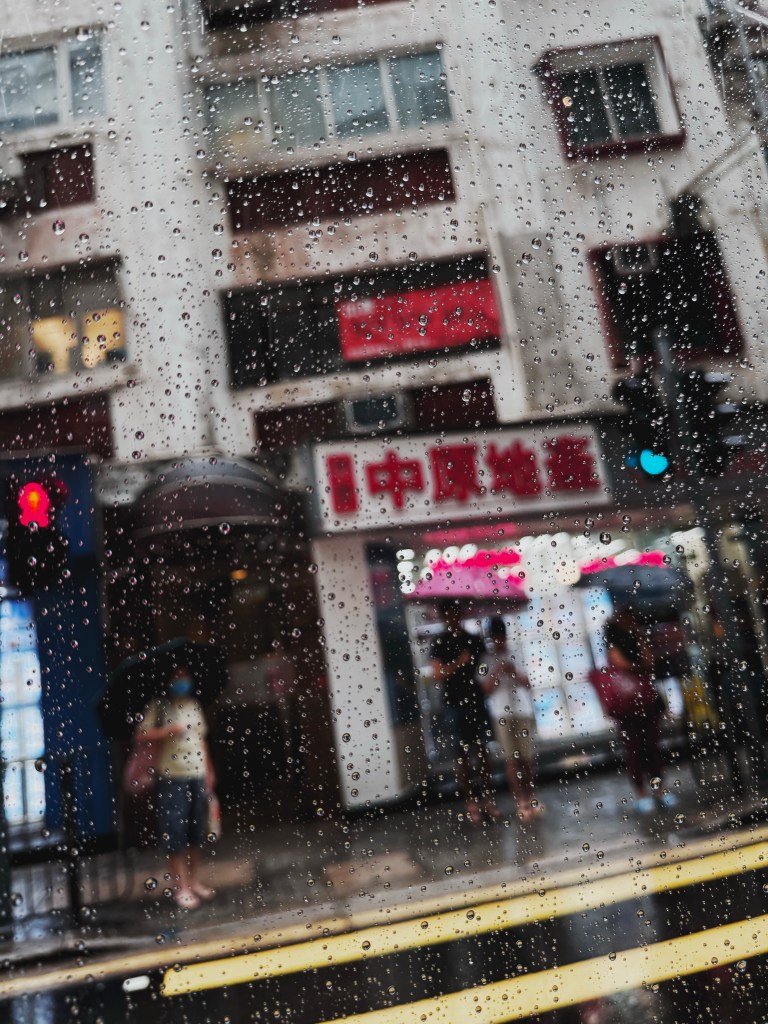
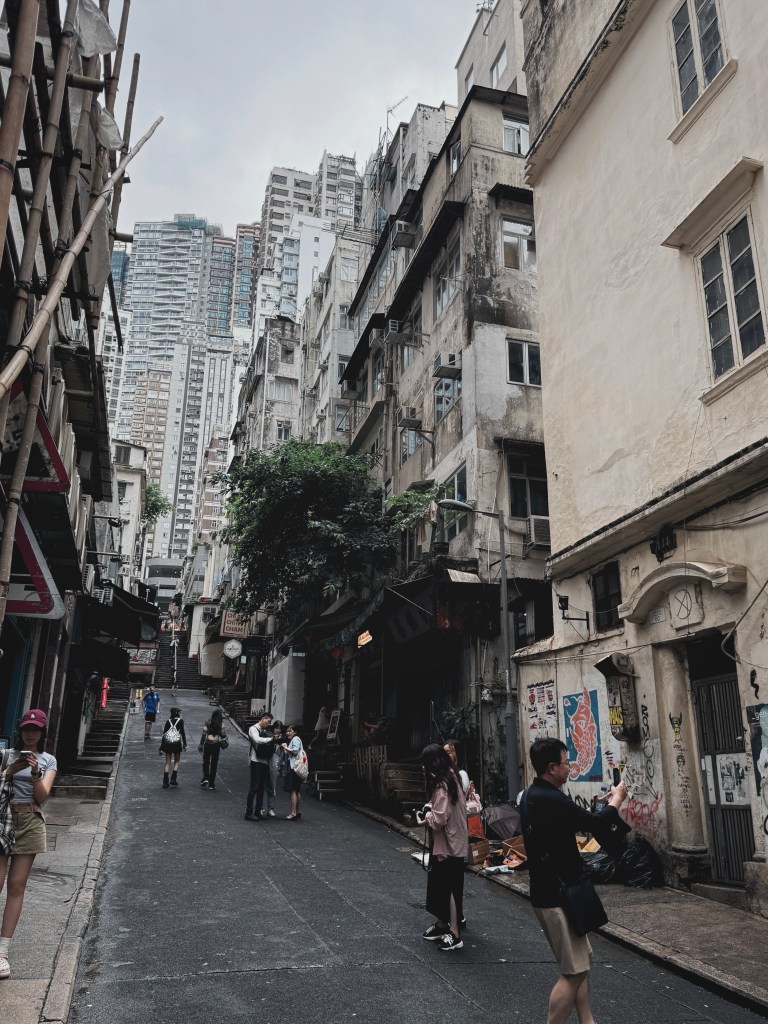
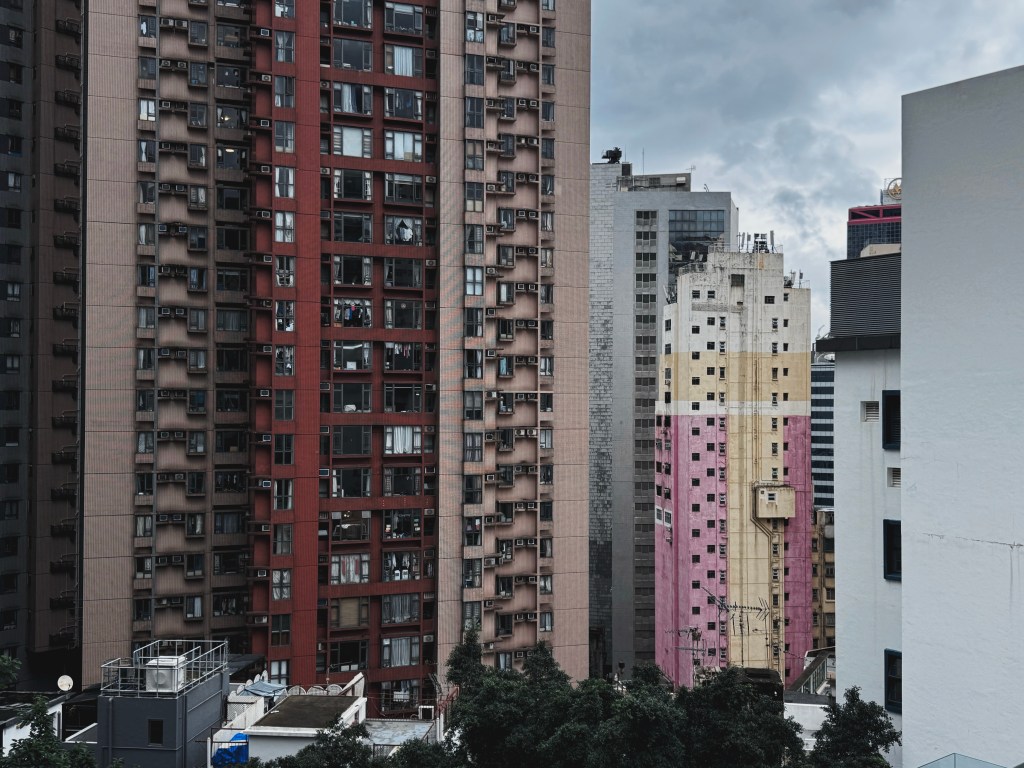
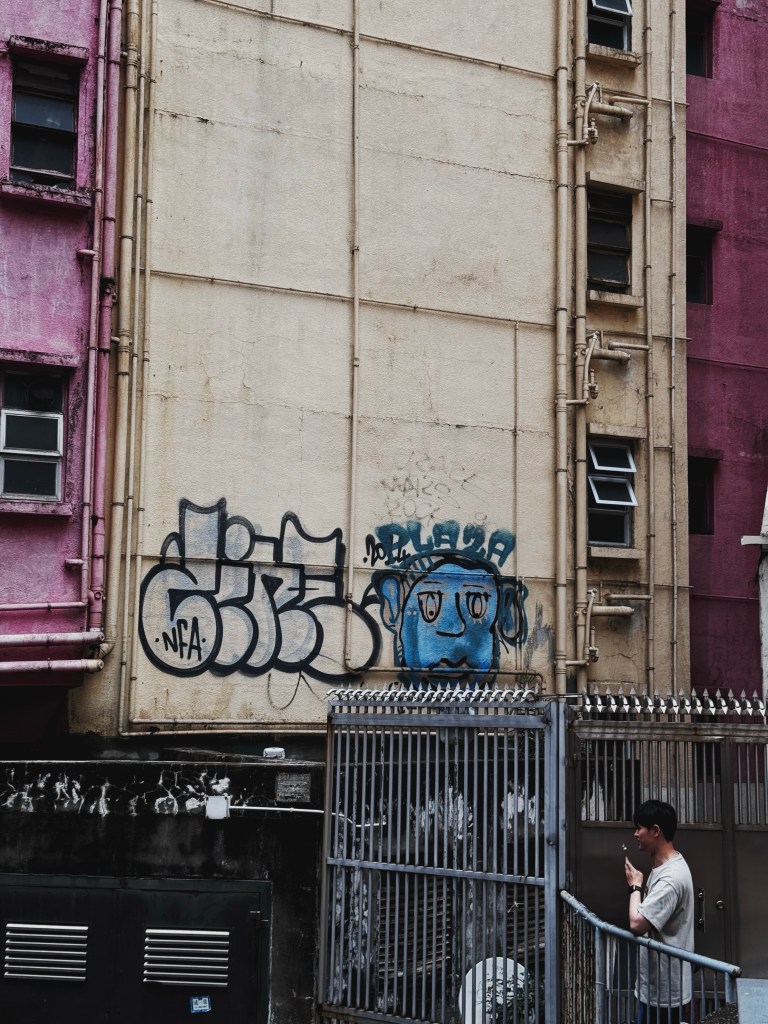
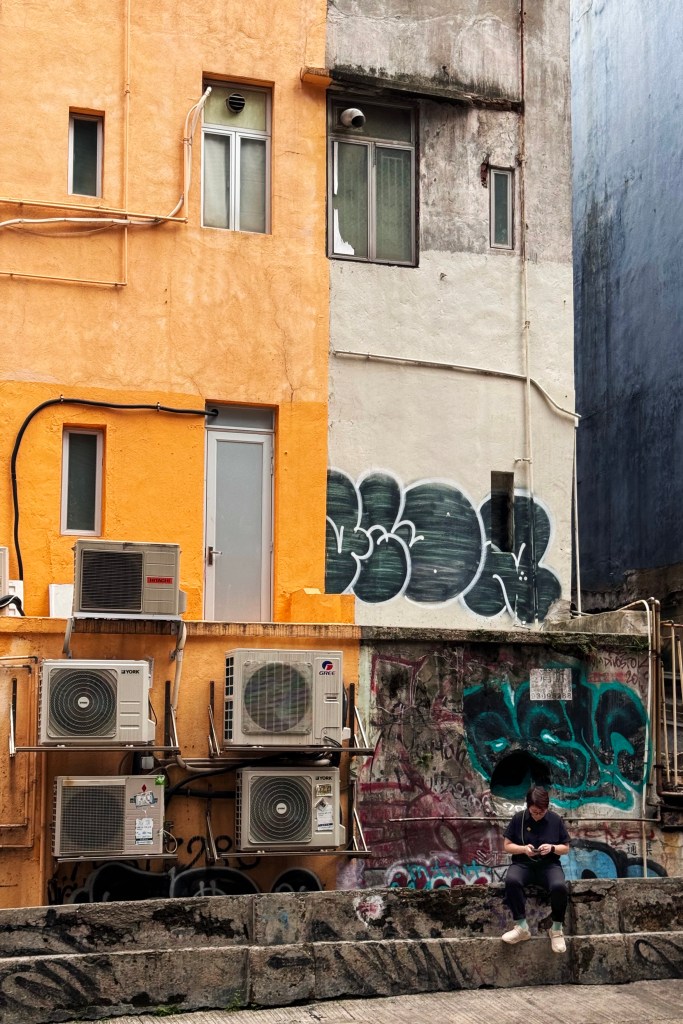
I take back a little of what I said — things do feel somewhat different. The city is grubbier than I remember; prices are higher and some people must be struggling to get by (well, HK isn’t alone in this); and there’s a hint of economic decline in the many empty shop units with ‘For Lease’ signs up.
One tool that’s been super helpful all week has been the Arc Search app on iOS, which added a voice mode that you can assign to the Action Button on iPhone 15 Pros. When the app launched with an AI feature that summarizes search queries on custom-generated webpages, I was wary of this “browser that browses for you” concept, which gives users few reasons to visit the underlying pages being mined (thereby ruining the web), but maybe they’ve made some changes since. It’s easier to click through to the sources.
I’ve been using it to answer questions like “what interesting art exhibitions are on in HK right now?” and it performs some light research, and I do end up visiting the linked websites for further details like location and pricing. It’s effectively a better way to present search results (albeit with the same bias and ranking concerns as search results). I hope iOS 18’s AI overhaul will see similar utility coming to Siri and Safari. Perhaps this is where the rumored Gemini partnership with Google comes in.
===
Media activity:
I started on a new Jack Reacher book: Night School. It’s what I do when I can’t decide what to read next.
I’ve been watching the new-ish MF Ghost anime, which is a sort of sequel to Initial D. Some people seem to think it’s an insult to the original show, but I wouldn’t know — I might watch it after this? It’s got a funny premise: in a future Japan, electric vehicles are the norm and gas-powered cars are only allowed in a special racing tournament called MFG. But drifting has become a lost art! Enter Kanata Rivington, a hafu born in England who trained under a master who I presume is the main protagonist of Initial D, returning to Japan for the first time to find his lost father and school a nation on how to burn rubber while chucking a uey.
The Japanese saxophonist Sadao Watanabe is back with a new album at the insane age of 91. It’s called Peace, and I’m digging it. Speaking of, I first heard him as a child digging through my dad’s music collection.
I’m also loving Tigers Blood, by Waxahatchee, which I discovered on Pitchfork’s list of The Best Music of 2024 So Far. I’m aware that Anna Wintour fired a bunch of people from Pitchfork and it’s supposedly not the site it used to be, but this is a great pick. They say: “Recommended if you like — Indie-country; Sheryl Crow; Gillian Welch; that Brad Cook Sound; MJ Lenderman showing up; catchin’ skinks down by the creek; ice cream stand off the highway; letting your legs dangle off a pier”.
What a week in rap battle history! The beef between Drake and Kendrick Lamar has been giving us explosive drama and incredible diss tracks, sometimes more than one a day, and Kendrick’s the winner in my book but honestly I’m afraid just watching it unfold. It feels like someone’s going to get shot or jailed as a result of this.
Oh one more thing! The Cannes Lions Festival announced the shortlisting juries for 2024’s awards, and I’m pleased to share that I’m on the panel for the Brand Experience & Activation Lions. That should keep me occupied for the next few weeks.
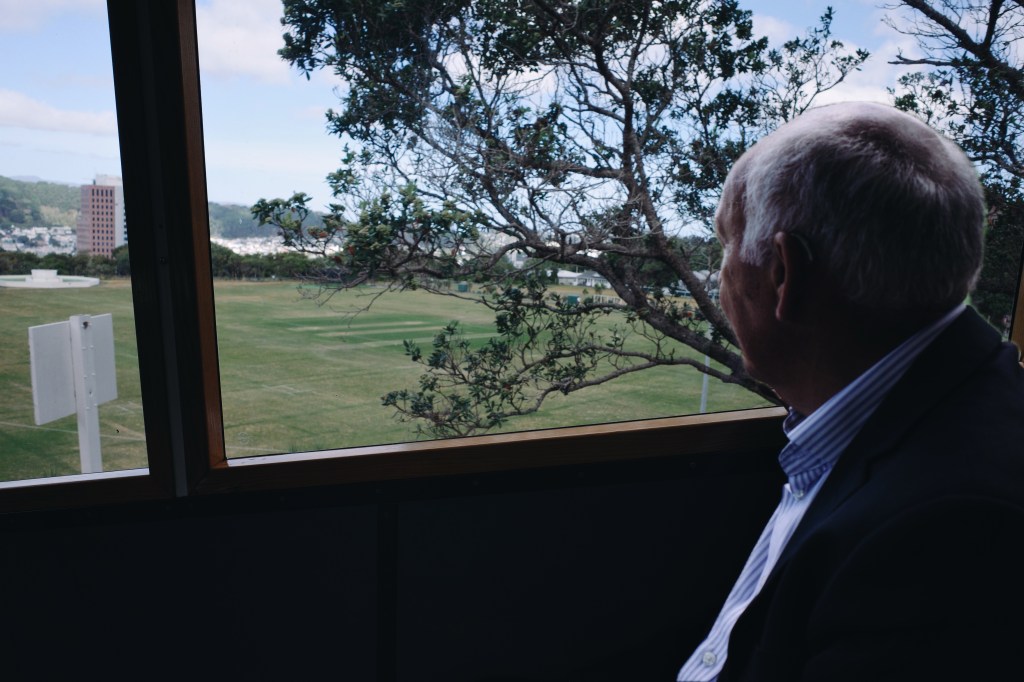
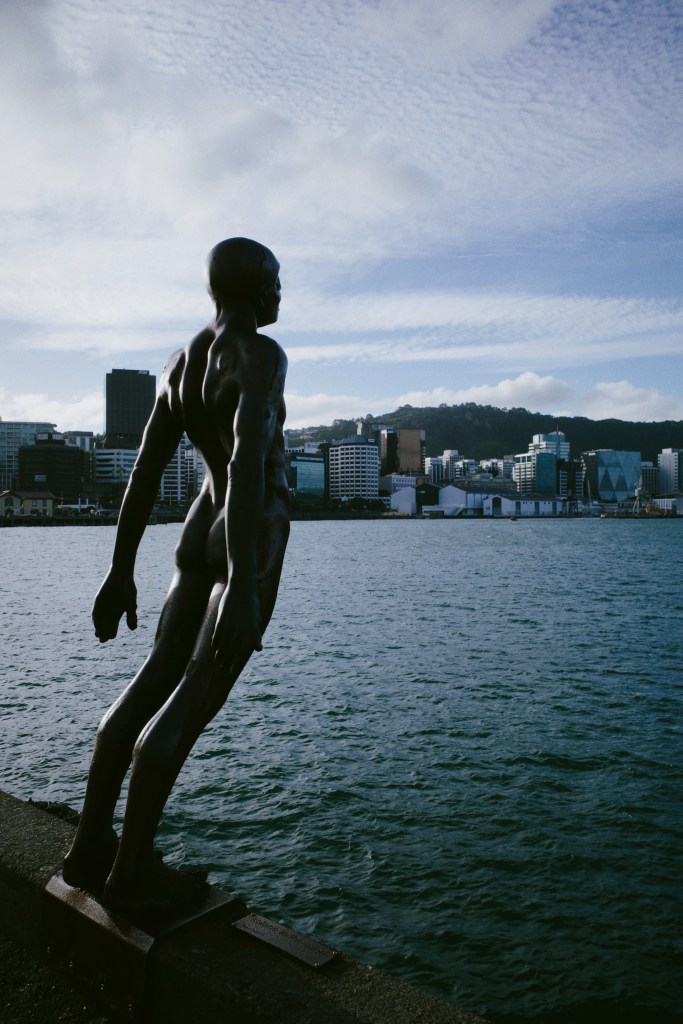
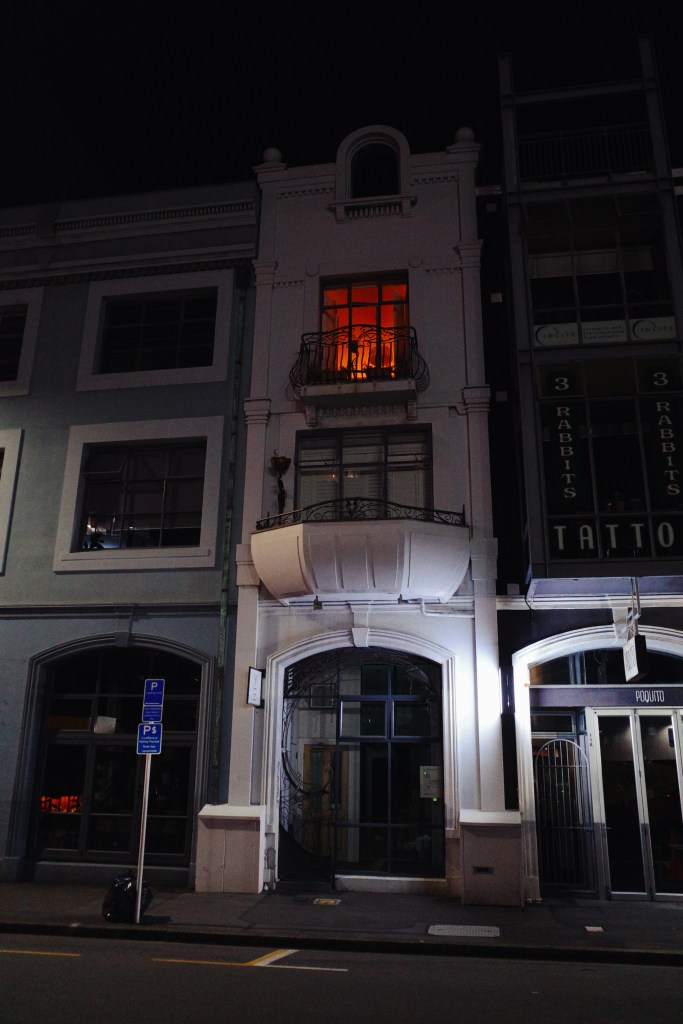
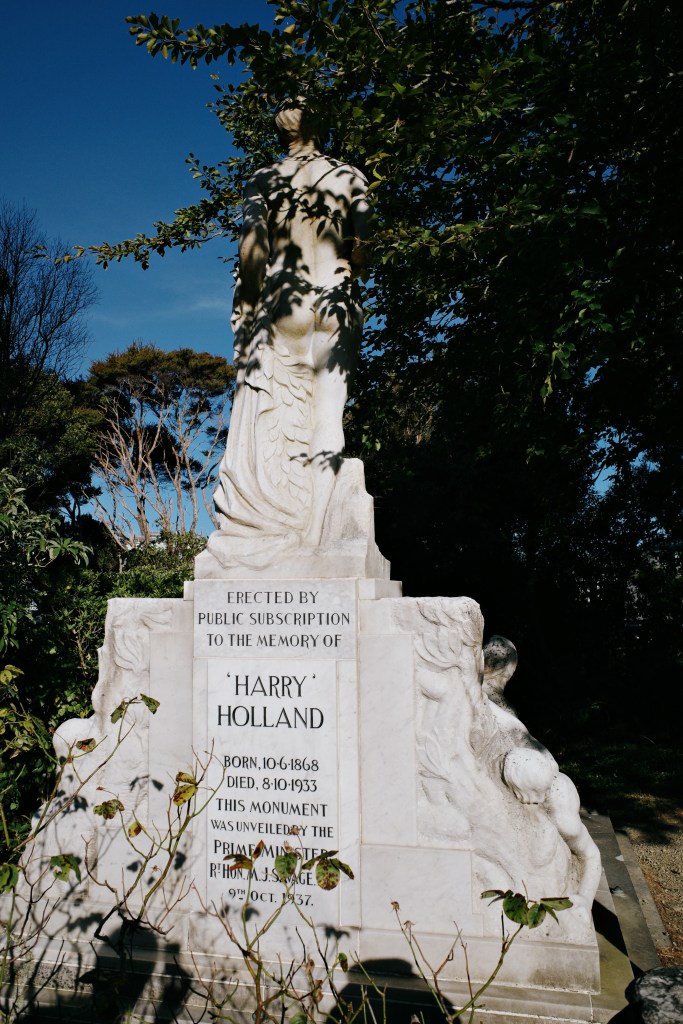
We landed in Auckland, New Zealand Monday morning and immediately flew down to Wellington, and we’ve been driving our way back north for the past few days. I’m currently writing this while sitting beside a Buddha’s head in a poolside garden, in a small new hotel outside of Rotorua.
Four hours ago, I was parasailing above Lake Taupō in my usual urban uniform of jeans and a t-shirt — if you know me, you’ll know that I don’t sign up for even remotely dangerous things, especially over large bodies of water; in the cringey words of Below Deck repeat charter guest, Dean Slover, I said “homie don’t play that!” But Kim convinced me to, and we survived. They played Maroon 5 songs on the boat going out, and so by the time we were lifted some 50 meters in the air to float in blissful silence high above the town, I was having a good time. Lake Taupō is a volcanic caldera that’s nearly the same size as Singapore, but because it’s all flat you can just about see from one end to the other from up there. New Zealand challenges the city dweller’s sense of scale like all good nature vacations.
Since leaving Wellington, the road trip portion of the trip so far has been mostly measured in burgers, fish and chips, and winery stops, specifically in the Martinborough and Hawke’s Bay areas where the tastings have been revealing of each company’s nature: some overly commercial and strictly scripted, versus others more informal, just going on vibes the only way they know. I think the difference shows up in the wine, with wineries in the latter category being more playful with flavor, more likely to put better stuff in a low-priced lineup. But I would say that, as someone who’s now had a crash course in holding up his glass against the light to observe the color.
I’m now lying in bed on Sunday evening having just finished the last leg of our driving tour, which took us to the famous Whangamata Beach bordering the Bay of Plenty, and Hunua Falls, where we did another little nature walk and met a nice dog and helped its owners get a photo together with their iPad. Old people really carry full-sized iPads around on hikes to use as large-screened cameras. Mind blown.
A couple of observations on this road trip. So much roadkill! Easily a hundred little bundles of fur spotted spread across tarmac just today alone. Some decayed and washed away, little more than stains. Some still fresh, bloating, bleeding. We avoided making contact with all but a couple. A ritual evolved, mainly to stay alert but also out of pity for these bunnies or squirrels(?): upon spotting one, I would put my palms together and say “rest in peace”, and Kim would follow with “in all your pieces”.
FM radio is still not a great experience; it’s a wonder how people survived on it for so long. Fortunately I had a lot of downloaded music on my iPhone, which also navigated us with offline maps. CarPlay is excellent, and Apple Maps was good enough for nearly every leg of the journey. We listened to Lorde’s albums, of course, as well as the Sunkissed Summer playlist she compiled on Apple Music, and other New Zealand legends like Bic Runga and Crowded House. At one point I put on some J Dilla but learnt that rhythmic music you can sort of nod and zone out to is NOT what a driver wants over long winding roads.
As I mentioned last week, this itinerary was drawn up with ChatGPT and my custom GPT, AI-tinerary, but we had to fact-check everything and plot the route on a map before making bookings. It’s held up well so far, with a couple of impromptu detours and chance discoveries along the way. For one, we did not realize that while passing through Napier for one night that we’d be there for the Art Deco-obsessed city’s annual Art Deco Festival, the first one they’ve been able to hold since 2020. Vintage cars were out in force, there was a Warbirds air show, and a free concert on the beach. It was packed, every restaurant was booked out. We ended up eating dinner out of a food truck by the sea. I asked ChatGPT “what’s happening in Napier tonight?” and it confidently replied, “I couldn’t find any events tonight.” At the risk of sounding like a broken record, these tools truly are starting points and aids right now, and you must resist the idea that they are final answers.
I’ll post the final version of our itinerary next week when we’re done, in case it helps anyone looking to do the same.
All photos were taken by either a Ricoh GR III or iPhone 15 Pro Max. The extra 120mm equivalent reach of the iPhone came in very handy, but there’s no beating the image quality of the GR when it comes to landscapes. The light was so good that some photos taken with the Standard color profile, straight to JPEG, were surprisingly “finished” out of the camera. This year’s iPhone still wants to make everything bright and sharp, which fails to capture atmosphere and preserve highlights. I edited photos daily as quickly and lazily as possible, using RNI Films for most of it — at some point they added the ability to save edits on top of original files (non-destructively), which is a key consideration I look for in photo apps. I’ve also started using RAW Power again late in the trip, which is making me want to go back and redo some edits. Maybe on the flight home.
A little while ago, I learnt that an ex-colleague of mine has received a stage 4 cancer diagnosis, and he’s only a few years older than me. Despite the fact that more “young” people seem to be getting cancer, it was still a deep shock because Tony was always incredibly fit and dedicated to his health. He’s been writing openly about his thoughts and experience on his Medium account, which I read before meeting him for lunch with some other former colleagues this week. It was tough seeing him in poorer shape, but true to his personal brand, he seemed extremely pragmatic and matter-of-fact about it all.
We worked on the same team for about a year back in 2018, but were only on one project together as peers, leading design activities and client workshops together over a few months. I count myself fortunate to have had that experience, and learnt a lot from his confidence and wealth of technical knowledge when it came to UX matters — which was not my area of focus. Even then it was clear he had a knack for facing reality, and a passion for making sure the younger generation had their eyes open to the inequities of working life. Not always a popular topic, but life sucks. He mentioned that whenever he finds the strength these days, he works on his own design education materials that prepare students for non-ideal situations, and I thought that made perfect sense for him.
Many of the things we talked about over lunch echoed other conversations I’ve been having with other friends. Maybe it’s the return of tech layoffs in the news, but negative sentiments seem as high as they were during Covid, with the questioning of boundaries and priorities taking place again. Tony understandably tried to impress upon us that some things aren’t worth having as regrets, and that we should make better choices while we still can. When I asked him what else he does now on days that aren’t lost to medical interventions, the answer was surprisingly similar to how I spent most of my year off work: reading, writing, and drawing.
Peishan shared this Guardian article about people with cancer who’ve found the clarity to spend their remaining time meaningfully, and I thought Mark Edmondson landed the point that some people have trouble getting: the work that gives you purpose today isn’t the only purpose you’ll have.
People (usually millennials) also mention the difficulty they have switching off from work. On a daily basis, but also when they go on vacation — taking half the holiday to get into holiday mode is a terrible inefficiency. I recall it took me months to unwind from a state of nearly burning out and to stop worrying about my “sabbatical ROI”. We should be like newer hybrid vehicles that can shut their engines down when idling at traffic lights and spring back to life quickly when needed, but instead us older cars only know how to burn gas all the time. I want to be a disused school bus just rusting in a field, bright yellow and unbothered.
===
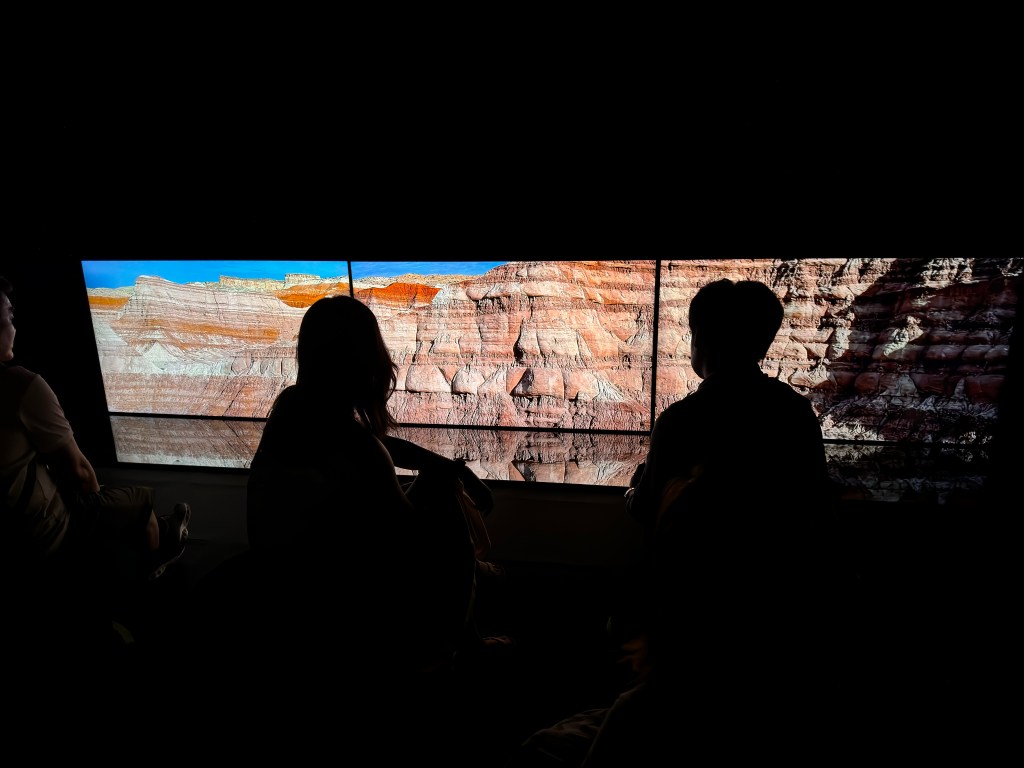
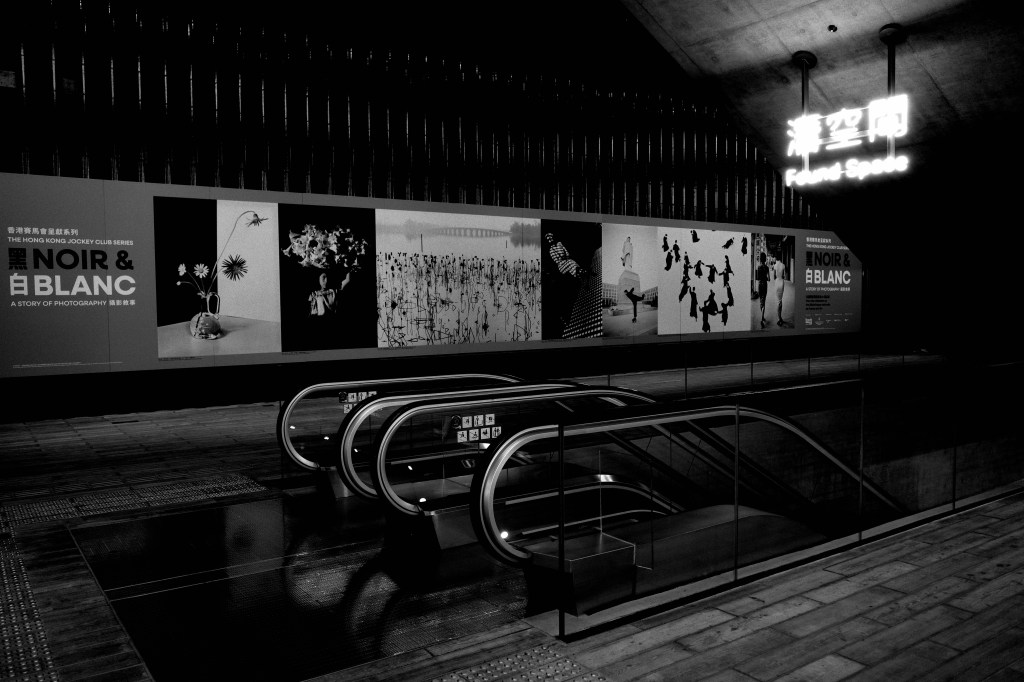
I visited the Prix Pictet photo exhibition that’s part of Singapore Art Week (maybe it’ll be the only event I attend from this year’s edition) and found it beautiful but gosh it was mostly depressing. The theme was “Human” but it may as well have been “Human Suffering” — from communities devastated by the effects of mining and metal poisoning, to the plight of illegal refugees trekking 66 miles through jungle in search of better opportunities, they seemed to comment that there’s not much joy in being human these days. I joked halfway through that I hoped there would be a series of mundane birthday party photos at the end. There wasn’t.
Kim spent most of her week preparing an elaborate, successful Indian dinner from the Dishoom cookbook, but that’s really a story for her own weeknotes if they ever happen. The takeaway for me has been that, after seeing how the proverbial samosa is made, the Indian takeaways we usually get are probably quite unhealthy and we need to cut down.
Nintendo is having a January sale on the Switch eShop and I considered getting the remake of an apparent classic time loop visual novel, YU-NO: A girl who chants love at the bound of this world, yes, that is its title. It’s apparently the spiritual forebear of games such as Steins;gate, but after watching a short gameplay video on YouTube, I decided that since life is too short, I really didn’t want to punish myself. An anime adaptation was made a few years ago, so I will simply watch that instead.
We are enjoying the new British police drama Criminal Record on Apple TV+. Peter Capaldi is really good in it, although all the police work and cornering of baddies with their secrets is carried out really incompetently.
Can you believe that The Smile dropped a new album a couple of days ago and I had to find out from YouTube instead of Apple Music? Seriously, I’m looking at my For You page and it’s not mentioned under New Releases. This music video, where the band plays a new song for an auditorium full of young children — most of them bewildered or bored out of their minds, but with a couple really into it — is such a simple and charming concept I can’t believe I can’t name another time it’s been done.
Greetings from beautiful Chiang Mai on this last day of the year. It’s my first time here, and I’m sure it won’t be my last. If anything, I’m kicking myself for not coming sooner — it’s currently a very cool and walkable 25°C at 11am, and temperatures go below 20°C in the evenings; Microsoft Copilot with Bing tells me it’s the safest city in SE Asia (wha?); and the food and coffee have been top notch so far.
We’ve also been to a cool cocktail bar with live jazz in a basement speakeasy-like space, and another “live house” with a mix of bands playing each night. Coming from Singapore where jazz clubs are a rarity, and almost exclusively the domain of old people, it’s been surprising to see many young people in attendance, although I can’t be sure they enjoy the bands. They seem to pay more attention and clap louder for the pop cover bands.
One amazing performer I heard was Joshua Lebofsky, originally from Canada, who sang and played a straight hour of jazz standards and pop interpretations on piano at The A Ter (theater). They were fantastically musical and soulful variations, and I was glad to be able to tell him so afterwards; sadly he hasn’t got a social media presence, but there’s an album from 2006 on Apple Music: Play A Little Prayer.
If we lived here, I would be a regular patron at these places for sure (especially at prices roughly half those back home). The non-existence of a vibrant jazz scene is such a shame for Singapore, because we have quite a few talented jazz players who end up being session musicians for mandopop performers most of the time, probably due to the economics of the music scene. I guess these are the third-order consequences of necessarily narrow education policies in our early years.
We also went on a walking street food tour and a cooking class at a small organic farm and school (where I was snapped in a farmer’s hat looking glum at having been dragged along, but ultimately it was a good time and the food was, like all of it, quite excellent). An intriguing culinary detail here is how Hainanese immigrants created their own localized chicken rice combining the steamed chicken with deep fried chicken cutlets and an entirely different chilli that’s dark and savory, with fermented soybeans and fish sauce?
Here are some photos, all from my iPhone 15 Pro Max. I made a new Darkroom preset to handle the light and scenery here, and I think it’s a versatile look I’ll probably be using for a long while. I’ll probably share it here next year after some fine tuning!
Anyway, Chiang Mai. Come by, it’s lovely enough to consider buying an apartment in, but I’ve only been here a couple of days.
===
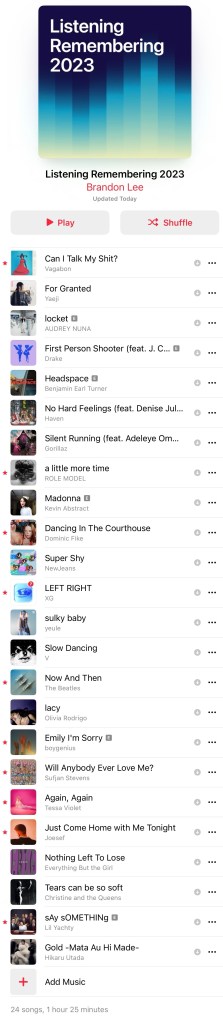
On the 45-minute minibus ride back from the farm last night, I managed to throw together my end-of-year playlist with some not-too-shabby transitions (I recommend turning crossfading on; 3 seconds). This is partly a diary of associated memories and partly what I’ll remember as the year’s best songs. This process usually takes much longer but everything came together on a stomach full of coconut curries and fresh herbs and spices they had us pound in a mortar ourselves.
























































 sangsara.net