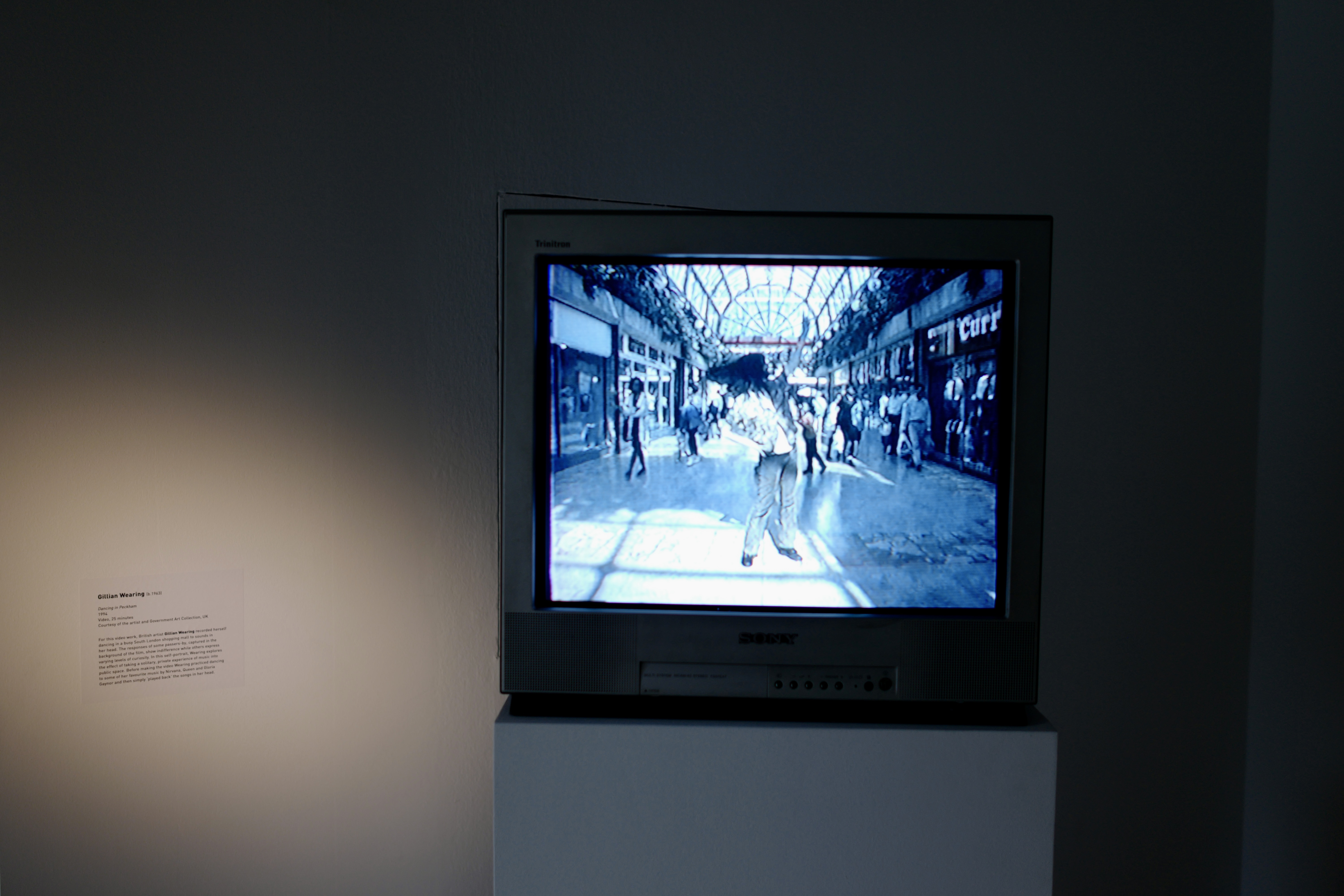
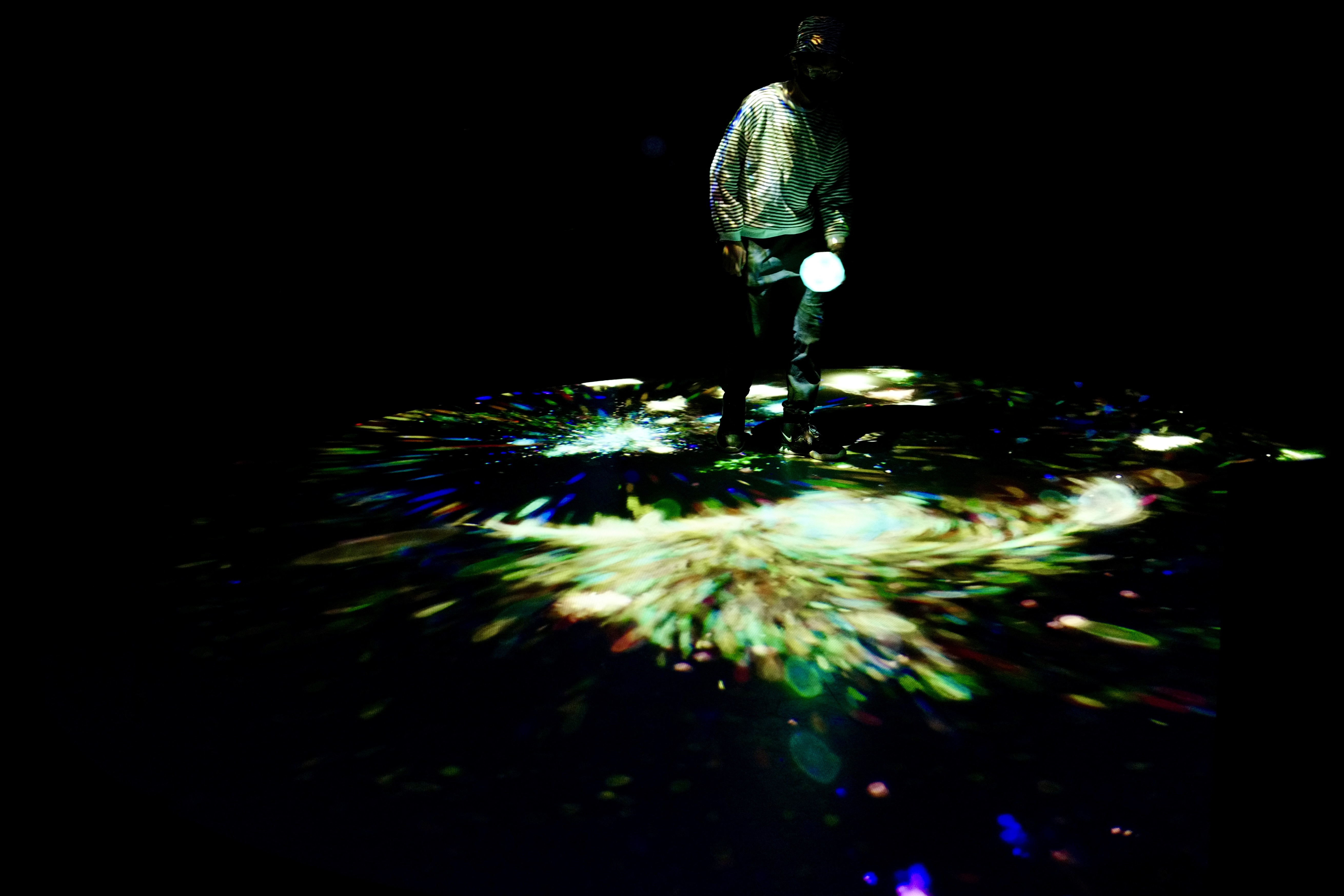
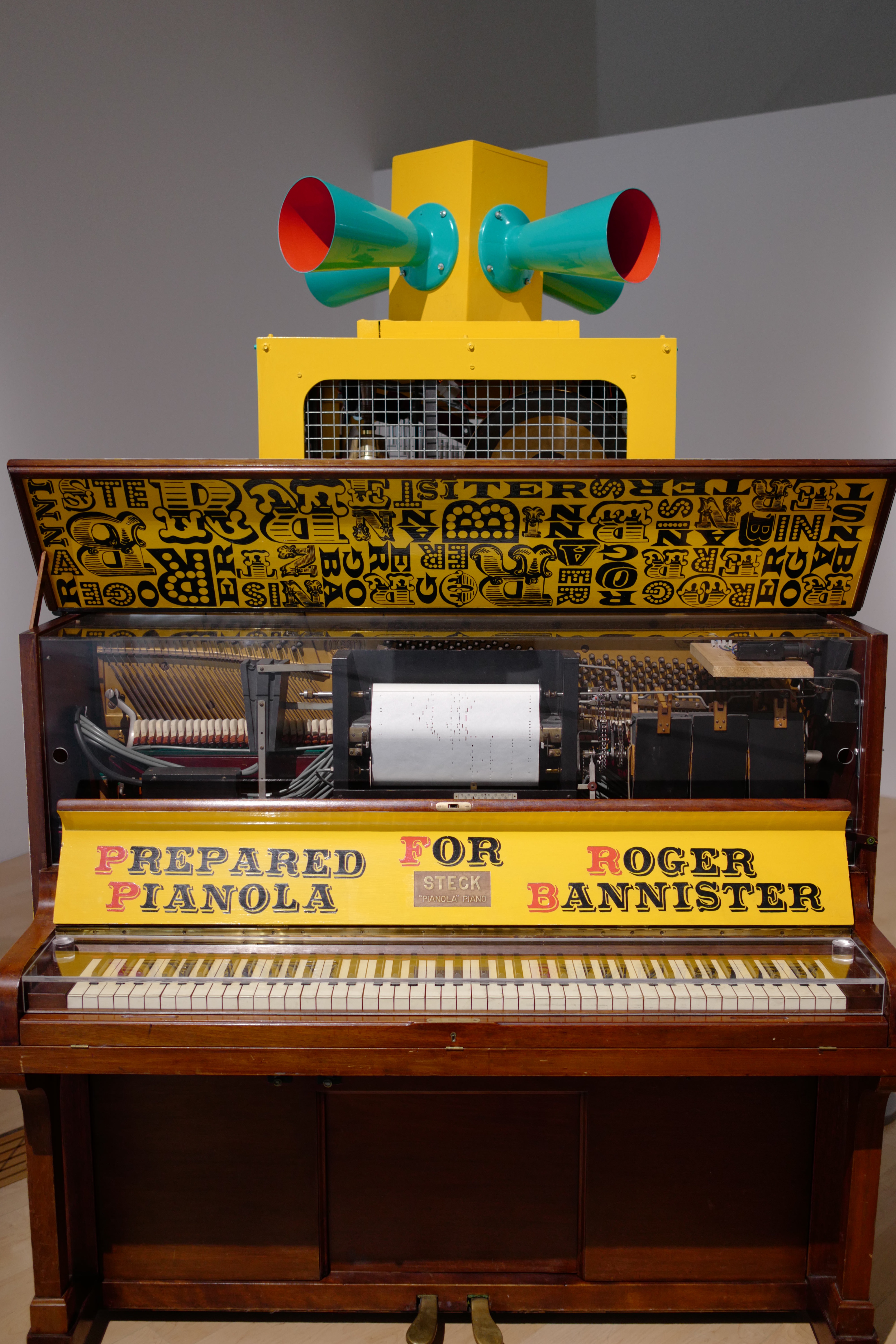
- On Monday we had the day off, so it was off to IKEA for some shopping (reasonably crowded for a weekday) and then the ArtScience Museum at Marina Bay Sands (not very crowded) to check out two exhibitions. One was kinda video gamey, curated by Tetsuya Mizuguchi of Lumines and Rez fame, and the other was about Sound: artworks visualizing it, historical inventions, and novel ways of experiencing it.
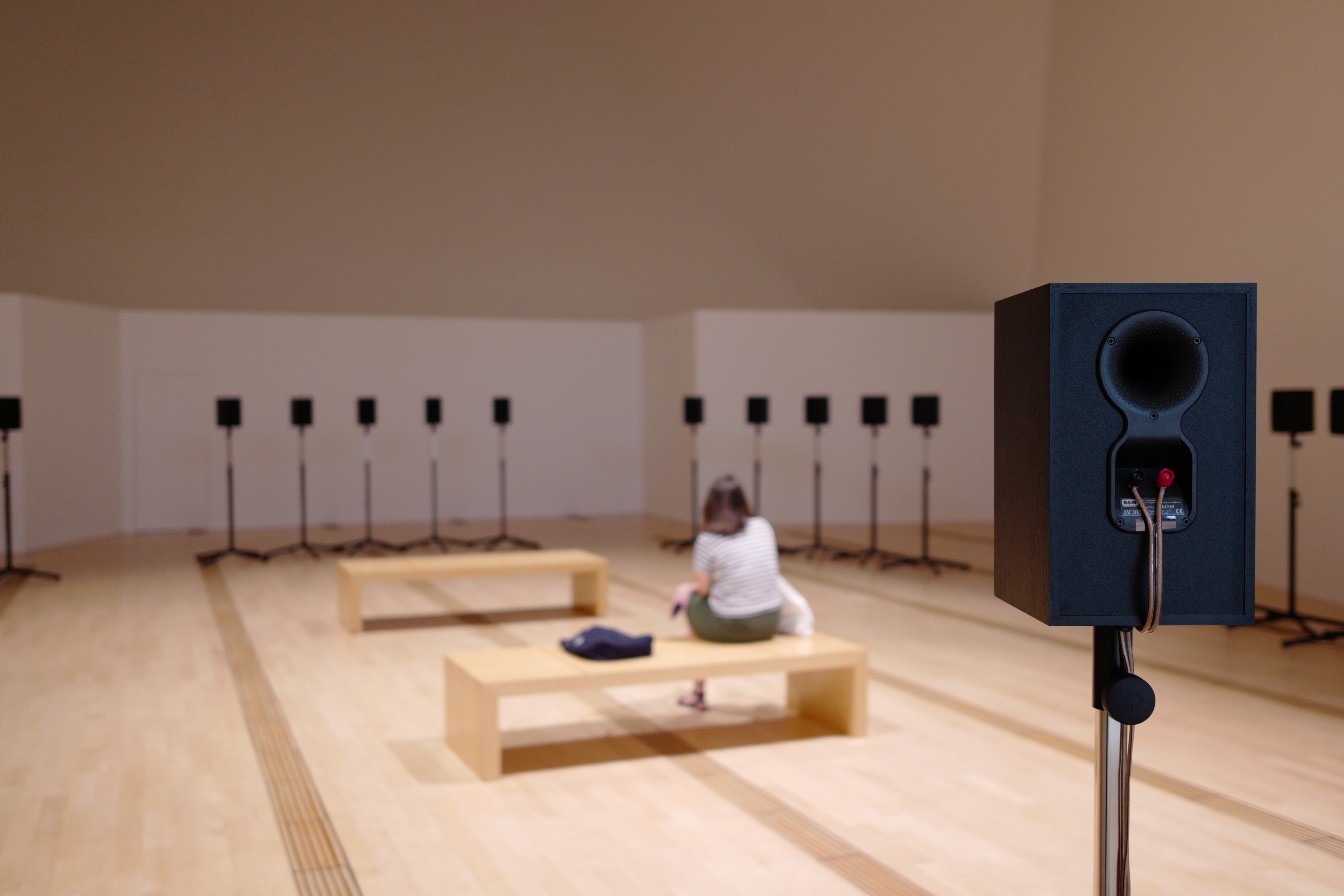
- The most powerful bit was probably at the end of the above mentioned Orchestral Maneuvers attraction. 40 loudspeakers, each one playing a discrete recording of a single vocalist, working together to literally surround you with a choral musical work. You know what stereo separation sounds like, and even what spatial audio with Dolby Atmos sounds like, but this was on another level for recorded sound. You could walk around and change the mix, as it were.
- Thursday was another day off, with the Diwali/Deepavali public holiday here. We didn’t do anything of note apart from going out to eat way too much Chinese hotpot. I still think of our visit to Taiwan just before Covid-19 hit, and how we ate at this Wulao hotpot restaurant multiple times. If there was stomach space left at the end of a night after cocktails, Wulao. No plans for lunch the day after, Wulao. I’d previously never gotten into that sort of food before, so it was making up a lifetime of ignoring hot tofu skin, coagulated duck blood, and other things that don’t sound so nice when typed out.
- We saw the new Apple TV+ movie, Finch, starring Tom Hanks. Two of the biggest films on the service star the same guy, which is slightly odd. Anyway, I enjoyed it just fine. They also did good work on the CGI because I often forgot that a certain element wasn’t actually there in real life. 3.5 stars.
- Someone mentioned a mutual acquaintance had gotten a job at Facebook, and a quick look on LinkedIn indicated that they are hiring aggressively for the local office, which led to a discussion (okay maybe more of a rant on my part) about people who make the Faustian bargain of working there. Then I came across this piece in The Atlantic saying perhaps it’s time we regard the company as a hostile foreign power rather than just a corporation. Still, calls like these have been made for years, and I think the simple fact is that Facebook has reached a state of untouchability. Money breaks down enough resistance to ensure that they’ll always be able to hire; hell, we all have a price. I see little hope of them being dismantled by either customer outrage or legal process. We can only hope for an unforced error. May the Meta era push for ecosystem ownership be full of them.
- Radiohead’s newly rereleased KID A MNESIA albums have been on rotation. It was an amazing period for their music, although I’d still have to give the crown to OK Computer. I remember having a copy of Amnesiac that came in a little red hardcover art book. I wonder where that went.
Tag: Technology
-
Week 45.21
-
Week 38.21
Media diet
- I picked up Jordan B. Peterson’s 12 Rules For Life after coming across a few of his videos on YouTube. It’s a combination of anecdotes from his experience as a clinical psychologist, insights from his study of Christianity as a pillar of Western culture, and long-assed tangential stories and did-you-knows, the kind that only a supremely confident and self-interested extrovert can tell at a dinner party, padding it out for the sheer enjoyment of the storytelling process. 3 stars, I suppose.
- Went out and saw Dune Part 1 in a plush cinema, where most of us were eating and drinking with masks off for the majority of the two hour and forty minute runtime. If I got Covid from this, would the movie have been worth it? No, of course not, but the length of the pause indicates the film’s score. This warrants a prolonged “Hmmm” at least. It’s something I’d happily watch again, and it didn’t feel long at all — I’d happily have sat through the next half right there.
- Foundation comes to Apple TV+ next week as a series, and while I can’t recall a damned thing about the first book which I read as a teenager, I’m really looking forward to seeing Apple spend that iBegotten cash on some epic space shit instead of real-world dramas and comedies. Prior to seeing Dune, I was often mixing up the two franchises in conversation because I probably read them around the same time in my life, as one does.
- Zookeeper World on Apple Arcade has not been as addictive as I’d hoped. Perhaps it’s the landscape orientation, or the UI for managing your zoo. Maybe I don’t want to manage a zoo at all. In what must be a data-driven programming decision, Friday saw the release of another match-3 game on Arcade, Temple Run: Puzzle Adventure. This one plays in portrait, more closely resembles Bejeweled’s proven gameplay and power-ups, and with a streamlined approach to story and progression. I find it much harder to put down as a result.
- I “pre-ordered” World Flipper on my iPhone as soon as I heard about it, because it’s a F2P mobile gacha game with pinball as its gameplay mechanic. But I left it untouched and didn’t start playing until I saw this review pop up on Twitter. It’s a 2019 Japanese release from CyGames, which made Dragalia Lost with Nintendo, so it could be pretty good. I’ll put more time into it soon and find out if it’s the one for me.
Patrick Kleplek, Vice/Waypoint:
I’ve spent the last week thinking about this comment made by a follower on Twitter and the dark energy that surrounds it: “Everyone is just waiting for the gacha made just for them.”
The gacha game that grabbed a lot of new people was 2020’s Breath of the Wild-esque Genshin Impact. The gacha game for me is, apparently, World Flipper, a pinball RPG that had its “global release” this week.
===
Apple gear stuff
I’m writing this week’s update from a new MacBook Air and boy is it nice to have a full-sized keyboard again! The last Mac I bought was an 11″ MBA back around 2011, as a complement to my iMac at the time. Big mistake, trying to have two Macs; it hardly got any use and was eventually handed down to my mom.
Then I went down to zero Macs around 2017, my work laptop aside. It was with the advent of the Files.app on iOS and the sufficient stability of iCloud Photo Library that it became semi-feasible to use an iPad as one’s main computer. Now and then I still relied on my work laptop for a few tasks that you just can’t do on an iPad, e.g. updating firmware on external devices, using Calibre for managing a library of ebooks, web apps like Figma or Miro that don’t perform well in Mobile Safari.
Over the past couple of months, I started to think about getting the cheapest, most basic MacBook later this year or next for infrequent personal use. But it was not a priority or a pressing need — I really enjoyed living off an iPad, perhaps masochistically. Then an opportunity to get a good deal on the M1 MBA suddenly presented itself ahead of schedule (thanks, Robyn!), and I found myself saying okay before I could overthink it.
I understand that many reviews rate the M1 MacBook Air a great computer, but I haven’t read any of them because I’d “left the Mac world”. So I wasn’t really ready for how amazing this is, especially for a base model, which doesn’t feel compromised to meet a price target in any way. It feels more capable and responsive than the top-end 16″ Intel MacBook Pro I was using just months ago.
As a result, I find myself using it more each day than I’d planned. Theory: the device with the biggest screen mentally becomes your “main computer”. And the windowing UI of a Mac just makes it natural for you to sit down, get comfortable by getting every app and document open, and then watching hours disappear just goofing off. The iPad’s multitasking limitations kinda protect you from that by requiring conscious intent at every turn.
Of course, it was also the week in which the device with the second-smallest screen got updated, and in my opinion these new iPhones are meaningful updates. Certainly the XS was the slightest and maybe the worst value, and I got one that year even. But most years I go through this dance of setting out to resist upgrading — last year was an exception because I’d been waiting years for a return to flat edges — and then the FOMO increases hourly until pre-order day where I inevitably capitulate. The same happened this year (13 Pro in Silver), and I’m now resigned to just being that fool, that insufferable self-debater, that joke of a justifier, balancing insincere buyer’s remorse and tainted consumer delight in a joyless game of self denial. I should stop getting in my own way and just sell the kidney with a smile from next year on.
-
Week 37.21
- On Tuesday, I watched with some interest as El Salvador became the first country to accept Bitcoin as legal tender. There were videos online of people paying with Bitcoin Lightning at major brands like McDonalds and Starbucks; small purchases going through quickly and with virtually no fees. It seemed as good an experience as paying via GrabPay or PayLah or any of our local solutions, only with no intermediaries and using an alternative monetary system. How many years till we can do that anywhere, I wonder.
- No new NFT purchases, but about a year ago we bought some art for the home and had them all framed. Because we never got around to putting nails in, they’ve sat against the walls until this week when we had someone come by with a power drill. It’s kinda weird to see them not leaning against the walls, to be honest.
- Ricoh surprise-announced a new model in their GR series, which I love intensely. The GR IIIx is the first to not employ a 28mm (35mm equivalent) focal length: it’s 40mm instead, and I think it might just be the Goldilocks choice for any trip where you just bring one compact. Tight enough to get capture points of interest with some background blur, and still just wide enough for some landscapes. Or else there’s always your smartphone.
- What I like best is that the new focal length gives my aging GR (first-gen APS-C model) a reason to keep existing. They don’t have to compete. I got it out of the drawer to take a few shots around the house and remembered how great it is to use in the process.
- On Saturday, some friends came over for dinner and Howard brought his Oculus Quest 2 along for me to try out. I’ve lightly considered getting one as a couple of colleagues have it too, and during the 9.9 sale on Thursday the realization that a Quest 2 goes for the same price as a new Nintendo Switch OLED helped me to back down from buying one of the latter on Lazada. It turned out to be for the best, because I found that I can’t fit my glasses into the Quest 2 at all, and my large head doesn’t make things any easier. If I were to get one, I’d have to spring for a spectacle spacer and a bunch of other accessories.
- Michael published his Weeknotes first, which reminded me that The Matrix Resurrections trailer dropped. Kim hadn’t seen any of the films, unbeknownst to me, so we watched the first two over the weekend. The first one still holds up, of course, but while I had no problems with Reloaded back in the day, I didn’t retain any strong memories of what the plot was about; just the spectacularly overblown fight scenes. Seeing it again now, especially with the help of subtitles, I think I finally got what it was going for. Not that it’ll redeem Revolutions for me, which I hated so much for not doing justice to the whole set up (I really bought into an online theory that Neo was an AI/human hybrid meant to bridge the two sides, which explained why Keanu was cast — he’s intentionally wooden!) But hey, maybe I’ll like it this time!
https://twitter.com/eplerjc/status/1437161913587097600?s=21
- This tweet helped me to see that it does take longer than you’d think to disconnect from work/overwork. I thought I’d gotten to a good place in just a couple of weeks, but looking back, I’ve been giving myself a hard time about not being productive enough, not doing enough each week to learn new things, or start new hobbies, or have enough fun — and all of that is a psychological holdover from the rhythms of work/overwork. I don’t know if I can label what I feel/felt as burnout, so I’ve not used that term very much. But I did aim to take a break and be intently relaxed. It’s only now that I’m finally beginning to BE relaxed about it, as opposed to relaxing on demand. So that’s it for now. I didn’t do a whole lot. I may not do a whole lot next week. It should be fine.
-
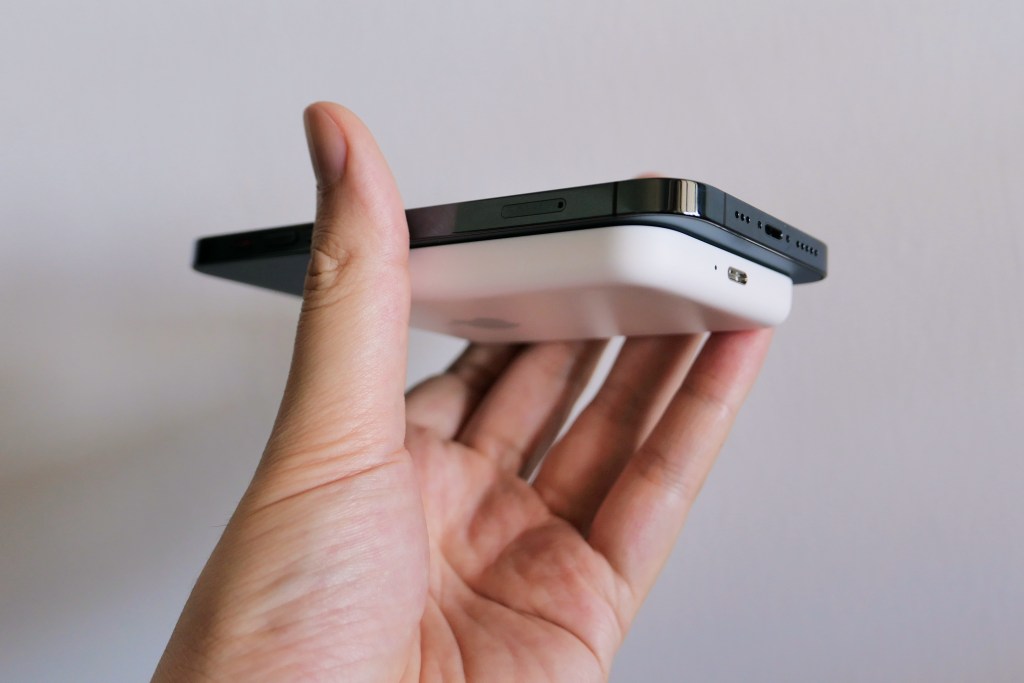
Quick thoughts on Apple’s MagSafe Battery Pack (2021)
This week, Apple released an iPhone power accessory that’s been anticipated since the release of the iPhone 12 series late last year. In recent years, they’ve put out “battery cases” shortly after new phones — you’ve probably seen them: rubbery phone cases with a hump on the back, often ridiculed. With the MagSafe infrastructure on the new phones, everyone’s been waiting for a battery pack (or power bank) that you can just slap on the back.
After some delay, it’s finally arrived for USD$99 or S$139 and only in white. Bit of a missed opportunity to add some pops of color there, like the MagSafe card wallets they make in yellow and blue leather. I think it’ll pair quite well with this Cloud Blue silicone case though.
On the price: Apple offers an intriguing spread of products at the $99 mark. You can get a HomePod mini in some countries, which is a great sounding smart speaker with serious processing power equivalent to an old iPhone. Or you could get a first-generation Pencil to use with most iPads still on sale. And least apparently worth the value is the braided solo loop, a strap for the Apple Watch made from recycled yarn. I think this battery pack sits squarely in the middle in terms of value.
The Good:
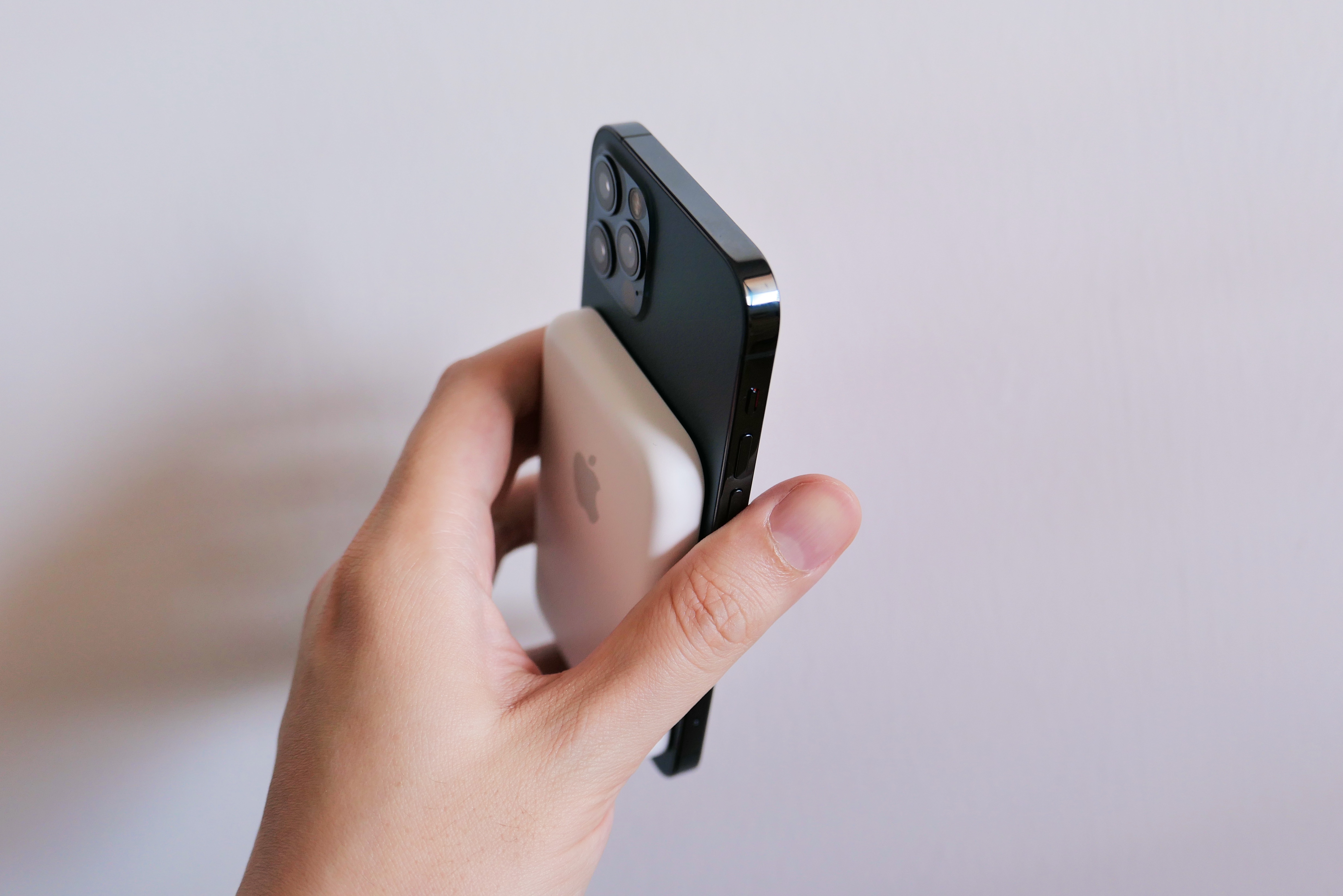
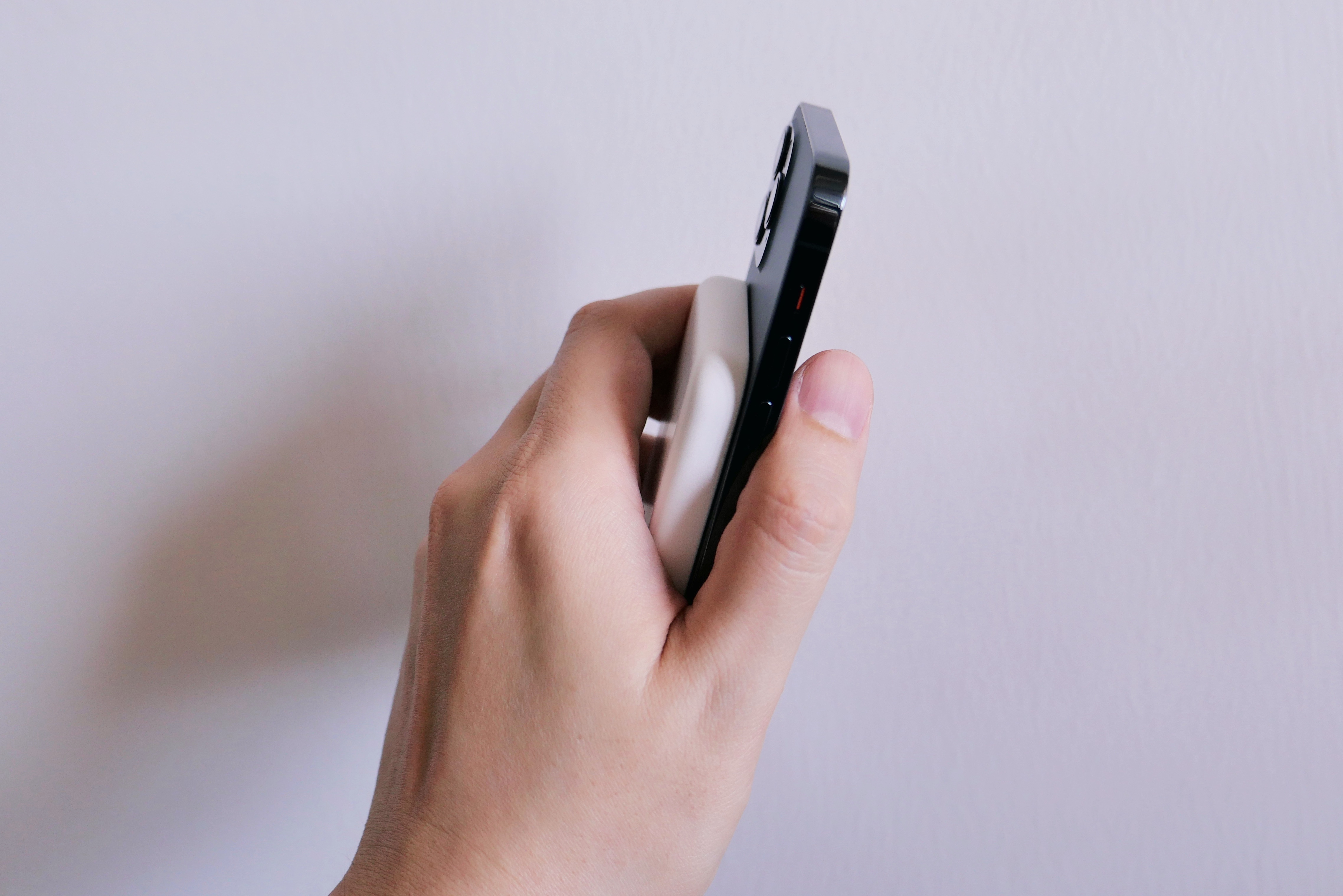
- Slim (1.25cm) and lightweight as power banks go.
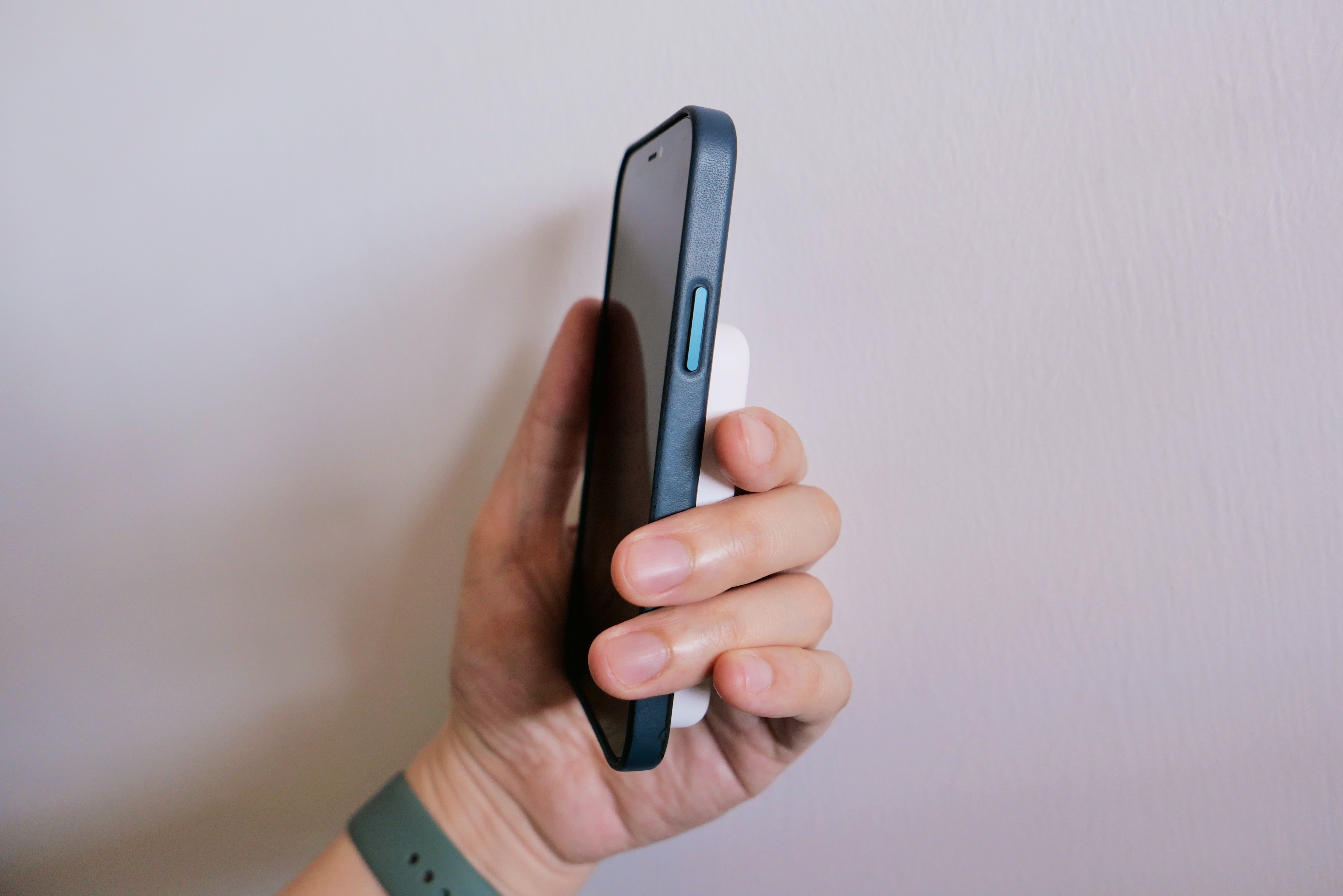
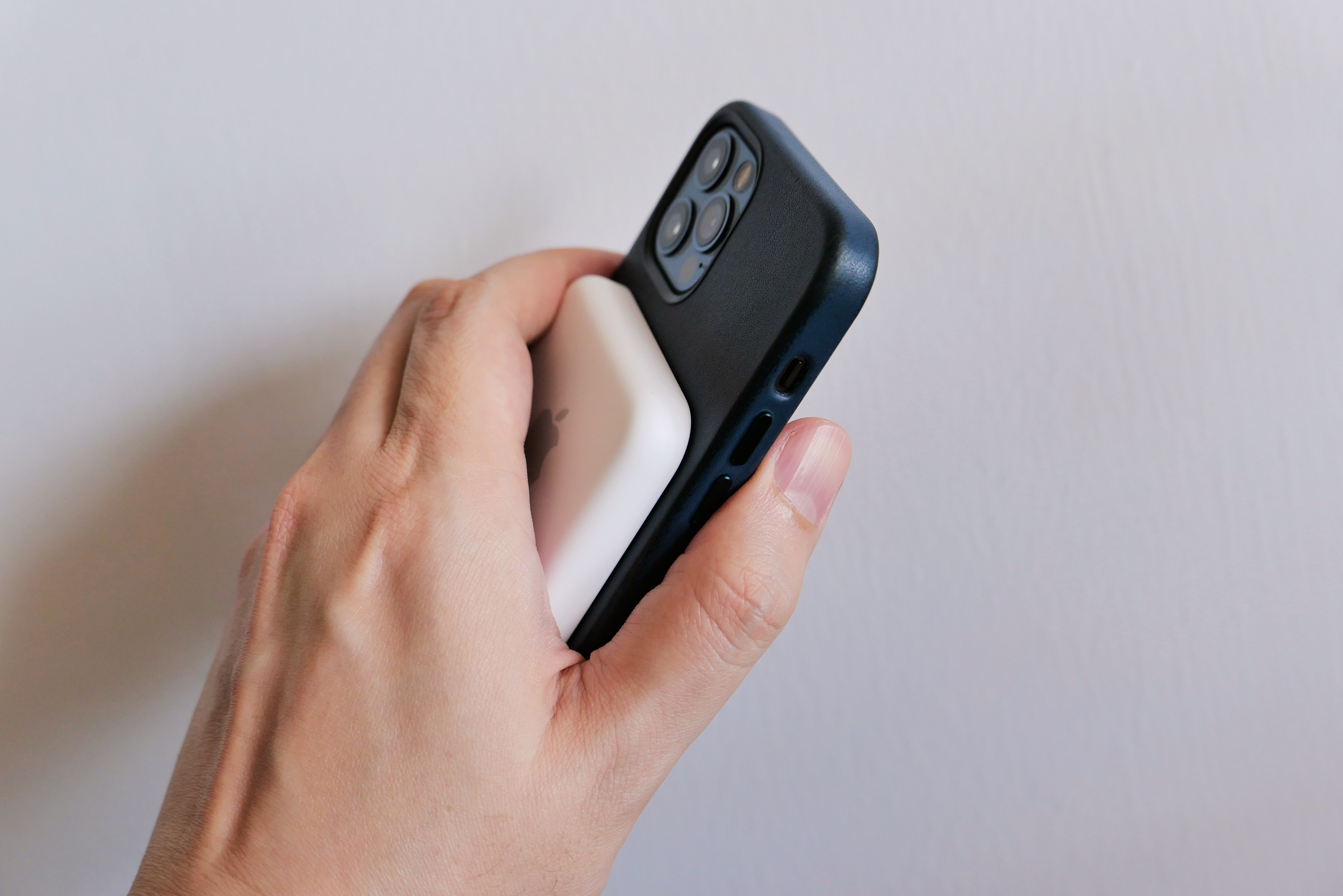
- iPhone 12 Pro stays usable and comfortable enough to hold when in use (YMMV, my hands are large).
- Starts charging your phone when attached; no buttons to mess with.
- Integrates with iOS and foolproof to manage. Your iPhone will slowly draw power and keep temperatures low, stopping the recharge at 80% or 90% to preserve your battery’s lifespan.
The Bad:
- Small capacity. Holds about as much power as an iPhone 12’s battery, but due to the inefficiencies of wireless charging, you can only expect it to impart an extra 50% or 60%, based on my experience so far. (Edit: I’ve tested it further and I think it may actually get you close to 80% of a full charge on an iPhone 12/12 Pro.)
- It does its job pretty slowly, so while traveling and using your phone to take photos, it may make more sense to make a fast-charge pitstop from a regular wired power bank than to go about your day with this slab attached.
- The pack can’t itself be charged wirelessly with a MagSafe charger or Qi pad. It may be technically possible since reverse charging from an iPhone works, but hasn’t been implemented.
My use case
I’m home most days, and if I were working I’d be doing that from a desk at home with MagSafe chargers, Qi chargers, USB-C to Lightning cables, and all sorts of equipment within reach. Why did I even buy this? Curiosity, boredom, and utter laziness to rise from the couch to plug my phone in as I drain it over the course of the day playing games and checking Twitter.
It’s worth mentioning that my 9-month-old iPhone 12 Pro currently has a battery health rating of 90%, which is abysmal. Most of the time, my iPhones rate about 97% after a full year of use. I don’t know what’s caused this one to degrade so rapidly: a manufacturing defect? My charging routine? My use of a wireless charging pad each night?
I wanted a way to conveniently extend the life of my iPhone so it can make it through a day without draining down past the 20% mark. When I do go out, I’m constantly worried about ending up with a flat battery. I need my iPhone to pay for things, take public transport, or get a cab at the end of a night. But I want to go out unencumbered, no bag, just pockets. With Apple Pay and other mobile payment platforms, I no longer carry a wallet most times.
Alternative solutions
As mentioned, one could use a regular power bank with a cable. They offer much larger capacities, are cheaper, and can charge faster (up to the 18W USB-C PD supported by iPhones). This does require carrying a bag or wearing cargo pants that have wires coming out of one pocket and going into another, though.
Or if a magnetic wireless solution is preferred, then there are again lower-cost alternatives from Anker, Hyper, Mophie, and many OEMs. These are usually half the price of Apple’s, slightly thicker and more unsightly, but offer a little more battery life. They also lack the OS integration and you have to start/stop charging with a button, although it’s easy to imagine future models hacking some iOS support the way fake Chinese AirPods are able to show up in the battery widget.
Personally, I think I’ll be keeping this for the peace of mind it gives when I leave the house empty-handed. It’s easy to carry separately in a jeans pocket, smaller than a phone or wallet, and has enough power to extend even a failing phone battery to last through a day and night of usage. It won’t get you through two days, but I don’t think that’s what it’s for. It’s a safety net, and a solution for lazy couch charging at home.
With or without a MagSafe leather case, it fits quite well in the hand while attached to an iPhone -
Week 3.21
- Thursday was my first day back at work, and after a decade now of fixed employment it occurred to me that I’ve lost the freelancer’s mindset that was once key to my mental peace. Namely the idea that I’m doing whatever this is just for awhile, to get a specific job done, free of attachment, and could reevaluate and stop anytime I wanted. You can obviously look at most forms of work that way (because it’s true), but what I probably liked was the centering and comforting reminder that I worked for and answered to no one but myself.
- A decade ago, though, I was pretty much a drifter who wasn’t saving enough so best not to over-romanticize those days. That said, somewhere in between could work. In one conversation this week, we discussed the idea of mini temporary retirements — why wait till 65 to have all the free time on your hands when you can start to have some of it at 35, 45, 55? You’d probably make better use of it, such as developing hobby projects or new skills that you could fold back into “real work” when you returned. Or maybe even finding a different way back altogether. Hard to do that when your brain is full of other people’s problems.
- With the three days I did have off, I managed to do more reading than last week. I finished all three available volumes of Andreas Antonopoulos’s The Internet of Money, which are admittedly slim compilations of talks he’s given on Bitcoin and Ethereum over the past 9 years or so. I can recommend them to anyone interested in why this technology might be important, beyond the fact that it’s digital money (what money isn’t these days), appreciating fast (people are gonna get ruined), and scary (it’s used to fund terrorism). He’s been likening it to the dawn of the internet in the 90s, where few people saw a fad instead of world-changing potential. He’s convincing when he says our concepts of money and banking are still stuck in the pre-internet era, centralized, and this stuff is going to enable greater freedom and opportunity on a global scale.
- After being only peripherally aware of advancements in the Dapp space, I started looking into things and found really cool projects from art galleries selling collectible one-of-a-kind digital pieces (yes that sounds crazy) to autonomous lending platforms. I’ll probably dip a toe into PoolTogether, which is a lottery where no one loses any money (apart from the currently hefty Ethereum gas fees). Participants buy tickets with their tokenized money, which gets lent out to earn interest, which forms the prize pool. At the end of every week, the accumulated prize money is given to one randomly selected ticket holder. The original money is never lost and can be withdrawn at any time. Pretty ingenious!
- Speaking of collectibles, we discovered that an old Beanie Baby that we’ve had lying around the house for ages might actually be a rare one worth hundreds of dollars. Or not. I don’t really want to find out because she’s perfect the way she is.
-
Week 46.20
- Time has felt a little broken this week, in that 11.11 feels like it happened long ago. In case you’re wondering, that’s Nov 11, or Singles Day, which is now an official shopping day in these parts after having been imported from China. We never really had a tradition of Black Friday sales, so this is it.
- I bought several bottles of bourbon and yet another pair of headphones: the Sony WH1000XM4s, which, in further evidence of a fault in time’s mechanics, launched back in August at the list price of S$550 and was now purchased by yours truly for just S$385. That’s a full 30% off for a brand new product; perhaps a year ahead of when it would have normally been discounted to such levels. The Sony brand just doesn’t hold value like it used to.
- I bought the Mark 1 model about four years ago, intrigued by its DSEE HX (Digital Sound Enhancement Engine) feature which claimed to upsample compressed music and restore “near Hi-Res Audio levels of fidelity”. Great headphones, but the Mark 4 promises a more comfortable design, the best noise canceling tech on the market, and DSEE Extreme which now has AI magic dust all over it. Was it a necessary purchase? No… but I love a good bargain.
- The PS5 also launched this week, but I have no interest in replacing my PS4 Pro just yet. Apart from sentimental value (it was a farewell gift, bearing the signatures of my former colleagues), it’s small and discreet. The PS5 is decidedly not, and seems to be launching with no extraordinary games. Looking back, all my Microsoft and Sony console purchases only happened years into the cycle. Nintendo consoles, I buy the day they come out. I can’t say why.
- Oh yeah and Apple announced the first Macs with their own silicon this week, exceeding everyone’s expectations of what the M1 chip does for performance and battery life. It was an exciting event to watch, until I remembered that there’s no place in my life anymore for a personal Mac.
- Doesn’t this feel like it happened ages ago? How messed up was work this week for it to feel this way?
- In the early days of lockdown and working from home this year, I was hooked on Animal Crossing: New Horizons. I and many others joked about it being like a virtual vacation in lieu of being able to go anywhere. And I think the little controllable/knowable world, gentle soundtrack, and sense of community amongst everyone playing at the same time created to a sense of calm, routine, and positivity that got me through that period with little fatigue or stress. And then after about 200 hours or something, I put it aside and didn’t return even after the Summer and Fall and Halloween updates launched.
- Prompted by the fact that some friends have picked it up again, I think I could use a return to my island now. Hopefully there’ll be time for that this week. In other gaming news, I’ve graduated to that next level of Call of Duty Mobile addiction: buying a “Battle Pass” for USD$4.99. It’s completely unnecessary, but gives you cosmetic upgrades and more of a reason to play in the form of a ladder of rewards to unlock. Play enough, and you’ll earn enough currency to buy the next season’s Battle Pass without any real world money. It’s a trap? I’m bored? But I also want to understand the mobile gaming economy better?

I left the house exactly once this week, to see my parents and eat this lovely Japanese beef. -
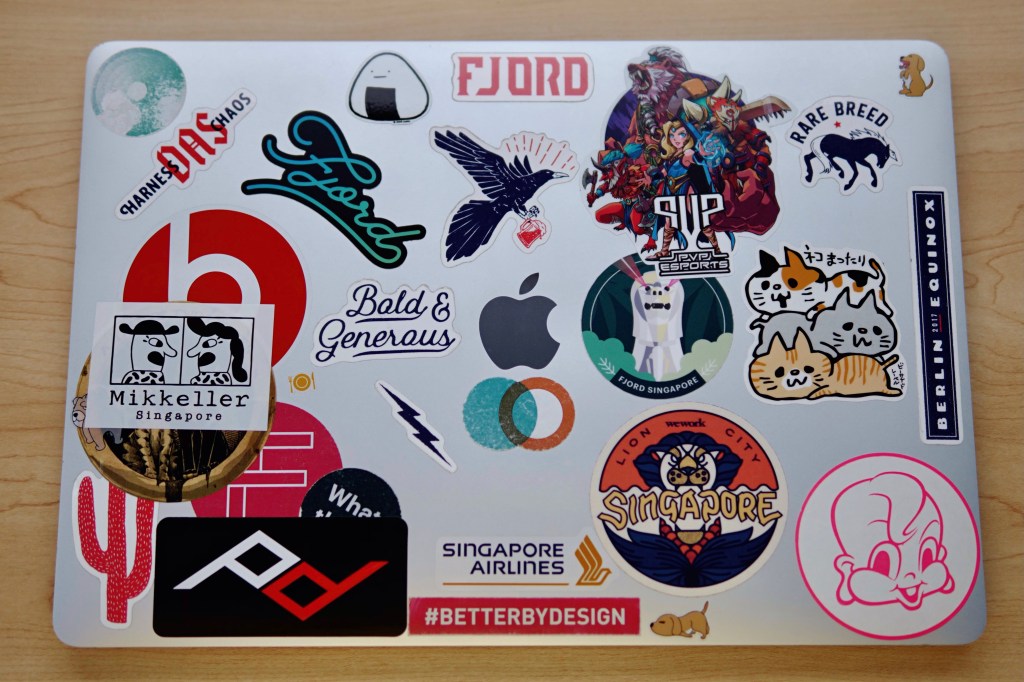
Goodbye, 2016 MacBook Pro
In large companies, you measure time by project and work-based milestones, sure, but the mandatory password change pop-ups and automated ‘congratulations on your anniversary’ emails are also sure ways to know you’ve been around for awhile. One of the strongest signals of this sort is the New Laptop Ritual, which tends to happen once every three years, depending on the nature of the job and generosity (is this really the right word?) of your employer.
My laptop replacement was due at the beginning of the year, but I put it off because I was sick of lugging a 15” MBP around to external meetings, and thought it’d be a smarter idea to wait for the 13” refresh with the improved keyboard when it came out in the middle of the year. Andddd then the pandemic hit, and we started working from home. Without an external monitor, a 13” screen would be pretty difficult for a lot of what we do now (Miro) to mitigate the constraints of remote work.
For what it’s worth, I never had any trouble with the keyboard, and it’s been a pretty dependable machine… up until the last few weeks, when the bottom started becoming uneven from what’s probably a battery bulge (!), and so it rocks slightly whenever I try to type on it. If this were a personal machine, it’d now be out of AppleCare and getting it fixed for free at the Apple Store might not be a sure thing, potential fire hazard or not.
So I’ve put in an order for a new 16” MBP which I’ll be picking up tomorrow, and saying goodbye to this sticker collection — always the hardest part of moving on from a laptop or iPad.
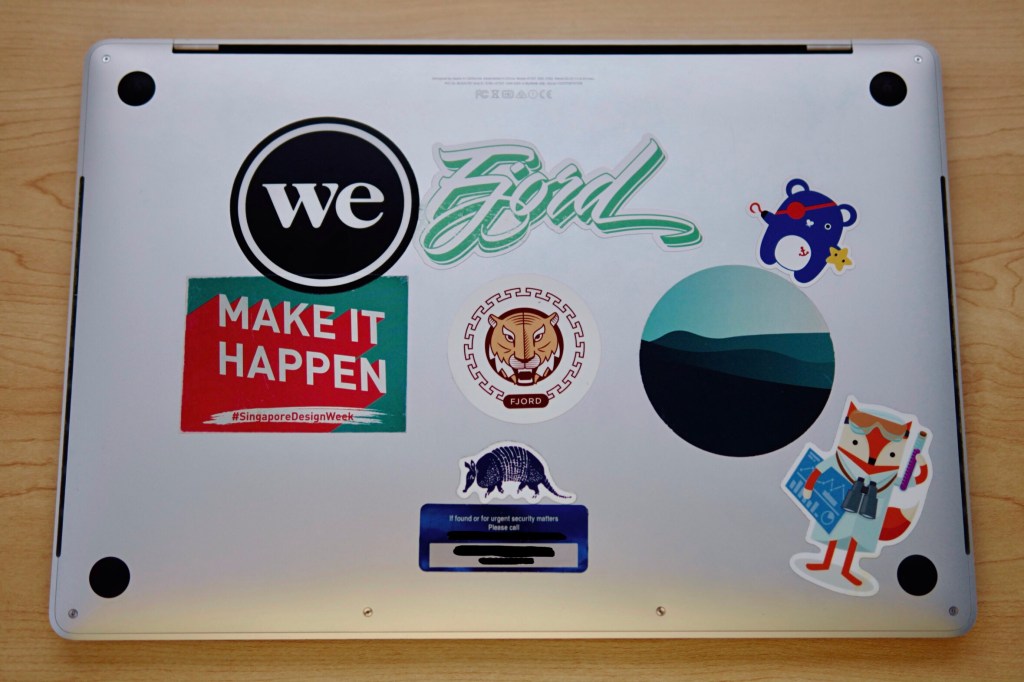
When I started running out of space on the top, I moved to the bottom. -
Week 27.20
- I’m pinching an idea from Michael Camilleri’s blog: what he calls Weeknotes. I like how the bullet format keeps things simple while the weekly cadence provides a structure that will hopefully mean I update more.
- There was some mild pain and inconvenience this week dealing with Apple over the phone for an iCloud Drive issue. My free space was 13GB less than what it was supposed to be. It’s sorted now and I wrote about it here, but little failures like this make it hard to rely on iCloud and move away from Dropbox and Google Drive.
- I was reading a lot a couple of weeks ago when I was on vacation (at home). I think I finished 9 novels in three weeks, including 1Q84 which comes close to about a thousand pages. Then I went back to work and simultaneously started on the massive Cryptonomicon, the combined effect of which has put the brakes on my Goodreads progress. Maybe because the last few things I read were mindless Jack Reacher novels, this one was an exhilarating change of pace. I’m still astonished a mere human being sat down and created something this wild, violent, complex, and also funny. I finally finished it this weekend and can’t imagine what to follow it with.
- I’ve written too much about HEY already, but you know you’re all-in on a new email address when you change your main daily logins and usernames over to it. That’s now been done.
- On the subject of email, my mom was cleaning up around the house and found some I’d sent her 20 years ago. How? She’d printed them out and kept them in a folder! She gets the last laugh, though. Not only did I forget even owning that old email address, I think all that pre-Gmail history is just gone; I don’t have any record of mails sent or received. If I had to guess, I used a hosted POP/IMAP server and a local mail client (maybe Eudora? Thunderbird?), so it was first lost during the move to Gmail — I don’t believe importing from elsewhere was supported, and I guess I’m fragmenting my email history again now by moving to HEY — and then totally lost during a PC transition. How do we still not have a universal personal data vault solution?
- Unsplash gets photographers to give their work away for exposure — a deal that never goes out of style in the creative industry. But so many have volunteered to do it that the site is now a very useful resource for people looking for free images. I often use it when I need photography for presentations, and I‘m familiar enough with some of the best photos to recognize them popping up in other people’s decks.
Since I haven’t sold any of my photos for money in quite awhile, and the idea of seeing otherwise unused photos appear someday in someone else’s deck seemed like fun, I’ve now become part of the problem. I trickled four photos in over six days, and they’ve already been viewed 3,000 times. I suppose I’ll keep going. - I switched mobile providers after a year and a half with Circles. I’m still amazed at how easy it is now, and how bad things were before. You just sign up online and someone shows up at your door the next day with a SIM card! Your number is automatically ported the day after! Used to be you had to go to a store and sign many papers and wait a week, and occasionally even call your old telco to break up with them. Not to mention contracts are out of fashion. Progress. Since working from home, I’ve barely used any mobile data since there’s WiFi. I’m sure it’s one reason why I was able to find a more generous deal on the market. They’re probably happy to hand out massive data allowances now that most people aren’t going to use them.
- On Friday night we went to hang out with a friend who lives down the street, and her kids stayed up with us as an excuse to play more Animal Crossing Pocket Camp and Minecraft. It was nice to see them tapping around proficiently and being engrossed in designing worlds. Even at the age of six! Lego has its limits, and we couldn’t work with dream material in such a direct way when we were kids.
- Season 2 of Hanna is out on Amazon Prime Video. Seems like this time it’s not just one coming of age story, it’s a genetically modified school of them. I saw the first two episodes last night and the fight scenes were so clumsy, it broke the elite assassins world-building for me.
- It was the Chinese Dragon Boat Festival recently, but I prefer its other name, the Dumpling Festival, because come on, that’s really the part we all care about. I’ve always known these pyramid-shaped rice clumps as Bak Zhang/Chang, but I guess they’re also known as Zong Zi. They look awful but are mad good, and I can’t think of a taste reference point in the world so you’ll just have to try and get some. I spent nearly an hour on Tuesday trying to find a good delivery option while salivating wildly, and eventually managed to catch the Kim Choo Kueh Chang company’s online store in a good mood (if it’s down, try, try again).

I looked for a good chart to help explain Bak Chang, but you’ll have to make do with this low-res copy someone sent me. I couldn’t even find it on on Tidbits Mag’s own website.






 sangsara.net