Category: Photos

  • Week 26.24

    Week 26.24

    The week seemed to slip by with not too much to show for it until Friday, as I waited for the delivery of my Apple Vision Pro. I watched a couple of films, subscribed to the New York Times again, and made some plans for a personal creative project.

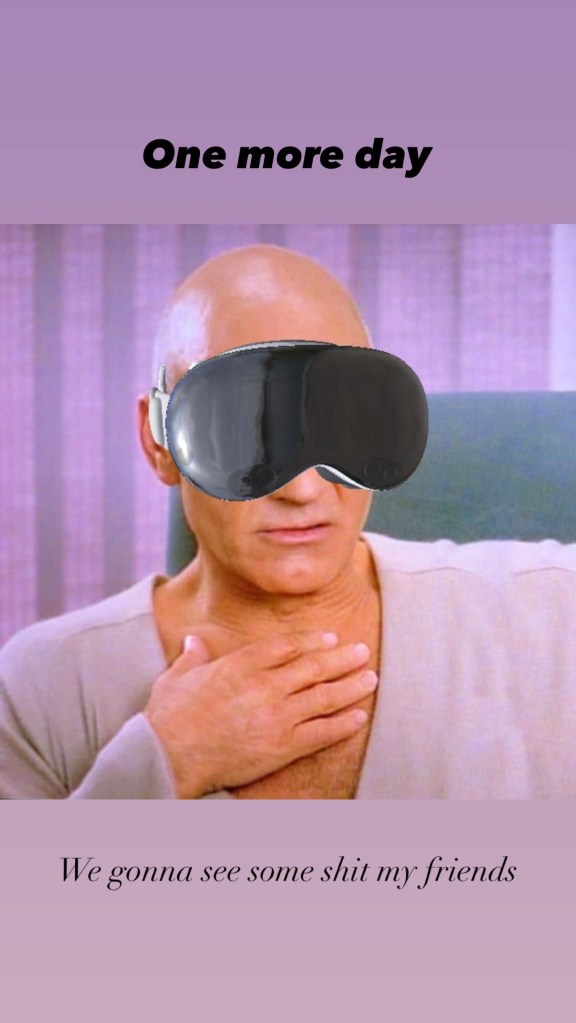
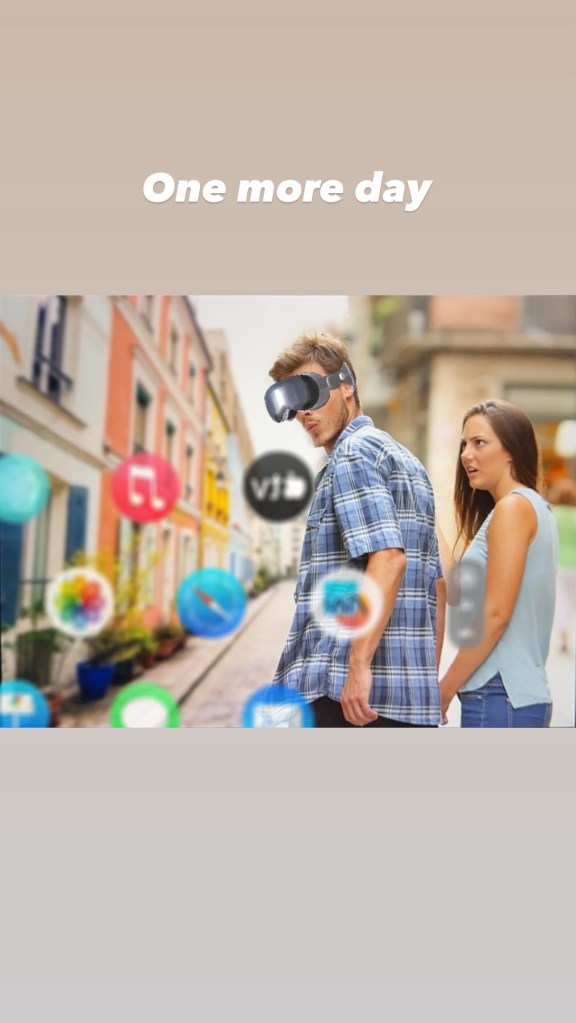
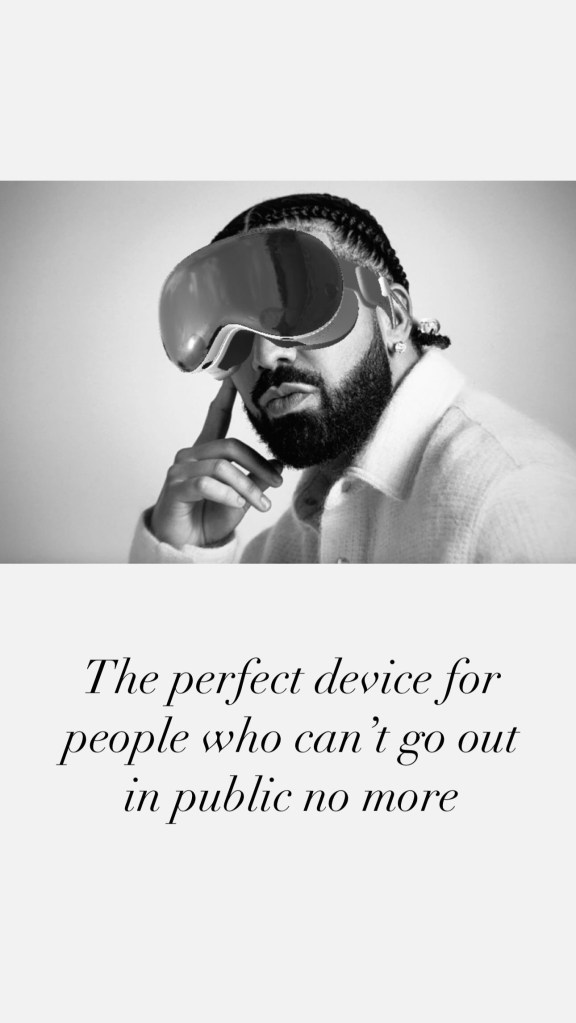
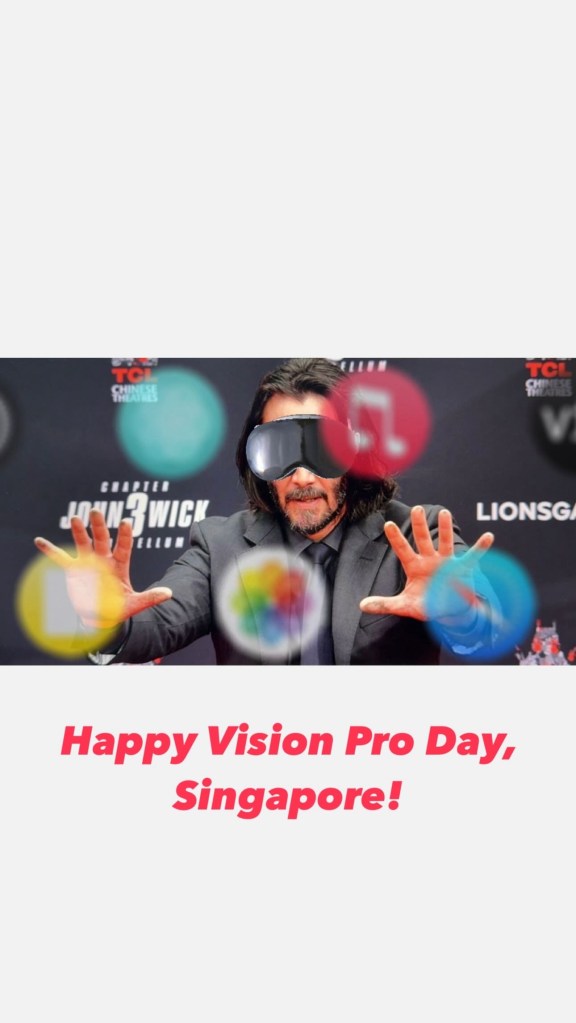
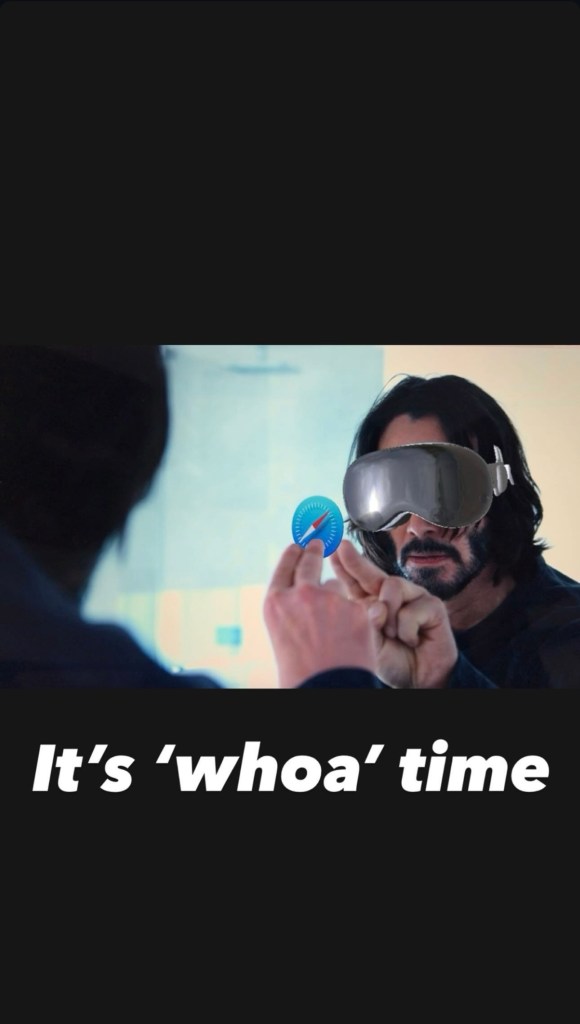
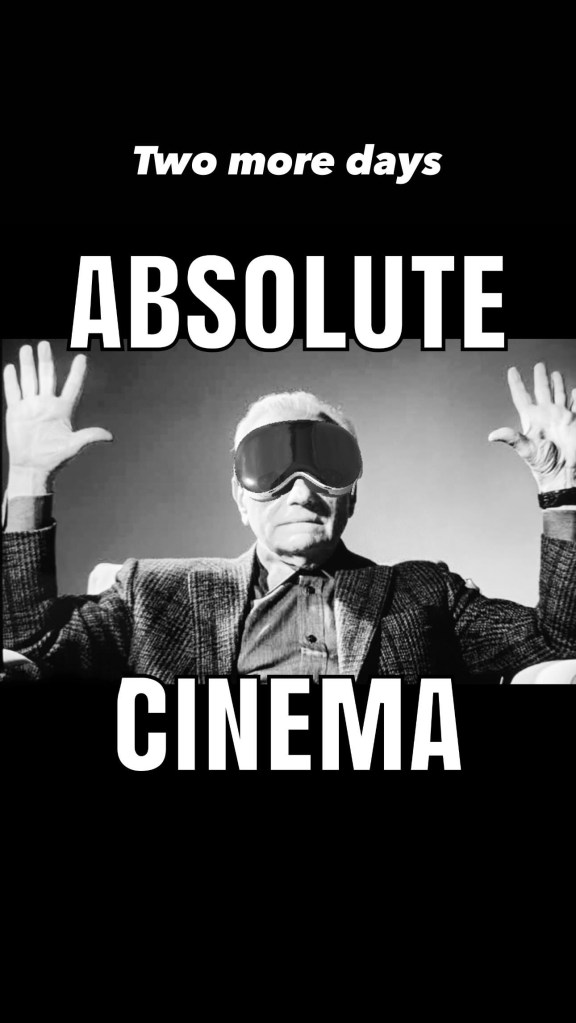
    In the meantime, I also made some memes for Instagram.
    I also resumed wearing contact lenses daily after years of relying on glasses, because I didn’t want the Zeiss lens inserts for Vison Pro. It will take a little adjustment; I definitely don’t miss the end-of-day dryness and irritation.

    Okay, so!

    The unboxing experience for this high-end device is suitably premium, despite being made from predominantly recyclable paper materials. You lift the cover — it releases with the usual deliberate, satisfying motion — and there it is, positioned as if on display in a museum, supported by a molded rest. All the accessories are neatly organized in a compartment underneath. There is an indulgent amount of unused space in this box; no squashing of the Vision Pro into egg carton cutouts like with some Sony products!
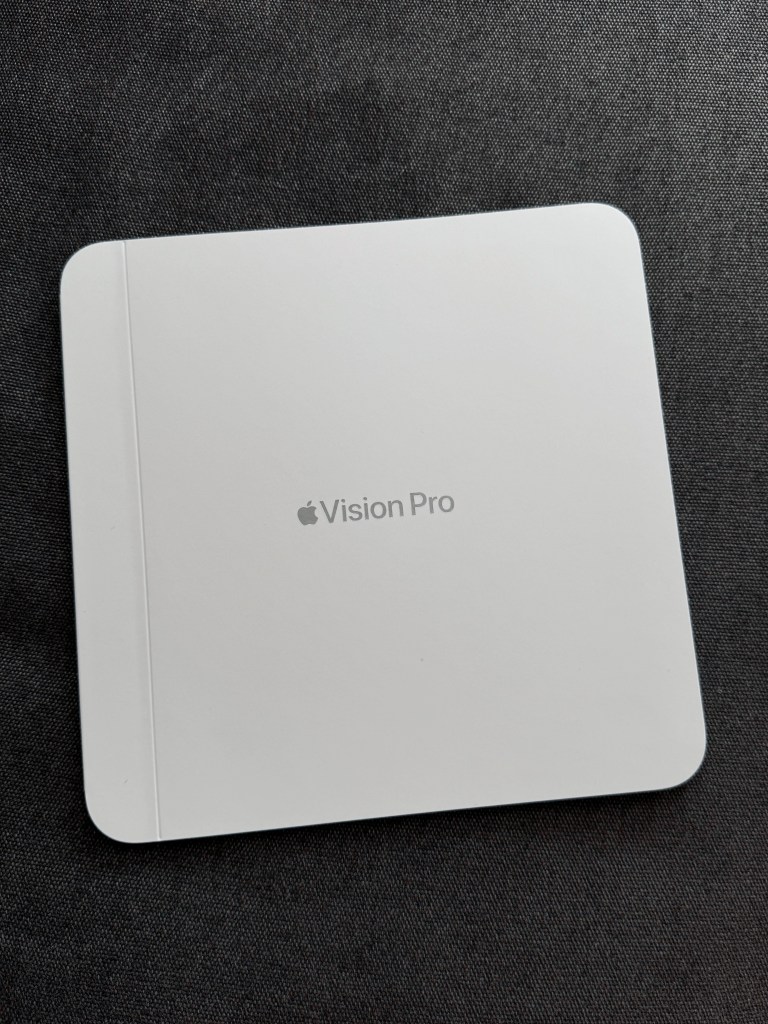
    Side note: I think I may have gotten measured for the wrong size of light seal (21W) as the sides feel narrower and less comfortable than 33W for me. I have an appointment at the Apple Store next week to hopefully get it swapped.

    First encounters

    I’ve already mentioned the magical and immersive experience of using it. Knowing that, it was still a shock when I ran the pre-installed Encounter Dinosaurs app (directed by Jon Favreau) for the first time.

    Some U.S. reviewers reported actually feeling the virtual butterfly land on their outstretched fingers at the start of the experience, to which I thought, “no way”. And yet when it happened to me, I swear I felt four distinct little pricks on my skin as its little legs shifted. That unfortunately primed me to feel what happened next even more acutely. The dinosaurs appeared on screen, with a fluidity and resolution that was greater than I expected, making the PS5 look like “video games”. I don’t think it’s an overstatement to say they were lifelike.
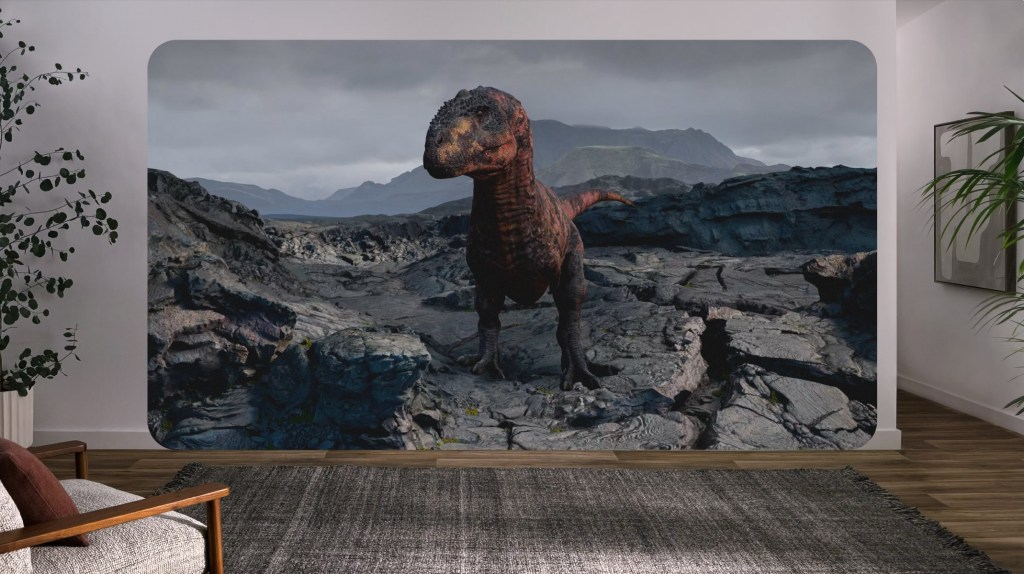
    You are warned at the start that the animals can “see you” and will react to your actions. As the largest dinosaur stepped out of its frame and stalked towards me, towered over my seated body, then stared me in the face while exhaling through its nostrils, I felt my body go into a fight-or-flight mode. No joke. I started to sweat. I avoided making eye contact, and turned my head away hoping it would back off. The presence you feel is unbelievably tangible, and I know I will NOT be attempting any horror games in the future.

    Art of the future

    A much calmer experience I can recommend is Museas, which is a completely free journey through art history made by a single person (Miguel Garcia Gonzalez, who calls himself “a supply chain professional by day and spatial computing engineer by night”). You can see landmark artworks at phenomenal scale right in your home, or in “immersive environments”. These suddenly float your body in massive virtual spaces, surrounded by complementary imagery, with the original artwork in front of you. Think of them as frames, just 360º ones. For example, when viewing Hokusai’s The Great Wave Off Kanagawa, you see a florid Japanese garden scene all around, while a narrator explains the artwork.

    I suspect they’ve used generative AI to create these descriptions of the artworks’ history and meaning, the voice that reads them (it sounds to me like the actor Jared Harris, who plays Hari Seldon in Foundation), as well as the 360º immersive scenes. If so, the technology has clearly allowed a single person to achieve something that feels professional beyond their means. The voice is natural and doesn’t feel off to me at all. The immersive environments aren’t perfect, but they’re for your peripheral vision — you’re meant to focus on the original art. The wall text is accurate as far as I can tell. Was this labor that could have paid the salaries of a few more people? In theory, but it’s more likely this project wouldn’t have gotten made at all without AI.

    When I think about you I shush myself

    Apart from these new experiences that weren’t possible before, I think the primary application of the Vision Pro for me will be a personal cinema hall. I sat down with the Theater app to watch Adam Lisagor’s 3D recording of John Gruber interviewing Apple executives Joz, Craig, and J.G. at WWDC (regular 2D recording here), and for nearly two hours I was immersed and focused in its virtual space, surrounded by faintly illuminated empty seats and aisles. I felt notifications come in on my wrist, my phone was across the room, and I ignored all of it the same way I would watching a film in a real theater.

    I think the Vision Pro is the antidote to the iPhone that some thought the Apple Watch would be. Turns out the answer to destroyed attention spans, multi-screening, and screen addiction wasn’t to make it easier to leave your phone in your pocket by redirecting things to a watch, it was the skeuomorphic recreation of a giant screen in a dark room. I think this is the ideal way to watch Important Films. And as nice as our new TV is, I don’t think it compares in visceral terms. Tradeoff: focus and immersion vs. comfort and the ability to drink beverages.


    Media activity
    • Finished watching Constellations starring Noomi Rapace on Apple TV+. Mild spoiler: I complained on Threads about the way it handled a plot device thusly: “Sci-fi shows where science-literate people find themselves trapped in parallel universes, and literally don’t know the words “parallel universe” to explain to other people what’s happening, please gtfo”
    • Season 3 of The Bear is out this weekend and like most people (I did a poll on Instagram), we’re getting through it. That first episode? Wow, really special television.
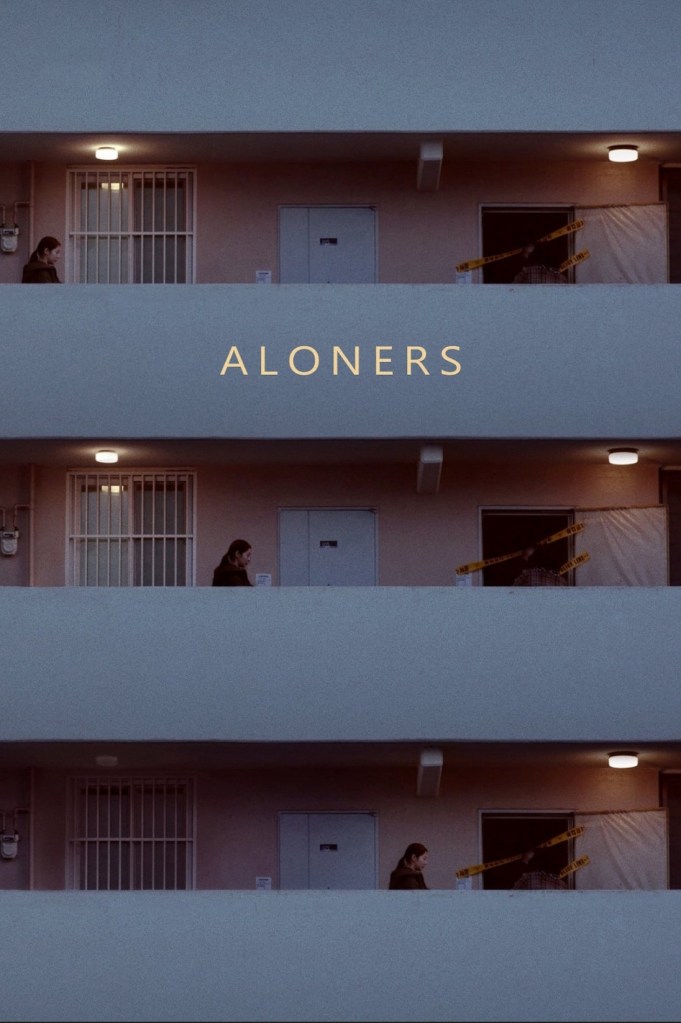
    • Saw Aloners (2021), a film that tackles modern nowhere lives built around go-nowhere jobs, where even if you meet people worth connecting with, your social muscles may already have atrophied too far. Starts strong but doesn’t land the character development at the end for me. Also: is this a chaotic opposite world version of Perfect Days? I said on Letterboxd: “Say less” is the unofficial motto of Korean arthouse cinema. 3/5 stars.
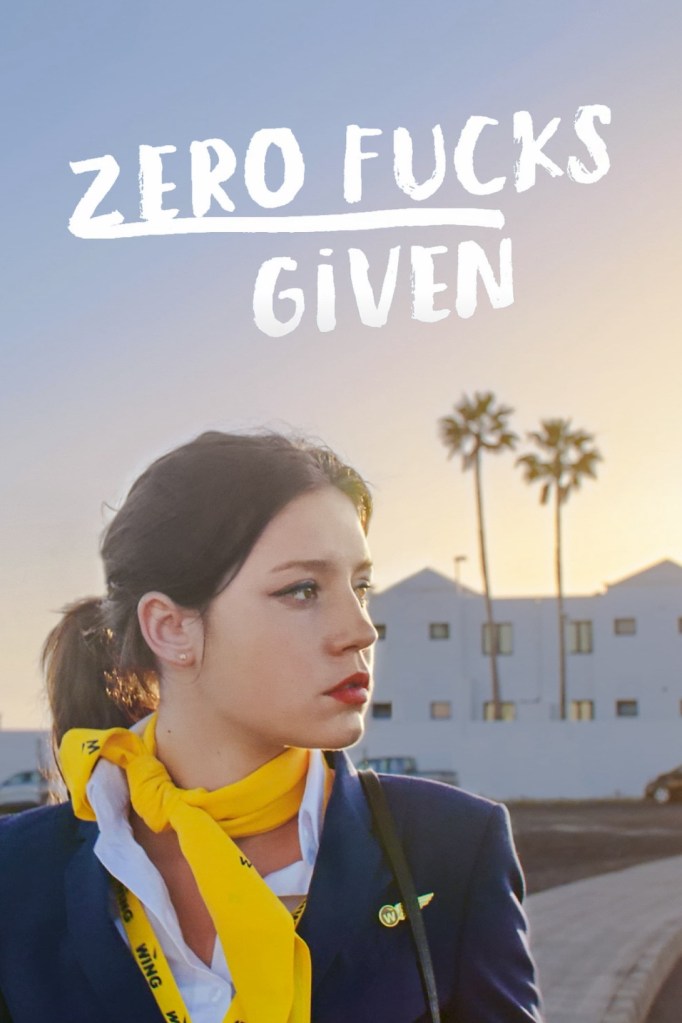
    • Saw Zero Fucks Given (2021). It follows a young woman escaping grief and complexity by going headfirst into the soul-sucking worker bee life of a budget airline attendant, taking each day as it comes, never looking a day ahead as much as she can help it. Lovely work, and Adele Exarchopoulos is a talent. 3.5 stars.
    • Saw Uncle Boonmee Who Can Recall His Oast Lives (2010) through MUBI’s visionOS app, and I chose to watch it on the dark side of the moon. It was incredible to look up and see stars, look around and see a desolate rocky surface, and then at a giant floating screen ahead of me. The movie was also strange, unreal, and disorienting like being on the moon — it won a Palme d’Or when it came out, cynically I think because a Thai film like this was exotique. I enjoyed its atmosphere and ideas a lot, just not the stilted acting. 3.5 stars.
    • I don’t know where else to mention that I fulfilled a personal goal by minting a McDonalds Singapore NFT after Jose alerted me (with two hours to spare) that they were releasing a new Chicken McNuggets series. Their first release last year was of Grimace, and holders enjoy a stream of special perks. Interestingly, they are ‘soulbound’ NFTs, meaning they cannot be sold or transferred from the initial wallet that received them. Don’t ask me why McDonald’s Singapore is doing this (I doubt they do either), but I want it and I got it.
    • I’ve been long Camila Cabello since 2019 when I called her “possibly the most competent pop star and the new Rihanna”, but I have to admit I was nervous about her new album C,XOXO after recent racism accusations and piggybacking on Charli XCX’s party girl image and Brat aesthetic on social media. Thankfully, I’m on my third listen and it’s an enjoyable record apart from Drake appearing on two tracks (putting on his Jamaican accent, for chrissakes). She’s a big Drake defender, but even if she wanted to cut him after recent events, the album is only 32 minutes long and wouldn’t have survived it.
  • Week 23.24: Chilling with Sony’s Reon Pocket 5, New Camera Apps, and a Playlist

    Week 23.24: Chilling with Sony’s Reon Pocket 5, New Camera Apps, and a Playlist

    Sony Reon Pocket 5

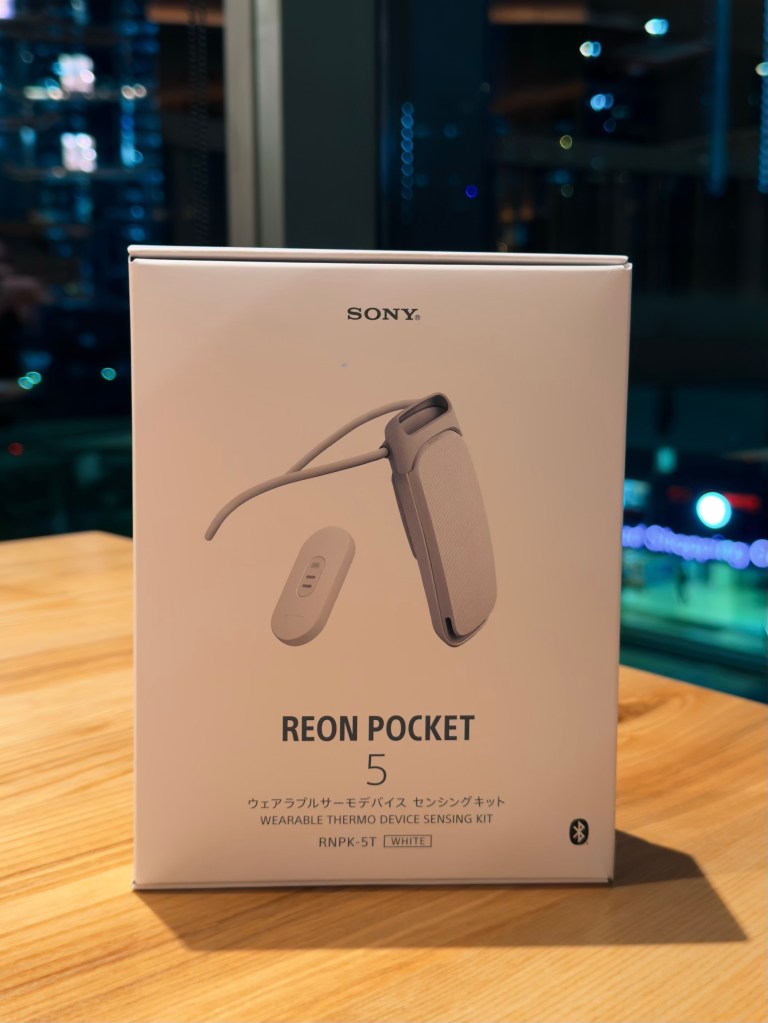
    I discovered the existence of a cool new device this week when a Sony catalog wound up in my trad-mail inbox. After some online research, I visited the nearest Sony store for a demo of the Reon Pocket 5 device and ended up buying one for S$249. Okay, what is a “Reon Pocket” and why is this the fifth version? The four previous iterations were only sold in Japan, but the tech is now mature enough that Sony is launching it in the UK, Hong Kong, Singapore, and Thailand this year.

    It’s best described as a wearable gadget for helping you feel more comfortable by fooling suggesting to your body that the temperature is more bearable than it thinks. It does that by cooling or heating a small metal plate pressed against your skin (in this case, at the base of your neck), which contrasts with the environment and changes your perception of it. Surprisingly, it works with just a difference of a few degrees.
    I first learnt about this effect a decade ago from a Wired article about an MIT prototype and have been eagerly awaiting a commercial product ever since. I had no idea until after buying the Sony version that the researchers mentioned in that article have actually shipped their own wrist-worn product called the Embr Wave. It resembles a smartwatch and is more discreet than the bulkier Reon Pocket 5 which sticks out from beneath your shirt collar like some kind of life support system. However, since I already wear an Apple Watch, I don’t know if I’d wear an Embr Wave too.

    In some ways, I seriously see this device as a “life support” technology. I think I’ve struggled with heat regulation all my life — always feeling warmer and sweatier than everyone else; most days you can hold your hand over my head and feel the heat radiating off it. I read that our bodies’ core temperature doesn’t actually change much (when it does, that’s hypothermia or heatstroke), so how comfortable we feel is all down to skin temperature, which this sort of thing hacks.

    After a couple days of testing, I’ve found the Reon Pocket 5 doesn’t perform miracles but offers a different sort of relief than a handheld fan (though one could use both). But it’s like constantly holding a cool can of soda against your neck in hot weather, which is welcome! It’s a glass of ice water for someone in hell. Even when the temperature isn’t that high but it’s stuffy and humid, this takes the edge off. If you’re the sort who’s always feeling cold in Singapore’s air-conditioned spaces, it also heats up and offers the opposite effect.

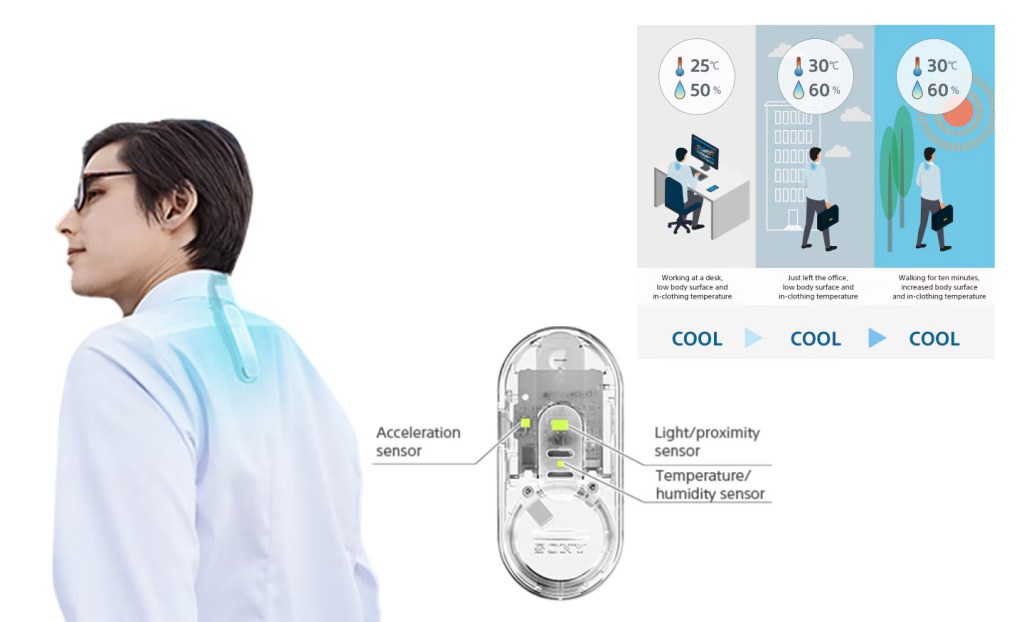
    There’s a lot I could say about the app, and how it’s another example of Sony’s generally poor UX design, but once you figure out what settings you like, you can lock them in and operate the device without it. It also comes with a separate “tag” that you can attach elsewhere on your body, which monitors the external temperature and humidity so the device can automatically switch modes, but I haven’t bothered to take it out of the box at all. All they needed to do was put a button on the thing to switch between hot and cold, just like the Embr Wave does.
    Building a separate piece of hardware instead… reminds me of how Sony headphones try to “intelligently” adjust noise cancellation levels by guessing whether you’re commuting, or working, or lazing about, by using GPS location and accelerometer data from the smartphone app — an absolutely mental and roundabout solution to replace the user pressing a button. Incidentally, Apple’s Adaptive Audio mode on AirPods Pro is a much better take: they dynamically adjust the balance between noise canceling and transparency based on environmental noise, letting you be aware but not annoyed.

    The battery, if you’re wondering, should last an entire day out. At Level 1 cooling power it’s rated at 17 hours; at Level 3, 10 hours; and at Level 5, 4 hours. Operating on Smart Cool mode, it switches between them as necessary. There’s also a “wave” feature that I recommend turning on, which follows the same core principle as Embr’s device where cooling power fluctuates so you don’t become desensitized to it. If you need even longer performance, you can plug it into a power bank and it will work on direct power without charging. Imagine using it at the same time as Apple Vision Pro, with two power banks in your back pockets. That’s living in the future, baby.

    In conclusion, wearing the Reon Pocket 5 around your neck makes you look dorky or hooked up to some medical device, but when it’s over 30ºC in the shade, who gives a damn?!

    ===

    New camera apps

    I’ve been using two new camera apps: Kino, from Lux Optics who also make the Halide app, and Leica LUX (no relation).

    Kino is a logical move. Halide was a “pro” app focused on bringing intuitive manual controls for still photography. Kino does the same for video. Unlike Halide, it’s a one-time purchase ($20 USD) and a big part of its functionality is the ability to apply different looks (color grading via LUTs). I’ve always wished Halide would do something similar, to help lazy shooters get the most out of RAW captures. I hardly shoot any video but I thought Kino was worth buying, especially since I’ve let my Halide subscription lapse for lack of use.

    One of the best things Kino does is allow the system to shoot in Apple LOG but write the files in HEVC format instead of ProRes, which saves a lot of space but still conveys some of the benefits. You can also shoot in LOG, apply a color grade preset in real time, and save the baked file in HEVC. That’s awesome.

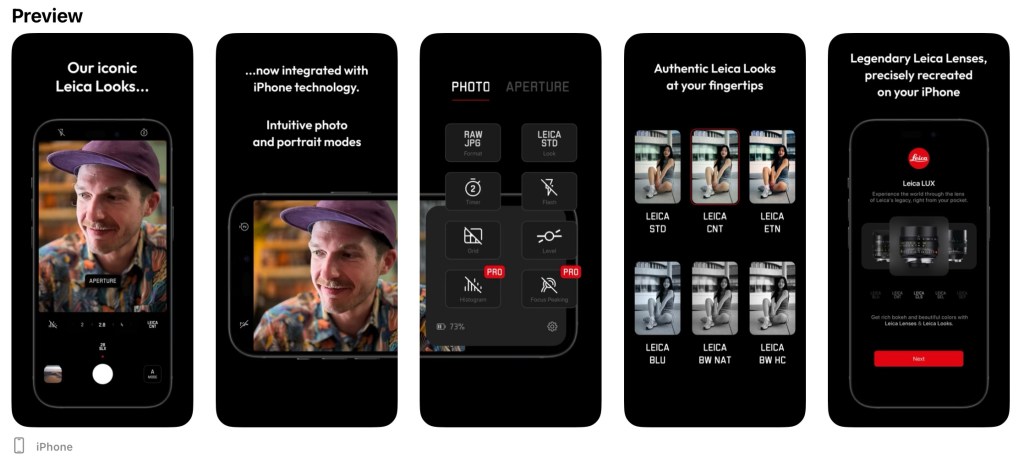
    Leica LUX is not so logical and I’ve been puzzling over why a company with their luxury brand equity would take a risk like this. On the page linked above, they’re saying the app “lets you capture the iconic Leica Look with your iPhone” using their “deep color science” and digital simulations of “legendary lenses”, like the Noctilux-M 50mm f/1.2 ($7,895 USD), and claiming it “reproduces” its “signature aesthetic bokeh”.

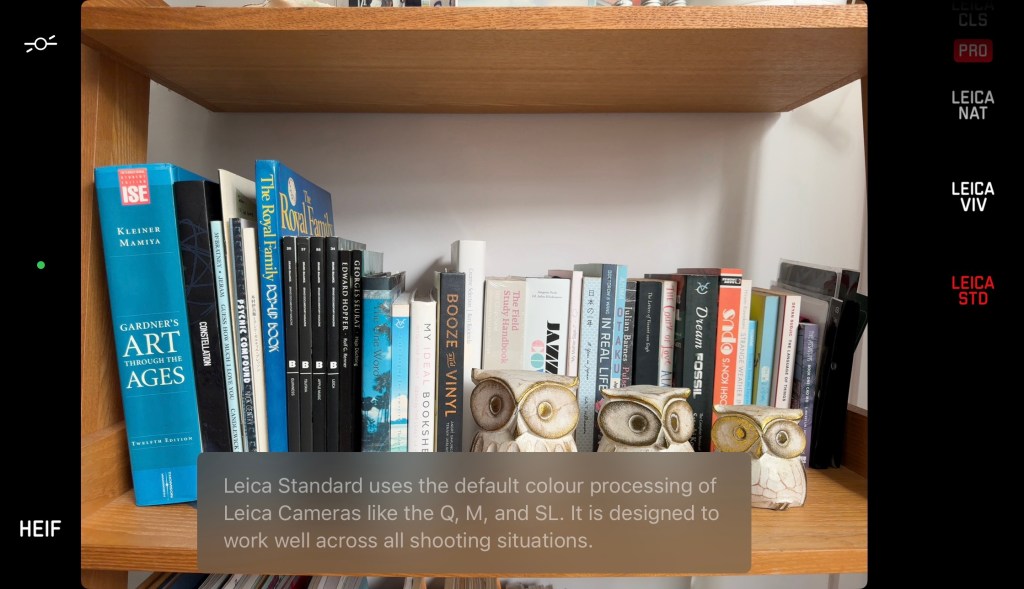
    I present two exhibits. The first (below) is what you see when selecting the “Leica Standard” profile: a statement that it handles color the same way as their cameras that cost upwards of $6,000 USD do, using your iPhone’s sensor. Whether it’s true or not is beside the point; Leica is saying you can enter their world with a free app and the phone you already own. To my eyes, it’s not far off from the iPhone’s default color handling, and looks like some gentle H/S/L shifts. The other Leica Looks are a mixed bag: I like the Leica Natural one, but some others are heavy and feel like “filters”. I’d hoped these would be more like Fuji’s in-camera film simulations, which are more like “color profiles”.

    The secret sauce is leaking out!

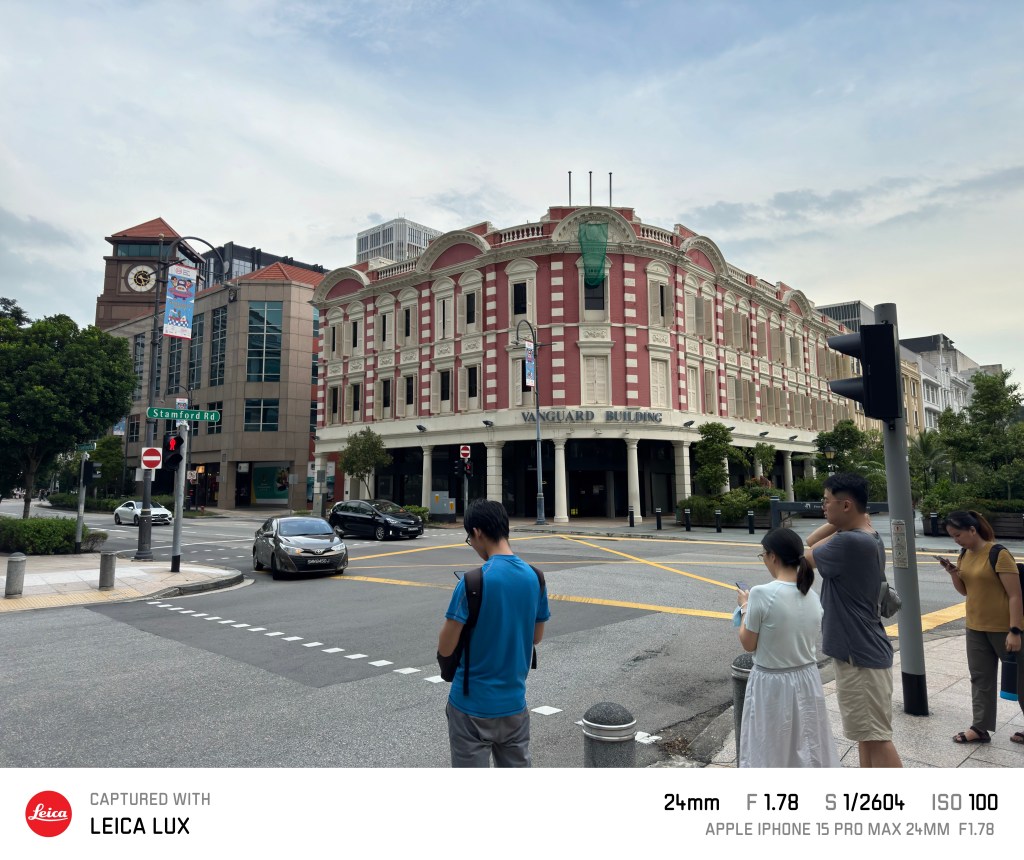
    The second shows how their implementation of a depth effect is inferior to Apple’s own Portrait Mode, with rough edge artifacts, despite the hyperbolic claims of giving your iPhone the “unique aesthetic of Leica’s legendary M-lenses” with their “distinctive look and beautiful bokeh”. If it did, that dark shot of my Misery Men mug would look like it came from a 28mm Summilux f/1.4 lens, and I can assure you it does not. Moreover, their digital depth effect only adds background blur, not foreground blur, which makes for a less realistic result that Apple’s own Portrait Mode which your iPhone already does for free.

    One nice feature is the photo library viewer they’ve built into it, which lets you switch between seeing All photos and Leica photos only, including ones taken with your Leica cameras. And photos taken with this app sit alongside them as equals! In the field where the camera model is specified, it simply shows “Leica LUX”.

    What are they getting out of this brand dilution? Well, the app is subscription-based and asks for S$99.98/yr to unlock more Leica Looks and lenses. They claim new ones will be added monthly. I think perhaps anyone who owns or intends to own a physical Leica camera will not bother with this, and it’s a move to grab all the aspirational customers who want to touch the brand — including a bit of overlap with the market they tried to target with their Huawei and Xiaomi smartphone collaborations. The question is whether this will do any significant reputational damage, and so far all the comments I’ve seen on Leica blogs and communities have been negative. Could they stand to make more on app subscriptions than they’d lose from upset camera buyers? Maybe! Is that capitalization model the right way to run a company? Maybe not?

    I’m still optimistic because I’m not emotionally or financially invested enough in the brand to care how they destroy themselves, and will wait to see if they update the app to improve edge detection and add some better Leica Looks. If it ever gets good enough to be my primary iPhone camera app, a hundred bucks a year is steep but not out of the question.

    Before: iPhone defaults. After: Custom Photographic Style

    Meanwhile, I’ve found the following settings get me calmer and more natural photos out of the default iPhone camera app. First, go to Settings > Camera and make sure you turn on “Exposure Adjustment” under the “Preserve Settings” section. Then in the camera app, set exposure to -0.3ev, and using one of the Photographic Styles as a base, change its values to -20 Tone and +5 Warmth. Note: If you have a 14 Pro, the only way you’re getting less crispy shots is to use an app like Zerocam or Halide and disabling smart processing.

    ===

    Media activity

    • Started playing Spider-Man: Miles Morales on the PS5. It feels just like the first game I played on the PS4 years ago and I can’t say I’m getting next-gen from this, but it’s good fun.
    • Finally got Balatro on the Switch, the highly acclaimed indie poker roguelike game. It reminds me so much of Solitairica, the indie solitaire roguelike game on iOS. That’s a good thing. It’s the kind of game you can play for a few minutes, or hours on end.
    • Started watching season 2 of Link Click, a Chinese-made “anime” series with a cool ‘catch a serial killer through time’ kinda story. I saw season 1 a couple of years ago and was impressed by how well executed it was.
    • Saw Still of the Night (1982), starring a young Meryl Streep and Roy Scheider. It’s a Hitchcock-inspired psychological thriller with Fatal Attraction vibes. 3/5
    • Saw The Ministry of Ungentlemanly Warfare, a Guy Ritchie WWII joint that feels like if Inglourious Basterds was a Jason Statham vehicle. Except he’s not in this, Henry Cavill is, as well as Alan Ritchson (of Reacher fame) who plays a gay Dane (Swede?) who loves killing Nazis almost a little too much. Quite a bit of fun. 3/5
    • Saw The Fall Guy, a movie I’ve been anticipating for a long time on the strength of its trailer and what little I’d assumed about its story. I didn’t know it was based on an old TV show. But it was a messy, empty disappointment of a blockbuster that even Ryan Gosling and Emily Blunt couldn’t save. 2/5
    • Saw Carnival of Souls (1962), a cult classic surrealist quasi-horror film on Kanopy, a video streaming service that’s free if you connect your library account. It’s got Ed Wood B-movie vibes and special effects, a lot of rough edges, but still manages to be a compelling work that I’ll probably remember for a long time. 3.5/5
    • Saw To Have and Have Not (1944) in which Lauren Bacall plays a character who is stated as being 22 years old, to which I thought “she’s gotta be a lot older than that”. I looked it up and she was probably 19 💀. So that’s proof that people really used to look older, and you’d be forgiven for assuming it was the copious smoking (on display in this film). It’s a weird one, almost a musical showcase for Hoagy Carmichael who shows up as the hotel bar’s piano man. Doesn’t quite have that Casablanca magic yet. 3/5
    • Saw Dream Scenario in which Nicolas Cage convincingly plays a loser who suddenly becomes famous due to an unexplained phenomenon (he starts appearing in people’s dreams). Towards the end, it pivots from uneasy mystery to comical cultural commentary. That’s not a complaint though. 3/5

    A playlist for you

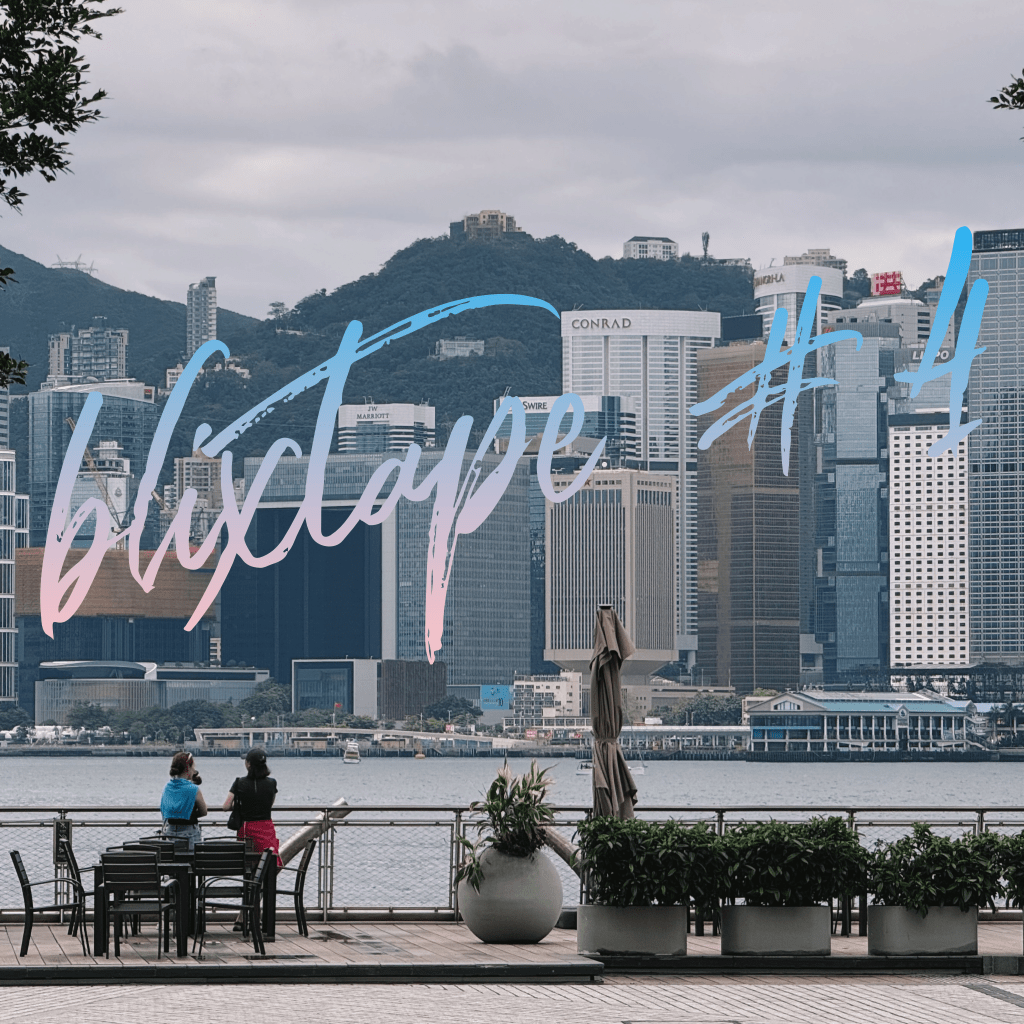
    As reward for making it this far, here’s the next installment in my Blixtape playlist series, covering music I listened to from January to May this year. Hope you find something to like.

    Add BLixTape #4 on Apple Music

    The tracklist:

  • Week 18.24

    Week 18.24

    Last week marked the 200th installment of a blogging rhythm I wasn’t sure I could keep up for a year, let alone nearly four. I thank any readers I have, the makers of iA Writer, WordPress, and of course, my wife for graciously giving me space on Sunday mornings to engage in this act of reflection and blabbering.

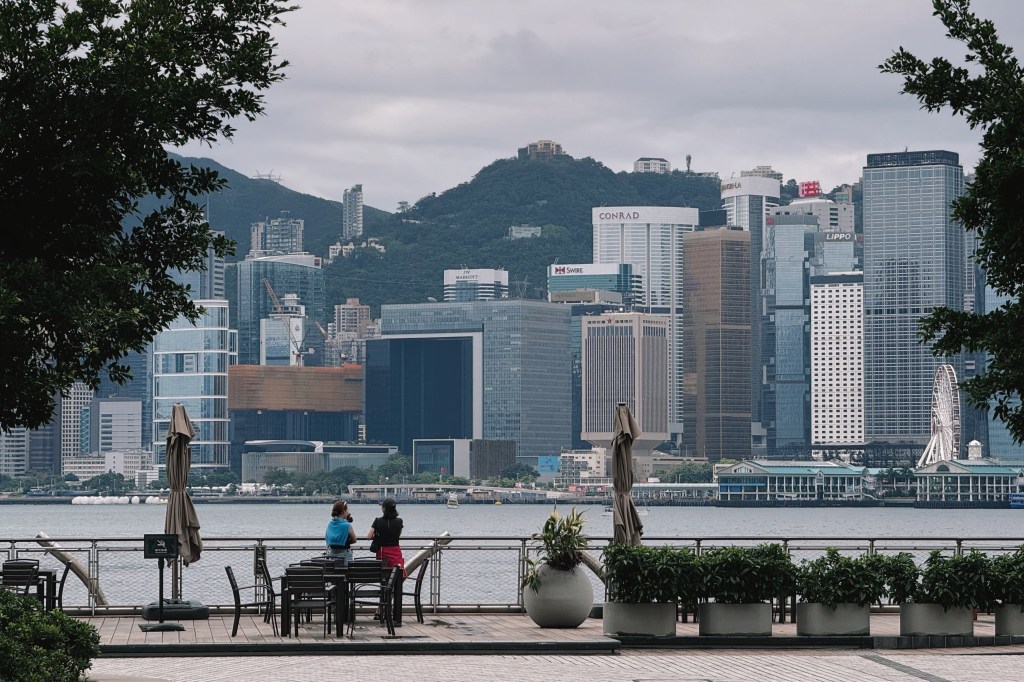
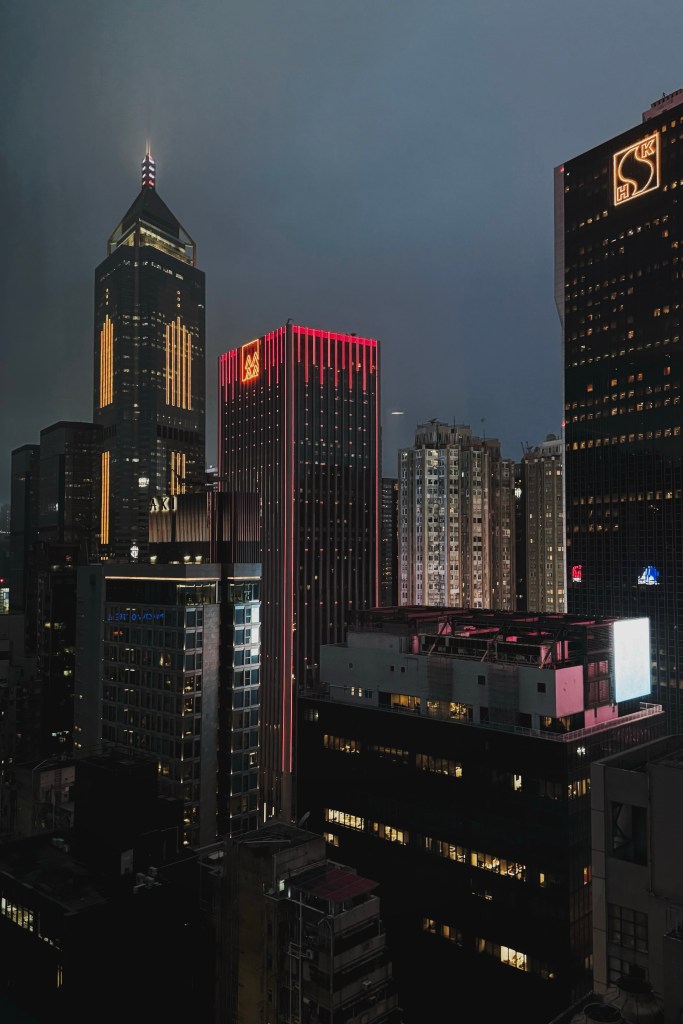
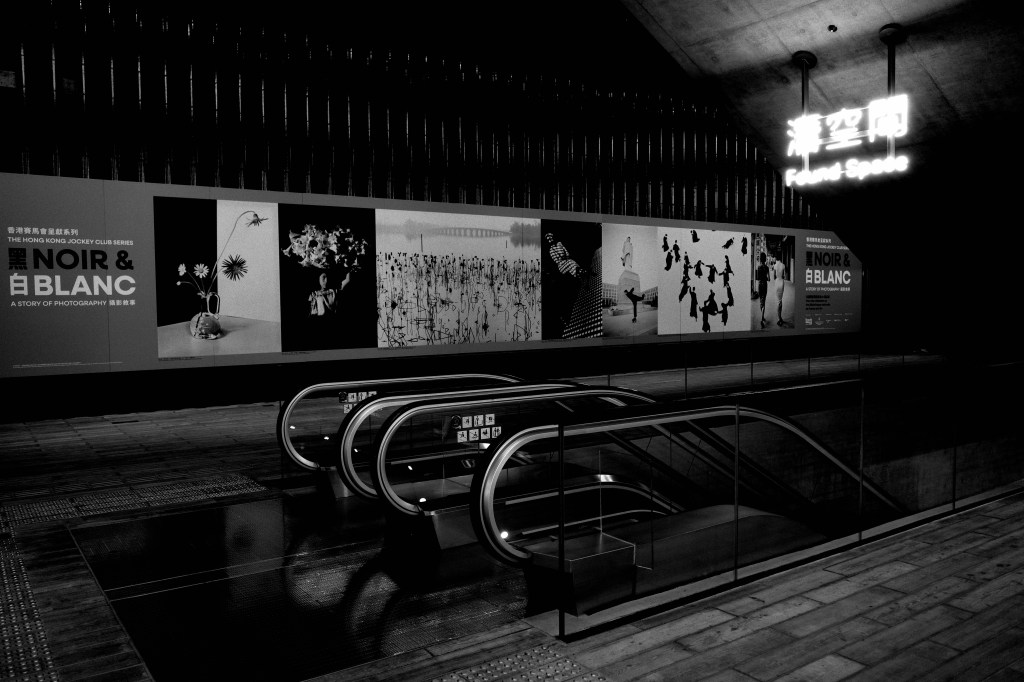
    Except I’m not writing this on Sunday, no it’s currently Thursday and I’m getting a head start with some structure because we’ll be in Hong Kong for the weekend. It was a last-minute idea, driven by a primal craving for Chinese roast goose, a desire to escape the summer heatwave currently roasting all of SE Asia, and the realization that we won’t have a pocket of clear calendar space like this again for several months.

    I haven’t been back in the territory since May 2019, and so much has obviously happened since. Did you know that this very site was once blocked by the great Chinese firewall? I have no idea why, but I hope I don’t find myself unwelcome upon arrival. Anecdotally, I’ve heard the city doesn’t quite feel the same these days, and we’ve seen the numerous ChannelNewsAsia documentary features about people looking for fresh starts, emigrating to the UK and so on. But as an infrequent visitor with only superficial interactions to speak of, I don’t expect to sense any changes at all.

    What’s changed is that while I used to be excited about Hong Kong’s lack of sales tax and abundance of electronics and camera emporiums, not to mention official Apple Stores, those things are less interesting these days. I’ve got nothing on my shopping list (plus I’m in low-cost mode — see previous entries), I’m content with snapping photos on my iPhone and Ricoh GR III, and Singapore has so many Apple Stores these days I’ve started taking them for granted.

    (CW: some camera nerdery ahead)

    I am looking forward to photographing the city a little with Dmitri Novikov’s new camera app, Zerocam (in beta). The concept is an extremely simplified camera with one button; there’s not even a way to quickly look at the last photo you took. When you hit the shutter, a RAW image is captured with as little of the iPhone’s intelligent processing as possible, plus some specific settings that Novikov prefers (-0.5ev and some very light touch color grading, as far as I can tell), and then saved directly to a HEIF file.

    Unfortunately it only gives you photos at 12mp size, probably because third-party apps don’t have the option of 24mp and 24mp is a result of the computational photography processes that Zerocam avoids anyway. And while you can use Halide to capture similarly unprocessed photos (turn off “Enable Smartest Processing” in its settings), you can’t make it remember a lowered exposure setting between sessions.

    The intermediate solution I’ve landed on to retain 24mp files while getting better everyday photos is to set Apple’s stock camera app to remember a -0.7ev exposure, and tune Photographic Styles to -20 Tone and -7 Warmth. I really like the look of this “recipe” on iPhone 15, and it’s kinda like shooting with Highlight Priority exposure and the Negative Film effect on a Ricoh GR III (which I’ll also be doing).

    Actually in HK now:

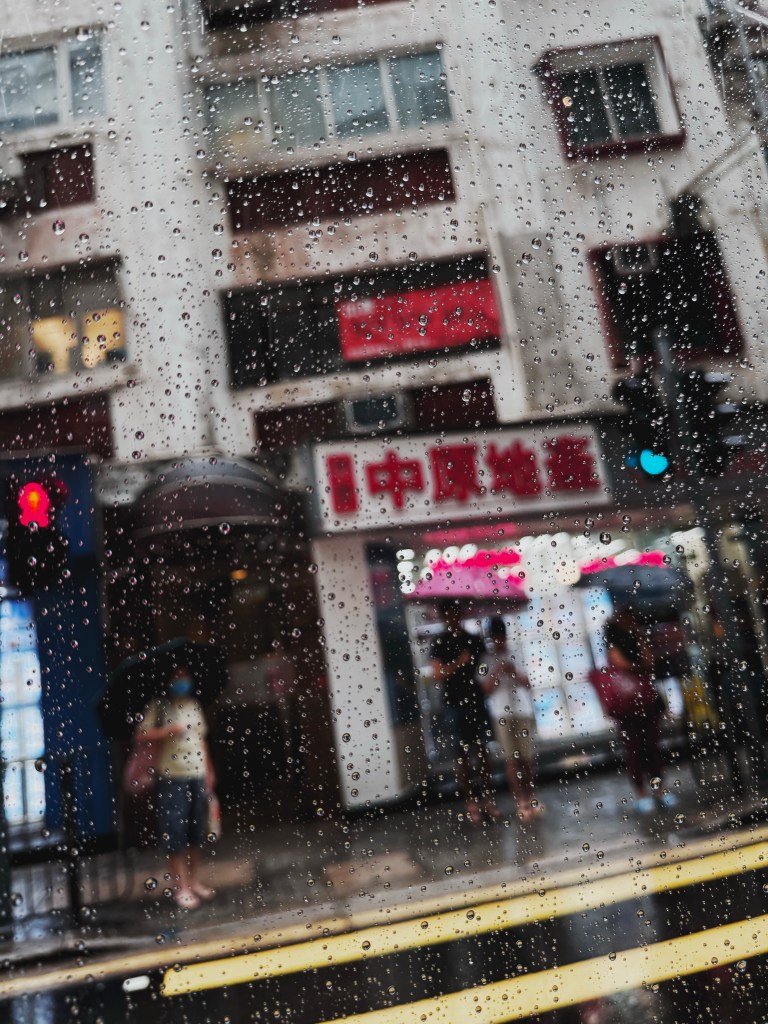
    We’ve chosen a wet and gloomy weekend to stop by. Our flight was delayed by 2.5 hours, I suspect because of turbulent conditions at HK International Airport around our original arrival time. Just two days earlier, some Cathay Pacific passengers were tossed around and couldn’t land for six hours, with the descriptions of a vomit and scream-filled cabin in the news fulfilling the conditions of a personal nightmare.

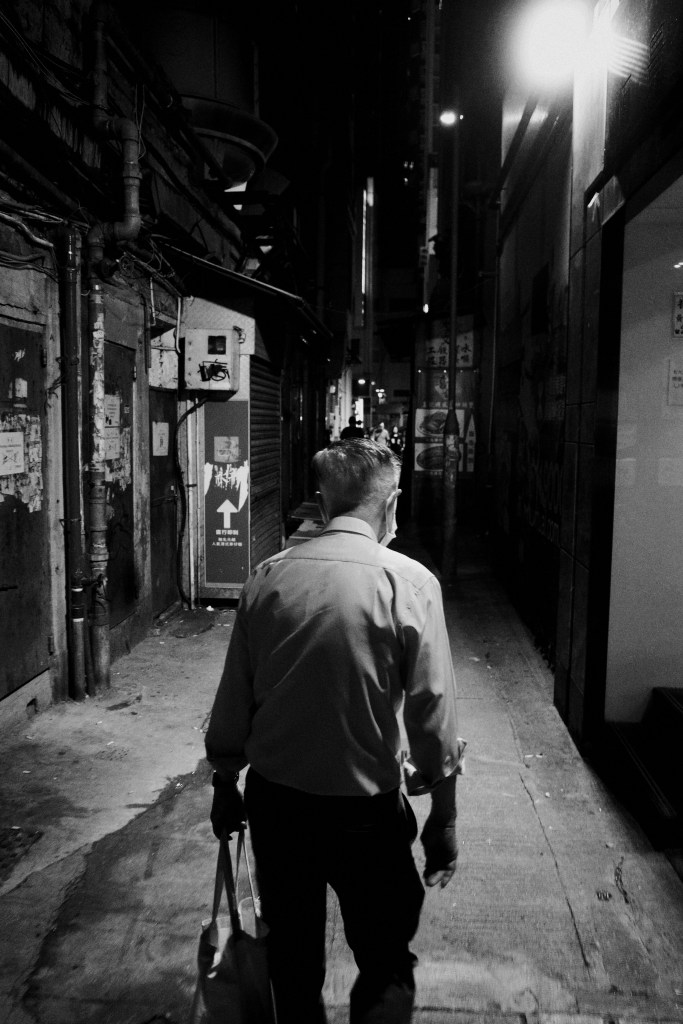
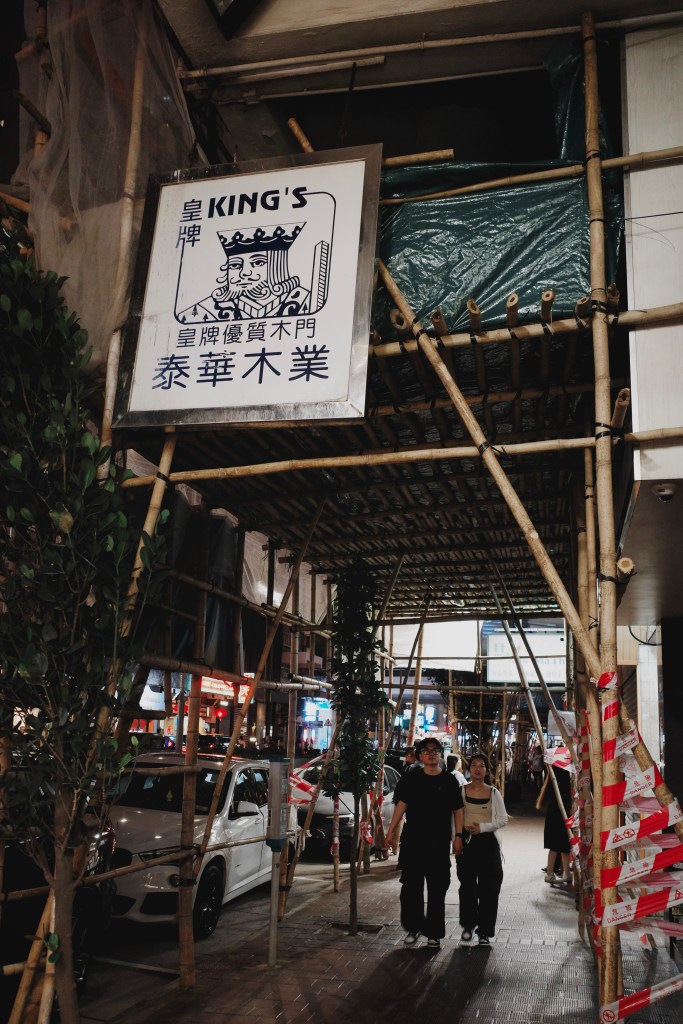
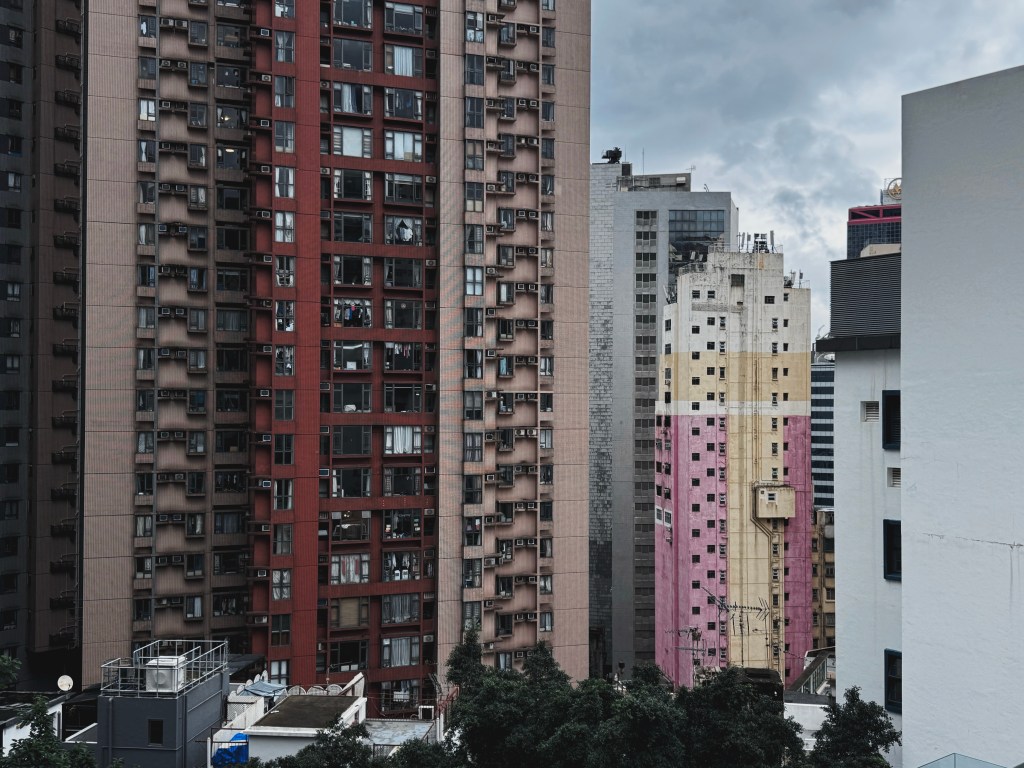
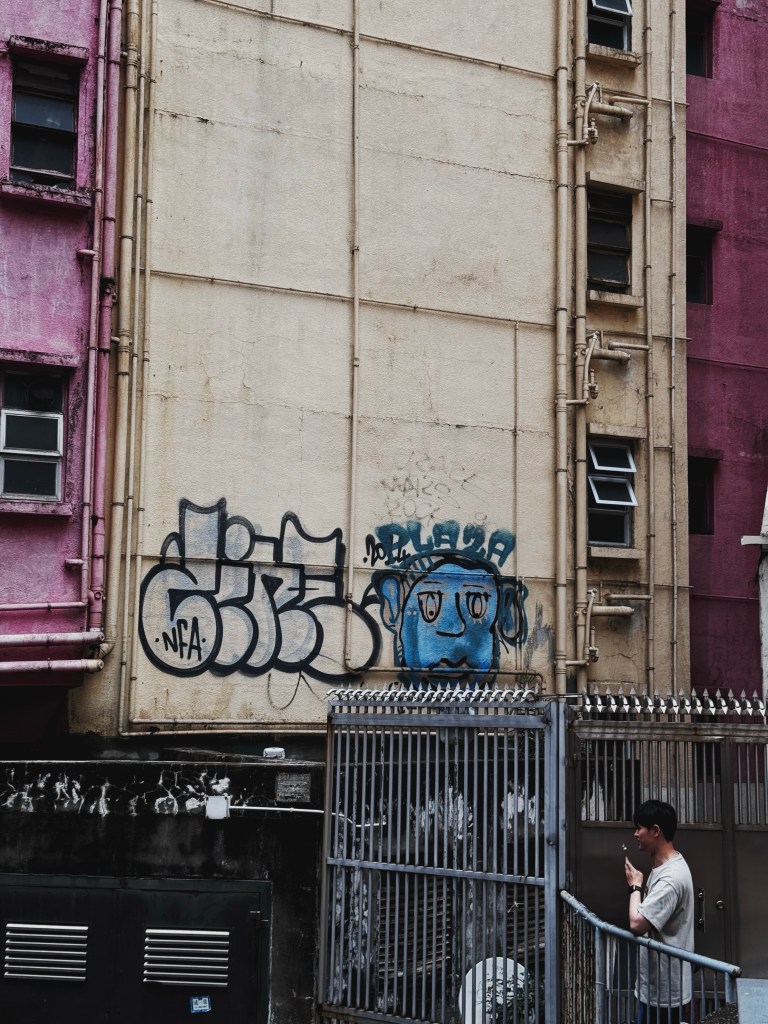
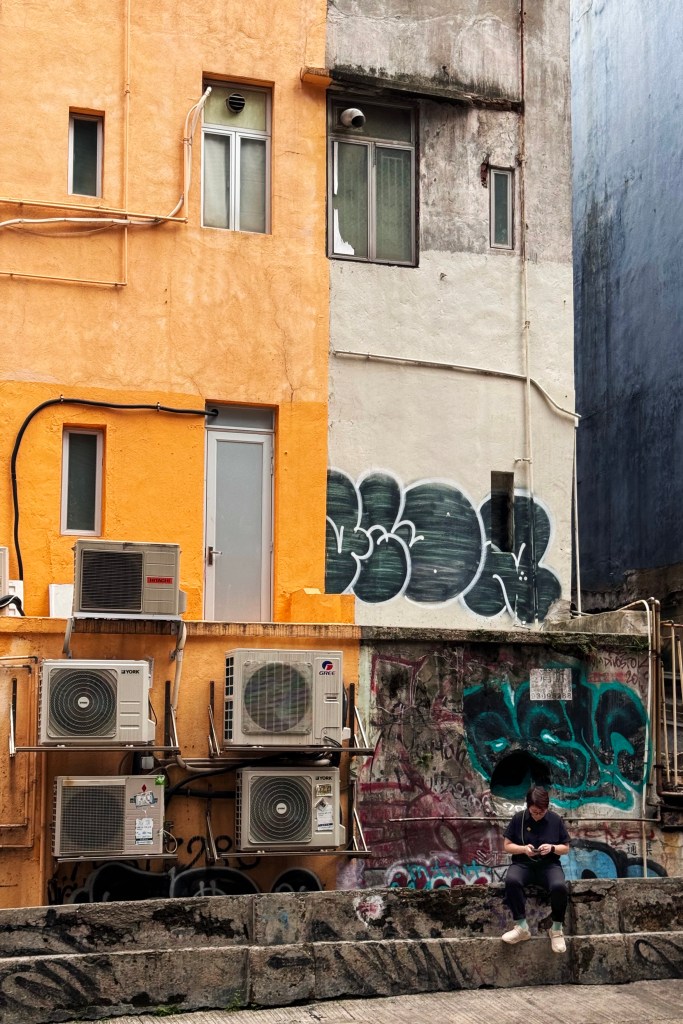
    I take back a little of what I said — things do feel somewhat different. The city is grubbier than I remember; prices are higher and some people must be struggling to get by (well, HK isn’t alone in this); and there’s a hint of economic decline in the many empty shop units with ‘For Lease’ signs up.

    One tool that’s been super helpful all week has been the Arc Search app on iOS, which added a voice mode that you can assign to the Action Button on iPhone 15 Pros. When the app launched with an AI feature that summarizes search queries on custom-generated webpages, I was wary of this “browser that browses for you” concept, which gives users few reasons to visit the underlying pages being mined (thereby ruining the web), but maybe they’ve made some changes since. It’s easier to click through to the sources.

    I’ve been using it to answer questions like “what interesting art exhibitions are on in HK right now?” and it performs some light research, and I do end up visiting the linked websites for further details like location and pricing. It’s effectively a better way to present search results (albeit with the same bias and ranking concerns as search results). I hope iOS 18’s AI overhaul will see similar utility coming to Siri and Safari. Perhaps this is where the rumored Gemini partnership with Google comes in.

    ===

    Media activity:

    • I started on a new Jack Reacher book: Night School. It’s what I do when I can’t decide what to read next.
    • I’ve been watching the new-ish MF Ghost anime, which is a sort of sequel to Initial D. Some people seem to think it’s an insult to the original show, but I wouldn’t know — I might watch it after this? It’s got a funny premise: in a future Japan, electric vehicles are the norm and gas-powered cars are only allowed in a special racing tournament called MFG. But drifting has become a lost art! Enter Kanata Rivington, a hafu born in England who trained under a master who I presume is the main protagonist of Initial D, returning to Japan for the first time to find his lost father and school a nation on how to burn rubber while chucking a uey.
    • The Japanese saxophonist Sadao Watanabe is back with a new album at the insane age of 91. It’s called Peace, and I’m digging it. Speaking of, I first heard him as a child digging through my dad’s music collection.
    • I’m also loving Tigers Blood, by Waxahatchee, which I discovered on Pitchfork’s list of The Best Music of 2024 So Far. I’m aware that Anna Wintour fired a bunch of people from Pitchfork and it’s supposedly not the site it used to be, but this is a great pick. They say: “Recommended if you like — Indie-country; Sheryl Crow; Gillian Welch; that Brad Cook Sound; MJ Lenderman showing up; catchin’ skinks down by the creek; ice cream stand off the highway; letting your legs dangle off a pier”.
    • What a week in rap battle history! The beef between Drake and Kendrick Lamar has been giving us explosive drama and incredible diss tracks, sometimes more than one a day, and Kendrick’s the winner in my book but honestly I’m afraid just watching it unfold. It feels like someone’s going to get shot or jailed as a result of this.

    Oh one more thing! The Cannes Lions Festival announced the shortlisting juries for 2024’s awards, and I’m pleased to share that I’m on the panel for the Brand Experience & Activation Lions. That should keep me occupied for the next few weeks.

  • Week 12.24

    Week 12.24

    If you’re reading this on the web, you might notice that this site is now running WordPress’s new ‘Twenty Twenty Four’ theme, with a more traditional blog-like homepage (it has a sidebar) linking to single-column post pages. Navigation remains unchanged, but typography and minor details are improved.

    I’m happier with this than I was with the blocky grid of last year’s ‘Twenty Twenty Three’ theme, because this comes with the freedom to put up shorter posts without Titles or Featured Images. Over the years I’ve gone back and forth on microblogging here, or having all tweets mirrored here, but it’s never stuck. But at least I have the option again, especially since I haven’t properly posted on Twitter in a year and most people I want to follow are still scattered across Threads, Bluesky, Nostr, and Mastodon.

    ===

    We celebrated a little life milestone this week with a nature walk, a “Gold Class” viewing of Dune Part Two, a nice bottle of French Malbec, and a perfect Canadian pork chop with a side of the butteriest mashed potatoes. A mix of simple and simpler pleasures.

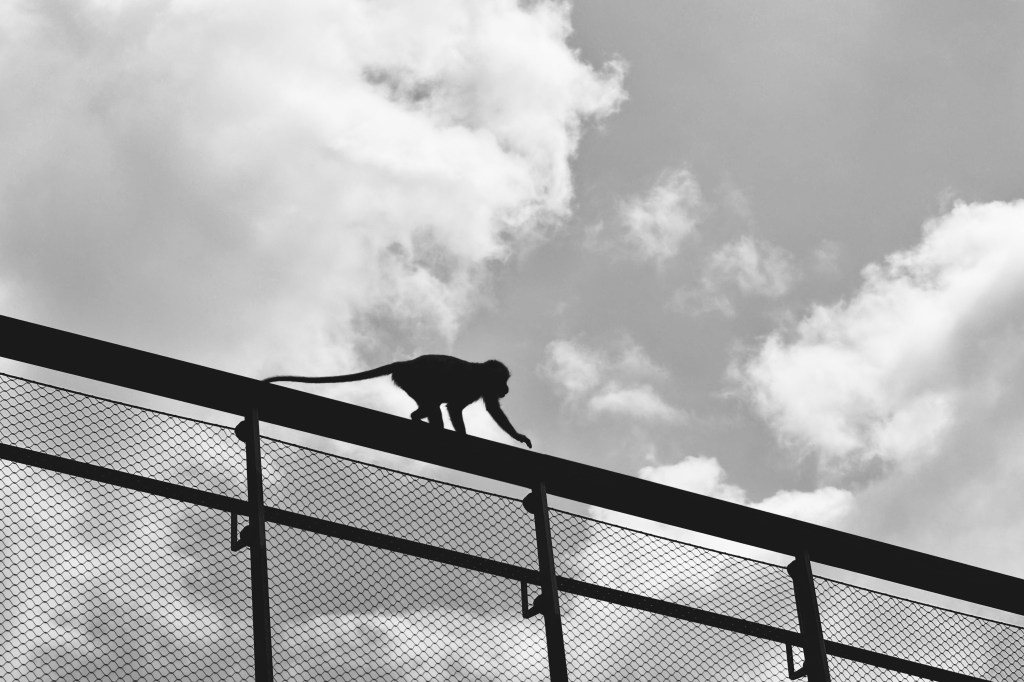
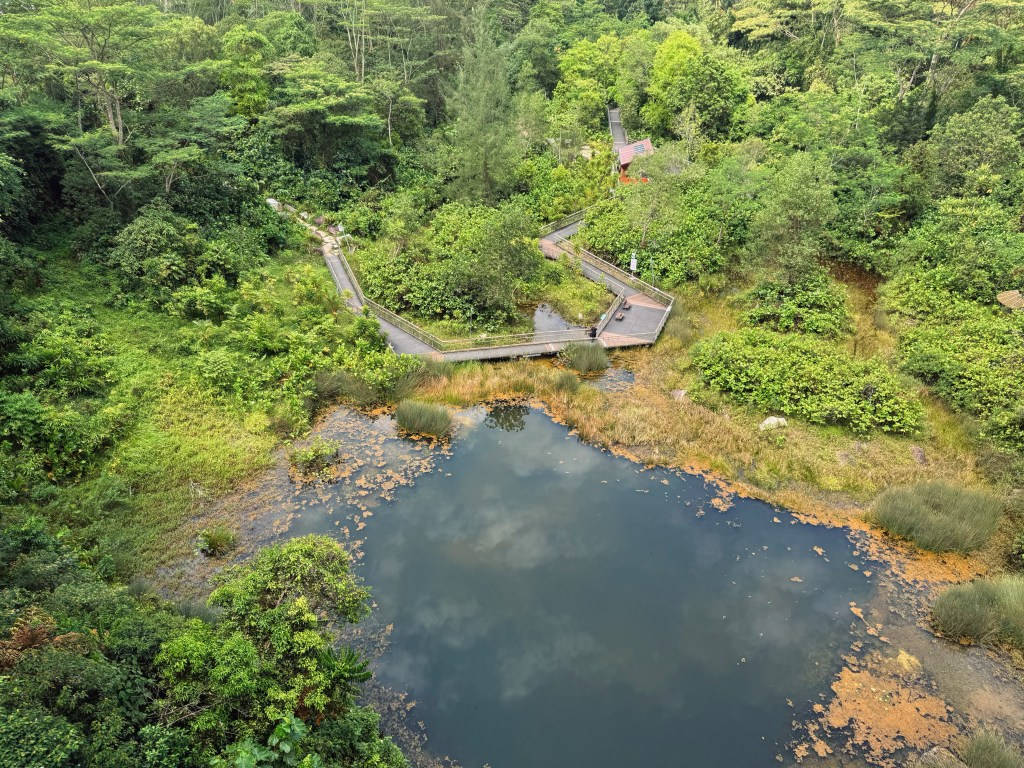
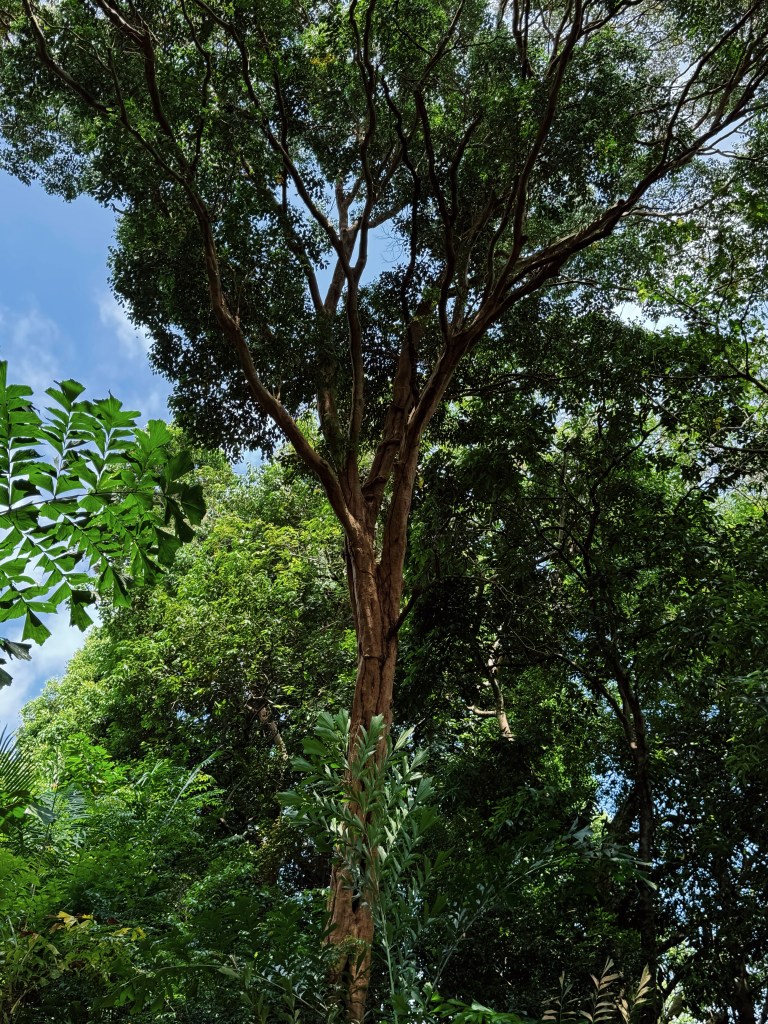
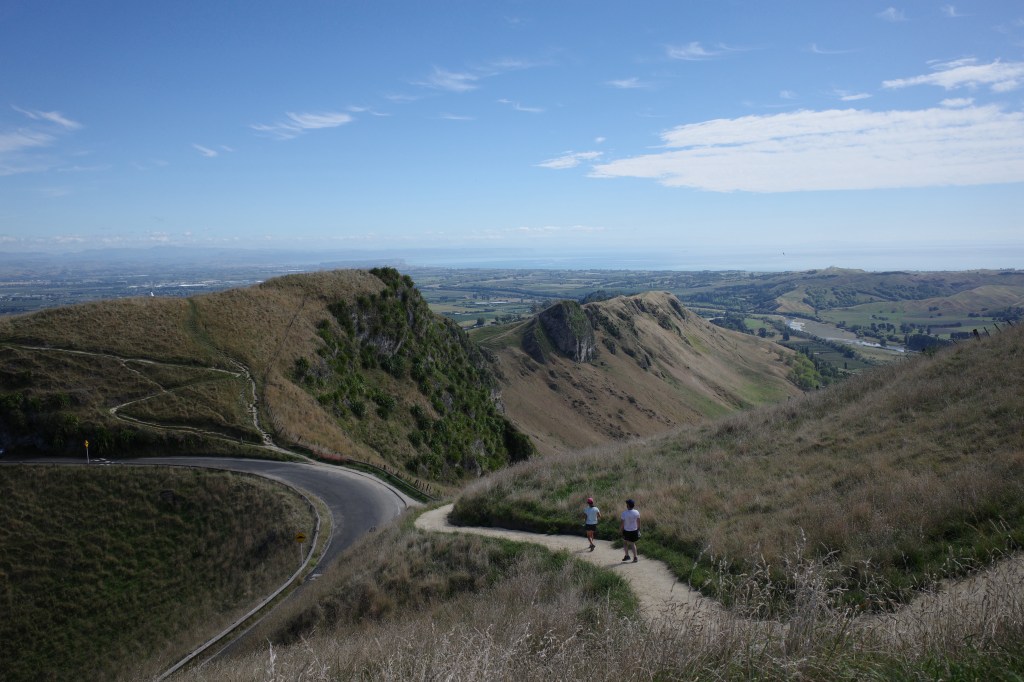
    I’ll expand: We were recently in New Zealand, and took a couple of walks in nature reserves. I’ve never bothered to attempt the same in Singapore because it’s ridiculously hot, but visiting the Rifle Range Nature Park in West Singapore was interesting for the stark contrast offered versus our recent experiences. Every step on its paths is sure footed by design; suspended walkways take you through the forest without trampling plants, and they’re so convenient all the monkeys we saw were using them as well, rather than walking in the dirt. You get the sense that everything is regularly inspected and all dangers have been scrubbed. It reflects the usual criticism of Singapore being a theme park, which is only a problem because living in a safe environment breeds complacency. At several points on the easiest routes at Te Mata Park in New Zealand, slipping off a path and tumbling into a ravine was a genuine possibility. I wonder what other metaphorical tumbles Singaporean life has not prepared me for.
    The new Dune is as superb as all reviews have indicated, and I could not imagine rating it any less than 5 stars in Letterboxd. The art direction and photography are flawless, and it looks twice as expensive as it is. Never once while watching did my brain check out and think, “oh, that’s CGI”. The only change I would dare suggest is Austin Butler’s casting, as he’s not anywhere as menacing as the movie treats him. His character is already a nepo baby who just enjoys killing defenseless slaves and servants, and Butler didn’t bring the presence to suggest he’s also one of the most dangerous people in a universe full of freaks.

    Another 5-star film for us this week was Wim Wenders’s Perfect Days (2023), which won a Best Actor award at Cannes last year for Koji Yakusho’s nearly wordless performance. I enjoyed it tremendously as a loving tribute to the city of Tokyo and its toilets (really), a meditation on repetition and routine, an ode to proud and purposeful work, and a parable about how avoiding the messiness of life might obscure living itself. The soundtrack is a Gen X dream. Visually, it’s filled with beautiful everyday moments so mundane as to be overlooked by most of us going about our daily busyness. The way all its themes and music choices come together in the film’s final minutes is worth half a star alone.

    Continuing the theme of Japanese films about appreciating life, we watched Living (2022), the transposed-to-England remake of Kurosawa’s Ikiru (1952). I’ve never seen the original, but it’s now high on my list. Bill Nighy is fantastic in the role of a civil servant who learns he’s dying and wonders what it’s all about, and plays his deconstruction with impressive vulnerability. I looked at the trailer for Ikiru afterwards, and while Takashi Shimura’s performance in the same role is regarded as iconic, it was a little theatrical and may not have aged as well.

    Anyhow, the message in both these films is timeless: stop working so hard at meaningless things, smell the roses (or watch the shadows cast by leaves — ‘komorebi’ in Japanese, as the end credits of Perfect Days tells us), and make a difference to another human being’s life.

    Take a little forest bathing break with this video I captured.

    ===

    Additional media activity:

    • We finished Season 1 of Below Deck Down Under at last, and I was glad to learn that Captain Jason and Chief Stew Aesha return for Season 2, which we now must see. The leadership and teamwork these two have put Captain Lee and Kate of the mainline series to bottomless shame.
    • The new Call of Duty mobile version of Warzone has finally come out, after being delayed for about a year. As a somewhat devoted player of the original Call of Duty Mobile title, I’ve been waiting with very high expectations for this. Unfortunately, the launch has been a bit of a dud, with many complaints from the worldwide community. For one, Android devices seem incapable of running it well. On my iPhone 15 Pro Max, it runs at peak performance and the graphics are truly console quality; I was running around maps that I knew instinctively, but my brain was exploding from how different and detailed everything looked. Sadly, the phone runs hot and it drained the better part of my battery in maybe an hour. I’ll wait to see if they improve anything before calling it quits.
    • The new Kacey Musgraves album, Deeper Well, is not bad at all. It even has a song called Anime Eyes which drops a line about a “Miyazaki sky”. Very weird times we live in.
    • I started using a new social app that tries to be a Letterboxd for music: Musicboard. Unfortunately, it doesn’t automatically log/scrobble your listening activity, so rating music and broadcasting your taste is a manual affair. You also can’t start playing an album directly in Apple Music from within the app — it only supports Spotify at the moment.

  • Week 8.24

    Week 8.24

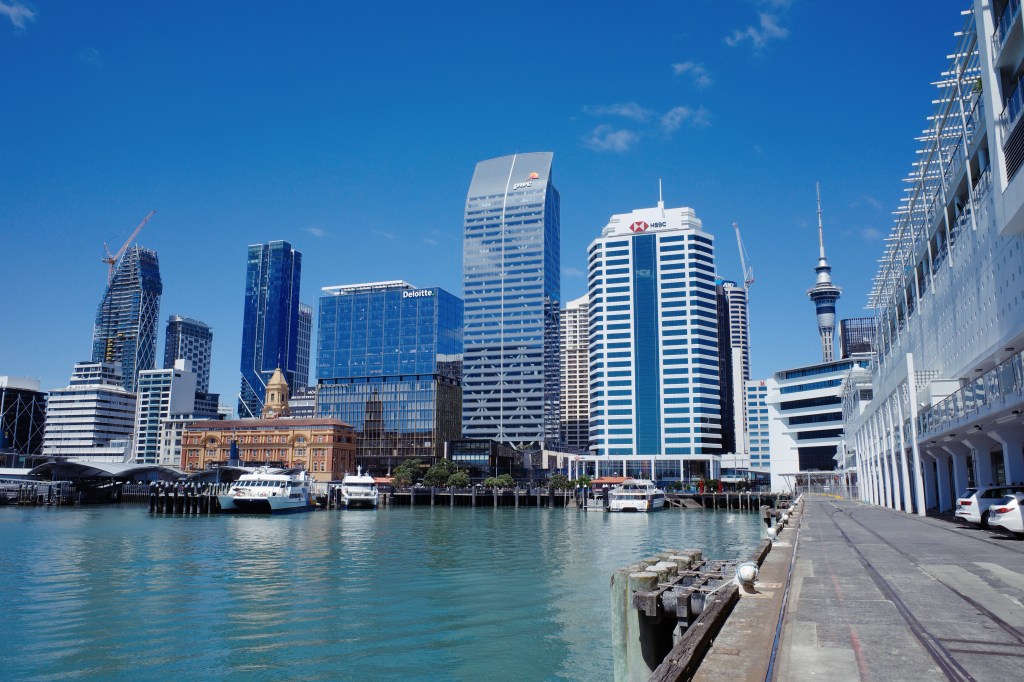
    We spent the last three days of our road trip in Auckland, returning the car to a desolate parking garage and then ordering an Uber from the side of the road with our luggage. When we got in, the driver confirmed “So you’re checking in to the Hilton? Not impressed with the parking lot?” which was low-key one of the best jokes that week.

    I already mentioned eating many burgers, but from our brief tour of restaurants across the North Island, it really seemed like New Zealand cuisine is made up of steaks, brisket, pork belly, oysters, fish and chips, and lamb chops. The renowned local beef is as amazing as you’d expect. As a tourist, this is nothing to complain about, but I’m certain I’d find the narrow range a little tiring if I lived there.

    There are local beers and many craft beers, but Heineken is held in strangely high regard; maybe a result of its relatively high price as an imported product. In Singapore, I’d say it’s on the second rung from the bottom above Tiger and Carlsberg for many people, a slightly better lager for not much more money. Anyway, the wine game is so strong it’s a wonder anyone drinks beer there (we did, though).

    I think Peter Jackson’s Lord of the Rings films put New Zealand on the map more than anything else in the past century, but we passed on visiting the Hobbiton film set as neither of us are really fans — I sometimes explain that I hate fantasy settings because there’s no electricity and it’s just filthy people sitting around fires — but it wouldn’t be right to go all the way to NZ and not at least touch that iconic surface.

    So we booked a Weta Workshop tour in Auckland, which turned out to be part-theme park, part-showcase and gift shop. They’ve structured an experience around three fictional films their team supposedly worked on but didn’t get released, which provides a narrative device to show off their craft in conceptual world building, model making, special effects make up, and cinematography. It is not dissimilar to making a video game! You come up with the setting, the rules of the world, character designs, then get sculpting.

    Did you know? Weta worked on the Ghost in the Shell live-action film, making Scarlett Johansson’s silicone suit and other cyborg designs.

    Another highlight of our time there was a “Maori cultural experience” at the Auckland Museum and War Memorial, in which photos were allowed but discouraged, and so I don’t have any to share. There are several opportunities for tourists to see and engage with Maori culture, but when we looked at Tripadvisor reviews, it seemed like some are really commercialized dog and pony shows amounting to little more than cosplay theater, and we weren’t really keen on that.

    In contrast, the museum’s program is a 30-minute demonstration and explanation of some select rituals (which we would call “songs” or “dances”, but are really social instruments for building community, passing down knowledge, and so on) by a talented group of Maori people who apparently manage to hold day jobs in science and education on top of this. On top of preserving their ways, a focus of this experience was showing people from other cultures how easily histories like theirs are colonized and reduced. For example, clapping was not encouraged, because it turns their sharing into a performance, and simply because they don’t clap in their culture. I gave myself points for feeling icky about all the people fresh off their cruise ships clapping at the start, way before they were informed of this.

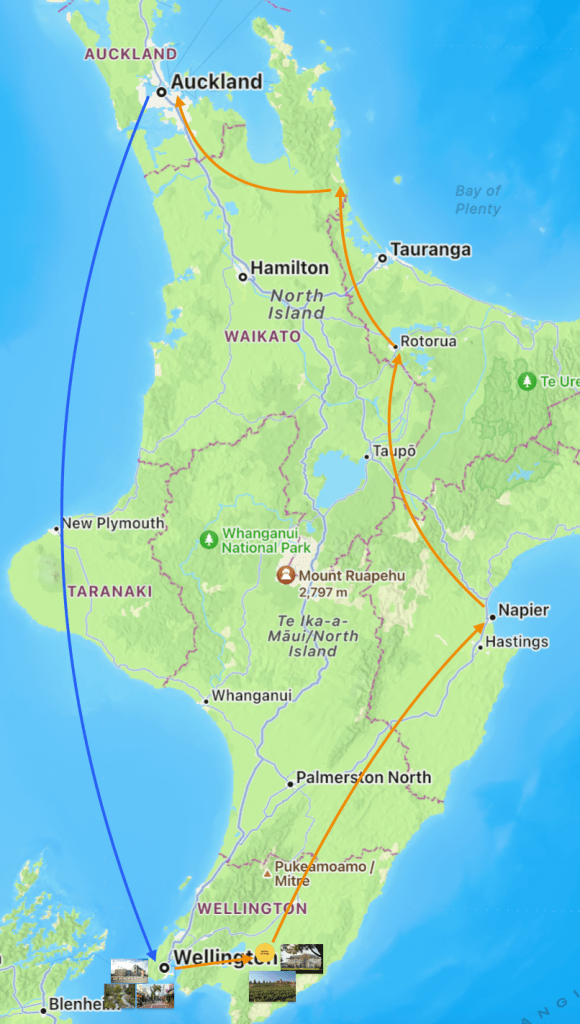
    I promised to share the AI-assisted itinerary of our trip, so here it is.

    The route we planned in Apple Freeform

    Day 1: Auckland to Wellington

    • Arrive in Auckland and catch a domestic flight to Wellington.
    • Evening in Wellington: Walk along the waterfront, find some dinner.

    Day 2: Wellington

    • Visit Te Papa Tongarewa Museum for an insight into New Zealand’s history and culture.
    • Take the cable car to the Botanic Garden for city views.
    • Evening: Explore Cuba Street for its vibrant nightlife and culinary scene.
    • What we really did: Had cocktails at Elixir and dinner near the hotel.

    Day 3: Wellington to Martinborough (1.5 hour drive)

    Day 4: Martinborough to Havelock (3 hours drive)

    • Breakfast at one of the cafes in town
    • Depart Martinborough, taking State Highway 2.
    • Stop in the town of Masterton and visit the Awatoi art and history museum (this was an unplanned stop after we saw a billboard by the highway)
    • Stop at Pukaha National Wildlife Centre.
    • Dinner in Havelock North: there are some nice restaurants in the town center
    • Stay in Havelock North

    Day 5: Havelock and Napier

    • Walk/hike in Te Mata Park and drive to the peak.
    • Head into Napier for lunch at a vineyard: We had bookings for lunch and a tour at Church Road Winery.
    • Local seafood dinner in Napier (as mentioned last week, we chanced upon the annual Art Deco Festival).

    Day 6: Napier to Rotorua (3 hours drive)

    • Depart Napier for Rotorua
    • Stop in Taupo for lunch by the lake
    • Parasailing over Lake Taupo in the mid-afternoon -_-
    • Stop at Huka Falls
    • Continue to Rotorua (another hour, so you’ll arrive in the early evening)

    Day 7: Rotorua to Auckland (3 hour drive)

    • Drive to Whangamata
    • Stop at The Cider Factorie along the way for lunch (this was an unplanned stop but was great)
    • Stop at Hunua Falls
    • Arrive in Auckland in the evening, return car
    • Dinner along Princes Wharf

    Day 8: Auckland

    • Visit Weta Workshop for a tour
    • Go up the Sky Tower for panoramic city views (we got a combo Weta + Sky Tower ticket online)
    • Lose some money in the Sky City casino
    • Beer, wine, dinner

    Day 9: Auckland

    • Visit the Auckland War Memorial Museum for Maori and Pacific Islander artifacts. The Maori Cultural Experience (twice a day, book ahead) is highly recommended.
    • Shopping downtown
      OR
    • Full day: Take a ferry to Waiheke Island for more vineyards, beaches, and hiking trails.

    Day 10: Depart

    ===

    As always, returning to Singapore’s heat after a little time in a temperate climate was brutal. It’s one of the main reasons I would entertain the idea of moving away or owning a second property somewhere. It’s often said that a little sunshine and walking does wonders for your mood and helps people with depression, and I really did feel a lot less weight on me coming back with a watch tan after 10 days, but this weather is not made for walking. And so I expect this feeling will fade with the tan.

    Since coming back, we finished Season 7 of Below Deck, and I’ve just gone totally off Captain Lee and Kate now, formerly the least-bad people in that toxic stew of management hell/training that I’ve recommended people watch the show for in the past. We’ve now started on Below Deck Down Under, and the Australian captain there is a breath of fresh air. Where Captain Lee stayed in his bridge oblivious to the crew’s troubles with bullying and insubordination, this one is hands-on, leads by example, and even joins them for dinner (but wisely not clubbing) on the first night out. You already know he sees what’s going on, who doesn’t pull their weight, and knows how to address it. To top it all off, he’s hot and the interior girls can’t stop looking at him.

  • Week 7.24

    Week 7.24

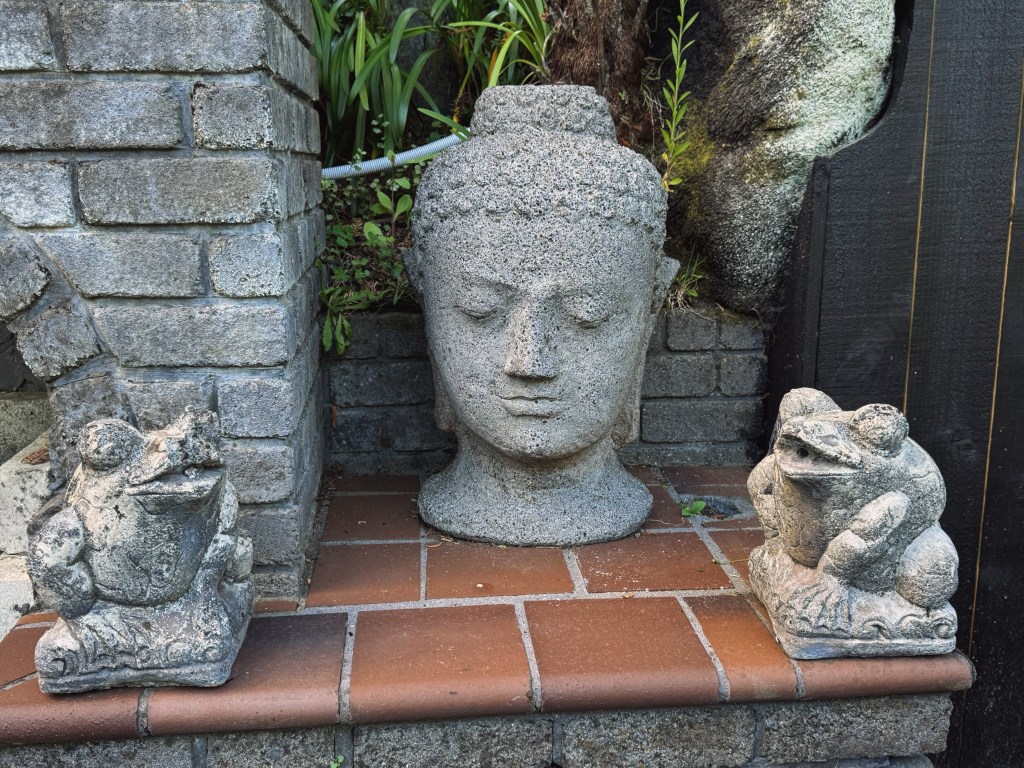
    We landed in Auckland, New Zealand Monday morning and immediately flew down to Wellington, and we’ve been driving our way back north for the past few days. I’m currently writing this while sitting beside a Buddha’s head in a poolside garden, in a small new hotel outside of Rotorua.

    Four hours ago, I was parasailing above Lake Taupō in my usual urban uniform of jeans and a t-shirt — if you know me, you’ll know that I don’t sign up for even remotely dangerous things, especially over large bodies of water; in the cringey words of Below Deck repeat charter guest, Dean Slover, I said “homie don’t play that!” But Kim convinced me to, and we survived. They played Maroon 5 songs on the boat going out, and so by the time we were lifted some 50 meters in the air to float in blissful silence high above the town, I was having a good time. Lake Taupō is a volcanic caldera that’s nearly the same size as Singapore, but because it’s all flat you can just about see from one end to the other from up there. New Zealand challenges the city dweller’s sense of scale like all good nature vacations.

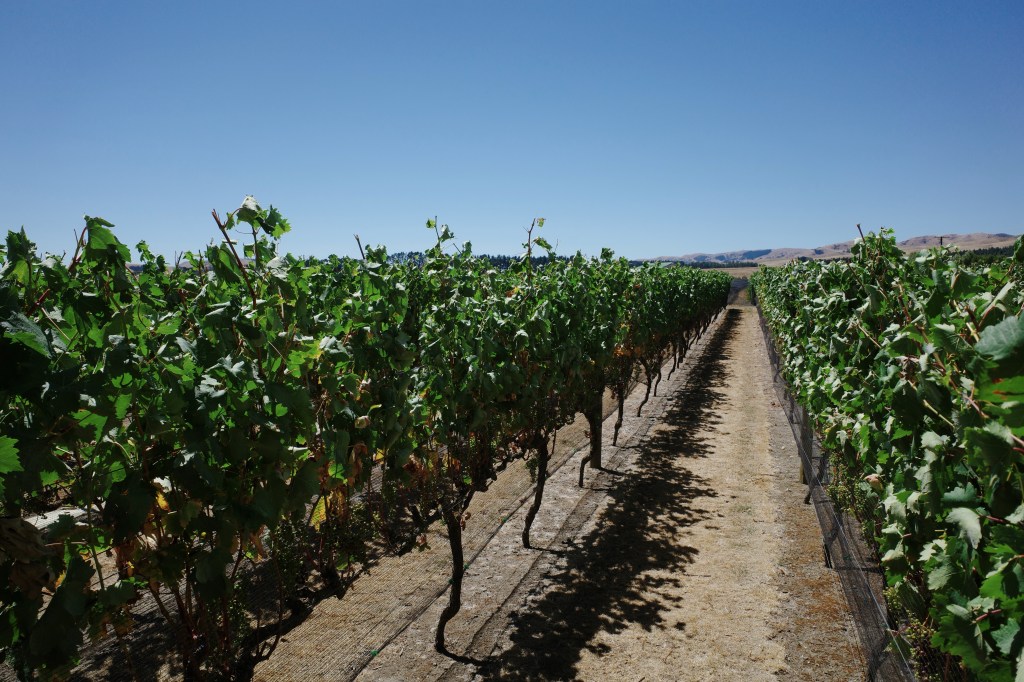
    Since leaving Wellington, the road trip portion of the trip so far has been mostly measured in burgers, fish and chips, and winery stops, specifically in the Martinborough and Hawke’s Bay areas where the tastings have been revealing of each company’s nature: some overly commercial and strictly scripted, versus others more informal, just going on vibes the only way they know. I think the difference shows up in the wine, with wineries in the latter category being more playful with flavor, more likely to put better stuff in a low-priced lineup. But I would say that, as someone who’s now had a crash course in holding up his glass against the light to observe the color.

    I’m now lying in bed on Sunday evening having just finished the last leg of our driving tour, which took us to the famous Whangamata Beach bordering the Bay of Plenty, and Hunua Falls, where we did another little nature walk and met a nice dog and helped its owners get a photo together with their iPad. Old people really carry full-sized iPads around on hikes to use as large-screened cameras. Mind blown.

    A couple of observations on this road trip. So much roadkill! Easily a hundred little bundles of fur spotted spread across tarmac just today alone. Some decayed and washed away, little more than stains. Some still fresh, bloating, bleeding. We avoided making contact with all but a couple. A ritual evolved, mainly to stay alert but also out of pity for these bunnies or squirrels(?): upon spotting one, I would put my palms together and say “rest in peace”, and Kim would follow with “in all your pieces”.

    FM radio is still not a great experience; it’s a wonder how people survived on it for so long. Fortunately I had a lot of downloaded music on my iPhone, which also navigated us with offline maps. CarPlay is excellent, and Apple Maps was good enough for nearly every leg of the journey. We listened to Lorde’s albums, of course, as well as the Sunkissed Summer playlist she compiled on Apple Music, and other New Zealand legends like Bic Runga and Crowded House. At one point I put on some J Dilla but learnt that rhythmic music you can sort of nod and zone out to is NOT what a driver wants over long winding roads.

    As I mentioned last week, this itinerary was drawn up with ChatGPT and my custom GPT, AI-tinerary, but we had to fact-check everything and plot the route on a map before making bookings. It’s held up well so far, with a couple of impromptu detours and chance discoveries along the way. For one, we did not realize that while passing through Napier for one night that we’d be there for the Art Deco-obsessed city’s annual Art Deco Festival, the first one they’ve been able to hold since 2020. Vintage cars were out in force, there was a Warbirds air show, and a free concert on the beach. It was packed, every restaurant was booked out. We ended up eating dinner out of a food truck by the sea. I asked ChatGPT “what’s happening in Napier tonight?” and it confidently replied, “I couldn’t find any events tonight.” At the risk of sounding like a broken record, these tools truly are starting points and aids right now, and you must resist the idea that they are final answers.

    I’ll post the final version of our itinerary next week when we’re done, in case it helps anyone looking to do the same.

    All photos were taken by either a Ricoh GR III or iPhone 15 Pro Max. The extra 120mm equivalent reach of the iPhone came in very handy, but there’s no beating the image quality of the GR when it comes to landscapes. The light was so good that some photos taken with the Standard color profile, straight to JPEG, were surprisingly “finished” out of the camera. This year’s iPhone still wants to make everything bright and sharp, which fails to capture atmosphere and preserve highlights. I edited photos daily as quickly and lazily as possible, using RNI Films for most of it — at some point they added the ability to save edits on top of original files (non-destructively), which is a key consideration I look for in photo apps. I’ve also started using RAW Power again late in the trip, which is making me want to go back and redo some edits. Maybe on the flight home.

  • Week 3.24

    Week 3.24

    I have come down from last week’s AI overpositivity and retaken control of this week’s update. I don’t know what came over me, especially when it’s so easy to see the issues that this current gen AI fever,this onslaught of enshittification, has yet to unleash. We’re poisoning a well, or maybe an orchard, that many people have spent decades building and many more depend on even if they don’t know it. I had two conversations on Monday, one about the disadvantageous state of jobs for 20-somethings and another about the Apple Vision Pro, and found myself in both of them articulating a deep pessimism that I haven’t been able to shake. Even if you buy into accelerationism, there’s clearly a risk of multi-decade spoilage here that future generations will hate us for.

    On Apple Vision (which is what I think the overall product family is called), I mentioned to Brian that I’ve been seeing a lot of Meta’s Quest 3 TV advertising whenever I tune into programs on the UK’s Channel 4, and how they’ve gone from selling immersive VR experiences with the Quest 2 to AR use cases like learning to play the piano — the same territory that Apple’s staking out. And how it won’t be very long before the Android equivalents of the Vision Pro will gain market share, on account of being several times more affordable, but hoovering up eye movement data revealing customers’ intents, attention, and probably physiological info because none of these other manufacturers will take pains to deny developers access like Apple does. We’ve seen these playbooks before.

    Brian and I have also previously discussed the ability of conversational AI products to deeply profile their users, not just by knowing what you want to know about, but how you think, react, speak, and write — what kind of person you are. A conversational interface with generative AI, trained on large amounts of data, is nothing short of a profiling machine that sees you at a behavioral and psychological level. Combine that with knowledge about what draws your eyes and sets your heart racing, and an ad-supported AR headset with built-in AI assistant is a nightmare product that will inevitably be a hit at $499.

    Thinking of the battles that ethically minded designers will have to fight and probably lose, deep in organizations intent on deploying AR/VR dopamine and AI-powered enterprise doodads without question, is what makes me tired these days.

    Later in the week, Jose shared this update on the Fujitsu postal service software debacle in the UK, a case of irresponsibly deployed technology that literally ruined and ended human lives. And that’s just the legacy stuff without any newfangled AI.

    ===

    • I’m finding the first Slow Horses book to be less enjoyable than I expected, mostly because it feels like I’m just rewatching the first season of the Apple TV+ show, nothing less and nothing more. I sort of expected more side story or entertainment than was possible to film, but it’s a rather straightforward procedural. The TV series might be the rare adaptation that’s on par with its source material, in which case I won’t read the rest after this one and will wait to watch Gary Oldman fart his way through them instead.
    • The second season of Reacher fell into the sequel trap, going for more action, more teamwork, more humor, more repeated catchphrases (this did NOT work), and losing something of its charm in the process. They decided to portray him as a sort of humorless Arnie-type killing machine who doesn’t understand normal people’s thoughts, and that doesn’t seem right to me based on his characterization as an astute detective/observer of human nature in the books. I was also hoping they’d go the Slow Horses route and just make the books in order, but they instead jumped to the 11th novel, Bad Blood and Trouble, for this season. Reading this interview with showrunner Nick Santora though, I got the feeling that making Reacher indefinitely is not something anyone on the team takes for granted, so why not go for broke while the Amazon money is flowing? Still, the thrill of seeing Reacher with his team is a payoff that has to be earned, and it’s not the same if you haven’t seen him wandering America solo for ten seasons beforehand.
    • We’ve started season 3 of True Detective, and I’m really liking some of the things they do with blending the recollections of an old man fighting a fading mind, with the disorientation and terror of his present life; they are literally blended and linked with match cuts and unifying objects — in one flashback a full moon disappears above the detective, and we come back to the present to see a fill light has gone out during the interview, and he’s shaken out of his memories.
    • I’m new to the music of Claud, but their superb album Supermodel would have made one of my lists in 2023.
    • I fired up Lightroom to see what new features they’ve added, and there was a new Denoise tool that seems to use AI to generate missing detail — fine, it’s unavoidable — and AI-powered preset recommendations. With one click, I applied a dramatic preset to an old RAW file which made it extremely noisy, and with another click removed all of it and landed on an incredibly sharp and clean image. I’m a little sad about how hard it is for small indies to compete with Adobe on this stuff. Photomator has an ML-based auto enhance feature that really doesn’t work well, often overexposing and making white balance look worse, whereas the Auto button in Lightroom makes improvements 90% of the time.
  • Week 1.24

    Week 1.24

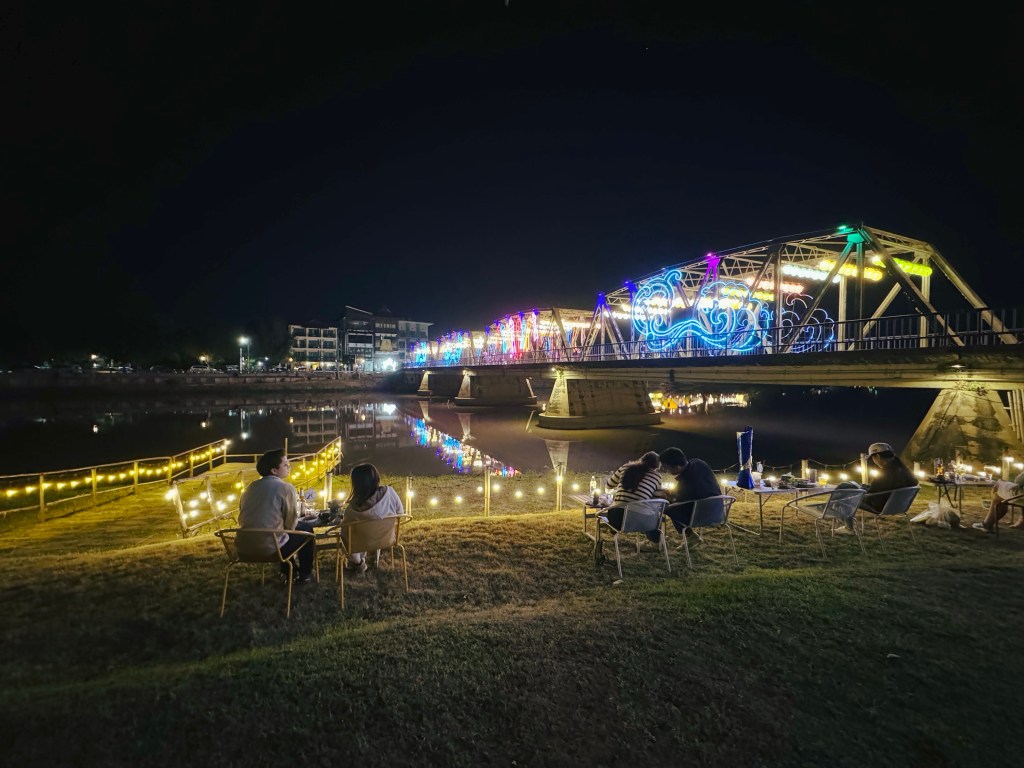
    Happy new year to observers of the Gregorian calendar. We watched the clock tick over on the banks of the Ping River in Chiang Mai, where an insane amount of fireworks were let off for easily 10 minutes. Only the noise cancellation of my AirPods Pro saved my hearing.

    I spent the next morning eating a massive buffet breakfast at the hotel (if I’m being honest, that’s one of my favorite kinds of breakfast setup, something I’ll probably mention again when I get around to making my second Breakfast zine — check out the first one here), where they had both the local signature curry noodle dish, khao soi, and an automated tangerine juicer that makes a fresh glass from at least six whole fruit with the push of a button.

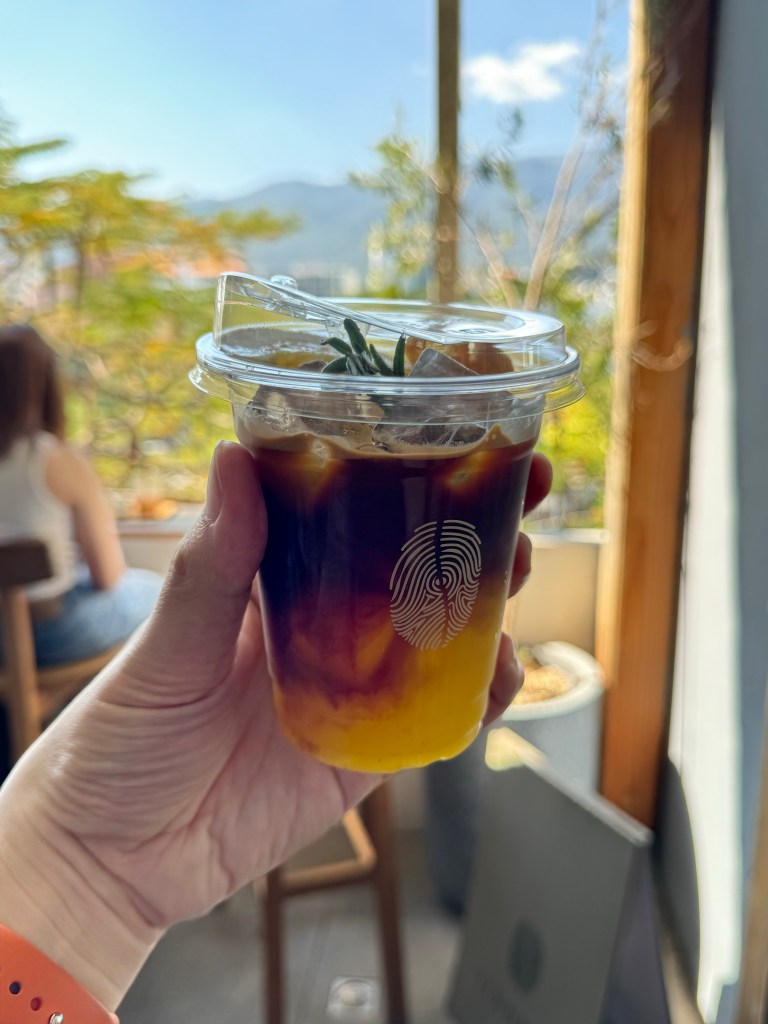
    I never get to drink both OJ and coffee in the same morning unless on holiday, but the Thais have got it figured out. When we went out later to the Old Town area to visit a cafe, I tried a coffee recipe that’s apparently all the rage there now: an iced orange juice and Americano mashup which shouldn’t work but does.

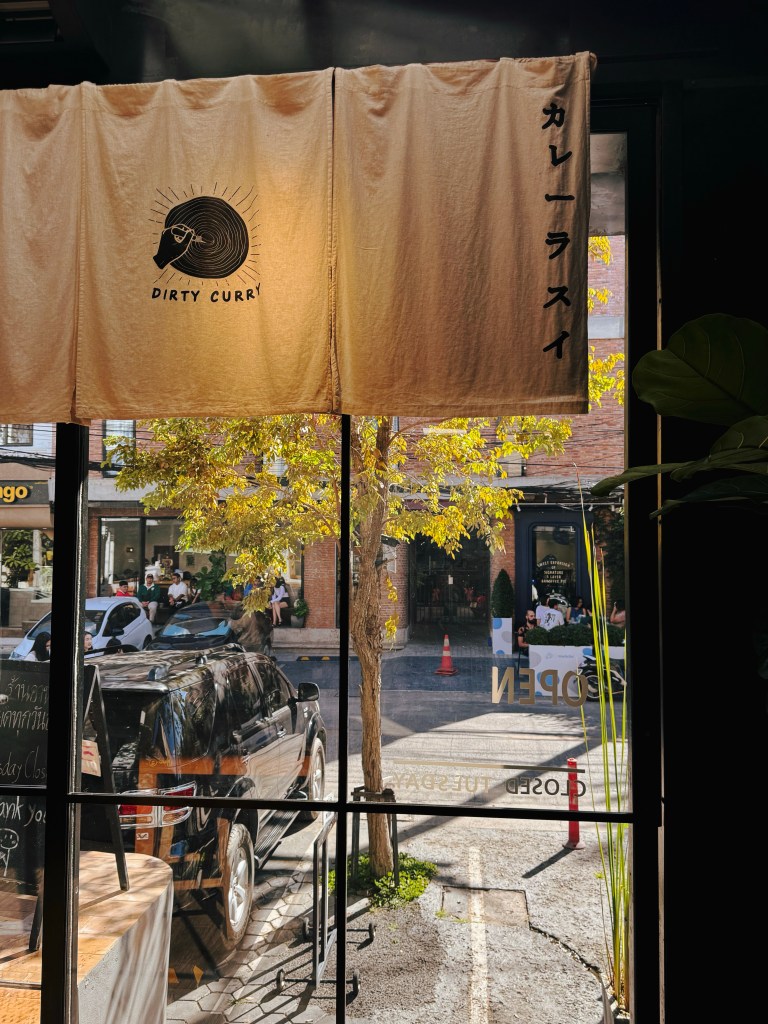
    When it was finally time for lunch, I had a Japanese-style curry rice at a place called “Dirty Curry” inside of a stylish little hotel called Hotel Noir that we might consider next time. The curry played hard to get, taking its sweet time to arrive but was pretty great. Even my iPhone camera ate, because the photo came out looking incredible without any help.

    Returning to reality on Tuesday night, we avoided thinking about work by starting to make plans for our next trip (in February, and before you say anything, this is the closest together I’ve ever had two holidays, and the idea of two holidays a year is already a historical anomaly for me). We had the flights booked awhile back but nothing more, so now we’re really running late with the hotels and other tickets.

    Sitting in front of the TV that night, we watched in disbelief as live images of JAL flight 516 almost crash landing at Haneda airport came in. Everyone’s been mentioning how Japan has not had much luck with 2024 so far; as if the New Year’s Day earthquake on the west coast wasn’t enough, the week’s headlines have mentioned a slashing incident on a train in Akihabara and another rail-related attempted murder just yesterday.

    I returned to work after two weeks away and was amazed at the diversity of human experience when a colleague mentioned how they had gotten bored of having time to themselves over the Christmas break. It boggles the leisurely creative mind. I had free time for a year and would take a hundred more if possible.

    But you know who else has had some time off recently and a lot to show for it? Why, the canceled and almost-forgotten singer-songwriter Ryan Adams who just dropped FIVE albums at once on streaming services! Longtime readers will know that I’ve been a huge fan of his work, for over two decades now if I do the math, and the data will probably show that I subconsciously listened to him a lot less over the last four years after he was accused of sexual misconduct and emotional abuse and retreated from view, occasionally dropping albums of half-hearted new material and experimental covers with little promotion.

    I haven’t really sorted out my stance on situations like this. Another blogger, Christopher Bradley, makes a case for reevaluating Adams here. He hasn’t committed any crimes — apparently the FBI looked into allegations of sexting with a minor and cleared him — apart from being a poor partner and maybe an awful human being in some aspects of his life. But who among us hasn’t? I still listen to Michael Jackson anyway, and anybody who says they can keep still when Billie Jean comes on is a damn liar.

    Anyway, two of Adams’s new albums are esoteric 80s punk rock-ish joints, one of them is a live version of his Prisoners album, and the last two are more his usual speed. I’ve read that Star Sign is the better one, so if you only check one out, I guess that should be it. I plan to work through all of them in the next few days, but on a first pass, Star Sign is quite alright. Because I don’t think any mature musician ever recaptures the energy and raw brilliance of their first few albums — a fact that’s probably best not to think about as a young artist — we tend to grade most on a curve over the years. Just keep the tunes catchy and the words not utterly trite, and we’ll still show up. Unless they get really shitty, like U2.