Just 10 days to Christmas, and I finally got a sense of it happening through my first gift exchange and a couple of meetups. The first was with a few workplace alums, after one suggested to me that it would be nice if we all caught up (and so I ended up getting the job of organizing, which I bumbled through). It was nice after all, and I got to spend time with some people I hadn’t seen in years. The second was last night at a friend’s home that impressively decorated for the season, complete with a playlist of Christmas classics greeting us at the door. I think that was the moment it became real for me.
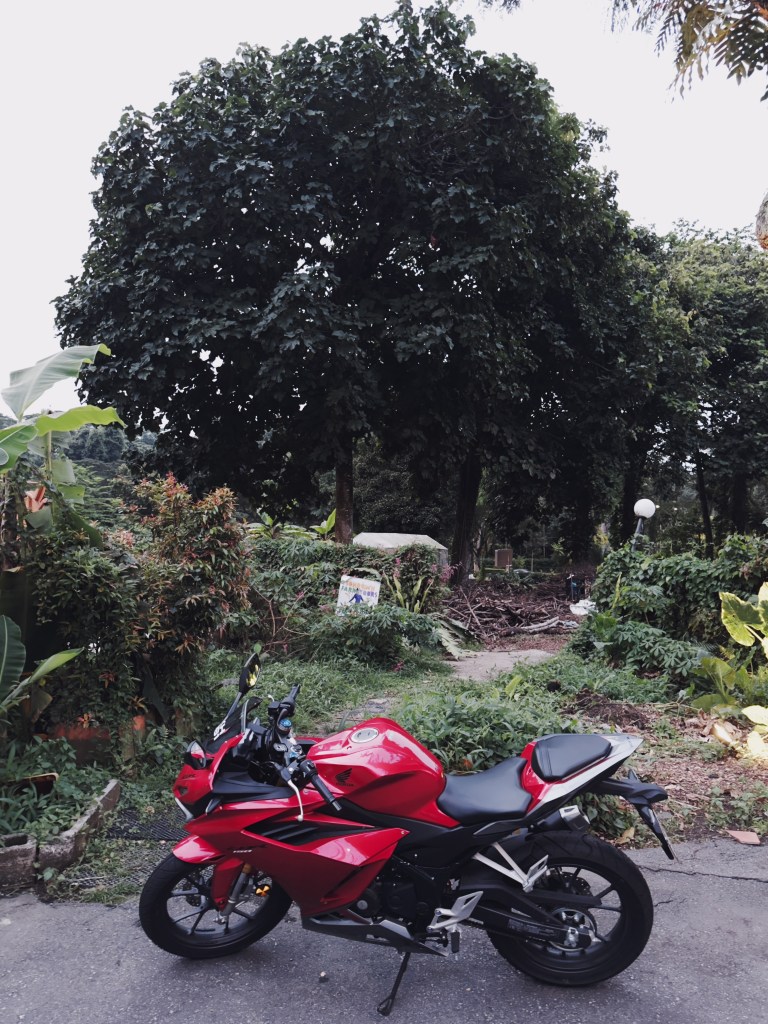
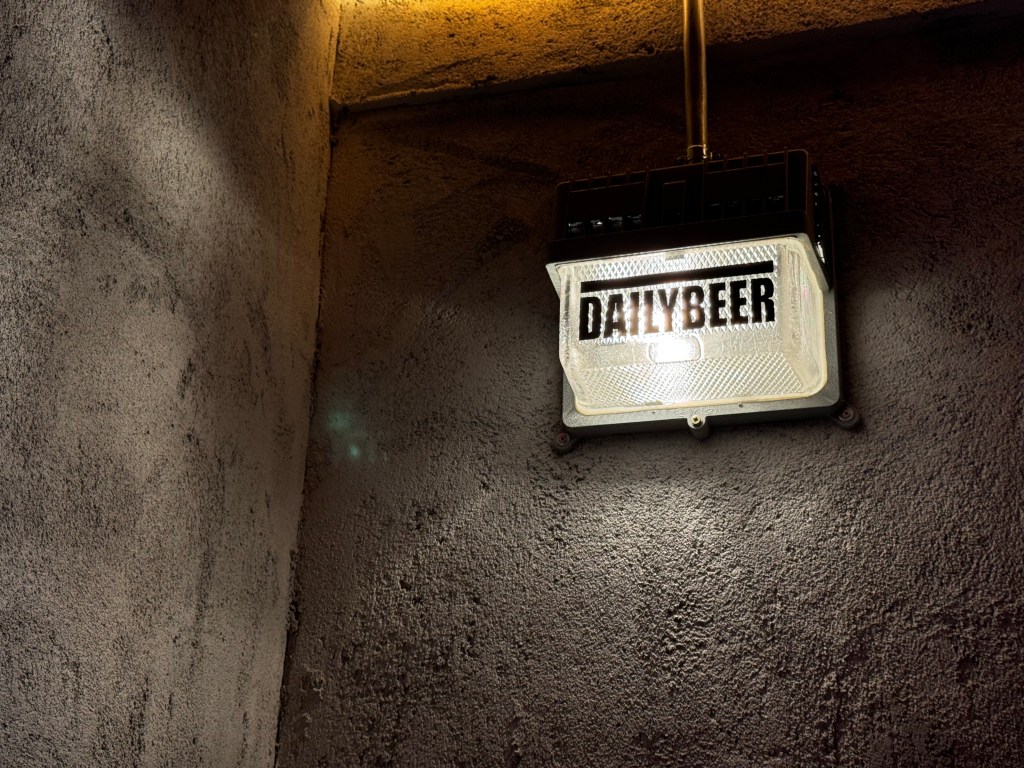
I brought my Leica D-Lux 7 out of hibernation this week for a few photos, mostly to put its aging battery to the test. It fits in my new Bellroy sling (the Ricoh GR III is still significantly smaller and lighter, albeit without a zoom lens), so I’m entertaining the thought of bringing it on our next holiday. Oh, that’s right. We’ve just booked a trip to Tokyo next year, wayyy behind the trend, but hopefully everyone’s had their fill of Japan by now and it’ll be less crowded when we get there. If I do need a spare battery, I’ll pick up the Panasonic equivalent model from Yodobashi Camera or something.
Another reason for the renewed interest was an update to the Leica FOTOS app (which connects to cameras) that came out this week. For the uninitiated, ‘Leica Looks’ are essentially a series of live filters that can be installed onto newer cameras. Owners of older models have been out of luck, but with this new update they can be retroactively applied in the app to any JPEG taken with a Leica camera. While trying it out, I discovered that photos I’ve been taking with the Leica LUX camera app also qualify as “taken with a Leica camera”, meaning you can apply these Looks to iPhone photos for free as well.
So far, I’ve been surprised by how well photos from its Micro Four-Thirds sensor have turned out, especially in daylight. Low light photos are quite smudgy/noisy if you elect to use an ISO value over 3200. I’m fortunate that Leica’s updated D-Lux 8 model this year was such a relative disappointment: a surface-level redesign of the camera’s body and UI without any improvements to the lens, sensor, or processor. It’s good news for me since an uncompelling update is money saved. Ignoring the PS5 I got in May, NOT upgrading stuff has been a bit of a theme this year. I don’t even covet Fuji’s X100VI camera one bit, maybe because it’s been so (artificially?) rare and overpriced.
===
Our new broadband line was finally activated, and it’s resulted in a doubling of accessible bandwidth. In one speed test, I got over 1.1 Gbps (symmetrical) on my iPhone. At this point, our fleet of un-upgraded hardware is holding us back more than the network. In a couple of years, when every device in the house actually supports WiFi 7, I’ll upgrade the router and unlock the full 10Gbps that we currently have.
How little use am I making of this plentiful bandwidth? Well, listening to a lot of Apple Music Radio.
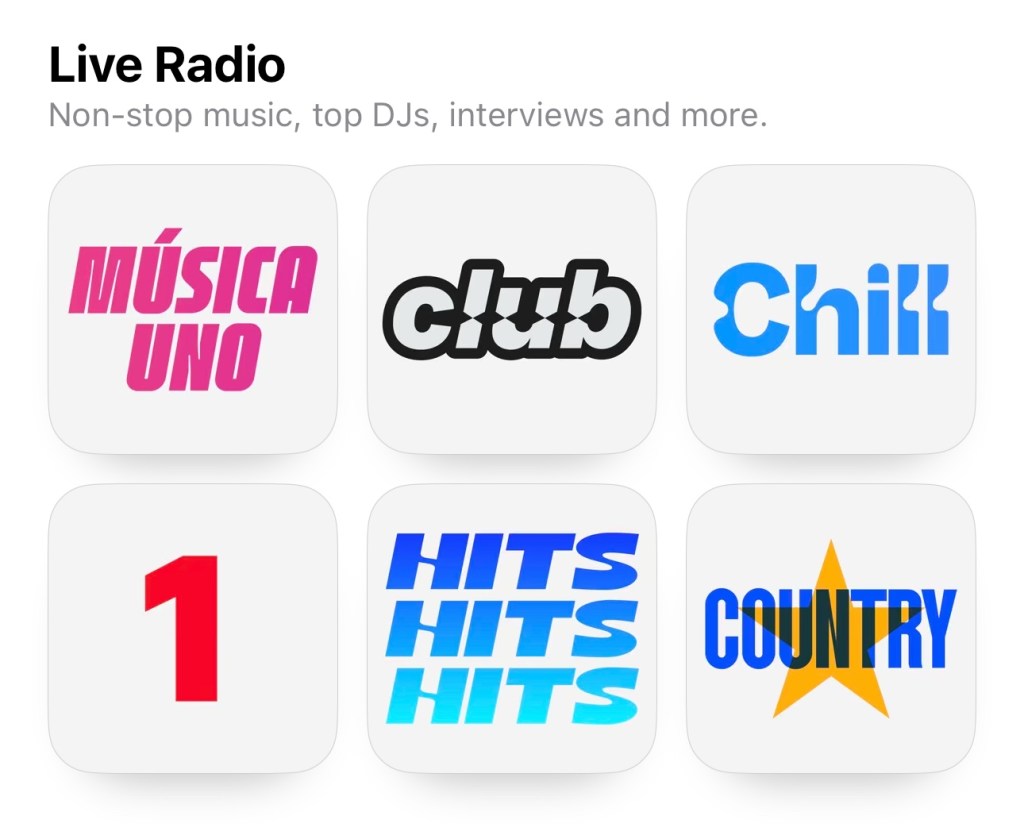
You probably missed this because it hardly made the headlines, but Apple Music doubled the number of their live, hosted radio stations from three to six. Apple Music Club, Chill, and Música Uno now join Apple Music 1, Hits, and Country. In a world where personalized, algorithmic stations/playlists are plentiful and pedestrian, I think these human-led stations are a wonderful zig to Spotify DJ’s zag.
Some of the best artists I’ve discovered this year were serendipitous encounters while listening to Zane Lowe, Rebecca Judd, Matt Wilkinson, or Dotty taking listeners through their latest picks on Apple Music 1. I think receiving and interacting with other people’s passion and opinions is a key part of the cultural experience of music, so these DJs play an important role that is growing ever smaller. It’s so good to see Apple Music expanding their Radio offering rather than shutting it down.
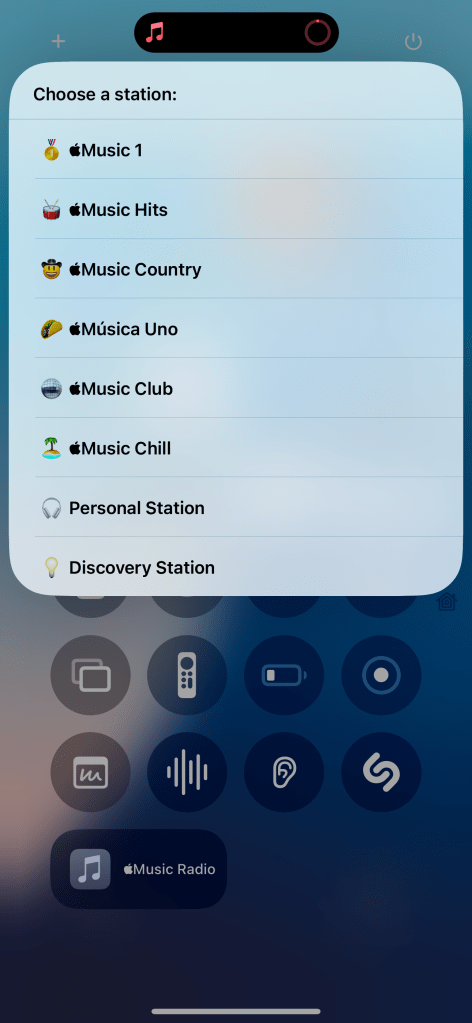
I used to have a Shortcut on my phone to launch Apple Music 1, but with these new stations it seemed time to build a quick launcher. Now, I can start live stations and my personalized stations from the Control Center, Today Screen, or even with the Action Button.
===
iOS 18.2 came out of beta, with new Apple Intelligence features like Genmoji and Image Playground. They are okay for a bit of fun, but definitely won’t cause any artists or illustrators to become unemployed. It’s interesting to ask if they ever will, because Apple could certainly get the models there with time, even with fully on-device inference, so it’s just a question of intention. But I don’t think there are any brakes on this train and every company is onboard, they’ve just bought different tickets.
I’ll try for a shorter bullet point update this week.
It’s hard to believe we’re already done with the first week of December. Every year, I say Christmas crept up on me and I don’t feel it coming at all. Now I accept that it’s just the nature of Christmas in the tropics (without winter), and if I don’t surround myself with visual signifiers of the season, the mind forgets what the body doesn’t feel.
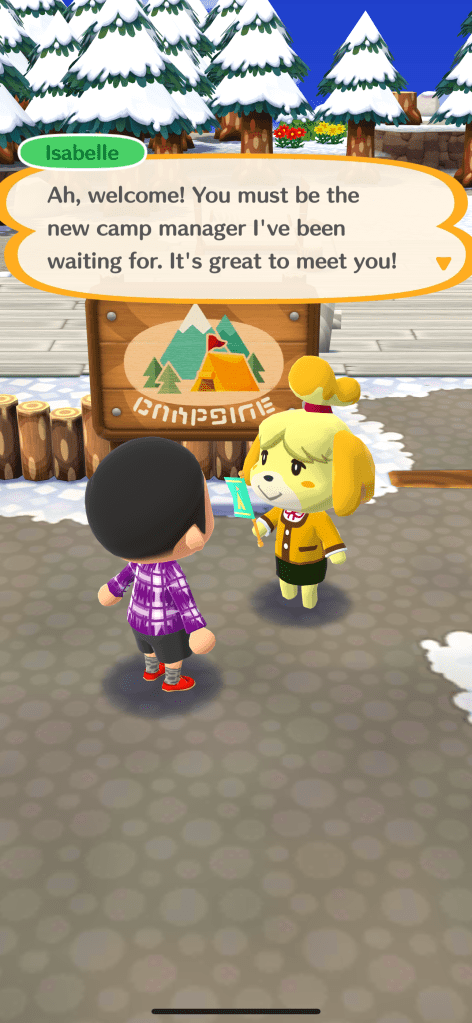
Nintendo released Animal Crossing Pocket Camp Complete, the offline, self-contained, definitive version of their mobile AC game, and I decided to buy it after all. I played the live service version briefly when it came out, but soon decided I didn’t like the in-app purchase model. This is much better. So much better, in fact, that I have spent several hours this weekend fishing and harvesting fruit.
The game was actually mentioned in my first-ever weekly post back in July 2020. After 7 years of iteration, it now feels like a massive game with tons of content (clothing and furniture to buy and craft) and new functionality bolted on. Currently, it’s snowing in the world and the seasonal events have got my campsite decorated with sleighs and piles of gifts and I’m wearing a reindeer hat… and dare I say? It kind of feels like Christmas is coming.
If you’re playing too, add me to your world with the Camper Card below! I believe it’s just a one-way thing, and we won’t get to interact for real since there are no servers involved. And don’t forget, the game is half price now and will go up to $20 at the end of January 2025.
We collected our Zeiss Optical Inserts for Vision Pro (prescription lenses that click in magnetically), and the setup experience was pretty cool. The device detects that they’re in, and makes you redo the eye setup process. Then it registers the new lenses on your profile by having you look at a QR code printed inside the box. Given that my contact lenses are “weaker” than my regular glasses, I’m now seeing everything in the Vision Pro with even more clarity than I was before.
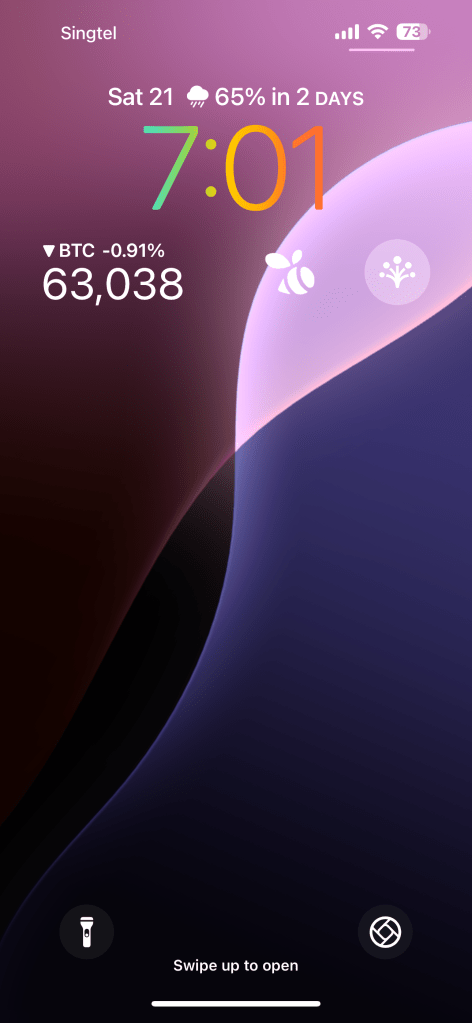
Leica fixed a deal-breaking bug in Leica LUX where your preference of ProRAW or HEIF file format wasn’t remembered between sessions. They also fixed some other small things that bothered me but aren’t worth mentioning. This makes it a viable camera app for everyday use because it gets you HEIF files with the gentler/less sharpened look of shooting in ProRAW. Plus you can choose a “Leica Look” color profile to start from, and non-destructively try others or revert to the underlying original photo afterwards. I like it enough to put a shortcut on my Lock Screen.
Our home broadband plan was up for renewal, and I got a call from the company to that effect. They wanted me to give the last 4 digits of my national ID number over the phone for verification before they would even tell me anything. “How do I verify you’re really from the company?”, I asked. “Can you tell me something you know about me?”, I offered, to which they said “We can’t share any customer information”, and agreed when I asked if I was just supposed to trust them. I said that didn’t work for me, and so they could just send me whatever special offers they wanted via email instead.
The offer was fine, and I decided to stick with them for another two years because it’s the best price I’ve seen anywhere. And as a bonus, we’ll be getting an upgrade to a 10gbps line. We’ll only be utilizing a maximum of 2.5gbps though, because that’s the maximum supported wired input on the WiFi 6E router I just got a few months ago.
Renovation noises at home continued, and someone lodged a complaint with the housing board against our new neighbor’s contractors. It wasn’t us, but I can see how this might not be the warm welcome anyone would hope for. There are also reports from other residents that they’ve been seeing ceiling leaks during the recent storms, and mysteriously, these are people lower down in the building! Fingers crossed this doesn’t grow to affect us, because I can’t take any more drama.
One noisy afternoon, I decided to finally pay a visit to my local library branch after talking about it for the last six months, and… it’s not much to write home about. Lots of retirees sitting around playing Pokémon Go and reading magazines. Afterwards I decided to eat at Yakiniku Like, a place that seems well designed for solo diners. I got my own little personal grill, and ate 200g of beef short plate with 300g of rice (and a huge mound of shredded cabbage) for a little over $20 and went home very happy.
We went out for a much nicer dinner on Thursday, checking out Hayop on Jose’s recommendation. It’s affiliated with the Manam restaurant in Manila, a fact that only landed as I was looking at the menu — I ate there a couple of times back in 2019 when I was there for work. The prices here have been proportionately raised, but the food is nearly as good as I remembered, so that’s fair. I like Filipino food because it respects the power of pork fat.
Testing the Leica Lux app with these
It turns out that writing bullet points ≠ shorter updates when you’re a typer-yapper like me.
I wanted to binge an entire anime series in a week and decided to go with Summertime Rendering. It’s a time loop story that feels like a visual novel game adaptation, but actually started as a manga series. I was hoping more for sci-fi but it’s really a supernatural thing. At 25 episodes, it became a bit of a slog near the end as the multiple timelines became too convoluted to follow. Don’t really recommend.
Netflix released a new 6-part spy series called Black Doves, starring Keira Knightley and Ben Whislaw (aka Q in recent James Bond films, and the voice of Paddington). I was optimistic, but while it’s not as bad as most Netflix shows, it still suffers from the Marvel-ization of popular culture where any seriousness or suspense is immediately undercut by comic relief before it can mean anything. That’s not the only problem with it, but the result is a show that feels like background fodder for phone fiddling.
Months after the Katseye moment, we watched the Pop Star Academy show that shows their formation and training over two years. It was interesting to see non-Asian idols like Lexie chafe against unethical manipulation in light of HYBE’s recent troubles with NewJeans. I don’t think the industry’s current models will hold up well as talent starts to realize they hold the keys to their fandoms and can stream online on their own. It’s like K-Pop’s In Rainbows moment.
I also think HYBE made a strategic error in greenlighting this behind-the-scenes show with Netflix, and it’s translated into Katseye’s failure to take off with an international (beyond K-Pop) audience. Fans of J-Pop and K-Pop aren’t surprised to see the rough training and emotional abuse their idols go through, but people seeing that shit for the first time probably feel terrible about supporting the whole business, especially when adult music execs gleefully admit on camera that they fucked with the teenaged girls’ trust in each other to create more drama.
Yiwen shared her Spotify Wrapped on IG and I learnt about the artist known as Night Tempo, a self-proclaimed “retro culture curator” who puts out city pop-inflected music that sounds exactly like how the perfect night drive must feel. Check out his latest album, Connection on Apple Music.
For something less weeby and more eclectic, Jean Dawson’s new album Glimmer of God is worth a playthrough. I’m going to be putting the opening song Darlin’ on playlists for quite awhile, I’m sure.
ROSÉ’s debut album rosie dropped, and what I’ve heard so far sounds like competent pop with a teenaged guitar girl’s poetry notebook slant. That’s not a knock; it’s as satisfying a sub-genre as a sad man’s whiskey-soaked heartbreak blues. I’m still feeling good about my prediction that she’ll turn out to be the most musically interesting Blackpink alum.
I just got back from a Sunday night dinner date in the East at a newish place called Carlitos. It was new enough that it didn’t have a Swarm entry, so I made one. That reminded me that the Foursquare app is about to be shut down, and I’m choosing to be optimistic about Swarm’s future. We’ve been promised some meaningful changes in the coming year and I hope the rethink will bring check-ins back in vogue.
Vision Pro updates
Kim got back from her work trip and the first thing we did was head out to the Apple Orchard store to pick up the new Belkin Head Strap that everyone’s talking about. And not a day too soon, because it’s now backordered into mid-December!
It is what it looks like: the top bit of Apple’s own Dual Loop Band, which you can attach to your existing Solo Knit Band — a rare best-of-both-worlds occurrence where the comfort, adjustability, and non-hair-mussing qualities of the Solo are met with the weight-relieving structure of a top strap. It works well, and I’m never taking mine off. I was using the Dual Loop before, but its thin strap that pulls upwards near the base of the skull cannot compare to the quality, fit, and comfort of the Solo band, which is such a wonderful design and product that it belongs in a museum.
I haven’t tried Spigen’s slightly cheaper version, but having read many reviews of how poor its adjustment range is, I can’t recommend you take the risk. You’ll want to get the tightness just right, so Velcro is the right solution, and Belkin has rightly made it.
Belkin was never an accessory maker I took too seriously in the last two decades, I mean, they made alright cases and cables, but I’d never choose them over first-party versions. That seems to be changing. This new Travel Bag for Vision Pro is further proof; it’s significantly smaller than Apple’s own Travel Case, and half the price.
1) Should have been in the box instead of the dual strap
2) $50 is overpriced but you’ve already paid $3500 so hard to complain.
3) When Apple knows an accessory is needed but doesn’t want to put its brand on it, it turns to Belkin (owned by a Foxconn subsidiary) https://t.co/oKM5HSIVi5
Career leak publisher Mark Gurman implied in the tweet above that Belkin is Apple’s secret partner; the one they go to when they want an accessory on the market but don’t want to make it themselves. The fact that they stock Belkin’s products in Apple Stores is supposedly proof. In this world, Apple knows the practical flaws of their own form-over-function accessories, and nudges Belkin (which is connected to Foxconn) into making uglier but more effective alternatives to keep customers satisfied. I don’t know if I believe it works exactly like this, but it’s not a bad arrangement? Let’s see if Belkin makes some kludge to access the power button on the underside of the new Mac mini, then.
A new Apple Immersive Video (AIV) feature was released this week, and a music video at that. It’s the song Open Hearts by The Weeknd, and Apple’s own press release says it’s a limited time exclusive for Vision Pro. Interestingly, they’re inviting people to visit their nearest Apple Stores to watch it, which means we’re entering a phase where the retail arm is positioned as providing free public access to the Vision Pro experience, not unlike the ‘Today At Apple’ sessions where people can learn to draw or take better photos with Apple products, even if they don’t own any yet. This is fine, but the barrier to getting people off their butts to see something cool (for free!) is somehow extremely high these days. Is this because the culture promotes ownership hand-in-hand with enjoyment, and people don’t want to try a device they already know they can’t/won’t pay for? I can’t afford a bottle of 55-year-old Yamazaki but I’d sure as hell have a free taste if offered one.
The new Apple Immersive Video from The Weeknd is worth experiencing. For one, it features a lot of movement but none of it is nauseating. I’m not sure if they’ve just figured out ‘one weird trick’ to make that possible.
Anyway, the music video is very impressive, as I said on Bluesky after seeing it. There are a couple of magical moments, some achieved with special effects and some that are just beautiful to experience in immersive video. For some reason, it never feels disorienting or nauseating even though the camera travels at speed for a fair bit. I wonder if they’ve cracked the motion sickness code and are inserting buffer frames or using some other imperceptible technique, but this bodes well for future productions. Perhaps it’s just very smooth dollying and sticking to just one axis at any time.
Apps
Perplexity: Google continues to struggle with integrating its Gemini generative AI models with search results in a way that doesn’t spit out lies, but Perplexity has been working great for me since I started using it earlier this year. It could be the types of questions I ask it, or the default stance of skepticism I adopt when it answers them (the sources are there for you to check, if something feels off), but it’s been a net positive for me and I keep the widget on my iPhone’s Home Screen and use it several times each day. In fact, I thought everyone was using it, and was very surprised to learn while talking to Viv that she had never even tried it.
This week, I got access to a year of Perplexity Pro for absolutely no money, thanks to a giveaway in Kevin Rose’s newsletter, and it feels great to have virtually no daily limit for Pro requests. Standard requests basically use a simpler model, think OpenAI’s GPT-3.5 series, which parses search results and writes an answer to your question. Pro requests use the latest models including Claude 3.5 and GPT-4o, and break your question down into its components before processing results, all to have a better chance of understanding what it is you’re trying to learn and answer accordingly.
I’m aware of the icky implications of Gen AI scraping and that this mode of bypassing publishers will probably destroy the web as it currently works. Perplexity claims to be paying publishers that it sources answers from, on a per-query basis that sounds similar to music streaming services, so it might be a best-alternative model worth watching. It’s an analogy that makes sense because of how Napster upended that entire industry through theft and wanton disregard for copyright laws… kind of like what AI companies are doing now.
===
Mattebox: Now here’s a name I never expected to hear again. I first mentioned Mattebox on this blog 13 years ago in December 2011, when I posted some photos I took on a holiday to Bintan. What I remember is that it was a camera app (as opposed to a photo editor), modeled on the ergonomics of the Konica Hexar camera (respect), and that its developer (Ben Syverson) cared enough to replicate a film-like response to clipped highlights. That torch is currently being carried by the upcoming Fig Camera app. It appears I even made/shared a filter for it called Velvius, which proves this has been a longer-standing hobby than I thought.
Anyway it disappeared off the App Store a decade ago for reasons I never knew, and then reappeared last week completely rebooted and redesigned. It’s now an editor, but still leans hard into the making and sharing of filters. It even lets you share a filter as an App Clip, which means people can apply your looks without even installing the app — probably a first in the photography app world.
I’ve played with it for a little while today and am quite impressed. It focuses on editing ProRAW files, even disabling tone mapping by default for a less HDR look (the trend these days), and a Pro subscription (S$40/yr) unlocks granular controls to dial in micro contrast, black levels, noise reduction, and so on. It even simulates physical diffusion filters, a feature that’s rare these days after the discontinuation of the Tiffen FX app around the same time Mattebox disappeared.
The UI is MUCH better than before, and although I already own the RAW Power app which includes all the same adjustments mentioned above, I would rather do them in Mattebox because of how neatly they are laid out. For a “first” release, Mattebox 3.0 gets so many essentials right, from having a double-tap gesture to reset values, to saving edits non-destructively over originals. You can even export your filters as LUT and Lightroom preset files. I’d like to try making filters for it but will 1) need to subscribe and 2) learn to use its HSL curve system, which is different from what I’m used to.
I’d love to see:
Undo/redo for adjustments
Indicators for RAW files in the photo picker
Using the system photo picker, actually, so you can view by media type, etc.
Grain tool
Media activity
I finished reading Variable Star after two weeks and gave it 4 stars on Goodreads.
I started on Han Kang’s The Vegetarian, just because it recently won the Nobel Prize in Literature. I’m 32% through it and I can’t say it’s anything terribly special yet. I saw that Sara reviewed it on Goodreads seven years ago and (I’m paraphrasing) said it was the kind of mediocre East Asian book that Western readers just lap up.
I watched Megalopolis (2024) in one straight sitting, in a giant virtual theater in Vision Pro, and it kinda rocked. What a Taj Mahal-grade vanity project, a pastiche of Shakespearean and Capital-C for Cinematic bombast. Watching this, you wouldn’t think that Coppola knows anything about urban design or architecture, they’re just metaphors for the story he wants to tell about great (and very pretentious) thinkers who change societies. They’re just MacGuffins for a crazy CGI movie that owes as much to Sky Captain and the World of Tomorrow (2004) as it does Fritz Lang’s Metropolis (1927). I typed that and then searched to see if anyone else made the same connection, and indeed they have. 4 stars.
We watched Look Back (2024). It’s an anime adaptation of Tatsuki Fujimoto’s one-shot manga work of the same name. It recently had a successful theatrical run in Japan, and I’ve been dying to see it since seeing the reactions online. It also played here, but I missed it, and it seemed weird going to the cinema for a film that clocks in at just 58 minutes. Amazon Prime Video secured the worldwide streaming rights, thankfully, and the whole time watching it I wondered why it wasn’t acquired by Apple TV+. That would have been a great fit. I don’t want to say too much about it, but it’s brilliant, beautiful, and a showcase of how animation can express feelings that live action could never. 4.5 stars.
Can I just take a minute to show you this Labubu I saw hanging on someone’s bag on the train? It’s carrying a Chanel bag like the very one it’s attached to! That is just so super cute to me, I think I have a brain worm like the future American Secretary of the Department of Health and Human Services.
It’s Monday, and for the time being, my schedule for writing these updates has shifted out by a day as Monday mornings now find me in a co-working space, and writing this gives me an opportunity to blend in better than, say, watching films or playing games whilst surrounded by people grasping their foreheads, stroking their chins, and sighing loudly. Yes, those things just took place around me.
It’s Monday, after a massive storm, and my feet are soaked from wading through puddles to catch the bus. You’d think this would be a common occurrence in Singapore, where the tropical rain gets heavy, but only a few occasions stick out in memory — those mornings where the office walkways are cluttered with umbrellas opened up to dry, like caltrops or anti-tank barricades; my damp, socked feet perched on top of sneakers I hope will dry before lunch; everyone else’s teeth a-chattering in vicious air-conditioning calibrated for sunny days.
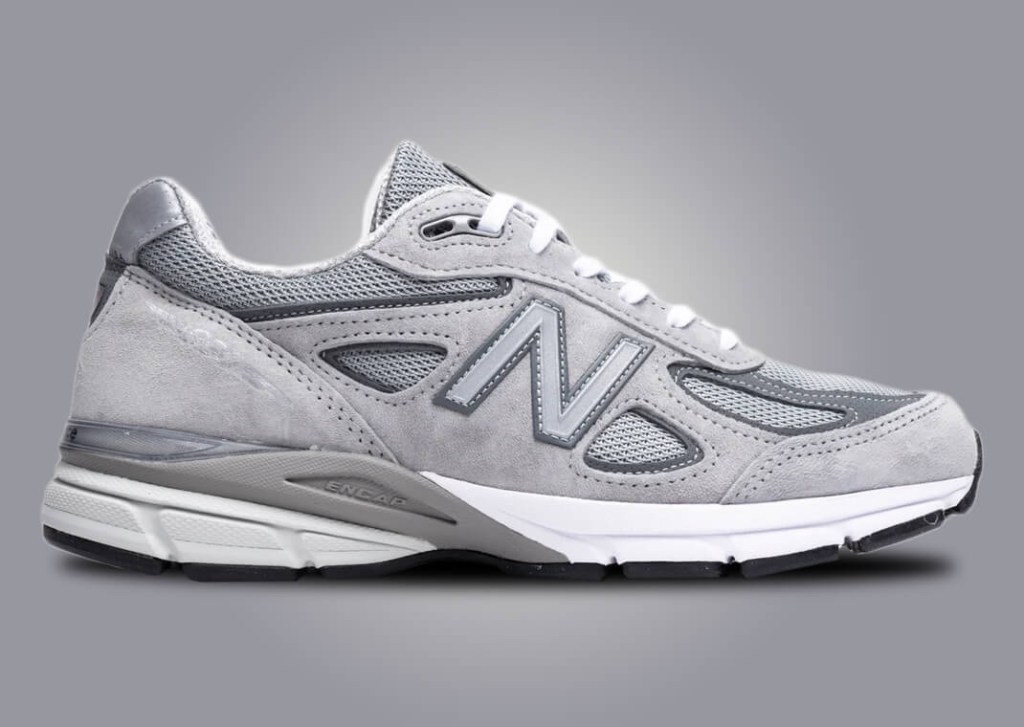
Earlier this week, I shuffled my feet while sitting here and felt something come loose: the right heel of my (only) three-year-old New Balance 990v4 sneakers. So much for ‘Made in the USA’! I borrowed some black plastic tape to conduct unglamorous field surgery, and they lasted till I got home. I have two newer pairs (v5 and v6), and sure hope they hold up longer.
iPads are pretty great, actually
My daily companion over the past four days here has been my 11” M1 iPad Pro with Magic Keyboard, somewhat neglected of late. I’ve found that it does everything I need to pass an entire day, from library books and magazines with the Libby app, to gaming, video, web browsing, chat, and photo editing. My MacBook Air would be better for watching movies, but that’s mainly it. If anything, that only makes me surer that my next iPad will be a 13” model.
Unfortunately the new iPad Pros with M4 chips are priced on par with MacBooks, making the choice between the two much harder (and in favor of MacBooks if I’m being honest). Recall that the original iPad launched for just $499 USD, and its marketing tagline was “A magical and revolutionary product at an unbelievable price”. That’s still how the iPad lives in my mind: a powerful alternative device that does way more than its price suggests. So it occurs to me that the iPad Pro is no longer the right choice for me, and the iPad Air is a truer heir to that original proposition. (Put aside the product now simply called ‘iPad’, because at $349 USD it’s actually even cheaper than the first generation and more like a budget “SE” model.)
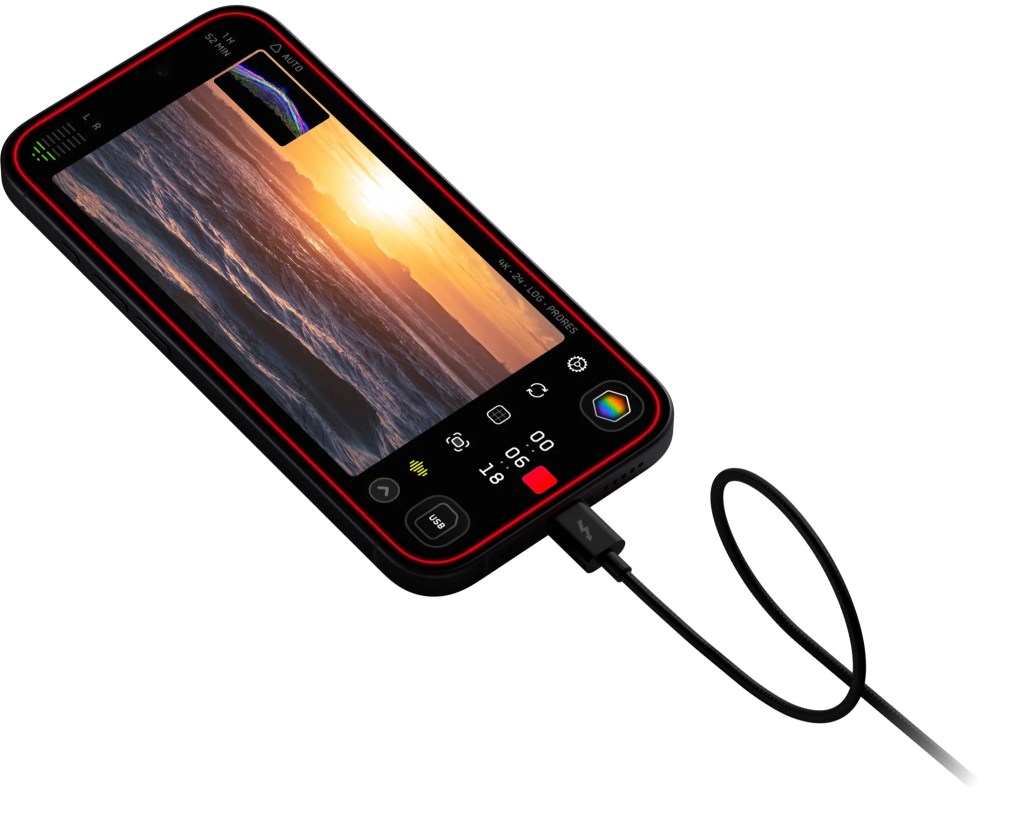
We’re seeing Apple push its ‘Pro’ lines further this year, packing them with innovative features that are useful for a small subset of professional users, but which most customers won’t need or appreciate. Things like streaming multiple 4K video feeds from iPhone cameras to a single iPad for production in real time. Or recording LOG-format video to massive ProRes files, including studio-quality audio from four microphones.
Adding these capabilities and pricing accordingly means some current Pro buyers might want to downgrade to the ‘mid’ models. In order to avoid losing them, Apple would need to elevate those products, and avoid artificially holding back features for the sake of differentiation. We’ve seen that happen with this year’s iPhone 16, which packs an OLED display, Dynamic Island, 48mp camera with a 48mm focal length option for the first time (!), Camera Control thingy, and even things like next-generation Photographic Styles and Audio Mix which they could have reserved for the Pro phones. The only thing it needs is a 120hz ProMotion display. I’m expecting next year’s iPad Air and iPhone updates will finally include that.
I love that the iPhone 16 is now a great enough product for almost anyone’s needs, but I’ll likely keep buying the Pro models as long as they offer better camera features. I can entertain switching to an iPad Air because I don’t even know what camera hardware it has and won’t ever use it.
A quick word on cameras and my presets
I mentioned before that I’ve been beta testing an app called Fig Camera. It has two standout features: great “natural” processing options that dial back Apple’s aggressive defaults, much like Halide’s Process Zero mode; and the ability to process photos on-the-fly with your own custom look. As someone who somehow finds it fun to make photo filters/presets, and has fortunately had some success with them, I love that I can now take photos with my favorite styles directly applied. It’s like how Fujifilm cameras’ “Film Simulations” obviate the need for post-processing. I can now snap photos in Fig that look great to me and don’t need any further editing.
Shot on iPhone with Fig Camera and my work-in-progress film LUT
I posted a few recent photos using a film-style sim on IG and Threads and asked something like, ‘should I become one of those preset guys and offer my own as LUT files you can buy?’, to which several kind people said ‘sure’! So I’m thinking about it. This particular look is inspired by the “Positive Film” effect on earlier Ricoh GR cameras (they changed it for the worse with the GRIII), but slightly more “dry” like Fujifilm Classic Chrome. I’ve been using and tweaking it for over a year now, so the trick will be knowing that it’s DONE.
Immersive Video and Submerged
I’m still sitting here and my shoes are still wet. I’ve thought about bringing my Vision Pro to this open-plan space—not for the attention, but because it would be nice to have a huge screen that no one else can see. There are many things in my MUBI backlog that would not be cool to watch in public. And what’s even better than a 13” iPad? How about a thousand inches?
We watched Submerged (2024) over the weekend, Apple’s new Immersive Video release exclusively for Vision Pro. It’s the first film they’ve done that isn’t a documentary or music performance — I guess the right word is fictional? I’m sure I said early on that this new immersive format (a full 180º view) lends itself best to video that puts you somewhere incredible, and wouldn’t be good for movie storytelling, with fast movement (nausea hazard) and quick cuts. I’m here to admit I was wrong.
Submerged, by Academy Award winner Edward Berger, is only 17-minutes long but about a 12GB file when downloaded offline. You can view it as the first experiment in what filmmaking with this new technology could look like.
I wrote on Instagram:
Apple Immersive Video is a new medium. People will be experimenting with how to tell stories with it for years to come.
Submerged is a great first step, the only movie I’ve ever seen that felt like “being inside” of it. More than seeing Avatar in IMAX 3D even.
That’s different from the “being there” of POV video — it’s 100% a film with directorial intent. You experience it like a spirit summoned into the world and held down by a seance, without knowledge of your body. Your consciousness is pure camera.
What I was trying to say was that making films for this format will require inventing a whole new set of techniques. Regular immersive video is easy: plonk a camera down in one static location and let people experience what it feels like to stand there and observe the action. This is the courtside seat at a basketball game, the front row of a performance. It’s amazing to us anyway because the viewpoint is rare, but a film made like this would only be a play.
In the near term, we’ll see directors converging on a few approaches that work. Like how early 3D movies always had things flying directly at your face. The key question for me is how do you make an audience look at the thing you want them to notice, when they can look almost anywhere around the world you’ve built?
Berger answers that in three ways. The first is action; big movements. When something explodes and water gushes out of a pipe a second later, you’re bound to notice it. The second is depth of field; like how I remember Cameron pushing and pulling focus at several points in Avatar (2009) to highlight subjects. This goes against natural vision and is more jarring in a wide-angle format like Apple Immersive Video, since you’re choosing for your viewer what they can and cannot look at, but it’s a filmic device everyone is familiar with.
The third is a combination of Dutch angles and heavy vignetting that produces a novel effect in Immersive Video. When you watch a film like this, you are a disembodied viewer (what I meant above by a summoned spirit), without the ability to see even your own hands. You are severed from the real world. Your viewpoint changes according to the director’s will; sometimes a subject is extremely close and larger than life, other times they are small and distant. Berger often cuts to shots where the edges of your 180º view are shrouded in darkness, and/or where the camera is tilted at an angle, such that you feel yourself almost falling towards the zone of interest. This serves to direct your gaze, as to look in the opposite direction of gravity unconsciously takes more effort.
I can’t wait to see what else emerges as more filmmakers play with this.
Other media activity
I’m watching Lady in the Lake on Apple TV+, a 7-part series starring Natalie Portman that no one seems to be talking about. It’s rather good, but a slow burn and not one to be binged.
Another show that we discovered on a recommendation from Jose, and that no one seems to be talking about, is Ludwig, a 6-part BBC series starring David Mitchell as a reclusive professional puzzle-setter who gets enlisted to help the police solve murders. It’s very good, and sidesteps many of the elements that make other episodic murder-of-the-week procedurals tiresome. Well, it’s short enough that you never reach that point. I’m hoping they renew this.
I read Stolen Focus: Why You Can’t Pay Attention — and How to Think Deeply Again, by Johann Hari. This was inspired by an article in The Atlantic about how American college students today can’t even read an entire book anymore because their attention spans have been destroyed by social media, and book-reading on the whole is in serious decline. Utterly depressing. In order to get better sleep myself, I’m now trying to limit caffeine in the afternoon, alcohol, and phone use before bed. I’ve always detested multitasking—so much so that I avoid using external monitors with my laptop—and I’m now trying to be more mindful of distractions while reading or writing. As I made my way through the book, I was horrified to notice that I was picking up my phone every five minutes to check messages or look up completely unrelated topics.
I didn’t fall ill after all, but Kim’s flu evolved into what looks like a chest infection, leading to coughs all night and poor sleep for both of us. I bought a pair of Loop Quiet 2 earplugs in anticipation of a neighbor’s renovation, and they were somewhat useful under these circumstances too. She finally saw a doctor after several days of nagging, and is now on antibiotics and there’s been some improvement in the last day.
On Tuesday, I opened the front door to discover a swarm of mosquitoes hovering over my black sneakers — later on I discovered they love hiding on black objects, as a form of camouflage — and took to them with an insecticide spray. In the process, quite a few made it into the apartment. I clapped a dozen to death and confirmed from their squashed bodies that they were Aedes mosquitoes: the species that spreads malaria and dengue fever.
The red light came on in my head: a new crisis just dropped! Why were there so many? How the heck was I supposed to hunt down all the ones that came in? Fortunately, a neighbor happened by, and when I mentioned them to him, he assured me that they were infertile male mosquitoes (males don’t bite or spread diseases) intentionally released as part of a national anti-dengue campaign called “Project Wolbachia”. They’re meant to breed with females and decrease mosquito numbers by wasting their time, because the eggs don’t ever hatch.
I’d heard of this program over the years, but didn’t share his confidence that MY mosquitoes could be explained by this. He said “oh yeah, they (the government) release them here all the time”, which led me to check the official website in disbelief. It was true. According to a published schedule, officers of the National Environment Agency release these genetically engineered mosquitoes twice a week, probably by the thousands, around public housing blocks in my district. I waited to see if I would be bitten, and sure enough, I never was. The males only live about a week, but it’s still insane to me that someone is deliberately releasing a ton of insects that look exactly like the ones we know can be dangerous. What am I supposed to do, ask their pronouns before trying to kill them?
===
My new old iPhone arrived, and I ran into some issues during the phone-to-phone transfer process. It failed a couple of times, and I finally gave up and went the ‘restore from iCloud backup’ route. It took several hours, and then I had to check every app to see if I’d gotten logged out. It was the same frustrating dance I do every year I upgrade iPhones, but without the reward of actually upgrading.
Happily, iOS 18 looks visually fresh and brings a bunch of welcome features. It’s the first OS update in awhile that actually makes your phone feel new. I’m using the new Home Screen mode that lets you have big icons without text labels, and there’s a new dynamic background that shifts colors throughout the day. You can also use a dynamic rainbow gradient on the Lock Screen’s clock, which looks great against black when the always-on display is set to sleep without showing your wallpaper.
The customization that’s possible with the new Control Center shortcuts and resizable widgets is pretty deep, and something I would not have expected Apple to provide if you’d asked me a couple of years ago. I’ve mapped the Lock Screen camera shortcut to launch Halide, and my Action Button to launch a Google shortcut that does a visual lookup of whatever is showing on your screen. I’ve also put a new button in Control Center that starts my personal radio station on Apple Music.
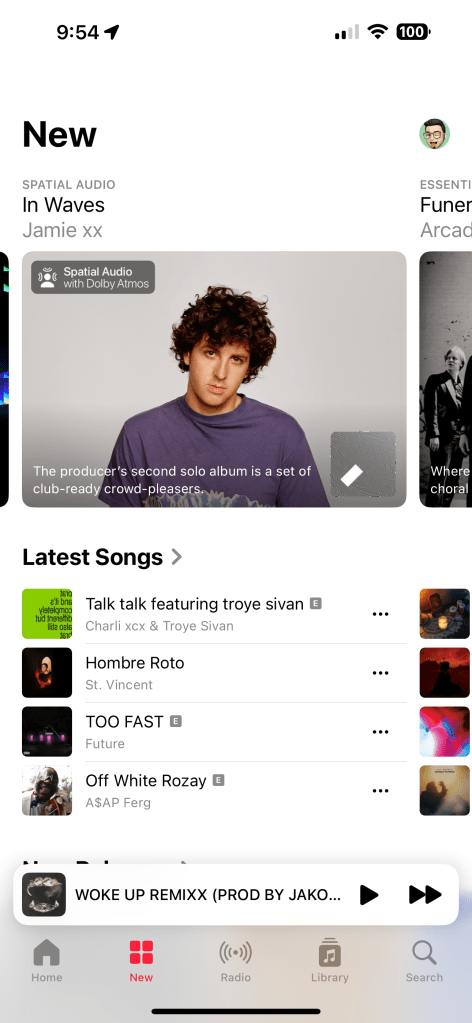
Apple Music has also received a significant, if not immediately apparent, change in iOS 18. The “Browse” page has been renamed “New”, and where every user would previously see the same curated selection of new releases, popular songs, and recommended playlists, this content is now personalized based on your listening behavior. The initial impression is positive: I’m no longer being pushed Thai music, or Mandopop, or the local bands I don’t care about. But longer term, I’m worried about the lack of serendipity that might result from this. I discovered some of my favorite music through accidents and unexpected tangents, as I’m sure is the same for anyone reading this.
<Smooth segue into Media Activity>
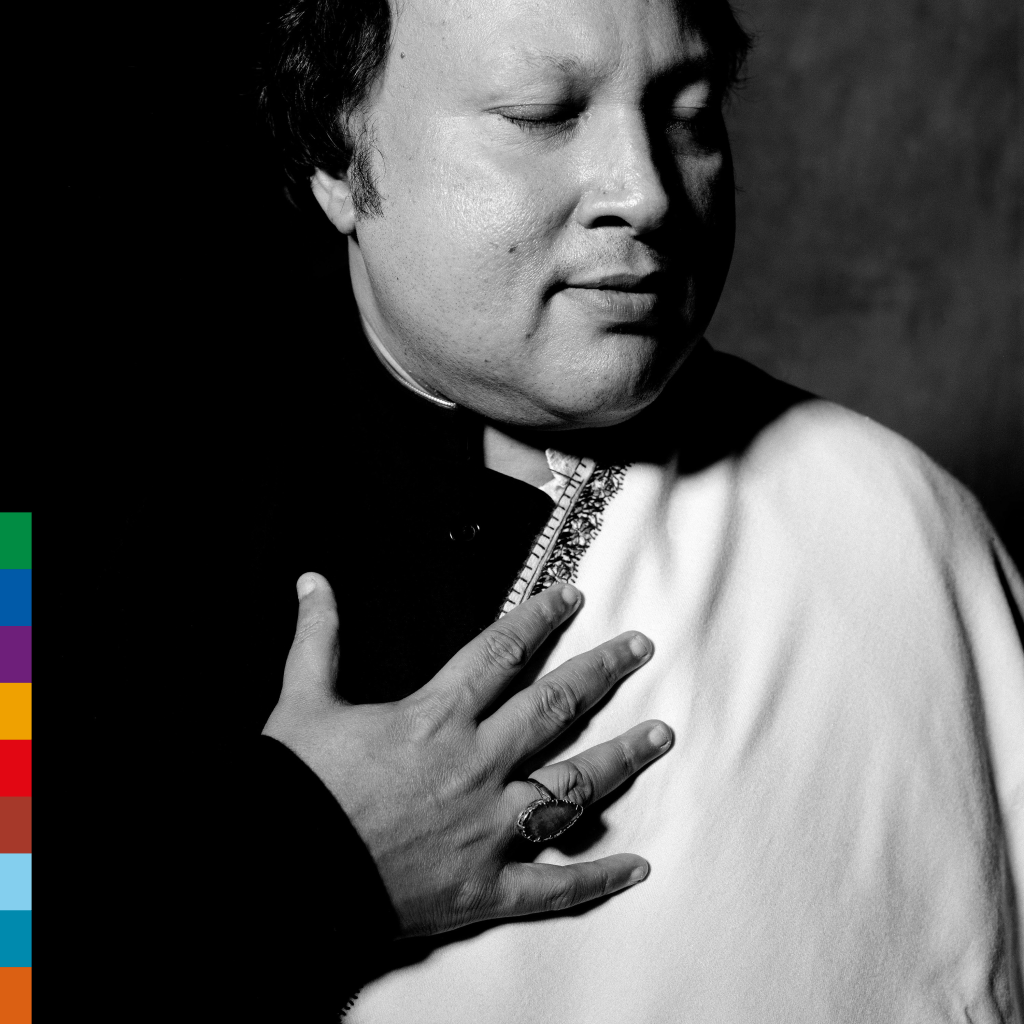
I don’t recall when I first heard the qawwali music of Nusrat Fateh Ali Khan, for example, but boy did it make an impact on me some 30 years ago. I never understood a single word, but you don’t have to in order to feel touched by something divine in his voice. So I was super pleased this week to see in the New York Times that an unreleased album had been discovered in the vaults of Peter Gabriel’s record label. They even produced a making-of video to tell the story of its discovery and restoration.
The new old album, Chain of Light, is more in the traditional style so each of the four songs runs about 10 minutes. It may not be an ideal starting point for most; so I still recommend beginning with Mustt Mustt or Night Song, two ‘Westernized’ albums he made with Michael Brook to be more globally accessible.
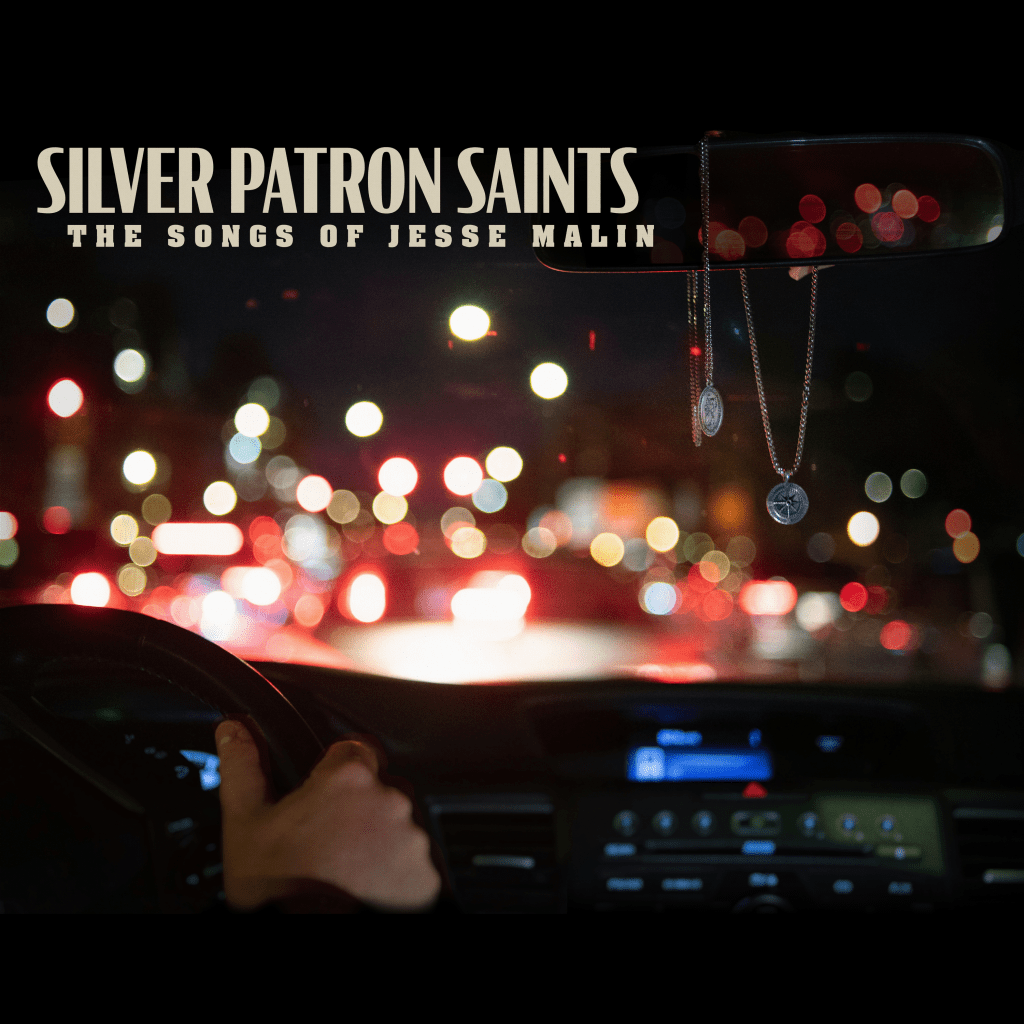
The Jesse Malin tribute album, Silver Patron Saints, is now out too, with covers by Bruce Springsteen, Counting Crows, The Wallflowers, Elvis Costello, and many more greats. Back when you had to buy CDs on faith in a physical store, I liked getting these tribute albums and would decide based on the artists doing the covers, even if I didn’t know the musician being celebrated. If some of my favorite artists were involved, then the odds were pretty good that I was about to discover someone fantastic. Sweet Relief II: Gravity of the Situation — The Songs of Vic Chesnutt was one such album (unfortunately the album is incomplete on Apple Music for me, maybe a regional licensing thing).
Will algorithms ever be smart enough to replicate that sort of discovery?
This week in reading, I hit my Goodreads challenge of 12 books by finishing Kyla Scanlon’s In This Economy? How Money & Markets Really Work. It was an admittedly low target, so I’m confident I’ll be able to finish a few more before the year ends.
We watched Sam Mendes’s 1917 (2019) and it was riveting, beautiful cinema. The single-take gimmick was probably unnecessary but made the action immediate and every movement of the camera threatened to reveal a hidden threat suddenly behind our heroes, which I thought effectively mimicked the tension of real conflict. A deliberately edited film shows you danger on its own schedule, but real time action is real time dread. Someone I follow on Letterboxd also observed that this felt like watching cutscenes in games like Call of Duty, a cinematic style that I think emerged because devs were showing off what their game engines could easily do that Hollywood could not. But the battlefield is pretty flat now, and movies are essentially made with the tools of game development, so we can’t stop these two mediums converging.
[I didn’t take any shots for the Featured Photo this week, so I’m relying on WordPress’s ability to automatically generate some AI slop based on the post’s content.]
Kim got back from her trip with a flu, thankfully it doesn’t seem like Covid and should pass in a couple of days. Jet lag and illness are terrible partners: she spent about two whole days in bed sleeping it off and missing meals. I’m hoping to avoid it, but you shouldn’t place any bets on my famously weak immune system (putting aside the fact that it can fight off chickenpox).
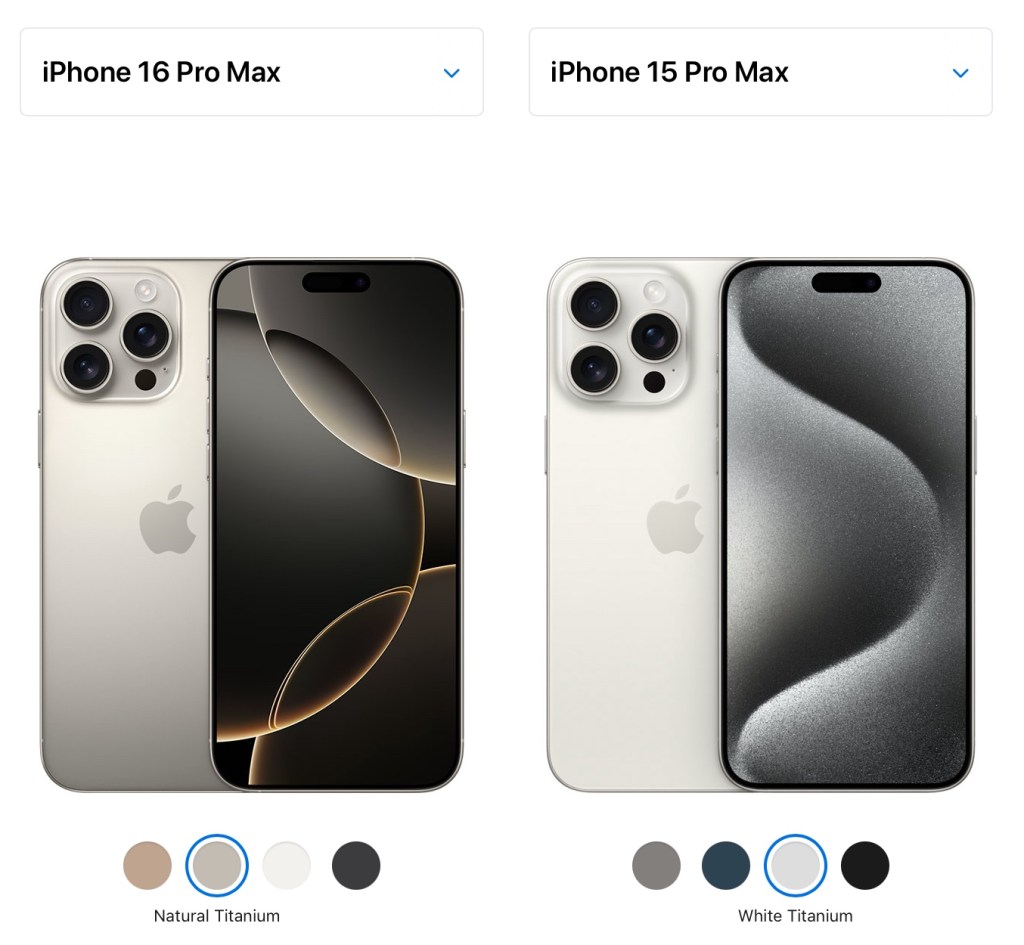
It was iPhone launch week again — where did the last year go? As usual, many key details had already leaked thanks to Mark Gurman’s sources. The Pro phones are slightly larger, the 5x zoom length is now across both models, and there’s a new “camera control” area along the right side; both a button and a ‘Touch Bar’. The regular iPhones 16 get all the great colors, while the Pro ones only get dull metallics. One of these years, we’ll get to have some fun too.
The only things on my wishlist that hit were improved battery life and performance, which aren’t surprising — the real question is how significant are they? Apple says the CPU is 15% faster, the GPU is 20% faster, ray-tracing is 2x faster (though I can’t name a single game dying for it), and the 16 Pro Max gets 4 hours more video playback for a total of 33 hours. That’s a 14% increase over the iPhone 15 Pro Max.
So to summarize, it’s a 15% better iPhone than the one I have, the AI features will release slowly over the next year, and there’s a camera button that I do want (but only serves to do things you can already do on the touchscreen). Given the fact that I already got a Vision Pro and could use some financial prudence during this sabbatical, pre-order Friday came and went without me buying a new iPhone for the first time in 16 consecutive years. Nobody believed I could do it!
>> For future reference, my battery health is at 88% and 310+ cycles after a year. Coming off the regular Pro size for my iPhones 12 through 14, moving back up to the Pro Max form factor felt perfectly fine, and I think the lightness of titanium was a big factor. I never felt like I’d chosen the wrong size. Caveat: I did change out all my jeans to have roomier pockets.
I decided to go caseless for this next year, and was quickly reminded that my iPhone came with an annoying defect: a slight misalignment of back cover glass and titanium frame, leaving a rough, kinda sharp edge that you can feel pressing into your palm. I wanted to get a replacement as soon as I took it out of the box because all the marketing talked about ‘comfortable rounded edges’ on the new design, and I was missing out. But replacement units are hard to come by the first few weeks after a launch, so I decided to wait and just popped it into a case and never got back to it.
This week, nearly a full year later, I called up Apple Support and tried to explain this admittedly minor issue. They suggested I visit an authorized repair partner who could assess it in person, which gave me a good excuse to get Shake Shack for lunch (after Michael’s recent quest for “hot chips” — just French fries for us outside the UK and Australia — I had a craving that wouldn’t go away).
All in, I had to sheepishly explain my problem to three different support people, two on the phone and one in person, but everyone was very nice about it? I think acknowledging upfront that you are about to sound like a crazy person (in a friendly, non-crazy way) is generally a good strategy for these situations. I’ve now got a replacement phone on the way, and think I’m happily set up for the harrowing year ahead of Not Having The Best iPhone.
===
My friend and ex-colleague Bert was back in town for a visit, and a bunch of us from the old team met up with him in a configuration that hasn’t been together for maybe six years. It was great to see everyone looking no worse for wear, and arguably with more hair, muscles, and iron (from medical implants and drinking too much Guinness) than ever before.
One thing he mentioned was how warm it is here these days, and how he’s lost all acclimatization. I’ve personally never felt acclimatized to the heat, and am always looking for solutions — see this recent post where I got the Sony Reon Pocket 5. That gadget has been plenty helpful, and I still use it whenever I’m heading outdoors for any meaningful length of time, but it’s not enough on its own. So now I’ve gone and got myself a portable handheld fan after seeing bts videos of K-pop idols holding them all the time. Edit: on second thought, I might have seen them in an episode of Irma Vep.
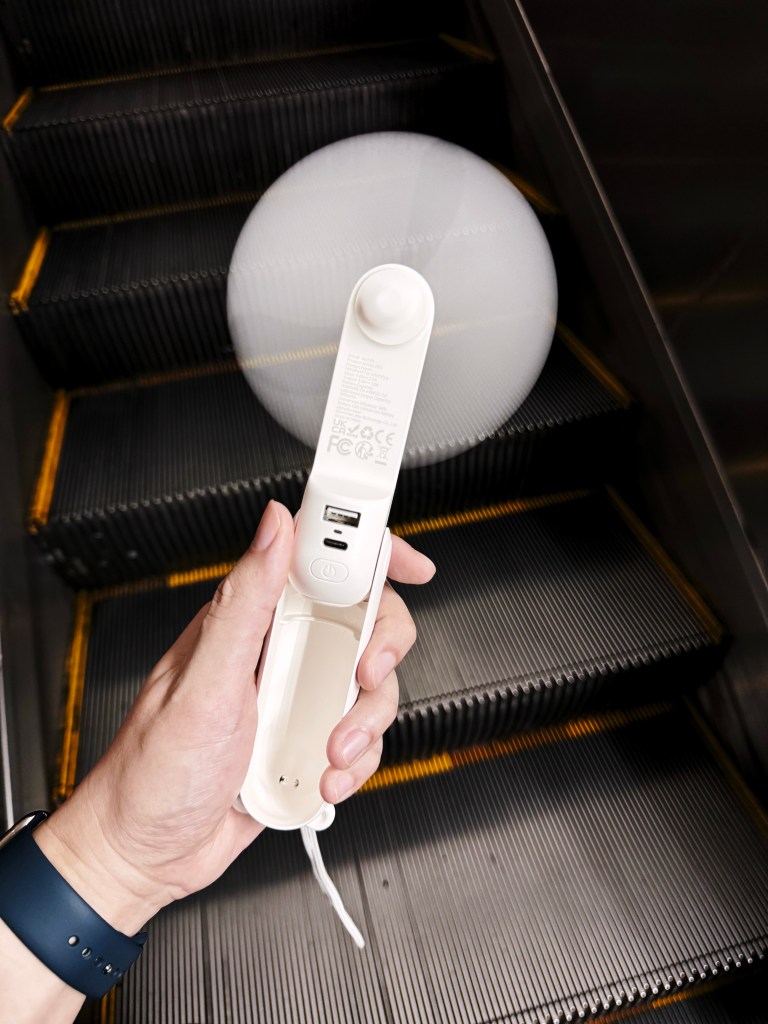
This brand, JisuLife, claims to be the world’s number 1 portable fan manufacturer. Who knows if they are? But they had a bunch of products on sale during the recent 9.9 event on Shopee, so I got one of these clever folding designs that collapses into a cylinder much smaller than the umbrella I carry around in my bag. It even doubles as a flashlight.
A couple of days later, whilst browsing the shelves at a Harvey Norman, I came upon a shelf of JisuLife products and got instant fomo when I tried another model out. The Life9 is even smaller, and eschews big visible blades for an internal turbine design that works like a hairdryer. The result is a much stronger, albeit narrowly focused and noisier stream of air. So now I have er… two fans.
Both charge via USB-C, but the former model (Life8) uses some non-standard spec and won’t work with my usual cables, only the USB-A to USB-C one it came with. The Life9 charges normally as expected. They’re both cheaper on Shopee than on the official site, and you might catch them for lower on occasional flash or live sales.
===
Media activity
Two current streaming movies over the weekend: The Instigators on Apple TV+ and Rebel Ridge on Netflix. The former is o-k with some amusing moments, a heist movie that subverts the usual joys of a heist: the brilliant plan coming together, the thwarting of smug antagonists. No, these guys are morons, but sorta lovable. Matt Damon is often lovable. 3 stars.
The latter film is more entertaining fodder, a Reacher-esque tale of small town corruption and sadism meeting a particularly skilled outsider. They messed with the wrong guy, etc. It drags a little long, however, and doesn’t quite strike the comeuppance note as satisfyingly as a Lee Child joint. 3.5 stars.
I know, because I read two of them this week. I finished The Midnight Line (Reacher #22) in a day or two. It’s a pretty chill story as the series goes, with a slight mystery that won’t keep you dying of suspense or anything. Almost no danger for our hero. 3 stars.
I immediately went onto Past Tense (Reacher #23) and found that much more entertaining because there are actual stakes involved. Part of the problem with Jack Reacher is that he’s Superman, and you never worry that he’ll make it out okay. This book introduces a few vulnerable characters that you can actually worry about. 4 stars.
After that, I read Rebecca F. Kuang’s Yellowface, a book that everyone was raving about a little while ago. I preferred Babel, but this is a fine little bit of meta narrative about the publishing industry, being Asian, and being Asian in the publishing industry, or just pretending to be!
Listened to a lot of Waxahatchee for the first time since discovering her back in May. Her latest album Tigers Blood, and 2021’s Saint Cloud, in particular. There’s something I just love about the Alabamian accent.
I was able to visit my parents for dinner for the first time in over a month. The long delay was on account of my dad developing a painful case of shingles, which, if you don’t know much about (like me), is a reemergence of a dormant chickenpox virus in one’s body, often after the age of 50. In other words, if you’ve had chickenpox before, you’re at risk of shingles — a nastier, localized version of the same virus.
Unlike the regular childhood version, it doesn’t usually take over your entire body, just specific areas. In my dad’s case, it affected his back and one side of his torso, leaving the skin painfully sensitive for weeks — nerve pain that, for some, can linger for years. Thankfully, he’s making a quicker recovery.
I had to stay away because I have never gotten chickenpox, and you can catch it from someone with shingles. I was urged to get the vaccine, because adult cpox is reportedly awful (like shingles, maybe worse), but my doctor suggested doing some blood work first to test for immunity — mostly because he didn’t believe I could make it this far in life without getting chickenpox. But it’s true! My mother swears it, and I have two traits: pretty good memory of my childhood years, and an outsized tendency to complain of ailments. There is no way that I could have gotten chickenpox as a child and everyone just forgot.
The test results came back, and apparently I’m immune. The only theory I have traces back to this one time in kindergarten, when the boy sitting next to me in class developed cpox and had to leave school early. I recall living in fear that I would be next, and pus-filled bubbles would soon show. I remember checking myself fastidiously for a week or more, but it never came. Perhaps the glancing exposure was just enough to let my immune system prepare itself, but not enough to result in an infection? Or maybe, as my recent run-in with a car suggests, I’m actually Unbreakable like Bruce Willis in that M. Night Shyamalan movie.
===
Kim is away again for work (13,600km away to be precise), and my having to deal with our pest situation alone has been a whole saga too boring to recount in detail. Tl;dr I’ve deployed a fleet of poison/bait traps, struggled with anxious insomnia, taped up a bunch of possible entry points, cleaned up a lot of lizard poop, sprayed insecticide down drains…
More happily, the morning she left for the airport, I was up early and decided around 7:30 AM that I might go for a walk before it got too warm. This was inspired by Cien’s recent revelation that she’s been taking hour-long morning walks nearly every day. Just to get it out of the way: that’s a bit much for me, but I might go once a week. Spontaneously, this particular morning’s resolution ended in Peishan and me ‘virtually’ joining her for a walk at the same time, in our respective neighborhoods, sending photos along the way. This is actually a pretty fun thing to do!
It was, however, warm despite the early hour. And it’s been hot and humid all week out here. I had to walk 10 minutes from an MRT station to a restaurant yesterday evening in very still air, and I could feel the sweat on my back not evaporating at all, merely pooling. Even my Sony Reon Pocket 5 brought little relief; I barely perceived that the metal contact point was cooler, or it can’t do much to dispel the mugginess of high humidity.
===
I couldn’t take the wait any longer and upgraded to the visionOS 2 beta. I won’t upgrade any other devices, but I wanted any improvements in eye/hand tracking that I could get. So far, it’s been perfectly stable. I could talk about the new gestures and features, but the single most impressive thing has been the ability to view old 2D photos as 3D spatial scenes.
What this looks like is simply layers of depth. You obviously can’t look around corners, and it’s not doing anything crazy like building 3D models you can move around in. But it’s like going from looking at a scene with one eye to two eyes. They suddenly have a liveliness to them because your brain can not only see that one object is in front of another, but perceive it too. Sadly, this is not something that can be demonstrated with a photo or video. The only way is to see it for yourself.
The AI-powered segmentation of objects is somehow flawless, even better than on Portrait Mode (blurred background) photos taken with an iPhone. In one shot I had of a vineyard, every individual plant and leaf stretching to the horizon line was distinctly separated in space from the others. You can also blow them up to life-size with an “immersive” viewing mode, which puts you right in the space.
Going through photos from the past two decades, of people who’ve passed on, and places I may never see again, has been profoundly moving. Documenting your experiences in photos has always been like building a time capsule, but this approaches time travel. It makes me so glad for every moment I thought to capture at the time, and the fact that the Vision Pro can do this retroactively for normal photos feels like the most unexpected gift I never knew I wanted. That’s what Apple does best, I suppose.
Before the annual fall event tomorrow night, I’ll go on record again that I don’t think I’ll be upgrading my iPhone or anything else this year (but this time I really mean it!). So far I’ve had 16 iPhones and lost this bet with myself every year, but I can’t justify an incremental tech purchase in the same year as the AVP.
Things that are unlikely to be announced but might make me reconsider my ‘no upgrade’ vow:
For iPhone 16 Pro (Max):
No camera bump
New image processing pipeline that walks back the aggressive AI/HDR look and brings back natural looking photos à la Halide’s Process Zero (but with 24–48mp HEIC/JPEG XL files)
Bold, saturated colors like on the old iPod nanos
Untextured, grippy back glass
Significantly faster or exclusive Apple Intelligence features compared to iPhone 15 Pro
Completely new battery chemistry that means I won’t be sub-90% battery health in under a year
For Apple Watch Series 10:
2x battery life
Blood glucose monitoring
New body design that shames the old ones so bad you can’t wear them out in public anymore
For AirPods Max:
Redesigned headband that either replaces the mesh or improves its comfort and durability
Significant weight reduction and/or new materials (comfort and durability)
A great protective case
Addition of a power button
===
Media activity
Recent reading momentum led me to finish reading Neal Stephenson’s Interface after two months. It’s a highly entertaining sci-fi story about contemporary American politics, media culture, and using brain implants to reverse a presidential candidate’s stroke damage. Nearly the entire time I was reading it, I visualized the main character as Robert F. Kennedy, and his VP pick as Kamala Harris.
For my next book, I’m taking it easy with Jack Reacher #22, The Midnight Line.
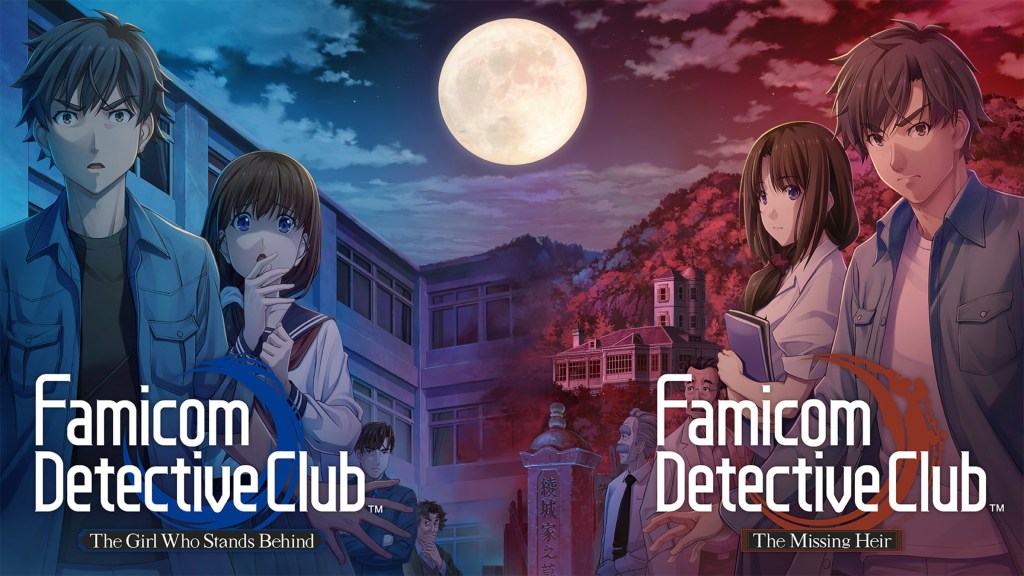
A few years ago, Nintendo remade two classic ‘80s visual novel-style adventure games under the “Famicom Detective Club” banner. This week, they released a wholly new third entry in the series, Emio: The Smiling Man, which got greenlit because of the warm reception that the remakes received. The history of these games is pretty interesting, and I watched this whole video essay on them.
I bought and played the first remake, The Missing Heir, back around 2022, and found its authentically ancient gameplay archaic and frustrating. For example, in most such games, when questioning someone about a topic, you will reach a point where their answer starts to repeat itself — a sign that you’ve heard all you’re going to hear. In the first two Famicom Detective Club games, this is not the case (pun unintended).
You: [Ask about the car] Suspect: There was a car seen at the time, I heard. You: [Ask about the car] Suspect: Hmm, that’s about all I remember. You: [Ask about the car] Suspect: Hmm, that’s about all I remember. You: [Ask about the car] Suspect: Hmm, that’s about all I remember. You: [Ask about the car] Suspect: Oh! I just remembered something. It was a black sedan.
This is such incredibly bad game design, because someone repeating themselves like that is unnatural in the real world, so it appears as a limitation of the game (not having AI to generate different versions of “I dunno”). So of course a player isn’t going to keep pressing, because the suspect’s response isn’t an invitation to keep trying. It’s the equivalent of a brick wall in the game’s interaction model. But no, you’re meant to kick every solid object multiple times in case it comes loose.
I ended up finishing the game using a walkthrough, and declined to buy the second game, The Girl Who Stands Behind. I’m guessing that Emio, being a new game, will be an improvement in this regard and so I intend to play it someday. But it doesn’t feel right doing that unless I also play the second game (there is no real need, they are not connected).
Rather than pay $30 USD to frustrate myself, I watched a 7-hour video of someone else playing through the entire game — at 1.5x speed, of course. The first video I found was actually 10 hours long because the player was blundering through some of the aforementioned game design quirks, so I gave up on him and found this better one instead.
Oh, and there’s another kinda new game that concludes something that started in my childhood, and I finished it this week. That game is of course Return to Monkey Island, which I played on the Switch. If you subscribe to Apple Arcade, you can also play it there. I don’t know how I feel about it; the original two games were the pinnacle of LucasArts’ point-and-click adventures and I probably remember them most fondly of all. The new sequel brings the story to a close, but with a new art style and an acknowledgment that a long time has passed (both in story terms and the authors’ perspectives). There was no way the ending could have satisfied every question and loose end, so they just went for something that felt true enough to its roots, but kinda comes out of nowhere. I was honestly surprised when the credits rolled. But that’s life!
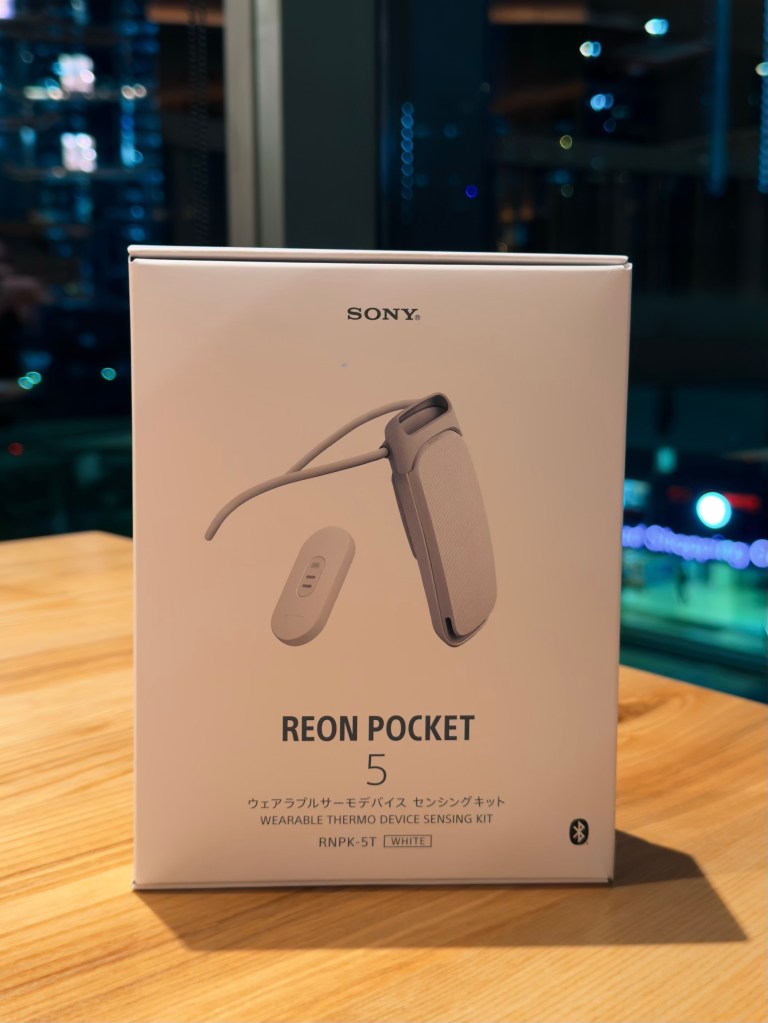
I discovered the existence of a cool new device this week when a Sony catalog wound up in my trad-mail inbox. After some online research, I visited the nearest Sony store for a demo of the Reon Pocket 5 device and ended up buying one for S$249. Okay, what is a “Reon Pocket” and why is this the fifth version? The four previous iterations were only sold in Japan, but the tech is now mature enough that Sony is launching it in the UK, Hong Kong, Singapore, and Thailand this year.
It’s best described as a wearable gadget for helping you feel more comfortable by fooling suggesting to your body that the temperature is more bearable than it thinks. It does that by cooling or heating a small metal plate pressed against your skin (in this case, at the base of your neck), which contrasts with the environment and changes your perception of it. Surprisingly, it works with just a difference of a few degrees.
I first learnt about this effect a decade ago from a Wired article about an MIT prototype and have been eagerly awaiting a commercial product ever since. I had no idea until after buying the Sony version that the researchers mentioned in that article have actually shipped their own wrist-worn product called the Embr Wave. It resembles a smartwatch and is more discreet than the bulkier Reon Pocket 5 which sticks out from beneath your shirt collar like some kind of life support system. However, since I already wear an Apple Watch, I don’t know if I’d wear an Embr Wave too.
In some ways, I seriously see this device as a “life support” technology. I think I’ve struggled with heat regulation all my life — always feeling warmer and sweatier than everyone else; most days you can hold your hand over my head and feel the heat radiating off it. I read that our bodies’ core temperature doesn’t actually change much (when it does, that’s hypothermia or heatstroke), so how comfortable we feel is all down to skin temperature, which this sort of thing hacks.
After a couple days of testing, I’ve found the Reon Pocket 5 doesn’t perform miracles but offers a different sort of relief than a handheld fan (though one could use both). But it’s like constantly holding a cool can of soda against your neck in hot weather, which is welcome! It’s a glass of ice water for someone in hell. Even when the temperature isn’t that high but it’s stuffy and humid, this takes the edge off. If you’re the sort who’s always feeling cold in Singapore’s air-conditioned spaces, it also heats up and offers the opposite effect.
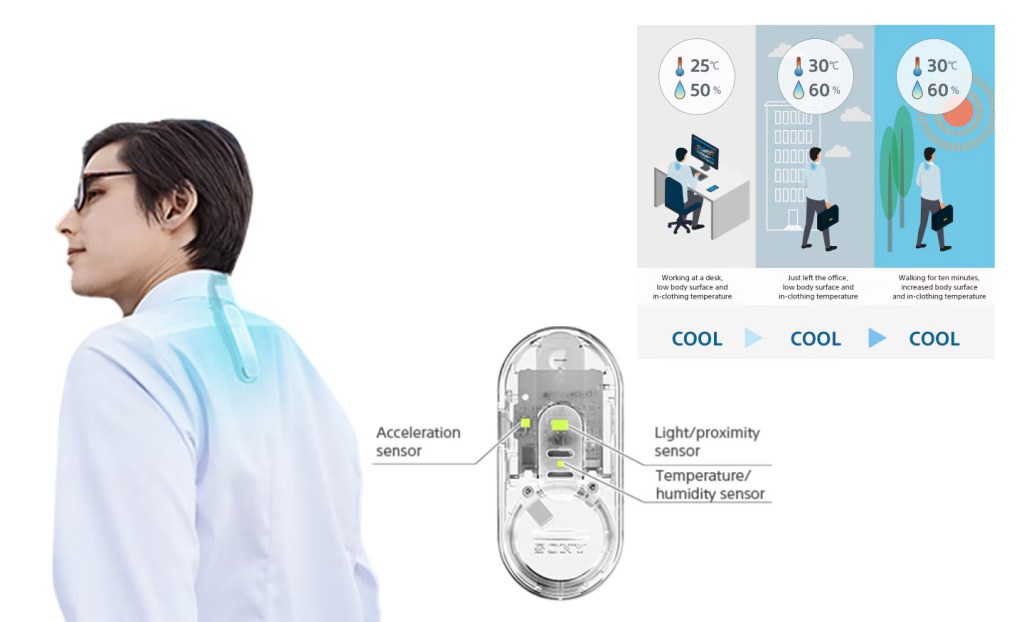
There’s a lot I could say about the app, and how it’s another example of Sony’s generally poor UX design, but once you figure out what settings you like, you can lock them in and operate the device without it. It also comes with a separate “tag” that you can attach elsewhere on your body, which monitors the external temperature and humidity so the device can automatically switch modes, but I haven’t bothered to take it out of the box at all. All they needed to do was put a button on the thing to switch between hot and cold, just like the Embr Wave does.
Building a separate piece of hardware instead… reminds me of how Sony headphones try to “intelligently” adjust noise cancellation levels by guessing whether you’re commuting, or working, or lazing about, by using GPS location and accelerometer data from the smartphone app — an absolutely mental and roundabout solution to replace the user pressing a button. Incidentally, Apple’s Adaptive Audio mode on AirPods Pro is a much better take: they dynamically adjust the balance between noise canceling and transparency based on environmental noise, letting you be aware but not annoyed.
The battery, if you’re wondering, should last an entire day out. At Level 1 cooling power it’s rated at 17 hours; at Level 3, 10 hours; and at Level 5, 4 hours. Operating on Smart Cool mode, it switches between them as necessary. There’s also a “wave” feature that I recommend turning on, which follows the same core principle as Embr’s device where cooling power fluctuates so you don’t become desensitized to it. If you need even longer performance, you can plug it into a power bank and it will work on direct power without charging. Imagine using it at the same time as Apple Vision Pro, with two power banks in your back pockets. That’s living in the future, baby.
In conclusion, wearing the Reon Pocket 5 around your neck makes you look dorky or hooked up to some medical device, but when it’s over 30ºC in the shade, who gives a damn?!
===
New camera apps
I’ve been using two new camera apps: Kino, from Lux Optics who also make the Halide app, and Leica LUX (no relation).
Kino is a logical move. Halide was a “pro” app focused on bringing intuitive manual controls for still photography. Kino does the same for video. Unlike Halide, it’s a one-time purchase ($20 USD) and a big part of its functionality is the ability to apply different looks (color grading via LUTs). I’ve always wished Halide would do something similar, to help lazy shooters get the most out of RAW captures. I hardly shoot any video but I thought Kino was worth buying, especially since I’ve let my Halide subscription lapse for lack of use.
One of the best things Kino does is allow the system to shoot in Apple LOG but write the files in HEVC format instead of ProRes, which saves a lot of space but still conveys some of the benefits. You can also shoot in LOG, apply a color grade preset in real time, and save the baked file in HEVC. That’s awesome.
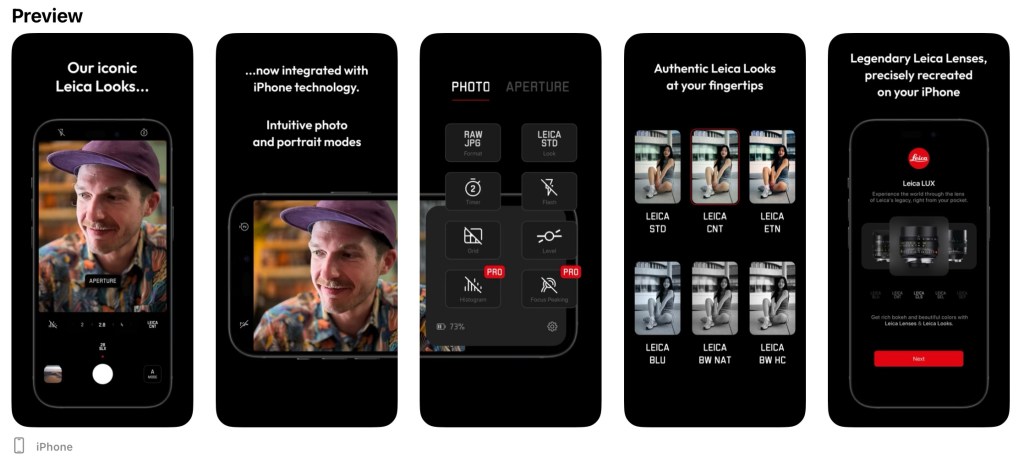
Leica LUX is not so logical and I’ve been puzzling over why a company with their luxury brand equity would take a risk like this. On the page linked above, they’re saying the app “lets you capture the iconic Leica Look with your iPhone” using their “deep color science” and digital simulations of “legendary lenses”, like the Noctilux-M 50mm f/1.2 ($7,895 USD), and claiming it “reproduces” its “signature aesthetic bokeh”.
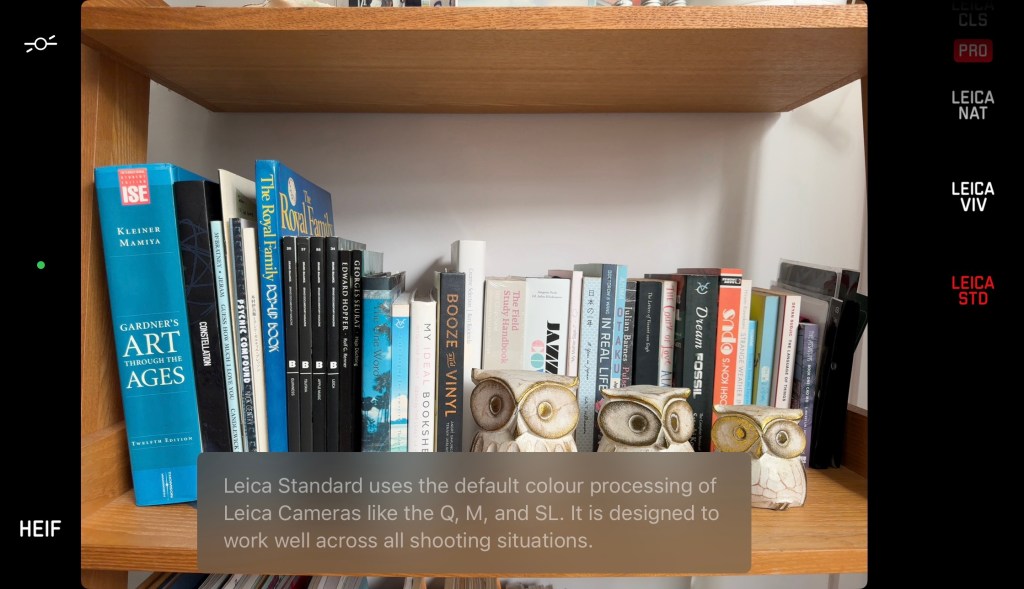
I present two exhibits. The first (below) is what you see when selecting the “Leica Standard” profile: a statement that it handles color the same way as their cameras that cost upwards of $6,000 USD do, using your iPhone’s sensor. Whether it’s true or not is beside the point; Leica is saying you can enter their world with a free app and the phone you already own. To my eyes, it’s not far off from the iPhone’s default color handling, and looks like some gentle H/S/L shifts. The other Leica Looks are a mixed bag: I like the Leica Natural one, but some others are heavy and feel like “filters”. I’d hoped these would be more like Fuji’s in-camera film simulations, which are more like “color profiles”.
The secret sauce is leaking out!
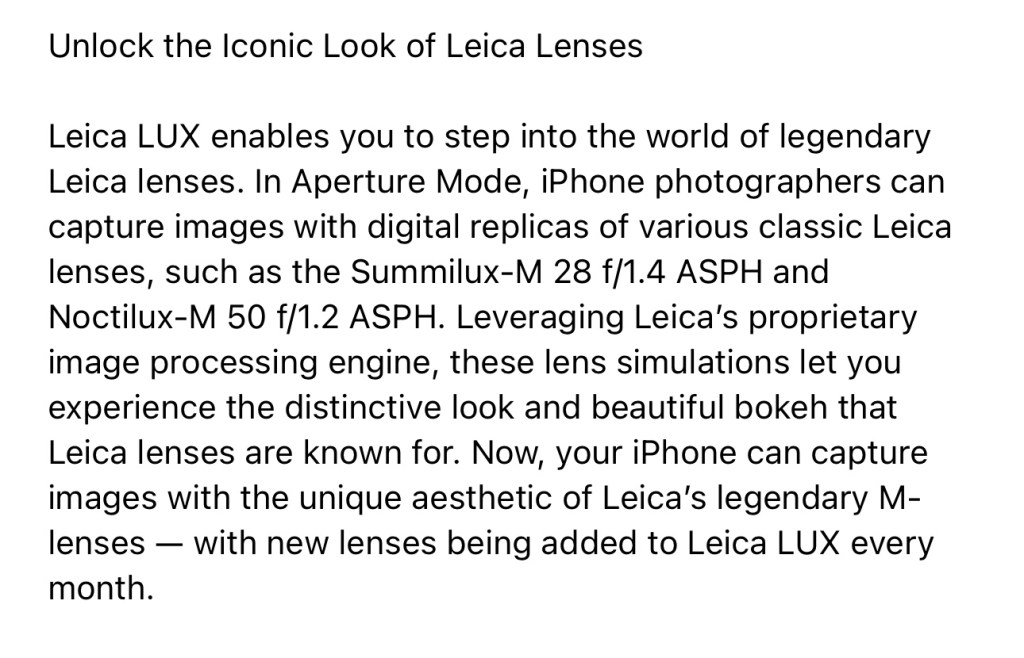
The second shows how their implementation of a depth effect is inferior to Apple’s own Portrait Mode, with rough edge artifacts, despite the hyperbolic claims of giving your iPhone the “unique aesthetic of Leica’s legendary M-lenses” with their “distinctive look and beautiful bokeh”. If it did, that dark shot of my Misery Men mug would look like it came from a 28mm Summilux f/1.4 lens, and I can assure you it does not. Moreover, their digital depth effect only adds background blur, not foreground blur, which makes for a less realistic result that Apple’s own Portrait Mode which your iPhone already does for free.
LUX’s App Store descriptionSee how the digital replica handles the mug’s edges
One nice feature is the photo library viewer they’ve built into it, which lets you switch between seeing All photos and Leica photos only, including ones taken with your Leica cameras. And photos taken with this app sit alongside them as equals! In the field where the camera model is specified, it simply shows “Leica LUX”.
What are they getting out of this brand dilution? Well, the app is subscription-based and asks for S$99.98/yr to unlock more Leica Looks and lenses. They claim new ones will be added monthly. I think perhaps anyone who owns or intends to own a physical Leica camera will not bother with this, and it’s a move to grab all the aspirational customers who want to touch the brand — including a bit of overlap with the market they tried to target with their Huawei and Xiaomi smartphone collaborations. The question is whether this will do any significant reputational damage, and so far all the comments I’ve seen on Leica blogs and communities have been negative. Could they stand to make more on app subscriptions than they’d lose from upset camera buyers? Maybe! Is that capitalization model the right way to run a company? Maybe not?
I’m still optimistic because I’m not emotionally or financially invested enough in the brand to care how they destroy themselves, and will wait to see if they update the app to improve edge detection and add some better Leica Looks. If it ever gets good enough to be my primary iPhone camera app, a hundred bucks a year is steep but not out of the question.
Meanwhile, I’ve found the following settings get me calmer and more natural photos out of the default iPhone camera app. First, go to Settings > Camera and make sure you turn on “Exposure Adjustment” under the “Preserve Settings” section. Then in the camera app, set exposure to -0.3ev, and using one of the Photographic Styles as a base, change its values to -20 Tone and +5 Warmth. Note: If you have a 14 Pro, the only way you’re getting less crispy shots is to use an app like Zerocam or Halide and disabling smart processing.
===
Media activity
Started playing Spider-Man: Miles Morales on the PS5. It feels just like the first game I played on the PS4 years ago and I can’t say I’m getting next-gen from this, but it’s good fun.
Finally got Balatro on the Switch, the highly acclaimed indie poker roguelike game. It reminds me so much of Solitairica, the indie solitaire roguelike game on iOS. That’s a good thing. It’s the kind of game you can play for a few minutes, or hours on end.
Started watching season 2 of Link Click, a Chinese-made “anime” series with a cool ‘catch a serial killer through time’ kinda story. I saw season 1 a couple of years ago and was impressed by how well executed it was.
Saw Still of the Night (1982), starring a young Meryl Streep and Roy Scheider. It’s a Hitchcock-inspired psychological thriller with Fatal Attraction vibes. 3/5
Saw The Ministry of Ungentlemanly Warfare, a Guy Ritchie WWII joint that feels like if Inglourious Basterds was a Jason Statham vehicle. Except he’s not in this, Henry Cavill is, as well as Alan Ritchson (of Reacher fame) who plays a gay Dane (Swede?) who loves killing Nazis almost a little too much. Quite a bit of fun. 3/5
Saw The Fall Guy, a movie I’ve been anticipating for a long time on the strength of its trailer and what little I’d assumed about its story. I didn’t know it was based on an old TV show. But it was a messy, empty disappointment of a blockbuster that even Ryan Gosling and Emily Blunt couldn’t save. 2/5
Saw Carnival of Souls (1962), a cult classic surrealist quasi-horror film on Kanopy, a video streaming service that’s free if you connect your library account. It’s got Ed Wood B-movie vibes and special effects, a lot of rough edges, but still manages to be a compelling work that I’ll probably remember for a long time. 3.5/5
Saw To Have and Have Not (1944) in which Lauren Bacall plays a character who is stated as being 22 years old, to which I thought “she’s gotta be a lot older than that”. I looked it up and she was probably 19 💀. So that’s proof that people really used to look older, and you’d be forgiven for assuming it was the copious smoking (on display in this film). It’s a weird one, almost a musical showcase for Hoagy Carmichael who shows up as the hotel bar’s piano man. Doesn’t quite have that Casablanca magic yet. 3/5
Saw Dream Scenario in which Nicolas Cage convincingly plays a loser who suddenly becomes famous due to an unexplained phenomenon (he starts appearing in people’s dreams). Towards the end, it pivots from uneasy mystery to comical cultural commentary. That’s not a complaint though. 3/5
A playlist for you
As reward for making it this far, here’s the next installment in my Blixtape playlist series, covering music I listened to from January to May this year. Hope you find something to like.

























 sangsara.net