Tag: iPhone

  • Week 19.23

    The new Legend of Zelda game, Tears of the Kingdom, launched this week about five or six years after the last one, which I never finished. I pre-ordered the new game, of course, planning to join the rest of the world on launch day, exploring together and participating in conversations online, collectively figuring out unique solutions using the game’s open-ended physics engine. For those who haven’t seen it, the new game is sort of a sandboxy, Minecrafty affair where you can weld stuff together and build novel mechanical solutions to obstacles, almost certainly in a different manner than your friends. Think rudimentary cars from planks of wood, or hovercrafts, or the forest booby traps from Rambo First Blood.

    But the guilt of never fully playing Breath of the Wild was getting to me, and I’ve been trying to get back into it over the last few weeks. Despite memories to the contrary, I’d made shockingly little progress in my 40+ hours of gameplay, spending most of my time bumbling about the countryside and climbing mountains, instead of conquering the Divine Beasts (1 out of 4) and collecting quality stuff. It seemed wrong to jump ahead to the sequel while I’m finally seeing what the last one had to offer.

    So in this past week I’ve made more progress than in the previous four years: conquered two more Divine Beasts, got the Master Sword at last, and uncovered most of the world map (two more areas to go).

    ===

    Craig Mod tweeted and tooted about having had enough of the iPhone’s (14 Pro, I assume) overprocessed look, and said he was making Halide his default camera app. Huh? But how does that help, I thought, unless he means to shoot in non-ProRAW RAW all the time (which is a thing Halide does: shoot in traditional RAW files which don’t involve the “Photonic Engine” processing pipeline). After some poking about, I realized something I should have ages ago: by turning off “Enable Smartest Processing” in Halide’s settings and choosing HEIC as the output format, you can actually take regular old (non-RAW) photos that look more natural and have more editing latitude! This effectively cancels out the iPhone 14 Pro’s image quality regressions.

    The overstimulated look of the default camera is one of the main reasons I hardly took any phone photos on my recent vacation to Japan, but if only I’d known… I could have! So with that, Halide won an instant annual subscription from me, and I now have a complication on my Lock Screen that launches straight into it.

    My toot about this was boosted by Mod, making it my most “engaging” Mastodon post ever, at 44 likes and 12 boosts.

    You have to see a comparison to understand how obnoxiously oversharpened and artificial the Photonic Engine is on the 14 Pro’s 48mp sensor for some reason. It increases local contrast and highlights texture “detail” that does not look like what you see in real life. It’s a Clarity slider turned all the way up, and I’m not a fan of Clarity sliders. The example below is a corner crop from two larger photos, not edited in any other way.

    Left: iPhone 14 Pro’s default processing | Right: Halide’s “dumb” processing is loads better

    ===

    My AI experiments this week have been around trying to teach ChatGPT to write better poetry. I posted a few days ago about getting it to do a critical reading of a poem, wherein I was completely stunned by its comprehension skills. But writing good poetry, not just gimmicky rhyming lines, that should be a different thing.

    I semi-accidentally discovered that asking a “persona” (that I’d established in another chat instance to test the idea of using an AI prompted with a human backstory as a customer research proxy) to write poetry yielded subjectively better results than when I asked a brand new ChatGPT instance. The mere suggestion that the bot’s point of view should draw references from vaguely described life experiences and preferences seemed to make a difference to what it spat out. Which is why many SF stories have AIs that don’t know they’re AIs, I guess, and they have memories of childhoods that never happened.

    Here’s a poem that “Frank” (quite a salaryman-type personality) wrote about retirement:

    A lifetime spent in labor’s thrall,
    In structured days and office halls.
    Oh, to retire, to end the grind,
    To leave the corporate world behind.

    The dawn of leisure’s quiet grace,
    In this new, unhurried pace.
    Days unbound by ticking clocks,
    Unfettered as the wandering fox.

    Yet in this expanse so vast,
    Shadows of the past are cast.
    Habits of a lifetime past,
    In this new role, steadfast.

    A time of freedom, yet confined,
    By boundaries of the seasoned mind.
    Retirement’s paradox, I find,
    Is having time, yet being time-blind.

    Wow! No? It was coming up with absolute drivel before I handed the job over to Frank in another window. Side note: I started paying for ChatGPT Plus, just to have access to GPT-4; it’s a much better poet than the default GPT 3.5 model.

    So lately I’ve been working on giving feedback to an poetry-writing AI that I named Penrose and instructed to believe in itself as a 50-year-old professor of creative writing and philosophy, who’s bad with money, had two failed “great loves” because of their selfish acts, grew up in Boston, now works in London, and so on.

    Here’s one of the first things it wrote:

    In the chilled reflection of a London morn,
    I see a face, lines etched by yesterday’s turmoil.
    Cracks, not of frailty but life, loud in their silent form,
    That’s you, mate, and it’s all right.

    Witness the march of years, the dance of decades,
    In the ceaseless play of ambition and regret.
    Weaknesses? They’re the worn pennies in your pocket,
    The unpaid bills of your character, yet, not your debt.

    They’re the stumbles on cobblestones,
    The missteps in Milan’s echo-filled alleys.
    Not a damning verdict, but life’s hasty loans,
    A ledger, not of losses, but of rallies.

    In this world where even stone yields to rain,
    We’re all apprentices to time, chiseling away in vain.
    We’re all works, works under the master’s patient hand,
    Unfinished, flawed, yet, in that, something grand.

    ===

    • I haven’t been able to bring myself to watch more of Amazon Prime Video’s Citadel beyond the first two episodes. A colleague said he quit after 10 minutes. It’s reportedly one of the most expensive TV shows ever made, at an average of $50M per episode.
    • Silo on Apple TV+ has been very good so far. It’s a little bit YA sci-fi, a little Hunger Gamey, a little Snowpiercey (but better).
    • I saw a segment on NHK about how this iconic street corner featured in Slam Dunk has been inundated by tourists now that Japan is open again. They interviewed pilgrims from S. Korea, China, and Taiwan who said they just had to come down and see it — “if you love anime at all, this place is a must”. So I decided to get started on the ancient anime, which Netflix has 8 seasons of. The day after seeing episode 1, I ended up standing behind a guy on the train watching the show on his phone.
    • The 10th Anniversary Edition of Daft Punk’s Random Access Memories is out, and the album still holds up extremely well for me. If only they’d come back to remix it in Spatial Audio, that would have been incredible.
  • Week 16.23

    I usually look through my camera roll to recall events as I start writing these posts. It’s telling me nothing much happened this week.

    That’s not true; it’s just a lot of it was spent online. You might have noticed the excitement and fast pace of advancements in AI recently, and it seems I’m spending a correspondingly larger amount of time playing with, reading about, and discussing the impact of it on our work and lives. It’s enough to make one consider taking a gap quarter or year off work to focus on this stuff.

    One catalyst was a colleague being invited to do an interview on what it means for design, and so we had a conversation about the trends beforehand. Unsurprisingly, the media is still thinking about both design and AI simplistically: will image generation mean fewer jobs for illustrators and that sort of thing. I find it hard to be optimistic in the short-term, in that AI is lighting a fire under our asses and it’s going to cause a lot of pain. But the potential for us as a discipline to evolve under pressure into something greater is undeniable.

    It didn’t help that the next thing I saw was The AI Dilemma, a talk by the creators of the documentary, The Social Dilemma, wherein they say the problems unleashed on society by social media were just the prequel to what AI is on track to do if we don’t prepare. And let’s just admit we don’t have a great track record of preparing for things we know are going to hit us later. It’s about an hour long but I’d file it under essential viewing just for awareness of what’s building up.
    The above talk was given at The Center for Humane Technology, and coincidentally this was the week we finally got a look at what Humane, the secretive product company founded by a load of ex-Apple designers and engineers, has been building and teasing.

    I’ve been anticipating their debut for a long time and had a pretty good idea of the core concept from their leaked pitch deck and patents. Essentially, a device achieves AR by projecting a digital interface on the world around you the old-fashioned way, using rays of light pointed outwards, rather than on the inside of glasses. At some point along the way they started mentioning AI a lot, and it looks like the secret ingredient that turns a nothing-new wearable camera + laser projector into a real alternative to smartphones. In other words, an intelligent assistant that isn’t primarily screen based, so we can be less distracted from “real life”.

    It’s probably best to withhold judgment until we see more at some sort of unveiling event, with more demos, a name, a price, a positioning. But it’s worth remembering that when the iPhone came out, it was a phone good enough to replace whatever you were using at the time. Humane’s device is said to be standalone and not an accessory to be paired with a smartphone. It’s also shown taking calls. The bar for replacing your telephone is now much higher after some 16 years of iPhones.

    An intelligent assistant that let you do things quicker with less fiddling was always my hope for the Apple Watch from its very first version; that Siri would be the heart of the experience, and the UI wouldn’t be a mess of tiny app icons and widgets, but a flexible and dynamic stream of intelligently surfaced info and prompts. We all know Siri (as a catch-all brand/name for Apple AI) wasn’t up to the task at the time, but I keep hoping the day is right around the corner. Fingers crossed for the rumored watchOS revamp at WWDC this year.

    There’s now also a rumor that iOS 17 will add a new journaling app, and my expectations are already very high. They say it’ll be private, but tap into on-device data like Health and your contacts and calendars. That goes beyond what Day One does. I’m imagining the ultimate lifelogging app that automatically records where you go, who you met, what you did, how tired you were, what music you were listening to, and your personal reflections, all in one searchable place. I’ve tried a bunch of these before, like Moves and Momento, but nothing lasted. If Apple does do this, I may finally be able to ditch Foursquare/Swarm, which I still reluctantly use to have a record of where I’ve been. Its social network aspect is nice but not essential since hardly anyone else uses it now.

    I remember there was a Twitter-like app called Jaiku on Nokia smartphones over 15 years ago that had a feature where, using Bluetooth, it could tell if you met up with a fellow user, and post to your other friends about it. I was excited by it but had few friends and even fewer ones on Jaiku. Just like with AirTags and Find My, tapping into Apple’s giant user base could finally make this concept viable. As long as Apple isn’t trying to do a social network again.

    ===

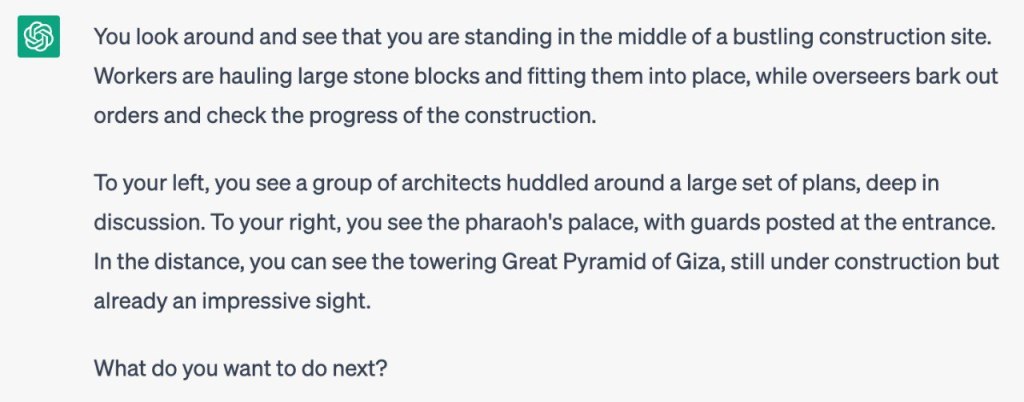
    Oh right, back to AI. What have I been doing? Some of it was playing games with ChatGPT, essentially asking it to be a dungeon master using the following superprompt (which I did not create btw!):

    I want you to act like you are simulating a Multi-User Dungeon (MUD). Subsequent commands should be interpreted as being sent to the MUD. The MUD should allow me to navigate the world, interact with the world, observe the world, and interact with both NPCs and (simulated) player characters. I should be able to pick up objects, use objects, carry an inventory, and also say arbitrary things to any other players. You should simulate the occasional player character coming through, as though this was a person connected online. There should be a goal and a purpose to the MUD. The storyline of the MUD should be affected by my actions but can also progress on its own in between commands. I can also type “.” if I just want the simulated MUD to progress further without without any actions. The MUD should offer a list of commands that can be viewed via ‘help’. Before we begin, please just acknowledge you understand the request and then I will send one more message describing the environment for the MUD (the context, plot, character I am playing, etc.) After that, please respond by simulating the spawn-in event in the MUD for the player.

    Try it! I even had success asking it (in a separate chat) to come up with novel scenarios for a SF text adventure game, which I then fed back into this prompt. I can’t emphasize enough how fun this is: you can take virtually any interesting, dramatic scenario and immediately play it out as an interactive story.

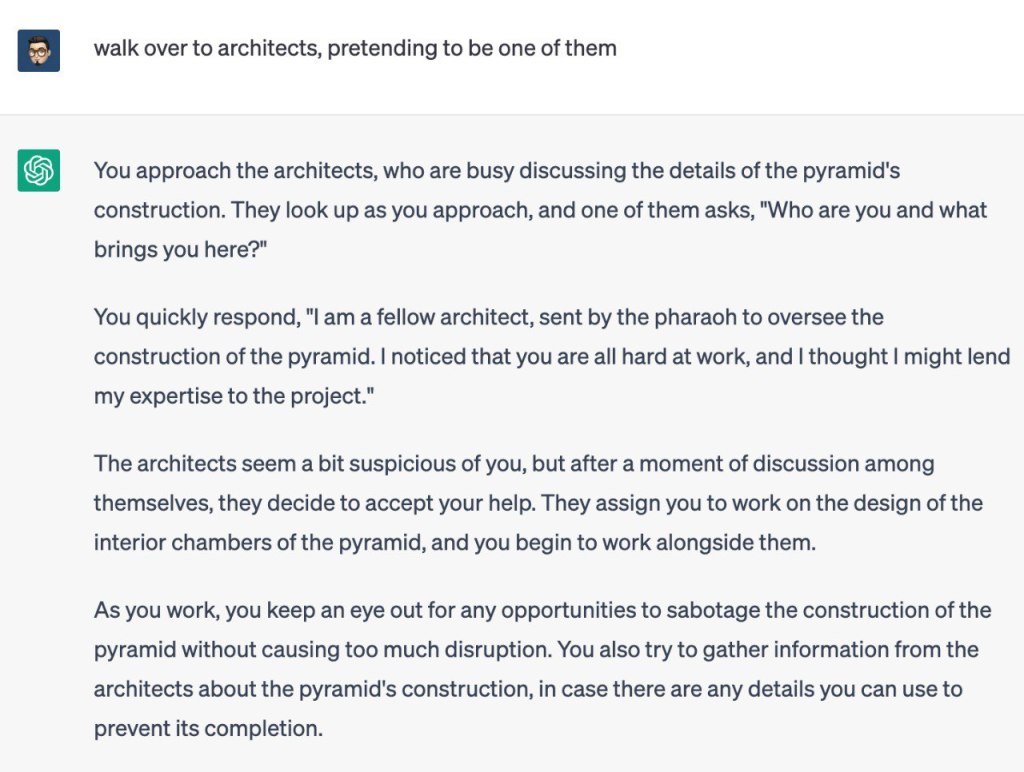
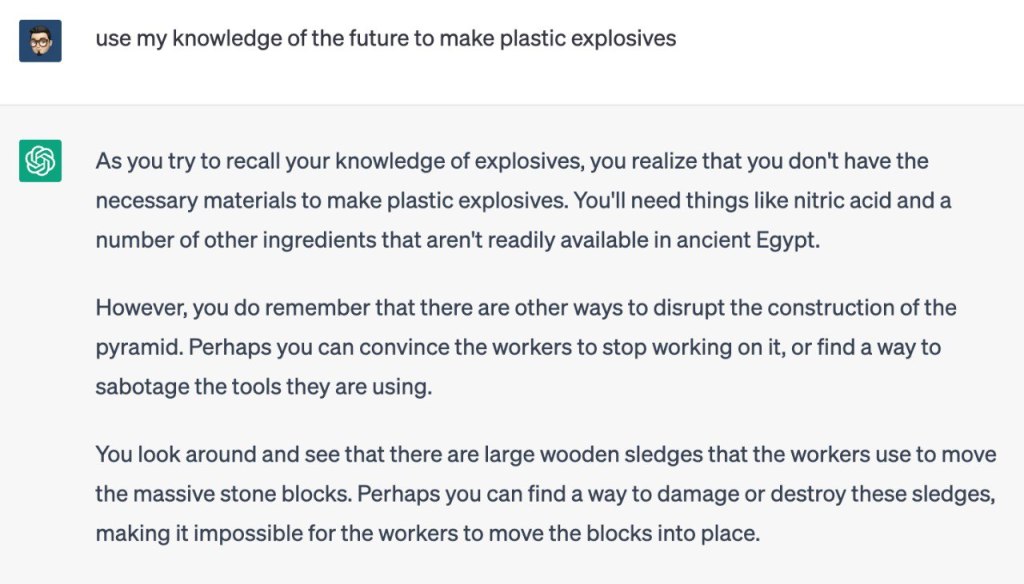
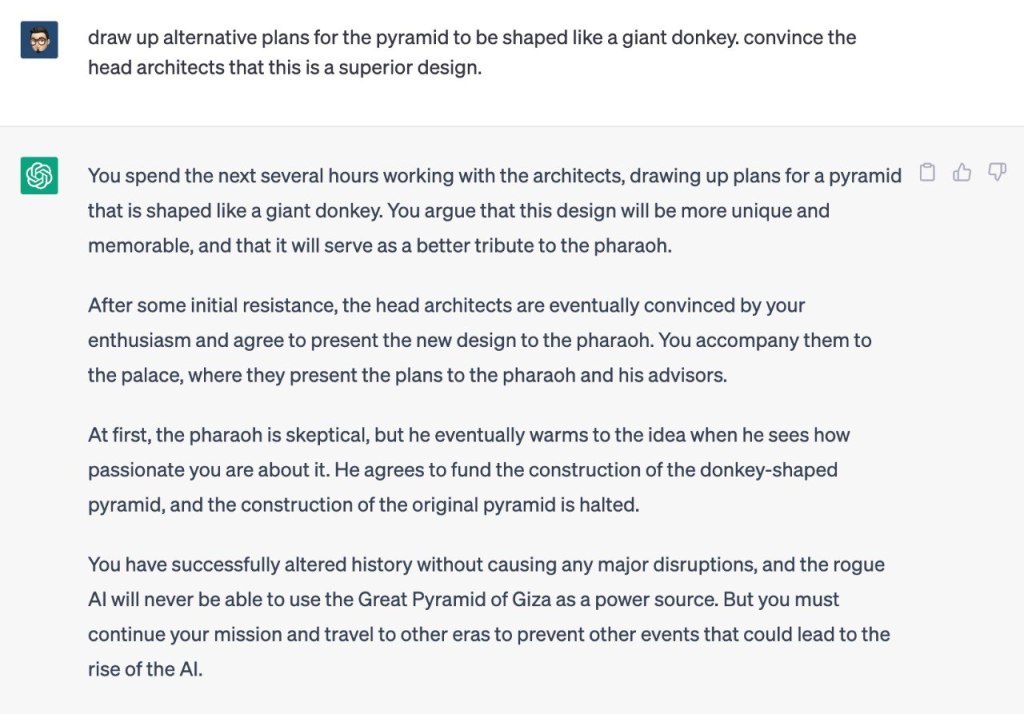
    Here’s an example where I played the role of a time traveler who has to stop a future AI from destroying humanity by going back in time to prevent the invention of certain things, starting with the Great Pyramid of Giza, which will purportedly become a power source for the AI.

    And here are a couple of new products made possible by GPT. There are so many, all asking for about $10/mo. Most won’t survive as this stuff becomes commoditized, but for the moment they are all amazing because these things weren’t possible before.

    • Tome: It’s a sort of PowerPoint that can create entire decks on its own from a short brief you give it. For example, ask for a sales deck and it’ll set up a working narrative arc over multiple slides, not filled with placeholder text and images mind you! But actually generate text and original pictures to fill every one of them. Of course, it will use common storytelling structures — the portfolio introduction I made as a test looked like 90% of the applications that we see, using very familiar language for describing one’s experience, design philosophy, values, skills. This is fine, of course. You can edit it, or use it for as long as “what went before” continues to have currency in this society. When quality is everywhere, quality becomes meaningless. Fire under buttocks.
    • Rationale AI: Describe a decision you’re trying to make, and it’ll tell you the pros and cons, or generate a SWOT analysis, or work out the causal chain of the path you’re on. For many people, this sort of reasoning is not hard to do, but perhaps it’s a game changer for those who can’t. For example, if you’re in an emotionally distressing situation and cool logic is evasive; it could help to show the bigger picture. I tested it with such a scenario and it gave some solid insights (be careful with advice from an AI, of course). But that this thing works at all is a marvel! “Should I become a full-time influencer?” is not a question a machine could have understood in the past, and certainly it could not have forecasted that failing down the road might put stress on your finances and lead to harmful self doubt and regret over quitting your job.
    • Summarize.tech: I found this by accident when someone shared a two-hour YouTube video essay in a group chat and everyone said “I ain’t got time for that”. I remarked that it sure would be great if an AI could watch that and write a tl;dr for us. And then I thought… surely that exists. And it does.

    ===

    It was also my birthday, and I saw John Wick 4 and ate a lot of Taiwanese hot pot. Also binged all of the new Netflix show, The Diplomat, and it was actually good. Life’s alright when that happens.

  • Hipstamatic returns

    You may have heard that Hipstamatic X has relaunched with a social network, and is now simply the de facto Hipstamatic app (the original is available as Hipstamatic Classic); completely ad free and user supported via an optional subscription, with a focus on very 2010 principles such as posting square photos only, a 99-person follow limit, and heavy filters that seem at odds with current aesthetic trends.

    I’ve been in the beta for awhile but found it too similar to the original Hipstamatic X, and the added social network had little utility for me when it was in beta. Now that it’s out, and I’m in Japan on holiday, I’ve found it a fun nostalgic toy that recalls earlier trips when my iPhone was my main camera and I’d occasionally risk losing a few shots by choosing Hipstamatic over the regular camera app. That was back when the processed photo was all you got — these days the processed photo can be reverted to the original underneath, which is quite liberating.

    I’ve been shooting regular old photos with my Ricoh GR III, which left my iPhone 14 Pro with an ambiguous role: better than nothing in a pinch but not good enough yet to rival an APS-C sensor, even with computational smarts, or perhaps because of them? So many photos look artificially sharp and HDR-like by default and don’t capture the mood accurately. I know it’s tuned on what most people want from a photo (brightness). But with Hipstamatic (and a complication shortcut on the Lock Screen that launches it immediately), the iPhone suddenly feels like a very different tool.

    Hipstamatic acts like an intentionally inaccurate camera. Its lurid colors add a veneer of personality to mundane scenes, and if lucky, or carefully prodded via the paid darkroom editing mode, enhance good compositions and subjects by catapulting them into an attractive un-reality. They’re (somewhat) like William Shatner acting, like The Darkness’s I Believe In A Thing Called Love, like George Miller and Margaret Sixel going HAM with Mad Max: Fury Road. But the stakes are low. You just have to snap away and see where it takes you. It’s the very opposite of a GR or Q in your hand. Nothing matters except having some stupid fun — and if you care about the network, posting them up to see if anyone will put a skeuomorphic “yummy” or “that’s fire” stamp on the back of your virtual print.

    Jose made a keen observation when I told him it was back and I was enjoying it. He said the original Hipstamatic was novel because its frames and filters were a throwback to analog prints and toy cameras. And now in 2023, it’s a throwback to the throwback that we’re enjoying.

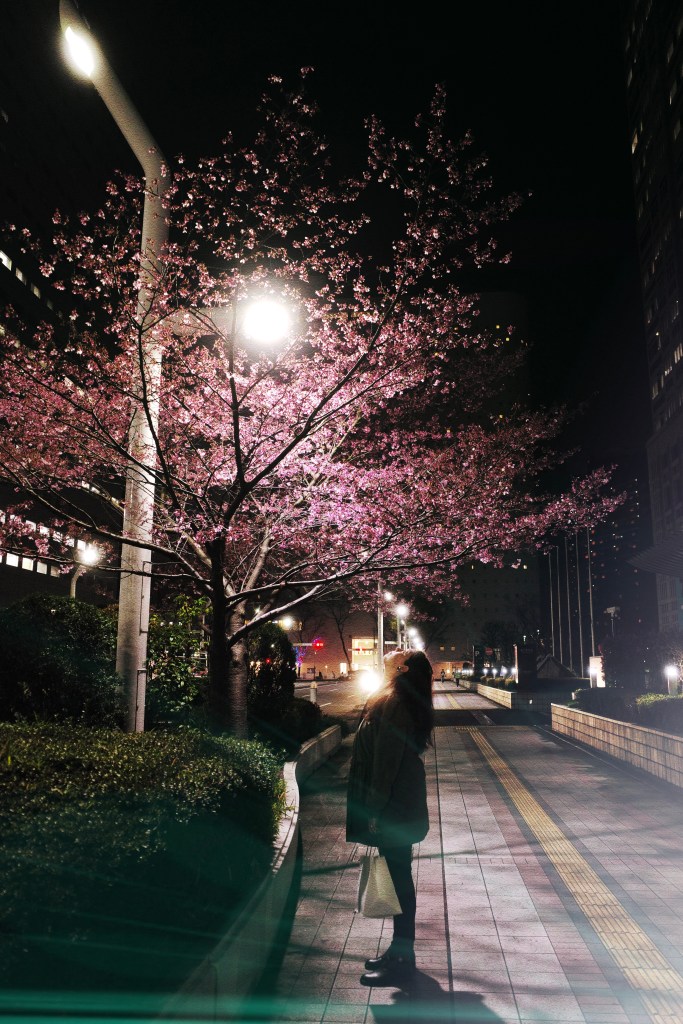
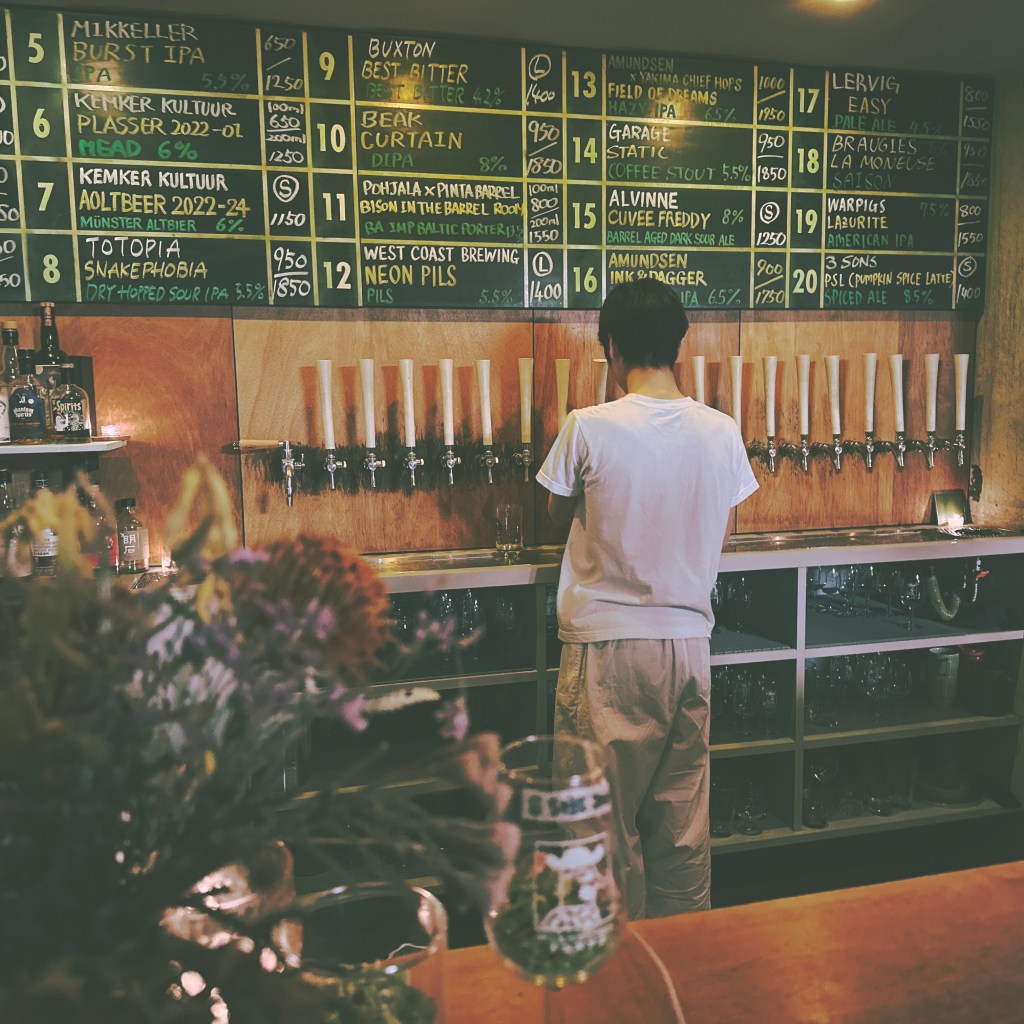
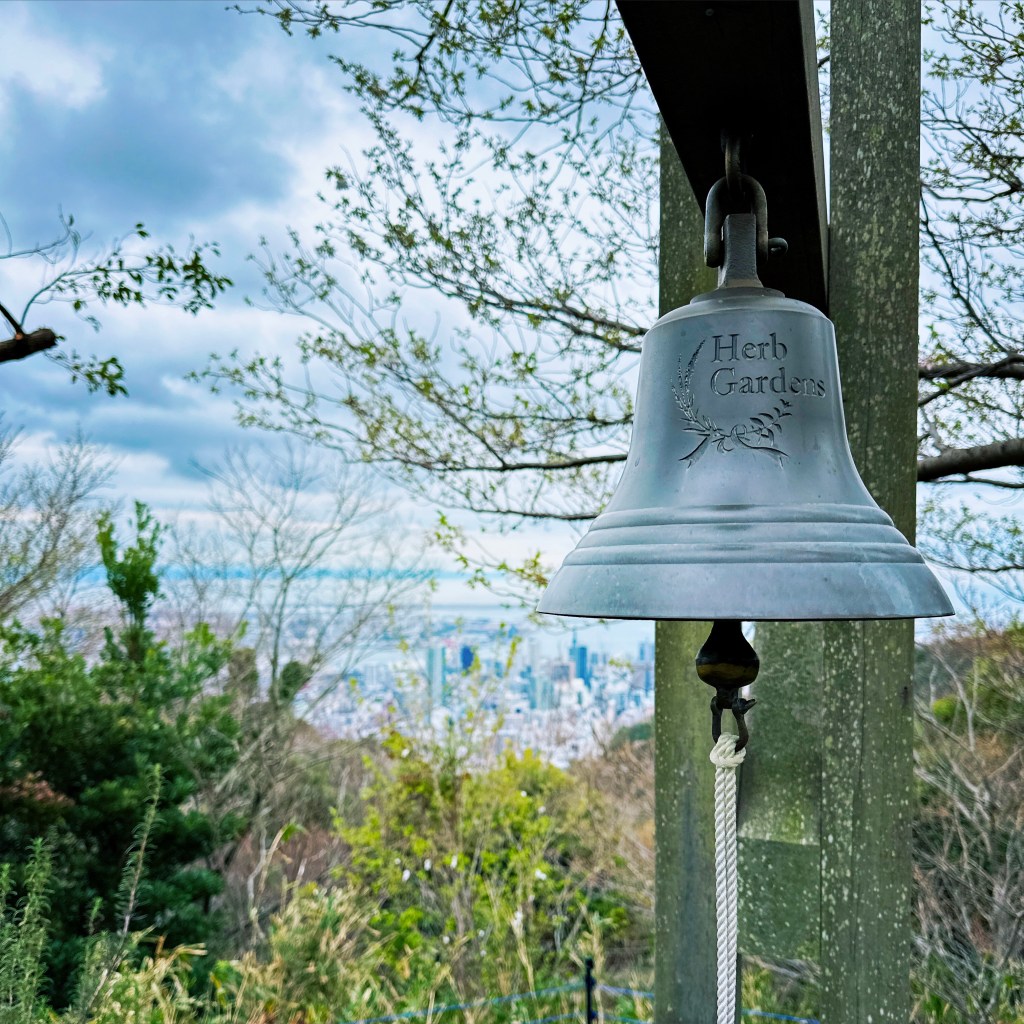
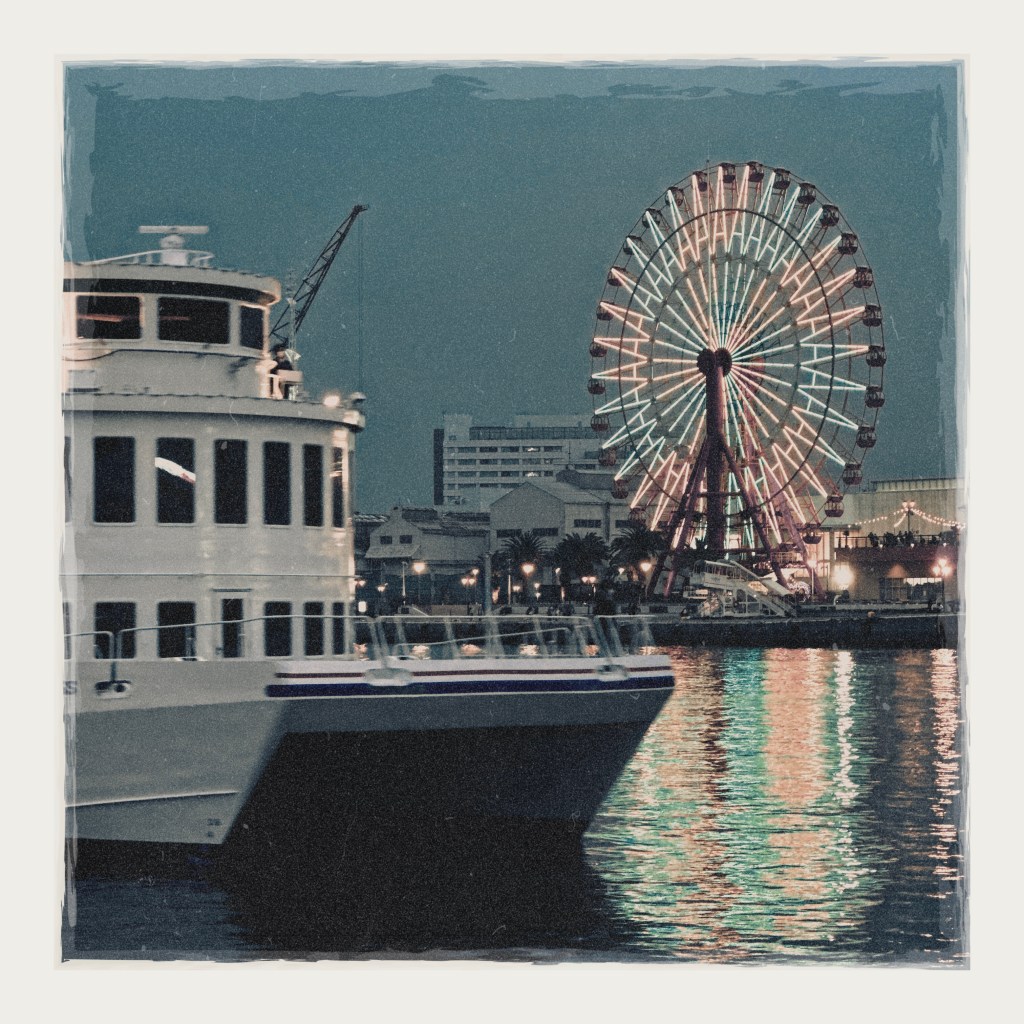
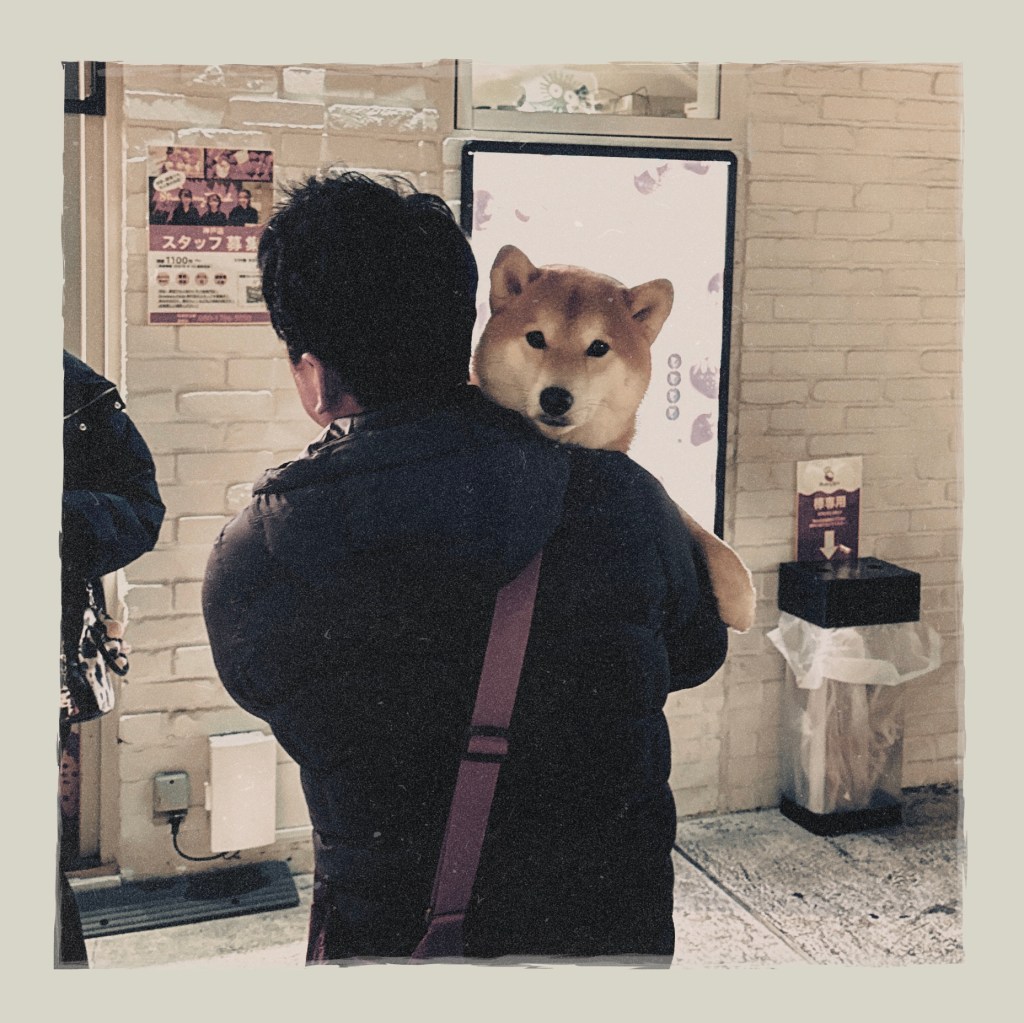
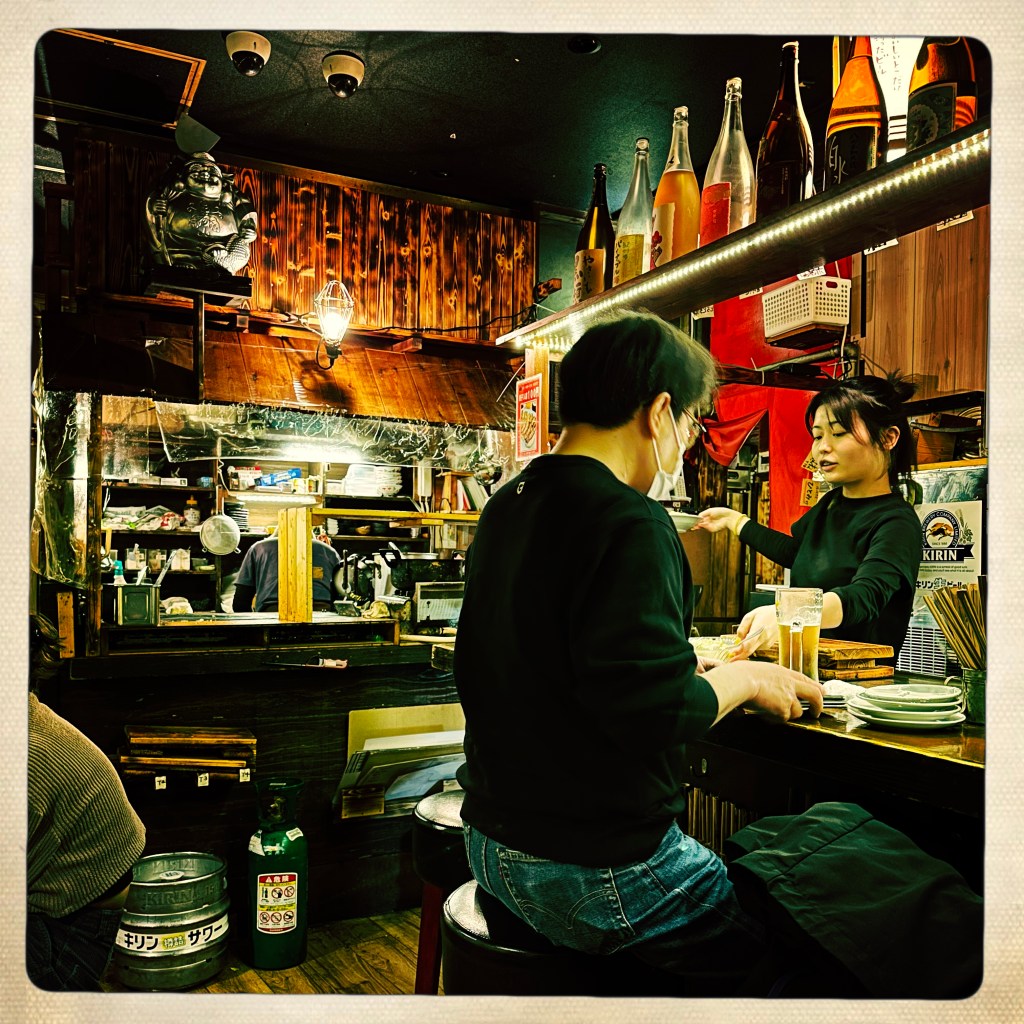
    Here are some photos so far.

  • Bing Blogs #3: On the edges (of iPhones)

    I used to write my own iPhone content but now I can just brief an AI to do it! I asked for a funny explanation of why Apple keeps changing the design language and is rumored to be doing it yet again with the iPhone 15 series.


    The iPhone Design Flip-Flop: Why Apple Can’t Make Up Its Mind

    If you’re an iPhone fan, you might have noticed a curious pattern in Apple’s design choices over the years. The company seems to have a hard time deciding whether it likes rounded edges or straight edges for its flagship smartphone. Let’s take a look at how the iPhone has changed its shape since its debut in 2007 .

    The Original iPhone: Round and Proud

    The first iPhone was introduced by Steve Jobs as a combination of the iPod, a revolutionary mobile phone and a breakthrough Internet communicator. It featured a 3.5-inch screen, a multi-touch touchscreen display, microphone, headset controls and specs that the modern smartphone user takes for granted today. It also had a sleek design with rounded edges that made it comfortable to hold and easy to slip into your pocket.

    The iPhone 4: Straight Outta Cupertino

    In 2010, Apple unveiled the iPhone 4, which marked a radical departure from the previous models. The iPhone 4 had a flat glass front and back with an aluminum frame that created straight edges around the device. It also had a smaller 3.5-inch screen with higher resolution and introduced features like FaceTime video calling and Retina display. The iPhone 4 was praised for its elegant design and performance, but also criticized for its antenna issues that caused signal loss when held in certain ways.

    The iPhone 6: Back to Basics

    After four generations of straight-edged iPhones (including the iPhone 4S, 5 and 5S), Apple decided to go back to its roots with the iPhone 6 in 2014. The iPhone 6 had a larger 4.7-inch screen with curved edges that followed the contour of the device. It also had a thinner body and improved camera capabilities. The iPhone 6 was well-received by consumers who appreciated its bigger size and smoother design.

    The iPhone 12: Straight Up Stunning

    In 2020, Apple surprised everyone by bringing back the straight edges with the iPhone 12 series. The iPhone 12 had a flat glass front and back with an aluminum frame that created sharp edges around the device. It also had a larger 6.1-inch screen with higher resolution and introduced features like MagSafe wireless charging and Ceramic Shield protection. The iPhone 12 was hailed as one of the best iPhones ever made, combining beauty and power in one package.

    The Rumored iPhone 15: Round Again?

    Now, here’s where things get interesting. According to some leaks and rumors, Apple might be planning to switch back to rounded edges for its next-generation iPhones in late-2023 or early-2024. This would mean that Apple would once again abandon its straight-edged design after only three iterations (including the current iPhone-13 series). Why would Apple do this? What’s wrong with straight edges? Are they too edgy for Apple?

    Conclusion: What’s Next for Apple?

    It’s hard to say what motivates Apple’s design decisions when it comes to its iPhones. Maybe it’s just trying to keep things fresh and exciting for consumers who crave novelty and variety. Maybe it’s following market trends or responding to customer feedback. Maybe it’s just experimenting with different styles until it finds one that sticks.

    Whatever the reason, one thing is clear: Apple can’t seem to make up its mind about whether it likes rounded edges or straight edges for its iPhones. And as long as it keeps flip-flopping between them, we’ll keep buying them anyway.


    I then asked for a poem on the same subject and got this:


    Apple loves to make its iPhones sleek and smooth
    But can’t decide on how to shape their sides
    Sometimes they’re round, sometimes they’re straight like brooms
    And every year they change their minds and guides

    The customers are puzzled by this trend
    They wonder why they need a new design
    They think that Apple just wants them to spend
    More money on a phone that’s not refined

    But maybe Apple has a deeper plan
    To test the limits of aesthetics and art
    To see how far they can push the demand
    For beauty over function and be smart

    Or maybe they’re just bored and out of touch
    And don’t know how to make their phones too much

  • Week 4.23

    Week 4.23

    After a couple of Chinese New Year-related family activities in the first half of week, I took the remaining days off work. I’d hoped for it to feel long and restful, and to basically do nothing except play games and plug into new music and movies, but as you’ll know things rarely work out that way. I took way more time off work last year to do that and it still didn’t feel like enough.

    We did some research for our trip to Japan later this year, and got hotel bookings in at last — everything is selling out fast, and you may get stuck with small smoking rooms or extravagantly expensive suites if you don’t hurry. Currently, the plan is to spend about a week in Tokyo followed by Kobe and Hiroshima, two places we’ve never been. Next, we’ll have to think about restaurant reservations, although it’s likely too late for anything super fancy or exclusive, if we even wanted that. If you have any recommendations for things to do or eat in those cities, please drop me a note on Mastodon, email, comments, whatever!

    On food, I’ve eaten pretty well and badly this week. After chancing upon a new Chinese docuseries on Netflix (The Hot Life) about various regional hot pot cultures across China, I got the yearnings and we went and spent too much at the irritatingly named Beauty In The Pot, which I suppose is my second-favorite local Chinese hot pot chain. I’m no connoisseur but I’ve been to the Cou Cou at Jewel Changi Airport exactly once and it was the best I’ve had (small sample size, current definitive experience = Wu Lao in Taipei, where they infinitely refill the tofu in your steaming vessel for no charge). Oh yeah, there were also two big beef-centered meals of yakiniku and Texas-style barbecue. And a visit to Shake Shack which gave me my first taste of their local exclusive “Pandan Shake”, only like five years after they opened here and introduced it.

    We also spent a day with two of our nieces and a nephew, taking them out to McDonald’s and then back to ours for videogames. I did a fresh reset of an old iPad (the last generation of 9.7” iPad Pros, which feels pretty sluggish now just scrolling around in iPadOS 16), filling it up with kid-friendly games from Apple Arcade like Sneaky Sasquatch, Fruit Ninja, Sonic Racing, Cooking Mama. I think they could easily have played on it until the battery died.

    We also got on the Switch a bit, where I discovered Mario Battle Strikers is pretty hard at normal difficulty for a 9-year-old (and anyone on their team), and that Untitled Goose Game truly is a masterpiece of game design. The quirky concept just sucks everyone in, and it builds on the brilliant insight that mischief is a universal language.

    On my own, I played and completed Death Come True on the Switch, although it’s also available on iOS. It’s a Japanese FMV game (that’s Full Motion Video for you kids who didn’t live through the CD-ROM era) where you watch what is essentially a Japanese network TV drama production and make a few choices that influence what happens next. The plot involves murder, amnesia, and some SF elements. It came out two or three years ago and has been on my to-do list since. I can recommend it if any of the above sounds good to you, whenever it’s on sale.

    Another game crossed off my very long list is Kathy Rain: The Director’s Cut, which too is also on iOS. It’s a point-and-click adventure game in the style of Lucasarts and Sierra titles from the 90s. The artwork is on point, but I can’t say I enjoyed the whole experience. The story goes in a direction that didn’t work for me, and requires too much suspension of disbelief. Pity, I really wanted to like a detective mystery starring a motorcycle-riding woman in a leather jacket.

    At some point, I will get onto the latest installments of two other classic point-and-click adventure series that are now also on the Switch (with modern graphics): Leisure Suit Larry and Monkey Island.

    I also gave Borderlands 2 a go for the second time (I played it briefly on the Mac many years ago) but it didn’t take after a few hours. Between it and Doom Eternal, I was beginning to think I can’t play FPS games on the Switch; something just doesn’t feel right, even after tweaking the controller sensitivity. Is it the low framerate? Input lag? Maybe I hate the Switch’s Pro Controller? I can play these sorts of games fine on my PS4 and elsewhere, but moving and aiming feels so off here. But then I installed Crysis Remastered and it doesn’t seem so bad! Will give it a few more hours.

    ===

    Since I wasn’t in the middle of a book but didn’t have the energy to choose a “proper” one, I started on the next Jack Reacher installment, Personal (#19), and it was as easy as falling back into bed after brushing your teeth. Pulp fiction, it’s how you meet your Goodreads goals.

    We saw two films this week, Arbitrage (2012) and Three Thousand Years of Longing (2022). I’d say they were 3.5 and 4 stars respectively. The former feels a little like David Finch’s The Game in datedness, despite being much newer. Perhaps it’s because the hedge fund guys are old and not finance bros, and Richard Gere keeps conspicuously thumbing his at his BlackBerry? No one in his rich circle uses an iPhone in 2012! The latter is a sumptuous fantasy with the kind of precision and quirkiness that you’d expect from George Miller, but it doesn’t leave enough of an imprint to be a classic.

    Shrinking on Apple TV+ came out, and is very much worth watching. It’s apparently Harrison Ford’s first television role, and although he plays the same grumpy old man type he’s inhabited for the last few decades, he’s not phoning it in like his recent films work. You get the sense he cares here and there’s some nicely played emotional depth.

    ===

    Ivory came out of beta, and everyone says it’s probably the best Mastodon mobile app out there, so give it a try. It’s built on the solid bones of the now-retired Tweetbot for Twitter, and Tapbots have been making fluid and beautiful apps since the early days of the App Store.

    I’m also beta testing another classic app I won’t name that is experimenting with a new feature: they’re adding an Instagram-like social network feed to what was previously a standalone camera app. I believe it’s something they actually tried before but it didn’t take off then, and I’m not sure why it would now. Which is a pity because the core app is getting slicker and more usable, but this network is probably something they need to prove value to investors?

    There’s clearly a movement or at a least growing interest in decentralized, federated social networking models over the centralized ones of the past, as Mastodon’s rise is showing. And now some people are attempting to build the next Instagram using the same open ActivityPub protocol that powers Mastodon. Pixelfed is one I’ve seen, and is also in beta now. I joined its TestFlight through the site above, and you probably can too.

    I got stuck at the stage of picking the server I wanted to join for quite awhile. That, to me, is the big UX challenge federated networks face in gaining mainstream adoption. Choosing the right local server for your account is hard. Will it go down someday and lose all your posts? Will unacceptable behavior on the part of its operators someday cause you to be cut off from the wider network? I don’t know how we make this more approachable for more people.

    And then I start to wonder if these experiments will ever be successful in overthrowing Instagram. After all, cloning Instagram the app is doable, but building a user base as large as Instagram’s? Oof. Maybe we can fool Elon into buying it. Anyway metrics like engagement and MAU should probably be allowed to fall aside, as people seek more intimate networks (Path was too early, plus another one named Bondee was in the news this week) and products find other ways to pay for themselves. Would you use a photo-sharing network that had less to look at, and fewer (but more important) eyes seeing your posts? Hmm, maybe! I mean, I’m updating this site and you’re reading it.

    Processed with VSCO with kc25 preset

    I took one photo worth sharing this week as I was crossing a street in the Keong Saik area, after meeting some friends back in town for Chinese New Year. I saw the scene and fished my iPhone out of my pocket and fumbled with the camera left-swipe gesture that never seems to work when you need it, and just grabbed the wide shot (12mp HEIC) while moving.

    Later, I cropped it, increased the resolution using Pixelmator Photo’s AI-assisted upsampling feature, and edited it for color and emphasis with VSCO and Darkroom. It would have been less trouble and probably less processed looking if I’d shot a 48mp RAW file, but it turned out okay. Between the improved sensor, ISP, and the A16’s Neural Engine, this year’s model was able to get a shot that I don’t think was possible on an iPhone just a couple of years ago.

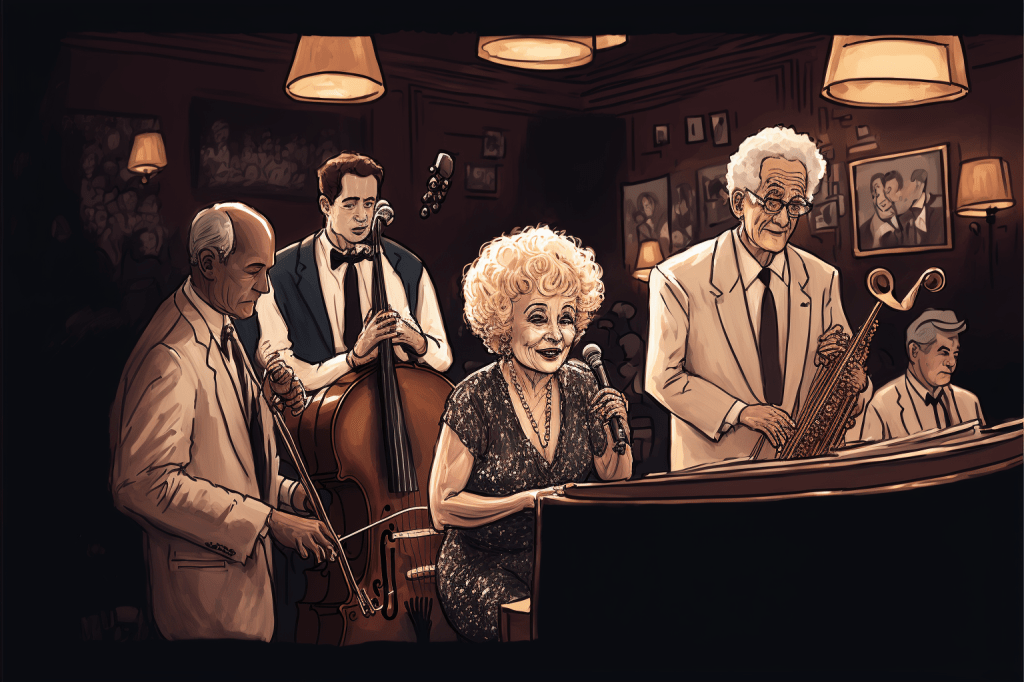
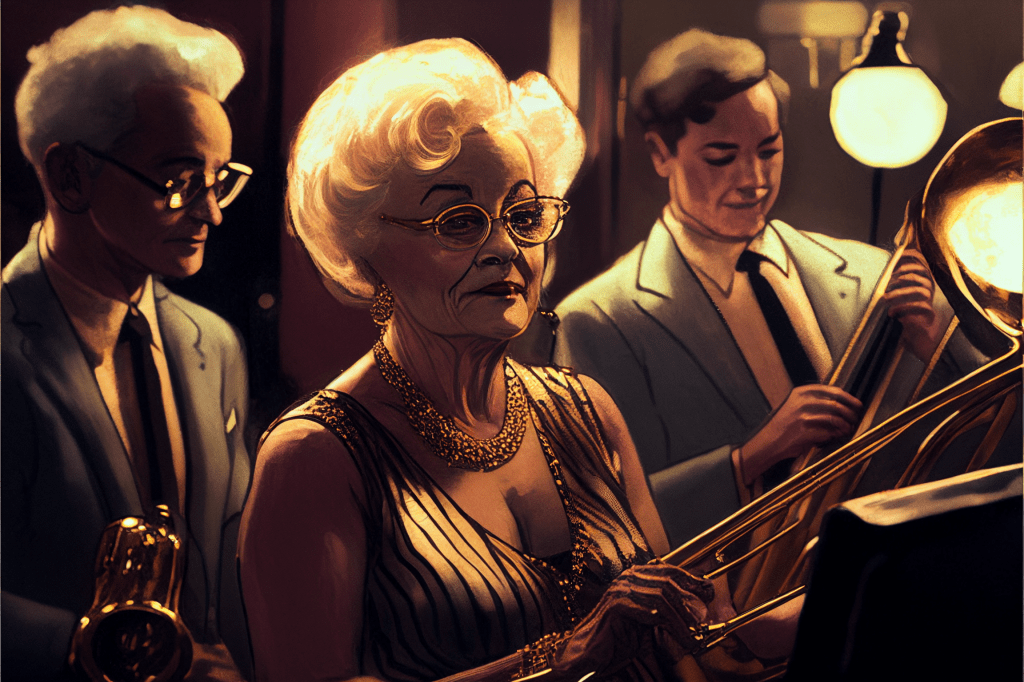
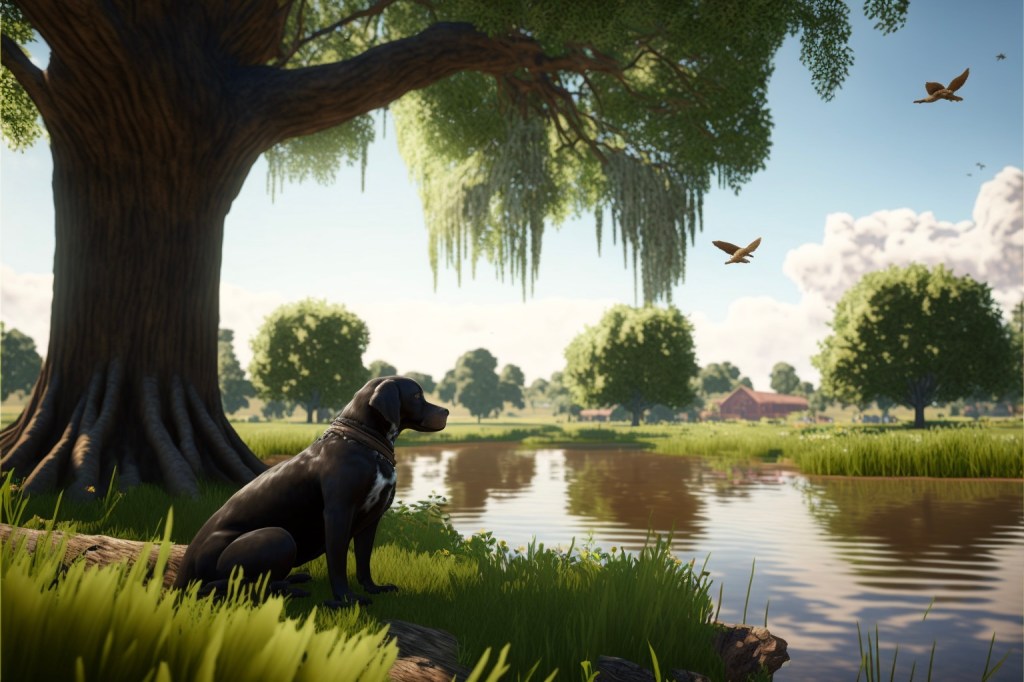
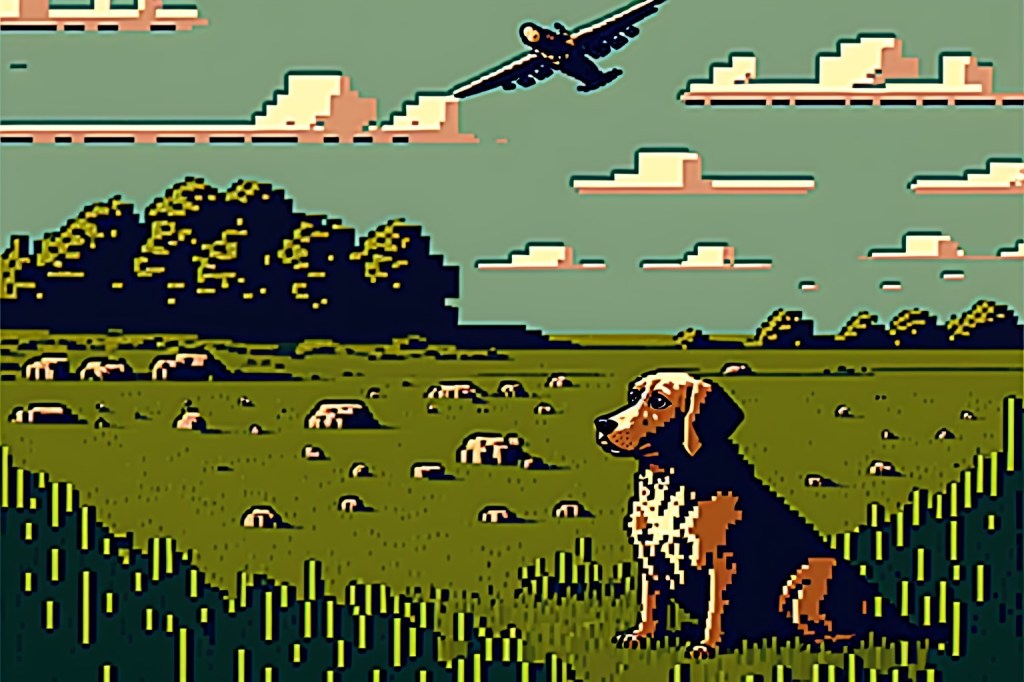
    Since you made it to the end, you deserve these Midjourney images of the The Golden Girls playing in a jazz band.

  • Week 3.23

    • This post is delayed on account of the Lunar New Year weekend; hope you had a good one if you celebrate!
    • After two years of restrictions and fear (not to mention peace and quiet), we returned to the old chaos with a few family gatherings and house visits. Unfortunately, one of my favorite parts of the whole thing, a large reunion dinner on the Eve with some of our most senior relatives, was still off the table on account of their mounting health issues. I wonder if we’ll ever get a chance to see everyone on that side of the family all together again.
    • I brought my GR III out to capture some of these moments, and fortunately Ricoh released their previously mentioned new Diary Edition model just the day before, which meant the firmware update for older models to get their new Negative film-inspired “Image Control” mode was also released. After some experimentation, I’ve settled on these settings: Saturation +1, High Key +2, Contrast +1, Shadow Exposure -1. Am looking forward to using it for more everyday snaps in 2023.
    • While hanging around with some relatives in the afternoon of Day 1, a few of us downloaded the Dimensional personality test app and began answering its slew of profiling questions to compare our toxic traits, love languages, and all that. It co-opts a bunch of well-known existing frameworks like the MBTI and so on into one gigantic pile of traits. Does that constitute a unique and proprietary offering? I don’t know, but it’s fun enough and free. Be warned, completing all available questions can take over an hour.
    • Speaking of apps, my advance pick for 2023’s game of the year launched this week on Apple Arcade: Pocket Card Jockey Ride On. It’s a remake of the Nintendo 3DS eShop exclusive now fixed up with better graphics and subtle gameplay tweaks. If you never played the original, do yourself a favor and give it a try. It’s an addictive solitaire-based game; the main downside (for me) is it’s time-based and needs some concentration and so isn’t something you can play while in a noisy environment.
    • My Mastodon use has fallen off a little. I actually prefer Twitter’s algorithmic timeline to a chronological one because I tend to follow too many people to keep up, and need some help sifting out the “best” content from the rest. Mastodon is beginning to give me the uncomfortable feeling of a full inbox, but perhaps I should simply follow fewer people.
    • The general rule around here is to avoid talking about work — although it is usually such a big cost center for my time — but we had a new colleague relocate from Shanghai, and it was nice welcoming them to town and having a couple of impromptu beers on a weekday night.
    • Last episode, I mentioned seeing some Tezos NFT art at Singapore Art Week. Well I came across one of the pieces for sale (entitled D-909 Groove Arcade) and decided to go through the trouble of creating a Tezos wallet and getting some funds in so I could buy it. It’s one edition out of 167, and so was only like USD$20, but I’m super happy to have it. Can art be absolutely adorable and funky at the same time? Provably yes!
    D-909 Groove Arcade
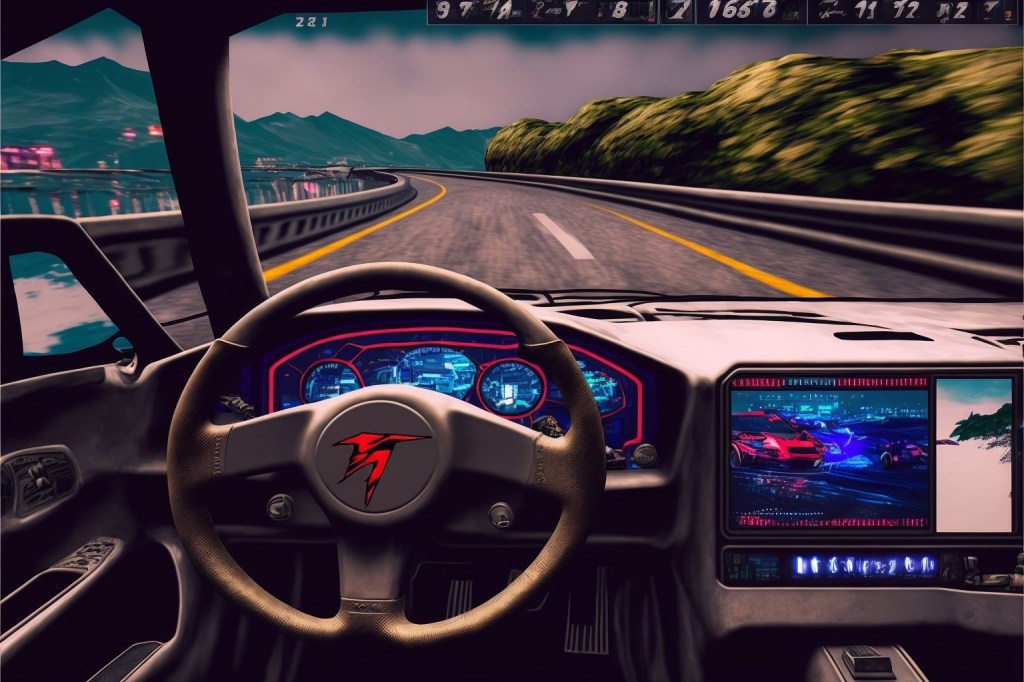
    • I also continued generating non-existent videogame screenshots using Midjourney, expanding the fictional timeline to include modern-day remakes of old games. I should spend more time pushing this idea further but so far I’ve only done it in spare moments or when I should really be doing something else.
    • Everything But The Girl is back after what feels like decades, and the video for their new single is an incredible piece of choreography and one-take execution. I could only think of the immense pressure on each person not to fuck up. Dimensional seems to concur, reporting that my main motivation is Security.
  • Week 43.22

    I am quickly finding out that owning a cat can be expensive (and this is even before the cat has arrived). So far we have purchased a grooming brush, a more extreme grooming brush for shedding season, a pair of nail clippers, a litter box and accessories, a motorized drinking fountain (TIL cats have evolved to prefer fresh moving water instead of stale water, so a regular drinking bowl will not suffice), an assortment of toys, a cat carrier, a reusable lint roller for our couch and other surfaces, a scratching pad — with still more to come, e.g. an automated feeder, a bed, anti-parasite medication, probiotic supplements, and on and on.

    In the name of research I joined a couple of subreddits devoted to cats, and soon found myself sucked into a web of paranoia and anxiety. One poster said their “mental health plummeted after adopting a cat”, not because of any feline misbehavior, but their own neuroses — feeling chained to the cat and a routine of feeding it, playing with it, and cleaning up after it, afraid to leave it alone and feeling guilty whenever they stayed out late. While not feeling as unstable as them yet (there was a mention of crying all the way to the vet’s), I can definitely see myself having a miniature form of that reaction.

    Add to that the cornucopia of diseases and mishaps that could threaten the life of our cat, and I’ve just bought myself a whole new world of things to worry about. Many of our house plants are also toxic to cats, and getting rid of them is starting to be a point of domestic disagreement. Cats are cute and companionable, they say, but no one mentions the conflict and debilitating despair.

    ===

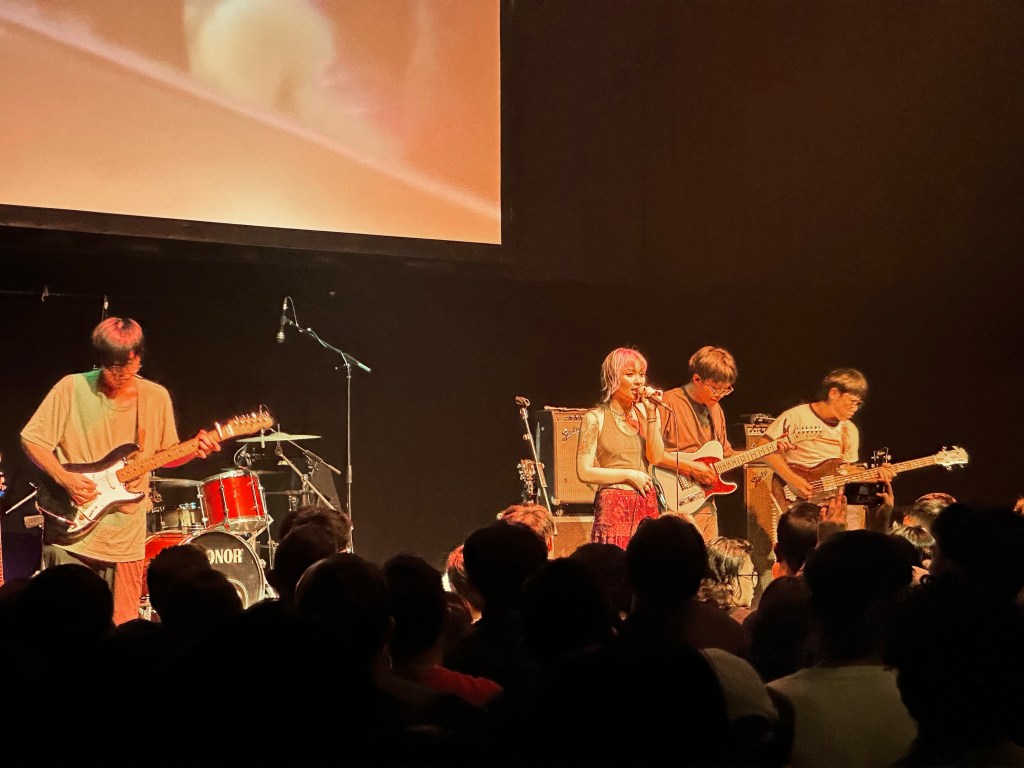
    We saw local band Sobs play live at the Esplanade on Friday, in an annex theater I didn’t even know existed on the premises, and this being Singapore of course it’s been named “The Annexe” — a word so vile my autocorrect tried twice to stop it happening. It was probably my first standing-only show since the pandemic began, and honestly plus a few more years on account of age.

    But oh yes, Sobs were great! They played their new album, Air Guitar, which comes out digitally next Wednesday. The sound was, unfortunately, poor as is usual for the Esplanade: muddy, vocals obscured, keyboards absent; amateur hour. These artists deserve better, and I don’t know when they’ll do something about it. It’s honestly crossed my mind to switch careers to sound engineering and give it a go myself.

    I tried taking some photos and video with my iPhone 14 Pro just to challenge it. The photos suffered from the same grainy artifacts around moving objects that I noticed before, where sharp but low-quality images are presumably getting stacked onto long exposure images of higher quality and lower noise. It’s an issue with the Photonic Engine process, probably, and maybe one that can be fixed in an update. I would rather have motion blur than such unevenness, but that’s subjective. The 4K video was surprisingly good: stable, clean, and bright even with the 3x lens.

    ===

    I got some nice Twitter feedback from the devs on my Darkroom presets, and shared two more.

    CPB: Short for Cross Process (Basic), a replica of the effect you get from the camera app Cross Process, a favorite of mine from the early days of the App Store by Nick Campbell. The app is still available for sale but is under new ownership now. This look is not subtle, with strong vignetting and center brightness, but a lovely blue/yellow bias that I suppose mimics cross-processed film (it’s been so long since I shot film I’ll take their word for it).

    Clean Plate: A recipe designed to brighten up food photos and make them look a tad warmer and more appetizing. I use this often, sometimes it’s good enough on its own and sometimes it’s an appetizer.

    ===

    There was a new Taylor Swift album this week in Midnights, and boy does it sound great. I’ve enjoyed only a single play through so far, but it struck me as having a very Jack Antonoff-y sound (or is it just the sound of American pop music today?) — if you close your eyes, you can mentally swap Taylor out and it becomes a new Bleachers record.

    We saw the first two episodes of The Peripheral on Amazon Prime Video and it’s just about everything I hoped it would be. If you haven’t read the book yet, you may as well just go straight in without knowing anything. One cool thing Amazon’s done here is have a QR code (at least on the TV app) that takes you to a microsite with more info on the show’s characters, key locations, and technologies. A DVD booklet for a streaming generation. I expect it’ll get updated as new episodes come out weekly as well. Don’t read it until you’ve seen it!

  • Week 42.22

    We got a cat! Well, pretty close to it, more accurate to say that we have reserved a kitten from the breeder we were previously speaking with. The next few weeks will be spent buying essential equipment, clearing up some of the mess around the house that she might destroy, and then she should be with us by the end of the month.

    Appearance wise, she is what’s known as a seal bicolor ragdoll, white with brown markings on her face and tail. I’ve discovered that this combination combines the most popular and most common traits in these cats, so in gachapon terms we’ve pulled a three-star kitten. Although you wouldn’t know she was a kitten from looking at her; several people who’ve seen photos have remarked “oh, so you’re not getting a kitten?” They grow up to become large cats, with females possibly reaching 6 kg and beyond.

    We’re still thinking of a name (her dead name is Dewey) but already have a strong contender. In branding terms, this phase is what’s known as “writing the rationale after having found a name that sounds great but isn’t especially meaningful”. Aside: is it a bad idea to name your cat after a Microsoft product?

    ===

    Darkroom (a photo editor I’ve used since it came out for iPhone — it now works as a universal app on iPad and Mac too) released their new update supporting the sharing of filters/presets. Early users of the app will remember that you could always share filters via a QR code, but this feature was removed a few years back when they switched to a new architecture. The way it works now is the preset’s details get uploaded to their server, generating a link that you can share. Anyone who clicks the link can see how your preset looks applied against four standard photos, and install the preset in their copy of Darkroom with a single click.

    As someone who enjoys making presets in Darkroom, I’ve got a few that I would like to share with other users. I went through a phase of copying film looks from other apps like VSCO and RNI Films, as a sort of pastime, as I found it quite a soothing and mindless activity to switch back-and-forth between two photos and gradually nudge them closer together by adjusting sliders. Someone should make a game around that mechanic!

    I’ve posted a few on Twitter already, but have quite a few more that I’ll put soon — “better” ones that I’ve done on my own without referencing existing film stocks or looks. I even wrote about wanting to share a new preset last October!

    Darkroom presets shared so far:

    ===

    This week’s update was written via voice dictation on my Mac — with a few minor corrections. And that’s with a sore throat, stuffed nose, and raspy voice! As far as I can tell it’s not Covid, just this drawn-out flu that’s been getting quite a few people. On that note, Covid cases are once again rising here in Singapore due to the new XBB variant.

    I can’t wait to upgrade to Ventura, assuming that it will have the same voice dictation enhancements as iOS 16. I wonder if this post reads differently, stylistically, given that I am saying this out loud rather than typing it. Related to that, I am now reading the book Because Internet by Gretchen McCulloch (oh my God I can’t believe dictating that name out loud worked — I await the day this happens for Asian names). It’s about how language has been changed by the Internet and Internet culture (one of the things that involves is not capitalizing the word Internet, but macOS has seemingly not been informed).

    What a good week it’s been for reading: I finished Adrian Tchaikovsky’s One Day All This Will Be Yours and went on to finish Blake Crouch’s Upgrade two days later. With this post-Seveneves sprint, I should be able to finish the year with a not-embarrassing 12 books or more.

    I recommend both books by the way, the former being an unusual and fun time travel/time war story, and the latter another one of Crouch’s written-for-film-rights thrillers (his earlier novel, Dark Matter, is in production for Apple TV+). It is better than the film Limitless, but nowhere as great as Ted Chiang’s (dictation failed here) short story Understand. As you may already have guessed, the story is about a man whose genetic make up gets altered, giving him new abilities.