It’s the end of another year. The events of last December feel far away, but the summer feels like yesterday.
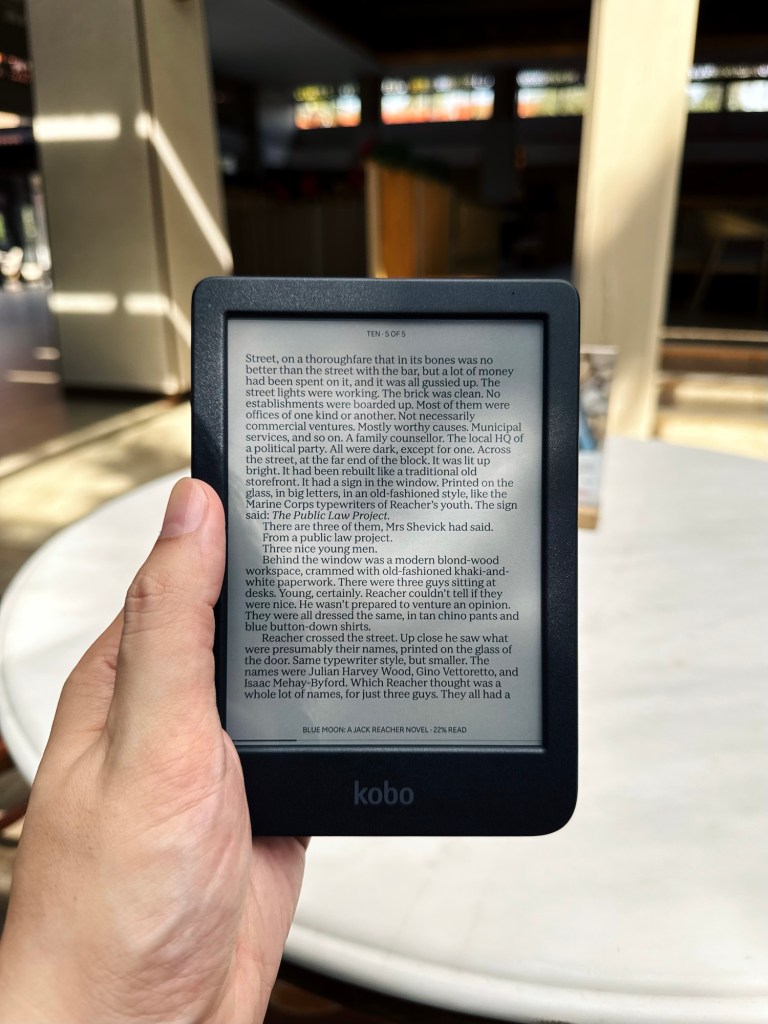
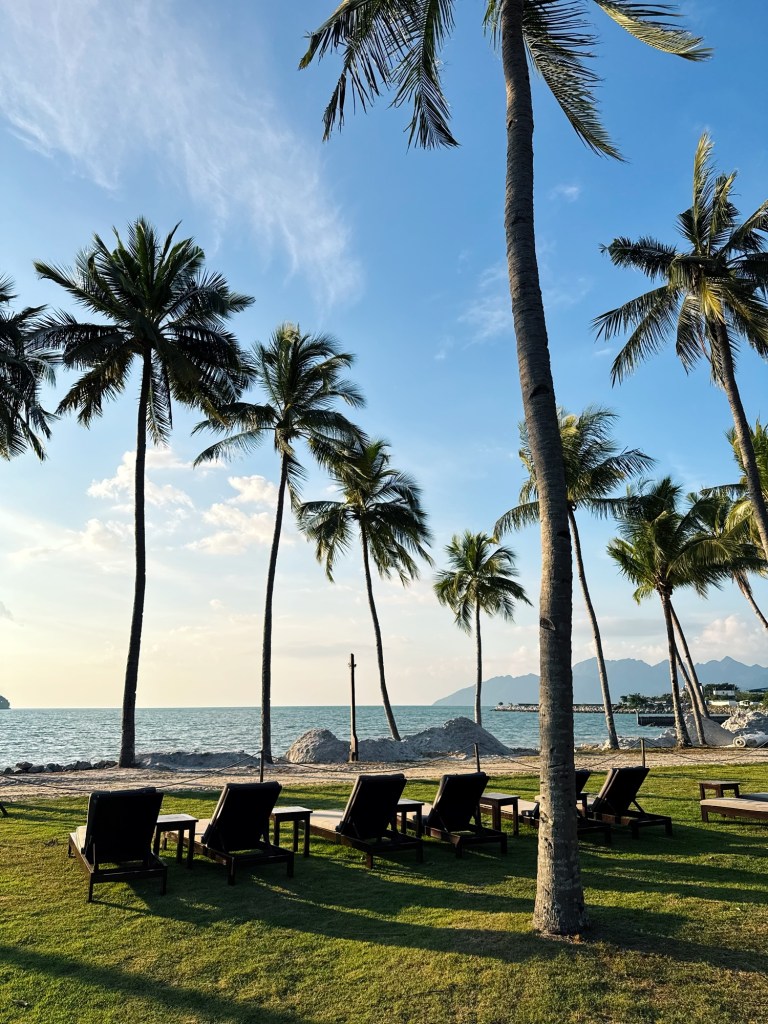
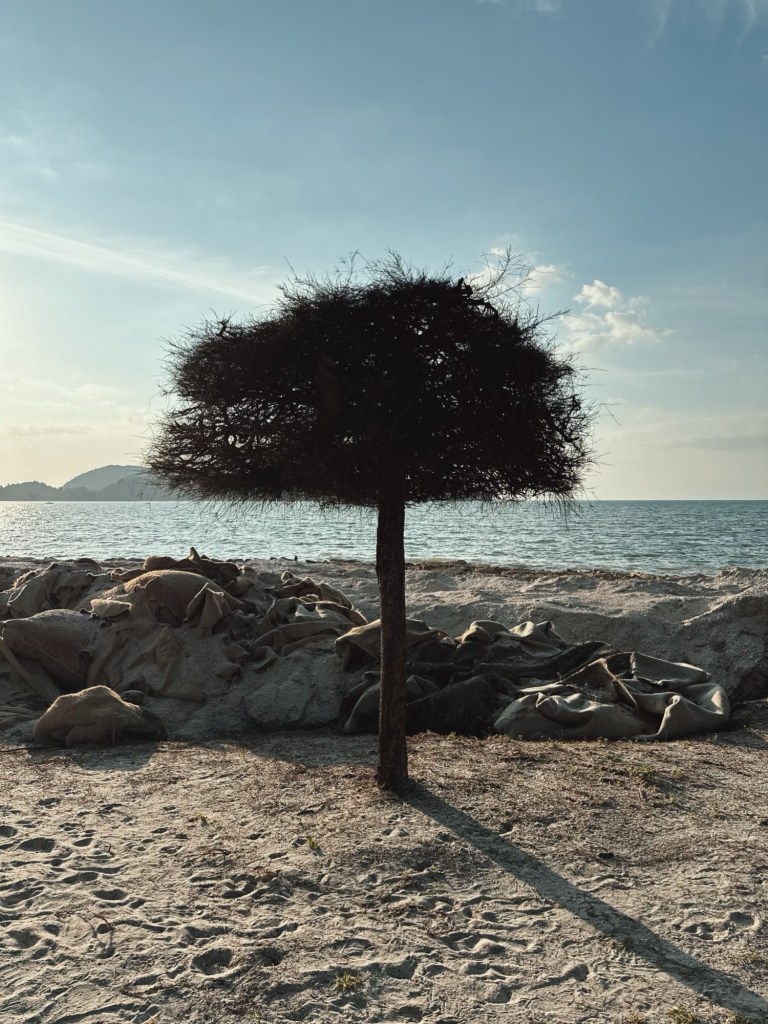
I’ve spent the last four days on the island of Langkawi, Malaysia, which I might have visited at some point in the distant past; too distant to remember at all. While others in the family entourage have been jet skiing and kayaking, I’ve been making use of the new Kobo Clara Color that I got as a Christmas present and reading in the shade. It’s still bright enough that I’ve managed to get an indirect sunburn/tan.
The Clara is a nice change from my first-generation, black-and-white Libra H2O, not just because of the color screen (which admittedly only shows up in the menus and book covers), but also the smaller and handier form factor that fits in almost any bag, and even some pockets. You wouldn’t know from looking at it, but it’s almost the exact same height as an iPhone 15 Pro Max. Plus, USB-C charging. I never thought I’d become one of those people who cite USB-C support as a critical feature, but it’s happened.
Aside: I finally got a Labubu as part of a Christmas gift from Kim, and as Sara texted me in shock a while back, its fur truly is “very soft” to the touch. She got it through a connection in Thailand, where it was purchased from a shop that specializes in accessories and clothing for these things?! So mine came with a hat (with a hole for its ears to poke through), and a toy camera that actually produces shutter sounds and flashing lights.
After reading reviews of the new color-enabled Kobos, I was worried that the reportedly fuzzier screens would bother me, but thankfully I can barely see any issues in terms of resolution. Black-and-white text is still rendered at 300dpi and looks sharp enough in daylight. The only drawback of the E Ink Kaleido 3 screen technology compared to Carta is reduced contrast in dimmer environments. It looks like black-on-gray rather than black-on-greenish-almost-white. But with the use of the front light above 50% brightness, it’s a non-issue.
Thanks to this break and the 1.5-hour flight over, I was able to finally finish reading Butter after at least two months of dilly-dallying. Despite being about a serial killer, food, and Japanese culture, I cannot recommend it. The story is mostly a bore, and the writing/translation mostly consists of straightforward “[name] did this, and then did that” and “‘blah blah blah’, [name] mumbled to themselves” sort of sentences. I find this to be true of many Japanese books in English, so I wonder if it’s an artifact of what’s popular in modern Japanese fiction or a translation process that is too rigid.
Whatever the case, it was an immense joy and relief to read the colorful and personable prose of Prayer for the Crown-Shy afterwards; it simply felt like being able to breathe again after a long spell underwater. It’s a nice little sequel to Psalm for the Wild-Built that only took an hour or two to get through, and then I read Book #24 in the Jack Reacher series: Blue Moon. It was the final book that Lee Child wrote on his own, and from here on out, they are all collaborations with his son, if I’m remembering correctly. I believe the plan was for said son to take over the franchise, but then Dad decided he wasn’t ready after all and got involved again, which is such a Miyazaki thing to do.
In any case, it’s one of the better Reacher books, with a cast of ad hoc ex-military partners joining him for one time only, and an interesting strategic problem to solve (not just a crooked sheriff in a small town). And by solve, I mean murder his way out of. Reacher is a certified psychopath in this story, executing more people than I can keep track of.
The flight over was the only time I got to listen to any music, but I’ve been really enjoying the new album from Snoop Dogg and Dr. Dre, Missionary. The first single released was underwhelming and I thought this was going to be another forgettable collection from Snoop. But Dr. Dre isn’t just producing here, he’s on the mic too, and this work in general reminds me of his final solo album, Compton, which has honestly powered me through a few tough times. The D.R.E. absolutely still has it.
This episode is brought to you by our kind sponsors at Bullet Points™: Need to keep your rambling in check while covering a dozen mundane topics? That’s a job for Bullet Points™ — creating the illusion of order since forever!
After wanting a simple MagSafe silicone case for my iPhone for the past few weeks, I got an $18 Amazon deal for a neutral gray one from Elago, and it’s nearly perfect.
In addition to having more time for informational intake and mental meanderings, I’ll probably remember the latter half of this year for the half-hearted austerity drive that’s led me to drink tea over coffee on a daily basis. This week, the Yorkshire Gold tea caddy I bought during Black Friday sales arrived, prompting me to look up the history of the tea caddy. Back when tea was too valuable to leave with servants in the kitchen, rich folk kept it locked in ornate caddies in their living rooms. Today, I store $0.12 tea bags in a flimsy tin and call it progress.
I’ve been struggling to read Butter by Asako Yuzuki, which has apparently been named Waterstone’s book of the year. I’m only a third of the way through after several weeks, and while there’s nothing wrong with it, it’s a bit of a compelling nothingburger. Female journalist tries to interview female serial killer. Killer encourages her to show more interest in life’s pleasures, especially good butter, and journalist slowly starts to adopt killer’s worldview. I don’t want to quit more but I’ll need to move on soon.
Because my book club has decided to read the sequel to A Psalm for the Wild-Built over the next two weeks, and I can’t start it until I finish Butter. A Prayer for the Crown-Shy will probably only take four hours (the length of its audiobook, compared to Butter’s 17 hours), but I don’t like multitasking with books. I already have too many ongoing TV show and game narratives crowded in my brain.
This year’s Goodreads Reading Challenge is in the bag anyway, with 19 proper books + four volumes of the Sakamoto Days manga completed, smashing my goal of 12 books.
Popular media loves a (serial) killer. We recently finished the new The Day of the Jackal series starring Eddie Redmayne as the titular assassin that the show’s directorial choices strongly encourage you to root for. It’s excellent, and the musical director is clearly a millennial who shares my taste in the classics, from the first episode starting with Radiohead’s Everything In Its Right Place.
We’re now watching Cross on Amazon Prime Video, based on the Alex Cross books by James Patterson, where a detective with a PhD in psychology plays cat and mouse with a serial killer. I recommend it, but the show is extremely dark AND low contrast, like someone forgot the final step in processing the image. Reacher suffered from this too, but it’s worse here. Luckily, my Sony TV has a mode that dynamically adjusts for it.
I rediscovered the greatness of Domi and JD Beck this week when a random video of them performing on Japanese morning TV popped up on my YouTube feed. I then went down a rabbit hole of older videos, like this one of Domi jamming with other kids at Berklee, and this one of JD headlining a Zildjian session, and am now just in awe of their incredible, otherworldly talent.
On Monday, we went out to see a local production at the Capitol Theater, entitled Dim Sum Dollies® History of Singapore Sixty Sexy Years. It was definitely one of the musicals of all time.
The end-of-year digital game sales have begun, and I urge you to add Sayonara Wild Hearts to your collection if you haven’t already. This game is both a fantastic musical album and a great playable abstraction of going through heartbreak. It’s just $7.79 on Nintendo Switch and S$8.40 on Steam (40% off in both cases). I first played it on Apple Arcade back in 2019 as a launch title for the service, but these days it’s no longer available on mobile and the fate of publisher Annapurna Interactive is in question.
I dusted off the PS5 to make use of my PS Plus subscription and decided to finally play a native PS5 game, since I’ve so far only played older games that were ported from the PS4, and had my socks and shoes blown off by Ratchet & Clank: Rift Apart. This game is an insane technical showcase for what the PS5 can do: thousands of particles flying everywhere, ray traced reflections, and massive, cinematic worlds that load instantly. Why have I squandered the potential of this machine for the last seven months?? If you have any recommendations for what to play next, especially if they’re in the PS Plus catalog, do let me know.
Last but not least, we went for Christmas dinner with the parents on Sunday night at one of my favorite buffets in town, and it’s made me aware I’ll have to watch my eating over the next couple of weeks.
I just got back from a Sunday night dinner date in the East at a newish place called Carlitos. It was new enough that it didn’t have a Swarm entry, so I made one. That reminded me that the Foursquare app is about to be shut down, and I’m choosing to be optimistic about Swarm’s future. We’ve been promised some meaningful changes in the coming year and I hope the rethink will bring check-ins back in vogue.
Vision Pro updates
Kim got back from her work trip and the first thing we did was head out to the Apple Orchard store to pick up the new Belkin Head Strap that everyone’s talking about. And not a day too soon, because it’s now backordered into mid-December!
It is what it looks like: the top bit of Apple’s own Dual Loop Band, which you can attach to your existing Solo Knit Band — a rare best-of-both-worlds occurrence where the comfort, adjustability, and non-hair-mussing qualities of the Solo are met with the weight-relieving structure of a top strap. It works well, and I’m never taking mine off. I was using the Dual Loop before, but its thin strap that pulls upwards near the base of the skull cannot compare to the quality, fit, and comfort of the Solo band, which is such a wonderful design and product that it belongs in a museum.
I haven’t tried Spigen’s slightly cheaper version, but having read many reviews of how poor its adjustment range is, I can’t recommend you take the risk. You’ll want to get the tightness just right, so Velcro is the right solution, and Belkin has rightly made it.
Belkin was never an accessory maker I took too seriously in the last two decades, I mean, they made alright cases and cables, but I’d never choose them over first-party versions. That seems to be changing. This new Travel Bag for Vision Pro is further proof; it’s significantly smaller than Apple’s own Travel Case, and half the price.
1) Should have been in the box instead of the dual strap
2) $50 is overpriced but you’ve already paid $3500 so hard to complain.
3) When Apple knows an accessory is needed but doesn’t want to put its brand on it, it turns to Belkin (owned by a Foxconn subsidiary) https://t.co/oKM5HSIVi5
Career leak publisher Mark Gurman implied in the tweet above that Belkin is Apple’s secret partner; the one they go to when they want an accessory on the market but don’t want to make it themselves. The fact that they stock Belkin’s products in Apple Stores is supposedly proof. In this world, Apple knows the practical flaws of their own form-over-function accessories, and nudges Belkin (which is connected to Foxconn) into making uglier but more effective alternatives to keep customers satisfied. I don’t know if I believe it works exactly like this, but it’s not a bad arrangement? Let’s see if Belkin makes some kludge to access the power button on the underside of the new Mac mini, then.
A new Apple Immersive Video (AIV) feature was released this week, and a music video at that. It’s the song Open Hearts by The Weeknd, and Apple’s own press release says it’s a limited time exclusive for Vision Pro. Interestingly, they’re inviting people to visit their nearest Apple Stores to watch it, which means we’re entering a phase where the retail arm is positioned as providing free public access to the Vision Pro experience, not unlike the ‘Today At Apple’ sessions where people can learn to draw or take better photos with Apple products, even if they don’t own any yet. This is fine, but the barrier to getting people off their butts to see something cool (for free!) is somehow extremely high these days. Is this because the culture promotes ownership hand-in-hand with enjoyment, and people don’t want to try a device they already know they can’t/won’t pay for? I can’t afford a bottle of 55-year-old Yamazaki but I’d sure as hell have a free taste if offered one.
The new Apple Immersive Video from The Weeknd is worth experiencing. For one, it features a lot of movement but none of it is nauseating. I’m not sure if they’ve just figured out ‘one weird trick’ to make that possible.
Anyway, the music video is very impressive, as I said on Bluesky after seeing it. There are a couple of magical moments, some achieved with special effects and some that are just beautiful to experience in immersive video. For some reason, it never feels disorienting or nauseating even though the camera travels at speed for a fair bit. I wonder if they’ve cracked the motion sickness code and are inserting buffer frames or using some other imperceptible technique, but this bodes well for future productions. Perhaps it’s just very smooth dollying and sticking to just one axis at any time.
Apps
Perplexity: Google continues to struggle with integrating its Gemini generative AI models with search results in a way that doesn’t spit out lies, but Perplexity has been working great for me since I started using it earlier this year. It could be the types of questions I ask it, or the default stance of skepticism I adopt when it answers them (the sources are there for you to check, if something feels off), but it’s been a net positive for me and I keep the widget on my iPhone’s Home Screen and use it several times each day. In fact, I thought everyone was using it, and was very surprised to learn while talking to Viv that she had never even tried it.
This week, I got access to a year of Perplexity Pro for absolutely no money, thanks to a giveaway in Kevin Rose’s newsletter, and it feels great to have virtually no daily limit for Pro requests. Standard requests basically use a simpler model, think OpenAI’s GPT-3.5 series, which parses search results and writes an answer to your question. Pro requests use the latest models including Claude 3.5 and GPT-4o, and break your question down into its components before processing results, all to have a better chance of understanding what it is you’re trying to learn and answer accordingly.
I’m aware of the icky implications of Gen AI scraping and that this mode of bypassing publishers will probably destroy the web as it currently works. Perplexity claims to be paying publishers that it sources answers from, on a per-query basis that sounds similar to music streaming services, so it might be a best-alternative model worth watching. It’s an analogy that makes sense because of how Napster upended that entire industry through theft and wanton disregard for copyright laws… kind of like what AI companies are doing now.
===
Mattebox: Now here’s a name I never expected to hear again. I first mentioned Mattebox on this blog 13 years ago in December 2011, when I posted some photos I took on a holiday to Bintan. What I remember is that it was a camera app (as opposed to a photo editor), modeled on the ergonomics of the Konica Hexar camera (respect), and that its developer (Ben Syverson) cared enough to replicate a film-like response to clipped highlights. That torch is currently being carried by the upcoming Fig Camera app. It appears I even made/shared a filter for it called Velvius, which proves this has been a longer-standing hobby than I thought.
Anyway it disappeared off the App Store a decade ago for reasons I never knew, and then reappeared last week completely rebooted and redesigned. It’s now an editor, but still leans hard into the making and sharing of filters. It even lets you share a filter as an App Clip, which means people can apply your looks without even installing the app — probably a first in the photography app world.
I’ve played with it for a little while today and am quite impressed. It focuses on editing ProRAW files, even disabling tone mapping by default for a less HDR look (the trend these days), and a Pro subscription (S$40/yr) unlocks granular controls to dial in micro contrast, black levels, noise reduction, and so on. It even simulates physical diffusion filters, a feature that’s rare these days after the discontinuation of the Tiffen FX app around the same time Mattebox disappeared.
The UI is MUCH better than before, and although I already own the RAW Power app which includes all the same adjustments mentioned above, I would rather do them in Mattebox because of how neatly they are laid out. For a “first” release, Mattebox 3.0 gets so many essentials right, from having a double-tap gesture to reset values, to saving edits non-destructively over originals. You can even export your filters as LUT and Lightroom preset files. I’d like to try making filters for it but will 1) need to subscribe and 2) learn to use its HSL curve system, which is different from what I’m used to.
I’d love to see:
Undo/redo for adjustments
Indicators for RAW files in the photo picker
Using the system photo picker, actually, so you can view by media type, etc.
Grain tool
Media activity
I finished reading Variable Star after two weeks and gave it 4 stars on Goodreads.
I started on Han Kang’s The Vegetarian, just because it recently won the Nobel Prize in Literature. I’m 32% through it and I can’t say it’s anything terribly special yet. I saw that Sara reviewed it on Goodreads seven years ago and (I’m paraphrasing) said it was the kind of mediocre East Asian book that Western readers just lap up.
I watched Megalopolis (2024) in one straight sitting, in a giant virtual theater in Vision Pro, and it kinda rocked. What a Taj Mahal-grade vanity project, a pastiche of Shakespearean and Capital-C for Cinematic bombast. Watching this, you wouldn’t think that Coppola knows anything about urban design or architecture, they’re just metaphors for the story he wants to tell about great (and very pretentious) thinkers who change societies. They’re just MacGuffins for a crazy CGI movie that owes as much to Sky Captain and the World of Tomorrow (2004) as it does Fritz Lang’s Metropolis (1927). I typed that and then searched to see if anyone else made the same connection, and indeed they have. 4 stars.
We watched Look Back (2024). It’s an anime adaptation of Tatsuki Fujimoto’s one-shot manga work of the same name. It recently had a successful theatrical run in Japan, and I’ve been dying to see it since seeing the reactions online. It also played here, but I missed it, and it seemed weird going to the cinema for a film that clocks in at just 58 minutes. Amazon Prime Video secured the worldwide streaming rights, thankfully, and the whole time watching it I wondered why it wasn’t acquired by Apple TV+. That would have been a great fit. I don’t want to say too much about it, but it’s brilliant, beautiful, and a showcase of how animation can express feelings that live action could never. 4.5 stars.
Can I just take a minute to show you this Labubu I saw hanging on someone’s bag on the train? It’s carrying a Chanel bag like the very one it’s attached to! That is just so super cute to me, I think I have a brain worm like the future American Secretary of the Department of Health and Human Services.
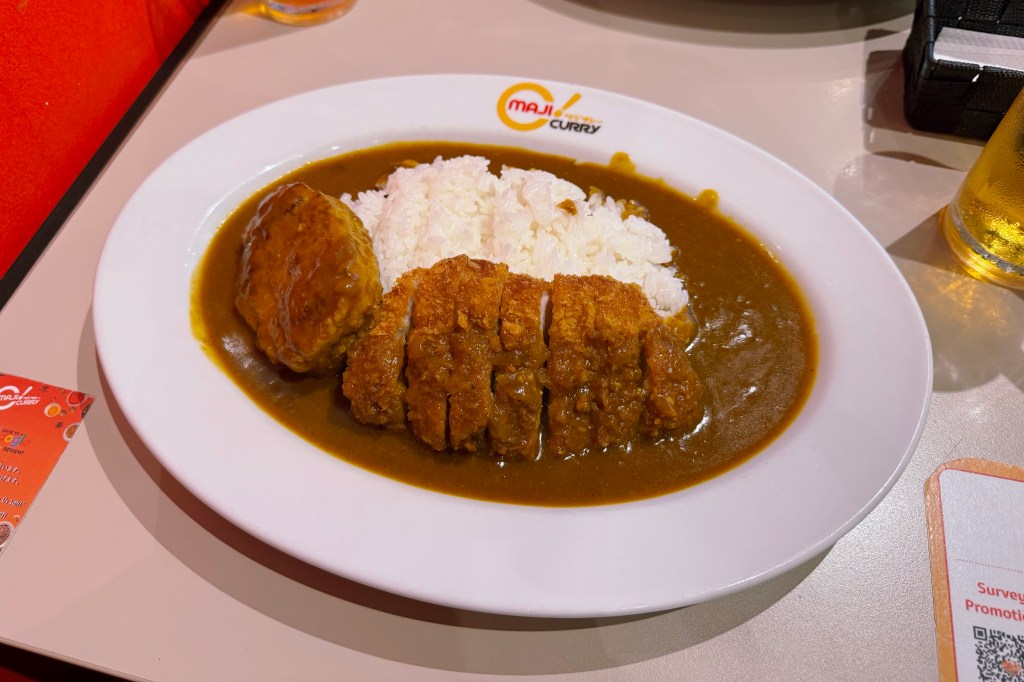
Two visits to Maji Curry in 9 days. Think I’d better cut back for awhile…
I blame a medical appointment for our being in the area. Remember how Kim took a fall a couple of months ago and hurt her leg? She’s been feeling mostly back to normal but was advised to get an MRI just to be sure. Late last week we met the doctor for his interpretation, and it was worse than expected. The tendon that normally runs down her entire leg has become completely detached from its anchor point at the top of the thigh. In other words, she’s currently missing a crucial muscle involved in leg movement. In practice she can still move it, but with less strength than normal.
So the weekend was spent worrying about what this meant, until our follow up appointment this Monday with another doctor who was called to advise on surgical options. Yes, it can be fixed: they’d slice the thigh open, dig around for the loose tendon, stretch it back up, then attach it to the pelvis or wherever it’s meant to be. This would then be followed by six weeks of recovery and then indefinite physiotherapy. It also carries the risk of nicking a large nerve that happens to reside in that area.
Fortunately, this doctor’s disposition was entirely the opposite of worried. He reckoned that as long as she wasn’t an athlete concerned with peak performance, one could get by without addressing this; other muscles compensate and exercise with physiotherapy will see her through it. He said many patients just leave it, and continue to have normal lives. It was exceedingly refreshing to finally get some good news.
But in not so good news, my neighbor’s long-dreaded renovations are finally beginning next week. That means a handful of days where I absolutely can’t be home during the day (or I’d probably go deaf from the hacking of walls and tearing up of floors); a few weeks where I probably wouldn’t want to be home (noisy enough that one wouldn’t be able to read, think in peace, or get on a call); and a couple more months after that where the noise should only be a mild annoyance.
I’ve already made plans for that first phase next week, which happily coincides with Singapore Design Week. That will give me a few things to see and attend around town from mornings to evenings. And then for the rest of the month, I’ve decided to sign up for a membership with a co-working space company (a la WeWork), and spend my days hot-desking like a digital nomad or startup serf. It sounds ideal: air conditioning, power, WiFi, free coffee, and a change of scenery. I might even meet interesting people?! Although I’m more likely to be watching movies or gaming on my Switch rather than doing any real work (unless some new side project idea hits me).
This is way better than my original plan, which was to hang out at public libraries the whole time. Fewer amenities there, and a lot more competition for desks because our libraries are very popular hangouts for senior citizens these days.
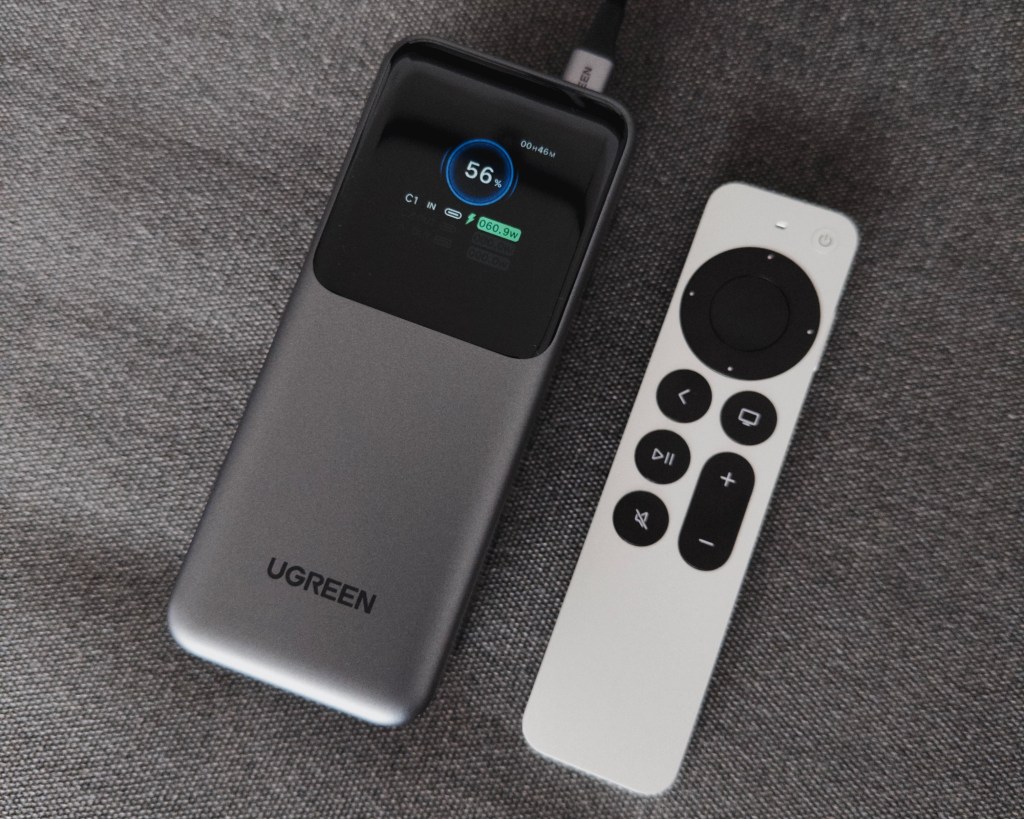
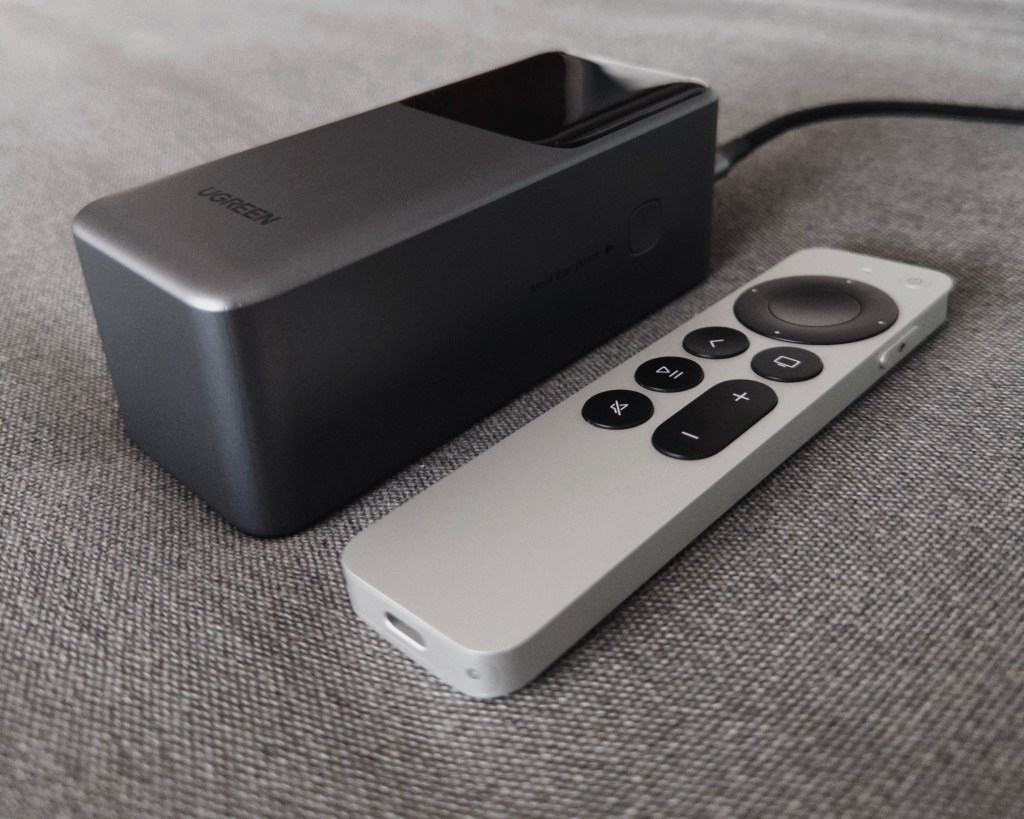
Anticipating being in libraries where plugging into wall sockets might be frowned upon, I made a premature purchase that arrived this week: the most powerful power bank I’ve ever had. My requirement was that it had to comfortably get me through a whole day or more of using everything from my phone to a MacBook to a Vision Pro.
And so I did some research on what a modern power bank looks like, and decided Ugreen’s Nexode lineup offers the best value. Anker has some competitive ones in their Prime series, but they’re twice the price and (as I discussed with Michael) they’re not even that reliable or safe these days.
If you haven’t bought a power bank in recent times, you might be surprised by what they can do now. For starters, the one I got has a 20,000mah capacity with a maximum total output of 130W over 2 USB-C PD ports and a USB-A one for legacy devices. That’s enough bandwidth to fast charge two MacBook Pros at the same time. There’s also a digital display that shows you real-time power draw stats, and estimates of how long you’ve got before the battery is depleted (or fully recharged). Ugreen claims that it uses EV-grade batteries that can stay above 80% capacity for 1,000 charge cycles (Apple’s guidance on their batteries is only 500 cycles, for comparison). Given that coworking spaces provide lots of power points, I don’t really need one now but it’s good to have around?
For the record, I’m still undecided if I actually would whip out the Vision Pro in a coworking space. But I can’t imagine not using it for an entire month. This week, I wandered into a conversation in inSpaze (an immersive social network I wrote about here) and found myself invited to a ‘live’ test of a new feature. It essentially lets you upload a large video file (say, a home movie or film that you absolutely have the distribution rights for), and invite others to watch it with you in real time.
The final release will include a special 3D environment suited for watching videos, but for this test we were just in the usual “living room” environment. Spontaneously watching a film with strangers was more fun than it sounds. Everyone was well behaved and went on mute, chatting over text instead. In that way it was better than watching a film in a real theater with inconsiderate whisperers. We gave our feedback and suggestions afterwards, and I said that a visual/spatial way to express emotions like surprise or amusement would be nice to have, better to subtly feel a sense of community with everyone else in the theater.
===
I also tried a bunch of new camera apps. Halide really started a trend with their Process Zero mode, and now I’m seeing new and existing apps tout a “no AI” approach. I won’t link the more blatant copycats, but will quickly mention a few that go beyond just adding a RAW capture feature.
Fig Camera is currently in beta and offers a novel minimal camera UI, along with the ability to create your own camera-capture-to-file processing pipeline with LUT files. It also has a couple of options for taking more natural photos with less “AI” and Smart HDR, etc.
Mood.Camera is more of a traditional retro camera app with a selection of film-inspired filters, but it also lets you select from different levels of dynamic range enhancements: from zero (expect harsh, blown highlights) to an ‘Extended’ setting that’s even more artificial than Apple’s defaults. I really liked how the dev has modeled certain aspects of lo-fi film photography that are very hard to achieve with pure HSL sliders and presets (like the ones I’m fond of making in Darkroom). Stuff like different grain sizes, halation, and textures. I impulse bought the lifetime unlock for S$20 and now slightly regret it because the color shifts are quite strong and there’s no way to turn them down at this time.
Lampa also captures pure sensor data before Apple’s process gets a chance to stack and merge and overdo the brightness. It then puts your photos through their own RAW development profiles (the app description says they’re not “just filters”). There’s no option to shoot with Apple’s processing, unlike Fig and Mood. Surprisingly, Lampa only offers four distinct and pleasantly subtle looks, unlike the plethora of filters standard in Mood.Camera and most others. I’m a fan of this minimal approach but unfortunately the pricing model is maximalist and they want S$40/yr.
Bonus: if you’ve been shooting RAW files with Halide’s Process Zero (or any other app’s single-capture RAW — not to be confused with ProRAW), you might appreciate this Darkroom preset I made that emulates the high contrast monochrome look that the Ricoh GR cameras are famous for. I repeat, they are tuned for the brightness profile of iPhone RAW files.
I’ve been watching this streamer on YouTube named Pim who runs a channel called 4AM Laundry. Every weekend, he sets off with a backpack full of batteries and modems, and livestreams his adventures going around Japan to find retro gaming gems in secondhand stores like Book-Off and Hard-Off. They are soothing and educational, and great to have on in the background as he literally does this for 9 hours at a stretch.
This week he was invited to visit the Tokyo Game Show with a press pass, so I tuned in for that. It’s an event I’ve always wanted to experience in person, even though I know it’s probably hellish and more fun in theory than practice. This was a nice way to get a glimpse of its atmosphere.
I was able to visit my parents for dinner for the first time in over a month. The long delay was on account of my dad developing a painful case of shingles, which, if you don’t know much about (like me), is a reemergence of a dormant chickenpox virus in one’s body, often after the age of 50. In other words, if you’ve had chickenpox before, you’re at risk of shingles — a nastier, localized version of the same virus.
Unlike the regular childhood version, it doesn’t usually take over your entire body, just specific areas. In my dad’s case, it affected his back and one side of his torso, leaving the skin painfully sensitive for weeks — nerve pain that, for some, can linger for years. Thankfully, he’s making a quicker recovery.
I had to stay away because I have never gotten chickenpox, and you can catch it from someone with shingles. I was urged to get the vaccine, because adult cpox is reportedly awful (like shingles, maybe worse), but my doctor suggested doing some blood work first to test for immunity — mostly because he didn’t believe I could make it this far in life without getting chickenpox. But it’s true! My mother swears it, and I have two traits: pretty good memory of my childhood years, and an outsized tendency to complain of ailments. There is no way that I could have gotten chickenpox as a child and everyone just forgot.
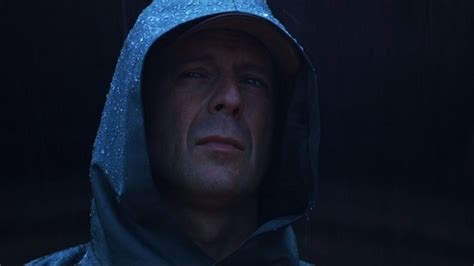
The test results came back, and apparently I’m immune. The only theory I have traces back to this one time in kindergarten, when the boy sitting next to me in class developed cpox and had to leave school early. I recall living in fear that I would be next, and pus-filled bubbles would soon show. I remember checking myself fastidiously for a week or more, but it never came. Perhaps the glancing exposure was just enough to let my immune system prepare itself, but not enough to result in an infection? Or maybe, as my recent run-in with a car suggests, I’m actually Unbreakable like Bruce Willis in that M. Night Shyamalan movie.
===
Kim is away again for work (13,600km away to be precise), and my having to deal with our pest situation alone has been a whole saga too boring to recount in detail. Tl;dr I’ve deployed a fleet of poison/bait traps, struggled with anxious insomnia, taped up a bunch of possible entry points, cleaned up a lot of lizard poop, sprayed insecticide down drains…
More happily, the morning she left for the airport, I was up early and decided around 7:30 AM that I might go for a walk before it got too warm. This was inspired by Cien’s recent revelation that she’s been taking hour-long morning walks nearly every day. Just to get it out of the way: that’s a bit much for me, but I might go once a week. Spontaneously, this particular morning’s resolution ended in Peishan and me ‘virtually’ joining her for a walk at the same time, in our respective neighborhoods, sending photos along the way. This is actually a pretty fun thing to do!
It was, however, warm despite the early hour. And it’s been hot and humid all week out here. I had to walk 10 minutes from an MRT station to a restaurant yesterday evening in very still air, and I could feel the sweat on my back not evaporating at all, merely pooling. Even my Sony Reon Pocket 5 brought little relief; I barely perceived that the metal contact point was cooler, or it can’t do much to dispel the mugginess of high humidity.
===
I couldn’t take the wait any longer and upgraded to the visionOS 2 beta. I won’t upgrade any other devices, but I wanted any improvements in eye/hand tracking that I could get. So far, it’s been perfectly stable. I could talk about the new gestures and features, but the single most impressive thing has been the ability to view old 2D photos as 3D spatial scenes.
What this looks like is simply layers of depth. You obviously can’t look around corners, and it’s not doing anything crazy like building 3D models you can move around in. But it’s like going from looking at a scene with one eye to two eyes. They suddenly have a liveliness to them because your brain can not only see that one object is in front of another, but perceive it too. Sadly, this is not something that can be demonstrated with a photo or video. The only way is to see it for yourself.
The AI-powered segmentation of objects is somehow flawless, even better than on Portrait Mode (blurred background) photos taken with an iPhone. In one shot I had of a vineyard, every individual plant and leaf stretching to the horizon line was distinctly separated in space from the others. You can also blow them up to life-size with an “immersive” viewing mode, which puts you right in the space.
Going through photos from the past two decades, of people who’ve passed on, and places I may never see again, has been profoundly moving. Documenting your experiences in photos has always been like building a time capsule, but this approaches time travel. It makes me so glad for every moment I thought to capture at the time, and the fact that the Vision Pro can do this retroactively for normal photos feels like the most unexpected gift I never knew I wanted. That’s what Apple does best, I suppose.
Before the annual fall event tomorrow night, I’ll go on record again that I don’t think I’ll be upgrading my iPhone or anything else this year (but this time I really mean it!). So far I’ve had 16 iPhones and lost this bet with myself every year, but I can’t justify an incremental tech purchase in the same year as the AVP.
Things that are unlikely to be announced but might make me reconsider my ‘no upgrade’ vow:
For iPhone 16 Pro (Max):
No camera bump
New image processing pipeline that walks back the aggressive AI/HDR look and brings back natural looking photos à la Halide’s Process Zero (but with 24–48mp HEIC/JPEG XL files)
Bold, saturated colors like on the old iPod nanos
Untextured, grippy back glass
Significantly faster or exclusive Apple Intelligence features compared to iPhone 15 Pro
Completely new battery chemistry that means I won’t be sub-90% battery health in under a year
For Apple Watch Series 10:
2x battery life
Blood glucose monitoring
New body design that shames the old ones so bad you can’t wear them out in public anymore
For AirPods Max:
Redesigned headband that either replaces the mesh or improves its comfort and durability
Significant weight reduction and/or new materials (comfort and durability)
A great protective case
Addition of a power button
===
Media activity
Recent reading momentum led me to finish reading Neal Stephenson’s Interface after two months. It’s a highly entertaining sci-fi story about contemporary American politics, media culture, and using brain implants to reverse a presidential candidate’s stroke damage. Nearly the entire time I was reading it, I visualized the main character as Robert F. Kennedy, and his VP pick as Kamala Harris.
For my next book, I’m taking it easy with Jack Reacher #22, The Midnight Line.
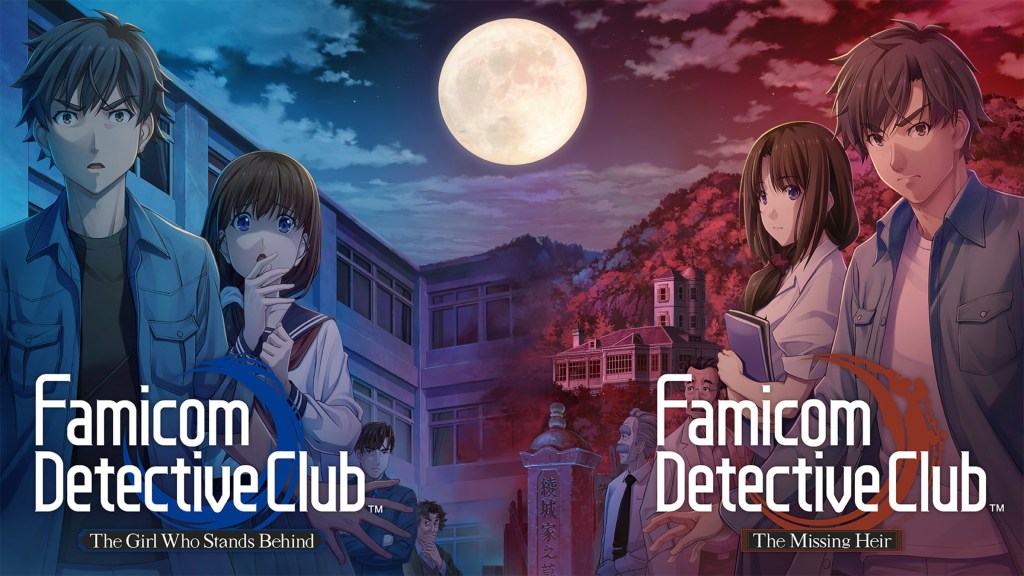
A few years ago, Nintendo remade two classic ‘80s visual novel-style adventure games under the “Famicom Detective Club” banner. This week, they released a wholly new third entry in the series, Emio: The Smiling Man, which got greenlit because of the warm reception that the remakes received. The history of these games is pretty interesting, and I watched this whole video essay on them.
I bought and played the first remake, The Missing Heir, back around 2022, and found its authentically ancient gameplay archaic and frustrating. For example, in most such games, when questioning someone about a topic, you will reach a point where their answer starts to repeat itself — a sign that you’ve heard all you’re going to hear. In the first two Famicom Detective Club games, this is not the case (pun unintended).
You: [Ask about the car] Suspect: There was a car seen at the time, I heard. You: [Ask about the car] Suspect: Hmm, that’s about all I remember. You: [Ask about the car] Suspect: Hmm, that’s about all I remember. You: [Ask about the car] Suspect: Hmm, that’s about all I remember. You: [Ask about the car] Suspect: Oh! I just remembered something. It was a black sedan.
This is such incredibly bad game design, because someone repeating themselves like that is unnatural in the real world, so it appears as a limitation of the game (not having AI to generate different versions of “I dunno”). So of course a player isn’t going to keep pressing, because the suspect’s response isn’t an invitation to keep trying. It’s the equivalent of a brick wall in the game’s interaction model. But no, you’re meant to kick every solid object multiple times in case it comes loose.
I ended up finishing the game using a walkthrough, and declined to buy the second game, The Girl Who Stands Behind. I’m guessing that Emio, being a new game, will be an improvement in this regard and so I intend to play it someday. But it doesn’t feel right doing that unless I also play the second game (there is no real need, they are not connected).
Rather than pay $30 USD to frustrate myself, I watched a 7-hour video of someone else playing through the entire game — at 1.5x speed, of course. The first video I found was actually 10 hours long because the player was blundering through some of the aforementioned game design quirks, so I gave up on him and found this better one instead.
Oh, and there’s another kinda new game that concludes something that started in my childhood, and I finished it this week. That game is of course Return to Monkey Island, which I played on the Switch. If you subscribe to Apple Arcade, you can also play it there. I don’t know how I feel about it; the original two games were the pinnacle of LucasArts’ point-and-click adventures and I probably remember them most fondly of all. The new sequel brings the story to a close, but with a new art style and an acknowledgment that a long time has passed (both in story terms and the authors’ perspectives). There was no way the ending could have satisfied every question and loose end, so they just went for something that felt true enough to its roots, but kinda comes out of nowhere. I was honestly surprised when the credits rolled. But that’s life!
The last update almost became my final one, because I nearly died this week!
We got the tragic news that a good friend’s dad had passed away (there have been so many cases of this lately), and as Kim is out of town, I was about to go down to the funeral wake for the both of us. I booked a Grab (local Uber-like) ride around a quarter-to-six, and headed down to meet him when it looked like he was close enough.
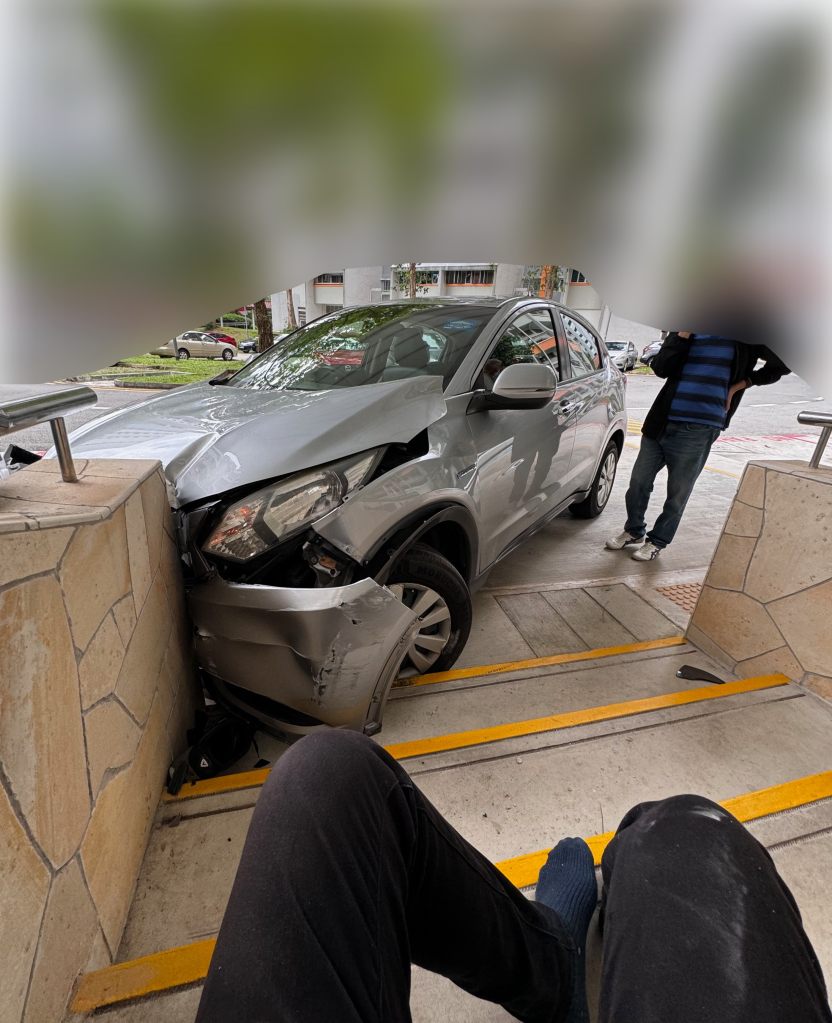
As I approached the pick-up point, I saw the car approaching and waved at him, walking continuously down the stairs to the road as I watched him do a three-point turnaround to come at me from the right direction. But suddenly, instead of slowing down for me to get in, the car suddenly lurched forward at full speed. At this point, I was maybe at the very last step down, and the car was coming directly towards me instead of parallel, like you would when picking a passenger up.
In that moment, my first thought was “is he trying to scare me, as some sort of joke?” This was followed by alarm as he was clearly not slowing down, and then a last-minute instinct to back away. The next thing I saw was the car slamming into the short wall beside the step I was just on, as I fell back on my ass. And then I was covered in debris, missing both shoes, and feeling pain beginning to spread through my legs as shock began setting in.
I’m quite sure I was hit in the right knee at some point — there’s silver car paint on my jeans to prove it. I recall feeling my left foot being squeezed inside my shoe for just a fraction of a second before it slipped out, as my weight shifted backwards as I fell. Both shoes were later recovered underneath either side of the car. I was there at the point of impact, and then I wasn’t.
Afterwards, an alternate memory emerged: the car may have hit the wall on the other side first, changing its trajectory towards me, but this initial impact would have dampened its speed. Perhaps my knee was only clipped by a part that was already damaged, explaining how I got a paint transfer without a broken kneecap.
I remember people nearby running over after hearing the crash, yelling for an ambulance and the police to be called, telling me to stop trying to get up (I backed away from the car on my hands and tried to see if my legs were still unbroken), and to wait for help to arrive. A very kind man took off and came back with a cold can of Pocari Sweat for me; a neighbor I know came and kept me calm by talking things through; and the driver called for help.
After trying unsuccessfully to call Kim, I took some photos and figured out that my legs were still attached, although moving my left ankle and right knee hurt. The police and paramedics arrived in about 10 minutes and checked me out. I was still shaking from the adrenaline and giving them too much detail, like apologizing that my feet were very sweaty right now as they peeled my socks off. They decided that I might have some fractures and would need to go to the hospital for scans as this was going to be in a police accident report.
Side note: I don’t really know what happened yet. The driver claims he was trying to brake but the car didn’t respond. I overheard the police interviewing him and asking if there was any chance he mistook the pedals and accelerated instead. I suppose there will be an investigation.
As I was being loaded into the ambulance, I heard the ominous approach of cars and imagined them crashing into us, and realized that this episode might end with a lasting, debilitating fear of going outside after I’d recovered. I anticipated PTSD, nightmares, and other new items to put in my therapy cart.
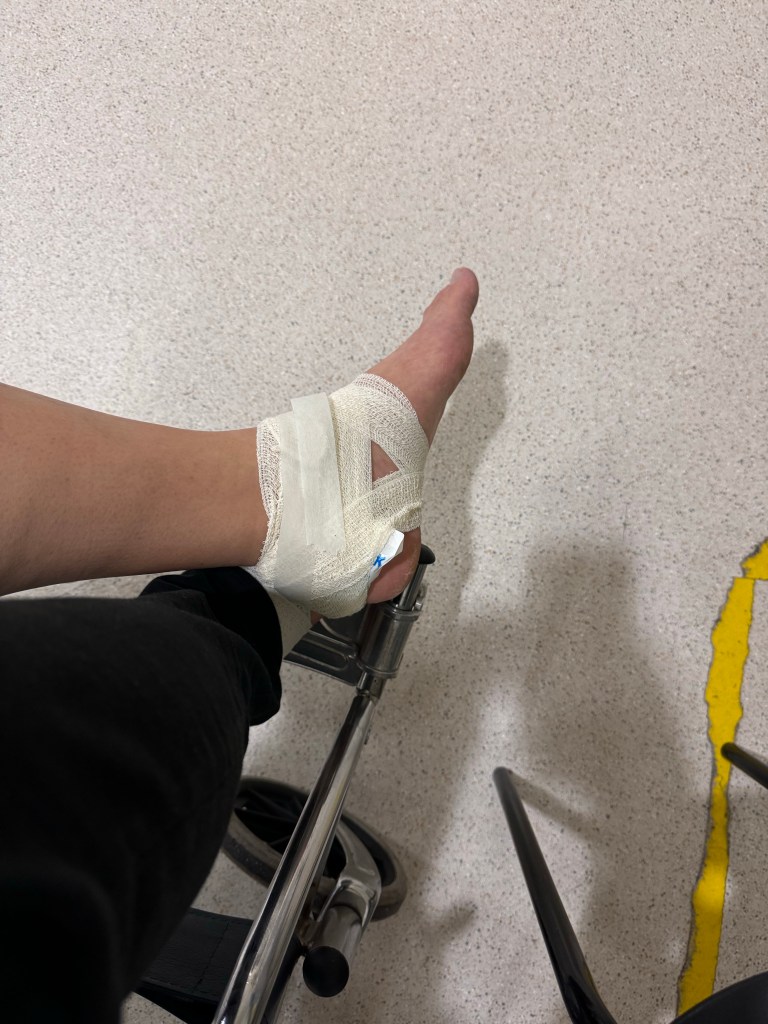
What followed was a couple of hours waiting in the A&E/ER department of a general hospital, trying to joke with the orderlies, and getting x-rayed by about five young people at once who might have never done it before? But no complaints for me, everyone was incredibly nice and got me through it. The verdict, no major fractures (time will tell if there are hairline fractures, specifically two weeks of observation time), and I was lucky to get away with bruises and sprained ligaments.
A tale of two ankles
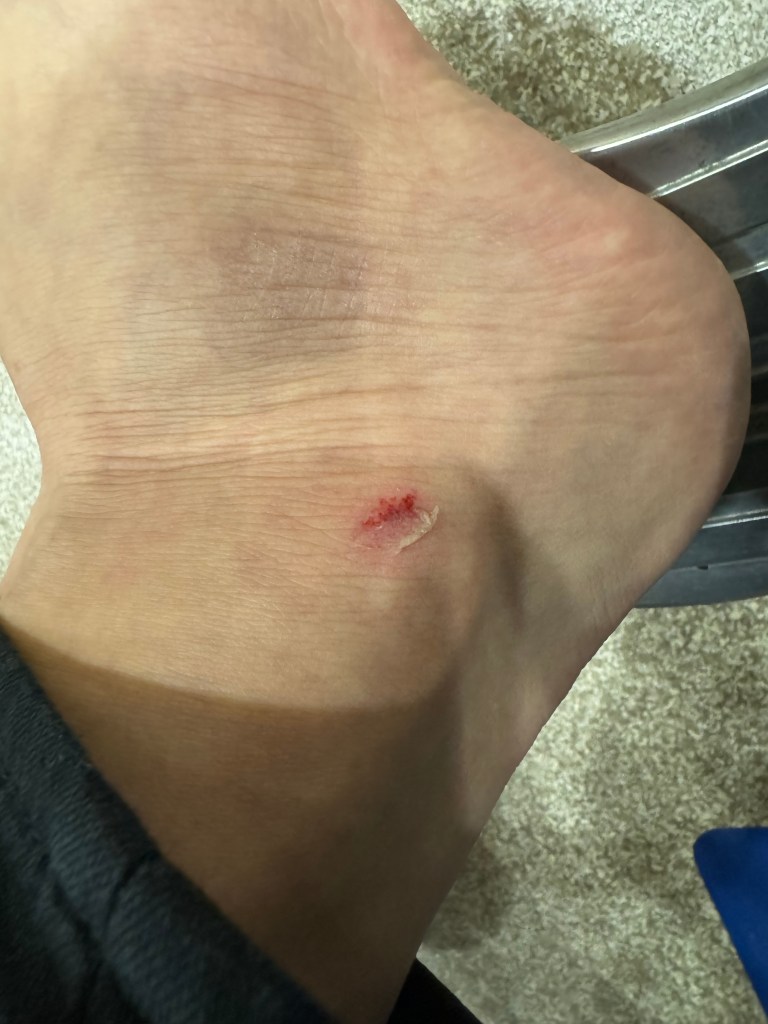
Amusingly, this care even extended to a small nick on my right ankle that was noted by the doctors. Although the pain was concentrated elsewhere, they promised they’d clean that “wound” and dress it for me before leaving. They did so fastidiously, washing it in antiseptic fluid and applying an antibiotic gel and bandage. Then I was also given a supply of said antiseptics and antibiotics to care for it at home. The bandage fell off after my shower and, despite being a delicate hypochondriac, I was happy to just slap a band-aid on it.
Forty-eight hours later, the reality that I almost didn’t make it still feels surreal. I joked around a bit on Instagram and repeated the story to people who asked, but I don’t know what it means yet. The only nightmare I’ve had was about my malfunctioning air-conditioning unit at home—a small-potato problem in comparison. Part of me expected to emerge like Jeff Bridges in Fearless (1993), recklessly putting myself in risky situations with a newfound sense of invincibility. But then I remembered Final Destination (2000), where death stalks its survivors, biding its time for another strike. That thought put me off from celebrating my good fortune, and I’ve just been sitting on these thoughts since.
I know that if I had arrived downstairs just a couple of seconds earlier, I would have made it down to the road level and been directly in the car’s path, with no wall beside me to stop it. All I had to do was take another step forward, and both legs and my pelvis would have been crushed between the car and the wall (which stands unscathed today). Bones would have shattered beyond repair, blood would be everywhere, everyone nearby would have passed out from the gore. If I survived that at all, the next few years would still be passed in immeasurable pain and I doubt I’d have the strength or will to keep going.
What does it really mean to miss that outcome by half a meter? Probably nothing, right? Because we’re surrounded by chaos and death is always just a coin toss away? So I guess it might be back to normal life for me, sans new epiphanies. At least I hope, but when my foot feels better and I finally leave the house, I might find myself paralyzed with fear just trying to cross the street. I guess we’ll see.
But I have come out of this with some practical advice, which I will now share with you.
Always carry a power bank: When they said I’d have to go to the hospital and might only be discharged the next day, I wasn’t worried because I had my phone and enough power to get through a whole day. I used my phone for so much during this time: updating people, notifying Grab about the accident (1 star), paying the bill. You don’t want to worry about battery life. Bring a power bank with you everywhere. This tiny Anker one has an integrated USB-C port, supports fast charging, and a 5,000mAh capacity.
Wear your shoes loose: It might not help if you’re hanging upside down by your sneakers, but my loose laces might have saved at least one foot from being crushed in the moment. I hope to one day see the dash cam footage of the crash, because how I ended up jumping back and leaving both shoes behind is a bit of a mystery.
Play more video games: Let your kids play them too, because everyone should train their reflexes. When the moment comes, you don’t want to be the person who freezes up. You want jumping, running, dodging, and picking up gold coins to be second nature. Somebody asked me, “Why not sports instead of video games?” Hey, I’m trying to be inclusive here. Not everyone likes sports!
Take more photos: Another thing you want to come naturally at moments like these is taking photos. As evidence, for later reference, or just for sharing a story. You can’t tell yourself to remember this only when something big happens. Just train the muscle so you’re always capturing.
Don’t assume anything about cars: I really got complacent around cars, and you don’t appreciate how heavy and powerful and dangerous they are until one comes at you fast. I’m never jaywalking again with a car “safely in the distance”. Be alert more. You don’t need music in your ears all the time, either.
===
I had some other stuff I wanted to talk about before this happened, but they seem small now so I’ll just mention two things.
The Halide iPhone camera app got an update that shoots photos without any AI-ish processing. They call it “Process Zero“. The resulting aesthetic is much more in line with regular cameras, and how iPhone photos used to look years ago. We’ve flown too close to the sun now, and everything is too bright, so this nostalgic return to the limits of physical lenses and sensors comes with a welcome, natural look. The above and this post’s Featured Image at the top were taken with this mode, plus editing of the underlying RAW file.
Our home internet speed was suffering, so I did some troubleshooting and discovered the thin fiber optic cable between modem and wall access point had been coiled too tightly, and was even bent in one spot. After straightening it out, speed tests jumped noticeably. I even got a full gigabit up and down to my iPhone on WiFi 6, not even 6E.
Stay safe out there. With any luck, I’ll see you next week!
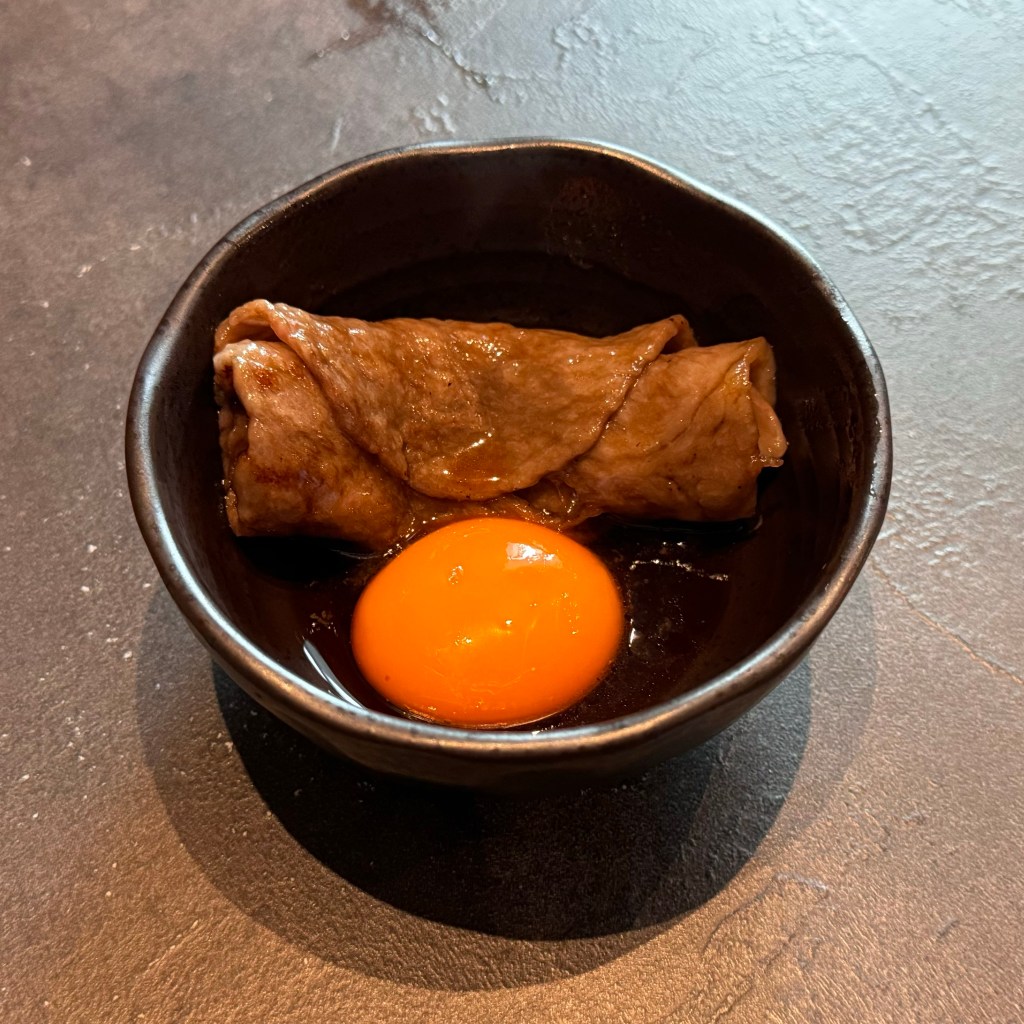
It was Kim’s birthday and to celebrate, we went out for some great yakiniku at a place called Yakiniquest (the name gets points for trying, I guess) where the service was great but the food was incredible. It was probably one of my Top 3 wagyu experiences, along with Matsusaka beef in Kyoto (we walked into an acclaimed, booked-out restaurant and were given a table that had just no-showed), and of course, Kobe beef in the delightful, jazz-adopting city of the same name.
As an extra surprise, I orchestrated Cameo shoutouts from celebrities on two of the reality shows we unapologetically enjoy bingeing together: Below Deck Down Under, and Gogglebox. I put them on our media server and turned the TV on in the morning, telling her new special episodes had just dropped overnight. She bought it, and it was a fun moment.
The rest of the week was spent in the tight embrace of the Apple Vision Pro’s dual loop band. One of the things I hoped to get out of being an early adopter of the AVP (both the product and the platform) was a closeness to this new spatial computing form as it germinates, to have a sense of “spatial nativeness” develop in my brain. A sense of its conventions and limits that would help me intuit how to navigate and create new experiences for it, should I ever want to. Which means always being on the lookout for new apps (both programs and applications) and trying them out.
This week I spent time in a social app called inSpaze, built exclusively for the Vision Pro. As a result of that positioning, and the lack of current competition on the App Store, it’s become the de facto place to hang out and meet other Vision Pro owners to swap stories and recommendations. Try to imagine a cuter, visual Clubhouse, where you spend time in virtual living rooms you can decorate and personalize. In addition to chatting, you can look at photos and 3D models together, listen to music, and play card/board games.
It’s worth pointing out that you don’t get a normal webcam view of each person, because you’re all wearing Vision Pros. So like all videoconferencing apps on the system, it uses Apple’s Personas: photorealistic avatars based on face scans you do when setting up your Vision Pro, that use its many sensors and cameras to mirror what your real eyes and face are doing.
If joining a roomful of random strangers from around the world and jumping into whatever conversations they’ve got going on sounds like an introvert’s worst nightmare, that’s because it probably is. I did it anyway, and found it slightly thrilling but also chiller than expected. For one, the use of Personas creates psychological distance; it’s you, but it’s also more a puppet that looks like you. I commented on this and others agreed it made them feel safer.
What struck me most, though, was how nice and welcoming the community feels, because we’re all early adopter nerds enthused to be sharing this novel experience. It reminds me of the internet when I was a teenager, where the thrill of meeting someone from across the world was pure and untainted by the danger and cynicism that later crept into online spaces. And of course, there’s the fact that a community gated behind a S$5,299 purchase is more likely to be well behaved.
One nice touch that allows truly cross-border communications is the real-time translation that puts subtitles under each person speaking. In the daytime here, I’ve met a lot of Chinese speakers, and this feature has helped me to follow some conversations I otherwise wouldn’t have.
It was during one of these afternoon sessions that I met one of the key people behind the app, and we got to talking about their opportunity, business model, and product that got me thinking more about the challenges that smaller developers are facing with this new platform. It’s a well-reported fact by now that AVP sales are low by Apple’s standards. While that’s easily explained by the steep entry price and the challenge of defining a new product category, it still poses a chicken/egg dilemma for creators.
Solo developers and very small teams doing this on the side can probably justify toying with small apps and selling them for a few dollars, but anyone building something ambitious on the level of a social network or massively multiplayer game, for a total addressable market in the low six-figures — AND having to bankroll it for the next couple of years while Apple works on the cheaper model and second generation Pro — is being asked to take on more risk.
I have no doubt that Apple will persevere and iterate until this category succeeds, like they always do, so it’s not a question of whether Apple Vision has a future. It just needs to convince developers and their investors to stay faithful, and seed the demand. It’s going to be tricky, and I’d like to see Apple advertising hard for the next 18 months to keep spatial computing visible and galvanize the ecosystem. Even if people can’t find the means to buy the product, they should want to.
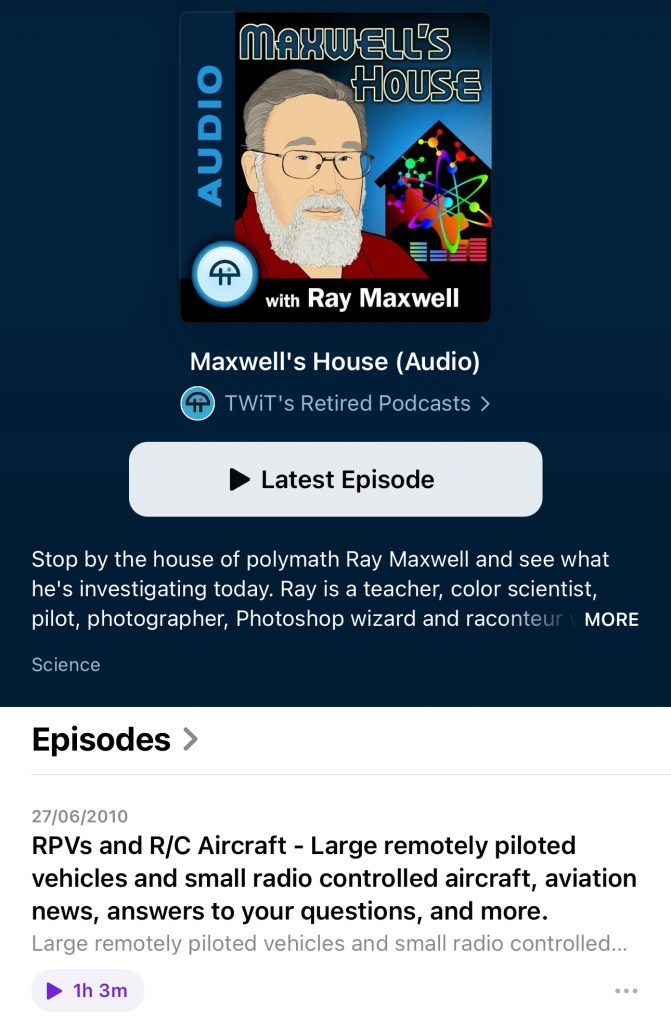
As further proof of the magical, early-internet vibe, I logged into inSpaze early one morning and met a varied group of American users, including a hospital administrator and VR-obsessed truck driver. After many in the room logged off, I found myself speaking with a Canadian man who casually mentioned working with tech podcasting luminary Leo Laporte over a decade ago. As he continued, it dawned on me that he was Ray Maxwell, an 80-year-old polymath whose name I would often hear on Leo’s This Week in Tech (TWiT) network, where he once had his own podcast about aviation and various science topics.
As a one-time avid listener of TWiT, I can’t overstate how starstruck I felt as Ray told me stories from his expansive career: time spent at McDonnell Aircraft in the 60s, adjacent to where the Gemini space capsules were being built; color science engineering at a company later acquired by Kodak, recommending SF stories by his friend (two-time Hugo award-winning author!?!?) Spider Robinson; and how he’s recently been into capturing spatial video for the Vision Pro.
I recognize that the early days of any new frontier, team, or relationship are a special thrill that can’t be expected to last, so it’s up to us to maximize and enjoy every moment. Feel free to reach out if you’re getting into spatial computing and want to swap notes!
===
Music
It must be the peak of the summer release schedule, because so much new music has come out this week.
The new Glass Animals album is one of those that starts with a banger and keeps the energy going until you’re five songs in and picking up your phone to check the tracklist in disbelief. It’s called I Love You So F*ing Much and it’s soaked through with space beats, vocoders, and addictive melodies.
I knew they had a cult following before 2020’s Dreamland introduced them to everyone, but I foolishly never got deep into it because the phenomenally successful Heat Waves overshadowed every other song. On hindsight, that tune would have done the same on 99% of albums — it’s the longest charting song in the history of the Billboard Hot 100. Now I’m excited to soon experience their two older albums for the first time, ZABA and How to Be a Human Being.
ROLE MODEL is back and he’s shed his hipster-emo guise for a cowboy hat after breaking up with Emma Chamberlain (I just found out). Kansas Anymore is filled with the same lite and lovable pop earworms that I enjoyed on his last album, just a lil’ bit twangier.
beabadoobee’s This Is How Tomorrow Moves is finally out, and I’ll admit that while I’ve liked all her past releases, none of them have ever made it into heavy rotation for me. I think this will be the one that does it. Early singles Ever Seen and Take A Bite were strong songs in her usual nostalgic 90s alt-rock style (with charming videos by her boyfriend, Jake Erland), but the newest one Beaches is perfect! In any of the last three decades, Beaches would have been an instant classic. She made it while working with Rick Rubin at his ‘Shangri-La’ studio in Malibu.
Rick Rubin continues to fascinate me as a kind of guru or shaman of the music industry, somehow wielding enormous influence without any formal musical ability himself. He’s somehow able to hypnotize or imbue artists with the confidence to create their best work, just by sitting with them and giving feedback. He wrote a book about his creative process that some reviews call an essential bible, while others say it’s a collection of trite cliches. I suppose I’ll have to read it for myself soon.
I also found myself enthusiastically nodding along to Killer Mike’s new album, entitled Songs For Sinners And Saints by “Michael & The Mighty Midnight Revival”. It’s loaded with funky beats, soulful playing, gospel choirs, and some very sharp rapping.
Blxst’s “debut album” I’ll Always Come Find You made me realize that 2020’s No Love Lost was only a “mixtape”, and that the term is now essentially meaningless.
Also, Ai Monolith, a new album by The Internet. Nevermind, I don’t recommend it.
Check out BADBADNOTGOOD’s Mid Spiral instead! Although a fundamentally different song, Weird and Wonderful (Track 3) has a melodic bit that sounds like a riff on the refrain from To Forgive by The Smashing Pumpkins. Speaking of…
It’s safe to come out now. The Smashing Pumpkins have finished releasing their three-part concept rock opera, whatever it was called. They’re now back with a proper album that promises the good old guitar-driven songs they were loved for back in the day. It’s called… er, Aghori Mhori Mei, a title that doesn’t inspire any confidence that Billy Corgan is back on his meds. My god, the edgelordism is only accelerating with age! Here are some lyrics chosen at random: “Milk such blood / To fare thee lost from all but way / And awaken the sea I light / Our slumbers save the sleep / Wherefore we climb…”Kerrang has given it 4/5, at least. I kinda enjoyed it on a musical level but wasn’t listening closely. I’ll keep trying.
Vultures 2 came out and I didn’t even know. I think I tapped through to Kanye’s artist page in Apple Music just on a whim and was surprised to see it at the top. Nobody wants to support him anymore with all the shit he pulls, but he’s probably better off with no one knowing about this album, if my two playthroughs so far are any indication. It’s a shoddy mess, with some songs having the seeds of greatness in them, but just withered and stunted on the vine. North West features on one song again: the awful “Bomb”, which has her repeating level 1 Duolingo Japanese phrases like “ohaiyo gozaimasu, konnichiwa” over a truly busted beat. According to one recent IG post, he’s still ‘updating it daily’ on streaming platforms so maybe check back in a few months to hear the album’s final form. Or don’t.
It’s been about three months since I embarked on a break from full-time employment, but my subconscious seems determined to remind me of what I left behind. I’ve had about a half-dozen dreams about work: either I’m being called back to help fix something “for just a few days” and finding I can’t leave, or I’m being given some “urgent” problem that is really a big overreaction — I must stress none of them were actually based on real situations or people, which is the weirdest part. Each time, I wake up and realize it’s not just that the problems aren’t real, but I haven’t got ANY problems like them at all, and it makes the whole thing worth it despite opportunity costs.
With Kim’s leg injury improving, my focus shifted from caregiver to caretaker of my own neglected digital life. The first task was reviewing my digital security practices: passwords were reset, new tools deployed, and unlikely edge cases considered and guarded against. Take this as your reminder to please sort this stuff out for yourself! You must get a password manager. Use 2FA and unique passwords for every website, no exceptions. Protect yourself with a Recovery Key for your iCloud account, and add some trusted people as Account Recovery contacts and Legacy Contacts so you/they can access your data in the event of a hack or your demise.
Next: email migration! Whoo!
Four years ago, I switched from Gmail to Hey.com, a $99/yr email service that offered an opinionated user experience which meant leaving behind nearly two decades of history for a fresh start. They don’t support you bringing your email archives along. They don’t even let you use your own choice of email app; their web app and hybrid apps are all you get. I wrote twoposts about it back then, saying I would probably not continue with my free trial. But I ended up doing it anyway, and for the most part I’ve really enjoyed trying a new approach to such an ancient, core component of online life.
For one thing, I never got spam in my inbox. Hey unfortunately lets a lot of spam through, but they land in a separate zone called “The Screener”, along with any mail from an unknown address mailing you for the first time. From here, you can either let them in or block them. It’s a small difference, reviewing a bunch of possible spam on a separate page versus seeing them mixed in with all your legit mail, but feels huge because your inbox becomes a serene, protected space. Admittedly, taking care of “The Screener” has become daily work because spam always gets in.
From what I’ve seen of Gmail in the past four years whenever I log in for a peek, it’s a post-spam apocalyptic wasteland. It looks like Google has just given up on detecting and filtering spam because some data-driven PM decided it won’t hurt their bottom line.
Since my current Hey subscription ends in September, I looked into whether it might be time to switch again. Three key reasons: Apple Intelligence, performance, and $99/yr is money I don’t need to spend on email right now.
Apple Intelligence: I’ve never liked the Apple Mail app on iOS. It felt a little underdeveloped for handling the different needs of modern email — without the tagging and search filters of Gmail, or the segregation of personal mail, newsletters, and receipts that Hey.com built their UX around.
But the new AI-powered Mail app in iOS 18 looks exactly like what I want, and I’ve decided to embrace the power of defaults. I’m bearish on some aspects of generative AI, but this stuff is where it shines. Because Apple Intelligence will be able to understand what emails are about, it can summarize and prioritize messages while sorting them into categories like “Updates” and “Invoices”, so you can tackle them with different mental modes. I’m hoping that AI will also bring spam filtering that really works. Sadly, because Hey.com intentionally won’t support IMAP and SMTP, I can’t use them with Apple’s new app and have no choice but to leave. The Hey manifesto also contains strong wording that suggests they won’t be adding any AI features soon.
Hey.com’s performance: It was never blazing fast to use their apps because they’re hybrids with seemingly little caching, and it annoyed me to death every time I ‘backed out’ of a link to find that the whole thread of newsletters I was reading had refreshed and I was back at the top again, but lately things have gotten even worse. About a year ago, the Basecamp/Hey founders went on a crusade against cloud hosting services and decided that they could self-host their services and save millions. I have to assume their infrastructure is extremely Western world or US-centric, because speeds have become terrible for me here in Singapore. I’m talking about noticeably slow performance waiting for EMAILS TO LOAD. I got even more confirmation of this when I tried downloading my 1.6GB .mbox archive to move elsewhere: it was capped at 100kb/s and took me over five hours. I can normally download a file of that size in maybe a minute?
Ninety Nine United States Dollars A Year: Yeah, I can’t justify paying this much to have my email load slowly AND miss out on exciting AI features. I’m already paying for iCloud+ with tons of storage, so it seems logical to just use iCloud Mail as well. Bless Hey though, they let you keep your @hey.com email address for life even if you leave, so I’ll continue using mine and forward everything to my Apple address.
A note about concentration risk: I’m aware there are risks in letting one company handle your entire digital life. All it takes is one successful hack locking you out of your iCloud account and it’s game over. For that reason, I would recommend NOT using the new Apple Passwords app coming in iOS 18 if you know how to select and use a third-party one. It’s a great default for people who wouldn’t use a password manager otherwise, but if you can have another basket for that egg, do it. Email is particularly important to keep separate, as most of your account passwords can be reset in the event of a hack if you still control your email address.
But like I said about the Vision Pro and its integration with Apple Services like Arcade and TV+, I’m finding myself getting even deeper into their ecosystem and liking it fine. Where I once subscribed to differentiated, prosumer-serving alternatives to Apple’s ‘good enough’ apps, these days I prefer their simplicity and constraints.
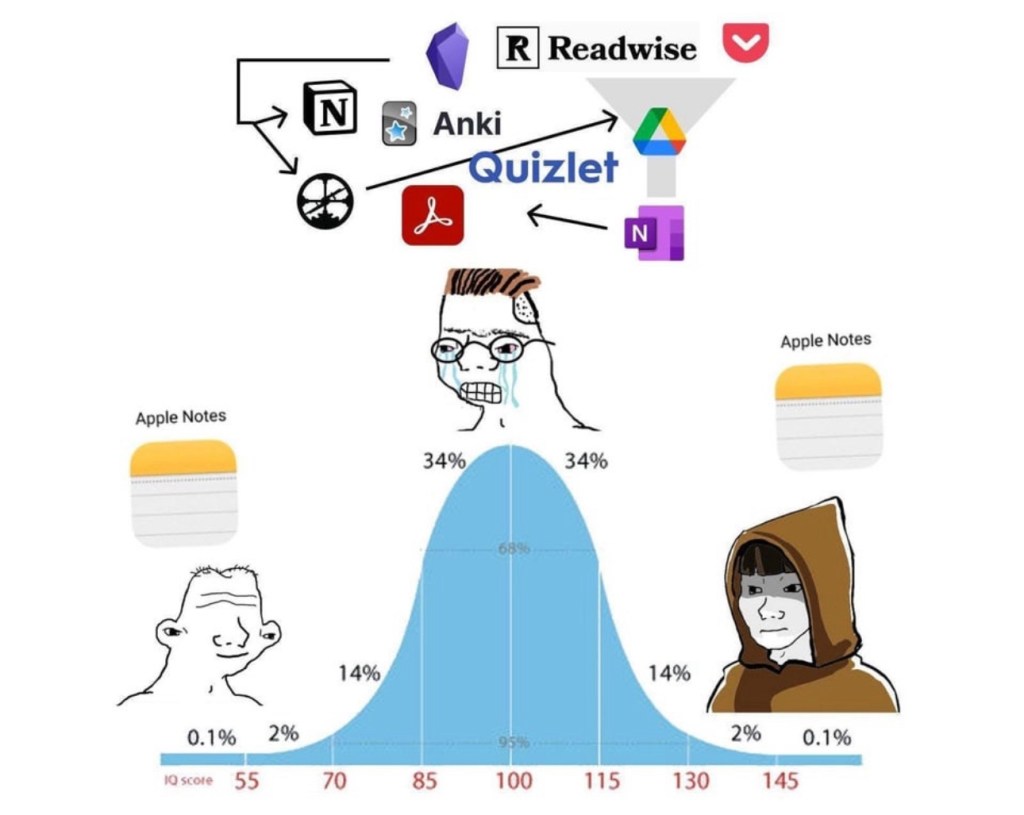
I switched from Evernote to Apple Notes several years ago and haven’t looked back. Side note: I’ve been on an anti-Notion campaign ever since I saw an unsuccessful rollout in my last team; it’s another overpowered tool for fiddly people who like to overcomplicate their tasks. I’ve used iCloud Calendar since leaving Gmail. I’ve even ported a lot of ancient files from Google Drive and Dropbox to iCloud Drive. And now email, arguably the most crucial service of all.
“Hang on, Apple Intelligence in the Mail app isn’t out yet and might not be until the end of the year! How will you live until then?”
Thanks, little imaginary reader, I’m glad you asked! I’m using Spark Mail in the meantime, which I’ve dabbled with in the past using my Gmail account. It’s a mail client with a bunch of smart, AI features (for a price) that are pretty close to what Apple promises. For one, a smart inbox that works quite well at sorting your different mail types, and a feature called “Gatekeeper” that works just like Hey’s “The Screener”. Their asking price is less than Hey’s, but more than Apple’s (free, if you already pay for iCloud+).
Just a couple of days into using Spark with iCloud Mail, and two things stand out: One, it’s so nice to use a native email app, and two, I’m actually reading my newsletters again. In Hey, newsletters are collected on a a separate, infinite-scroll page called “The Feed” which suffers from an ‘out of sight, out of mind’ problem. In Spark, received newsletters sit inside the main inbox, just collapsed into a single line. This seems to make a difference. It’s a visible nudge to check them out, and because they load and react instantly, you can actively triage them and unsubscribe/block/delete if you find yourself asking why you ever signed up for one. Where Hey’s endless stream of newsletters can get overwhelming, Spark’s (and I assume Apple’s) approach is more like a physical magazine or newspaper with a finite amount of content, which most people prefer.
I should have taken my own advice in 2020 — it turns out Spark’s approach was always the better fit for me. I even made visual aids to explain it!
This diagram above is how HEY is laid out, if you think of each column as a screen. In the Imbox and Paper Trail, each email is a single line item, while they are larger previews in The Feed, which is designed to give a peek into newsletters so you can decide if you want to expand and read them. This doesn’t work for me because I don’t want to keep all of Graniph’s new product announcements, but I do want to see them.
And this is an illustration of how I’d prefer to handle my email. A single inbox view encompassing important emails and personal letters, newsletters, and updates/receipts/notifications from other services. Spark … is the closest thing I’ve found to this.
All in, it’s been a week of fiddling with things that seemed to work just fine, but hopefully I’ve simplified and improved them for the future and not introduced more things to maintain.
===
Media Activity
Before I could move off Hey Email, I had to finish my backlog of favorite newsletters. One of them was Craig Mod’s “Return to Pachinko Road” series from earlier this year. Over 18 days, he walked 694,942 steps and wrote close to 50,000 words in daily email updates. I read them while waiting those five hours for my mail archives to download. He’s such a good writer, and I can’t recommend enough that you sign up for his newsletters and/or membership if you can spare the money (regretfully, I can’t right now as a member of the unemployed class).
MUBI’s collection of films by Abbas Kiarostami is leaving the service over the next couple of weeks, so I prioritized watching them, starting with the Palme d’Or-winning Taste of Cherry (1997). God, I was not prepared for it on a Monday afternoon and fell to pieces during the old man’s monologue in the final third. Fortunately, I watched it on the TV because I don’t think Vision Pros have an IP rating. 5 stars.
Next was Through the Olive Trees (1994) which was very charming — the Iranian actors’ performances are fantastic, and perfectly naturalistic in keeping with the cinematography. I initially score this a 4, but it’s now a 4.5-star film for me.
The Wind Will Carry Us (1999) shares some landscapes and in-car camera angles with Taste of Cherry, but where the latter is heavy with life’s troubles, this one centers hope and rebellion against the narratives we find ourselves in. One could even read it as an anti-work parable: forced on a business trip of indefinite length, neglecting his family’s pleas to return home for a funeral, summoned to give gravely inconvenient (hur hur) updates to his boss at all hours, a workaholic asshole learns to relax, enjoy the local milk, and finally give his assignment the finger. 4.5 stars.
Fresh off Presumed Innocent, we were looking for another legal thriller to watch and discovered neither of us had seen The Firm (1993) starring Tom Cruise. Welp, it turns out there are no courtroom scenes in the film at all, and he’s a tax lawyer. Still, a very enjoyable 3.5 stars.
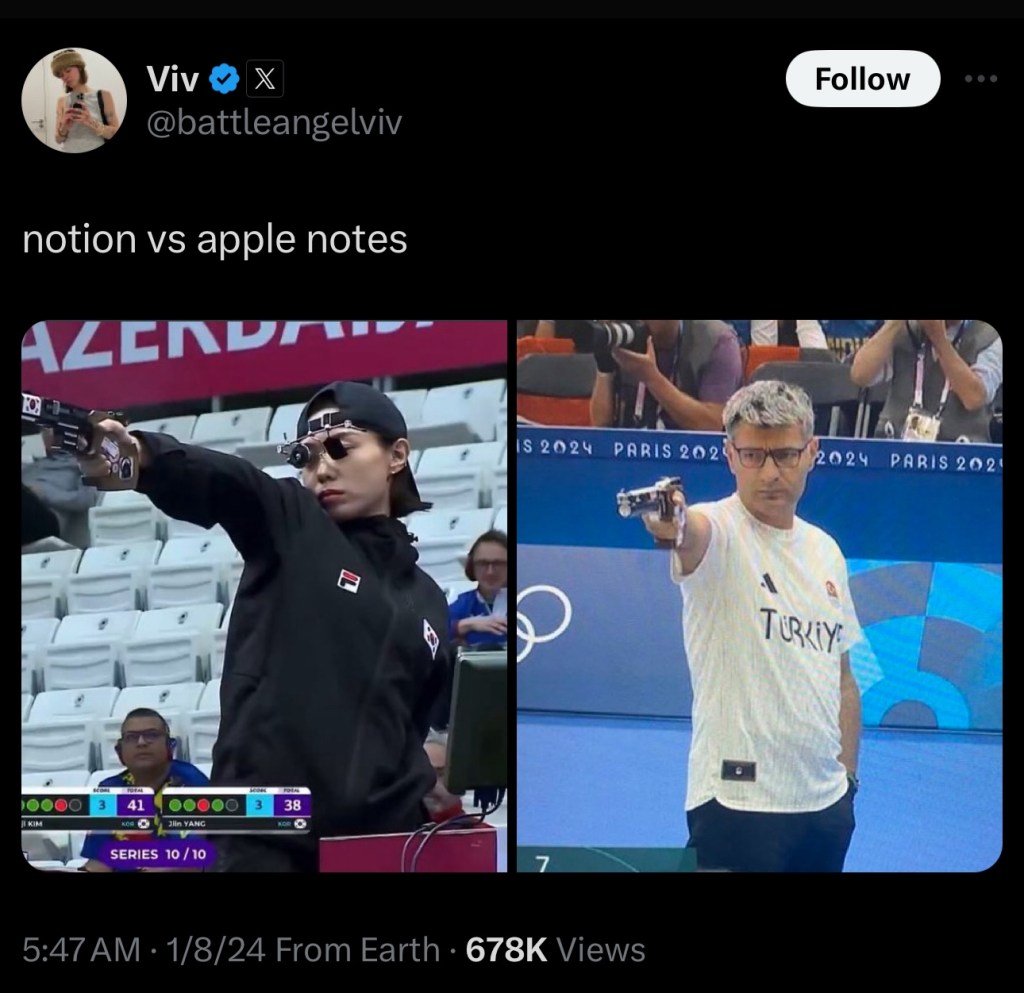
The Paris Olympics are on, and despite not caring much for sports I’ve found myself unable to resist watching competition on a global scale. Mostly tennis, but also archery, shooting, diving, gymnastics, and some athletics.





























 sangsara.net