Tag: Television

  • Week 12.24

    Week 12.24

    If you’re reading this on the web, you might notice that this site is now running WordPress’s new ‘Twenty Twenty Four’ theme, with a more traditional blog-like homepage (it has a sidebar) linking to single-column post pages. Navigation remains unchanged, but typography and minor details are improved.

    I’m happier with this than I was with the blocky grid of last year’s ‘Twenty Twenty Three’ theme, because this comes with the freedom to put up shorter posts without Titles or Featured Images. Over the years I’ve gone back and forth on microblogging here, or having all tweets mirrored here, but it’s never stuck. But at least I have the option again, especially since I haven’t properly posted on Twitter in a year and most people I want to follow are still scattered across Threads, Bluesky, Nostr, and Mastodon.

    ===

    We celebrated a little life milestone this week with a nature walk, a “Gold Class” viewing of Dune Part Two, a nice bottle of French Malbec, and a perfect Canadian pork chop with a side of the butteriest mashed potatoes. A mix of simple and simpler pleasures.

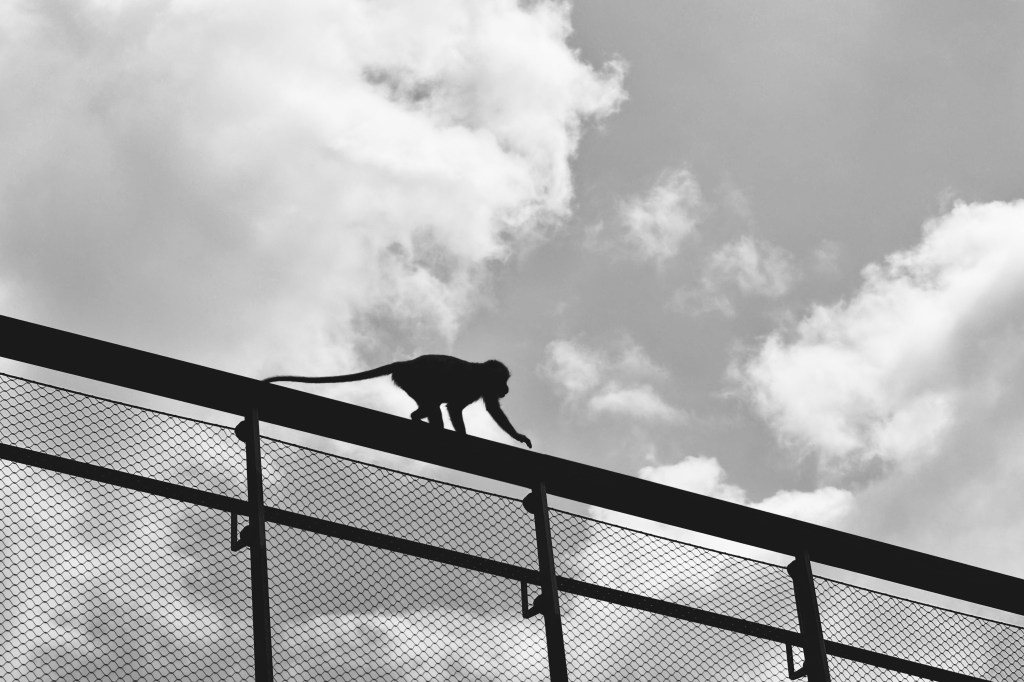
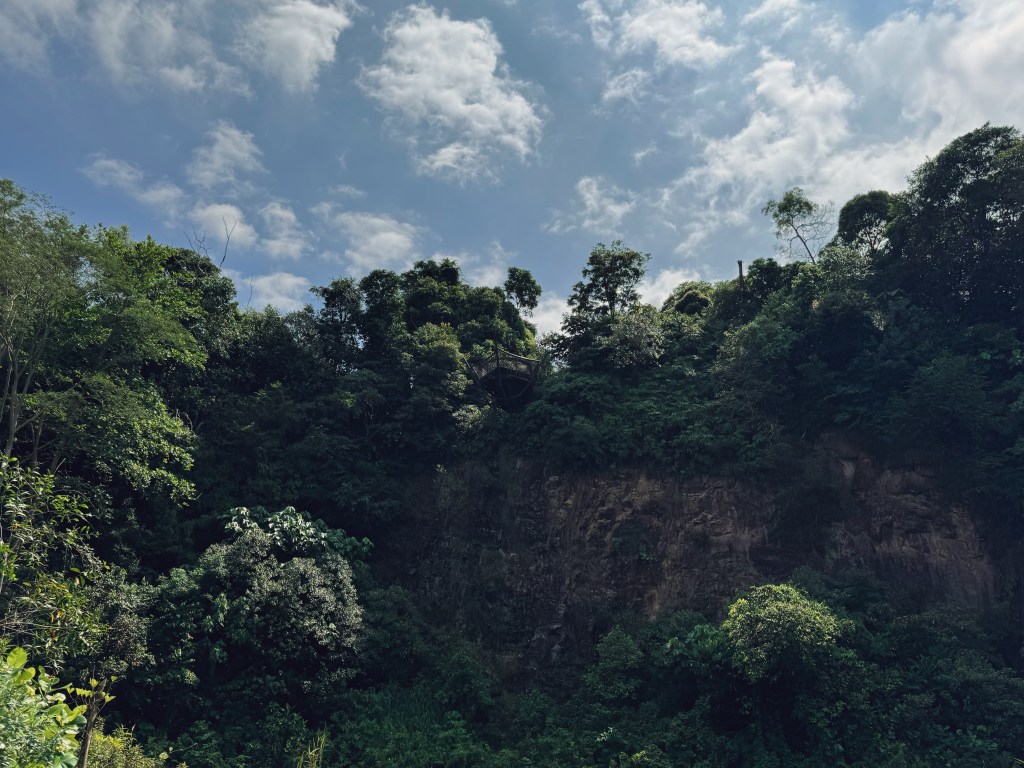
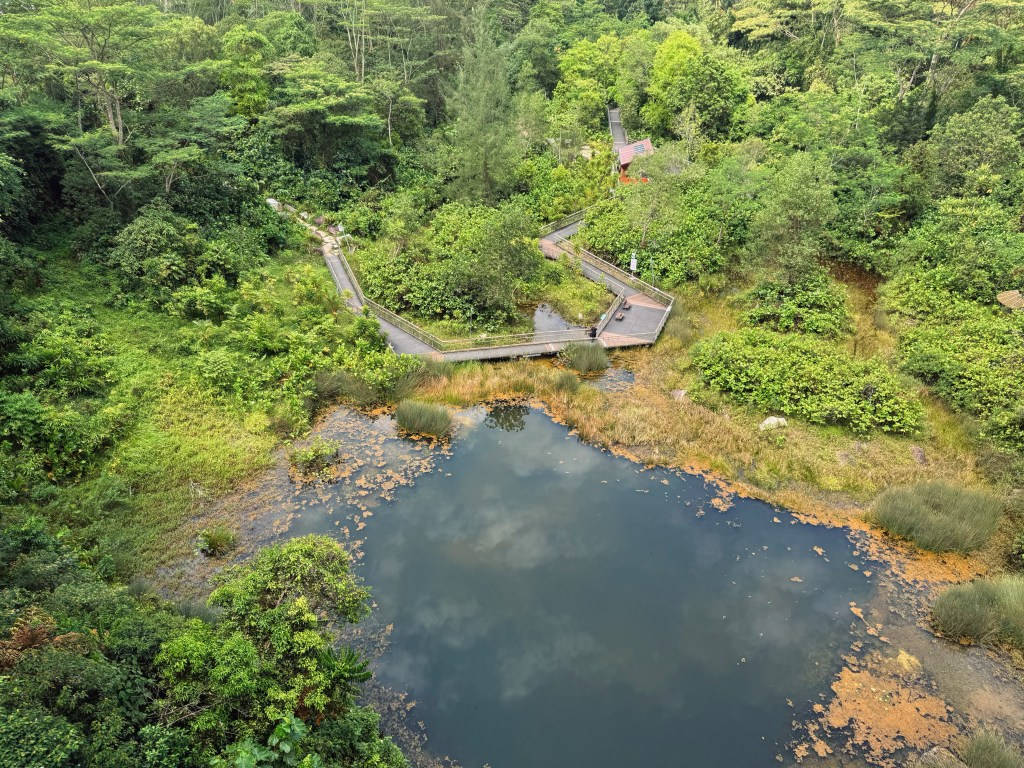
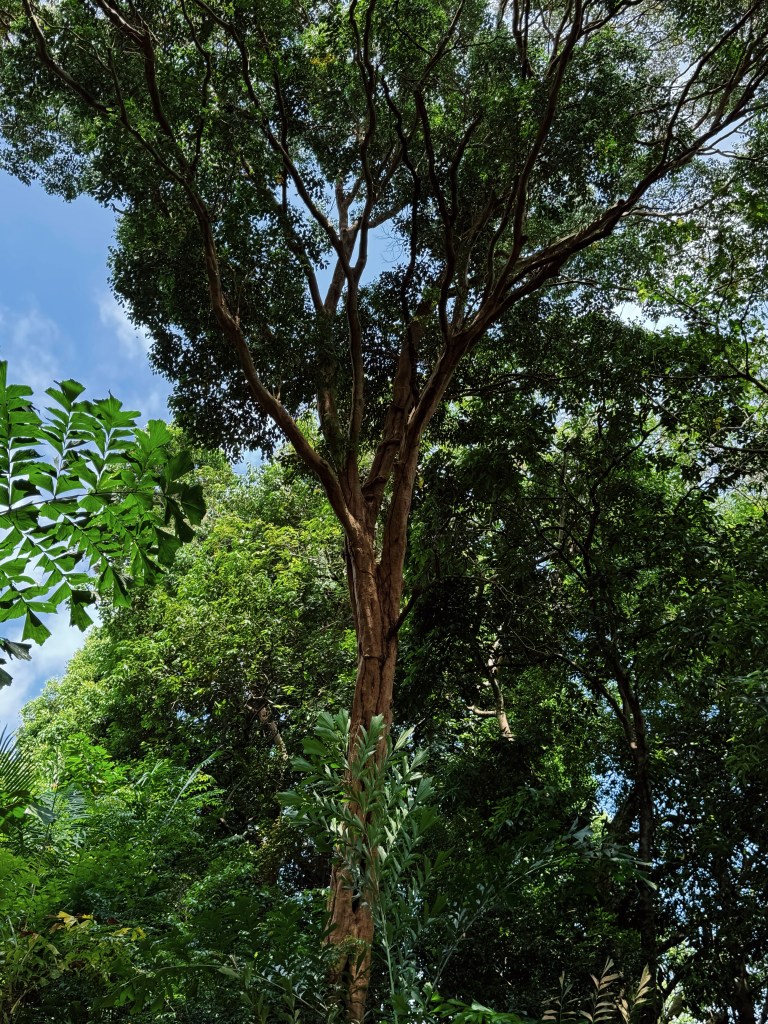
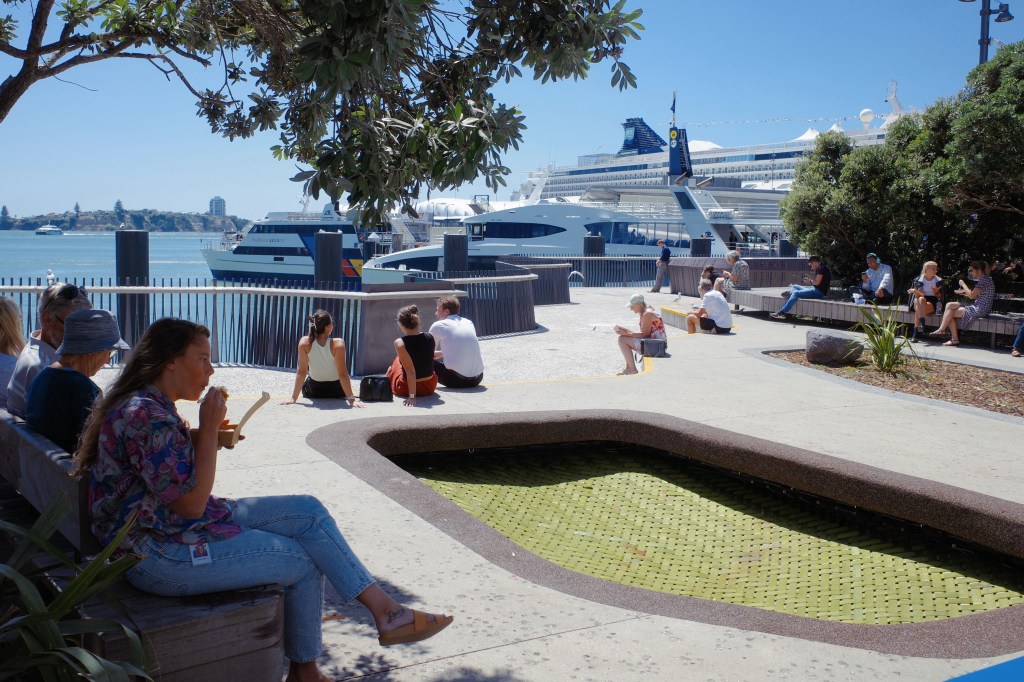
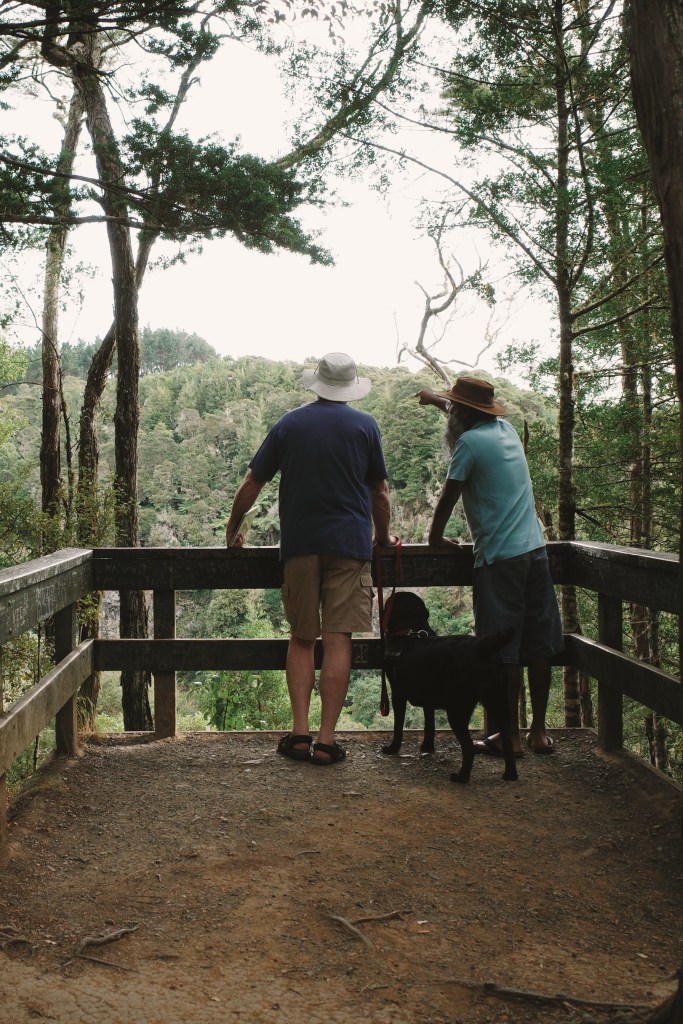
    I’ll expand: We were recently in New Zealand, and took a couple of walks in nature reserves. I’ve never bothered to attempt the same in Singapore because it’s ridiculously hot, but visiting the Rifle Range Nature Park in West Singapore was interesting for the stark contrast offered versus our recent experiences. Every step on its paths is sure footed by design; suspended walkways take you through the forest without trampling plants, and they’re so convenient all the monkeys we saw were using them as well, rather than walking in the dirt. You get the sense that everything is regularly inspected and all dangers have been scrubbed. It reflects the usual criticism of Singapore being a theme park, which is only a problem because living in a safe environment breeds complacency. At several points on the easiest routes at Te Mata Park in New Zealand, slipping off a path and tumbling into a ravine was a genuine possibility. I wonder what other metaphorical tumbles Singaporean life has not prepared me for.

    The new Dune is as superb as all reviews have indicated, and I could not imagine rating it any less than 5 stars in Letterboxd. The art direction and photography are flawless, and it looks twice as expensive as it is. Never once while watching did my brain check out and think, “oh, that’s CGI”. The only change I would dare suggest is Austin Butler’s casting, as he’s not anywhere as menacing as the movie treats him. His character is already a nepo baby who just enjoys killing defenseless slaves and servants, and Butler didn’t bring the presence to suggest he’s also one of the most dangerous people in a universe full of freaks.

    Another 5-star film for us this week was Wim Wenders’s Perfect Days (2023), which won a Best Actor award at Cannes last year for Koji Yakusho’s nearly wordless performance. I enjoyed it tremendously as a loving tribute to the city of Tokyo and its toilets (really), a meditation on repetition and routine, an ode to proud and purposeful work, and a parable about how avoiding the messiness of life might obscure living itself. The soundtrack is a Gen X dream. Visually, it’s filled with beautiful everyday moments so mundane as to be overlooked by most of us going about our daily busyness. The way all its themes and music choices come together in the film’s final minutes is worth half a star alone.

    Continuing the theme of Japanese films about appreciating life, we watched Living (2022), the transposed-to-England remake of Kurosawa’s Ikiru (1952). I’ve never seen the original, but it’s now high on my list. Bill Nighy is fantastic in the role of a civil servant who learns he’s dying and wonders what it’s all about, and plays his deconstruction with impressive vulnerability. I looked at the trailer for Ikiru afterwards, and while Takashi Shimura’s performance in the same role is regarded as iconic, it was a little theatrical and may not have aged as well.

    Anyhow, the message in both these films is timeless: stop working so hard at meaningless things, smell the roses (or watch the shadows cast by leaves — ‘komorebi’ in Japanese, as the end credits of Perfect Days tells us), and make a difference to another human being’s life.

    Take a little forest bathing break with this video I captured.

    ===

    Additional media activity:

    • We finished Season 1 of Below Deck Down Under at last, and I was glad to learn that Captain Jason and Chief Stew Aesha return for Season 2, which we now must see. The leadership and teamwork these two have put Captain Lee and Kate of the mainline series to bottomless shame.
    • The new Call of Duty mobile version of Warzone has finally come out, after being delayed for about a year. As a somewhat devoted player of the original Call of Duty Mobile title, I’ve been waiting with very high expectations for this. Unfortunately, the launch has been a bit of a dud, with many complaints from the worldwide community. For one, Android devices seem incapable of running it well. On my iPhone 15 Pro Max, it runs at peak performance and the graphics are truly console quality; I was running around maps that I knew instinctively, but my brain was exploding from how different and detailed everything looked. Sadly, the phone runs hot and it drained the better part of my battery in maybe an hour. I’ll wait to see if they improve anything before calling it quits.
    • The new Kacey Musgraves album, Deeper Well, is not bad at all. It even has a song called Anime Eyes which drops a line about a “Miyazaki sky”. Very weird times we live in.
    • I started using a new social app that tries to be a Letterboxd for music: Musicboard. Unfortunately, it doesn’t automatically log/scrobble your listening activity, so rating music and broadcasting your taste is a manual affair. You also can’t start playing an album directly in Apple Music from within the app — it only supports Spotify at the moment.

  • Week 11.24

    Week 11.24

    Kim was away for work this week so that meant a return to pandemic routine for me: I worked from home every day, mostly staying in our ‘office’ room hopping on calls, flopping from chair to couch, picking up my Playdate* to kill a minute here and there, scrolling feeds (#WhereIsKateMiddleton), and mostly eating simple, low-cost, not entirely healthy meals.

    I did, however, pay attention to the bottle of olive oil in our kitchen, which is now past its best-before date, and looked into what a good replacement would be. In the process, I watched some YouTube videos on the supposed benefits of having two or more tablespoons of extra virgin olive oil a day, which can be summed up as reducing your risk of dying from several awful diseases by up to 19%. One video made a case for buying the better stuff thusly: imagine you’re visiting a friend’s home; you’d typically bring along a bottle of wine that costs between $20–30 (people who show up empty handed are so weird, right!?), which will be drunk within the first hour and followed by the opening of another bottle, and maybe another — that’s fair and normal, so why is it so hard to pay the same amount for a bottle of olive oil that you’ll use for months?

    That sold me, and I’m pledging to only use quality oil from now on. I was already aware of most of these benefits and how seed oils are comparatively terrible, but the comparison to a bottle of wine really hit it home for me and I don’t see why anyone wouldn’t spend a few extra bucks for tastier, healthier stuff if they could. Pro tip: try drinking a spoonful on its own, and see how much of that prickly, peppery sensation you get in the back of your throat. That’s a sign of the polyphenol content, which gives the antioxidant effects you want.

    At nights I accomplished shockingly little of the movie marathoning I’d imagined for my bachelor week. I saw two episodes of Red Queen on Amazon Prime Video, a series based on a “Spanish literary phenomenon” involving a woman with an IQ of 242 who helps the police catch serial killers in between psychotic episodes. And that’s about it? The rest of my viewing time was spent on YouTube watching Bloomberg, CNBC, and video podcasts over lunch.

    When Kim got back, we tried to make plans for Dune Part 2, but couldn’t find a time slot that worked, and did you know IMAX tickets are S$50 now? Even the nearest theater to us is charging nearly S$40 for their premium “Gold Class” seats, which gave me pause to wonder if we should just wait for it to come out on streaming.

    And then we watched Oppenheimer at home, on our nearly 10-year-old HDTV (that’s right, no 4K or HDR), which is totally not the way Nolan imagined. Despite the technical limitations of our screening, it was an extremely cinematic and immersive experience, and made me think some things are definitely worth the IMAX. So, maybe Dune next weekend.

    Music was just as neglected as the other arts, and the only new album I heard through was Ariana Grande’s latest: Eternal Sunshine. I didn’t register a single word, but it’s actually fantastic background R&B. That’s not a slight! It sounds good, doesn’t do anything crazy, and after a few more listens I’ll probably get into it for real.

    However, I am listening to Chick Corea’s Now He Sings, Now He Sobs (1968) as I write this, if you want something a little more challenging/rewarding.

  • Week 10.24

    Week 10.24

    Last week, I mused on the need for Super Deluxe reissues of Counting Crows’ albums, only to discover that August and Everything After had already received such an edition, with a Dolby Atmos mix, and it was already in my library. Now please do Recovering the Satellites!

    Staying on the subject of music, while watching an episode of True Detective one night, there was a scene where someone flipped through a stack of vinyls in their living room and took one out to play, at which point I paused the show to ask aloud, “why isn’t there an iPad app that will replicate that experience?” I’ve been wanting this for a while, and so this was not a new exclamation. Streaming services are great and all, but I remember the days of having cassettes and CDs, and how the tactile, spatial ritual of flipping through them, selecting one, and loading it into a player was more satisfying than typing into a search field and hitting Enter.

    The app I want would mimic this by letting me set aside a small subset of albums from my larger Apple Music library and display them on a virtual shelf with large cover art, and I would put this on an iPad positioned near our HomePod. The key is this smaller stack of “heavy rotation” picks or favorite classic albums, so I can stand there and choose something to put on in the living room. Bonus points for skeuomorphism: dragging a metaphorical disc onto a spindle would be nice. Apple is rumored to be working on an iPad dock that is also a HomePod, or a HomePod with a screen, much like less audio-centric models already offered by Amazon and Google, but I fear today’s designers will go for direct over delightful.

    If this idea doesn’t resonate with you at all, it’s okay; I think it’s just a specific millennial/xennial urge to respect and protect the album format. I enjoy singles, YouTube-only bootlegs, and melodic fragments on TikTok just as much as the zoomers, but I’ll listen to whole albums till I die. A great album takes advantage of the larger canvas to explore ambitious concepts or stories. It’s the difference between an article and a zine.

    I decided to look through the App Store again, and found that two apps I already had on my iPhone could potentially do the job: Albums: Music Shortcuts, and Longplay. I also found one called Albums – album focused player, but I decided to go with the ones I had. After some tests, I found that a recent 2.0 update to Longplay (which I’d bought long ago but ended up never really using) added support for custom “collections”, which lets me set up this smaller shelf of select LPs, because its default mode is to show all of your albums. And it syncs over iCloud, so I can update my choices at any time from any device. Longplay’s website is here.

    Dusting off my neglected first-gen 12.9” iPad Pro for the purpose, I now have this set up going and it’s… not bad. Longplay’s interface isn’t exactly what I envisioned, and I’d like it to remember that I always want to play out of the same HomePod, but it works for now. The aging (aged?) A9X chip struggles a little to scroll smoothly and filter my huge library in real time, but I was amazed to find that it supports iPadOS 16 — i.e. last year’s OS works on an 8-year old tablet.

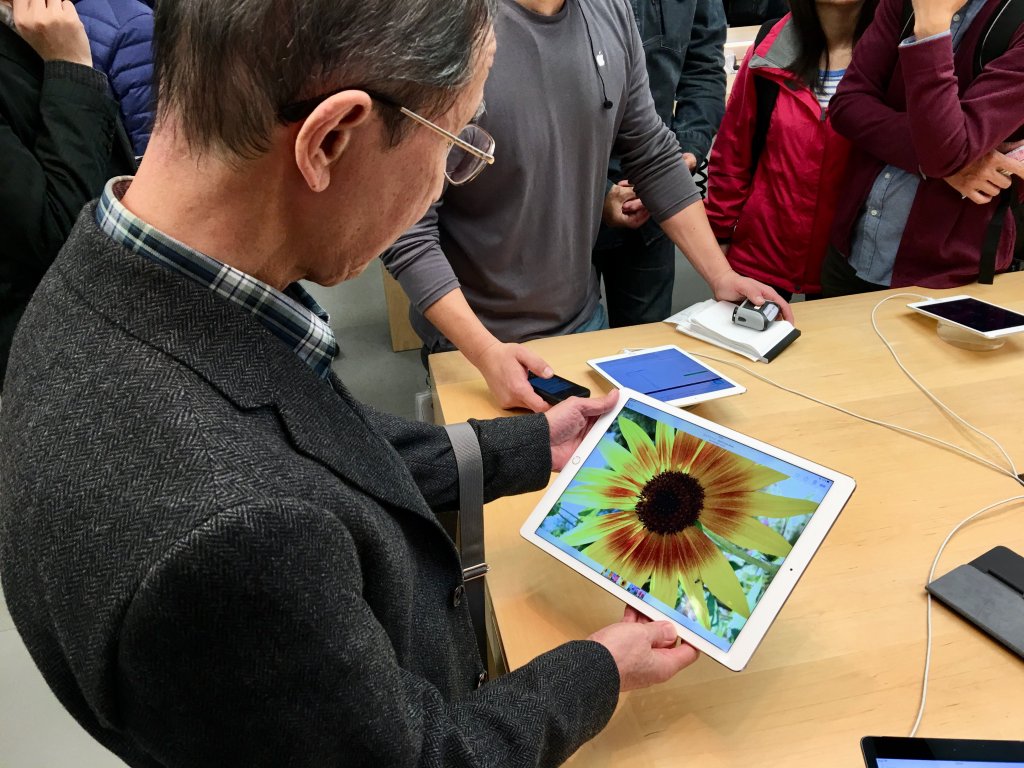
    I still remember the launch of this iPad Pro because I was in Tokyo on holiday at the time, and was suffering a bout of ankle pain for a day or two. On November 12, 2015, the morning of the iPad’s launch, I hobbled down to the Ginza Apple Store near where I was staying, and the excitement in the room was incredible. There was a calligraphy demonstration using the new Apple Pencil and a Japanese painting app. Nerds young and old jostled to pick it up. The sheer size of it seemed audacious and unreal compared to the 9.7” iPads we’d been used to.

    Seeing it held in the hands like a magazine, with an insane Retina resolution that surpassed any laptop of that time, the potential for it to be a replacement for printed materials struck me more than ever. This was back when everyone thought the iPad would be a great platform for publishing, and almost every large company spent millions trying to design the right UX and business model for digital versions of Wired, The Economist, Vogue, or what have you. But they were often bloated, difficult to navigate, and often a worse reading experience than paper. I have some ideas on why this didn’t work out, but anyway now we’re just back to good ol’ PDFs and websites.

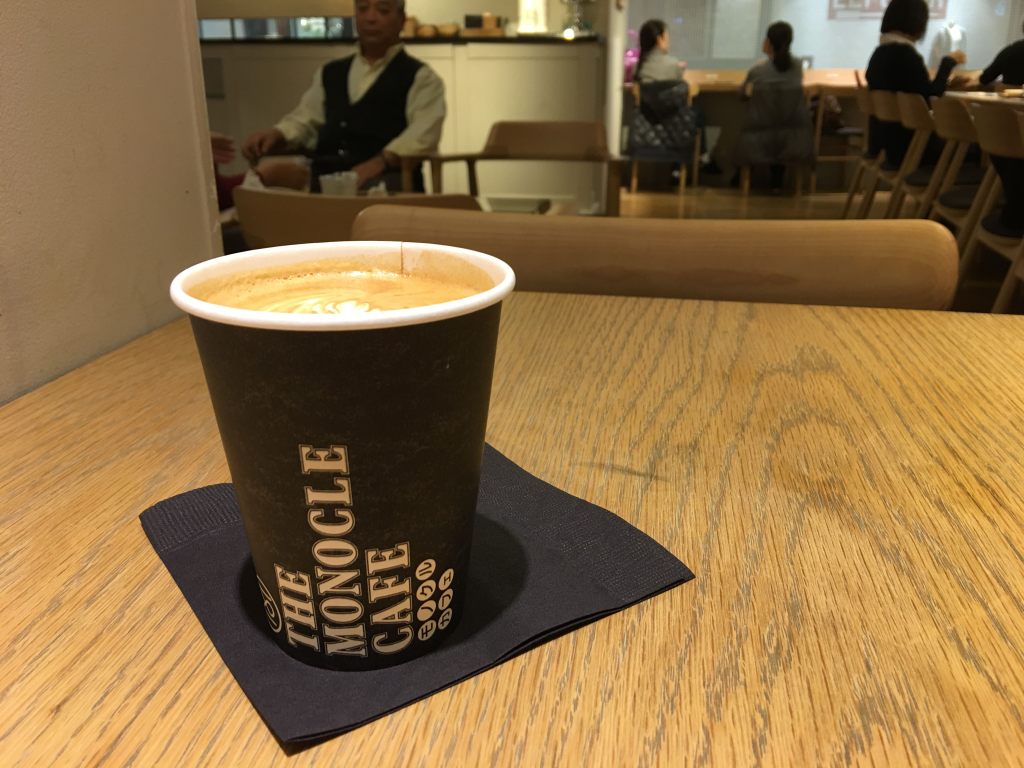
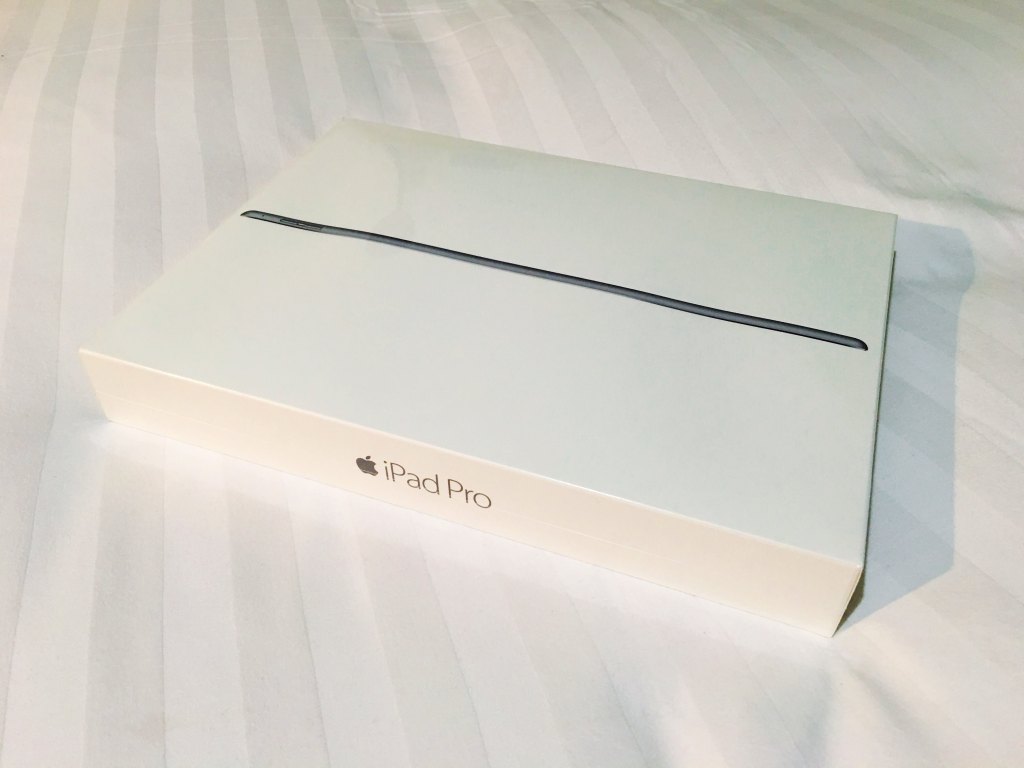
    I walked out in the cold air thinking, “Well, that was cool, but I’m not going to buy one.” I struggled down the road and sat down for a coffee in the now-closed Monocle Cafe in the Yurakucho Hankyu Men’s department store, followed by lunch at Sushizanmai, and I must have thought it over and changed my mind (surprise), because by 11 PM that night I was taking photos of my new iPad Pro back in the hotel room.

    Did I ever make full use of it? I remember the Apple-centric analyst Horace Dediu reviewing it as a new kind of ‘desktop computer’, owing to its power and reduced portability. I never really brought it to work and used it as a note-taking surface like I imagined. In fact, I never bought another 12.9″ iPad Pro again, always opting for the smaller version whenever I upgraded. For a number of years this one served as our bedroom TV (really a bed TV because that’s how we used it: propped up on some blankets), until it became prone to shutting down abruptly as the battery gave out. It gives me joy to see it finding a new purpose in the home as a hi-fi system.

    ===

    Media activity:

    • As mentioned, we’ve been watching the new True Detective and I agree with the internet that its tone and storyline are a very odd fit for the anthology series, and I’m not sure it really belongs. Supposedly it was pitched to HBO as a new original mystery show, but they asked for it to be changed so it could be a new season of TD. What a weird decision: it felt like supernatural survival horror at times. It was mostly good to see Jodie Foster at work.
    • Fiona Apple is back! Sort of. She features in a song with Iron & Wine called All in Good Time, from their upcoming album, Light Verse. You can listen to it now, though.
    • The new Bleachers is finally out too, and I’ve heard it through once on headphones but wasn’t super in love with it. Will have to give it more time.
    • Jack Antonoff (and Taylor Swift, who is performing her final shows here this weekend) appear in this wonderful portrait of Michael Stipe in the New York Times a few months ago that I only discovered now. R.E.M. was hands-down my favorite band as a teenager, and I loved learning about what he’s been up to, and how our idols in their old age can be such weird, vulnerable, out-of-touch, sincere human beings who are still discovering themselves, still figuring out how to live, struggling to do the work that matters. Here’s a gift link to the article.
    • The new TV adapation of Shogun has been getting so much buzz, and I have fond (if blurry) memories of the 1980 miniseries starring Richard Chamberlain, which must have aired as reruns when I was a kid, so I’ve been excited for it. Episode 1 did not disappoint; it looks like a big budget film and has non-histrionic performances from its Japanese cast. Do you think someone tells them to tone it down when they work on American productions? Because most Japanese dramas I watch are so over-the-top as to puncture the fourth wall like a gaijin’s arm through a shogi door.
    • We still haven’t seen Dune Part II, but decided to watch a 20-min recap on YouTube instead of sitting through the first movie again in preparation. I must be a terrible media reader because I swear I didn’t make sense of Paul’s visions the way I was meant to. I just recall it was the first time I’d been in a theater in nearly two years, just as Covid was unwinding, and being swept up in the sheer visual experience of seeing the world in motion. Because Dune was always more about Westwood Studios’ real-time strategy game on PC to me than the book, David Lynch film, or Syfy series, it’s Arrakis itself and the houses at war that I feel nostalgia for.

  • Week 9.24

    Week 9.24

    I finally got my hands on a Playdate! This is the tiny yellow handheld gaming device that was announced by Panic Inc. back in 2019 and came out in 2022. Longtime Mac users will know Panic as a software development company that in recent years started to dabble in games publishing — Firewatch was their first, followed by the smash hit Untitled Goose Game — and the Playdate is their first foray into making hardware. Which we all know is 1) hard, and 2) what people who are serious about software do. In this case, the industrial design came by way of the very trendy outfit, Teenage Engineering, who can hardly do any wrong and certainly didn’t slip here*.

    It’s a tiny little thing, about the size of a Post-It note and about as thick as an iPhone minus the camera bump. The screen is designed for young eyes and has no lighting: it’s purely reflective and relies on ambient light, so you won’t be playing this in bed late at night. Did I mention the screen is in black and white? Keeping things simple is exactly what a little thing like this should do, but it adds a unique input method with a little crank on the side; a gimmick so obvious and versatile it feels like something Nintendo would have done on a Game Boy in some parallel universe. Everything feels solid and extremely well put together, as it should for US$199.

    You might think this is a niche luxury retro gaming gadget, and while there are chiptunes, the software experience is very contemporary. Fluid animations, an eShop with elevator music à la Wii menus, and a catalog of modern, inventive indie games by luminaries such as Zach Gage, Chuck Jordan, and Shaun Inman. Included with your purchase are 24 original games that automatically unlock at a rate of two each week, keeping the thing fresh long enough to form a habit. After that, there’s a whole online catalog to shop from. Have a look to see if this is your sort of thing, but the first two games (Casual Birder and Whitewater Wipeout) from “Season 1” are promising and I’m eagerly waiting to see what’s next.

    When the Playdate was first released, I didn’t buy one because they didn’t ship to Singapore, but my friend and colleague Jose ordered two through a freight forwarding service, so he’s had his for a while. He offered to sell the other one to me, but I declined. My stance on companies snubbing Singapore with their shipping policies is simple: if you’re not selling here officially, you’re not getting my money. That’s why I never had an OG iPhone and don’t have an Apple Vision Pro or Steam Deck.

    * I put an asterisk above because it’s worth pointing out here that the intersection of millennials who love gaming and millennials who are drawn to Teenage Engineering products is probably very large, with Jose and myself squarely in it.

    Then a couple of weeks ago, I got an email from them to say they finally worked through their very long production and shipping backlog, so if you ordered one now you’d get it almost immediately, plus sales were open to many more countries, including Singapore. And this is ironic because the thing is manufactured in Malaysia, prominently stated on the back of the device, which is just a short drive away.

    So far my only problem with it is that I may have gotten a dud battery, or it needs some cycling before it lasts as long as it’s supposed to. File this one under Brandon’s Battery Curse: it happens (objectively!) on nearly every device I’m excited to buy, and I end up getting a replacement or just learning to live with it. It’s happened with iPhones, iPads, headphones, fitness trackers, you name it. Maybe I just notice it more than most and it drives me crazy.

    ===

    Ever since I got back from New Zealand, I’ve been thinking a lot about fragrances. I think this happened because I was mindlessly shopping at duty-free stores at airports on both sides and started looking for a good deal. I’ve been wondering if it’s finally time to freshen up my cologne collection, so to speak. I currently use just a handful (three, really) and never really think about buying new fragrances except for once every three or four years when it’s finally time to throw them out and get some new ones in.

    If you’ve been to Fragrantica.com, you’ll know what a terrible rabbit hole this can be. Instead of buying something really expensive, I decided to scratch the itch by blind buying a bottle of Davidoff Cool Water Intense EDP, because I always wanted the original Cool Water as a teenager. This one is a new fragrance altogether, characterized by green mandarin and coconut nectar notes, and is quite aggressive and long-lasting. Haters say it has nothing to do with Cool Water, but I think the idea is that it’s in the same conceptual territory — warm summery vibes, casual like a linen shirt, worn poolside at a four-star resort. It’s not bad!

    Unfortunately for me, the itch was not fully scratched, and I’ve still been looking. I’m keen on this idea of revisiting classic fragrances from the 90s with new incarnations, and it seems the industry is too: Acqua di Gio (there’s a new EDP formulation), CK All (a sort of midpoint between One and Be), and Issey Miyake’s L’eau d’Issey Pour Homme EDT (no change here, still the original). Is this a mini midlife crisis? Will it end with me smelling like a teenager?

    ===

    Media activity:

    • We finally finished Season 1 of Monarch: Legacy of Monsters on Apple TV+ and I’m gonna do a Hideo Kojima-style review here and leave it at that.
    • We also finished Season 1 of Mr. And Mrs. Smith on Amazon Prime Video and really enjoyed it. It’s the rare 8-episode season that felt like the perfect length, given the creative choice to show most of their missions as excerpts and focus on the spaces between.
    • I read on William Gibson’s Twitter account that a Neuromancer TV series is underway, and it will be only 10 episodes long. Seeing as Neuromancer was the blueprint for so much of what came after with The Matrix and other cyberpunk-indebted stories, I’m low-key hoping they’re not very faithful to the source and use this as an opportunity to go big with some fresh futurism, and draw up a new world the likes of which we’ve never seen before on screen, like Spielberg did with Minority Report. Spend that Cupertino money!
    • In line with my olfactory return to the 90s, I’ve been listening to Counting Crows again. They released a new album of two live performances from ’93 and ’94, entitled Feathers In My Hand, which has brought me back. This is a band that deserves some 20th anniversary or super deluxe edition remasters!

  • Week 8.24

    Week 8.24

    We spent the last three days of our road trip in Auckland, returning the car to a desolate parking garage and then ordering an Uber from the side of the road with our luggage. When we got in, the driver confirmed “So you’re checking in to the Hilton? Not impressed with the parking lot?” which was low-key one of the best jokes that week.

    I already mentioned eating many burgers, but from our brief tour of restaurants across the North Island, it really seemed like New Zealand cuisine is made up of steaks, brisket, pork belly, oysters, fish and chips, and lamb chops. The renowned local beef is as amazing as you’d expect. As a tourist, this is nothing to complain about, but I’m certain I’d find the narrow range a little tiring if I lived there.

    There are local beers and many craft beers, but Heineken is held in strangely high regard; maybe a result of its relatively high price as an imported product. In Singapore, I’d say it’s on the second rung from the bottom above Tiger and Carlsberg for many people, a slightly better lager for not much more money. Anyway, the wine game is so strong it’s a wonder anyone drinks beer there (we did, though).

    I think Peter Jackson’s Lord of the Rings films put New Zealand on the map more than anything else in the past century, but we passed on visiting the Hobbiton film set as neither of us are really fans — I sometimes explain that I hate fantasy settings because there’s no electricity and it’s just filthy people sitting around fires — but it wouldn’t be right to go all the way to NZ and not at least touch that iconic surface.

    So we booked a Weta Workshop tour in Auckland, which turned out to be part-theme park, part-showcase and gift shop. They’ve structured an experience around three fictional films their team supposedly worked on but didn’t get released, which provides a narrative device to show off their craft in conceptual world building, model making, special effects make up, and cinematography. It is not dissimilar to making a video game! You come up with the setting, the rules of the world, character designs, then get sculpting.

    Did you know? Weta worked on the Ghost in the Shell live-action film, making Scarlett Johansson’s silicone suit and other cyborg designs.

    Another highlight of our time there was a “Maori cultural experience” at the Auckland Museum and War Memorial, in which photos were allowed but discouraged, and so I don’t have any to share. There are several opportunities for tourists to see and engage with Maori culture, but when we looked at Tripadvisor reviews, it seemed like some are really commercialized dog and pony shows amounting to little more than cosplay theater, and we weren’t really keen on that.

    In contrast, the museum’s program is a 30-minute demonstration and explanation of some select rituals (which we would call “songs” or “dances”, but are really social instruments for building community, passing down knowledge, and so on) by a talented group of Maori people who apparently manage to hold day jobs in science and education on top of this. On top of preserving their ways, a focus of this experience was showing people from other cultures how easily histories like theirs are colonized and reduced. For example, clapping was not encouraged, because it turns their sharing into a performance, and simply because they don’t clap in their culture. I gave myself points for feeling icky about all the people fresh off their cruise ships clapping at the start, way before they were informed of this.

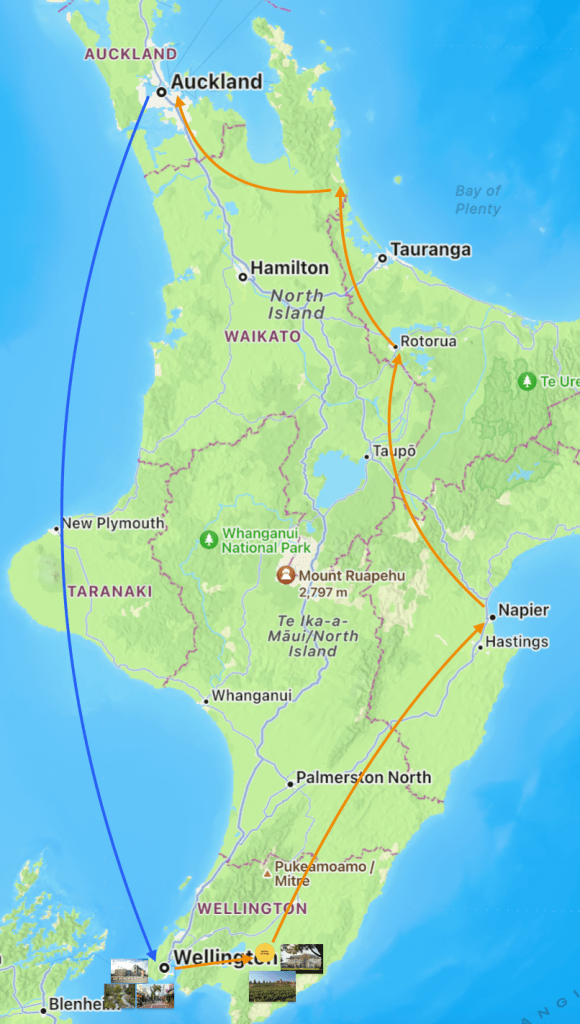
    I promised to share the AI-assisted itinerary of our trip, so here it is.

    The route we planned in Apple Freeform

    Day 1: Auckland to Wellington

    • Arrive in Auckland and catch a domestic flight to Wellington.
    • Evening in Wellington: Walk along the waterfront, find some dinner.

    Day 2: Wellington

    • Visit Te Papa Tongarewa Museum for an insight into New Zealand’s history and culture.
    • Take the cable car to the Botanic Garden for city views.
    • Evening: Explore Cuba Street for its vibrant nightlife and culinary scene.
    • What we really did: Had cocktails at Elixir and dinner near the hotel.

    Day 3: Wellington to Martinborough (1.5 hour drive)

    Day 4: Martinborough to Havelock (3 hours drive)

    • Breakfast at one of the cafes in town
    • Depart Martinborough, taking State Highway 2.
    • Stop in the town of Masterton and visit the Awatoi art and history museum (this was an unplanned stop after we saw a billboard by the highway)
    • Stop at Pukaha National Wildlife Centre.
    • Dinner in Havelock North: there are some nice restaurants in the town center
    • Stay in Havelock North

    Day 5: Havelock and Napier

    • Walk/hike in Te Mata Park and drive to the peak.
    • Head into Napier for lunch at a vineyard: We had bookings for lunch and a tour at Church Road Winery.
    • Local seafood dinner in Napier (as mentioned last week, we chanced upon the annual Art Deco Festival).

    Day 6: Napier to Rotorua (3 hours drive)

    • Depart Napier for Rotorua
    • Stop in Taupo for lunch by the lake
    • Parasailing over Lake Taupo in the mid-afternoon -_-
    • Stop at Huka Falls
    • Continue to Rotorua (another hour, so you’ll arrive in the early evening)

    Day 7: Rotorua to Auckland (3 hour drive)

    • Drive to Whangamata
    • Stop at The Cider Factorie along the way for lunch (this was an unplanned stop but was great)
    • Stop at Hunua Falls
    • Arrive in Auckland in the evening, return car
    • Dinner along Princes Wharf

    Day 8: Auckland

    • Visit Weta Workshop for a tour
    • Go up the Sky Tower for panoramic city views (we got a combo Weta + Sky Tower ticket online)
    • Lose some money in the Sky City casino
    • Beer, wine, dinner

    Day 9: Auckland

    • Visit the Auckland War Memorial Museum for Maori and Pacific Islander artifacts. The Maori Cultural Experience (twice a day, book ahead) is highly recommended.
    • Shopping downtown
      OR
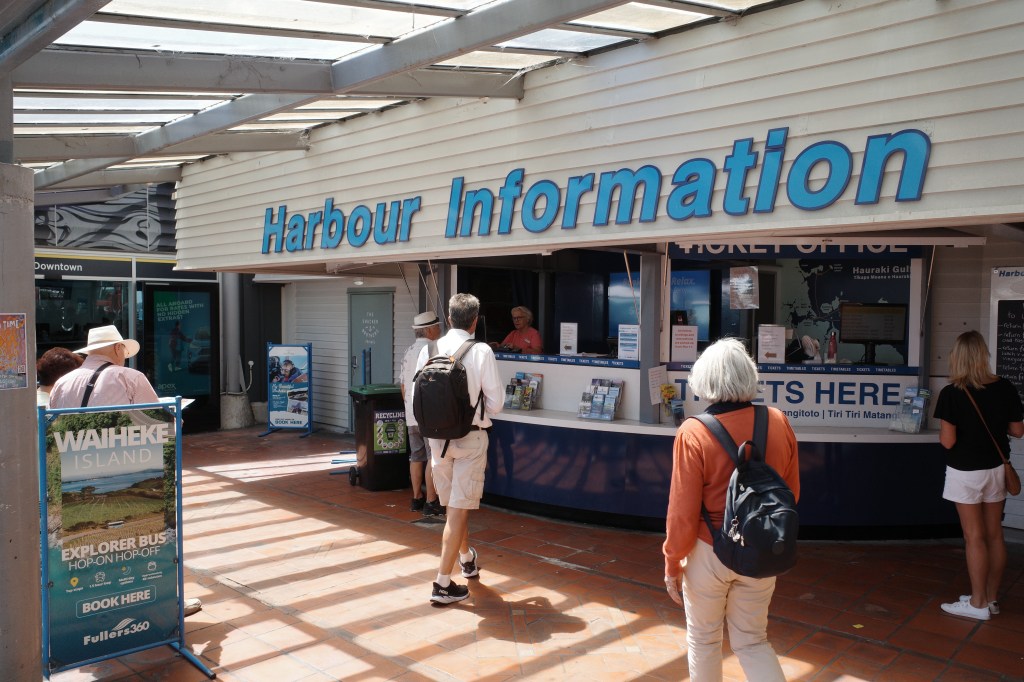
    • Full day: Take a ferry to Waiheke Island for more vineyards, beaches, and hiking trails.

    Day 10: Depart

    ===

    As always, returning to Singapore’s heat after a little time in a temperate climate was brutal. It’s one of the main reasons I would entertain the idea of moving away or owning a second property somewhere. It’s often said that a little sunshine and walking does wonders for your mood and helps people with depression, and I really did feel a lot less weight on me coming back with a watch tan after 10 days, but this weather is not made for walking. And so I expect this feeling will fade with the tan.

    Since coming back, we finished Season 7 of Below Deck, and I’ve just gone totally off Captain Lee and Kate now, formerly the least-bad people in that toxic stew of management hell/training that I’ve recommended people watch the show for in the past. We’ve now started on Below Deck Down Under, and the Australian captain there is a breath of fresh air. Where Captain Lee stayed in his bridge oblivious to the crew’s troubles with bullying and insubordination, this one is hands-on, leads by example, and even joins them for dinner (but wisely not clubbing) on the first night out. You already know he sees what’s going on, who doesn’t pull their weight, and knows how to address it. To top it all off, he’s hot and the interior girls can’t stop looking at him.

  • Week 6.24

    Week 6.24

    It was Chinese New Year week and it’s not been the same for several years, partly because of Covid and because many key relations have simply gotten old. My uncles and aunties, for decades only known to me by honorary titles describing their places in the family hierarchy, are getting ill, weak, and unwilling to leave their homes or receive visitors. Several years ago I started to ask what their actual names were, because I grew up literally calling them names that translated to second son of third uncle, or eldest paternal uncle; I’ve often wondered why Chinese culture has mechanisms that foster emotional distance between children and adults, a tradition that feels increasingly out of touch with today’s world. But that’s how it goes.

    I remember the typical CNY reunion dinner for many years as something to get through with gritted teeth and withheld snarky jokes, and if you’d told me then that I would look back now on those as the good times, I would have despaired. Now they appear as charmingly awkward and well-meaning attempts to bond, by people I might never get to wish a happy new year to again. I always thought the idea of an annual reunion made more sense against the backdrop of a vast country like China, but now that it’s hard to connect for all sorts of reasons even across our tiny one, I see the real terrain is time and memory, and so many relationships die starving in those fields. That’s how it goes too.

    ===

    One of our friends lost his dad this week. He was by all accounts the kind of guy you call a ‘real character’. He went from a corporate career to a becoming writer in retirement, putting out three books in the last decade or so. Because we didn’t have any reunion dinner commitments at the usual time, we were able to attend his funeral wake and share in some lovely stories from the family. They managed the joke that this terrible timing right in the middle of festivities was the last prank he’d play on them. I learnt he had a regular blog, which he kept going even after suffering health setbacks — that’s dedication. Every week I wonder what I’m going to say here and always think the streak’s about to end.

    Even the funeral was remarkable for the fact that he planned it all himself, leaving behind detailed instructions on what he wanted, to the point of getting his own headshot taken and sealed in an envelope which his family only opened after he was gone, so they wouldn’t have to fuss over this stuff at the worst time — that’s love. It got me thinking that everyone should prepare their own playlists and slideshows too. I might get started on it this year. Don’t be surprised if you come to my funeral and hear that Chinese AI dub of Van Morrison on repeat.

    ===

    Other activity:

    • I’ve started on a new book and only read two short chapters but I already know this is something special. It’s People Collide by Isle McElroy.
    • We are back watching Below Deck and I’m still sure that this is one of the best management trainings you can get for your time. Every single season is full of unnecessary crew drama because people don’t communicate expectations, don’t provide clear feedback, and allow emotional reactions to escalate. I get that it’s not easy, and I’m not sure I do it so well myself, but the lines between action and consequence are so clear here; they’re literally edited together for entertainment. Another lesson: everyone is flawed. The people you root for because they’re usually sensible? Sometimes they fuck up! Working relationships are rarely black and white.
    • Kanye West finally released Vultures two months its initial release date, with a new cover and possibly a different tracklist. I haven’t heard it yet. But once again, Apple Music has not recommended me music I’m interested in, although I’m quasi-certain it will be featured somewhere in the app in the next few days. Right now the Singapore ‘Browse’ page is full of Chinese New Year related music that I definitely do not care about.
    • After working too hard and not getting enough rest, Kim’s sort of fallen ill now, with me feeling a milder version of it. The timing could not be worse: we’re off on holiday soon, the kind where sneezing and aching and feeling weak might derail a complex itinerary.
    • Speaking of which, I used ChatGPT to help plan this vacation, and I’ve taken those instructions and made a custom GPT called AI-tinerary which might help you if you’re going someplace new and want to create a multi-day schedule of things to do. It can work off your individual interests and transport modes, as well as answer other travel-related questions you may have. At some point I’ll be able to make it plot your route on a map (if you ask it now, it’ll generate some wacky DALL•E map drawing that you should absolutely NOT follow).
    • You should know by next weekend whether these AI-generated plans worked out, or if we tried to stay in towns that don’t actually exist.
  • Week 5.24

    Week 5.24

    Vision Pro and AirPods Max hypotheses

    Apple Vision Pro is out in the wild, and I’ve gone on the expected rollercoaster — from “of course I’ll get one, but only when it’s officially released here”, to “nah I think I’ll wait till the second iteration”, to the usual FOMO and wanting one as soon as possible.

    But it might not be such a terrible idea to wait for the second iteration, if one believes that it’ll come some time in the middle of 2025. Why then? I looked at how quickly second-generation products were released in Apple’s recent history, and it ranged from 11 months (iPad) to a year and five months (Apple Watch). I think a 12-month release cycle is plausible, and putting out new ones at WWDC makes sense as they’ll want to emphasize the visionOS platform for developers.

    Which might then suggest the global Vision Pro rollout this year will start in June. So international early adopters will be putting down at least $3,500 to use it for a year before they need to upgrade. And we know that selling a first generation AVP on the pre-owned market is 1) a tough job, if the second generation irons out obvious wrinkles, and 2) not something early adopters want to do anyway, given the sentimental value of keeping your ‘first spatial computing device’.

    While we’re out here predicting future releases, I think I’ve cracked why the supply chain analysts believe an AirPods Max update is coming this year with USB-C and new colors, but without an upgrade to the H2 chips (currently only found in the AirPods Pro) which enable Conversation Awareness and Adaptive Audio modes. The reaction to this rumor has generally been: “that would be a lame update to the AirPods Max after four years”, but okay what if it’s not an update? What if it’s a new variant model?

    Specifically, it could be the lower-cost, lower-weight “sport” model with different materials and/or a swappable headband that was rumored to be “coming soon” back when the AirPods Max first released. Everyone assumed it would be released a year after, but because it’s been so long, we’ve forgotten that was even supposed to be a product. A cheaper non-Max/Pro headphone model without the latest features would make the same sort of sense as the iPhone 5c, which had all the features of its premium predecessor — but funner. Then the real AirPods Max update can come in 2025, and honestly, if you’re making them well, five years between headphones is the right cadence.

    Electric toothbrushes

    It’s been about two weeks since I started using an electric toothbrush again, and the difference in efficacy and convenience is so notable that I don’t know why I stopped when my last one broke during Covid. There are so many essentially disposable models on the market now in the S$20–30 price range that I didn’t see how the S$200+ models justified themselves. Bluetooth app connectivity? It seemed ludicrous.

    To my untrained eyes, there were two basic designs: an elongated brush head that vibrates (this is the dominant kind), and a small circular head that rotates back and forth. I used an Oral-B one of the latter sort for a little while once but it hurt my gums and I ended up throwing it out. I decided to give it another go with an Oral-B Pro 2 model, but with an “ultrathin” head with gentler bristles this time, and haven’t had any problems. It cost me about S$75, presumably on account of having a rechargeable battery and dock, and I was beginning to think I should have just gone for the Pro 1 model that runs on AA batteries and costs S$30.

    But of course it’s not that simple. After more research, I discovered there are actually three categories of motorized tooth cleaning devices: electric, sonic, and ultrasonic. The Pro 1 has fewer vibrations per second than the Pro 2, but both probably still fall into the electric class, which is to say they clean with brush movements only, and don’t produce sonic vibrations that interact with fluids and help to knock plaque right off your teeth. Oral-B now has a range of toothbrushes called iO that combine an oscillating head with sonic vibrations, 3D teeth tracking AI (no, really), and you guessed it, they cost S$300–400.

    ===

    Media updates

    • I’ve never been into Grimes’s music because the few songs/videos I’ve encountered were awful, and of course her association with Elon Musk is a major turnoff. But I saw a tweet saying her breakthrough album “Visions” was turning 10 years old, with words to the effect of it being so great that the rest of her career was doomed to never top it — so of course I had to check it out. I’m pleased to report that it’s actually pretty good, maybe even great. For an electronic album, I didn’t expect it to sound so influenced by R&B? This whole separating the art from the artist thing is pretty wild.
    • That whole album was recorded in Garageband, and while I’m no musical talent, I wrangled it this weekend to finally clean up and join up the bootleg recording I made with my iPhone’s Voice Memos app back in Chiang Mai in December. It was 50 mins out of an hour-long solo piano set played by Joshua Lebofsky, amidst cafe noises of steam wands, fridges slamming shut, and people chatting. It starts super strong, with him singing an uncommon medley of Tears For Fears’ Everybody Wants to Rule the World and Lionel Richie’s Easy. I’m very happy to finally have it in my music library, ready to be revisited at any time.
    • I had a cab driver one night this week who sang along to songs on the radio. He was no great singer, but I loved the joy of it. The station miraculously queued up three great songs in a row — the aforementioned Tears For Fears song, followed by Sheryl Crow’s cover of The First Cut is the Deepest, and Phil Collins’s In the Air Tonight — which I remarked upon, and we got to talking. He told me he was really into Tears For Fears back in the day, and that they asked Phil Collins to play drums on their song Woman in Chains, wanting some of that magic touch. I promised him I’d listen to it again over the weekend, and I did.
    • It was decided (in my brain) that Easy might be my favorite song, and so I programmed our HomePods to play it throughout the entire apartment every Sunday morning at 10:00 AM as long as someone is home.
    • I was glad to hear from Michael that he loved the Slow Horses TV show, and binged three years’ worth (just 18 episodes, really) in a week. He also discovered that the theme song isn’t some Rolling Stones deep cut they licensed, but an actual new Mick Jagger song commissioned for the series!? I finally finished reading the first book but found the experience such a close retreading of the first season that I’ve decided not to read any more of them. It would just be like rewatching the existing seasons and spoiling the ones to come.
    • We got a chance to go and see the new Apple TV+ film Argylle at its local premiere. It’s an action-comedy about spies directed by Matthew Vaughn, who also directed other action-comedies about spies such as the Kingsmen series. This one primarily stars Bryce Dallas Howard, Sam Rockwell, and Henry Cavill, and is a fun enough time that I can recommend it. One thing that surprised me: the “new” Beatles song Now and Then features heavily throughout the film, with its melody forming a major recurring theme. I looked it up and they had the song for over a year before it came out and had to keep it a secret. Check out the symphonic version with a choir on the soundtrack.
    • Amazon Prime Video has put out all eight episodes of their new action-comedy series about spies, Mr. and Mrs. Smith, with Donald Glover and Maya Erskine playing reimagined Brad Pitt and Angelina Jolie roles. We’ve seen two so far and it’s going very well.
  • Week 3.24

    Week 3.24

    I have come down from last week’s AI overpositivity and retaken control of this week’s update. I don’t know what came over me, especially when it’s so easy to see the issues that this current gen AI fever,this onslaught of enshittification, has yet to unleash. We’re poisoning a well, or maybe an orchard, that many people have spent decades building and many more depend on even if they don’t know it. I had two conversations on Monday, one about the disadvantageous state of jobs for 20-somethings and another about the Apple Vision Pro, and found myself in both of them articulating a deep pessimism that I haven’t been able to shake. Even if you buy into accelerationism, there’s clearly a risk of multi-decade spoilage here that future generations will hate us for.

    On Apple Vision (which is what I think the overall product family is called), I mentioned to Brian that I’ve been seeing a lot of Meta’s Quest 3 TV advertising whenever I tune into programs on the UK’s Channel 4, and how they’ve gone from selling immersive VR experiences with the Quest 2 to AR use cases like learning to play the piano — the same territory that Apple’s staking out. And how it won’t be very long before the Android equivalents of the Vision Pro will gain market share, on account of being several times more affordable, but hoovering up eye movement data revealing customers’ intents, attention, and probably physiological info because none of these other manufacturers will take pains to deny developers access like Apple does. We’ve seen these playbooks before.

    Brian and I have also previously discussed the ability of conversational AI products to deeply profile their users, not just by knowing what you want to know about, but how you think, react, speak, and write — what kind of person you are. A conversational interface with generative AI, trained on large amounts of data, is nothing short of a profiling machine that sees you at a behavioral and psychological level. Combine that with knowledge about what draws your eyes and sets your heart racing, and an ad-supported AR headset with built-in AI assistant is a nightmare product that will inevitably be a hit at $499.

    Thinking of the battles that ethically minded designers will have to fight and probably lose, deep in organizations intent on deploying AR/VR dopamine and AI-powered enterprise doodads without question, is what makes me tired these days.

    Later in the week, Jose shared this update on the Fujitsu postal service software debacle in the UK, a case of irresponsibly deployed technology that literally ruined and ended human lives. And that’s just the legacy stuff without any newfangled AI.

    ===

    • I’m finding the first Slow Horses book to be less enjoyable than I expected, mostly because it feels like I’m just rewatching the first season of the Apple TV+ show, nothing less and nothing more. I sort of expected more side story or entertainment than was possible to film, but it’s a rather straightforward procedural. The TV series might be the rare adaptation that’s on par with its source material, in which case I won’t read the rest after this one and will wait to watch Gary Oldman fart his way through them instead.
    • The second season of Reacher fell into the sequel trap, going for more action, more teamwork, more humor, more repeated catchphrases (this did NOT work), and losing something of its charm in the process. They decided to portray him as a sort of humorless Arnie-type killing machine who doesn’t understand normal people’s thoughts, and that doesn’t seem right to me based on his characterization as an astute detective/observer of human nature in the books. I was also hoping they’d go the Slow Horses route and just make the books in order, but they instead jumped to the 11th novel, Bad Blood and Trouble, for this season. Reading this interview with showrunner Nick Santora though, I got the feeling that making Reacher indefinitely is not something anyone on the team takes for granted, so why not go for broke while the Amazon money is flowing? Still, the thrill of seeing Reacher with his team is a payoff that has to be earned, and it’s not the same if you haven’t seen him wandering America solo for ten seasons beforehand.
    • We’ve started season 3 of True Detective, and I’m really liking some of the things they do with blending the recollections of an old man fighting a fading mind, with the disorientation and terror of his present life; they are literally blended and linked with match cuts and unifying objects — in one flashback a full moon disappears above the detective, and we come back to the present to see a fill light has gone out during the interview, and he’s shaken out of his memories.
    • I’m new to the music of Claud, but their superb album Supermodel would have made one of my lists in 2023.
    • I fired up Lightroom to see what new features they’ve added, and there was a new Denoise tool that seems to use AI to generate missing detail — fine, it’s unavoidable — and AI-powered preset recommendations. With one click, I applied a dramatic preset to an old RAW file which made it extremely noisy, and with another click removed all of it and landed on an incredibly sharp and clean image. I’m a little sad about how hard it is for small indies to compete with Adobe on this stuff. Photomator has an ML-based auto enhance feature that really doesn’t work well, often overexposing and making white balance look worse, whereas the Auto button in Lightroom makes improvements 90% of the time.