v1.01 (Jan 30, 2020) — iOS 13.3.1 fixes a bug that affected the way Share Sheet imports had to take you out of the Photos app and into Shortcuts. So this is now simplified. Also added emoji graphics to make the main menu fancier.
v1.02 (Sep 5, 2020) — Updated to fix the shortcut stalling at deletion of original photos after processing. Apple changed some behavior in the Shortcuts.app.
Summary
HEIFer is a shortcut for iPhones and iPads (you can import and run it in the Shortcuts app that is part of iOS 13) that automates the batch conversion of photo to HEIF/HEIC formats. This has the benefit of making their files dramatically smaller without any visible loss of image quality.
HEIF stands for High Efficiency Image Format, and Apple introduced support for it in 2017. You can find out more about the format here.
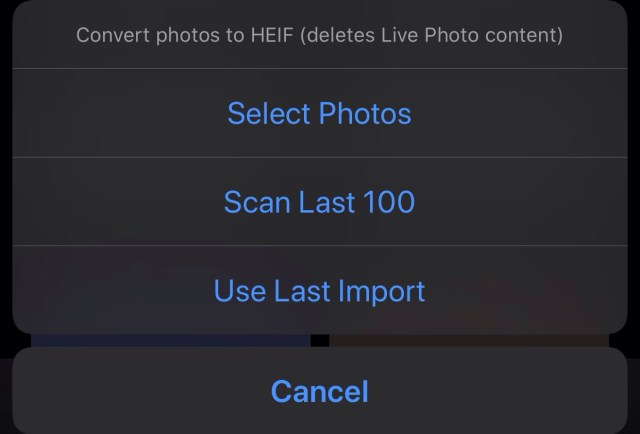
HEIFer has three modes:
Converting a manual selection of photos
Scanning the newest 100 photos in your library, and converting any JPEG/PNG/TIFF images it finds
Converting the last imported batch of photos (from a camera or SD card, using an adapter)
This is my first proper iOS Shortcut and I made it to learn the ropes.
I’m kinda all-in on the HEIF format, and if your iPhone is set to save at “High Efficiency” in the Camera section of Settings.app, then you’re already using it for every photo you take. The quality is great, and you can store twice as many photos in the same amount of storage space.
But… I also shoot photos with other cameras, and every manufacturer, from Canon and Nikon to Sony and Leica, seems to be years behind in the software game, and the only options they offer are usually JPEG and RAW. What’s more, the CPUs in these cameras are usually very underpowered compared to what’s in your iPhone, so they don’t try very hard to compress the images efficiently. You can typically turn a 10MB JPEG from your camera into a 3–4MB HEIF file in less than a second. It’s a tremendous waste of space, both on device and in your cloud backups, to keep the JPEGs.
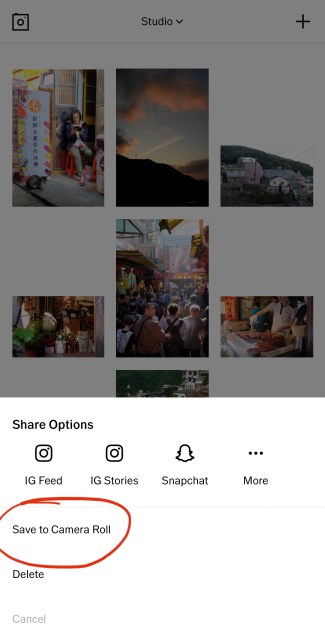
When you save an edited photo out of VSCO, you’re turning a HEIF file into a JPEG
I also edit my photos with iOS apps like VSCO and Lightroom, and almost all of them save the finished photos in JPEG. So if you’re regularly editing your iPhone photos, those small .heic files are still ending up as fat .jpg files at the end of the day. It’s nuts!
So HEIFer is a way to quickly take those old-ass files, bring them into the present, and then dump the originals. For instance, if I’m shooting directly to JPEG on my cameras (why not RAW? That’s a topic for another day), all I have to do is plug in the SD card, select “Import All”, run HEIFer, and I’m done in three taps.
If your photos have proper timestamps, then you will still see them in chronological order in the “Photos” tab. However, if you go into the “Recents” photo album, it will reflect the process of converting and deleting them, i.e. it’ll be as out of order as your recollection of a big night out.
On paper, the camera I wanted was the Leica CL. For maximum versatility on the go, I imagined the first lens I would get would be the Vario-Elmar-TL 18–56mm (equivalent to 28–85mm in 35mm terms). There are several omissions on that camera, stabilization being a big one, but it was an intriguing and attractive product.
I’d always been curious about Leica cameras from afar, but never really considered buying one. Functionally speaking, I know that Fujifilm and Sony and the rest all make cameras so good that I could never use them to their fullest potential. And then here’s a company that makes idiosyncratic, deliberately limited gear easily costing three, four, five times as much. I suppose they are like Apple, but even more removed from the mainstream.
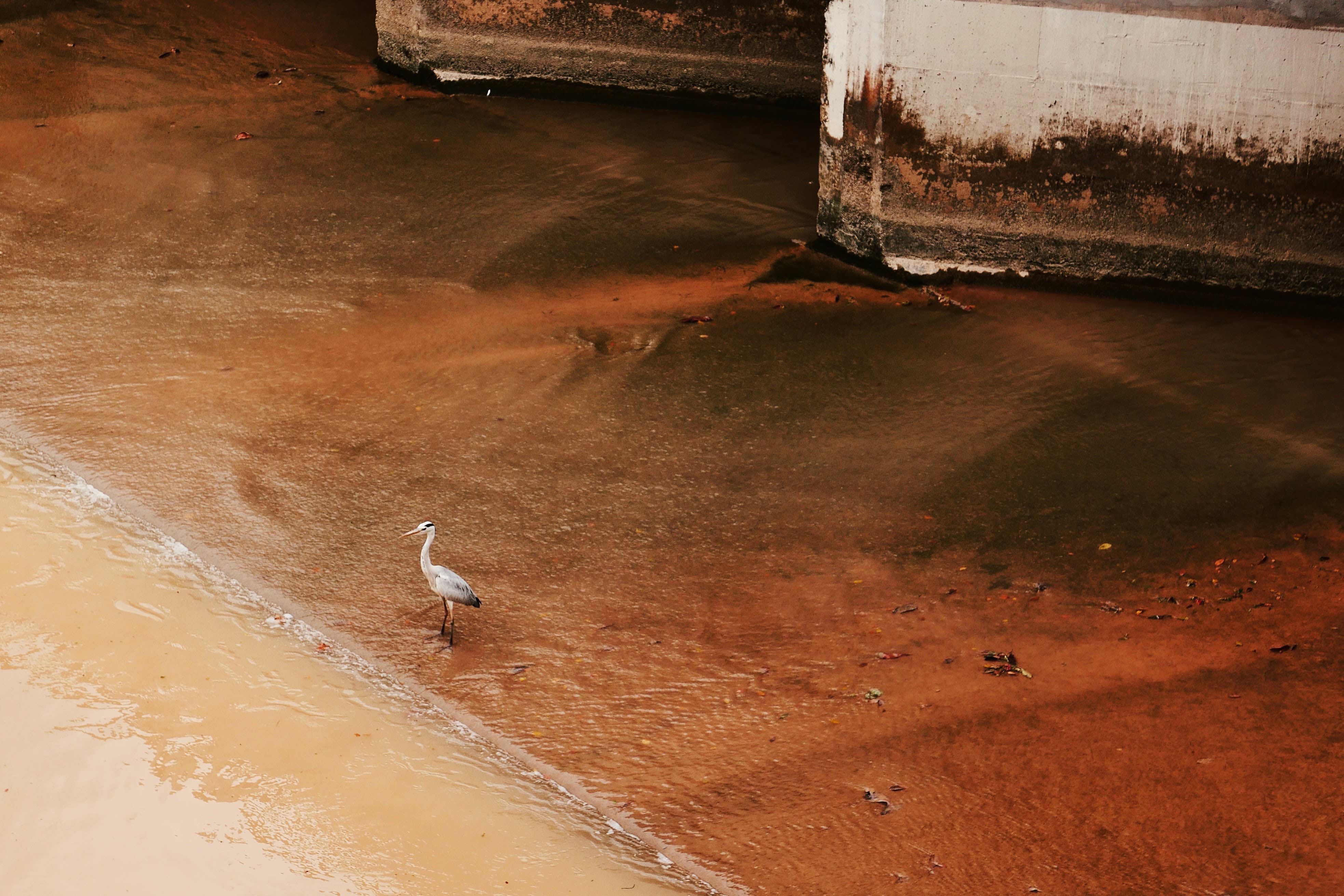
Crane in a storm drain, Leica D-Lux 7, 75mm equivalent
But the Leica curiosity is one that grows with age and disposable income. Every time it crossed my mind, I would wonder if it was time yet. Still, buying a fully manual chrome M felt like a 40th or 50th birthday move. The idea was to dip a toe into Leica’s shimmering pool, but not to fully jump in on the first try.
So, most irrationally, and that is the keyword I see in many sentences written by many people on the subject of Leica cameras, I decided I wanted to get one before I even knew if they made a model that I needed.
I looked into my compact camera drawer, pared down in recent years, and started describing what I needed. Essentially I wanted a good Swiss Army knife travel camera, a position filled by the LX10 I bought on sale early last year. It was good but lacking in a few areas. What I really wanted to get back then was the LX100, which I passed on because it was four years old by that point (I should have known an update would be out by the end of the year).
My wishlist:
Small and reasonably light. One-handable if necessary.
Physical, dedicated control dials for aperture, shutter speed, ISO, whatever possible.
The ability to zoom or change primes, if/when needed.
Physically attractive design. The LX10 performed well, but boy, it inspires no feelings at all.
An optical or electronic viewfinder.
Large enough sensor, probably APS-C or 35mm FF.
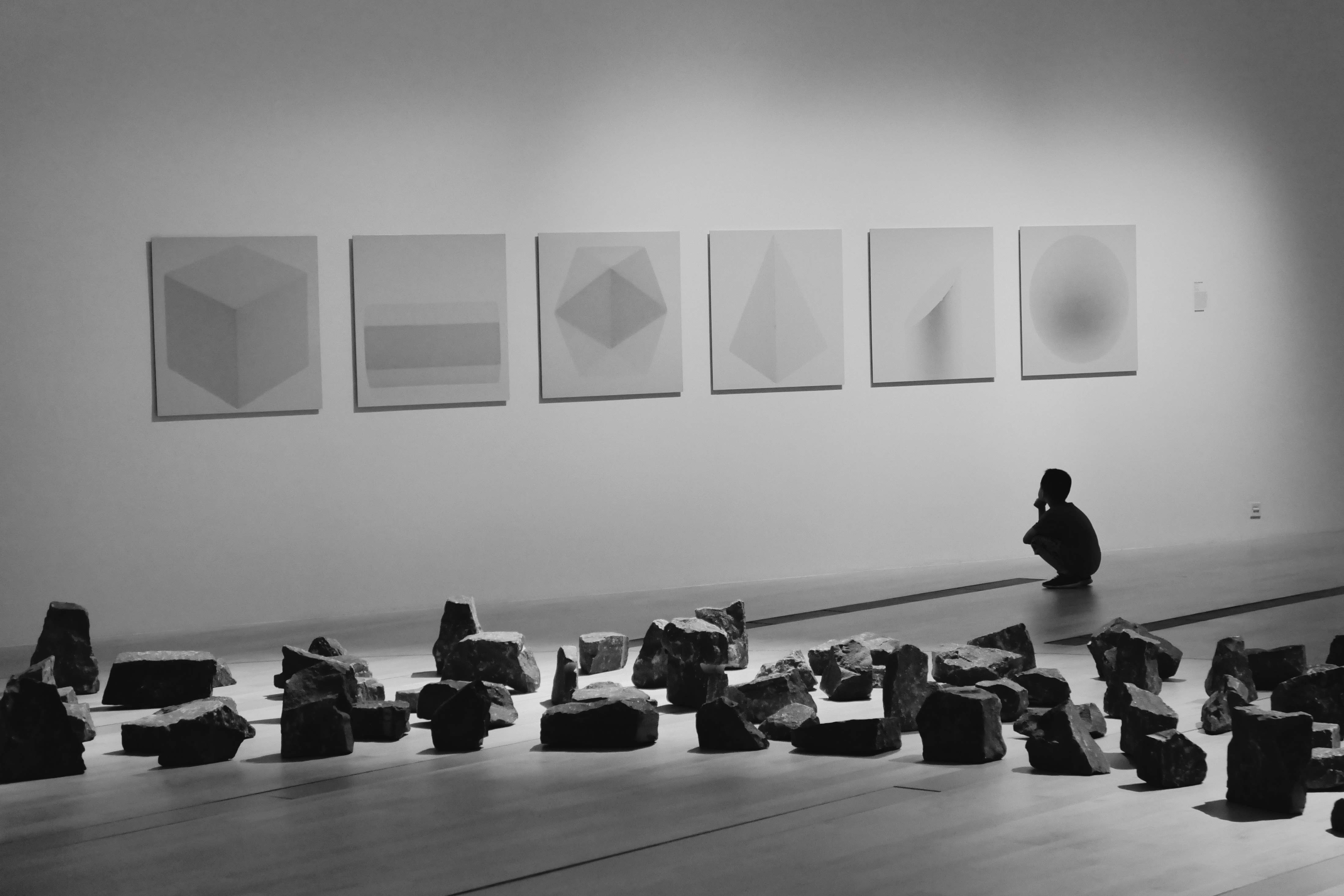
ArtScience Museum stroll, Leica D-Lux 7, 53mm
I think these are very sensible things to want in a travel camera, but it’s extremely hard to find them all in a fixed compact body. The recommended solution seems to be a small interchangeable lens mirrorless camera, like Fujifilm’s X-E3 or X-Pro 2, or Panasonic’s GX9. As far as compacts go, I could only think of the new Panasonic LX100 II. I knew that Leica had a rebranded version of it in their D-Lux 7, but somehow it didn’t even enter my mind for this particular shopping mission. If I was going to dip a toe in, it was going to in be the real pool and not the kiddy pool!
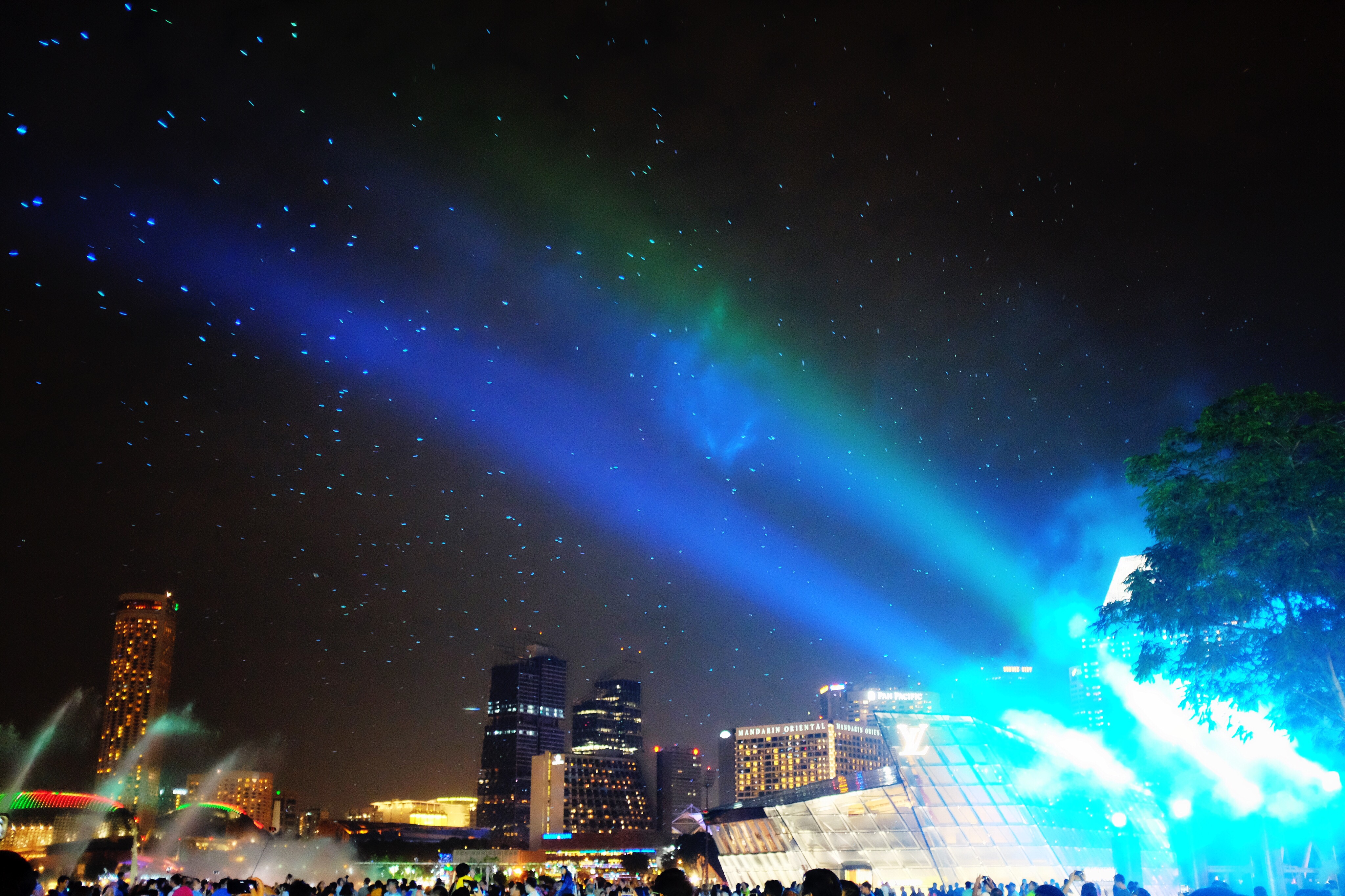
Prudential Marina Bay Carnival, Leica D-Lux 7, 24mm
Walking into the Leica store, I made a beeline for the CL display, believing it to be the best fit for the above. It was sleek, well-built, and less than half the price of an M10, with access to a wide selection of M and L-mount lenses. The sound and feel of its shutter release was very satisfying, but after using it for a few minutes, I didn’t love the way it controlled. You don’t dial in the aperture on a lens ring, but on an unmarked soft dial on the top plate that displays your settings on a tiny LCD. Also, with that Vario lens, it’s kinda heavy, with a bulkiness that approaches the Leica Q. I considered the Q, but didn’t want a fixed 28mm.
I did the math on owning a CL and an eventual three-lens setup. It came up to like half a year’s rent. On the other hand, buying an M10 and a couple of Summilux and Noctilux lenses will bring you into territory normally reserved for car purchases (and mind you that’s in Singapore where we have some of the most expensive car ownership taxes in the world).
Dead tree chronicles, Leica D-Lux 7, 70mm, Monochrome HC+
If you do a little internet research, you’ll find a lot of reasons why the first-generation isn’t close to being a finished or fully evolved product. The soft controls aren’t as traditional as they seem in practice, switching up functions between modes; the touchscreen UI and gestures drive some photographers crazy; and it doesn’t have any in-body stabilization. On those same sites, you’ll find people talking about what the Q’s successor might bring: a new 40+ megapixel sensor (like the one in Sony’s RX1Rmk2) which would allow the same 28mm lens to do in-camera crops equivalent to 70mm. Hmm, that would be something.*
My conclusion was this: Putting aside craftsmanship and engineering, and focusing purely on photographic needs, Leica’s non-M lineup today simply doesn’t have the right product to push me into the pool. Others with more money to spend or greater passion for the brand might have little problem doing it, but not me, not now. If I was going to enter an ecosystem on a journey that would end with me spending the price of a car on a fistful of glass and magnesium alloy, I would have to be sure.
Now, Fujifilm does a great job with their ergonomics. Aperture rings on the lens, shutter speed and ISO on top, with “A” automatic notches on each one. You just dial in the combination of those that suits your needs, and it’s so much more natural than a PASM mode dial. They just don’t make a fixed compact with a zoom lens anymore. Panasonic is the only other company I know that values the same control scheme, so I looked all the way back to the beginning… to that LX100 II, a thoroughly modern Japanese (okay, supposedly with a little help from Wetzlar) camera with stabilization and super-quick autofocus.
Panasonic LX-100 II
Yes, its menus are overcomplicated, and it tries to do too many things that no one will ever ask for, like multi-exposure photos and horrendous tilt-shift filters and that effect where one color is isolated and the rest of the photo is in black & white. Seriously. But as a camera, it ticks all the boxes in my original wishlist above. All but one. It’s kinda ugly. Where its cousin the LX10 was plain and kinda like a white label design, the LX100 has the same leather-like texture and unsightly handgrip bumps of a retro-leaning Olympus or Fujifilm product. After looking at nothing but Leica bodies for a couple of weeks, it was hurting my eyes.
Which is how I ended up with the D-Lux 7. It’s the less ugly, Leica-blessed version of the Panasonic Lumix LX100 II. I wish Leica had the time to write real custom firmware for it, instead of just reskinning Panasonic’s menus to be in white and red instead of white and yellow. I’d love to see them simplify it down to be just a simple stills camera, taking away the multiple color modes and filters, leaving just two options: color and B&W. In other words, more like other Leicas.
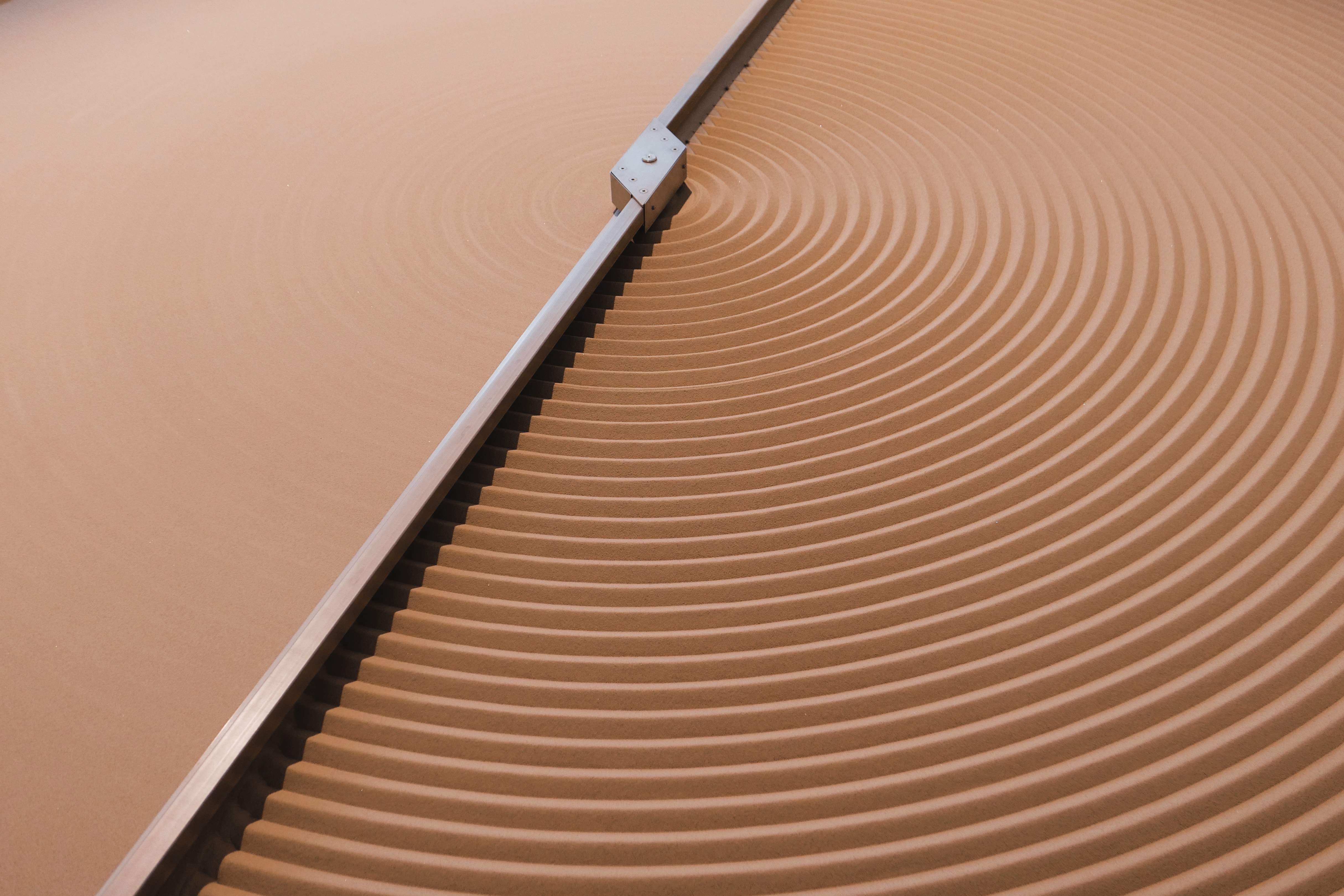
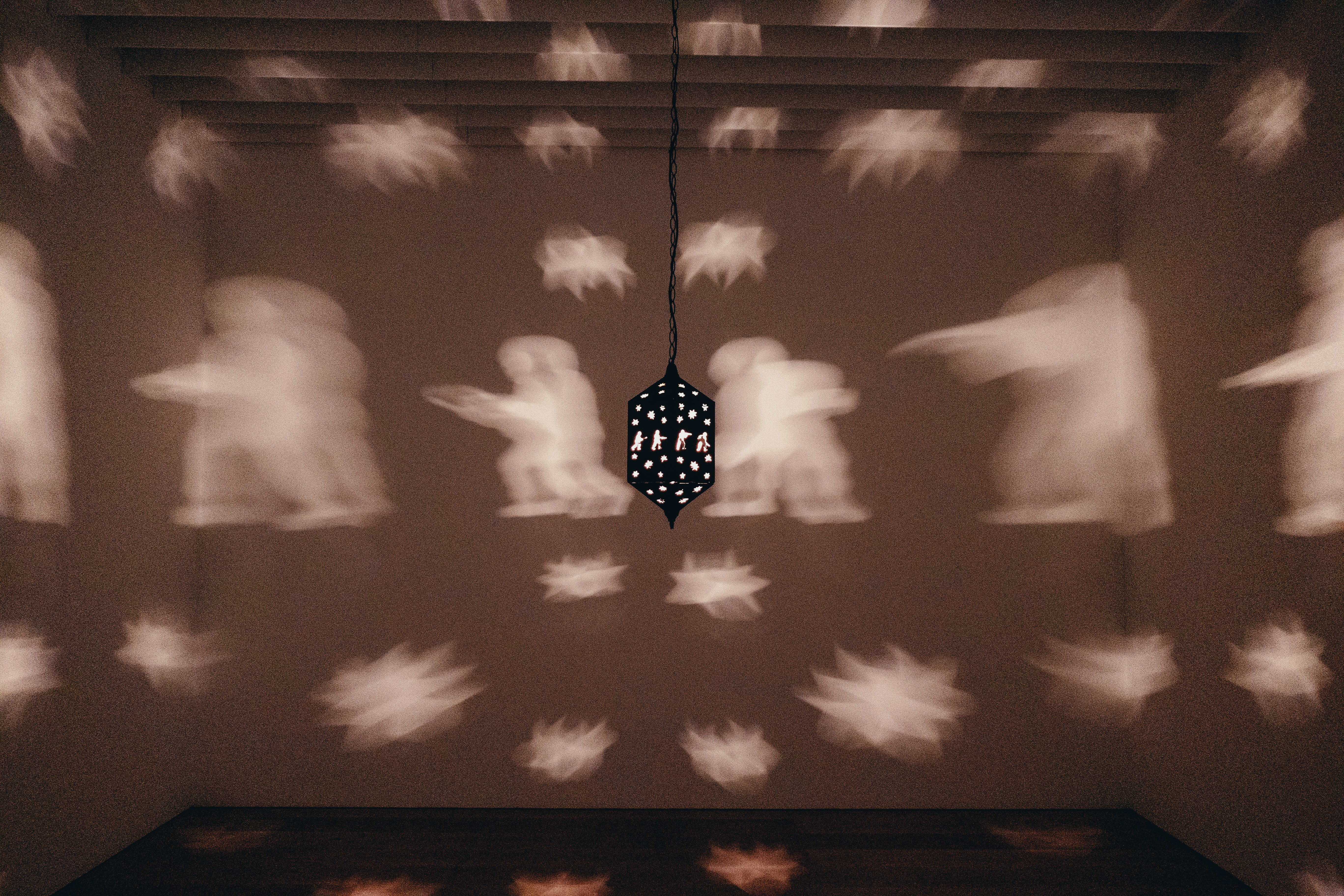
“+ and –” kinetic sand art by Mona Hatoum, Leica D-Lux 7, 35mm
*Addendum: I wrote the above a few months ago and never hit Publish. Since then, two things have happened: Leica released the rumored Q2 months earlier than I would have expected. I pity everyone who bought their then-new Q-P over Christmas 2018; this Q2 is a ruthlessly quick follow-up that is refined in every way, except perhaps the files are a little too big.
Secondly, I came into ownership of a Leica CL after all, completely out of the blue. I’ll write a follow-up at some point, but my first impressions above still hold. It’s expensive, it’s not light, and the soft wheels take some getting used to. But I got used to dialing in the aperture on them after all, and the photos are exquisite. The D-Lux 7 actually complements it quite well, for when you need something a little more compact but don’t want to give up too much quality.
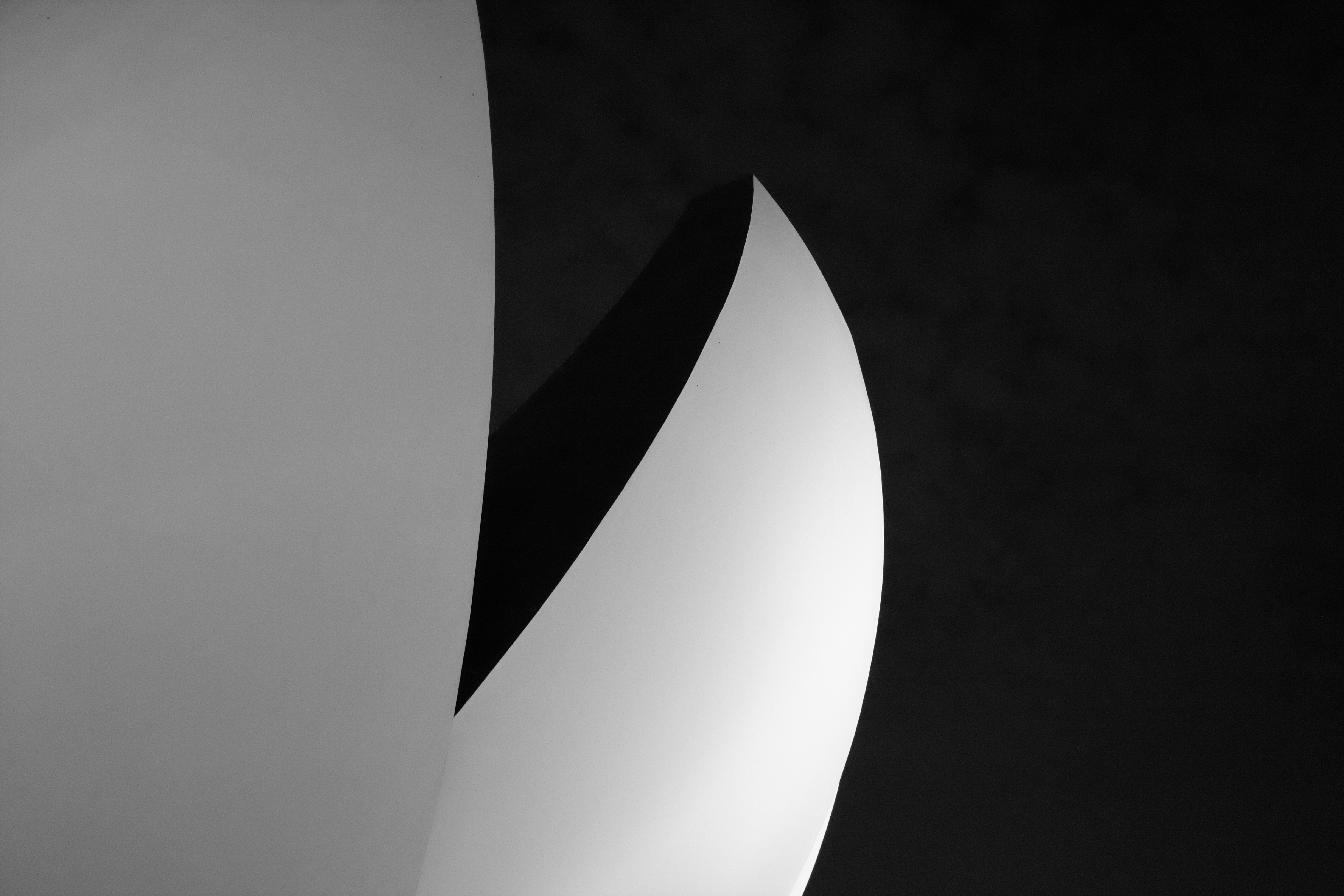
Thoughts on form, Leica D-Lux 7, 75mm
“Haumea” by Tawatchai Puntusawasdi, Leica D-Lux 7, 24mm
It’s a rare treat for me to be able to visit Japan two years in a row, but that happened last month after we realized my airline miles bank could handle it. Our time was largely planned around meals, exhibitions, and not a great deal else. Looking back, I should have spent a little more time making a good to-do list. As soon as we arrived home, I started hearing and reading about all sorts of other things we could have done. Maybe next year.
It became a bit of a tradition for me to make these konbini snack haul videos every night at the hotel, showing a camera all the native junk food and drinks I bought to eat while lazing around. Unfortunately, I didn’t do any this time around. Why? Leading up to the trip, I started eating less and being healthier so that I could pig out on holiday. Ironically, that had two effects: a smaller appetite, and a habit of reading nutritional info labels.
Once there, I was looking at the calorie counts on everything, and having more than a 400kcal sandwich and 150kcal milk coffee for breakfast seemed irresponsible. In the past, I was probably eating 1000kcals just at breakfast alone. Those colorful, convenient packages are more energy-dense than they look… like how a microwavable spaghetti ready meal from 7-Eleven will easily run you over 900kcals.
This trip will be remembered for having spent (too?) much of it in queues. Nearly straight off the plane, we stood three hours in line at Nakiryu waiting for their Michelin-starred take on Szechuan dan dan noodles. It was amazing but three hours is a little much. I’d do it again at twice the price and half the wait.
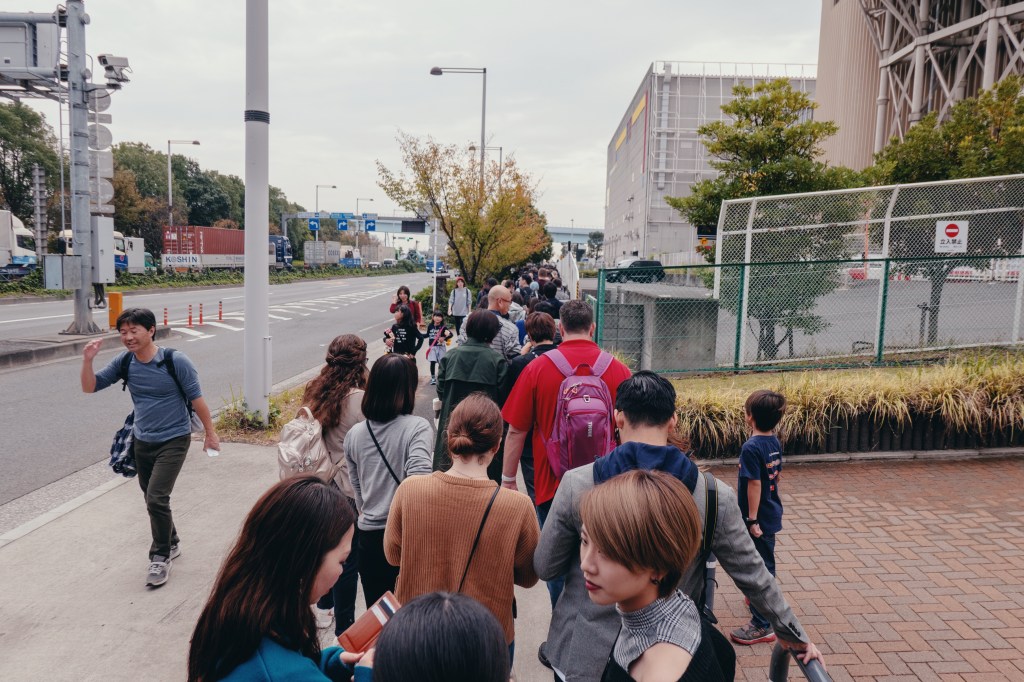
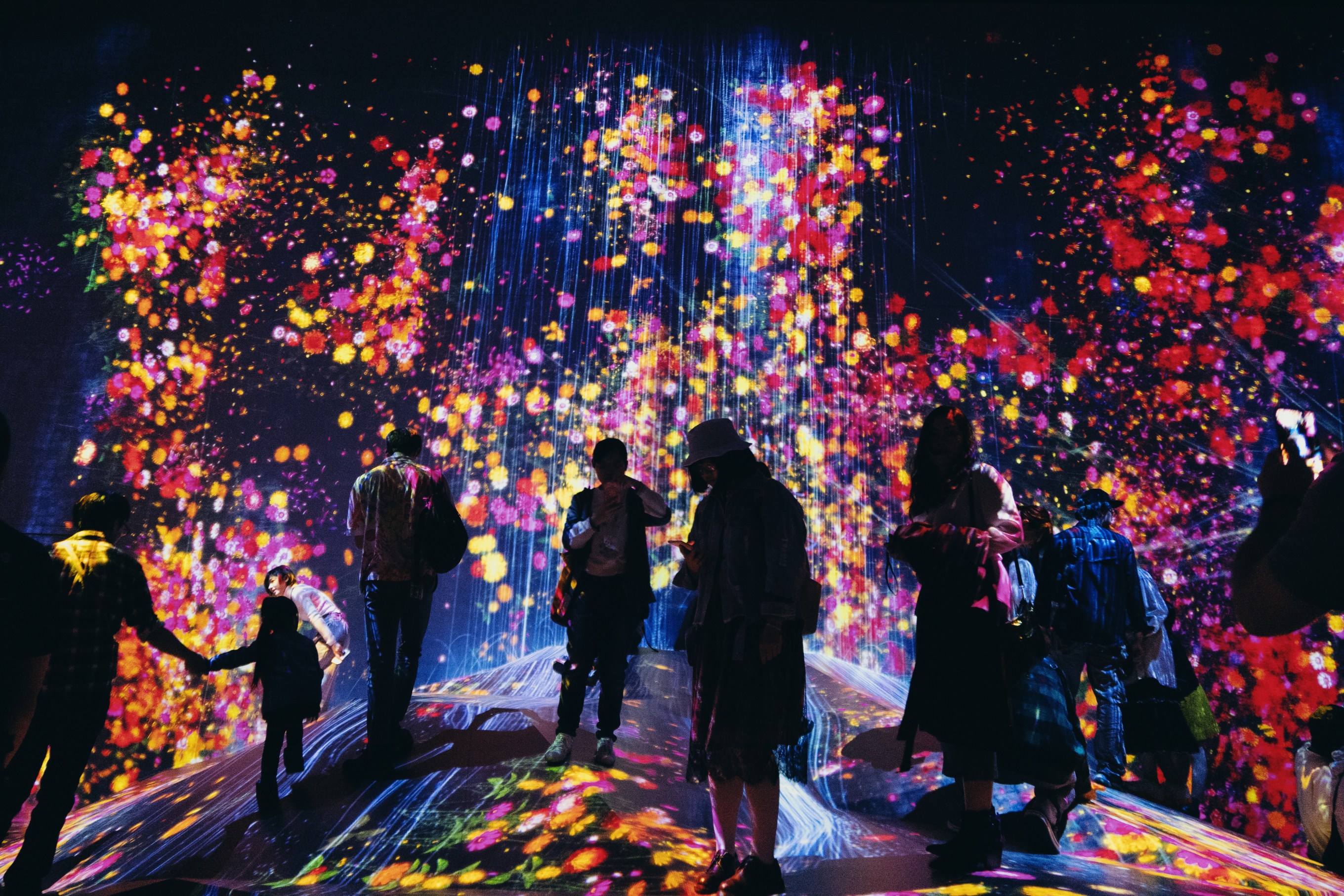
Another epic wait was at the fairly new “Borderless” exhibition by teamLab in Odaiba, where the line stretched as far as one could see, before extending around the corner for another equal length. You approach it from the head of the line, and then walk down the entire way to find the end, and it’s painfully demoralizing. We honestly considered skipping it and going home, but it moved quickly and only took an hour. Once in line, you will be kept entertained by the disbelieving faces of newbs going through the same rite of passage.
Processed with VSCO with ka1 preset
As an experience, I have to recommend it. teamLab pull off some amazing stuff both in terms of technical achievement and sheer conceptual audacity. I don’t know how many members they have, but I’ll bet they’re all overworked. This permanent exhibition is presented in conjunction with Epson, and when you look at the number of high resolution projectors employed to carve these interactive fantasy worlds out of the dark, it makes sense.
We were also fortunate to visit 21_21 DESIGN SIGHT when an exhibition about Naoto Fukusawa’s iconic INFOBAR phone was on in commemoration of its 15th anniversary and the new xv model. The anniversary model runs some severely restricted version of Android to recreate the minimal featurephone experience. It’s a beautiful object that I used to dream about being able to use, back in the pre-smartphone days. We just don’t get this kind of product design anymore now that the screen has become the primary element.
Some observations…
Every time I’m in Japan, I try to notice what games people are playing, the devices they’re using, what’s being advertised and so on, because it’s still quite an insulated cultural environment and many of those things don’t make their way outside or fail to catch on if they do.
Gaming
Last November, a Korean-made mobile game called Destiny Child was being heavily advertised on TV and around the city on billboards. The ads were highly visual, showing off some detailed 2D character animations and no gameplay to speak of, so I had no idea what it was about but I wanted to try it. For a whole year afterwards, I’d periodically do a search for Destiny Child on the App Store to see if it had made it out in English. This year, upon our return after the 10 days or so in Japan, it was finally released globally in English. It’s a kinda ecchi mobile gacha game and not for everyone, but you can find it here: https://itunes.apple.com/sg/app/destiny-child/id1416959016?mt=8
Okay, these aren’t the latest games.
I’m still waiting for Level-9’s The Snack World (3DS) to cross the language divide.
You already know this, but the Switch is killing it. The fact that it’s region-free, and a few games that come out first in Japan include support for English and other European languages, has been seized upon by some retailers who have stuck up notices for tourists about what games they can safely buy home. Sony had some pretty slick in-store displays for Judge Eyes and PSVR, but Nintendo had the crowd-drawing content between Pokémon Let’s Go, Smash Bros. Ultimate, and Mario Party.
Tobacco
Compared to a year ago, smokeless tobacco products seemed to be in decline. I recall seeing people use Marlboro’s IQOS devices everywhere, and in smoking lounges (at the airport, for example), the majority of people were using similar systems.
Now, it seemed like the proportions were reversed. I overheard (mostly inferred from snatches of words I understood, actually) a lady talking to her friend about JT’s Ploom Tech while smoking a regular cigarette, saying how it wasn’t that good. She even pulled the device out of a pouch in her bag to show it off.
Having tried Ploom Tech, I can see why. It’s nothing like a cigarette and really lacks a lot of the experience. IQOS is much closer. I’d be interested to know the reasons behind this pattern, if true. Was it just a fad, or do smokeless products have a future? I think their adoption could do a ton to improve the air in cities, and improve quality of life for smokers as well.
Electronics
A couple of years ago, everyone on the train listened to music with cords hanging from their faces and that was the picture almost everywhere. Riding the Tokyo metro in 2017, I noticed many more making the move to wireless (the same story in Singapore), but the majority of these were neckbuds and the like — sub-$100 Bluetooth headphones connected by a cable.
This year, commuters were noticeably switching to so-called true wireless headphones, including Apple’s AirPods which have exploded in popularity. It’s an overall trend in consumer electronics, helped by the fact that prices have come down and identical OEM buds under a slew of new brand names can be had for very little. Just look in my Instagram ads sometime.
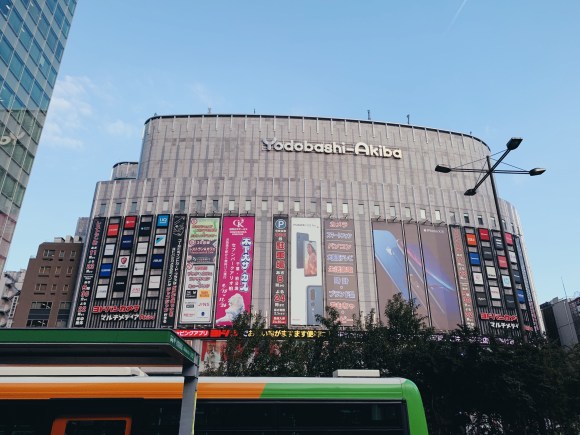
But after looking at tons of them in the big stores like Bic and Yodobashi Camera, I’ve concluded that almost none of them are competitive with the AirPods on battery life or charging case size. The Jabra Elite 65T has probably the smallest case (I bought a pair), and Sony‘s are laughably large. They are like mini coffins, and won’t fit in any pockets. Instant fail. Even after a year, no one has nailed battery life, solid connectivity, and portability like Apple did with AirPods. If only they fit my ears without falling out.
I don’t know if the reports of iPhone XR demand being weaker than expected are true, but you’d never know it from walking the aisles in a store. It had just come out when we were there, but the shelves were already filled with third-party accessories. And stores were pitching them at the front, with iPhone XS and XS Max goods relegated to the rear. Clearly, manufacturers and retailers were ready for it to be the most popular model.
Magazines and retail
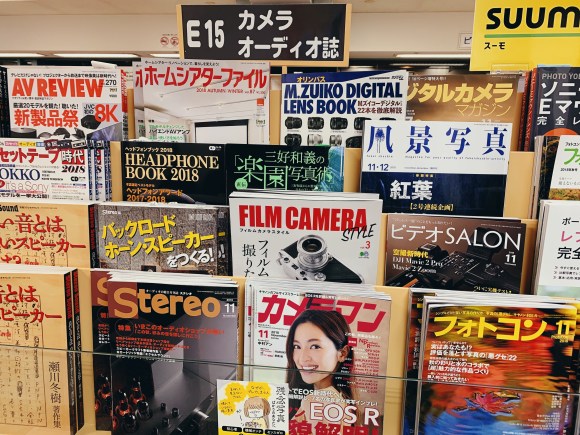
I posted about this in an Instagram story, but it bears repeating here. The Japanese publishing industry and its continued survival is an interesting phenomenon I wish someone at Netflix would commission a documentary on. Digital devices are everywhere, and I believe Amazon had some success convincing people to read manga on their Kindles, but paper is still everywhere.
Walk into any magazine section and you’ll see specialist interest publications on niche hobbies: fountain pens, shooting film through vintage lenses, ballet, fabric decoration, birdwatching, and even individual apps and games. None of this is news, but every year I see that companies can keep doing this makes me feel incredibly bittersweet about not being able to read Japanese and live in their world. I’d love to know how close to the line of viability they stray, and whether or not young people are still considering a career in the industry.
Just this month, Bunkitsu, a mammoth new bookstore has opened with over 30,000 titles and a so-crazy-it-might-work business model: visitors have to pay a ¥1500 cover charge.
I’ve wistfully said similar things about their retail landscape in other posts, and how you’re sure to find supplies for (insert odd past time) somewhere. But while you can shop, learn, and find community online from anywhere in the world, it’s different when physical spaces are reserved for this exploration and sharing.
That’s why places like Tsutaya at Daikanyama T-Site (see last post) are so special; they’re like magazines you can walk around in. Feeling out of touch with culture? A quick trip immerses you in what Thom Yorke is up to (writing the score for a remake of Suspira, btw here’s the LP cover and a t-shirt and the movie poster and one of the costumes from the production… wanna hear it on this new pair of headphones?); what the new Pixel 3 feels like to hold; what drinks Starbucks is peddling for Christmas this year; which classic albums are 50 years old today; and a ton of other media about whatever you care about. Yeah it’s all driven by consumerism, but let me have it.
I have no doubt that we will collectively realize what we’ve lost if/when physical retail collapses, and attempt to restore it. Possibly through VR or mixed reality. Some form of socially curating, presenting, and trading is crucial to the creative process, and I think it has to have a tactility and presence to work. Or maybe I’m just old now.
More photos
I packed light with just an iPhone XS Max and the Panasonic LX10 I bought earlier in the year, and decided to try something new: processing every color photo with the same filter/film simulation in VSCO. It’s the KA1, aka their recreation of Kodak Ektachrome E100G. Because their Film X filters allow you to adjust “character” and warmth along a spectrum, you can actually make any single film sim work on a variety of photos; contrasty and warm in some, faded and cool in others. The goal was to set a consistent look across the two cameras and one moment in time. I’ll probably look back on these in the future and want to edit them all over again, but this is good for now.
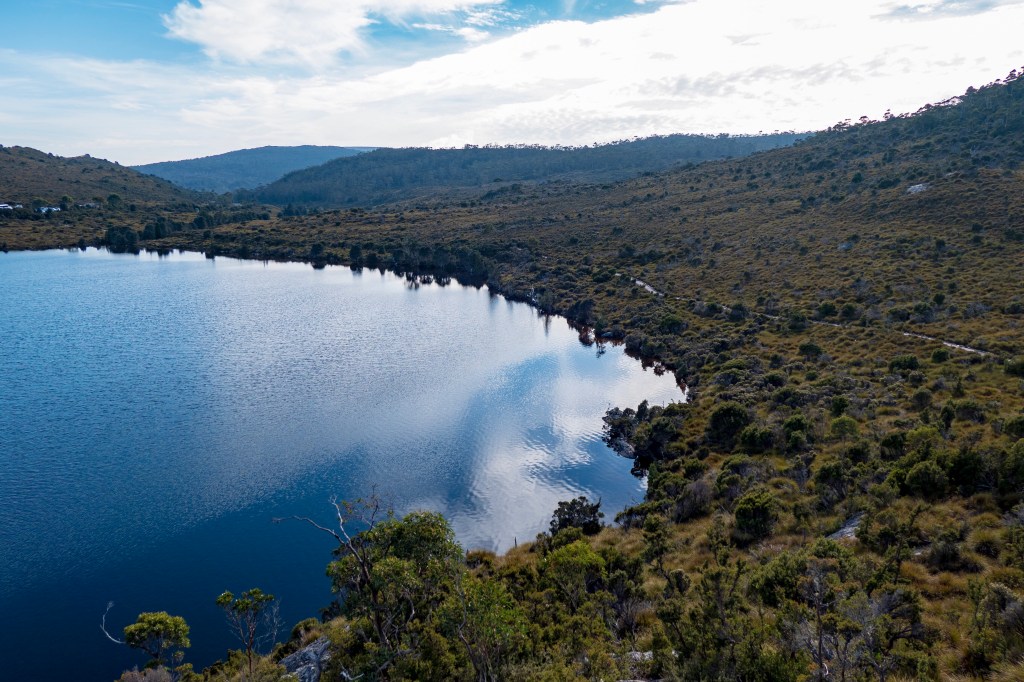
I knew nothing about Tasmania before setting off; not even that it’s a whole separate island from mainland Australia. My schedule leading up to the trip was too busy for me to even think about it, let alone look it up on a map. Because everything had been planned by my in-laws, I just had to show up. All I knew was that I’d probably get a few good landscape photos out of it, and be horrified by the lack of fast internet access.
On the first point, it turned out to be quite a beautiful place indeed, if not very convenient to get around. You’re in for hours of driving between small towns if you want to visit the main attractions, and some of the windy roads literally border on death traps—you can slip down the side of a mountain with a swerve.
You never use the cameras you have as much as you do when there’s a new one ordered and on the way. I’ve just bought a Panasonic LX10 online to take the place of my 6(!) year old Sony RX100mk1—a compact travel camera with a big-enough 1″ sensor and useful 3x-ish zoom range.
Below: a recent shot from my RX100.
That the LX10 has been on the market for 2 years says something about my changing habits. Buying last year’s model used to be unthinkable, and I’d pay a premium for buying that way. But the industry has changed and now hardware updates come every few years instead of annually, and the average price has gone over the $1000 mark to compensate for the drop in sales. Buying late nets you a nice discount back to pre-smartphone prices.
Anyway, while waiting for that camera to come and prove wrong my fears that I’ve given my money to a scammy HK website, I’ve been using my iPhone X and RX100 a bit around the neighborhood and workplace.
I can’t stress enough how much the Halide camera app + Adobe’s new and improved Lightroom Mobile have changed the way I shoot and edit RAW images on iPhone. (I still love and use Darkroom too, it just doesn’t do RAW as well as Lightroom anymore.)
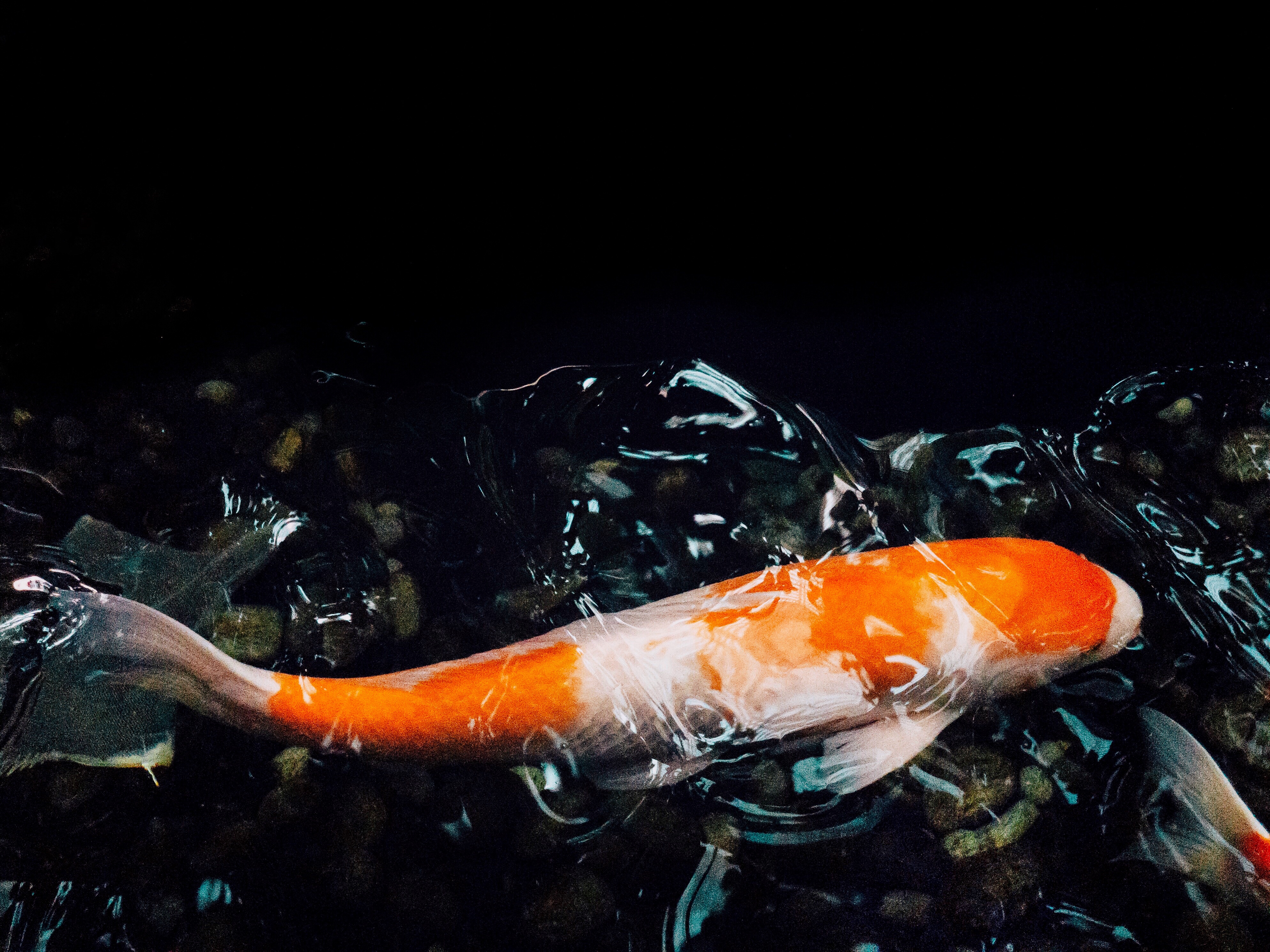
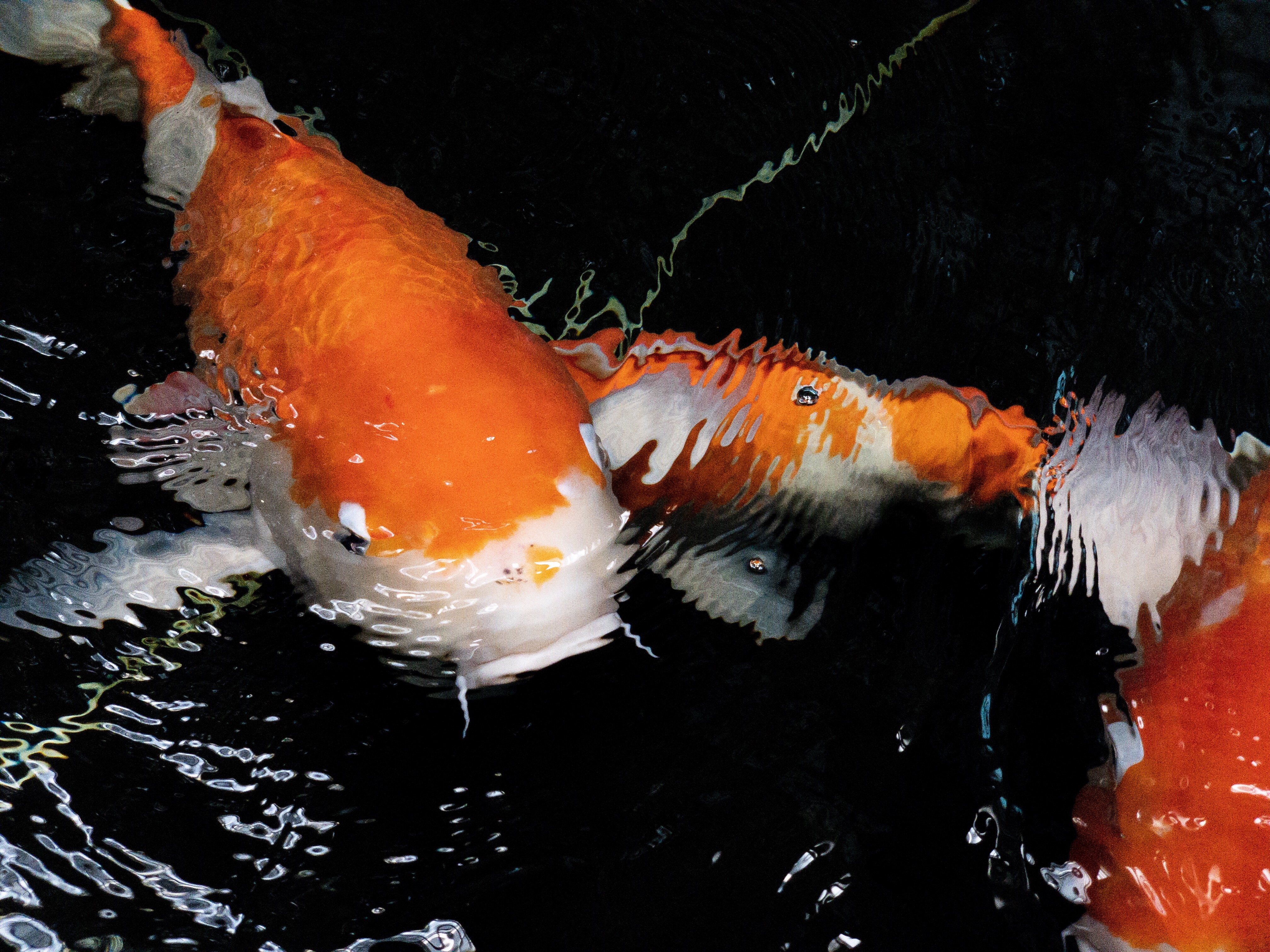
Shooting koi in a rippling pool with an iPhone requires you to go full manual, and while the thought of fiddling with shutter speeds and ISO and manual focus on a touchscreen used to make me shudder, it’s actually doable with Halide’s well-considered control layout and gestures. I just wish you could lock focus peaking to always-on.
Honestly, I had no idea you could get this kind of sharpness and microcontrast out of an iPhone. I’ll be saving JPEGs and Live Photos for quick grab shots and moving scenes from now on. Given that I’ve taken a few holidays with just my iPhone, this is all making me wonder if I should have bought a new dedicated camera at all.
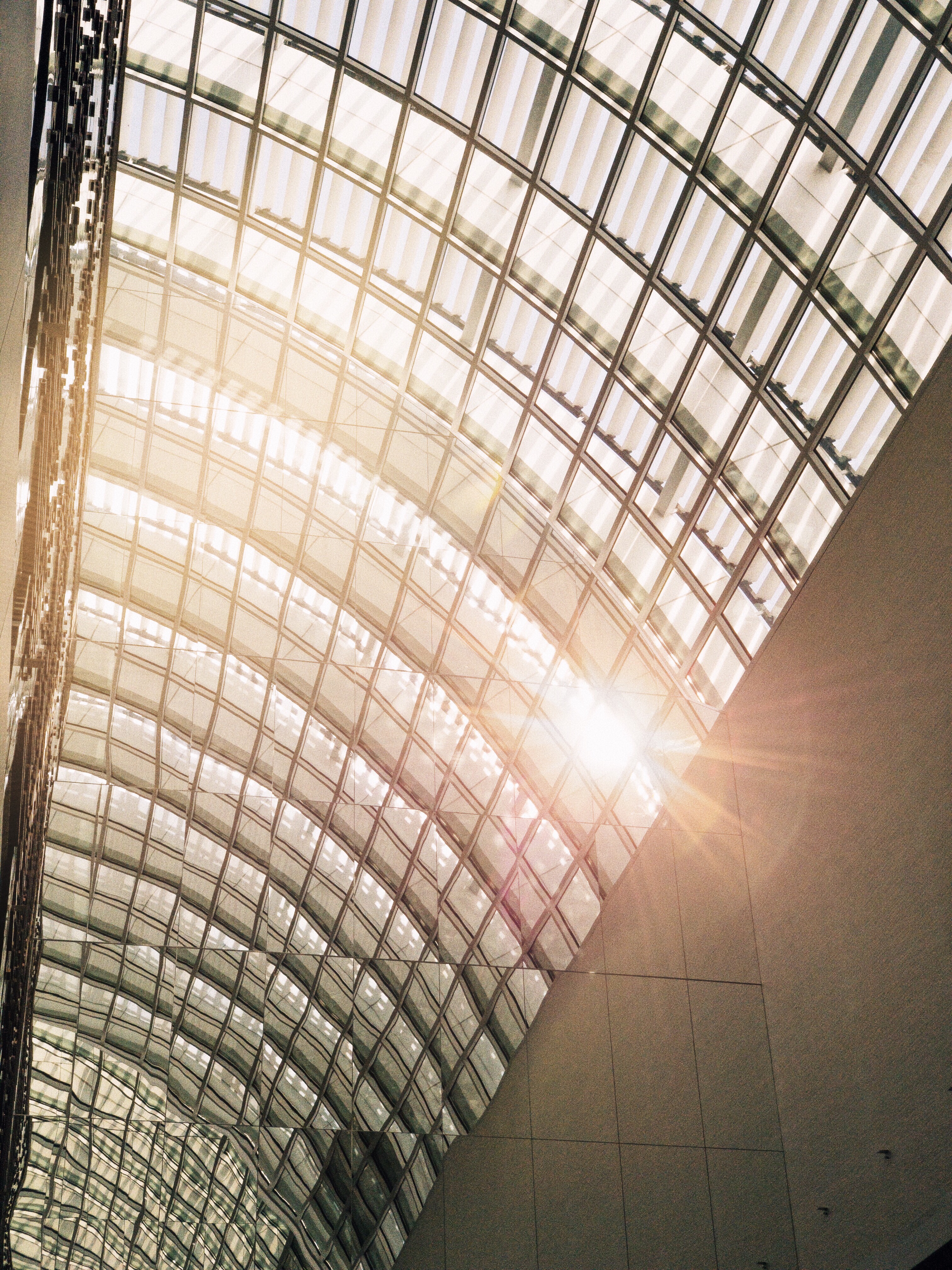
Okay okay, while shooting in RAW preserves highlights and deals with tricky lighting such as the above shot in the late afternoon, I’ll admit to enhancing that flare with Lens Distortions. It’s all about creating the scene you saw with your eyes, right??
Assuming the camera comes on time, I’ll probably bring it with me to Tasmania when I go in a few weeks. Seems like a landscape kinda place, so I have doubts about bringing my other cameras: a Ricoh GR (28mm) and Fujifilm X100T (35mm). 🤔
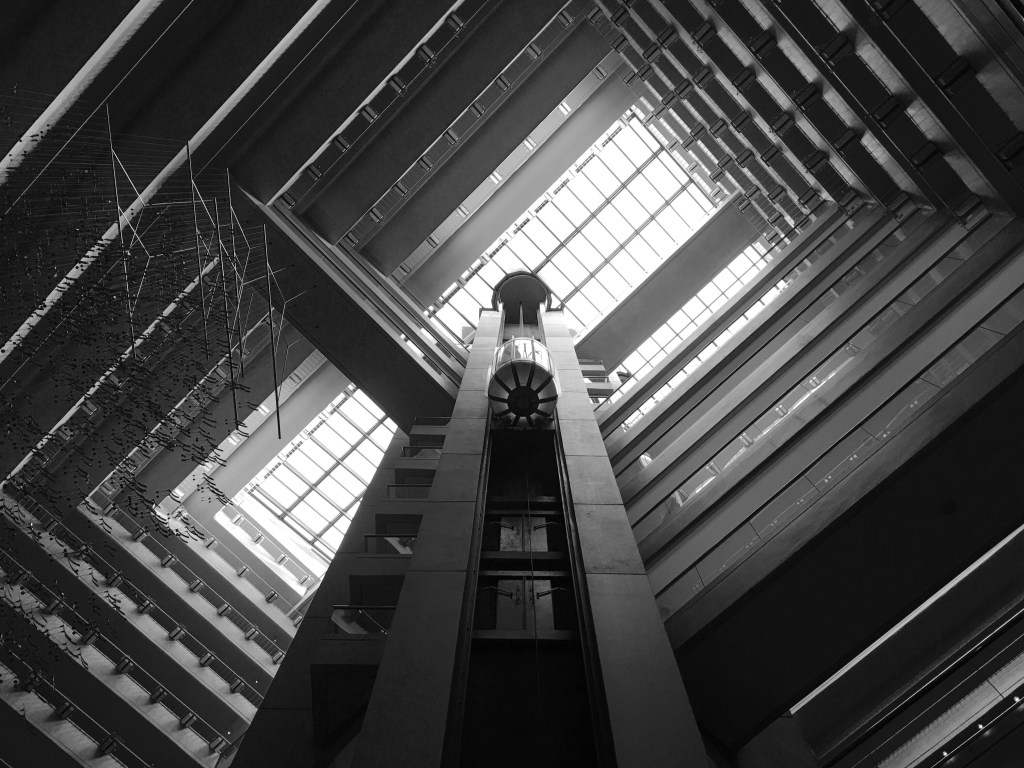
I spent the month of January shooting photos only in black and white. Not just the ones I posted on Instagram, but everything in my camera roll got converted and saved in black and white. When I scroll through my timeline in the future, this block of 60 or so shots is going to stand out.
I got the idea from @espresso on Twitter who shot monochrome photos for the entire year of 2015. That’s dedication. It only came to my attention in December when he started mentioning how much he looked forward to color again in the new year. You can see his Storehouse collection of photos here.
It was absolutely worth it. You can always learn a lot in any creative endeavor by putting restrictions in place; I think because it’s too easy to try to grow in many ways at once, especially when taking photos, you can go from landscapes to close ups to street scenes in a single day, and play with a dozen photo processes and apps at a time. Taking away some options can make you focus long enough in one direction to notice something new. Taking color away immediately makes you think about lines and composition and texture. All the habits you’ve formed around what looks interesting and when to raise your camera are rendered unreliable, and you’re made to look at everything through new criteria that you’re forming through practice.
It reminds you that the absence of color is actually a powerful tool that has gotten too closely associated with making statements or establishing mood. It’s a legitimate way of directing attention, and a different set of skills when doing post-processing. And it frees you up from taking photos of every meal, because it’s quickly apparent that most won’t turn out very appetizing.
If anything, a month might be too little time, especially with the demands of work and other hobbies. Now that it’s over, I intend to keep doing it, maybe at a 1:3 ratio with color photos.
Everyone should try it out some time (with the #bwchallenge hashtag). I highly recommend the Darkroom app, as always, because it gives you a ton of control over how tones are converted and shifted, going beyond the emulation of simple color lens filters.
Also check out my friend Cong’s feed, who did the challenge with me and stuck with it even through a trip to Osaka, which took some guts.
Edit: Forgot to add an observation. A lot of these photos were taken with my iPhone, and I found that turning a photo black and white negates the weaknesses of small smartphone sensors. Noise and muddy colors in dark scenes are no big deal, and the quality of available light (in gradations) seems to increase when you combine the color channels.
I was in the market for a Sony RX1R because I’d heard that the price had come down to as low as $2,400 SGD at third-party retailers, whereas Sony’s own retail stores still sells them for about $3,800. I know that’s a lot of money for a fixed-lens camera, but it was intriguing. I bought a Ricoh GR earlier this year as a birthday present to myself, and have only used it sparingly. The guilt! How could I justify a camera for Christmas too?
This particular fit of consumer madness began when a friend started looking at the new model, confusingly named the Sony RX1RII, or RX1Rm2, and which costs $5,000, for his own needs (isn’t that how it always starts?). He eventually decided to go even further upmarket with a Leica, but that’s a different story.
In the end, I hesitated too long because of the asking price and the unbearable judgment of my already adequate camera shelf, and discovered earlier this week that the older RX1R was no longer available at every third-party camera store I called and visited. My guess is Sony wanted better control of the price, and to remove competition for the new $5,000 model. It’s better, but it’s not $2,600 better.
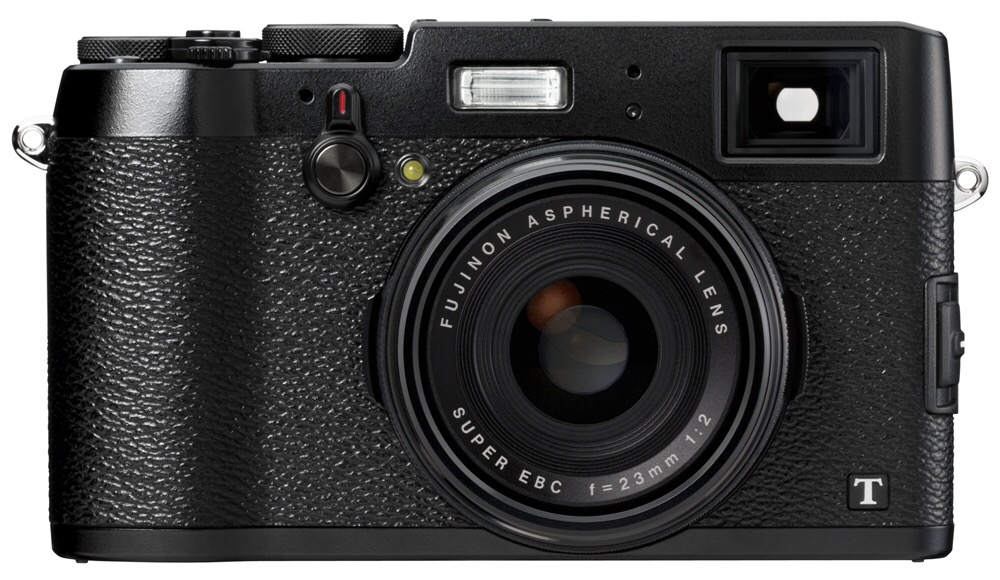
So after a bit more research and the use of a friend’s Fujifilm X100S for a few days, I got the beautiful X100T you see above. It’s nearly a thousand dollars cheaper than the Sony would have been. It’s not a fair comparison because the sensor is APS-C sized instead of full frame, but its 35mm prime lens barrel is a lot shorter and less conspicuous as a result. Fuji’s color reproduction and JPEG quality is also quite lovely, and I’m happy with the way things look straight out of the camera. I often find the Ricoh GR series’ 28mm field of view too wide for most purposes, and with many other compacts now starting at 24mm (like Sony’s RX100), it feels great to finally shoot with The Standard.
A quick recap of the specs, if you have the time:
Fixed 35mm f2 Fujinon lens
16mp CMOS sensor with phase detection autofocus
An integrated hybrid viewfinder that switches from optical to electronic with the flick of a switch (only the new RX1R has an EVF)
Built-in WiFI for transferring photos to a smartphone via Fuji’s barely functional app
Software emulation of Fujifilm’s classic film stocks (perhaps more in name than reality): Provia, Velvia, and Astia
A little bigger than the RX1R, although more compact on the whole thanks to a smaller lens
An ND filter and electronic shutter mode for really fast captures in bright light
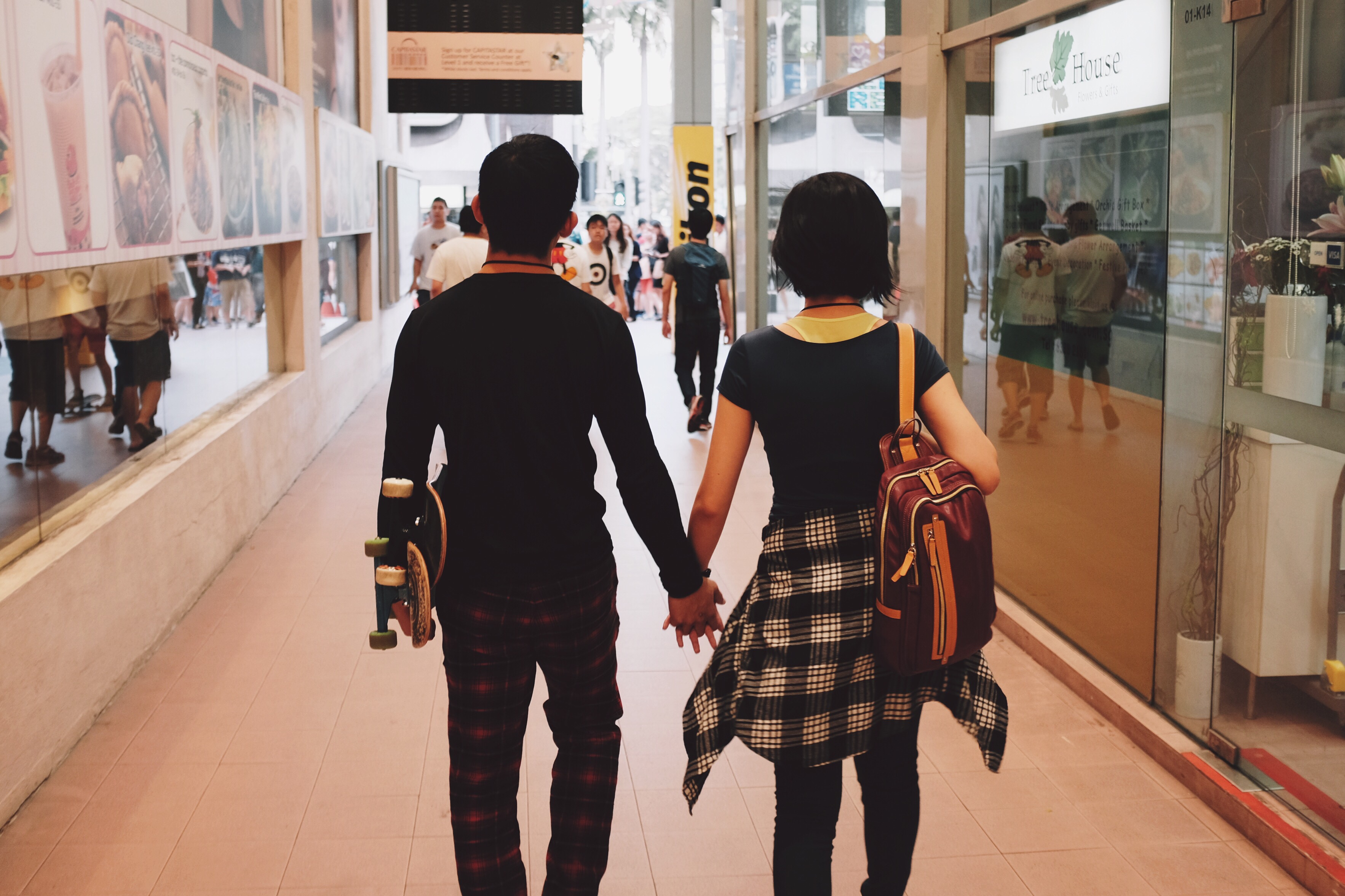
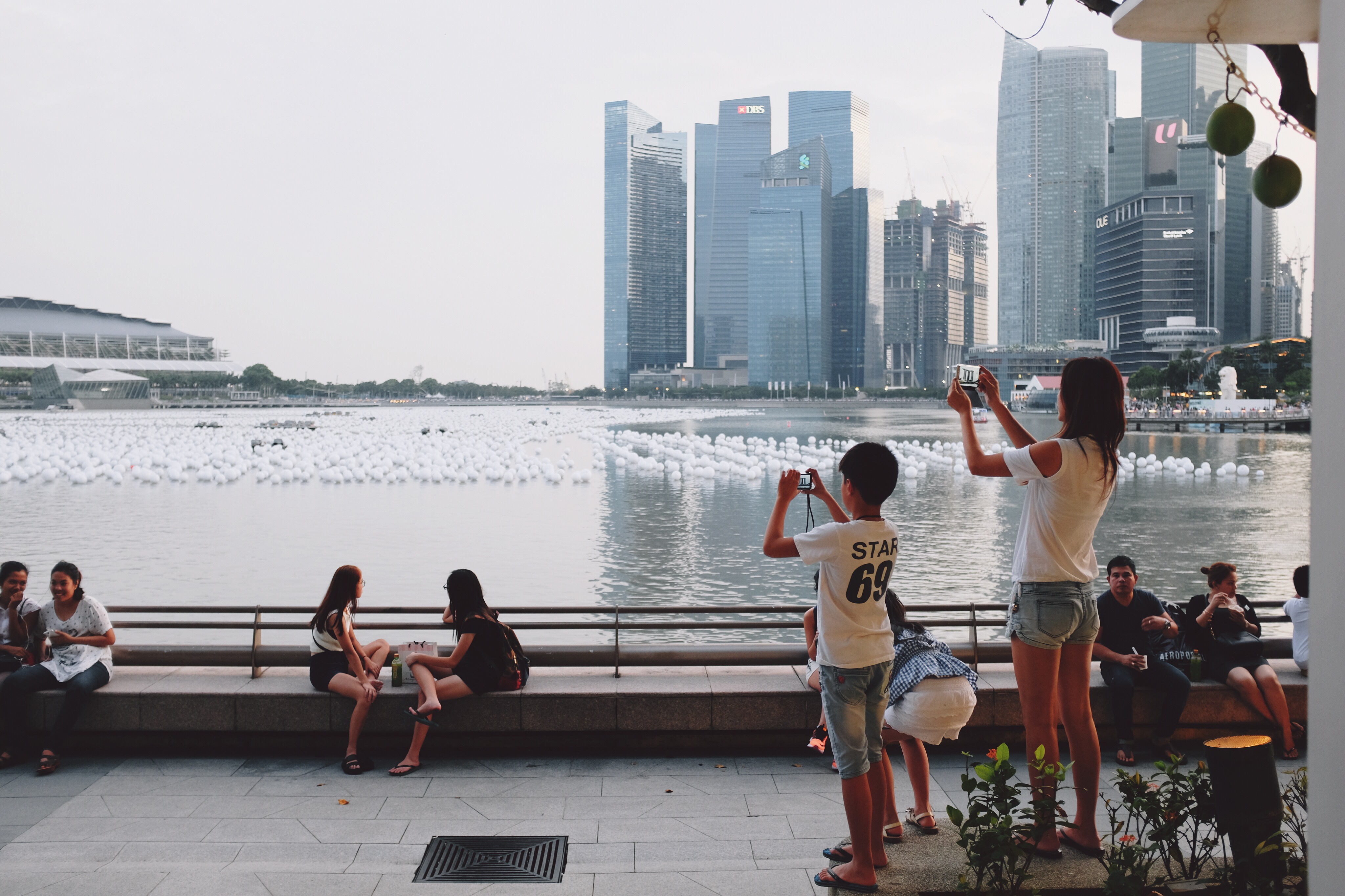
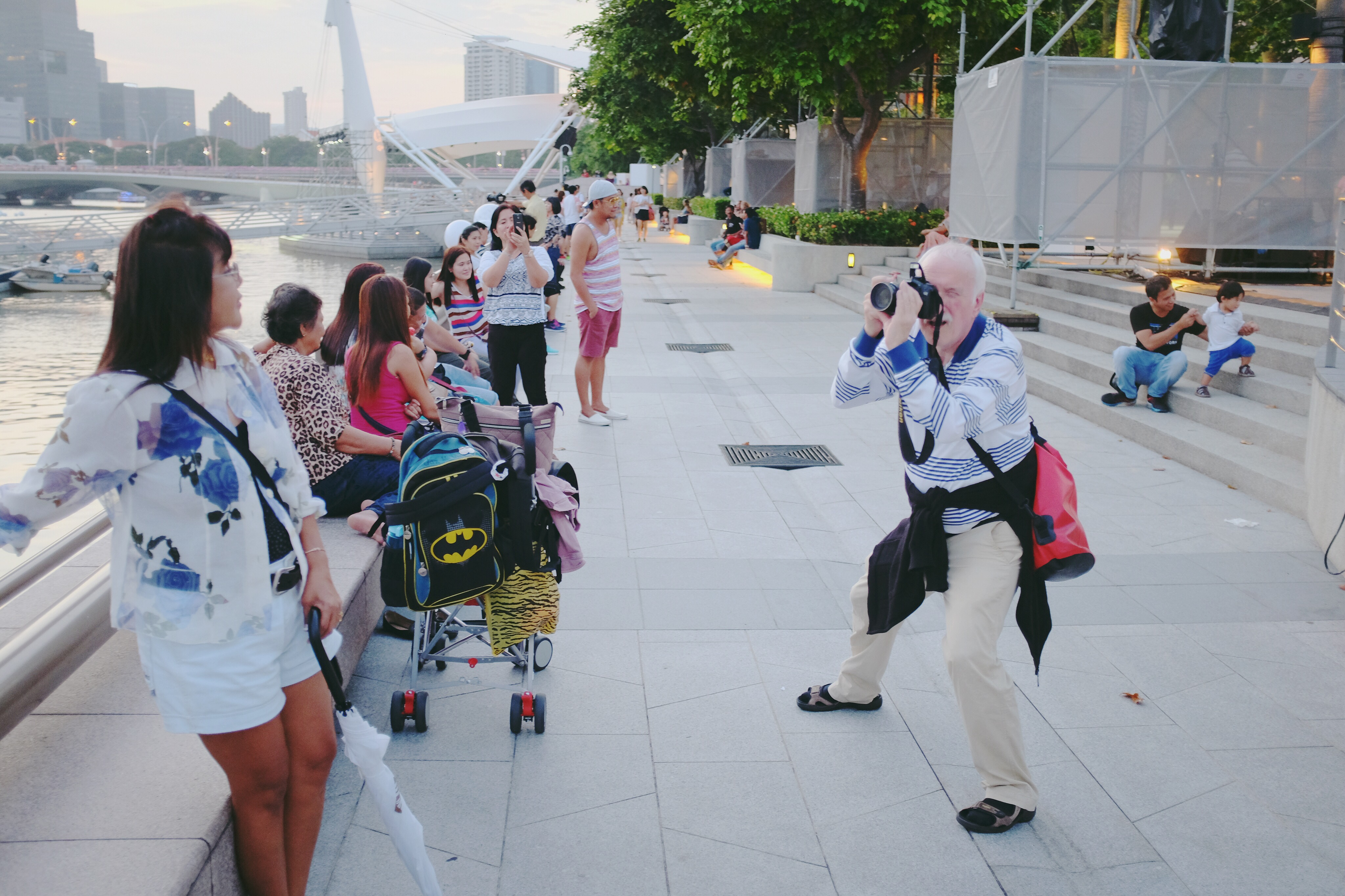
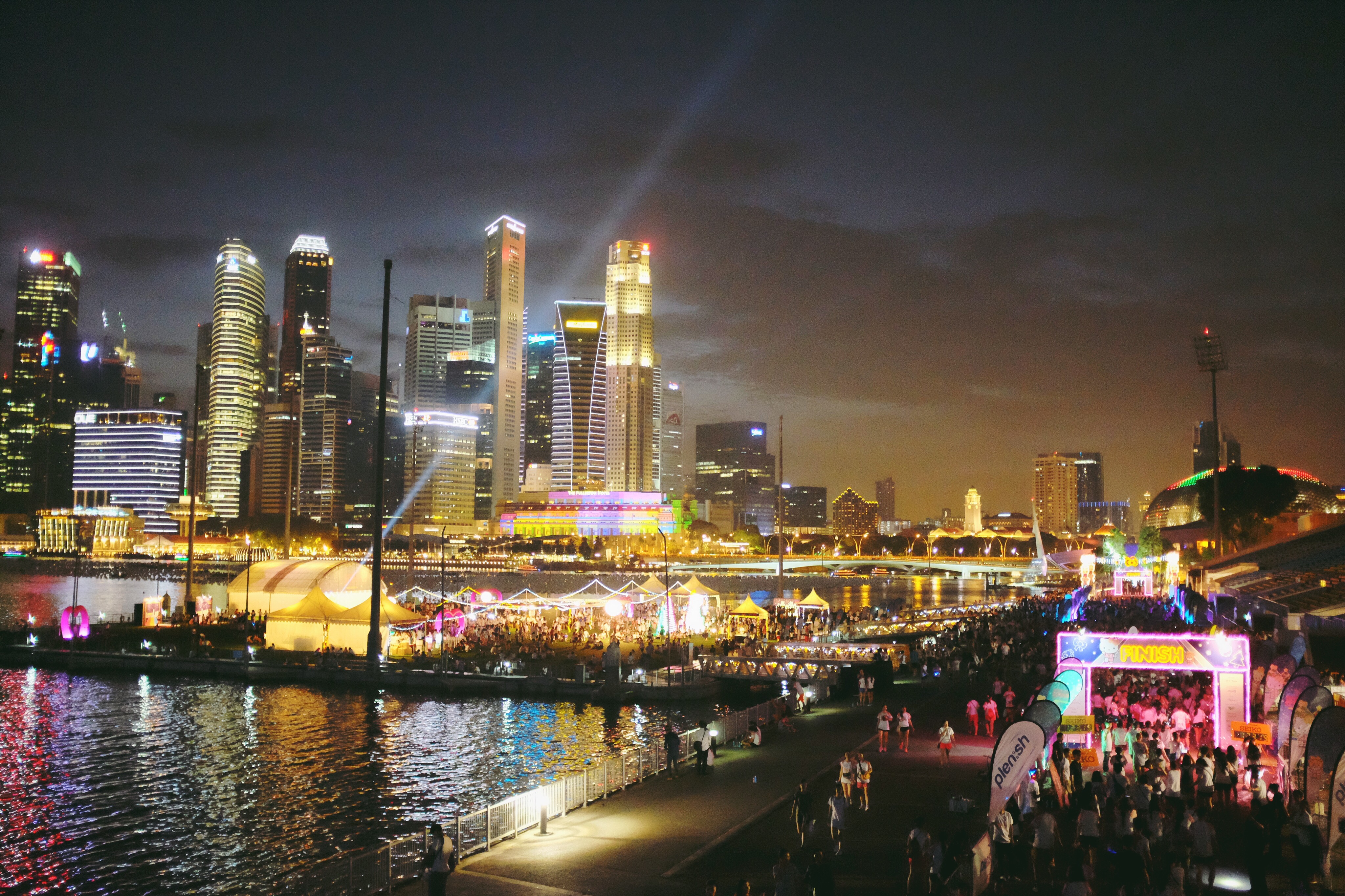
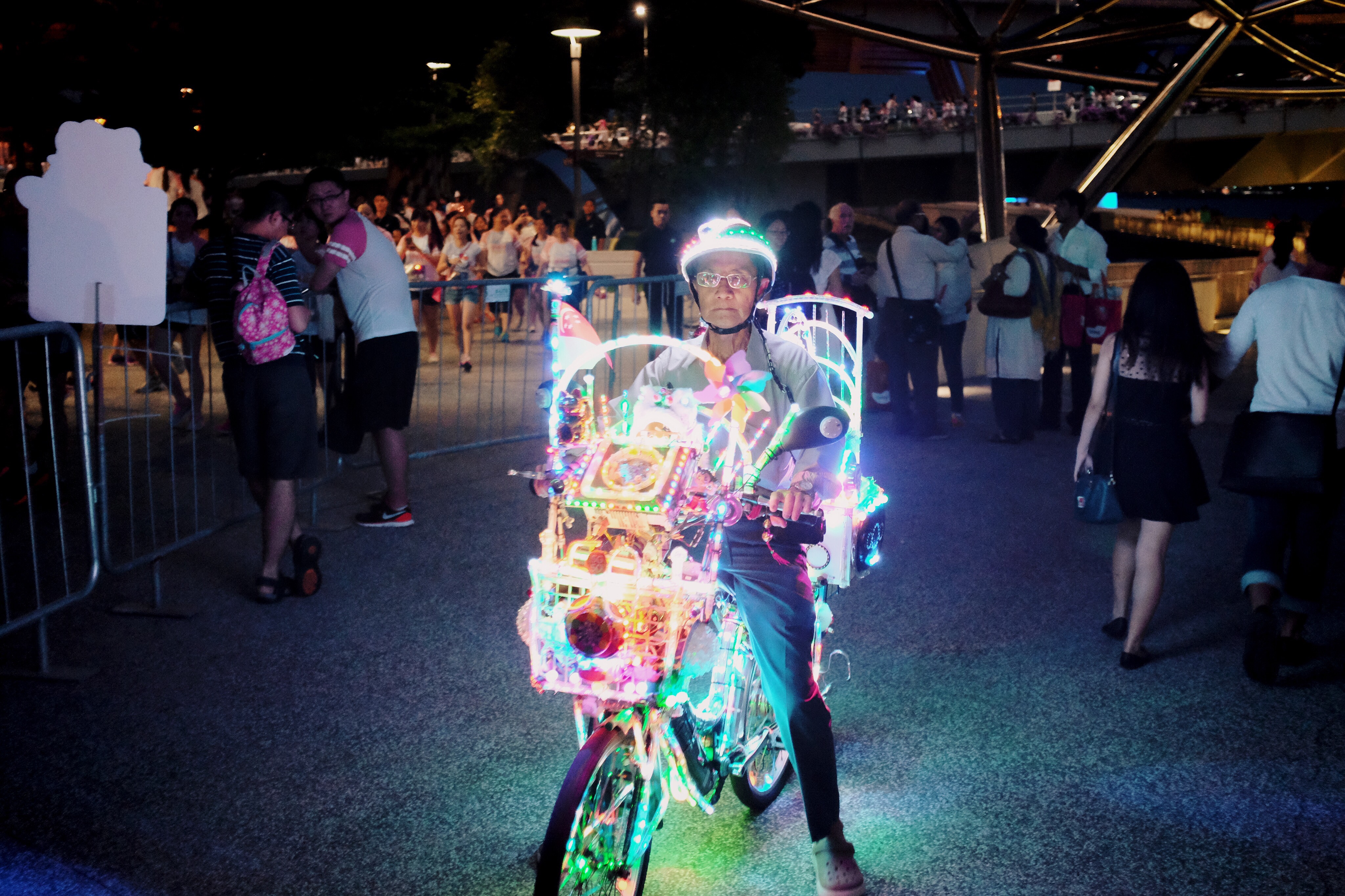
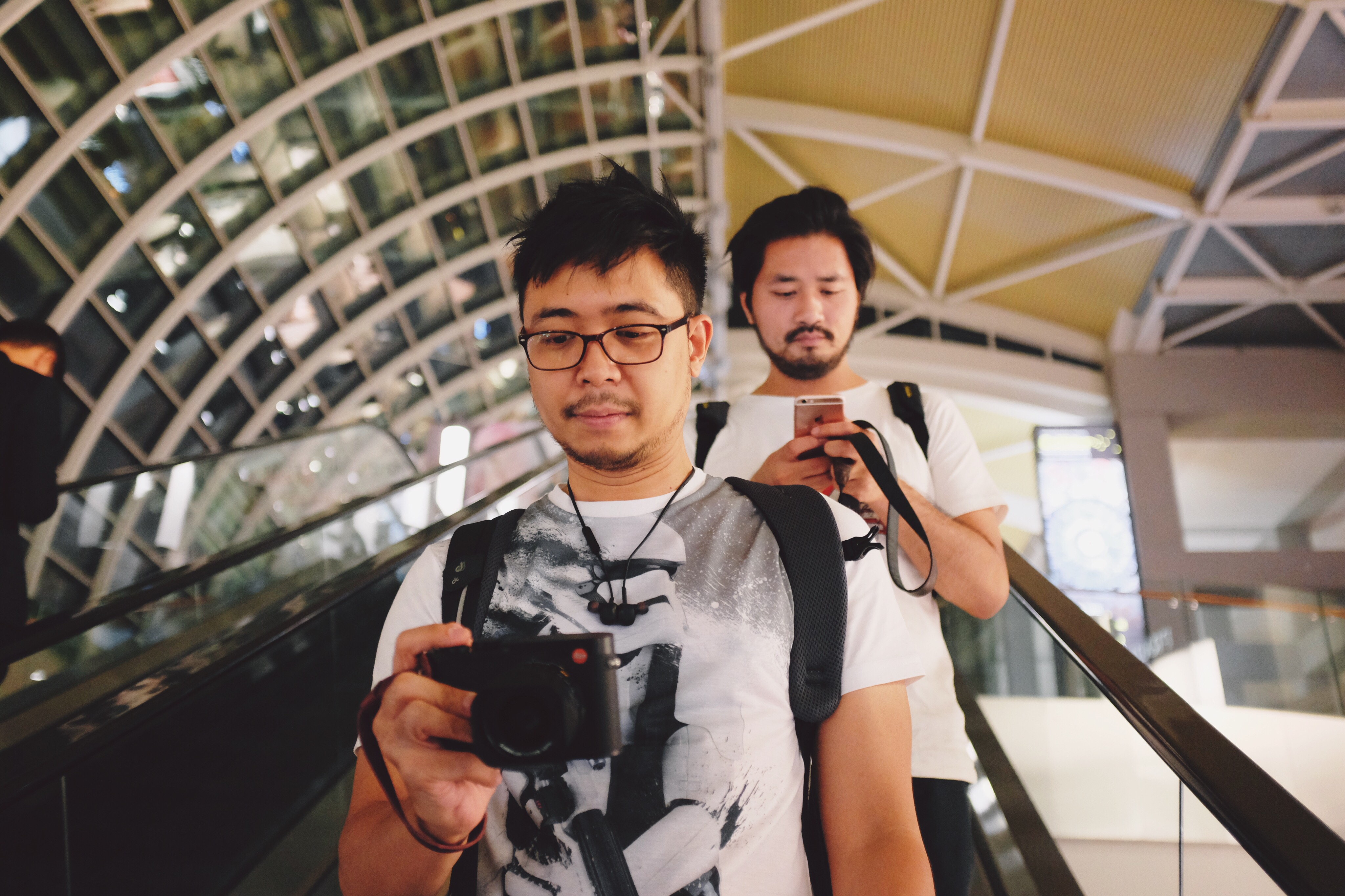
Here are some shots from a photo walk I took yesterday, which happened to coincide with the Hello Kitty Fun Run. I never knew it was such a big deal. Two observations: Having a camera around your neck makes you more liable to be asked to take someone’s photo, and if people notice you pointing one in their direction, they’re more likely to flash you a peace sign.
Today I received my new Moment Case (Dark Walnut Kickstarter edition) for iPhone 6 Plus after a long wait following the Kickstarter campaign. They hit a snag with manufacturing, and the release of the slightly thicker 6S series of phones necessitated holding back to make sure the original designs fit.
It works as advertised and is very easy to hold; slips into my jeans pocket comfortably enough too. Here’s a quick unboxing and look at the startup photo taking workflow. Note that you must use the Moment Camera app if you want to use the shutter button. It does NOT function as a regular Bluetooth remote shutter like the kind you use with a selfie stick.


























 sangsara.net