
I didn’t fall ill after all, but Kim’s flu evolved into what looks like a chest infection, leading to coughs all night and poor sleep for both of us. I bought a pair of Loop Quiet 2 earplugs in anticipation of a neighbor’s renovation, and they were somewhat useful under these circumstances too. She finally saw a doctor after several days of nagging, and is now on antibiotics and there’s been some improvement in the last day.
On Tuesday, I opened the front door to discover a swarm of mosquitoes hovering over my black sneakers — later on I discovered they love hiding on black objects, as a form of camouflage — and took to them with an insecticide spray. In the process, quite a few made it into the apartment. I clapped a dozen to death and confirmed from their squashed bodies that they were Aedes mosquitoes: the species that spreads malaria and dengue fever.

The red light came on in my head: a new crisis just dropped! Why were there so many? How the heck was I supposed to hunt down all the ones that came in? Fortunately, a neighbor happened by, and when I mentioned them to him, he assured me that they were infertile male mosquitoes (males don’t bite or spread diseases) intentionally released as part of a national anti-dengue campaign called “Project Wolbachia”. They’re meant to breed with females and decrease mosquito numbers by wasting their time, because the eggs don’t ever hatch.
I’d heard of this program over the years, but didn’t share his confidence that MY mosquitoes could be explained by this. He said “oh yeah, they (the government) release them here all the time”, which led me to check the official website in disbelief. It was true. According to a published schedule, officers of the National Environment Agency release these genetically engineered mosquitoes twice a week, probably by the thousands, around public housing blocks in my district. I waited to see if I would be bitten, and sure enough, I never was. The males only live about a week, but it’s still insane to me that someone is deliberately releasing a ton of insects that look exactly like the ones we know can be dangerous. What am I supposed to do, ask their pronouns before trying to kill them?
===
My new old iPhone arrived, and I ran into some issues during the phone-to-phone transfer process. It failed a couple of times, and I finally gave up and went the ‘restore from iCloud backup’ route. It took several hours, and then I had to check every app to see if I’d gotten logged out. It was the same frustrating dance I do every year I upgrade iPhones, but without the reward of actually upgrading.
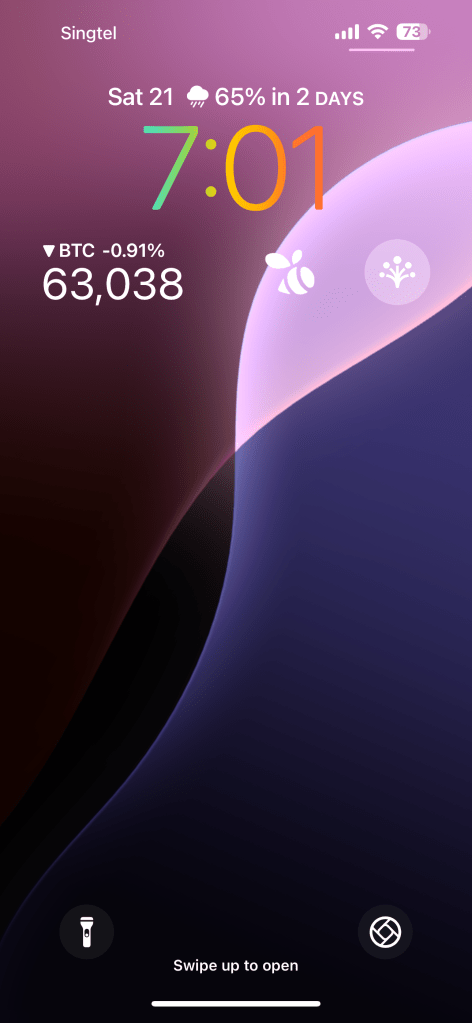
Happily, iOS 18 looks visually fresh and brings a bunch of welcome features. It’s the first OS update in awhile that actually makes your phone feel new. I’m using the new Home Screen mode that lets you have big icons without text labels, and there’s a new dynamic background that shifts colors throughout the day. You can also use a dynamic rainbow gradient on the Lock Screen’s clock, which looks great against black when the always-on display is set to sleep without showing your wallpaper.
The customization that’s possible with the new Control Center shortcuts and resizable widgets is pretty deep, and something I would not have expected Apple to provide if you’d asked me a couple of years ago. I’ve mapped the Lock Screen camera shortcut to launch Halide, and my Action Button to launch a Google shortcut that does a visual lookup of whatever is showing on your screen. I’ve also put a new button in Control Center that starts my personal radio station on Apple Music.
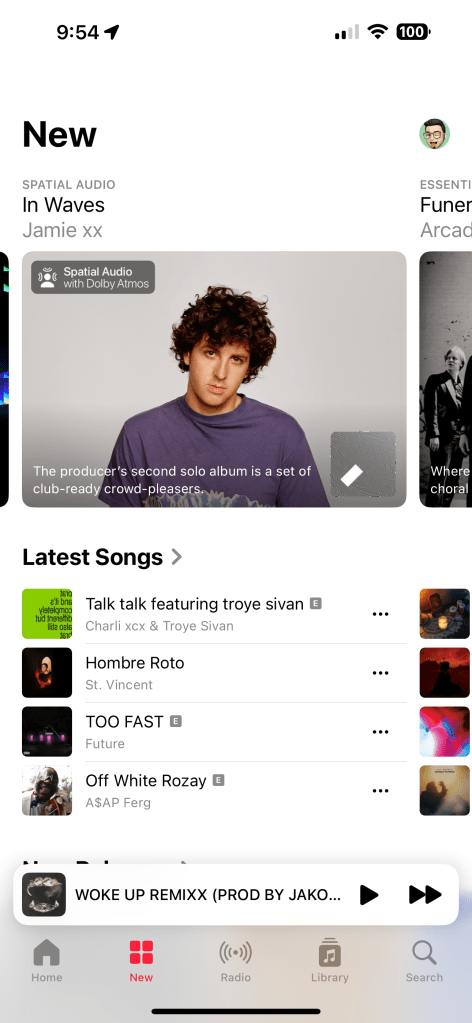
Apple Music has also received a significant, if not immediately apparent, change in iOS 18. The “Browse” page has been renamed “New”, and where every user would previously see the same curated selection of new releases, popular songs, and recommended playlists, this content is now personalized based on your listening behavior. The initial impression is positive: I’m no longer being pushed Thai music, or Mandopop, or the local bands I don’t care about. But longer term, I’m worried about the lack of serendipity that might result from this. I discovered some of my favorite music through accidents and unexpected tangents, as I’m sure is the same for anyone reading this.
<Smooth segue into Media Activity>
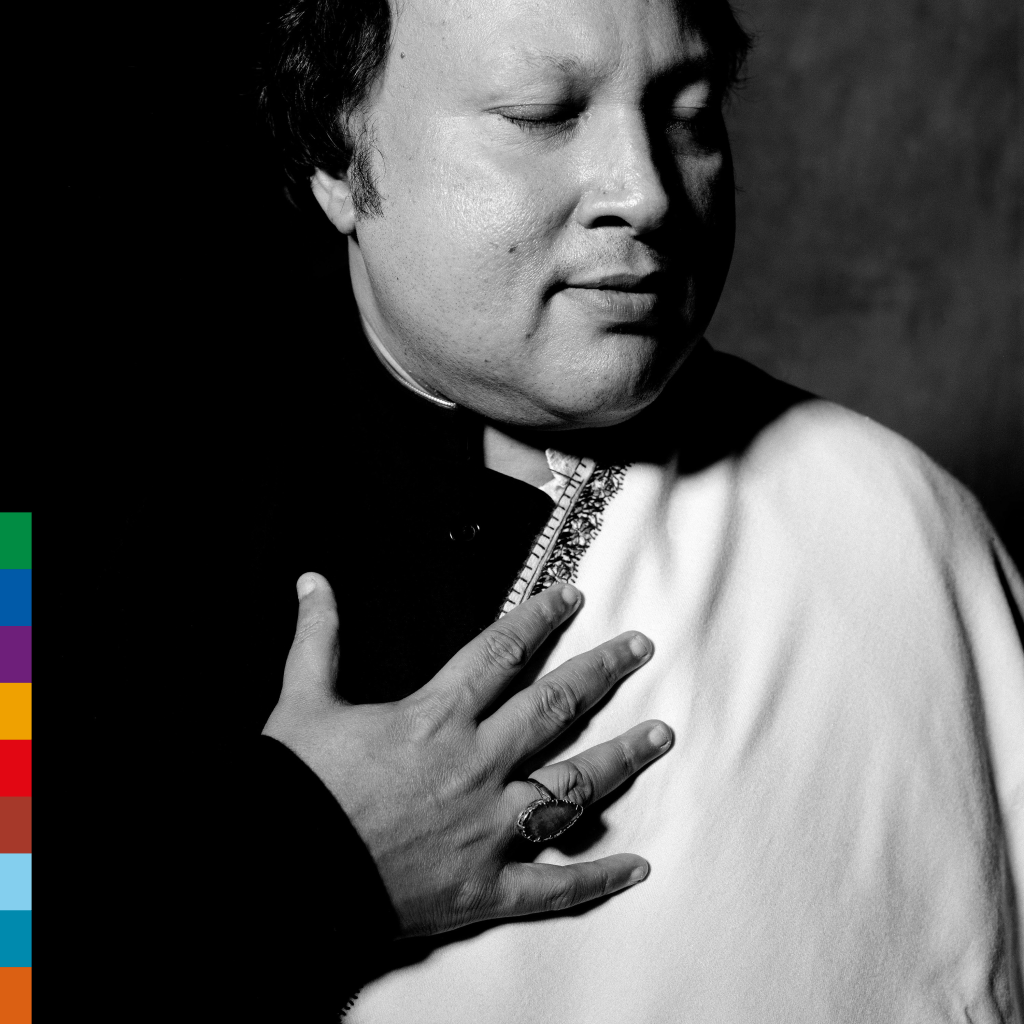
I don’t recall when I first heard the qawwali music of Nusrat Fateh Ali Khan, for example, but boy did it make an impact on me some 30 years ago. I never understood a single word, but you don’t have to in order to feel touched by something divine in his voice. So I was super pleased this week to see in the New York Times that an unreleased album had been discovered in the vaults of Peter Gabriel’s record label. They even produced a making-of video to tell the story of its discovery and restoration.
The new old album, Chain of Light, is more in the traditional style so each of the four songs runs about 10 minutes. It may not be an ideal starting point for most; so I still recommend beginning with Mustt Mustt or Night Song, two ‘Westernized’ albums he made with Michael Brook to be more globally accessible.
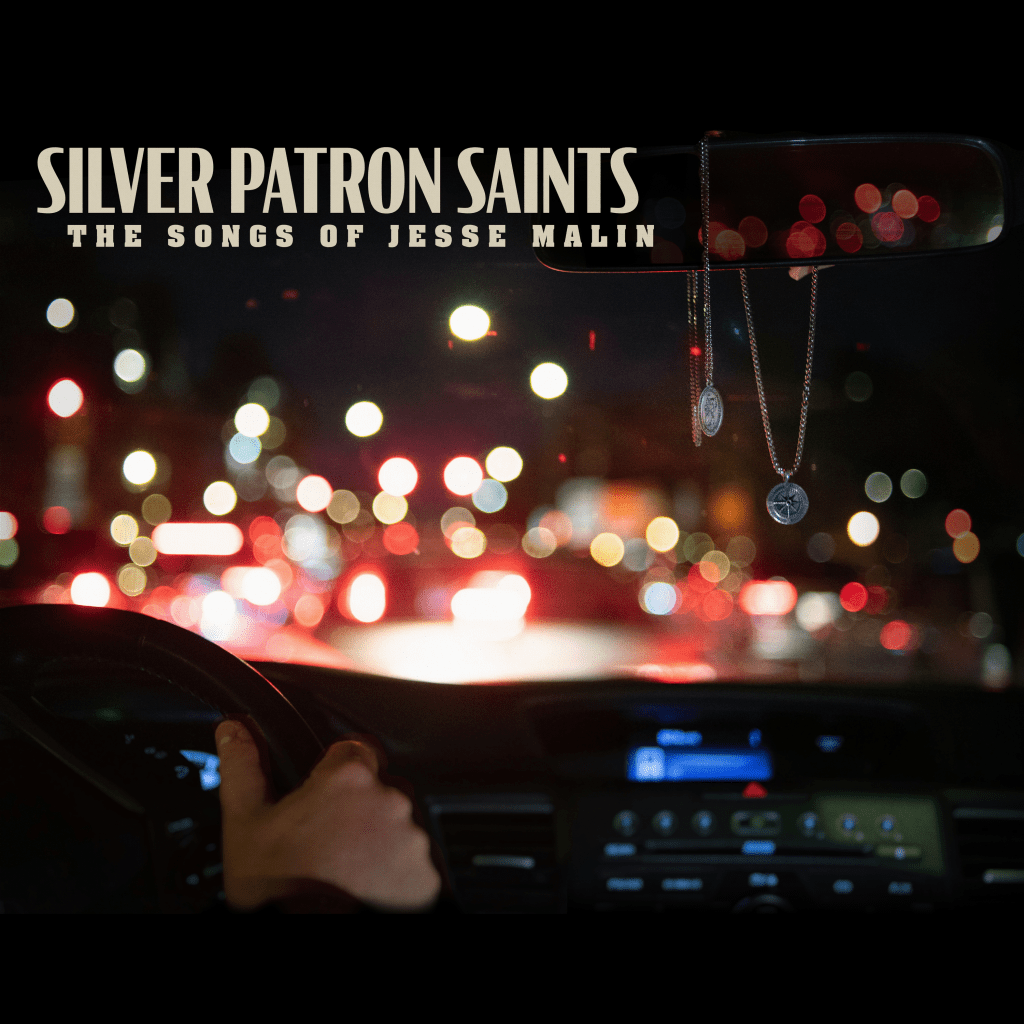
The Jesse Malin tribute album, Silver Patron Saints, is now out too, with covers by Bruce Springsteen, Counting Crows, The Wallflowers, Elvis Costello, and many more greats. Back when you had to buy CDs on faith in a physical store, I liked getting these tribute albums and would decide based on the artists doing the covers, even if I didn’t know the musician being celebrated. If some of my favorite artists were involved, then the odds were pretty good that I was about to discover someone fantastic. Sweet Relief II: Gravity of the Situation — The Songs of Vic Chesnutt was one such album (unfortunately the album is incomplete on Apple Music for me, maybe a regional licensing thing).
Will algorithms ever be smart enough to replicate that sort of discovery?
This week in reading, I hit my Goodreads challenge of 12 books by finishing Kyla Scanlon’s In This Economy? How Money & Markets Really Work. It was an admittedly low target, so I’m confident I’ll be able to finish a few more before the year ends.
We watched Sam Mendes’s 1917 (2019) and it was riveting, beautiful cinema. The single-take gimmick was probably unnecessary but made the action immediate and every movement of the camera threatened to reveal a hidden threat suddenly behind our heroes, which I thought effectively mimicked the tension of real conflict. A deliberately edited film shows you danger on its own schedule, but real time action is real time dread. Someone I follow on Letterboxd also observed that this felt like watching cutscenes in games like Call of Duty, a cinematic style that I think emerged because devs were showing off what their game engines could easily do that Hollywood could not. But the battlefield is pretty flat now, and movies are essentially made with the tools of game development, so we can’t stop these two mediums converging.
[I didn’t take any shots for the Featured Photo this week, so I’m relying on WordPress’s ability to automatically generate some AI slop based on the post’s content.]
 sangsara.net
Leave a comment