- It was a low-key week after those few days in Bangkok. There’s more travel lined up soon, so I figure it’s no bad thing to enjoy the quiet while I can. We had someone come by to look at a house issue that’s been worrying me, but the prognosis was that it’s not a big problem for now, and they’ll do some proactive repairs in the meantime. So I have to admit life’s pretty good.
- When I first went to Bangkok back in March, I found the retail scene vibrant and thriving in a way that you don’t see in Singapore anymore, and this week there was a long and well-researched piece on CNA about how shopping in other SEA countries has made Singapore seem dull in comparison. It’s a rough situation because we’re short on both land and entrepreneurial spirit, which means a vicious circle of high rents and safe concepts. People like to blame greedy landlords, but I suspect they’re the same ones counting on retiring with their REIT and bank dividends. You can’t have one without the other.
- Doing my part for the restaurant scene, I ate out thrice this week and two were unhealthy affairs. A Singaporean sort of pub (al fresco) with Guinness and Thai food, and a Chinese hot pot restaurant picked for its amusing name, HIPPOT, that turned out to be one of those meals that goes down easy but feels awful after. Too much grease and heat. Note to self: make better choices!

- The only thing I bought on the Amazon Prime Day sale was a book I’ve been wanting for a while, but the shipping cost is usually almost as much as the book itself. Thanks to the questionable economics of Amazon, shipping was free this time. The book is A Handheld History by Lost in Cult, and it covers the corner of gaming hardware that I have the most affection for: portable systems like the Game Boy and PSP. I suppose the smartphone is inadvertently part of that lineage; a stepchild or distant cousin. I don’t know when I’ll sit down to read it — paper books are just… inconvenient — but I look forward to that rainy afternoon.
- I just finished reading The Butcher’s Boy by Thomas Perry, a 1982 thriller about a hitman. The anniversary edition’s foreword was written by Michael Connelly, author of the Bosch series, which got me in the right mood. If you liked the recent Day of the Jackal TV series, this will likely do it for you. The killer is the sort that doesn’t look especially athletic or dangerous, in fact he has the kind of face people don’t remember, but he’s great at what he does and when he gets into a jam, you root for him to get out. There are three more in the series [Goodreads], so those are going on my list.

- Evan mentioned to me the existence of an Amiibo emulator a few weeks back, and when I saw one show up on Reddit it nudged me into ordering a unit off AliXpress. It’s a small electronic device that you can program to mimic the NFC chips on various Nintendo Amiibo figures, which unlock benefits in certain games when held next to your Switch/Switch 2 console. As I am very much against the idea of making people waste money buying large amounts of unnecessary plastic crap to unlock software features built into the games they already own, I have no moral qualms about using one of these.
- This doesn’t have Amiibo support, but I played and finished Caravan SandWitch this week on the Switch. Weird name that doesn’t tell you much, I know, but hey it’s French. It’s a chill little indie game about exploring a planet (inspired by the landscapes of Provence) in search of your missing sister, with strong anticapitalist vibes, and was mentioned in a recent NYT article about videogames with a Studio Ghibli-like aesthetic. I enjoyed it enough as a short adventure, but the English translation lets it down in some areas. It runs well enough on the Switch 2, but I think the frame rate will be choppy on a regular Switch. 3.5/5.0
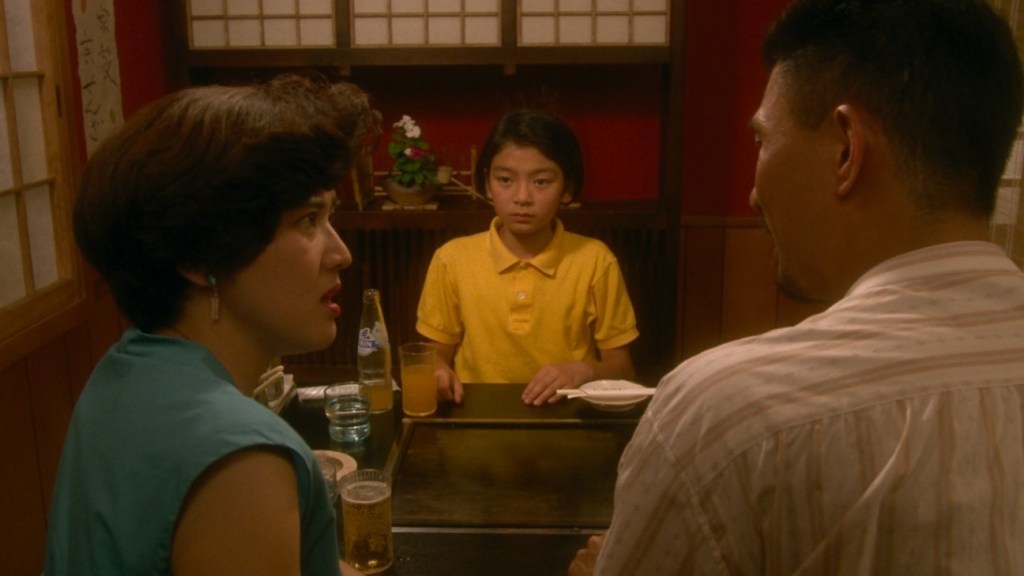
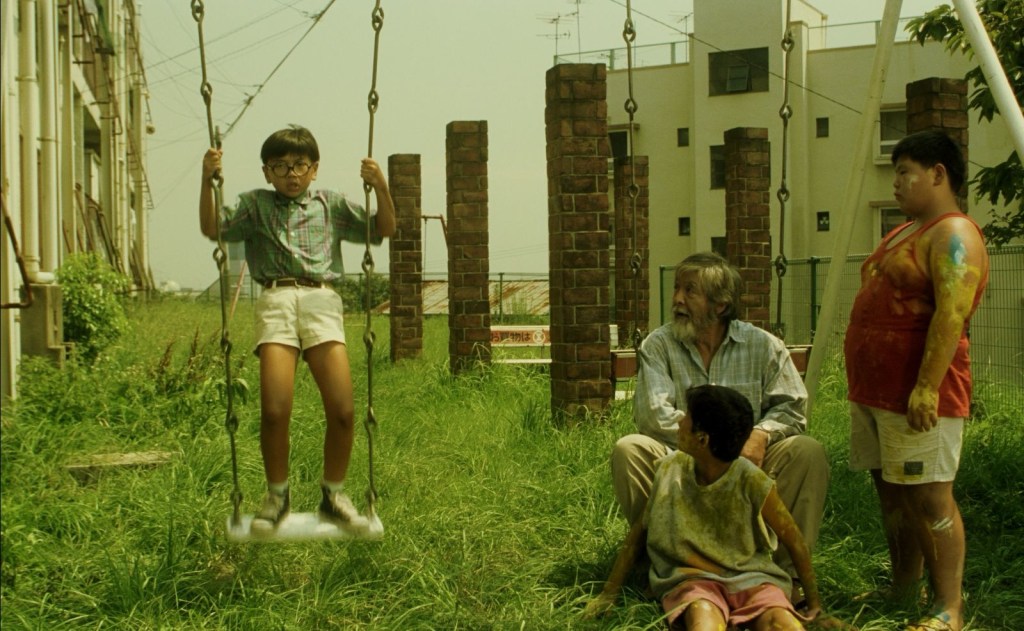
- Pulpy paperbacks and cozy games are good and all, but a great media diet needs something of substance, and thankfully MUBI delivered. They’re featuring a two-film collection by the director Shinji Somai on their front page, and I was floored by both of them. They’re linked by a shared theme of childhood summers marked by transformative upheavals — broken families, deaths, newfound freedoms — but also the building of friendships, independence, and memories that become strengths in adulthood.
- Moving (1993) features an incredible performance by Tomoko Tabata who was probably 12 at the time; the kind of work that’s almost too good, too early — fortunately she’s still working in film and TV today. There are lines in this that hit so hard, and incredibly audacious and magical sequences that are as good as anything I’ve seen put on film.
- Notably, the three titular child actors in The Friends (1994) never acted in anything again. Scrambled by emotion after the ending, I hastily wrote on Letterboxd: “A film doesn’t have any business being this good! I cried till my Face ID struggled. There are frames in this so beautiful they should be hung in the Louvre.” Both films are a 5/5 for me. Perhaps for the way they perfectly capture the haziness of childhood memories, the nostalgic look and air of that era, and the open-ended way that school holidays felt as you experienced them. Stuff we didn’t think would matter becomes what we remember most.

 sangsara.net
Leave a comment