Tag: Apps

  • Dispo Day 1

    You may have heard the buzz this week around the new beta version of Dispo, the app formerly known as David’s Disposable, as in Vine/YouTuber David Dobrik’s version of those camera apps that simulate the look (and sometimes also the experience of waiting for photos to develop) of disposable film cameras. David himself notoriously shoots his exciting life with tons of those cameras, so the app made sense as a spinoff business. It wasn’t the first of its kind on the App Store, and there were so many others with knockoff names like Huji (Fuji) and Gudak (Kodak). So while David’s fans probably used it, the first version of the app wasn’t thoughtfully designed or original enough to be an essential camera app. Now, the next version is being taken seriously with millions invested and a full-time team hired.

    Side note: This reminds me that one of the first app ideas I had and sketched out in the early years of the iPhone was for something similar. Obviously I never had the guts to make it, which is the main gap between ideas and profit. I was thinking you could “buy” and load rolls of film into a camera (complete with having to thread the initial end bit onto a wind-up spool before shutting the door) and then send them off to the lab when you’d shot 36 or so images. And after an hour or a day had elapsed, you’d return to the app to see a yellow paper envelope slide across a store counter to you, and be able to tear it open to see your shots (and the included negatives). I remember feeling kinda bummed when the first camera app to do the enforced waiting time gimmick came out. It wasn’t as skeuomorphically cool. I think it was 1-Hour Photo by Nevercenter.

    Anyway, Dispo 2.0 is currently in beta and I only just got in. My first batch of photos came out this morning at 9am (the predefined time for all photo deliveries), and they look fine. You get a lightly push processed, slightly cool-temperatured shot in a 16:9 aspect ratio. I don’t understand why it’s not 3:2 like normal 35mm film. The flash is on by default as a core part of the disposable aesthetic. All EXIF data is stripped out, including the actual time of capture.
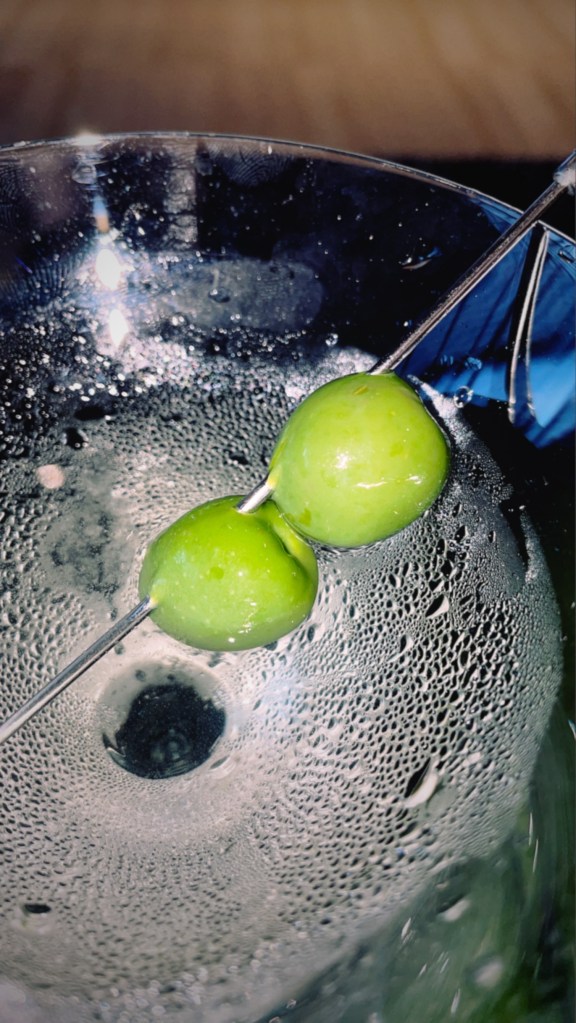
    There’s a lot to like here so far, but it’s also a little unusual as social apps go. The tutorial doesn’t cover some of its sharing features, so you have to figure them out. There are “rolls” that can be public or private, solo or with others. I suppose they are really “albums”. Before you shoot a scene, you may load multiple rolls in the camera that you would like to contribute the resulting photo to. Which breaks the metaphor of the film roll somewhat, because disposable cameras don’t normally shoot onto four rolls of film simultaneously (nor do they have replaceable film)! After a shot is developed, however, you can manually add it to any roll.

    Each roll can only have 69 contributors, so the emphasis is on doing it with your friend group, but there’s no limit to how many members of the public can follow a roll and see it on their feeds. David Dobrik himself seems to be using rolls to capture short events, like throwaway albums, rather than as curated, ongoing thematic feeds like I see some others doing for their pet, food, or “good vibes” photography. Perhaps the idea is still being tuned, or maybe they’re fine with people using them however they like.

    Beta testers are not supposed to share screenshots, so I won’t. But it’s an example of non-cookie cutter UX design that asks you to work a little to figure it out; Snapchat and at least one redesign of VSCO often get credited for attempting personality in a post-iOS 7 world. Outside of games, it seems it’s often camera/photo apps that still go for it.

    On the other hand, Hipstamatic has devolved into such a confused and cluttered app that you have to really work to figure it out. No fun at all. I miss the old Hipstamatic, and Dispo looks like it might bring some of that magic back: you’re encouraged to shoot without chimping, frame loosely through a tiny viewfinder, and be happy with even the crappy shots.

    It actually reminded me today that Hipstamatic once tried an app called DSPO, pretty similar in concept. You had virtual rolls of film that you’d have to shoot fully before developing, and you could invite friends to share a disposable camera in real time. Two people in two cities could shoot a roll of film together. I remember it crashed a lot for me, and it was a struggle to convince anyone to install it. So it failed. Good idea, wrong time and execution. At least amongst millennials and zoomers in the US now, Dispo seems to have avoided that trap: the TestFlight beta is fully subscribed.

  • Week 6.21

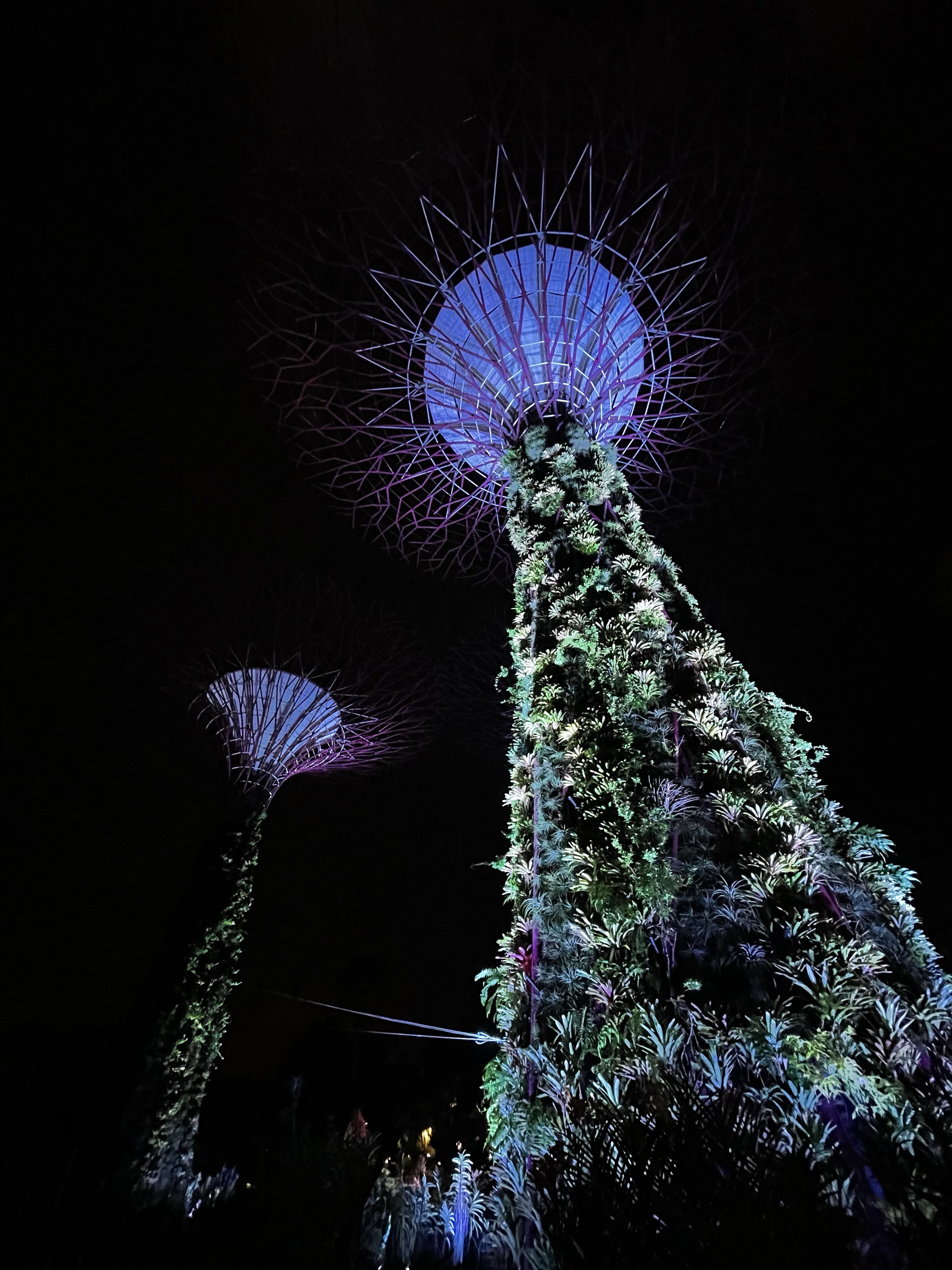
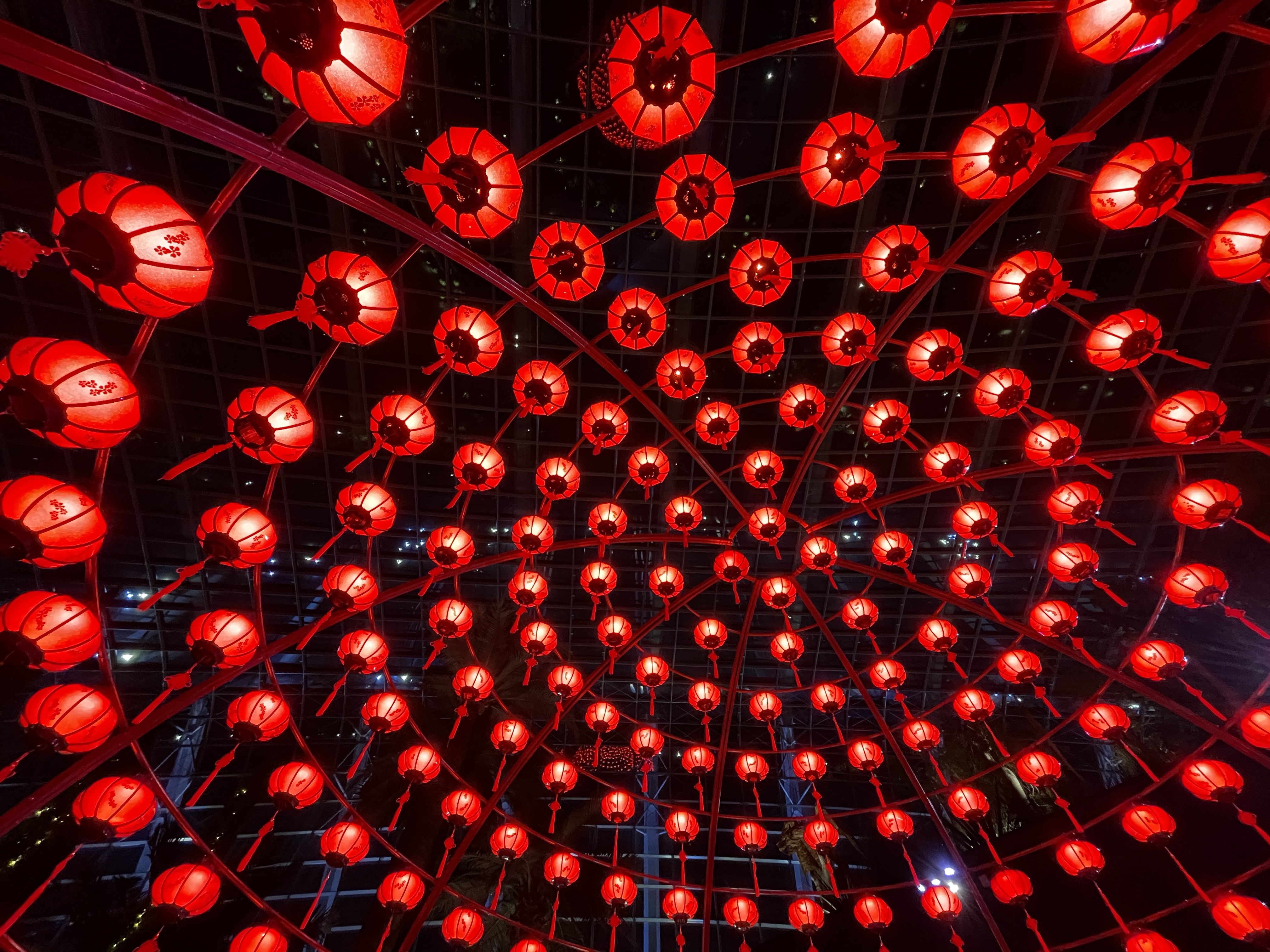
    • Been feeling pretty crap, so it was good that we went out and got me some air this week. Early in the week we visited the Gardens By the Bay at night, to err… see some dahlias. Apparently they’re a thing appropriate to the Chinese New Year season. The iPhone 12 Pro’s night mode and ProRAW came in pretty handy.
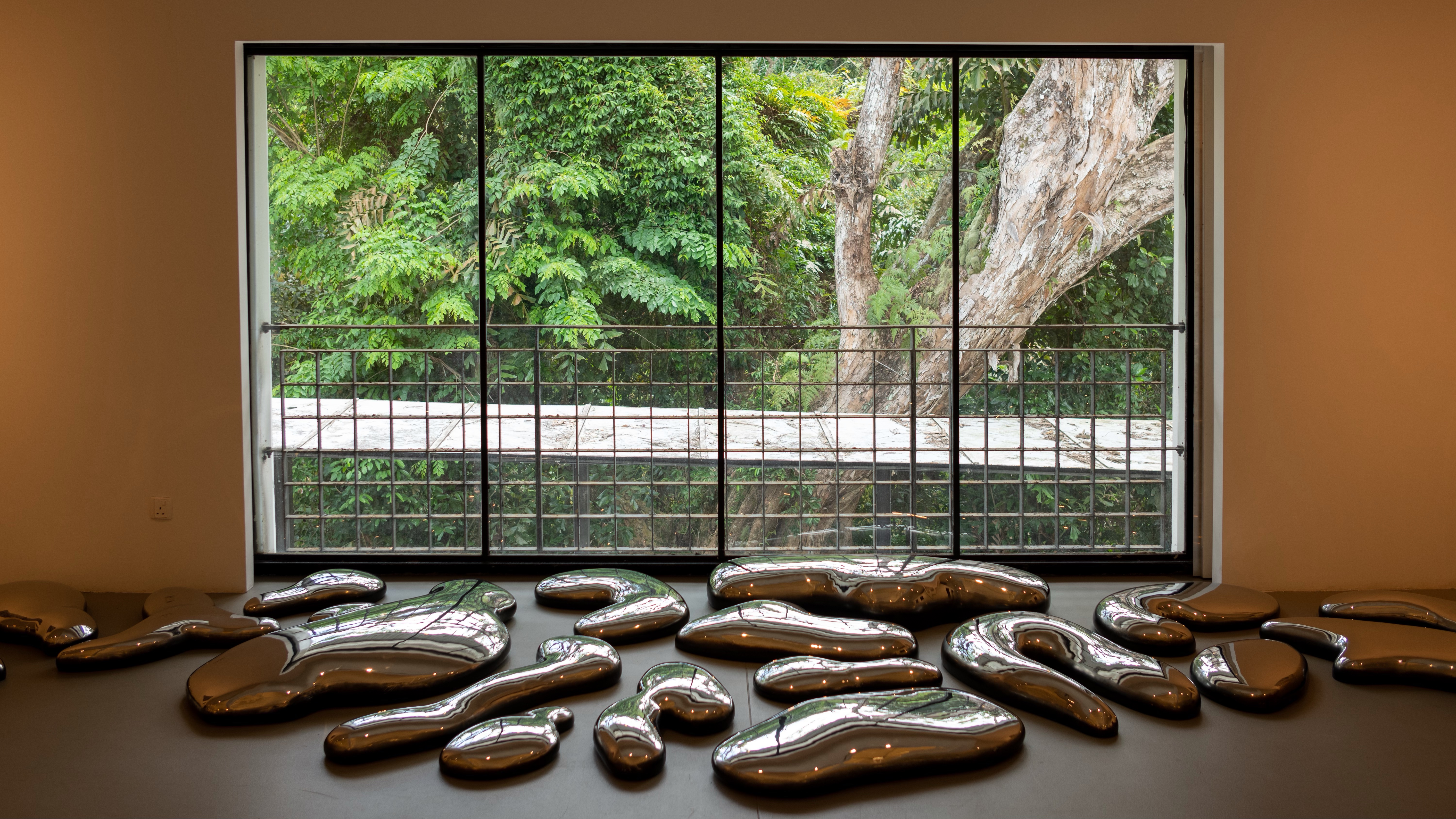
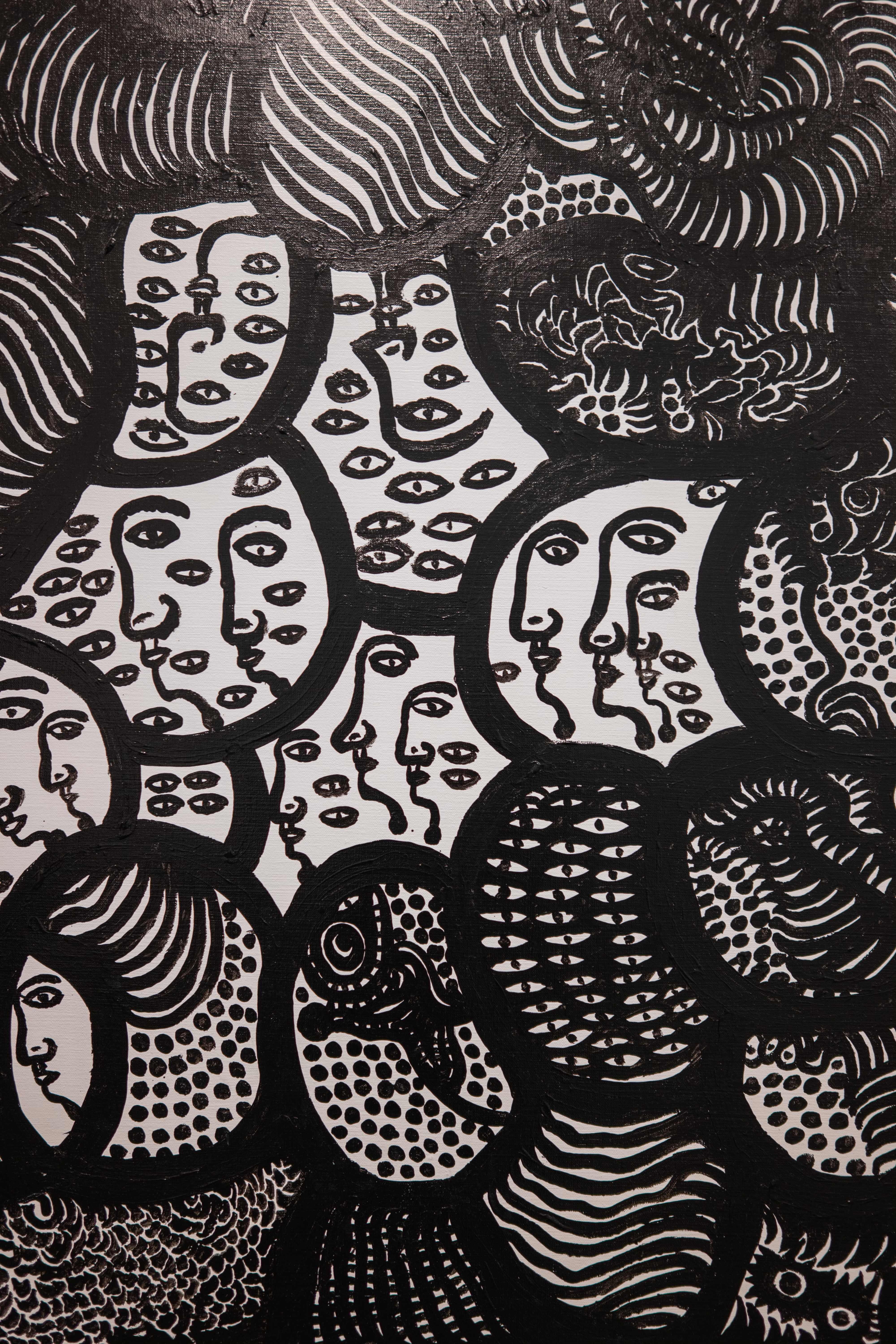
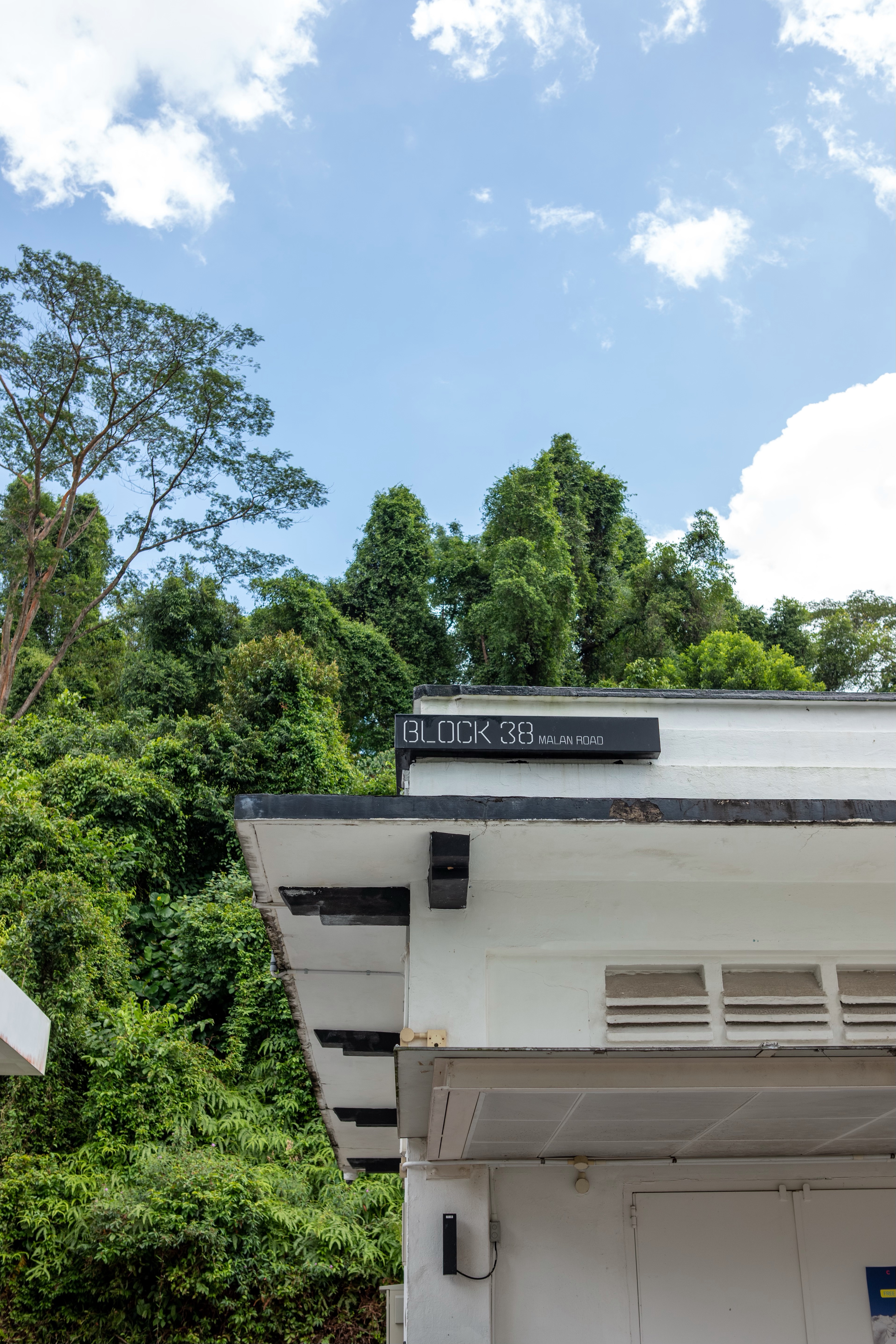
    • Sunday was a day for some exhibitions. Somehow, I’d never been (or can’t remember having been) to the Gillman Barracks “art precinct” — don’t ask me what makes a precinct versus a district or development. In any case, old British-era army barracks turned into galleries.
    • Having been stuck at home or familiar places for most of the last few months, my cameras haven’t been getting much use. The Leica CL was selected for this particular excursion and boy is it a joy to use; mostly because I shoot in Program Mode and don’t have to fiddle very much.
    • I didn’t listen to music for many days. I got into Clubhouse thanks to a kind mutual named Brian Li on Twitter, and spent many hours just listening to people talk in various irritating ways that reminded me of being on conference calls. But at least now I can leave at will and pick the subject matter.
    • Most of my Clubhouse time has been spent in crypto-related rooms, and if you follow any of it, last week was a fairly interesting period. Various DeFi assets rose by a large factor, and then the week closed with Michael Saylor/Microstrategy’s annual World.Now conference which was aimed at helping other corporations ‘connect their balance sheets to the Bitcoin network’. Oh yeah, and Elon Musk toyed around with Dogecoin and lots of people bought it (it’s now technically the next week and Tesla just declared a $1.5bn investment which has sent the BTC price to $44,000).
    • A revelation: the more time I spend reading articles, watching YouTube videos, and listening to Clubhouse conversations about crypto, the more I understand what it’s like to be radicalized online. There’s a gradual envelopment into a new worldview that quickly becomes the default. And when you start to read something that argues the opposite, you want to close the window. Catchy phrases that embody the core philosophies spring forth in your head in response to triggers you hear (e.g. going to the moon, hardest money in the world, stack sats). You can’t imagine what it’d be like to not believe. Of course things will play out this way! How is it so many people can’t see the future when it’s right in front of them?
  • Week 52.20

    • I weighed myself at the end of last weekend’s staycation, which arguably came at the end of a multi-month odyssey of bad eating, and found that I was heavier than I have been in at least 6 years. So the first half of this week was devoted to eating salads and lowering my caloric intake as much as possible. I also skipped drinking every day, and I think it’s come down a touch. I will have to keep this going in an effort to return to a figure that could be called normal (both on the scale and irl).
    • No surprises, but Christmas was different and the lead up was even less detectably Christmas-feeling than it is every year — I am prone to declaring that ‘THIS year, it really doesn’t feel like Christmas’, every single time. Nonetheless, efforts were made, and I shall probably look back on this year’s edition with fondness.
    • There was work to be done up to the last minute of Christmas Eve, and there’ll be some work to do next week too, but I am looking forward to a bit of a rest and some reading/gaming in early January. I say this here to remind myself to actually do it, and not just scroll Twitter on the couch for days.
    • It’s not often that I fire up the podcast app and listen to anything, but I uncharacteristically spent a few hours this week on financial/investing-related content, which will hopefully help to set up a better 2021. I don’t know why I spent the first half (or more) of my life resistant to the idea of understanding economics and money; well, I suppose I can make a guess as to the underlying repulsions, but it’s never too late to change your mind and try to let some new thoughts in.
    • My birthday was months ago, but I think the realization only started to land in the last few months (and almost completely subconsciously!). I was talking to someone awhile ago about how you just one day catch yourself changing up stuff or trying new things, and oh hey what a coincidence 4-0, and they said yeah, it’s a real thing and it’s started happening to me too, except a year in advance. I’m always lagging.
    • A reunion of sorts: Many years ago, possibly a decade, I chanced upon a wonky, clearly Not Proper Art painting at the Affordable Art Fair and sort of fell for it. It was an underdog. It was absolute innocence, defenseless against the world. Kim hated it and walked us away. I wanted to go back for another look and maybe take a photo but never got the chance. In any case, it was way too expensive for me to even consider. As with all things that get away, you want them even more, irrationally. I remember calling the gallery up for the local artist’s name and writing it down in Evernote. And all these years, I’ve been holding a vivid memory of it in my head, and I bring it up from time to time to tease and horrify Kim with the idea of putting it up in our home. We found it online this week. It’s still unsold, at the same gallery. The price has come down by about half. I have money these days. It’s still higher than it probably should be. I don’t know. It’s almost exactly as I remembered it. Maybe I’ll buy it just to scratch the itch and close the book.
    • App of the Week: Mimi Hearing Test [iOS]. This free app will test your hearing in about 5 minutes if you have a pair of headphones that they’ve calibrated for, and tell you how degraded your ears are. It outputs an “audiogram” assessment to Apple’s Health.app, which can be used to tune the sound quality of AirPods beyond the usual Hearing Accommodations. It’s pretty great and I think everyone should try it.
  • Week 41.20

    • Some weeks don’t feel like very much at all, even if they kept you busy at time. Taking stock on a Sunday and realizing this is a bit like how your brain sorts experiences into Keep/Forget piles while you sleep, I think. Many things happened, few of them really mattered. Forward, onward.
    • I’ve now twice experienced cocktail bars that are taking reservations and then telling you you’ve got between 90–120 mins before they turn your table over to the next group. This is definitely new to pandemic times and odd to me. If you’re sitting down at 8pm with some friends, you’re just getting started at 90 mins, and very likely to spend a lot more in the 90 minutes after that.
    • I think it’s related to the current regulation that says they have to stop serving alcohol at 10:30pm. I thought restaurants had to stop serving in general, so we can all go home and drive the chances of spreading infections down just that little bit more, but no! They can keep on serving you food and dessert into the night; it’s just alcohol that has to stop at 10:30pm. Don’t get it. On the other hand, there’s a business opportunity here to just run very nice pop-up mocktail bars that feel like proper nice bars to have a chat, for people who are already well buzzed and ahead by the time 10:30 comes about.
    • I just bought Cocktail Party, an iPhone cocktail recipe app that hooked me by having a generous attitude. I was searching for some info and came across their website, which has all the recipes out there in the open. If you want the convenience of an app, and the ability to enter what ingredients you have so they can tell you what drinks you might make next, you drop $4 USD. I did it without a second thought, which I RARELY do. I just really liked their business model and approach.
    • I think this may be related to a certain emotional state I’m in after having watched all 10 episodes in the first season of Ted Lasso (Apple TV+). Everything about this show repelled me when I scrolled by it in the catalog: the fact that it’s an American comedy sitcom, that it involves football (soccer), the name that says nothing, his mustache, the promise of being a feel-good something. But @hondanhon rated it on Twitter a few days ago, calling it “a hundred thousand dollars of therapy that every person needs” and “a striking show for our time”. Now after bingeing the whole thing in a night and a morning, I concur. They’ve succeeded in crafting an uplifting show that doesn’t make you want to gag, around a positive hero who tries harder than anyone possibly could — but inspiringly so.
    • I must mention the release of Gimme Some Truth, a new compilation of John Lennon’s “greatest hits” on the occasion of his 80th birthday. I spent the weekend playing it any time music was desired, and they simultaneously don’t make them like this anymore and didn’t back then either. The whole affair has been completely remixed and remastered from the original tapes, on all-analog equipment to boot. It sounds impeccable: so much cleaner than the recordings we already had, and some people will have the pleasure of playing Blu-Ray audio discs with Dolby Atmos. I don’t know why Apple Music doesn’t provide surround mixes of select albums that work with the new spatial audio feature of the AirPods Pro. Anyway, read about the album (JohnLennon.com) and give it a listen (Apple Music).
  • Hold up, HEY

    Hold up, HEY

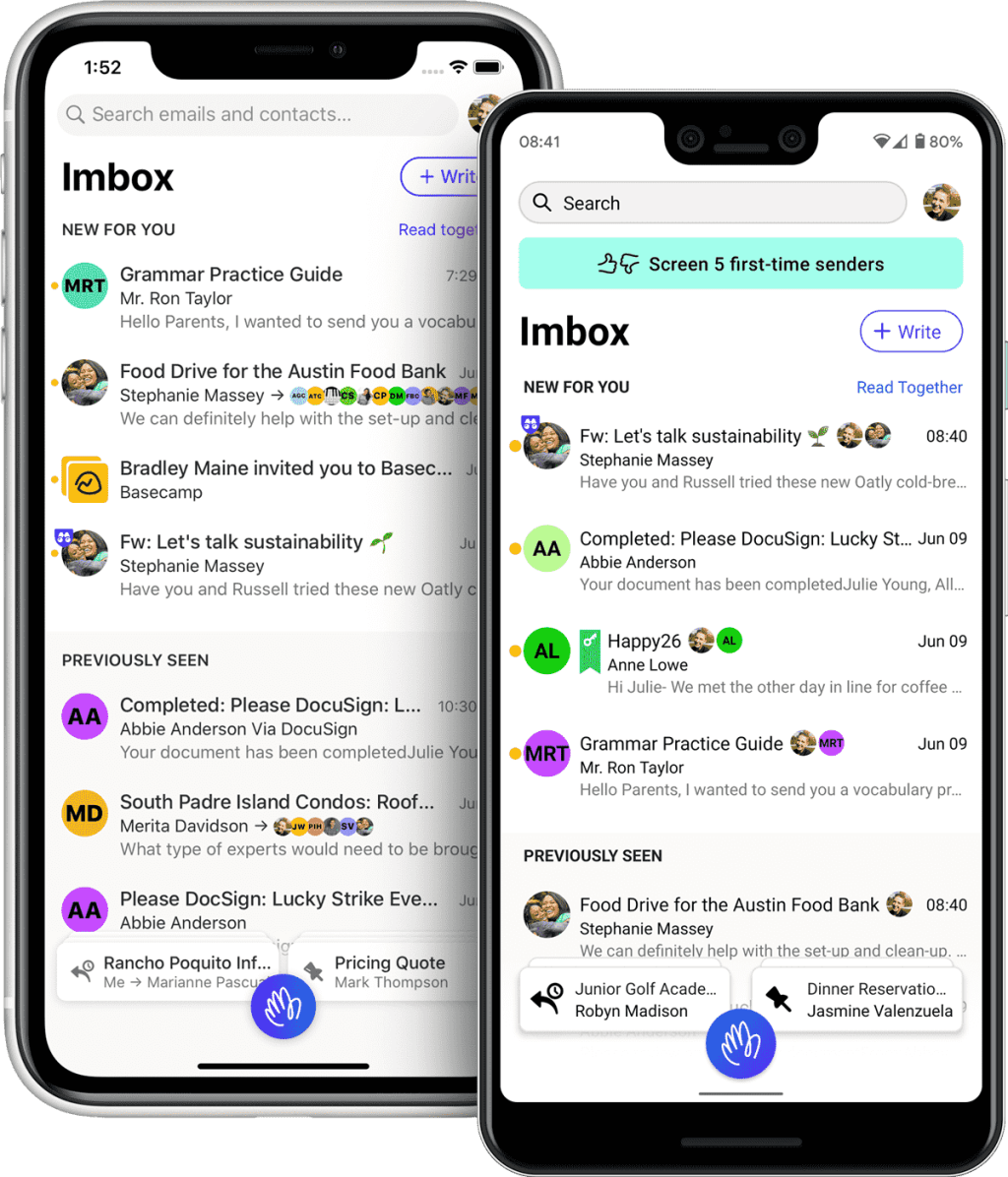
    The debut of HEY email has been an interesting case study in launching a new service, in part because it took place on social media — a two-way street that led to them getting public feedback that’s already led to significant changes. As others have done in recent years, the launch was a staggered rollout with invite codes and a waitlist, and the resulting members-only feel and scarcity drove tens of thousands more to join the waitlist. Some say this is intentional marketing, but it’s also legitimately done to manage the experience when someone isn’t sure how much interest there will be.

    I took notes on my hands-on experience in a previous post, and have spent a week now getting to grips with it, trying to picture it as my primary email service for the foreseeable future. The commitment isn’t just a new email address to inform people about; it’s also paying a perpetual premium service fee. After 16 years of “free” Gmail, that’s a big decision. Yes, you’re free to leave any time and they’ll forward all emails sent to you anywhere else you’d like, but I wouldn’t use a @hey.com address if I wasn’t actually using HEY.

    Everybody’s got opinions

    But before the details of my decision (like, who cares, right?), I wanted to comment on the fascinating public launch of HEY that we’ve been spectators to, and how its creators have had to walk back some of their design decisions after product met reality.

    As my friend YJ says above, Basecamp and HEY are heavily opinionated products by opinionated people; it’s what allows them to take a well-established thing like email, with its standard organizing paradigms of Inbox, Outbox, Sent, Spam, and Trash folders, and try something new. It’s only meant to satisfy a certain type of user with certain needs and preferences.

    It’s not easy building something out of new ideas, at huge scale, and making sure it’s robust enough to carry the personal and business correspondence of paying customers who’ll depend on it for time-sensitive messages. By Basecamp’s account, they’ve been working quietly on HEY for two years before this month’s semi-public launch. I think they deserve a tremendous amount of credit both for attempting it and for how stable it has been.

    When we design services, we know we won’t catch everything or get it right the first time. It’s about having priorities and principles, and optimizing against them every step of the way. If you’ve defined and studied your target audience, and care about pleasing them to the exception of everyone else, then you can make decisions based on their needs. If you put in the work to develop a core experience that will set your business apart, then that becomes the thing you protect even if Apple or anyone else tries to make you change it. Some companies famously put speed over certainty, and while it dazzled a lot of CIOs and inspired them to try and do the same, its pitfalls are now well known.

    We don’t know what HEY’s development process looked like, or what they prioritized, and so we can only guess from what they actually shipped and what they’ve done since. Upon contact with the wider marketplace, some of those opinionated ideas are now being challenged as problematic or discriminatory. Could more user research and testing have caught them before launch? Probably. Was catching them before launch a priority for the team, or did they intend to test them in public and fix unintended consequences as they were discovered? To their credit again, they’ve fixed a lot of things very fast in the past week. From adding disposable functionality suggested by Apple to dumping fully built, non-trivial features… their responsiveness has been impressive.


    Things that came broken

    Let’s look at a couple of Twitter exchanges and changes I’ve spotted. On my first day with HEY, I noticed an unusual option in the “More” menu on every email thread. It was a button labeled something like “Generate Public Link”. This actually published the entire email conversation thread to a public webpage, allowing any third party to read and follow the exchange. I used it to help share a problem I was seeing with their support team, which is a nice way of enabling them to help customers without giving full access to all mail. And while you could always share private emails to a third party with copy/paste, screenshots, PDFs, etc. there was something unsettling about this. None of the other people would receive any notification that they were being “listened in on”, and anyone with the link would be able to see not just all previous emails, but any new ones added to the thread for as long as it was publicly shared.

    You could be in a conversation with 20 people and not know if any one of them had generated a link and leaked it. When I explained this in a group chat, there was some disbelief. One person called it a “built-in whistleblower feature”. After others complained on Twitter about the potential for abuse, this feature was completely removed.

    (more…)
  • An early look at HEY email

    An early look at HEY email

    (For Part 2 of this review, check out: Hold up, HEY)

    I’ve been pretty keen to see HEY’s rethinking of email, and just got my early access invitation this week (I joined the queue back in February, perhaps on Day 2 of their recruitment drive). I was also an early adopter of Gmail back in 2004, and as they say on the manifesto page, there’s not been much innovation in the world of personal email since. If anything, email has been in decline and most of its use cases now belong to chat platforms (keeping up with friends), workplace project management/collaboration suites (enterprise communications), and services’ own portals (seeing account and order histories). The resurgence of newsletters is one bright spot, and displaying them is one of the main jobs of my email account.

    Anyway, I get excited about new things quite easily. When the invitations started rolling out, I was obsessively checking my inbox, and I kid you not, literally dreaming about getting mine to the point where I was waking up in the middle of the night with the urge to check my mail! Part of the anxiety probably came from wanting needing to secure my address of choice, like I was lucky enough to do back in 2004 with Gmail. Just try getting your name now without adding random numbers; I don’t know how the poor kids today deal with the scarcity. My wife also wants any readers to know that she’s heard enough about my two username options, the pros and cons of both, and never wants to discuss email addresses again.

    So now that I’ve used it for a little bit, I’m undecided if I should make this my primary email service. On one hand, everything they promise is true. The workflows are elegant, the way it puts you at the center of the experience is refreshing (no stranger can disturb your peace, OCD freaks can bundle threads together, etc.), and the emphasis on privacy and business model transparency is way better than any free alternative. On the other hand, it’s not entirely how I’d like to use email, and some edges are rough to the touch.

    (more…)
  • The Stars Have Aligned

    I was surprised to learn that astrology is experiencing a comeback amongst millennials, thanks to an app called Co–Star that has been steadily growing beneath my radar. When a decade-younger friend sold it to me over drinks last week, the most interesting thing about it to me was its inexplicable use of an n-dash in the name. I installed it for a look, saw a personality trait in the natal chart* that didn’t quite match my self-image, and promptly forgot about it until the push notifications started arriving.

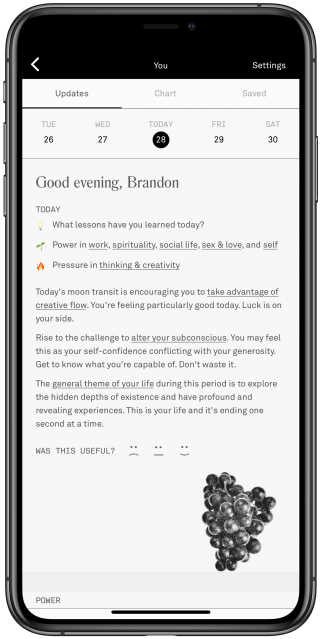
    Screenshot of the Co–Star app

    These nudges are titled “Your day at a glance”, and are so iconic to this audience that the Instagram filter creator known as autonommy has made one that superimposes Co–Star notifications over your head. They’re usually a single mysterious line or proverb that you’re meant to contemplate as things happen to you.

    Yesterday (an uneventful day), I was assured, “You don’t have to be afraid.” Today, it asked, “What lessons have you learned today?” Tapping into the app unleashes a torrent of AI-assembled advice that tells you how to deal with the challenges of existence as per the day’s astral alignment. The tone of voice is often surprising: acerbic, blunt, even dark.

    Instead of deleting the app as I meant to do, I discussed it with some people around me and shared a Verge article about the team behind it, and now I’ve got irl friends on this astrology social network, and we can see each other’s fates and compatibility, and I think I’m keeping it? It’s not like I’ve suddenly taken horoscopes at face value, but perhaps it fills a gap — I need someone to regularly kick my ass on personal development, and whether I agree with the “advice” or not, these prompts might get me to work a little harder at things. They’re challenges.

    Coincidentally, I spent much of yesterday reading through the backlog of email newsletters I subscribed to and then got overwhelmed by. When someone’s thoughts on screen are a year old, making reference to events that you and the internet are so over by now, but the words remain productive, insightful, and capable of inspiring you to look back at your old email newsletter project from 6(!) years ago and maybe start writing on your blog again, they can have all the paid subscription money. If you’re in need of a couple recommendations: try Dan Hon and Craig Mod’s.

    There’s always a voice gently suggesting I “write more”. Sometimes I think I write enough at work as it is. As the activities that make up my day job changed over the last few years, so did the emphasis on actual writing as a vehicle for Client Value Delivery. It took awhile to join the dots between the kind of writing I did in advertising, publishing, side projects, and now in a design/consulting context, but that still leaves out the “pleasure writing”, as one acquaintance recently called it.

    Right now, I’m feeling out of practice and clumsy when it comes to this stuff. I don’t know how to write to you anymore. Maybe I cut down on tweeting and blogging because we all entered a digital privacy crisis, but the net result was falling out of the public writing habit altogether. I lost imaginary friends.

    So. Why not try again? What do I have to be afraid of? What lessons am I learning today?

    *Those natal charts: You plug in your date/time/location of birth, and it pulls historical NASA data to see where celestial bodies were when you were born, and interprets their deviations in space each day to produce your horoscope. Are these even called horoscopes? I don’t know; that word seems dated and quacky, like something in a crinkled copy of Reader’s Digest, whereas Co–Star feels like something new — a bit of not entirely serious millennial wellness — dressed up in ancient clothes.

    A couple of years ago, we had a colleague from Hong Kong in town who would do the exact same thing as a party trick, except she manually read and interpreted the natal charts which she generated using a Chinese app. Co–Star has simply scaled this with technology and a content team.

  • Should I really have bought a new camera?

    Should I really have bought a new camera?

    You never use the cameras you have as much as you do when there’s a new one ordered and on the way. I’ve just bought a Panasonic LX10 online to take the place of my 6(!) year old Sony RX100mk1—a compact travel camera with a big-enough 1″ sensor and useful 3x-ish zoom range.

    Below: a recent shot from my RX100.

    That the LX10 has been on the market for 2 years says something about my changing habits. Buying last year’s model used to be unthinkable, and I’d pay a premium for buying that way. But the industry has changed and now hardware updates come every few years instead of annually, and the average price has gone over the $1000 mark to compensate for the drop in sales. Buying late nets you a nice discount back to pre-smartphone prices.

    Anyway, while waiting for that camera to come and prove wrong my fears that I’ve given my money to a scammy HK website, I’ve been using my iPhone X and RX100 a bit around the neighborhood and workplace.

    I can’t stress enough how much the Halide camera app + Adobe’s new and improved Lightroom Mobile have changed the way I shoot and edit RAW images on iPhone. (I still love and use Darkroom too, it just doesn’t do RAW as well as Lightroom anymore.)

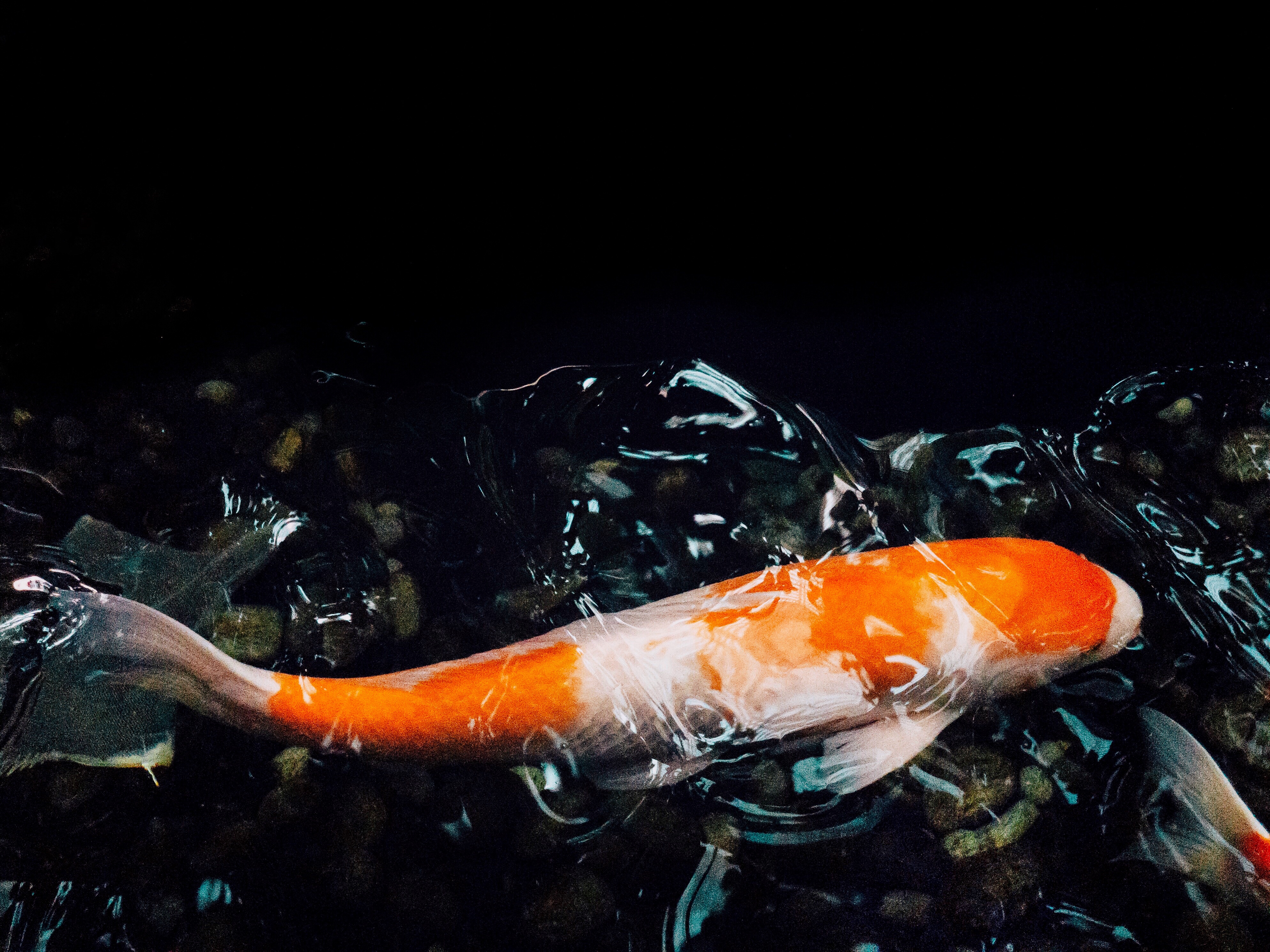
    Shooting koi in a rippling pool with an iPhone requires you to go full manual, and while the thought of fiddling with shutter speeds and ISO and manual focus on a touchscreen used to make me shudder, it’s actually doable with Halide’s well-considered control layout and gestures. I just wish you could lock focus peaking to always-on.

    Honestly, I had no idea you could get this kind of sharpness and microcontrast out of an iPhone. I’ll be saving JPEGs and Live Photos for quick grab shots and moving scenes from now on. Given that I’ve taken a few holidays with just my iPhone, this is all making me wonder if I should have bought a new dedicated camera at all.

    Okay okay, while shooting in RAW preserves highlights and deals with tricky lighting such as the above shot in the late afternoon, I’ll admit to enhancing that flare with Lens Distortions. It’s all about creating the scene you saw with your eyes, right??

    Assuming the camera comes on time, I’ll probably bring it with me to Tasmania when I go in a few weeks. Seems like a landscape kinda place, so I have doubts about bringing my other cameras: a Ricoh GR (28mm) and Fujifilm X100T (35mm). 🤔