
- It was one of those weeks where I mostly stayed in to chip away at various backlogs. We’re now in uncharted territory for a sabbatical — my stated goal the last time I did this was to reach a state of boredom, the kind that might inspire some unpredictably productive reaction, but I didn’t get there in the time I had; there was always so much to do. Now that this has gone on longer than before, maybe I’ll reach a state of satisfaction satiation soon.
- I finally caved and paid for a Lampa Camera membership (mentioned in Week 17.25). It’s now sitting in my iPhone’s dock, where the default camera app had been for over a decade. This is a big deal! I also got into the beta for Halide Mk. III, a new version that will take their “Process Zero” approach further with HDR that doesn’t suck. They’ve also hinted at adding their own photographic styles in the near future, which probably means LUT support like in their Kino video app. The fight for the rightmost spot on my dock isn’t over.
On bullshit jobs, occupational deceleration, and AI
- Taking a break from the Murderbot series (I finished #3 last week and need to start on #4 now for my book club), I decided to read David Graeber’s Bullshit Jobs: A Theory, which came out in 2018 before this latest wave of the ‘tech will take our jobs’ fear, which has of course been a recurring theme in modern civilization. Except, you know, this time with AI looks different. It’s interesting for a non-fiction book because there are several dimensions to his argument rather than just a simple thesis stretched out to fill a few hundred pages. For that reason, I can’t summarize it for you, but it concerns “the existence of meaningless jobs… and their societal harm… [which] becomes psychologically destructive when paired with a work ethic that associates work with self-worth” (Wikipedia).
- Side observation: both Murderbot and Reacher were let go from their jobs, found they didn’t need to pursue traditional employment any longer, hit the road in search of meaning, and occasionally pick up freelance jobs when they meet others in need of assistance. That’s a typical FIRE story template!
- Coincidentally, I came across this Substack essay by Tina He at the same time which invokes Jevons Paradox, asking why it is that every time we get new technology that could reduce the amount of work to be done, we end up using it to do more work. I think David Graeber largely attributes this failure of occupational decelerationism (yes, I made the term up) to the agenda of a shadowy “they” (governments, owners of capital, etc.) who don’t want people to have too much free time, lest they start to challenge the world order that currently suits rich people just fine. Tina He sees this through a more Silicon Valley lens: people run themselves ragged because their ambition fills every gap efficiency creates — unless they consciously step off the productivity treadmill that AI is turning up (which she likens to a Malthusian Trap). Graeber blames the system; He blames founder mode. Both are probably right.
- And then I read this bonkers Rolling Stone article about how some people are getting spiritually one-shotted simply by talking to ChatGPT. Why does this happen? It’s possibly the result of design decisions intended to make the service more engaging (read: profitable). I’ve had interactions with ChatGPT where it admitted that it avoids making users feel less intelligent in order to “reduce churn”. When I threatened to quit if it didn’t stop sucking up to me, I was told that it could not respond to threats that involve business rules and payments — one can conclude OpenAI’s policy is ‘money comes before all’, and unintended consequences are simply the cost of doing business. In light of this, ChatGPT should be viewed as a dangerous and irresponsibly designed product. In cases where users are mentally susceptible, they can lose their grip on reality to the point of total ruin.
- You’d be forgiven for thinking that I’m on the brink of embarking on some Zitron-esque anti-AI crusade, but sadly I use generative AI all the time. It’s a terrible paradox: we can’t escape it. We can’t afford to refuse it. And we can hardly resist it — because when it works, it’s like magic. Somewhat like if the whole world embraced a new artificial sweetener that tasted exactly like sugar but could inflict unknown genetic damage, but maybe only several generations from now.
- The funny thing about this little arc? I only started reading Bullshit Jobs because ChatGPT recommended it to me.
Other media activity
- We started rewatching the Mission Impossible films to get ready for The Final Reckoning, and have made it up to the fourth film so far. It’s only in the third and fourth ones that Ethan Hunt as an actual person starts to emerge. You know Tom Cruise is genuinely one of the greatest actors of all time because he convincingly plays Hunt as someone reluctant to do the same extreme stunts that Cruise himself lives for; you always see the fear and “why me?” look in his eyes before he jumps out of a window. But he does it anyway because no one else can/will save the world. I hope they don’t give him the same send-off they gave James Bond in No Time to Die (2021).
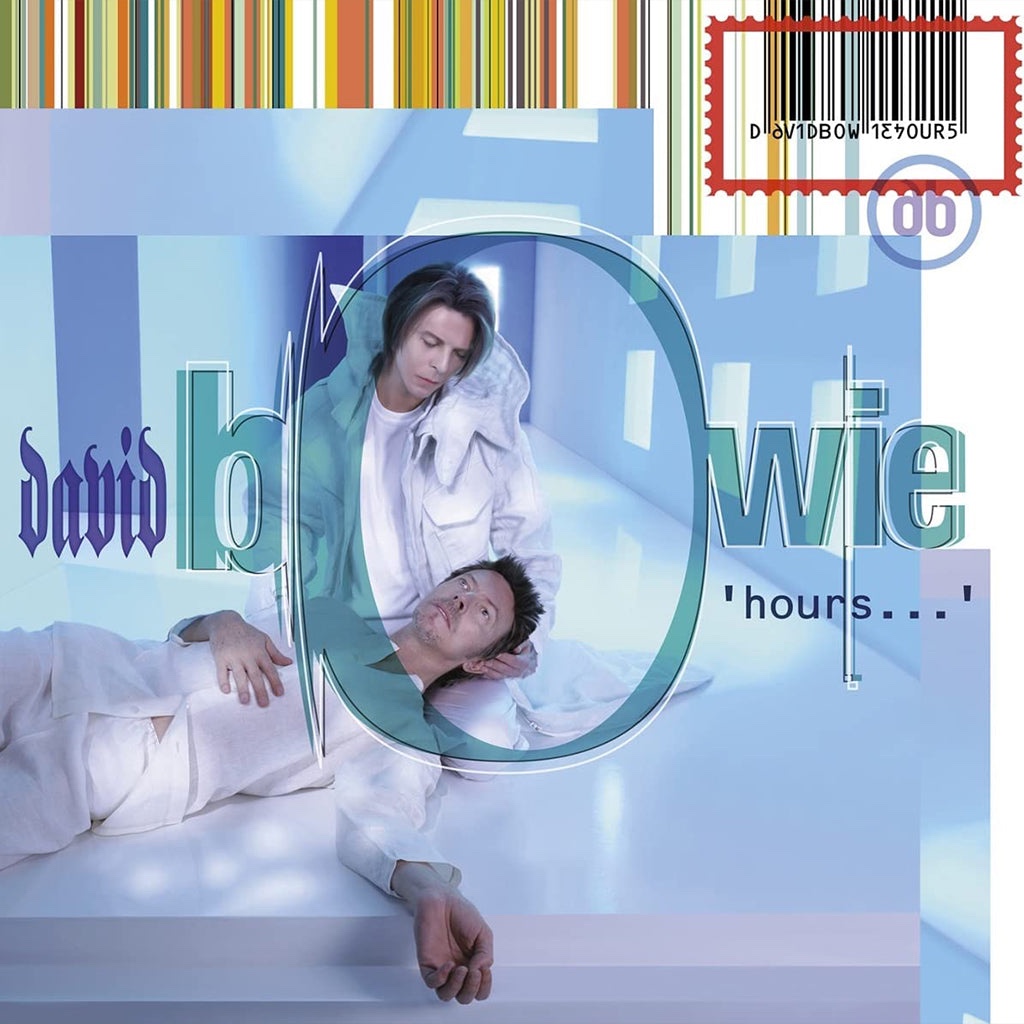
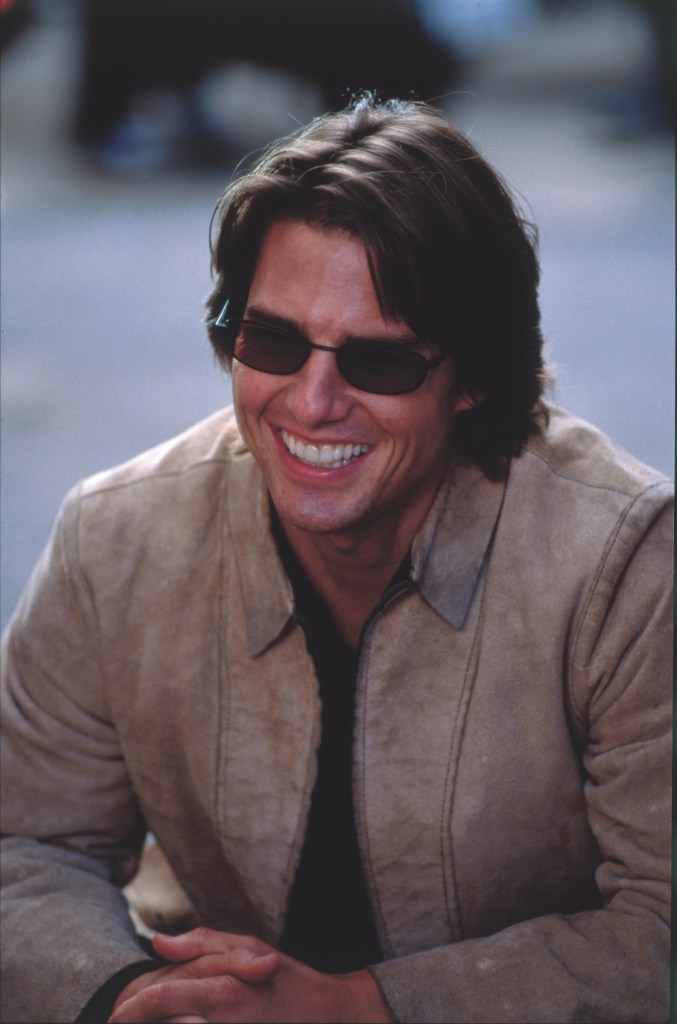
- Kim hated the second film, which I think stands on its own as a John Woo remix of Notorious (1946) and Face/Off (1997) — masks are put on and peeled off with wild abandon — and a very potent distillation of what pop culture felt like in the late 90s/early 2000s. Tom Cruise’s hairstyle… I think it’s the same one David Bowie had at the time.
- The third, by JJ Abrams, I remembered as being better than it is. It has the most generically American TV look and feel of the first three. Philip Seymour Hoffman memorably plays a villain who has every reason to be physically intimidated by Hunt but somehow moves with a delusion of invincibility that is frighteningly odd yet probably 100% realistic for a dangerous arms dealer. If you ever tie someone up for interrogation and they still act like you’re the one in trouble, run.
- Ghost Protocol, by Brad Bird, is probably my second-favorite of the first four (obviously the first is best) because it expands on Hunt and Benji’s developing characterizations and has a playful, musical sensibility throughout. The final third in Mumbai is unfortunately a bit muddled and less memorable.
- While talking to Evan about grindy and annoying Japanese video games, I admitted to myself that I wasn’t really enjoying Death Stranding and found elements of its storytelling so insultingly corny that I would be better off deleting it from my PS5 and just moving on. So I did, and it felt like a weight off my shoulders. I might also quit Final Fantasy VII Remake for the same reason; it’s made up of such dated game design conventions as having to go a long way around in a maze to get past an obstacle that is just waist high — in any realistic world, e.g. Breath of the Wild, one could just climb over it. It’s so lazy, the game is truly like a pretty skin on an old game.
- Emboldened to be more selective with my free time, I fired up Tom Clancy’s Ghost Recon Wildlands, another game I’ve been meaning to try forever, and deleted it within minutes after seeing how janky it was. (Thankfully, I haven’t bought any of these; they’re all part of the PS Plus Game Catalog subscription.)
- I then played a bit of Far Cry 6, my first Far Cry game, and found it a fun action-oriented FPS… until the scope exploded into a spreadsheet of rebel bases to upgrade and vehicles to unlock. It’s the usual Ubisoft bloat (the Ezio Assassin’s Creed games suffered from this too). Both Final Fantasy VII Remake and Far Cry 6 don’t respect my time, just in different ways.
- Maybe this is what a sabbatical really becomes: a slow, careful audit of how one spends attention and focus. Cut the crappy games. Upgrade the camera app. Reject bullshit work. Watch Tom Cruise jump a motorcycle off a cliff.
- Oh, did I mention I’ve taken up gambling??


Leave a comment